Industry Briefing
A single destination for timely, editor-curated robotics news from around the world.
Cornish Lithium Achieves Milestone with UK-Mined Lithium for Battery Production
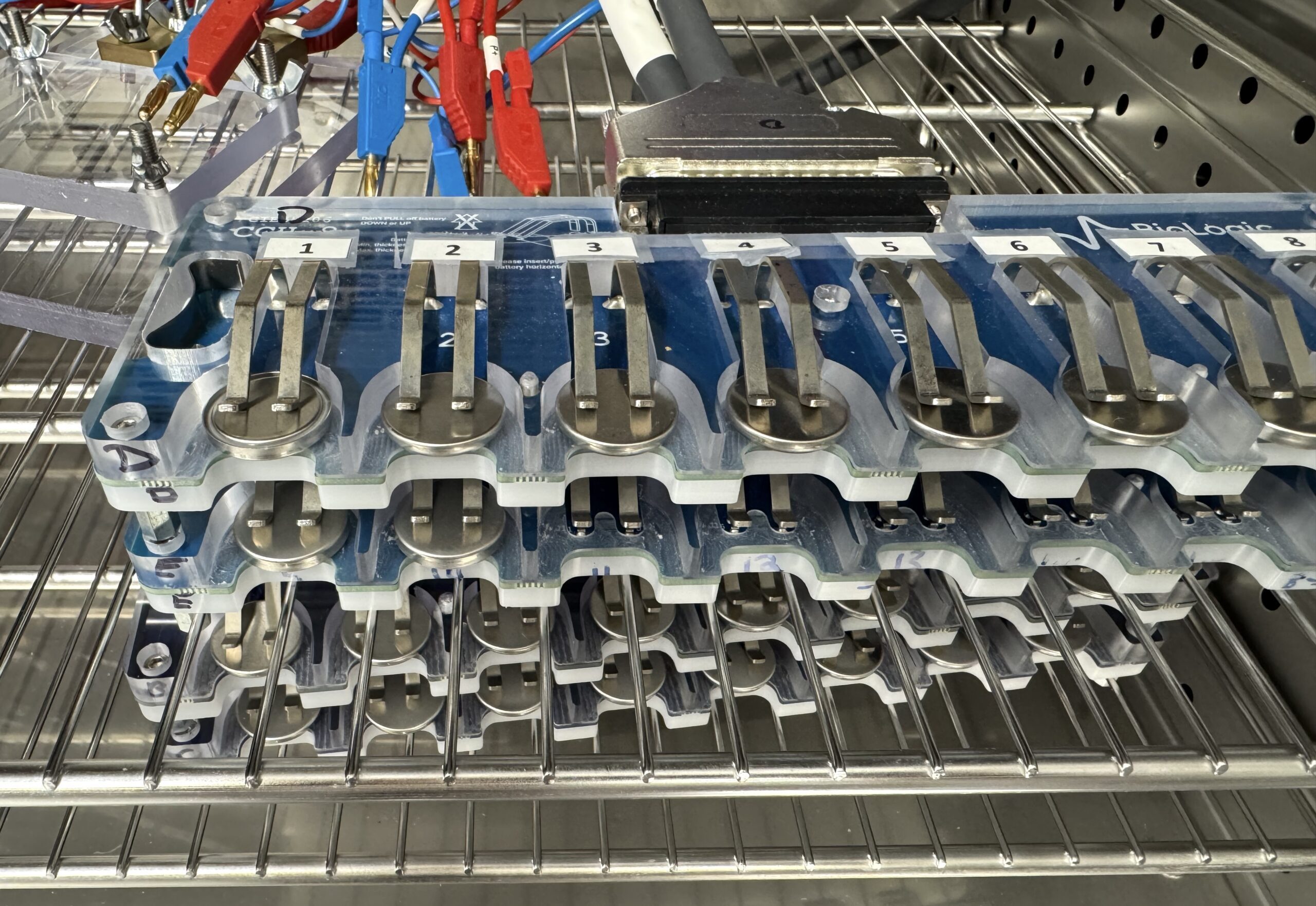
Cornish Lithium has successfully demonstrated the viability of lithium mined and refined in the UK for lithium-ion battery cell production. This achievement aligns with efforts by the UK, US, and other nations to enhance domestic supply chains for critical technologies. The company produced battery-grade lithium hydroxide monohydrate from ore at its Trelavour Lithium Project in Cornwall, utilizing its proprietary LiStract technology. Approximately two kilograms of this material were provided to the Centre for Process Innovation, which manufactured and tested lithium-ion coin cell batteries, showing performance comparable to commercially available lithium hydroxide. This development is significant as it contributes to broader initiatives aimed at securing supply chains for advanced technology, particularly in light of China's dominance in battery materials processing. The UK aims for 10% of its critical mineral demand to be met through domestic production by 2035, with a focus on reducing reliance on single countries for these essential resources.
Drone News Drone News Feeds Europe Drone Industry News UK Drone Industry UK Drone Space
Li-S Energy's Lithium-Sulfur Batteries Enter US Army Testing for Drone Applications
Li-S Energy, an Australian battery developer, has delivered lithium-sulfur battery cells to the US Army for independent testing. This marks the first instance of the company's technology being evaluated by a US government agency, specifically by the US Army Combat Capabilities Development Command C5ISR Center at Aberdeen Proving Ground. The significance of this testing lies in the potential for lithium-sulfur batteries to enhance military operations that increasingly depend on drones and autonomous systems. With nearly double the energy density of conventional lithium-ion batteries, these cells could enable unmanned platforms to achieve longer flight times, greater ranges, and increased payload capacities, which are critical for modern military applications. Looking ahead, the evaluation by the DEVCOM C5ISR Center could pave the way for the integration of Li-S Energy's technology into various military programs, including unmanned aircraft and ground robots. No further timeline was disclosed at the time of publication.
Energy Military
SK On's Solid-State Batteries Could Enable 8-Hour Robot Operation Despite Cost Increase
SK On has announced that solid-state batteries can allow industrial robots to operate for up to 8 hours, addressing a significant limitation of current lithium-ion batteries, which typically provide only 1 to 2 hours of runtime. This advancement could reduce downtime in 24-hour production lines, where frequent battery changes are necessary. However, the cost implications are substantial. Currently, lithium-ion batteries account for less than 2% of the total cost of industrial robots, but switching to solid-state batteries could increase this to approximately 8%, resulting in a fourfold rise in overall costs. For instance, Tesla's Optimus robot has a battery cost of about $300, which is only 0.5% of its total hardware cost. SK On has developed a total cost of ownership (TCO) model that factors in the costs of spare batteries, charging downtime, and additional backup machines, suggesting that solid-state batteries may be more economical in the long run for continuous operation scenarios. The company has completed a solid-state battery pilot plant in Daejeon, South Korea, and plans to commercialize two battery technologies by 2028 and 2029, respectively. No further timeline was disclosed at the time of publication.
Solid-State Batteries Industrial Robots Battery Technology Cost Efficiency
Researchers Enhance Lithium Titanate Conductivity by Creating Oxygen Vacancies
Researchers from Graz University of Technology (TU Graz) in Austria have developed a method to enhance the ionic conductivity of lithium titanate (Li4Ti5O12 or LTO) by intentionally creating structural defects in its crystal lattice. This innovative approach involves removing individual oxygen atoms to form 'oxygen vacancies,' which significantly improve lithium ion mobility without altering the material's fundamental structure. This advancement is crucial as LTO is a highly regarded anode material in lithium-ion batteries, known for its safety, durability, and ability to support ultra-fast charging. The study demonstrates that by modifying the atomic structure of LTO, researchers can transform it from a poor ionic conductor into a much more efficient one, maintaining its stability and preventing mechanical breakdown during lithium insertion and extraction. Future developments to watch include the potential applications of this technique in enhancing other battery materials and the broader implications for lithium-ion battery technology. The researchers utilized advanced analytical methods, including conductivity spectroscopy and nuclear magnetic resonance (NMR) spectroscopy, to confirm the effectiveness of the oxygen vacancies in facilitating lithium ion transport.
Innovation
Army Urges Industry for Innovative Power Solutions Beyond Batteries and Generators
The U.S. Army has identified a critical shortage of exportable power in its ground vehicles, which hampers the operation of drones and communication systems. Brig. Gen. Troy Denomy emphasized the urgency for industry to develop solutions, as the Army faces increasing power demands from new energy-intensive weaponry. Current vehicles like the M1A2 Abrams and Bradley Fighting Vehicles lack the capacity to support these systems, leading to operational limitations for brigade commanders. This power deficiency is significant as it affects the Army's ability to deploy unmanned aerial systems (UAS) effectively. Denomy highlighted that commanders are forced to limit UAS operations not based on mission needs but rather on available power. The reliance on noisy generators and additional battery packs is not a viable long-term solution, as these options compromise stealth and increase the burden on soldiers. Looking ahead, the Army is exploring advanced technologies, including fuel cells, to enhance power generation in legacy vehicles. Newer models like the XM30 and M1E3 Abrams are designed to provide greater exportable power. The Army is also investigating next-generation power management solutions and alternatives to traditional liquid fuels to address these challenges.
Land Warfare armored brigade combat team Army Bradley Fighting Vehicle Drones GVSETS 2026
Shibaura Institute Develops Cost-Effective Catalyst for Lithium-Oxygen Batteries
Researchers at the Shibaura Institute of Technology in Japan have created a new platinum-free catalyst for lithium-oxygen batteries, addressing a significant barrier to their market entry. This innovation could enable electric vehicles to drive cross-country and drones to fly for extended periods, thanks to the batteries' potential energy density, which is up to ten times greater than that of standard lithium-ion cells. The development is crucial as lithium-oxygen batteries face challenges due to slow oxygen reactions during charging and discharging, which leads to energy inefficiency. The new catalyst, designed by Professor Takahiro Ishizaki's team, combines perovskite and spinel oxides to enhance catalytic performance while remaining cost-effective and sustainable. Future advancements in this technology could significantly impact energy storage solutions. The researchers achieved a record-low potential gap of 1.14 V between charging and discharging, indicating less wasted power. As the field progresses, the effectiveness of this composite catalyst in practical applications will be closely monitored, particularly in the context of electric vehicles and drone technology.
Energy
Re:Build Manufacturing Launches US-Made Lithium-Ion Battery Packs for UAVs
Re:Build Manufacturing has initiated direct commercial sales of its new lithium-ion battery packs designed for unmanned aerial vehicles (UAVs). This product line includes the Core, Power, and Performance series, which cater to various energy configuration needs. The launch is part of a broader manufacturing expansion at the company's Pennsylvania facility, aimed at producing Group 1, Group 2, and Group 3 unmanned aircraft systems (UAS). The introduction of these battery packs is significant as it addresses supply chain vulnerabilities in domestic aerospace hardware. UAV developers, particularly in dual-use, public safety, and military sectors, face stringent procurement regulations regarding component origins. Re:Build's assembly protocol utilizes non-FEOC battery cells to ensure compliance with National Defense Authorization Act (NDAA) procurement frameworks, thus enhancing the reliability of UAV operations. Looking ahead, Re:Build Manufacturing is set to provide dedicated engineering support for custom energy storage solutions, including Battery Management System (BMS) development. The company's advanced manufacturing facility in New Kensington, spanning 175,000 square feet, is designed to facilitate the transition from UAV prototyping to mass production, addressing common scaling challenges in the industry. No further timeline was disclosed at the time of publication.
Military
Thermal Runaway Limits in Embodied AI Batteries: The Electrically Debondable Tape Solution
In the evolving landscape of power battery and Embodied AI development, the industry is witnessing a significant shift from purely data-driven approaches to a hybrid model that combines physical modeling with data optimization. This transition is driven by the limitations encountered in existing Battery AI technologies, which have struggled to deliver optimal performance solely through data analysis. By integrating established electrochemical theories, such as solid electrolyte interphase (SEI) layer growth and lithium plating, researchers and developers are laying a robust foundation for future advancements. This hybrid approach aims to enhance the efficiency and effectiveness of battery technologies, addressing the growing demand for improved energy storage solutions. The move towards this innovative paradigm reflects the industry's commitment to overcoming current challenges and fostering sustainable energy advancements.
Energy Engineering Manufacturing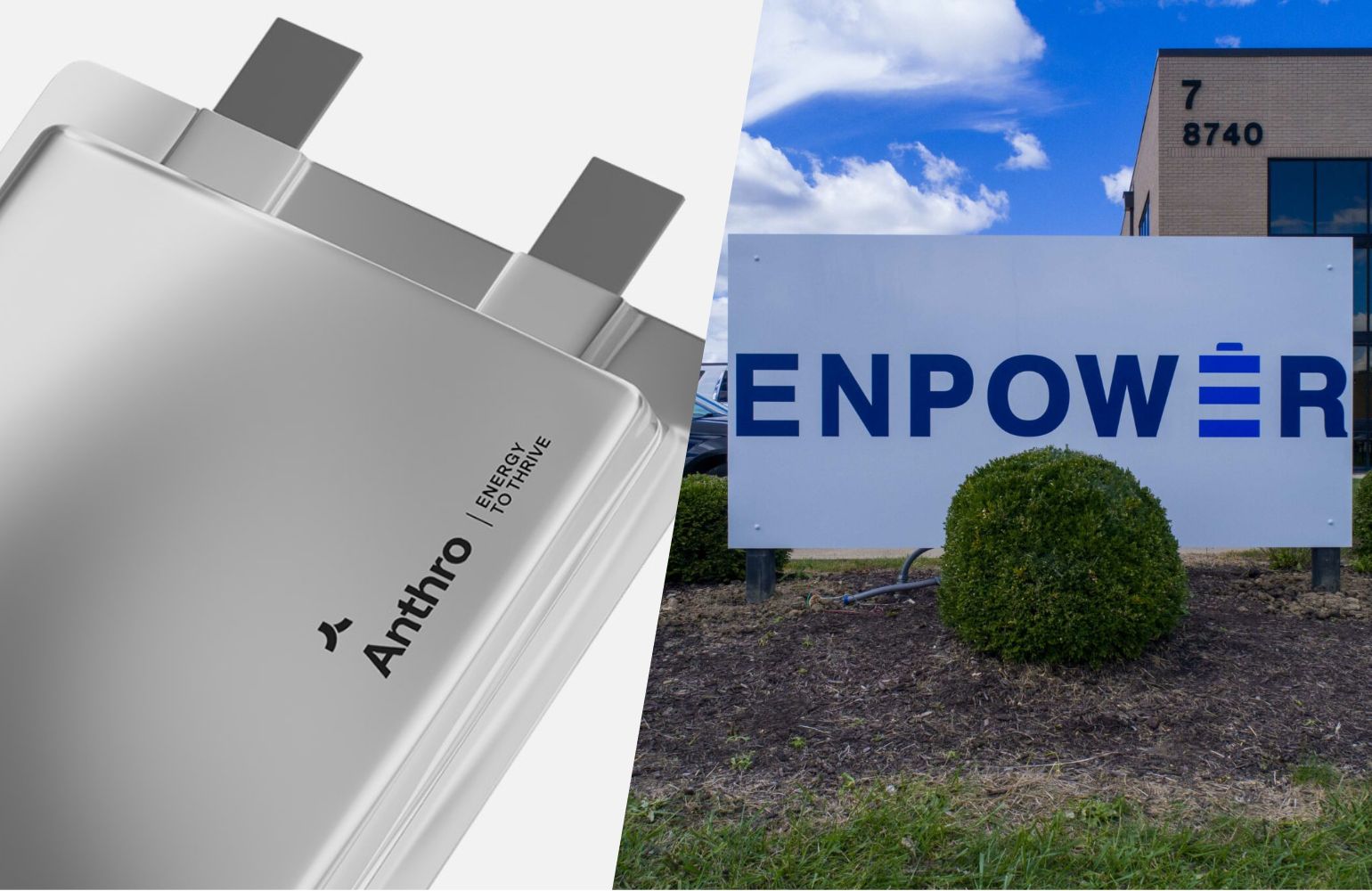
Anthro Energy partners with EnPower to develop lithium-ion cells in the U.S.
EnPower and Anthro Energy have announced a strategic partnership aimed at advancing lithium-ion cell development in the United States. This collaboration will leverage EnPower's expertise in electrode and pouch cell manufacturing alongside Anthro Energy's innovative Proteus electrolyte platform. By combining their respective technologies, the companies seek to enhance the performance and efficiency of lithium-ion batteries, addressing the growing demand for sustainable energy solutions. The partnership marks a significant step forward in the U.S. battery manufacturing landscape, reflecting a commitment to innovation and competitiveness in the energy sector.
Aerospace Batteries / Power Supplies Defense / Security Drones Maritime Mobility / Navigation
Sion Power Launches Two High Energy Density Batteries for Military Drones
Sion Power has unveiled two advanced lithium-metal battery cells, the Licerion Strike and Licerion Echo, designed specifically for military drones. These new cells boast an impressive energy density of over 500 Wh/kg, significantly enhancing the operational capabilities of unmanned defense systems. With this technology, combat drones can achieve flight durations two to three times longer than those powered by traditional lithium-ion batteries. The launch of these high energy density batteries marks a significant advancement in drone technology, aimed at improving the effectiveness and endurance of military operations.
battery technology Defense defense Drone News Drone News Feeds Military
Kraken Robotics Announces $12 Million in Orders for Synthetic Aperture Sonar and Subsea Batteries
Kraken Robotics has secured purchase orders worth approximately $12 million for its synthetic aperture sonar (SAS) and battery products. The orders, which include Kraken's KATFISH™ towed SAS spares and SeaPower™ batteries, have been placed by various organizations, notably Teledyne Marine, Terradepth, and two NATO member navies. This significant acquisition underscores the growing demand for advanced underwater technology and highlights Kraken's position in the marine robotics sector. The company aims to enhance its product offerings and support military and commercial applications with these new contracts.
kraken robotics synthetic aperture sonar subsea batteries
Chinese startup releases solid-state lithium-metal batteries for flying cars
Chinese battery startup Inx has unveiled a groundbreaking solid-state lithium-metal battery that boasts an impressive energy density of 480 watt-hours per kilogram (Wh/kg). This innovative battery technology is being positioned for potential use in electric aircraft. Inx has also secured a supply agreement with EHang, a prominent Chinese drone manufacturer, to integrate this advanced battery into their products. The collaboration aims to enhance the performance and efficiency of electric flying vehicles, signaling a significant advancement in the aviation and drone sectors. This development comes at a time when the demand for sustainable and efficient energy solutions in transportation is rapidly increasing, driven by the need for greener alternatives in the face of climate change.
News FeedRobotics needs a service framework.
RSF defines a common language for robot service capability, lifecycle operations, certification pathways, and service-provider networks.
Join the RobotToday community on LinkedIn
Daily robotics news, in-depth analysis, conference highlights, and discussions with professionals worldwide.