Industry Briefing
A single destination for timely, editor-curated robotics news from around the world.
Japan Allocates $2.4 Billion for AI Development with NVIDIA Chip Acquisition
On July 16, Japan's Ministry of Economy, Trade and Industry announced a significant investment of 387.3 billion yen (approximately $2.4 billion) to support the AI company Noetra. This funding will be used to procure around 27,500 NVIDIA Rubin GPUs for the establishment of a national AI data center, marking one of the largest single-country chip procurements globally. This initiative is crucial as Japan aims to address its declining population and severe labor shortages. The government has set a clear target to capture over 30% of the global 60 trillion yen robotics market by 2040. Noetra, which was established in January 2026 and includes major companies like Sony, SoftBank, NEC, and Honda, aims to develop advanced multimodal AI models capable of understanding Japanese language and recognizing various forms of media. Looking ahead, Noetra plans to release its first general-purpose AI model by March 2027, followed by continuous iterations and specialized models for robotics applications. The deployment of the Rubin chips in a large data center in Sakai, Osaka, is scheduled for June 2028, positioning Japan to lead in the next era of AI and robotics integration.
AI Technology Robotics NVIDIA Chips Data Centers
NVIDIA's Halos for Robotics: A New Era for Industrial Robot Safety
Recent advancements in industrial robotics have marked a significant milestone in the integration of physical artificial intelligence. Over the past few years, the field has experienced unprecedented growth, with AI evolving beyond mere data analysis and text generation. Now, machines equipped with this technology can perceive their surroundings, make real-time decisions, and interact directly with their environment. This transformation is highlighted in a recent article discussing NVIDIA's Halos for Robotics, which emphasizes the new era of safety in industrial robots. The developments signal a shift in how robots operate, enhancing their capabilities and effectiveness in various industrial applications.
À la une IA Industrie Robotique automatisation industrielle. cobot industriel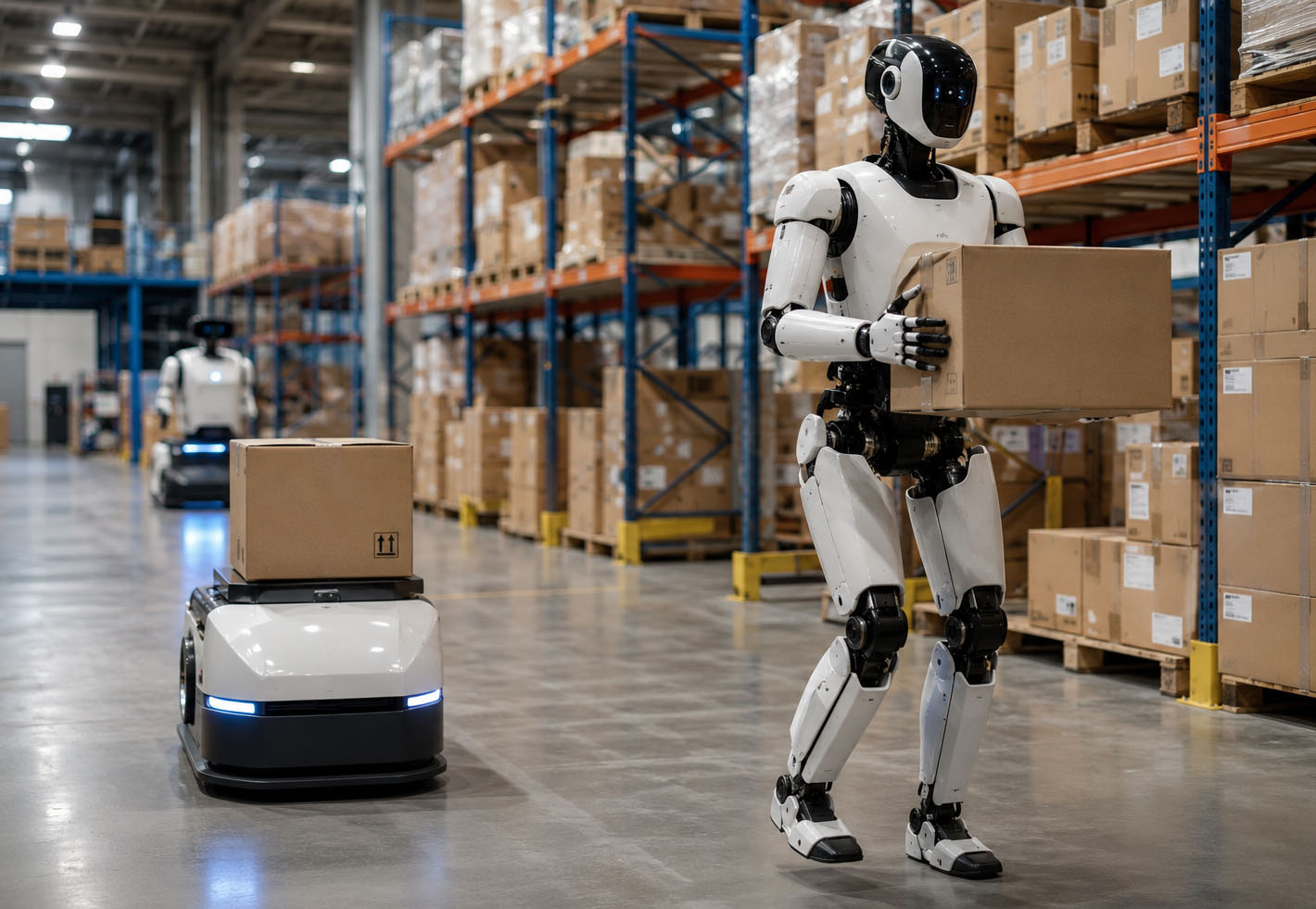
NVIDIA Halos for Robotics: A New Era for Industrial Robot Safety
Recent advancements in industrial robotics have marked a significant milestone in the integration of physical artificial intelligence. Over the past few years, the field has experienced unprecedented growth, evolving beyond mere data analysis and text generation. Now, AI technology is enabling machines to perceive their surroundings, make real-time decisions, and interact directly with their environment. This evolution is exemplified by NVIDIA's latest innovations, which are set to enhance the safety and functionality of industrial robots. As these developments unfold, the landscape of robotics is transforming, paving the way for smarter and more autonomous machines in various industries.
À la une IA Industrie Robotique automatisation industrielle. cobot industriel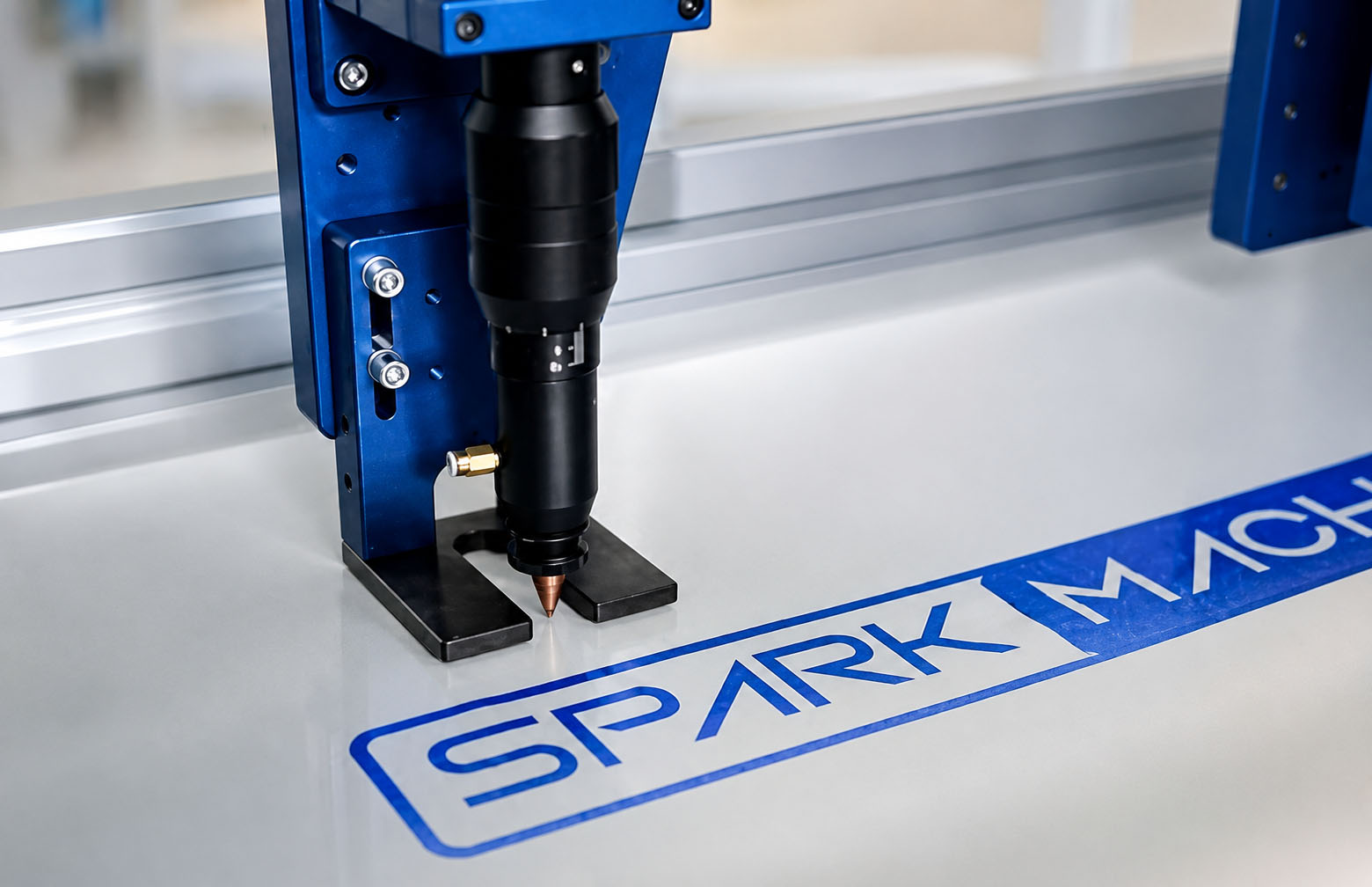
Laser micro-perforation with camera: enhancing reliability in packaging films through industrial vision.
In the contemporary flexible packaging industry, achieving excellence extends beyond aesthetics to become a critical functional requirement. The optimization of permeability has emerged as a fundamental pillar in preserving the freshness of products, where every technical detail plays a vital role in extending shelf life and minimizing food waste. Recent advancements in laser micro-perforation technology, combined with industrial vision systems, are enhancing the reliability of packaging films. This innovative approach not only improves product preservation but also addresses the growing demand for sustainable packaging solutions. The integration of these technologies is transforming how the industry approaches packaging efficiency and effectiveness.
À la une IA Industrie Robotique conservation des aliments contrôle qualité automatisé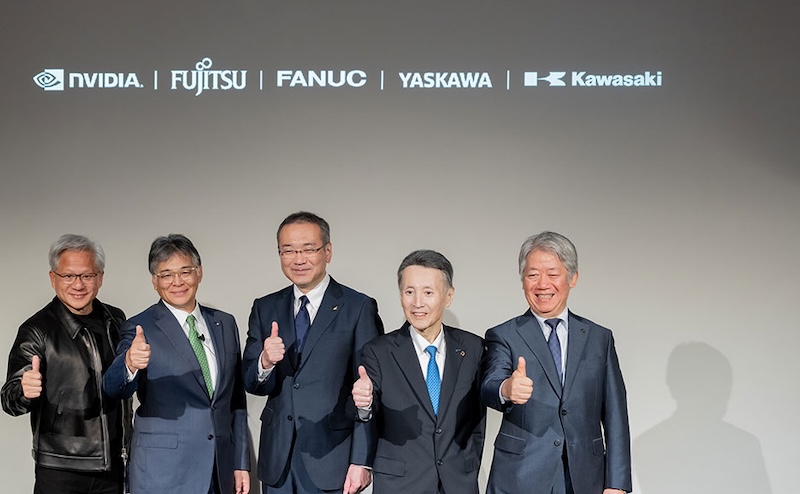
Fujitsu Collaborates with Fanuc, Yaskawa, and Kawasaki to Enhance Physical AI with Nvidia
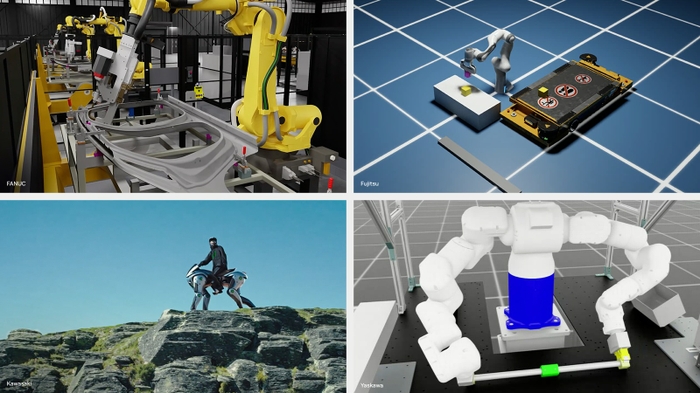
Fujitsu has initiated a partnership with Japanese robotics firms Fanuc, Yaskawa Electric, and Kawasaki Heavy Industries to advance the development and deployment of physical AI in sectors such as manufacturing, logistics, and healthcare. This collaboration will leverage Nvidia's physical AI technologies to create a collaborative control platform that connects digital systems with robots and physical equipment. The initiative aims to accelerate the adoption of physical AI, addressing challenges like labor shortages and an aging workforce while enhancing global competitiveness. The platform will optimize production planning in manufacturing, automate material handling in logistics, and improve healthcare operations by automating the transport of medical supplies and assisting with patient interactions. Fujitsu plans to develop an open collaborative control platform that integrates AI, robotics, and data analysis technologies, ensuring interoperability and addressing cybersecurity concerns. No further timeline was disclosed at the time of publication.
Artificial Intelligence Industry News ai factory automation fanuc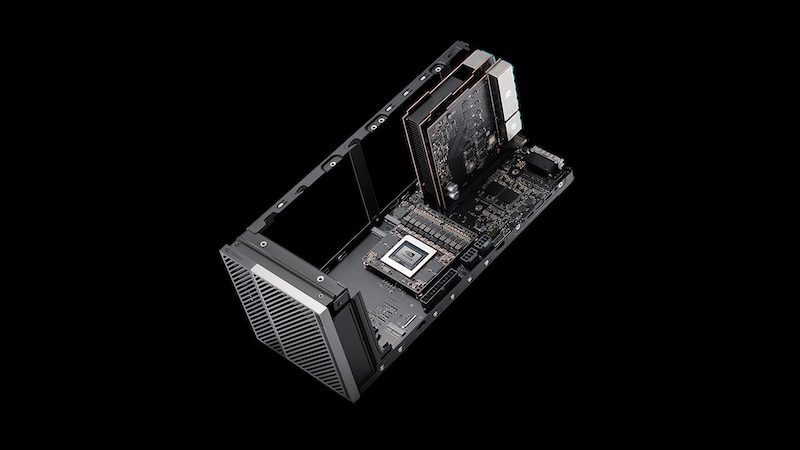
Toyota and Nvidia Enhance Collaboration to Advance AI in Vehicles, Manufacturing, and Urban Infrastructure
Toyota and Nvidia have broadened their partnership to develop physical AI technologies that encompass next-generation vehicles, manufacturing, robotics, and urban infrastructure. This collaboration builds on a previous agreement, focusing on advanced driver-assistance systems using Nvidia's DRIVE AGX platform and DriveOS operating system. The significance of this partnership lies in its potential to revolutionize mobility and manufacturing. Rishi Dhall, Nvidia's vice president of automotive, emphasized that physical AI will enhance the intelligence of various machines, making vehicles more autonomous and urban environments safer and more responsive. Toyota aims to implement Level 2++ functionality in its future vehicles while leveraging Nvidia AI models for efficient software engineering. Additionally, Toyota is integrating AI into its manufacturing processes through factory simulations using Nvidia's Omniverse and Isaac Sim frameworks. The partnership also extends to urban mobility technologies via Woven by Toyota, which is developing models to analyze traffic conditions. No further timeline was disclosed at the time of publication.
Computing News advanced driver assistance systems ai automotive AI digital twins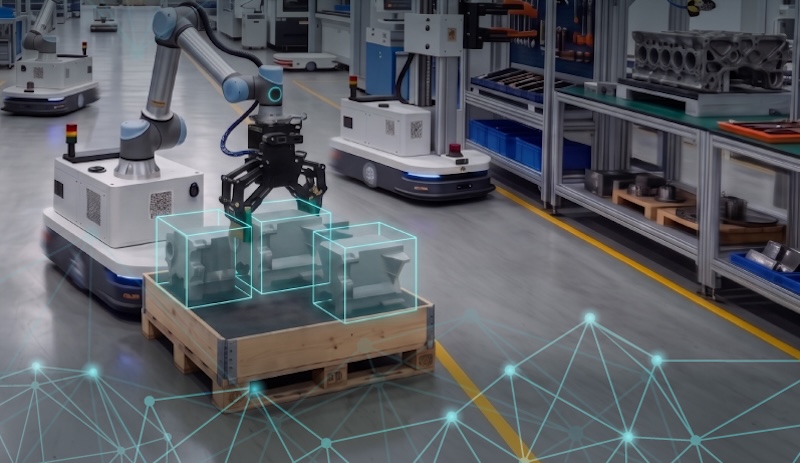
Aetina Expands Nvidia Jetson Support with T3000 and T2000 AI Modules
Aetina, a specialist in edge AI computing, is set to enhance its offerings by adding support for the newly unveiled Nvidia Jetson T3000 and T2000 modules. These modules are designed for robotics and industrial edge AI applications, and Aetina plans to integrate them into its DeviceEdge AIE-KT and AIE-PT systems, providing scalable and efficient AI computing solutions. This expansion is significant as it allows Aetina to leverage Nvidia's advanced AI capabilities, including the ability to run generative AI models with low latency, which is crucial for applications like humanoid robots. The Nvidia Jetson T3000 module boasts up to 865 FP4 TFLOPS, while the T2000 offers up to 400 FP4 TFLOPS, catering to a range of robotics applications from visual AI agents to autonomous mobile robots. Looking ahead, Aetina is among the first partners to support these new modules, with Nvidia expecting them to be available in the first quarter of 2027. The company plans to provide further details on system specifications and developer support as the launch date approaches, making it a key player in the evolving landscape of AI-driven robotics solutions.
Computing Industry Aetina automation Autonomous robots DeviceEdge AIE-KT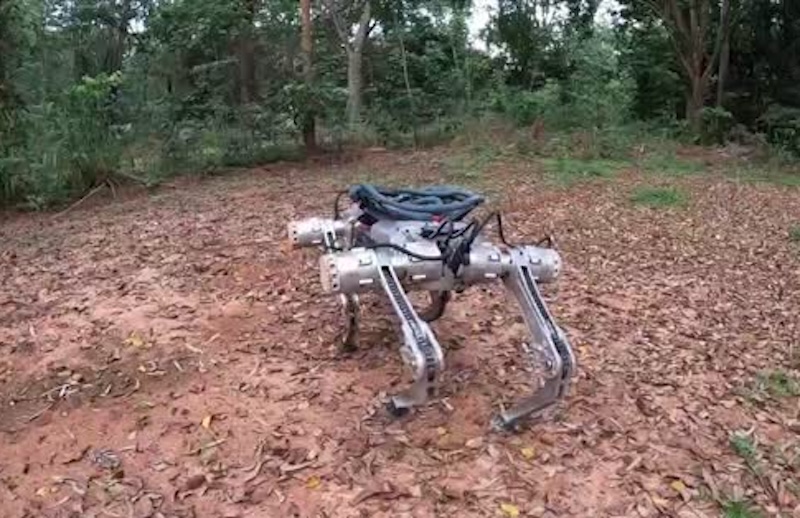
Strider Robotics Unveils 40 kg Payload Quadruped Robot Amid Commercial Deployments
Strider Robotics, an Indian startup, has successfully demonstrated a quadruped robot capable of carrying a 40 kg payload across challenging terrains. This marks a significant step as the Bengaluru-based company transitions from prototype development to commercial deployment, with field pilots currently underway with a major oil and gas company and an automotive manufacturer. The importance of this development lies in Strider's focus on enhancing India's domestic robotics manufacturing capabilities, as over 80 percent of the robot's components are sourced locally. Quadruped robots are gaining traction in industries where traditional wheeled vehicles face limitations, such as energy, mining, and infrastructure inspection, due to their ability to navigate uneven surfaces and carry equipment. Looking ahead, Strider Robotics aims to solidify India's position as a key player in the development of intelligent legged robotic systems for industrial and defense applications. No further timeline was disclosed at the time of publication.
Robotics Robotics and Automation Robotics and Automation News Robotics News AI software artificial intelligence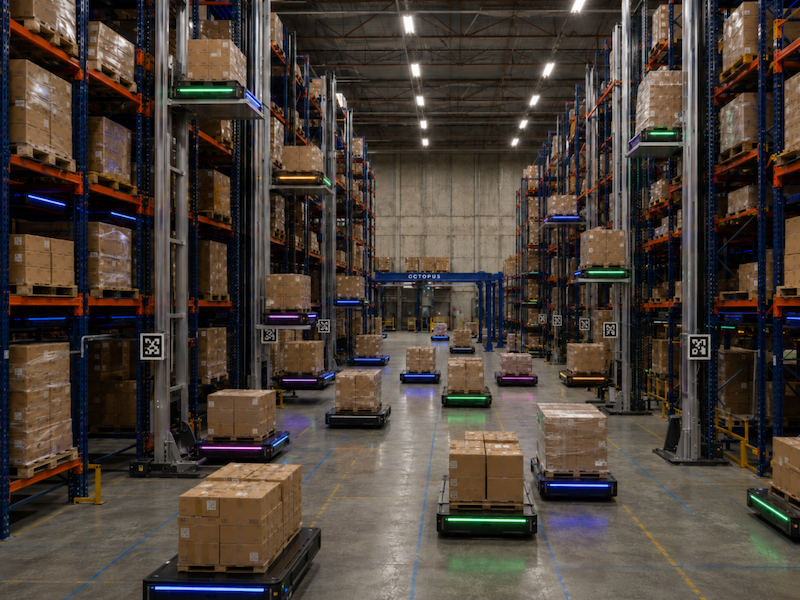
Real-Time Supply Chains Transform Industrial Real Estate and Inventory Management
Recent advancements in predictive analytics, robotics, and data-driven logistics are reshaping industrial real estate by reducing reliance on large inventories. Traditionally, warehouses were designed to manage uncertainty through storage, but the shift towards real-time coordination is changing this paradigm. As supply chains become more connected and visibility improves, the need for extensive inventory diminishes, leading to a redesign of facilities focused on efficient operations. This transformation is significant as it alters the fundamental structure of industrial real estate, moving away from storage-heavy models to those optimized for continuous movement. Just as the introduction of standardized shipping containers revolutionized logistics, the new design principles for automation and throughput will set long-lasting standards for future infrastructure. The choice of facilities that prioritize flow over storage will influence the development of buildings, vehicles, and logistics networks for years to come. Looking ahead, the role of intermediate facilities is evolving from inventory storage to dynamic transfer points, facilitating the movement of goods between transportation modes. As data accessibility increases and transportation systems become more coordinated, the industry must adapt to these changes. No further timeline was disclosed at the time of publication.
Features Logistics Supply chain automation autonomous logistics digital twins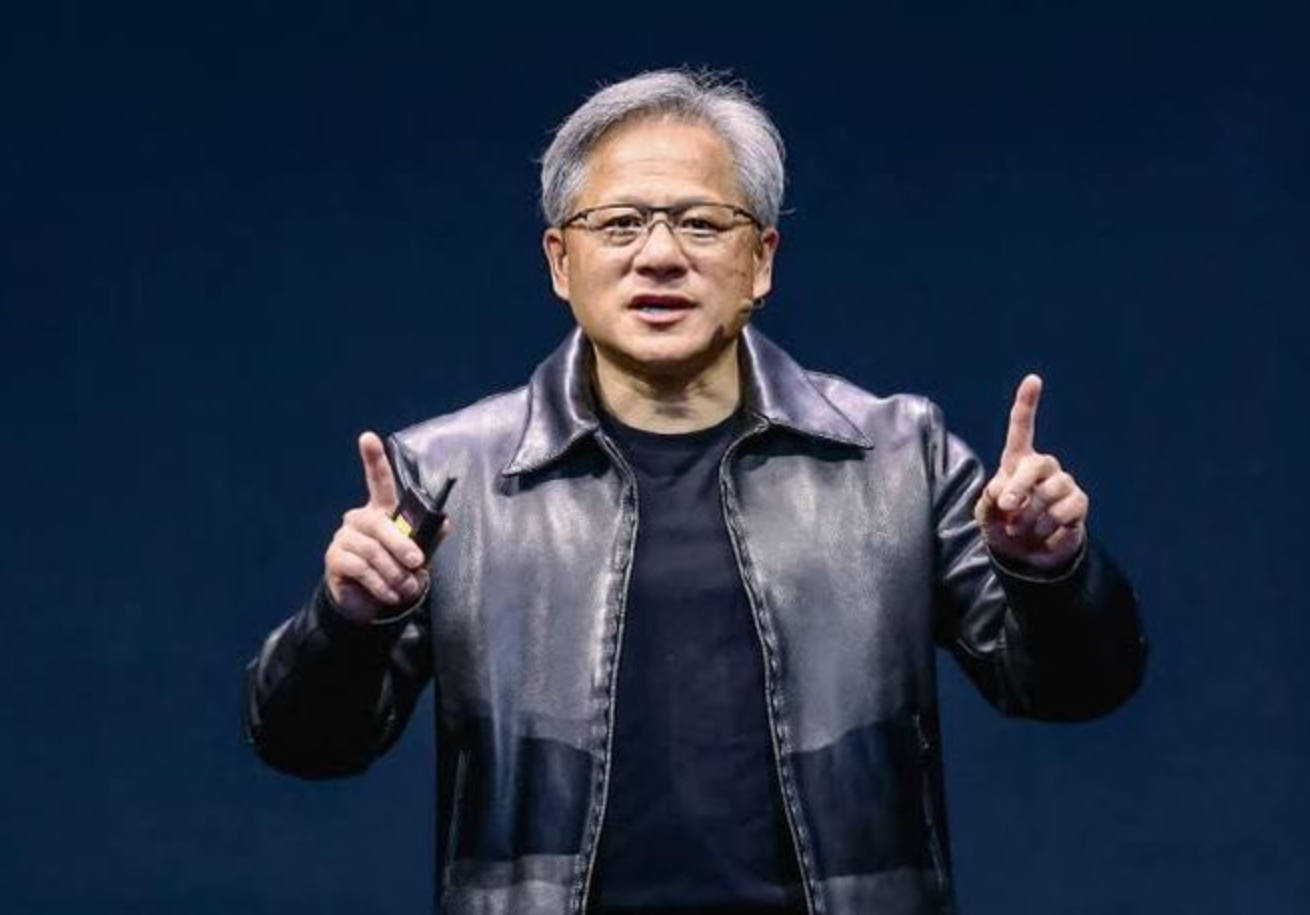
NVIDIA's CEO Jensen Huang Announces Expansion of Physical AI Collaboration in Japan
On July 16, NVIDIA CEO Jensen Huang announced an expansion of collaboration with Japanese companies in the field of 'physical AI' during an event in Tokyo. This initiative marks a strategic move to integrate NVIDIA's technology into Japan's manufacturing sector, particularly through a partnership with Toyota to develop AI models for the Woven City traffic control system. The collaboration with Toyota is central to NVIDIA's strategy, as the company will provide GPUs and development tools to Toyota's subsidiary, Woven by Toyota. This partnership aims to embed NVIDIA's technology into the city's digital twin platform, Omniverse, enhancing factory production and driving manufacturing robots with the Isaac platform. Additionally, Huang revealed plans to deepen cooperation with major Japanese industrial automation firms, including Fujitsu, Fanuc, Yaskawa Electric, and Kawasaki Heavy Industries, as part of the Cosmos Coalition. This initiative aims to strengthen Japan's position in the global AI robotics market, with a government goal of achieving a 30% market share by 2040. No further timeline was disclosed at the time of publication.
Physical AI Robotics Industrial Automation AI Technology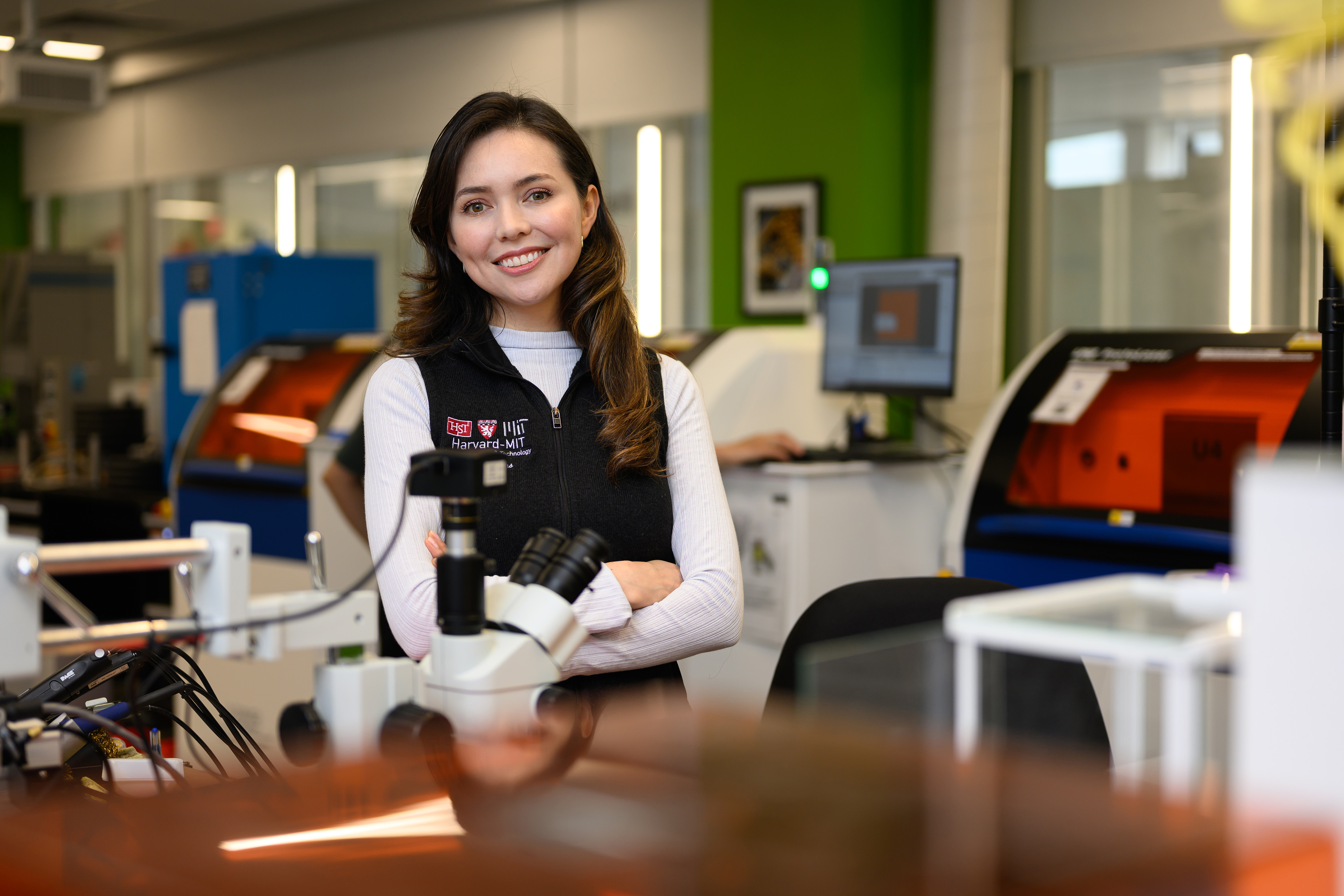
Diana Grass Explores Body Communication Through Soft Bioelectronic Devices
Diana Grass, a PhD candidate in the Harvard-MIT Program in Health Sciences and Technology, is developing soft bioelectronic devices to study physiological signals that facilitate communication between the brain and body. Her journey from studying philology and education to neuroscience was sparked by her experiences as a medical interpreter, where she observed the interactions between physicians and patients with neurological disorders. Grass's work aims to bridge the gap in understanding how the body communicates continuously, despite the reliance on isolated biological snapshots in current medical practices. Her research emphasizes the interconnectedness of the nervous system with the immune system and other peripheral organs, highlighting the importance of these interactions in maintaining physiological balance. As she pursues her PhD in medical engineering and medical physics, Grass is part of the Bioelectronics Group at MIT, where she collaborates on innovative projects that could revolutionize our understanding of health and disease. No further timeline was disclosed at the time of publication.
Profile Students Graduate, postdoctoral Materials science and engineering Medicine Electronics
Commercial UAV Expo to Feature FAA and EASA BVLOS Keynote in 2026
The Commercial UAV Expo has announced a significant keynote for its 2026 event, featuring regulators from the FAA and EASA. Scheduled for September 3, 2026, in Las Vegas, the session titled "Two Skies, One Conversation" will focus on comparing BVLOS regulations across the U.S. and Europe. This keynote is crucial as it highlights the ongoing efforts to harmonize drone operations globally. With the FAA finalizing its Part 108 BVLOS rule and EASA developing its SORA-based framework, the discussion will provide insights into the evolving regulatory landscape and the shared challenges faced by the commercial drone industry. Attendees can expect to gain valuable knowledge on operational waivers, risk assessment frameworks, and the future of BVLOS rulemaking. This event marks a rare opportunity to witness a collaborative dialogue between two leading aviation authorities, emphasizing the importance of international cooperation in the drone sector.
Drone News Drone News Feeds Drone Shows FAA News Regulation
Automakers Seek Reliable Robots for Long-Term Performance Over Flashy Demonstrations
At the 2026 Embodied Intelligence Industry Integration Conference, industry leaders emphasized the need for robots that can operate reliably for extended periods without errors. Executives from companies like Beijing Galaxy General Robotics and Changan Automobile highlighted that automakers prioritize robots capable of consistent performance over flashy capabilities. The discussion revealed that many applications in automotive manufacturing, such as material handling and quality inspection, still lack effective solutions. High labor intensity and safety concerns drive the demand for robots that can maintain precision and efficiency over long operational hours, as noted by industry experts. Looking ahead, the focus will shift towards developing adaptable robots that can quickly integrate into various factory layouts without extensive reprogramming. The concept of 'Design for Robot' was introduced, aiming to reshape factory processes around robotic capabilities. No further timeline was disclosed at the time of publication.
Industrial Robotics Manufacturing Automation Automotive Technology Robotic Process Automation
Factorial Energy and Tulip Tech Achieve 30% Flight Range Increase with Solid-State Batteries
Factorial Energy, based in Boston, and Tulip Tech from the Netherlands have transitioned from flight testing to the commercialization of lithium-metal UAV battery packs. Announced on July 13, 2026, their strategic partnership aims to expedite the deployment of solid-state and lithium-metal batteries for advanced drones, with initial tests showing over a 30% increase in flight range without engineering optimizations. This collaboration is significant as it addresses the growing demand for high-endurance UAVs across commercial, industrial, and defense sectors, with the global UAV market projected to exceed $160 billion by 2034. Factorial emphasizes that energy storage is a critical bottleneck affecting mission radius, payload, and fleet economics, making their advancements crucial for future drone capabilities. Looking ahead, the partnership establishes a framework for joint customer engagement and a roadmap for volume production. No further timeline was disclosed at the time of publication, but the companies are moving swiftly from testing to commercialization, indicating a strong potential for future developments in UAV battery technology.
battery technology Drone News Drone News Feeds drone parts News $160 billion UAV market
WTWH Media Transforms and Rebrands as Arrowfly to Enhance B2B Engagement
WTWH Media, the parent company of The Robot Report, has officially rebranded as Arrowfly. This change reflects its evolution from a specialized trade publisher to a comprehensive B2B media, events, and marketing entity. Arrowfly aims to connect hard-to-reach professional decision-makers with trusted journalism and industry intelligence across three key sectors: Engineering, Healthcare and Life Sciences, and Food, Retail, and Hospitality. The rebranding is significant as it positions Arrowfly to better serve professionals through its extensive portfolio, which includes over 40 vertical media brands and more than 45 industry events. The company emphasizes that while its name and visual identity have changed, its commitment to editorial independence and community engagement remains steadfast. This transformation is designed to strengthen the connections within its professional networks and enhance the overall experience for its audience. Looking ahead, Arrowfly is poised for growth and expansion, with a focus on maintaining the trust it has built over the years. The leadership, including CEO Matt Logan, highlights the importance of editorial authority and community reliance in driving decision-making. No further timeline was disclosed at the time of publication.
Business Resources News Press Release Arrowfly WTWH WTWH Media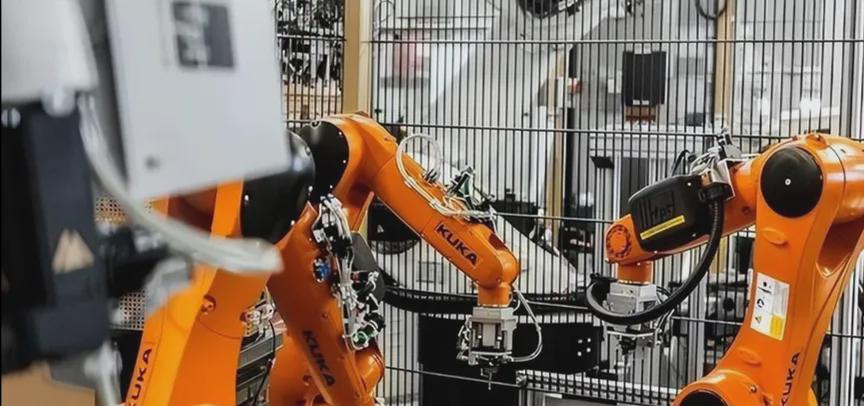
Midea Group Signs 300 Million RMB Strategic Deal to Expand Industrial Robotics
Midea Group's subsidiary KUKA has signed a strategic cooperation agreement with YINGKE Medical and YINGKE Recycling, valued at over 300 million RMB. This deal includes 1,500 industrial robots, 500 mobile and embodied intelligent robots, and 50 automated storage systems, showcasing Midea's commitment to expanding its industrial robotics capabilities. This partnership signifies a pivotal shift for Midea, transitioning from project-level procurement to a comprehensive group-level strategic collaboration. The collaboration aims to enhance production efficiency through advanced automation solutions, integrating AI visual recognition and adaptive grasping technologies. Looking ahead, Midea's focus on its ToB business model is expected to accelerate, with KUKA playing a crucial role in this transformation. The industry will be watching closely to see how this strategic partnership evolves and contributes to Midea's growth in the industrial automation sector. No further timeline was disclosed at the time of publication.
Industrial Robotics Automation Solutions Smart Manufacturing B2B Technology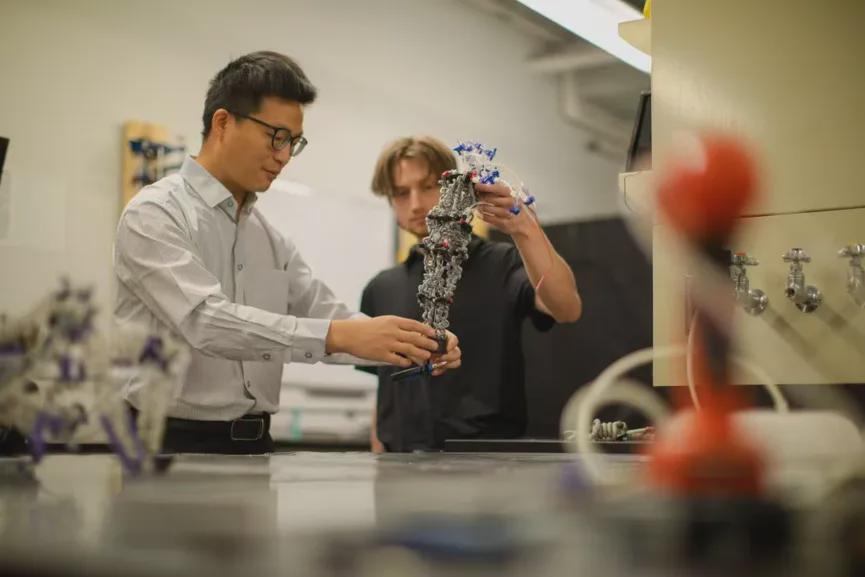
Arizona State University Develops Innovative HARP Artificial Muscle for Versatile Applications
A research team led by Professor Sun Jiefeng at Arizona State University has developed a new artificial muscle structure known as HARP (Helical Anisotropic Reinforced Actuator). Unlike traditional artificial muscles that compromise on performance, HARP offers modularity and flexibility, allowing for adjustments in materials and design parameters to meet various application needs. This innovation is significant as it addresses the limitations of existing artificial muscles, which often excel in specific scenarios but struggle to meet multiple requirements simultaneously. HARP achieves an impressive power density of 1.93 kW/kg, a contraction rate of up to 75%, and the ability to lift weights up to 100 times its own weight, making it suitable for diverse and complex applications. Looking ahead, the HARP's modular design allows for customization and optimization of its components, enhancing its adaptability in extreme environments. The research team demonstrated HARP's durability in wear resistance tests, showcasing its potential for reliable operation in harsh industrial settings. No further timeline was disclosed at the time of publication.
Artificial Muscles Robotics Modular Design Self-Healing Materials
Zetwerk Advances Towards IPO with SEBI Observations in India’s Energy and Aerospace Sectors
Zetwerk, an Indian company operating in sectors such as energy, aerospace, and defense, has received observations from the Securities and Exchange Board of India (SEBI) as it moves closer to its Initial Public Offering (IPO). The company focuses on industrial commodities and has been preparing for this significant financial milestone, although specific timelines for the IPO have not been disclosed. The significance of this development lies in Zetwerk's strategic positioning within high-demand sectors like energy and aerospace, which are critical for India's economic growth. The observations from SEBI indicate regulatory progress, suggesting that the company is on track to attract potential investors and raise capital to further expand its operations in these vital industries. Looking ahead, industry watchers will be keen to see how Zetwerk responds to SEBI's observations and the subsequent steps it takes towards launching its IPO. No further timeline was disclosed at the time of publication, but the upcoming months will likely be pivotal for the company's public offering plans.
News Accel India IPO Zetwerk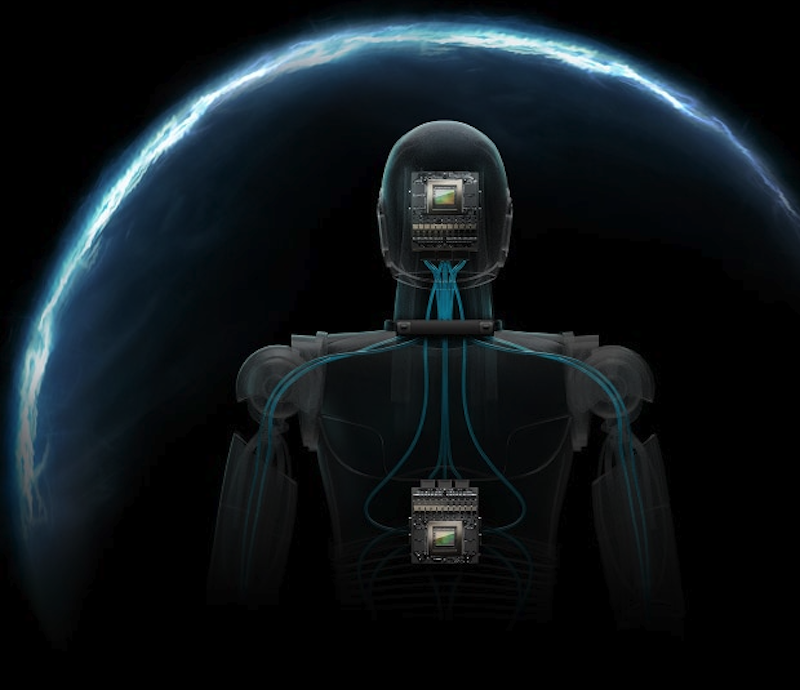
FORT Robotics Enhances AI Safety with Nvidia Halos at Automate Conference
FORT Robotics has joined the Nvidia Halos for Robotics ecosystem to enhance safety for autonomous robots. The company will showcase its agentic safety application, developed using the Nvidia Halos Outside-In Safety Blueprint, at the Automate conference in Chicago. This innovative solution utilizes external infrastructure sensors and visual AI agents to provide real-time, safety-certifiable functional safety, significantly improving operational efficiency in dynamic environments. The collaboration is significant as it addresses the limitations of traditional inside-out functional safety systems, which rely solely on onboard sensors. By integrating Nvidia's IGX Thor and Holoscan Sensor Bridge, FORT's solution allows robots to operate safely alongside human workers in high-efficiency modes. This adaptability is crucial for modern warehouses and factories, where environments are constantly changing, and safety frameworks must evolve to protect workers effectively. Looking ahead, FORT's integration with Nvidia Halos is expected to provide substantial value to customers in warehousing, manufacturing, and other automated sectors. The Outside-In Safety framework aims to prevent safety incidents in mixed human-robot environments, optimizing processes like inventory replenishment and product assembly. No further timeline was disclosed at the time of publication.
Artificial Intelligence Industry ai automation Autonomous robots fort robotics
Commercial UAV Expo Launches DRONERESPONDERS Course with FIFA Airspace Security Insights
The Commercial UAV Expo has introduced a two-day DRONERESPONDERS Program Management Course, coinciding with the 2026 DRONERESPONDERS Public Safety Summit. Scheduled for September 1-3, 2026, at Caesars Forum in Las Vegas, the course aims to provide insights from the FIFA World Cup airspace security operations, where over 600 drones were seized across 11 U.S. host cities since the tournament began on June 11. This initiative is significant as it highlights the challenges and lessons learned from managing airspace security during high-profile events like the World Cup. Federal agencies reported detecting more than 1,000 drones near venues, emphasizing the need for effective public safety airspace management. The insights gained will also inform preparations for the upcoming 2028 Summer Olympics in Los Angeles, supported by a $250 million FEMA grant for counter-UAS measures. Looking ahead, the program will feature panels on various topics relevant to public safety agencies, including UAS operations and interagency collaboration. No further timeline was disclosed at the time of publication regarding additional sessions or future developments in the program's curriculum.
Drone News Drone News Feeds Expos and Drone Shows News 2028 LA Olympics AAM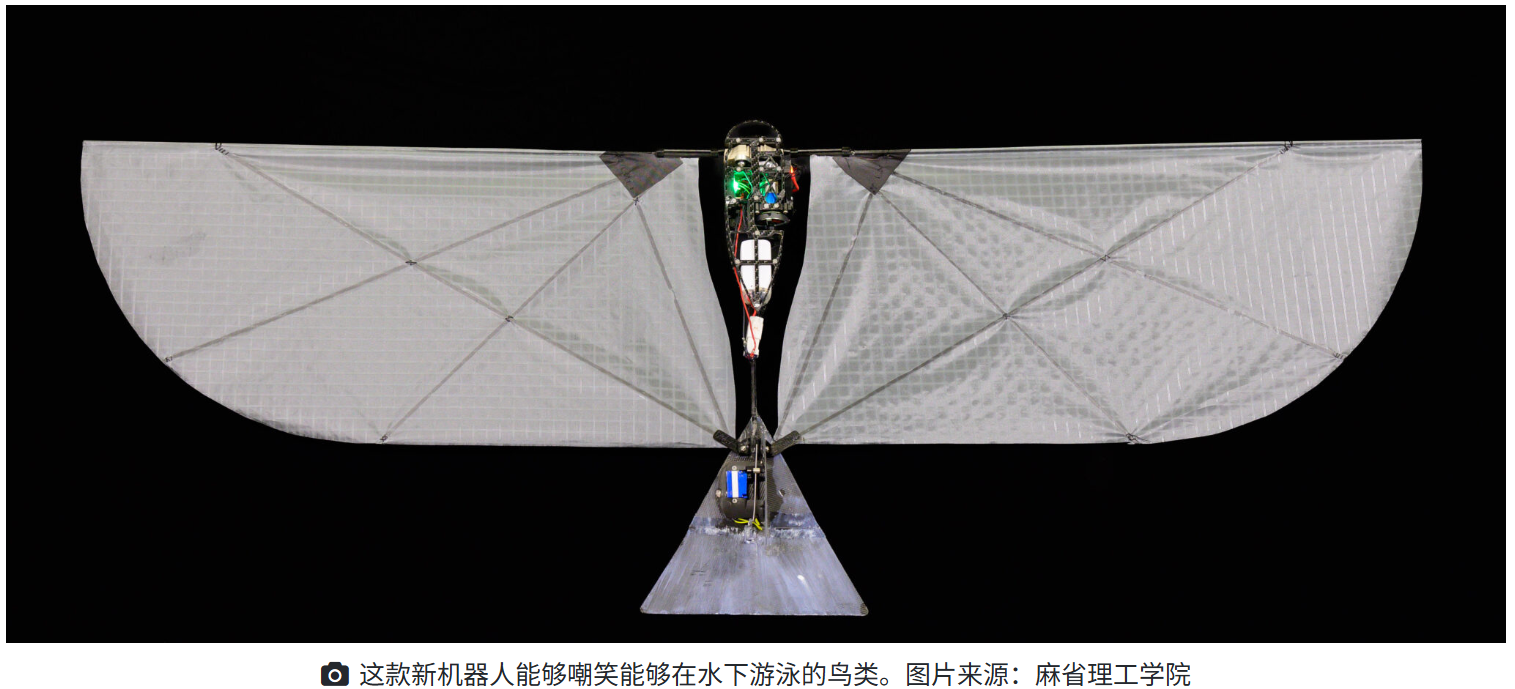
MIT and EPFL Unveil 250g Flapping Robot for Dual Aerial and Aquatic Navigation
MIT and EPFL have developed the Flapping-wing Aerial-Aquatic Vehicle (FAAV), weighing just 250 grams. This innovative robot can navigate both air and water, achieving a cruising speed of 6.3 meters per second in the air and 1 meter per second underwater. Remarkably, it can take off from water using only its wings, without any additional propulsion systems. The significance of the FAAV lies in its ability to overcome the challenges of transitioning between air and water, which have historically hindered the development of amphibious robots. The wings of the FAAV passively deform underwater, allowing for efficient movement and reduced motor load. This design enables the robot to exploit the surface tension of water for takeoff, a feat that has been difficult for previous models reliant on complex propulsion mechanisms. Looking ahead, the research team aims to complete the full flight-dive-flight cycle, which is yet to be validated. The FAAV has already demonstrated its capability to breach the water's surface, marking a significant milestone in the evolution of cross-medium robotic systems. No further timeline was disclosed at the time of publication.
Flapping Robots Aerial-Aquatic Vehicles Robotics Marine Technology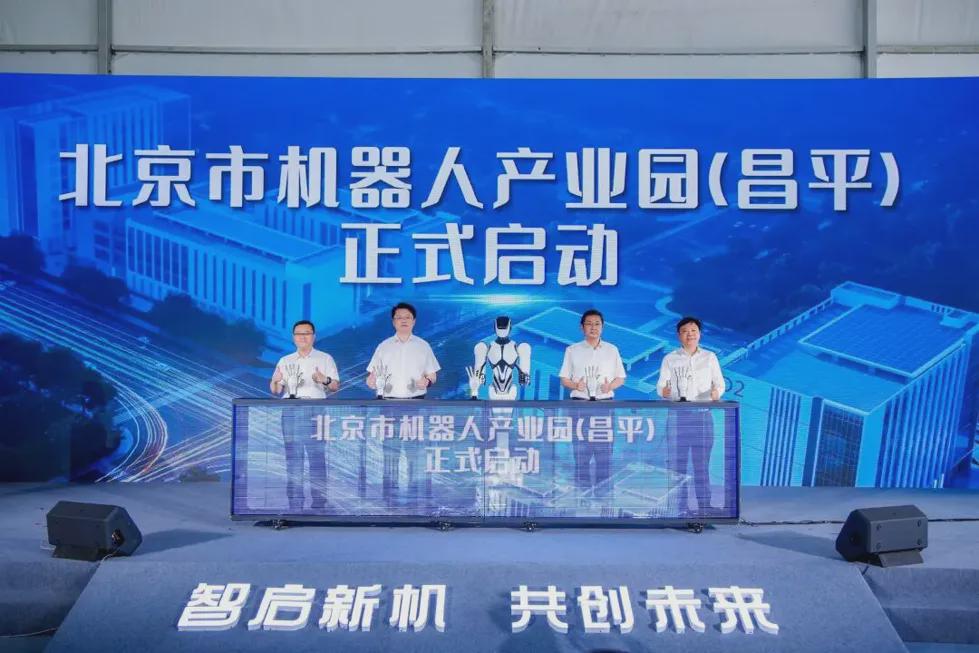
Beijing Launches Specialized Robot Industrial Park in Changping to Boost Innovation
On July 6, Beijing inaugurated its first specialized Robot Industrial Park in Changping, designed to encompass the entire robot industry chain. This initiative aims to enhance innovation and research in robotics, attracting high-quality enterprises and fostering collaboration among government, academia, and industry leaders to bolster the growth of the digital economy in Beijing. The establishment of this park is significant as it represents a strategic move to strengthen Beijing's position in the robotics sector. By focusing on the entire industry chain, the park is expected to facilitate advancements in technology and increase the competitiveness of local firms in the global market. This initiative aligns with China's broader goals of advancing its digital economy and technological capabilities. Looking ahead, stakeholders will be monitoring the park's development closely to assess its impact on the robotics industry in Beijing. No further timeline was disclosed at the time of publication regarding specific projects or partnerships that may emerge from this initiative.
Robot Industry Innovation Hub Industrial Park Research and Development Smart Manufacturing
E/V Nautilus Embarks on Two Expeditions to Explore Mariana Deep-Sea Regions
The Ocean Exploration Trust's Exploration Vessel (E/V) Nautilus has set sail for two expeditions to explore the deep sea around the Mariana Islands. These expeditions, taking place from June to August 2026, will utilize the vessel's remotely operated vehicle (ROV) and telepresence systems, alongside Woods Hole Oceanographic Institution's autonomous underwater vehicle (AUV) Sentry, to investigate previously unsurveyed areas. These missions are significant as they aim to enhance understanding of abyssal plain habitats and ancient seamounts east of the Mariana Trench, a region known for its tectonic activity and unique geological features. The expeditions are supported by NOAA Ocean Exploration and the Bureau of Ocean Energy Management, highlighting the collaborative effort to advance oceanographic research and fill knowledge gaps in this critical area. Looking ahead, the E/V Nautilus will focus on characterizing deep ocean habitats and biodiversity, as well as geological formations, including marine critical minerals. The outcomes of these expeditions are expected to contribute to both US and international scientific priorities, addressing the need for comprehensive data on the largely unexplored deep-sea environments around the Mariana Islands.
e/v nautilus marianas deep-sea exploration ocean exploration trust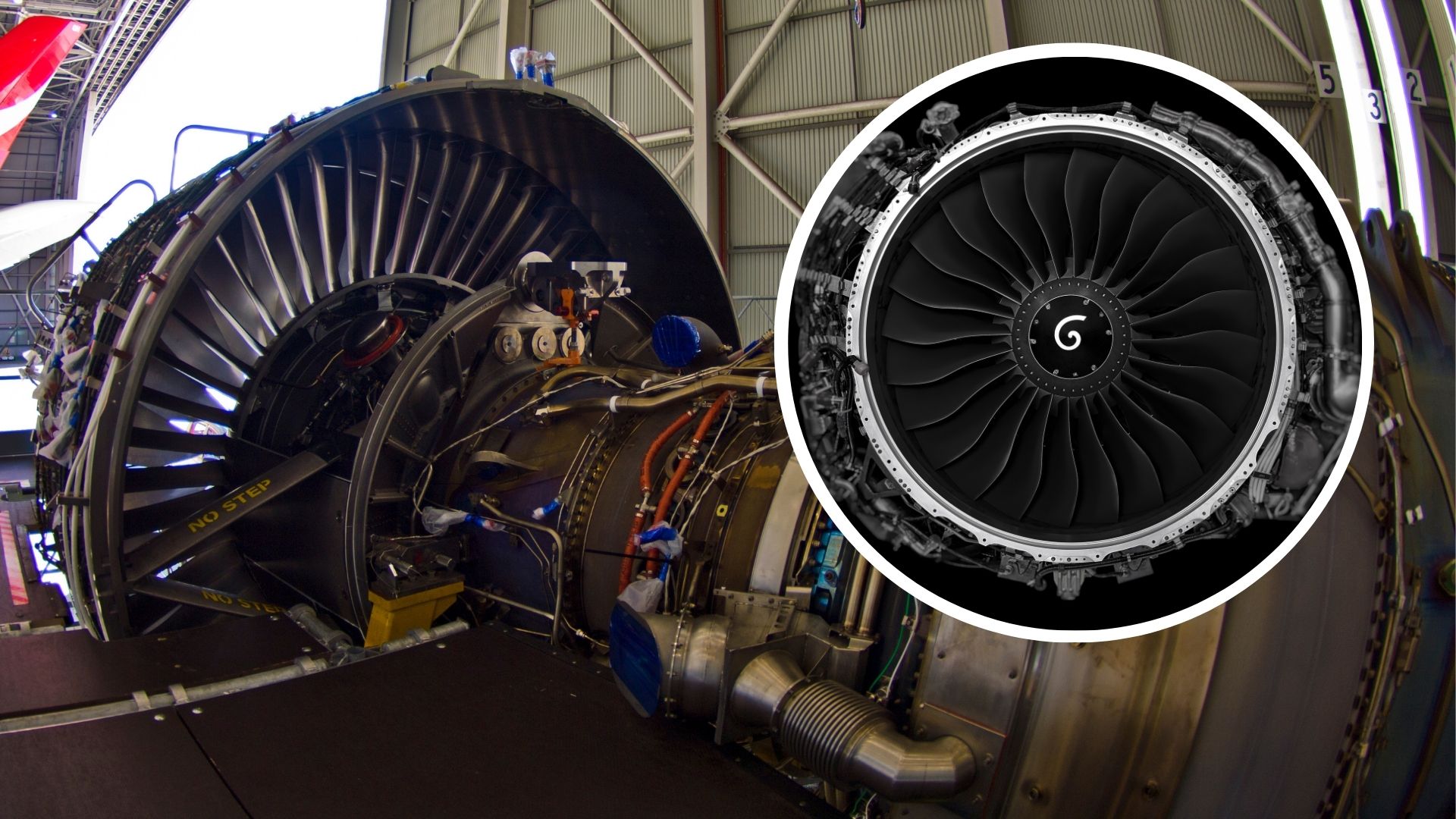
GE Aerospace's GEnx-1B Engine Surpasses 50 Million Flight Hours with High Reliability
GE Aerospace, an Ohio-based aircraft engine manufacturer, has achieved a significant milestone with its GEnx-1B engine, surpassing 50 million flight hours in just over 14 years. This accomplishment marks the fastest rate for GE Aerospace's commercial widebody engine model, which powers the Boeing 787 Dreamliner family and is in service with over 50 operators globally. The GEnx-1B engine boasts an impressive 99.98% dispatch reliability rate and maintains a higher on-wing rate compared to its competitors. Mohamed Ali, President & CEO of GE Aerospace Commercial Engines & Services, emphasized the importance of reliability and efficiency for airlines operating on demanding routes, highlighting the trust customers place in GE Aerospace. As the fastest-selling widebody jet engine in GE Aerospace history, the GEnx engine family has accumulated nearly 75 million flight hours. This milestone underscores GE Aerospace's commitment to supporting Boeing's production increase of the 787 Dreamliner, with rising engine deliveries aligned with production goals. No further timeline was disclosed at the time of publication.
Transportation
Skyroot Aerospace to Launch Vikram-1, India's First Private Orbital Rocket on July 18
Skyroot Aerospace is set to launch its Vikram-1 rocket on July 18 from the Satish Dhawan Space Centre in Sriharikota, marking a historic milestone as India's first privately built orbital rocket. The launch is scheduled for 2 a.m. EDT (0600 GMT; 11:30 a.m. IST) and will be streamed live. This launch is significant as it represents a new era for India's commercial spaceflight capabilities, following Skyroot's previous achievement with the Vikram-S suborbital rocket. The Vikram-1 is designed to carry small satellites, with a payload capacity of approximately 770 pounds (350 kilograms) to low Earth orbit, addressing the growing demand in the small satellite launch market. The test flight, named Aagaman, aims to evaluate the rocket's systems during flight while also deploying several customer payloads, including technology demonstrations and a robotic arm for space debris capture. No further timeline was disclosed at the time of publication.
Launches & Spacecraft Space Exploration
Over 30 Companies Announce $10 Billion Investment in Pennsylvania Defense Sector
More than 30 companies have pledged approximately $10 billion towards defense technologies, research and development, and job creation in Pennsylvania, as announced by President Donald Trump at the Pennsylvania Defense and Innovation Summit in Carlisle. Key players in this investment include Lockheed Martin, JPMorgan Chase, Hanwha, Kratos, and General Dynamics, focusing on shipbuilding, munitions, artificial intelligence, and robotics, which will support over 4,000 jobs according to Sen. Dave McCormick. This significant investment aligns with the 'Arsenal of Freedom' initiative aimed at revitalizing the defense industrial base under the Defense Department’s New Acquisition Transformation strategy. It also supports Trump’s 'peace through strength' agenda, which seeks to enhance the U.S. military's capabilities in response to global threats. Pennsylvania currently ranks seventh in DOD contract value, with $20.7 billion projected between July 14, 2025, and July 14, 2026, a figure expected to rise to over $34 billion since Trump’s return to office. Looking ahead, Sen. McCormick emphasized the need for collaborative efforts among industry, academia, and Congress to strengthen the defense industrial base. He highlighted the importance of a diverse team including traditional technology innovators and skilled tradesmen, noting a shortage in skilled labor and the need for educational institutions to address this gap. No further timeline was disclosed at the time of publication.
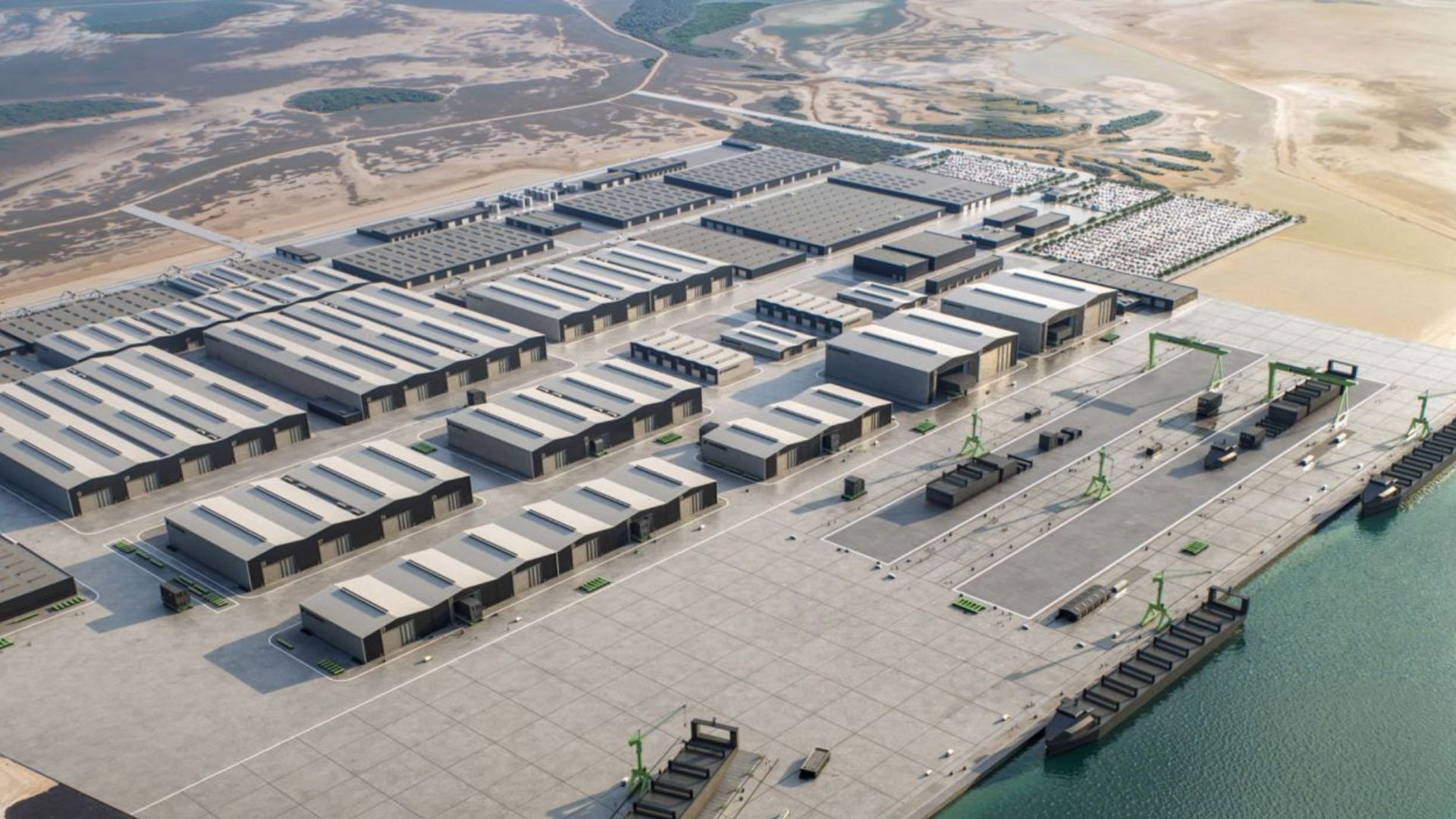
Saronic Announces $3 Billion Shipyard in Texas for Military and Commercial Ships
Maritime defense technology company Saronic has revealed plans to construct a $3 billion shipyard named Port Alpha in Brownsville, Texas. The facility aims to enhance U.S. shipbuilding capabilities for both defense and commercial vessels, with construction expected to commence later this year and operations slated to begin in 2028. The establishment of Port Alpha is significant as it aligns with U.S. government efforts to bolster domestic shipbuilding and reduce dependence on foreign production. Initially, the shipyard will develop approximately 835 acres, with potential expansion to nearly 4,400 acres, allowing for the construction of ships up to 1,200 feet long. Saronic plans to manufacture both crewed and autonomous ships, incorporating advanced technologies to enhance efficiency. Looking ahead, Saronic anticipates creating up to 10,000 direct jobs over the next decade, contributing significantly to the local economy. The project is expected to generate over $160 billion in economic impact for Cameron County and $264.5 billion across Texas. No further timeline was disclosed at the time of publication.
Military Transportation
Flexiv Launches Advanced Adaptive Robots at Automation India Expo 2026
Flexiv is set to introduce its innovative force-sensitive adaptive robots to the Indian market during the Automation India Expo 2026. This event represents a significant step in Flexiv's global expansion strategy, showcasing its commitment to bringing advanced robotics solutions to new regions. The introduction of these adaptive robots is crucial as it highlights Flexiv's role in advancing automation technologies in India, a market ripe for innovation in robotics. By entering this region, Flexiv aims to tap into the growing demand for versatile and efficient robotic solutions across various industries. Looking ahead, industry watchers should monitor Flexiv's performance at the expo and its subsequent impact on the Indian robotics landscape. No further timeline was disclosed at the time of publication.

Japan Allocates $2.4 Billion for 27,500 NVIDIA Rubin Chips to Establish National Robotics Initiative
On July 16, the Japanese government announced a plan to purchase 27,500 next-generation Rubin architecture AI chips from NVIDIA, totaling approximately $2.4 billion. This initiative aims to build a national AI data center and develop domestic robotics foundational models, marking one of the largest national GPU procurements globally. The project is coordinated by Noetra Corp., a policy-driven AI company set to launch in January 2026, with participation from major Japanese firms like Sony, SoftBank, NEC, and Honda. The Rubin chips will be deployed in a large data center in Sakai City, Osaka, with operations expected to begin in June 2028. Noetra aims to release its first general AI model by March 2027, followed by specialized AI models for robotics applications. Japan's investment reflects its response to ongoing demographic challenges and labor shortages. NVIDIA's CEO emphasized the potential for automation and AI to revitalize the economy. The Japanese government has set a goal to capture over 30% of the global robotics market by 2040, with the Rubin order being part of a broader strategy to reduce reliance on foreign technology and enhance national security.
AI Chips Robotics National AI Strategy Data Centers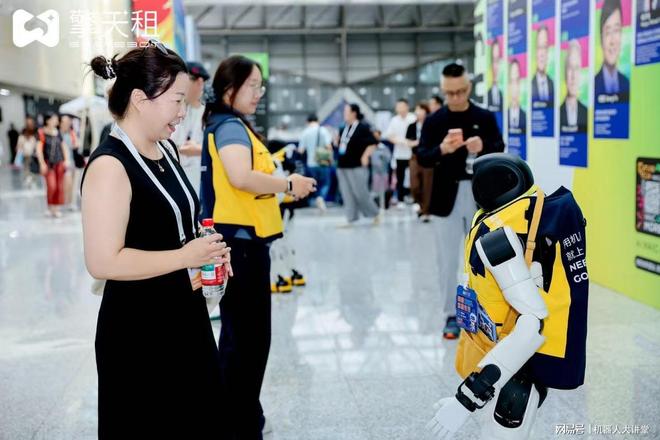
Qingtian Rental Unveils 60 Robots at WAIC, Launching 'RaaS+' Full-Scenario Initiative
On July 17, 2026, the World Artificial Intelligence Conference (WAIC 2026) commenced in Shanghai, where Qingtian Rental made its debut as a public service provider. The company showcased 60 robots, including the Expedition A3 and Lingxi X2, across multiple venues, marking the first large-scale deployment of humanoid robots at a major exhibition. This initiative is significant as it highlights the integration of AI-driven robotic services into various sectors, demonstrating Qingtian Rental's commitment to the 'RaaS+' ecosystem. The robots not only facilitated bilingual communication but also adapted to specific roles, enhancing the visitor experience and showcasing the potential of intelligent partnerships in public spaces. Looking ahead, Qingtian Rental aims to expand its 'RaaS+' ecosystem, collaborating with global partners to further integrate AI technology into everyday life. The company's recent activities, including various public engagements, indicate a growing trend towards the commercialization of robotic services across diverse industries. No further timeline was disclosed at the time of publication.
Robot as a Service Public Service Robots AI Technology Event Robotics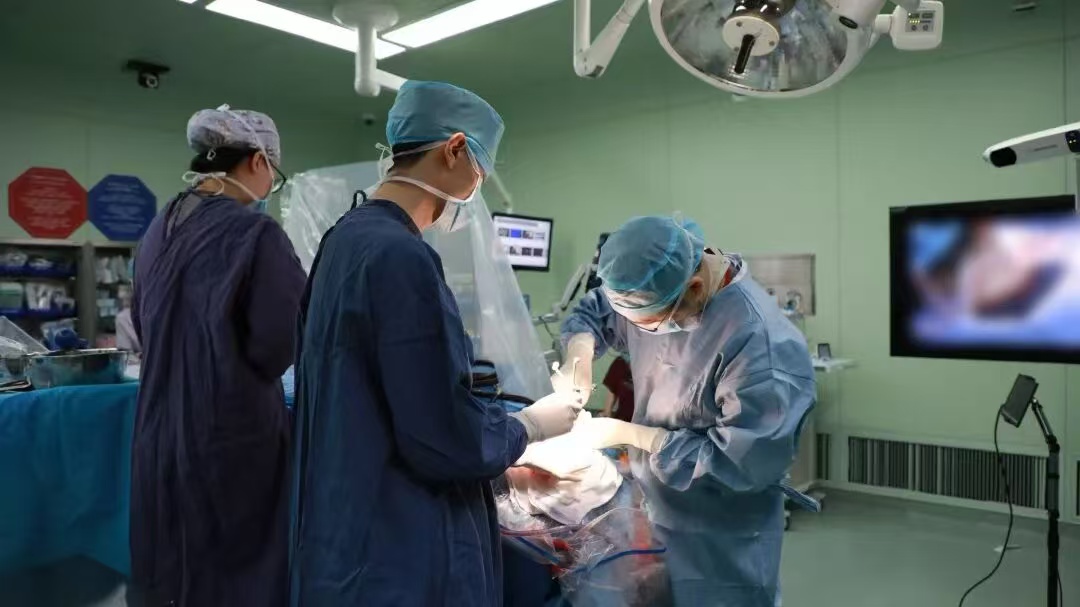
Shanghai Advances BCI Development: The Race for Commercialization Has Started
Shanghai is emerging as a key player in the global brain-computer interface (BCI) competition. The Shanghai Municipal Commission of Economy and Information Technology recently released the 'Three-Year Action Plan for the Industrialization of Brain-Computer Interfaces (2026-2028)', which aims to establish a leading national industrial chain ecosystem in the non-invasive BCI sector by 2028. The plan includes nurturing at least 50 related enterprises and achieving large-scale applications of core products in medical rehabilitation and cognitive training. This initiative is not just a theoretical blueprint. A team led by Academician Zhou Liangfu from Huashan Hospital's Neurosurgery Department, in collaboration with the Institute of Microsystem Research at the Chinese Academy of Sciences, has developed an implanted BCI product that has completed its first clinical trial with volunteers for motor function rehabilitation in paraplegic patients. Shanghai is adopting a parallel strategy with multiple technological routes, supporting invasive, semi-invasive, and non-invasive teams with dedicated funding, with non-invasive approaches progressing more rapidly. The Pudong New Area has designated a 'Brain Science Industrial Base' where the first batch of companies can benefit from various supports, including R&D expense deductions and expedited clinical trial processes. Shanghai's goal is clear: to become the city with the lowest operational costs and minimal policy friction for BCI enterprises. As the global BCI landscape evolves, Shanghai's focus on industrialization aims to establish a commercial loop in hospitals while ensuring safety and regulatory compliance, leveraging China's vast market potential in stroke rehabilitation, youth attention training, and early Alzheimer's screening.
Brain-Computer Interfaces Healthcare Technology Neurorehabilitation Cognitive Training
Nvidia Launches Cosmos 3 Edge AI Model and Expands Physical AI Ecosystem in Japan
Nvidia has introduced its new AI model, Cosmos 3 Edge, aimed at enhancing physical AI applications in Japan. This model is designed to help systems perceive and navigate real-world environments, marking a significant step in Nvidia's strategy to penetrate the physical AI market. The expansion is part of CEO Jensen Huang's visit to Japan, where Nvidia is forming partnerships with local industrial leaders such as Fujitsu, Hitachi, and Kawasaki Heavy Industries. Huang emphasized the potential for Japan to reinvent its manufacturing sector for intelligent industries, highlighting the country's historical significance in modern manufacturing. Looking ahead, Nvidia is also targeting Japan's healthcare and biotechnology sectors, collaborating on initiatives like the Tokyo-1 AI drug discovery consortium. With Japan's AI market projected to reach $27.9 billion by 2029, Nvidia's efforts could significantly influence the landscape of AI adoption in the region. No further timeline was disclosed at the time of publication.

Xiaopeng Motors Plans to Launch IRON Humanoid Robot with 1,000 Units Monthly Production by 2027
Xiaopeng Motors has announced plans to launch its IRON humanoid robot globally by 2027, aiming to ramp up production to over 1,000 units per month by the end of this year. The robot will initially serve as a sales assistant in domestic stores, with expansion to international locations later in the year. This initiative is significant as Xiaopeng's President, He Xiaopeng, believes that the robotics business could surpass the automotive sector in the next 10 to 20 years. The IRON robot, which made its debut in November 2025, features advanced capabilities including 62 to 82 degrees of freedom and is powered by three Turing AI chips, achieving a total computing power of 2250 TOPS. Looking ahead, Xiaopeng's strategy focuses on leveraging the humanoid robot in controlled retail environments to gather interaction data and create immediate commercial value. No further timeline was disclosed at the time of publication.
Humanoid Robots Robotics AI Automation
Japan Plans Acquisition of 27,500 Nvidia Rubin Chips for Domestic AI Robotics Development
Japan is set to purchase 27,500 next-generation Rubin chips from Nvidia Corp. to develop a foundational AI model tailored for robotics. This initiative aims to enhance Japan's capabilities in creating sovereign AI systems that can be integrated into various robotic applications. The acquisition of these chips is significant as it represents Japan's commitment to advancing its technological independence in the field of artificial intelligence. By building a homegrown AI model, Japan seeks to strengthen its position in the global robotics market and reduce reliance on foreign technologies. Looking ahead, the focus will be on how effectively Japan can leverage these Rubin chips to create a robust AI framework for robots. No further timeline was disclosed at the time of publication.

Fujitsu Leads Initiative to Integrate Nvidia Technology in Japanese Robotics and AI
Fujitsu, a prominent Japanese communications company, is spearheading an initiative to integrate Nvidia's technology into artificial intelligence applications. This collaboration aims to merge Japan's advanced manufacturing capabilities in robotics with cutting-edge AI solutions. The significance of this initiative lies in its potential to enhance the efficiency and effectiveness of robotics in various sectors. By leveraging Nvidia's technology, Fujitsu seeks to position Japan at the forefront of the global AI and robotics landscape, showcasing the country's strengths in innovation and manufacturing. Looking ahead, industry stakeholders will be keen to observe the developments stemming from this collaboration. No further timeline was disclosed at the time of publication, but the integration of Nvidia's technology could lead to significant advancements in physical AI applications within Japan's robotics sector.
Robotics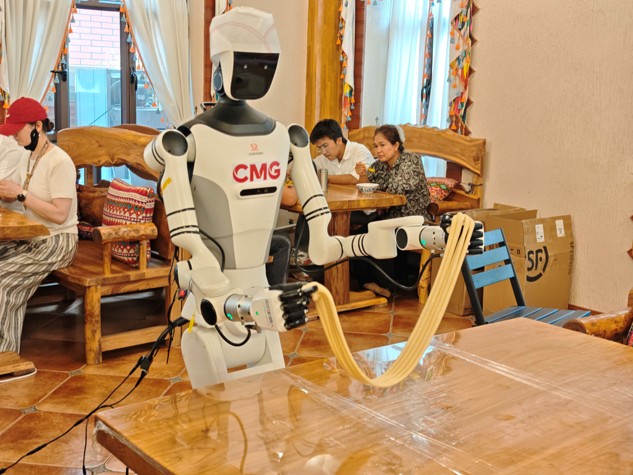
RealBOT Robot Excels in Culinary Tasks as a 'Xinjiang Chef
On July 15, 2026, the World Humanoid Robot Sports Championship's domestic third stop launched simultaneously in Yining, Xinjiang, and Sai Lake, Bozhou. RealBOT, a wheeled humanoid robot by Ruierman, previously provided logistical support at the 2026 Chinese Dragon Boat Race in Bazhong, Sichuan. In this event, the robot transitioned from a service role to that of a 'Xinjiang chef' in a real kitchen environment, successfully completing intricate tasks such as noodle pulling, meat skewering, grilling, and vegetable cutting. This demonstration is significant as it showcases the robot's ability to adapt to unpredictable physical variables in real-world scenarios, aligning with Ruierman's philosophy that robots must be deployed in authentic environments to truly understand and perform tasks. The challenges faced by the robot, including precise force control and real-time tactile feedback, highlight the advanced capabilities of Ruierman's technology, including a mechanical arm with ±0.05mm repeatability and millisecond-level force feedback. Looking ahead, the successful execution of these culinary tasks emphasizes the importance of robust hardware and data capabilities in robotics. No further timeline was disclosed at the time of publication, but the ongoing development of integrated joint modules and high operational reliability positions Ruierman to address industry challenges related to traditional robots' limitations in various environments.
Humanoid Robots Culinary Robotics AI Automation Technology
Japan's Leading Robot Manufacturers Collaborate with Nvidia on AI-Enabled Hardware
Nvidia Corp. has announced an expanded collaboration with four prominent Japanese industrial automation companies to enhance robot development. This partnership aims to support Jensen Huang's initiative to advance AI-enabled hardware in the robotics sector. The collaboration is significant as it underscores the growing importance of integrating AI capabilities into robotics, which can lead to more efficient and intelligent automation solutions. By leveraging Nvidia's expertise in AI, these Japanese companies are positioning themselves to remain competitive in the rapidly evolving industrial landscape. Looking ahead, it will be crucial to monitor the outcomes of this collaboration and how it influences the development of AI-driven robotic technologies. No further timeline was disclosed at the time of publication.
NVIDIA and Noetra Corp. Launch Japan's First National AI Infrastructure for Physical AI
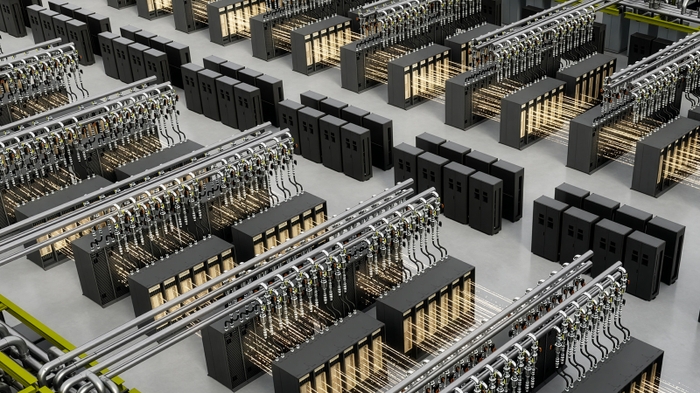
NVIDIA has partnered with Noetra Corp. to establish the NVIDIA Vera Rubin AI factory, featuring 13,750 NVIDIA Vera CPUs and 27,500 NVIDIA Rubin GPUs. This initiative, supported by Japan’s AI and industrial leaders, represents the world’s first national AI infrastructure dedicated to physical AI, enhancing the country’s capabilities across various sectors including manufacturing and healthcare. The establishment of this AI factory is significant as it aims to strengthen Japan's AI ecosystem and support the FRONTia Project, which focuses on developing multimodal foundation models for AI robotics and physical AI. The collaboration is expected to leverage Japan's manufacturing expertise and real-world industrial data to create reliable AI models that can address global social challenges. Looking ahead, the AI factory is designed to support the training of trillion-parameter-scale AI models, positioning Japan to capture over 30% of the global AI robotics market by 2040. As the factory expands, it will provide organizations with access to advanced AI environments, paving the way for innovations in intelligent manufacturing and robotics.

Commercial UAV Expo 2026 to Feature Keynote on FAA and EASA BVLOS Regulations
Commercial UAV Expo has announced its second keynote for the 2026 event, titled 'Two Skies, One Conversation: Comparing FAA and EASA Approaches to BVLOS Drone Operations.' This session will occur on September 3, 2026, the final day of the expo, which runs from September 1-3 at Caesars Forum in Las Vegas, NV. The keynote will feature leaders from the FAA and EASA discussing the differences in their regulatory approaches to Beyond Visual Line of Sight (BVLOS) drone operations. This conversation is significant as it highlights the evolving landscape of drone regulations on both sides of the Atlantic, providing valuable insights for industry stakeholders. Attendees with various passes, including the Exhibit Hall Only Pass and the Full Conference Pass, will have access to this important discussion. No further timeline was disclosed at the time of publication.

Bomen Technology's IPO Launches in Yizhuang, Marking Fourth Robot Listing by Li Zexiang
Bomen Technology (Beijing) Co., Ltd. has recently passed the listing hearing on the Hong Kong Stock Exchange, with CITIC Securities (Hong Kong) as the exclusive sponsor. The company's core business focuses on direct drive modules in robotic joints, projecting a shipment of over 8.5 million units by 2025, capturing a 61.1% market share in China's consumer robot direct drive module sector. It is the first and only company globally to exceed 5 million units shipped. The significance of this IPO lies in Bomen's innovative approach to robotics, which eliminates traditional gearboxes to enhance performance and responsiveness. Founded by Zhang Di, a protégé of Professor Li Zexiang, Bomen has demonstrated the engineering feasibility of direct drive solutions, resulting in modules that are half the size of conventional designs, with doubled lifespan and reduced noise. This advancement is crucial for the consumer robotics market, where space and efficiency are paramount. Looking ahead, Bomen Technology aims to continue its rapid growth trajectory, having completed 12 funding rounds since 2020, raising nearly 650 million yuan with a post-investment valuation of approximately 3.2 billion yuan. If successful, Bomen will become the fourth company in Li Zexiang's network to go public, following three previous IPOs in the robotics sector.
Consumer Robotics Direct-Drive Technology Robot Modules IPO Automation
Norwegian Firm AutoAgri Transitions to Uncrew Robotics, Expanding Global Reach
Norwegian technology company AutoAgri has rebranded as Uncrew Robotics, reflecting its strategic shift towards international markets and a broader product portfolio. The new name emphasizes the company's core capability of enabling unmanned vehicle operations, enhancing safety, efficiency, and reducing costs and emissions. The rebranding comes after over six years of development in autonomous agricultural machinery, with the company now also targeting the defense sector. Uncrew Robotics continues to operate from its facility in Vanvikan, Norway, ensuring close oversight of production while expanding its offerings to include retrofitting traditional vehicles into unmanned platforms. The company’s latest product, the IC12, is a fully electric multipurpose carrier designed for precise agricultural operations. As Uncrew Robotics broadens its focus, industry watchers should note its modular design philosophy and ongoing commitment to innovation in unmanned vehicle technology. No further timeline was disclosed at the time of publication.
Autonomous vehicles autonomous technology electric tractors Multipurpose field robots retrofit kits robotic harvesting
Bastian Solutions Highlights the Importance of Flexible AGV Navigation Technology
Bastian Solutions, part of Toyota Automated Logistics, emphasizes the need for adaptable navigation technology in automated guided vehicles (AGVs) as manufacturing and warehouse operations evolve. The company's experience in Georgetown, Kentucky, illustrates the shift from traditional magnetic path following to natural feature navigation, driven by increasing complexity in customer applications. As operations demand greater flexibility and adaptability, the limitations of magnetic guidance systems become more apparent. Bastian's transition to natural feature navigation allows for easier route adjustments and faster commissioning, significantly reducing manual labor and installation time. This change reflects a broader trend in intralogistics where automation is valued not only for reliability but also for its ability to adapt to changing environments. Looking ahead, the emphasis on flexible navigation systems will likely continue to grow as companies face increasing pressures to manage diverse SKUs and frequent process changes. Bastian's choice of BlueBotics for its navigation needs highlights the strategic importance of selecting the right technology to enhance operational efficiency and responsiveness in dynamic settings.
Xiaomi Reports 98% Success Rate for Humanoid Robots in Automotive Factory Tasks
Xiaomi has announced significant advancements in its humanoid robot utilized in an automotive factory. After four months of development, the robot's success rate at a self-tapping nut loading station improved from 90.2% to 98%, now just one percentage point below human workers' qualification rates. This progress is crucial as it demonstrates the increasing capability of humanoid robots to perform complex tasks in industrial settings. The introduction of two additional tasks—center console side panel sorting and parts bin folding and recycling—both achieving a 90% success rate, highlights the robot's versatility and potential for broader applications. Looking ahead, the center console side panel sorting task is particularly noteworthy as it represents the first instance of a humanoid robot executing long-duration continuous operations on flexible workpieces in an automotive factory. No further timeline was disclosed at the time of publication.
News Feed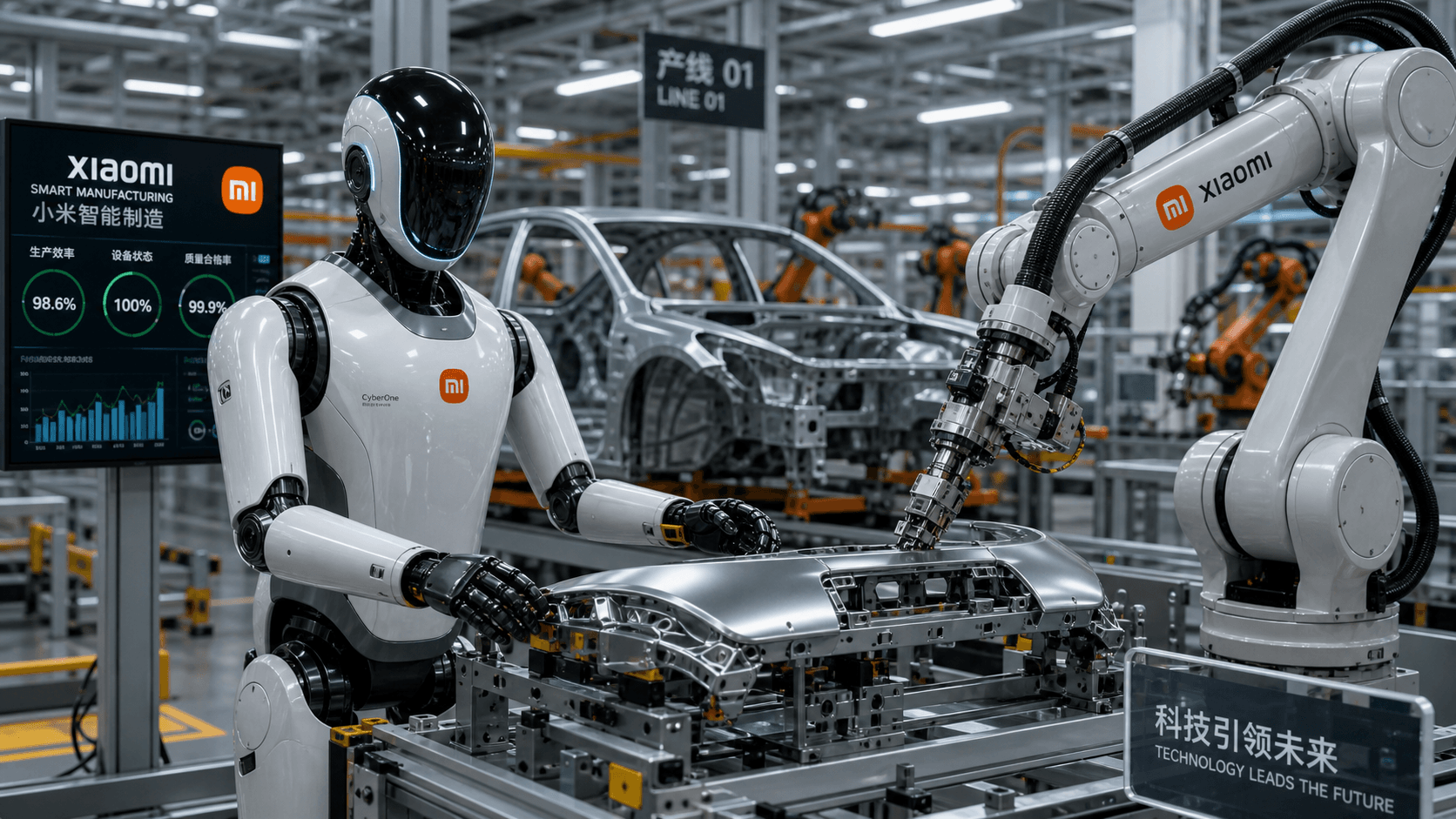
Xiaomi Humanoid Robots Transition to Complex Workpiece Handling on SU7 Production Line
Xiaomi's humanoid robots have advanced from basic screw-tightening tasks to managing complex flexible workpieces on the SU7 production line. This transition marks a significant achievement, with the robots reaching a success rate of over 90% after just six months of training in the factory environment. This development is crucial as it highlights Xiaomi's commitment to enhancing automation in car manufacturing, showcasing the potential of humanoid robots in handling intricate tasks. The successful implementation of these robots could lead to increased efficiency and productivity within the automotive production sector. Looking ahead, it will be important to monitor how Xiaomi continues to integrate these humanoid robots into their production processes and whether they will expand their capabilities further. No further timeline was disclosed at the time of publication.
Technology
Xiaomi Robotics Launches Open Source U0 Model with Significant Performance Enhancements
On July 15, Xiaomi Robotics unveiled the open-source Xiaomi-Robotics-U0, a multimodal autoregressive foundational model with 38 billion parameters. This release follows the introduction of the VLA model Xiaomi-Robotics-0 in February, marking a significant advancement in embodied intelligence. The code and model weights are now available on GitHub, HuggingFace, and the Modao community. The importance of the U0 model lies in its ability to generate vast amounts of training data in virtual environments while receiving high-density validation feedback from real-world factory lines. The model achieved a success rate of 98% in dual-side operations at a car factory, just 1% shy of human performance. U0's design allows for efficient multi-task training without compromising the general visual understanding and spatial reasoning inherited from large-scale pre-training. Looking ahead, U0's capabilities in generating training data for embodied tasks present a controlled and efficient solution for enhancing model performance. Its integration with real-world validation processes at Xiaomi's automotive factory creates a robust feedback loop, ensuring continuous improvement and practical application of the technology. No further timeline was disclosed at the time of publication.
Robotics AI Machine Learning Automation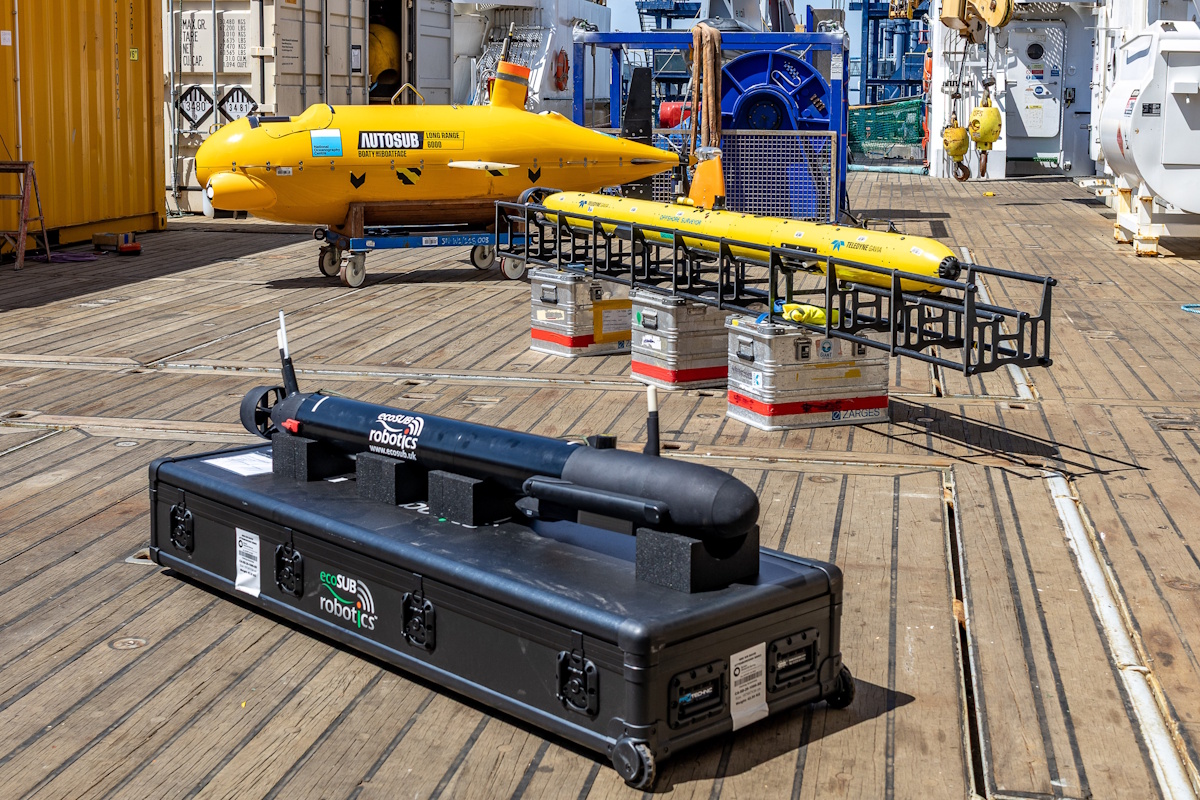
Sonardyne Supports BAS in GIANT Climate Mission with Advanced Positioning Technology
Sonardyne is providing underwater positioning technology for the GIANT climate science mission, which aims to gather data on Greenland's glaciers. The mission will utilize a fleet of autonomous vehicles, including the RRS Sir David Attenborough and various AUVs, to operate in extreme environments and collect comprehensive data. This initiative is significant as it involves 15 collaborating institutions and aims to improve climate models and early warning systems for ice loss in Greenland's fjords. The data collected will enhance understanding of tipping points that could impact global climate. The GIANT mission, running from July to August, will focus on mapping and monitoring ocean temperatures and glacier movements. It will employ a connected observing system of underwater vehicles, robotic sensors, and drones to gather unprecedented measurements in challenging conditions.
NVIDIA Launches Jetson Thor Modules to Enhance Robotics and Edge AI Applications
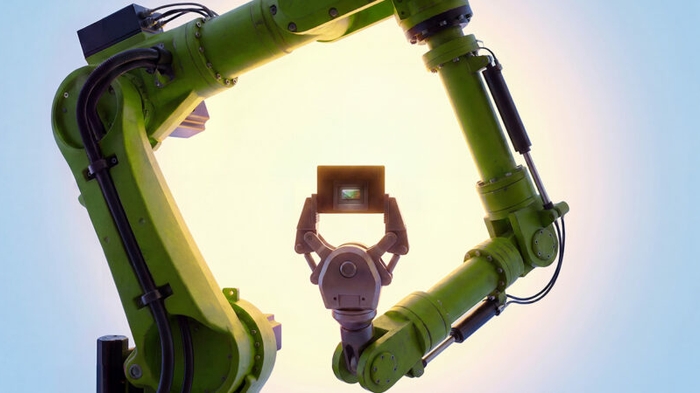
NVIDIA has unveiled the T3000 and T2000 modules based on the Thor architecture, designed to meet the growing demand for compact AI supercomputers in robotics and edge AI. These modules enable mass-market deployment of advanced humanoid and robotic systems, with notable adoption from leading companies such as Amazon Robotics and Boston Dynamics. The introduction of the Jetson T3000 and T2000 modules is significant as they provide high-performance AI compute capabilities in a smaller form factor, achieving up to 865 FP4 teraflops for the T3000. This advancement allows developers to optimize their systems while reducing costs, particularly in light of rising memory prices. The T2000 serves as an entry point for a wider range of edge AI applications, further expanding NVIDIA's scalable edge AI platform. Looking ahead, the new Jetson modules are expected to facilitate faster deployment and lower system costs across various industries. Companies like UBTech and Agile Robots have already reported substantial memory savings, indicating a trend towards more efficient development processes in robotics. No further timeline was disclosed at the time of publication.
Japan's Leaders in Robotics and Manufacturing Leverage NVIDIA Cosmos for Physical AI Advancements
NVIDIA has announced that Japan's leaders in physical AI are utilizing the NVIDIA Cosmos™, Isaac™, Metropolis, and Jetson™ platforms to enhance the deployment of intelligent machines across various sectors including manufacturing and robotics. The introduction of Cosmos 3 Edge aims to provide advanced capabilities for real-time reasoning and action prediction in robots, marking a significant step in integrating intelligence into physical systems. This initiative is crucial as Japan's established strengths in robotics and manufacturing position it to lead in the next wave of AI development. Jensen Huang, NVIDIA's CEO, emphasized the unique opportunity for Japan to reinvent modern manufacturing through intelligent technologies, combining its heritage in precision engineering with NVIDIA's advanced platforms. Looking ahead, NVIDIA is expanding the Cosmos Coalition to include Japan's physical AI leaders, enabling collaboration on open world models. This coalition will facilitate the testing and optimization of physical AI systems, potentially transforming operations across various industries such as logistics, healthcare, and construction. No further timeline was disclosed at the time of publication.
Kawasaki Heavy and Nvidia Collaborate on AI-Driven Shipyard in Japan
Kawasaki Heavy Industries and Nvidia have announced a partnership to create a cutting-edge shipyard in Japan that will utilize artificial intelligence. This initiative aims to enhance productivity and address labor shortages in the shipbuilding sector by leveraging Nvidia's digital twin technology. The collaboration is significant as it represents a strategic move by Kawasaki Heavy to modernize its operations and improve efficiency through advanced technology. By integrating AI and robotics, the shipyard is expected to streamline processes such as welding, which is critical in ship construction, thereby mitigating the impact of the ongoing labor crunch in the industry. Looking ahead, the development of autonomous robots capable of performing essential tasks at shipyards will be a key focus of this partnership. No further timeline was disclosed at the time of publication.

AI Agents Develop Virtual Environments for Essential Robot Training Data
Robots are becoming more visible in public spaces, captivating onlookers. However, they still lack the versatility needed for tasks in kitchens or factories, primarily due to a significant data bottleneck. Similar to human learning, robots acquire skills through experience, but the process of physically training them in various environments is labor-intensive and time-consuming. This challenge highlights the need for innovative solutions to streamline robot training. By utilizing AI agents to create virtual playgrounds, developers can simulate diverse scenarios, allowing robots to learn efficiently without the constraints of physical environments. This approach could significantly reduce the time and resources required for training, ultimately accelerating the deployment of robots in practical applications. Looking ahead, the development of these virtual training environments may pave the way for more capable robots in various industries. As AI technology continues to evolve, it will be essential to monitor advancements in virtual training methodologies and their impact on robot performance and adaptability. No further timeline was disclosed at the time of publication.
RoboticsRobotics needs a service framework.
RSF defines a common language for robot service capability, lifecycle operations, certification pathways, and service-provider networks.