

Arizona State University Develops Innovative HARP Artificial Muscle for Versatile Applications
- Published
- Source
- leaderobot.com
A research team led by Professor Sun Jiefeng at Arizona State University has developed a new artificial muscle structure known as HARP (Helical Anisotropic Reinforced Actuator). Unlike traditional artificial muscles that compromise on performance, HARP offers modularity and flexibility, allowing for adjustments in materials and design parameters to meet various application needs.
This innovation is significant as it addresses the limitations of existing artificial muscles, which often excel in specific scenarios but struggle to meet multiple requirements simultaneously. HARP achieves an impressive power density of 1.93 kW/kg, a contraction rate of up to 75%, and the ability to lift weights up to 100 times its own weight, making it suitable for diverse and complex applications.
Looking ahead, the HARP's modular design allows for customization and optimization of its components, enhancing its adaptability in extreme environments. The research team demonstrated HARP's durability in wear resistance tests, showcasing its potential for reliable operation in harsh industrial settings. No further timeline was disclosed at the time of publication.
Original report
Innovative Artificial Muscle: Self-Healing, Durable, and Functional in Boiling Water
leaderobot.com · LeaderobotThis briefing is an independently written summary based on publicly available reporting and is provided for industry information and news discovery. The original report and source publication are credited and linked where applicable. RobotToday does not claim ownership of third-party source material.
Rights concerns? Contact [email protected] with the relevant URL and details. We will review the matter and take appropriate action where warranted.
More related news
- 1
- 2
- 3
- 4
- 5
- 6
- 7
- 8
- 9
- 10
- 11
- 12
Related Suppliers
Haply Robotics
Canada
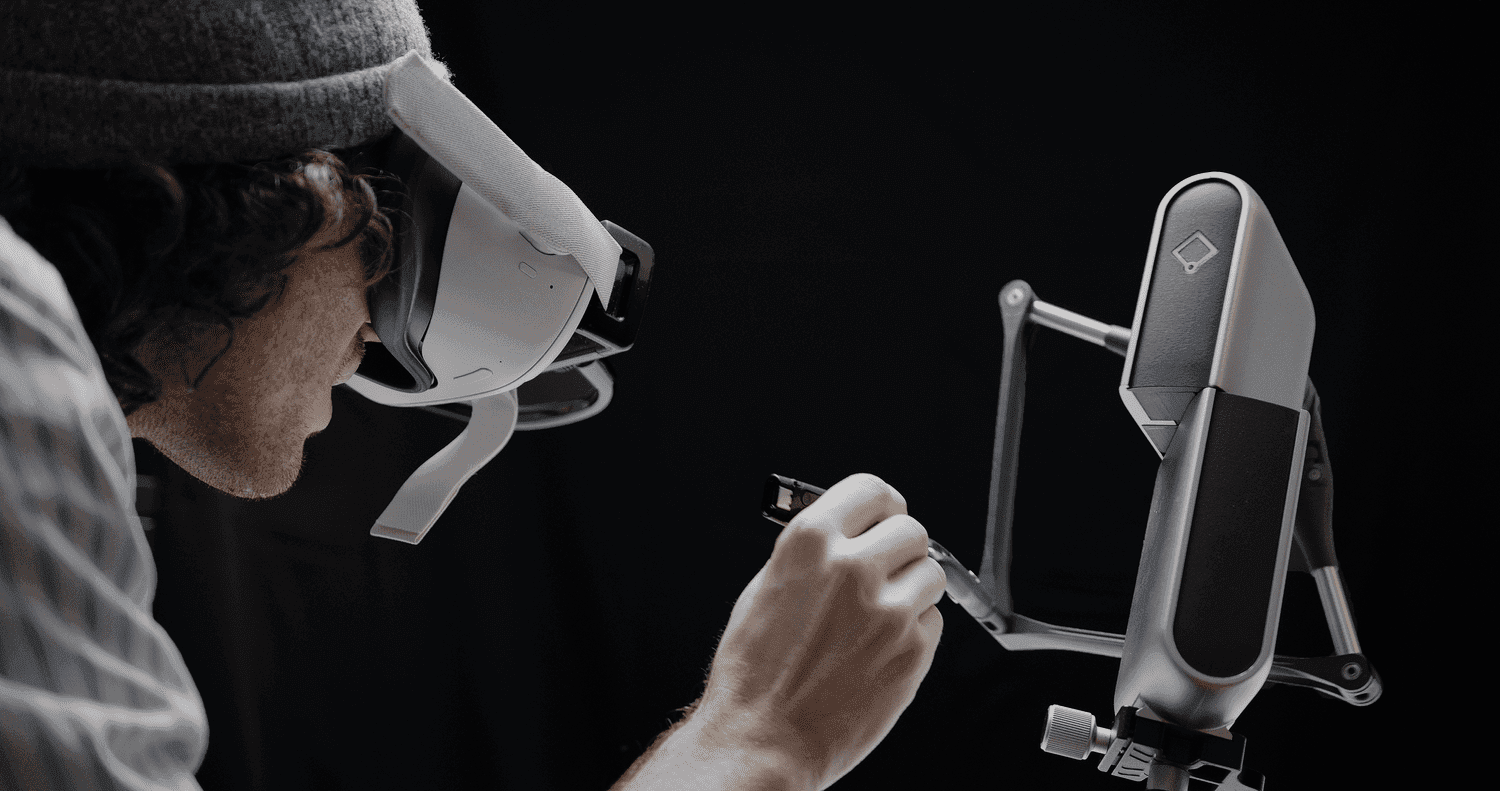
Montreal haptic-tech startup building force-feedback controllers and the HARP platform for robot teleoperation and physical AI training.
PARO Robots U.S., Inc.
United States
US distributor of PARO, the FDA-cleared therapeutic seal robot used in dementia and senior care settings.

Delta Robotics
United States
Lubbock, Texas early-stage startup backed by Health Wildcatters; develops ThermoFlex, a Nitinol shape-memory-alloy artificial muscle for robotics.
Rake Technologies
United States
US startup developing passive unpowered exoskeletons and prosthetic systems using the proprietary LUCAS tension-balancing mechanism.
Biomimetic Robotics Lab, MIT
United States
MIT Mechanical Engineering lab led by Prof. Sangbae Kim that created the Cheetah 3 and backflipping Mini Cheetah quadrupeds and the MIT Humanoid.

HEBI Robotics
United States
CMU spin-off producing modular smart actuators and robotic systems for research, industrial, and extreme-environment applications.
Amissiontech Co. Ltd. 东莞森元电子科技
China
Chinese manufacturer of industrial connectors, IO-Link systems, and custom cable harnesses for automation and robotics applications.

U.I. Lapp GmbH
Germany
Stuttgart, Germany cable and connector manufacturer founded 1959 by Oskar Lapp, inventor of OLFLEX; family-controlled with about 5,600 employees worldwide.
Ventcor Systems
Canada
Ventcor Systems is a Canadian manufacturer of industrial spray booths and paint finishing ventilation systems, based in Vaughan, Ontario.

Ulysses (The Ocean Company)
United States
San Francisco startup (est. 2023) building modular AUVs and ASVs for ocean stewardship, defense ISR, and ecological restoration; raised $46M.
Clone Robotics
Poland
Wroclaw developer (founded 2021) of musculoskeletal androids driven by water-powered Myofiber artificial muscles: Clone Hand and the Clone Alpha android.

ELTRO Gesellschaft für Elektrotechnik mbH
Germany
German family-owned manufacturer of pulsed plasma nitriding systems (ELTROPULS technology) for metallic surface treatment, founded 1980 in Aachen.
Robotics needs a service framework.
RSF defines a common language for robot service capability, lifecycle operations, certification pathways, and service-provider networks.
Join the RobotToday community on LinkedIn
Daily robotics news, in-depth analysis, conference highlights, and discussions with professionals worldwide.


