

Industry Briefing
A single destination for timely, editor-curated robotics news from around the world.
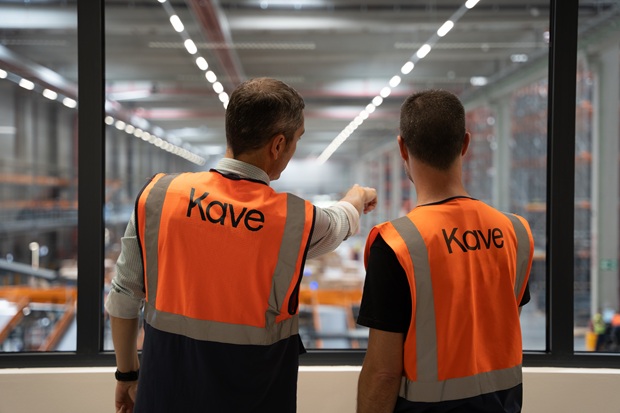
TGW Logistics to Automate Kave Home's New Distribution Center in Tordera, Spain
Kave Home has chosen TGW Logistics to implement automation at its new logistics hub in Tordera, Barcelona. This initiative is crucial for the company's growth and international expansion in the furniture and home décor market, enhancing operational capacity to meet increasing demand across various sales channels. The automated fulfillment center is set to launch by the end of 2028, featuring an integrated storage and order-picking system that utilizes miniload technology, high-bay automated warehouses, autonomous mobile robots (AMRs), and advanced palletizing processes. This solution will enable Kave Home to efficiently manage product flows for e-commerce, retail, and B2B operations. With the new logistics platform, Kave Home aims to achieve a capacity of 21,000 packages per day and expand storage to 93,000 pallet positions, significantly increasing its current volume. This expansion is expected to enhance delivery speed, picking accuracy, and provide a consistent omni-channel experience for customers. No further timeline was disclosed at the time of publication.
Industry News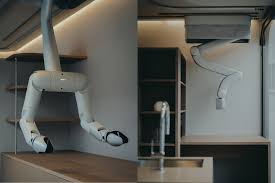
Tokyo's MW Develops Ceiling-Mounted Robotic Arms for Home Automation Instead of Humanoids
Tokyo-based MW is innovating in home automation by integrating robotic arms into residential ceilings, diverging from the trend of humanoid robots. The company aims to debut its MW bot by 2028 and produce 10,000 robotic homes annually by 2035, potentially capturing 5% of Japan's new housing market. This approach addresses the challenges of compact Japanese homes, where traditional bipedal robots struggle with space and safety. MW's ceiling-mounted robotic arms are designed to handle everyday tasks like sorting groceries and folding laundry, as demonstrated in a recent showcase in Tokyo's Toyosu waterfront area. MW's business model is unique, controlling the entire process from land acquisition to AI development. With 3 billion yen in seed funding and plans for international expansion by 2029, the company is focused on high-end real estate, with the success of its technology dependent on reducing costs for broader market adoption. No further timeline was disclosed at the time of publication.
Home Automation Robotic Arms Smart Homes AI Technology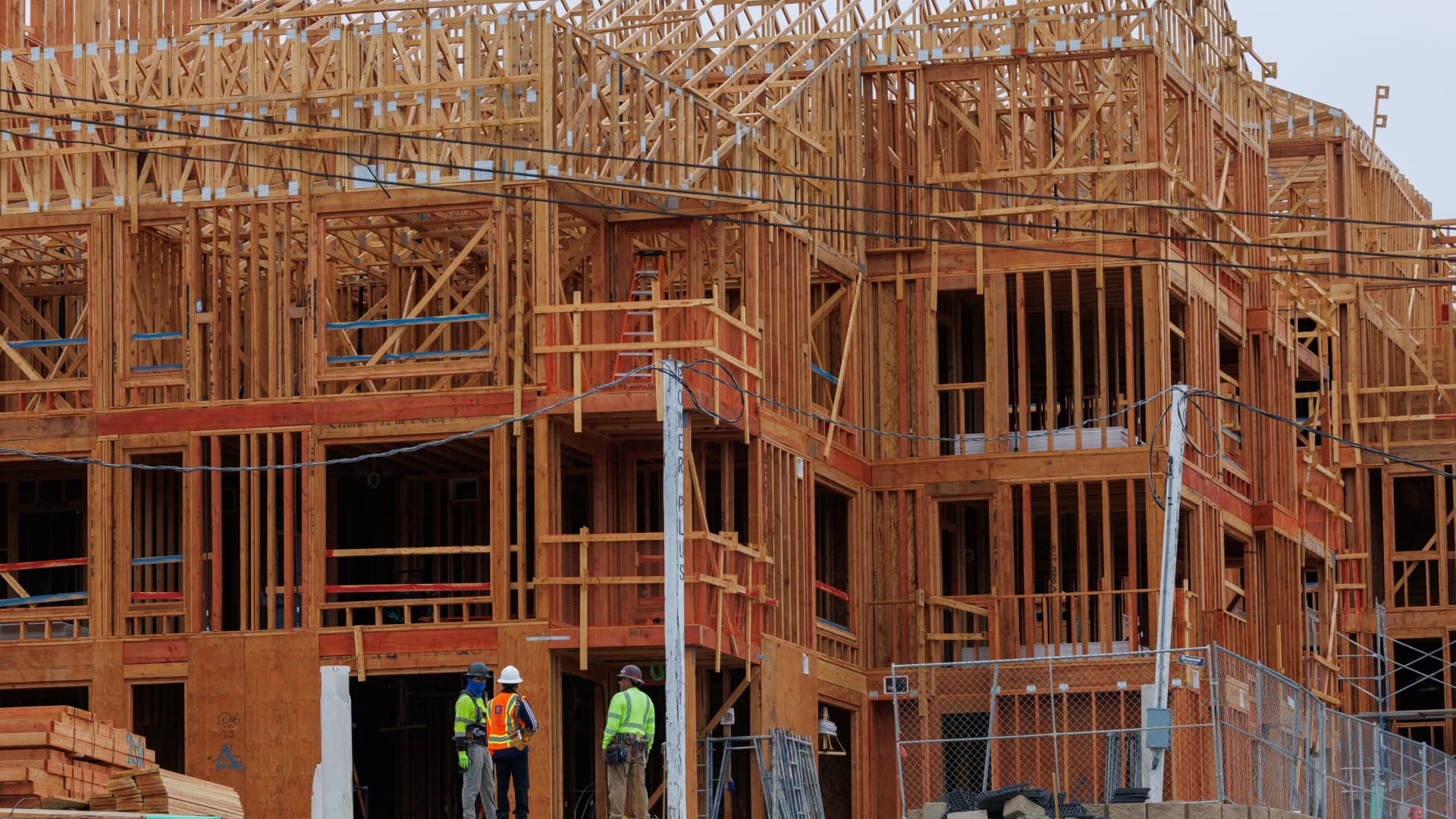
Robotics and Automation Address America's Housing Shortage Amid Labor Challenges
The U.S. housing market faces a deficit of approximately 1.2 million homes and nearly 300,000 open construction jobs. Labor shortages are costing homebuilders around $11 billion annually, extending construction timelines by about two months. Robotics and automation are emerging as potential solutions, yet their impact on productivity remains limited and focused on specific tasks rather than full labor replacement. Industry experts highlight that while robotics can enhance precision and reduce errors in construction, the variability of job sites poses significant challenges for widespread automation. Current advancements are primarily seen in repetitive tasks such as layout and material handling, rather than in humanoid robots performing complex construction activities. The National Association of Home Builders emphasizes that the industry must attract around 740,000 workers annually to address labor gaps and improve productivity. Looking ahead, the integration of robotics in construction is expected to evolve, but experts caution that significant advancements are still years away. The focus will likely remain on improving specific processes rather than achieving full automation of construction sites. No further timeline was disclosed at the time of publication.

Stardust AI Launches Lumo-2: Innovative Robot Action Model for Home Automation
On July 15, Stardust AI introduced its second-generation embodied base model, Lumo-2, which is the industry's first household latent world-action model. This launch includes the physical AI symbiotic agent, Agent Philia, enhancing their full-stack architecture of AI models, embodied operating systems, and rope-driven entities. The company will showcase its 'trinity' multi-scenario implementation solutions at the World Artificial Intelligence Conference in Shanghai from July 17 to 20. Lumo-2 autonomously performs 22 complex household tasks, demonstrating industry-leading capabilities in task range and complexity. This model addresses the challenges faced by robots in open environments, such as the inability to explain actions and the high costs of training complex skills. By predicting future scenarios before generating actions, Lumo-2 aims to overcome these bottlenecks and improve the practical execution of robotic tasks. Looking ahead, Stardust AI plans to enhance the scalability of Lumo-2 by expanding training data diversity and exploring efficient data engineering paradigms. The team is also focused on advancing real-world interactive learning to enable robots to adapt and evolve autonomously in dynamic environments. No further timeline was disclosed at the time of publication.
Household Robotics Physical AI AI Models Robotic AutomationRobotics needs a service framework.
RSF defines a common language for robot service capability, lifecycle operations, certification pathways, and service-provider networks.
Join the RobotToday community on LinkedIn
Daily robotics news, in-depth analysis, conference highlights, and discussions with professionals worldwide.







