

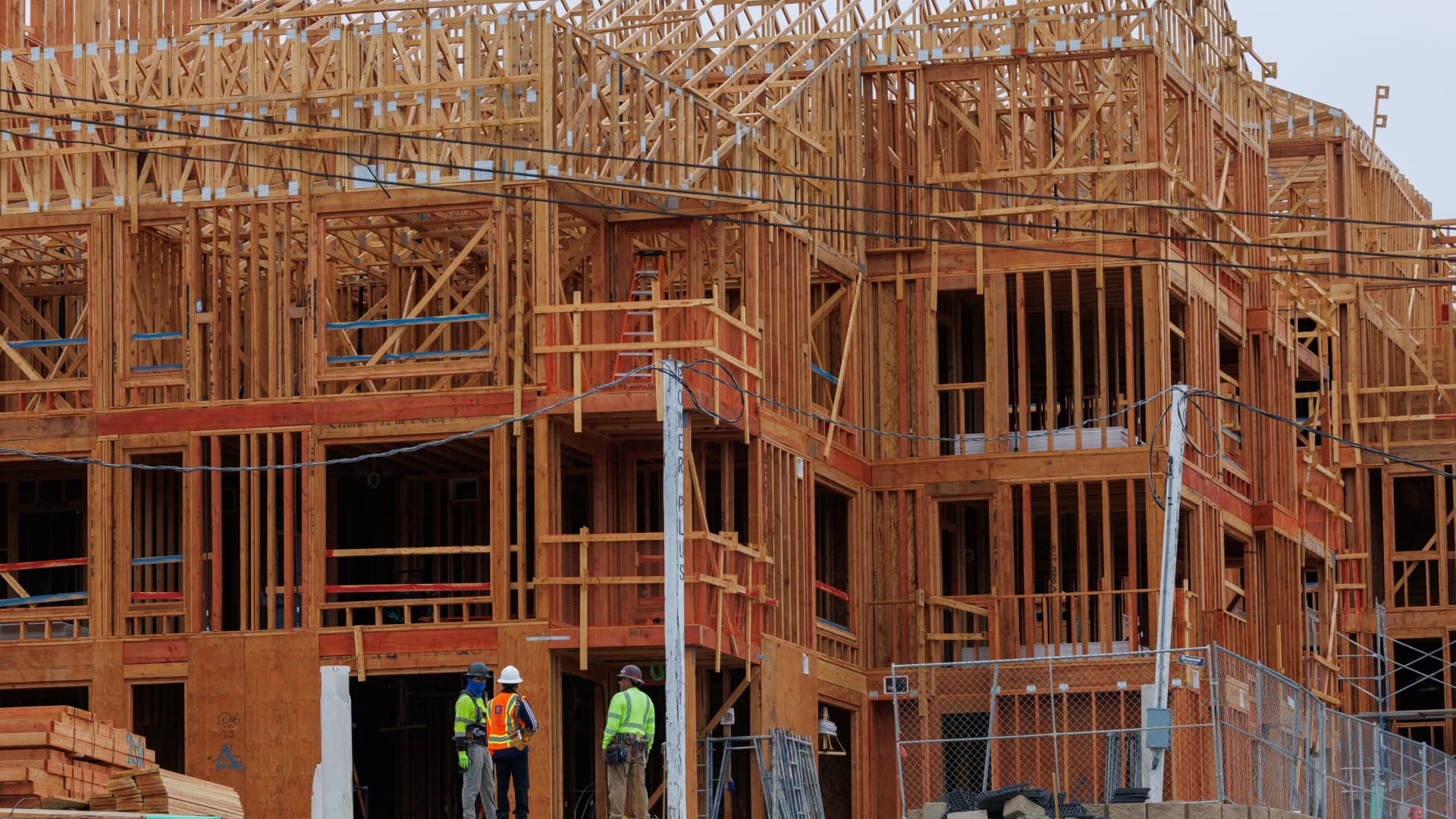
The U.S. housing market faces a deficit of approximately 1.2 million homes and nearly 300,000 open construction jobs. Labor shortages are costing homebuilders around $11 billion annually, extending construction timelines by about two months. Robotics and automation are emerging as potential solutions, yet their impact on productivity remains limited and focused on specific tasks rather than full labor replacement.
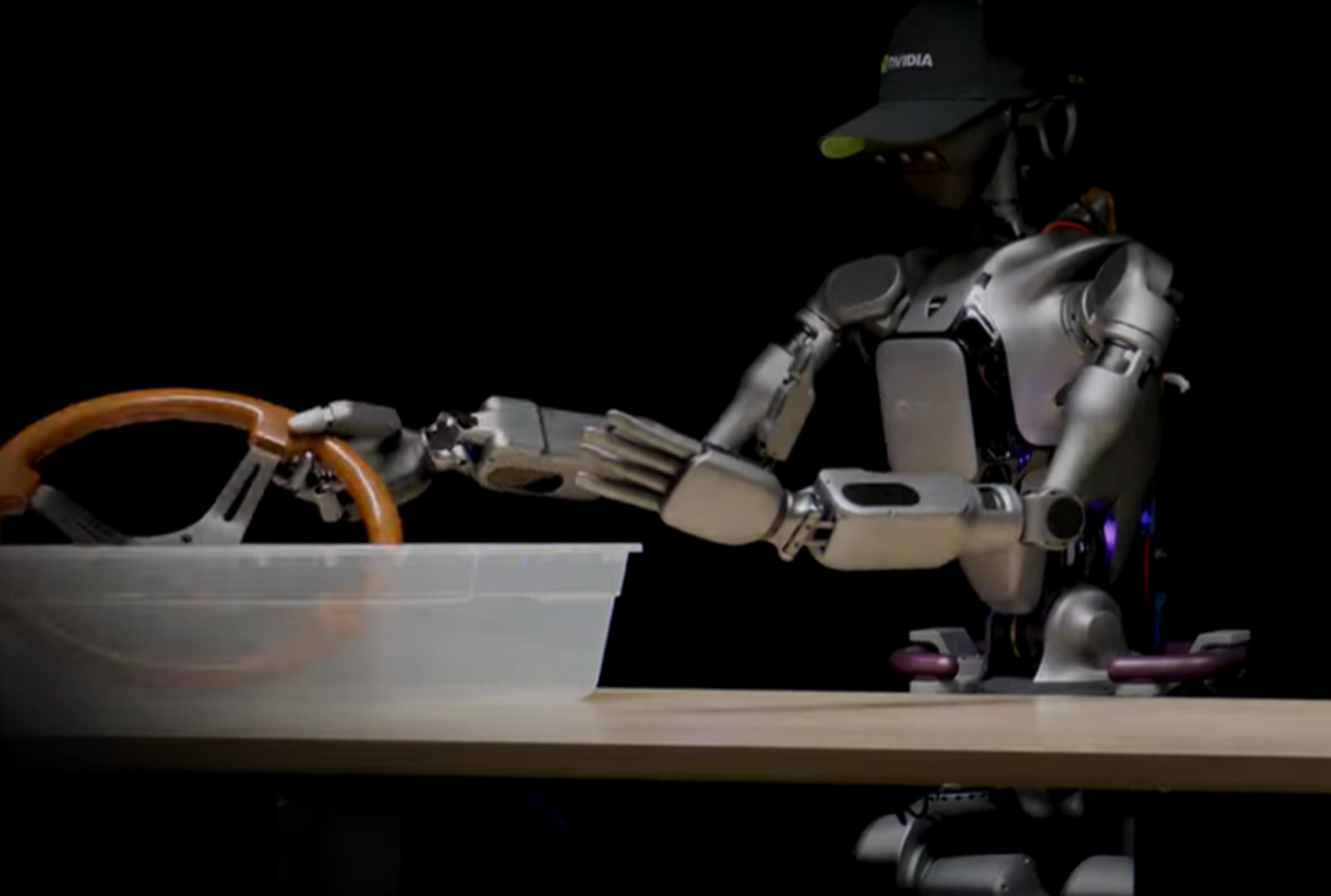
Industry experts highlight that while robotics can enhance precision and reduce errors in construction, the variability of job sites poses significant challenges for widespread automation. Current advancements are primarily seen in repetitive tasks such as layout and material handling, rather than in humanoid robots performing complex construction activities. The National Association of Home Builders emphasizes that the industry must attract around 740,000 workers annually to address labor gaps and improve productivity.
Looking ahead, the integration of robotics in construction is expected to evolve, but experts caution that significant advancements are still years away. The focus will likely remain on improving specific processes rather than achieving full automation of construction sites. No further timeline was disclosed at the time of publication.
Editor's Note
The construction industry is grappling with a significant labor shortage, which has led to increased costs and extended project timelines. The adoption of robotics and automation presents a promising avenue for addressing these challenges, though the current capabilities are limited. As the industry seeks to enhance productivity, understanding the role of technology in construction will be crucial for future developments.
































Leave a comment