

Industry Briefing
A single destination for timely, editor-curated robotics news from around the world.

Hellbender Relocates Headquarters and Expands Manufacturing in Pittsburgh to Boost Physical AI Production
Hellbender, a physical AI infrastructure company, has relocated its global headquarters to the Roundhouse at Hazelwood Green and expanded its manufacturing operations at Mill 19. This strategic move is anticipated to create over 500 jobs in the Pittsburgh area over the next five years, addressing the rising demand for essential hardware and software in physical AI. The expansion is significant as it positions Hellbender to become the only fully US-owned and domestically manufactured Tier 1 supplier for physical AI. This development not only enhances Hellbender's operational capacity but also reinforces Pittsburgh's status as a national leader in robotics and artificial intelligence. Looking ahead, Hellbender aims to leverage its new facilities to attract top talent and foster collaborations with early-stage companies. No further timeline was disclosed at the time of publication.
Factories Infrastructure News ai hardware ai manufacturing edge ai
Israel's National AI Plan Prioritizes Physical AI Amidst Electromagnetic Challenges
Israel's new national AI initiative has identified physical AI as a strategic focus, emphasizing the need for machines to perceive, decide, and act in the real world. This encompasses various sectors including transportation, healthcare, space, and agriculture. The plan proposes the establishment of a sandbox and national physical testing ground to validate autonomous systems under conditions that closely mimic reality. The initiative highlights the importance of understanding the electromagnetic environment, which affects navigation and communication for autonomous machines. Engineers have recognized that radio waves, which are often overlooked, play a crucial role in how machines operate. The ability to navigate this invisible environment is essential for the reliability of autonomous systems, especially in complex scenarios like those faced in Ukraine, where interference can disrupt operations. Looking ahead, the integration of advanced modeling tools for radio signal propagation is crucial. By creating digital twins that account for the effects of physical structures on signal behavior, the aim is to enhance the testing of autonomous machines before deployment. This proactive approach could significantly reduce failures in the field, ensuring that AI systems are better equipped to navigate both visible and invisible challenges.
Physical AI Autonomous Systems Wireless Communication AI Testing Digital Twins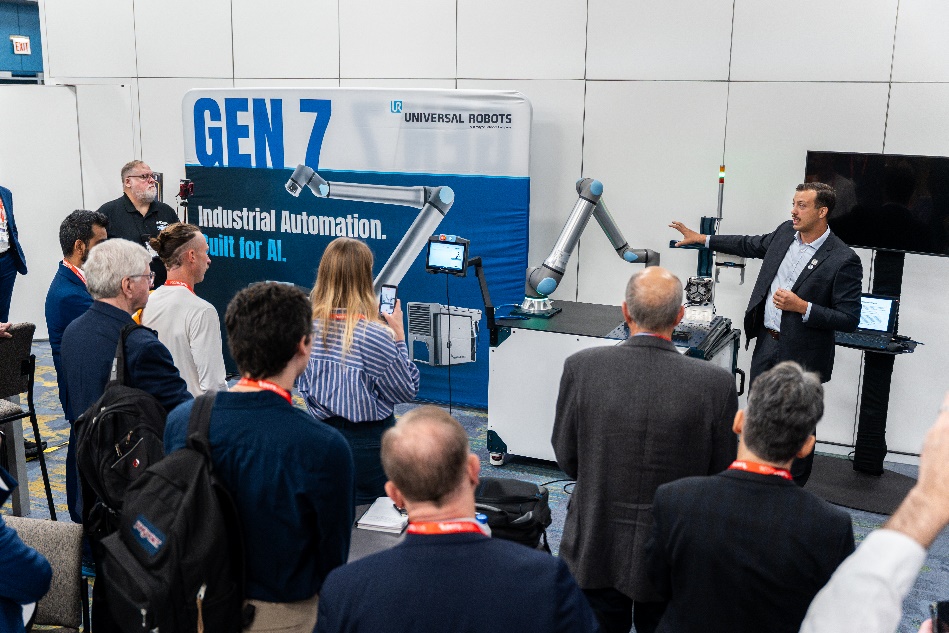
YouRobot Launches Gen 7 Platform for Enhanced Industrial Automation and Physical AI Deployment
YouRobot has introduced its new Gen 7 platform aimed at facilitating large-scale deployment of industrial automation and physical AI. This innovative platform is designed to enhance operational efficiency and adaptability in various industrial settings. The significance of the Gen 7 platform lies in its potential to transform how industries implement automation solutions. By leveraging advanced AI capabilities, YouRobot aims to address the growing demand for intelligent systems that can operate autonomously and improve productivity. Looking ahead, industry stakeholders should monitor the adoption rates of the Gen 7 platform and its impact on operational workflows. The response from the market will be crucial in determining the platform's success and its role in shaping the future of industrial automation.
Robotics Automation AI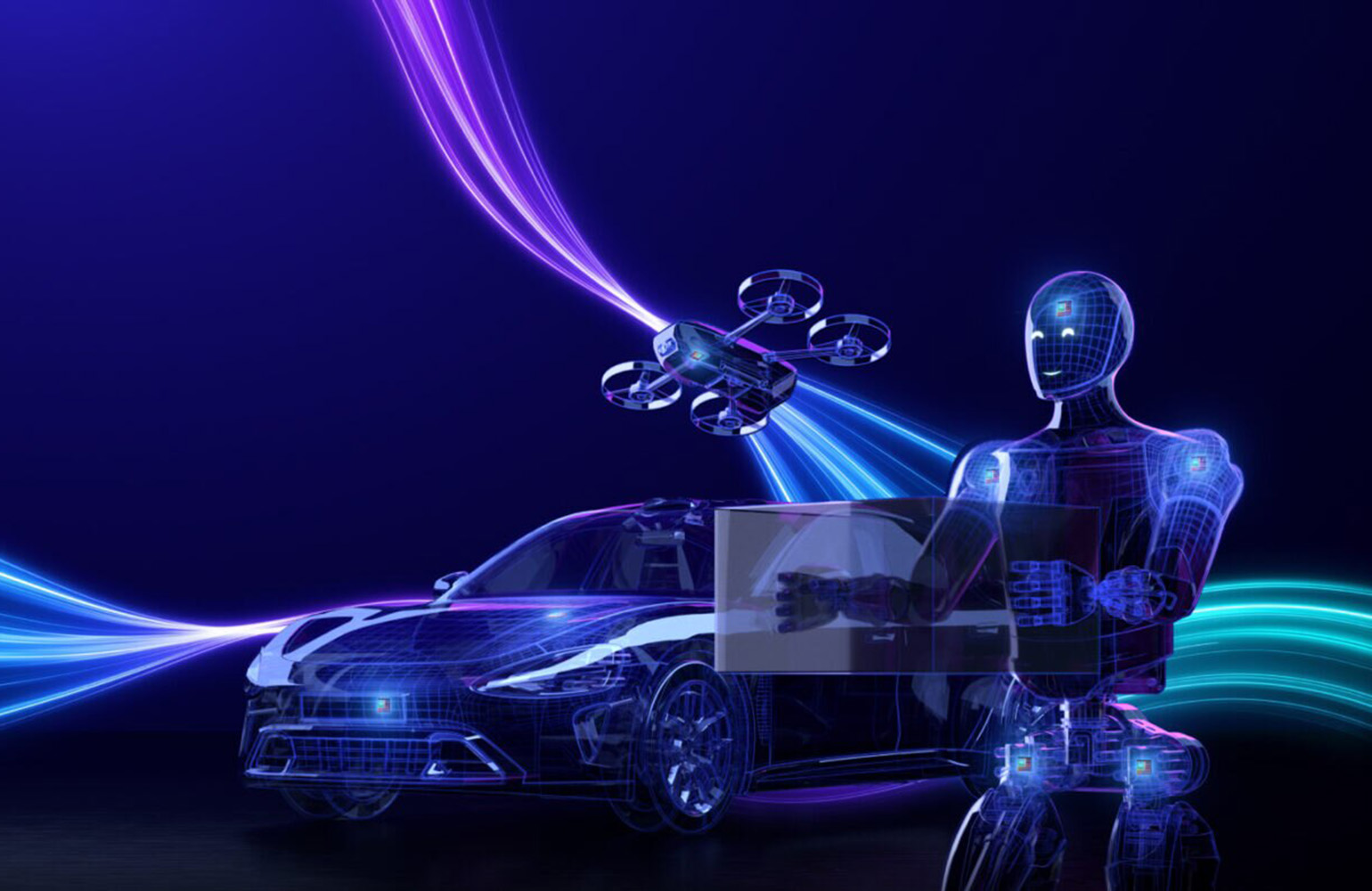
Arm to Address Scaling Trusted Physical AI at RoboBusiness 2023
Arm has launched Total Design, a new initiative aimed at simplifying integration and accelerating the development of autonomous systems. This initiative is crucial as advancements in foundation models and edge AI enhance the capabilities of robots, enabling them to perform complex tasks in real-world scenarios, such as intelligent prosthetics and safe human-robot collaboration. The significance of this development lies in the need for reliable autonomous systems that can operate safely and efficiently. Dermot O’Driscoll, VP of go-to-market for physical AI at Arm, will present at RoboBusiness on October 20-21 in Santa Clara, California. His talk, titled 'Building Physical AI that Scales,' will focus on the principles necessary for creating trusted physical AI systems that meet the demands of safety and efficiency in various applications. Looking ahead, attendees of RoboBusiness can expect to gain valuable insights into the engineering priorities that will shape the future of robotics. O’Driscoll's extensive experience at Arm positions him to provide a framework for developing physical AI systems that enhance human capabilities while addressing real-world challenges. No further timeline was disclosed at the time of publication.
Artificial Intelligence / Cognition Design / Development Events News ARM robobusiness
Renesas Electronics Opens Physical AI and Robotics Lab in Beijing, China
Renesas Electronics has officially launched its Physical AI & Robotics Lab in Beijing, China. This new facility is designed to allow customers to demonstrate, validate, and collaboratively develop next-generation robotic systems. The establishment of this lab is significant as it serves as a central hub for executing Renesas' physical AI strategy, facilitating the transition from proof-of-concept to deployment of advanced robotic solutions. This initiative underscores Renesas' commitment to innovation in the semiconductor industry. Looking ahead, the lab is expected to play a crucial role in advancing the development of robotics and AI technologies. No further timeline was disclosed at the time of publication.
Electronics News Research Robotics artificial intelligence beijing
Inspiren Secures $70 Million in Series C Funding to Enhance Physical AI for Senior Living
Inspiren has successfully raised $70 million in Series C funding, achieving a valuation exceeding $500 million. This funding round, led by NewView Capital, brings Inspiren's total funding to $225 million, marking it as the highest for a technology company focused on senior living. The platform utilizes AI-powered ambient awareness to assist caregivers in preventing emergencies, resulting in significant reductions in falls and hospitalizations across various communities. The importance of this funding lies in the growing demand for advanced technology in senior living, particularly as the 85-and-older population continues to expand in North America. Inspiren's innovative approach allows care teams to monitor residents more effectively, addressing the challenges posed by a clinically complex demographic and a strained workforce. The platform's success is evidenced by reported improvements in resident outcomes, including a 48% reduction in falls at Solera Senior Living and a 63% decline in injury-related falls at Clearwater Living. Looking ahead, Inspiren plans to utilize the new funding to scale its market presence and enhance its AI platform capabilities. The recent launch of Two-Way Voice and Alert Claiming features demonstrates Inspiren's commitment to providing real-time insights for care teams. No further timeline was disclosed at the time of publication.
AI Funding & Investment AI AI-driven platform capital markets funding Inspiren
Shanghai AI Laboratory Launches Intern Physical World Model W0 for Robotics Applications
Shanghai Artificial Intelligence Laboratory has introduced the Intern physical world model W0, which features native force-tactile sensing and duplex collaboration capabilities. This model is designed to enhance robotics applications by integrating with Intern InkStone and the science model S2, facilitating closed-loop processes in both wet and dry lab environments. The release of the Intern W0 model is significant as it aims to improve the efficiency of tasks such as lipid nanoparticle synthesis, which is crucial in various scientific and industrial applications. By enabling seamless collaboration between different models, the Shanghai AI Laboratory is positioning itself at the forefront of advancements in robotics and AI technologies. Looking ahead, industry observers should monitor how the integration of the Intern W0 with existing systems will impact research and development in robotics. No further timeline was disclosed at the time of publication.
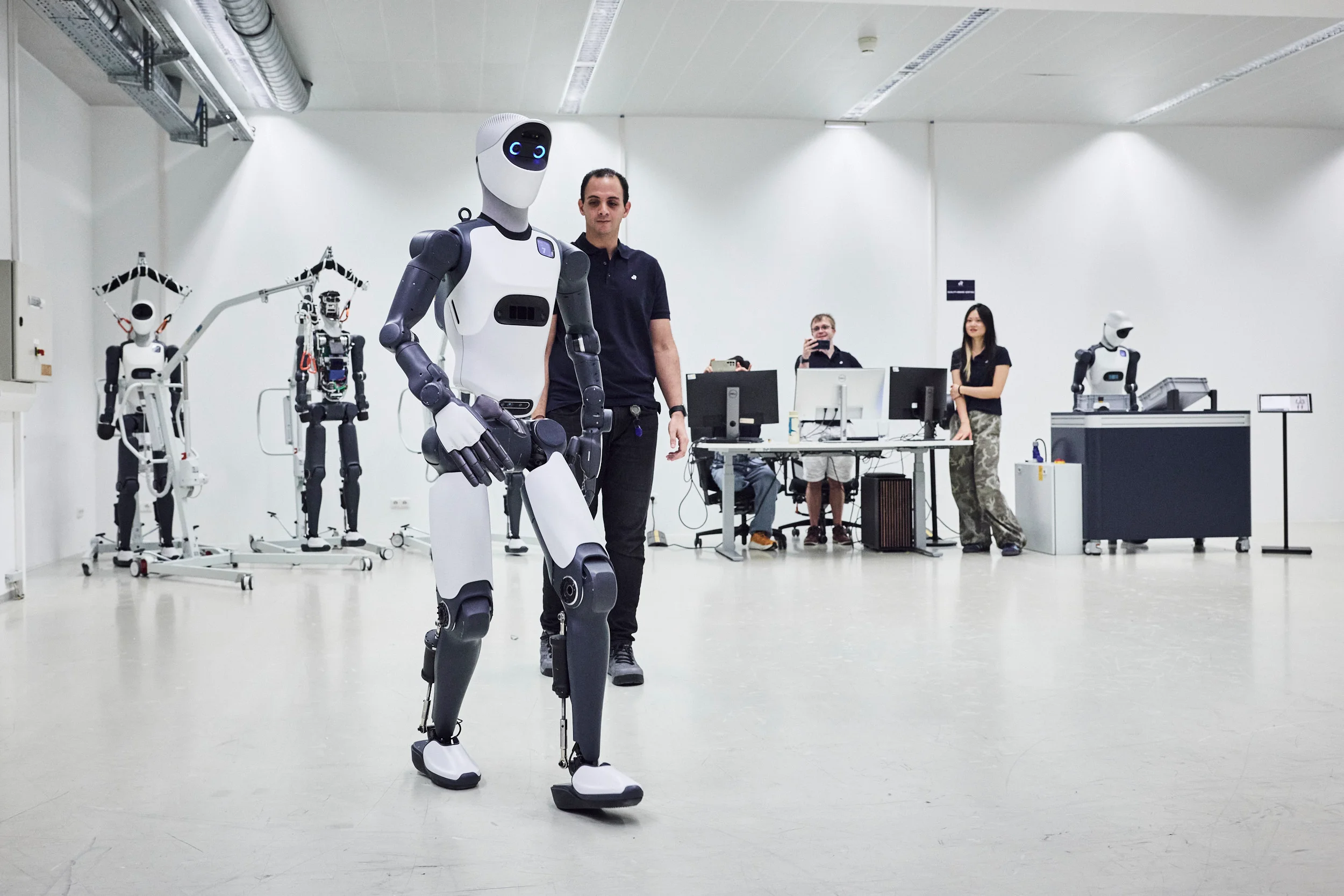
Agile Robots CEO Zhaopeng Chen Predicts Physical AI Market Will Exceed Automotive Sector by Tenfold
At the Physical AI event in Munich, Agile Robots CEO Zhaopeng Chen forecasted that the market for physical artificial intelligence and humanoids will surpass the global automotive industry by ten times. He based this prediction on the current automotive production figures, which see around 90 million vehicles produced annually, generating significant revenue. Chen's vision suggests a shift from traditional vehicle ownership to individual humanoid companions, aligning with broader market analyses that view embodied labor as a multi-trillion-dollar opportunity. However, he expressed skepticism about the immediate capabilities of AI in industrial settings, emphasizing the need for domain expertise and training in manufacturing processes. Attendees at the event were given insights into Agile Robots' approach to integrating physical AI into manufacturing. The company focuses on developing its entire physical AI stack in-house, including advanced end-effectors like the Agile Hand, which features sophisticated joint mechanics and tactile sensitivity, essential for effective operation in industrial environments. No further timeline was disclosed at the time of publication.
Agile ONE Europe Market Agile Robots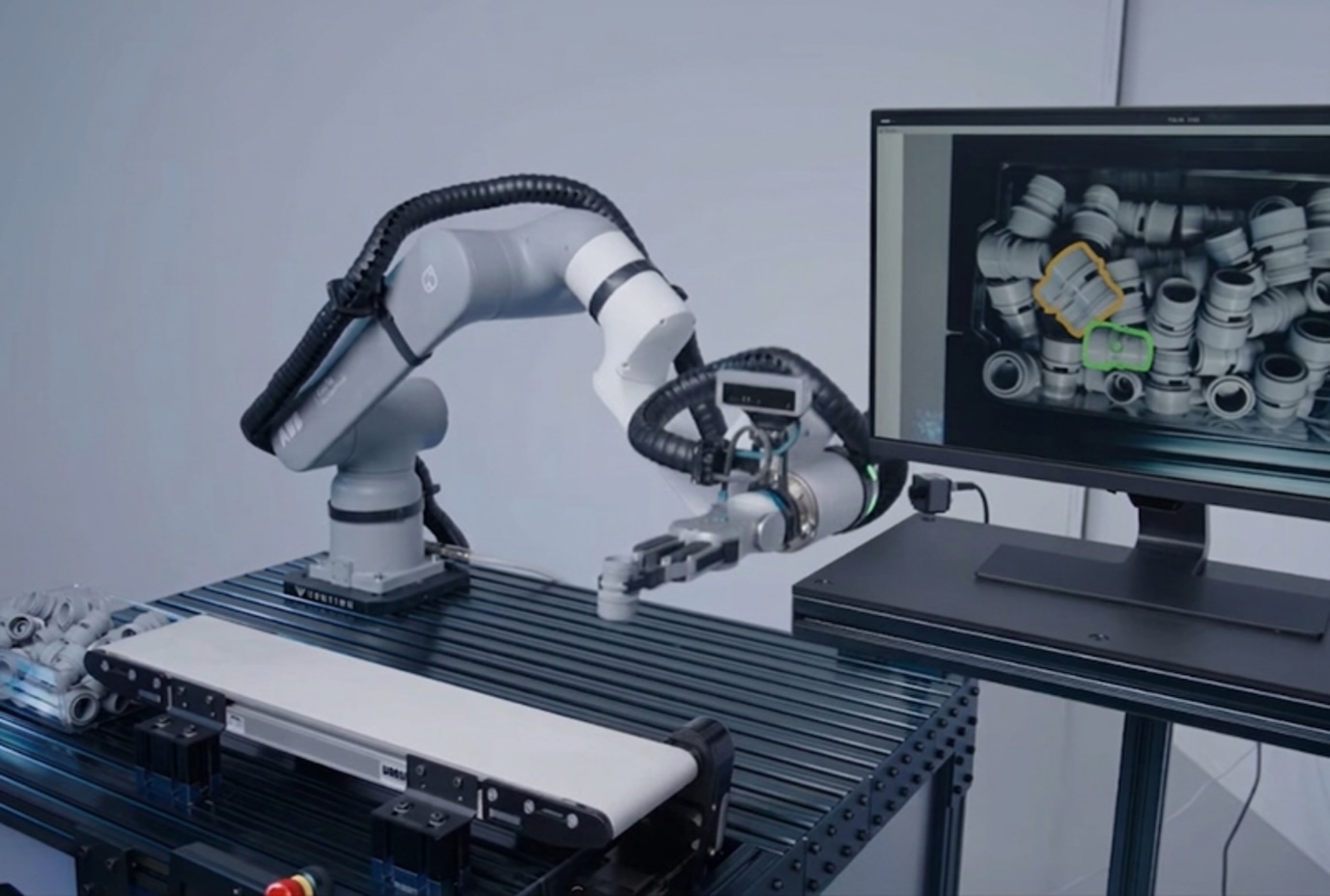
Vention Launches Physical AI Lab in Montreal to Advance Robotic Manipulation
Vention, a digital-first industrial automation platform, has inaugurated its physical AI lab in Montreal. This facility is spearheaded by Dr. Jimmy Li, Vention’s director of physical AI, with guidance from Dr. Joelle Pineau, chief AI officer at Cohere. The lab is dedicated to advancing robotic manipulation technologies tailored for manufacturing sectors such as industrial goods, electronics, and automotive production. The establishment of this lab is significant as it aims to enhance the capabilities of robotic systems in various manufacturing processes. By focusing on robotic manipulation, Vention seeks to improve efficiency and precision in production lines, which is crucial for industries that rely heavily on automation. The collaboration with experts in AI further underscores the lab's commitment to integrating cutting-edge technology into practical applications. Looking ahead, the lab's research initiatives are expected to yield innovative solutions that could transform manufacturing practices. Stakeholders will be keen to observe the developments from this facility, particularly in how it influences the adoption of robotics in industrial settings. No further timeline was disclosed at the time of publication.
Artificial Intelligence Digital Automation artificial intelligence canada computer vision griip
Vention Showcases Unified Platform Integrating Physical AI and Agentic AI at IMTS 2026
Vention is set to demonstrate its unified industrial automation platform at IMTS 2026, featuring both Physical AI and Agentic AI. The platform combines these two layers of intelligence to enhance robotics and machine operations, showcasing innovations such as the MachineAgent agentic cell. The significance of this development lies in its potential to streamline manufacturing processes through an interactive, end-to-end automated workflow. Attendees can witness live demonstrations of Physical AI capabilities, including Rapid Operator AI for deep bin picking and goal-driven collision-free path planning, which utilize advanced autonomous perception and robotic motion. Looking ahead, industry professionals should monitor how Vention's integration of these AI technologies influences manufacturing efficiency and automation trends. No further timeline was disclosed at the time of publication.

Skild AI Introduces S1 Robot Model Utilizing NVIDIA Physical AI for Task Learning
Skild AI has launched its S1 robot foundation model, designed to learn new tasks from a single video demonstration. This innovative approach utilizes in-context learning, allowing the robot to understand and execute tasks without the need for extensive reprogramming. The model was developed using NVIDIA AI infrastructure, highlighting a collaboration aimed at enhancing adaptable robot intelligence in dynamic environments. The significance of the S1 model lies in its ability to perform unfamiliar tasks, such as plant potting and pancake making, by interpreting video prompts. This method drastically reduces the time and resources typically required for retraining robots, achieving a success rate of 66% in executing new multistep tasks. Skild AI's approach marks a pivotal shift in robotics, moving away from fixed programming to a more flexible, experience-based learning model. Looking ahead, Skild AI is actively deploying the S1 model in various applications, including manufacturing and logistics, with over 60 partnerships established. The collaboration with NVIDIA and Foxconn aims to enhance precision in assembly tasks, showcasing the potential for robots to adapt in real-time to changing conditions on the factory floor. No further timeline was disclosed at the time of publication.
Vention Launches New Physical AI Lab in Montreal to Enhance Manufacturing Robotics
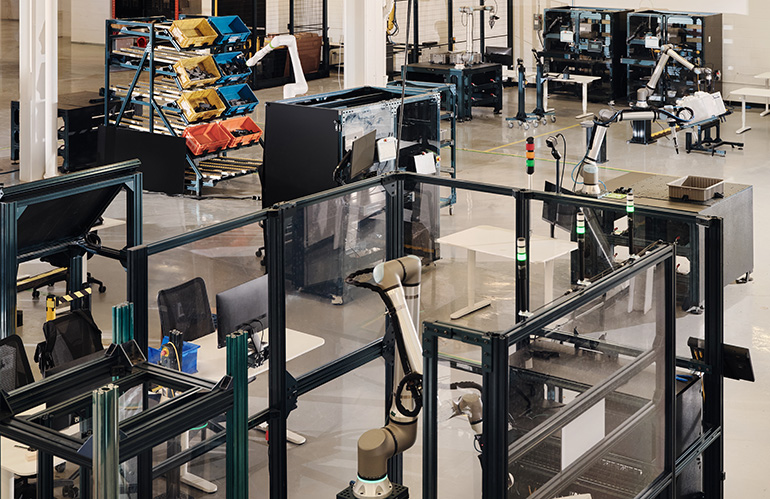
Vention Inc. has inaugurated its Physical AI Lab in Montreal, focusing on robotic manipulation in manufacturing. This facility aims to generate high-quality data essential for training AI models that control next-generation robots. According to CEO Etienne Lacroix, the lab leverages Vention's extensive experience with hundreds of robot cells to enhance the capabilities of physical AI. The establishment of the lab is significant as it addresses the growing demand for reliable and economical automation solutions in manufacturing. Vention's technology stack, which includes hardware, software, and physical AI, has already been deployed in over 28,000 machines globally, including in 90 of the Fortune 500 companies. The lab's unique approach combines academic research with real-world production challenges, allowing for rapid advancements in AI capabilities. Looking ahead, Vention aims to validate new AI capabilities against the practical requirements of production lines, with a focus on complex manufacturing tasks. No further timeline was disclosed at the time of publication. The integration of industry feedback into the research process is expected to accelerate the development of effective automation solutions.
Arms / Manipulators Artificial Intelligence Artificial Intelligence / Cognition Assembly Automotive Cameras / Imaging / Vision
OnLogic to Showcase Physical AI Hardware and Manufacturing Solutions at IMTS 2026
At IMTS 2026, OnLogic will present live demonstrations of its hardware designed for physical AI applications. This event will feature collaborations with notable companies including Microsoft, Nokia, and Inductive Automation, showcasing automated control and private wireless solutions tailored for factory environments. The significance of this demonstration lies in its potential to enhance manufacturing efficiency and automation through advanced technology. By integrating OnLogic's purpose-built hardware with contributions from industry leaders, the event aims to highlight innovative solutions that can transform factory operations and improve productivity. Looking ahead, attendees should watch for the specific applications and use cases presented during the demonstrations. The collaboration with major tech companies suggests a strong emphasis on cutting-edge solutions that could redefine manufacturing processes. No further timeline was disclosed at the time of publication.

Vention Launches Leading Physical AI Lab in Montreal for Industrial Robotics Advancement
Vention has inaugurated Canada's premier Physical AI and industrial robotics lab in Montreal, aimed at enhancing robotic manipulation through the integration of advanced AI research into scalable manufacturing solutions. This initiative is significant as it focuses on applied manufacturing use cases, industrial data collection, and the development of post-training foundation models for robotics, leveraging existing intellectual property while generating new innovations. Looking ahead, stakeholders should monitor the lab's progress in bridging AI research with practical manufacturing applications. No further timeline was disclosed at the time of publication.

Antioch Secures $32 Million in Series A Funding to Enhance Physical AI Simulation Platform
Antioch has successfully raised $32 million in Series A funding, led by Greylock, to advance its simulation platform tailored for robotics and autonomous systems. This funding will enable Antioch to enhance product development, hire additional engineering talent, and expand simulation capabilities across various physical AI applications, including drones and industrial automation. The significance of this funding lies in Antioch's innovative approach to high-fidelity simulations, which allows physical AI teams to build, test, and validate systems before deploying them in real-world scenarios. By calibrating simulations to customer hardware and leveraging cloud-scale processing, Antioch aims to overcome the limitations of existing simulation platforms, thereby accelerating the development cycle for autonomous systems. Looking ahead, Antioch is already collaborating with notable physical AI teams, including Amazon's Ring, and has established partnerships with Nvidia and cloud provider Nebius. The company, which previously raised $8.5 million in seed funding, is set to utilize this latest investment to further its mission of transforming physical AI testing and deployment through advanced simulation technologies. No further timeline was disclosed at the time of publication.
AI AI Funding & Investment Robotics A* Antioch Box Group
GMO AIR Launches New Service 'GMO LOOP for Physical AI' to Enhance Humanoid Robotics
GMO AI & Robotics Co., part of the GMO Internet Group, has launched a new service called 'GMO LOOP for Physical AI' on September 8, 2026. This service utilizes operational data from humanoid robots to continuously improve their motion accuracy, addressing challenges such as the lack of real-world data and the Sim2Real gap. The importance of this service lies in its ability to adapt humanoid robots to various operational environments, which differ significantly from one another. By leveraging data collected from actual operations, GMO LOOP aims to enhance the precision of humanoid movements, thereby facilitating better integration of these robots into real-world applications. Looking ahead, the focus will be on how effectively GMO LOOP can gather and utilize operational data to improve humanoid performance. As competition intensifies among companies developing humanoids, the ability to convert real-world data into enhanced accuracy will be crucial for success. No further timeline was disclosed at the time of publication.

Physical Superintelligence Secures $58 Million to Advance AI Physics Platform Development
Physical Superintelligence (PSI) has successfully raised $58 million in seed funding, led by Breakthrough Energy Ventures, to develop its AI-based physics platform named Emmy. This funding will enable PSI to recruit top talent and enhance its computational models aimed at optimizing data centers. The significance of this funding lies in PSI's ambition to revolutionize the discovery of new physics, particularly in optimizing terrestrial and orbital data centers. CEO Matt Pines emphasized that the initial focus on data centers will pave the way for tackling long-standing physics challenges, making advanced research more accessible. Looking ahead, PSI plans to utilize the funding for expanding its team of physicists and AI researchers, developing Emmy's capabilities, and exploring applications in energy and computing. No further timeline was disclosed at the time of publication.
AI Funding & Investment AI Breakthrough Energy Ventures capital markets funding funding round
Inbolt CEO to Address Physical AI Deployment Challenges at RoboBusiness 2023
Inbolt's CEO Rudy Cohen will present at RoboBusiness on October 20-21, discussing the deployment challenges of physical AI in robotics. He argues that the real bottleneck lies in the integration between perception and motion, rather than data availability. Cohen's insights are based on experiences from over 100 factories and extensive production data from major automotive companies. The significance of this discussion is underscored by Inbolt's innovative approach to robotics, which combines vision and AI to enhance manufacturing processes. By addressing the integration tax and improving real-time control, Inbolt aims to streamline deployments that currently incur high costs and lengthy timelines. Cohen's presentation will challenge prevailing assumptions about the limitations of physical AI. Looking ahead, attendees of RoboBusiness can expect to gain valuable insights into the practical applications of physical AI in manufacturing. Cohen's talk will highlight how existing production data can demonstrate the commercial viability of physical AI, potentially reshaping industry perspectives on its deployment. No further timeline was disclosed at the time of publication.
Artificial Intelligence Artificial Intelligence / Cognition Design / Development Events News Inbold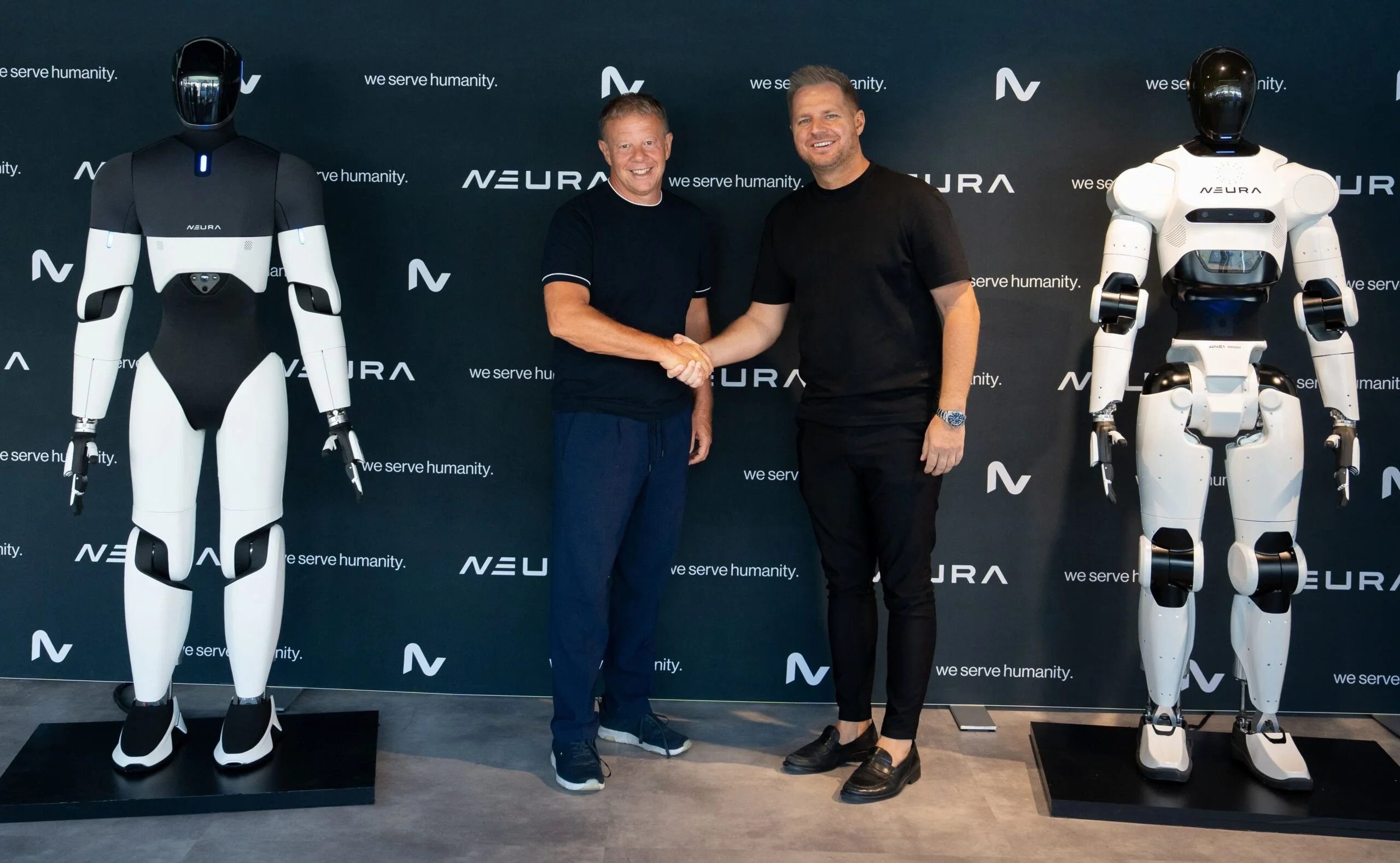
Neura Robotics and Seco Form Strategic Partnership for Physical AI and Robot Compute
Neura Robotics and Seco have established a strategic partnership focused on developing robot compute hardware and physical AI automation. This collaboration aims to manufacture key computing components for Neura's cognitive robots, including the 4NE1 humanoid, using Qualcomm Dragonwing processors. The partnership also includes plans to open a Neura Gym in Italy for training and to collect real-world production data from industrial applications. This partnership is significant as it aims to enhance the capabilities of Neura's robots through advanced computing and physical AI, which could revolutionize semiconductor and electronics manufacturing. By leveraging real-world data, Neura and Seco intend to create automation solutions that can be deployed globally, thereby contributing to a broader European physical AI ecosystem that integrates regional robotics and manufacturing expertise. Looking ahead, the collaboration will focus on training machines to handle complex production processes, with the goal of scaling these capabilities across various manufacturing environments. No further timeline was disclosed at the time of publication.
AI AI Funding & Investment Capital Markets Robotics Europe Germany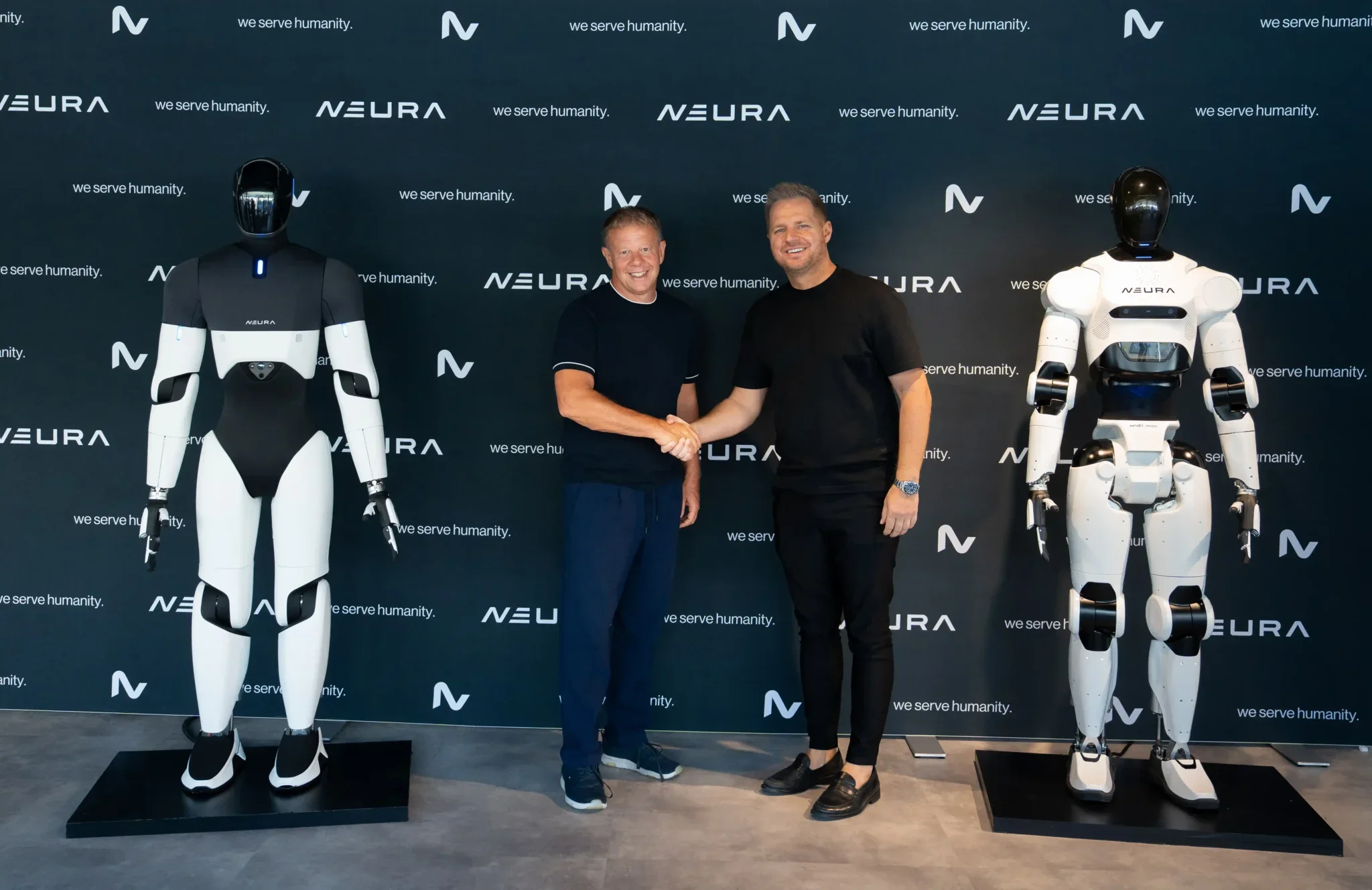
NEURA Robotics and SECO Collaborate to Advance European Physical AI Hardware Production
On September 7, 2026, NEURA Robotics, based in Metzingen, announced a strategic partnership with SECO S.p.A. to industrialize the compute infrastructure for NEURA's cognitive robots. SECO will design and produce industrial-grade electronic compute modules for NEURA’s humanoid platform, the 4NE-1, utilizing Qualcomm Dragonwing processors to support a decentralized compute strategy. This collaboration is significant as it aims to transition from centralized computing to localized, real-time edge processing, enhancing the robots' responsiveness in unpredictable industrial environments. NEURA's architecture, described as a 'Brain + Nervous System,' integrates sensing and compute hardware across the robot's limbs, allowing for ultra-low-latency interactions crucial for human-robot collaboration. Looking ahead, NEURA and SECO plan to establish a 'NEURA Gym' in Italy, focusing on real-world data collection to improve physical AI models. This initiative aims to address challenges in robotic autonomy during the transition from simulation to real-world applications, particularly in semiconductor manufacturing. No further timeline was disclosed at the time of publication.
Neura Robotics Europe Market
NEURA Robotics and SECO Partner to Enhance Physical AI Production in Europe
NEURA Robotics and SECO S.p.A. have announced a strategic partnership aimed at industrializing and scaling Physical AI in Europe. This collaboration will focus on the design, engineering, and manufacturing of electronic compute modules for NEURA's cognitive robots, including the humanoid 4NE1. The partnership is significant as it combines NEURA's expertise in Physical AI and robotics with SECO's embedded engineering and manufacturing capabilities. The electronic compute modules will utilize Qualcomm Dragonwing™ processors, which are integral to NEURA's distributed compute architecture, enhancing the performance of their robots. Looking ahead, the collaboration is expected to facilitate scalable series production of cognitive robots in Europe. No further timeline was disclosed at the time of publication.

OpenAI's GPT-6 Astra Achieves 95% Success in Physical Manipulation Benchmark
OpenAI's GPT-6 Astra has achieved a remarkable 95% success rate in a gross pick-and-place task using dual I2RT YAM robotic arms, according to evaluation data from RoboCurve. This performance highlights Astra's advancements in spatial reasoning and physical manipulation, surpassing competitors like Anthropic's Claude Fable models. However, the trials also revealed limitations in Astra's zero-shot physical reasoning capabilities, particularly in precision tasks requiring sub-millimeter tolerances. In a precision puzzle task, Astra only succeeded in 2 out of 20 attempts, indicating that while it excels in certain areas, it still faces challenges similar to earlier models. Looking ahead, RoboCurve's Jay Chooi suggests that if current performance trends continue, large language models like Astra could potentially control robotic arms in real time within the next two to three years. This development could significantly impact the robotics industry, particularly in applications requiring high precision and efficiency.
OpenAI US Benchmark Anthropic RoboCurve
Exploring the Role of FPGAs in Enhancing Physical AI Security
In Episode 260 of The Robot Report Podcast, Eric Sivertson, vice president of security at Lattice Semiconductor, discusses the significance of FPGAs in physical AI security. He highlights how these field-programmable gate arrays are crucial for building safe and secure robots, emphasizing their role in enhancing trust in embedded systems. The conversation underscores the growing importance of security in robotics, particularly as the industry shifts towards more advanced AI applications. Sivertson's extensive experience in developing technologies for security and connectivity positions him to provide valuable insights into the challenges and opportunities within this sector. Listeners should pay attention to the evolving landscape of physical AI security and the potential for FPGAs to serve as foundational elements in safeguarding robotic systems. No further timeline was disclosed at the time of publication.
Artificial Intelligence Autonomous Mobile Robots (AMRs) Humanoids Manufacturing Markets / Industries Microprocessors / SoC
FANUC America to Showcase Robotics, Automation, and Physical AI Innovations at IMTS 2026
FANUC America will present its latest innovations in robotics, automation, and Physical AI at IMTS 2026, scheduled for Booth 338900. The company aims to demonstrate how its advanced technologies can enhance manufacturing productivity, flexibility, and deployment speed. The significance of FANUC's showcase lies in its commitment to integrating advanced CNC technologies with machining automation and robotics. This integration is expected to provide manufacturers with the tools needed to meet the evolving demands of the industry, ultimately leading to improved operational efficiency. As the event approaches, industry stakeholders should keep an eye on FANUC's demonstrations and product offerings. The focus on Physical AI and its applications in manufacturing could set new benchmarks for productivity and innovation in the sector. No further timeline was disclosed at the time of publication.

JD Cloud Pursues 'Physical AI' Vision from Airport Advertising to JDD Conference
JD Cloud is advancing its 'physical AI' initiative, which spans from advertising in airports to its annual JDD conference. This strategy focuses on integrating robots, embodied data, and home devices, marking a shift as AI technology transitions from digital screens into tangible real-world applications. This development is significant as it highlights JD Cloud's commitment to leveraging AI in everyday environments, enhancing user interaction and experience. By investing in physical AI, the company aims to redefine how consumers engage with technology, making it more accessible and integrated into daily life. Looking ahead, industry observers should monitor JD Cloud's progress in this area, particularly how its initiatives at the JDD conference will showcase advancements in physical AI. No further timeline was disclosed at the time of publication.

Cognizant Introduces Physical AI Platform to Integrate Agentic and Physical Systems
Cognizant has launched a physical AI platform-as-a-service called Intelligence Spine, designed to unify physical systems and agentic AI in manufacturing environments. This platform aims to connect various physical elements, such as sensors and robots, with an agentic layer that can reason and act, creating a cohesive system for ownership and governance. The significance of this launch lies in its potential to overcome the challenge of fragmented intelligence in manufacturing settings, where different AI agents operate independently. By providing a central nervous system-like framework, Cognizant's platform enables manufacturers to scale their AI capabilities across multiple plants and assembly lines, thereby enhancing operational efficiency and data sharing. Looking ahead, Cognizant's platform can be deployed across eight industries, including utilities, manufacturing, and healthcare. As manufacturers increasingly adopt AI technologies, the effectiveness of Cognizant's solution in fostering integration and collaboration among diverse AI systems will be crucial for its success in the market. No further timeline was disclosed at the time of publication.
Factory / Analytics
Exploring Wireless Connectivity's Role in Advancing Physical AI and Humanoids
As artificial intelligence transitions from research environments to practical applications in homes, warehouses, and factories, the importance of wireless connectivity has surged. It is now considered as vital to a robot's intelligence as the AI model itself. This shift highlights the necessity for a robust wireless infrastructure that supports low-latency, low-power, and high-speed communication. Such capabilities are essential for enabling embodied AI, which relies on seamless interaction with its environment. Looking ahead, the development of a multi-radio stack will be crucial for the future of physical AI and humanoid robots. The integration of advanced wireless technologies will likely enhance their operational efficiency and responsiveness. No further timeline was disclosed at the time of publication.

NexCOBOT Addresses Challenges and Growth in the Physical AI Market
NexCOBOT, showcased at the Robotics Summit & Expo, is navigating the evolving landscape of physical AI. The company, which specializes in motion and safety controllers, has noted a surge in interest from developers of legged robots and mobile manipulators. This trend is underscored by significant acquisitions in the sector, such as Mobileye's $900 million purchase of Mentee Robotics. The implications of these acquisitions are profound for industrial adoption, as highlighted by Jenny Shern, NexCOBOT's general manager. She emphasized that smaller robotics firms possess specialized expertise, while larger tech companies bring the necessary resources to scale innovations. This dynamic is shaping the future of intelligent systems, making acquisitions a strategic move for major players in the tech industry. Looking ahead, NexCOBOT remains focused on scaling its functional safety robotic controllers and fulfilling a robust backlog of global orders. While funding for physical AI has seen fluctuations, the company maintains a stable financial position, indicating resilience amid changing investment landscapes. No further timeline was disclosed at the time of publication.
Artificial Intelligence / Cognition Controllers Healthcare Robotics Human Robot Interaction / Haptics Humanoids Investments
Ouster Expands into Drone Mapping and Autonomous Vehicles with Physical AI Technology
Ouster is advancing its technology that enables machines to perceive and navigate their environments, contributing to the growth of physical AI. The company is entering the drone mapping sector through a collaboration with GeoCue, while John Deere is integrating Ouster sensors into its GUSS autonomous vehicles. This expansion is significant as it highlights the increasing demand for physical AI solutions across various industries. Ouster's CEO, Angus Pacala, emphasized the company's commitment to exploring new markets and addressing the evolving needs for advanced sensing technologies in automation. Looking ahead, industry stakeholders should monitor Ouster's developments in drone mapping and its partnership with John Deere. No further timeline was disclosed at the time of publication.

Chef Robotics Discusses Food as a Challenge for Physical AI at RoboBusiness 2026
Chef Robotics has developed a robotic system aimed at high-mix food preparation, highlighting the complexities of manipulating food. The company noted that food presents unique challenges due to its deformable nature, varying weights, and sensitivity to temperature, which complicates automation efforts. This complexity is significant as Chef Robotics has created the largest dataset for deformable material manipulation, completing over 118 million servings across food manufacturing facilities in North America and Europe. Their Food Foundation Model (FFM) allows robots to adapt to new ingredients with minimal retraining, showcasing the potential for advancements in physical AI beyond the food industry. At RoboBusiness 2026, Rajat Bhageria, CEO of Chef Robotics, will present on the challenges of food in physical AI and its broader implications. Attendees can expect insights into adaptive grasping and tactile feedback, which may benefit various sectors, including healthcare and agriculture. No further timeline was disclosed at the time of publication.
Artificial Intelligence Artificial Intelligence / Cognition Design / Development End Effectors / Grippers Events Food / Beverage
NEC to Pursue Manufacturer Acquisitions in Physical AI and Aerospace Sectors
NEC, the Japanese technology group, is set to explore acquisitions within the manufacturing sector, focusing on growth opportunities in physical artificial intelligence, aerospace, and defense. This strategic move aligns with NEC's broader ambition to enhance its capabilities and market presence in these emerging fields. The significance of this initiative lies in NEC's commitment to not limit its mergers and acquisitions to any specific market, as stated by the company's CFO. This approach reflects a proactive strategy to adapt to evolving industry demands and technological advancements, particularly in sectors like aerospace and defense, which are increasingly reliant on innovative AI solutions. Looking ahead, industry observers will be keen to see how NEC's acquisition strategy unfolds and which specific manufacturers it targets. No further timeline was disclosed at the time of publication.

Exploring Real-World Applications of Physical AI at RoboBusiness 2026
At RoboBusiness 2026, scheduled for October 20-21 in Santa Clara, California, industry leaders will explore the practical applications of physical AI in robotics. The keynote panel, titled 'Beyond the Demo: AI in Production Robots,' will feature experts from Amazon Robotics, Teradyne Robotics, and Cobot discussing the integration of AI in real customer environments. This event is significant as it highlights the growing importance of physical AI, which has attracted tens of millions in funding. The discussions will cover various aspects of AI implementation, including perception, autonomy, fleet optimization, and maintenance, showcasing how these technologies can deliver measurable business value in sectors like manufacturing and logistics. Attendees can expect to gain insights into cutting-edge research and industry trends, as well as networking opportunities with other professionals. The event promises to be a pivotal moment for commercial robotics developers, with no further timeline disclosed at the time of publication.
Artificial Intelligence Artificial Intelligence / Cognition Design / Development Events News Amazon
Enhanced Grippers Essential for Advancing Physical AI in Robotics
Physical AI aims to create robots that can perceive, act, and adapt with minimal task-specific engineering. This technology relies on effective hardware, particularly end-of-arm tooling (EOAT), which must integrate adaptability, sensing, and feedback to manage real-world variability in manufacturing environments. The importance of reliable EOAT cannot be overstated, as it enables robots to handle variations in part sizes, shapes, and materials. As AI models evolve, the execution layer becomes crucial; without effective grippers, the intelligence of the models is rendered less valuable. The ability to adjust gripping parameters enhances the practical application of AI-driven robotics. Looking ahead, the development of grippers that can provide feedback on grip and part detection will be vital. This capability ensures that robots can confirm successful interactions with objects, thereby expanding their operational range. No further timeline was disclosed at the time of publication.
Artificial Intelligence Artificial Intelligence / Cognition Design / Development End Effectors / Grippers News Technologies
Renesas Opens Physical AI & Robotics Lab in Beijing to Boost Robotics Development
Renesas Electronics Corporation has officially launched its Physical AI & Robotics Lab in Beijing, China. This new facility is designed to support customers in demonstrating, validating, and co-developing next-generation robotic systems. The establishment of this lab is significant as it will serve as a central hub for executing Renesas' physical AI strategy, facilitating the transition from proof-of-concept to large-scale deployment of advanced robotics solutions. Looking ahead, the lab is expected to play a crucial role in advancing robotics innovation and physical AI applications. No further timeline was disclosed at the time of publication.

Neura Robotics Completes Acquisition of ADLATUS to Enhance Physical AI Capabilities
Neura Robotics, a German robotics startup, has announced its fifth acquisition in 16 months, acquiring Adlatus, a manufacturer of autonomous cleaning and sweeping robots. This acquisition aims to integrate Neura's sensor and AI technologies into Adlatus's fleet, enhancing the capabilities of these robots within Neura's physical AI infrastructure, known as the Neuraverse. The significance of this acquisition lies in Neura's vision to transform the cleaning industry through advanced physical AI. CEO David Reger emphasized that the goal is not merely to add another cleaning robot but to create machines that can understand their environment and tasks. This aligns with the growing demand for automation in a labor-intensive global market. Looking ahead, Neura Robotics is focused on expanding its Neuraverse platform and developing physical AI systems. The company recently raised up to $1.4 billion in funding, indicating strong investor interest in the physical AI sector, which has seen substantial venture capital investment in recent months. No further timeline was disclosed at the time of publication.
Physical AI: Addressing Economic Viability at the 2026 WRC in Beijing
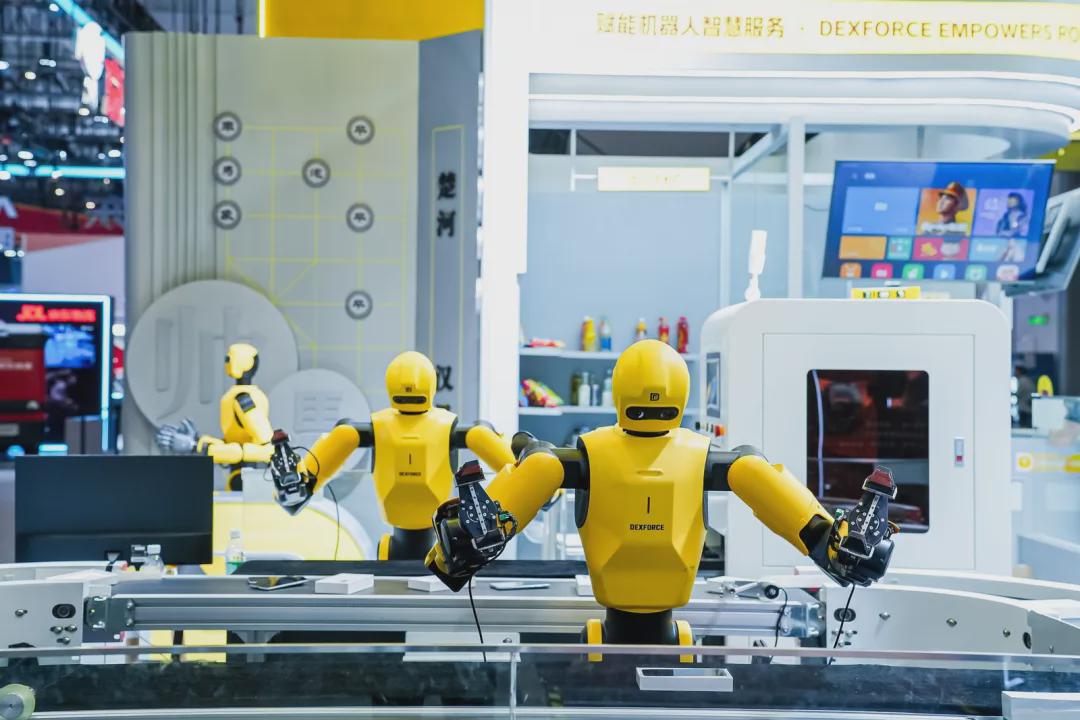
At the 2026 World Robot Conference (WRC) in Beijing, the narrative in the robotics industry shifted from biomimetic forms to questions of economic viability. On August 19, Kuawei Intelligence hosted the 'Physical AI Leaders Forum,' where founder and CEO Jia Kui introduced the concept of 'Physical Token Economics' to explore how embodied intelligence can achieve true economies of scale. This shift in focus reflects a growing concern among industry leaders regarding the sustainability and calculability of intelligent production capabilities. While hardware metrics like mobility and stability have been popular, the emphasis is now on economic parameters such as scene adaptability and deployment costs. Many companies are prioritizing factory integration and commercial services, yet challenges remain, particularly with demonstrations that still rely heavily on remote control or specific scenarios, leading to significant drops in success rates with minor environmental changes. Looking ahead, the introduction of Physical Token Economics aims to provide a theoretical framework for measuring and quantifying physical intelligence. As the industry grapples with how to define and measure the costs associated with producing reliable physical intelligence, this concept could bridge the gap between technological advancements and economic feasibility. No further timeline was disclosed at the time of publication.
Physical AI Token Economics Robotics Industry 4.0
NVIDIA Transitions to Infrastructure Builder for Physical AI with Comprehensive Solutions
NVIDIA is accelerating its transformation from an 'AI chip manufacturer' to an 'infrastructure builder for the physical AI era.' The company's strategy focuses on creating a full-stack 'operating system' for physical world agents, including robots, autonomous vehicles, and smart factories, encompassing simulation, training, and deployment. This strategic shift is driven by NVIDIA's assessment of market potential, with CEO Jensen Huang stating that 'physical AI is the next wave of growth.' The market for physical AI is estimated internally by NVIDIA to reach $100 trillion, significantly surpassing the current $2 trillion IT industry. The global labor shortage, projected to reach tens of millions by the end of the century, positions robots and AI agents as crucial solutions to fill this gap. NVIDIA aims to replicate its successful ecosystem-building approach from the PC and server era through its platforms. Key offerings include the Omniverse platform for high-fidelity virtual environments, the Cosmos series for foundational models, and the Isaac platform for comprehensive robot development tools. A strategic partnership with LG Group aims to develop humanoid robot technology, with plans to generate 100,000 hours of training data by the end of 2026.
AI Infrastructure Robotics Autonomous Vehicles Simulation Technology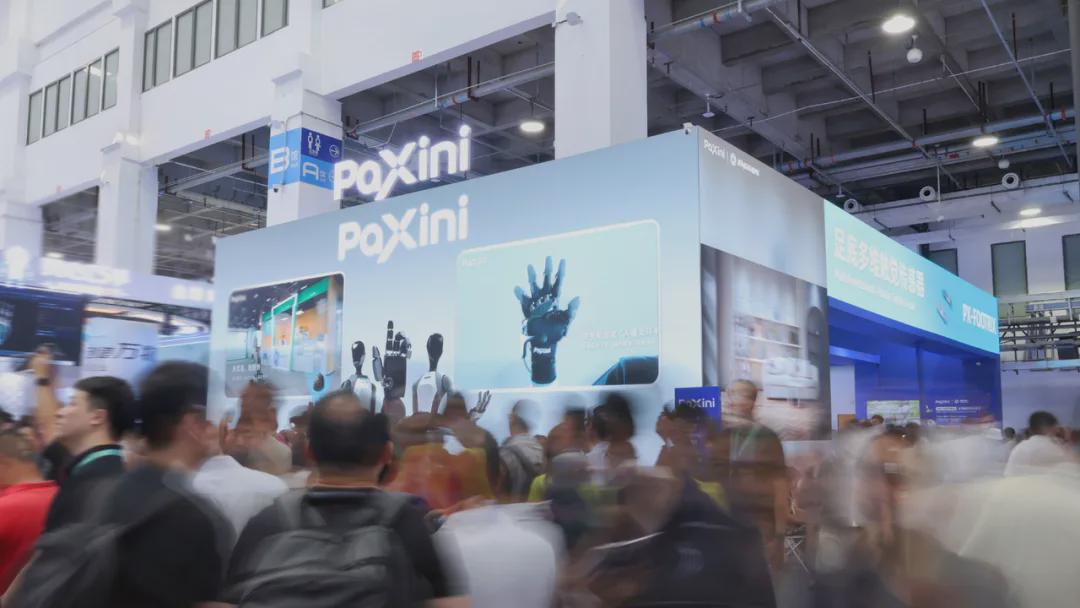
PaXini Unveils Four Advanced Products to Enhance Physical AI at WRC 2026
PaXini AI has launched four new products aimed at addressing challenges in the physical AI sector during the 2026 World Robot Conference (WRC). These products focus on enhancing the perception capabilities of robots, which are crucial for their effective operation in complex environments such as industrial manufacturing and logistics. The introduction of these products is significant as they aim to fill gaps in the current robotics landscape, particularly in achieving precise physical interactions. The PX-FOOTRIX sensor, for example, offers advanced tactile feedback that allows bipedal robots to better understand their footing and adapt to various surfaces, thus improving their mobility in real-world scenarios. Looking ahead, the emphasis on practical delivery and industry standards will be vital for PaXini as they continue to innovate in the physical AI space. No further timeline was disclosed at the time of publication.
Embodied Intelligence Physical AI Tactile Sensors Data Collection Robotics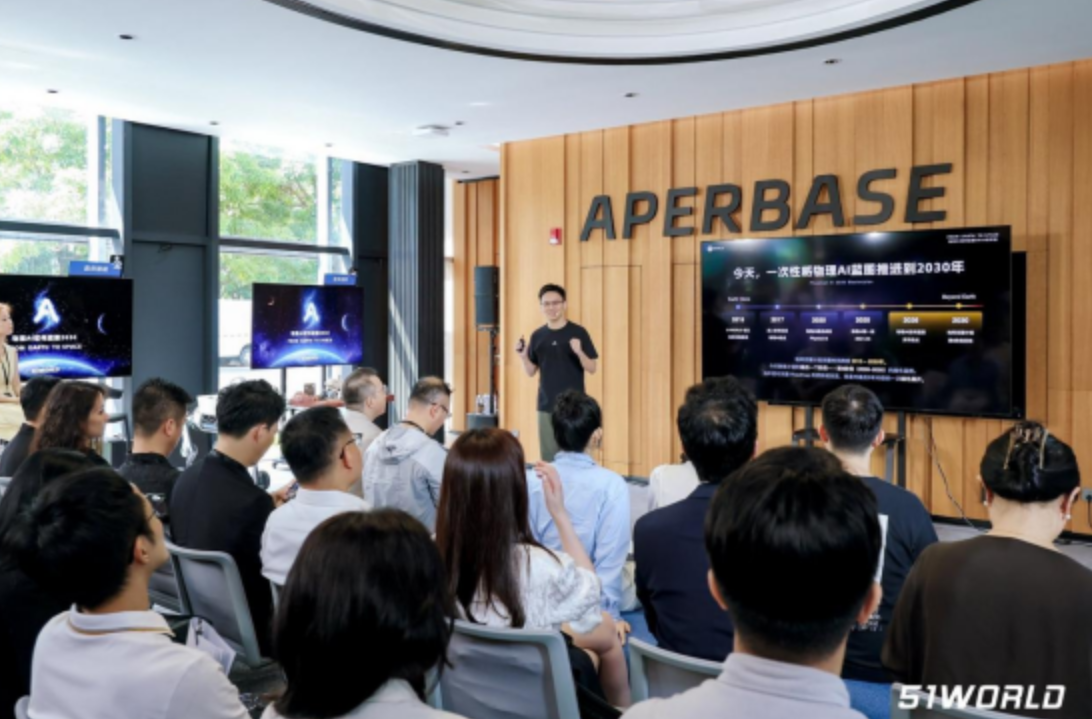
After 11 Years of Earth Cloning, Company Shifts to Physical AI in Space
After 11 years of working on a project to digitally clone Earth, the company Five One Vision has pivoted its focus to developing physical AI technologies for space applications. On August 18, the company launched two embodied intelligence products and unveiled a three-tier aerospace strategy encompassing low-altitude, space, and deep space operations. The new products include AperData, a data collection platform that significantly enhances data accuracy and efficiency, and AperOne, a comprehensive operating system platform aimed at addressing challenges in robot deployment. The company has already validated these solutions in various scenarios, including a smart chemical plant and a national conference center. Five One Vision reported a revenue of 124 million yuan in the first half of 2026, marking a 129.8% increase year-on-year. As the company transitions its business model from software fees to value-based pricing, it is establishing itself as a foundational provider of physical AI infrastructure, ensuring that essential training data and simulation platforms are available for future robotic applications in space.
Physical AI Data Collection Aerospace Technology Robotics Simulation Platforms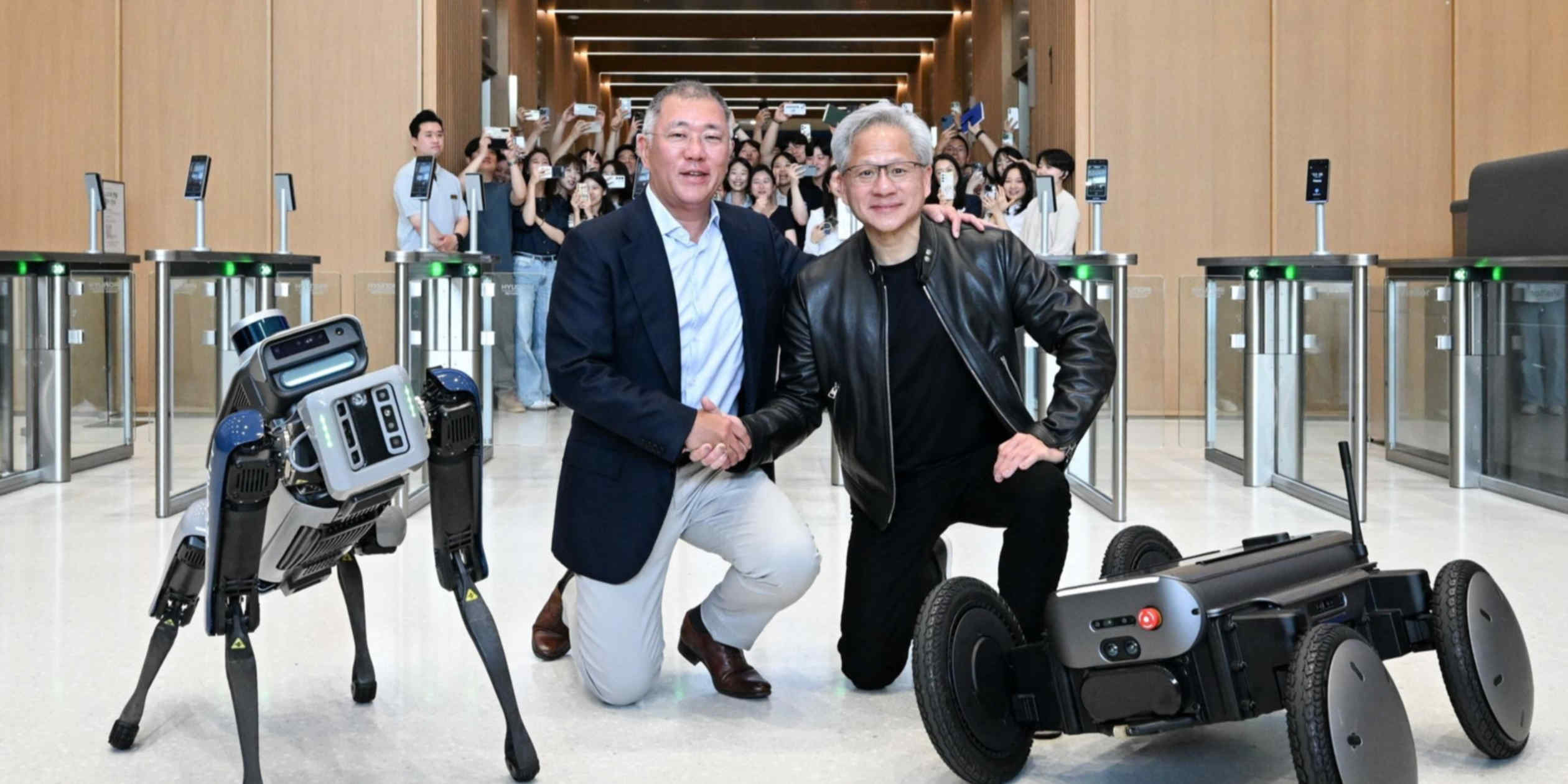
Hyundai Motor Group Invests $6 Billion in Physical AI to Transform Beyond Automobiles
Hyundai Motor Group is set to invest $6 billion in the 'Saemangeum AI Valley' to establish itself as a leader in robotic physical artificial intelligence. This initiative reflects the company's ambition to evolve beyond traditional automotive manufacturing and embrace advanced AI technologies. The investment is significant as it positions Hyundai at the forefront of the physical AI sector, which is rapidly gaining traction in various industries. By focusing on this innovative technology, Hyundai aims to enhance its competitive edge and adapt to the changing landscape of mobility and automation. Looking ahead, industry observers will be keen to see how Hyundai's investment in the Saemangeum AI Valley unfolds and impacts its operations. No further timeline was disclosed at the time of publication.
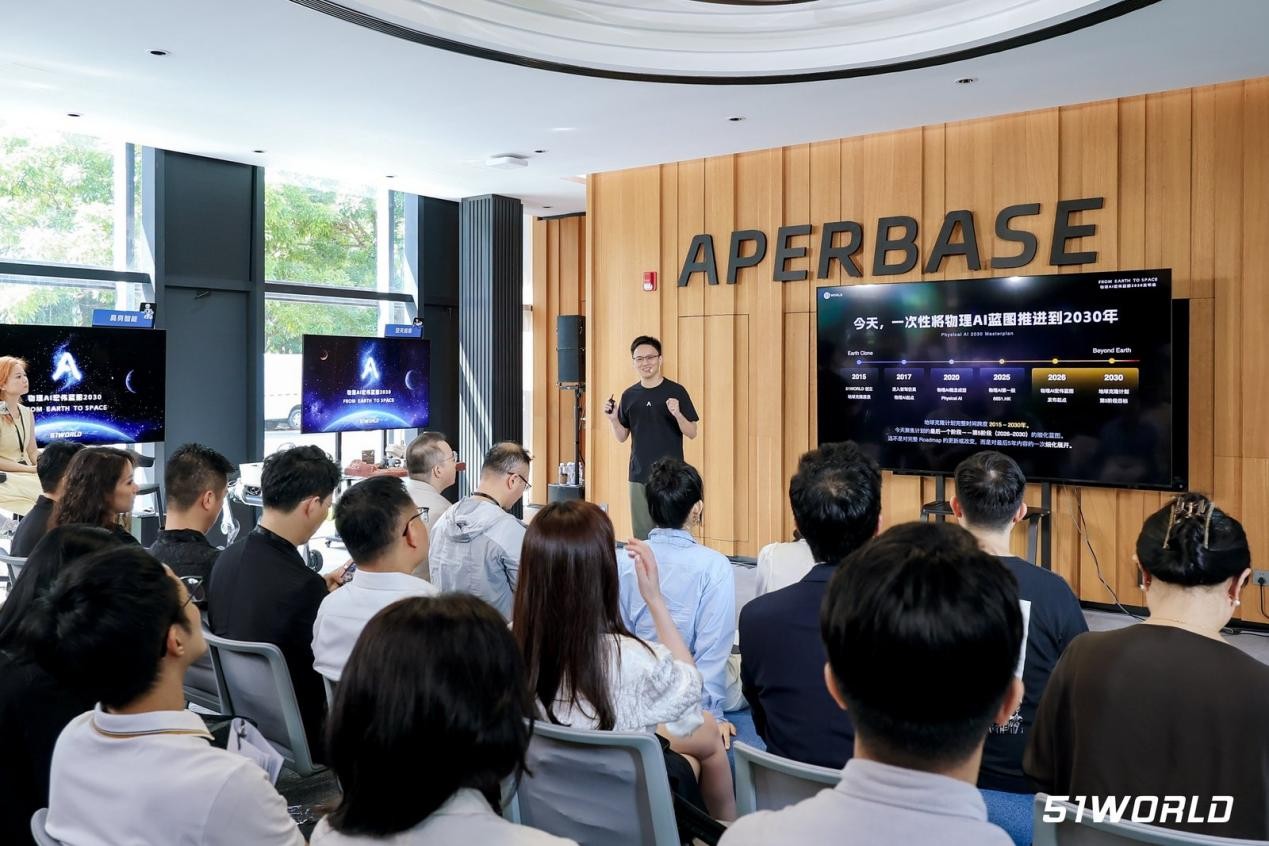
Wuyi Vision Reveals 2030 Physical AI Strategy, Targeting Industry Fundamentals
Wuyi Vision has unveiled its 2030 blueprint for physical AI, highlighting the significant funding of 93.5 billion yuan in the first half of 2026 for China's embodied intelligence sector. This figure marks a fivefold increase compared to the same period last year, indicating a booming investment landscape. The importance of this development lies in the challenges faced by the industry, particularly the critical need for high-quality data. With leading companies requiring approximately 1 million hours of quality data annually but only producing about 130,000 hours, a significant gap persists. This data scarcity hampers the training of models and the successful deployment of robots in real-world scenarios. Looking ahead, the industry must address these challenges to bridge the gap between investment enthusiasm and practical application. The ability to collect and utilize data effectively will determine which companies can capitalize on the growing market for physical AI. No further timeline was disclosed at the time of publication.
Physical AI Data Collection Investment Trends Simulation Technology
Trossen Robotics Collaborates with Stereolabs to Enhance Physical AI Data Collection
Trossen Robotics has announced a partnership with Stereolabs to integrate high-fidelity stereo vision into its Physical AI platforms. The collaboration features the Stereolabs ZED X Mini scene camera and dual ZED X Nano wrist cameras, providing synchronized, training-grade visual data for robot-learning teams. This integration is significant as it enhances Trossen's offerings in the Physical AI sector, allowing for improved data collection and analysis. The inclusion of advanced stereo cameras is expected to elevate the capabilities of Trossen's hardware suite, which includes the Trossen Workbench and Rivet platforms designed for bimanual manipulation. Looking ahead, the collaboration aims to streamline the development of robot learning applications by providing robust visual data. No further timeline was disclosed at the time of publication.

Deloitte's 2026 Tech Trends: Physical AI and Intelligent Agents Transforming Business Dynamics
Deloitte's latest report highlights a significant shift in the role of artificial intelligence (AI) in businesses, moving from experimentation to impactful implementation. Leading generative AI tools have reached user scales in just two months that took traditional technologies 50 years to achieve. The report emphasizes the rapid growth of AI startups, which are generating revenue at five times the rate of traditional SaaS companies. The introduction of physical AI is enabling machines to perceive, reason, and adapt in real-time, with applications extending beyond robotics to include autonomous vehicles and drones. The report cites that Amazon has deployed its one millionth robot, showcasing the maturity of AI in warehousing and supply chains. By 2035, it is estimated that humanoid robots in workplaces could reach two million, with a market size projected to grow significantly by 2050. Deloitte identifies a gap in enterprise readiness, with only 11% of companies deploying intelligent agents in production. The report advocates for a shift towards 'Agent-native' thinking, where businesses redesign processes to leverage agents effectively. As AI workloads evolve, traditional data centers are being redefined as 'AI factories,' necessitating new infrastructure strategies. No further timeline was disclosed at the time of publication.
Artificial Intelligence Robotics Business Strategy AI Infrastructure
Seeing Machines Introduces Physical AI Platform for Advanced Humanoid Robotics
Seeing Machines Limited has launched its Physical AI Platform, which aims to enhance humanoid robots by leveraging its expertise in human sensing technology. This new platform is designed to facilitate safe and intuitive interactions between humans and machines, building on the company's established leadership in the automotive sector. The introduction of the Physical AI Platform is significant as it represents a shift towards integrating advanced computer vision capabilities into robotics and industrial automation. By applying its Human-Centred AI design philosophy, Seeing Machines is poised to redefine how robots interact with humans, potentially improving safety and efficiency in various applications. Looking ahead, industry stakeholders should monitor the development and deployment of the Physical AI Platform, as it may set new standards for human-robot interaction. No further timeline was disclosed at the time of publication.

China's Nationwide Push in Robotics and Physical AI Signals Potential Market Disruption
A leading Taipei-based think tank warns of a looming 'China shock' in the robotics sector as Beijing intensifies its efforts to dominate advanced robotics and physical AI. This initiative mirrors China's previous strategies in electric vehicles and drones, despite current shortcomings in high-end chips and precision tools. The significance of this development lies in the potential reshaping of the global technology landscape. As China aims for supremacy in next-generation robotics, the implications for international competition and supply chains could be profound, particularly for nations lagging in these technologies. Looking ahead, stakeholders should monitor China's advancements in robotics and AI, especially as the country seeks to overcome its technological deficits. No further timeline was disclosed at the time of publication.

Neura CEO David Reger Calls Physical AI Development Pace 'Tremendous
David Reger, CEO of Neura, a German robotics company, has expressed optimism about the potential of physical AI as a significant growth driver for Europe. He emphasized the rapid advancements in this field, describing the development pace as 'tremendous.' Reger's insights were shared during an interview with Tom Mackenzie on Bloomberg Tech: Europe. The significance of Reger's comments lies in the growing recognition of physical AI's role in the European market. As industries increasingly adopt AI technologies, the potential for economic growth and innovation in robotics is substantial. Neura Robotics, under Reger's leadership, aims to capitalize on this momentum to position itself as a leader in the sector. Looking ahead, stakeholders in the robotics and AI industries should monitor Neura's developments and the broader implications of physical AI advancements. No further timeline was disclosed at the time of publication.

LTX Unveils LTX-2.5 Open World Model for Enhanced Video and Physical AI Applications
LTX has introduced LTX-2.5, an advanced version of its open-weights world model, enhancing capabilities for video generation and physical AI. This model boasts improvements in visual quality, prompt understanding, and generation speed, allowing developers to customize it on their hardware. With over 33 million downloads, LTX-2.5 is positioned as a foundational model for applications in film production, robotics, and real-time rendering. The significance of LTX-2.5 lies in its ability to model environmental changes over time, a critical feature for robotics and physical AI. According to Zeev Farbman, co-founder and CEO of LTX, the model addresses challenges unique to world models, such as maintaining consistency in motion and sound. By offering an open model, LTX empowers teams to retain control over their hardware and intellectual property while delivering industry-leading quality. Looking ahead, LTX has rebuilt much of the generation pipeline for LTX-2.5, introducing features like native multishot generation and a new diffusion video decoder. These enhancements aim to improve visual output and prompt understanding, making LTX-2.5 a versatile tool for developers. No further timeline was disclosed at the time of publication.
Computing Design Software artificial intelligence asteria comfyui
Archer Aviation Signs Agreements to Acquire Boeing Subsidiaries for Physical AI Expansion
Archer Aviation, a US-based company, has entered into definitive agreements to acquire three Boeing subsidiaries: Wisk Aero, SkyGrid, and Insitu. This strategic move is aimed at enhancing Archer's capabilities in physical AI technology. The acquisition is significant as it positions Archer Aviation to leverage the expertise and resources of these established subsidiaries, which are known for their advancements in autonomous systems and AI applications. By integrating these companies, Archer seeks to strengthen its competitive edge in the rapidly evolving field of physical AI. Looking ahead, industry observers will be keen to see how Archer Aviation integrates these subsidiaries and the impact on its product offerings. No further timeline was disclosed at the time of publication.
News
Data Challenges Impeding Progress in Visual and Physical AI Development
Recent findings reveal that the shift in AI focus from text to physical world data is causing significant challenges. A 2026 survey of over 700 professionals indicates that data-related issues are the primary cause of model failures in physical AI systems. The report emphasizes the importance of data curation over merely expanding model architectures, highlighting that inefficient annotation processes lead to wasted resources as teams often discard labeled data before production. Understanding these data bottlenecks is crucial for organizations aiming to advance their physical AI capabilities. The report illustrates that effective data management is what distinguishes successful teams from those that struggle to deliver functional models. As the demand for systems that can perceive and act in physical environments grows, addressing these data challenges becomes increasingly important for innovation in the field. Looking ahead, organizations must prioritize refining their data curation processes to enhance the performance of physical AI systems. No further timeline was disclosed at the time of publication.
Type-whitepaper Artificial-intelligence Computer-models Data-bottleneck
Celona Introduces Orion, a Unified Wireless Platform for Physical AI and Robotics
Celona has unveiled Celona Orion, a unified agentic wireless platform that integrates private 5G, Wi-Fi, public cellular, and satellite communications into a single network fabric. This innovative platform is designed to meet the connectivity needs of physical AI applications, including autonomous vehicles (AVs) and autonomous mobile robots (AMRs). The launch of Orion signifies a transition from traditional device-centric networks to a more intelligent, multi-network architecture tailored for automated enterprise operations. By offering private 5G and Wi-Fi 7 access points under a single subscription model, Celona aims to simplify infrastructure management for robotics manufacturers, enabling them to provide enhanced connectivity solutions for their clients. Looking ahead, Celona Orion's key innovation lies in its control-plane and data-plane convergence, allowing seamless network transitions for robots. This capability, along with built-in security features, positions Orion as a significant advancement in the robotics connectivity landscape. No further timeline was disclosed at the time of publication.
6-Axis Artificial Intelligence Autonomous Mobile Robots (AMRs) Networking / Connectivity News Self-Driving VehiclesRobotics needs a service framework.
RSF defines a common language for robot service capability, lifecycle operations, certification pathways, and service-provider networks.
Join the RobotToday community on LinkedIn
Daily robotics news, in-depth analysis, conference highlights, and discussions with professionals worldwide.






