

Industry Briefing
A single destination for timely, editor-curated robotics news from around the world.

Maijie Technology Addresses Humanoid Robot Developments and Collaborates with Guangming Laboratory
On September 28, Maijie Technology responded to investor inquiries regarding humanoid robots. The company announced a partnership with Guangming Laboratory to establish a joint laboratory focused on micro-drive joints and bionic dexterous hands by 2025. This collaboration aims to leverage their respective technological expertise and industrial advantages to accelerate the application of related technologies. This partnership is significant as it combines Maijie's experience in electronic components with Guangming Laboratory's research capabilities in artificial intelligence and robotics. The micro-drive joints are crucial components in the dexterous hand industry, impacting finger movement precision and force output. Currently, the project is in the research and commercial incubation stage, and it has not yet contributed significantly to the company's performance. Looking ahead, it will be important to monitor whether the joint laboratory can achieve mass production levels for micro-drive joints and whether any dexterous hand manufacturers will adopt Maijie's components. No further timeline was disclosed at the time of publication.
Humanoid Robots Biomimetic Technology Robotics R&D Micro-Drive Joints
Challenges in Scaling Industrial Augmented Reality Pilots and Recent Developments
A recent exploration into industrial augmented reality (AR) highlighted the challenges faced in scaling pilots beyond initial demonstrations. While the technology proved effective for single high-value assets, transitioning to a fleet of machines revealed significant complexities in preparation and implementation. The initial success of AR pilots often led to enthusiasm among executives, but the reality of scaling involved extensive work in converting CAD models and preparing tracking targets, which proved to be time-consuming and labor-intensive. The importance of this issue lies in understanding why many AR initiatives have struggled to expand. Although hardware limitations were often cited as the primary reason for failure, the real challenge was the intricate preparation required for each unique machine. Each asset demanded a tailored approach, with variations in models and revisions complicating the scaling process. This complexity resulted in delays and ultimately hindered the broader adoption of AR technologies in industrial settings. Looking ahead, it is crucial to monitor how advancements in AR technology and methodologies may address these scaling challenges. As the industry evolves, new strategies and tools could emerge to streamline the preparation process, potentially allowing for more efficient deployment across fleets of machines. No further timeline was disclosed at the time of publication.
Factory / Digital Transformation
Huawei Cloud and Fulongma Introduce Next-Generation Sanitation Robot with AI Integration
On September 18, during the Huawei Connect 2026 event, Huawei Cloud and Fulongma Group jointly launched a new generation sanitation robot based on the Huawei Cloud CloudRobo embodied intelligence platform. This marks the first public release of an embodied intelligence product since the signing of their cooperation framework, transitioning from strategic consensus to product implementation. The collaboration combines end-to-end autonomous driving and embodied intelligence technologies, leveraging a robust infrastructure that includes large models, computing power, and data loops. Huawei Cloud provides the CloudRobo autonomous driving base, CloudRobo embodied intelligence platform, Ascend cloud-edge computing power, and Octopus data loop toolchain, while Fulongma utilizes real data from over 130 sanitation projects and more than 15,000 connected devices to validate their L4-level products across over 40 cities. Looking ahead, the partners aim to complete end-to-end perception reconstruction by 2026, evolve decision-making capabilities by 2027, and fully integrate the CloudRobo embodied intelligence large model by 2028. This timeline reflects the robot's evolution from executing fixed routes to understanding complex tasks, addressing core challenges in sanitation operations through enhanced task comprehension and intelligent anomaly handling.
Sanitation Robots AI Technology Autonomous Driving Cloud Computing
GMO Introduces Japan's First Dedicated Ambulance for Humanoid Robots
GMO AIR has launched Japan's first ambulance specifically designed for humanoid robots. This vehicle addresses the challenge of diagnosing and repairing robots that may malfunction in unpredictable locations, minimizing downtime and operational losses. It is equipped with a professional humanoid robot engineer, diagnostic tools, and spare components, allowing for on-site repairs or transportation to specialized repair centers. The introduction of this ambulance is significant as it marks a transition from trial deployments of humanoid robots to large-scale operations. In environments with multiple robots, any downtime can disrupt overall operations, making after-sales and maintenance capabilities critical factors in procurement decisions. GMO AIR's understanding of downtime costs is more direct than that of traditional robot manufacturers, as they provide robot leasing and operational services. Looking ahead, the effectiveness of this service will depend on its coverage density. If one ambulance can service dozens of robots within a city efficiently, it will enhance operational reliability. However, if robots are spread across multiple cities, the costs of mobile maintenance may increase. The concentration of robot deployments will play a crucial role in the economic viability of this service model.
Humanoid Robots Mobile Repair Solutions Robot Maintenance Automation Services
Yin Fangming Addresses Embodied Intelligence at SCO Forum; Chinese Team Evaluates GPT-6 Astra
Yin Fangming, Chairman of Galaxy General, spoke on embodied intelligence at the SCO Digital Economy Forum, emphasizing open collaboration. He proposed two main approaches: providing mature technology and product solutions, and partnering with local industries to tailor robotic solutions to regional needs. This perspective highlights China's strategy to address data scale disparities in the context of significant investments in embodied intelligence by companies like OpenAI. In less than two weeks since its release, a Chinese team was the first to systematically assess the capabilities of GPT-6 Astra. The report, authored by a doctoral student of Professor Wang He, founder and CTO of Galaxy General, compared OpenAI's GPT-6 Astra with the π0.5 model. The hybrid architecture achieved a score of 62.60 and a 48% success rate on ten dual-arm tasks in the Robo Dojo benchmark, nearly double the score of the top entry on the public leaderboard. The report indicates breakthroughs in the generalization of American large models for embodied control, with the pace of advancements in the embodied intelligence domain exceeding expectations. Industry insiders revealed that OpenAI has invested over 10 billion yuan to acquire vast amounts of embodied data, surpassing any Chinese company. As the industry evolves, metrics such as operational duration, repurchase rates, and unit economics may redefine rankings in the embodied intelligence sector in the coming years.
Embodied Intelligence Robotics AI Machine Learning
GDLS-UK and ARX Robotics Collaborate on Autonomous Wingman Technology for British Army
General Dynamics Land Systems-UK (GDLS-UK) has partnered with ARX Robotics to enhance the integration of autonomous systems into crewed vehicles for the British Army. This collaboration aims to develop advanced 'wingman' technology that can support military operations. The significance of this partnership lies in its potential to improve operational efficiency and safety for soldiers in the field. By integrating autonomous systems, the British Army can leverage advanced technologies to enhance situational awareness and reduce risks during missions. Looking ahead, it will be important to monitor the progress of this collaboration and any subsequent developments in autonomous military technologies. No further timeline was disclosed at the time of publication.
News
Stratasys Enables GM to Reduce Production Fix Times from Weeks to Hours Using 3D Printing
Stratasys has collaborated with General Motors (GM) to significantly reduce production fix times from weeks to mere hours through advanced 3D printing technology. This innovation allows GM to streamline its manufacturing processes, enhancing efficiency and responsiveness in production. The reduction in production fix times is crucial for GM as it seeks to improve its operational efficiency and reduce downtime in manufacturing. By leveraging Stratasys's 3D printing capabilities, GM can quickly produce necessary parts and components, which is vital in today’s fast-paced automotive industry. Looking ahead, it will be important to monitor how this partnership evolves and whether GM will expand its use of 3D printing technology across other areas of production. No further timeline was disclosed at the time of publication.
Transportation
SegCert-PCR: Certifiable Point Cloud Registration for Ground Segmentation in Unstructured Environments
The Journal of Field Robotics has published an early view article on SegCert-PCR, a method for certifiable point cloud registration focused on ground segmentation in unstructured field environments. This innovative approach addresses the challenges of accurately registering point clouds, which is crucial for various robotic applications in unpredictable terrains. The significance of SegCert-PCR lies in its potential to enhance the reliability and safety of robotic systems operating in complex environments. By ensuring certifiable registration of point clouds, this method can improve the performance of robots in tasks such as navigation, mapping, and environmental monitoring, where precision is paramount. Looking ahead, the adoption of SegCert-PCR could lead to advancements in robotic technologies that require robust ground segmentation capabilities. As the field of robotics continues to evolve, monitoring the implementation and effectiveness of this method will be essential for future developments in autonomous systems. No further timeline was disclosed at the time of publication.
RESEARCH ARTICLE
GMO AIR Launches New Service 'GMO LOOP for Physical AI' to Enhance Humanoid Robotics
GMO AI & Robotics Co., part of the GMO Internet Group, has launched a new service called 'GMO LOOP for Physical AI' on September 8, 2026. This service utilizes operational data from humanoid robots to continuously improve their motion accuracy, addressing challenges such as the lack of real-world data and the Sim2Real gap. The importance of this service lies in its ability to adapt humanoid robots to various operational environments, which differ significantly from one another. By leveraging data collected from actual operations, GMO LOOP aims to enhance the precision of humanoid movements, thereby facilitating better integration of these robots into real-world applications. Looking ahead, the focus will be on how effectively GMO LOOP can gather and utilize operational data to improve humanoid performance. As competition intensifies among companies developing humanoids, the ability to convert real-world data into enhanced accuracy will be crucial for success. No further timeline was disclosed at the time of publication.

GMO AIR Begins Handling Unitree's New Humanoid H2 Plus and Two Other Models
GMO AI & Robotics Trading Co., Ltd. (GMO AIR) has announced that it will start handling and accepting sales for three new models from Unitree Robotics, including the humanoid 'H2 Plus', starting August 31, 2026. This expansion follows a partnership established on June 19, 2026, between GMO AIR and Unitree Robotics, aimed at promoting the sales and implementation support of various robotic models. The introduction of the 'H2 Plus', based on the full-size humanoid 'H2' with 31 degrees of freedom, enhances the AI computing foundation and development ecosystem. The 'H2-D' is a wheeled dual-arm robot designed for industrial manipulation tasks, capable of precise operations up to 2 meters high. Meanwhile, the 'As2-W' combines wheel speed with leg mobility, enabling it to navigate complex terrains and perform tasks in various industrial settings. As the humanoid market continues to expand due to advancements in AI technology, the increase in available models from domestic distributors like GMO AIR is expected to lower the barriers for research institutions and companies looking to adopt humanoid robots. No further timeline was disclosed at the time of publication.
Sigma Advanced Systems Wins $170 Million Aeroengine Contract with Rolls-Royce
Sigma Advanced Systems, an Indian defense and aerospace firm, has secured a long-term contract valued at approximately $170 million with Rolls-Royce. This contract marks a significant milestone for Sigma as it continues to expand its footprint in the aerospace sector. The partnership with Rolls-Royce is crucial for Sigma, as it underscores the company's growing capabilities in aerospace engineering and manufacturing. This contract not only enhances Sigma's portfolio but also strengthens its position in the competitive aerospace market. Looking ahead, industry observers will be keen to see how this contract impacts Sigma's operations and growth trajectory. No further timeline was disclosed at the time of publication.
News
Saab Unveils Loyal Wingman Drone Series for Swedish Air Force Development
Saab has announced the development of three unmanned aircraft, designated A1, A2, and A3, aimed at creating a loyal wingman fighter system for the Swedish Air Force. The A1 will serve as a supersonic demonstrator powered by an AI-driven GE F414 engine, while the A2 will include an internal weapons bay. Both models are expected to take flight within the next four years, with the A1 anticipated to fly in just 15 months. The significance of this development lies in its potential integration with the Gripen system, as highlighted by Swedish Defense Minister Pål Jonson. He emphasized the importance of having an unmanned wingman component that can conduct deep operations alongside the manned platform. The A3 model, which may become the primary sales product, could enter service within ten years, contingent on government funding decisions. Looking ahead, Saab's loyal wingman initiative reflects a broader trend towards mixed squadrons of manned and unmanned assets, as noted by Brig. Gen. Niclas Magnusson. The Swedish parliament is expected to make critical decisions regarding Sweden's fighter aircraft capabilities between 2028 and 2030, with ongoing studies and technology development supporting this initiative.
Air Warfare Air Force CCA collaborative combat aircraft Drones Europe
Innovative Instance Segmentation Method for Navigation Line Extraction in Paddy-Field Weeding Robots
A novel approach utilizing instance segmentation for navigation line extraction has been developed for paddy-field weeding robots. This method enhances the robot's ability to navigate effectively in agricultural environments, improving efficiency in weed management. The significance of this advancement lies in its potential to optimize agricultural practices by enabling robots to perform precise weeding tasks. By employing advanced segmentation techniques, the weeding robots can better identify and navigate around crops, thereby minimizing damage and maximizing yield. Looking ahead, the agricultural robotics sector may see increased adoption of such technologies, which could lead to more autonomous solutions in farming. No further timeline was disclosed at the time of publication.
RESEARCH ARTICLE
Former Alibaba Executive Lin Junyang Launches Pragmatik Labs for Next-Gen Agents
On August 12, 2026, Lin Junyang, former head of Alibaba's Tongyi Qianwen technology, announced the launch of Pragmatik Labs on the X platform. He defined the company's focus as developing 'next-generation agents that bridge the digital and physical worlds.' The startup, valued at approximately 13.5 billion RMB (around $2 billion), secured initial funding from Gao Rong Capital and Sequoia China, with participation from Tencent and the Shanghai Future Industry Fund. Lin Junyang's previous role at Alibaba involved leading the Qwen series of models, which evolved from pure language models to multimodal iterations. His work contributed to Qwen becoming one of the most downloaded open-source model families on Hugging Face. This experience has informed Pragmatik's direction, emphasizing the importance of integrating agents with their environments, tools, and feedback mechanisms to enhance their performance in real-world applications. Looking ahead, Pragmatik Labs aims to address the challenges of long-horizon tasks in embodied intelligence, an area where current systems struggle. Lin's insights from his time at Qwen will be crucial as the company develops agents capable of adapting and solving complex tasks in dynamic environments. No further timeline was disclosed at the time of publication.
Embodied Intelligence Digital Agents Physical Agents AI Technology
Pragmatik Labs Launched by Former Qianwen Tech Head with $2.2 Million Funding
On August 12, Lin Junyang officially announced the launch of Pragmatik Labs via the X platform, revealing a funding round led by Gaorong Capital and Sequoia China. The angel round, completed on June 16, raised approximately $220 million, valuing the company at around $2 billion. Pragmatik Labs aims to develop foundational capabilities for next-generation agents that bridge the digital and physical worlds, focusing on 'world models and embodied intelligence.' The company has not yet released commercial products or generated market revenue, but its valuation reflects a shift in the AI investment landscape in China. Looking ahead, Pragmatik Labs will focus on two main business segments: digital agents for knowledge work and physical agents capable of interacting with real environments. No further timeline was disclosed at the time of publication.
AI Intelligent Agents Startup Funding Technology Innovation
GMEX Robotics Enters Agreement to Acquire MediaMeta.ai for Enhanced Social Intelligence
GMEX Robotics Corp. has announced a definitive share-purchase agreement with Alpha Meta AI Pte. Ltd. and MetaGen AI Ltd. to acquire MediaMeta.ai. This acquisition aims to integrate artificial intelligence focused on human behavioral modeling into GMEX's automation portfolio. Mark March of MediaMeta.ai emphasized the importance of social intelligence in bridging capable AI systems with meaningful human interaction. The acquisition is significant as it will enable GMEX to enhance its AI-powered robotics across various sectors, including consumer, hospitality, education, healthcare, and retail. MediaMeta's technology is designed to provide AI systems with a foundational data layer that interprets social context, allowing robots to better understand and respond to human behaviors and cultural nuances. GMEX believes this collaboration will define the next generation of intelligent machines. Looking ahead, GMEX Robotics plans to integrate MediaMeta's capabilities into its robotics architecture, pending successful completion of the transaction and subsequent development efforts. The company is also focused on advancing its Terminal + Intelligence platform, with CEO Sam Lu highlighting the importance of technology that understands human interactions in the robotics industry's evolution. No further timeline was disclosed at the time of publication.
Artificial Intelligence Artificial Intelligence / Cognition Human Robot Interaction / Haptics Mergers & Acquisitions Microprocessors / SoC Microprocessors / SoCs
Enigma Secures $71 Million Seed Funding to Innovate Human-Robot Interaction
On July 27, AI robotics company Enigma emerged from stealth mode, announcing the completion of a $71 million seed funding round. This funding, led by Index Ventures and Ribbit Capital, marks one of the largest seed rounds in the physical AI sector. Enigma's co-founders, Jonathan Jacobi and Gal Niv, aim to redefine human-robot interaction rather than focusing solely on model capabilities. The significance of Enigma's approach lies in its belief that the main barrier to robot adoption is not the technology itself but how humans communicate with machines. Jacobi emphasizes that intuitive controls are essential, comparing it to adjusting a car's volume knob rather than using complex percentages. To explore this, Enigma has launched a large-scale online experiment allowing global participants to interact with over 100 self-developed AI robots in real-time. Looking ahead, Enigma plans to use the $71 million to expand its research and engineering teams, enhance computational infrastructure, and increase real-world deployments. The company's unique focus on understanding how people want to communicate with machines could potentially redefine the industry landscape.
Human-Robot Interaction AI Robotics Startup Funding Machine Learning
Enigma Secures $70 Million to Simplify Human-Robot Interaction Through Innovative Research
Enigma, a robotics research lab, has raised $70 million in a seed funding round led by Index Ventures and Ribbit Capital. The startup aims to revolutionize human-robot interactions by studying how people engage with robots, rather than solely focusing on enhancing model capabilities. Enigma plans to launch a large-scale online experiment allowing global users to interact with over 100 proprietary AI robots performing various tasks, such as drawing and simple chemistry experiments. This funding is significant as it positions Enigma to explore intuitive interfaces for robotic control, potentially transforming how users communicate with machines. Co-founders Jonathan Jacobi and Gal Niv, both with backgrounds in cybersecurity, are leveraging their unique perspectives to tackle challenges in robotics. Their goal is to make controlling robots as effortless as adjusting a car's volume, addressing current frustrations users face with existing robotic models. Looking ahead, Enigma's online experiment will provide valuable data on user preferences for robot communication, which could lead to groundbreaking advancements in robotics interfaces. No further timeline was disclosed at the time of publication.
AI Robotics Startups enigma Exclusive Index Ventures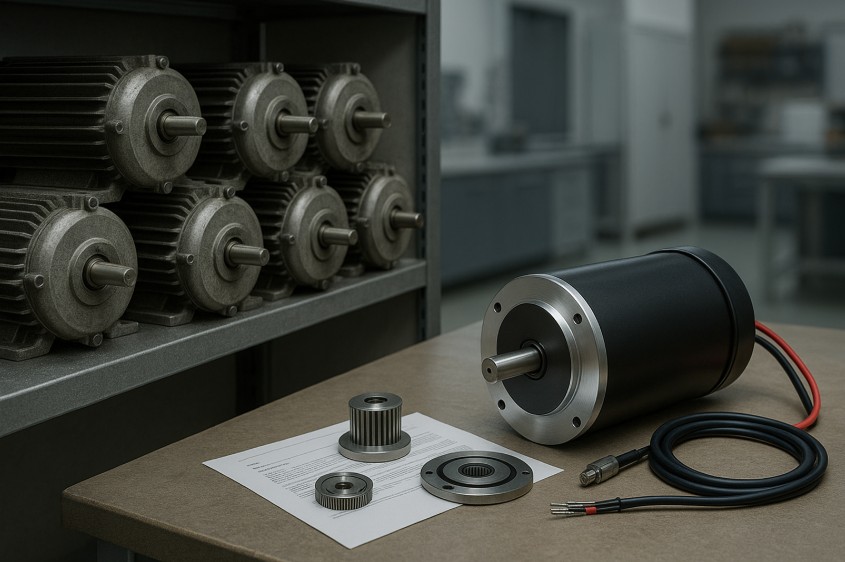
Magmotor Plans Major Expansion to Triple Income and Workforce in 150th Year
Magmotor Technologies Inc., founded in 1876, is set to undergo a significant expansion aimed at tripling its income and workforce. The company, which specializes in custom AC and DC fan motors, has a long history of adapting to market changes and maintaining customer loyalty, particularly in industries like aerospace and defense. The importance of this expansion lies in Magmotor's commitment to high-quality designs and customer service, which have allowed it to thrive for over a century. With many of its products lasting 15 to 20 years, the company has built a reputation for reliability, especially in sectors that still require brush motors, such as NASA and the space industry. Looking ahead, Magmotor plans to hire a new generation of employees to learn from its experienced workforce as it continues to rebound from the COVID-19 pandemic. The company aims to bring some manufacturing back to the U.S. while maintaining partnerships in China, indicating a strategic approach to balancing costs and quality in its production processes. No further timeline was disclosed at the time of publication.
Actuators / Motors / Servos Aerospace Defense / Security Industrial Robots Manufacturing Maritime
Anduril and Archer Launch Thunder Drone as a Loyal Wingman for Helicopters
Defense firm Anduril, in collaboration with Archer, has introduced Thunder, a Group 5 drone designed to operate alongside helicopters such as the Apache and future Cheyenne fleet. This fully autonomous, armed reconnaissance tiltrotor aircraft has been in development for approximately three years, drawing on insights from Anduril's YFQ-44A Fury aircraft. The significance of Thunder lies in its potential to transform maneuver warfare, particularly in tactical air-ground littoral operations. Anduril President Chris Brose highlighted that the design incorporates lessons learned from the ongoing conflict in Ukraine, emphasizing the drone's role in enhancing military capabilities. Thunder's specifications include a range and speed comparable to the Cheyenne and a payload capacity equivalent to the Apache. Looking ahead, the Thunder drone is expected to be equipped with various armaments, including missiles and counter-drone systems. It can be transported in a 40-foot ISO container, showcasing its versatility. No further timeline was disclosed at the time of publication.
Air Warfare Land Warfare Air Force Anduril Apache Army
Paradigm Secures $1.2 Billion Fund to Invest in AI and Robotics
Paradigm, a prominent investment firm based in San Francisco, has successfully raised $1.2 billion for a new venture fund aimed at expanding its investments into artificial intelligence and robotics. This fund represents a strategic shift for the firm, which has historically focused on crypto investments, and marks a significant increase from its previous $850 million fund announced in 2024. Paradigm is now managing approximately $11.9 billion in assets as of 2025. The expansion into AI and robotics is significant as these sectors are increasingly attracting venture capital, reflecting a broader trend in technology investment. Paradigm's new fund will not only continue to support digital assets but will also target opportunities in frontier technologies, indicating a shift in investment strategy to include emerging technologies beyond blockchain. This move aligns with the growing intersection of AI and crypto, particularly in areas like autonomous payments and programmable financial systems. Looking ahead, Paradigm's approach suggests a potential for innovation at the convergence of AI and crypto technologies. The firm aims to leverage its expertise in software and financial systems to explore new market opportunities. No further timeline was disclosed at the time of publication regarding specific investments or milestones for the new fund.

GMO AIR becomes official distributor for top humanoid robot Unitree Robotics, offering one-stop sales and support in Japan.
GMO AI & Robotics Trading Co., Ltd. has entered into an official agency agreement with Unitree Robotics, a leading manufacturer known for its bipedal humanoid robots, which is projected to be the world's top seller by 2025. The agreement was finalized on June 19, 2026, and marks the beginning of sales for both humanoid and quadrupedal robots in Japan. This partnership aims to enhance the availability of advanced robotic solutions in the domestic market, reflecting a growing interest in robotics technology.
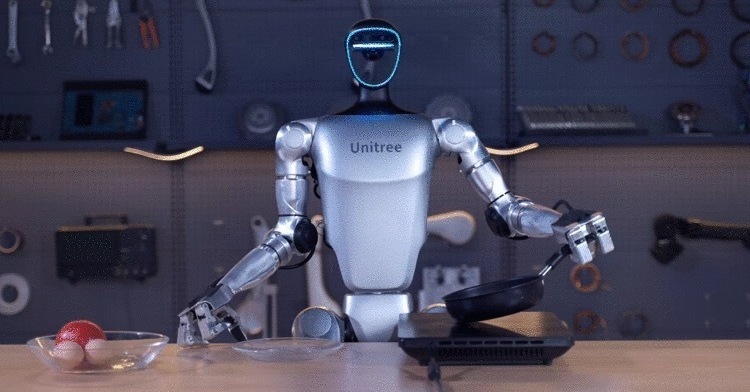
GMO subsidiary to sell acrobatic humanoid robots "H1" and "G1" in Japan under Unitree partnership.
On June 19, GMO AI & Robotics Trading announced a partnership with Chinese humanoid robot manufacturer Unitree Robotics, establishing a domestic agency agreement. This collaboration marks the beginning of sales for several robotic models, including the humanoid robots "G1" and "H1," as well as the quadrupedal robots "Go2" and "B2." The move aims to enhance the availability of advanced robotics technology in the domestic market, reflecting a growing interest in automation and robotics solutions.

GMO Internet Group to Exhibit as Platinum Sponsor at Japan Drone 2026, Aiming to Address Airport Labor Shortages with Humanoids.
GMO Internet Group will participate as a Platinum Sponsor at Japan's largest drone and eVTOL international exhibition, "Japan Drone / Next Generation Air Mobility EXPO 2026," scheduled to take place from June 3 to June 5, 2026, at Makuhari Messe. This event aims to showcase advancements in drone technology and air mobility solutions, reflecting the growing interest and investment in the sector. By taking on a leading sponsorship role, GMO Internet Group underscores its commitment to innovation and its strategic focus on the future of transportation.

Yann LeCun Envisions Major Robotics Paradigm Shift by 2027, Critiques LLMs
Yann LeCun, a prominent figure in AI, recently expressed his concerns about the robotics industry's dependence on Large Language Models (LLMs) during an interview on the Unsupervised Learning podcast. He predicts that by early 2027, the need for a fundamental shift in robotics will be evident, as current methods are deemed a 'dead end' for achieving true physical intelligence. LeCun's critique highlights the inefficiencies of relying on massive datasets and imitation learning, drawing parallels to the unresolved challenges in autonomous driving. He argues that true intelligence requires rapid generalization, unlike current systems that demand extensive data for narrow tasks. His rejection of Vision-Language-Action models stems from their unreliability and data constraints, pushing him to advocate for the Joint Embedding Predictive Architecture (JEPA) through his startup, AMI Labs. Looking ahead, LeCun aims to refine JEPA and demonstrate methodologies for training hierarchical world models within the next 12 to 18 months. He warns that LLMs are 'intrinsically unsafe' for high-stakes environments, emphasizing the need for systems that genuinely understand the physical world rather than merely responding to it. No further timeline was disclosed at the time of publication.
US AMI World-Models Yann-LeCun world-model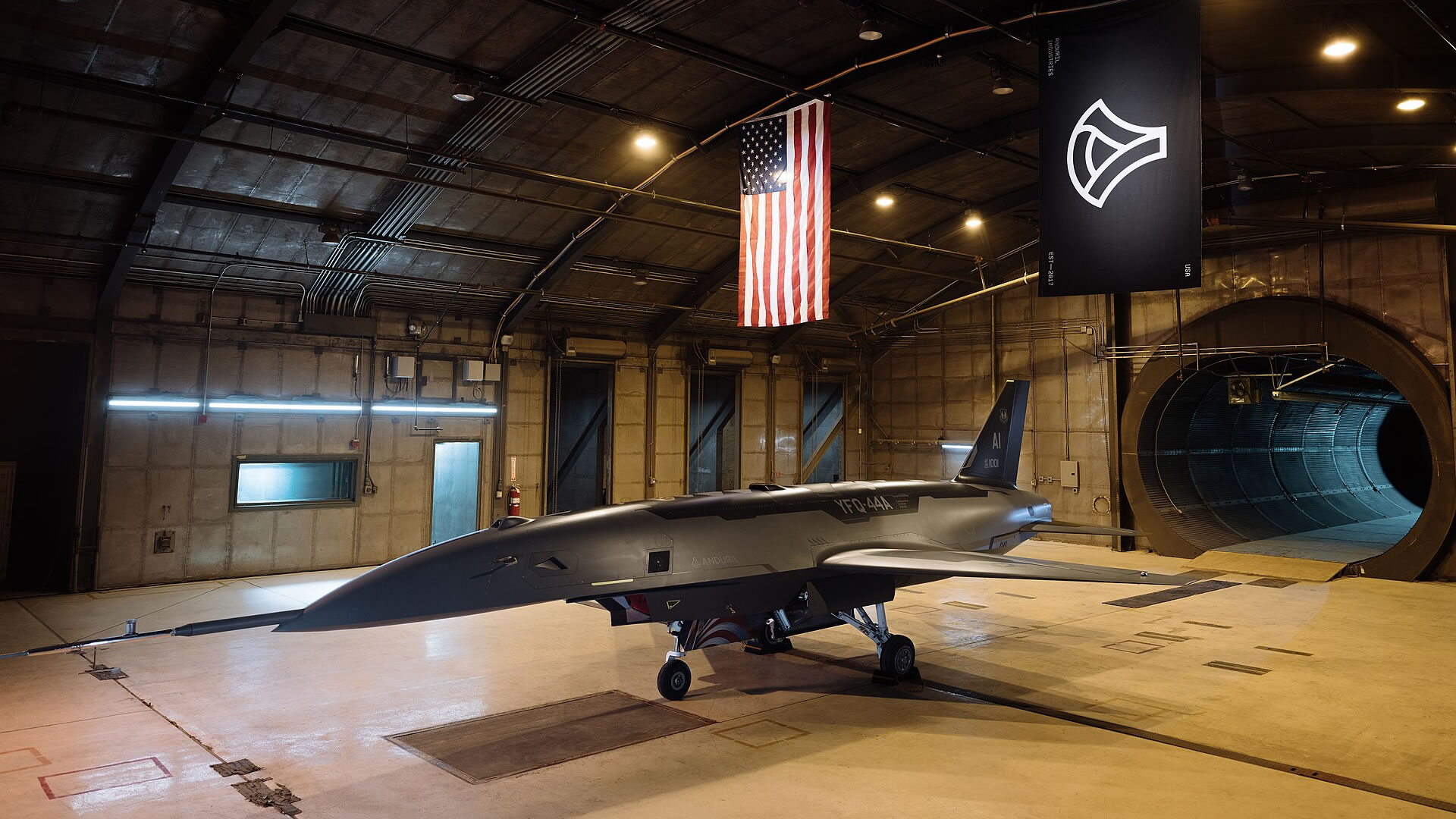
US Air Force Receives First Collaborative Combat Aircraft for Autonomous Warfare Trials
The United States Air Force (USAF) has received its first two Collaborative Combat Aircraft (CCA) designs, the YFQ-44A 'Fury' and YFQ-42A 'Vengeance', at Creech Air Force Base, Nevada. These aircraft will be tested for their operational capabilities alongside crewed fighters in contested airspace. The introduction of CCAs is significant as they are designed to be semi-autonomous and provide a cost-effective solution for missions in high-risk environments. They can carry payloads for offensive and defensive actions, allowing crewed aircraft like the F-35 to operate more safely while coordinating with the CCAs. Moving forward, the USAF will focus on operational experimentation with the CCAs, determining logistics such as the number of personnel required for operation and the optimal handling of multiple CCAs by a single pilot. No further timeline was disclosed at the time of publication.
AI and Robotics Military
EuroTech Vertriebs GmbH Rebrands as EuroTech Handling GmbH for 2024
The former EuroTech Vertriebs GmbH has rebranded itself as EuroTech Handling GmbH as it enters 2024. This change reflects a strategic shift in the company's focus and operations. Rebranding is significant for companies as it often indicates a new direction or enhanced capabilities. EuroTech Handling GmbH aims to strengthen its market position and better serve its clients with this new identity. Looking ahead, it will be important to monitor how this rebranding impacts EuroTech Handling GmbH's business strategies and customer engagement. No further timeline was disclosed at the time of publication.
Allgemein
CMA CGM Invests €500 Million in AI to Combat Rising Costs
Over the past three years, CMA CGM has invested €500 million in artificial intelligence (AI) initiatives. This investment includes a confidential contract with Google and a €100 million agreement over five years with French company Mistral. The significant financial commitment by CMA CGM highlights the growing importance of AI in managing operational costs. With prices reportedly increasing five to ten times for some clients, the shipping giant aims to leverage AI technologies to mitigate these escalating expenses. Looking ahead, CMA CGM's partnerships with major tech firms like Google and Mistral will be crucial in determining the effectiveness of their AI strategies. No further timeline was disclosed at the time of publication.
IA
The Shift in Pool Robots: Transitioning from Wired to Wireless Technology
The pool robot industry has faced significant challenges over the past year, marked by high return rates and a competitive pricing environment. However, Chinese brands have leveraged wireless technology to disrupt the market, achieving a combined market share of 51.4% in the wireless segment, with Wangyuan Technology leading at 19.7%. This shift is not merely about cost but reflects a precise reconstruction of product forms by the Chinese supply chain. While traditional wired robots are dominated by established players like Maytronics and Fluidra, the wireless segment has seen rapid growth, indicating a significant market transformation. Yet, the technology still struggles with underwater navigation, highlighting a gap between commercial success and technological maturity. As companies like Yuan Ding and Wangyuan focus on enhancing their technological capabilities, the competition is evolving beyond mere pricing strategies. The demand for truly autonomous solutions remains unmet, suggesting that innovation will continue to drive value in the pool robot market. The industry is entering a new phase of competition, moving from shallow waters into deeper technological challenges.
Pool Robots Wireless Technology Market Trends Automation Sensing Technologies
Japan's GMO Internet Group Competes with China's Yushin G1 Robot at World Robot Games
The second World Robot Games in Beijing saw Japan's GMO Internet Group participate with its robot 'Hitomin', which utilizes the Yushin G1 hardware. The robot's control and gait algorithms were developed by GMO. In the semifinals, it fell during the 400-meter race and completed the 1500 meters in 7 minutes and 43.89 seconds, finishing third in its group and seventh overall. Engineers noted that long-distance thermal management remains unresolved. This participation is significant as it highlights Japan's reliance on Chinese hardware for its only competing robot, raising mixed reactions domestically. While Japan was once a leader in humanoid robotics with ASIMO, the current scenario reflects a shift in competition dynamics, focusing on the capabilities of the hardware and the effectiveness of control algorithms. Looking ahead, the competition emphasizes the importance of producing adaptable and modifiable robot platforms. The success of the Yushin G1 as a base for various software applications from different countries indicates a new phase in humanoid robotics, where the focus is on mass-producible hardware and the ongoing battle for software and ecosystem development. No further timeline was disclosed at the time of publication.
Humanoid Robots Robotics Competition Robot Hardware AI Software Development
MIT Study Reveals Brain Circuit's Role in Sensory Decision-Making and Memory Comparison
MIT neuroscientists have identified a brain circuit that connects sensory decision-making regions with those that assess recent sensory changes. This circuit enables the brain to compare past sensory experiences with current information, aiding in decision-making. The findings could have implications for understanding sensory processing in conditions like autism. The research highlights the importance of the pulvinar region of the thalamus in guiding sensory decisions based on immediate past experiences. By studying mice trained to discern movement patterns in a video game, the team demonstrated that the LP-ACC circuit influences how sensory information is processed and decisions are made. This understanding of the brain's decision-making mechanisms could lead to advancements in treating sensory processing disorders. Future research may explore the applications of these findings in understanding autism, where individuals often struggle with sensory predictions. The study opens avenues for further investigation into how the brain integrates sensory perception and learning to inform behavior. No further timeline was disclosed at the time of publication.
Research Brain and cognitive sciences Learning Memory Neuroscience Vision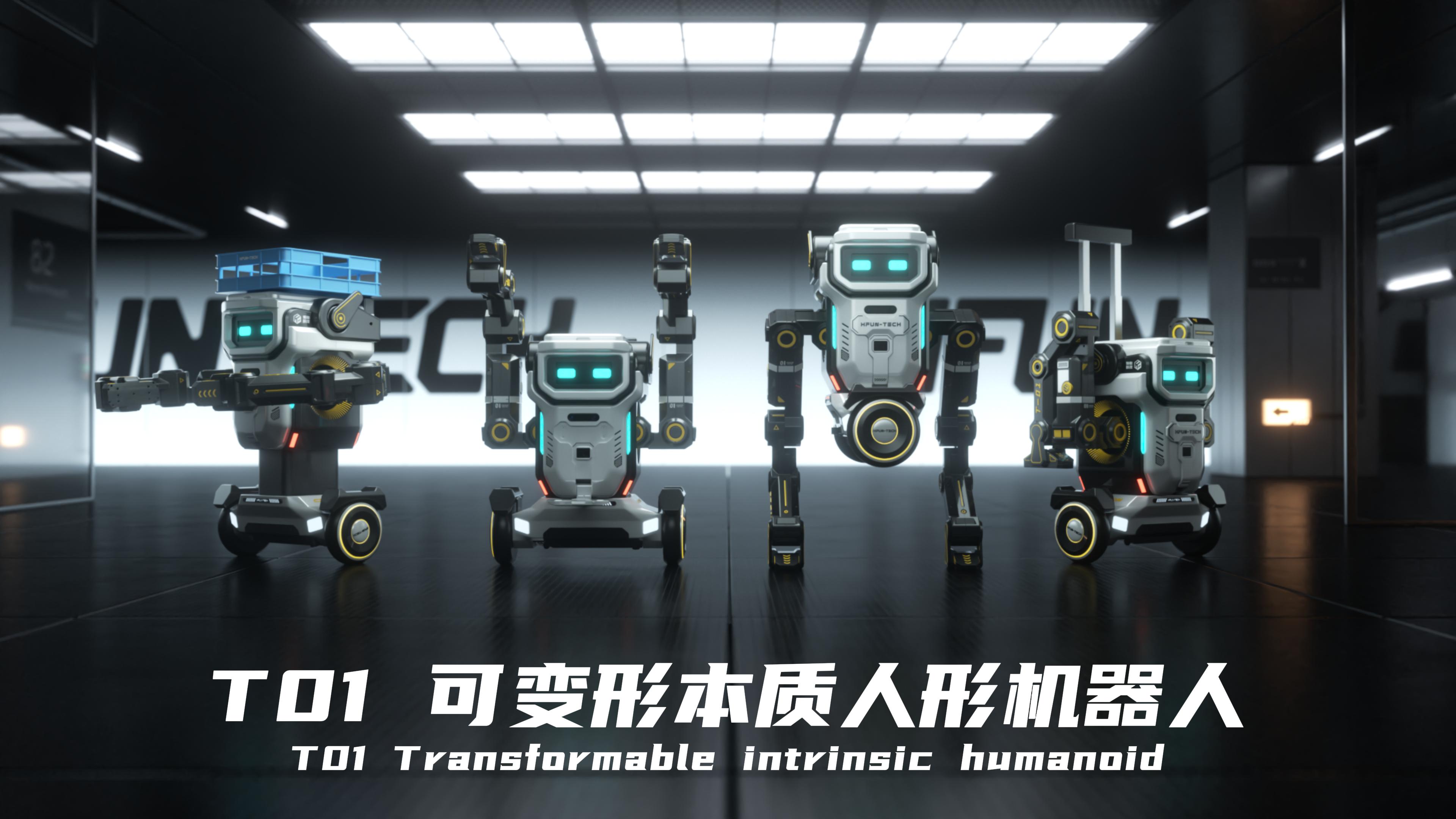
Introducing T01: The World's First Essential Humanoid Robot for Integrated Logistics
Aiyu Technology has unveiled the T01, the world's first essential humanoid robot, at the WRC. This innovative robot shifts the focus from merely mimicking human appearance to enhancing operational capabilities in logistics. Unlike traditional humanoid robots that prioritize human-like features, the T01 emphasizes functional abilities such as bipedal locomotion and dual-arm manipulation. The introduction of the T01 is significant as it challenges the industry's obsession with aesthetics over functionality. Aiyu Technology aims to redefine the capabilities and cost boundaries of humanoid robots, arguing that true efficiency in human environments comes from operational effectiveness rather than superficial resemblance. This approach addresses the structural challenges faced by existing humanoid robots that often incur high costs without improving task efficiency. Looking ahead, the T01 represents a paradigm shift in humanoid robotics, focusing on essential capabilities rather than appearance. As the industry evolves, it will be crucial to monitor how this new approach influences the development and deployment of humanoid robots in various sectors, particularly in logistics and automation. No further timeline was disclosed at the time of publication.
Humanoid Robots Logistics Automation Robotics Technology AI
INNOROBO by SIDO: A Key Event for Augmented Robotics and Physical AI
INNOROBO, integrated into the SIDO Lyon exhibition since 2023, has become a significant event focused on augmented robotics, autonomous systems, and physical AI technologies. Acquired by SIDO in 2018, the event aims to showcase the potential of robotics in various sectors, driven by advancements in generative AI and deep learning. The importance of INNOROBO lies in its ability to unite key players in the robotics value chain, addressing the technological convergence of smart sensors, 2D/3D vision, voice recognition, Edge AI, and SLAM navigation. The event attracts a diverse audience, including decision-makers, industry professionals, and executives, reflecting the growing adoption of robotics beyond traditional manufacturing. Scheduled for September 16-17, 2026, at the Centre de Congrès de Lyon, INNOROBO will feature a strategic conference cycle led by experts discussing current technological shifts. Attendees can expect insights into the role of generative AI in transforming robots into intelligent agents, practical use cases of cobotics, and challenges related to cybersecurity and ethical integration in enterprises. No further timeline was disclosed at the time of publication.
À la une Humanoide IA Industrie Robotique AGV
UGM, Indosat, and NVIDIA Launch Indonesia's First University AI Center in Yogyakarta
Indonesia has inaugurated its first university-based AI technology center, the UGM Indosat NVIDIA AI Technology Center (NVAITC), in Yogyakarta. This initiative, launched by the Ministry of Communication and Digital Affairs, Indosat Ooredoo Hutchison, NVIDIA, and Universitas Gadjah Mada, aims to develop AI solutions tailored to Indonesia's national priorities. The establishment of NVAITC is significant as it aligns with Indonesia's AI Center of Excellence initiative, promoting collaboration among government, industry, and academia. This center will enhance Indonesia's AI capabilities, contributing to economic growth and addressing pressing challenges such as healthcare and agriculture. Looking ahead, NVAITC will focus on three initial projects in healthcare, agriculture, and disaster response, including the development of an AI-powered screening technology for tuberculosis. No further timeline was disclosed at the time of publication.

MIR DATABANK Updates Data Center Segment with New Liquid Cooling and Power Products
MIR DATABANK has completed the second phase update of its data center segment, adding new data on liquid cooling servers, CDU pumps, manifolds, optical modules, HVDC, and UPS systems. This update enhances the data coverage and professionalism of the platform. The significance of this update lies in the expansion of the product lines, which now include six new categories related to liquid cooling technologies and power distribution. The updated data for the first half of 2026 is now available for MIR DATABANK members to browse and download. Looking ahead, MIR Industrial will host an online seminar on August 5, focusing on emerging market analysis for the second half of 2026. Participants can register on the MIR DATABANK website to access seminar materials and additional resources related to humanoid robots and the AI industry chain. No further timeline was disclosed at the time of publication.

US Air Force to Shortlist Six Companies for Collaborative Combat Aircraft Program
The US Air Force (USAF) is advancing its Collaborative Combat Aircraft (CCA) program, aiming to select up to six companies from a pool of nine competing for the next generation of AI-enabled combat drones. These drones, designed to operate alongside crewed fighter aircraft, will enhance capabilities without replacing human pilots. This initiative is significant as it reflects a global trend towards integrating autonomous systems into military operations, thereby increasing firepower while minimizing risks to pilots. The CCA program focuses on developing drones that act as 'loyal wingmen' to aircraft like the F-35 and future Next Generation Air Dominance (NGAD) fighter, with the competition currently in the concept refinement stage. Looking ahead, the USAF will evaluate various aircraft concepts over the next 10 months, with the potential for unsuccessful bidders to re-enter the competition in later phases. Additionally, the USAF is investing in new aircraft engines to support future drone designs, ensuring multiple propulsion options are available for the next generation of autonomous combat aircraft. No further timeline was disclosed at the time of publication.
Military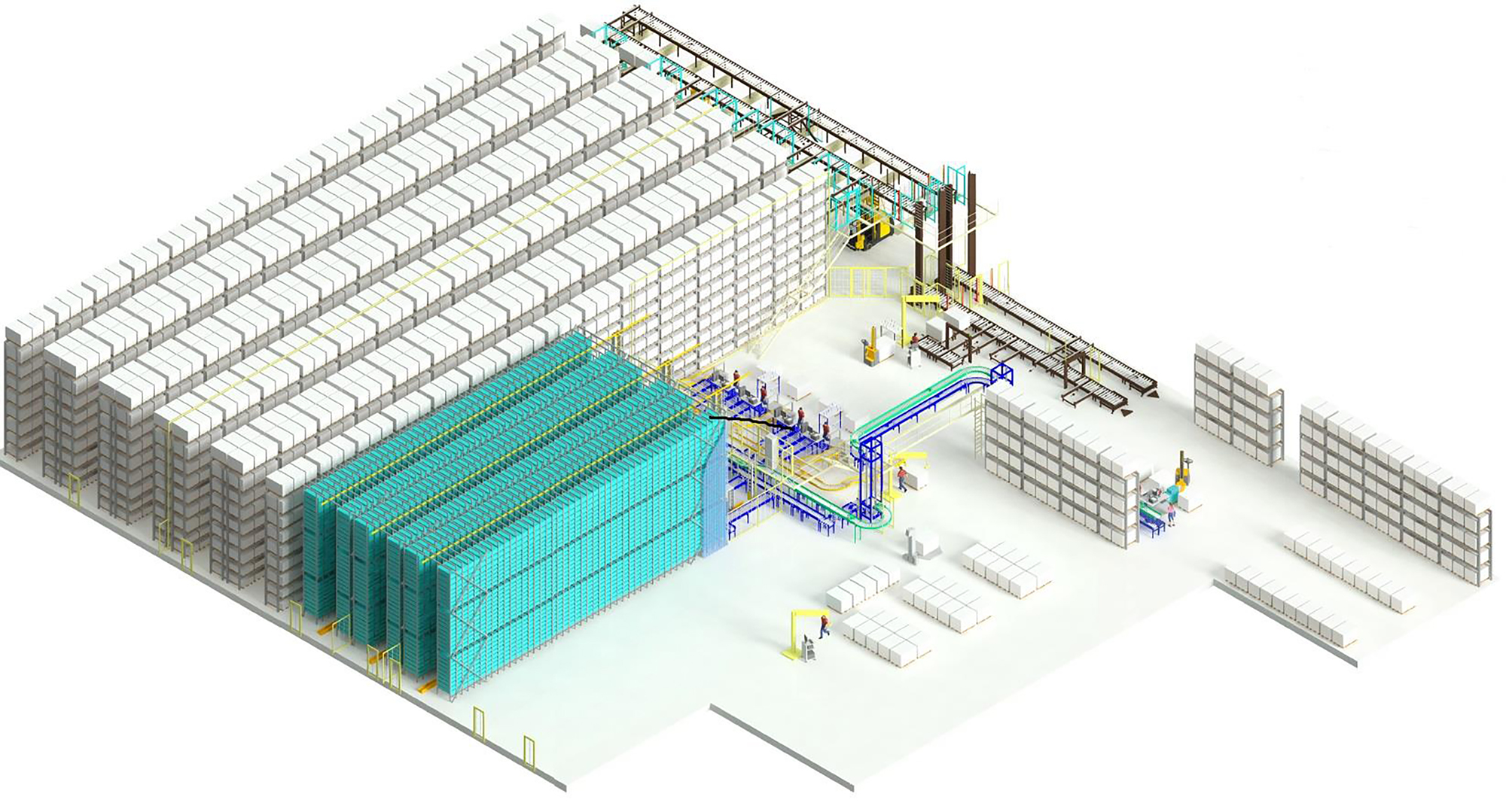
Eisenhart Laeppché GmbH Partners with Jungheinrich for Automated Distribution Centre
Eisenhart Laeppché GmbH has commissioned Jungheinrich to construct a fully automated distribution center in Wilhelmshaven, Germany, to accommodate rising order volumes. This new facility will feature an automated miniload warehouse with 14,904 container storage locations and an automated pallet warehouse with 3,870 storage locations, enhancing efficiency and ergonomics in operations. The investment in automation is crucial for Eisenhart Laeppché GmbH as it addresses the limitations of manual order picking and aims to improve working conditions for employees. The integrated solution from Jungheinrich includes advanced warehouse management software and ergonomic workstations, which are designed to support the company's growth and scalability. Looking ahead, the commissioning of the new distribution center is scheduled for the second quarter of 2027. This project reflects a long-standing partnership between Eisenhart Laeppché GmbH and Jungheinrich, emphasizing the importance of collaboration in achieving operational efficiency and meeting increasing demand in the small-parts segment.
AMR and AGV Automation Systems and Shuttles Forklifts and Warehouse Vehicles Materials Handling Storage & Racking WMS & SCM Software
Air Force One Developments, Drone Wingman Competition, and GCAP's Future Insights
The White House is updating plans for the president's Qatari-donated Air Force One, as discussed by Breaking Defense's Aaron Mehta and Valerie Insinna. This evolution highlights the importance of modernizing presidential transport in response to current geopolitical dynamics. Additionally, there is an increasing trans-Atlantic competition to develop drone wingmen that can assist human pilots, which signifies a shift in military strategy towards integrating unmanned systems into traditional air operations. Looking ahead, Ottawa is expected to join the Global Combat Air Programme (GCAP) as an observer, marking a significant step in international defense collaboration. No further timeline was disclosed at the time of publication.
Air Warfare Global Air Force Air Force One Business & Industry CCA
Royal Air Force Launches Storm Chrome and Storm Fire Drone Programs
The Royal Air Force has announced plans to develop two new drones: Storm Chrome, an electronic warfare drone, and Storm Fire, a long-range, one-way attack drone. This initiative was revealed by Air Chief Marshal Harv Smyth, highlighting the RAF's commitment to advancing its drone capabilities. The introduction of Storm Chrome and Storm Fire is significant as it reflects the increasing importance of drone technology in modern warfare. These developments aim to enhance the RAF's operational effectiveness and adaptability in electronic warfare and attack scenarios, ensuring that the UK remains at the forefront of military innovation. Looking ahead, the Royal Air Force's focus on these drone programs indicates a strategic shift towards integrating advanced unmanned systems into their operations. No further timeline was disclosed at the time of publication.
Air Warfare Air Force collaborative combat aircraft Defence Investment Plan Drones Europe
UK MoD Introduces Storm Fighter Drone Wingman Concept for RAF at Global Conference
The UK Ministry of Defence (MoD) has introduced its latest drone wingman concept, named Storm Fighter, during the Global Air and Space Chiefs' Conference. This unveiling marks a significant step in the UK's efforts to enhance its aerial capabilities through advanced drone technology. The introduction of Storm Fighter is crucial as it represents the UK's commitment to modernizing its Royal Air Force (RAF) and integrating innovative solutions into its defense strategy. The concept aims to provide enhanced support to manned aircraft, potentially transforming the dynamics of aerial combat and surveillance. Looking ahead, it will be important to monitor the development and deployment of Storm Fighter, particularly in comparison to previous concepts like Mosquito. No further timeline was disclosed at the time of publication.
News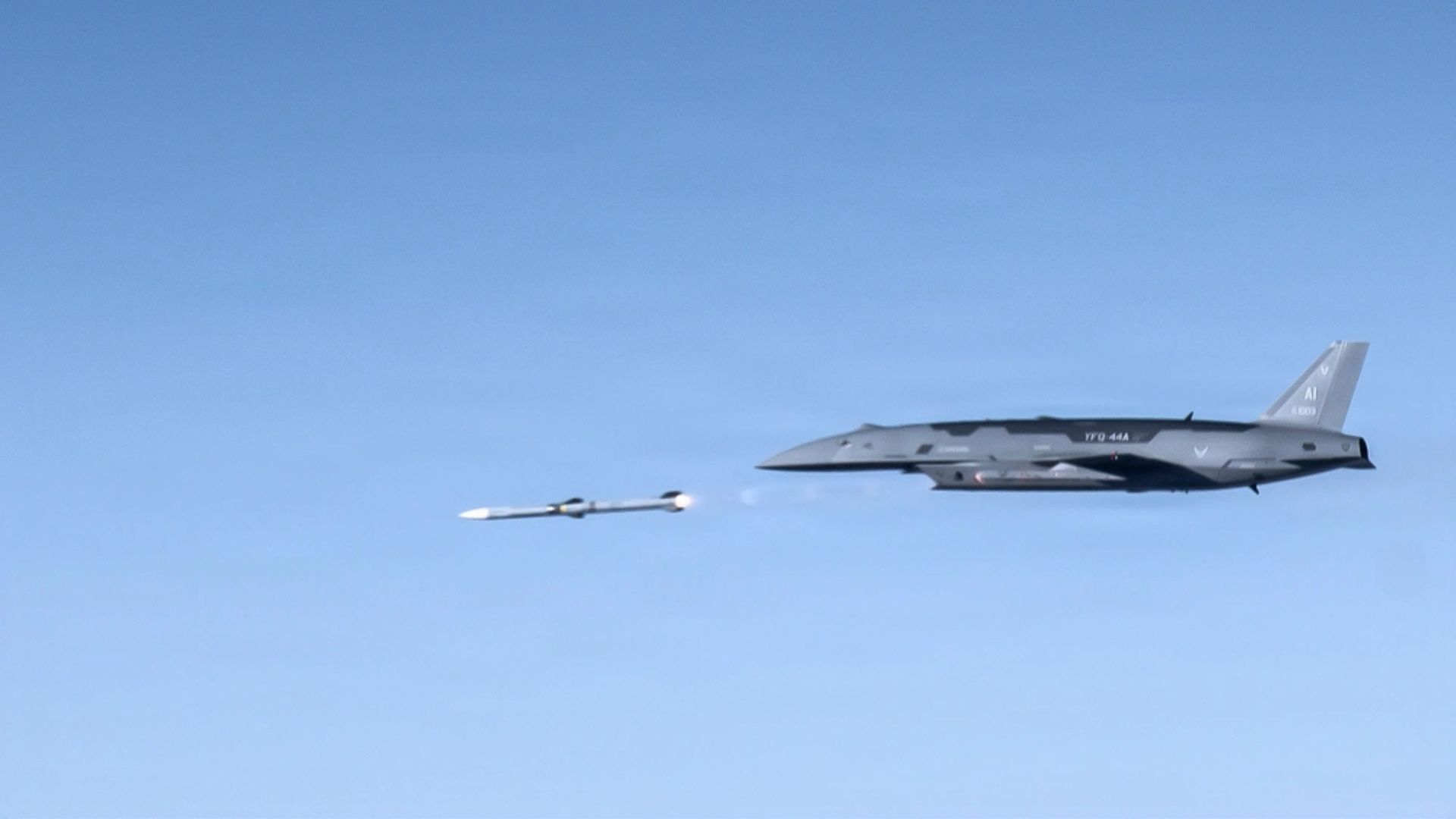
U.S. Air Force Conducts First Missile Launch from Anduril's YFQ-44A Drone
The U.S. Air Force successfully executed its inaugural missile launch from a Collaborative Combat Aircraft (CCA) on June 15, 2026. The Anduril-developed YFQ-44A drone fired an AIM-120 medium-range air-to-air missile at a digital target in California’s Mojave Desert, marking a significant advancement in the development of semi-autonomous drones capable of operating alongside piloted fighter jets. This milestone is crucial as it demonstrates the Air Force's commitment to enhancing its combat capabilities through the use of Collaborative Combat Aircraft. The YFQ-44A autonomously managed most mission steps, with a human operator providing the final launch approval, adhering to U.S. policy on lethal weapon control. This test signifies a shift from previous trials, where operators controlled the drone's flight, showcasing the aircraft's ability to execute complex tasks independently. Looking ahead, the Air Force aims to further develop and test these semi-autonomous aircraft, ultimately enhancing U.S. airpower. The CCA program seeks to deliver combat-ready drones that can operate effectively in challenging environments, with the potential for real mission deployment on the horizon. No further timeline was disclosed at the time of publication.
Military
Crypto VC firm Paradigm raises $1.2B to invest in ‘technical frontier’ startups
Paradigm, a prominent investment fund known for its cryptocurrency ventures, is set to broaden its investment strategy to encompass robotics and artificial intelligence (AI). This strategic shift reflects the fund's ambition to explore new technological frontiers beyond its original focus on digital currencies. By diversifying its portfolio, Paradigm aims to capitalize on the growing potential of these emerging sectors, which are increasingly seen as pivotal in shaping the future of technology and innovation. The expansion into robotics and AI is expected to position Paradigm at the forefront of investment opportunities in industries that are rapidly evolving and gaining traction in the market.
Venture crypto In Brief Paradigm
Crypto-Focused VC Firm Paradigm Raises $1.2 Billion for AI Bets
Paradigm, the venture firm founded to invest in cryptocurrency companies, has raised a new $1.2 billion fund to make more bets outside of the sector, including artificial intelligence and robotics.

SpaceX's Starmind Targets AI Labs with $6.3 Billion Compute Contracts
SpaceX's Starmind is designed to provide wholesale AI compute services to businesses, particularly AI labs and cloud customers, rather than individual consumers. The service operates similarly to AWS, where users benefit from applications running on Starmind without direct subscriptions. The compute capacity of a single AI1 satellite is comparable to one NVIDIA GB300 rack, emphasizing its enterprise-grade capabilities. The significance of Starmind lies in its positioning as a potential fourth hyperscaler, joining the ranks of AWS, Microsoft Azure, and Google Cloud. The Reflection AI contract, valued at $150 million per month, exemplifies the enterprise-focused model, with total payments potentially reaching $6.3 billion through 2029. This contract highlights the growing demand for AI compute resources, particularly from AI-native startups and labs. Looking ahead, the focus will remain on securing additional enterprise contracts as Starmind expands its offerings. No consumer-facing products or subscriptions have been announced, and the current strategy is to cater to businesses with substantial AI workloads. No further timeline was disclosed at the time of publication.

SpaceX's $1.75 Trillion Valuation Driven by Starmind's Future Potential
Starmind is a pivotal element in SpaceX's estimated $1.75 trillion IPO valuation, despite currently generating no confirmed revenue. The stock price reflects optimistic projections regarding AI infrastructure growth, which Starmind has yet to substantiate. As of early July 2026, SpaceX's stock has decreased from its 52-week high of $225.64 to around $150, indicating market skepticism about future execution. The significance of Starmind lies in its potential to transform SpaceX's revenue model beyond traditional launch services. Goldman Sachs has shifted its focus from Starlink subscriber growth to the prospects of AI revenue, including orbital computing, as a cornerstone of SpaceX's long-term valuation. This marks a substantial change in how analysts view the company's growth trajectory, necessitating rates exceeding its historical 33% growth. Looking ahead, the credibility of Starmind as a growth narrative will be crucial for maintaining investor confidence. Analysts have noted a considerable divergence in price targets, reflecting uncertainty about the value of the Starmind and xAI initiatives. No further timeline was disclosed at the time of publication regarding specific milestones for these projects.

AI Hacking Threats Extend to Humanoid Robots: Seoul Hosts 'Judgment Day' Challenge
The 2026 Seoul AI Security Forum has underscored the critical importance of physical security for artificial intelligence systems, particularly as hackers increasingly target humanoid robots. The event featured a live red team challenge known as "Judgment Day," which focused on testing the vulnerabilities of a U-Tree G1 robot. This demonstration highlighted the necessity for proactive security measures in response to the rapidly evolving landscape of AI technology. The forum serves as a vital platform for addressing the challenges posed by cyber threats to advanced robotics, emphasizing the need for robust defenses to protect these innovative systems.
AI Security Humanoid Robots Red Teaming Robustness Testing
Rockwell Automation, Inc. (ROK): One of the Best Robotics Stocks to Buy, Helping Manufacturers Move from Fragmented Automation
Rockwell Automation, Inc. (NYSE: ROK) has emerged as a leading player in the robotics sector, particularly after the launch of its FactoryTalk Orchestration software on June 22, 2026. This innovative solution is designed to streamline material flow and production processes, addressing the needs of manufacturers seeking to enhance automation and robotics capabilities. By standardizing connectivity across various systems, the software aims to facilitate a shift from fragmented automation to more cohesive and autonomous operations. The introduction of FactoryTalk Orchestration is expected to significantly improve manufacturing efficiency, allowing companies to increase throughput, minimize bottlenecks, and adapt swiftly to market changes. Notably, Cranswick Plc, a prominent British gourmet food manufacturer, has already adopted Rockwell's Autonox robotics for automated packaging, further illustrating the practical applications of this technology in creating interconnected production lines. As the world's largest company focused solely on industrial automation and digital transformation, Rockwell Automation continues to innovate by providing hardware, software, and services that enhance the efficiency and sustainability of manufacturing processes. While there are discussions about the investment potential of ROK, some analysts suggest that other AI stocks may offer higher returns in a shorter timeframe.

GM lays off over 1,000 workers at Detroit plant, adds 50 robots: ‘We are in a fight for humanity.’ Progress or betrayal?
General Motors has laid off over 1,000 workers at its Factory ZERO assembly plant in Detroit while introducing 50 AI-powered collaborative robots, known as "cobots," to enhance production efficiency. The layoffs, announced on July 4, 2026, have sparked criticism from the United Auto Workers (UAW), which claims the move underscores the human cost of increasing automation in the industry. UAW President Shawn Fain emphasized the need for AI to improve job quality rather than displace workers, stating, "We are in a fight for humanity." GM insists that the layoffs are temporary and unrelated to the introduction of the robots, which are intended to work alongside human employees to improve safety and ergonomics. A GM spokesperson noted that the company is committed to integrating advanced technology into its operations to enhance manufacturing processes. The automaker has been investing heavily in AI and factory automation, with its Autonomous Robotics Center in Warren, Michigan, developing systems that can learn from production data to identify defects and anticipate maintenance needs. The situation at GM contrasts with rival Ford, which recently rehired 350 employees to address shortcomings in its AI-driven quality control efforts. As the automotive industry increasingly turns to automation, the long-term implications for workers and manufacturing quality remain uncertain.
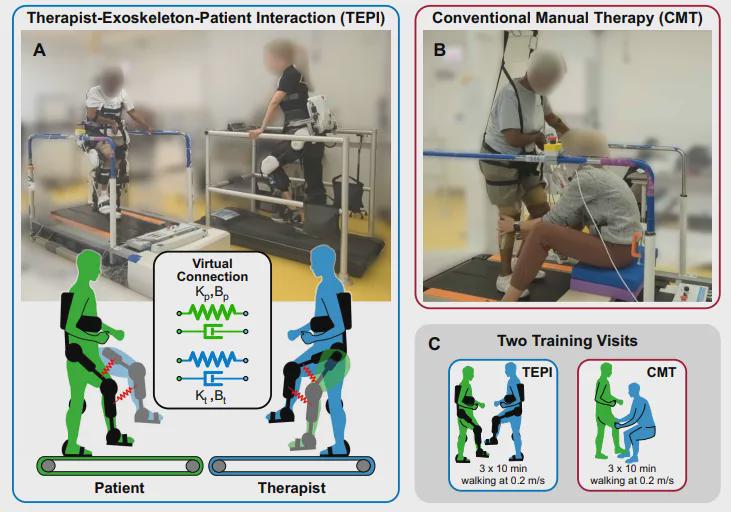
New Paradigm for Stroke Gait Training: Therapist-Exoskeleton-Patient Interaction
A research team from Northwestern University and Shirley Ryan AbilityLab has unveiled an innovative approach to stroke rehabilitation that integrates a therapist-exoskeleton-patient interaction model. This groundbreaking method enables both therapists and patients to don exoskeletons, facilitating real-time interaction during gait training sessions. The new technique aims to improve the effectiveness of rehabilitation and boost patient engagement, offering a significant advancement over conventional manual training methods. The introduction of this technology marks a promising development in the field of stroke recovery, potentially transforming how therapists assist patients in regaining mobility.
Stroke Rehabilitation Exoskeleton Technology Gait Training Physical Therapy
Embraer and OGMA complete first Hungarian C-390 maintenance in Portugal
Embraer, in collaboration with the Portuguese aerospace company OGMA, has successfully completed the first scheduled 24-month maintenance for a C-390 Millennium aircraft belonging to the Hungarian Air Force. This significant milestone was achieved as part of ongoing efforts to ensure the operational readiness and reliability of the aircraft, which plays a crucial role in Hungary's military capabilities. The maintenance work was carried out in Portugal, showcasing the partnership between the two companies and their commitment to supporting the Hungarian military's aviation needs. This maintenance cycle not only enhances the aircraft's performance but also extends its service life, reflecting the growing importance of the C-390 Millennium in modern air force operations.
NewsRobotics needs a service framework.
RSF defines a common language for robot service capability, lifecycle operations, certification pathways, and service-provider networks.
Join the RobotToday community on LinkedIn
Daily robotics news, in-depth analysis, conference highlights, and discussions with professionals worldwide.







