

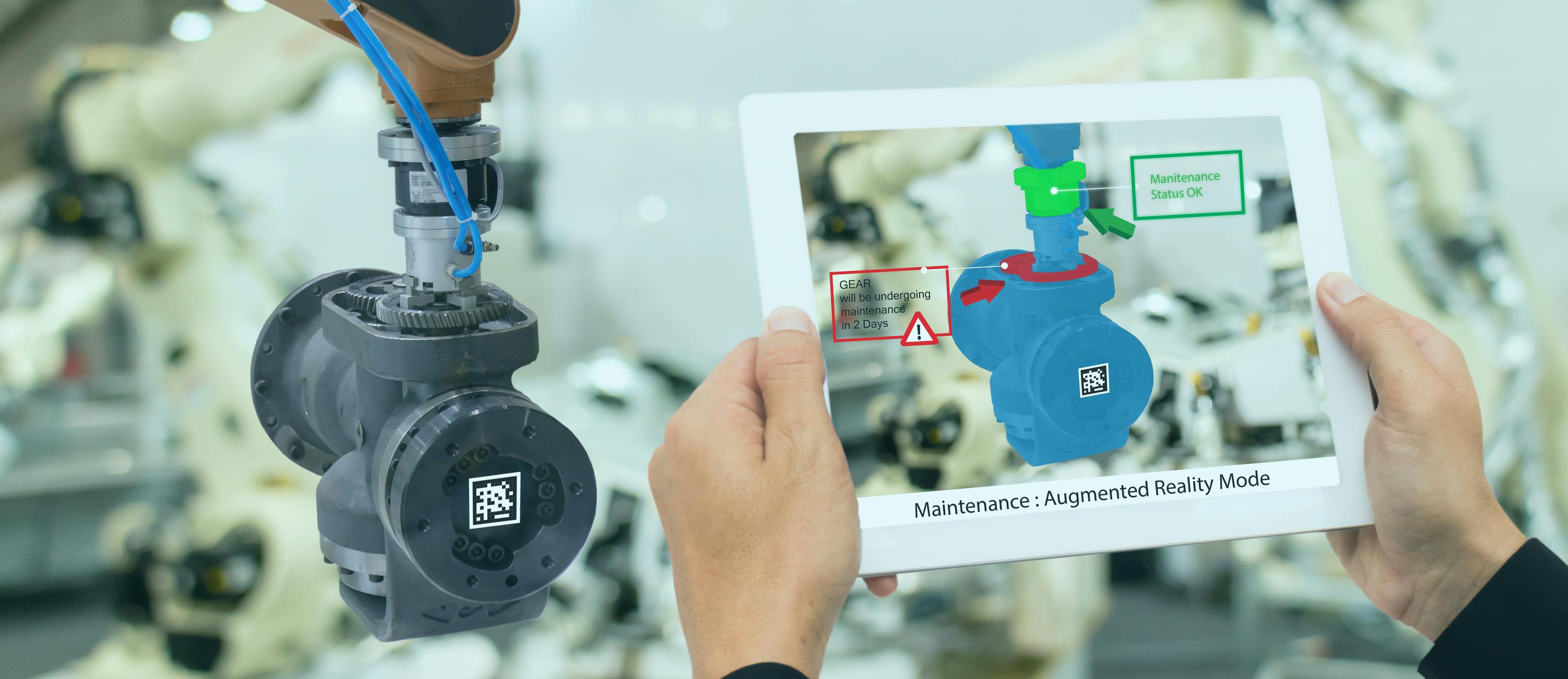
A recent exploration into industrial augmented reality (AR) highlighted the challenges faced in scaling pilots beyond initial demonstrations. While the technology proved effective for single high-value assets, transitioning to a fleet of machines revealed significant complexities in preparation and implementation. The initial success of AR pilots often led to enthusiasm among executives, but the reality of scaling involved extensive work in converting CAD models and preparing tracking targets, which proved to be time-consuming and labor-intensive.
The importance of this issue lies in understanding why many AR initiatives have struggled to expand. Although hardware limitations were often cited as the primary reason for failure, the real challenge was the intricate preparation required for each unique machine. Each asset demanded a tailored approach, with variations in models and revisions complicating the scaling process. This complexity resulted in delays and ultimately hindered the broader adoption of AR technologies in industrial settings.
Looking ahead, it is crucial to monitor how advancements in AR technology and methodologies may address these scaling challenges. As the industry evolves, new strategies and tools could emerge to streamline the preparation process, potentially allowing for more efficient deployment across fleets of machines. No further timeline was disclosed at the time of publication.
Editor's Note
The industrial augmented reality sector faces significant hurdles in scaling pilot projects to broader applications. Understanding the complexities involved in preparing AR experiences for diverse machinery is essential for companies looking to adopt this technology. As the industry seeks solutions to these challenges, the focus will likely shift towards improving workflows and reducing preparation times to facilitate wider implementation.

































Leave a comment