Industry Briefing
A single destination for timely, editor-curated robotics news from around the world.
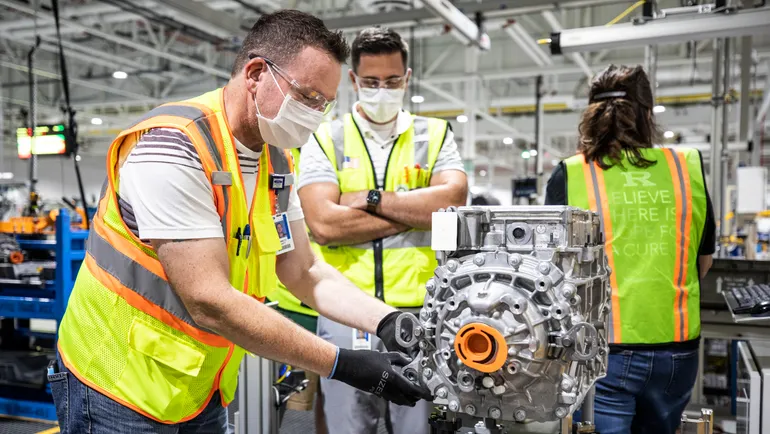
Ford, JPMorgan Chase, and Michigan Launch $3 Billion Manufacturing Initiative
Ford, JPMorgan Chase, and the state of Michigan have announced a $3 billion manufacturing initiative aimed at addressing labor and capital challenges in the sector. This initiative, known as Michigan LIFT, was developed following the Michigan Resiliency Summit, where leaders identified key operational and technological hurdles facing manufacturers. The significance of this initiative lies in its public-private partnership model, which aims to enhance workforce training and support facility expansions and equipment upgrades. Ford President and CEO Jim Farley emphasized that Michigan LIFT is designed to connect innovators, suppliers, and manufacturers, facilitating faster solutions to real manufacturing challenges. Looking ahead, the Michigan Economic Development Corporation will implement strategies to support commercial scaling, while Michigan Central will provide testing space for companies. Additionally, Ford and JPMorgan Chase are contributing $550,000 to Focus: Hope, a nonprofit focused on education and job training in manufacturing skills. No further timeline was disclosed at the time of publication.
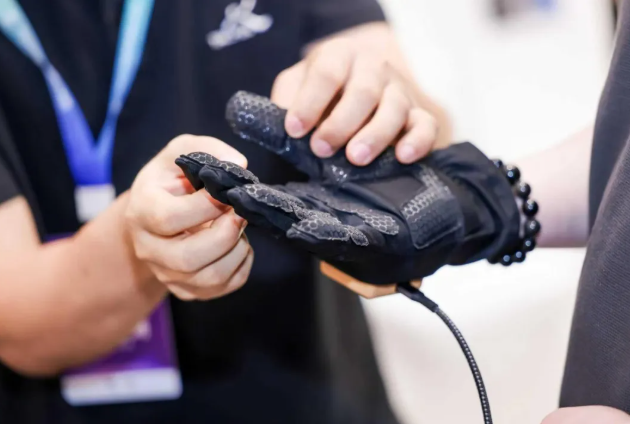
Stanford Researcher Develops Robot 'Electronic Skin' in China, Secures Billion-Yuan Funding
A postdoctoral researcher from Stanford University has returned to China to develop an innovative 'electronic skin' for robots. This technology aims to enhance the sensory capabilities of robots, allowing them to better interact with their environments. The project has successfully secured financing at the billion-yuan level, indicating strong investor confidence in its potential. The development of 'electronic skin' is significant as it represents a leap forward in robotics, enabling machines to possess tactile feedback similar to that of humans. This advancement could lead to more sophisticated applications in various sectors, including healthcare and manufacturing, where robots can perform tasks requiring a delicate touch. Looking ahead, the focus will be on the practical applications of this technology and its integration into existing robotic systems. No further timeline was disclosed at the time of publication.
Robotics Automation AI
Qiyuan Robotics Unveils Affordable Humanoid Robots Starting at 19,999 Yuan
On September 20, Qiyuan Robotics, a subsidiary of Weiqi New Materials, officially launched two consumer-grade humanoid robots, Q1 and T1, priced as low as 19,999 yuan, setting a record for the lowest price in this category. The product lineup includes four models: Q1, Q1 Explorer, T1, and T1 Pro, with prices ranging from 19,999 yuan to 29,999 yuan. This pricing strategy is supported by enhanced mass production capabilities, allowing Qiyuan Robotics to produce thousands of units efficiently. The company has integrated automotive manufacturing standards to ensure quality and consistency, with the ability to assemble a robot every 2.5 minutes. Shanghai's robust robotics industry, which accounts for about one-third of the national market, provides a strong foundation for this production model. Looking ahead, Qiyuan Robotics aims to capitalize on the evolving consumer robotics market, focusing on developing applications that enhance user engagement and emotional value. The company plans to expand into international markets next year, with expectations that overseas revenue will contribute approximately 30% of total sales. No further timeline was disclosed at the time of publication.
Humanoid Robots Consumer Robotics AI Robotics Manufacturing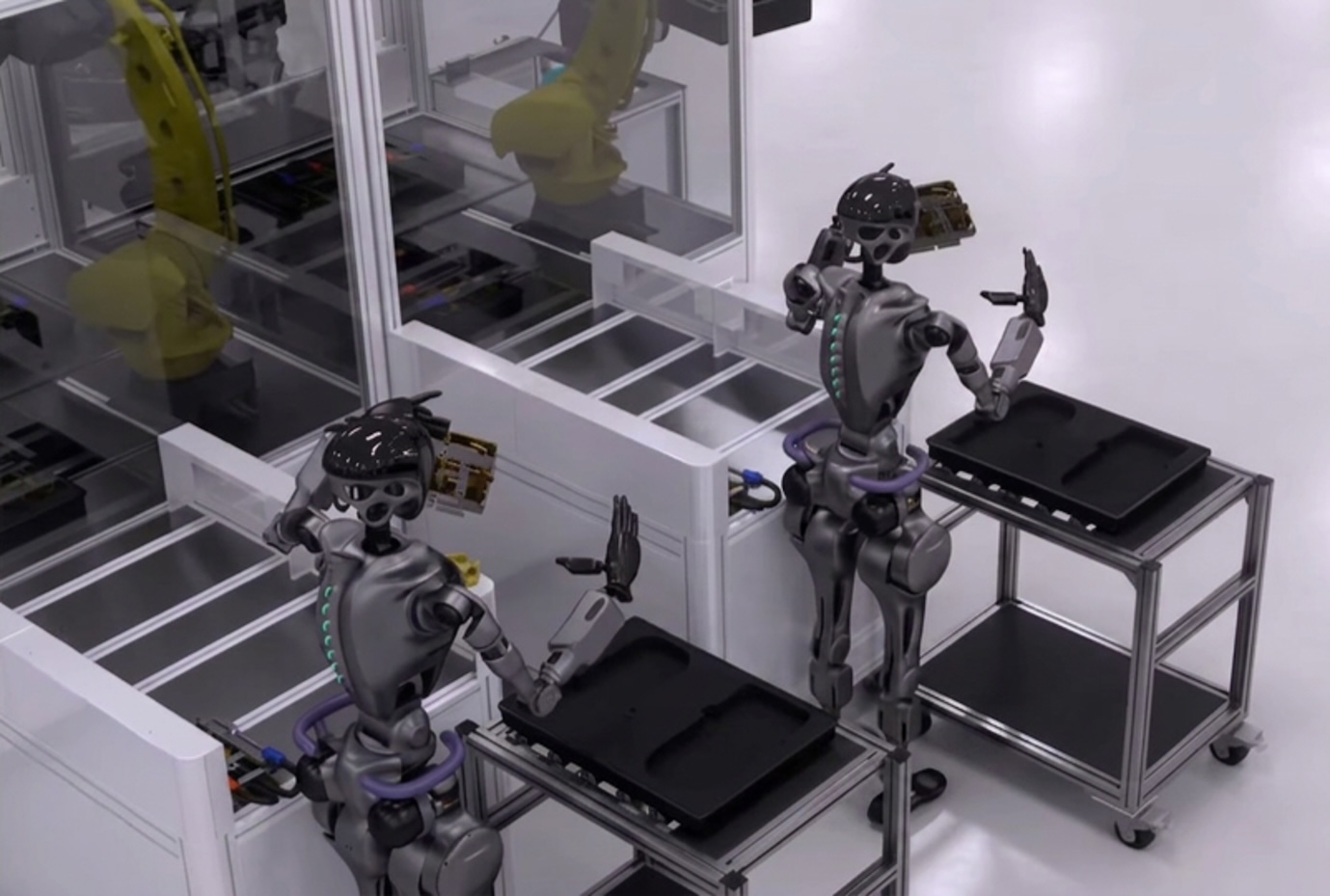
Symbotic Becomes Member-Sponsor of Stanford Robotics Center's Industrial Affiliates Program
Symbotic has officially joined the Stanford Robotics Center (SRC) Industrial Affiliates Program as a member-sponsor. This membership grants Symbotic access to Stanford's esteemed research community, fostering collaboration aimed at advancing innovations in robotics, autonomy, and artificial intelligence. The significance of this partnership lies in the potential for Symbotic to leverage Stanford's cutting-edge research to enhance its AI-enabled robotics technology for the supply chain. By engaging with leading experts and researchers, Symbotic aims to drive forward its capabilities in automation and robotics, which are critical for modern supply chain solutions. Looking ahead, it will be important to monitor the developments arising from this collaboration, particularly in how Symbotic integrates insights from Stanford into its product offerings. No further timeline was disclosed at the time of publication.
Business Industry News Research Robotics ai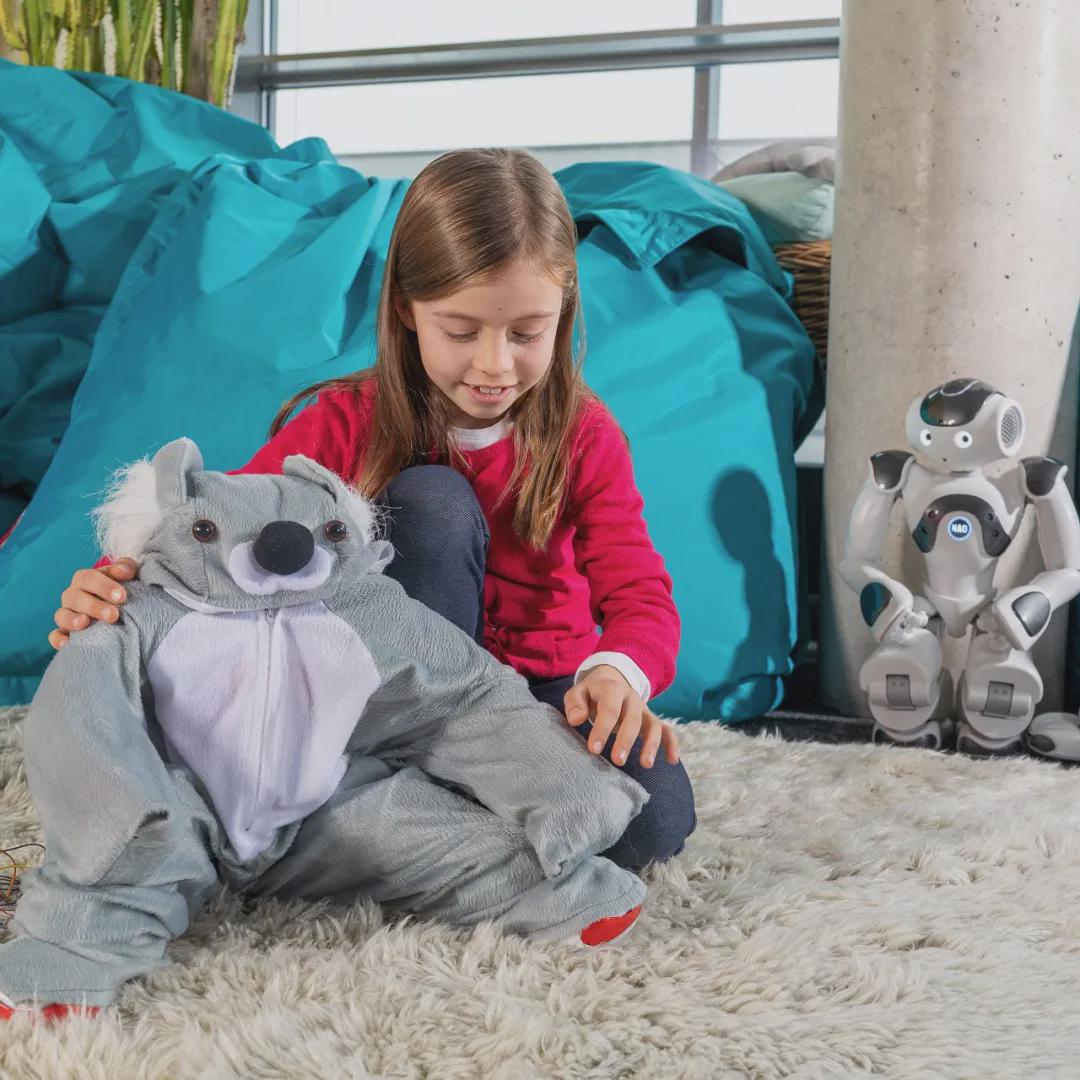
Affordable Touch Sensors Enhance Interaction in Social Robots with HERA Prototype
The HERA prototype, developed by the Max Planck Institute for Intelligent Systems in collaboration with the University of Tennessee and Fraunhofer IPA, integrates 16 custom flexible touch sensors into a modified koala pajama outfit for the NAO robot. This setup allows the robot to recognize five touch gestures and two pressure levels, enhancing its interactive capabilities. This advancement is significant as it addresses the limitations of existing social robots, which typically have few touch points and lack comprehensive tactile feedback. The HERA prototype's design prioritizes affordability and ease of manufacturing, making it a viable option for therapeutic applications, particularly for autism treatment, where durability and cost-effectiveness are crucial. Looking ahead, the research team has published their findings in the IEEE Transactions on Affective Computing, indicating a commitment to further development in this area. No further timeline was disclosed at the time of publication.
Touch Sensors Social Robotics Human-Robot Interaction AI Emotional Computing
Ford Aims to Compete with Tesla's Cybertruck with New Fathom Electric Pickup
Ford Motor Company is preparing to launch its Fathom electric pickup truck in 2027, aiming to sell 100,000 units in its first year. This follows Tesla Inc's CEO Elon Musk's earlier goal of producing 250,000 Cybertrucks annually, which has not been met due to lower-than-expected demand. The Fathom's ambitious sales target is significant as it positions Ford to compete directly with Tesla's Model Y and Model 3, which are the only electric vehicles to surpass 100,000 sales annually in the U.S. Ford's previous electric pickup, the F-150 Lightning, sold 27,307 units in 2025, outperforming Tesla's estimated Cybertruck sales of 20,237 units. Preorders for the Fathom are set to begin in early 2027, with deliveries anticipated in the following year. The competitive pricing strategy for the Fathom could play a crucial role in achieving Ford's sales goals, making it a key vehicle to watch in the electric pickup market.

Hugging Face Launches Affordable Microduck Robot Duck with Strong Pre-Sales
Hugging Face has launched the Microduck, a $399 robot duck, which is now available for pre-order. The company's co-founder and CEO, Clem Delangue, announced the product on X, emphasizing the arrival of an open-source and affordable robotics era. The initial response has been overwhelming, with pre-orders exceeding $1 million within six hours and total orders surpassing $2.6 million in 24 hours. The Microduck stands 25 cm tall and weighs under 800 grams, featuring 15 degrees of freedom and powered by the Dynamixel XL330-M288-T servos. It can walk, kick a soccer ball, and even pick up objects with its beak. The robot is designed to produce unique sounds for each unit, adding a playful element to its functionality. The affordability of the Microduck is attributed to its cost-effective components, including a Rockchip RK3566 processor with AI acceleration. Looking ahead, the Microduck offers various entertainment and development kits, allowing users to engage with the robot creatively. With pre-installed behaviors and an open-source software stack, users can modify and share their experiences. No further timeline was disclosed at the time of publication.
Robotics AI Open Source Consumer Electronics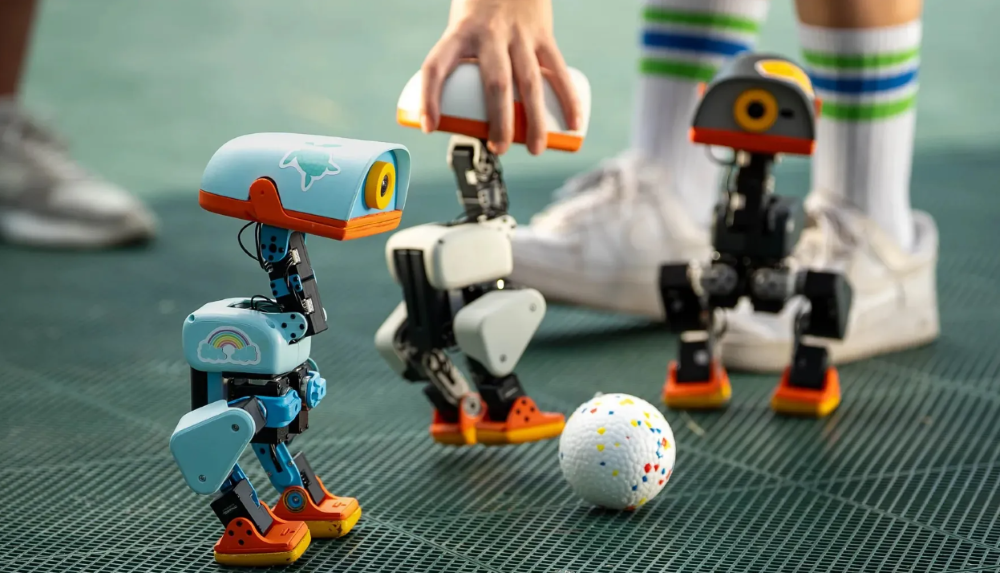
Hugging Face and Pollen Robotics Launch Affordable AI Robot Microduck for Developers
On August 27, Hugging Face, in collaboration with Pollen Robotics, officially launched Microduck, a bipedal robot designed as an affordable AI experimentation platform for developers. This initiative aims to transition robotic training from costly laboratory settings to the broader market. Microduck is not merely a toy; it features an open-source framework that allows users to employ reinforcement learning to teach the robot new skills in a simulated environment before deploying them to the physical robot. The robot is equipped with a Rockchip RK3566 processor, cameras, LIDAR, and motion sensors, enabling environmental perception and interaction. The initial market response has been promising, with pre-orders selling at a rate of one unit every four seconds, and Hugging Face aims to exceed 20,000 units sold. As the second robot from the partnership, following the desktop robot Reachy Mini, Microduck represents a significant step in making robotics more accessible to developers, heralding a new era of programmable and learning robots.
AI Robotics Open Source Reinforcement Learning Physical AI Robotics Development
Near 100 Million RMB Angel Round: Company Aims to Standardize Affordable Six-Dimensional Force Sensors
Recently, Singularity Intelligent Control (Shanghai) Co., Ltd. secured nearly 100 million RMB in angel round financing, led by Yinfeng Capital, with participation from Zhangjiang Ke Investment, Pudong Venture Capital, Fourier, and two listed companies. The company is innovating six-dimensional force sensors using an optical approach, reducing the price from tens of thousands to thousands of RMB. This funding round is notable for its diverse investor structure, including market-oriented VCs, state-owned enterprises, equipment manufacturers, and listed companies. This combination signals a market shift, positioning six-dimensional force sensors, previously categorized as 'precision instruments,' as standard components for embodied intelligence applications. Looking ahead, Singularity Intelligent Control aims to leverage this funding for market promotion and product iteration, establishing a foundation for mass production. The optical sensors could significantly reduce costs for humanoid robots, potentially changing the decision-making process for manufacturers regarding the integration of force sensing technology into their designs. No further timeline was disclosed at the time of publication.
Six-Dimensional Force Sensors Optical Sensors Robotics AI Hardware Cost Reduction
L3Harris Advances Affordable Munitions to Meet Modern Military Challenges
L3Harris is addressing the urgent need for capable and affordable precision munitions in modern military operations. As nations face increasingly complex threats, the ability to deliver advanced capabilities at scale and speed is critical. With over 1,200 unmanned aerial vehicles delivered, L3Harris is positioned to meet the demand for affordable mass production while maintaining combat effectiveness. The shift in defense acquisition emphasizes the importance of producing affordable capabilities without sacrificing quality. L3Harris is focusing on modular designs and leveraging commercial components to enhance producibility and reduce costs. This approach allows for the rapid integration of systems across various platforms, ensuring operational relevance in prolonged military engagements. Looking ahead, L3Harris aims to sustain production at volumes of 1,000 systems per year or more. The company is committed to bridging the gap between high-end performance and the need for greater combat mass, ensuring that military forces can maintain operational readiness without compromising fiscal sustainability. No further timeline was disclosed at the time of publication.
Air Warfare Sponsored Post Air Force cruise missile defense acquisition Drones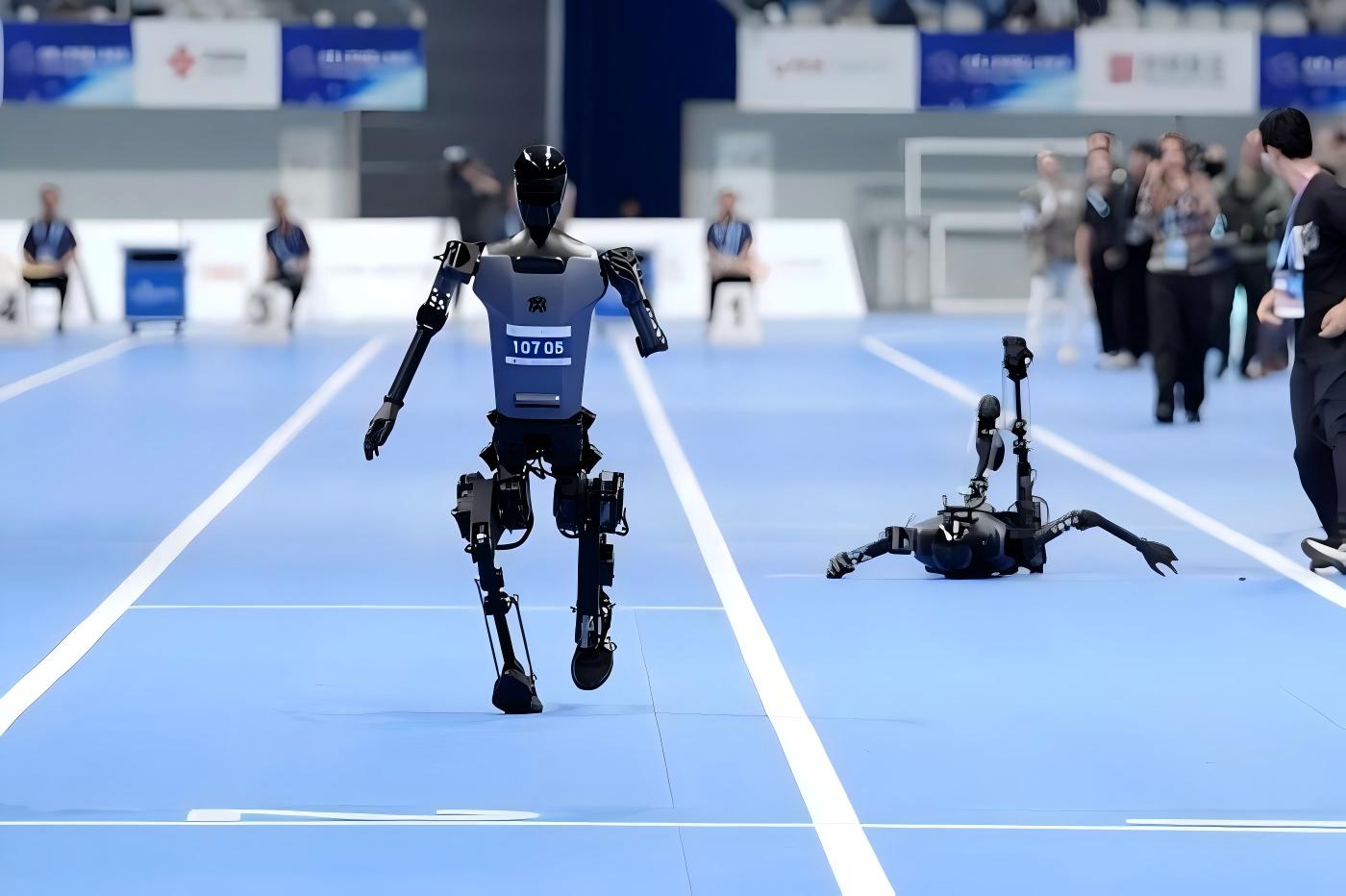
Affordable Tickets Available for World Humanoid Robot Sports Event in Beijing
The second World Humanoid Robot Sports Competition has begun ticket sales, taking place at the National Speed Skating Stadium in Beijing. Family-friendly pricing includes a 198 yuan package for two and a 298 yuan package for three, with single-day tickets starting at 98 yuan. In the first hour of sales, over a thousand tickets for popular weekend events, including athletics and soccer, were sold. This event is significant as it aims to bridge the gap between the public and cutting-edge technology, with affordable ticket prices encouraging attendance. The competition features a variety of events, including sprinting, weightlifting, and cultural performances like dance and martial arts, appealing to families with interactive activities such as table tennis. Looking ahead, the organizing committee advises buyers to use official channels to avoid counterfeit tickets and emphasizes the importance of real-name ticketing to prevent scalping. No further timeline was disclosed at the time of publication.
Humanoid Robots Robot Competitions Family Entertainment Technology Accessibility
Lucid Motors Delays Launch of Affordable Cosmos EV to Late 2027
Lucid Motors has postponed the release of its affordable electric vehicle, the Cosmos, to the second half of 2027. This decision comes as part of new CEO Silvio Napoli's strategy to address quality issues that have plagued the company’s existing models. The delay aims to ensure that the Cosmos meets the high standards expected by consumers. This postponement is significant as it reflects Lucid's ongoing struggles to establish a broader customer base beyond its niche market. Napoli acknowledged the company's past failures in execution and product readiness, emphasizing the need for a more disciplined approach to avoid repeating previous mistakes. The Cosmos was anticipated to be a key model in Lucid's lineup, built on a new platform designed to lower production costs and attract more buyers. Looking ahead, the delay of the Cosmos may impact customer expectations and the company's supply chain. While Napoli's cautious approach aims to improve product quality, it also raises concerns about Lucid's ability to regain momentum in a competitive EV market. No further timeline was disclosed at the time of publication.
Transportation electric vehicles EVs Lucid Motors
Ford Motor and Tesla Revenue Trends: Insights for Investors on Automotive Giants
Ford Motor Company reported a 6% net income margin for the quarter ending March 31, 2026, while announcing a manufacturing joint venture with Geely Auto in Spain. In contrast, Tesla achieved a 4% net income margin for the quarter ending June 30, 2026, alongside the commencement of Cybercab production at Gigafactory Texas. This revenue data is crucial for investors to gauge the growth trajectories of both companies. The revenue figures highlight a significant difference in market focus, with Ford's extensive sales of gas-powered vehicles overshadowing Tesla's narrower electric vehicle market. However, Tesla's revenue growth is notably faster, with a 16% year-over-year increase in Q1 and an impressive 26% in Q2, suggesting that it may eventually catch up to Ford's revenue. Ford's efforts in the EV sector have not yet resonated with consumers as effectively as Tesla's, with only $1.2 billion in Q1 EV sales. Looking ahead, Tesla is expanding into self-driving vehicle technology with its Cybercab, despite facing challenges in AI development that have impacted its cash flow. Meanwhile, Ford's new Ford Energy division aims to enhance its EV investments through battery storage solutions. Investors should consider these dynamics before making stock decisions regarding Ford Motor Company.
Shenzhen Company Stella-Robot Introduces Affordable Robotic Hands with High Performance
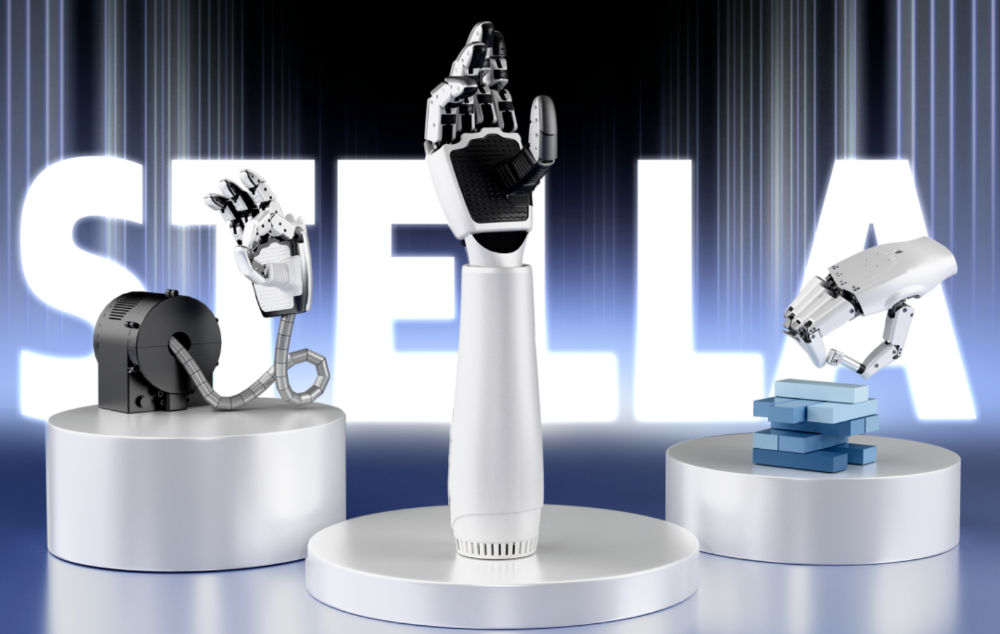
At the 2026 World Artificial Intelligence Conference, Shenzhen-based Stella-Robot unveiled its innovative robotic hands, the Pantheon Hand 20 and Gaia Hand 20. The Pantheon Hand 20, weighing only 290 grams, can grip up to 50 kilograms, thanks to its unique 'drive separation' technology that relocates the drive unit away from the hand itself. This breakthrough in design allows for a lightweight yet powerful robotic hand, making advanced robotics more accessible. The Gaia Hand 20 features a modular design with a quick-change joint system, enabling easy repairs without returning the entire unit. Priced at 16,999 yuan, the affordability of these products marks a significant shift in the robotics market, previously dominated by high-cost alternatives. Stella-Robot's products are already being utilized in top universities and research institutions, indicating their potential impact on the field of embodied intelligence. As the cost of robotic hands drops from the millions to tens of thousands, the company is poised to democratize advanced robotic capabilities for developers everywhere. No further timeline was disclosed at the time of publication.
Robotic Hands Modular Robotics AI Technology Automation Precision Engineering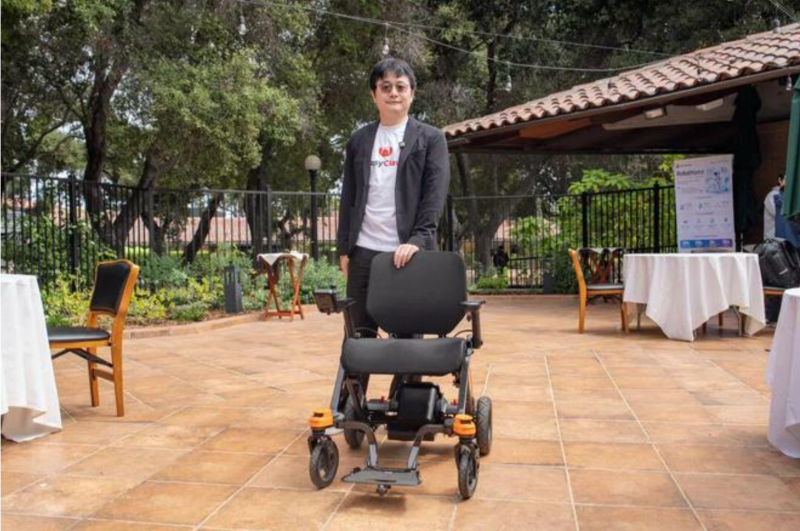
Smart Wheelchair Captivates Attention at Stanford AI Summit Over Humanoid Robots
At the Humanity & AGI Summit held at Stanford University, a smart wheelchair presented by Fu Sheng, Chairman of Cheetah Mobile, garnered significant attention, overshadowing humanoid robots. Attendees were drawn to the wheelchair's autonomous obstacle avoidance and user-friendly features, prompting many to experience it firsthand. The interest in the smart wheelchair highlights a critical shift in the robotics landscape, as Fu Sheng noted that humanoid robots are unlikely to achieve commercial scalability in the next five to ten years. He emphasized that the current limitations in software and hardware development hinder the practical application of humanoid robots, with most sales directed towards research institutions rather than commercial markets. Looking ahead, the focus on practical solutions like the smart wheelchair suggests a growing recognition that functionality is more important than form in robotics. As the industry continues to evolve, the demand for effective, user-centric products will likely shape future innovations, steering attention away from humanoid designs towards more practical applications.
Smart Wheelchairs Humanoid Robots AI Technology Robotics Assistive Devices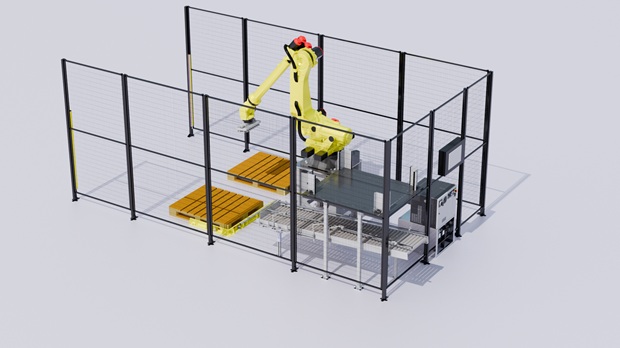
CSi Palletising Introduces Affordable s-Pal Robotic Palletiser for Medium-Sized Businesses
CSi Palletising has launched the s-Pal robotic palletiser, an entry-level solution priced at €95,000. This system features a FANUC industrial robot and is designed for medium-sized businesses in the FMCG and CPG sectors. Pre-orders began on October 1st, with initial deliveries expected in early 2027. The s-Pal offers three variations with options for left-hand, right-hand, or dual infeed, making it a flexible choice for users. Its lean design focuses on essential features for efficient palletising while maintaining high quality and reliability, backed by a standard 3-year warranty. The system is user-friendly, allowing a single operator to manage it effectively. Looking ahead, CSi plans to offer the s-Pal for lease starting mid-2027. As a predefined solution, it promises quick processing of quotations and orders, with guided installation instructions for self-installation. Customers can also opt for professional installation by CSi’s team, ensuring support throughout the process. No further timeline was disclosed at the time of publication.
Industry News
Flourish Robots Launches Flourish 1: Affordable Home Robot with 12-Hour Battery Life
Flourish Robots, a San Francisco startup, has unveiled its home robot, Flourish 1, priced at $3,555, which can learn household chores in approximately 30 minutes. The robot, designed specifically for home use, stands 3 feet 7 inches tall and weighs 44 pounds, capable of operating for up to 12 hours on a single charge while lifting a maximum of 3.3 pounds. This innovative approach focuses on simplifying the robot's design to cater to household tasks rather than industrial capabilities. Flourish 1 can perform various chores, including picking up items, wiping surfaces, and loading dishwashers, by learning tasks through user demonstrations via a mobile app. The robot's slower task execution is intentional, prioritizing utility over speed, as stated by founder Antoine Marcel. Looking ahead, Flourish aims to refine its robot learning methods by customizing pretrained models for individual homes. While the robot's adaptability to changing environments is limited, it is designed to manage variations in object positions and clutter. No further timeline was disclosed at the time of publication.
AI and Robotics
Freudenberg Sealing Technologies Releases Whitepaper on Sealing and Damping Element Requirements
Freudenberg Sealing Technologies has published a new whitepaper addressing the requirements for seals and damping elements in robotic applications. This document aims to provide insights into the specific needs these components must meet to ensure optimal performance in robotics. The significance of this whitepaper lies in its focus on enhancing the reliability and efficiency of robotic systems through proper sealing and damping solutions. As robotics continues to evolve, understanding these requirements becomes crucial for manufacturers and engineers in the field. Looking ahead, industry professionals should monitor how these insights from Freudenberg Sealing Technologies influence the design and implementation of sealing and damping elements in future robotic applications. No further timeline was disclosed at the time of publication.
Allgemein Newsarchiv
Polyplan Develops Robotic Inline Measurement System for Automotive Manufacturing Quality
Automotive manufacturers face challenges in maintaining uniform gap dimensions and precise alignment of body components, which are critical indicators of production quality. These factors significantly impact vehicle sealing, wind noise reduction, and the proper functioning of doors and hoods. To address these challenges, Polyplan has developed a robotic inline measurement system that has already been delivered to initial production facilities. The ability to ensure consistent gap and flush measurements is essential for manufacturers and their suppliers, as it directly correlates with vehicle quality and customer satisfaction. The introduction of Polyplan's system aims to enhance manufacturing processes by providing accurate measurements in real-time, thus improving overall production efficiency and product quality. Looking ahead, the automotive industry will continue to prioritize precision in manufacturing to meet consumer expectations. Polyplan's innovative solution may set a new standard for inline measurement systems, and further developments or deployments could be anticipated as the technology gains traction in the market. No further timeline was disclosed at the time of publication.
Allgemein Anwendungen & Lösungen Automobilbau & Zulieferer Lösungen Robot Vision & Inspection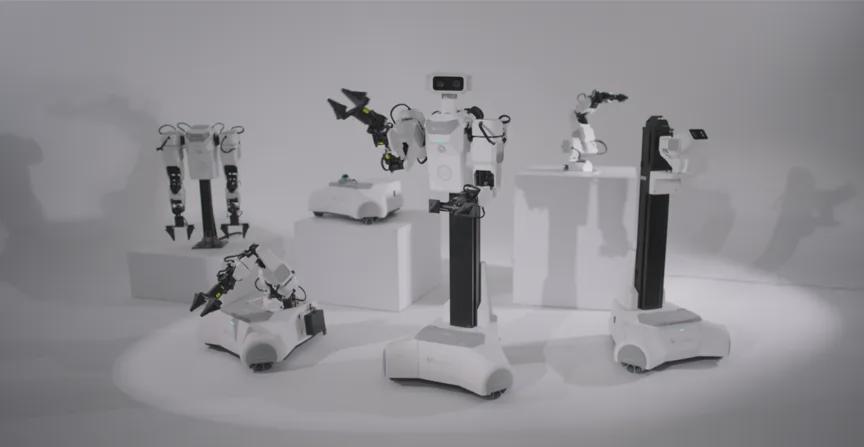
Robotics Price War Intensifies as Mantis Standard Launches Affordable Wheeled Humanoid
The ongoing price war in robotics reveals a significant challenge: most humanoid robots remain as fixed, one-time purchases. According to Counterpoint Research, global shipments of humanoid robots are expected to exceed 22,000 units in the first half of 2026, marking a nearly 300% year-on-year increase. However, over 60% of these robots are used for entertainment and educational purposes, with only 13% in smart manufacturing and a mere 5% in logistics. Despite some price reductions making humanoid robots more accessible, the distinction between a functional robot and a large toy is not as clear-cut as anticipated. The most valuable capabilities for robots are still their ability to perform tasks effectively, which is rarely achieved by low-cost models. On September 14, the company launched its first modular wheeled humanoid robot, Mantis Standard, priced at 9,800 yuan, featuring an omnidirectional wheel chassis, a 7-degree-of-freedom robotic arm, and a 4K60fps dual-vision system. The design of Mantis Standard emphasizes practicality over performance, as wheeled humanoid robots are deemed more suitable for industrial applications compared to bipedal models. PwC's report supports this view, highlighting wheeled robots' advantages in efficient movement and terrain adaptability for commercial applications. Since 2025, the parallel development of wheeled and bipedal robots has been evident, with many companies incorporating both into their product lines, showcasing wheeled robots' stability and flexibility in service and light industries.
Humanoid Robots Modular Robotics Wheeled Robots Robot Automation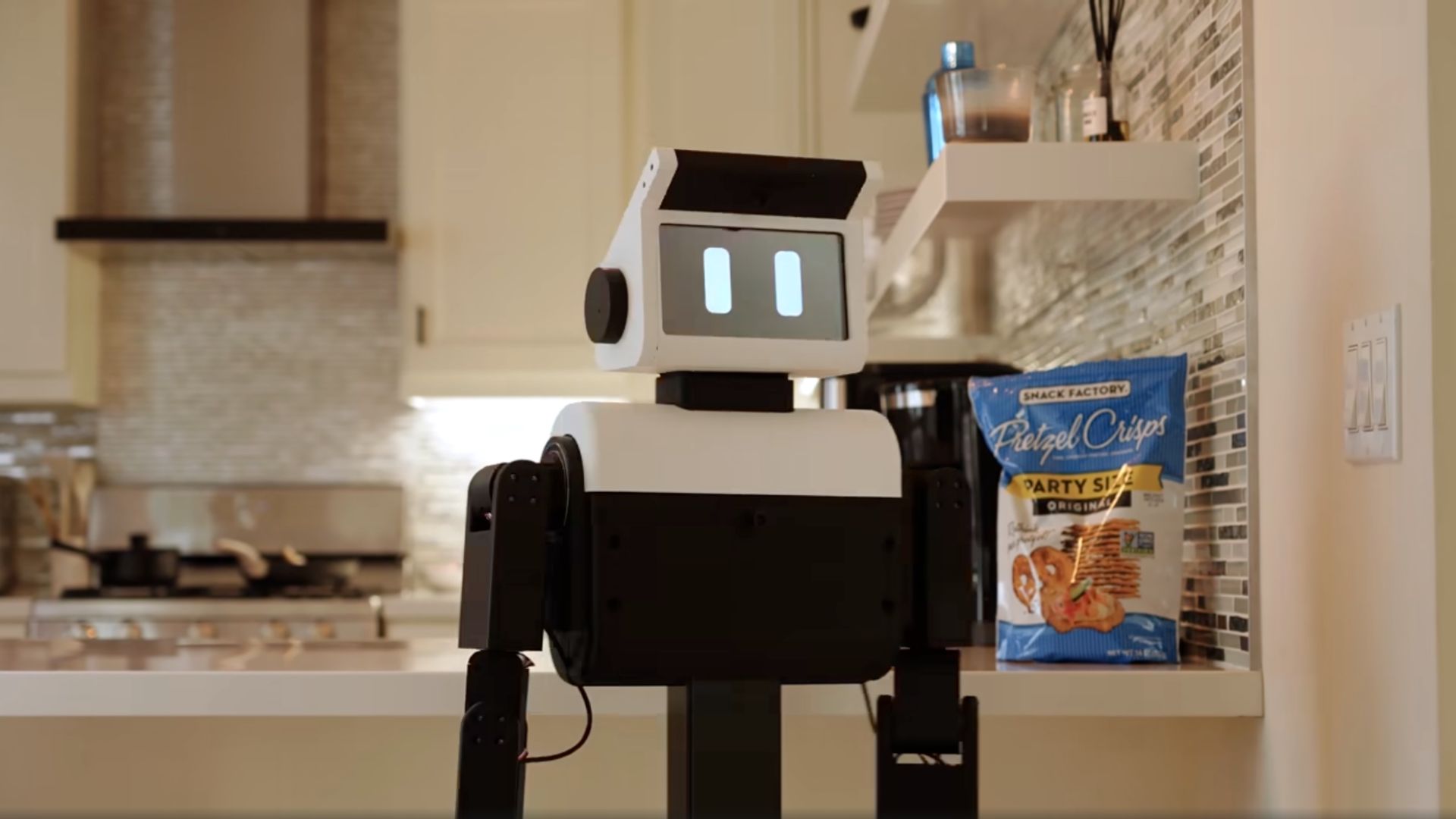
Nori Robotics Launches Affordable Nori A3 Humanoid Robot Priced at $1,688
Nori Robotics, based in San Francisco, has introduced the Nori A3, an American-assembled humanoid robot priced at $1,688. Set to begin shipping this fall, the Nori A3 aims to provide consumers with an affordable option for home automation, featuring a wheeled base and 19 degrees of freedom for various household tasks. The significance of the Nori A3 lies in its low-cost approach to humanoid robotics, traditionally associated with high price tags and advanced hardware. With capabilities such as fetching food, pouring drinks, and folding clothes, the Nori A3 is designed for practical household applications, making it an accessible entry point into physical AI and home robotics. Looking ahead, Nori Robotics has begun production, with the first units shipped on July 21. As demand may increase, the company’s historical practice of small production batches could impact availability. No further timeline was disclosed at the time of publication.
AI and Robotics
Hangkai Microelectronics Advances Tactile Sensing with Affordable End-Effector Solutions
Hangkai Microelectronics has developed a range of tactile sensors adhering to aerospace standards, including a 99 yuan three-dimensional tactile sensor and a 1888 yuan high-precision six-dimensional force sensor. Their new HKVR-TG9801 adaptive gripper features native tactile sensing and all-scenario adaptive grasping, eliminating the need for programming and allowing for quick integration. This innovation is significant as it breaks the industry norm that high performance equates to high prices, enabling robots to perceive their environment effectively. The HKVR-TG9801's built-in tactile sensors allow for real-time adjustments in gripping force, ensuring stable handling of various objects, from delicate electronic components to irregular shapes, thus preventing damage and slippage. Looking ahead, Hangkai Microelectronics is also focusing on education and research by offering a low-cost five-finger tactile sensor kit priced at 99 yuan per unit. This initiative aims to support educational institutions and small-scale custom services, fostering the development of robotic perception technologies in academic settings. No further timeline was disclosed at the time of publication.
Tactile Sensors Robotics Automation AI Industrial Applications
Shelford Group Expands START Programme for Robotic Surgery Training in South East England
The Shelford Group has announced a significant expansion of its Surgical Training in Advanced Robotic Technology (START) programme. This initiative will extend accredited robotic surgery training to surgical trainees in the South East of England, starting from the 2026/27 academic year. Previously available in the North East, North West, and East of England, the START programme will now include regions such as Thames Valley, Wessex, and Kent, Surrey, and Sussex. This expansion aims to enhance the skills of surgical trainees in robotic surgery, which is becoming increasingly important in modern medical practices. As the demand for advanced surgical techniques grows, the expansion of the START programme is a crucial step in ensuring that more surgical trainees receive high-quality training. Stakeholders will be watching closely to see how this initiative impacts the quality of surgical care in the newly included regions. No further timeline was disclosed at the time of publication.

Fao Launches ART Series to Enhance Intelligent Manufacturing Systems
Fao Robotics has introduced the ART series of industrial-grade humanoid force control arms, addressing key engineering challenges in intelligent manufacturing. As robots transition from laboratories to real production lines, issues such as core component costs, supply chain stability, and assembly efficiency become critical. This shift signifies a competitive focus on manufacturing systems that determine the capabilities of robots in practical applications. The ART series leverages Fao's expertise in collaborative robotics, incorporating standardized humanoid joint modules and reference designs for dual-arm and upper body platforms. Starting in 2024, Fao will offer customized humanoid force control arm services tailored to specific industrial scenarios, aiming to explore the application of embodied intelligence in real-world settings. This move reflects a broader trend where companies are integrating advanced robotics into various sectors, including flexible manufacturing and intelligent sewing. As the humanoid robotics industry evolves, the focus is shifting from technological advancements to practical implementation in manufacturing. Key questions regarding component supply, product consistency, and assembly efficiency will determine the pace of industrial adoption. Fao's initiative to connect more intelligent agents with the physical world could redefine how industrial-grade robots are manufactured and deployed, paving the way for successful real-world applications.
Humanoid Robots Industrial Automation Robotics Manufacturing Cost Reduction Standardization
PI's X-365 Gantry System Delivers Configurable Motion for Precision Applications
PI has introduced the X-365 gantry system, which features extensive travel ranges and high precision, making it ideal for semiconductor handling and advanced manufacturing applications. The significance of the X-365 lies in its ability to provide configurable and affordable motion solutions, catering to the needs of high-throughput and high-accuracy tasks in various industrial sectors. Looking ahead, industry professionals should monitor the adoption of the X-365 system in semiconductor and advanced manufacturing processes, as it may set new standards for efficiency and precision in these fields. No further timeline was disclosed at the time of publication.

Kyiv Enhances Drone Interception Strategies with Western Fighter Jets and Modified Aircraft
Since last year, Kyiv has adopted Western fighter jets to counter aerial threats, while also implementing dispersed air defense teams. This multifaceted approach aims to improve the effectiveness and affordability of Ukraine's drone interception capabilities against Russian drones. The reliance on both advanced Western technology and modified aircraft highlights Ukraine's strategic shift in addressing aerial threats. By diversifying its defense methods, Kyiv seeks to enhance its operational readiness and resilience in the face of ongoing challenges posed by Russian drone activities. Looking ahead, it will be crucial to monitor how these strategies evolve and whether additional support from Western allies will further bolster Ukraine's air defense capabilities. No further timeline was disclosed at the time of publication.
Air Warfare Global Land Warfare air defense Air Force Army
Hark Launches Handoff: A Leading Computer Use Agent with Competitive Pricing
Hark, an AI startup founded by Brett Adcock, has introduced Handoff, a computer use agent that autonomously performs tasks like ordering food and booking flights. Handoff achieved a score of 97.7 on the Online-Mind2Web benchmark, outperforming other models such as OpenAI's GPT 5.4 and Anthropic's Claude Opus 4.8. This launch is significant as it positions Hark competitively in the AI market, particularly with its pricing strategy, offering services at less than one-tenth the cost of leading models. Handoff's ability to navigate the web and perform tasks efficiently could transform how users interact with digital services, especially given the limited availability of APIs for many websites. Looking ahead, Hark's future plans include further training of Handoff and potential comparisons with newer AI models. However, questions remain regarding the security of user data and the specifics of the training model used. No further timeline was disclosed at the time of publication.
Technology
DJI Flip Drone Offers Portability and Affordability for Everyday Use
The DJI Flip drone is designed for convenience, fitting easily into everyday bags and launching from the palm of your hand. Currently, it is available at discounted prices, with the two-battery combo priced at $309, down from $389, and the model with the RC-N3 controller at $349, reduced from $439. This drone's lightweight design, at under 249 grams, makes it an attractive option for users who want a portable aerial photography solution without the hassle of bulky equipment. The Flip's folding design allows it to be as compact as a camera, making it ideal for various activities like hiking or beach trips, especially amid uncertainties surrounding DJI's new models entering the US market. The Flip is user-friendly, featuring intelligent shooting modes that can be activated with a button press, and it can take off from your hand. This ease of use appeals to those who want to capture moments without needing extensive drone piloting skills. No further timeline was disclosed at the time of publication.
News
KAIST and Stanford Develop Self-Wearing Clothing Using Soft Robotics Technology
Researchers from KAIST and Stanford University have developed a self-wearing garment that can automatically dress a person in about 10 seconds without assistance. This innovative clothing utilizes soft robotics technology, specifically vine robots driven by air pressure, allowing the garment to adapt to the wearer's body shape as it 'grows' onto them. This advancement is significant as it addresses the limitations of traditional robotic dressing solutions, which often require external mechanical arms and complex control systems. The new approach allows for movement during the dressing process, making it more accessible for individuals with mobility challenges, such as the elderly or disabled. Future applications of this technology could extend beyond personal clothing to various fields, enhancing independence for those with physical limitations. No further timeline was disclosed at the time of publication.
Soft Robotics Wearable Technology Assistive Devices Emergency Response
Challenges in Developing Household Robots with Industrial Logic Highlighted by Stanford Report
The Stanford 2026 AI Index Report reveals that humanoid robots achieve an 89.4% success rate in controlled environments for household tasks, but this drops to 12.4% in real homes. Despite a projected 508% increase in global humanoid robot shipments by 2025, most production is focused on industrial applications, leaving household integration a challenge. Tesla's Optimus is in trial production, with a public release expected by late 2027, though industry analysts remain skeptical. The traditional metrics for evaluating robots—speed, load, and precision—are inadequate for home environments, which prioritize safety and emotional interaction. The complexity of household tasks requires a shift from industrial logic to a more nuanced understanding of family dynamics. Figure 03, designed specifically for home use, aims for limited deployment in 2026. Demonstrations show impressive autonomous capabilities, but concerns arise about performance in typical family settings. The company Future Not Far, founded in Shanghai, has completed significant funding and is testing its F1 robot in homes, achieving high user satisfaction and engagement metrics.
Humanoid Robots Household Robotics AI Robotics Technology
France's Rafale Fighter Integrates Affordable Laser-Guided Rockets for Anti-Drone Operations
France has successfully conducted live-fire tests of 68mm laser-guided rockets from its Rafale fighter, enhancing its anti-drone capabilities. This development follows a trend among air forces to adopt cost-effective solutions for countering drones, rather than relying solely on expensive missiles. The Directorate General of Armaments (DGA) announced the integration of these rockets, which were tested in collaboration with the French Air and Space Force and supported by Dassault Aviation and Thales. The integration program, known as Lutte antidrone sur avion de combat (LADAC), aims to provide French Rafales with a more economical option for countering threats posed by drones like the Iranian Shahed-136. The DGA confirmed that the time from contract award to achieving initial operational capability was under eight months, indicating a swift development process. This capability may also be extended to export customers of the Rafale and potentially other combat aircraft. Looking ahead, the focus will be on the operational deployment of these laser-guided rockets, which are designed to work with the Rafale’s modified RBE2 radar and Talios pod for target tracking. The Aculeus-LG rocket, with a range of 3.7 miles, represents a significant advancement in the cost-effective defense against unmanned aerial systems (UAS). No further timeline was disclosed at the time of publication.
Air Air Forces Drones Fighters French Air Force News & Features
Opinion: The AI infrastructure risk robotics leaders can’t afford to ignore
The robotics industry is experiencing a significant transformation, marked by advancements in autonomous mobile robots that are now navigating warehouses with enhanced precision and intelligence. As of October 2023, industrial robots are evolving to become smarter and more adaptable, while AI-powered vision systems are revolutionizing sectors such as manufacturing, logistics, and defense. This surge in technological capabilities is driven by the increasing demand for efficiency and automation across various industries, highlighting the critical role of innovation in shaping the future of robotics.
Aircraft Artificial Intelligence Engineering Features AI deployment AI infrastructure
Microsoft Can't Afford Unlimited Token Either — Enter DeepSeek
Microsoft has announced a shift in its pricing strategy for Copilot Cowork, moving to a usage-based model in response to rising operational costs. This decision comes as the company seeks to enhance affordability for users while managing expenses effectively. To support this transition, Microsoft is also adopting DeepSeek V4, an open-source alternative that promises to deliver cost-effective solutions for its services. The changes are set to take effect immediately, reflecting the company's commitment to adapting its offerings in a rapidly evolving market. By leveraging open-source technology, Microsoft aims to maintain competitive pricing while continuing to provide robust features to its users.
AI
How FERC’s Large-Load Interconnection Actions Help Address Grid Stress, Improve Affordability
The Federal Energy Regulatory Commission (FERC) announced a significant decision today regarding large-load interconnections, which will notably affect the construction of AI factories and semiconductor fabrication facilities. This milestone aims to streamline the process for connecting these power-intensive operations to the grid, addressing the growing demand for energy as technology sectors expand. The decision comes at a crucial time when the U.S. is focusing on enhancing its infrastructure to support emerging industries. By simplifying the interconnection process, FERC seeks to facilitate the rapid development of these facilities, ultimately fostering innovation and economic growth in the technology sector.

MassRobotics honors Stanford’s Allison Okamura and Seoul National University’s Ayoung Kim with 2026 robotics medals
At the recent IEEE ICRA conference held in Vienna, MassRobotics, a leading organization in robotics innovation, unveiled the recipients of its 2026 Robotics Medal and Rising Star awards. This prestigious Robotics Medal is notable for being the first major accolade dedicated to honoring the significant contributions of female researchers in the field of robotics worldwide. The awards aim to highlight and celebrate the achievements of women who are making impactful strides in robotics development, thereby promoting diversity and inclusion within the industry.
Features Industry Allison Okamura amazon robotics automation news autonomous systems
Stanford’s new iISM microscope images living cells at 120-nanometer resolution
Researchers at Stanford University have developed an innovative microscope that can image nanostructures within living cells, marking a significant advancement in cellular imaging technology. This breakthrough was announced in October 2023 and aims to enhance our understanding of cellular processes at the nanoscale. By enabling scientists to observe these structures in real-time, the new microscope offers insights into cellular functions and interactions that were previously difficult to study. The motivation behind this development is to provide a more detailed view of cellular mechanisms, which could lead to advancements in medical research and treatments. The microscope employs advanced imaging techniques that allow for high-resolution visualization of nanostructures, paving the way for new discoveries in biology and medicine.

Stanford quantum computing breakthrough uses twisted light to work without extreme cooling
Researchers have developed an innovative room-temperature quantum device that utilizes twisted light to entangle photons and electrons, marking a significant advancement in quantum technology. This breakthrough addresses one of the major challenges in the field, potentially leading to the creation of smaller and more affordable quantum systems. The implications of this technology are vast, with potential applications in secure communications, artificial intelligence, and future computing platforms. This development represents a crucial step forward in making quantum technology more accessible and practical for various industries.

Affordable AI Sports Robot Raises $1.5 Million in One Day
The Aura sports robot, developed by PongBot, achieved remarkable success by raising over $1.5 million on Kickstarter within the first day of its campaign. Priced at $849, this innovative device functions as both a training partner and coach, equipped with advanced artificial intelligence capabilities. It offers customizable training programs and provides real-time feedback, positioning it as a competitive alternative to traditional sports training machines. The rapid funding reflects a growing interest in technology-driven solutions for athletic training and performance enhancement.
AI Sports Robots Training Technology Crowdfunding Smart Fitness Devices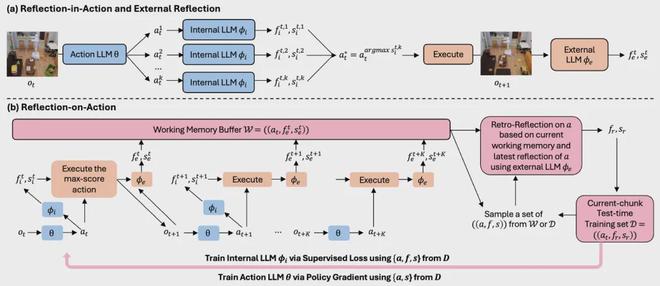
Stanford's New Framework Enables Robots to Truly Learn from Mistakes
A team at Stanford University, under the leadership of Fei-Fei Li, has introduced a groundbreaking framework known as Reflective Test-Time Planning. This innovative system enables robots to learn from their mistakes by mimicking human reflective processes. The development, which was unveiled recently, demonstrates a significant enhancement in task performance, with success rates increasing by more than 20% in various practical applications. This advancement could lead to more efficient and adaptable robotic systems in real-world scenarios.
Robotics Artificial Intelligence Machine Learning Reflective Learning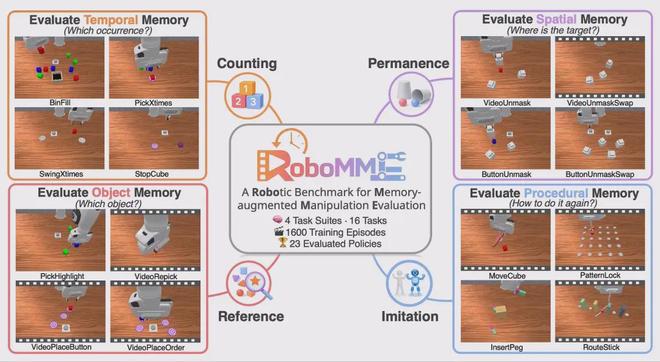
Michigan, Stanford, and Figure AI Collaborate to Launch the Groundbreaking RoboMME Robot Memory Benchmark!
A new standardized evaluation system for robot memory, known as the RoboMME benchmark, has been introduced by a collaborative effort involving Michigan University, Stanford University, and Figure AI. This innovative framework assesses robot memory across four key dimensions: temporal, spatial, object, and procedural. By addressing previous shortcomings in assessment methods, the RoboMME benchmark aims to improve robot performance in executing complex tasks. The initiative reflects ongoing advancements in robotics and artificial intelligence, highlighting the importance of effective memory evaluation in enhancing robotic capabilities.
Robot Memory Benchmarking Artificial Intelligence Robotics Machine Learning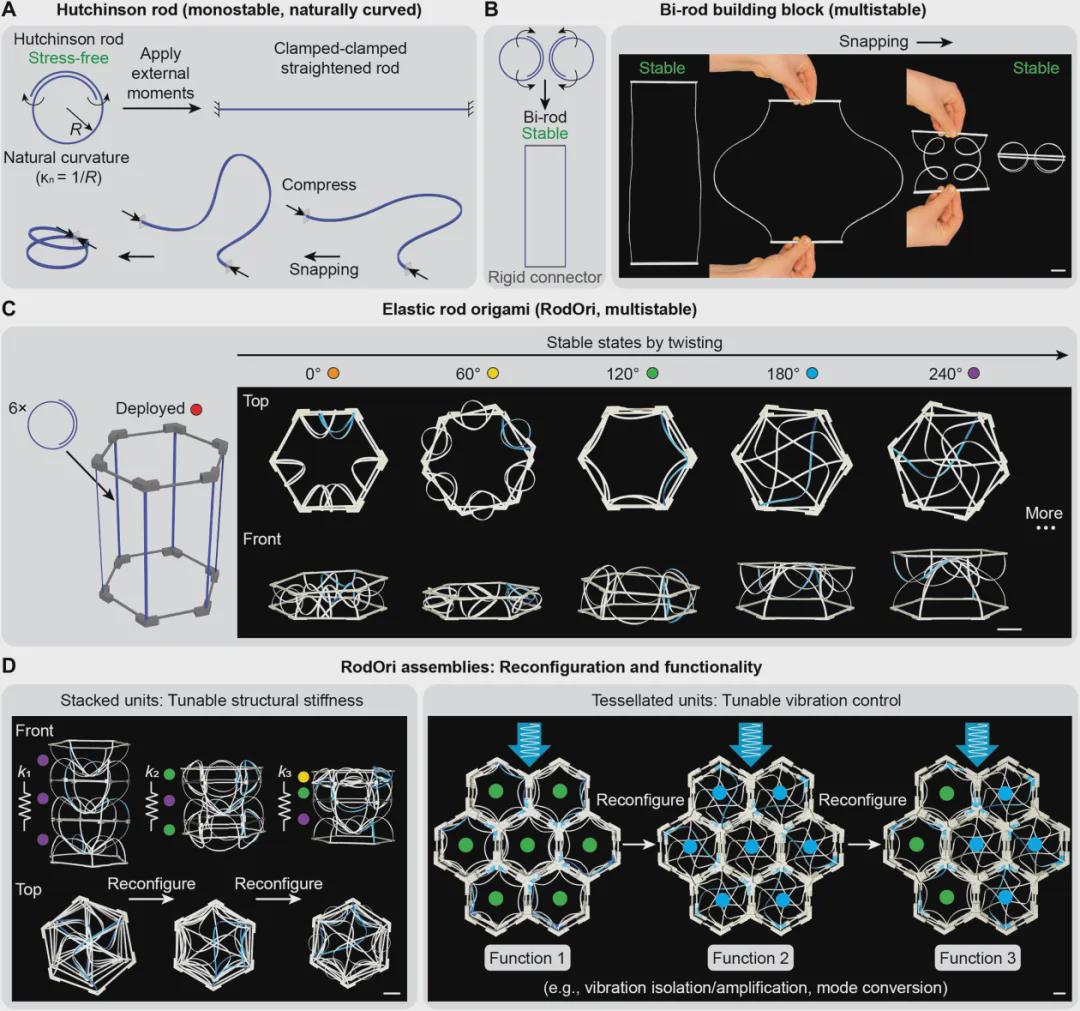
20 Million Transformations! Stanford Team Develops Thinking Robot Skeleton with Elastic Rods
Researchers at Stanford University have developed an innovative robot skeleton that utilizes six elastic rods and 3D-printed frames, enabling it to transform into 20 million distinct shapes without the need for motors or electronic components. This groundbreaking advancement in soft robotics and programmable materials was unveiled recently, showcasing the potential for more versatile and adaptive robotic systems. The team's work aims to enhance the functionality and application of soft robotics, paving the way for future developments in the field. By eliminating traditional mechanical parts, the robot skeleton demonstrates a novel approach to design and engineering, which could lead to significant improvements in how robots interact with their environments.
Soft Robotics Programmable Materials Elastic Structures Mechanical Engineering
Beyond Beijing, Shanghai, and Guangzhou: Fujian Quietly Emerges as a Hub for Affordable Humanoid Robots
The Fujian Humanoid Robot Innovation Center has successfully secured Pre-A financing to advance its motion control technology and product development for humanoid robots. This funding initiative aims to make humanoid robots more accessible to consumers by targeting a price point similar to that of mid-range smartphones. This development represents a notable advancement in the robotics industry, potentially expanding the market for humanoid robots and enhancing their integration into everyday life.
Humanoid Robots Robot Technology AI Manufacturing Innovation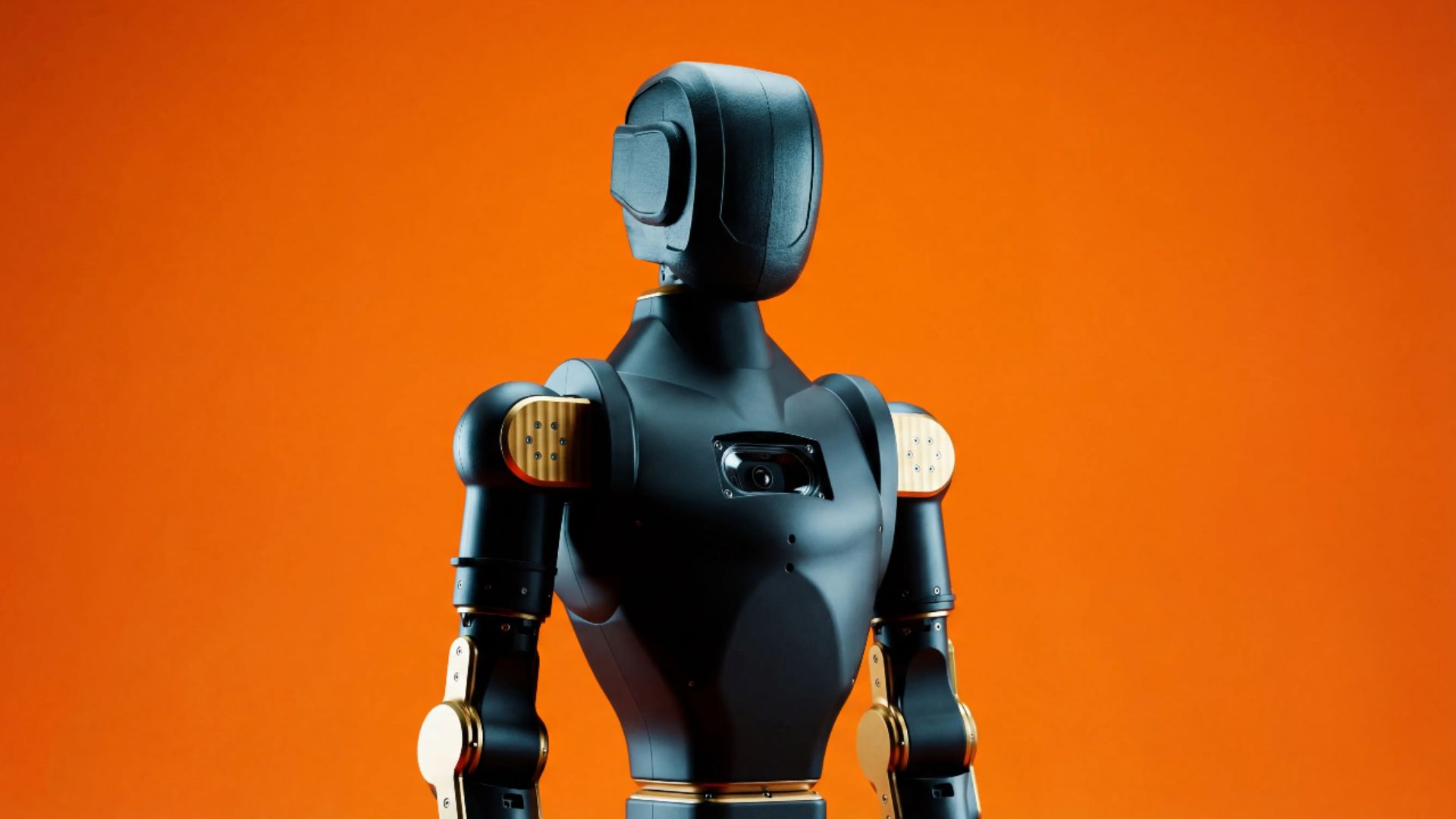
Affordable humanoid robot kit at $15,000 pushes advanced robotics into public hands
The development of humanoid robots is increasingly shifting from confidential corporate laboratories to public demonstrations and collaborations. Major technology companies and startups are unveiling their advancements in robotics at various industry events and exhibitions, showcasing their latest prototypes and capabilities. This transition is occurring in 2023, as organizations aim to attract investment and public interest in the burgeoning field of robotics. The motivation behind this shift is to accelerate innovation and foster partnerships that can enhance the functionality and integration of humanoid robots into everyday life. By engaging with the public and potential investors, these companies hope to highlight the practical applications of their technologies, ranging from healthcare assistance to customer service. Demonstrations often involve live interactions with the robots, allowing audiences to witness their abilities in real-time. This hands-on approach not only showcases the robots' advanced features but also addresses public curiosity and concerns about the future of human-robot interaction. As the race to develop humanoid robots intensifies, the industry is poised for significant advancements that could reshape various sectors and redefine the relationship between humans and machines.

Ford’s EV Pivot Was Disastrous. Now It’s Trying to Compete with Tesla on Energy Storage.
A significant event unfolded recently as local authorities in Springfield announced a new initiative aimed at improving community safety. This program, set to launch next month, will focus on increasing police presence in high-crime areas and enhancing neighborhood watch efforts. The decision comes in response to rising concerns among residents regarding safety and crime rates in the city. City officials, including the mayor and police chief, emphasized the importance of collaboration between law enforcement and the community to foster a safer environment. The initiative will involve regular community meetings to gather input and address residents' concerns, ensuring that the program is tailored to the specific needs of each neighborhood. Funding for the initiative has been secured through a combination of city budget allocations and state grants, demonstrating a commitment to prioritizing public safety. The program aims not only to reduce crime but also to build trust between the police and the community, encouraging residents to take an active role in their own safety. As the launch date approaches, officials are optimistic that this proactive approach will lead to a noticeable decline in crime rates and an overall improvement in community relations. The initiative represents a significant step forward in addressing the pressing safety issues faced by Springfield residents.
Agentic AI Could Make Robots Affordable for Small Businesses
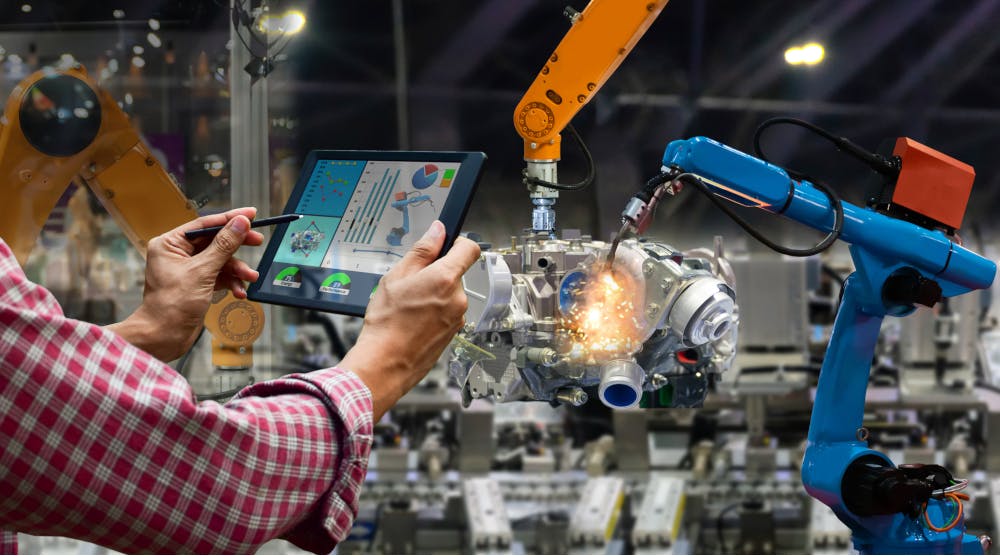
At the Hannover Messe, Siemens unveiled innovative software designed to enhance automation and integration processes within industrial settings. This new technology aims to accelerate the return on investment (ROI) for businesses by streamlining operations and improving efficiency. The announcement, made during the prominent trade fair, underscores Siemens' commitment to advancing digital solutions in manufacturing. By leveraging this software, companies can expect to optimize their workflows and reduce operational costs, ultimately driving growth and competitiveness in the market.
Technology and IIoT / Digital Tools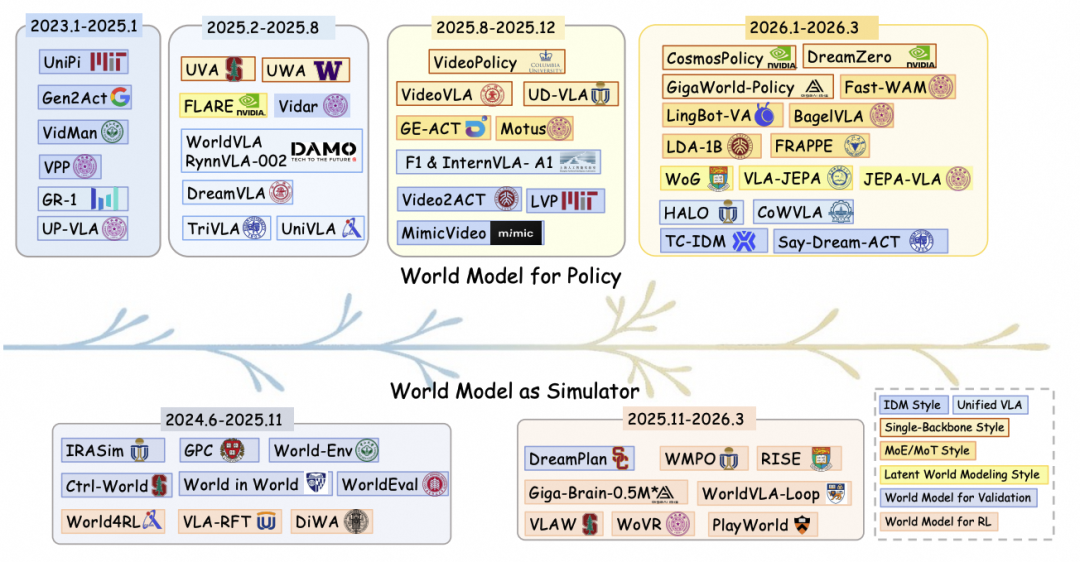
Comprehensive Survey on World Models for Robot Learning Published by NTU, Berkeley, Stanford, and ETH
A recent collaborative study conducted by prominent research institutions examines the advancement of world models in robotics, highlighting their significance in allowing robots to forecast and simulate actions prior to execution. The paper reviews different paradigms for merging world models with robotic strategies, illustrating how these models serve a dual purpose as both predictive tools and learning environments. This exploration is crucial for enhancing the capabilities of robots, enabling them to operate more effectively in complex scenarios. The findings contribute to the ongoing discourse on improving robotic intelligence and adaptability, paving the way for more sophisticated applications in various fields.
Robot Learning World Models Machine Learning Robotics AI
Oxford to build next-gen robotic solutions for nuclear energy sites with AtkinsRéalis
In the evolving landscape of nuclear energy, industry experts are highlighting the increasing importance of skilled workers who can navigate the complexities and risks associated with this sector. As the demand for clean energy sources rises, the nuclear industry is facing a critical shortage of qualified personnel, particularly in safety and operational roles. This trend is becoming more pronounced as older workers retire and fewer new professionals enter the field. The urgency of this situation has prompted nuclear energy companies to invest in training programs and partnerships with educational institutions to cultivate a new generation of experts. These initiatives aim to equip workers with the necessary skills to manage advanced technologies and ensure safety protocols are rigorously followed. The focus on workforce development is particularly relevant as countries strive to meet climate goals and reduce reliance on fossil fuels. With nuclear energy poised to play a significant role in achieving these objectives, the sector is recognizing that its most valuable asset may soon be its workforce. As a result, efforts to attract and retain talent are becoming paramount, with companies offering competitive salaries and benefits to entice new recruits. In summary, the nuclear energy sector is at a pivotal moment, emphasizing the need for skilled professionals to sustain its growth and safety. As the industry adapts to meet future energy demands, the commitment to workforce development will be crucial in ensuring a reliable and secure energy supply.
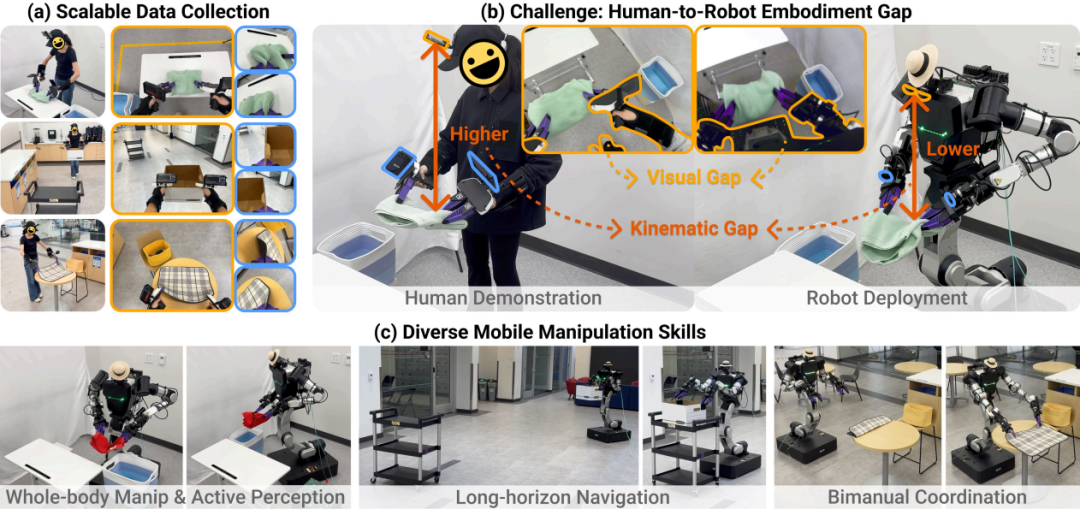
Stanford Teaches Robots to Wash Clothes, Deliver, and Set Tables Using Just Three iPhones
Stanford University, in collaboration with the Toyota Research Institute, has introduced the HoMMI framework, a groundbreaking system that allows robots to acquire complex movement skills through human demonstrations without direct robot participation. This innovative approach employs three iPhones to gather data, effectively tackling the physical disparities between humans and robots. The framework significantly improves robot coordination in various tasks, including navigation and manipulation, paving the way for more advanced robotic applications in real-world scenarios.
Robotics Machine Learning Human-Robot Interaction AI
Stanford’s AI spots hidden disease warnings that show up while you sleep
Researchers at Stanford University have created an innovative artificial intelligence system capable of predicting future disease risks based on data collected from a single night of sleep. This advanced technology analyzes intricate physiological signals, identifying hidden patterns in brain activity, heart function, and breathing. The AI has demonstrated success in forecasting potential risks for serious health conditions, including cancer, dementia, and heart disease. The findings indicate that sleep may hold crucial early health warnings that have been largely ignored by the medical community.
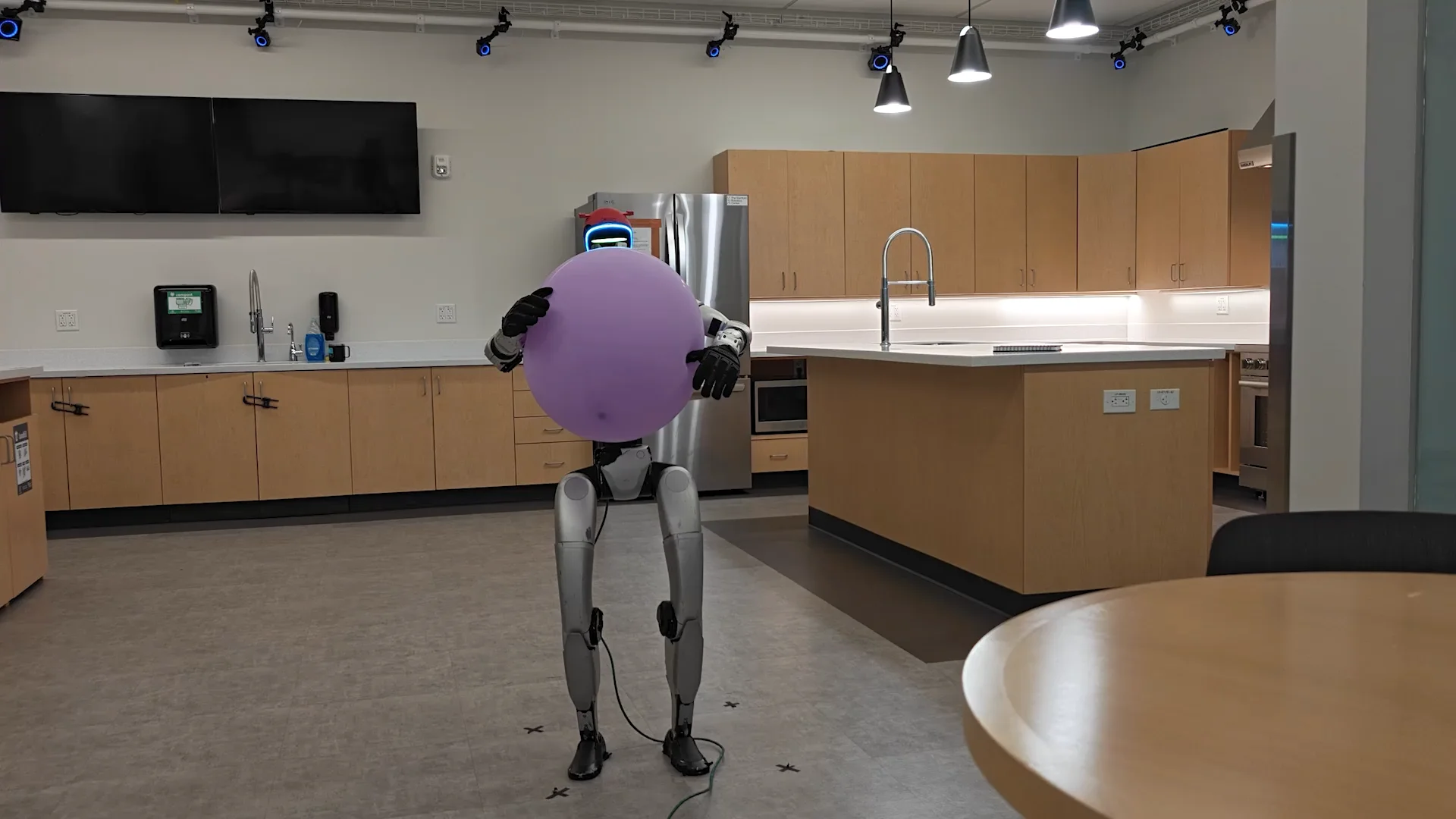
Stanford’s ‘GentleHumanoid’ Teaches Robots to Hug, Shake Hands, and Handle Balloons
Researchers at Stanford University have developed a groundbreaking reinforcement learning framework that enhances the upper-body compliance of humanoid robots. This innovative approach builds on the recent advancements made by MIT's SoftMimic project. The new technology allows robots to perform delicate tasks such as safely hugging, providing support, and handling fragile objects. The research aims to improve human-robot interaction and expand the practical applications of robotics in everyday life. By enabling robots to exhibit more human-like movements and responses, this development could significantly enhance their functionality in various settings, from caregiving to manufacturing. The findings underscore the potential for robots to integrate more seamlessly into human environments, promoting safety and efficiency in their interactions.
G1 Unitree Robotics StanfordRobotics needs a service framework.
RSF defines a common language for robot service capability, lifecycle operations, certification pathways, and service-provider networks.
Join the RobotToday community on LinkedIn
Daily robotics news, in-depth analysis, conference highlights, and discussions with professionals worldwide.