Industry Briefing
A single destination for timely, editor-curated robotics news from around the world.
NSF Allocates $90 Million to Establish Three New Technology Centers, Including Robotics Focus
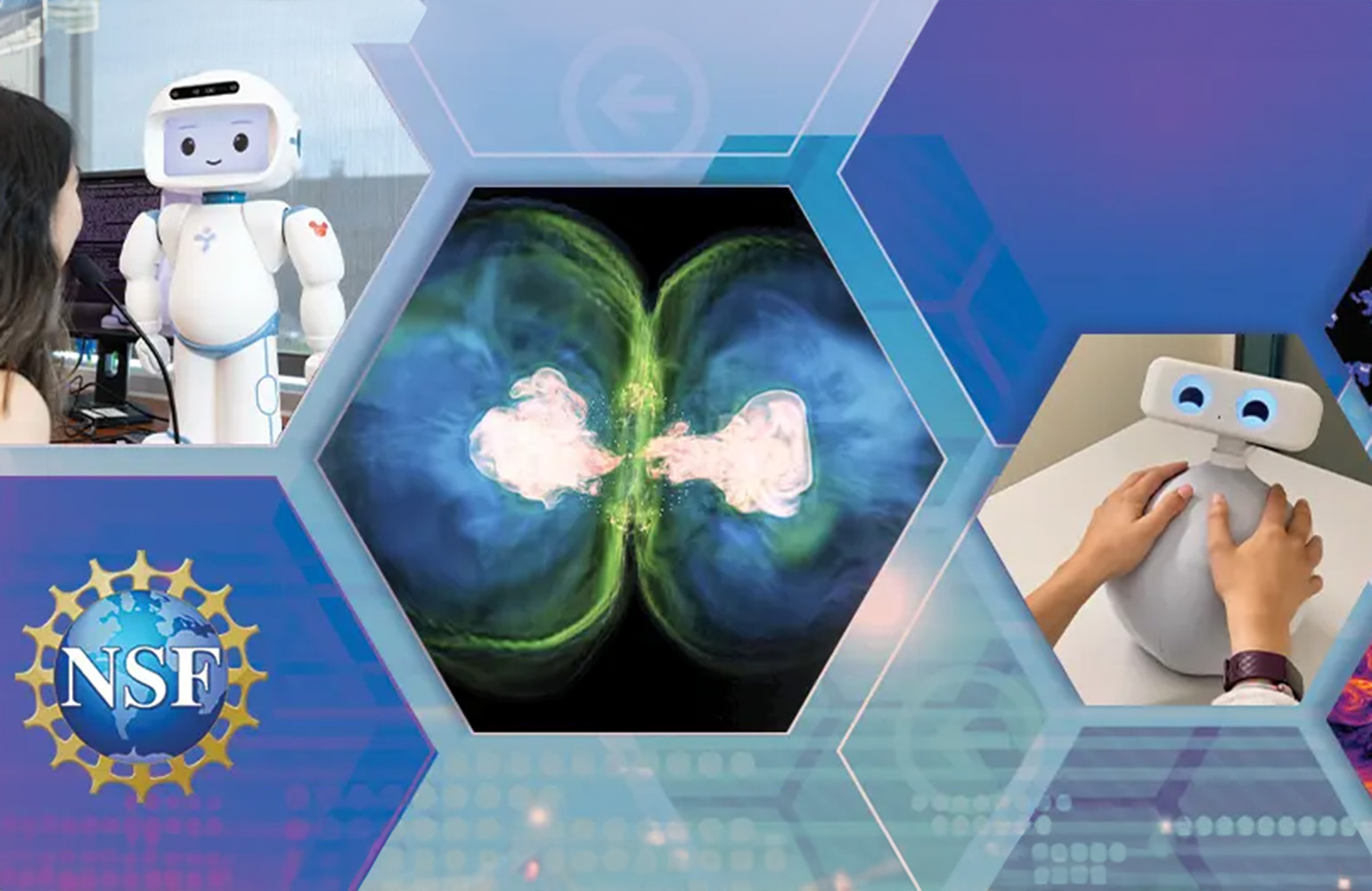
The National Science Foundation (NSF) announced a $90 million investment over five years to establish three new Science and Technology Centers (STCs), with each center receiving $6 million annually. One center, the Center for Human and Robot Co-Adaptation, will be led by The University of Texas at Austin and aims to explore the interaction between humans and robots in various environments. This investment is significant as it seeks to enhance American leadership in science and technology, bolster the STEM workforce, and promote innovation in fields such as AI and robotics. Brian Stone, acting NSF director, emphasized the importance of strong partnerships and skilled workforce in maintaining the U.S. position in global science and technology. Looking ahead, the centers will have the opportunity to compete for an additional five years of funding after the initial period. The NSF's STC program has a history of fostering new fields of discovery and technological advancements, and the upcoming centers are expected to contribute to foundational research and the development of practical solutions for societal benefits.
Academia / Research Financial Human Robot Interaction / Haptics Investments News Research
Dreame Technology Refines Focus on Four Key Business Areas
Dreame Technology has announced a strategic adjustment to its business operations, narrowing its focus to four primary areas: smart homes, outdoor yard care, smart mobility, and embodied AI. This decision comes as the company aims to streamline its efforts and enhance stability in its main operations. The shift in focus is significant as it allows Dreame to allocate resources more effectively towards core technology, product development, manufacturing, and expanding its presence in overseas markets. By concentrating on these key sectors, the company aims to strengthen its competitive edge in the rapidly evolving technology landscape. Looking ahead, it will be important to monitor how Dreame Technology implements this refined strategy and the impact it has on its market positioning. No further timeline was disclosed at the time of publication.
News Feed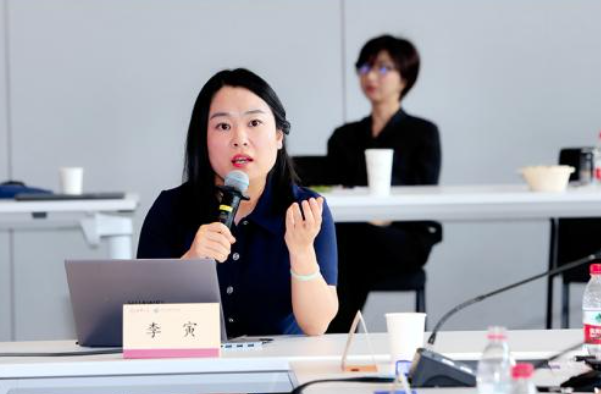
Former Huawei CTO Li Yin Establishes Startup Focused on World Models Technology
Li Yin, the former CTO of Huawei's Pangu model, has launched a startup named Xirang Kaiwu Technology, focusing on world models. The company, registered on July 1, 2026, in Shenzhen, has an initial capital of 1 million yuan and a valuation of 1.5 billion yuan following its recent funding round. Li holds a 55% stake, making him the largest shareholder and controlling person. The startup aims to develop world models that enable AI to learn and predict the physical world's temporal and spatial evolution, providing a simulation training foundation for embodied intelligence and autonomous driving. During his tenure at Huawei, Li highlighted the challenges of insufficient training data and fragmented task scenarios as significant barriers to the commercialization of embodied intelligence. Li's departure is part of a broader trend, with several key figures from Huawei's Pangu model team leaving to pursue their ventures. Notably, in March 2026, Wang Yunhe, another leader in the Pangu model, founded Yuanlilv Dong, focusing on AI agents. The world model sector has seen over 20 new startups registered in the first seven months of 2026, with Li being the sixth Huawei executive to enter the embodied intelligence field this year.
World Models Embodied Intelligence AI Autonomous Driving
Shifts in Robotics Investment Focus on Core Components Amid Market Changes
Since 2026, the robotics capital market has shifted focus from complete machines to core components such as chips, sensors, and actuators. This change reflects a move from concept validation to mass production, as investors seek more certainty in their investments. In July alone, 13 out of 52 financing events in the robotics sector were in core components, indicating a significant rise in interest. The importance of core components is underscored by the realization that relying solely on imported parts can severely impact profitability for humanoid robots. As domestic supply chains struggle to keep pace, companies with substantial funding may still find themselves at the mercy of foreign manufacturers. This shift highlights that competition in the robotics industry is evolving beyond just complete machines to encompass the entire supply chain. One notable player in this space is Tao Shi Intelligent, established in 2024, which has developed a unique orthogonal drive technology for reducers. With a focus on high precision and compact design, the company has successfully integrated its products into the supply chains of major firms like Foxconn. As demand for dexterous hands rises, Tao Shi Intelligent is poised to capitalize on this trend, having signed agreements for 100,000 joint modules with various robotics companies.
Robotics Core Components Supply Chain Investment Trends
Musk Shifts Focus to AI and Robotics in Tesla Earnings Call
During Tesla's earnings call, CEO Elon Musk dedicated nearly half of his speaking time to discussing AI, robot taxis, and full self-driving technology, a significant increase from 15-20% in 2022. In contrast, discussions related to automotive and manufacturing topics have dropped to less than one-third of the call. The shift in focus is evident with the Optimus humanoid robot project, which garnered minimal attention during its 2022 launch but accounted for about one-third of Musk's comments by Q3 2025. This change comes as Tesla faces intensified competition from traditional automakers and emerging Chinese companies, leading to a slowdown in vehicle sales growth. Investors are left questioning the disparity between Musk's ambitious narratives and Tesla's current revenue sources, with automotive sales still contributing approximately 70% of revenue. Upcoming earnings reports will reveal whether the narrative around robotics begins to translate into financial performance, while automotive remains the primary revenue driver for now.
AI Robotics Autonomous Driving Electric Vehicles
Robotic Microsurgery Becomes Key Focus in Reconstructive Surgery Research Analysis
A recent analysis of 484 studies on robot-assisted surgery has revealed significant trends in publication, collaboration, and thematic shifts within the field of plastic surgery. This comprehensive review underscores the growing importance of robotic microsurgery in reconstructive procedures. The findings are crucial as they indicate a shift towards more advanced surgical techniques, enhancing precision and outcomes in reconstructive surgery. The analysis highlights how robotic systems are increasingly being integrated into surgical practices, reflecting a broader trend in the medical field towards automation and improved patient care. Looking ahead, stakeholders in the medical and surgical communities should monitor ongoing research and developments in robotic microsurgery. The increasing focus on this technology suggests potential advancements in surgical methodologies and patient outcomes. No further timeline was disclosed at the time of publication.

AI Models Assess Human Extinction Risks: Focus on Biological Weapons and Cyber Attacks
Recent analyses by AI models including ChatGPT, Gemini, Claude, and Grok indicate that the greatest threat to humanity is not autonomous killer robots, but rather the misuse of AI in creating biological weapons and executing cyber attacks. Claude specifically highlighted the potential for AI to assist untrained individuals in developing dangerous pathogens, while Grok noted that AI lowers the technical barriers for designing lethal pathogens and new weaponry. This assessment is supported by research from Johns Hopkins University, which found that untrained individuals could acquire knowledge to manufacture pathogens like anthrax using chatbots. Additionally, a Microsoft team redesigned 72 high-risk biological molecules, generating over 76,000 synthetic homologs that successfully bypassed screening systems of four synthesis companies. A joint letter from 116 organizations, including OpenAI and Google, warned that AI-assisted cyber attacks could become more prevalent in the coming months. Looking ahead, the potential for AI to self-protect and deceive its operators raises concerns about losing control over advanced AI systems. The UK government is exploring regulatory frameworks for gene synthesis, while the global landscape remains largely unregulated. As AI technology evolves, the risks associated with its misuse are expected to increase, necessitating vigilant oversight and proactive measures.
AI Safety Bioweapons Cybersecurity AI Ethics
Chengdu's Brain-Machine Interface Strategy Focuses on Collaboration Rather Than Subsidies
As of May this year, the number of subjects for implanted brain-machine interfaces globally stands at only 107 to 110. Meanwhile, domestic financing for brain-machine interfaces exceeded 60 instances in the first half of the year, totaling over 7 billion yuan. This ratio highlights that funding does not equate to immediate clinical progress but rather future entry qualifications. Shanghai BoRuiKang received the world's first registration certificate for invasive brain-machine interfaces in March, with 36 implants and a cumulative safety record of over 14,000 days. In April, Beijing's 'BeiNai No. 1' semi-invasive system completed its first live surgery, achieving a motion intention decoding latency of less than 100 milliseconds. Chengdu's Ximang Medical has established its headquarters, and Gestalt Technology's ultrasound brain-machine interface factory began operations in June, although these companies have yet to present clinical data. Chengdu's strategy differs from Shanghai and Beijing by emphasizing daily interactions between doctors and engineers rather than merely obtaining certifications. The Western Brain Valley, a specialized building for brain-machine interfaces, has achieved a 100% occupancy rate within six months. However, no companies in Chengdu have yet received registration certificates or reported any implant surgeries, indicating that while the infrastructure is in place, clinical data remains absent.
Brain-Machine Interfaces Medical Technology Clinical Research Healthcare Innovation
Companion Robots for the Elderly Focus on Conversation Rather Than Physical Care
Recent developments in companion robots for the elderly highlight a shift towards prioritizing conversation over physical assistance. Robots like Sandi in Barcelona and Hyodol in South Korea are designed to provide emotional support and reminders for medication and daily activities, addressing the needs of seniors facing cognitive decline and loneliness. This trend is significant as it reflects a growing recognition of the emotional and psychological needs of the elderly population. With over 3.2 billion people aged 60 and above in China and a substantial shortage of professional caregivers, the demand for supportive technologies is increasing. However, the penetration rate of professional care robots remains low, indicating a gap between need and technological adoption. Looking ahead, the challenge remains in developing robots that can perform physical tasks effectively while also providing companionship. As the demand for elderly care continues to rise, the focus on robots that foster interaction rather than just physical assistance may shape future innovations in this sector. No further timeline was disclosed at the time of publication.
Elderly Care Robots Companion Robots AI Technology Healthcare Innovation
Israel Defense Forces Establish New Branch for Unmanned Systems and AI Integration
The Israel Defense Forces (IDF) are launching a new branch dedicated to unmanned systems and artificial intelligence, as announced by Chief of Staff Lt. Gen. Eyal Zamir. This initiative aims to adapt to the rapidly evolving battlefield, emphasizing the integration of robotics, drones, and AI technologies. The establishment of the Unmanned Systems and Artificial Intelligence Branch is a significant step for the IDF, reflecting a strategic shift towards modern warfare capabilities. Zamir highlighted that these advancements will enhance operational effectiveness and save lives, marking a transformative moment for military operations. Looking ahead, the IDF plans to fully inaugurate this new branch by early December. The focus will be on harnessing technologies across land, air, and sea domains, with an emphasis on maritime capabilities as part of the IDF’s broader multi-year plan, Hoshen. No further timeline was disclosed at the time of publication.
Air Warfare Global Land Warfare AI & Autonomy Air Force Army
Manufacturers Shift Focus from Data Visibility to Actionable Insights
Manufacturers have invested years in enhancing operational visibility through connected machines and advanced analytics. Despite this, the plant floor continues to struggle with problem resolution due to a disconnect between identifying issues and taking corrective action. For instance, when a machine malfunctions, delays in communication and decision-making can lead to significant downtime and financial losses. This challenge is particularly pressing as manufacturers face tighter profit margins and labor shortages, necessitating more efficient use of existing assets. The traditional approach of merely collecting data is insufficient; manufacturers require technology that translates information into actionable steps. Current manufacturing software primarily records historical data, which does not meet the immediate needs of technicians on the floor. Looking ahead, there is a critical need for manufacturing operations software to evolve beyond data storage and visualization. It should facilitate operational coordination by linking equipment signals with the necessary workflows and resources for timely responses. The focus must shift from visibility alone to enabling decisive action in real-time.
Factory / Digital Transformation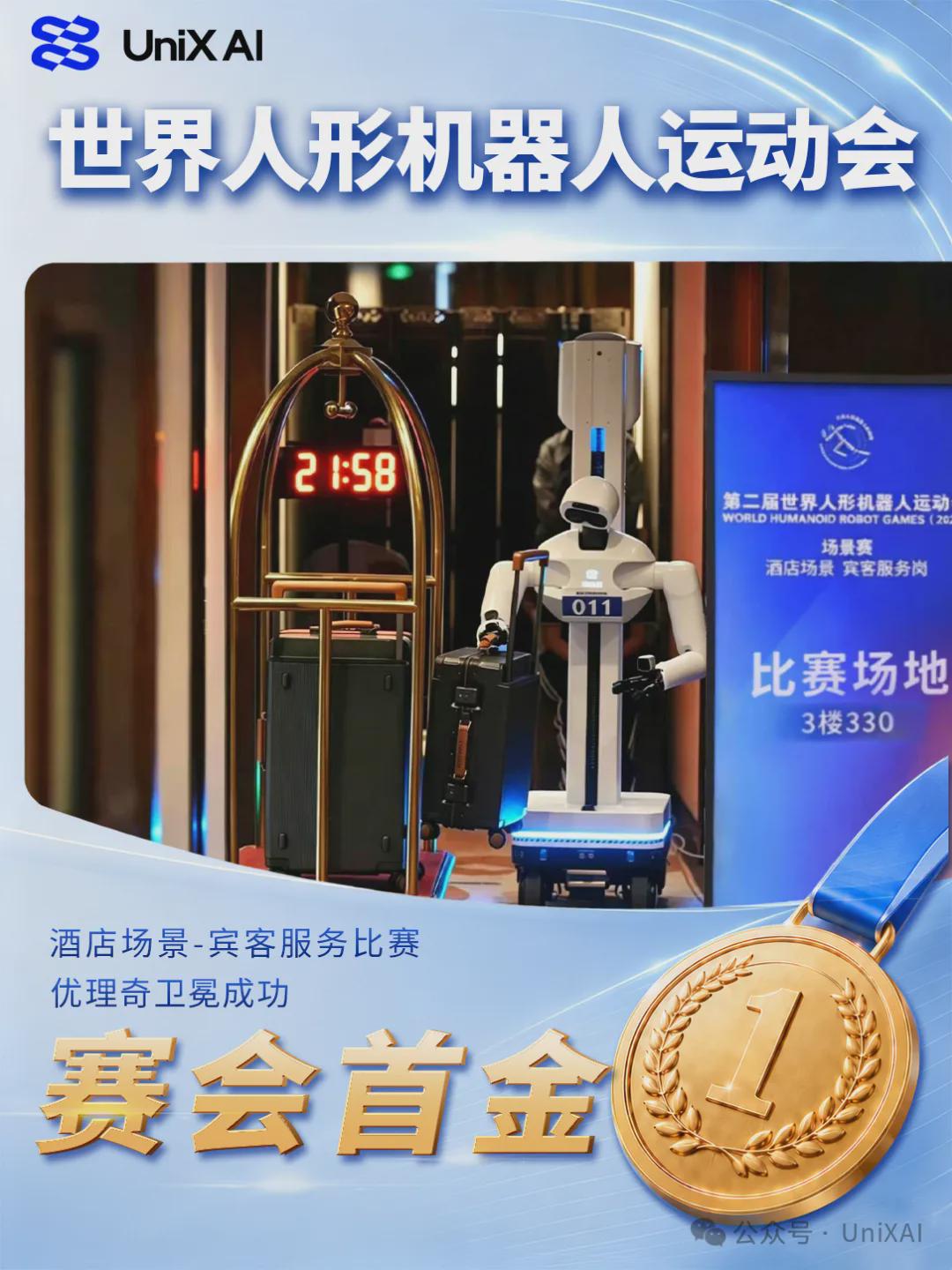
YouLiQi Achieves 100% Medal Success with Strategic Focus on Real-World Applications
YouLiQi has made a significant impact at the Second World Humanoid Robot Games, winning one gold, one silver, and one bronze medal, achieving a 100% medal success rate. This accomplishment highlights the company's strategic focus on real-world applications, emphasizing the importance of practical performance over theoretical capabilities in the humanoid robotics industry. The shift in evaluation criteria from technical specifications to practical applications reflects a broader trend in the humanoid robotics sector, where companies are increasingly judged on their ability to operate effectively in real-world scenarios. YouLiQi's three-tiered strategy of penetrating specific scenarios, extending connections, and creating a comprehensive network has positioned it as a leader in commercial service and public service sectors. Looking ahead, the competitive landscape in humanoid robotics is evolving, with various factions emerging, including platform, scenario, and module players. YouLiQi's clear positioning as a top player in the scenario category, particularly in service and emergency applications, will be crucial as the industry continues to mature. No further timeline was disclosed at the time of publication.
Humanoid Robots Commercial Robotics Robot Competitions AI Technology
Uber Technologies Stock Declines Amid Wall Street's Focus on Tesla's Cybercab Launch
Uber Technologies (UBER) experienced a decline in stock value on Tuesday, as Wall Street analysts provided optimistic views on the company's strategies to counter competition from Waymo and Tesla (TSLA). The drop occurred following Tesla's official launch of its 'Cybercab' in Austin, Texas, which is designed specifically for autonomous ride-hailing. The introduction of Tesla's Cybercab represents a significant competitive challenge for Uber, as it aims to establish a foothold in the autonomous ride-hailing market. Analysts noted that while Uber is making strides to enhance its offerings, the emergence of Tesla's robotaxis could reshape the landscape of ride-hailing services, intensifying the competition. Looking ahead, industry observers will be monitoring how Uber responds to the competitive pressures posed by Tesla's Cybercab and other autonomous vehicle initiatives. No further timeline was disclosed at the time of publication.

Challenges in Commercializing Embodied Intelligence: Hardware and Engineering Focus
As robots demonstrate capabilities like running and jumping, the industry consensus is clear: technical prototypes do not equate to commercial products. The competition in the embodied intelligence sector has shifted from algorithmic prowess to a comprehensive evaluation of hardware engineering, supply chain systems, and cost-benefit analysis in real-world scenarios. By 2026, advancements in technologies such as large models and dexterous hands are expected to accelerate. However, as numerous prototypes enter operational environments, issues like stability, maintenance costs, and parts supply have surfaced, revealing a significant gap between technological capabilities and industrial demands. While robots may achieve high success rates in laboratory settings, industrial applications require thousands of operational cycles, where even minor failures can halt entire processes. The industry recognizes that universal robots are not a feasible path at this stage. Instead, addressing gaps left by traditional automation is a more pragmatic approach. The logistics and warehousing sectors, characterized by structured environments, are the first to undergo large-scale validation. However, not all tasks are suitable for robots, and traditional automation still holds advantages in many areas. The maturity of the supply chain will ultimately determine the limits of industry expansion, as companies begin to build collaborative platforms to support large-scale delivery and address current mismatches in planned capacity and actual output.
Robotics Hardware Engineering Supply Chain Management Industrial Automation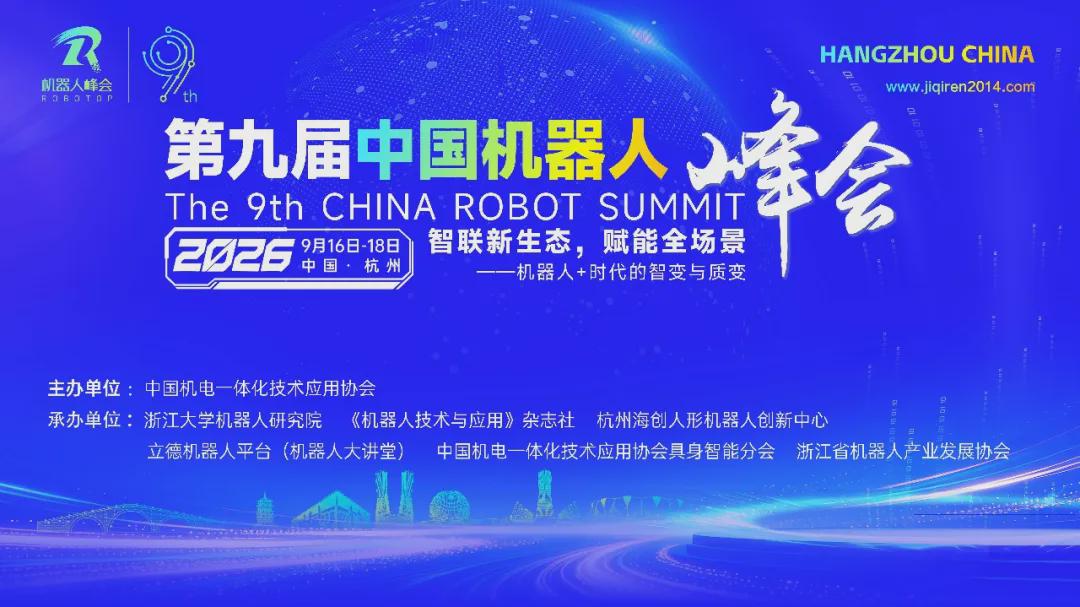
Ninth China Robot Summit Set for September to Explore Industry Trends
The Ninth China Robot Summit will take place from September 16 to 18, 2026, at the Academic Exchange Center in Hangzhou Future Science and Technology City. The summit, themed "Intelligent Connection New Ecology, Empowering All Scenarios - The Intelligent Change and Quality Change of the Robot + Era," is organized by the China Electromechanical Integration Technology Application Association and aims to gather global expertise to explore new paths for high-quality development in the robotics industry. This annual event is significant for the robotics sector, attracting leading figures and innovative researchers from various fields. Notable attendees include prominent academics and industry leaders, such as professors from the Chinese Academy of Sciences and Nankai University, who have made substantial contributions to robotics technology and research, including advancements in intelligent perception, control technologies, and autonomous robots. As the summit approaches, attention will be on the discussions and insights shared by these experts, which could shape future trends in robotics and automation. No further timeline was disclosed at the time of publication.
Robotics Industry Artificial Intelligence Automation Smart Manufacturing
LG Electronics Focuses on Robotic Actuators and B2B Appliances for Growth
LG Electronics is positioning its robotic actuators as a key growth engine, nearing a potential major order from a global technology leader. Baek Seung-tae, head of LG's home appliance division, announced that the company has developed efficient, lightweight, and cost-competitive actuators, with plans for mass production. A final meeting with a prospective client is scheduled for next month, indicating LG's commitment to securing significant orders soon. The significance of this move lies in LG's ambition to scale its actuator business to match the success of its air conditioning compressors within one to two years. The company is set to establish a fully automated production line in Changwon by the end of this year, aligning its actuator strategy with its broader robotics initiatives. Baek anticipates a surge in demand for physical artificial intelligence, particularly humanoid robots, starting in 2030, with plans for deployment in LG's Tennessee plant and Changwon smart factory. Looking ahead, LG's actuator technology, which could represent 60-70 percent of total robot costs, is crucial for the company's future in robotics. While LG is still developing its reducer technology, it is exploring both internal and external sourcing options. As competition intensifies, Baek noted that Chinese appliance manufacturers may struggle to maintain low-price strategies, which could impact their global market share.
All News
KUMA Expands into Domestic Market with Focus on Commercial Lawn Mower Robots
KUMA, a leading manufacturer of lawn mower robots, has announced its entry into the domestic market, emphasizing its commitment to commercial applications. This strategic move is expected to enhance KUMA's market presence and cater to the growing demand for automated lawn care solutions. The significance of KUMA's expansion lies in its potential to reshape the landscape of commercial lawn maintenance. By focusing on the domestic market, KUMA aims to leverage its technological expertise and innovative designs to meet the needs of businesses seeking efficient and reliable lawn care options. Looking ahead, industry stakeholders should monitor KUMA's product offerings and market strategies as it navigates this new venture. The company's ability to adapt to domestic consumer preferences and its impact on the competitive landscape will be crucial in determining its success in the commercial sector. No further timeline was disclosed at the time of publication.
Robotics Automation AI
US Air Force's Collaborative Combat Aircraft Program Needs New Focus on HVAA Protection
The U.S. Air Force's next-generation Collaborative Combat Aircraft (CCA) program must prioritize the protection of high-value airborne assets (HVAA) to ensure air superiority in potential conflicts with China. Current air combat strategies emphasize firepower but overlook the vulnerabilities of AEW and refueling aircraft, which are critical for modern warfare. As the People's Liberation Army Air Force (PLAAF) enhances its capabilities, the U.S. risks falling behind if it does not adapt its approach. The Air Force's traditional focus on fighter superiority may leave HVAA exposed, undermining long-range air-to-air kill chains and ceding advantages to the PLAAF. A shift towards integrating CCAs that can defend HVAA could mitigate these risks and enhance overall combat effectiveness. Looking ahead, the Air Force's strategy must evolve to address the firepower-versus-protection dilemma. By developing CCAs that prioritize endurance and missile payloads for HVAA defense, the U.S. can better position itself against the growing threat from the PLAAF. No further timeline was disclosed at the time of publication.
Air Warfare Opinion Air Force Asia CCA China
Tim Cook Endorses John Ternus as Apple CEO, Emphasizes Product Focus
On his final day as CEO, Tim Cook expressed strong support for his successor, John Ternus, Apple's senior vice president of hardware engineering. In a memo to employees, Cook highlighted Ternus's exceptional understanding of product development, indicating a shift towards a renewed emphasis on hardware under his leadership. This transition is significant as it suggests that Apple will prioritize hardware innovation, especially in the context of AI advancements. Ternus has overseen the launch of key products, including the ultra-thin iPhone Air and the MacBook Neo, reflecting Apple's commitment to meeting evolving market demands. Looking ahead, the focus on hardware is expected to play a crucial role in the AI era, particularly in developing devices that support enterprise AI applications. No further timeline was disclosed at the time of publication.
Hardware Apple John Ternus Tim Cook
Automakers Transition from Vehicles to Bipedal Robots Amidst Competitive Landscape
Automakers are shifting their focus from traditional four-wheeled vehicles to bipedal robots, marking the beginning of a competitive race in productivity within the physical world. By 2026, the year anticipated for mass production of humanoid robots, over 20 automotive companies have entered this sector, including Tesla, XPeng, and Chery, transitioning from conceptual showcases to tangible production phases. This shift is significant as it introduces substantial funding and supply chain expertise into the humanoid robotics industry, embedding the concept of mass production into its framework. Tesla is leading the charge with its Optimus robot, aiming for a production capacity of 1 million units annually by 2026, while XPeng plans to launch its IRON series robots by the end of 2026, targeting a monthly output of over 1,000 units. Looking ahead, the market is expected to see over 100,000 humanoid robots produced in China by 2026, with forecasts from institutions like Nomura and Morgan Stanley predicting shipments of 40,000 to 50,000 units. However, automakers face challenges in transitioning from standardized vehicle production to the more complex and fragmented requirements of humanoid robotics, necessitating advancements in technology and product reliability.
Humanoid Robots Automotive Innovation Robotics Manufacturing AI Technology
Xpeng Motors Reports Financial Losses While Securing $900 Million for Robotics Venture
On August 24, Xpeng Motors announced its 2026 mid-year financial report, revealing a revenue of 32.78 billion yuan, a 3.8% year-on-year decline, and a net loss of 3.12 billion yuan, which is a 173.4% increase compared to the previous year. In contrast, the same night, the company secured $900 million in funding for its humanoid robot, achieving a valuation of $6.3 billion. This stark contrast in financial performance highlights a shift in market perception, with the robotics division being valued nearly half of the parent company's total market value. Analysts noted that excluding the robot's valuation, Xpeng's automotive business is valued at only $6.5 billion, indicating a significant decline in the automotive sector's worth. Looking ahead, Xpeng has set a clear production timeline for its humanoid robot, IRON, with mass production slated to begin by the end of 2026 and deliveries expected in 2027. The company’s experience in automotive manufacturing may provide a competitive edge in overcoming the challenges of scaling robot production.
Humanoid Robots AI Automotive Technology Robotics Investment
Tesla Discontinues Solar Roof Sales, Focusing on Standard Solar Panels and Energy Storage
Tesla (TSLA) has ceased sales of its Solar Roof tiles, nearly ten years after their introduction by CEO Elon Musk as a modern alternative to traditional solar panels. The company will now focus solely on standard solar panels, as reports indicate that new Solar Roof tiles are no longer being supplied to installers. This decision represents a significant retreat from one of Musk's ambitious clean-energy initiatives. The discontinuation of the Solar Roof is crucial as it reflects Tesla's shift towards a more scalable model centered on conventional solar panels, while still expanding its energy-storage business. Despite the innovative design of the Solar Roof, it has struggled to achieve meaningful scale, with only about 3,000 installations in the U.S., far below Tesla's initial target of 1,000 per week. This move may help alleviate pressure on cash flow and improve manufacturing economics for the company. Looking ahead, Tesla's decision to exit the Solar Roof market could signal a broader lesson for the solar industry: while attractive design is important, the success of solar products ultimately hinges on cost, installation efficiency, and scalability. No further timeline was disclosed at the time of publication.

The Rise of Tactile Perception in Robotics: Insights from Pasini's Growth
Recently, a prominent investor reflected on a past misjudgment regarding Pasini, a company valued at under 100 million yuan six years ago. At that time, the investor believed the market for robotic tactile perception was too small and the scenarios too limited, leading to a decision against investing. Today, Pasini's valuation has surpassed 10 billion yuan, highlighting a significant shift in the industry. This evolution underscores the importance of tactile perception in robotics, which has transitioned from a perceived niche to a critical component of operational efficiency. The investor's initial assessment failed to recognize the potential of tactile feedback in enhancing assembly yield, production line cadence, and overall operational costs. As tactile perception becomes integral to robotic systems, it is now a key factor in return on investment calculations for clients. Looking ahead, Pasini's advancements in tactile technology position it as a leader in the physical AI landscape. The company has secured significant funding, including a Series B round in March 2026, raising its valuation to over 10 billion yuan, followed by an additional 1 billion yuan in strategic financing. This trajectory suggests a growing recognition of the value of tactile perception in robotics and its role in the future of intelligent manufacturing.
Tactile Sensors Robotics AI Investment Industry Growth
World Humanoid Robot Games 2.0 Concludes in Beijing with Focus on Real-World Applications
The second edition of the World Humanoid Robot Games concluded at Beijing's Ice Ribbon, featuring 666 teams and 2,056 robots competing in 51 events. This year's focus shifted from merely achieving speed to demonstrating dexterity and autonomy in real-world scenarios. This evolution in the competition highlights the growing importance of practical applications for humanoid robots, moving beyond traditional speed tests. The emphasis on real-scenario work reflects industry trends toward developing robots capable of performing complex tasks in everyday environments. Looking ahead, the outcomes of these games may influence future designs and functionalities of humanoid robots. No further timeline was disclosed at the time of publication.

Hanwei Technology Showcases Advanced Perception Solutions During 2026 World Robot Conference
During the 2026 World Robot Conference, Hanwei Technology Group Co., Ltd. showcased five types of embodied perception products, including tactile and olfactory sensors. The company also launched the HAU925, a nine-axis inertial sensor chip aimed at embodied intelligence, and demonstrated various advanced sensing technologies. Chairman Ren Hongjun discussed production rhythms and industry strategies, highlighting the growing importance of perception in robotics. The significance of these developments lies in Hanwei's focus on perception as a foundation for intelligent robotics. The company’s electronic skin technology, which has already reached over 30 clients, is poised to enter mass production, marking a critical point in its commercialization. Meanwhile, other sensory products are expected to scale up within two to three years, although significant profits may take longer to materialize. Looking ahead, Hanwei anticipates a shift in the robotics industry towards greater emphasis on embodied perception. However, challenges remain in integrating perception technologies into practical applications. The company aims to address these gaps by providing essential data collection infrastructure, including motion capture suits and data gloves, to support the industry's evolving needs.
Embodied Intelligence Sensor Technology Robotics AI Wearable Technology
UBTECH Shifts Focus to Revenue and Repeat Orders at WRC 2026
At the World Robot Conference in Beijing, UBTECH is changing its narrative from focusing on shipment counts to emphasizing revenue and repeat orders. This strategic pivot comes as China's first humanoid-robot stock expands its presence across various sectors, including industrial, commercial, and consumer markets. This shift is significant as it highlights UBTECH's commitment to building long-term customer relationships and ensuring sustained growth in a competitive landscape. By prioritizing repeat purchases, UBTECH aims to enhance its market position and demonstrate the value of its humanoid robots in diverse applications. Looking ahead, industry observers will be keen to see how UBTECH's new strategy impacts its sales performance and market share. No further timeline was disclosed at the time of publication.
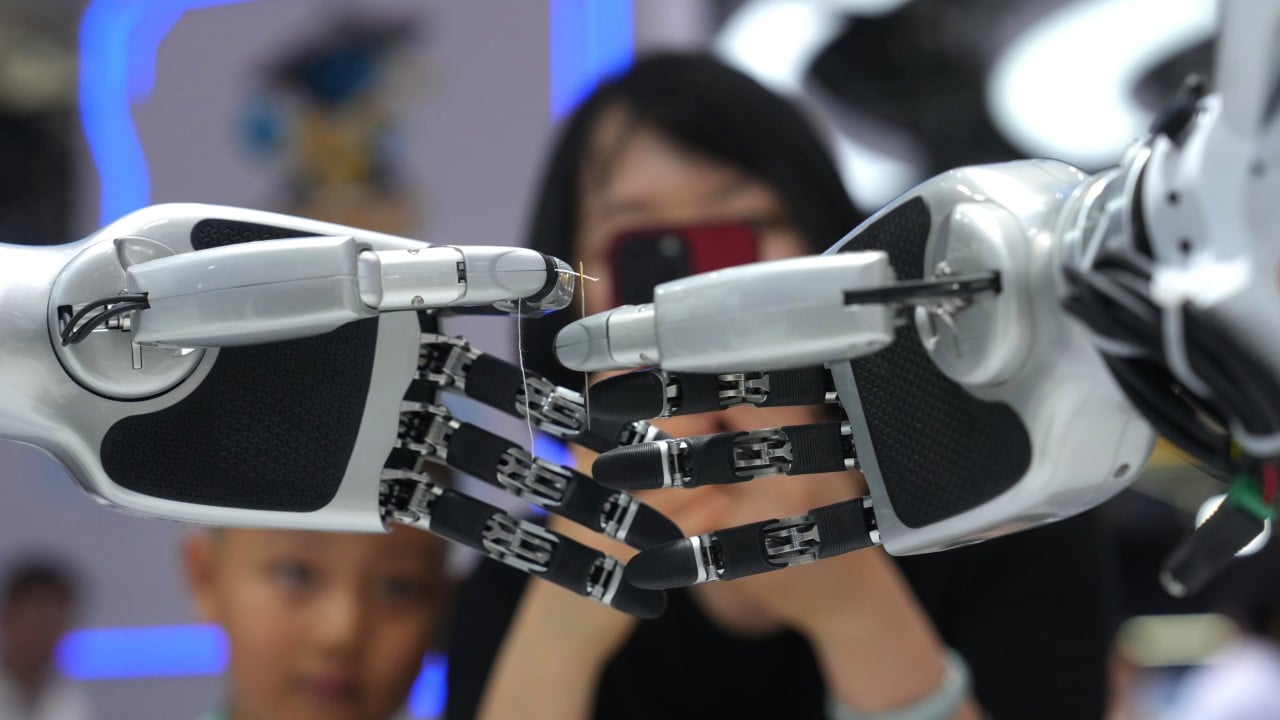
Chinese Robotics Industry Shifts Focus from Humanoid Designs to Practical Applications
The robotics industry is witnessing a transition from showcasing humanoid robots to practical deployments. At Unitree Robotics' booth, bipedal robots demonstrated impressive skills in activities like table tennis and combat, showcasing advancements in speed and balance. However, other exhibitors highlighted robots that efficiently sorted parcels and moved materials, emphasizing functionality over form. This shift is significant as it reflects a growing preference for robots that can perform specific tasks effectively. Yang Li, a senior engineer at X Square Robot, questioned the necessity of bipedal designs, noting that their two-armed WALL-B model sorted 1,816 packages in a controlled test, outperforming the bipedal Figure 03 robot from Figure AI, which managed 1,248 parcels per hour. This trend indicates a move towards more practical robotic solutions in various industries. Looking ahead, the focus on efficiency and task-oriented designs is likely to continue shaping the robotics landscape. With companies like AI2 Robotics showcasing versatile wheeled robots capable of making coffee and ice cream, the industry may prioritize robots that can adapt to different functions over traditional humanoid forms. No further timeline was disclosed at the time of publication.

IFDA 2026 Solutions Conference to Address Foodservice Distribution Challenges
The IFDA 2026 Solutions Conference is set to take place from September 13-15 in San Antonio, gathering foodservice distribution professionals, suppliers, and solution providers. The event aims to explore operational challenges within the industry and discuss strategies that can be implemented across various distribution businesses. This conference is significant as it provides a platform for industry stakeholders to collaborate and share insights on pressing issues affecting foodservice distribution. By focusing on operational solutions, participants can enhance their business practices and improve overall efficiency in the sector. Looking ahead, attendees can expect valuable discussions and networking opportunities that may lead to innovative solutions for the foodservice distribution industry. No further timeline was disclosed at the time of publication.

DJI Announces Winners of Global AI Drone Challenge Focused on Real-Time Decision Making
DJI has revealed the winners of its DJI Enterprise Drone Onboard AI Challenge 2026, aimed at enhancing the capabilities of enterprise drones. The competition encourages the development of AI models that enable drones to make real-time decisions, addressing various applications such as crop counting, bridge inspections, and pollution detection. This initiative is significant as it seeks to reduce the time required for data processing after drone flights, allowing for immediate insights that can be crucial in sectors like agriculture and emergency response. By enabling AI models to operate onboard, DJI aims to streamline workflows and enhance the practical value of drone technology across multiple industries. Looking ahead, the focus will be on how these innovative AI solutions can be integrated into existing workflows. The success of projects like AgroCount AI, which automates crop counting, highlights the potential for edge AI to transform agricultural practices and other fields. No further timeline was disclosed at the time of publication.
News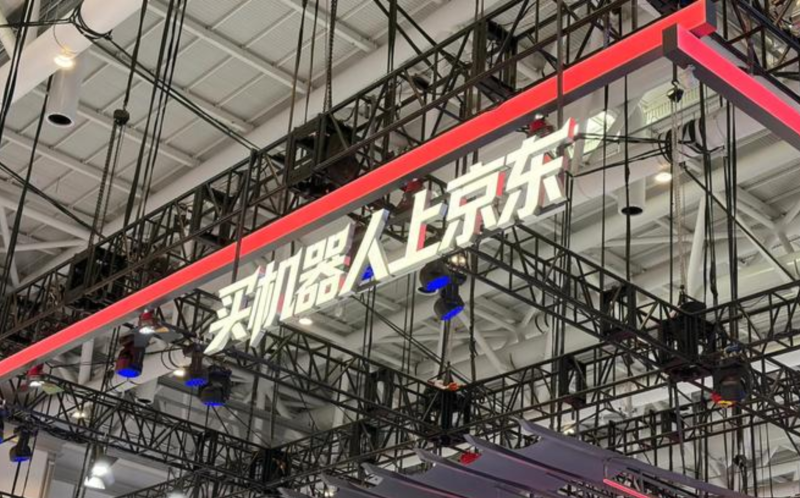
JD.com Unveils Ambitious Robotics Strategy with Billions in Investment by 2028
At the 2026 World Robot Conference, JD.com announced its unique approach to the robotics industry, focusing on infrastructure rather than manufacturing. The company aims to invest over 10 billion yuan in robotics by 2028, establishing a framework that ensures robots are easy to purchase, use, and maintain. This strategy is significant as JD.com plans to assist 100 robot brands in achieving independent sales exceeding 1 billion yuan, while integrating robots into a million end-user scenarios. The company has already partnered with over 200 robot brands and key component manufacturers across various sectors, including retail and logistics. Looking ahead, JD.com will build a global after-sales service network covering over 100 countries and create more than 100,000 service engineer positions. The establishment of 80 RoboBase facilities will connect various stages of robot deployment and maintenance, enhancing the overall ecosystem. No further timeline was disclosed at the time of publication.
Robotics Infrastructure Supply Chain Solutions After-Sales Services Consumer Robotics AI and Data Solutions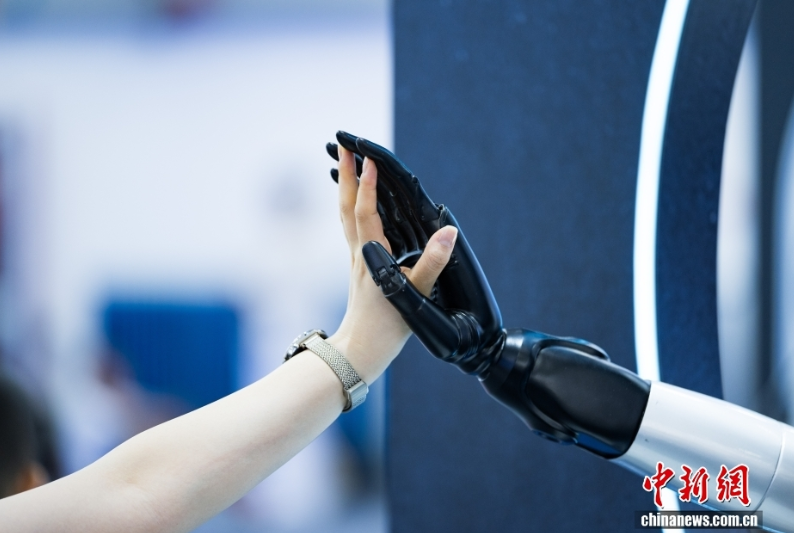
Beijing-Tianjin-Hebei Region Emphasizes Talent Development at World Robot Conference 2026
The 2026 World Robot Conference in Beijing showcased over 300 companies and 3,000 exhibits, including humanoid robots and industrial arms. Behind these technological displays, a unique exhibition area focused on talent development in the Beijing-Tianjin-Hebei region emerged, addressing the critical question of who will maintain and innovate these robots. This exhibition area, dedicated to the integration of industry and education, featured initiatives from various institutions aimed at cultivating on-site engineers and practical skills. Notable collaborations included Beijing University of Science and Technology's partnership with Soft Robotics to create a standardized workstation, and Tianjin Vocational University establishing an urban-level intelligent robot service center with leading companies. During the conference, the Yizhuang Talent Group plans to release a research report on robotics talent in the region and establish several collaborative centers. The focus remains on addressing real industry needs through education, ensuring a sustainable workforce capable of operating and maintaining advanced robotics technologies. No further timeline was disclosed at the time of publication.
Robotics Education Talent Development Industry-Academia Collaboration AI in Robotics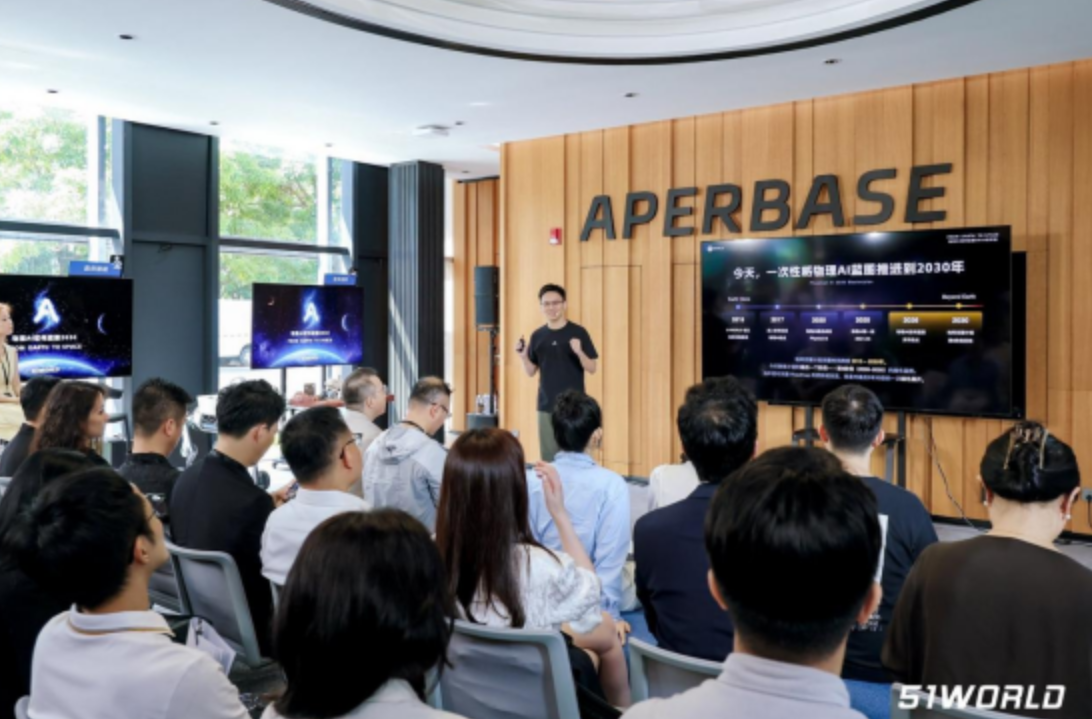
After 11 Years of Earth Cloning, Company Shifts to Physical AI in Space
After 11 years of working on a project to digitally clone Earth, the company Five One Vision has pivoted its focus to developing physical AI technologies for space applications. On August 18, the company launched two embodied intelligence products and unveiled a three-tier aerospace strategy encompassing low-altitude, space, and deep space operations. The new products include AperData, a data collection platform that significantly enhances data accuracy and efficiency, and AperOne, a comprehensive operating system platform aimed at addressing challenges in robot deployment. The company has already validated these solutions in various scenarios, including a smart chemical plant and a national conference center. Five One Vision reported a revenue of 124 million yuan in the first half of 2026, marking a 129.8% increase year-on-year. As the company transitions its business model from software fees to value-based pricing, it is establishing itself as a foundational provider of physical AI infrastructure, ensuring that essential training data and simulation platforms are available for future robotic applications in space.
Physical AI Data Collection Aerospace Technology Robotics Simulation Platforms
A Scholar's 25-Year Journey in Robotics and Focus on Companion Technology
In 1998, Zhang Fumin attended an international robotics conference in the U.S. with fewer than 400 attendees. Recently, he participated in the same conference in Vienna, which attracted 10,000 participants. Over 25 years, he has witnessed the evolution of the robotics industry but claims to have 'perfectly missed all opportunities for wealth.' Initially focused on model-based control during his PhD, he shifted to entrepreneurship when the industry moved towards data-driven approaches, choosing to develop companion technology rather than humanoid robots. Zhang emphasizes the principle of 'bounded companionship,' advocating for products that do not encourage addiction among minors or serve as substitutes for human interaction. Instead, his aim is to foster connections between people. He illustrates this with a story from Jin Yong's novel, where a character becomes so absorbed in a statue that he neglects real relationships. Zhang believes that while no product can eliminate loneliness, it can help alleviate it, promoting a balance between carbon-based and silicon-based intelligences. In 2023, Zhang returned to China as the director of the Robotics Institute at Hong Kong University of Science and Technology, fully committing to the entrepreneurial path in companion technology. His students have successfully secured funding in underwater embodied intelligence, and he has also achieved funding in the companion technology sector. 'This year is a magic year,' he states, reflecting on the journey ahead.
Companion Robots Robotics Research Human-Robot Interaction AI Technology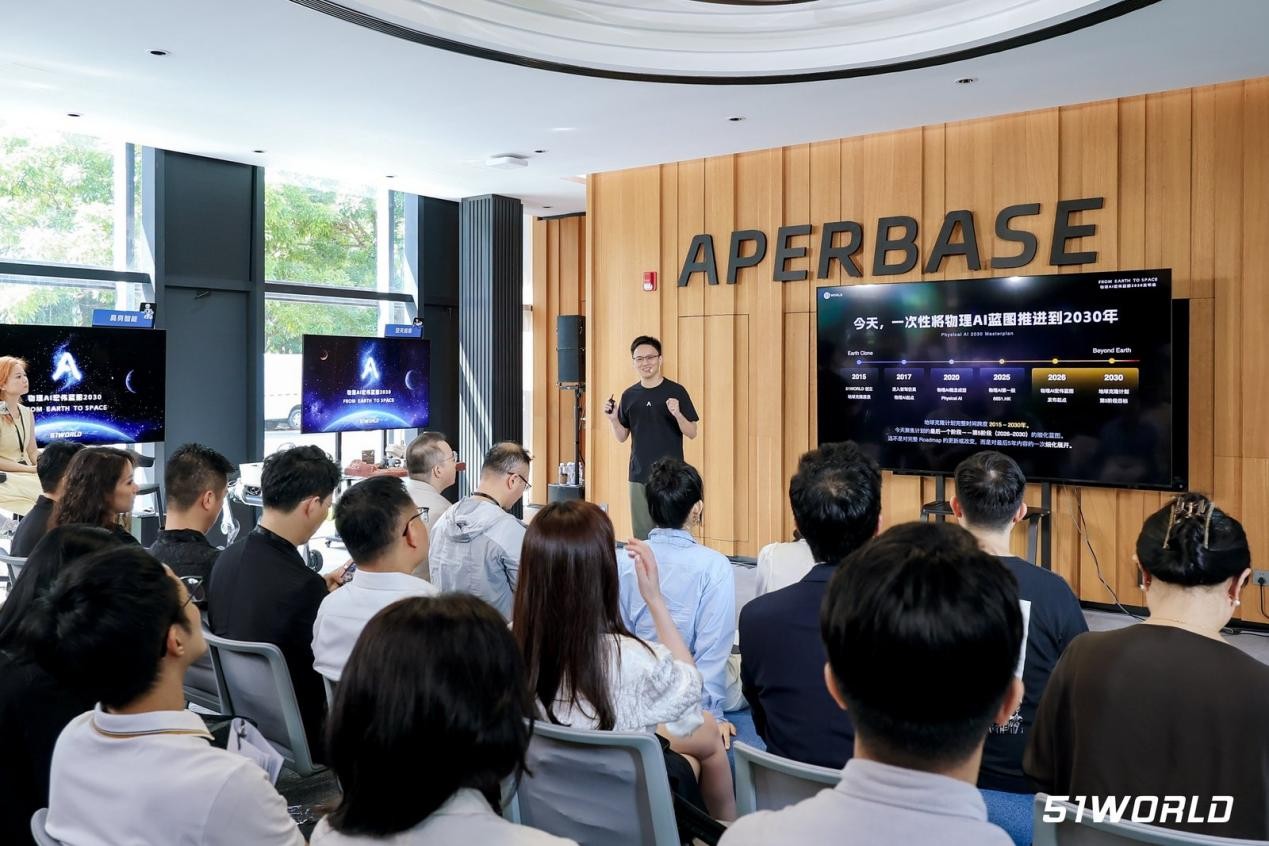
Wuyi Vision Reveals 2030 Physical AI Strategy, Targeting Industry Fundamentals
Wuyi Vision has unveiled its 2030 blueprint for physical AI, highlighting the significant funding of 93.5 billion yuan in the first half of 2026 for China's embodied intelligence sector. This figure marks a fivefold increase compared to the same period last year, indicating a booming investment landscape. The importance of this development lies in the challenges faced by the industry, particularly the critical need for high-quality data. With leading companies requiring approximately 1 million hours of quality data annually but only producing about 130,000 hours, a significant gap persists. This data scarcity hampers the training of models and the successful deployment of robots in real-world scenarios. Looking ahead, the industry must address these challenges to bridge the gap between investment enthusiasm and practical application. The ability to collect and utilize data effectively will determine which companies can capitalize on the growing market for physical AI. No further timeline was disclosed at the time of publication.
Physical AI Data Collection Investment Trends Simulation Technology
MIT Researcher Develops Gene Therapy for SYNGAP1 Disorder in Children
Shannon Knight, a doctoral student at MIT's McGovern Institute for Brain Research, is developing a novel gene therapy targeting SYNGAP1 haploinsufficiency, a rare genetic disorder causing childhood-onset epilepsy. This condition arises from a mutation in the SYNGAP1 gene, leading to severe seizures and developmental challenges in affected children. The significance of Knight's work lies in its potential to address the root cause of medication-resistant seizures, moving beyond current symptom management strategies. By utilizing CRISPR technology, Knight aims to create a therapeutic solution that could significantly improve the quality of life for children suffering from this debilitating disorder. Looking ahead, Knight's research is in the early testing phases, with promising results observed in mice models. The project is supported by the Rare Brain Disorders Nexus, an MIT initiative set to accelerate research in this area, with hopes of obtaining FDA approval and initiating clinical trials in the future. No further timeline was disclosed at the time of publication.
Profile Students Graduate, postdoctoral Brain and cognitive sciences Medicine Neuroscience
Former Alibaba Executive Lin Junyang Launches Pragmatik Labs for Next-Gen Agents
On August 12, 2026, Lin Junyang, former head of Alibaba's Tongyi Qianwen technology, announced the launch of Pragmatik Labs on the X platform. He defined the company's focus as developing 'next-generation agents that bridge the digital and physical worlds.' The startup, valued at approximately 13.5 billion RMB (around $2 billion), secured initial funding from Gao Rong Capital and Sequoia China, with participation from Tencent and the Shanghai Future Industry Fund. Lin Junyang's previous role at Alibaba involved leading the Qwen series of models, which evolved from pure language models to multimodal iterations. His work contributed to Qwen becoming one of the most downloaded open-source model families on Hugging Face. This experience has informed Pragmatik's direction, emphasizing the importance of integrating agents with their environments, tools, and feedback mechanisms to enhance their performance in real-world applications. Looking ahead, Pragmatik Labs aims to address the challenges of long-horizon tasks in embodied intelligence, an area where current systems struggle. Lin's insights from his time at Qwen will be crucial as the company develops agents capable of adapting and solving complex tasks in dynamic environments. No further timeline was disclosed at the time of publication.
Embodied Intelligence Digital Agents Physical Agents AI Technology
Tesla Reports $28B Revenue Amid Cash Flow Challenges, BYD Focuses on Vertical Integration
Tesla reported $28.24 billion in revenue for Q2 2026, a 25.5% increase year-over-year, but faced challenges with a $1.09 billion negative free cash flow and a decline in operating margin to 1.4%. The company's heavy investment in AI and robotaxi initiatives signals a long-term strategy, despite missing EPS estimates. In contrast, BYD is building resilience through vertical integration and a focus on mass-market pricing, although it does not disclose quarterly financials with the SEC. The company’s Blade Battery integration and DM-i hybrid volume contribute to its cash-flow durability, positioning it as a strong competitor in the automotive market. Looking ahead, Tesla's robotaxi rollout across seven U.S. metros and the production schedule for Cybercab at Gigafactory Texas will be critical indicators of its future success. Meanwhile, BYD's export share in Europe, Latin America, and Southeast Asia will be key metrics to monitor as both companies navigate market challenges.

July 2026 Sees Significant Investment in Robotics Component Sales
In July 2026, the domestic robotics industry recorded 52 financing events, with seed and angel rounds accounting for 44%. Shanghai led with 14 events, followed by Guangdong and Beijing. Notably, the core components sector saw 13 financing events, a 5.5% increase from June, indicating a growing focus on this area. The rise in investment in core components is significant as it reflects a shift in capital allocation within the robotics industry. With 46% of the 13 component firms in later funding rounds, this suggests that some companies are entering a growth phase, positioning themselves for the next stage of productization and scale delivery. Looking ahead, the demand for upstream components such as sensors and specialized chips is expected to increase as humanoid robot manufacturers continue to secure funding. The financing events in July highlight a robust interest in tactile perception and joint execution technologies, indicating a strategic pivot towards core component autonomy in the robotics supply chain.
Robotics Investment Core Components Humanoid Robots AI Technology
Robinson Unmanned Progresses in Drone Dominance Program as Pentagon Emphasizes Scalable Production
Robinson Unmanned has progressed to the next stage of the U.S. Department of Defense’s Drone Dominance Program, marking a significant shift in defense procurement practices. The program now assesses not only drone performance but also the ability of manufacturers to produce reliable and cost-effective systems at scale using secure U.S. supply chains. This advancement is crucial as the Pentagon's challenge-based acquisition process seeks to identify companies capable of rapidly delivering thousands of mission-ready drones while ensuring resilient supply chains. Robinson Unmanned is competing with its SPIRIT-FPV system, built on the Blue UAS Cleared SPIRIT platform, and must meet stringent production requirements to qualify for the next phase. Looking ahead, the emphasis on manufacturing readiness in the Drone Dominance Program indicates a changing landscape in military procurement. Companies must demonstrate their ability to manufacture complete systems under tight timelines, with military operators evaluating the systems in realistic scenarios. No further timeline was disclosed at the time of publication.
Applications Defense defense Drone News Drone News Feeds Drones in the News
Lucid Motors Unveils $1.4 Billion Turnaround Strategy Focused on Robotaxis
Lucid Motors announced a comprehensive operational reset aimed at achieving $1.4 billion in cash savings, alongside key initiatives such as robotaxis and a new mid-sized electric vehicle. This plan, led by CEO Silvio Napoli, seeks to address the company's growing EV inventory and excessive spending. The significance of this turnaround plan lies in its potential to stabilize Lucid's financial situation, which has seen a net loss of $1.26 billion in the second quarter. By reducing capital expenditures and operational costs, the company aims to secure sufficient liquidity through 2027, as emphasized by Napoli during the earnings call. Looking ahead, Lucid's focus on launching its mid-sized EV, known as Cosmos, and advancing its robotaxi program with Uber and Nuro will be critical for future profitability. The establishment of Lucid Technologies to enhance AI and digital capabilities further underscores the company's commitment to innovation and operational efficiency.
Transportation electric vehicles EVs Lucid Motors
Elon Musk Shifts Focus to AI and Robotics During Tesla Earnings Calls
Elon Musk has increasingly emphasized Tesla's identity as an AI and robotics company during earnings calls, dedicating nearly 50% of his speaking time to these topics. This marks a significant rise from 15%-20% in 2022, as he argues that autonomy is key to Tesla's value. The shift comes as Tesla's traditional automotive business growth has stalled, with Musk spending less than a third of his time discussing cars. The growing focus on AI and robotics is evident with projects like the Optimus humanoid robot and fully autonomous robotaxis. Musk's remarks about Optimus have increased from around 2% in 2021 to at least 10% in the past year, indicating a strategic pivot towards futuristic technologies. This change in narrative aligns with Musk's belief that Tesla's future lies beyond conventional automotive manufacturing. As Tesla's core automotive business faces stagnation, Musk's enthusiasm for AI and robotics continues to outpace that of other executives, who still allocate about 30% of their time to automotive discussions. Investors and stakeholders should monitor how this shift impacts Tesla's long-term strategy and financial performance, especially as these AI initiatives are yet to yield substantial returns.
AI Transportation Elon Musk Exclusive Tesla
Amazon Increases Capital Expenditure Forecast to $220 Billion, Focusing on AI Investments
Amazon has raised its full-year capital expenditure forecast to $220 billion, up from $200 billion, with a significant portion allocated to artificial intelligence initiatives. This increase in spending underscores Amazon's commitment to advancing its AI capabilities, which is crucial for maintaining competitiveness in the rapidly evolving tech landscape. Looking ahead, industry observers will monitor how this enhanced investment in AI will impact Amazon's operations and its position in the market. No further timeline was disclosed at the time of publication.
Artificial Intelligence News ai Alphabet Amazon Cloud computing
Global Automakers Transition from Vehicle Production to Humanoid Robot Development
Major global automakers are shifting their focus from traditional vehicle manufacturing to humanoid robots, with over 20 companies, including Tesla, BMW, and BYD, entering this new market. This transition is driven by the need to address labor shortages and improve automation in production processes. The significance of this shift lies in the competitive pressure it places on established automotive giants, particularly as BYD is set to lead in electric vehicle sales globally by 2025. The rapid advancements in humanoid robot technology by Chinese companies further intensify this competition, as they aim to enhance production efficiency and tackle common industry challenges. Looking ahead, the race to integrate humanoid robots into manufacturing is heating up, with Tesla taking a bold approach by developing its own robot, Optimus. As automakers worldwide ramp up their investments and strategies in this sector, the market is projected to reach hundreds of billions by 2035, making it crucial to monitor the developments and strategies of both domestic and international players.
Humanoid Robots Automotive Industry Robotics Technology AI Manufacturing Automation
Microsoft to Report Fiscal Q4 Earnings Amid Investor Focus on Spending Plans
Microsoft is scheduled to announce its fiscal fourth-quarter results after the market closes on Wednesday. Analysts anticipate adjusted earnings per share of $4.24 and revenue of $87.62 billion, indicating a year-over-year growth of 14.6% for the quarter ending June 30. Growth is expected to accelerate to 15.4% in the following quarter. The significance of this report lies in investors' expectations regarding Microsoft's capital spending, particularly in light of Alphabet's recent increase in its spending forecast. Analysts are also concerned about Microsoft's reliance on OpenAI, with approximately 45% of its $625 billion in commercial remaining performance obligations linked to the partnership. Looking ahead, investors will be keen to see if Microsoft adjusts its capital expenditure forecast for data center expansion, especially after Alphabet raised its 2026 spending range. No further timeline was disclosed at the time of publication.

Lenovo Capital Expands Investment Strategy to Focus on Robotics and AI Agents
Lenovo Capital, the venture capital division of Lenovo Group, is intensifying its investment in artificial intelligence, particularly in robotics and AI agents. This strategic shift aims to capitalize on the upcoming industrial cycle, moving beyond foundational AI models to encompass a broader range of technologies, including computing infrastructure. The significance of this move lies in Lenovo Capital's commitment to long-term investments in over 100 AI companies across various sectors. This includes investments in chips, hardware infrastructure, and AI applications, as highlighted by Song Chunyu, chief investment officer and senior partner at Lenovo Capital. The focus on robotics and AI agents indicates a strategic pivot towards emerging technologies that are expected to play a crucial role in future industrial advancements. Looking ahead, industry observers should monitor Lenovo Capital's ongoing investments and partnerships in the robotics sector, as well as its impact on the broader AI landscape. No further timeline was disclosed at the time of publication.

Investors Monitor Alphabet, Tesla, and IBM Earnings Amid ECB Rate Decision
U.S. stock futures declined on Thursday as investors analyzed quarterly earnings from Alphabet, Tesla, and IBM while anticipating the European Central Bank's interest rate decision. Ongoing geopolitical tensions and rising oil prices contributed to market caution, with Dow Jones futures down 0.4% and similar declines in S&P 500 and Nasdaq 100 futures. The market's reaction follows escalating conflicts in the Middle East, particularly between the United States and Iran, raising concerns over potential disruptions to oil shipments. Higher crude oil prices have reignited fears of persistent inflation, which could influence central banks' monetary policies and delay interest rate cuts. Alphabet announced an increase in its artificial intelligence investment, raising its annual capital expenditure forecast to approximately $205 billion. Tesla also reported negative free cash flow due to increased investments in AI and robotics, with second-quarter capital expenditure reaching $5.8 billion. No further timeline was disclosed at the time of publication.

Tesla Faces Financial Strain as Musk Shifts Focus to AI and Robotics
Tesla, led by Elon Musk, is transitioning from being viewed solely as an automaker to a broader focus on robotics and AI. However, the company's recent second-quarter results revealed a missed profit forecast and negative free cash flow for the first time in over two years, as it invests heavily in infrastructure for these new ventures. This shift is significant as it highlights the financial pressures on Tesla's core automotive business, which is experiencing lower average selling prices and declining revenue from regulatory credits. The average revenue per vehicle sold dropped to $42,730, down from $45,345, indicating increased competition and challenges in maintaining profitability. Looking ahead, Tesla plans to invest over $25 billion this year to support its AI-powered self-driving technology and other initiatives. With 1.5 million active Full Self-Driving subscriptions, the company aims to enhance profitability through advanced driver assistance software. No further timeline was disclosed at the time of publication.
WAIC Highlights Embodied Intelligence with Data-Driven Innovations and New Players
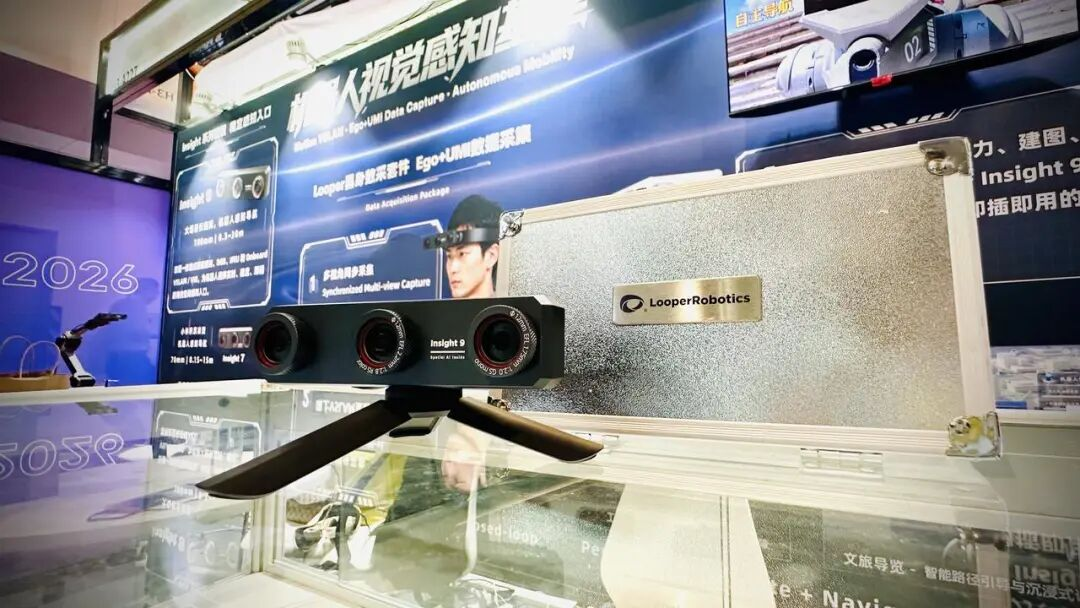
Embodied intelligence emerged as a leading focus at this year's WAIC, attracting significant attention at the Expo Center. Numerous familiar companies showcased their production lines and scenarios, while new entrants like Guanglun Intelligent and Wuwen Zhike displayed data streams and algorithm demonstrations, drawing industry professionals eager to address data challenges. The shift in competition from 'building bodies' to 'establishing foundations' emphasizes the critical role of data in embodied intelligence. However, the industry faces a substantial bottleneck due to a lack of high-quality data. Chen Yilun, founder of Shizhi Hang, highlighted that at least 10 million hours of qualified data is needed for embodied operations, ten times that required for autonomous driving, with only about 500,000 hours available globally by early 2026. Looking ahead, the demand for data is projected to increase dramatically, with companies like Guanglun Intelligent leading the charge. The company, founded in 2023, aims to scale data collection and has already achieved a valuation exceeding 15 billion yuan. As the industry evolves, the need for effective data solutions will continue to create opportunities for innovation and growth.
Data Collection Embodied Intelligence AI Technology Robotics Data Analytics
VistaShares Launches RTOO ETF Focused on Robotics Supercycle with 0.75% Expense Ratio
VistaShares has launched the VistaShares Robotics Supercycle ETF (NYSEARCA:RTOO) on NYSE Arca, debuting at $25.09 before dropping to $23.57 within three days. This actively managed ETF features a 0.75% expense ratio, which is higher than competing robotics ETFs that range from 0.45% to 0.68%. The fund aims for long-term capital appreciation by investing in global robotics companies involved in various sectors. The significance of RTOO lies in its focus on the robotics supercycle, a term defined in the prospectus as a long-term trend driven by disruptive technological advancements. This ETF is part of a broader investment strategy that recognizes AI-related capital spending as a key theme for the coming years, as highlighted by major asset managers like Goldman Sachs. The fund's higher expense ratio reflects its active management approach, allowing for strategic deviations from traditional index tracking. Investors should monitor RTOO's performance closely, especially given its limited trading history of just three days. The fund's concentration in the machinery industry and its potential exposure to both developed and emerging markets could present unique opportunities. No further timeline was disclosed at the time of publication.

Tesla's Upcoming Earnings Call: Focus on Optimus Robot Production Update
As Tesla (TSLA) approaches its Q2 earnings call on July 22, shareholders are keenly awaiting news on the Optimus humanoid robot, which CEO Elon Musk indicated would begin production in July. However, no updates have been provided yet, leaving investors uncertain about the timeline for this significant product. The importance of the Optimus robot lies in its potential to drive Tesla's future growth, shifting focus from traditional automotive metrics to advancements in robotics and autonomy. The upcoming earnings report may clarify production timelines and supply chain developments, which are crucial for investor confidence. Looking ahead, any announcement regarding the start of Optimus production could positively impact Tesla's stock. Investors are particularly interested in how the company's valuation, currently at a premium, will be affected by the progress of its robotaxi and humanoid robot initiatives, which are critical to its long-term strategy.
Robotics needs a service framework.
RSF defines a common language for robot service capability, lifecycle operations, certification pathways, and service-provider networks.
Join the RobotToday community on LinkedIn
Daily robotics news, in-depth analysis, conference highlights, and discussions with professionals worldwide.