

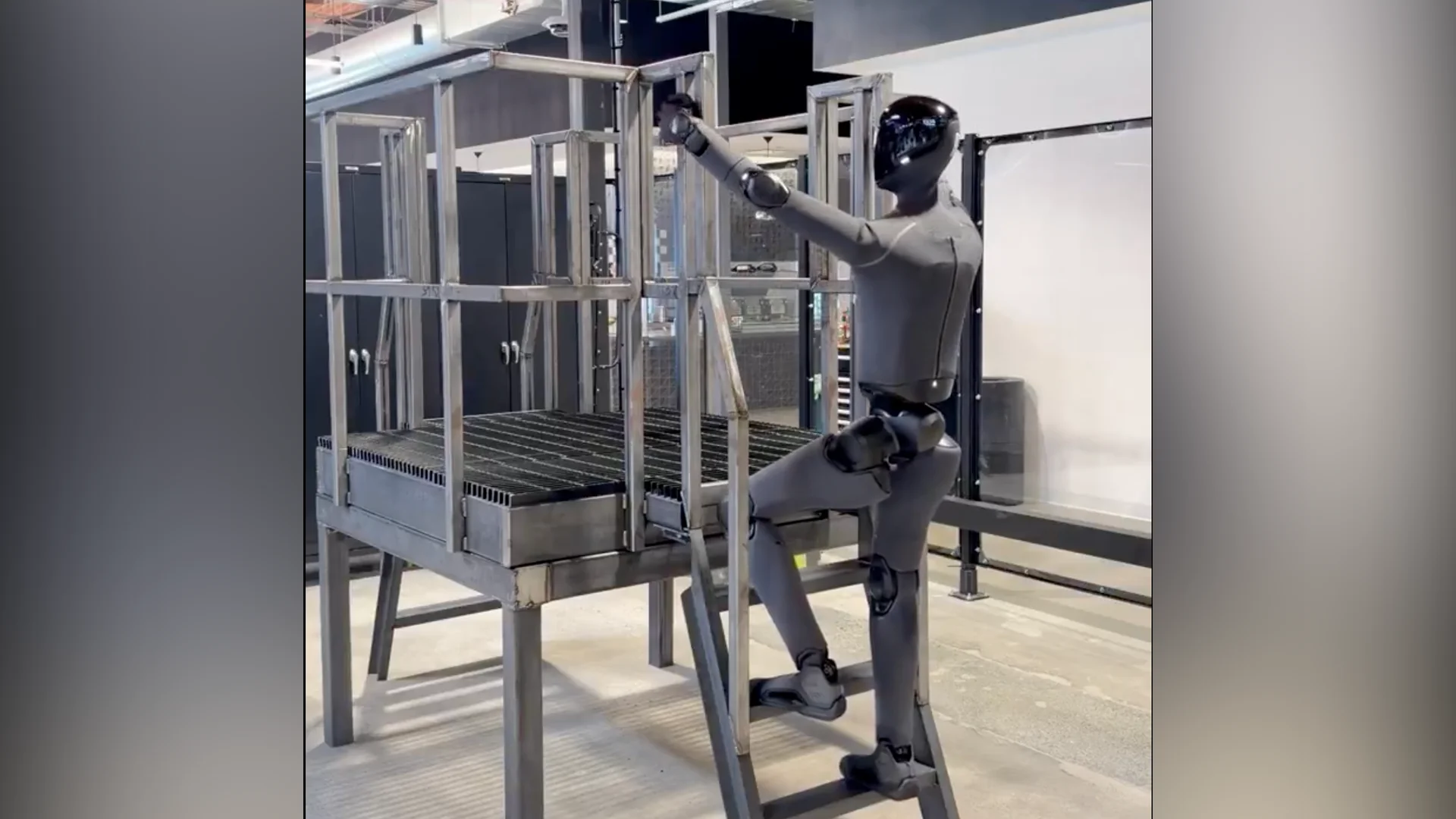
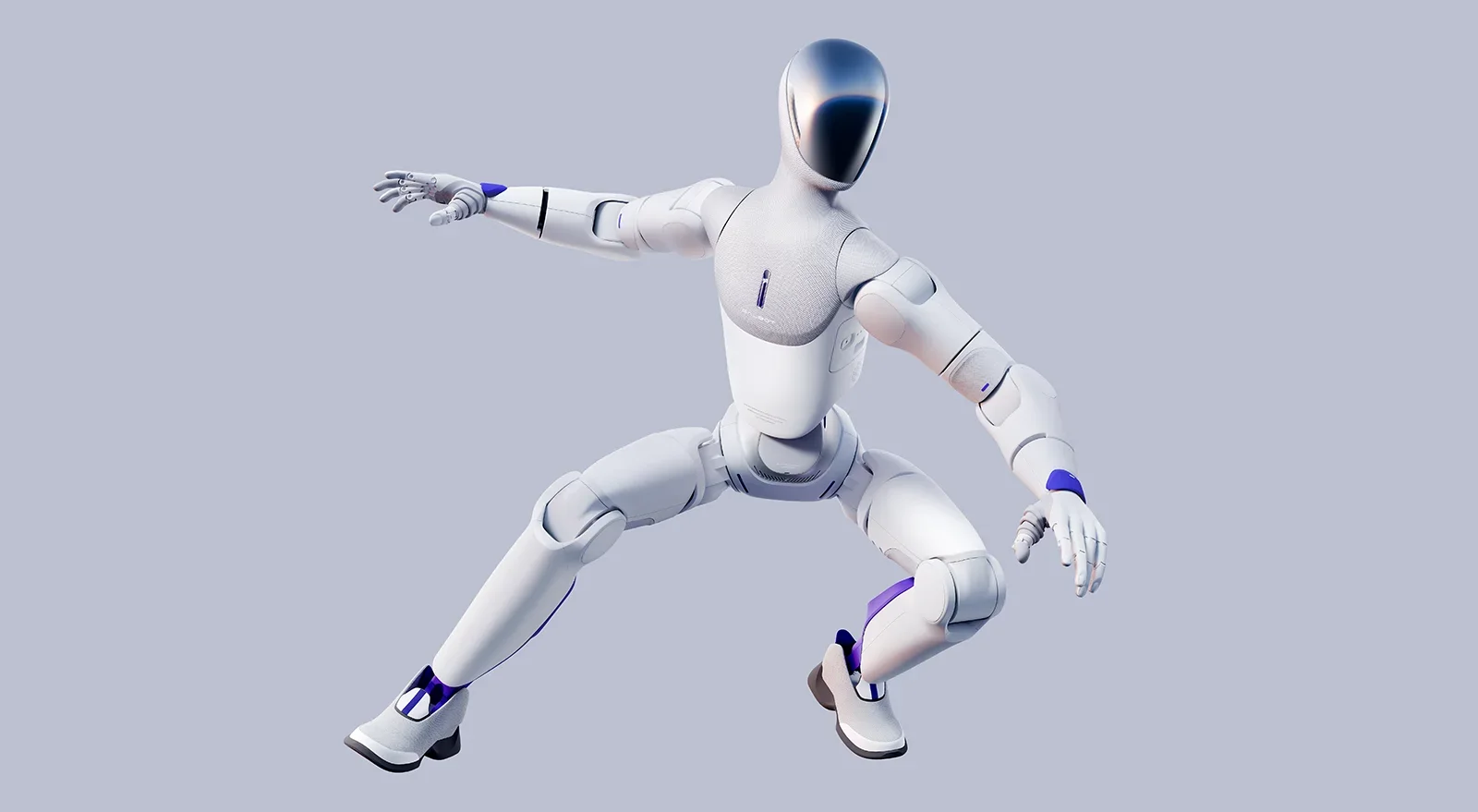
Figure AI has showcased its Figure 03 humanoid robot's ability to autonomously climb a ladder, as demonstrated by CEO Brett Adcock on August 1st. The video, posted on X, highlights the robot's methodical ascent, showcasing its advanced capabilities in navigating complex environments. This achievement represents a significant step in the evolution of bipedal robotics, emphasizing the importance of humanoid designs in spaces built for human interaction.
The demonstration is crucial as it reignites discussions within the robotics community regarding the viability of bipedal versus wheeled robots. Adcock's assertion that humanoids can access areas inaccessible to wheeled robots positions Figure AI as a leader in the bipedal sector. The company's Helix 02 AI architecture, which enables the robot's full-body autonomy, further strengthens its argument for the necessity of humanoid robots in general-purpose automation.
Looking ahead, the industry will be watching how Figure AI leverages this milestone to bolster its $39 billion valuation and influence the ongoing debate about robotic form factors. While the Figure 03's climbing ability is a technical achievement, critiques regarding its speed highlight the challenges that remain in achieving practical applications for humanoid robots in real-world scenarios. No further timeline was disclosed at the time of publication.
Editor's Note
The demonstration of Figure 03's autonomous ladder climbing underscores the competitive landscape in robotics, particularly the ongoing debate between bipedal and wheeled designs. As companies like Figure AI push for advancements in humanoid capabilities, the implications for automation in various industries could be significant. Stakeholders should monitor how these developments influence investment and technology adoption in the sector.
























Leave a comment