Industry Briefing
A single destination for timely, editor-curated robotics news from around the world.
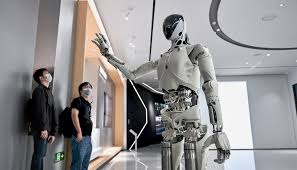
Harbin Engineering University Alumni Drive Significant Investment in Deep-Sea Robotics
In the summer and autumn of 2026, the deep-sea robotics sector experienced a surge in funding, with three major investments announced. Shihang Intelligent secured over 1 billion yuan in Series A funding, achieving a unicorn valuation; Deep-Sea Intelligence raised over 500 million yuan, backed by prominent investors including Guohua Venture Capital and others; and Gongzhi Ocean set a new record with nearly 100 million yuan in angel funding. These investments highlight the influence of alumni from Harbin Engineering University, with key figures such as Professor Guo Chunyu, who founded Gongzhi Ocean, and Ma Yiming, the founder of Deep-Sea Intelligence, both having strong ties to the university. Their companies are positioned to lead in various applications, including offshore oil and gas, underwater communication, and deep-sea mining, with Deep-Sea Intelligence already capturing a significant share of the domestic market. The deep-sea robotics industry is gaining momentum, with the Chinese government recognizing deep-sea technology as a strategic emerging industry. The global underwater service market is projected to reach 1.5 trillion yuan, growing at an annual rate of over 20%. As the industry transitions from research to commercialization, deep-sea robotics startups are poised for unprecedented opportunities.
Deep-Sea Robotics Marine Technology Investment Startups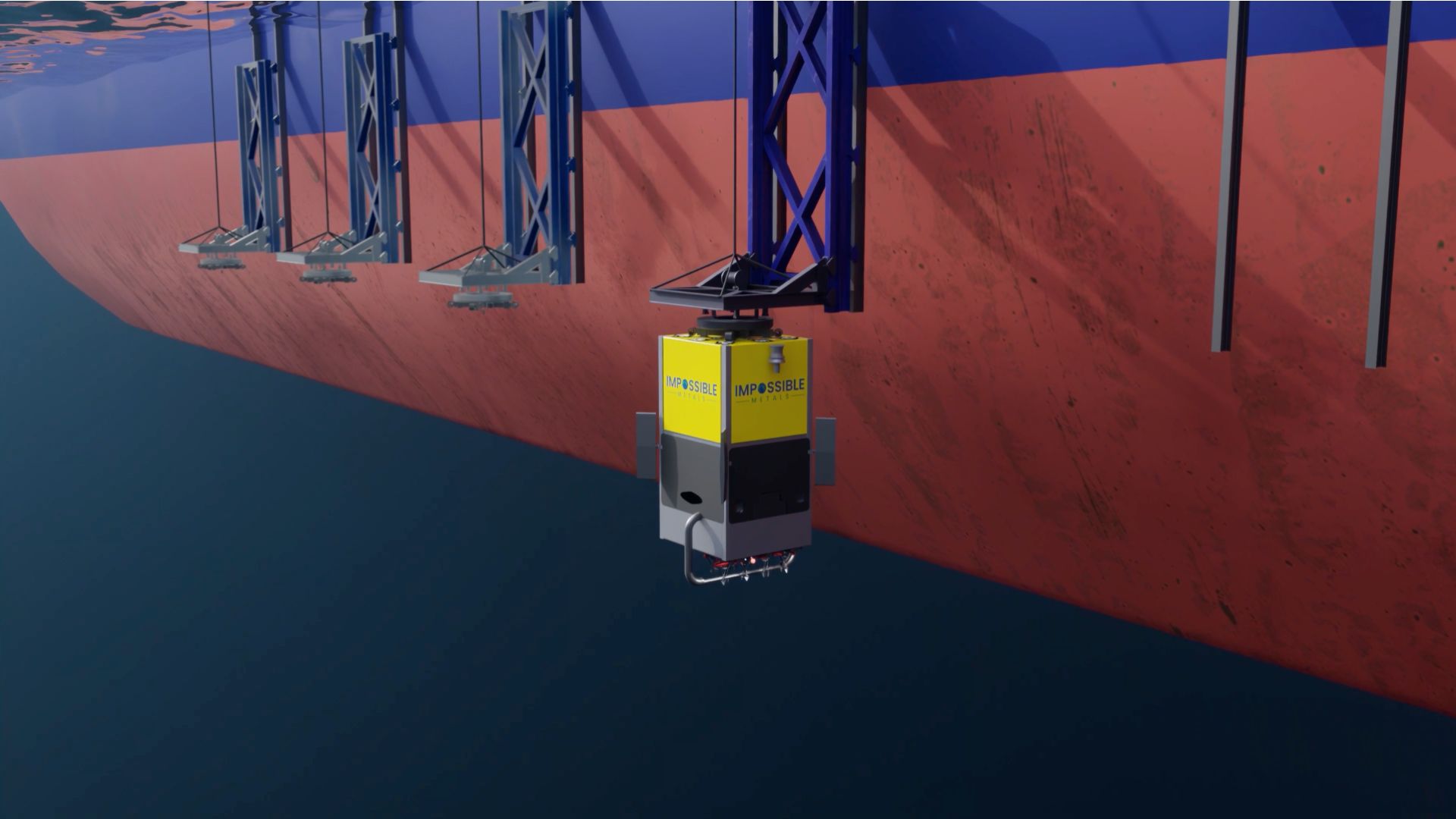
Impossible Metals to Launch Advanced Marine Robotics Hub for Deep-Sea Mineral Harvesting
Impossible Metals, a US mining technology company, has announced plans to establish an Advanced Marine Robotics Hub in Pittsburgh, Pennsylvania. This facility will focus on developing autonomous marine systems for the deep-sea collection of critical minerals, creating over a dozen high-paying engineering and science jobs. The hub aims to enhance US capabilities in marine robotics and critical mineral technologies through collaboration with local universities and researchers. The significance of this initiative lies in its potential to redefine deep-sea mining practices. According to Mike Regan, Chief Growth Officer at Impossible Metals, the hub will enable swarms of autonomous robots to harvest critical minerals like nickel, cobalt, copper, and manganese with minimal environmental impact. This approach not only promises to produce the lowest-cost critical metals on Earth but also aims to strengthen the US supply chain and reduce reliance on foreign sources of essential materials. Looking ahead, the Advanced Marine Robotics Hub will serve as the primary research center for advancing the Eureka autonomous underwater platform and Smart Launch and Recovery Systems. The company plans to continue developing dual-use technologies that cater to both commercial and naval applications. No further timeline was disclosed at the time of publication.
AI and Robotics
Harbin Engineering University Professor Seeks to Establish 'Huawei of the Deep Sea' with Record Financing
A professor from Harbin Engineering University has set a record by securing 5 billion in financing aimed at developing deep-sea technologies. This ambitious initiative seeks to position the university as a leader in the sector, drawing parallels to Huawei's success in telecommunications. The substantial funding reflects growing interest and investment in deep-sea innovation, marking a pivotal moment for the industry. The significance of this financing lies in its potential to advance deep-sea exploration and technology, which is increasingly critical for various applications, including resource extraction and environmental monitoring. The professor's vision to create a 'Huawei of the Deep Sea' underscores the importance of innovation in this field, as it could lead to breakthroughs that enhance our understanding of oceanic environments. Looking ahead, stakeholders will be keen to observe how this funding translates into tangible advancements in deep-sea technologies. The professor's initiative could attract further investment and partnerships, shaping the future landscape of deep-sea exploration. No further timeline was disclosed at the time of publication.
Robotics Automation AI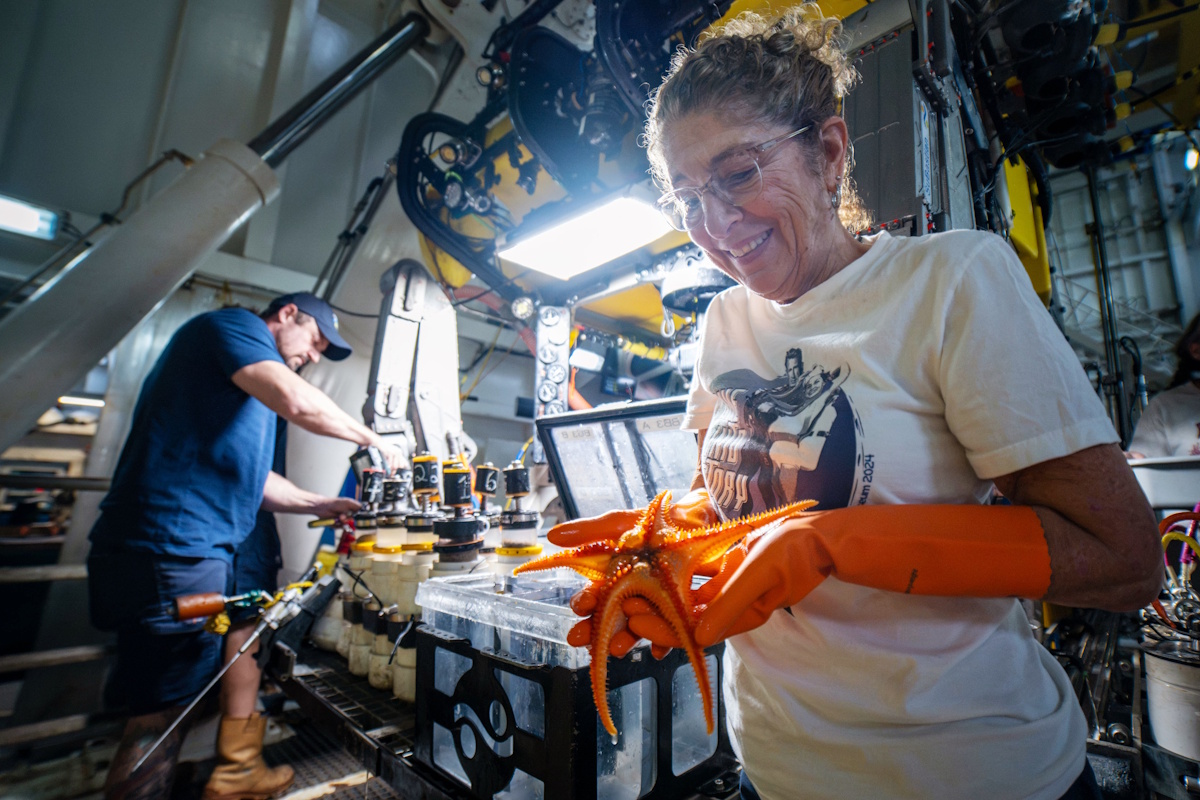
Trinidad and Tobago's First Local Expedition Reveals Deep Sea Ecosystems and New Species
Marine scientists from Trinidad and Tobago conducted the first comprehensive deep-sea survey of the islands' waters aboard the Schmidt Ocean Institute's R/V Falkor (too) in July 2026. The month-long expedition resulted in the discovery of over 25 active cold seeps and 20 suspected new species, mapping approximately 13% of the marine territory. This expedition is significant as it showcases the capabilities of Caribbean scientists to explore and document their own marine ecosystems. The findings, including over 700 specimens collected, will enhance the deep-sea collection at the Zoology Museum at the University of the West Indies, St. Augustine, increasing it twelve-fold. The discoveries underscore the importance of understanding and preserving these ecosystems, which are vital for marine biodiversity. Looking ahead, the data collected will aid in marine governance and spatial planning in Trinidad and Tobago, potentially leading to the establishment of marine protected areas. The expedition also tested a novel cryoprotectant for preserving living animal tissues, contributing to future research on ecosystem changes. No further timeline was disclosed at the time of publication.
caribbean expedition deep sea schmidt ocean institute (soi) r/v falkor (too)
Development and Enhancement of a Deep Sea Bionic Robot Fish Utilizing Phase Change Actuator Technology
A recent study published in the Journal of Field Robotics details the design and optimization of a deep sea bionic robot fish that employs phase change actuator technology. This innovative approach aims to enhance the robot's performance in underwater environments, allowing for more efficient movement and adaptability to various conditions. The significance of this development lies in its potential applications in marine exploration and environmental monitoring. By mimicking the natural movement of fish, the bionic robot can navigate complex underwater terrains, providing valuable data for researchers and contributing to the understanding of marine ecosystems. Looking ahead, advancements in phase change actuator technology may lead to further improvements in the robot's capabilities. Researchers are expected to explore additional functionalities and applications, although no specific timeline for future developments was disclosed at the time of publication.
RESEARCH ARTICLE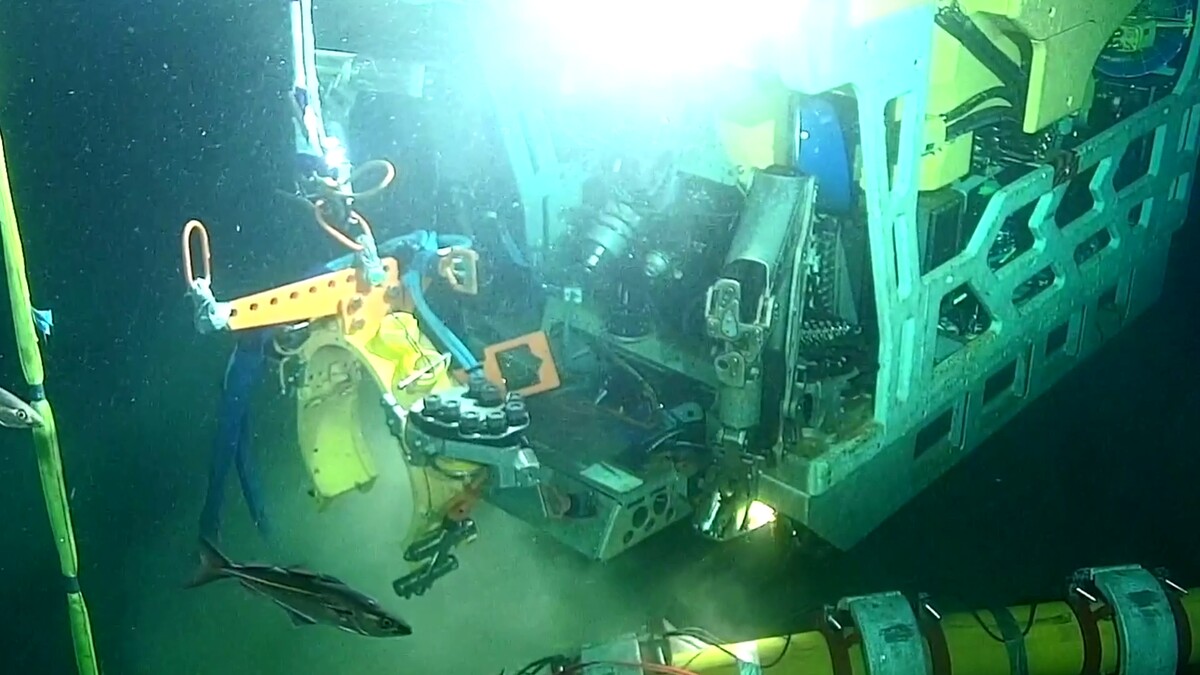
DeepOcean Finalizes Subsea Construction for Teal West Development Project
DeepOcean has successfully completed the subsea construction and tie-in work for the Teal West development, located on the UK Continental Shelf, for Anasuria Operating Company. This project involved the installation of a flexible production riser, flowline, and umbilical to connect the Teal West subsea Christmas tree to the Anasuria FPSO. The completion of the Teal West project is significant as it showcases the collaboration between operators, contractors, and service companies in the UK North Sea, particularly during uncertain times for the industry. Richard Beattie, CEO of Anasuria, emphasized the importance of such projects in maximizing the value of existing infrastructure and supporting domestic energy production. Looking ahead, the Teal West development includes two production wells and a water injection well, with the first production well connected to the Anasuria FPSO via approximately three kilometers of subsea flowlines. No further timeline was disclosed at the time of publication.

Deep Robotics' DR02 Humanoid Robot Demonstrates Stair Climbing and Terrain Navigation
Deep Robotics has unveiled new footage of its DR02 humanoid robot successfully climbing outdoor concrete stairs, showcasing its capability to navigate challenging terrains. This demonstration marks a pivotal moment for the Hangzhou-based company as it advances its development and commercialization strategies, positioning the DR02 for complex real-world tasks. The significance of this demonstration lies in the competitive landscape of Chinese robotics, where investors are keen to see humanoid robots perform reliably in practical environments. The DR02's ability to traverse uneven surfaces and carry equipment, such as a fire extinguisher, highlights its potential for industrial applications and hazardous environments. Looking ahead, Deep Robotics is preparing for a significant financial milestone with its application to raise approximately $367.4 million through an initial public offering on Shanghai’s STAR Market. As the company aims to build on its first-ever net profit of about $4.2 million reported in 2025, the ongoing development of the DR02 will be crucial in attracting investor confidence and demonstrating the robot's capabilities in real-world scenarios.
AI and Robotics
DEEP Robotics' DR02 Humanoid Robot Successfully Climbs Outdoor Stairs
DEEP Robotics has released an 18-second video showcasing its humanoid robot, DR02, successfully ascending outdoor stairs. The video highlights the robot's ability to maintain balance and control while navigating the stairs, demonstrating its advanced walking capabilities. This achievement is significant as it lays the groundwork for robots to operate in environments where humans typically move, such as outdoor and indoor settings. The ability of DR02 to ascend stairs without relying on handrails illustrates its sophisticated balance control, which is crucial for practical applications in various environments. The video captures the robot's steady progress, emphasizing that each stable step contributes to the overall advancement of humanoid robotics technology. This progress is essential for the future deployment of robots in everyday scenarios. Looking ahead, the development of humanoid robots like DR02 is expected to play a vital role in the growing field of AI robotics. No further timeline was disclosed at the time of publication, but the ongoing advancements in walking technology will be critical for the practical implementation of robots in society.

DEEP Robotics' DR02 Humanoid Robot Successfully Climbs Outdoor Stairs
DEEP Robotics has released an 18-second video showcasing its humanoid robot, DR02, successfully climbing outdoor stairs. The video captures DR02's ability to maintain balance and control while ascending each step, demonstrating advanced bipedal walking capabilities. This achievement highlights the robot's potential for practical applications in environments where humans navigate daily. The significance of DR02's stair-climbing ability lies in its implications for the future of humanoid robots in real-world settings. By navigating stairs without relying on handrails, DR02 exemplifies the advancements in balance control necessary for robots to operate effectively in various environments, including outdoor and indoor spaces. Looking ahead, the development of humanoid robots like DR02 could pave the way for increased integration of robotics in everyday life. The steady progress in walking technology, as evidenced by the video, suggests a promising future for practical applications of humanoid robots in tasks such as patrolling and transporting goods in human-centric environments. No further timeline was disclosed at the time of publication.

DEEP Robotics Integrates Quadruped Robots and AI for Warehouse Inventory Management and Safety Monitoring
DEEP Robotics has launched an innovative warehouse operation solution that combines quadruped robots with advanced AI models. This system, unveiled on July 31, 2026, enables one-click inventory management, significantly enhancing end-to-end operational efficiency in logistics and warehouse management. The technology automates tasks traditionally reliant on human resources, accelerating the digital transformation of warehouses. DEEP Robotics' quadruped robots autonomously navigate the warehouse, performing various tasks such as automatic identification of goods through QR code and RFID tag scanning, thus building accurate inventory data. Additionally, the integration of digital twin technology allows real-time visualization of the entire warehouse environment. This solution not only improves inventory accuracy but also enhances safety through early fire detection and unauthorized entry monitoring. DEEP Robotics is setting new standards in the logistics industry by merging inventory management, safety monitoring, and data-driven decision-making.

Google DeepMind Launches Gemini Robotics 2: A Comprehensive Robot with Advanced Capabilities
On August 2, Google DeepMind introduced Gemini Robotics 2, the latest version of its visual-language-action model. This new model enhances full-body control, advanced dexterity, and multi-robot collaboration, marking a significant advancement from its predecessor, which only managed upper-body tasks. Gemini Robotics 2 allows the Apptronik Apollo 2 humanoid robot to autonomously execute complex tasks, such as placing a watering can into a designated bucket, requiring coordinated decision-making and balance. While there is room for improvement in movement speed, this development represents a crucial step towards handling more intricate real-world tasks. The model also introduces multi-robot collaboration, enabling different robots to communicate and work together on complex workflows. With the ASIMOV-Agentic benchmark, Gemini Robotics 2 excels in safety compliance and human proximity detection, ensuring safe operation. The Gemini Robotics On-Device 2 is designed for applications requiring offline functionality, adapting to new robotic forms with minimal data and time.
Humanoid Robots Robotics Technology AI Automation
Google DeepMind Introduces Gemini Robotics 2 for Enhanced Humanoid Control
Google DeepMind recently launched Gemini Robotics 2, an advanced version of its vision-language-action model. This iteration features intelligent whole-body control, enabling robots to perform complex tasks such as walking, crouching, and object manipulation. The model can adapt to new robotic bodies quickly, enhancing its versatility. The significance of Gemini Robotics 2 lies in its ability to expand physical AI capabilities, allowing robots to execute intricate movements and collaborate with other robots. This development is crucial for achieving the finesse required for real-world applications, such as household chores and workplace tasks. Looking ahead, the focus will be on further improving movement speed and dexterity. Gemini Robotics 2 represents a pivotal advancement in robotics, as it can control sophisticated end effectors like the SharpaWave hand, enabling delicate actions. No further timeline was disclosed at the time of publication.
Artificial Intelligence Artificial Intelligence / Cognition Design / Development End Effectors / Grippers Humanoids News
Introducing Google DeepMind's Gemini Robotics 2: A Leap in Robot Adaptability
Google DeepMind has unveiled Gemini Robotics 2, marking a significant advancement in robotics. This new intelligence layer enables robots to achieve whole-body control, enhanced dexterity, and collaborative capabilities among multiple robots. The introduction of Gemini Robotics 2 is crucial as it represents a step towards creating truly adaptable robots that can perform complex tasks in dynamic environments. This technology could revolutionize various applications, from industrial automation to personal assistance. Looking ahead, the development of Gemini Robotics 2 will be closely monitored as it progresses. The potential for multi-robot collaboration and advanced dexterity opens up new possibilities in robotics, making it a key area of interest for future innovations.
Humanoid-robots Video-friday Quadruped-robots Robot-videos Drones Home-robots
Google DeepMind Unveils Gemini Robotics 2 AI Model for Humanoid Robots
On July 30, 2026, Google DeepMind announced the latest AI model for humanoid robots, Gemini Robotics 2. This model advances from upper-body control to full-body control, enabling walking, bending, and advanced dexterity, as well as collaborative tasks among multiple robots. Gemini Robotics 2 translates visual and language inputs into motion control, supporting full-body and dual-arm robot operations. It features enhanced physical reasoning capabilities with Gemini Robotics ER 2, which manages human communication and multi-step task planning, and Gemini Robotics On-Device 2, which adapts quickly to new robots with minimal data. The model demonstrated its capabilities using Apptronik's humanoid robot Apollo 2, performing tasks such as walking to a table, lifting objects, and accurately storing them. With a 22-degree-of-freedom hand, it can execute delicate tasks like tying knots. The introduction of the ASIMOV-Agentic benchmark emphasizes safety, allowing the robot to detect human presence and stop safely, marking it as the safest model to date.

Google DeepMind Launches Gemini Robotics 2 for Enhanced Autonomy in Humanoid Robots
Google DeepMind has introduced Gemini Robotics 2, a suite of AI models aimed at enhancing the autonomy of humanoid and other robots through advanced whole-body control and dexterity. This system is currently showcased on Apptronik's Apollo 2 humanoid robot, which can execute full-body autonomous movements such as walking and manipulating objects while reasoning through complex tasks in real time. The significance of this development lies in its ability to enable robots to move beyond pre-programmed tasks, adapting to dynamic environments. Gemini Robotics 2 serves as an 'intelligence layer' for robots, facilitating coordination from 'feet to fingertips' and improving dexterity with tasks like tying trash bags or unscrewing light bulbs. This advancement builds on the collaboration between Google DeepMind and Apptronik, which recently launched Robot Park to gather data for training future AI models. Looking ahead, the introduction of multi-robot collaboration capabilities allows different robot types to work together on complex workflows. Gemini Robotics On-Device 2 is designed for industrial settings with limited cloud connectivity, enabling rapid adaptation to new hardware. No further timeline was disclosed at the time of publication.
Artificial Intelligence Humanoids News Apptronik Apollo 2 embodied ai Gemini Robotics 2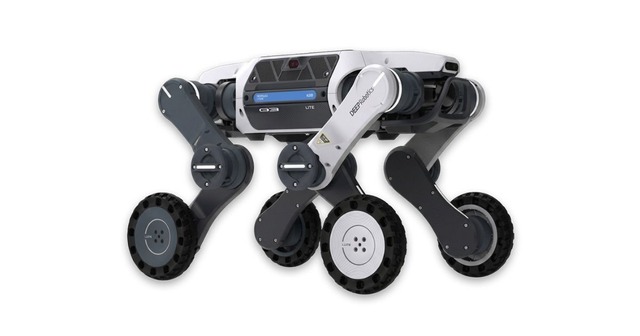
Elza Japan Secures Exclusive Sales Rights for DEEPRobotics Lynx S10 in Japan
Elza Japan has obtained exclusive sales rights for the DEEPRobotics Lynx S10, a compact wheeled quadruped robot, set to begin pre-orders on August 3, 2026. The Lynx S10 inherits all-terrain capabilities from its predecessor, the Lynx M20 series, while achieving significant downsizing and weight reduction, weighing approximately 19 kg compared to the M20's 33 kg. This next-generation robotics platform features a hybrid structure that combines wheels and legs, allowing it to navigate continuous stairs up to 20 cm and overcome obstacles up to 50 cm. With a maximum speed of 18 km/h (5 m/s) on flat ground and 16 degrees of joint freedom, it is expected to be utilized in various missions, including industrial patrols and emergency responses. The Lynx S10 complies with IP66 dust and water resistance standards, enabling operation in rainy and dusty environments. It can function in a wide temperature range from -20°C to 55°C, making it suitable for outdoor fields, factories, and cold storage. No further timeline was disclosed at the time of publication.

Improving Visibility for Robotics and Automation Companies in AI Search Platforms
Search behavior is evolving, with buyers of industrial robots and automation systems increasingly utilizing AI assistants like ChatGPT, Gemini, and Perplexity. These platforms summarize information from various sources, leading to a predicted 25% decline in traditional search volume by 2026, according to Gartner. This shift underscores the importance of Generative Engine Optimization (GEO) and related practices, prompting businesses to invest in specialized tools. Peec AI is a notable GEO platform that helps brands measure their visibility across AI search experiences. It offers insights into citation performance and competitor analysis, with subscription plans starting at $95/month. Serving over 2,500 brands, Peec AI is particularly beneficial for B2B SaaS companies and robotics businesses looking to benchmark their AI visibility. LightSite AI Ltd. complements this by combining AI visibility monitoring with automated optimization, making it relevant for robotics manufacturers. Its tiered subscription starts at $129/month, and it employs a workflow that enhances AI discoverability. As AI assistants become more prevalent, companies in the robotics sector should consider these tools to maintain competitive visibility in search results.
Business Software Technology ai search ai search optimization ai seo
Marubeni and DEEP Robotics Collaborate to Address Japan's Labor Shortage and Infrastructure Issues
On July 23, Marubeni Corporation, a major Japanese electronic trading company, signed a memorandum of understanding with DEEP Robotics, a leader in quadruped robots, to enhance the sales and development of quadruped robots in Japan. This partnership aims to address Japan's significant labor shortage due to an aging population and the challenges posed by deteriorating infrastructure. The collaboration is crucial as Japan faces increasing pressure to maintain its infrastructure and ensure safety in hazardous environments. Quadruped robots, capable of autonomous operation in complex terrains, are expected to play a vital role in replacing human labor in dangerous situations. Marubeni's extensive customer network and technical support will complement DEEP Robotics' deployment experience in various sectors, including power, construction, and rescue. Looking ahead, Marubeni plans to introduce the all-terrain quadruped robot 'LYNX M20S' and the highly mobile 'LYNX S10' to accelerate sales in the Japanese market. DEEP Robotics' CEO highlighted the importance of Marubeni's market understanding for promoting robotic solutions, while Marubeni's director emphasized the potential of these advanced robots to address Japan's labor and infrastructure challenges.
Quadruped Robots Robotics Solutions Labor Automation Infrastructure Technology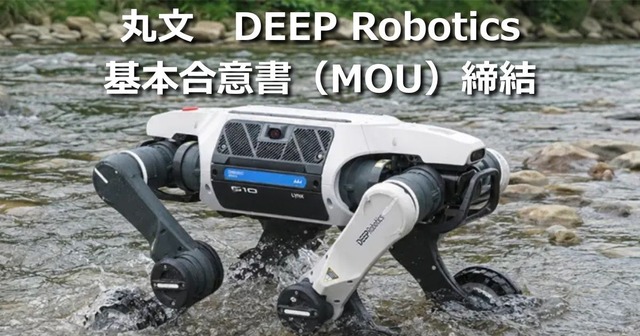
Marubeni and DEEP Robotics Sign MOU to Accelerate Automation with Quadrupedal Robots
On July 23, 2026, Marubeni Corporation announced a memorandum of understanding with DEEP Robotics to expand the sales of quadrupedal robots in the Japanese market. The collaboration aims to address labor shortages and aging infrastructure in Japan's industrial sector, where autonomous robots can operate in hazardous environments. This partnership is significant as it combines Marubeni's extensive customer network and technical support with DEEP Robotics' advanced AI and motion control technologies. The quadrupedal robots are designed to navigate complex terrains and perform tasks autonomously, offering a solution to Japan's pressing labor issues and safety concerns in industrial settings. Looking ahead, Marubeni plans to leverage both companies' strengths to develop new applications for quadrupedal robots in Japan. The focus will be on sectors such as power, construction, and disaster response, where the deployment of these robots could enhance operational efficiency and safety. No further timeline was disclosed at the time of publication.
DeepOcean Completes Subsea Infrastructure Removals for Spirit Energy in North Sea
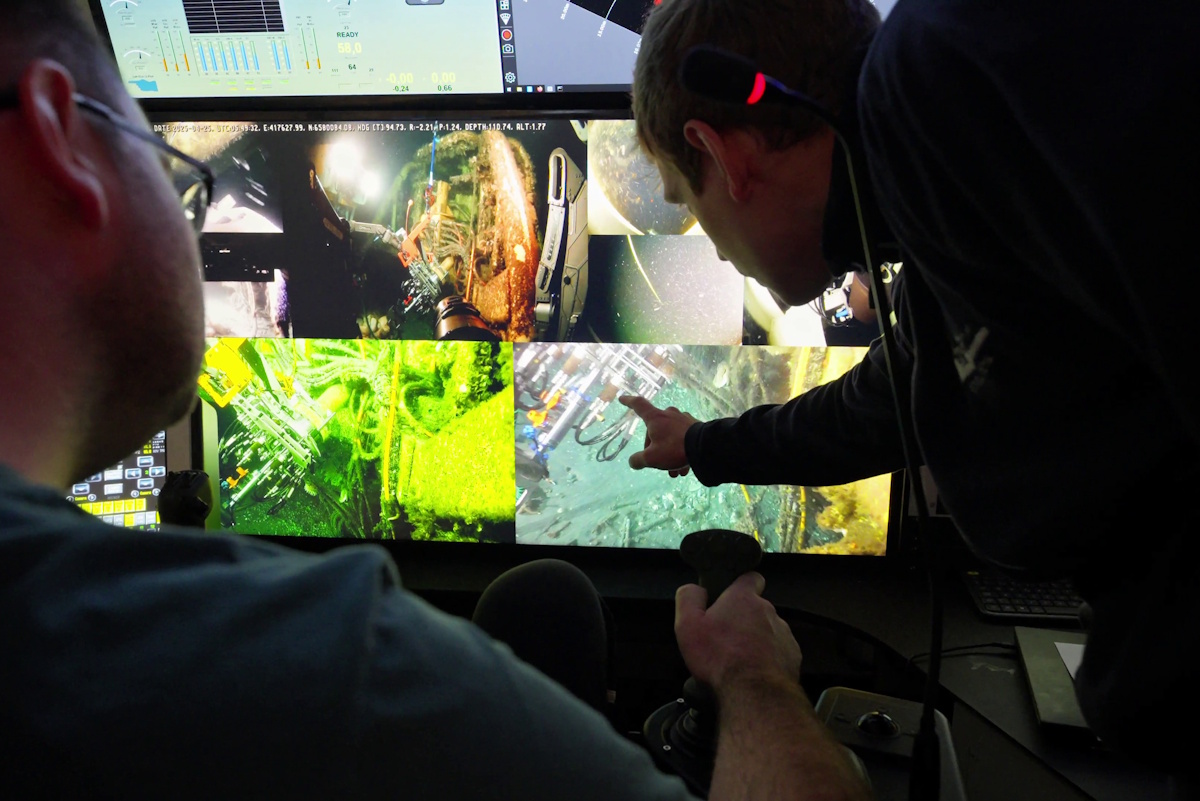
DeepOcean has successfully completed the recovery of the subsea wellhead protection structure at Spirit Energy's Seven Seas field and disconnected subsea infrastructure at the Grove West field in the North Sea. This operation utilized proprietary tooling developed in-house for decommissioning and was executed using the high-specification construction vessel Edda Freya. The project is part of Spirit Energy's broader decommissioning program for the Seven Seas and Grove West fields, aiming to maximize material recovery and minimize waste. DeepOcean's operations, managed from Aberdeen, UK, have ensured that all recovered materials are either reused, recycled, or disposed of responsibly, contributing to environmental sustainability. Looking ahead, DeepOcean's successful execution of these subsea removals positions them well for future projects with Spirit Energy. The company has demonstrated its capability in subsea decommissioning, with a focus on efficiency and environmental responsibility, as highlighted by the recycling of over 95% of materials from decommissioned assets.
deepocean subsea removals spirit energy seven seas grove west field oil and gas
InDro Robotics Introduces Axiom Humanoid Platform to Enhance Physical AI Research Accessibility
InDro Robotics has launched the Axiom, a modular humanoid-style robotic platform aimed at facilitating Physical AI research. Announced on July 10, 2026, this budget-friendly solution is designed to lower the barriers for researchers and academic institutions in developing advanced robotics applications. Initial customer units are already being shipped, indicating strong market interest. The Axiom platform is significant as it democratizes access to humanoid robotics, which has traditionally been limited to well-funded organizations. By providing a more affordable option, InDro Robotics is positioning itself to capture a wider audience in the research community, potentially accelerating advancements in Physical AI technologies. This move aligns with the growing demand for accessible robotics solutions across various sectors. Looking ahead, InDro Robotics aims to expand its customer base and enhance the Axiom's capabilities based on user feedback. No further timeline was disclosed at the time of publication, but the initial shipping of units suggests a proactive approach to market engagement and product iteration.
NASA and Rice University Launch Open-Source Simulator for Space Robotics Research
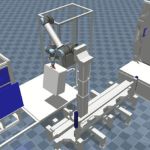
Rice University and NASA have introduced the iMETRO Dynamic Simulation, the first open-source platform for developing robots for spacecraft and habitats. Unveiled at the 2026 IEEE International Conference on Robotics and Automation in Vienna, this simulator creates a digital twin of NASA's iMETRO facility, enabling global researchers to test intravehicular robotic systems in a virtual setting. This platform is significant as it broadens access to advanced space robotics research, facilitating innovation for future human space missions. It focuses on robot manipulators that assist with maintenance and logistics tasks, which are crucial for reducing astronaut workloads during extended missions. The simulator features an eight-degree-of-freedom robotic manipulator model and supports ROS 2 and MuJoCo, enhancing usability and compatibility for developers. Looking ahead, the iMETRO Dynamic Simulation aims to maximize astronaut productivity by automating routine tasks, allowing crew members to focus on scientific exploration. The research team successfully demonstrated the simulator's capabilities by transferring a robotic application from simulation to the physical facility in under a day. No further timeline was disclosed at the time of publication.
AI and Robotics
E/V Nautilus Embarks on Two Expeditions to Explore Mariana Deep-Sea Regions
The Ocean Exploration Trust's Exploration Vessel (E/V) Nautilus has set sail for two expeditions to explore the deep sea around the Mariana Islands. These expeditions, taking place from June to August 2026, will utilize the vessel's remotely operated vehicle (ROV) and telepresence systems, alongside Woods Hole Oceanographic Institution's autonomous underwater vehicle (AUV) Sentry, to investigate previously unsurveyed areas. These missions are significant as they aim to enhance understanding of abyssal plain habitats and ancient seamounts east of the Mariana Trench, a region known for its tectonic activity and unique geological features. The expeditions are supported by NOAA Ocean Exploration and the Bureau of Ocean Energy Management, highlighting the collaborative effort to advance oceanographic research and fill knowledge gaps in this critical area. Looking ahead, the E/V Nautilus will focus on characterizing deep ocean habitats and biodiversity, as well as geological formations, including marine critical minerals. The outcomes of these expeditions are expected to contribute to both US and international scientific priorities, addressing the need for comprehensive data on the largely unexplored deep-sea environments around the Mariana Islands.
e/v nautilus marianas deep-sea exploration ocean exploration trust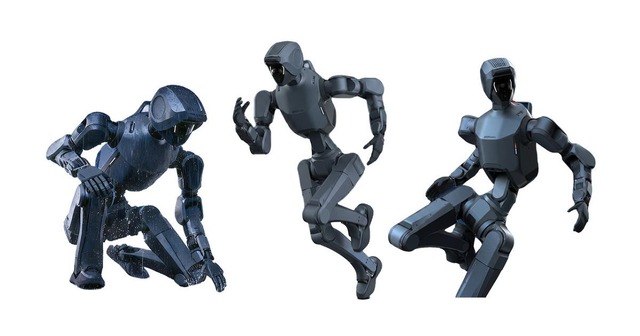
Elza Japan starts handling the world's first fully IP66 waterproof industrial humanoid, DEEPRobotics DR02.
Elsa Japan Co., Ltd. announced the launch of the DEEPRobotics DR02, an all-weather industrial humanoid robot, for the domestic market on June 18, 2026. This new product aims to enhance operational efficiency in various industries by providing advanced robotic solutions capable of functioning in diverse environmental conditions. The introduction of the DR02 reflects the growing demand for automation and robotics in Japan, as companies seek innovative technologies to improve productivity and safety in their operations.

China Achieves First AI-Guided Surgery for Congenital Heart Disease Using Intelligent Robotics
Recently, a medical team in China completed the world's first AI ultrasound robot-assisted interventional procedure for congenital heart disease. Conducted by the Cardiovascular Medicine Department of the Sixth Medical Center of the PLA General Hospital, this surgery marks a significant milestone in the clinical application of intelligent technology in healthcare. This breakthrough is crucial as it signifies the integration of artificial intelligence into one of the most critical aspects of surgical procedures: interpreting images, assessing positions, and aiding doctors in formulating operational plans. Traditionally, cardiovascular interventions heavily relied on physician experience, particularly in complex cases where accurate understanding of heart structure changes is essential. Looking ahead, the focus may shift from merely achieving higher precision with robotic arms to whether robots can comprehend medical images, analyze patient conditions, and adapt strategies in real-time. The integration of AI models, medical imaging, and robotic control systems will be vital for advancing surgical capabilities, especially in areas lacking experienced specialists.
AI in Healthcare Surgical Robotics Medical Imaging Cardiovascular Surgery
Leading Research Institutions Unite to Advance Soft Robotics and Physical AI
In recent years, advancements in large models have enhanced machines' language, visual, and reasoning capabilities. Concurrently, robotics is transitioning from traditional rigid systems to more flexible, perceptive forms. A significant intersection is emerging between Physical AI and Soft Robotics, prompting a shift in focus towards integrating materials, structures, mechanics, and perception systems into robotic intelligence. In 2026, the prestigious journal ACS Nano will publish a collaborative article by 37 scientists from 28 global research institutions, including Nanyang Technological University, Hebrew University of Jerusalem, MIT, ETH Zurich, Tsinghua University, Cornell University, and Northwestern University. The article, titled "Emerging Frontiers and Technological Challenges in Soft Robotics," will explore the paradigm shift in soft robotics and outline key scientific questions and technological challenges for the future. This article not only serves as a roadmap for soft robotics technology but also points towards a broader future of Embodied Physical Intelligence, where the body itself becomes part of the intelligence. The research framework connects fundamental scientific questions with cutting-edge studies in soft robotics, focusing on issues related to intelligence, perception, functionality, and adaptability, which are crucial for overcoming key technical challenges in deployment and integration.
Soft Robotics Physical AI Adaptive Systems Machine Learning Biomimicry
AGIBOT and Resorts World Genting Collaborate for First International Robotics Show
AGIBOT and Resorts World Genting have teamed up to unveil the first overseas robotics performance, set to feature more than 40 robots in a production inspired by Wukong. This groundbreaking show, which merges robotics with elements of Chinese mythology and storytelling, is scheduled for its full debut in February 2027. This collaboration is significant as it represents a major milestone in the strategic partnership between AGIBOT and Resorts World Genting. By integrating advanced robotics into a culturally rich narrative, the performance aims to attract a diverse audience and enhance the entertainment offerings at Resorts World Genting. As the debut date approaches, industry observers will be keen to see how this innovative blend of technology and storytelling resonates with audiences. The success of this performance could pave the way for future collaborations in the realm of robotics and entertainment, potentially influencing trends in both sectors.
Robotics Entertainment AI Technology Cultural Performance Partnerships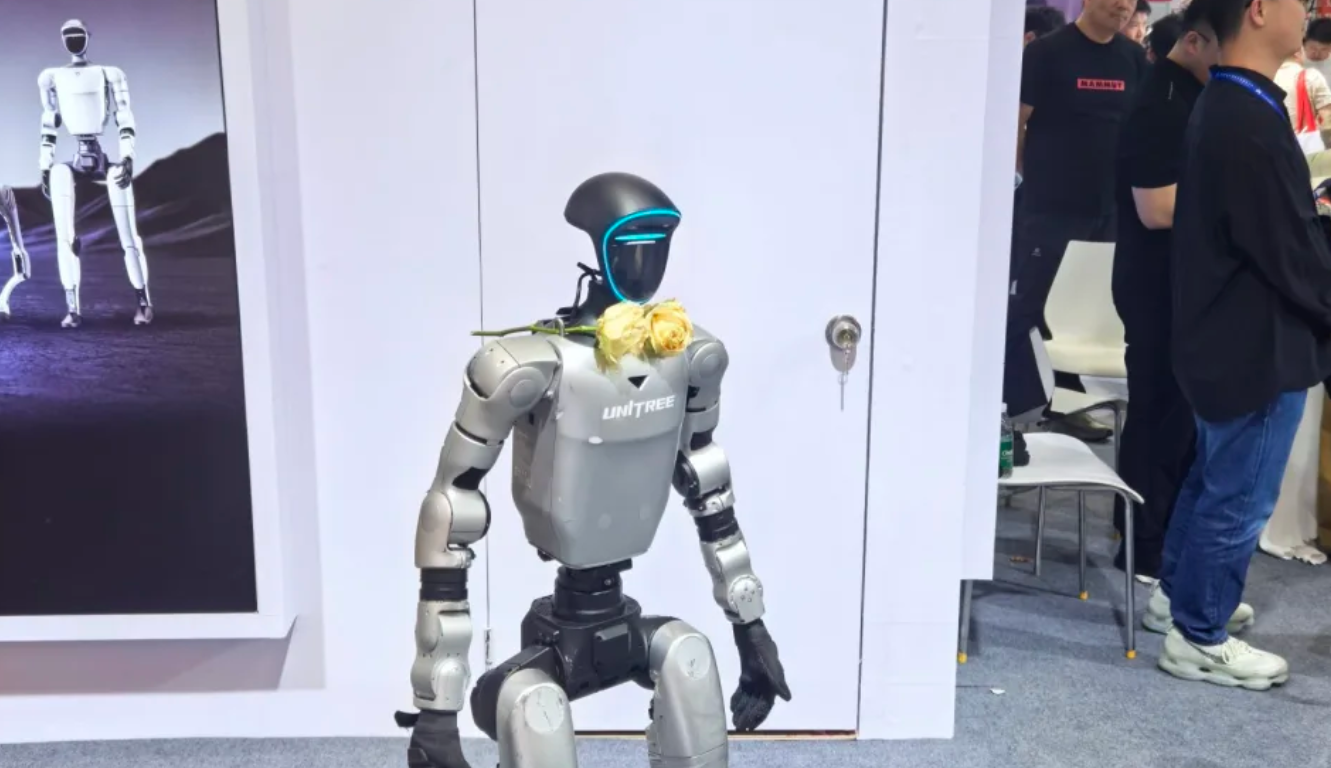
Yushu Robotics Expands International Rental Business with G1 Robots for Events
At a lively private birthday party in the United States, two silver Yushu G1 robots danced on stage, delighting guests. This scene exemplifies Yushu Robotics' overseas rental business, with daily rental fees reaching $3,000, excluding shipping and operator costs. Robonow Global has assembled a fleet of over 50 G1 robots, covering the entire U.S. market. The significance of this rental model lies in its ability to lower ownership costs for businesses and assist in calculating return on investment, as noted by Ethan Qi, Deputy Director at Counterpoint Research. However, the actual tasks performed by these rented robots often focus on entertainment and educational demonstrations rather than industrial applications, indicating a gap in their deployment in manufacturing. Looking ahead, Yushu Robotics' founder Wang Xingxing highlighted the industry's challenge of insufficient embodiment intelligence. He predicts that humanoid robots may achieve capabilities similar to ChatGPT within 2 to 10 years. As of August 25, Yushu's stock price has seen a decline, reflecting market skepticism about the robots' practical applications in production lines, suggesting that significant advancements are still needed before widespread industrial adoption occurs.
Service Robots Entertainment Robotics Robot Rental Research and Development Industrial Automation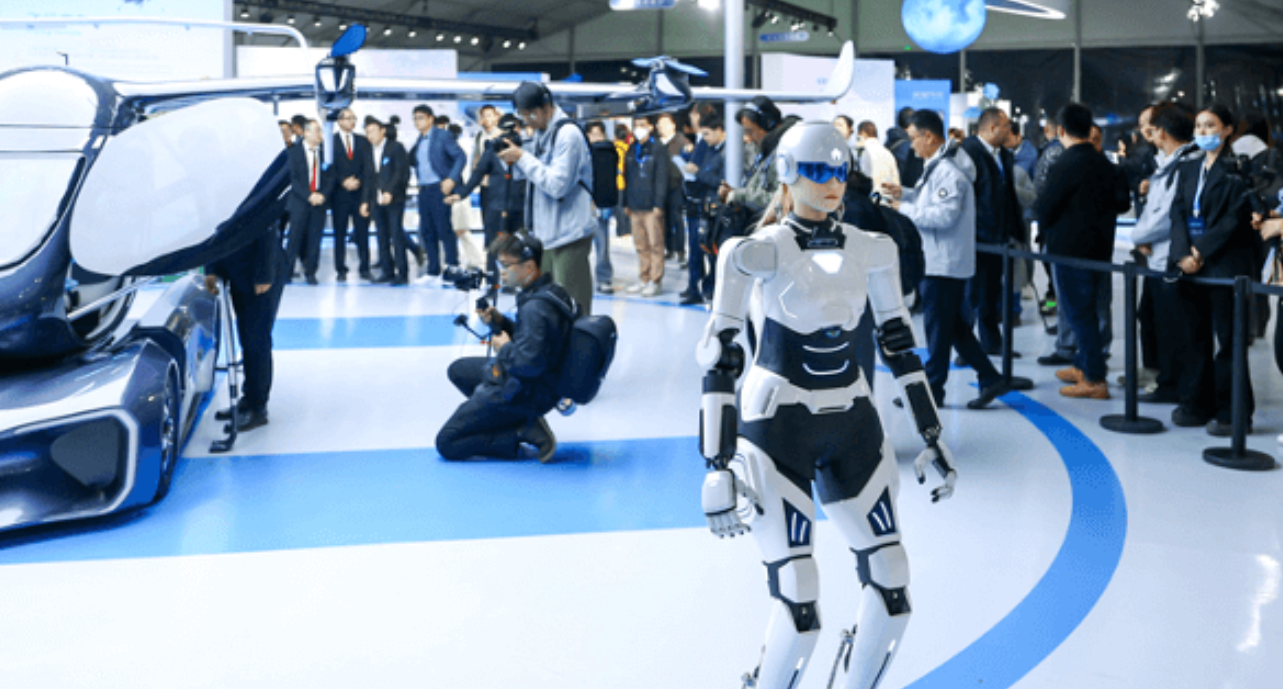
Chery's AiMOGA Robotics Initiates IPO Preparations to Expand Internationally
Chery's AiMOGA Robotics has begun preparations for a potential standalone IPO and is exploring various listing venues. The company has not yet disclosed a timeline or selected an exchange for the IPO. Leadership indicated that the listing could facilitate funding for technology investments and support overseas expansion efforts. This move is significant as AiMOGA Robotics, incubated by Chery in January 2025, has already delivered over 3,000 robots globally, with 2,000 of those deliveries occurring overseas. The company operates in more than 60 countries and regions, demonstrating its growing international presence and ambition to scale its operations further. Looking ahead, AiMOGA aims to achieve 10,000 global deliveries in the upcoming year and has already deployed 110 humanoid police robots across several cities in China. No further timeline was disclosed at the time of publication.
News Feed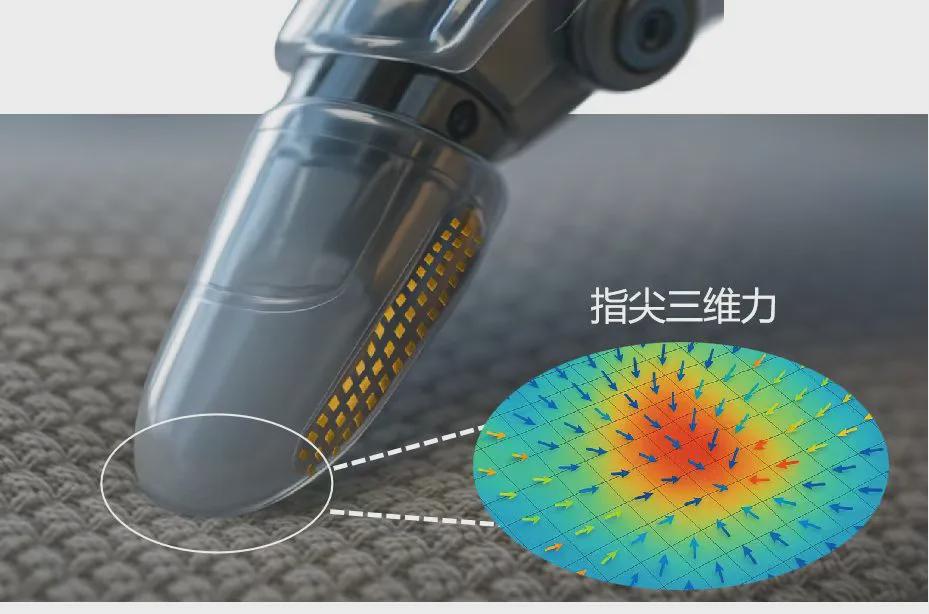
SUSTech Professor's Research on Tactile Sensing Leads to Major Orders for Robotics
In recent weeks, the tactile sensing sector has seen a surge in funding, with multiple startups announcing financing ranging from millions to hundreds of millions. This trend highlights the growing importance of tactile sensing in robotics, particularly as humanoid robots evolve from merely standing to performing tasks in precision manufacturing and assembly. The significance of tactile sensing lies in its ability to enhance robotic interactions with objects, addressing critical questions such as whether a cup has been grasped or if a part has slipped. According to Xiong Gengchao, CEO of Saigan Technology, while tactile feedback may not be essential for demonstrations, it becomes crucial for robots to integrate into factories and daily life. Saigan Technology, founded in June 2023 and rooted in research from SUSTech, has secured bulk orders for its tactile modules. The company plans to showcase its 3D force tactile modules and adaptive grasping solutions at the upcoming 2026 World Robot Conference, emphasizing the importance of material innovation in developing effective tactile sensing technologies.
Tactile Sensing Humanoid Robots Robotics Technology Automation Flexible Electronics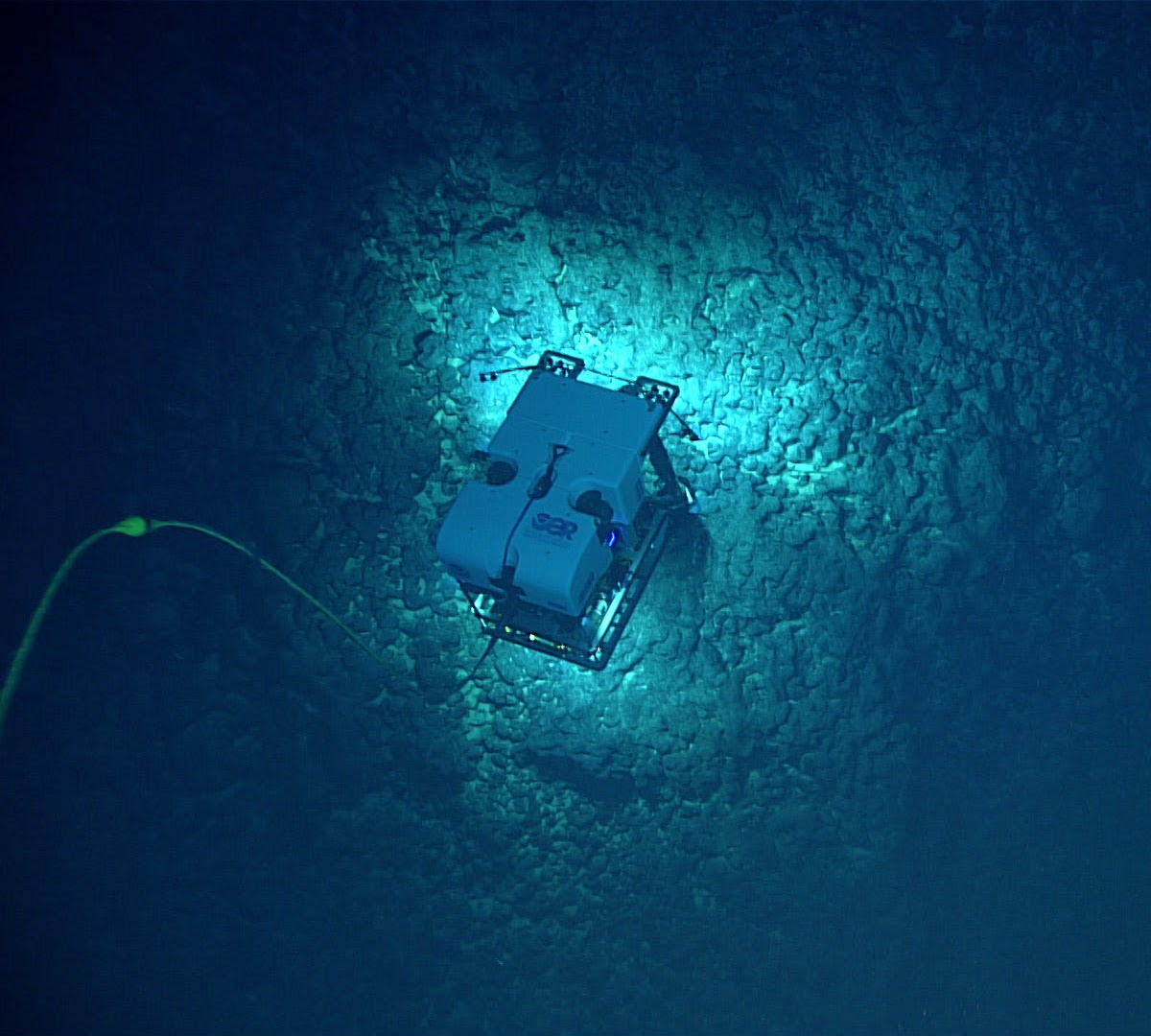
NOAA and Partners to Conduct Expeditions for Deep-Sea Mapping in American Samoa
NOAA Ocean Exploration, alongside its partners, is set to conduct two significant expeditions in the waters surrounding American Samoa during the summer and fall of 2026. These expeditions aim to map and characterize the deep seafloor in a region prioritized for offshore critical mineral exploration, generating publicly available data to enhance understanding of mineral potential and support decision-making. The importance of these expeditions lies in their potential to uncover unknown marine habitats and mineral resources vital for national prosperity and security. NOAA's Principal Deputy Assistant Secretary Erik Noble emphasized the commitment to providing scientific research that supports commerce, while Captain William Mowitt highlighted the need for authoritative science to guide responsible marine resource management. The first expedition will occur from August to September 2026, followed by a second from late September to October 2026, utilizing advanced mapping technology and observational sensors aboard the NOAA Ship Okeanos Explorer. Real-time ROV operations will be streamed online, allowing public engagement and transparency in the exploration process. No further timeline was disclosed at the time of publication.
noaa exploration mapping deep water rov
Shenhai Zhiren Secures 500 Million Yuan Funding, Launches SEAgent 1.0 Underwater Robot
Shenhai Zhiren, a Guangzhou-based deep-sea robotics company, has successfully raised 500 million yuan in a Series A funding round. New investors include GGV Capital and a fund backed by TotalEnergies, while existing investors such as BYD and Lightspeed China also participated in the round. This funding is significant as it will support the development of Shenhai Zhiren's innovative underwater robotics, including the newly launched SEAgent 1.0 model. The company’s Phoenix 600 cable-burial robot, capable of operating at depths of 3,000 meters, has already secured a 100 million yuan order from a telecommunications group in the UAE. Looking ahead, the focus will be on the deployment of the SEAgent 1.0 and the continued expansion of Shenhai Zhiren's capabilities in deep-sea robotics. No further timeline was disclosed at the time of publication.

Unitree Robotics Prices IPO at RMB150.80, DeepSeek Invests RMB141 Million
Unitree Robotics has announced the pricing of its IPO on the Shanghai STAR Market at RMB150.80 per share, with a total of 40.45 million shares to be issued. As part of this offering, Hangzhou DeepSeek AI Basic Technology Research has been allocated 933,900 shares, amounting to approximately RMB141 million, which will be subject to a 36-month lockup period. This investment from DeepSeek highlights the strategic importance of collaboration in the fields of large models, embodied intelligence, and robotics development. Unitree's decision to select strategic investors like DeepSeek reflects its commitment to fostering partnerships that can enhance its technological capabilities and market position. Looking ahead, stakeholders should monitor the development of Unitree's partnerships and the impact of this IPO on its growth trajectory. No further timeline was disclosed at the time of publication.
News Feed
Unitree's IPO on Shanghai's Star Market Highlights Investor Interest in AI Robotics
Unitree has launched its IPO on Shanghai's Star Market, pricing shares at 150.8 yuan each. The company aims to sell 40.45 million new shares to raise 6.1 billion yuan, exceeding its initial target of 4.2 billion yuan. DeepSeek, which invested 141 million yuan, will collaborate with Unitree on AI models and embodied-intelligence technology. This IPO is significant as it positions Unitree as a key player in China's AI robotics sector, often referred to as the first humanoid stock from mainland China. The collaboration with DeepSeek, which includes a three-year lock-up period, will enhance Unitree's capabilities in AI and robotics, potentially influencing the market dynamics for similar companies. Investors should monitor how Unitree's IPO performance impacts valuations in the embodied-intelligence sector. According to Zheng Hualiang, founder of Leap VC, this IPO could set a valuation benchmark for other companies in the field. No further timeline was disclosed at the time of publication.

DeepSeek and State Oil Giant Support Unitree Robotics' $900 Million IPO
Chinese AI developer DeepSeek and a state oil giant are backing Unitree Robotics' initial public offering, which aims to raise 6.1 billion yuan ($900 million) in Shanghai. This significant investment highlights the growing confidence in the humanoid robotics sector, as the company prepares for its market debut. The backing from prominent investors like DeepSeek underscores the increasing interest and potential in the humanoid robotics market. Unitree Robotics is positioned to capitalize on this trend, aiming to enhance its production capacity to meet rising demand for humanoid robots, which are expected to play a crucial role in various applications. Looking ahead, stakeholders will be monitoring the IPO's performance closely, as it could serve as a barometer for investor confidence in the emerging robotics sector. No further timeline was disclosed at the time of publication.
Reimagine Robotics Emerges with AI Robots That Learn from Human Workers
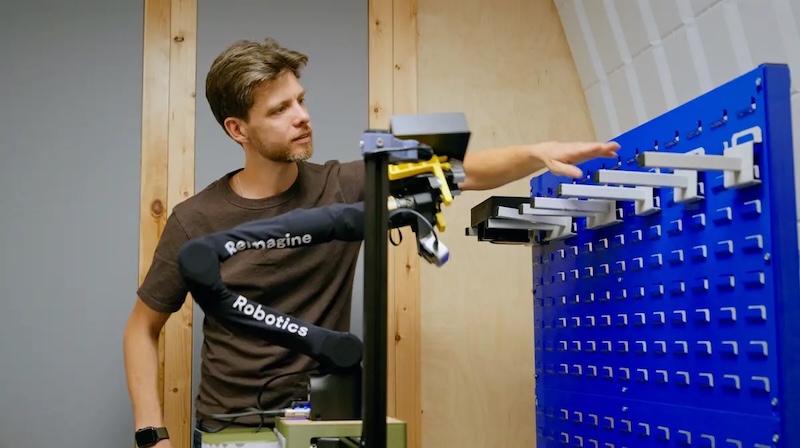
Reimagine Robotics, an AI robotics startup founded by former leaders of Google DeepMind’s Applied Robotics team, has launched its innovative technology that enables robots to learn from human workers on the job. This approach allows employees to train robots directly by demonstrating tasks, correcting mistakes in real-time, and facilitating a more intuitive learning process. The significance of this development lies in its potential to transform industrial and manufacturing environments. According to co-founder and CEO Jonathan Scholz, the technology addresses the need for adaptable robots that can integrate seamlessly into existing workflows without requiring specialized programming for every task change. This capability is expected to enhance efficiency and reliability in various applications. Looking ahead, Reimagine Robotics plans to expand its operations through a new round of fundraising and team growth. The company is already deploying its robots in advanced manufacturing and electronics disassembly facilities, with successful implementations in tasks such as tending 3D printers and automating additional production stages. No further timeline was disclosed at the time of publication.
Artificial Intelligence News Robotics Robotics and Automation Robotics and Automation News adaptive robots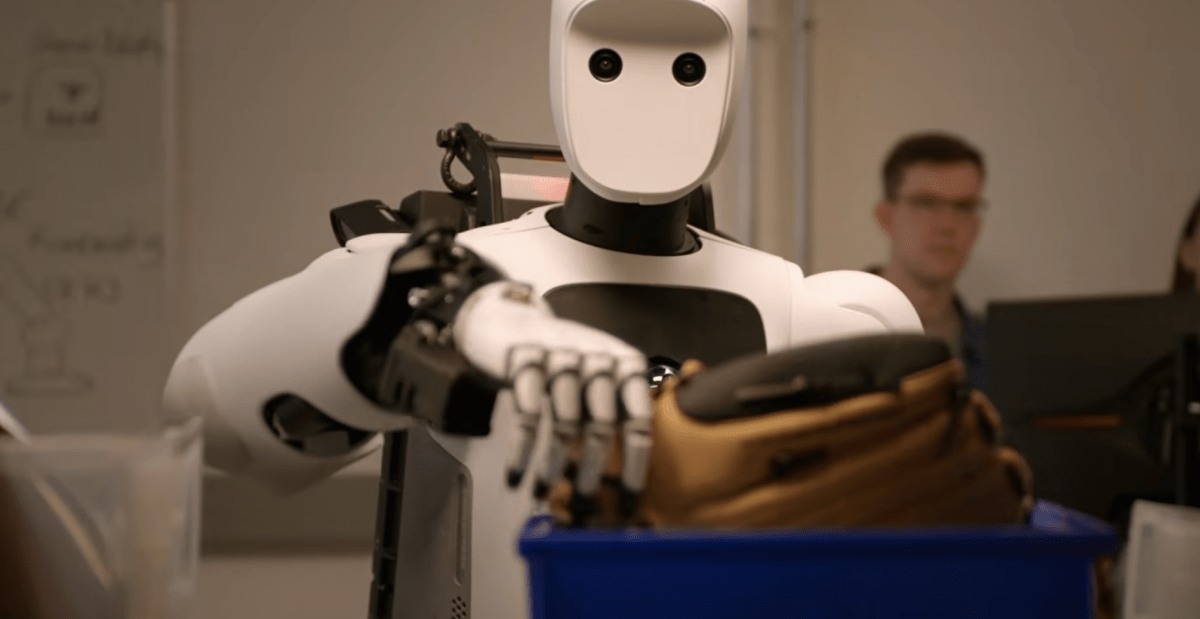
Google DeepMind Unveils Gemini Robotics 2 for Full-Body Control of Humanoid Robots
Google DeepMind has announced the launch of Gemini Robotics 2, an advanced AI model capable of controlling humanoid robots from 'feet to fingertips.' This new version enhances the robot's ability to perform a variety of actions, including walking, crouching, and manipulating objects, significantly expanding its functional capabilities. The importance of this development lies in its potential to enable humanoid robots to undertake more complex, real-world tasks that require whole-body coordination. With improved dexterity, Gemini Robotics 2 allows robots to perform intricate tasks such as sealing bags and unscrewing lightbulbs, marking a significant advancement in robotic manipulation. Looking ahead, Google DeepMind is also enhancing its Gemini Robotics ER model, which aids robots in analyzing their environment and executing multi-step tasks. This update aims to improve collaboration among different types of robots, enhancing safety features and operational efficiency. No further timeline was disclosed at the time of publication.
AI Google News Robot Tech
Samsung Evaluates Acquisition of International Robotics Startups for Humanoid Robot Development
On July 30, Samsung Electronics publicly announced its evaluation of acquiring overseas robotics startups to accelerate its development and commercialization in the humanoid robot and PhysicalAI sectors. This follows the establishment of the RX (RoboticseXperience) robotics division, which reports directly to CEO Kim Tae-joon, and the appointment of Lee Dong-gun, former head of robotics strategy at Hyundai, to lead this initiative. Samsung's strategy includes setting up research and development centers in key robotics markets such as the United States, China, and Japan. The company has increased its stake in South Korea's Rainbow Robotics to 35%, becoming its largest shareholder, and plans to invest in U.S.-based PhysicalAI company Skild AI by 2025. With a total investment of approximately 19 trillion won in the Gyeongnam region, Samsung aims to establish a humanoid robot production base in Gimhae. As the RX division becomes operational, market expectations suggest that Samsung will significantly accelerate its equity investments and acquisitions in high-quality global robotics startups, focusing on core technologies such as dexterous hands, foundational robot models, and autonomous navigation.
Humanoid Robots Robotics Startups Physical AI R&D Centers Investment Strategy
Actuate 26 Robotics Developer Conference Reveals Speaker Lineup with Industry Leaders
Foxglove has announced the speaker lineup for Actuate 26, its annual robotics developer conference, featuring leaders from Wayve, Aurora, Physical Intelligence, and more. The event will take place on August 18-19, 2026, at Fort Mason in San Francisco, showcasing technical talks, keynotes, and hands-on programming. This conference is significant as it aims to gather over 1,000 attendees from various sectors deploying robots, including autonomous vehicles, drones, and industrial automation. The participation of industry leaders highlights the growing interest and advancements in robotics and AI technologies. As the event approaches, attendees should look forward to insights from top experts in the field and opportunities for networking and collaboration. No further timeline was disclosed at the time of publication.
NVIDIA and DeepMind Lead Robotics Simulation Debate with New Industrial Applications
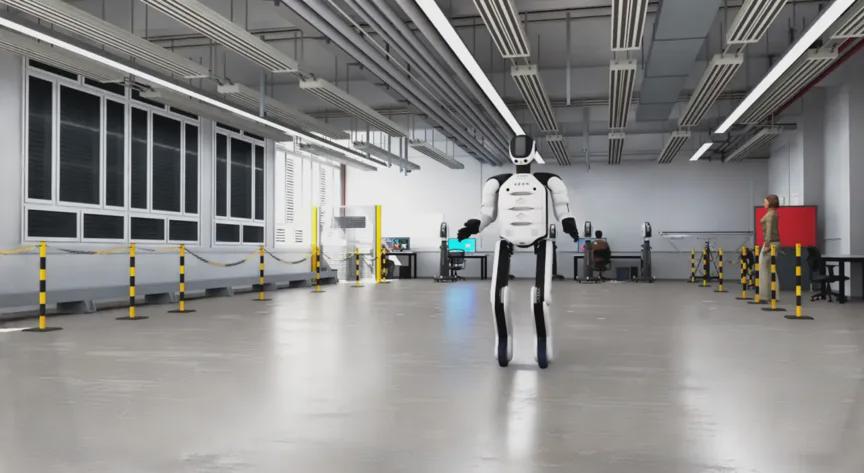
The field of embodied intelligence is witnessing a fierce debate over the best approach to training robots for industrial applications. One faction advocates for simulation-based training, leveraging structured environments to generate synthetic data, while the opposing view emphasizes the necessity of real-world data to handle complex physical interactions and unpredictable scenarios. Key players include NVIDIA, DeepMind, and Intrinsic, each with unique strategies and technologies. NVIDIA's Omniverse platform and Isaac Sim engine exemplify the simulation approach, enabling comprehensive digital twins of factories for training and optimization. Their collaboration with BMW on a digital twin project in Hungary showcases the potential of synthetic data in logistics and robotic movements. However, challenges remain in achieving the necessary fidelity for force control and physical interactions, prompting NVIDIA to seek partnerships with companies like Hexagon Robotics. Conversely, DeepMind's use of the MuJoCo physics engine has demonstrated that pure simulation can achieve industrial-grade precision in specific tasks, such as sorting with known rigid models. Yet, this method's effectiveness is limited to scenarios with minimal contact and force control. Intrinsic aims to transform simulation into a comprehensive development tool for industrial robots, focusing on lowering barriers for small manufacturers. The ongoing challenge of the SIM2REAL gap remains a critical factor in the success of these approaches.
Robotics Industrial Automation Simulation Technology AI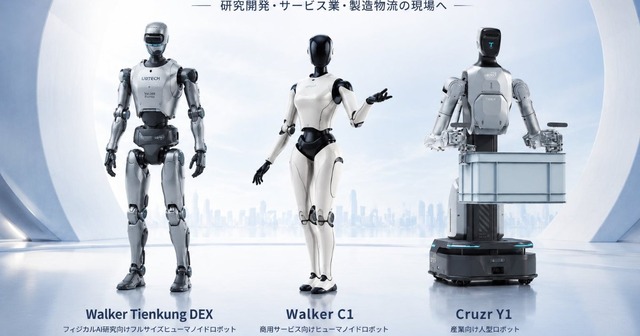
GA Robotics launches three models of UBTECH humanoids for research, commercial, and industrial use in Japan.
GA Robotics, the official distributor of UBTECH humanoid robots in Japan, announced the launch of three new models set to be available domestically starting June 30, 2026. The models include the "Walker Tienkung DEX" designed for research and development, the "Walker C1" tailored for commercial services, and the "Cruzr Y1" intended for industrial applications. This initiative aims to enhance technological innovation and support various sectors in Japan by providing advanced robotic solutions.

DeepOcean Strengthens Subsea Robotics Asset Base
DeepOcean, a leading ocean services provider, has announced a significant expansion of its fleet by adding eight new remotely operated vehicles (ROVs) to its existing inventory of nearly 60 units. This move, revealed recently, underscores the company's commitment to advancing modern electric ROV technology. The expansion aims to enhance operational capabilities and meet the growing demand for innovative underwater solutions in various sectors, including offshore energy and marine research. By integrating these new ROVs, DeepOcean is positioning itself to better serve its clients and contribute to the evolving landscape of ocean exploration and services.
deepocean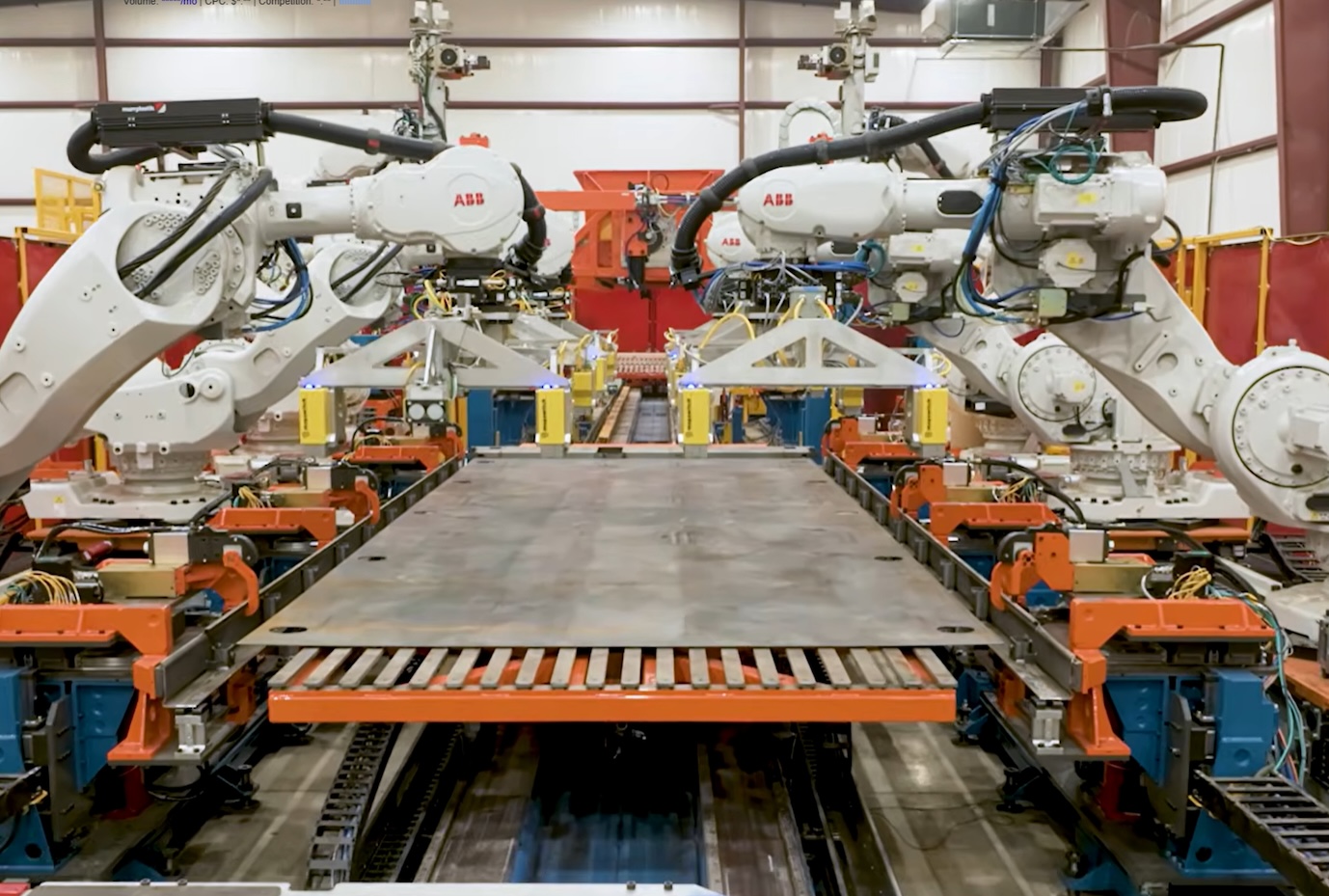
DEEP Robotics' Lynx Robot Operates in Extreme 55°C Desert Conditions
DEEP Robotics has released a video showcasing its Lynx wheeled-legged robot navigating extreme desert terrains, including soft sand and steep slopes. The robot's design combines wheeled movement for efficiency on flat surfaces with adjustable jointed legs for overcoming obstacles, making it suitable for narrow spaces like vineyards. The Lynx series operates in temperatures ranging from -30°C to 55°C and features an IP66 rating for dust and water resistance. For instance, the Lynx M20 weighs 33 kg, has a payload capacity of 15 kg, and can operate for 2.5 hours under load. It is equipped with dual 96-line LiDAR and dual-frequency cameras for real-time obstacle detection, significantly reducing manual labor in high-temperature environments. The robot has already been deployed in commercial vineyards in Xinjiang, reducing manual transport workload by over 70%. Additionally, it has been utilized for industrial inspections and public safety tasks, demonstrating its versatility in various applications. No further timeline was disclosed at the time of publication.
Robotics Industrial Automation Extreme Environment Technology Agricultural Robotics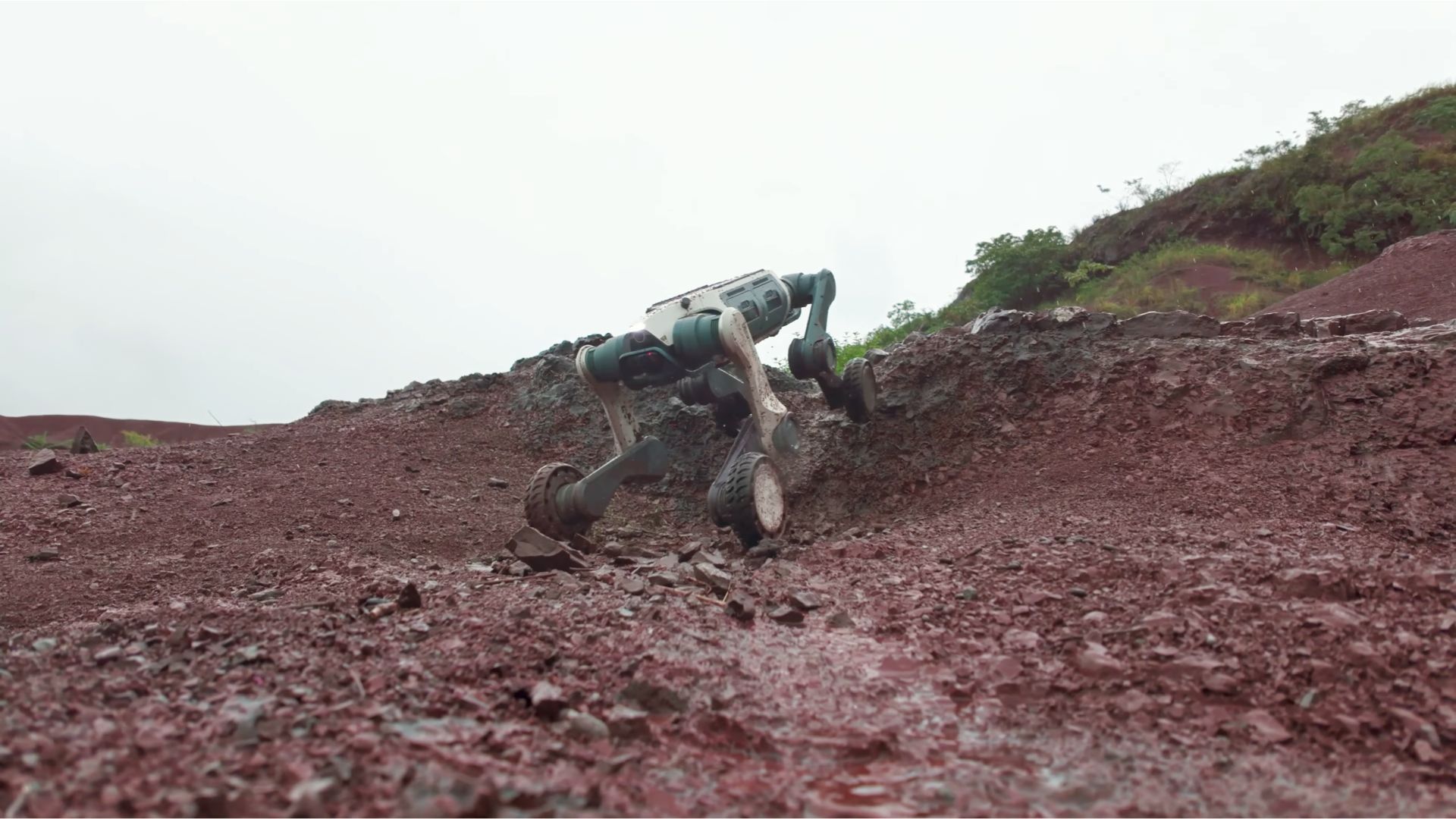
DEEP Robotics Showcases Lynx M20 Robot's Off-Road Capabilities in Harsh Desert Conditions
DEEP Robotics has unveiled footage of its Lynx M20 wheel-legged robot navigating extreme desert terrain, demonstrating its advanced off-road mobility. The robot effectively traverses loose sand, steep slopes, and uneven ground, showcasing its ability to operate in hazardous environments where traditional wheeled machines struggle. This demonstration is significant as it highlights the Lynx series' potential for industrial applications, particularly in areas that pose safety risks for human workers. The hybrid mobility system, combining wheels and articulated legs, allows the Lynx to adapt to various terrains, making it suitable for tasks such as inspections, emergency response, and scientific exploration in challenging conditions. Looking ahead, DEEP Robotics aims to further develop the Lynx M20 series for diverse environments, having already tested it in extreme cold and icy conditions. The company emphasizes the robot's resilience in high temperatures and its ability to maintain mobility in dusty environments, positioning it as a versatile solution for industries requiring robust robotic systems in hazardous settings. No further timeline was disclosed at the time of publication.
AI and Robotics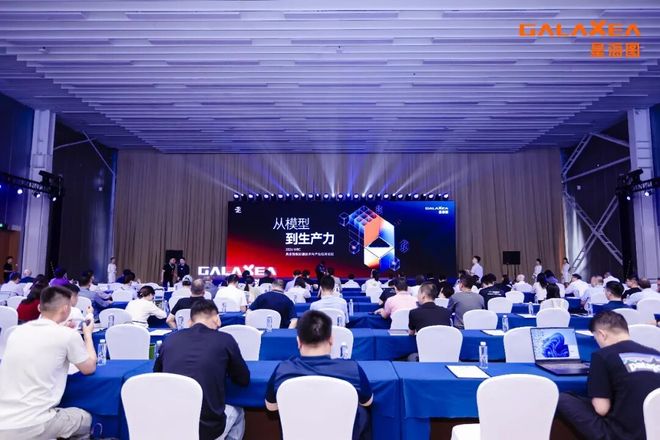
StarSeaTech Advances Embodied Intelligence at World Robotics Conference 2026
During the 2026 World Robotics Conference, StarSeaTech hosted a forum titled 'From Models to Productivity' at the Beiren Yichuang Exhibition Center. The event gathered experts from academia, developers, and corporate executives to discuss innovations in embodied intelligence models, machine evolution, commercialization, and technological boundaries, showcasing the latest thoughts on technology iteration and industrial application. StarSeaTech's Chief Scientist Zhao Xing highlighted the evolution of embodied intelligence technology through instinctive, operational, and evolutionary intelligence levels. The industry is transitioning from isolated technological breakthroughs to systemic competition involving models, data, entities, infrastructure, and applications. StarSeaTech has established a comprehensive productivity flywheel for embodied intelligence, focusing on real machine data, model iteration, and physical task execution supported by infrastructure for continuous optimization. Key announcements included the upgrade of the G0.5 foundational model, the introduction of the Fast-WAM world model pre-training plan, and the launch of the G-Fleet distributed reinforcement learning system. These developments aim to enhance model capabilities, speed up inference times, and support continuous learning in real robot clusters. No further timeline was disclosed at the time of publication.
Embodied Intelligence Robotics AI Technology Model Innovation Industrial Automation
DEEP Robotics Expands Use of Quadruped and Wheeled Robots in Emergency Response Operations
Chinese startup DEEP Robotics is enhancing firefighting and emergency response capabilities with its X30 quadruped and Lynx M20 wheeled-legged robots. These robots are designed to enter hazardous environments first, gathering real-time data on conditions and relaying it to command teams, thereby keeping human responders safe during initial assessments. The deployment of these robots is significant as they can monitor dangerous situations such as fires, chemical leaks, and collapsed structures without putting human lives at risk. The X30 quadruped is equipped with advanced sensors and can also assist in firefighting efforts, transporting equipment, and maintaining communication links in challenging environments. Looking ahead, DEEP Robotics aims to further integrate its robotic systems into emergency response protocols, enhancing the efficiency and safety of rescue operations. No further timeline was disclosed at the time of publication.
AI and Robotics
Carnegie Mellon University Develops Open-Source Framework for AI Deployment in Robotics
Researchers at Carnegie Mellon University have created an open-source software framework aimed at streamlining the deployment of AI systems across various robots. This framework significantly reduces the time spent on setup, which can often take weeks or months, allowing researchers to focus on testing new behaviors more efficiently. The significance of this development lies in its potential to enhance collaboration and innovation in robotics. By eliminating the need to rebuild software for each robot, the framework facilitates easier integration of AI technologies, potentially accelerating advancements in robotic capabilities and applications. Looking ahead, the framework's adoption could lead to broader implications for the robotics field, including increased interoperability among different robotic systems. No further timeline was disclosed at the time of publication regarding additional features or updates to the framework.
Robotics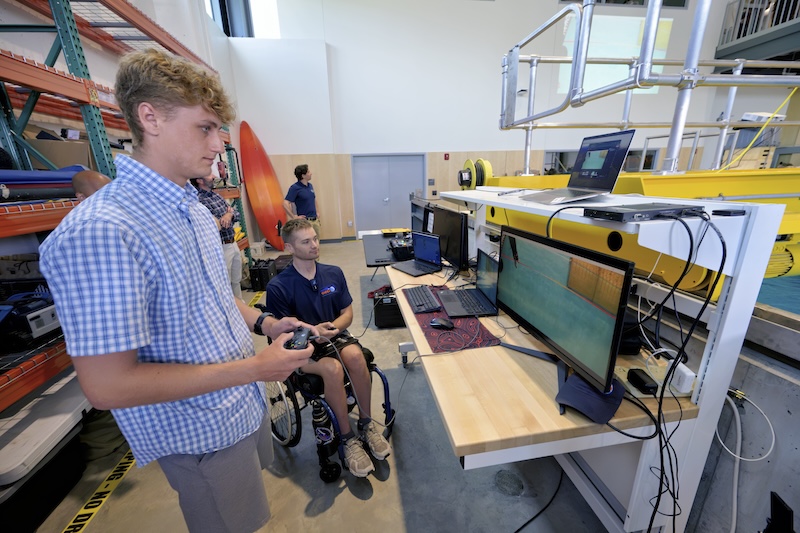
University of Rhode Island opens advanced Ocean Robotics Laboratory for autonomous marine research
Event marked milestone for Narragansett Bay Campus The University of Rhode Island celebrated a major milestone in the $300 million, multi-phase revitalization of the Narragansett Bay Campus with an underwater ribbon cutting ceremony for the new Ocean Robotics Laboratory on June 25. Students Elliot Roman and Jake Bonney piloted URI’s remotely operated vehicle Rhody to […]
Features Robotics Science autonomous systems autonomous underwater vehicles blue economy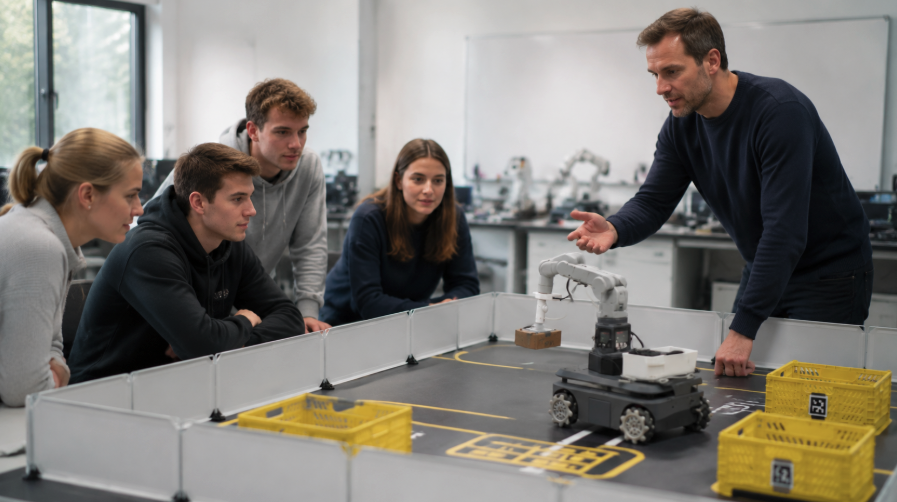
Empowering STEM Education and Research in the Americas: Elephant Robotics Introduces Integrated Educational Robotics Solutions
In recent years, STEM education has seen significant growth, fueled by a rising demand for practical engineering skills, artificial intelligence literacy, and interdisciplinary innovation. Despite this progress, schools, universities, and research laboratories continue to face challenges in creating effective robotics environments. Educators often struggle to integrate various components such as robotic arms, mobile platforms, sensors, and open-source software from multiple sources, complicating the development of comprehensive robotics programs. This ongoing issue highlights the need for streamlined solutions that can enhance the teaching and learning of robotics in educational settings.
Design Research Robotics AI education americas automation news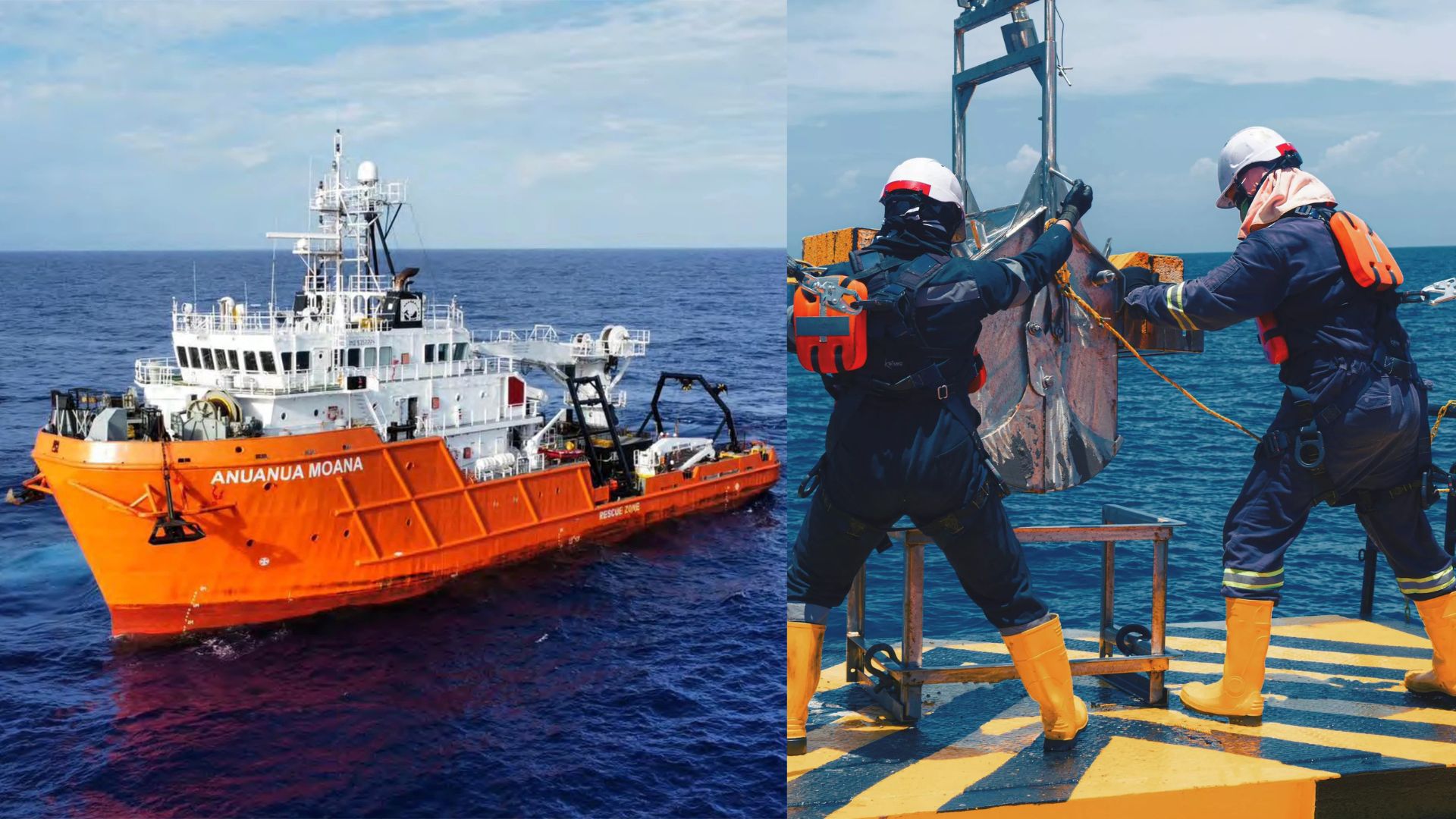
Major American deep-sea expedition delivers 4,059 samples across 53 survey sites
American Ocean Minerals Corporation (AOMC) has successfully completed a significant deep-sea environmental research initiative aimed at assessing the impact of mineral extraction on marine ecosystems. The project, which took place over the past several months, focused on various locations in the Pacific Ocean known for their rich mineral deposits. This research is part of AOMC's broader commitment to sustainable practices in the mining industry, driven by the increasing demand for critical minerals used in technology and renewable energy solutions. By conducting thorough environmental assessments, AOMC seeks to ensure that its operations do not adversely affect marine life or habitats. The findings from this extensive study will inform future mining practices and regulatory compliance, as the company aims to balance economic development with environmental stewardship. AOMC plans to share the results with stakeholders and the scientific community to foster transparency and collaboration in the pursuit of responsible ocean resource management.
ScienceRobotics needs a service framework.
RSF defines a common language for robot service capability, lifecycle operations, certification pathways, and service-provider networks.
Join the RobotToday community on LinkedIn
Daily robotics news, in-depth analysis, conference highlights, and discussions with professionals worldwide.