Industry Briefing
A single destination for timely, editor-curated robotics news from around the world.
Skild AI Introduces S1 Robot Foundation Model for Learning from Video Demonstrations
Skild AI has launched the S1, a groundbreaking robotics foundation model that allows robots to learn manipulation tasks from just one video demonstration. This innovative model eliminates the need for task-specific fine-tuning or post-training, streamlining the learning process for robotic systems. The significance of the S1 model lies in its use of in-context learning, which parallels the prompting techniques utilized in large language models. This capability enables operators to simply demonstrate a task via video, making it easier for robots to acquire new skills efficiently and effectively. Looking ahead, the implications of the S1 model could reshape how robots are trained and deployed across various industries. As Skild AI continues to develop this technology, industry professionals should monitor advancements and potential applications of the S1 model in real-world scenarios. No further timeline was disclosed at the time of publication.
Computing Design News Software artificial intelligence Autonomous robots
Unitree Launches Project Page for UnifoLM-WLA-1.0 Humanoid Foundation Model
On September 10, Unitree announced the UnifoLM-WLA-1.0, a humanoid foundation model featuring approximately 6 billion parameters. This model has been trained on around 2,500 hours of real-robot data, enabling it to perform 64 distinct tasks based on a single checkpoint. The introduction of UnifoLM-WLA-1.0 is significant as it represents a substantial advancement in humanoid robotics, leveraging extensive real-world data to enhance performance and versatility. The project aims to push the boundaries of what humanoid robots can achieve, potentially impacting various applications in robotics and automation. Currently, the project page is live, but the release of code, weights, and datasets is still pending. Stakeholders in the robotics field should monitor this project closely for updates on the availability of these resources and the implications of this model in practical applications.

AgiBot Launches GE-Act 2.0 Native World-Action Model with Enhanced Data Scaling
AgiBot has introduced GE-Act 2.0, a native world-action model that has been pretrained from random initialization using embodied data. This new model has significantly scaled from 300 to 30,000 hours of training, enabling it to perform zero-shot skills, including towel folding, across two different robot embodiments. The release of GE-Act 2.0 is significant as it demonstrates AgiBot's commitment to advancing robotic capabilities through extensive data scaling. By increasing the training hours, the model can now execute complex tasks without prior specific training, showcasing the potential for greater versatility in robotic applications. Looking ahead, it will be important to monitor how GE-Act 2.0 performs in real-world scenarios and whether it can be adapted for additional tasks beyond towel folding. No further timeline was disclosed at the time of publication.

Skild AI Launches S1, Its Flagship Robot Foundation Model for In-Context Learning
Skild AI has introduced S1, its flagship robot foundation model designed to enable in-context learning for robotics. The model allows robots to learn complex tasks by observing a single video, a significant advancement since the company's founding in 2023, during which it raised nearly $1.7 billion in funding. The importance of S1 lies in its ability to streamline the learning process for robots, which traditionally require extensive post-training for new tasks. Skild AI co-founder and CEO Deepak Pathak emphasized that S1 can handle long-duration tasks, such as repotting plants or cooking, by utilizing diverse training data sources, including human videos and teleoperation data. Looking ahead, Skild AI aims to enhance the model's performance, particularly for humanoid robots, although current efforts are generalized across various tasks. Pathak noted that the model's adaptability is crucial, as demonstrated by its ability to learn new actions, like flipping pancakes, from observing human behavior. No further timeline was disclosed at the time of publication.
Artificial Intelligence Artificial Intelligence / Cognition Design / Development News Fetch skild ai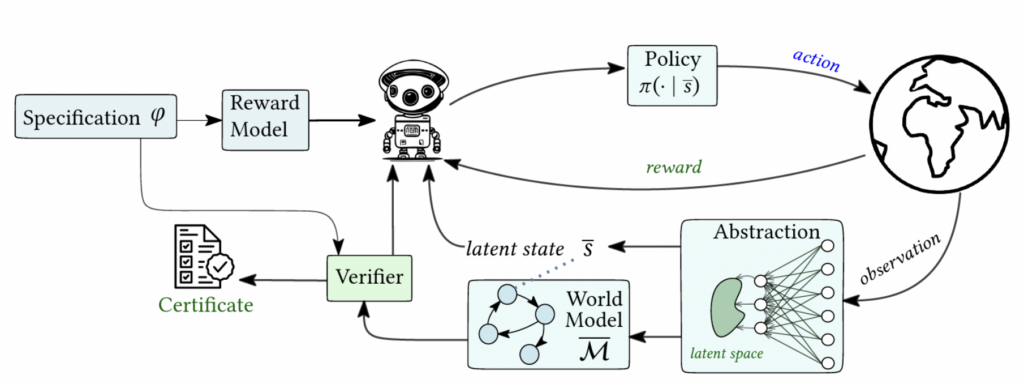
Florent Delgrange Wins AAMAS 2026 Blue Sky Award for Foundation World Models Research
Florent Delgrange received the Best Blue Sky Paper Award at AAMAS 2026 for his research on Foundation World Models for agents that adapt in dynamic environments. His work addresses the challenge of ensuring that autonomous agents continue to learn effectively while maintaining reliable behavior in changing conditions. This research is significant as it proposes a structured approach to agent learning that integrates reinforcement learning and formal methods. Delgrange emphasizes the need for agents to adapt to evolving environments while ensuring that their decision-making remains trustworthy, highlighting the importance of continuous reliability in real-world applications. Looking ahead, Delgrange envisions a foundation world model that is reusable across various tasks and adaptable to changing conditions. This model aims to enhance decision-making by providing agents with a comprehensive understanding of their environment, which is crucial for maintaining safety and performance in multi-agent systems. No further timeline was disclosed at the time of publication.
Data-Driven Review of Hexapod Locomotion on Various Terrains: Modeling and Control Insights
A recent review published in the Journal of Field Robotics examines hexapod locomotion across both structured and unstructured terrains. The study highlights advancements in modeling, control strategies, and validation techniques for hexapod robots, providing a comprehensive overview of current methodologies. This review is significant as it consolidates various approaches to hexapod locomotion, emphasizing the importance of adapting to different terrain types. Understanding these locomotion strategies is crucial for enhancing the performance and versatility of hexapod robots in real-world applications. Looking ahead, researchers and developers in the field should monitor ongoing advancements in hexapod locomotion technologies and their potential applications in diverse environments. No further timeline was disclosed at the time of publication.
SURVEY ARTICLE
Xiaomi Open-Sources Its Embodied-AI Foundation Model Xiaomi-Robotics-1 for Developers
Xiaomi has announced the open-source release of its embodied-AI foundation model, Xiaomi-Robotics-1, on August 5. This release encompasses the entire process from real-robot post-training to model deployment, along with code for benchmark evaluations. The model was pretrained on over 100,000 hours of UMI data and underwent post-training on more than 10,000 hours of cross-embodiment data. The significance of this release lies in its potential to enhance the development of embodied AI applications. By providing access to the full training and deployment process, Xiaomi aims to foster innovation and collaboration within the AI community. The model, first introduced in July as an “out-of-the-box” solution, is designed to streamline the integration of AI into robotic systems. Looking ahead, developers and researchers will likely explore the capabilities of Xiaomi-Robotics-1 in various applications. The open-source nature of the project, which includes links to the project website, GitHub repository, and Hugging Face page, is expected to encourage widespread adoption and experimentation. No further timeline was disclosed at the time of publication.
News Feed
Tencent Open-Sources Three Embodied Foundation Models for Enhanced Robot Performance
Tencent has announced the open-source release of three embodied foundation models during the WAIC 2026 event. These models include a Visual Language Model (VLM) designed for scene understanding, the RxBrain cognitive model that facilitates planning with visual states, and the VLA model, which supports continuous action at frequencies between 500 to 1000Hz. This development is significant as it aims to enhance robot reaction speed and cognitive capabilities, addressing critical challenges in robotic performance. The introduction of these models is expected to advance the field of robotics by providing developers with powerful tools to improve the efficiency and effectiveness of robotic systems. Looking ahead, the industry will be keen to observe how these open-source models are adopted and integrated into various robotic applications. No further timeline was disclosed at the time of publication.
Technology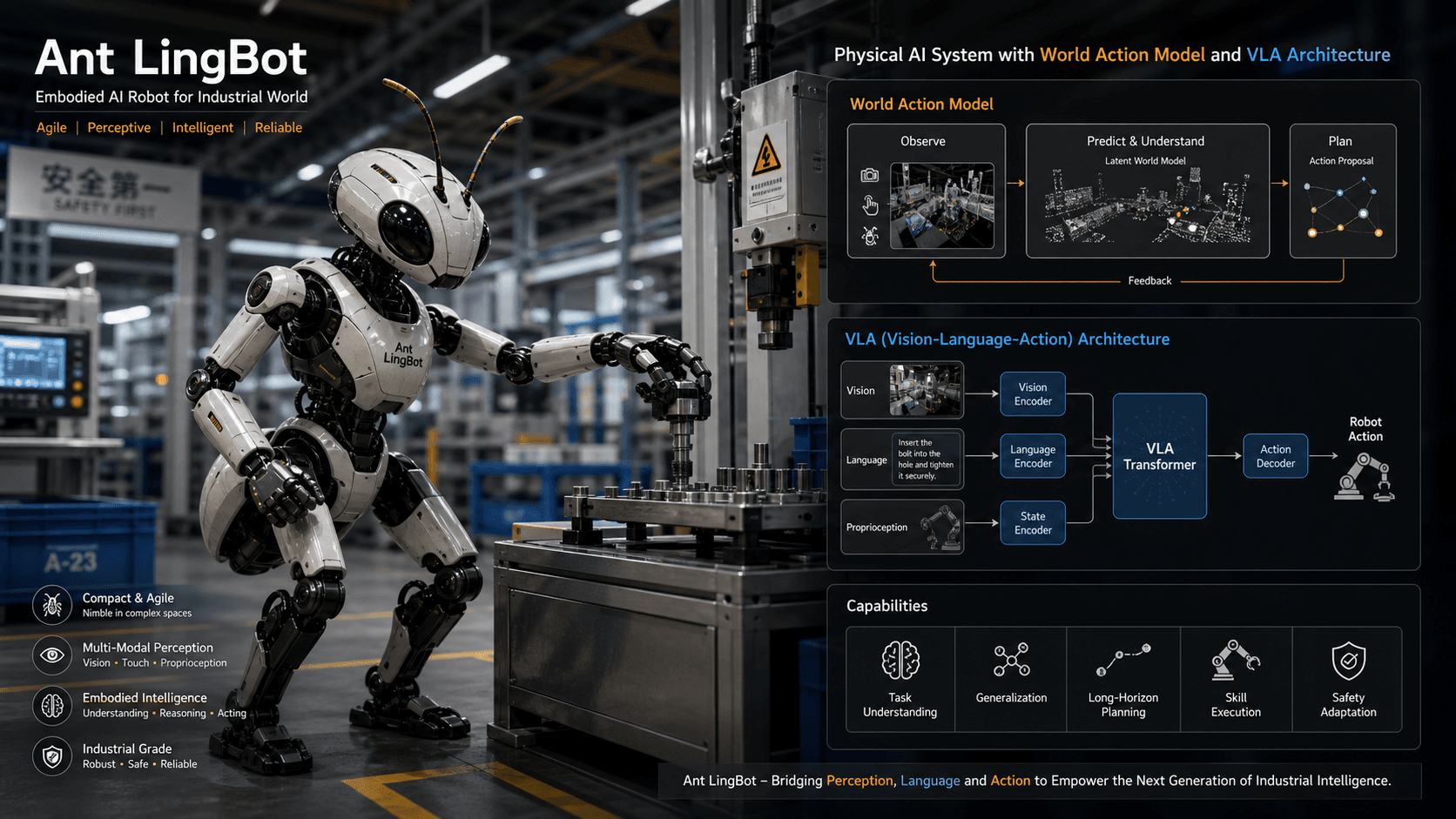
Ant LingBot Unveils Six Open-Source AI Models Amid Data Challenges
Ant LingBot, a subsidiary of Ant Group, has launched six open-source embodied AI models as part of its dual-track strategy focusing on Visual Language Agents (VLA) and world models. This initiative aims to enhance AI capabilities while addressing the growing demand for advanced AI solutions. The significance of this release lies in Ant LingBot's commitment to fostering an open-source ecosystem, which is crucial for collaboration and innovation in the AI field. However, the company is contending with challenges related to data scarcity and competition within the ecosystem, which could impact its development and deployment efforts. Looking ahead, it will be important to monitor how Ant LingBot navigates these challenges and whether it can successfully leverage its dual-track strategy to establish a strong presence in the AI landscape. No further timeline was disclosed at the time of publication.
Technology
Yao Maoqing Discusses the Evolution of Physical AI Through Model and Data Integration
On July 19, during the 2026 World Artificial Intelligence Conference, Yao Maoqing, Senior Vice President and President of the Embodied Business Division at Zhiyuan, shared insights on the technological pathways for scaling physical AI. Zhiyuan has developed a three-phase training architecture of 'pre-training, post-training, and continuous learning' to advance its VLA and WAM technology routes towards the unified World Reasoning Action Model (WRAM). The integration of data is facilitated by Mifeng Technology, which utilizes the MEgo series of collection terminals and the MEgo Engine governance platform to create a comprehensive physical AI data infrastructure. This infrastructure supports data collection, governance, training, and deployment feedback, ensuring that real-world data continuously enhances model evolution. The collaborative model and data iteration system has already been validated in real industrial scenarios. Yao emphasized that 'models determine the starting point, while data defines the outcome.' He expressed the ambition of Zhiyuan and Mifeng to collaborate with the global academic community, industry, and developer ecosystem to accelerate the evolution of physical AI in real-world applications. No further timeline was disclosed at the time of publication.
Physical AI Data Infrastructure Machine Learning AI Development
Noetra Initiates Development of Japan's Multimodal AI Foundation Model for Robotics
Noetra, in collaboration with key partners including Sony, SoftBank, NEC, and Honda Motor, has launched extensive R&D for a multimodal foundation model aimed at enhancing AI-enabled robotics in Japan. This initiative is part of a broader effort to develop sovereign AI technologies within the country, supported by investments from 44 companies across various sectors, primarily manufacturing. The significance of this development lies in its potential to position Japan as a leader in physical AI. By creating a robust multimodal foundation model, Noetra aims to improve industrial competitiveness and address societal challenges through advanced AI capabilities, including natural language processing and multimodal data understanding. Looking ahead, Noetra plans to construct AI computing infrastructure with Nvidia's advanced GPUs, with operations expected to commence in June 2028. The phased development will culminate in a comprehensive omni-modal foundation model by fiscal 2028, ultimately striving for a “Real-world Native AI” by fiscal 2030, which will be capable of understanding physical properties in real-world applications.
Artificial Intelligence News Robot simulation ai agents AI infrastructure artificial intelligence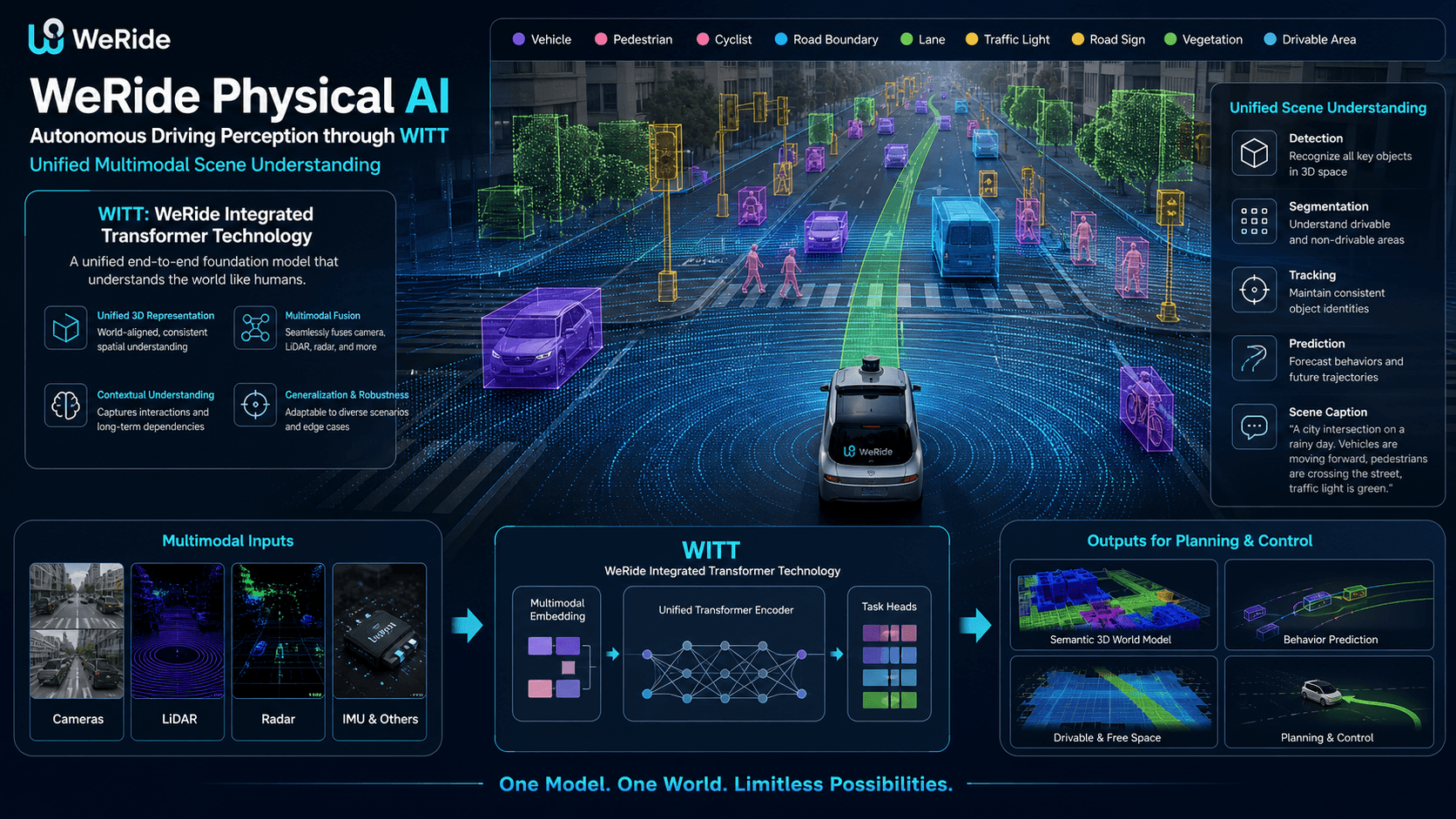
WeRide Launches WITT: A Physical AI Foundation Model for Multimodal Scene Understanding
WeRide has introduced WITT, a groundbreaking physical AI foundation model designed to enhance multimodal scene understanding. This model utilizes minimal physical fact units, which are crucial for applications in autonomous driving and robotics. The launch of WITT is significant as it aims to streamline the integration of various data types, improving the efficiency and effectiveness of AI systems in interpreting complex environments. This advancement could lead to more reliable autonomous systems that can better navigate real-world scenarios. Looking ahead, the implications of WITT's capabilities in the fields of autonomous driving and robotics will be closely monitored. No further timeline was disclosed at the time of publication.
Technology
Datatang Launches Multimodal Ego-Centric Dataset for Physical AI Model Development
On August 26, 2026, Datatang Inc. announced the launch of a large-scale multimodal dataset focused on Ego-centric perspectives to accelerate research and development for physical AI models. This dataset, under the Nexdata brand, synchronizes video, IMU, SLAM, depth information, hand keypoints, and semantic annotations, making it readily integrable into research pipelines. The significance of this dataset lies in its ability to provide not just video data but also multisensory information and precise operational data essential for robots to operate autonomously in real environments. Nexdata emphasizes that constructing a 'data recipe' combining various data layers is an effective means for training versatile algorithms, despite challenges in synchronizing Ego-centric data across multiple sensors and integrating UMI and real machine data into development pipelines. Datatang offers several datasets, including a '1,000-hour PICO collection dataset' and a '1,000-piece 6-camera Ego-centric dataset,' among others. The company also operates a dedicated data collection facility with over 300 robots, capable of collecting around 5,000 hours of data monthly. No further timeline was disclosed at the time of publication.

BYD AI Team Unveils HyWorldVLA Hybrid Model Achieving 90.59 PDMS on NAVSIM Benchmark
The BYD AI team has introduced the HyWorldVLA, a hybrid pixel-latent world model that utilizes VLA architecture. This model has achieved a score of 90.59 PDMS on the NAVSIM benchmark, marking a significant milestone for BYD in the field of autonomous driving foundation models. This achievement is noteworthy as it highlights BYD's commitment to advancing autonomous driving technologies. The collaboration with researchers from HIT robotics underscores the importance of interdisciplinary efforts in developing state-of-the-art models that can enhance vehicle autonomy and safety. Looking ahead, the performance of the HyWorldVLA on the NAVSIM benchmark sets a high standard for future developments in autonomous driving models. No further timeline was disclosed at the time of publication.
Technology
Generalist's GEN-1 Model Expands Support for Diverse Robot End Effectors
Generalist has announced that its GEN-1 foundation model now supports a wide array of robot end effectors, ranging from five-fingered hands to specialized tools. This advancement showcases the model's ability to learn sensorimotor policies that can adapt across various physical interactions, demonstrating the versatility of a single AI model in robotics. The significance of this development lies in GEN-1's extensive pretraining on a diverse dataset, which includes over half a million hours of real interaction data with approximately 9,000 variations of end effectors. This training enables the model to understand complex physical interactions, such as geometry, contact, and dynamics, allowing it to apply learned knowledge across different tools and tasks effectively. Looking ahead, Generalist is actively studying how each new end effector influences the pretrained model and is expanding its dataset to include more variations. The company is also exploring the implications of switching end effectors mid-task, which could enhance the model's adaptability and reasoning capabilities in real-world applications. No further timeline was disclosed at the time of publication.
Artificial Intelligence Artificial Intelligence / Cognition Design / Development End Effectors / Grippers News Technologies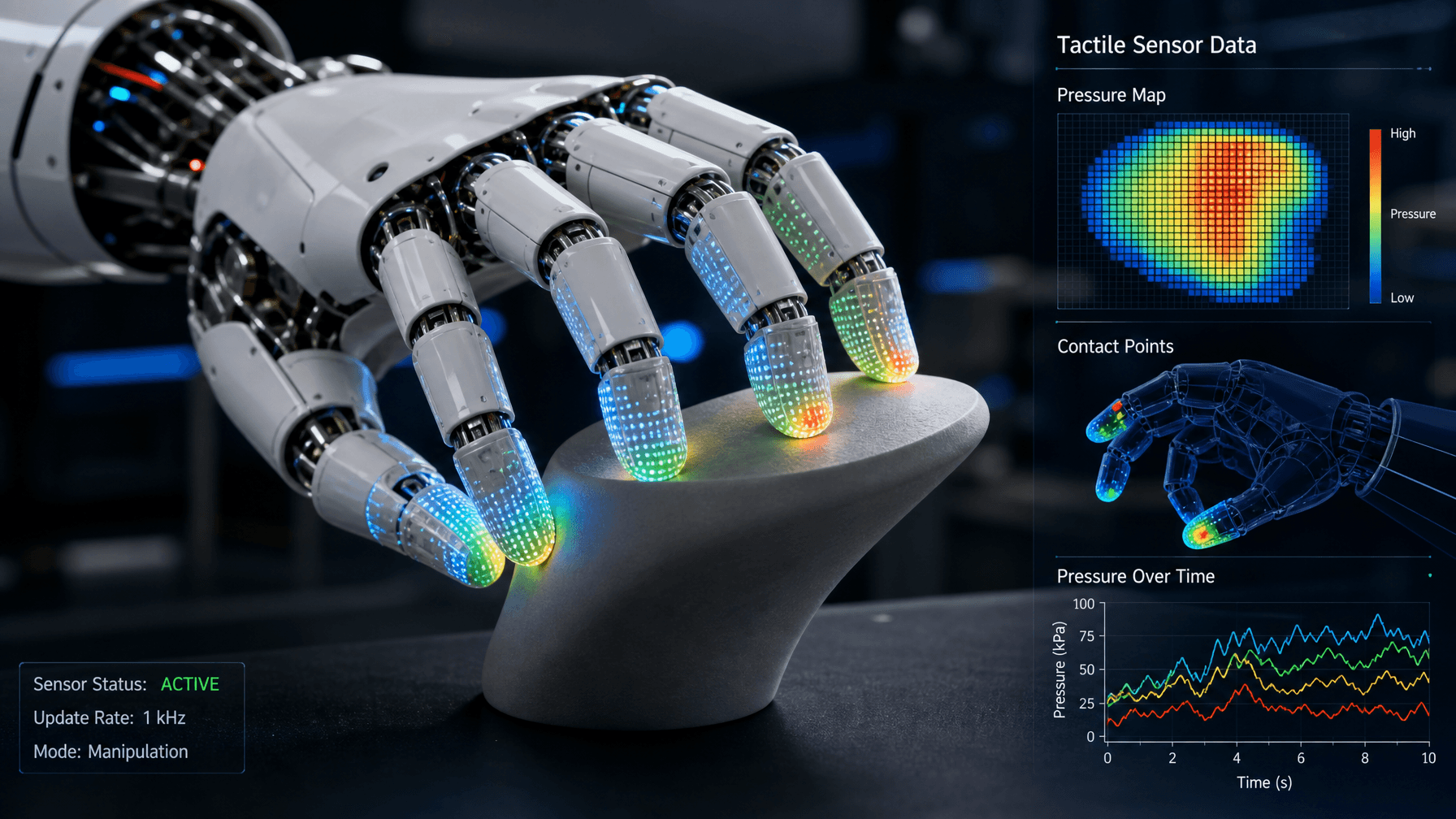
PHANES AI Launches TouchWorld Tactile Model for Enhanced Robot Dexterity
PHANES AI, established by 28-year-old Yang Shuo from HIT, has introduced TouchWorld, a tactile foundation model designed to enhance robotic manipulation capabilities. This model enables robots to perform precise physical tasks by incorporating a sense of touch, marking a significant advancement in robotic dexterity and interaction with their environment. The introduction of TouchWorld is significant as it allows robots to predict and react to tactile stimuli, which is crucial for applications requiring fine motor skills. This development could lead to improved performance in various sectors, including manufacturing and healthcare, where dexterous manipulation is essential for tasks such as assembly or surgical procedures. Looking ahead, the impact of TouchWorld on the robotics industry will be closely monitored, particularly regarding its adoption in real-world applications. No further timeline was disclosed at the time of publication, but the potential for this technology to transform robotic capabilities is substantial.
Technology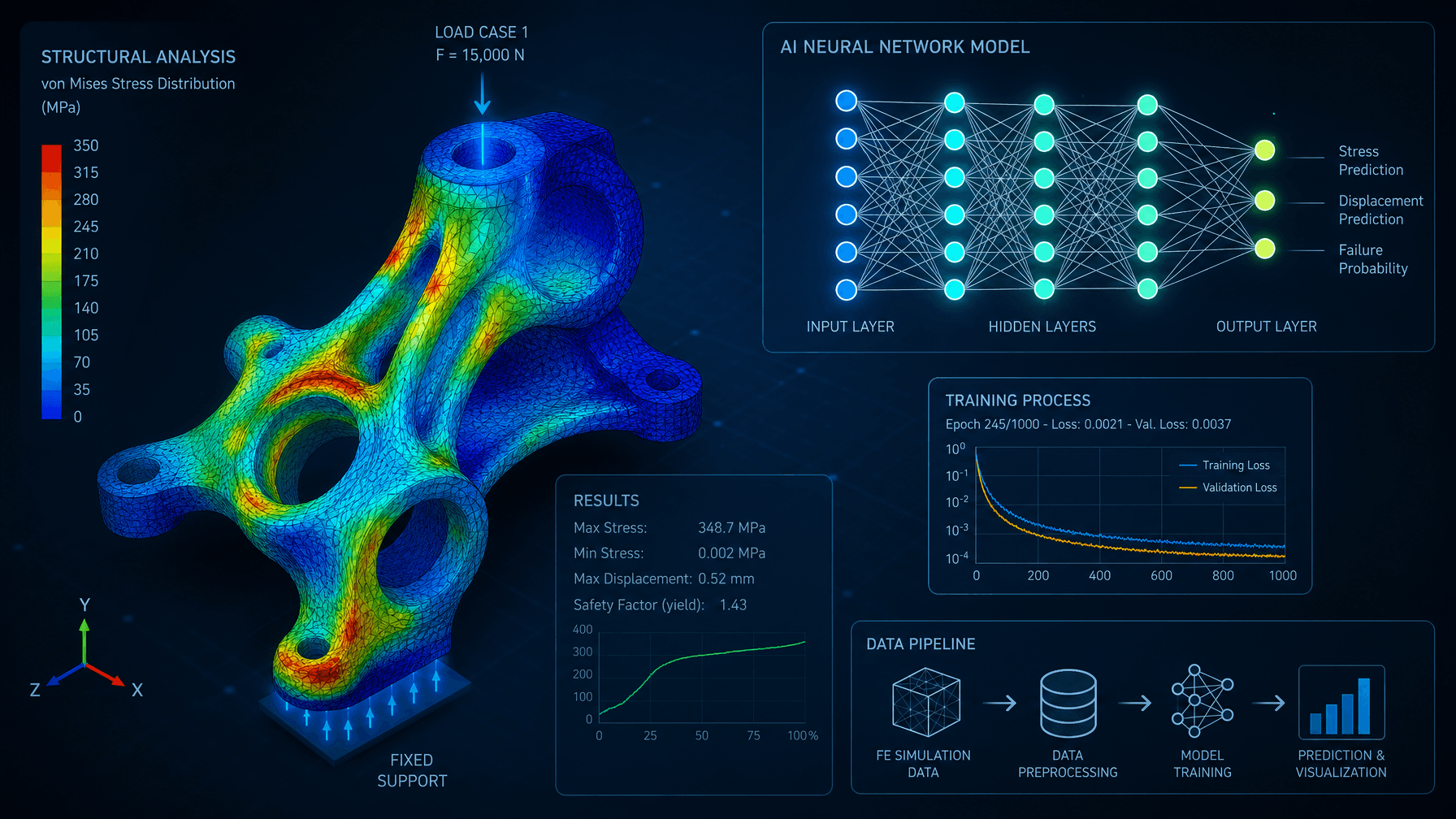
Jiying Technology Launches First Zero-Shot Generalizable Physics Model for Engineering Simulations
Jiying Technology has unveiled its Jiying 2.0 physics foundation model, which is capable of zero-shot generalization across various geometries, materials, and boundary conditions. This model represents a significant advancement in physics AI, particularly for engineering simulations, and was announced in October 2023. The introduction of the Jiying 2.0 model is crucial as it allows engineers to simulate complex physical scenarios without the need for extensive retraining on specific datasets. This capability can enhance efficiency and reduce the time required for simulations, making it a valuable tool in engineering design and analysis. Looking ahead, industry professionals will be keen to observe how the adoption of the Jiying 2.0 model influences engineering practices and simulation accuracy. No further timeline was disclosed at the time of publication regarding additional features or updates to the model.
Technology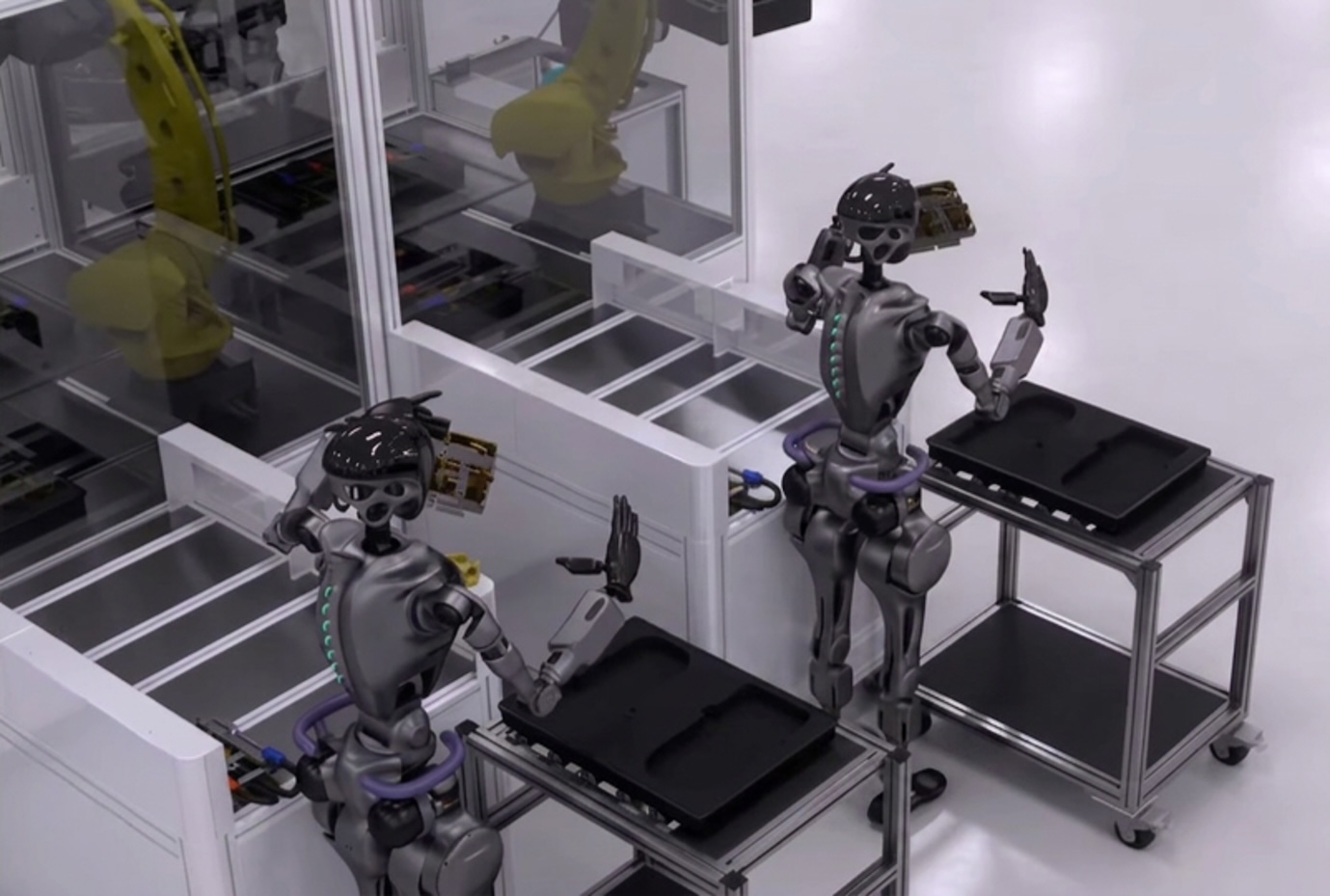
SpaceX Launches Starmind Project for 1 Million AI Satellites by 2028
SpaceX has officially named its orbital AI infrastructure project 'Starmind,' which aims to deploy a constellation of up to 1 million satellites. This initiative, confirmed by Elon Musk on June 22, 2026, will enable AI inference directly in space, utilizing solar energy rather than terrestrial power sources. The first satellite, designated AI1, was unveiled on June 8, 2026, and is designed to operate in sun-synchronous orbits. The significance of Starmind lies in its potential to overcome the limitations faced by ground-based data centers, such as land, power, and water constraints. By running AI computations in orbit, Starmind can provide a more efficient solution to the growing demand for AI computing power. The project leverages the existing Starlink infrastructure for data transmission, distinguishing its function from Starlink's internet relay capabilities. Looking ahead, SpaceX plans to begin hardware deployment with the AI1 satellite, while full-scale production and deployment of the satellite constellation are targeted for 2028. As of now, no Starmind satellites have been launched, and further engineering challenges remain to be addressed, particularly regarding the scalability of the satellite design.
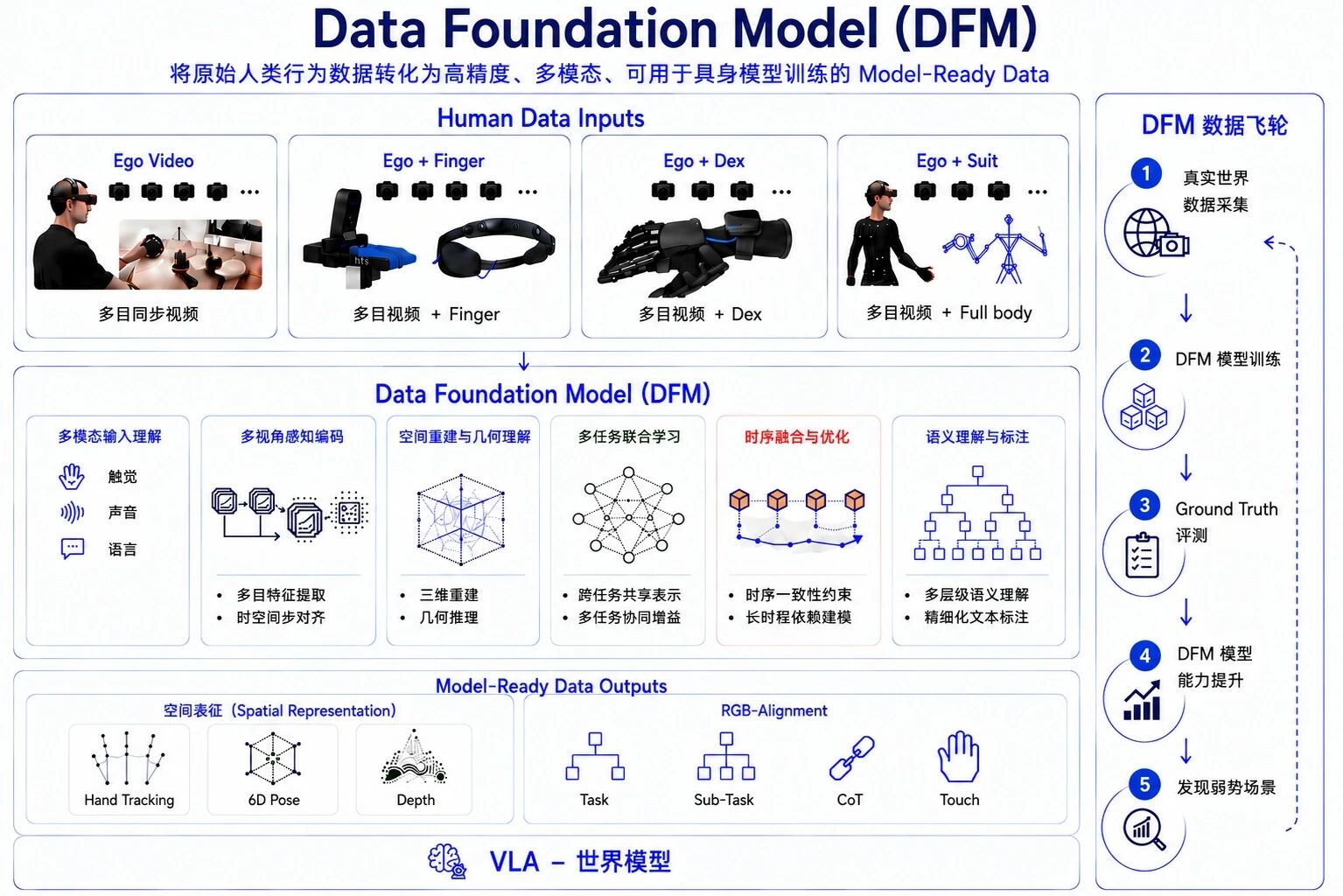
Why Human Data Requires a Data Foundation Model
Human Data is confronting significant challenges in effectively embodying intelligence, prompting the development of a Data Foundation Model (DFM). This innovative framework aims to convert raw human data into high-quality, multi-modal, and task-ready formats, thereby enhancing data accuracy, efficiency, and scalability for training embodied models. The DFM is designed to provide a robust infrastructure that facilitates data integration and understanding while allowing for continuous evolution. By addressing these critical issues, the DFM seeks to improve the overall effectiveness of data utilization in various applications.
Human Data Data Foundation Model Embodied Intelligence Multi-modal Data Data Processing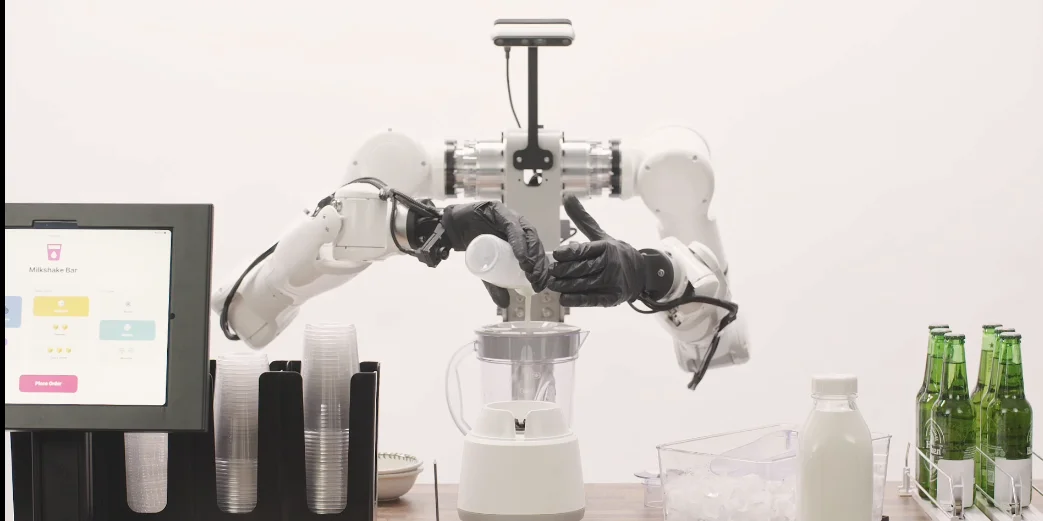
Genesis AI Unveils Foundation Model, Hand & Data Collection System to Develop Human-Level Physical Manipulation for Robotics
Genesis AI has introduced a groundbreaking robotics foundation model named GENE-26.5, accompanied by a proprietary robotic hand and a data collection system aimed at enhancing the ability of robots to learn complex physical tasks by observing human behavior. This innovative system seeks to tackle the challenges associated with gathering substantial amounts of usable training data necessary for teaching robots to perform intricate tasks effectively. The unveiling of GENE-26.5 marks a significant advancement in the field of robotics, as it promises to streamline the learning process for robots, making them more adept at mimicking human actions.
AI AI Use Cases Robotics Eclipse Eric Schmidt Foundation AI Model for Robotics
DeepCybo Releases PhysBrain 1.5 with 72.5 Average on 28 Benchmarks as Open Source
DeepCybo has announced the open-source release of PhysBrain 1.5, achieving an impressive average score of 72.5 across 28 public embodied benchmarks. This model, which features both 2B and 8B parameters, is designed to enhance unified understanding, action, and future-state token capabilities, alongside an evaluation kit. The significance of this release lies in DeepCybo's claim of leading the open-source sector with PhysBrain 1.5. By providing a robust framework for embodied AI, the model aims to facilitate advancements in various applications that require physical interaction and understanding, thereby pushing the boundaries of current AI capabilities. Looking ahead, industry stakeholders should monitor the adoption and performance of PhysBrain 1.5 in real-world applications. The evaluation kit provided with the model will be crucial for developers and researchers to assess its effectiveness and potential integration into existing systems. No further timeline was disclosed at the time of publication.

JD.com Unveils Comprehensive AI Industrialization Strategy with Open-Source AI Models
JD.com founder Richard Liu announced the company's initiative to eliminate technology barriers by opening its full-stack self-developed AI to global partners. This move is part of JD's broader strategy to enhance its logistics capabilities and foster collaboration in the AI sector. The company's significant investment in research and development, which increased by 53.2% in the first half of the year, underscores its commitment to building the world's largest embodied data collection center. By open-sourcing its EgoLive and JoyAI models, JD.com aims to drive innovation and efficiency in logistics through advanced robotics. Looking ahead, JD.com is set to deploy its robots across logistics operations, enhancing its service capabilities. No further timeline was disclosed at the time of publication.

Feagine Robotics Unveils Fi0: A Versatile Foundation Model for Biomimetic Manipulators
Feagine Robotics has introduced Fi0, a cross-embodiment foundation model designed to maintain a robot's task knowledge despite changes in its physical structure. This innovative model was launched alongside three tendon-driven biomimetic manipulators, the FEAGINE A series A01, A02, and A03, which cater to various lengths, segment counts, and degrees of freedom. The significance of Fi0 lies in its ability to provide researchers and developers with a unified model that adapts to different robotic bodies while preserving essential task knowledge. This advancement could streamline the development process in robotics, allowing for greater flexibility and efficiency in designing robots that can perform a wide range of tasks across diverse applications. Looking ahead, the impact of Fi0 on the robotics landscape will be noteworthy, particularly in how it influences the design and functionality of future robotic systems. No further timeline was disclosed at the time of publication.

Kong Tao Joins Xiaomi to Lead Foundation Model Development for Robotics
Kong Tao, the former head of the robotics team at ByteDance, has reportedly joined Xiaomi in 2025. He is now leading a team focused on developing foundation models for robots, bringing several colleagues from ByteDance along with him. This move is significant as Xiaomi's robotics division is expanding, currently employing around 200 individuals. The foundation-model team operates independently within the robotics sector, indicating a strategic focus on advanced AI capabilities in robotics. Xiaomi has already launched the Xiaomi-Robotics-1 foundation model and is actively testing humanoid robots in manufacturing settings. Observers should watch for further developments in Xiaomi's robotics initiatives and potential impacts on the competitive landscape in the robotics industry.
News Feed
AGIBOT's WITA-Omni Preview Achieves Top Score in Audio-Visual Reasoning Benchmark
AGIBOT announced that its WITA-Omni Preview multimodal foundation model has achieved the highest score on the Daily-Omni audio-visual reasoning benchmark, surpassing models from Alibaba, Google, and ByteDance. The model recorded an average accuracy of 85.21 percent, excelling in audio-visual alignment, event sequencing, and various evaluation metrics. This achievement is significant as it demonstrates WITA-Omni Preview's advanced capabilities in understanding and reasoning across audio and visual information, which are crucial for embodied AI systems in dynamic environments. The benchmark evaluates models on their ability to associate sounds with visible events and understand the progression of situations, highlighting the importance of these skills in real-world applications. Looking ahead, AGIBOT's WITA-Omni model is designed to enhance human-robot interactions by integrating movement and facial expressions with speech. The company has developed a human-centric multimodal interaction dataset to further improve the model's performance. No further timeline was disclosed at the time of publication.
Computing Design Humanoids News agibot AI models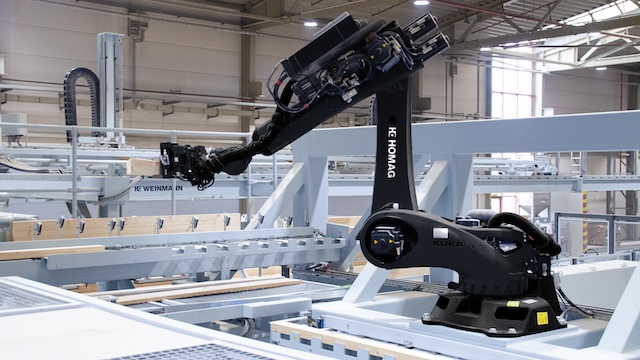
Qingche Intelligent Showcases Comprehensive Data Systems and Robotics at WAIC 2026
From July 17 to 20, 2026, Qingche Intelligent participated in the World Artificial Intelligence Conference (WAIC) in Shanghai, focusing on bridging models and real-world intelligence. The company showcased a complete technology system from real-world data collection to model training and robotic applications, emphasizing the importance of real-world data for embodied intelligence. Qingche's RoboPocket system, a no-body robot data collection platform, allows users to gather data without direct interaction with robots, significantly lowering the barriers for data acquisition. The DM3 data management platform complements this by enabling visual retrieval, quality control, and data asset management, handling up to 10,000 data entries daily and accumulating substantial real-world data assets. The company also presented its new generation of embodied intelligence pre-training models, which do not rely on teleoperation data, demonstrating a viable path for model training using only field-collected data. Qingche's solutions have already been deployed in real-world scenarios, such as retail pharmacies and hotel laundry services, showcasing the practical applications of their technology and the continuous evolution of their data-driven model development.
Embodied Intelligence Data Management Robotics AI Applications
Xiaomi Launches Xiaomi-Robotics-U0 Foundation Model for Embodied AI Applications
Xiaomi has introduced the Xiaomi-Robotics-U0, a multimodal autoregressive foundation model featuring 38 billion parameters for embodied AI. This innovative model integrates four essential capabilities: embodied scene generation, embodied transfer, robot interaction video generation, and general-purpose image generation and editing. The significance of the Xiaomi-Robotics-U0 lies in its ability to create robot-ready environments from text prompts, adapt robot trajectories to new scenes while maintaining motion, and generate robot interaction videos based on task instructions. This advancement leverages extensive visual knowledge from the internet, enhancing the potential for embodied AI applications. Looking ahead, the impact of the Xiaomi-Robotics-U0 on the robotics and AI landscape will be closely monitored. Its capabilities could pave the way for more sophisticated robotic systems and applications, although no further timeline was disclosed at the time of publication.
News Feed
Microsoft invests $2.5 billion to establish AI transformation organization focused on customer data and multi-model support.
Microsoft has announced the establishment of a new organization, investing $2.5 billion and employing 6,000 experts, aimed at assisting companies struggling with the challenges of artificial intelligence transformation. This initiative comes as many businesses face difficulties in moving beyond proof-of-concept stages. The new organization will specifically address critical concerns regarding data security management and the flexibility in model selection, providing tailored solutions to enhance AI implementation in various industries.
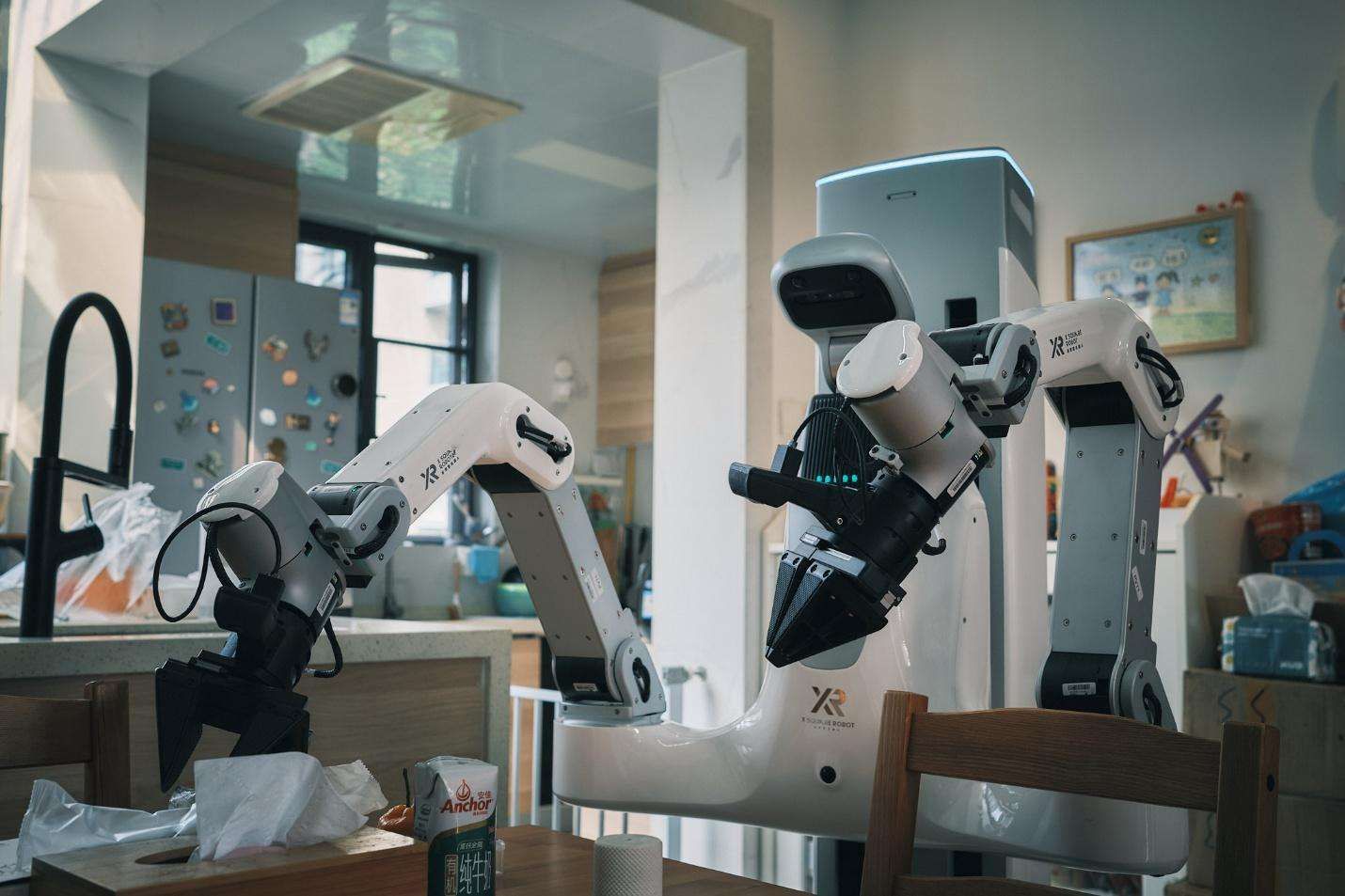
X Square Robot Closes Four Consecutive Rounds, Hits $2.8B Valuation as It Powers Physical-AI Foundation Models
X Square Robot has successfully completed four consecutive funding rounds, culminating in a Series C that has propelled its valuation to $2.8 billion. This achievement marks the company as the sole embodied AI firm in China to receive backing from all four of the country's major internet giants. The funding rounds reflect a growing interest and investment in artificial intelligence technologies, particularly in the realm of embodied AI, which integrates physical presence with intelligent systems. The significant financial support from these leading tech companies underscores the potential they see in X Square Robot's innovative approach and technology.
Startups
X Square Robot Secures Four Consecutive Financing Rounds, Surpasses US$2.8 Billion Valuation in Push for Physical AI Foundation Models
A new funding initiative has been launched to advance the development of embodied AI foundation models, enhance commercial deployments, and establish integrated robotics infrastructure. This initiative marks a significant collaboration as it is the only embodied AI company supported by all four major Chinese internet technology leaders. The funding aims to accelerate innovation in the field of artificial intelligence and robotics, reflecting a growing interest in integrating AI into practical applications. The initiative is expected to facilitate the creation of advanced AI systems that can interact with the physical world, thereby transforming various industries.

Huaqin Technology and Zhengxing Innovation Reach Strategic Cooperation to Build an Industrial Physical Intelligence "Data Foundation and Smart Brain" Together.
Huaqin Technology and Zhengxing Innovation have announced a strategic cooperation aimed at developing a comprehensive industrial physical intelligence framework, which they refer to as a "Data Foundation and Smart Brain." This partnership, revealed on October 10, 2023, is set to take place in China, where both companies will leverage their technological expertise to enhance data-driven decision-making processes within the industrial sector. The collaboration seeks to address the growing demand for advanced data analytics and intelligent systems, enabling businesses to optimize operations and improve efficiency. By integrating their resources and knowledge, Huaqin Technology and Zhengxing Innovation aim to create innovative solutions that will drive the future of industrial intelligence.
Robotics Automation AI
Liquid AI's smallest model yet LFM2.5-230M beats models 4X its size at data extraction, can run 'anywhere'
Liquid AI, a company founded by former MIT computer scientists, has unveiled its latest AI language model, LFM2.5-230M, which is designed for efficient data extraction and local deployment on devices such as smartphones and laptops. Released today, this 230-million-parameter model is noted for its ability to run on various hardware platforms, outperforming larger models like Alibaba's Qwen3.5 and Google's Gemma 3 in specific benchmarks. Targeting developers and engineers, LFM2.5-230M operates under a dual-use commercial license, allowing free access for individuals and companies with annual revenues below $10 million, while larger enterprises must secure a paid agreement. The model distinguishes itself by utilizing the LFM2 architecture, enabling high inference speeds with a minimal memory footprint, making it suitable for edge computing. Liquid AI's launch reflects a broader industry shift towards architectural efficiency rather than sheer parameter counts, as major AI firms focus on models with hundreds of billions of parameters. The LFM2.5-230M is specifically tailored for lightweight data extraction tasks, allowing businesses to automate processes without relying on costly cloud services. In practical applications, the model has been successfully deployed in a humanoid robot, demonstrating its capability to process complex commands efficiently. Available immediately on platforms like Hugging Face, LFM2.5-230M aims to revolutionize how enterprises manage data extraction, moving away from traditional, rigid systems to more adaptable AI-driven solutions.
Technology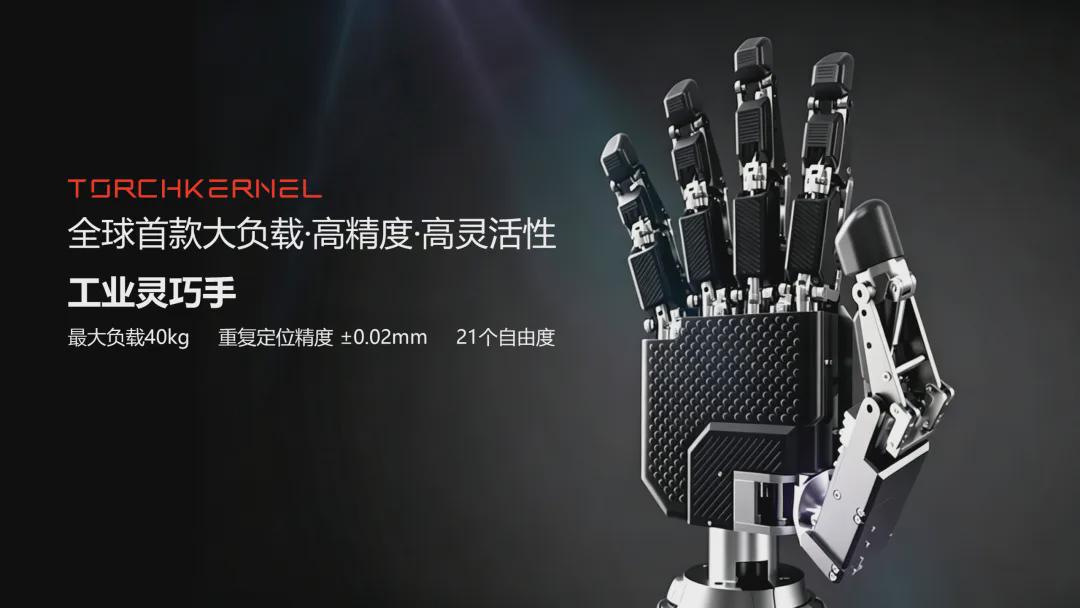
The Industrial Answer Behind the World's First Agile Robot Hand: A Complete Hardware, Data, and Model Loop
Jukun Robotics has unveiled a groundbreaking integrated solution aimed at enhancing the capabilities of agile robotic hands. This innovative design addresses critical challenges such as precision, dexterity, and load capacity, transforming robotic hands from simple demonstrations into essential tools for production lines. The introduction of this technology is expected to significantly improve operational efficiency and minimize downtime in various industrial applications. As the field of embodied intelligence continues to evolve, Jukun Robotics positions itself at the forefront, offering solutions that bridge the gap between hardware, data, and models.
Robotic Hands Industrial Automation AI Sensor Technology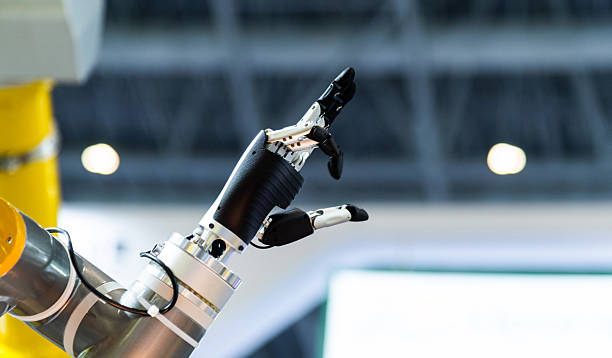
Outracing a National Level Model Racing Car Champion: A Hybrid Model‐Based Data‐Driven Approach
A recent study published in the Journal of Field Robotics highlights advancements in autonomous robotic systems designed for agricultural applications. Conducted by a team of researchers from various universities, the study was released in early October 2023. The research focuses on the development of robots capable of performing tasks such as planting, harvesting, and monitoring crops with minimal human intervention. The motivation behind this innovation stems from the increasing demand for efficient agricultural practices to address food security challenges and labor shortages in the farming sector. By utilizing advanced sensors and artificial intelligence, these robots can navigate complex terrains and adapt to varying environmental conditions, enhancing productivity and sustainability in agriculture. The researchers conducted extensive field trials to validate the robots' effectiveness, demonstrating their ability to operate autonomously while maintaining high levels of accuracy and efficiency. The findings suggest that integrating these robotic systems into farming operations could significantly reduce labor costs and improve crop yields, paving the way for a more sustainable future in agriculture.
RESEARCH ARTICLE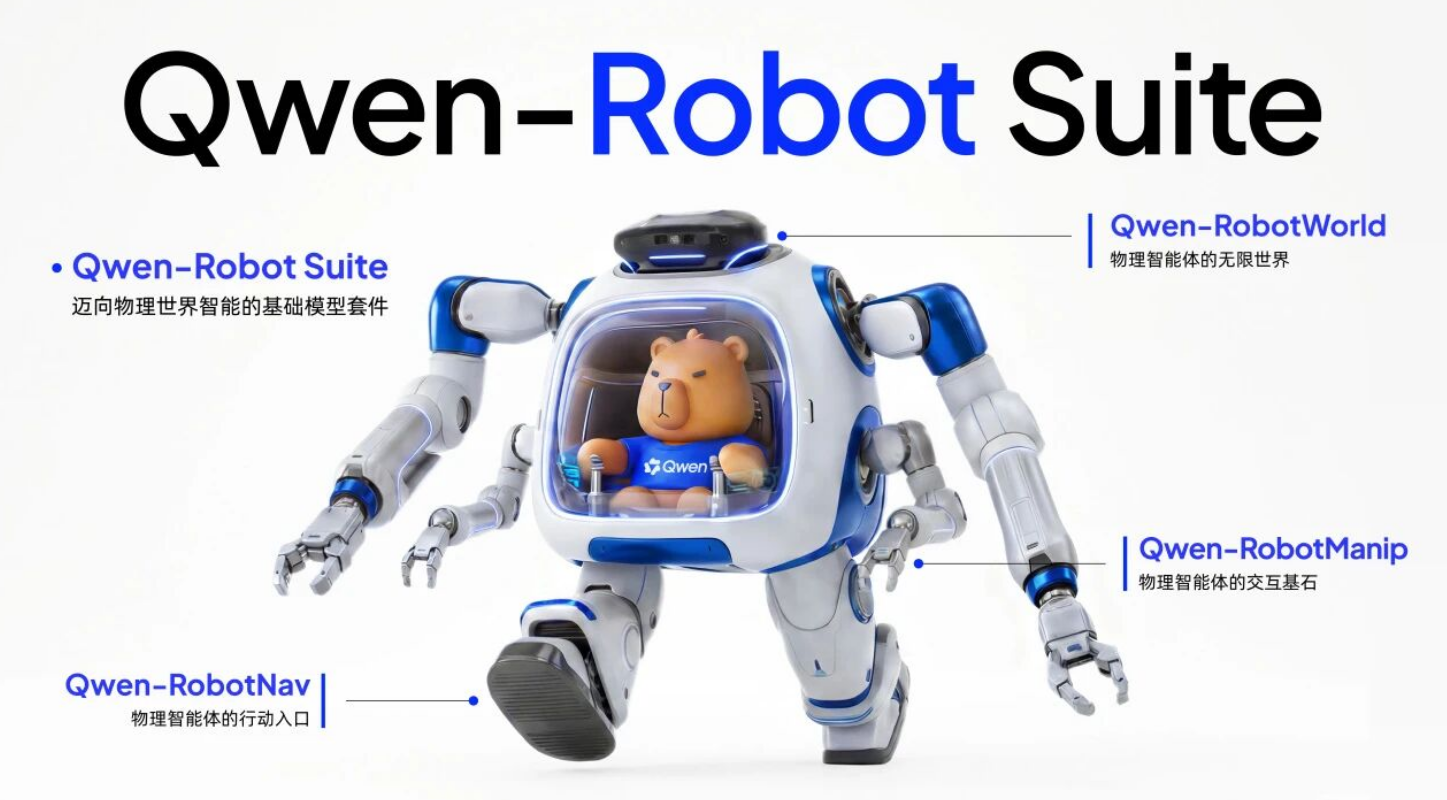
Alibaba unveils Qwen-Robot series with three foundation models for embodied AI
On Tuesday, the Qwen team unveiled a new robotics suite that includes three foundational models: Qwen-RobotNav, Qwen-RobotManip, and Qwen-RobotWorld. These models are designed to integrate language processing with various physical actions, enhancing the capabilities of mobile robotics. Qwen-RobotNav, in particular, advances vision-language integration by employing controllable observation encoding and tool-based interfaces. This innovative model consolidates four essential tasks into a single framework, which includes instruction following and goal-directed navigation. The release aims to improve the interaction between language and robotics, paving the way for more sophisticated and versatile robotic applications.
News Feed
India's $1/hour Data Collection Model Gains Popularity
A novel data collection model is emerging in India, utilizing head-mounted cameras worn by workers to capture first-person footage. This innovative approach, spearheaded by the teenage founders of Egolab AI, has garnered significant attention and was recently acquired by a US company, highlighting its growing importance in the industry. Additionally, the startup Human Archive has successfully raised $8.2 million to enhance this data collection method. This initiative not only aims to provide valuable data for artificial intelligence training but also offers workers an opportunity to earn supplementary income. The combination of technology and economic support is positioning these startups at the forefront of a transformative movement in data collection.
Data Collection AI Training Wearable Technology Gig Economy
ZhiYuan Releases First Open-Source Dataset for World Models Focused on Rich Interaction
On June 3, 2026, ZhiYuan unveiled the second phase of the AGIBOT WORLD 2026 dataset, which centers on the theme of 'Rich Interaction.' This innovative open-source dataset is pioneering in its focus on physical interactions, meticulously documenting both successful and unsuccessful scenarios between robots and their environments. By offering a comprehensive range of data, the initiative seeks to improve world model training, thereby advancing the capabilities of robotic understanding and physical intelligence. This development marks a significant step forward in the field of robotics, as it aims to better equip machines to navigate complex real-world situations.
World Models Robotic Interaction Physical Intelligence Open-Source Datasets
Why Financial Institutions Are Converging on Transaction Foundation Models to Build Their Own Intelligence
Financial institutions have invested significant time and resources in developing artificial intelligence applications, including fraud detection models, credit assessment tools, recommendation systems, and risk management frameworks. However, despite the effectiveness of these specialized models, the industry faces challenges due to the prevalence of siloed systems. These isolated systems hinder the ability to share data and insights across different departments, limiting the overall potential of AI in enhancing operational efficiency and decision-making. As the financial sector seeks to leverage AI more effectively, there is a growing need to integrate these disparate systems to foster collaboration and innovation. This shift is crucial for maximizing the benefits of AI technologies and addressing the evolving demands of the market.
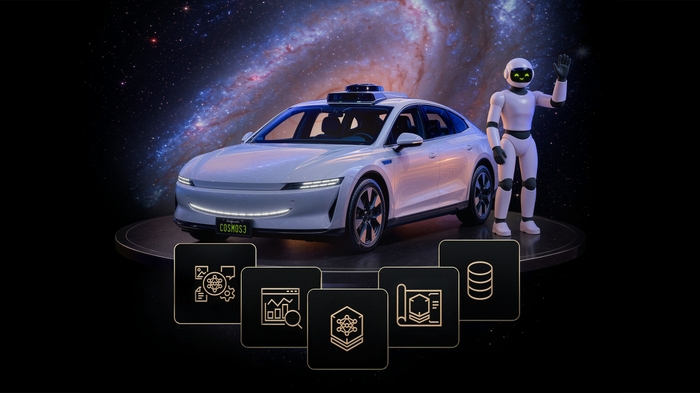
NVIDIA Launches Cosmos 3, the Open Frontier Foundation Model for Physical AI
NVIDIA has unveiled its latest innovation, the NVIDIA Cosmos™ 3, a groundbreaking open world foundation model designed for physical AI. This advanced system integrates a mixture-of-transformers architecture that seamlessly combines vision reasoning, world generation, and action prediction into one cohesive platform. The launch, which took place today, marks a significant step forward in the development of artificial intelligence, aiming to enhance the capabilities of AI in understanding and interacting with the physical world. By leveraging this sophisticated technology, NVIDIA seeks to push the boundaries of AI applications across various industries, paving the way for more intelligent and responsive systems.

Chef Robotics Advances Bi-Manual Physical AI System for Prep Table Food Assembly Powered by a Food Foundation Model
Chef Robotics has announced the development of a bi-manual physical AI system aimed at enhancing food assembly tasks on prep tables, such as burger and burrito preparation. This innovative system, which is set to launch on May 19, 2026, will cater to various sectors including ghost kitchens, fast-casual restaurants, and catering services, focusing on lower-volume yet more complex meal assembly compared to traditional food manufacturing processes. The new AI system utilizes two robotic arms for coordinated and dexterous manipulation, mimicking human-like capabilities to handle a variety of food items and utensils. It is powered by Chef's Food Foundation Model (FFM), which employs imitation learning to adapt quickly to diverse tasks and environments, overcoming the limitations of existing robotic systems that struggle with the variability of food materials. Chef Robotics aims to automate manual prep table assembly, a critical area in the food industry that has remained largely reliant on human labor. By leveraging the FFM, the system is designed to learn from demonstrations, allowing it to generalize across different tasks and robotic platforms. This advancement is expected to improve operational efficiency, yield, and consistency in food preparation, ultimately transforming how food assembly is approached in various culinary settings.
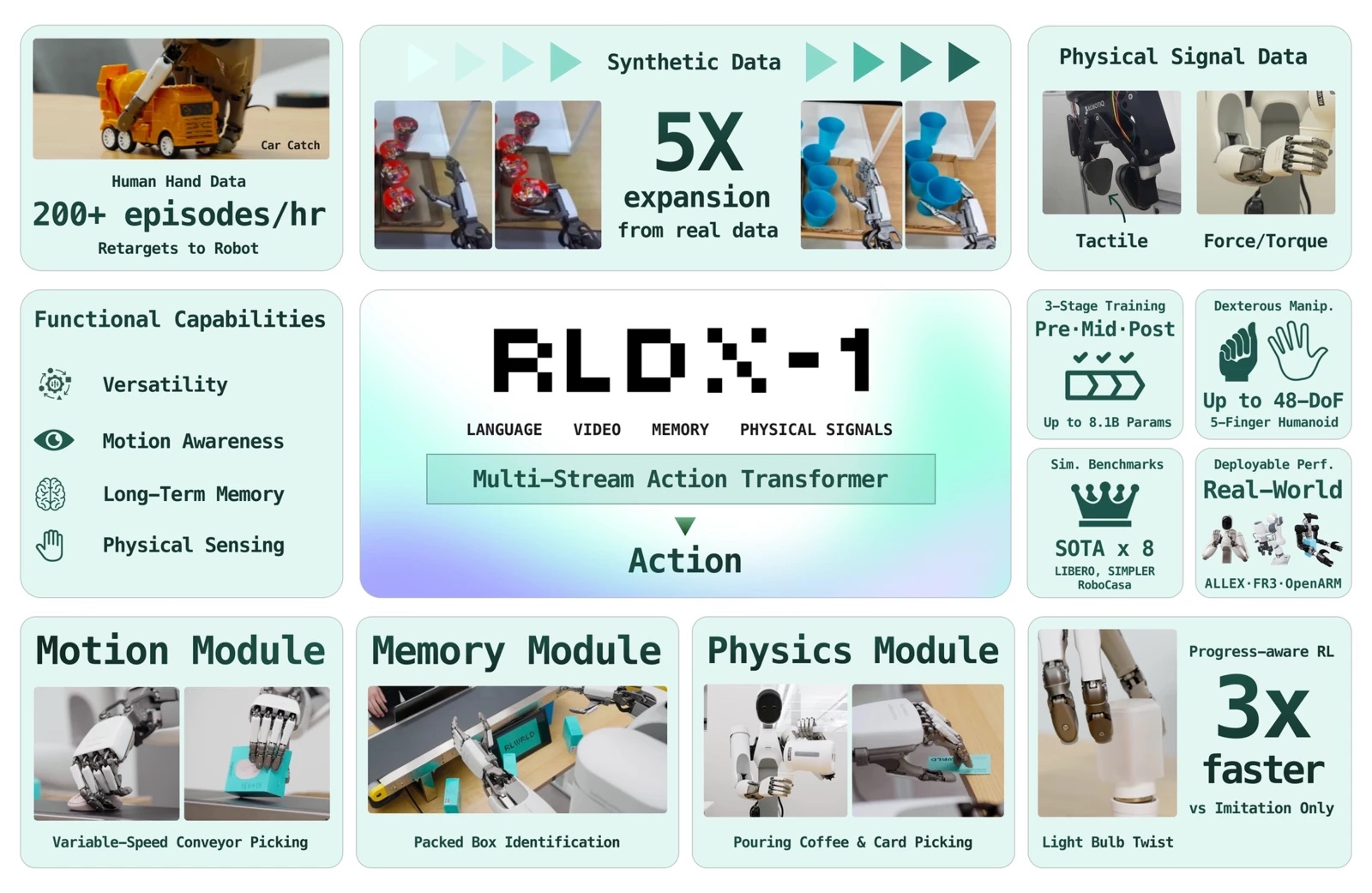
RLWRLD releases RLDX-1, a dexterity-first foundation model for robot hands
RLWRLD has unveiled its latest innovation, the RLDX-1, a foundation model designed specifically for robotic hands. This new model aims to enhance dexterity by incorporating features such as context memorization and force sensing, which are often absent in current robotic models. The release of RLDX-1 marks a significant advancement in the field of robotics, addressing critical limitations that have hindered the performance of robotic hands.
Artificial Intelligence Artificial Intelligence / Cognition Design / Development Development Tools / SDKs / Libraries Grippers Human Robot Interaction / Haptics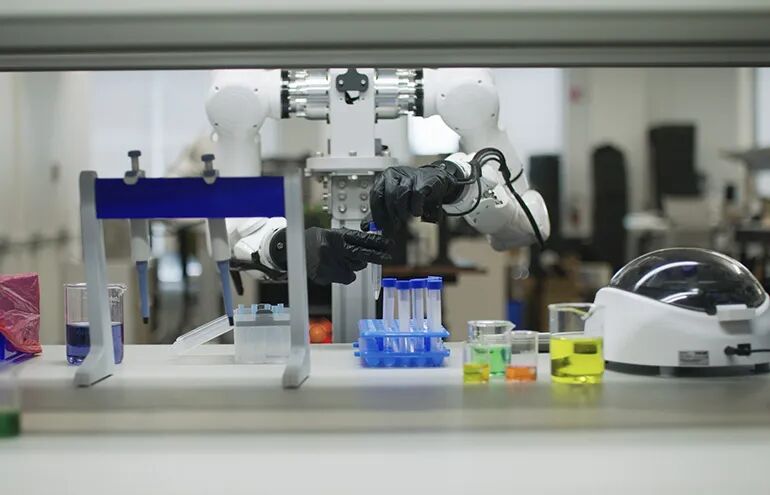
Genesis AI Unveils GENE-26.5 Robot Foundation Model: Achieving Human-Level Tasks from Cooking to Piano Playing
Genesis AI has unveiled its inaugural robot foundation model, GENE-26.5, which demonstrates advanced capabilities in performing intricate tasks such as cooking, lab pipetting, and playing the piano with remarkable human-like dexterity. This launch, occurring in October 2023, aims to address the 'embodiment gap' in robotics by closely mimicking the structure of the human hand. The model employs cutting-edge data collection techniques to enhance its functionality and adaptability, marking a significant advancement in the field of robotics.
Robotics AI Human-Robot Interaction Data Collection Simulation Systems
Ai2 Releases ‘MolmoAct 2’ Open-Source Foundation Model for Robots
The Allen Institute for AI (Ai2) has unveiled a new open-source robotics model and an extensive training dataset, aimed at enhancing the ability of robots to execute physical tasks in real-world settings. Named MolmoAct 2, this updated system is specifically designed to improve robots' comprehension of spatial environments and their responsiveness to instructions. The initiative reflects Ai2's commitment to advancing robotics technology and making it more accessible for developers and researchers. By providing this resource, Ai2 hopes to facilitate innovations in robotic applications across various industries.
AI AI Research & Advances Robotics Ai2 Allen Institute for AI Cortex AI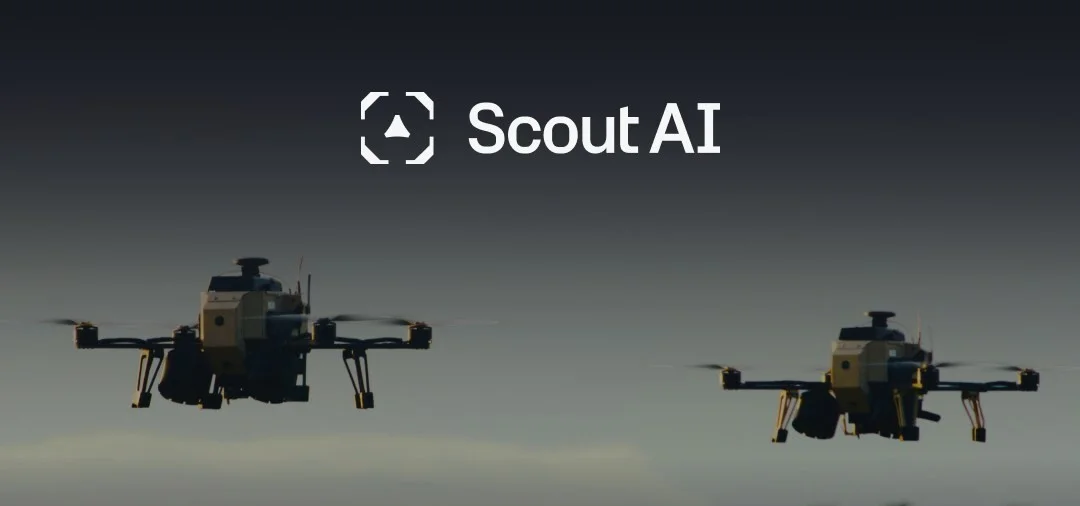
Autonomous Defense Startup Scout AI Raises $100M Series A to Build Foundation Model for Unmanned Warfare
Scout AI, a defense-focused artificial intelligence startup, has successfully secured $100 million in an oversubscribed Series A funding round aimed at advancing its foundation model for autonomous military operations. The funding, which was co-led by Align Ventures and Draper Associates, attracted investments from several notable firms including Decisive Point, Booz Allen Ventures, BVVC, Neman Ventures, Evolution VC Partners, and Heraclitus Capital Management, among others. This significant financial backing will enable Scout AI to enhance its technological capabilities and accelerate the development of solutions designed to improve military efficiency and effectiveness. The funding round reflects growing interest and investment in AI technologies within the defense sector, highlighting the increasing reliance on advanced technology for national security operations.
AI AI Funding & Investment Robotics Align Ventures autonomous autonomous uncrewed surface vessel technology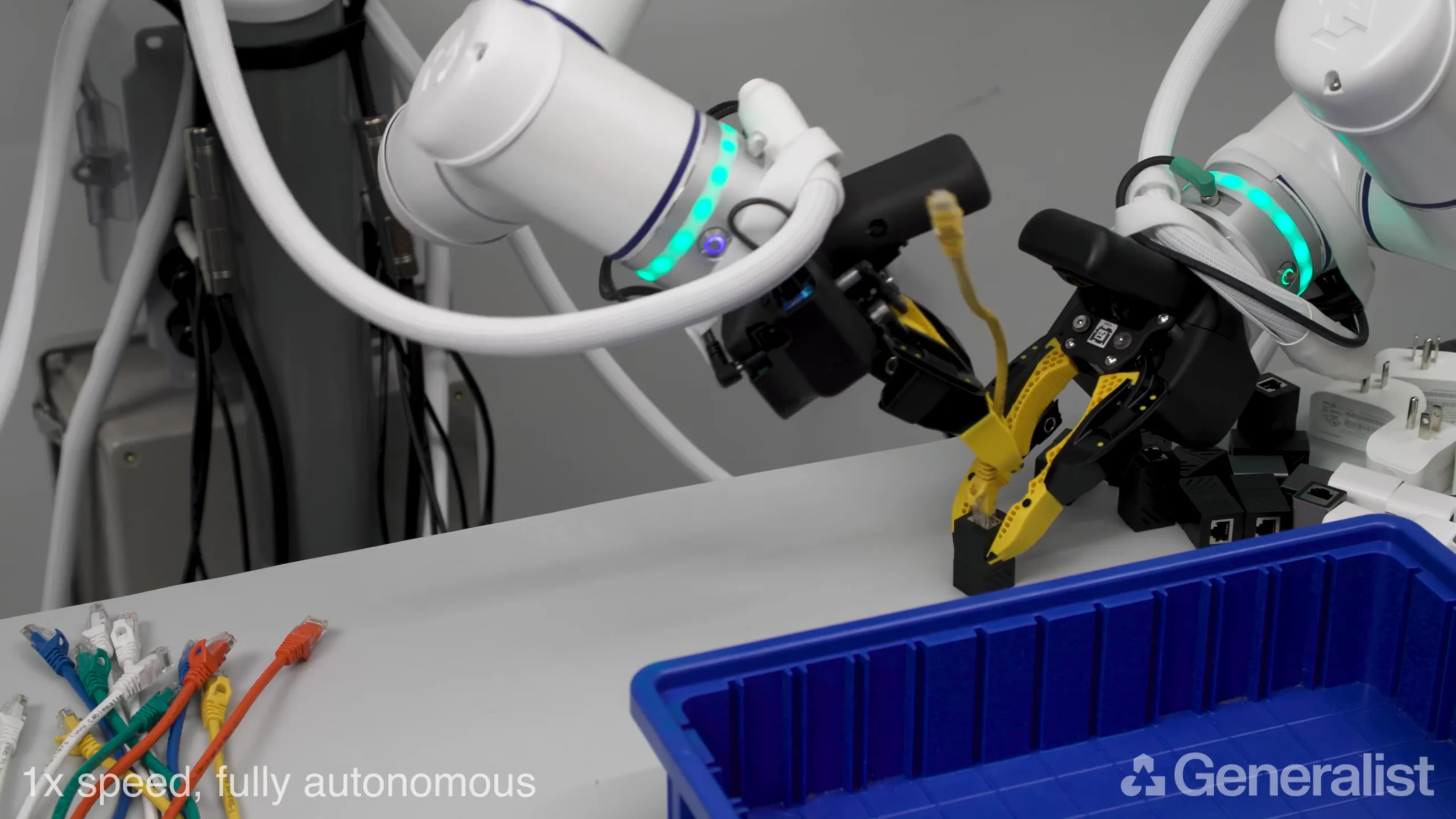
The Death of the Label: Generalist AI Rejects 'World Models' in Favor of First-Class Physical Foundation
Pete Florence, CEO of Generalist AI, has expressed his views on the evolving terminology within the artificial intelligence sector, specifically criticizing terms such as 'VLA' and 'World Model' as mere temporary solutions. During a recent discussion, he emphasized that the architecture of GEN-1, which boasts a 99% scratch-trained framework, represents a strategic investment in the future reliance on purely robotic data. Florence's insights reflect a broader industry trend towards embracing more advanced and foundational approaches to AI development, suggesting a shift away from conventional terminologies as the field matures. This commentary comes as the AI landscape continues to evolve rapidly, with companies seeking to establish more robust and effective models for the future.
US GEN-1 World-Models Generalist AI
Foundation Model‐Driven Grasping of Unknown Objects via Center of Gravity Estimation
A recent study published in the Journal of Field Robotics highlights advancements in autonomous robotic systems designed for agricultural applications. Conducted by a team of researchers from various universities, the study was released in early October 2023. The research focuses on enhancing the efficiency and precision of farming practices through the integration of robotics and artificial intelligence. The study addresses the growing need for sustainable agricultural solutions amid increasing global food demand and labor shortages. By employing advanced algorithms and machine learning techniques, the researchers developed a prototype robotic system capable of performing tasks such as planting, monitoring crop health, and harvesting with minimal human intervention. Field tests were conducted in diverse agricultural settings, demonstrating the robot's ability to navigate complex terrains and adapt to varying environmental conditions. The findings suggest that these robotic systems could significantly reduce labor costs and improve crop yields, ultimately contributing to more sustainable farming practices. This innovative approach not only aims to alleviate some of the pressures faced by the agricultural sector but also seeks to pave the way for future developments in the field of robotics, emphasizing the importance of technology in addressing global challenges.
RESEARCH ARTICLE
GenEgoData: The Industry's First Dataset for Embodied World Models Officially Released
JianZhi Robotics has unveiled GenEgoData, the first multimodal dataset specifically designed for embodied world models. Launched recently, this innovative dataset captures high-quality, natural human interactions from an ego-centric perspective. The primary goal of GenEgoData is to improve the understanding of physical world dynamics and human behavior, providing valuable insights for researchers and developers in the field of robotics and artificial intelligence. By focusing on realistic interactions, the dataset aims to bridge the gap between human experiences and machine learning applications, ultimately enhancing the development of more intuitive and responsive robotic systems.
Embodied Intelligence World Models Human Behavior Data AI Robotics
NVIDIA Unveils New Open Models, Data and Tools to Advance AI Across Every Industry
NVIDIA has announced the launch of new open models, data, and tools aimed at enhancing artificial intelligence across various industries. This release, which includes offerings from the NVIDIA Nemotron family designed for agentic AI and the NVIDIA Cosmos platform focused on physical AI, marks a significant expansion of the company's open model universe. The initiative is part of NVIDIA's ongoing commitment to democratize AI technology, making it more accessible for developers and businesses. By providing these resources, NVIDIA aims to foster innovation and collaboration within the AI community, enabling advancements that can be applied in diverse sectors. The announcement was made today, reflecting NVIDIA's strategic efforts to lead in the rapidly evolving AI landscape.

Neuracore Opens Its "Data Foundation" to Academics for Free, Backed by $3M Pre-Seed
A London-based startup is positioning itself as a crucial infrastructure provider for robot learning by offering free cloud-native data tools aimed at researchers. This initiative seeks to address the ongoing challenges associated with data management and integration, often referred to as the "plumbing" problem in the field. By providing these resources, the startup aims to facilitate advancements in robotics and artificial intelligence, enabling researchers to focus on innovation rather than technical hurdles. The launch of these tools is expected to significantly enhance the capabilities of researchers and contribute to the development of more sophisticated robotic systems.
Data Collection Neuracore
Interview: ‘AI delivers clear advantages over generic foundational models’
Hamid Montazeri is advancing the field of “physical AI,” a specialized form of artificial intelligence aimed at functioning effectively in unpredictable and rapidly changing environments. This innovative approach seeks to enhance the capabilities of AI systems, enabling them to adapt and respond to real-world challenges more efficiently. Montazeri's work is particularly relevant in sectors where quick decision-making and adaptability are crucial, such as robotics and autonomous systems. By focusing on domain-specific applications, he aims to bridge the gap between theoretical AI concepts and practical implementations, ultimately improving the performance and reliability of AI technologies in various industries.
Robotics needs a service framework.
RSF defines a common language for robot service capability, lifecycle operations, certification pathways, and service-provider networks.
Join the RobotToday community on LinkedIn
Daily robotics news, in-depth analysis, conference highlights, and discussions with professionals worldwide.