

Industry Briefing
A single destination for timely, editor-curated robotics news from around the world.
Hanwha and Magnet Defense to Begin Construction of New MUSV This Fall
Hanwha and Magnet Defense have announced plans to commence construction on a new Medium Unmanned Surface Vehicle (MUSV) this fall. The two companies formalized their collaboration through a memorandum of understanding signed in April, which outlines their commitment to developing this advanced maritime technology. The development of the MUSV is significant as it represents a strategic partnership aimed at enhancing capabilities in unmanned maritime operations. This initiative is expected to contribute to advancements in naval defense technology, reflecting the growing importance of unmanned systems in modern military applications. Looking ahead, testing of the MUSV is scheduled for next year, marking a critical phase in the project. Stakeholders will be keen to monitor the progress of this collaboration and its implications for the defense sector, particularly in the context of increasing investments in unmanned vehicle technologies.
Naval Warfare Drones Hanwha Hanwha Defense USA Magnet Defense MUSV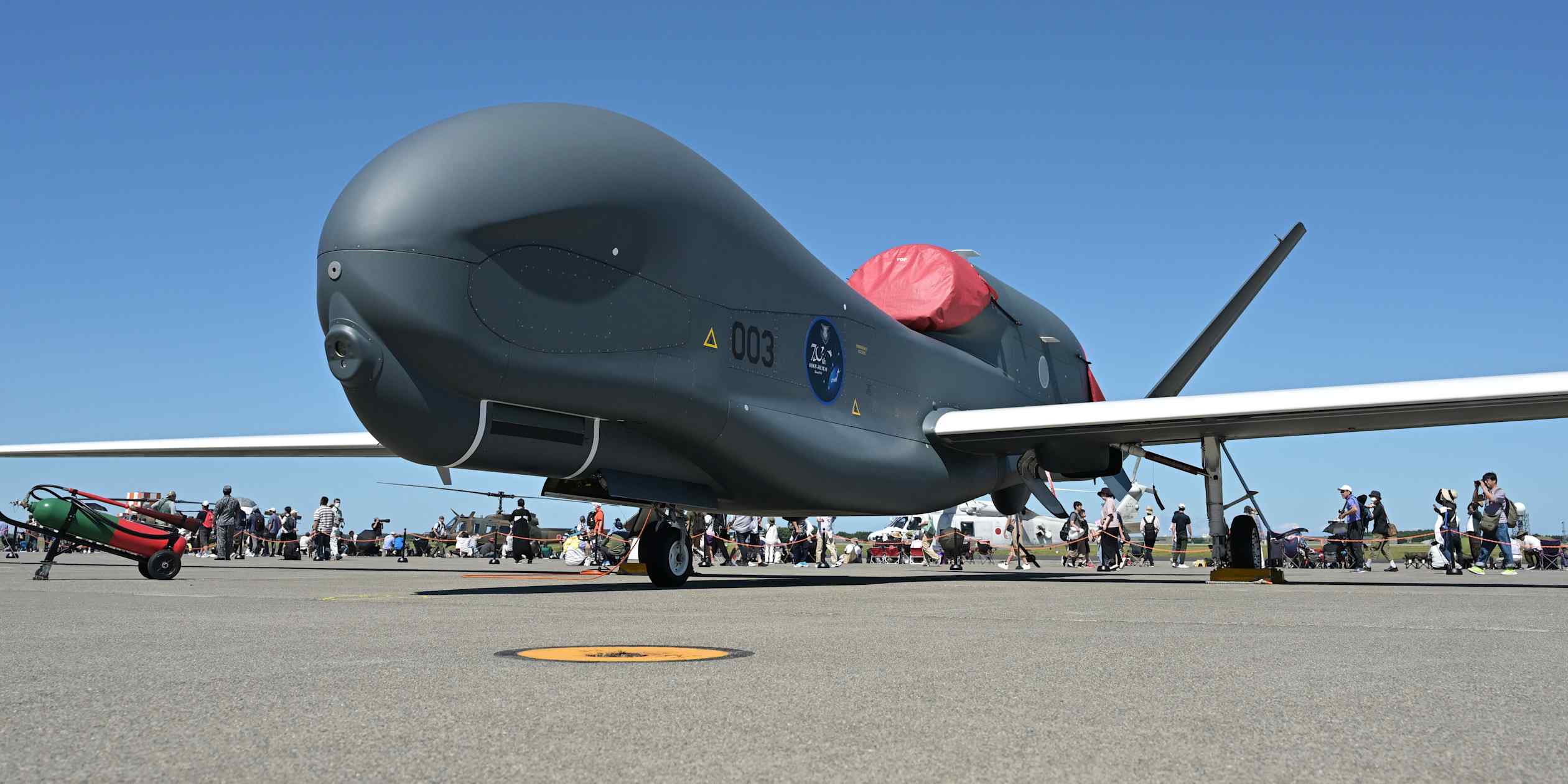
Japan Air Self-Defense Force Confirms Crash of Global Hawk Drone Off Tottori Coast
The Japan Air Self-Defense Force (JASDF) has confirmed that its Global Hawk RQ-4B unmanned reconnaissance drone crashed after losing ground contact. The confirmation came after debris was found floating off the coast of Tottori prefecture, identified as belonging to the drone. This incident is significant as it raises concerns about Japan's surveillance capabilities and overall defense posture. The loss of the Global Hawk, known for its advanced reconnaissance capabilities, may impact Japan's ability to monitor regional threats effectively. Moving forward, the JASDF has dispatched an investigation team to determine the cause of the crash. No further timeline was disclosed at the time of publication.

Wingcopter Unveils All-Electric Wingcopter 262 for Tactical Reconnaissance in Defense Sector
Wingcopter has launched the all-electric Wingcopter 262, featuring a wingspan of 262 centimeters (103 inches) and a tactical range of 150 kilometers (93 miles). This new vertical take-off and landing aircraft is designed for defense and security applications, offering up to six hours of flight endurance and a maximum takeoff weight of 10 kilograms (22 pounds). The introduction of the Wingcopter 262 is significant as it enhances reconnaissance capabilities with AI-enabled cameras and resilient navigation for GNSS-denied environments. The aircraft's modular battery system allows for quick mission readiness, making it suitable for persistent aerial surveillance in tactical operations. Wingcopter's experience in unmanned aircraft development underpins this innovative platform. Looking ahead, Wingcopter's new business unit, Wingcopter Security and Defence, aims to expand its portfolio in the defense sector, including logistics and reconnaissance. The company is also collaborating with TAF Industries to support drone production in Ukraine. No further timeline was disclosed at the time of publication.
Defense Drone News Drone News Feeds Military News
Rethinking Air and Missile Defense Due to Concurrent Attacks on US Bases
Recent attacks on US bases during the Iran conflict have highlighted vulnerabilities in air-and-missile-defense systems. Despite high overall effectiveness, these incidents reveal significant gaps that need to be addressed to enhance security measures. The implications of these vulnerabilities are critical for national defense strategies. As threats evolve and become more sophisticated, it is essential for military planners to reassess current defense capabilities and consider upgrades or new technologies to mitigate risks. Looking ahead, the focus will likely shift towards developing more robust air-and-missile-defense systems. Continuous evaluation and adaptation will be necessary to counteract emerging threats effectively. No further timeline was disclosed at the time of publication.
Air Warfare air and missile defense Air Force AMD strategy Counter UAS Counter UAS cUAS
Data-Driven Quality Control Enhances Manufacturing by Preventing Costly Defects
Data-driven quality control is transforming modern manufacturing by identifying variations in processes before defects occur. This proactive approach allows teams to monitor conditions that lead to nonconforming parts, reducing scrap, rework, and delivery pressures while maintaining quality costs. The significance of this method lies in its ability to shift from reactive to proactive quality control. By focusing on process changes rather than merely sorting defective products, manufacturers can prevent issues before they escalate, ultimately protecting production capacity and minimizing hidden costs associated with defects. Looking ahead, the integration of statistical process control (SPC) will be crucial for operators and engineers. By training teams to read control charts and understand process capability, manufacturers can ensure stable processes that meet specifications, thus avoiding the costly errors of mismanaging process variations.
Computing Digital Automation Manufacturing Software continuous improvement data-driven quality control
Cooperative Climbing Control for Bridge Pier Defect Detection Using Multi-Wheel Robots
A new multi-wheel cooperative climbing control system has been developed for detecting defects in bridge piers. This innovative circular frame robot system enhances the efficiency and accuracy of inspections, addressing a critical need in infrastructure maintenance. The significance of this technology lies in its potential to improve safety and reduce costs associated with bridge maintenance. By utilizing a cooperative approach, the system can navigate complex structures more effectively, ensuring that defects are identified promptly and accurately. Looking ahead, the adoption of this multi-wheel cooperative climbing control system could revolutionize the way infrastructure inspections are conducted. No further timeline was disclosed at the time of publication.
RESEARCH ARTICLE
MASS 2026 Conference Showcases Atlantic Canada's Defence and Technology Strengths
The 13th annual Maritime & Arctic Security & Safety Conference (MASS) is taking place in St. John's, Newfoundland and Labrador, hosted by the Atlantic Canada Aerospace & Defence Association (ACADA) and sponsored by Saab Canada, Inc. This year's conference, featuring 600 participants, is the largest to date and focuses on leveraging Atlantic Canada's capabilities in environmental management and workforce development. Newfoundland and Labrador Premier Tony Wakeham highlighted the province's strategic geopolitical position as a gateway to the Arctic and Atlantic, emphasizing its qualified workforce and unique military and civil capabilities. He stated that the region's diverse strengths create a robust defence and security ecosystem that Canada and its allies can depend on for Arctic and North Atlantic security. The conference has underscored the significance of partnerships, particularly with Indigenous communities, to foster economic participation and workforce development. Discussions included the need for advanced technology in Arctic-capable warship designs and the role of AI and machine learning in maritime surveillance, indicating a strong focus on innovation in harsh conditions.
maritime and arctic security and safety conference (mass) atlantic canada capabilities defence technology
Zinova Innovates Construction Robotics with Tool-Handling Solutions
Zinova, a spinoff from RIC Robotics, has introduced a new approach to construction robotics by focusing on tool-handling capabilities. Co-founder Xu Ziyou emphasized that their goal is to equip robots with the ability to use tools effectively, rather than replicating human dexterity. This approach involves a non-dextrous gripper and a force feedback sensor called TEISI, which captures the interactions between tools, robots, and materials. The construction industry faces significant challenges, including an aging workforce and high project overruns. Zinova aims to adapt robots to existing tools rather than redesigning construction sites. Their demonstration utilized the TRON 2 dual-arm robot to perform a series of tasks, showcasing the potential for robots to handle various tools and processes in a coherent workflow. As Zinova prepares for real-world applications, the focus will be on how their technology performs on actual construction sites. The implications of their approach could lead to greater adaptability in construction robotics, addressing labor shortages and safety concerns in the industry. No further timeline was disclosed at the time of publication.
Construction Robotics Tool Handling Automation Technology AI in Construction
LiControl Secures B++ Funding to Advance Embodied Intelligence Technology
On September 8, 2026, Guangdong Tiangji Intelligent System Co., Ltd. announced the completion of its B++ round of strategic financing, led by Ant Group and SOFINA, with continued investment from existing shareholders such as Gaorong Capital and Tencent. This follows a significant B and B+ round financing completed just three months earlier, which raised 1 billion yuan and valued the company at nearly 10 billion yuan. The recent funding is notable as it comes amid a general decline in investment within the embodied intelligence sector in the latter half of 2026. Tiangji positions itself as a leader in embodied force control and intelligent infrastructure, emphasizing the importance of stable and sensitive physical systems for effective interaction with the physical world, rather than solely focusing on humanoid robotics. Looking ahead, Tiangji's proprietary MEMS torque sensors, which boast ten times the sensitivity and four times the stability of traditional metal strain gauges, are set to play a crucial role in their technology roadmap. The company aims to leverage these advancements to enhance their robotic systems, including the Marvin M6S Lite and Marvin M20S, which showcase significant improvements in load capacity and operational efficiency.
Embodied Intelligence Robotics Force Control Technology MEMS Sensors Automation
OpenAI's Sam Altman Confirms Development of Humanoid Robots for Various Applications
OpenAI CEO Sam Altman has confirmed that the company is actively developing a humanoid robot. In a recent interview, Altman stated, "We will definitely do a humanoid," addressing previous uncertainties about OpenAI's hardware direction. This initiative aligns with the broader robotics industry's perspective that humanoid designs are better suited for interacting with environments built for humans. Altman emphasized the importance of humanoid kinematics, noting that many everyday tasks, such as opening doors and operating equipment, are designed with human capabilities in mind. However, he also clarified that OpenAI will create specialized non-humanoid robots for specific applications, particularly in data centers, where human-like form factors may not be necessary. While Altman acknowledged the potential for personal robots in the future, he indicated that immediate priorities lie in industrial applications, such as data center construction and maintenance. No further timeline was disclosed at the time of publication.
1X Technologies OpenAI US Figure Sam Altman
Ollobot's OlloNi SS1 Redefines AI Companion Robots for Emotional Connection
Ollobot's OlloNi SS1 is a new generation of AI companion robots designed to address loneliness and emotional needs in modern households. Unlike earlier models, which were limited in functionality, the SS1 employs proactive interaction and emotional intelligence to provide companionship for various demographics, including the elderly, children, and single professionals. The significance of the OlloNi SS1 lies in its ability to create a sense of presence and emotional support, filling gaps left by traditional communication tools. With the global AI companion market projected to grow from $48 billion in 2026 to $318 billion by 2033, Ollobot's innovative approach positions it at the forefront of this expanding industry. Looking ahead, the evolution of the OlloNi SS1 through over-the-air updates and its integration into family activities will be crucial to its success. As the demand for emotional support in technology increases, Ollobot's focus on familiarity and long-term coexistence may set a new standard for companion robots in the future.
Social-robots Human-robot-interaction Computer-vision Companion-robots Multimodal-ai Ai-robots
China Explores Autonomous Defense Systems for Contested Islands in South China Sea
A recent report indicates that China is investigating a maritime defense model utilizing autonomous drones to protect contested islands in the South China Sea. Researchers from the China Coast Guard Academy and Dalian Maritime University propose a network of aerial, surface, and underwater drones, which would create a multi-layered defense system, enhancing surveillance and response capabilities. This shift from traditional defense methods to a system reliant on uncrewed platforms reflects the evolving nature of naval warfare. The economic advantages of deploying inexpensive drones to monitor maritime environments are significant, as they can challenge larger military assets. The interconnected architecture aims to maintain operational capability even if some drones are compromised, emphasizing redundancy in defense strategies. As the South China Sea remains a focal point of territorial disputes among several nations, China's initiative to integrate autonomous systems into its defense strategy could further complicate regional security dynamics. However, it is crucial to note that this concept is still a research proposal and does not confirm the operational deployment of such systems at this time.
Military
Yale's Tribar Robot Survives 5.7-Meter Fall, Redefining Robotic Resilience
On October 10, a team from Yale University published results in Nature: Machine Intelligence showcasing Tribar, a rolling robot that autonomously moved after falling 5.7 meters onto asphalt. This height marks the highest recorded fall for tensegrity robots. Tribar's design, inspired by architect Buckminster Fuller, utilizes continuous tensile elements and discrete compressive elements to maintain stability. This allows it to absorb impact energy without a rigid shell, making it capable of withstanding high external loads without heavy armor. The research team validated Tribar's performance across various terrains, including grass and ice, and demonstrated its ability to climb slopes and navigate complex paths. The robot's impact resistance and sensor capabilities suggest potential applications in environments where traditional robots struggle. No further timeline was disclosed at the time of publication.
Robotics Impact Resistance Autonomous Systems Disaster Response Planetary Exploration
VicOne Launches Free Radeis Extension for NVIDIA Isaac Sim to Enhance Robot Cybersecurity Testing
VicOne Inc. has introduced the free VicOne Radeis Extension for NVIDIA Isaac Sim, aimed at enabling robotics developers to simulate and test the impact of cyber-attacks on robot behavior. This release comes as the industry shifts towards deploying robots at scale, necessitating robust cyber-safety validation alongside functional testing. The importance of this extension lies in its ability to help developers address cybersecurity risks early in the development process. Max Cheng, CEO of VicOne, emphasized that as robotics companies move towards real-world deployment, ensuring reliability in the face of digital system compromises is crucial. The extension transforms DEF CON research into practical simulation scenarios, promoting the development of resilient physical AI. Looking ahead, VicOne's efforts to integrate cybersecurity validation into robotics development will be critical as the industry evolves. The company has already identified over 180 zero-day vulnerabilities and continues to enhance its threat intelligence capabilities. No further timeline was disclosed at the time of publication.
Artificial Intelligence Automotive Development Tools / SDKs / Libraries Events News Safety & Security
Neya Systems and GS Engineering Collaborate to Enhance Robotic Construction Equipment for Defense
Neya Systems and GS Engineering have announced a strategic collaboration aimed at advancing robotic and autonomous construction equipment for defense applications. This partnership combines Neya's N-Drive™ autonomy technology with GS Engineering's Remote Expeditionary Autonomous Pioneer (REAPr) unmanned ground vehicle, focusing on creating an integrated solution that enhances operational efficiency in military engineering tasks. The collaboration is significant as it seeks to improve the safety and effectiveness of warfighters by automating the most hazardous and labor-intensive engineering tasks. By leveraging proven autonomy technology and advanced UGV capabilities, the initiative aims to streamline construction processes in defense operations, ultimately contributing to enhanced mission readiness and operational success. Looking ahead, the integration of these technologies is expected to lead to the development of field-ready autonomous solutions that can significantly reduce the risks faced by military personnel. No further timeline was disclosed at the time of publication.

DeepSeek V4-Flash Dominates Global Token Consumption as Chinese Models Excel
DeepSeek V4-Flash has emerged as the leader in OpenRouter's weekly rankings, achieving a remarkable consumption of 7.1 trillion tokens. In a significant trend, Chinese models have secured nine of the top ten positions globally, indicating a strong performance in the AI token landscape. Overall, global weekly AI token usage has surpassed 56.8 trillion, highlighting the growing demand for AI technologies. This development is crucial as it underscores the competitive landscape within AI token consumption, particularly the dominance of Chinese models. The impressive figures reflect a shift in developer preferences and the evolving price-performance dynamics that are influencing market choices. The ability of DeepSeek V4-Flash to lead the rankings demonstrates its effectiveness and appeal among developers. Looking ahead, it will be important to monitor how these trends evolve and whether DeepSeek V4-Flash can maintain its lead amid increasing competition. Additionally, the performance of Chinese models in the AI token market will be a key area to watch as developers continue to seek optimal solutions for their needs. No further timeline was disclosed at the time of publication.

Muka Robotics' LJM Model Secures Global Second Place at WorldArena Using 32 GPUs
Muka Robotics has achieved a remarkable feat with its LJM Latent Joint-conditional Model, securing the second position globally at WorldArena with a motion quality score of 89.17 using only 32 Zhenwu 810E GPUs. This accomplishment highlights the model's innovative dual-expert architecture, which emphasizes physical understanding rather than solely focusing on video generation quality. This achievement is significant as it showcases Muka Robotics' commitment to advancing the field of robotics by prioritizing physical logic in its models. The successful integration of a limited number of GPUs to achieve high motion quality demonstrates the potential for efficiency in computational resources while maintaining performance standards in robotics applications. Looking ahead, it will be important to monitor how Muka Robotics continues to develop its technologies and whether this dual-expert architecture will influence future models in the industry. No further timeline was disclosed at the time of publication.
Technology
AI Agent Autonomy's Impact on Robotics Safety and Control Mechanisms
Robotic systems are increasingly capable of perceiving, choosing, and altering their behavior autonomously, without human intervention. This shift towards autonomy enhances adaptability in various environments such as warehouses and labs, but it also raises significant concerns regarding safety and control. Traditional safety measures, including physical barriers and emergency buttons, may no longer suffice as robots undertake more complex tasks. The implications of this autonomy are profound, as organizations must now assess the quality of decisions made by autonomous systems, the reliability of their software, and the protocols for monitoring their actions. Unlike conventional robots that follow fixed commands, autonomous robots can evaluate multiple scenarios and make decisions based on real-time conditions, which complicates safety protocols. Ensuring that these systems operate safely requires a reevaluation of existing safety standards that focus on speed and force. Looking ahead, it is crucial for operators to have adequate information to respond effectively to unexpected robot behavior. Autonomous robots utilize various sensors to interpret their environment, but factors like dust and poor lighting can affect input quality. Organizations should prioritize the definition and testing of triggers for human intervention to maintain a balance between autonomy and safety. No further timeline was disclosed at the time of publication.
AI agents Infrastructure AI agent autonomy ai agents ai safety automation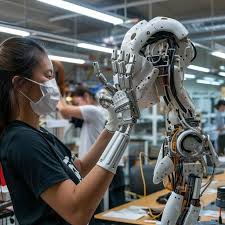
UK Ministry of Defence Awards £3.16m Contracts for Low-Cost Drone Interceptors
The UK Ministry of Defence has allocated £3.16 million in contracts to three British SMEs for the development and testing of new low-cost drone interceptors. This initiative aims to enhance the UK's capabilities in countering drone threats effectively and affordably. The significance of this funding lies in its potential to bolster national security by enabling rapid development of innovative solutions to address emerging aerial threats. By engaging SMEs, the MoD is fostering a competitive environment that encourages technological advancements in drone interception. Looking ahead, the success of these trials could lead to further investments in drone defense technologies. No further timeline was disclosed at the time of publication.
News
SpaceX's Starmind Targets AI Labs with $6.3 Billion Compute Contracts
SpaceX's Starmind is designed to provide wholesale AI compute services to businesses, particularly AI labs and cloud customers, rather than individual consumers. The service operates similarly to AWS, where users benefit from applications running on Starmind without direct subscriptions. The compute capacity of a single AI1 satellite is comparable to one NVIDIA GB300 rack, emphasizing its enterprise-grade capabilities. The significance of Starmind lies in its positioning as a potential fourth hyperscaler, joining the ranks of AWS, Microsoft Azure, and Google Cloud. The Reflection AI contract, valued at $150 million per month, exemplifies the enterprise-focused model, with total payments potentially reaching $6.3 billion through 2029. This contract highlights the growing demand for AI compute resources, particularly from AI-native startups and labs. Looking ahead, the focus will remain on securing additional enterprise contracts as Starmind expands its offerings. No consumer-facing products or subscriptions have been announced, and the current strategy is to cater to businesses with substantial AI workloads. No further timeline was disclosed at the time of publication.

Robinhood CEO Defends Tokenized Stocks Amid AMC's Criticism of Financial Practices
Robinhood CEO Vlad Tenev has defended the company's initiative to offer tokenized stocks, asserting that public companies cannot dictate the financial products associated with their shares once they are publicly traded. This statement follows AMC CEO Adam Aron's strong criticism of Robinhood's tokenization efforts, which he claims disrupts the traditional relationship between companies and their shareholders. Tenev emphasized that tokenization, which involves creating digital representations of publicly traded securities on a blockchain, does not grant holders voting rights in the underlying companies. He clarified that while issuers maintain control over the rights and obligations of their stocks, they do not have authority over how other entities create financial products referencing those shares. As the debate over tokenized stocks intensifies, industry observers should monitor how Robinhood plans to address the voting rights associated with the underlying shares. No further timeline was disclosed at the time of publication.

AI Ultrasound Robots Revolutionize Congenital Heart Defect Surgery with Intelligent Imaging
Recently, a medical team in China successfully performed a congenital heart defect closure surgery using an AI-assisted ultrasound robot. This operation, conducted by the Sixth Medical Center of the PLA General Hospital, involved a 48-year-old male patient and marks the first global use of an AI ultrasound robot with intelligent imaging capabilities for such minimally invasive treatment. This breakthrough signifies a shift in medical robotics from traditional execution tools to intelligent assistance systems. Previously, interventional surgical robots primarily handled mechanical tasks, while physicians relied on their experience to interpret ultrasound images. The AI ultrasound robot enhances this process by integrating image recognition, real-time analysis, and operational guidance, enabling automatic image acquisition and abnormal structure identification, which is crucial for precise placement of occluders in complex cardiac structures. As the field of medical robotics rapidly evolves, the cardiovascular sector is a key area for AI exploration due to the high precision and risk involved in heart interventions. The successful application of AI ultrasound robots in China reflects a significant trend towards redistributing medical resources, potentially improving access to high-quality healthcare in underserved regions. No further timeline was disclosed at the time of publication.
AI in Healthcare Surgical Robotics Cardiovascular Technology Medical Imaging Precision Medicine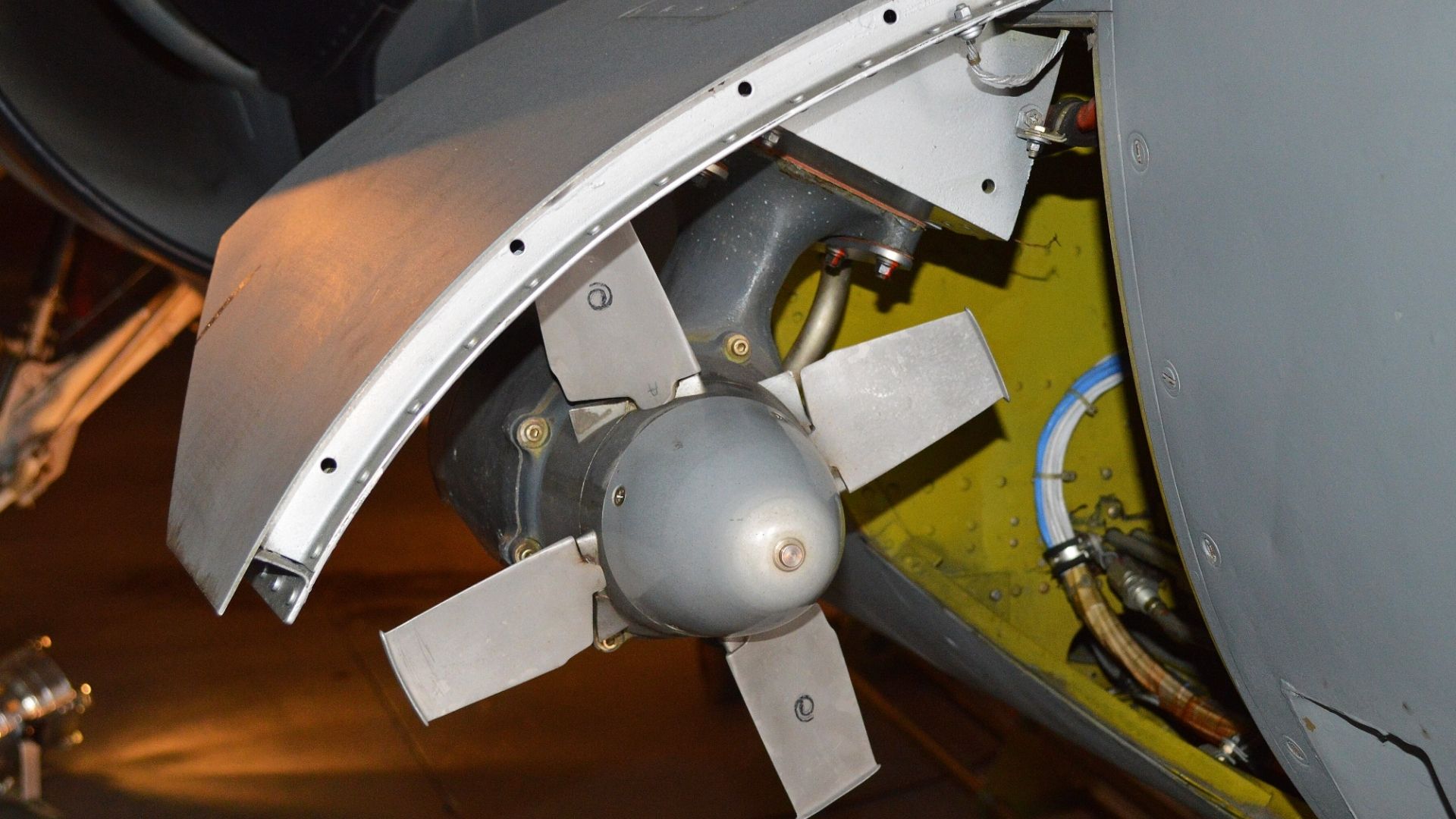
Marotta Controls to Supply Technology for US Navy's Next Generation Jammer Program
Marotta Controls, a US aerospace and defense contractor, has secured contracts to provide technology for two subsystems of the US Navy’s Next Generation Jammer–Low Band (NGJ-LB) program. Announced on September 2, the contracts involve a subcontract with CFD Research Corporation for a ram-air turbine power-generation system and a direct contract from L3Harris Technologies, the prime contractor for the NGJ-LB. The NGJ-LB is designed for the EA-18G Growler, enhancing its electronic warfare capabilities by disrupting enemy air defenses and ground communications. Marotta's involvement marks its entry into the airborne electronic warfare market, supplying equipment for the Turbine Speed Control System, which is crucial for power generation and regulation within the NGJ-LB pod. As the US Navy aims to replace the legacy AN/ALQ-99 Tactical Jamming System, the NGJ-LB program, selected in August 2024 under a $587.4 million contract, is set to deliver operational prototype pods for fleet assessment. No further timeline was disclosed at the time of publication.
Military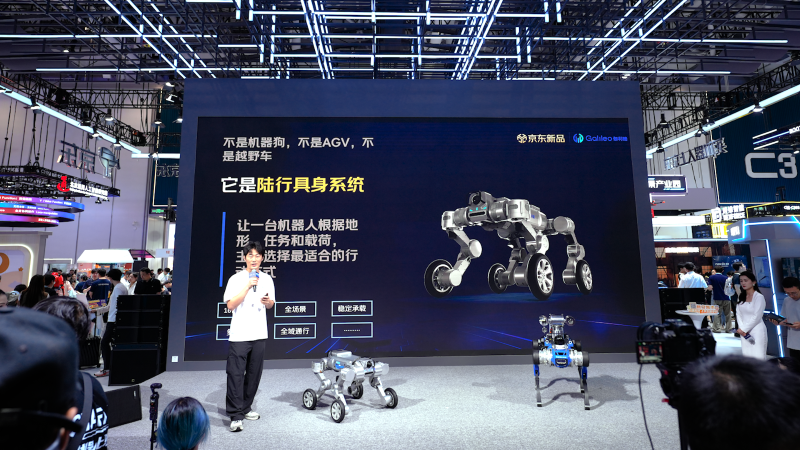
Galileo Unveils Galileo X All-Terrain Mobility Platform at World Robotics Conference 2026
During the 2026 World Robotics Conference, Galileo launched the Galileo X all-terrain mobility platform, introducing a new category called the 'Land Walking System.' The concept machine weighs approximately 50 kg and demonstrated a load capacity of around 70 kg with multi-modal switching. Galileo plans to release a mass production version in Q4, targeting a rated load of 200 kg, a maximum load of 400 kg, and a full-load endurance of 15 hours. This launch is significant as it addresses the limitations of existing robotic solutions in complex industrial environments. Traditional quadruped robots excel in obstacle navigation but struggle with endurance and load efficiency, while AGVs are limited to flat, enclosed spaces. The Galileo X aims to create a seamless task chain for industrial operations, reducing the need for multiple devices and associated costs. Looking ahead, no further timeline was disclosed at the time of publication. However, the industry will be watching how Galileo's integrated approach to mobility and control systems can redefine operational capabilities in various sectors, including rail, power, and petrochemicals, where their products have already seen success.
All-Terrain Robots Industrial Robotics Mobility Solutions Robotic Systems
Rice University Develops Technique to Stabilize Diamond During Thermal Processing for Aerospace Applications
Researchers at Rice University have developed a new manufacturing technique that stabilizes diamond during thermal processing at low pressures, resulting in a durable composite material. This advancement, detailed in Materials Today, demonstrates how combining powder materials can overcome previous manufacturing challenges, particularly in creating tougher materials for aerospace and defense applications. The significance of this research lies in its ability to transform diamond into graphite in millionths of a second under hypersonic projectile strikes, a rapid phase change that absorbs kinetic energy. Abhijit Biswas, the study's first author, noted that the resulting composite is nearly nonmachinable and tough, making it suitable for extreme conditions faced in various technologies. Looking ahead, the team utilized spark plasma sintering to create a composite where diamond grains are embedded within a cubic boron nitride structure, offering a practical method for large-scale production of diamond-based parts. Future studies may focus on further evaluating the mechanical limits of this composite and its potential applications in high-performance environments. No further timeline was disclosed at the time of publication.
Innovation
US Marine Corps Awards $11 Million Contract for Epirus' HAVOC Microwave Weapon System
The US Marine Corps has awarded Epirus an $11 million contract for the HAVOC system, a vehicle-mounted high-power microwave weapon designed to disable drone swarms. This system is derived from Epirus' Leonidas weapon and will be integrated into both manned and unmanned Marine Corps vehicles, enhancing their counter-drone capabilities. The HAVOC system represents a significant advancement in the Marine Corps' efforts to combat drone threats, providing three times the power and improved range compared to its predecessor, the Expeditionary Directed Energy Counter-Swarm system (ExDECS). This capability allows for simultaneous electronic effects against multiple drones, ensuring effective protection for high-value assets and personnel. Looking ahead, the HAVOC system's software-driven architecture will enable continuous updates to counter evolving drone technologies. The universal sled mount design will facilitate its deployment across various Marine Corps vehicles, enhancing operational flexibility. No further timeline was disclosed at the time of publication.
Military
Japanese Researchers Discover Nonreciprocal Motion in 10,000 Microscopic Particles
Researchers from Tokyo University of Science have demonstrated that over 10,000 microscopic particles can break Newton's action-reaction symmetry to achieve spontaneous motion. Led by professors Yutaka Sumino and Kiwamu Yoshii, the study utilized a colloidal system where particles interacted under an alternating electric field, leading to the formation of asymmetric pairs that propelled themselves through a liquid. This discovery is significant as it challenges traditional physics principles, specifically Newton's third law of motion, which states that every action has an equal and opposite reaction. The researchers found that larger particles attracted smaller ones more strongly, resulting in nonreciprocal interactions that allowed the particles to form dynamic clusters instead of static structures. Moving forward, the implications of this research could extend to various fields, including materials science and robotics, where understanding nonreciprocal interactions may lead to innovative applications. No further timeline was disclosed at the time of publication.
Science
NEDO Launches Contest for Automated Surface Defect Inspection Robots in Automotive Manufacturing
NEDO (New Energy and Industrial Technology Development Organization) has announced a new theme under the 'NEDO Challenge' program, focusing on robot solutions for manufacturing. The initiative invites proposals for automating surface defect inspections in the automotive industry through 'Contest A'. This contest aims to address labor shortages in small and medium-sized manufacturing businesses while promoting the adoption of robotic technologies. The significance of this initiative lies in its potential to enhance efficiency in automotive manufacturing, particularly in automating the inspection of surface defects such as scratches and color inconsistencies. By developing and implementing robotic solutions starting from the automotive sector, NEDO aims to create a ripple effect throughout the entire supply chain, encouraging broader adoption across various manufacturing sectors. Looking ahead, Contest A will be conducted in two phases: Contest A1 will focus on identifying challenges in automating inspection processes, while Contest A2 will involve developing functional robots based on the proposals from A1. The application period for A1 is set from June 30, 2026, to October 16, 2026. Future plans may include Contest B, aimed at promoting robot adoption in a wider range of manufacturing industries.

Moonshot AI Unveils K3 Report Detailing Advanced Technologies for DeepSeek
Moonshot AI has released a comprehensive 47-page technical report on the K3 project, highlighting several innovative technologies. Key features include the KDA+Gated MLA hybrid attention mechanism, AttnRes cross-layer retrieval, and Stable LatentMoE, which utilizes 896 experts. Additionally, the report discusses the implementation of 51.2 million reinforcement learning sandboxes. The significance of this report lies in its potential to redefine the capabilities of DeepSeek through advanced AI methodologies. The introduction of hybrid attention and cross-layer retrieval could enhance the efficiency and effectiveness of AI systems, making them more adept at handling complex tasks. The large number of reinforcement learning sandboxes indicates a robust framework for training and testing AI models. Looking ahead, industry stakeholders should monitor how these technologies will be integrated into existing systems and their impact on AI development. The advancements presented in the K3 report may set new benchmarks in AI performance and scalability. No further timeline was disclosed at the time of publication.
Technology
Jining Transforms into a Robotics Hub, Redefining Its Industrial Identity
Jining, a historic city known as the hometown of Confucius and Mencius, is redefining its industrial identity through robotics. In July, the 2026 'Robot+' Innovation Development Conference took place in Jining, attracting 165 upstream and downstream robotics companies and showcasing ten practical application scenarios. The city, one of Shandong's four major robotics industry hubs, is drawing national capital with its unique approach. As a top 100 city for advanced manufacturing in China, Jining encompasses 38 of the 41 major industrial categories, including engineering machinery and biomedicine. Thousands of enterprises are advancing digital transformation and automation upgrades. The demand for robotics is particularly strong in heavy industries, coal mining, and logistics, with significant opportunities for mining robots and warehouse automation. Jining's development strategy involves differentiated growth across its districts, focusing on core components, drones, and service robots. The city has established a 500 million yuan investment fund for robotics and is prioritizing projects in key areas such as industrial robots and special-purpose mining robots. As Jining embraces robotics, it illustrates the synergy between its rich cultural heritage and intelligent manufacturing.
Robotics Industrial Automation Smart Manufacturing AI Technology
Taiwan Secures Contracts for Sea Drones to Enhance Coast Guard Defense Against China
Taiwan has awarded contracts for dozens of sea drones to bolster its Coast Guard capabilities amid rising tensions with China. This decision reflects Taiwan's commitment to enhancing its maritime defense using U.S. technology as a countermeasure against China's expanding maritime operations in the region. The procurement of these sea drones is significant as it underscores Taiwan's proactive approach to strengthening its defense mechanisms in response to China's increasing maritime assertiveness. The move aims to enhance the Coast Guard's operational capabilities and ensure the security of Taiwan's waters. Looking ahead, further developments in Taiwan's defense strategy may emerge as the country continues to adapt to the evolving geopolitical landscape. No further timeline was disclosed at the time of publication.
Ukraine's 123rd Territorial Defense Brigade Conducts Historic Amphibious Operation with Unmanned Systems
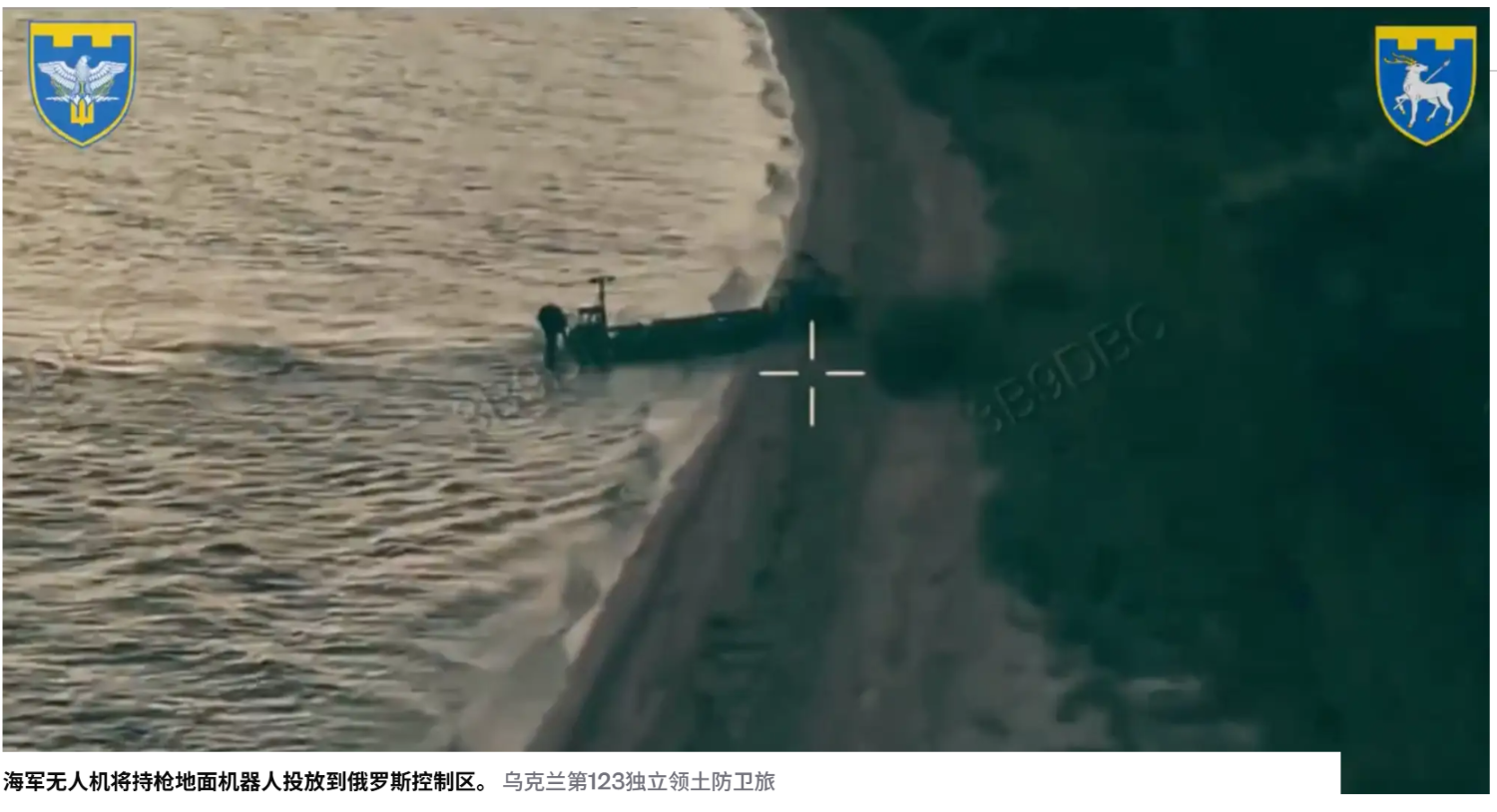
On July 13, 2026, Ukraine's 123rd Independent Territorial Defense Brigade executed a historic amphibious operation utilizing unmanned systems. This marked the first known joint combat mission involving an unmanned surface vessel (USV) and an unmanned ground vehicle (UGV) in a military context. The operation took place on the Kinburn Spit, an area long controlled by Russian forces, where the USV successfully delivered the UGV to the enemy coast without any human soldiers stepping onto hostile territory. The significance of this operation lies in its demonstration of a new combat paradigm where unmanned systems can effectively replace human soldiers in high-risk scenarios. The UGV, reportedly manufactured by Lviv's Roboneers, was equipped with a PKT 7.62mm machine gun and was able to engage targets after landing. The 123rd Brigade emphasized that this operation is not merely a technological novelty but represents a fundamental shift in warfare, highlighting the potential for machines to undertake dangerous missions. Looking ahead, the use of unmanned systems in military operations is expected to expand, as the Ukrainian military has already received over 1,000 various ground robot systems. The ongoing evolution from traditional amphibious assaults to unmanned operations could redefine the nature of warfare, reducing risks to human soldiers while increasing operational effectiveness.
Unmanned Systems Robotics Amphibious Operations Military Technology
New Su-57 Weapons Configuration Points To Drone And Cruise Missile Defense Mission
Russia's advanced Su-57 fighter jet is reportedly being repurposed to bolster defenses against Ukraine's expanding long-range strike capabilities. This strategic shift highlights the ongoing military tensions between the two nations, particularly as Ukraine enhances its arsenal with drones and cruise missiles. The modification of the Su-57's weapons configuration suggests a focused effort by Russia to counter these emerging threats. As the conflict continues to evolve, the adaptation of such high-tech military assets underscores the urgency for Russia to maintain its defensive posture in the face of Ukraine's advancements.
Air Air Force Munitions Air Forces Air-To-Air Fighters Russian Air Force
Digital self-defense: Cate Blanchett unveils ‘Human Consent Registry’ for AI controls
In a significant move to empower individuals regarding their personal data, a new initiative has been launched that seeks to provide users with direct control over their information amidst growing concerns about data privacy in an unregulated digital landscape. This initiative, introduced by a coalition of tech companies and privacy advocates, was unveiled at a conference held in San Francisco on October 15, 2023. The motivation behind this initiative stems from increasing public demand for transparency and security in data handling, as recent surveys indicate that consumers are increasingly wary of how their information is collected and used by corporations. By implementing a user-friendly platform, the initiative aims to allow individuals to easily manage their data preferences and consent, thereby fostering a culture of accountability among businesses. The process involves the development of a centralized digital tool that will enable users to access, modify, and delete their personal data across various online services. This tool is designed to integrate seamlessly with existing platforms, ensuring that users can maintain control without facing technical barriers. As this initiative gains momentum, it is expected to set a precedent for future data privacy regulations and encourage other organizations to adopt similar practices, ultimately leading to a more secure and user-centric digital environment.
AI and Robotics
Euro credit default swap costs rise amid renewed concerns over AI.
Concerns over the valuation of AI companies have led to a deterioration in market sentiment, resulting in increased costs for credit default protection on euro-denominated bonds. A report from Deutsche Bank strategists highlights that worries about the technology sector have overshadowed investor optimism regarding progress in U.S.-Iran negotiations. According to data from S&P Global Market Intelligence, the iTraxx Europe Crossover index, which tracks euro high-yield credit default swaps, rose by 3 basis points to 250 basis points. Meanwhile, the iTraxx Europe Main index, which monitors euro investment-grade credit default swaps, increased by 1 basis point to 52 basis points.

New laser weapon system uses rapid pulses to defeat drones swarms in seconds
Israeli startup Esh-Tech has unveiled an innovative laser-based air defense system aimed at countering the increasing threat of aerial attacks. The announcement was made during a technology showcase in Tel Aviv on October 15, 2023. This advanced system is designed to provide a cost-effective and efficient solution for intercepting drones and other airborne threats, which have become more prevalent in recent conflicts. Esh-Tech's motivation stems from the urgent need for enhanced security measures in the region, as traditional defense systems often face limitations in terms of cost and effectiveness against modern aerial threats. The laser technology allows for precise targeting and engagement, significantly reducing the expense associated with conventional missile systems. The development process involved extensive research and collaboration with defense experts, ensuring that the system meets the rigorous demands of military applications. Esh-Tech aims to position its product as a vital tool for both national defense and private sector security, potentially transforming the landscape of air defense strategies in Israel and beyond.
Military
Robot forces could guard NATO’s 2,150-mile east front in new border defense concept
Milrem Robotics has unveiled an innovative strategy aimed at enhancing NATO's defense capabilities in Eastern Europe. This announcement was made during a recent defense technology conference held in Tallinn, Estonia, where the company showcased its latest advancements in autonomous systems. The initiative seeks to address the growing security concerns in the region, particularly in light of increasing geopolitical tensions. By integrating advanced robotics and artificial intelligence into military operations, Milrem Robotics aims to improve situational awareness and operational efficiency for NATO forces. The plan emphasizes collaboration with member states to develop and deploy these technologies effectively, ensuring a robust defense posture against potential threats.
Military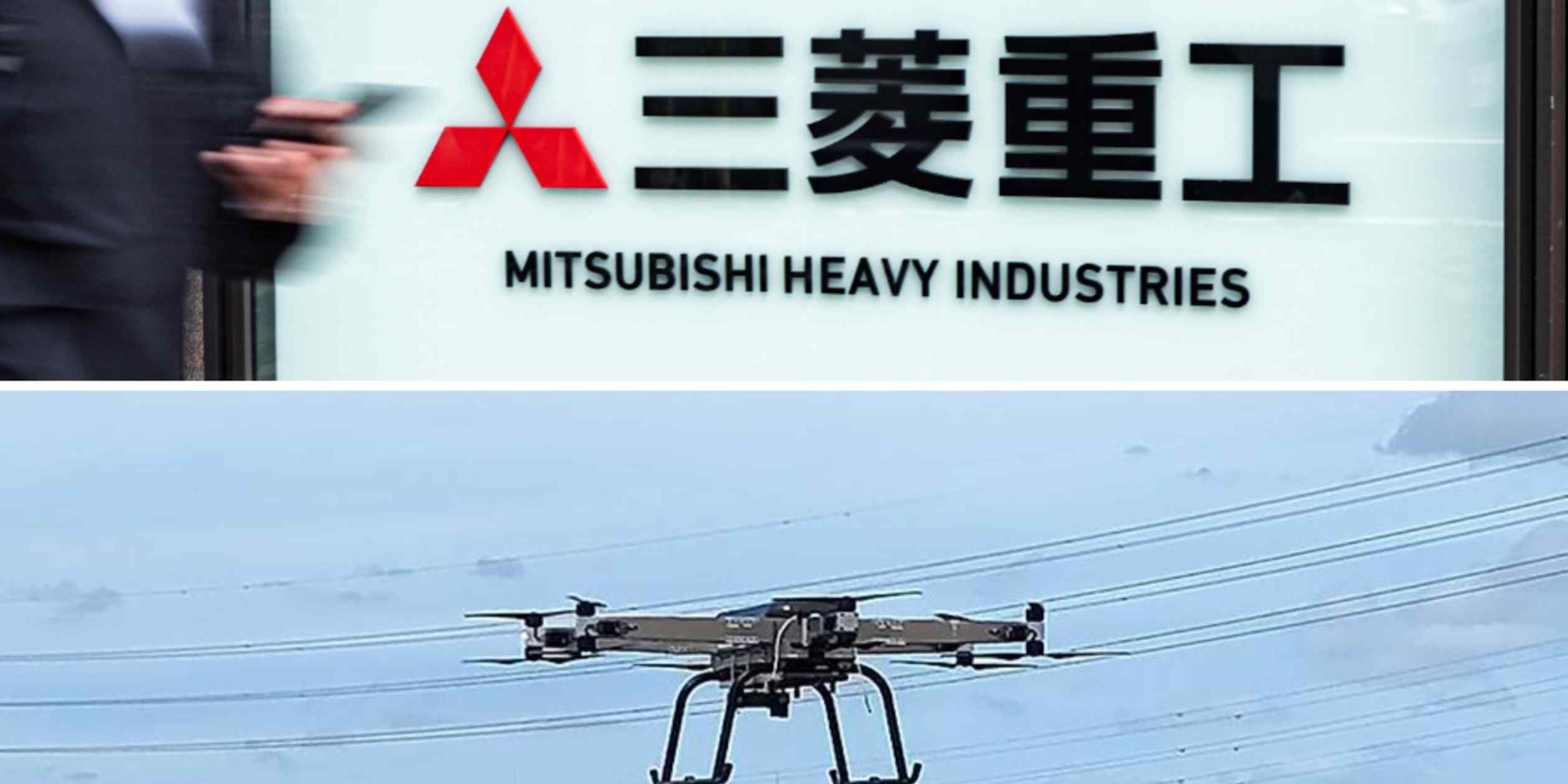
Japan's top defense contractor branches out into small interceptor drones
Mitsubishi Heavy Industries, Japan's leading defense contractor, is shifting its focus towards the development of small interceptor drones in response to the growing significance of low-cost aerial technology amid ongoing conflicts in Ukraine and the Middle East. This strategic move, announced on June 18, 2026, in Tokyo, aligns with Japan's broader initiative to bolster its domestic defense capabilities and establish a self-sufficient drone industry. The company, traditionally known for manufacturing destroyers and missiles, is investing substantial resources into this new sector, reflecting a commitment to adapt to evolving military needs and enhance national security.
Beyond Dexterity: Why Contact May Define the Next Era of Robotics
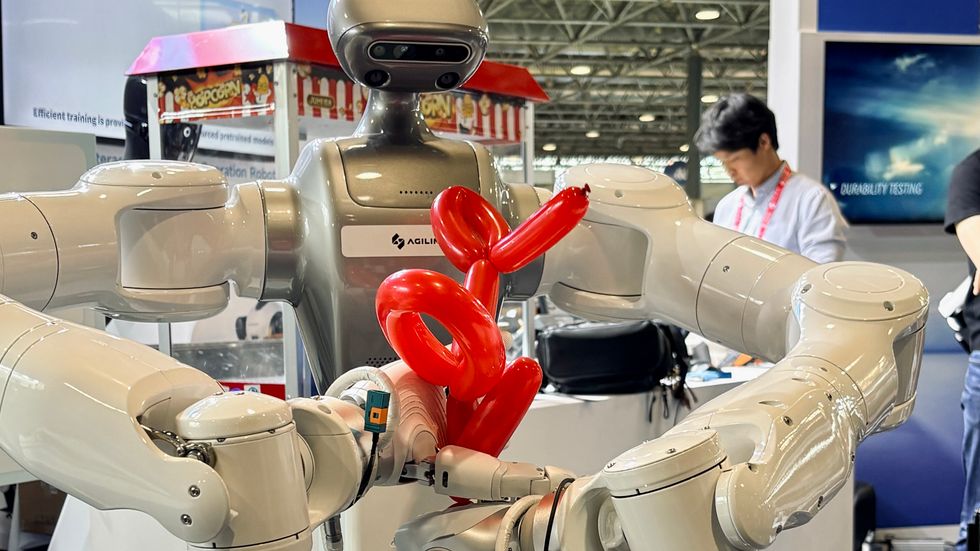
At the 2026 IEEE International Conference on Robotics (ICRA) in Vienna, AGILINK showcased a captivating demonstration of robotic dexterity by creating a balloon dog, which drew significant attention from attendees. This seemingly playful task is recognized in the robotics community as a complex manipulation challenge due to the balloon's lightweight and highly deformable nature. The demonstration highlighted the intricate balance between motion and contact intelligence, essential for successful robotic manipulation. AGILINK's approach involved mapping the actions of professional balloon artists to robotic hands, allowing the robot to learn both successful manipulation sequences and recovery strategies during failures. This dual focus on motion and contact intelligence is crucial, as maintaining stable interaction with the balloon is as important as executing the correct sequence of actions. In conjunction with the balloon dog demonstration, AGILINK introduced the OmniHand 3 Ultra-M, a dexterous robotic hand designed to enhance contact intelligence through advanced sensing and faster response capabilities. The hand features 20 active degrees of freedom and a direct-drive architecture, enabling precise force regulation and tactile sensing across its surface. The significance of these advancements extends beyond balloon animals, addressing broader challenges in robotics related to unstable and deformable interactions, such as delicate assembly and household tasks. As robotics research increasingly prioritizes interaction dynamics, AGILINK's innovations may pave the way for more effective manipulation in unpredictable real-world environments.
Humanoid-robots Physical-ai Dexterous-hands Direct-drive-actuation Robotic-manipulation Reinforcement-learning
Enhancing Industrial Automation: Why Compact Mini PCs Are Quietly Becoming the Default Choice for Robotic Controllers
In recent years, the evolution of control cabinets in modern factories has significantly transformed, with a notable increase in the complexity of components housed within them. Engineers are now tasked with integrating advanced technologies such as vision systems, sensors, controllers, and networking equipment into increasingly confined spaces. This shift has prompted the adoption of compact industrial computers, which are designed to efficiently manage the growing demands of industrial automation. As manufacturers seek to optimize their operations and streamline processes, these compact solutions are becoming essential for maintaining productivity and enhancing system capabilities. The trend reflects a broader movement towards more sophisticated and space-efficient technologies in the manufacturing sector, driven by the need for innovation and efficiency in an ever-competitive landscape.
Automation Computing Factories Industry automation hardware automation news
OpenAI releases life sciences AI "GPT-Rosalind" for bio-defense, raising concerns over dual-use risks.
OpenAI has launched the "Rosalind Biodefense" program, utilizing its frontier reasoning model, GPT-Rosalind, specifically designed for life sciences research. Announced recently, this initiative focuses on detecting biological threats for defense purposes. The program will provide approved developers, U.S. government agencies, and allied partner organizations with free access to its API, aiming to enhance biodefense capabilities.

Elmo Motion Control – The Titanium Line, Redefining Limits of Motion Control
Elmo Motion Control has unveiled its latest line of advanced Titanium servo drives, designed to enhance motion control solutions across various applications. This new generation of single-axis and multi-axis drives boasts high power density and exceptional performance, making them suitable for demanding industrial environments. The drives are equipped with cutting-edge multi-core processors that facilitate superior productivity and ensure functional safety. Set to revolutionize the industry, these compact drives can be operational within minutes, allowing for quick integration into existing systems. The Titanium line also features advanced networking capabilities and local intelligence, providing users with a streamlined and efficient control experience. This innovation aims to meet the growing demand for intelligent motion control solutions that prioritize both performance and safety in an increasingly automated world.
Breakthrough in Shape Memory Alloys: Korean Team Achieves 140° Reversible Deformation in 1 Second
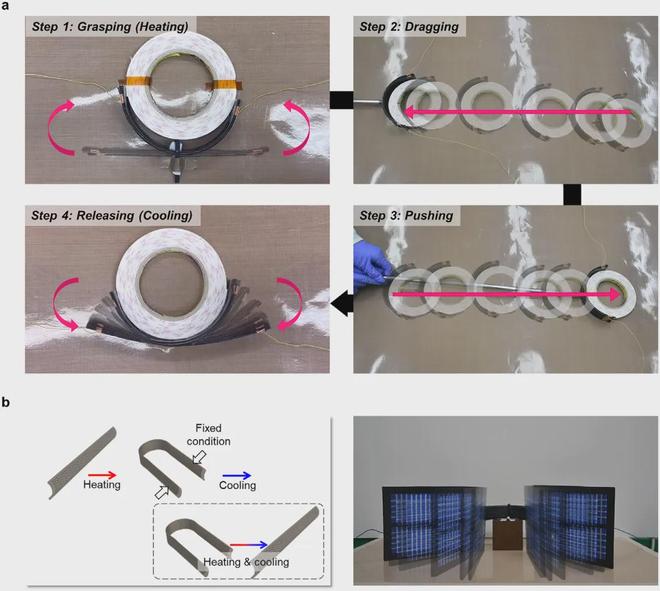
A research team at the Korea Advanced Institute of Science and Technology (KAIST) has unveiled a revolutionary bi-directional shape memory alloy/polymer composite actuator. This new actuator boasts an impressive 82% recovery rate and a deformation range of 140 degrees, significantly improving the functionality of actuators used in robotics and aerospace. The development, which promises to enable rapid and reversible movements, was driven by the need for more efficient and versatile components in advanced technological applications. Researchers achieved this breakthrough through innovative material engineering techniques, positioning the actuator as a potential game-changer in the fields of robotics and aerospace engineering.
Shape Memory Alloys Smart Actuators Robotics Aerospace Technology Material Science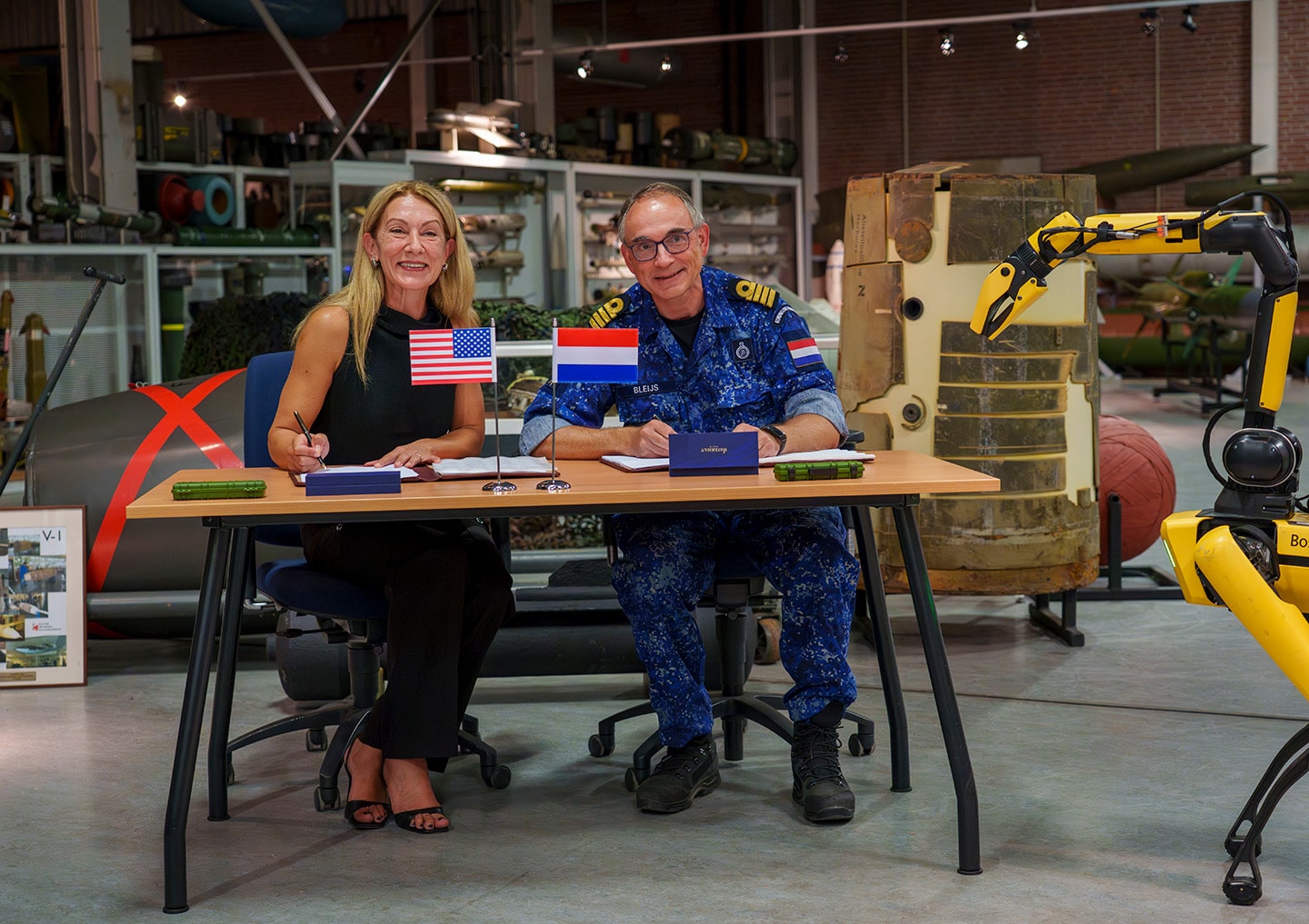
Boston Dynamics Awarded Contract withthe Dutch Ministry of Defence | Boston Dynamics
Boston Dynamics has secured a multi-year contract with the Ministry of Defence to provide its robotic dog, Spot, for use by Explosive Ordnance Disposal Teams. This partnership aims to enhance the capabilities of these teams in safely handling and neutralizing explosive threats. The contract reflects the growing reliance on advanced robotics in military operations, particularly in high-risk environments. The deployment of Spot is expected to begin shortly, with training and integration into existing protocols to follow. This initiative underscores the commitment of the Ministry of Defence to leverage innovative technology for improved safety and efficiency in explosive ordnance management.

UAE defense giant EDGE to acquire ‘controlling’ stake in Italian engine maker
EDGE Group has announced a strategic agreement with CMD to establish a European propulsion hub, a move aimed at enhancing its global industrial presence. Hamad Al Marar, CEO of EDGE Group, emphasized the significance of this partnership in strengthening the company's capabilities in the propulsion sector. The collaboration is expected to bolster EDGE's operational efficiency and expand its technological expertise within the European market. This initiative reflects EDGE's commitment to innovation and growth in the aerospace and defense industries, positioning the company to better serve its clients and partners worldwide.
Global Business & Industry Drones EDGE Group engine Europe
Defense Department increases microelectronics workforce program contract to $100M
A consortium led by Purdue University, known as SCALE, is working to cultivate a skilled technical workforce to support Department of Defense (DOD) technologies. This initiative involves collaboration with 35 educational institutions, including notable partners like Arizona State University. The program is designed to address the growing demand for specialized skills in the defense sector, ensuring that students are equipped with the necessary training and expertise. By fostering partnerships between academia and the DOD, SCALE aims to enhance the pipeline of talent ready to meet the technological challenges faced by the military. The initiative reflects a strategic effort to bridge the gap between education and industry needs, ultimately strengthening national security through a well-prepared workforce.
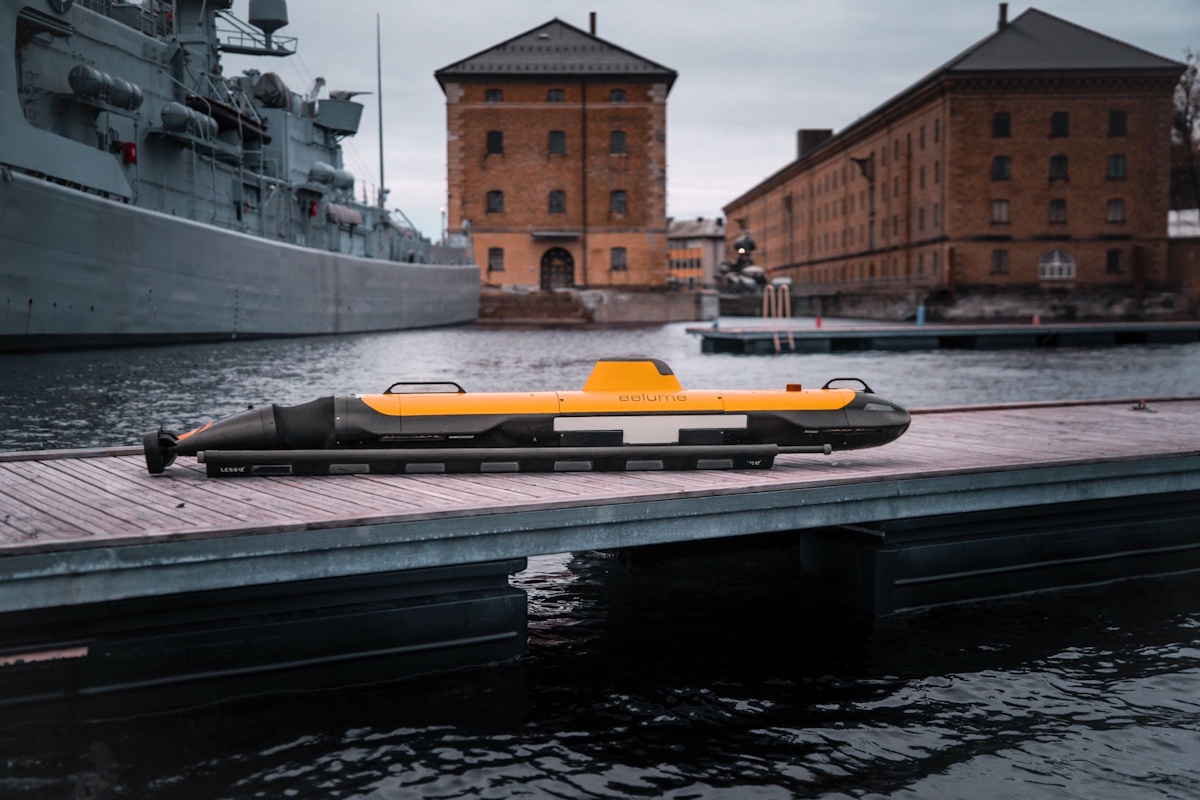
Eelume Awarded a 3-year Contract by the Norwegian Ministry of Defence
The Norwegian Ministry of Defence has awarded a three-year contract to Eelume AS for the development of the All-Terrain Autonomous Underwater Vehicle, known as the Eelume S. This contract aims to enhance Norway's underwater capabilities, reflecting the country's commitment to advancing its defense technology. The partnership is expected to leverage Eelume's expertise in autonomous systems to create a versatile underwater vehicle capable of operating in various environments. The contract signifies a strategic investment in innovative defense solutions, ensuring that Norway remains at the forefront of maritime security.
eelume contract award norwegian ministry of defence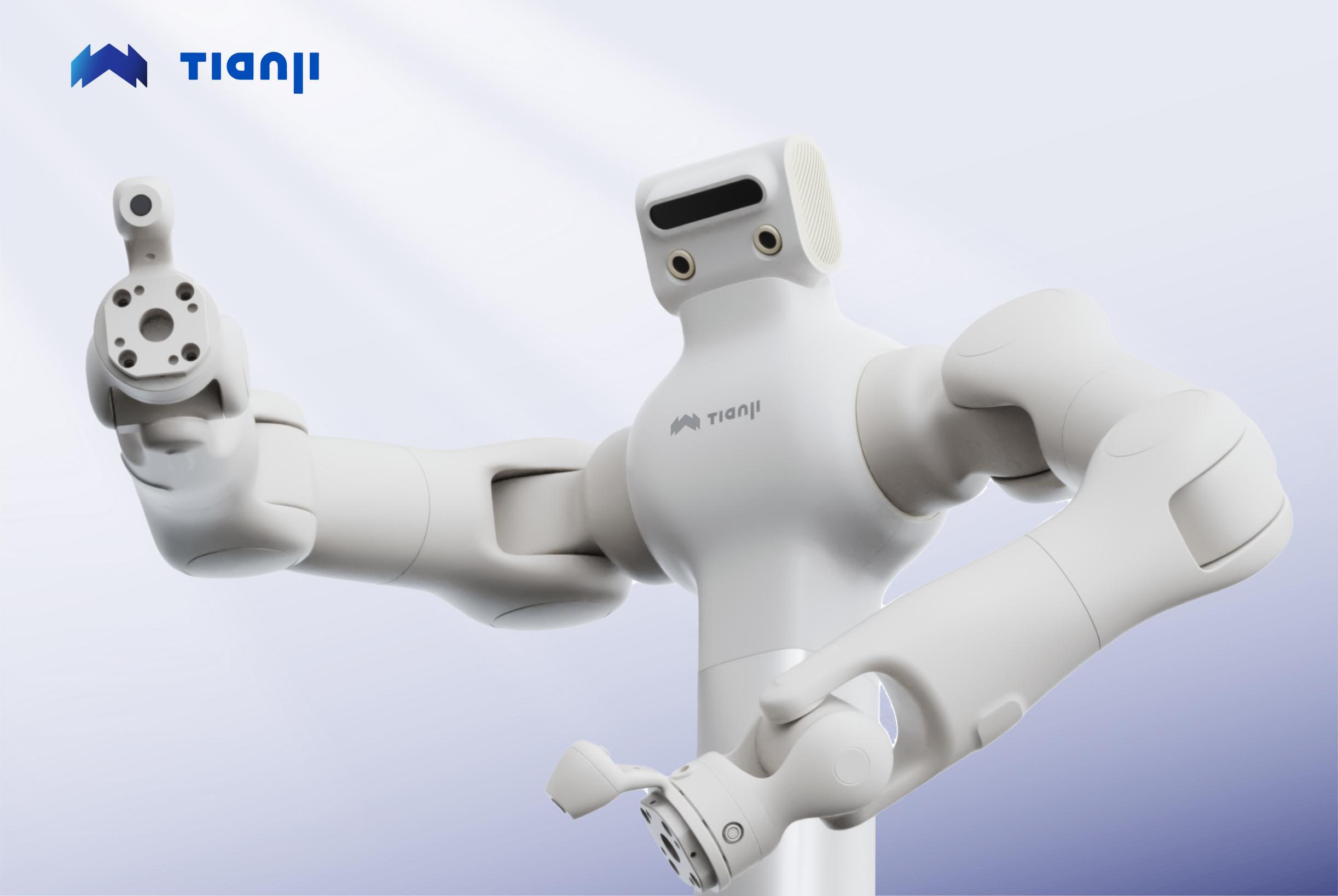
Tianji Intelligent: Defining Industry Standards for Force Control Humanoid Dual Arms and a New Generation of Embodied Intelligent Platforms
Tianji Intelligent is set to revolutionize the humanoid robotics industry with the introduction of the world's first force control humanoid arms in 2024, followed by dual arms in 2025. This groundbreaking development is driven by the company's commitment to enhancing precision and performance in robotics. Utilizing innovative MEMS force sensors and advanced dual-arm coordination technology, Tianji Intelligent aims to establish new standards in the field. The launch is anticipated to significantly impact various applications, showcasing the potential of humanoid robots in industries requiring intricate manipulation and interaction.
Force Control Robotics Humanoid Robots Industrial Automation AI Technology
“Existential risk” – Why scientists are racing to define consciousness
Scientists are raising alarms about the swift progress in artificial intelligence and neurotechnology, which is outstripping our comprehension of consciousness and posing significant ethical risks. Recent studies suggest that creating scientific assessments for awareness could revolutionize fields such as medicine, animal welfare, law, and AI development. However, the challenge of recognizing consciousness in machines, brain organoids, or patients may compel society to reevaluate concepts of responsibility, rights, and moral limits. As the discourse around consciousness becomes increasingly critical, the implications of these advancements are both urgent and unsettling.

Elmo Launches New Titanium Product Line and Platinum Servo Drives at SPS 2025, Redefining Limits of Motion Control
A new high-performance technology has been introduced, aimed at enhancing efficiency in demanding industrial and harsh-environment applications. This innovative solution, characterized by its compact design and advanced features, is set to revolutionize operations across various sectors. The launch, which took place in October 2023, highlights the growing need for reliable and robust equipment that can withstand challenging conditions. By integrating cutting-edge technology, the product promises to meet the rigorous demands of industries, ensuring superior performance and reliability.
Robotics needs a service framework.
RSF defines a common language for robot service capability, lifecycle operations, certification pathways, and service-provider networks.
Join the RobotToday community on LinkedIn
Daily robotics news, in-depth analysis, conference highlights, and discussions with professionals worldwide.







