Industry Briefing
A single destination for timely, editor-curated robotics news from around the world.

Rapta Secures $8 Million Funding to Enhance AI Quality Assurance in Defense Manufacturing
Rapta has successfully raised $8 million to further develop its AI-driven quality assurance and manufacturing intelligence platform tailored for defense and aerospace sectors. The funding round was co-led by Voyager Capital and Access Venture Partners, with contributions from several other investors. This financial boost will enable Rapta to expand the deployment of its Manufacturing Intelligence Platform, which integrates computer vision and production data to enhance quality tracking and process performance. The significance of this funding lies in Rapta's technology, which is already utilized by five of the ten largest U.S. defense contractors. By addressing challenges such as quality issues and fragmented data in production environments, Rapta's platform aims to streamline operations without necessitating a complete overhaul of existing technology infrastructures. This approach is particularly crucial in industries with stringent compliance requirements, where accurate documentation and traceability are vital. Looking ahead, Rapta's focus will be on leveraging the new funding to enhance its platform's capabilities and expand its market presence. The addition of Voyager and Access Venture Partners' representatives to its board is expected to provide valuable guidance during this critical phase. No further timeline was disclosed at the time of publication.
AI AI Funding & Investment Robotics Access Venture Partners BVC DeepWork Capital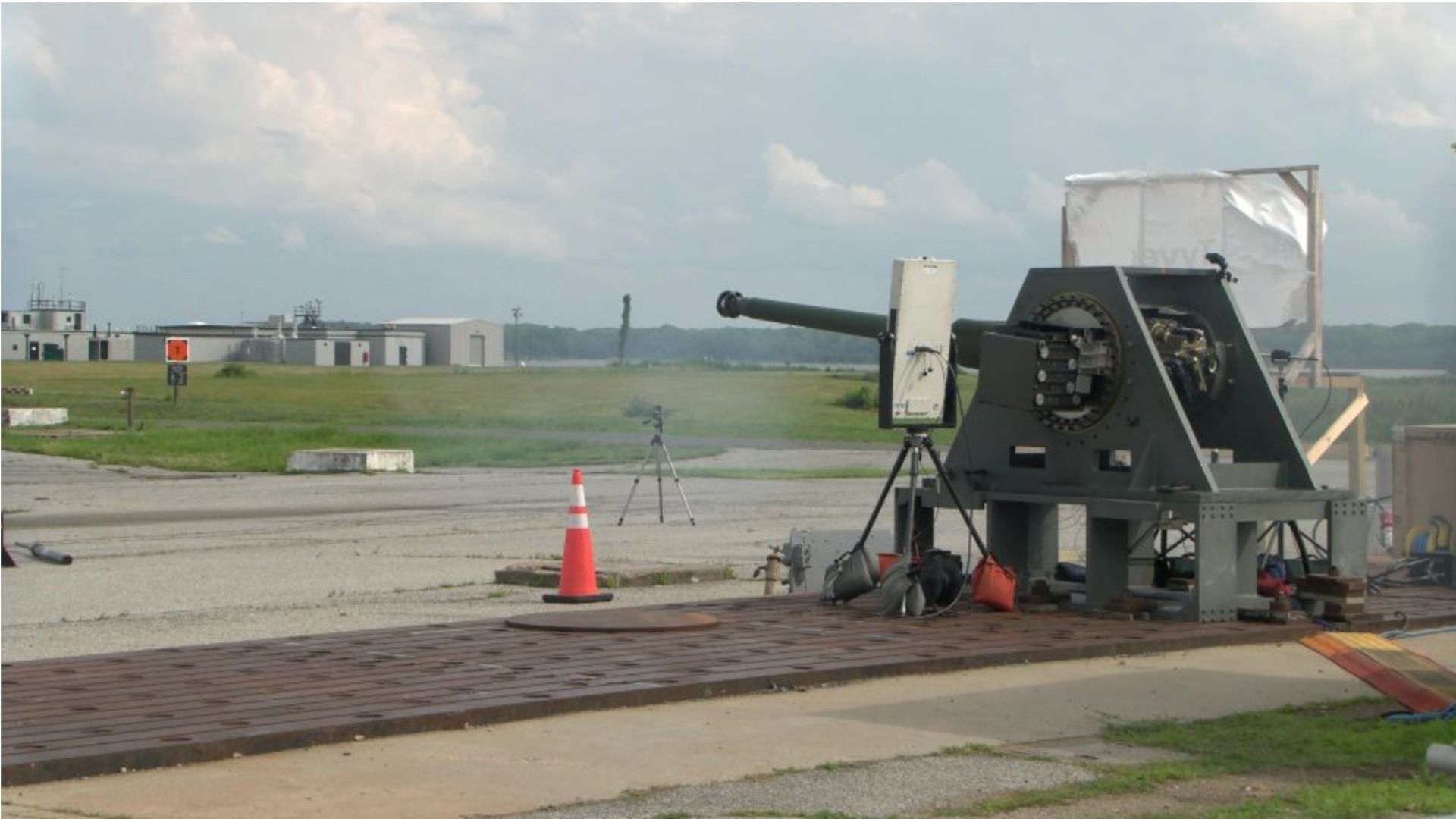
Northrop Grumman Advances 50mm Projectile Testing for Raid Hunter Air Defense System
Northrop Grumman has successfully conducted an aeroballistic test of a new 50mm round for its Raid Hunter air defense system. The test involved firing the projectile from an XM913 Chain Gun to validate its performance and gather flight data, which will aid in developing a guided, proximity-fuzed projectile. This development is significant as it enhances the Raid Hunter's capability to counter coordinated attacks from various aerial threats, including drone swarms and cruise missiles. The high-fidelity data collected during the test matched pre-test predictions, confirming the projectile's design and performance, which is crucial for the next development phase focused on guidance and proximity fuzing. Looking ahead, Northrop Grumman aims to integrate this advanced ammunition with its Bushmaster Chain Gun technology to create a high-rate defensive system. This combination is designed to effectively respond to mixed aerial threats, positioning Raid Hunter as a scalable and cost-effective solution for short-range air defense challenges.
Military
SimActive CEO Discusses Evolving Defense Mapping Workflows at INTERGEO 2023
At the INTERGEO show in Munich, SimActive CEO Philippe Simard highlighted the increasing importance of speed, usability, and data integration in defense mapping. He emphasized that the value lies not just in the maps themselves but in the actionable information derived from them, particularly in defense scenarios where timely decisions are crucial. Simard pointed out that the geospatial industry is evolving to provide tools that automate the extraction of intelligence from mapping data. This shift is vital for defense organizations, which often face rapidly changing conditions on the ground. He noted that while drones have simplified data collection, processing speed remains a bottleneck, with many products taking too long to deliver actionable insights. Looking ahead, Simard indicated that the demand for rapid, accurate mapping solutions will continue to grow, especially for applications like damage assessment and line-of-sight analysis. He stressed that while speed is essential, accuracy remains critical, albeit with different standards depending on the application, particularly in defense contexts.
Applications Defense defense DL Exclusive Drone News Drone News Feeds
Hanwha and Magnet Defense to Begin Construction of New MUSV This Fall
Hanwha and Magnet Defense have announced plans to commence construction on a new Medium Unmanned Surface Vehicle (MUSV) this fall. The two companies formalized their collaboration through a memorandum of understanding signed in April, which outlines their commitment to developing this advanced maritime technology. The development of the MUSV is significant as it represents a strategic partnership aimed at enhancing capabilities in unmanned maritime operations. This initiative is expected to contribute to advancements in naval defense technology, reflecting the growing importance of unmanned systems in modern military applications. Looking ahead, testing of the MUSV is scheduled for next year, marking a critical phase in the project. Stakeholders will be keen to monitor the progress of this collaboration and its implications for the defense sector, particularly in the context of increasing investments in unmanned vehicle technologies.
Naval Warfare Drones Hanwha Hanwha Defense USA Magnet Defense MUSV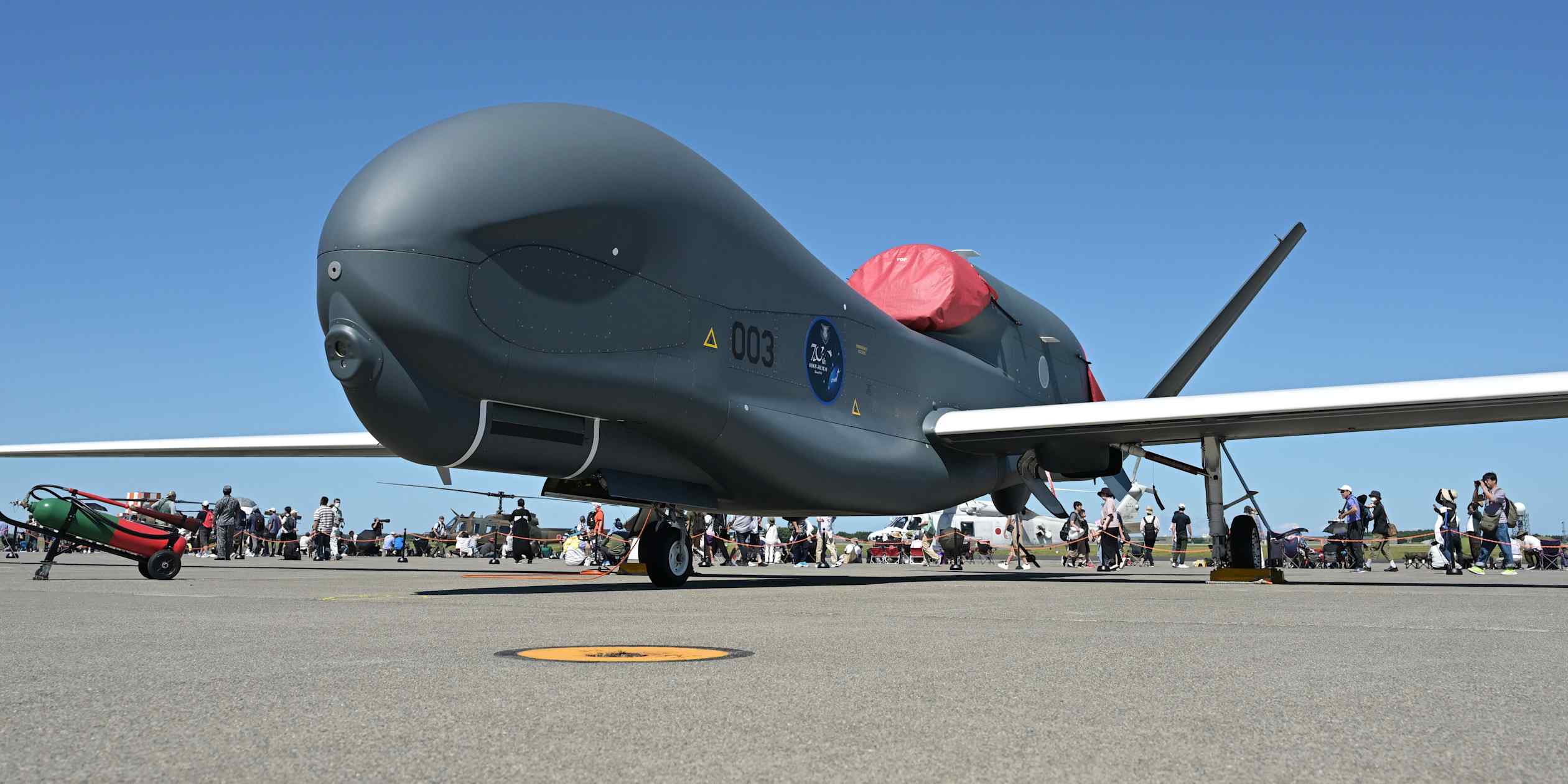
Japan Air Self-Defense Force Confirms Crash of Global Hawk Drone Off Tottori Coast
The Japan Air Self-Defense Force (JASDF) has confirmed that its Global Hawk RQ-4B unmanned reconnaissance drone crashed after losing ground contact. The confirmation came after debris was found floating off the coast of Tottori prefecture, identified as belonging to the drone. This incident is significant as it raises concerns about Japan's surveillance capabilities and overall defense posture. The loss of the Global Hawk, known for its advanced reconnaissance capabilities, may impact Japan's ability to monitor regional threats effectively. Moving forward, the JASDF has dispatched an investigation team to determine the cause of the crash. No further timeline was disclosed at the time of publication.
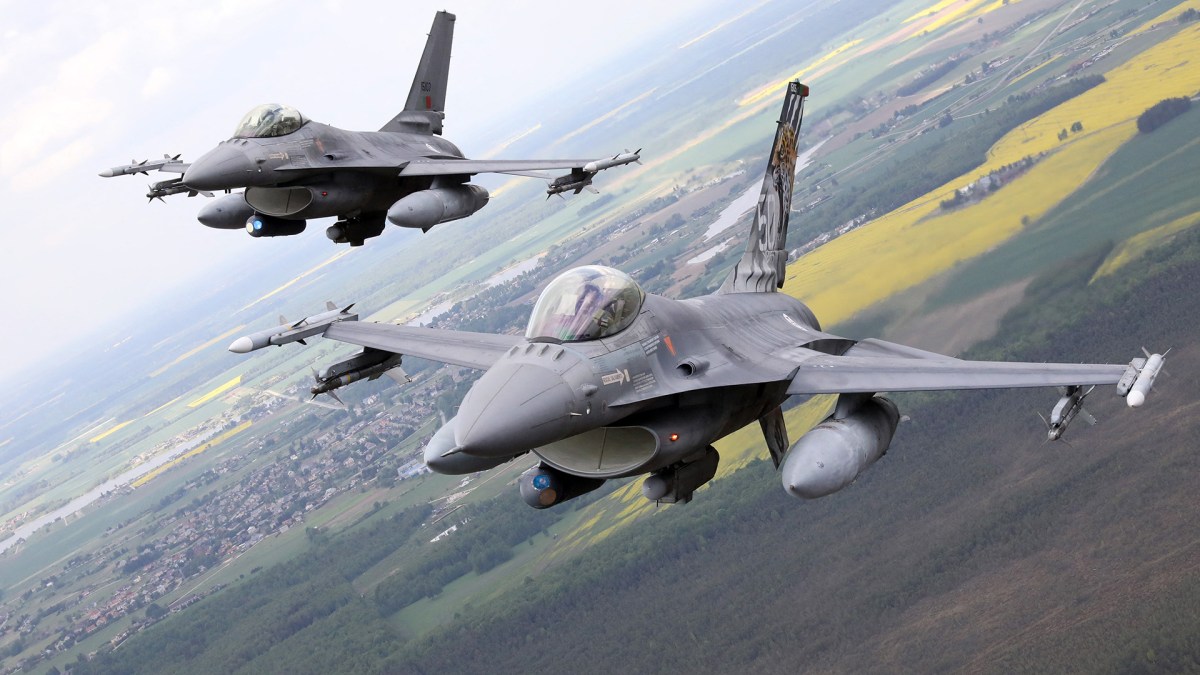
U.S. Air Force Leader in Europe to Implement NATO's New Air Defense Strategy
The top U.S. Air Force officer in Europe, Lt. Gen. Jason T. Hinds, has been assigned to implement NATO's new air defense plans aimed at countering threats from cruise missiles and drones. This directive follows a recent incident where NATO had to intercept a drone that entered Lithuanian airspace, highlighting ongoing security concerns amid Russian aggression in Europe. The significance of this initiative lies in NATO's response to increasing hybrid threats from Russia, particularly in light of the ongoing conflict in Ukraine. European Commission President Ursula von der Leyen emphasized that such incidents are indicative of a broader pattern of Russian provocations, testing NATO's readiness and resolve. Lt. Gen. Hinds noted that the Enhanced Vigilance Activity (EVA) Eastern Sentry and Standing Defense Plan 12000 are crucial for providing member nations with the necessary capabilities to defend their airspace. Looking ahead, NATO aims to enhance its integrated air and missile defense systems, which currently rely heavily on air power to counter drone threats. Lt. Gen. Hinds expressed the need for more efficient and cost-effective solutions, such as lower-cost interceptors. No further timeline was disclosed at the time of publication.
Air Air Force Munitions Air Forces Air-To-Air Around The Globe Europe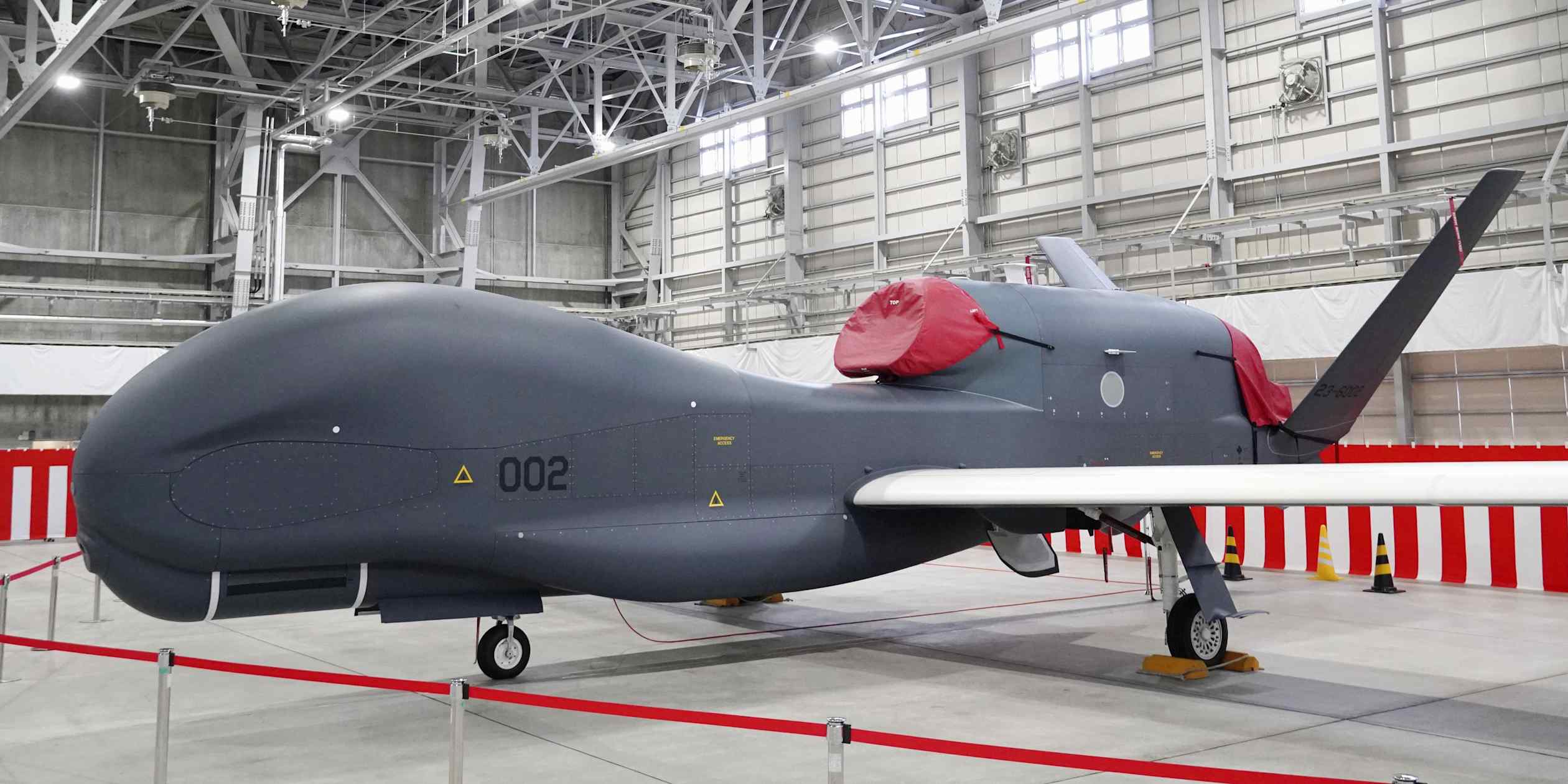
Japan Air Self-Defense Force Loses Communication with Global Hawk Drone in Tottori
The Japan Air Self-Defense Force reported the loss of communication with a Global Hawk unmanned reconnaissance drone operating off the coast of Tottori prefecture. The aircraft is now considered missing, prompting an active search operation in the area. This incident highlights the challenges faced by military forces in maintaining operational control over advanced unmanned systems. The loss of the Global Hawk drone raises concerns regarding the reliability of communication systems and the potential implications for surveillance operations in the region. As the search continues, it will be important to monitor the developments surrounding the recovery efforts and any findings related to the incident. No further timeline was disclosed at the time of publication.

Wingcopter Unveils All-Electric Wingcopter 262 for Tactical Reconnaissance in Defense Sector
Wingcopter has launched the all-electric Wingcopter 262, featuring a wingspan of 262 centimeters (103 inches) and a tactical range of 150 kilometers (93 miles). This new vertical take-off and landing aircraft is designed for defense and security applications, offering up to six hours of flight endurance and a maximum takeoff weight of 10 kilograms (22 pounds). The introduction of the Wingcopter 262 is significant as it enhances reconnaissance capabilities with AI-enabled cameras and resilient navigation for GNSS-denied environments. The aircraft's modular battery system allows for quick mission readiness, making it suitable for persistent aerial surveillance in tactical operations. Wingcopter's experience in unmanned aircraft development underpins this innovative platform. Looking ahead, Wingcopter's new business unit, Wingcopter Security and Defence, aims to expand its portfolio in the defense sector, including logistics and reconnaissance. The company is also collaborating with TAF Industries to support drone production in Ukraine. No further timeline was disclosed at the time of publication.
Defense Drone News Drone News Feeds Military News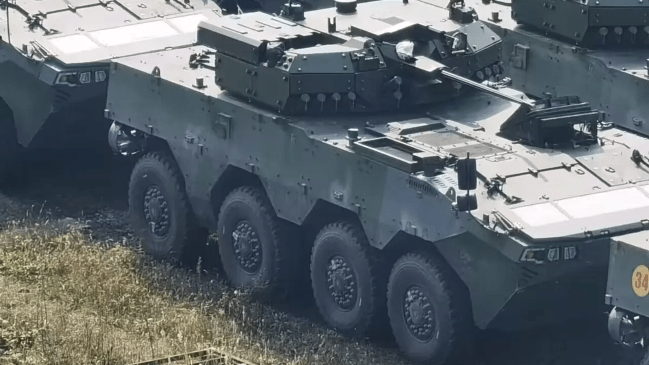
China Develops Type 19 Vehicle as Mobile Laser Defense Against Drone Threats
China is reportedly developing a new variant of its Type 19 amphibious 8×8 combat vehicle, equipped with a turret-mounted laser weapon and additional sensors. This modification aims to enhance protection for frontline troops against the increasing use of drones, particularly in potential conflicts involving Taiwan. The significance of this development lies in its potential application during military operations, especially as Taiwan expands its drone capabilities. The modified Type 19 could provide crucial counter-drone protection for PLA forces during amphibious landings, although the impact of the new equipment on the vehicle's performance remains uncertain. Looking ahead, the effectiveness of the Type 19 variant will depend on overcoming engineering challenges related to weight and operational capabilities. As Taiwan enhances its drone warfare strategies, the need for effective counter-drone systems becomes increasingly critical for the PLA, particularly in scenarios involving drone swarms targeting their forces.
Military
Rethinking Air and Missile Defense Due to Concurrent Attacks on US Bases
Recent attacks on US bases during the Iran conflict have highlighted vulnerabilities in air-and-missile-defense systems. Despite high overall effectiveness, these incidents reveal significant gaps that need to be addressed to enhance security measures. The implications of these vulnerabilities are critical for national defense strategies. As threats evolve and become more sophisticated, it is essential for military planners to reassess current defense capabilities and consider upgrades or new technologies to mitigate risks. Looking ahead, the focus will likely shift towards developing more robust air-and-missile-defense systems. Continuous evaluation and adaptation will be necessary to counteract emerging threats effectively. No further timeline was disclosed at the time of publication.
Air Warfare air and missile defense Air Force AMD strategy Counter UAS Counter UAS cUAS
Canada and Ukraine Forge Long-Term Defense Partnership for Uncrewed Technologies
Canada and Ukraine have entered a significant defense agreement to collaboratively produce uncrewed technologies, counter-drone systems, and munitions. This partnership, announced by Canadian Prime Minister Mark Carney during Ukrainian President Volodymyr Zelenskyy's visit to Calgary, aims to enhance Ukraine's defense capabilities amid ongoing Russian aggression. The agreement is part of a broader commitment to a '100-year partnership' between the two nations, combining Ukraine's battlefield experience with Canada's manufacturing and technological expertise. Notably, General Dynamics Mission Systems of Canada and Ukraine's Green Tech Harvest will explore co-producing Ukrainian-designed drones, while Canada plans to invest approximately $350 million in air defense interceptors through the Joint Ukraine Multinational Program. Looking ahead, the partnership is expected to bolster Ukraine's air defense capabilities significantly, with Zelenskyy highlighting the training of 21 Ukrainian pilots in Canada. However, specific operational details regarding the drone cooperation remain limited. No further timeline was disclosed at the time of publication.
Air Warfare Allies Air Force canada Drones Europe
European Group Calls for Increased Vigilance Among Defense Firms Amid Rising Tensions
The Aerospace, Security & Defence Industries Association of Europe has urged defense firms to enhance their vigilance following a series of suspicious incidents. This call for heightened awareness comes as European officials have increasingly implicated Moscow in various activities, raising concerns about security within the defense sector. The emphasis on vigilance is crucial as the geopolitical landscape continues to evolve, with potential threats necessitating a proactive approach from defense companies. The association's statement highlights the importance of safeguarding sensitive information and maintaining operational integrity in light of these developments. Looking ahead, industry stakeholders should monitor the situation closely, as further incidents could prompt additional regulatory measures or changes in operational protocols. No further timeline was disclosed at the time of publication.
Global arson Denmark Drones Europe Germany
U.S. Departments of Energy and Defense Showcase Automated Manufacturing at IMTS 2026
Leaders from the U.S. Departments of Energy and Defense will showcase live production and flight demonstrations of quadcopter drones and the 11-foot-tall Aires Tide test flight vehicle at The International Manufacturing Technology Show 2026. This event will highlight how advanced manufacturing technologies can enhance the speed and flexibility of U.S. defense production. The demonstration, taking place at the AMT Emerging Technology Center, will feature a full-scale manufacturing cell developed by the DOE’s Manufacturing Demonstration Facility at Oak Ridge National Laboratory. This cell integrates automation with both subtractive and additive manufacturing to produce quadcopter airframes, which will be flown in a secured area, showcasing the potential of these technologies in national security applications. Looking ahead, the project exemplifies the Genesis Mission, a DOE initiative aimed at leveraging AI and advanced computing for rapid scientific discovery and national security solutions. No further timeline was disclosed at the time of publication.
Factory / Design
USS Mustin Features Advanced Mk 38 Mod 4 Point Defense System with Dual Guns
The USS Mustin, an Arleigh Burke class destroyer, has been equipped with the Mk 38 Mod 4 Gun Weapon System, which integrates a .50 caliber machine gun atop a 30mm chain gun. This innovative system enhances the ship's firepower and capabilities, particularly in countering drone threats. This upgrade is significant as it addresses previous deficiencies in counter-unmanned aerial systems (C-UAS) and improves performance against surface targets. The Mk 38 Mod 4 is currently unique to the USS Mustin, marking a notable advancement in naval defense technology. Looking ahead, the Navy's continued focus on enhancing point defense systems will be crucial in adapting to evolving threats. No further timeline was disclosed at the time of publication.
Sea Naval Gun Systems Navies News & Features U.S. Navy
U.S. Aerospace and Defense Sector Achieves $995 Billion in Sales in 2025
The Aerospace Industries Association (AIA) reported that the U.S. aerospace and defense sector generated $995 billion in sales in 2025, employing 2.2 million workers with an average operator wage of $115,000. The industry maintained a trade surplus of approximately 73%. This significant revenue underscores the importance of the aerospace and defense sector to the U.S. economy, highlighting its role in job creation and technological advancement. Boeing's acquisition of the F-47 next-generation fighter aircraft and Lockheed Martin's record delivery of 191 F-35 Lightning II fighter planes are notable achievements within this thriving industry. Looking ahead, companies like Astronics Corporation and Ducommun are making strides, with Astronics acquiring Bühler Motor Group and Ducommun being recognized as a BAE Supplier of the Year. No further timeline was disclosed at the time of publication.
Technology and IIoT
Covenant, Defense Tech Startup, Exits Stealth After Securing Over $250 Million
Covenant, a defense technology startup, has emerged from stealth mode after successfully raising over $250 million through three funding rounds. The company has already secured military contracts in both the US and Europe, positioning itself as a key player in the defense sector by developing cost-effective heavy-payload, long-range cruise missiles. The significance of Covenant's emergence lies in its potential to disrupt the defense technology market with innovative solutions that promise to reduce costs for military applications. Backed by prominent investor Andreessen Horowitz, Covenant's advancements in missile technology could enhance operational capabilities for armed forces in multiple regions, including the US and Europe. Looking ahead, industry observers will be keen to monitor Covenant's progress in fulfilling its military contracts and the impact of its technology on defense procurement strategies. No further timeline was disclosed at the time of publication.
Elbit America Transitions to New Identity as Twenty-Six Defense
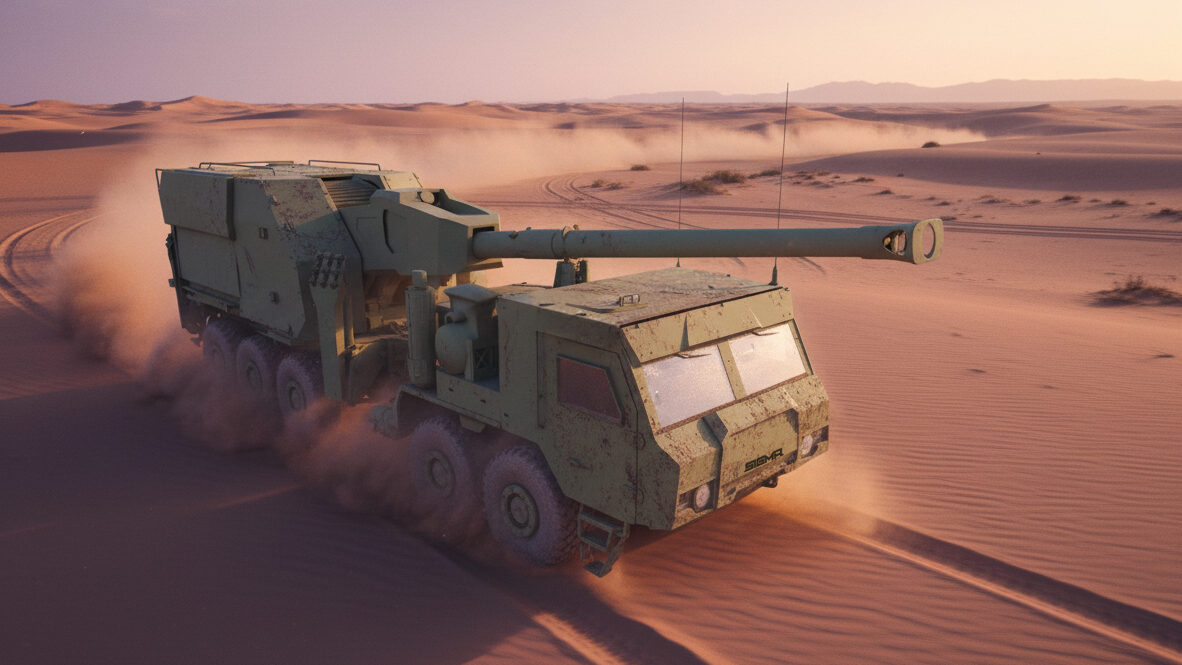
Elbit America, the US division of the Israeli defense contractor, has officially rebranded itself as Twenty-Six Defense. This change reflects a strategic shift in the company's identity and market positioning. The rebranding is significant as it may enhance the company's visibility and alignment with its evolving business objectives. With a workforce of 3,300 employees spread across 10 states, Twenty-Six Defense aims to strengthen its presence in the defense sector. Looking ahead, industry observers will be keen to see how this rebranding impacts the company's operations and market strategy. No further timeline was disclosed at the time of publication.
Global Land Warfare Middle East Army Business & Industry Elbit America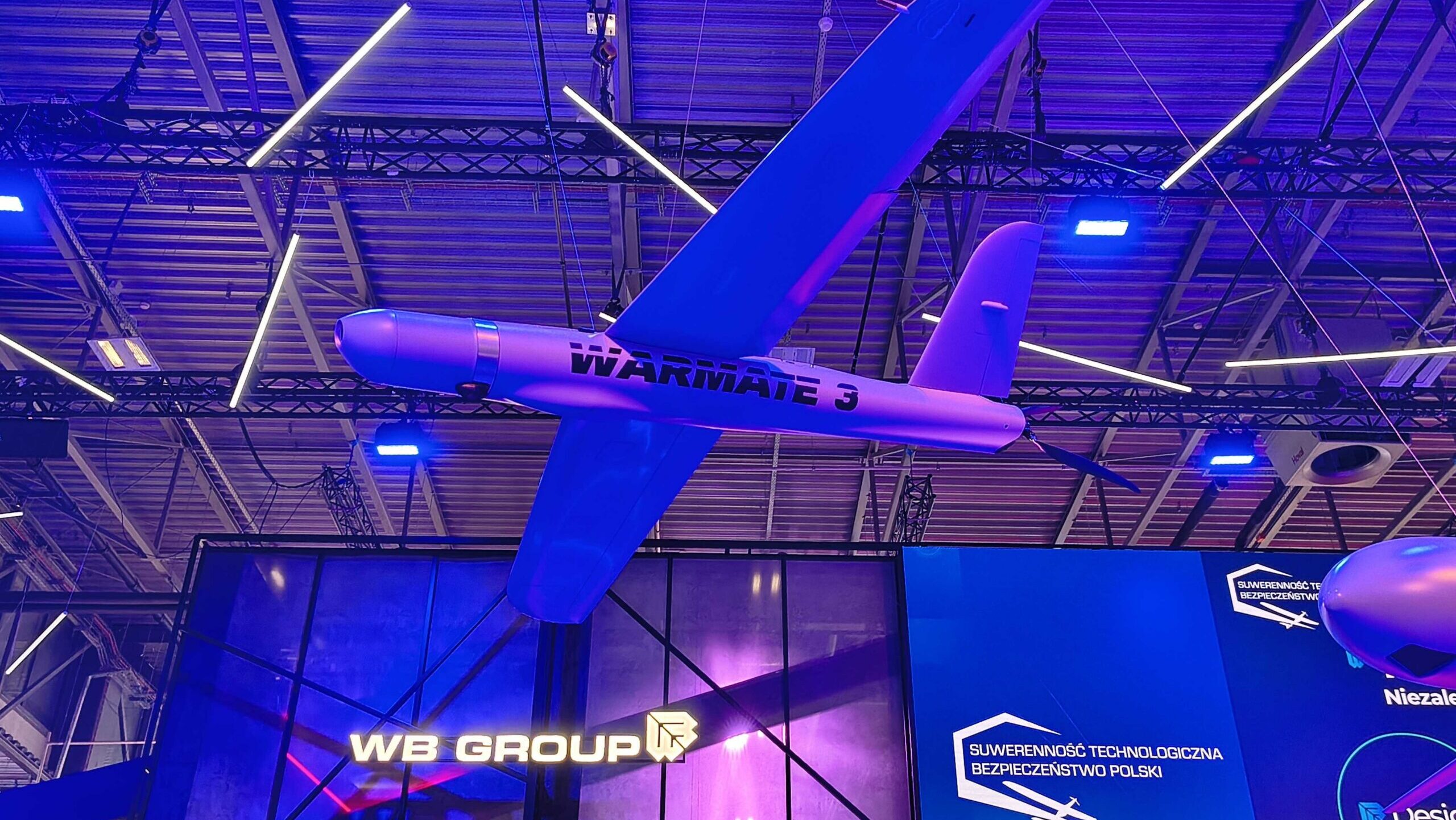
Poland and Canada Sign Defense Cooperation Agreement and Drone Deal
Poland and Canada have formalized a defense cooperation agreement aimed at strengthening bilateral relations, particularly in military training and joint exercises. The agreement was signed by Poland’s Minister of National Defence Władysław Kosiniak-Kamysz and Canadian Minister David J. McGuinty during the MSPO trade show. This partnership highlights Canada's interest in acquiring Polish military equipment, showcasing a shift in Poland's international defense posture. The significance of this agreement lies in its potential to enhance collaboration between the two nations' defense industries and improve military readiness. Polish soldiers are set to participate in Arctic drills in Canada, emphasizing the commitment to joint training efforts. Additionally, the agreement builds on existing cooperation, including the deployment of approximately 2,000 Canadian personnel in Latvia, where Polish forces also contribute to NATO's eastern flank security. Looking ahead, both countries are expected to finalize a drone deal that includes various platforms from WB Group, such as FlyeEye mini-drones and Warmate loitering munitions. This development marks a transition for Poland from a defense equipment purchaser to a producer, reflecting its evolving role in the European defense landscape amid ongoing geopolitical tensions.
Air Warfare Global Air Force canada MSPO 2026 NATO
China's Updated Defense Law Enhances Military Use of AI and Drones
China's revised defense law is set to facilitate the integration of artificial intelligence and drones into military operations. This legislative change aims to enhance the capabilities of the Chinese military, allowing for more advanced technological applications in defense strategies. The significance of this development lies in its potential to reshape military engagements and defense strategies globally. By embracing AI and drone technology, China is positioning itself to improve its military efficiency and effectiveness, which could have far-reaching implications for international security dynamics. Looking ahead, it will be crucial to monitor how this law influences China's military modernization efforts and its impact on regional and global military balances. No further timeline was disclosed at the time of publication.
Military
Mitsubishi Heavy and NEC Collaborate on Defense Drones and AI Systems
Mitsubishi Heavy Industries and NEC announced their partnership to develop domestic defense drones and AI-driven command and control systems. This collaboration aims to enhance Japan's defense capabilities amid increasing global reliance on drone technology in combat scenarios. The significance of this partnership lies in its potential to strengthen Japan's defense industry and reduce dependence on foreign technology. As drones become integral to modern warfare, the collaboration between these two major Japanese companies could position Japan as a key player in the defense drone market. Looking ahead, it will be important to monitor the progress of this collaboration and its impact on Japan's defense strategy. No further timeline was disclosed at the time of publication.

GoPro Acquired by Starman Holding for $285 Million, Expanding into Defense and Aerospace
GoPro has been acquired by Starman Holding for $285 million, marking a significant shift for the company. Previously known for consumer action cameras, GoPro's CEO Nick Woodman now positions the company as a leader in imaging and optical solutions for national security, focusing on defense and aerospace sectors. This acquisition comes shortly after YouTuber Mark 'Markiplier' Fischbach became GoPro's largest shareholder, holding 8.5% of the company. Starman Holding's CEO Charles Tebele emphasized the merger's potential to combine GoPro's optical expertise with Starman's manufacturing capabilities, aiming to bring critical component production back to the U.S. Looking ahead, GoPro plans to maintain its consumer product lines while exploring new opportunities in defense and aerospace consulting. The deal is expected to close by the end of the year, although further details regarding the transition and shareholder plans remain undisclosed.
Cameras Gadgets News Tech
Japan Requests Record $55.6 Billion Defense Budget for Extended-Range Missiles and Drones
Japan's defense ministry has proposed a record budget of 8.89 trillion yen ($55.6 billion) for the upcoming fiscal year, focusing on advanced weaponry including Northrop Grumman's AGM-88G AARGM-ER anti-radar missile. This marks Japan's first interest in dedicated anti-radar capabilities, reflecting a shift in military priorities. The significance of this budget lies in Japan's strategic pivot towards enhancing its defense capabilities amid regional tensions, particularly with China and Russia. The request highlights a preference for stand-off missiles, drones, and AI technologies, indicating a modernization of Japan's defense posture. Looking ahead, the budget request anticipates the release of key national security documents that will clarify procurement priorities. Notably, Japan aims to develop domestic missile systems and enhance its unmanned capabilities, including the acquisition of additional MQ-9B SeaGuardian drones and interceptor drones, which will play a crucial role in its defense strategy.
Air Warfare Global AARGM Air Force Asia Defense Budget
Israel and Greece Sign $3.4 Billion Deal for Achilles’ Shield Air Defense System
Israel and Greece formalized a $3.4 billion agreement for the Achilles’ Shield air defense system at the Israel Ministry of Defense in Tel Aviv. This multi-layered defense system aims to enhance industrial cooperation between the two nations and strengthen supply chains, a development anticipated for several months. The significance of this deal lies in its potential to reform Greece's Armed Forces and address contemporary geopolitical and technological challenges, as stated by Greek Minister of National Defense Nikos Dendias. The Achilles’ Shield will serve as a comprehensive deterrence system, integrating various platforms into a unified network-centric architecture to counter diverse threats. Looking ahead, the agreement includes advanced systems such as David’s Sling and Barak MX, alongside Rafael’s Spyder air defense system. This deal marks a historic milestone in Israel-Greece defense relations, fostering knowledge transfer and technological collaboration. No further timeline was disclosed at the time of publication.
Air Warfare Global Achilles Shield air defense Air Force BARAK MX
Terra Drone Partners with DEFTECH to Enhance Malaysia's Defense and Develop C-UAS Solutions
On August 31, 2026, Terra Drone Corporation announced a strategic collaboration with DRB-HICOM Defence Technologies (DEFTECH) to bolster defense capabilities in Malaysia. This partnership aims to provide ISR drones for maritime, coastal, and border surveillance, alongside counter-UAS solutions and integrated systems for the Malaysian Armed Forces. The significance of this collaboration lies in Terra Drone's strategic positioning within the ASEAN defense market, following its entry into the defense sector in March 2026. The partnership not only enhances Malaysia's defense infrastructure but also establishes the country as Terra Drone's regional hub, with plans for expansion into Thailand, the Philippines, and Indonesia, supported by Japan's Official Security Assistance program. Additionally, Terra Drone has initiated the development of a counter-unmanned aircraft system targeting civilian critical infrastructure, including oil and gas facilities and airports. This system aims to enhance operational safety and integrate with existing security measures, reflecting the growing need for advanced drone defense solutions in light of recent incidents in Europe. No further timeline was disclosed at the time of publication.
Drone News Drone News Feeds News aerospace news 2026 airport C-UAS ASEAN defense market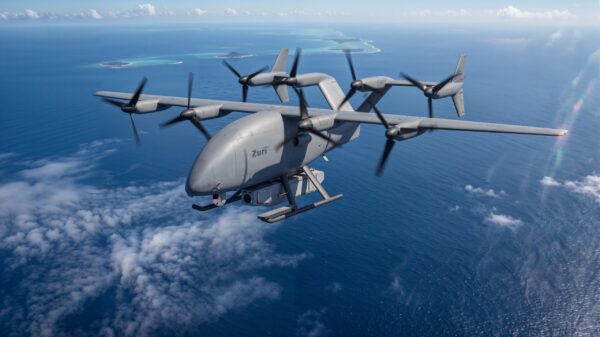
Zuri Unveils Uncrewed Cargo Tiltrotor for Civil and Defense Use in Prague
Czech aircraft manufacturer Zuri has commenced ground testing of its Technology Demonstrator 2.0 in Prague, aiming for flight tests in 2027 and commercial deliveries between 2027 and 2029. The Zuri uncrewed cargo VTOL, a hybrid-electric tiltrotor, is designed to transport over 100 kilograms (220 pounds) across a range of 679 kilometers (422 miles), with a cruising speed of 220 kilometers per hour (137 mph). This innovative aircraft is targeted for offshore operations, disaster relief, and defense logistics, significantly reducing transportation times compared to traditional methods. For instance, a typical 380-kilometer (236-mile) resupply route, which usually takes a road convoy most of a day, can be completed by the Zuri aircraft in just a morning. The Technology Demonstrator 2.0 integrates the full production architecture and is currently undergoing systems integration and ground tests. Looking ahead, Zuri plans to initiate flight testing in early 2027, with commercial deliveries expected between 2027 and 2029. The company has successfully raised €7.6 million (about $8.2 million) since 2018, with the latest funding round of €6 million (about $6.5 million) aimed at supporting the demonstrator and its flight test campaign. No further timeline was disclosed at the time of publication.
Advanced Air Mobility Drone News Drone News Feeds Europe Drone Industry European Union eVTOL
Mecca Pact: A Comprehensive Defense Agreement Enhancing Turkish Industry and Trilateral Ecosystem
The Mecca Pact, involving Saudi Arabia, Turkey, and Pakistan, is being recognized as more than just an arms-export agreement. Experts emphasize its broader implications for defense collaboration among the three nations. This agreement is significant as it aims to strengthen the defense capabilities of the participating countries while fostering a trilateral ecosystem that could enhance regional security and economic cooperation. The pact is expected to drive advancements in the Turkish defense industry, benefiting from shared technologies and resources. Looking ahead, stakeholders will be monitoring the implementation of the Mecca Pact and its impact on defense production and collaboration among Saudi Arabia, Turkey, and Pakistan. No further timeline was disclosed at the time of publication.
Air Warfare Global Land Warfare air defense Air Force Army
Terra Drone Secures Order from Japan's Self-Defense Forces for Interceptor Drones
Terra Drone, a Japanese manufacturer, has received an order from the Self-Defense Forces for interceptor drones, with deliveries expected to commence in September. This order marks a significant step for Terra Drone in expanding its presence in the defense sector. The importance of this development lies in Japan's ongoing efforts to enhance its domestic drone capabilities, particularly in defense applications. By securing this contract, Terra Drone is positioned to contribute to the country's strategic initiatives in bolstering national security through advanced drone technology. Looking ahead, industry observers will be keen to see how Terra Drone's B1 interceptor drones perform in operational settings and the potential for further contracts within Japan's growing defense drone market. No further timeline was disclosed at the time of publication.

Rakuten Collaborates with German Startup Helsing for AI Defense Drones in Japan
Rakuten Group is set to partner with German defense technology startup Helsing to introduce AI-powered attack drones for the Japanese Self-Defense Forces. This collaboration aims to enhance Japan's defense capabilities through advanced drone technology. The partnership is significant as it marks Rakuten's strategic move to support startups in the defense sector, potentially transforming this initiative into a substantial revenue stream. By leveraging Helsing's expertise in AI and defense technology, Rakuten seeks to contribute to Japan's national security. Looking ahead, the collaboration could expand into the production of autonomous equipment in Japan. No further timeline was disclosed at the time of publication.

Neros Technologies Secures $250 Million to Enhance Defense Drone Production by 2026
Neros Technologies announced the successful completion of a $250 million Series C funding round, elevating its valuation to $2.5 billion. The funding aims to expedite the development and production of its defense drones, including the Archer AI and Bandit models, which are set for deployment by the end of 2026. This funding is crucial as Neros seeks to fulfill its ambitious goal of producing 1 million drones annually, a mission that remains unchanged despite the expanding range of capabilities and mission sets. The company has secured significant contracts with the U.S. Army, Marine Corps, and various allied nations, positioning itself as a key player in the defense drone market amid rising global demand. Looking ahead, Neros Technologies plans to leverage this capital to enhance its drone manufacturing capabilities, particularly in response to the ongoing conflicts in Ukraine, Gaza, and Iran. The company aims to deliver advanced drone solutions that provide credible deterrence and support military operations effectively.
Defense / Security Drones Financial Investments Markets / Industries News
ARM Institute Issues Project Call for U.S. Defense Manufacturing Technology Innovations
The ARM Institute has launched Project Call 27-01, inviting proposals for technologies aimed at enhancing U.S. defense manufacturing capabilities. This initiative seeks innovations in areas such as metalwork, drones, munitions, and shipbuilding, with a focus on dual-use technologies that can benefit both military and civilian sectors. This project call is significant as it aligns with the U.S. Department of War's (DoW) objectives to improve defense manufacturing efficiency and reduce costs. The ARM Institute emphasizes the importance of validated transition plans that include government stakeholders, which can facilitate smoother integration into the DoW's commercial industrial base and organic industrial base. Looking ahead, concept papers must be submitted by September 16, 2026, with a series of deadlines leading up to the final project execution beginning February 1, 2027. The ARM Institute aims to foster collaboration and innovation within its community of over 500 members, addressing funding and engineering challenges in defense technology development.
Artificial Intelligence Autonomous Mobile Robots (AMRs) Collaborative Robots Defense / Security Drones Manufacturing
Feinberg Requests Defense Industry CEOs to Involve Board Members in Briefings
The Pentagon's Deputy Secretary, Kathleen Feinberg, has made an unprecedented request for defense industry CEOs to involve their board members in upcoming discussions. This move is seen as a strategic maneuver by Feinberg to enhance collaboration and communication within the defense sector. This request is significant as it reflects a shift towards greater transparency and engagement between defense firms and their leadership teams. By including board members in these discussions, Feinberg aims to foster a more comprehensive understanding of the challenges and opportunities facing the defense industry. Looking ahead, it will be important to monitor how this initiative influences decision-making processes within defense companies and whether it leads to more effective strategies in addressing industry challenges. No further timeline was disclosed at the time of publication.
Pentagon Business & Industry Byron Callan Honeywell Aerospace Stephen Feinberg
Cambridge Aerospace Secures $300 Million in Series C Funding for Defense Drone Development
Cambridge Aerospace Ltd. has successfully raised $300 million in Series C funding, increasing its valuation to $3.4 billion. This funding will support the expansion of its manufacturing capabilities and the development of its next product, Starhammer, expected to launch in 2027. The company has also secured several contracts from the U.K. Ministry of Defence, including low-cost interceptors for the British Armed Forces. This funding round, led by DFJ Growth and supported by several investors, follows a $200 million Series B round earlier this year. CEO Steven Barrett emphasized the importance of this funding in scaling manufacturing to meet the growing threats faced by allied nations. Cambridge Aerospace aims to enhance its existing products and introduce new capabilities to the market, reinforcing its position in the defense sector. Looking ahead, the company is focused on the spiral development of its products, particularly the Skyhammer system, which has demonstrated effective interception of aerial threats. No further timeline was disclosed at the time of publication.
Aerospace Defense / Security Drones Financial Investments Markets / Industries
U.S. Missile Defense Agency Seeks New Mobile Radar to Enhance Defense Capabilities
The U.S. Missile Defense Agency (MDA) is initiating plans for a new radar system to replace the AN/TPY-2, which is integral to the THAAD missile defense system. This move follows recent vulnerabilities exposed by Iran's successful targeting of static missile defense radars, highlighting the need for a more mobile solution. The MDA's call for innovative prototype concepts for the Forward-Based Mode (FBM) Radar Next aims to develop a system that can be rapidly deployed and relocated, addressing the increasing sophistication of adversarial missile capabilities. The agency's budget request for the 2027 Fiscal Year includes funding for next-generation radar prototypes to enhance emerging technologies for the FBM Radar fleet. As the MDA progresses with this initiative, the focus will be on creating a radar system capable of high-sensitivity detection and rapid deployment, ensuring interoperability with existing command and control networks. No further timeline was disclosed at the time of publication.
Land Land-Based Ballistic Missile Defense News & Features
Hadrian Secures $1.37 Billion to Enhance U.S. Defense and Aerospace Manufacturing
Hadrian Automation announced the successful acquisition of $1.37 billion in equity financing aimed at bolstering domestic manufacturing capabilities for U.S. military and aerospace sectors. CEO Chris Power emphasized the critical role of production in national defense, stating that the funding will facilitate the development of advanced factories and enhance the workforce needed for America’s industrial resurgence. The funding will enable Hadrian to expand its manufacturing footprint and invest in new technologies, including AI and robotics, to meet the growing demand for reliable U.S. manufacturing. With a focus on building 'Factories of the Future,' Hadrian aims to compete with China's industrial capabilities and deliver complete mission-critical systems efficiently. Looking ahead, Hadrian plans to open additional factories and diversify its production lines, including munitions and autonomous systems. The company is also committed to creating a new workforce model by hiring and training skilled professionals to integrate advanced technologies on the factory floor. No further timeline was disclosed at the time of publication.
Aerospace Automation Defense / Security Financial Investments Manufacturing
Japanese Startups Enter Defense Drone Market Amid Domestic Manufacturing Push
Japanese startups are increasingly engaging in defense drone production, driven by Prime Minister Sanae Takaichi's initiative to reduce reliance on China and bolster local manufacturing capabilities. This shift highlights the strategic importance of drones in modern warfare, as evidenced by the P1-SUN Long Interceptor Drone developed by Ukrainian company SkyFall. The move into defense drones is significant as it reflects Japan's broader defense strategy and the growing recognition of the need for self-sufficiency in military technology. With companies like Anduril and Terra Drone exploring opportunities in Japan, the landscape for defense technology is evolving, potentially leading to enhanced collaboration and innovation in the sector. Looking ahead, the focus will be on how these startups can establish themselves in a competitive market and the potential partnerships that may arise. No further timeline was disclosed at the time of publication.

Addressing Challenges in Air-and-Missile Defense with Solid Rocket Motors
The ongoing conflict in Iran has highlighted the effectiveness of US air-and-missile-defense (AMD) systems, yet the replenishment of munitions stockpiles remains a significant challenge. The AN/TPY-2 radars, essential for the Terminal High Altitude Area Defense (THAAD) system, have suffered damage, prompting the US to relocate these critical assets from other regions, potentially weakening AMD capabilities elsewhere. The implications of these challenges are profound, as the US military's ability to deter threats relies heavily on the availability of interceptors, which utilize solid rocket motors (SRMs). The complexities of manufacturing SRMs, coupled with inconsistent demand signals, complicate efforts to ramp up production. Chris Spagnoletti, CEO of Ursa Major, emphasizes the need for innovation in manufacturing processes to enhance capacity and reduce costs. Looking ahead, the defense industrial base faces a multifaceted challenge in meeting the evolving demands for AMD systems. The intricate nature of SRM production, which involves volatile materials and stringent quality controls, means that any increase in demand will require significant time and resources to address. No further timeline was disclosed at the time of publication.
Land Warfare AN/TPY-2 Army CSIS cyber security DOD
U.S. Central Command and UAE Establish First Joint Defense AI Task Force
The U.S. Central Command (CENTCOM) and the United Arab Emirates are set to launch Task Force Talon Synapse, a pioneering joint military initiative focused on artificial intelligence. This task force aims to develop AI-powered capabilities for military operations, emphasizing intelligence, infrastructure security, and regional threat monitoring. The formal activation is expected in the coming weeks, with a team of about 20 specialists from both nations operating from Abu Dhabi. This initiative is significant as it reflects a growing commitment from Washington to integrate artificial intelligence into defense operations alongside trusted allies. Unlike traditional defense collaborations that often center on equipment purchases, Task Force Talon Synapse will place technical experts from both countries in a unified operational team, enhancing the speed of testing and deployment of AI-driven military applications. Adm. Brad Cooper highlighted this effort as a historic milestone in U.S.-UAE relations. Looking ahead, the task force will initially focus on three key operational areas: developing AI applications for intelligence support, bolstering critical infrastructure protection, and improving regional security monitoring. The success of this model could shape future U.S. AI partnerships with allied nations, as both countries aim to deliver evolving AI capabilities to military personnel more rapidly. No further timeline was disclosed at the time of publication.
AI and Robotics Military
Eric Fanning Discusses Budget and U.S. Defense Industry Health at Farnborough Airshow
In a recent interview at the Farnborough Airshow, Eric Fanning, the head of the Aerospace Industries Association, addressed key issues affecting the U.S. defense industry. He highlighted the importance of budget considerations amidst ongoing developments in aerospace and defense. Fanning's insights are crucial as they reflect the current state of the defense sector, particularly in light of the airshow's activities, which showcase advancements and innovations in military technology. His leadership role positions him to provide a comprehensive overview of the industry's challenges and opportunities. Looking ahead, stakeholders in the defense industry should monitor budgetary decisions and their implications for future projects and collaborations. No further timeline was disclosed at the time of publication.
Air Warfare Congress Aerospace Industries Association Air Force Break Out Video budget
Japan and US Face Critical Decisions in Missile Defense Cooperation Ahead of FY2027 Budget
The United States and Japan are at a pivotal moment in their bilateral air and missile defense cooperation, particularly as Japan prepares its FY2027 budget and key strategic documents. This relationship, which has evolved since Japan adopted the Patriot air defense system in the 1980s, now includes advanced technologies like Aegis ships and the Glide Phase Interceptor for hypersonic defense. Japan's defense expenditures have reached $58 billion, reflecting a commitment to enhancing its missile defense capabilities. However, challenges remain, particularly regarding the modernization of the Patriot system, which is hindered by compatibility issues with the new 360-degree Lower Tier Air and Missile Defense Sensor (LTAMDS). The urgency of these developments is underscored by the increasing threats from aerial attacks, necessitating improved detection and tracking capabilities. Looking ahead, the decisions made in the upcoming strategic documents will significantly influence the future of Japan's missile defense strategy. The potential split on Patriot modernization poses a risk to the effectiveness of the defense relationship, making it crucial for both nations to navigate these complexities effectively. No further timeline was disclosed at the time of publication.
Air Warfare Land Warfare Opinion aegis Air Force AMRAAM
Thales and Destinus Partner to Enhance Counter-UAS and Air Defense Solutions
Thales has formed a strategic partnership with Destinus to advance counter-unmanned aircraft systems (C-UAS), long-range strike capabilities, and integrated air defense solutions. This collaboration aims to enhance Europe's defense preparedness amid rising security challenges. The integration of Thales' advanced radar and defense technologies with Destinus' interceptor systems is expected to create a robust layered air defense architecture. The partnership is significant as it reflects Europe's commitment to strengthening its defense capabilities in response to evolving aerial threats. By combining their expertise, Thales and Destinus aim to deliver scalable and interoperable defense solutions for European and allied armed forces. This initiative is particularly focused on improving counter-drone capabilities and developing long-range strike systems. Looking ahead, the collaboration will explore advanced ground-based air interception capabilities aligned with NATO's Integrated Air and Missile Defense architectures. The success of this partnership could significantly impact the development of next-generation air defense capabilities for Europe and its allies, reinforcing strategic autonomy in defense technologies.
Military
Comparing Surface-to-Air Missiles and Interceptor Drones for Air Defense
The evolution of air defense strategies has been significantly influenced by the rise of drones, which present new challenges for traditional systems. While surface-to-air missiles (SAMs) are powerful against high-speed threats like fighter jets and cruise missiles, their high cost makes them less effective against inexpensive drones. This has led militaries to explore drone interceptors as a more economical alternative for neutralizing UAVs. Drone interceptors are designed to engage slower-moving targets, making them ideal for small reconnaissance and attack drones. These interceptors often utilize simpler airframes and components, allowing for a cost-effective response to low-value threats. The goal is to avoid using expensive missiles against cheaper drones, thus optimizing resource allocation in modern air defense. As military strategies continue to adapt, the effectiveness of both SAMs and drone interceptors will be crucial to watch. While SAMs excel in speed and engagement capabilities against fast-moving threats, the development of specialized drone interceptors may reshape air defense dynamics. No further timeline was disclosed at the time of publication.
Military
Greece Secures Over $3.4 Billion in Air Defense Systems for Achilles’ Shield Initiative
Greece's defense minister announced the approval of over €3 billion (approximately $3.4 billion) for air defense systems, primarily sourced from Israel, as part of the Achilles’ Shield initiative. This initiative aims to establish a comprehensive air defense network across Greek territory, integrating various capabilities into a unified command-and-control system. The significance of this acquisition lies in Greece's strategic move to enhance its military capabilities amid rising threats from missiles and drones. The planned procurement includes advanced systems such as Rafael's David’s Sling and ELTA radars, with a portion of the funding allocated to support Greek industry, indicating a focus on domestic production. Looking ahead, the entire air defense project is expected to be operational within 35 months. Additionally, Greece plans to acquire surveillance drones and transport planes to further bolster its defense capabilities. The ongoing modernization efforts reflect a broader trend among nations to develop robust air defense systems in response to evolving security challenges.
Air Warfare Global Land Warfare Achilles Shield Air Force Army
ACUA Ocean and Teledyne FLIR Defense Complete UKDI Funded Demonstration of Integrated Tethered UAS and USV
ACUA Ocean and Teledyne FLIR Defense have successfully conducted a two-day demonstration funded by UK Defence Innovation (UKDI). This event showcased the integration of a tethered uncrewed aerial system (T-UAS) and an uncrewed surface vessel (USV) capability, specifically using Teledyne FLIR’s SkyCarrier™ UAS platform and the USV Pioneer. The demonstration validated the operational performance of the combined system in open-ocean conditions, addressing a critical operational gap for the Royal Navy and UK defence. The USV Pioneer, which has already completed multiple ISR contracts, exhibited superior seakeeping capabilities, significantly enhancing maritime intelligence, surveillance, and reconnaissance. Looking ahead, the successful integration of the T-UAS with the USV Pioneer opens avenues for further development and potential commercial deployment. No further timeline was disclosed at the time of publication.
acua ocean teledyne flir defense ukdi funding demonstration tethered uas uncrewed surface vessel (usv)
Carnegie Mellon University Showcases Innovations in Defense Manufacturing at 2026 Summit
Carnegie Mellon University (CMU) presented several new partnerships and technologies at the 2026 Pennsylvania Defense and Innovation Summit. This event took place from July 14-15 at the U.S. Army War College in Carlisle, Pennsylvania, and was hosted by U.S. Senator David McCormick. The summit highlighted CMU's commitment to advancing defense manufacturing and military education through innovative research and collaboration. These efforts are crucial for enhancing the capabilities of the defense sector and ensuring that military personnel are equipped with the latest technologies. Looking ahead, stakeholders in the defense industry should monitor CMU's ongoing initiatives and partnerships that may emerge from this summit. No further timeline was disclosed at the time of publication.
Announcements
Over 30 Companies Announce $10 Billion Investment in Pennsylvania Defense Sector
More than 30 companies have pledged approximately $10 billion towards defense technologies, research and development, and job creation in Pennsylvania, as announced by President Donald Trump at the Pennsylvania Defense and Innovation Summit in Carlisle. Key players in this investment include Lockheed Martin, JPMorgan Chase, Hanwha, Kratos, and General Dynamics, focusing on shipbuilding, munitions, artificial intelligence, and robotics, which will support over 4,000 jobs according to Sen. Dave McCormick. This significant investment aligns with the 'Arsenal of Freedom' initiative aimed at revitalizing the defense industrial base under the Defense Department’s New Acquisition Transformation strategy. It also supports Trump’s 'peace through strength' agenda, which seeks to enhance the U.S. military's capabilities in response to global threats. Pennsylvania currently ranks seventh in DOD contract value, with $20.7 billion projected between July 14, 2025, and July 14, 2026, a figure expected to rise to over $34 billion since Trump’s return to office. Looking ahead, Sen. McCormick emphasized the need for collaborative efforts among industry, academia, and Congress to strengthen the defense industrial base. He highlighted the importance of a diverse team including traditional technology innovators and skilled tradesmen, noting a shortage in skilled labor and the need for educational institutions to address this gap. No further timeline was disclosed at the time of publication.
Japanese Drone Stocks Experience Surge as Investors Diversify from AI and Defense
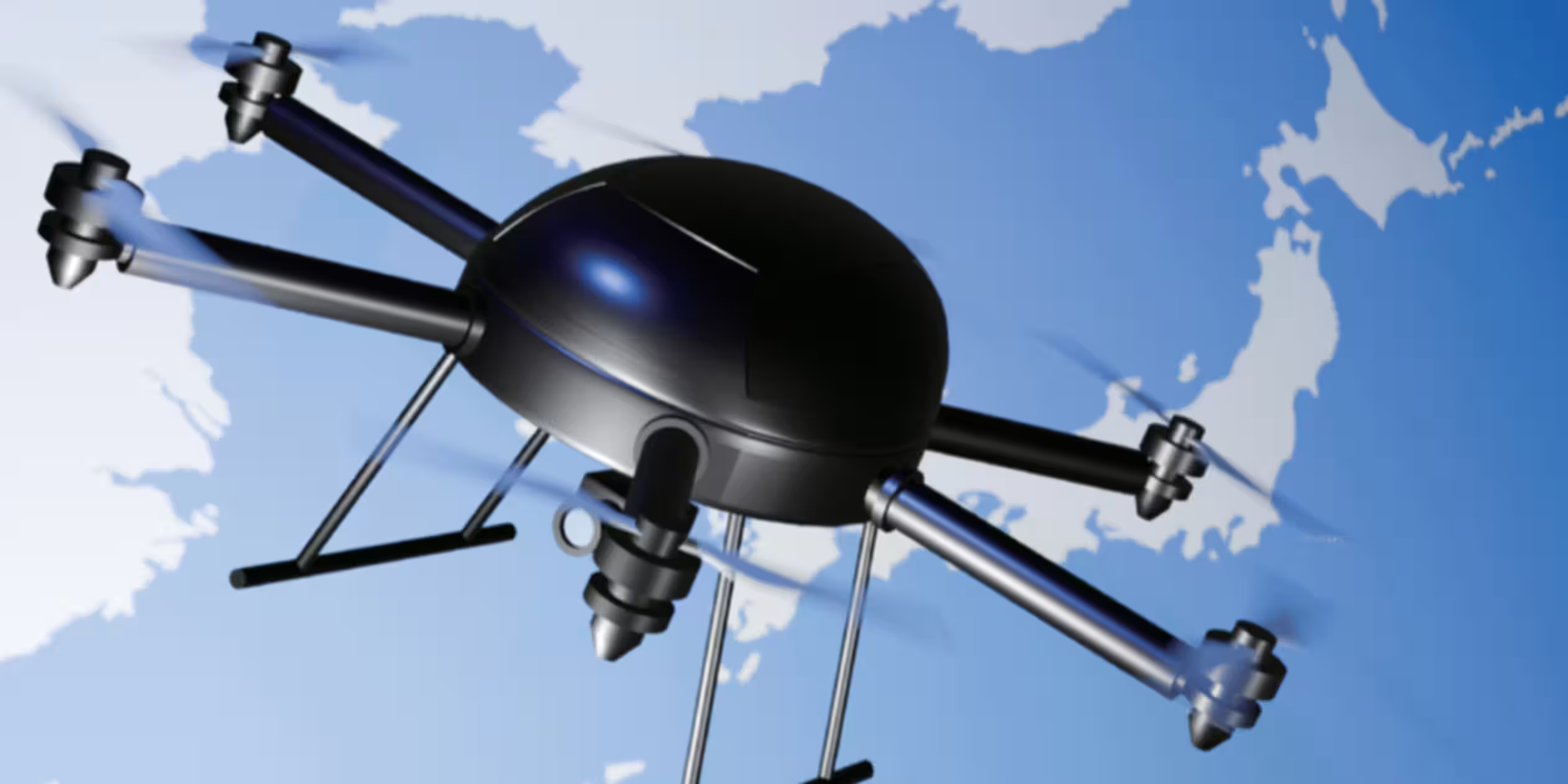
Japanese drone companies are witnessing a significant influx of investment as military demand for unmanned systems rises. Investors are increasingly looking for alternatives to artificial intelligence stocks and traditional defense stocks that had previously gained popularity. This shift indicates a growing interest in the drone sector, which is becoming a focal point for investment in Japan. The surge in investment is crucial as it highlights the potential of the drone industry amidst geopolitical tensions and the evolving landscape of defense technology. Companies like Terra Drone are emerging as key players in the Tokyo market, attracting attention from investors eager to capitalize on the expanding military applications of drones. This trend reflects a broader movement towards diversification in investment portfolios. Looking ahead, the drone industry is expected to continue its upward trajectory as demand for unmanned systems grows. Investors should monitor developments in regulatory frameworks and technological advancements that could further influence the market. No further timeline was disclosed at the time of publication.
Ondas Acquires DZYNE Technologies for $875.8 Million to Enhance Defense Capabilities
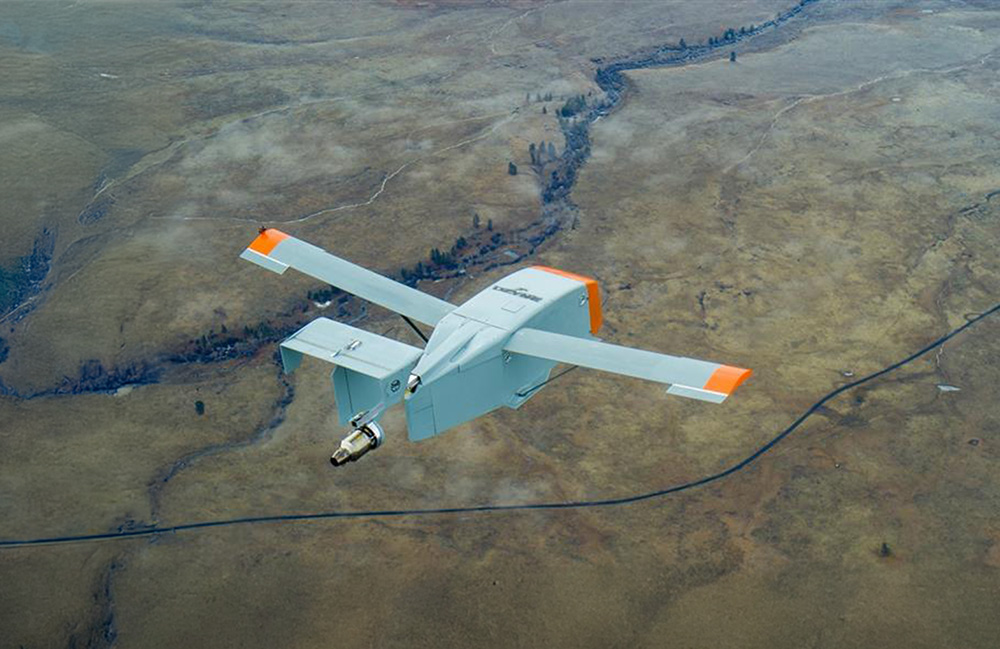
Ondas Inc. has acquired DZYNE Technologies LLC, a defense technology firm based in Irvine, California, for $875.8 million. This acquisition, financed through a cash-and-stock structure, aims to enhance Ondas' capabilities in multi-domain intelligence, surveillance, and reconnaissance (ISR), counter-uncrewed aerial systems (UAS), and autonomous systems to meet the evolving needs of U.S. and allied defense customers. The acquisition is significant as it positions Ondas to leverage DZYNE's advanced technology and engineering talent, which includes long-endurance ISR capabilities and autonomous systems. Eric Brock, chairman and CEO of Ondas, emphasized that the integration of DZYNE's mission-proven technologies will accelerate the development of a next-generation autonomous defense platform, essential for maintaining military advantage in rapidly changing warfare. Looking ahead, Ondas anticipates that DZYNE will generate $191 million in revenue for the full year 2026 and over $300 million in 2027. Ondas is now targeting at least $525 million in revenue for 2026. The integration of DZYNE’s ULTRA and IonStrike systems will expand Ondas' ISR and counter-UAS capabilities, enhancing its portfolio in defense applications.
Aerospace Artificial Intelligence Artificial Intelligence / Cognition Defense / Security Design / Development Drones
T3 Defense Secures 60% Ownership in Israeli Drone Manufacturer Project35
T3 Defense has successfully acquired a 60% stake in Project35, an Israeli firm focused on drone technology. This acquisition highlights T3 Defense's commitment to expanding its capabilities in the drone sector, particularly in the development of aerial interceptors and counter-uncrewed aerial vehicle systems. The significance of this acquisition lies in T3 Defense's strategic move to enhance its portfolio in the rapidly evolving drone industry. By integrating Project35's expertise in drone manufacturing and C-UAV systems, T3 Defense aims to strengthen its position in the market and respond to increasing demand for advanced aerial technologies. Looking ahead, industry observers will be keen to see how T3 Defense leverages this acquisition to innovate and expand its product offerings. No further timeline was disclosed at the time of publication.
News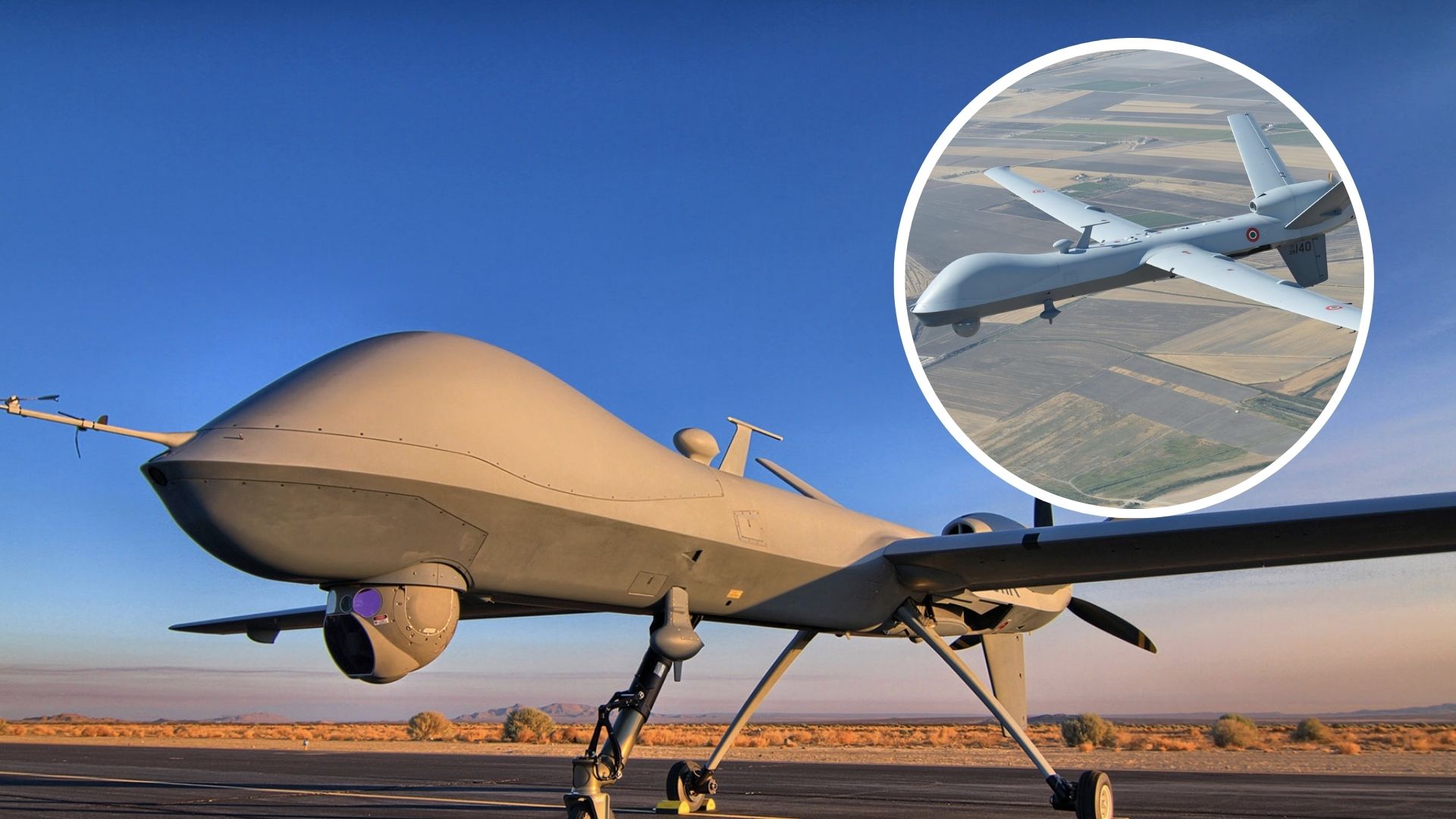
U.S. Department of Defense Launches Massed Modular Aircraft Initiative for Cost-Effective Drones
The U.S. Department of Defense is initiating the Massed Modular Aircraft (MMA) program to develop low-cost combat drones capable of performing missions similar to the MQ-9A Reaper. This initiative reflects a strategic shift towards utilizing affordable, expendable drones in modern warfare, particularly in light of recent conflicts that have exposed the vulnerabilities of high-value aircraft in contested airspace. The Pentagon aims to create a fleet of modular, long-range unmanned aircraft that can be rapidly reconfigured for various missions, significantly reducing operational costs while maintaining effectiveness against advanced enemy defenses. This shift is driven by the need for a more sustainable military approach, as the loss of MQ-9 Reapers during operations against Iran has highlighted the financial burden of relying on expensive platforms. With each MQ-9 costing approximately $30 million, military planners recognize that a strategy focused solely on high-value aircraft is increasingly untenable. The MMA initiative seeks to provide a flexible, risk-tolerant option that can deploy large numbers of drones to overwhelm enemy defenses, thereby ensuring operational capability despite potential losses. Looking ahead, the Pentagon's focus on massed modular aircraft indicates a significant evolution in military tactics. The ability to deploy swarms of low-cost drones could complicate enemy air defenses and enhance reconnaissance and strike capabilities. No further timeline was disclosed at the time of publication, but the emphasis on affordability and modularity suggests a proactive response to the changing dynamics of modern warfare and the need for cost-effective solutions in defense operations.
Military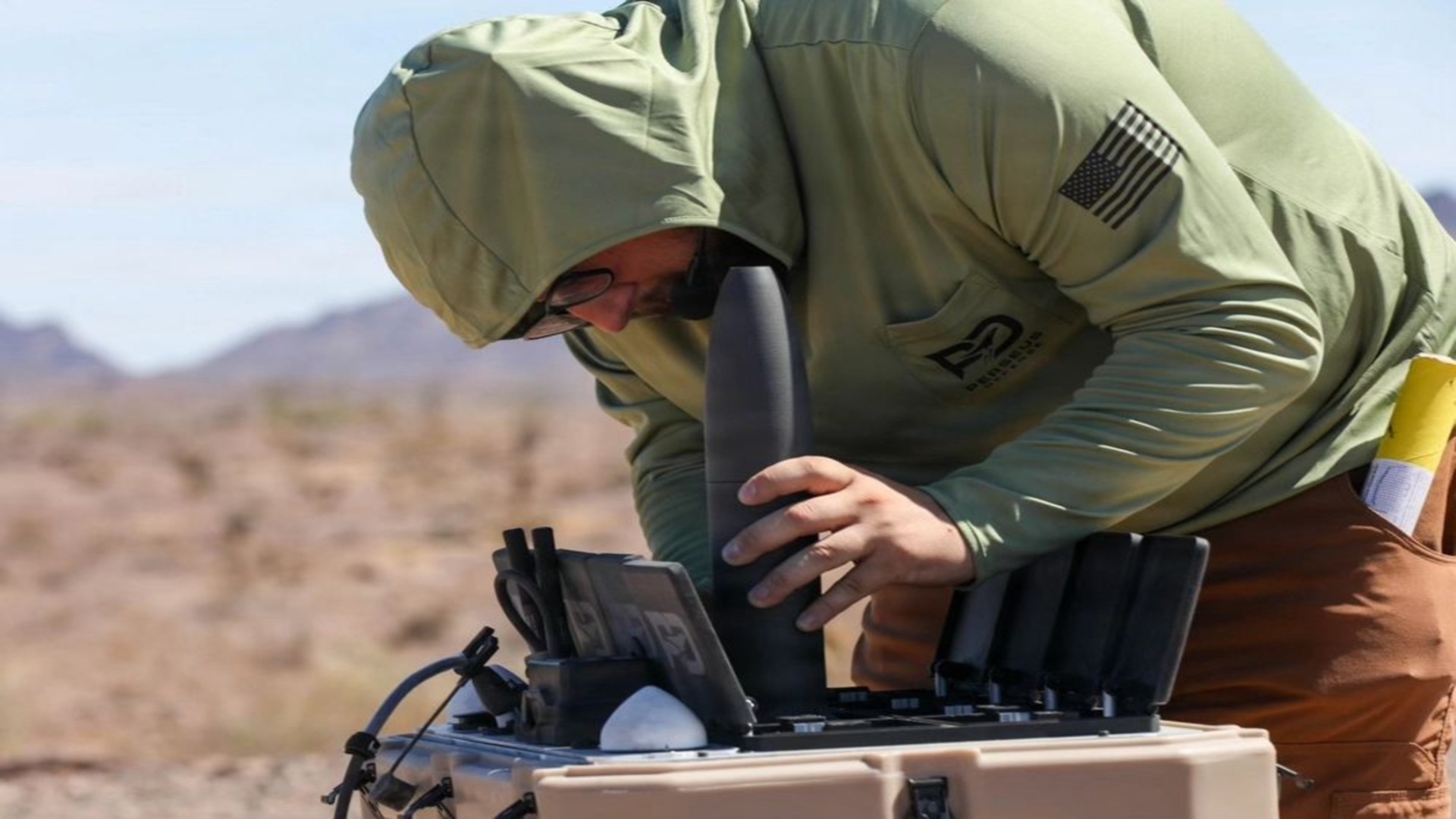
Perseus Defense Tests Low-Cost Mk-III Interceptor Against Drones at Yuma Proving Ground
Perseus Defense has successfully tested its Mk-III interceptor missile, designed to physically destroy small drones, at the Yuma Proving Ground in Arizona. This demonstration, part of Falcon Peak 26.2, showcases a cost-effective solution for military installations facing aerial threats, with each interceptor costing around $2,500. The Mk-III's kinetic hit-to-kill approach offers a significant advantage over traditional electronic warfare systems, which can struggle against drones using preprogrammed routes or fiber-optic communications. This capability is crucial as militaries seek affordable means to counter drones that typically cost only a few hundred dollars, compared to the high price of conventional missiles. Looking ahead, the demand for effective domestic counter-drone systems is expected to grow, especially following recent drone incursions over US military bases. No further timeline was disclosed at the time of publication.
MilitaryRobotics needs a service framework.
RSF defines a common language for robot service capability, lifecycle operations, certification pathways, and service-provider networks.
Join the RobotToday community on LinkedIn
Daily robotics news, in-depth analysis, conference highlights, and discussions with professionals worldwide.