Industry Briefing
A single destination for timely, editor-curated robotics news from around the world.
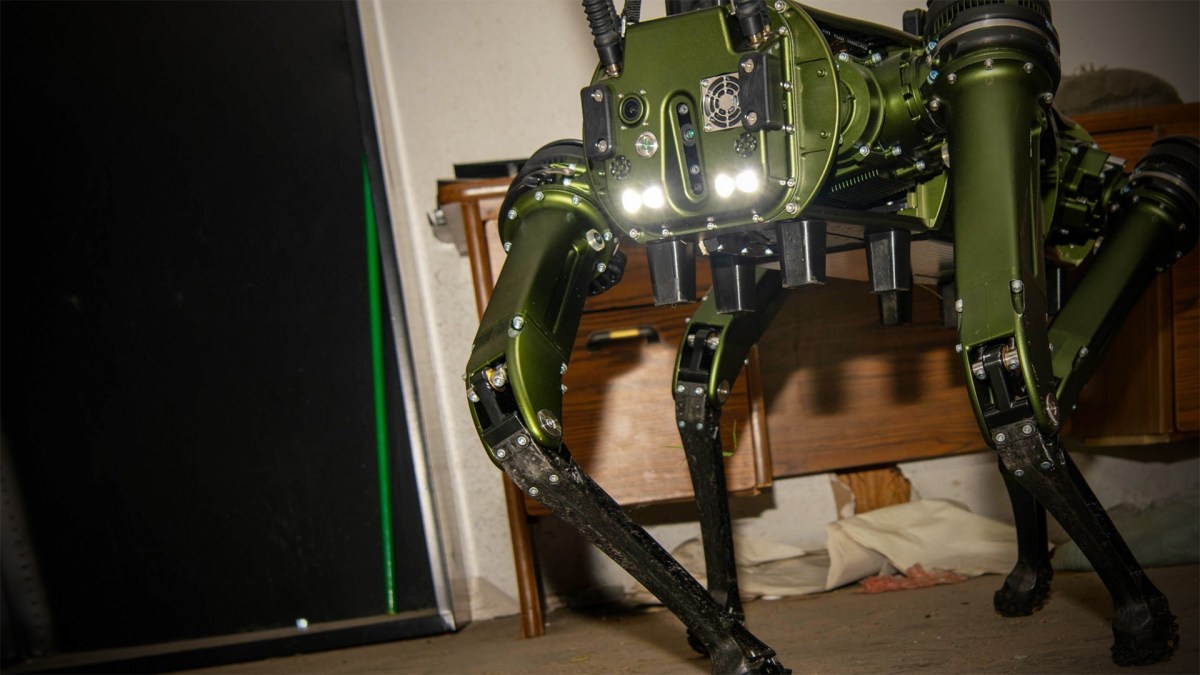
Pentagon Unveils Plans for New Autonomous Warfare Command and Initiatives
The Pentagon has announced the creation of a new combatant command focused on autonomous and robotic capabilities, tentatively named Autonomous Warfare Command (AUTOWARCOM). Secretary Pete Hegseth outlined this initiative during a speech at the U.S. Marine Corps base in Quantico, Virginia, emphasizing the urgency of integrating uncrewed systems across air, sea, and land. This new command aims to enhance the U.S. military's operational capabilities by prioritizing the deployment of drones and artificial intelligence technologies. Hegseth highlighted the need for a high-low mix of military assets, drawing lessons from the ongoing conflict in Ukraine to underscore the importance of adaptable systems in modern warfare. Looking ahead, the Pentagon plans to establish AUTOWARCOM by October 1, 2027, pending Congressional approval. The command will focus on defining joint needs, integrating service forces, and testing equipment in realistic scenarios to ensure rapid adaptation and effective deployment of autonomous systems in combat situations.
News & Features Artificial Intelligence Drones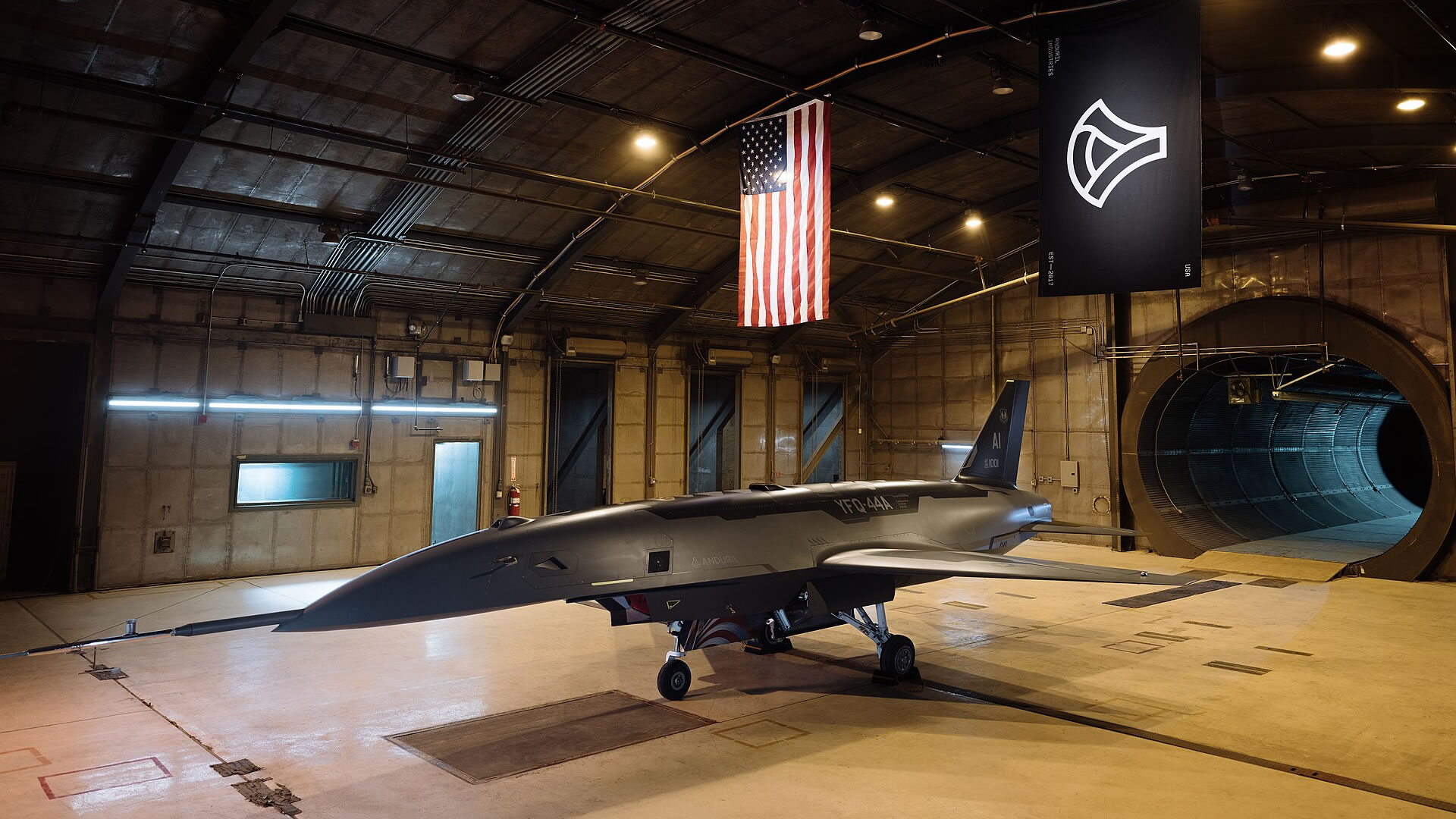
US Air Force Receives First Collaborative Combat Aircraft for Autonomous Warfare Trials
The United States Air Force (USAF) has received its first two Collaborative Combat Aircraft (CCA) designs, the YFQ-44A 'Fury' and YFQ-42A 'Vengeance', at Creech Air Force Base, Nevada. These aircraft will be tested for their operational capabilities alongside crewed fighters in contested airspace. The introduction of CCAs is significant as they are designed to be semi-autonomous and provide a cost-effective solution for missions in high-risk environments. They can carry payloads for offensive and defensive actions, allowing crewed aircraft like the F-35 to operate more safely while coordinating with the CCAs. Moving forward, the USAF will focus on operational experimentation with the CCAs, determining logistics such as the number of personnel required for operation and the optimal handling of multiple CCAs by a single pilot. No further timeline was disclosed at the time of publication.
AI and Robotics Military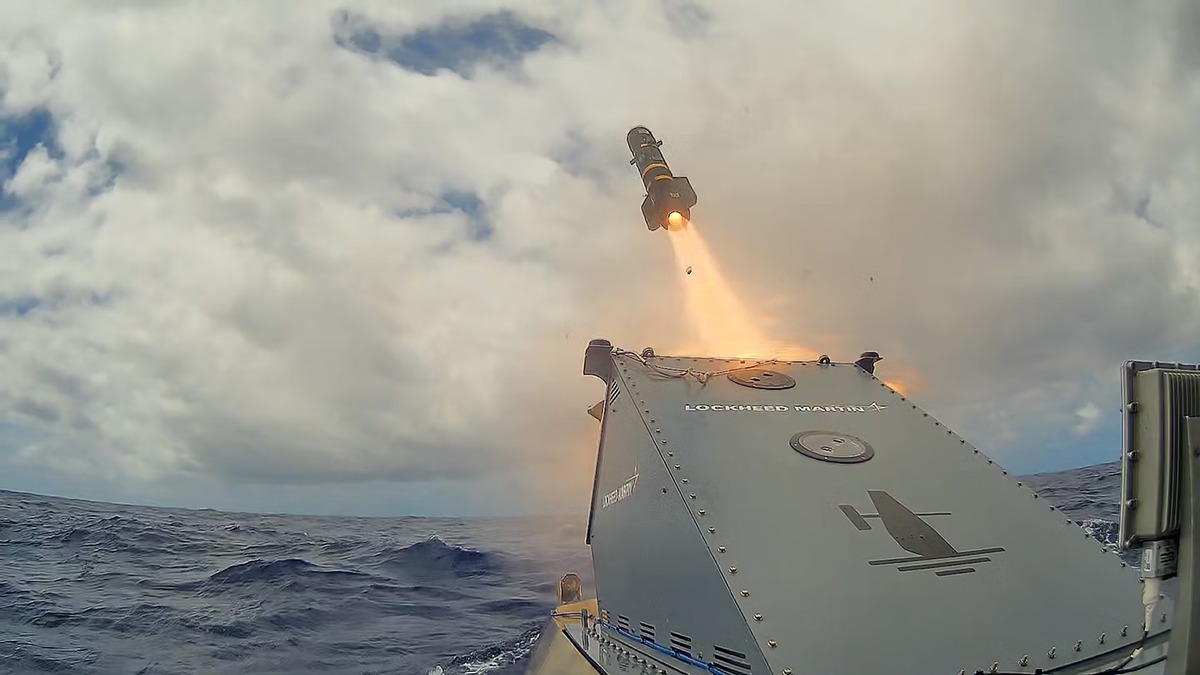
Saildrone and Lockheed Martin Enhance Autonomous Naval Warfare with RIMPAC Missile Launch
Saildrone successfully executed two Joint Air-to-Ground Missile launches from its Surveyor unmanned surface vehicle (USV) during the US Navy's Rim of the Pacific (RIMPAC) exercise. This marks a significant milestone as it is the first-ever missile launch from a Saildrone USV, showcasing the integration of Saildrone's technology with Lockheed Martin's missile capabilities. The demonstration is crucial as it highlights the potential of autonomous systems in modern naval warfare, allowing for extended operational capabilities in contested environments. The collaboration between Saildrone and Lockheed Martin, initiated in October 2025, aims to enhance the operational readiness of unmanned platforms, providing commanders with the necessary tools to project power effectively. Looking ahead, Saildrone plans to further develop its platform capabilities to meet evolving military requirements. The successful integration of electronic warfare sensors during the RIMPAC exercise also indicates the potential for future enhancements in autonomous naval operations. No further timeline was disclosed at the time of publication.
saildrone lockheed martin autonomous naval warfare rimpac demonstration usv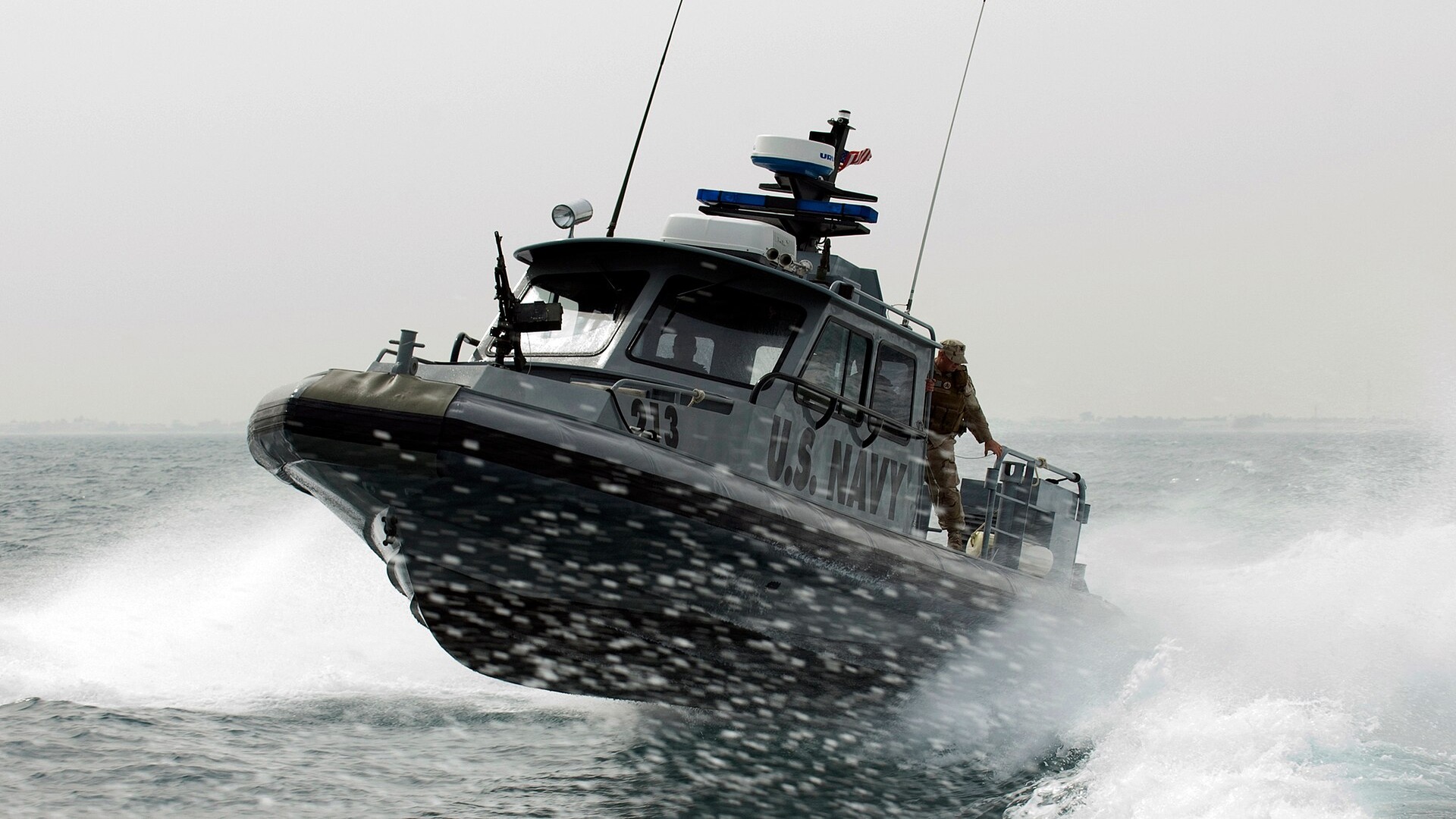
U.S. Navy Establishes RASWDC to Enhance Robotic Warfare Capabilities
The U.S. Navy has launched the Robotic and Autonomous Systems Warfighting Development Center (RASWDC) on September 24, aimed at integrating robotic and autonomous systems into naval operations. Led by Rear Admiral Melvin Smith, the center is headquartered at Joint Expeditionary Base Little Creek-Fort Story in Virginia and will serve as the Navy's primary hub for operational integration of these technologies. This initiative is crucial for maintaining the Navy's maritime advantage, as emphasized by Chief of Naval Operations Adm. Daryl Caudle. The RASWDC will provide sailors with advanced training and specialized doctrine necessary for high-end combat scenarios, reflecting the Navy's commitment to modernizing its operational capabilities through technology. Looking ahead, the RASWDC will focus on developing warfighting concepts, training personnel, and testing new technologies under realistic conditions. The Navy's approach includes evaluating unmanned aerial systems, uncrewed surface vessels, and unmanned underwater vehicles, with a clear intent to advance systems that prove effective while reassessing those that do not meet operational standards. No further timeline was disclosed at the time of publication.
Military
US Army selects THOR autonomous VTOL drone soldiers can carry for frontline warfare
The U.S. Army has announced the selection of a new small unmanned aircraft system aimed at enhancing its aerial capabilities. This decision, made public in October 2023, underscores the Army's commitment to modernizing its technology and improving operational efficiency. The new system is expected to provide advanced surveillance and reconnaissance capabilities, allowing for better situational awareness on the battlefield. By integrating cutting-edge technology, the Army aims to maintain a strategic advantage in various operational environments. The initiative reflects ongoing efforts to adapt to evolving military needs and challenges, ensuring that troops are equipped with the best tools available for mission success.
Autonomous Defense Startup Scout AI Raises $100M Series A to Build Foundation Model for Unmanned Warfare
Scout AI, a defense-focused artificial intelligence startup, has successfully secured $100 million in an oversubscribed Series A funding round aimed at advancing its foundation model for autonomous military operations. The funding, which was co-led by Align Ventures and Draper Associates, attracted investments from several notable firms including Decisive Point, Booz Allen Ventures, BVVC, Neman Ventures, Evolution VC Partners, and Heraclitus Capital Management, among others. This significant financial backing will enable Scout AI to enhance its technological capabilities and accelerate the development of solutions designed to improve military efficiency and effectiveness. The funding round reflects growing interest and investment in AI technologies within the defense sector, highlighting the increasing reliance on advanced technology for national security operations.
AI AI Funding & Investment Robotics Align Ventures autonomous autonomous uncrewed surface vessel technology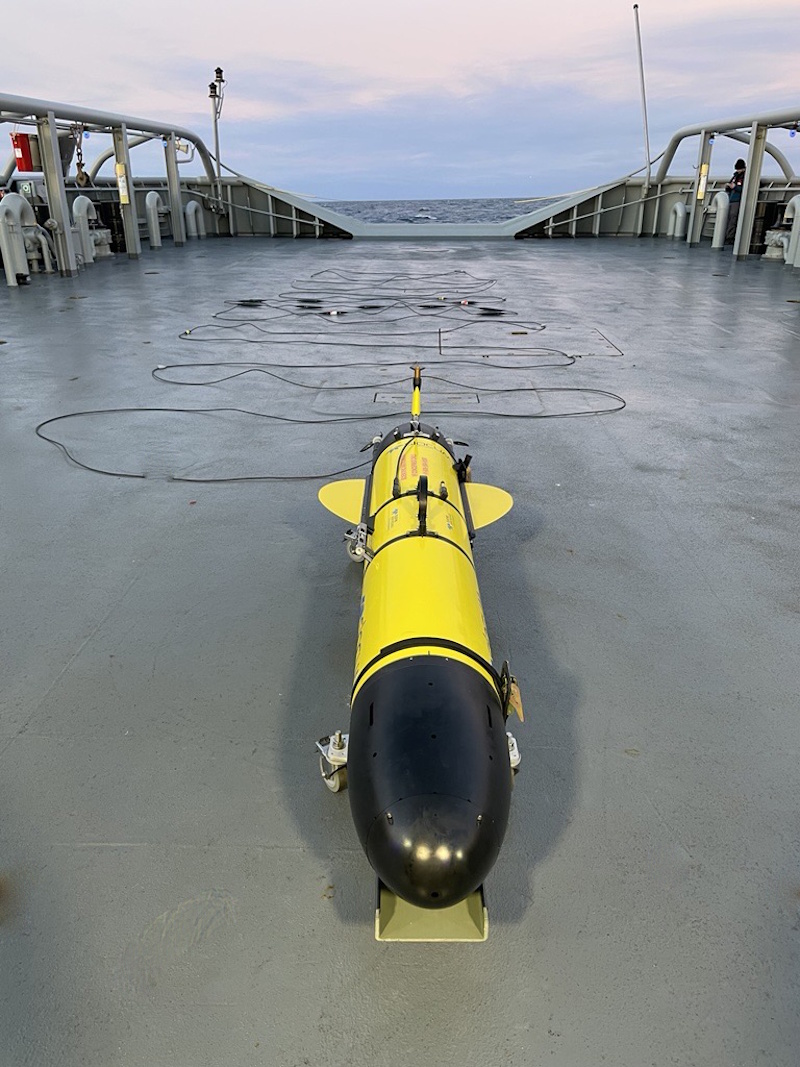
Teledyne Demonstrates Autonomous System for Anti-Submarine Warfare to NATO Members in the North Atlantic
Teledyne Technologies Incorporated recently showcased its advanced capabilities in Anti-Submarine Warfare (ASW) through a demonstration conducted in Icelandic waters from January 17 to January 22. The event featured the deployment of several state-of-the-art autonomous underwater vehicles, including the Slocum Sentinel Glider, equipped with a 60-meter-long passive acoustic towed array, and the Slocum G3 Glider, which integrates Teledyne Benthos acoustic communications technology. Additionally, two Advanced Profiling Explorer (APEX) floats were utilized, each fitted with ambient noise Passive Acoustic Monitoring systems. This demonstration highlights Teledyne's commitment to enhancing maritime security and underwater surveillance capabilities in response to evolving defense needs.
teledyne demo autonomous system anti-submarine warfare (asw) nato
Saildrone and Thales Australia Demonstrate Game-changing Capability for Autonomous Anti-Submarine Warfare
Saildrone, a leader in maritime autonomy, has partnered with Thales Australia to successfully integrate the BlueSentry thin-line towed array with the Saildrone Surveyor, resulting in a pioneering system designed for autonomous long-endurance undersea maritime domain awareness (MDA). This innovative project, backed by funding from the Office of Naval Research (ONR), represents a significant advancement in the field of persistent, real-time undersea surveillance. The collaboration aims to enhance the capabilities of maritime operations by providing continuous monitoring of underwater environments, thereby improving security and situational awareness in naval operations. The demonstration highlights the potential for autonomous systems to revolutionize maritime surveillance and response strategies.
saildrone thales australia autonomous anti-submarine warfare (asw)Robotics needs a service framework.
RSF defines a common language for robot service capability, lifecycle operations, certification pathways, and service-provider networks.
Join the RobotToday community on LinkedIn
Daily robotics news, in-depth analysis, conference highlights, and discussions with professionals worldwide.