Industry Briefing
A single destination for timely, editor-curated robotics news from around the world.
Exploring the Importance of Laser Marking in Automated Manufacturing Processes
Manufacturing is increasingly embracing automation and connectivity, necessitating efficient processes that align with automated production lines. A significant advancement in this area is the shift towards laser marking for product identification. Unlike traditional labeling or engraving, laser marking provides a permanent solution for marking components, enhancing durability and traceability. The transition to laser marking is crucial as it meets the demands of modern manufacturing, where speed and precision are paramount. This technology not only improves the efficiency of production lines but also ensures that products are easily identifiable throughout their lifecycle. As manufacturers seek to optimize their operations, laser marking stands out as a reliable method for maintaining quality and compliance. Looking ahead, the adoption of laser marking technology is expected to grow as more manufacturers recognize its benefits. Companies will likely continue to invest in this technology to enhance their production capabilities. No further timeline was disclosed at the time of publication.
Design Engineering Manufacturing automated manufacturing digital manufacturing factory automation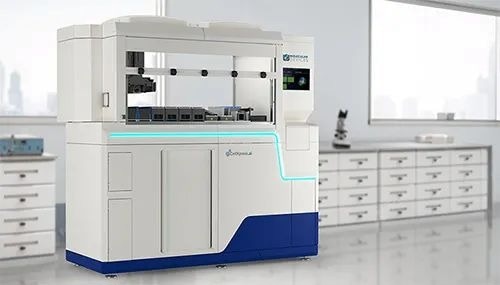
Molecular Devices and STEMCELL Introduce Automated Workflow for Human Organoid Culture
Molecular Devices, a Danaher company, and STEMCELL Technologies have announced a validated automated workflow designed for human intestinal organoid culture. This workflow utilizes STEMCELL's IntestiCult™ Plus Organoid Growth Medium in conjunction with the Molecular Devices CellXpress.ai Automated Cell Culture System. The introduction of this automated workflow is significant as it enhances the efficiency and reliability of culturing human intestinal organoids, which are crucial for various research applications in life sciences. By integrating advanced automation, researchers can expect improved consistency and reproducibility in their experiments. Looking ahead, the collaboration between Molecular Devices and STEMCELL Technologies may lead to further innovations in automated laboratory workflows. No further timeline was disclosed at the time of publication.

Kave Home Partners with TGW Logistics to Automate Spanish Logistics Hub
Kave Home has chosen TGW Logistics to automate its new logistics hub in Tordera, Spain, set to launch by the end of 2028. This highly automated fulfillment center will utilize advanced technologies including miniload systems, high-bay automated storage, and autonomous mobile robots to enhance Kave Home's e-commerce and retail operations. The automation project is crucial for Kave Home's international expansion strategy, aiming to increase operational capacity to meet growing demand across various sales channels. The facility will handle a diverse range of product sizes, from small packages to large furniture items, ensuring efficient processing and storage. Once operational, the logistics hub will support up to 21,000 packages daily and provide 93,000 pallet positions, significantly boosting Kave Home's storage capacity. This development is expected to improve delivery speed, picking accuracy, and overall customer experience, as noted by Kave Home's CEO Francesc Julià and TGW Logistics representatives.
Automation Systems and Shuttles Conveying and Sortation eFulfilment Materials Handling Packaging and Ecommerce Pallets and Totes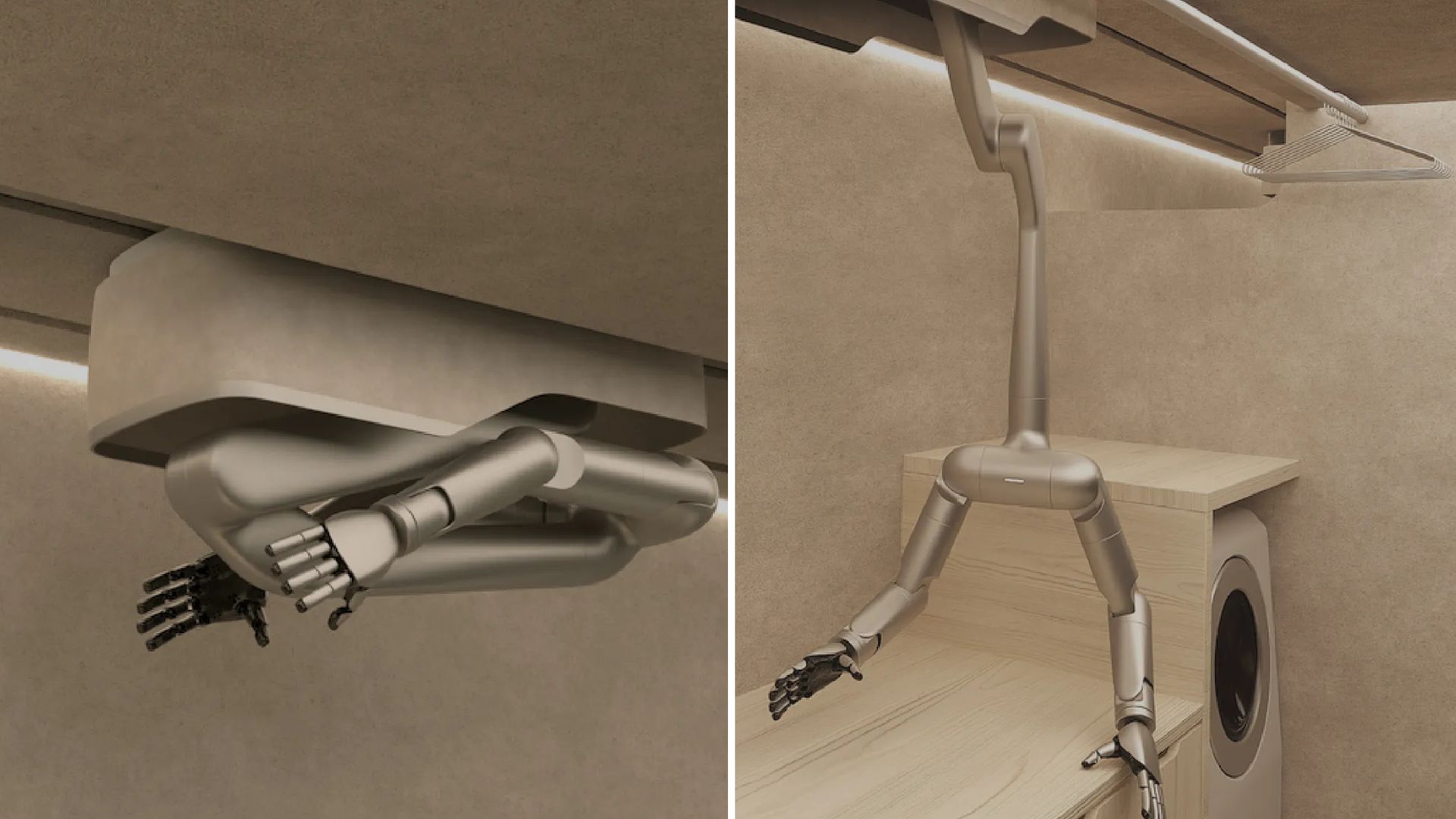
MW Develops Robotic Arm-Equipped Homes to Automate Household Chores by 2028
Tokyo-based startup MW is innovating residential living by creating homes with integrated ceiling-mounted robotic arms designed to automate household chores. This approach offers an alternative to traditional bipedal humanoid robots, focusing on custom architecture, the MW bot, and MW Intelligence software. MW aims to debut these automated homes in Tokyo by 2028, with plans to scale production to 10,000 units annually by 2035. The significance of MW's initiative lies in its potential to transform the Japanese housing market, targeting a five percent share of new home construction. The company has already completed its first generation of the MW bot and received over 1,000 applications for its homes. The design addresses the limitations of bipedal robots in compact living spaces, opting for wall- and ceiling-mounted systems that can perform tasks like grocery handling and laundry folding. Looking ahead, MW's strategy includes selling its first fully functional robot-equipped home by 2028, with a focus on high-end real estate. The startup has secured ¥3 billion in seed funding and is pursuing a ¥10 billion Series A round, positioning itself as a comprehensive provider of automated housing solutions, from land acquisition to robot development.
AI and Robotics
Comau Develops Automated Order Preparation System for Decathlon's E-commerce Fulfillment
Comau SpA has announced the design and validation of an order-preparation system specifically tested in Decathlon's e-commerce fulfillment operations. This system is part of the MASTERLY initiative aimed at transitioning to flexible, customized manufacturing systems. Utilizing Comau's MyCo collaborative robot and a ROS 2-based software architecture, the system autonomously handles picking, handling, and palletizing tasks across various product flows. The significance of this development lies in its alignment with Comau's commitment to enhancing next-generation manufacturing through reconfigurability and human-centric automation. The integration of intelligent robotics and digital technologies is expected to create logistics operations that can adapt to changing production demands while ensuring operational continuity and scalability. This project also highlights Comau's strategic focus on intralogistics, bolstered by acquisitions that enhance their capabilities in delivering integrated solutions. Looking ahead, Comau anticipates that the knowledge and functionalities validated during this project will contribute to the evolution of its MyCo platform and its broader portfolio of advanced intralogistics capabilities. The collaboration with Decathlon and other technology partners underscores the importance of addressing production challenges such as variability and supply chain disruptions through advanced automation solutions. No further timeline was disclosed at the time of publication.
Cobot Arms Collaborative Robots Logistics Markets / Industries News Robots / Platforms
U.S. Departments of Energy and Defense Showcase Automated Manufacturing at IMTS 2026
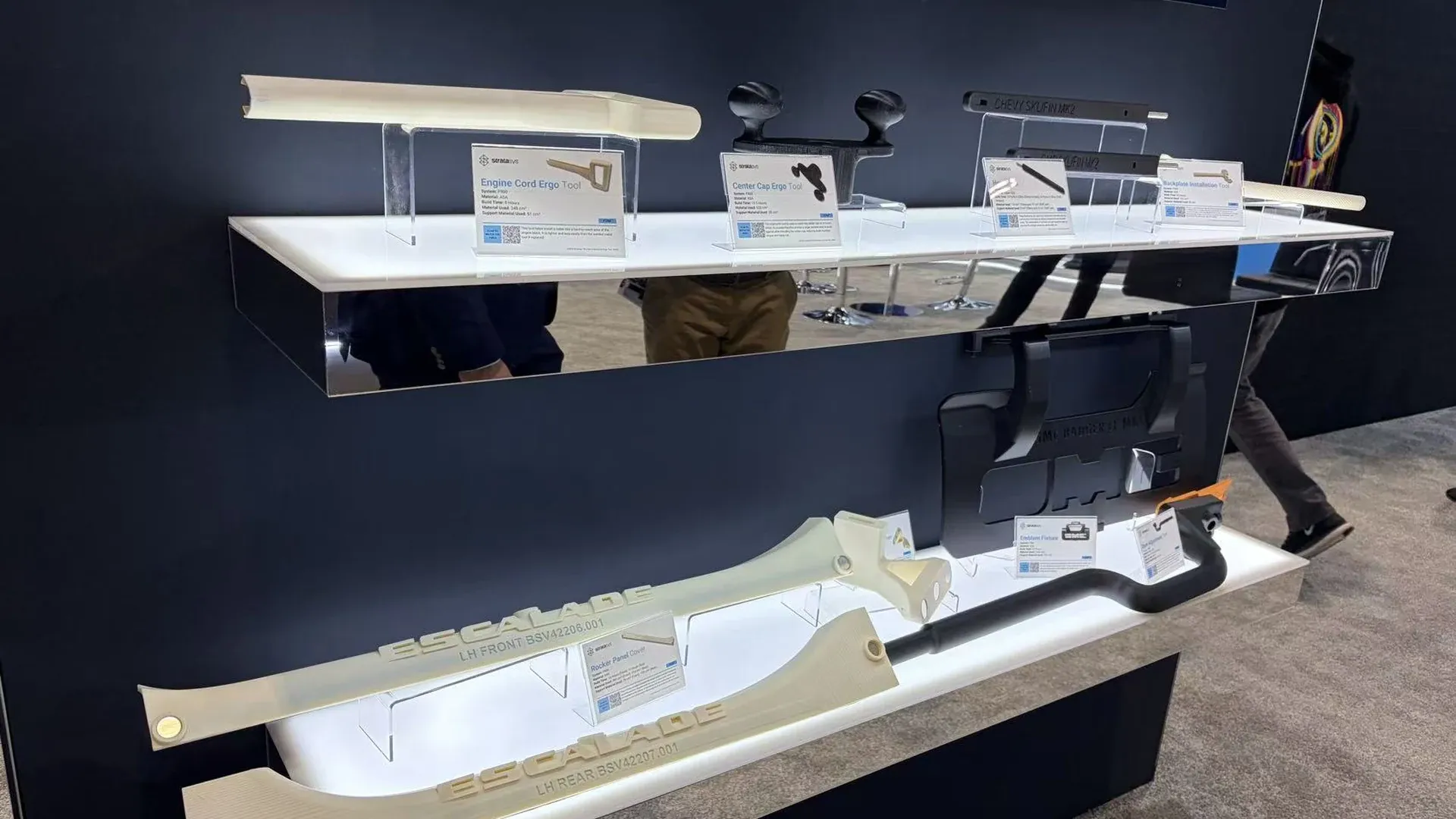
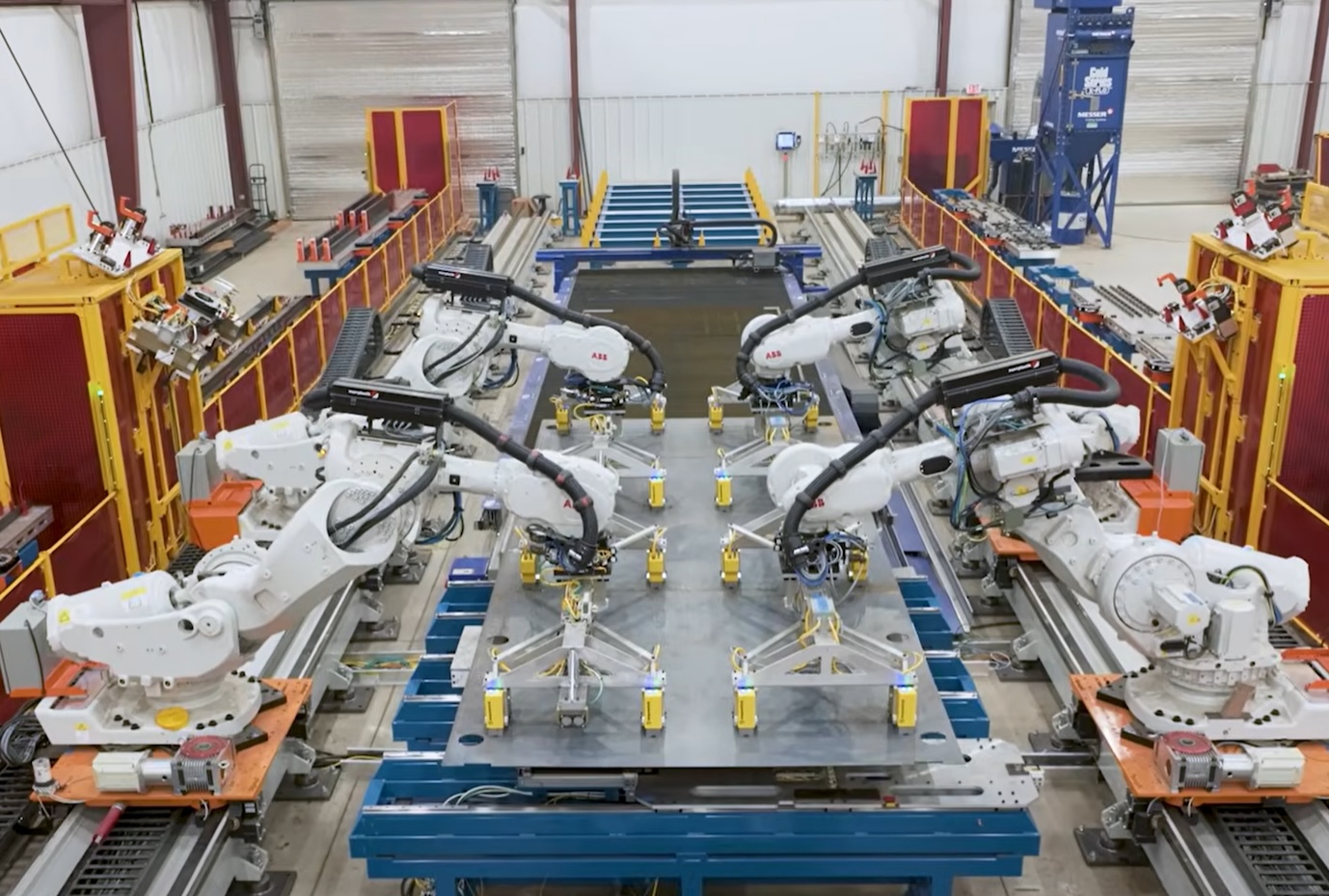
Leaders from the U.S. Departments of Energy and Defense will showcase live production and flight demonstrations of quadcopter drones and the 11-foot-tall Aires Tide test flight vehicle at The International Manufacturing Technology Show 2026. This event will highlight how advanced manufacturing technologies can enhance the speed and flexibility of U.S. defense production. The demonstration, taking place at the AMT Emerging Technology Center, will feature a full-scale manufacturing cell developed by the DOE’s Manufacturing Demonstration Facility at Oak Ridge National Laboratory. This cell integrates automation with both subtractive and additive manufacturing to produce quadcopter airframes, which will be flown in a secured area, showcasing the potential of these technologies in national security applications. Looking ahead, the project exemplifies the Genesis Mission, a DOE initiative aimed at leveraging AI and advanced computing for rapid scientific discovery and national security solutions. No further timeline was disclosed at the time of publication.
Factory / Design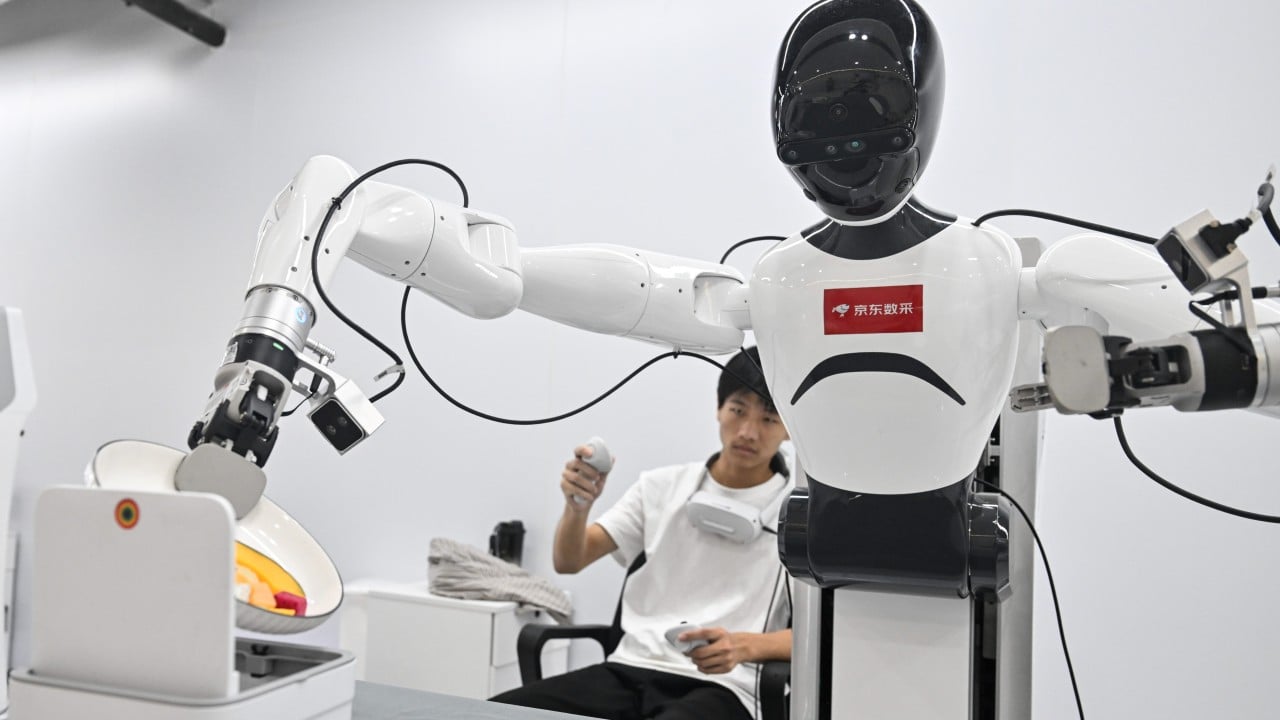
JD.com Plans to Deploy 3 Million Robots to Automate Logistics Network in China
JD.com is intensifying its automation efforts by planning to deploy 3 million robots across its logistics network over the next five years. This initiative includes the introduction of the Wolf Robot series, which is designed to handle repetitive tasks and operate in challenging environments, as confirmed by Liu Lige, head of embodied intelligence robots at JD Logistics. The move is significant as it aims to create a fully automated supply chain while addressing potential job displacement among its workforce of 700,000 delivery and logistics personnel. JD.com is committed to retraining its couriers for technical roles, such as robot maintenance, under its Nirvana Plan, which was outlined by founder Liu Qiangdong earlier this year. Looking ahead, JD.com’s ambitious plan to integrate 1 million unstaffed vehicles and 100,000 delivery drones alongside the robots will be crucial in shaping the future of logistics in China. No further timeline was disclosed at the time of publication.
XPeng Launches Automated IRON Humanoid Production Line for 2026 Mass Production
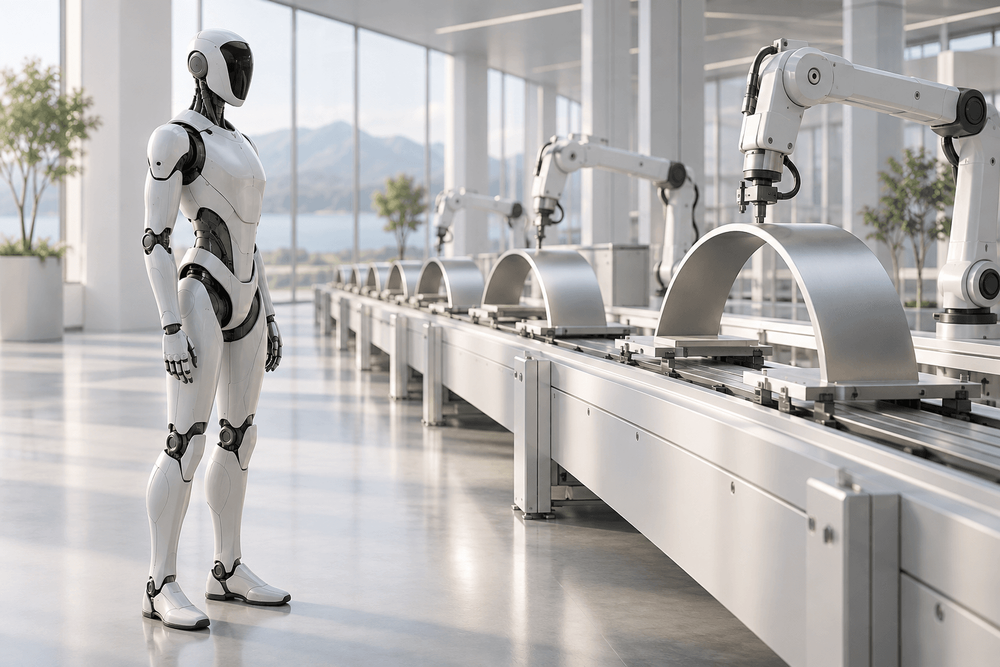
XPeng has activated an automated production line for its IRON humanoid robot, achieving over 80% core automation. A notable milestone was reached as a finished robot successfully walked off the line under its own power. This development is significant as it marks XPeng's commitment to advancing humanoid robotics, with mass production slated for completion by the end of 2026. The company plans to initiate commercial deliveries in 2027, indicating a strategic move into the humanoid robot market. Looking ahead, industry observers should monitor XPeng's progress towards its production goals and the potential impact of its humanoid robots on various sectors. No further timeline was disclosed at the time of publication.
Automated Reforestation Using UAV-Based Precision Seed Dropping Technology
The Journal of Field Robotics has published an early view article discussing UAV-based precision seed dropping for automated reforestation. This innovative approach utilizes unmanned aerial vehicles to enhance the efficiency and effectiveness of reforestation efforts. The significance of this technology lies in its potential to address environmental challenges such as deforestation and habitat loss. By employing UAVs for seed dispersal, the method aims to improve the survival rates of newly planted seeds and accelerate the restoration of forest ecosystems. Looking ahead, the adoption of UAV-based seed dropping could revolutionize reforestation practices. Stakeholders in environmental conservation and forestry should monitor advancements in this technology and its implementation in various regions. No further timeline was disclosed at the time of publication.
RESEARCH ARTICLE
Mara Secures $7 Million to Advance Automated Drone Swarm Defense System Spike
San Francisco-based Mara has successfully secured $7 million in funding to enhance its proprietary counter-drone system known as Spike. This funding will assist in bringing the technology to market, addressing the critical issue of neutralizing drone swarms effectively and affordably on modern battlefields. The significance of Spike lies in its innovative approach to countering the rising threat of inexpensive FPV drones, which can cost only a few hundred dollars. Traditional defense methods, including electronic warfare and interceptors, often incur much higher costs, making Spike a cost-effective alternative designed to provide close-in defense when conventional systems fail. Looking ahead, Mara aims to leverage this funding to refine Spike's capabilities, which include a dual-component system of a spotter and seeker for drone detection and interception. No further timeline was disclosed at the time of publication.
Military
Transitioning from Manual Loading to Automated Machining: A CNC Production Upgrade Guide
Manufacturers are increasingly pressured to enhance production efficiency, leading many CNC shops to consider automation. However, transitioning from manual loading to automation is complex and involves more than just replacing operators with robots. Factors such as loading time, tool changes, and part flow must be optimized to ensure high machine utilization. Stabilizing the machining process is crucial before implementing robotic loading or unattended production. This gradual approach allows manufacturers to minimize manual intervention and prepare their equipment for future automation. The primary benefit of automation lies not only in labor reduction but also in minimizing machine idle time between cycles, which can significantly enhance productivity. As manufacturers focus on improving process reliability, they can extend production hours and achieve greater consistency in output. The ultimate goal is to maximize the value generated by CNC machines, ensuring they operate efficiently and effectively throughout the production cycle. No further timeline was disclosed at the time of publication.
Engineering Manufacturing automated machining cnc automation cnc machines cnc machining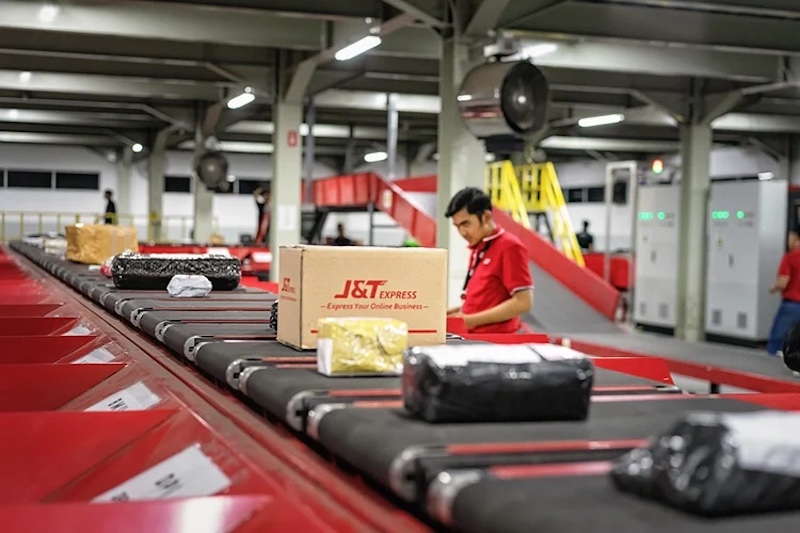
J&T Global Express Expands Automated Sorting Systems and Unmanned Delivery Fleet Growth
J&T Global Express has enhanced its automated sortation capabilities by adding 22 new sorting machines, bringing the total to 435 across its express network. This expansion coincides with a significant increase in unmanned delivery vehicles, which rose by 87% to over 1,900 units by June 30, 2026. This growth is crucial as J&T handled 17.50 billion parcels in the first half of 2026, marking a 25.1% year-on-year increase. The new sorting systems were strategically placed across Southeast Asia, China, and other markets, with a focus on improving efficiency and reducing costs for both J&T and its network partners, which numbered approximately 1,300 in Southeast Asia. Looking ahead, J&T plans to continue investing in outlet automation as capacity expands. The company is also encouraging its network partners to adopt unmanned delivery vehicles, supported by favorable policies and cooperation plans, particularly in key cities across China. No further timeline was disclosed at the time of publication.
Logistics News Warehouse robots ai artificial intelligence automated sorting
TechCrunch Disrupt 2026 Introduces Real World AI Stage Featuring Robots and Automated Factories
TechCrunch Disrupt 2026 will feature a new Real World AI Stage, expanding its focus on AI's intersection with the physical world. This stage will highlight advancements in autonomous hardware, including applications in public spaces and potential de-extinction efforts. The event, scheduled for October 13 to 15 at San Francisco’s Moscone West, will host discussions on the challenges of deploying autonomous systems safely. Industry leaders from companies like Shield AI and Colossal Biosciences will address critical questions regarding safety culture, regulatory navigation, and trust-building in high-stakes environments. Attendees can expect insights from notable speakers, including Ben Lamm of Colossal Biosciences, who will explore the role of AI in reviving extinct species. The event promises to be a significant gathering for those interested in the evolving landscape of AI and its real-world applications. No further timeline was disclosed at the time of publication.
AI TechCrunch Disrupt Colossal Biosciences
KUKA Robotics Enhances Worker Safety with Automated Trailer Unloading Solutions
KUKA Robotics is advancing worker safety in warehouses and distribution centers by implementing automated trailer unloading solutions. These innovations aim to reduce the physical strain associated with repetitive tasks such as lifting, bending, and twisting, which are common causes of employee injuries. The significance of KUKA's automation solutions lies in their ability to create safer working environments, addressing the growing demand for robotics in physically demanding tasks. By providing flexible and reliable automation, KUKA helps companies mitigate risks associated with manual unloading processes, ultimately enhancing employee well-being. Looking ahead, the focus will be on the continued adoption of KUKA's automated solutions in various distribution settings. No further timeline was disclosed at the time of publication.

Xianglu Robot and Haier Collaborate to Create Fully Automated AI Cooking Robot
On July 29, Xianglu Robot announced a strategic partnership with Haier Robotics to develop a new generation of fully automated AI cooking robots. This collaboration aims to integrate Xianglu's extensive cooking ecosystem, which includes a multimodal AI cooking base and a vast digital recipe library, with Haier's consumer-focused platform to enhance home cooking experiences. This partnership is significant as it seeks to bridge the gap between professional culinary skills and home cooking, addressing the increasing demand for intelligent cooking solutions in personalized kitchen environments. By leveraging Xianglu's expertise in the B2B restaurant sector and Haier's reach to millions of households, the initiative aims to provide a seamless cooking experience that meets diverse dietary needs. Looking ahead, the collaboration will focus on developing a cooking robot that automates ingredient preparation and cooking processes, ensuring high-quality results akin to those of professional chefs. No further timeline was disclosed at the time of publication.
AI Cooking Robots Home Automation Smart Kitchen Technology Culinary Innovation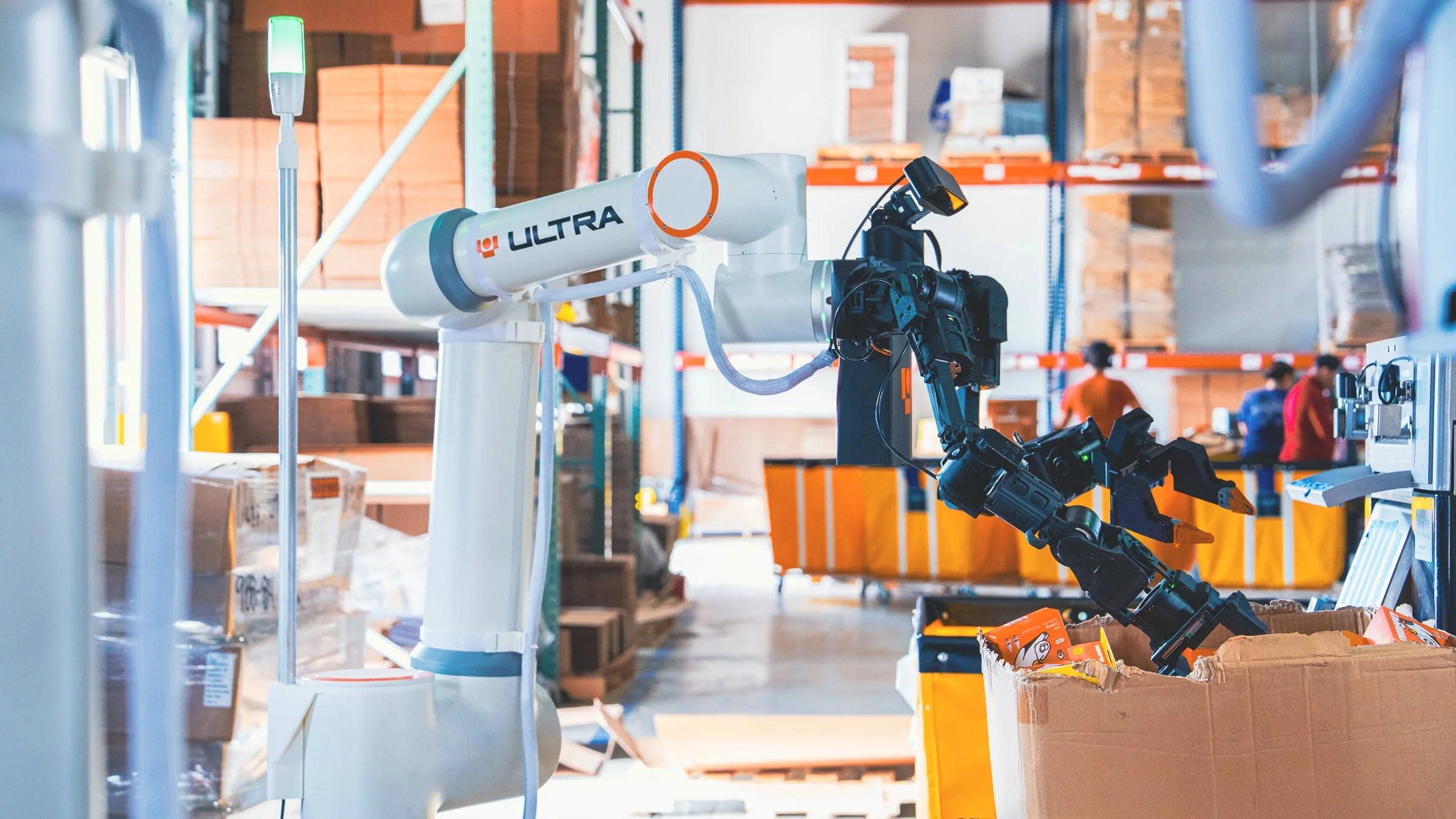
Highline Commerce Integrates Ultra Robotics' OP1 to Automate 30% of Fulfillment in Brooklyn
Highline Commerce has successfully integrated humanoid robots from Ultra Robotics into its Brooklyn fulfillment center, automating up to 30% of daily order processing. This deployment marks a significant milestone, as Highline becomes one of the first fulfillment companies to utilize humanoid robots in live retail operations, managing tasks for over 200 brands. The implementation of Ultra Robotics' OP1 system, a stationary dual-arm AI robot, allows for efficient handling of repetitive tasks such as packing and sorting without the need for extensive infrastructure changes. The OP1's design enables continuous operation and adaptability to various warehouse workflows, addressing common challenges faced by mobile robots. Looking ahead, the collaboration between Highline Commerce and Ultra Robotics highlights the importance of localized testing in real-world environments. As both companies are situated in Industry City, this partnership allows for rapid iteration and validation of robotic capabilities, setting a precedent for future advancements in warehouse automation. No further timeline was disclosed at the time of publication.
US Ultra Robotics
Productive Robotics Unveils New Integrated Metal Dust Collector for Automated Deburring Cell
Productive Robotics has introduced a fully integrated metal dust collector designed for its automated deburring and polishing cell. This innovative cell is operated by the company's OB7 collaborative robots, which require zero programming, and features a compact, enclosed workstation that effectively prevents abrasive dust and metal fines from contaminating the shop floor environment. The significance of this development lies in addressing the challenges associated with manual deburring, which accounts for nearly half of all deburring operations in the US. By automating this process, Productive Robotics aims to enhance efficiency and maintain a cleaner work environment, ultimately improving productivity and safety in manufacturing settings. Looking ahead, the focus will be on the adoption of this technology in various manufacturing sectors. As companies seek to streamline their operations and reduce manual labor, the integration of automated solutions like the one offered by Productive Robotics could become increasingly prevalent. No further timeline was disclosed at the time of publication.
Faraday Future's FFAI Accelerates Robotics Expansion and Exceeds Shipment Goals at Automate 2026
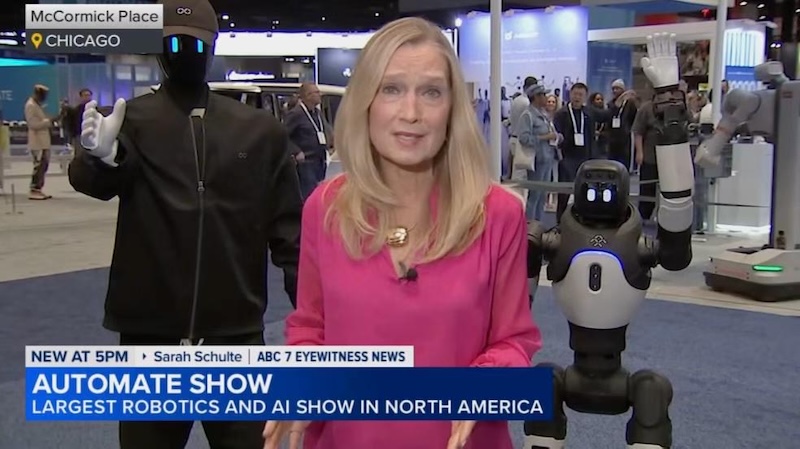
Faraday Future's AI subsidiary, FFAI, announced its accelerated expansion into commercial robotics at Automate 2026 in Chicago. The company showcased its 'one brain, multiple forms' robotics platform and revealed that June robot shipments are expected to exceed 100 units, bringing total first-half deliveries to over 220 units, surpassing its initial target ahead of schedule. This milestone is significant as it marks FFAI's transition from an education-focused robotics business to industrial automation, targeting commercial deployments across manufacturing, logistics, and research. The company presented a range of robotics products, including the All-New Futurist humanoid robot and the FF Faber mobile manipulator series, highlighting its commitment to integrating advanced AI technologies into various applications. Looking ahead, FFAI outlined a broader strategy focused on an open embodied AI ecosystem, which includes its EAI Brain software platform and an EAI Data Factory for operational data collection. No further timeline was disclosed at the time of publication.
Artificial Intelligence Events News ai All-New Futurist Automate 2026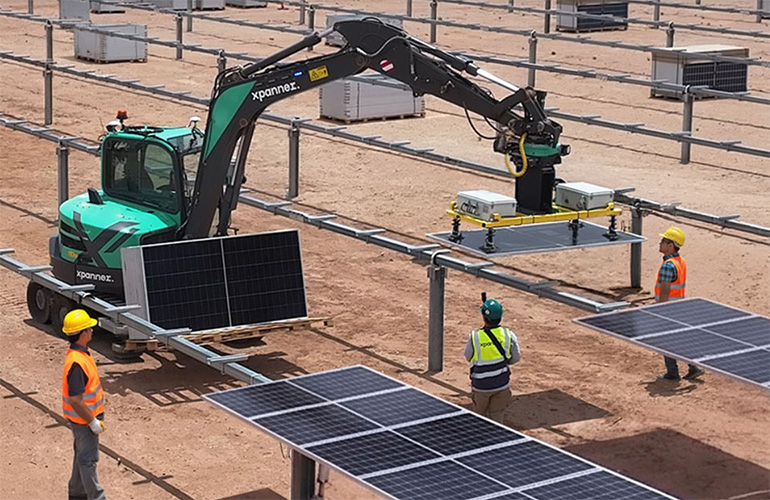
Xpanner Launches X1 Panel Lift to Automate Solar Panel Installation Processes
Xpanner Global has introduced the X1 Panel Lift system, aimed at alleviating the skilled labor shortage in the solar industry. This innovative platform, previously used for solar pile-driving, now facilitates automated lifting and replacement of solar panels using excavators. By automating repetitive material handling tasks, the X1 Panel Lift allows installation crews to focus on more critical activities such as aligning and fastening panels. The significance of the X1 Panel Lift lies in its potential to transform solar installation workflows, which have traditionally relied on large teams and complex setups. Henri Lee, co-founder and CEO of Xpanner, emphasized that this solution simplifies operations, enabling any operator to manage the system from day one. The introduction of this technology could lead to increased efficiency and reduced labor costs in utility-scale solar projects. Looking ahead, Xpanner plans to enhance the X1 Panel Lift's capabilities through software updates, allowing for the automation of additional workflows without necessitating new equipment purchases. No further timeline was disclosed at the time of publication.
Arms / Manipulators Artificial Intelligence Construction Energy / Solar / Renewables News Safety & Security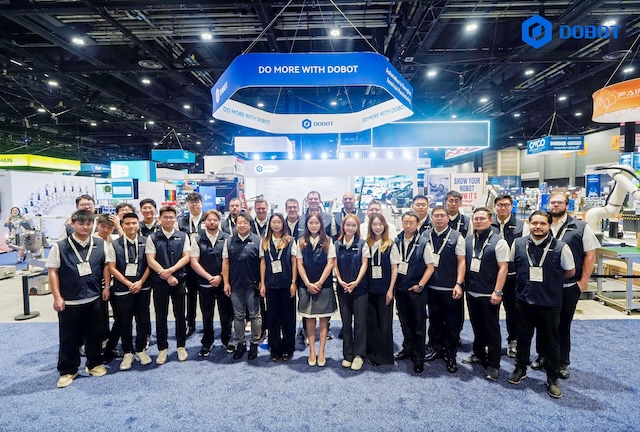
DOBOT Unveils Intelligent Automation Solutions at Automate 2026 to Enhance American Manufacturing
DOBOT showcased its latest intelligent automation solutions at Automate 2026, emphasizing the theme 'DO MORE WITH DOBOT.' The company highlighted how its collaborative robots and AI-powered technologies can enhance efficiency and flexibility in American manufacturing. Key demonstrations included solutions for various industries such as automotive and food & beverage, showcasing the integration of robotics in real-world applications. The significance of DOBOT's presentation lies in its commitment to strengthening American manufacturing through advanced automation. By demonstrating a comprehensive portfolio of application-driven solutions, DOBOT illustrated the potential of intelligent robotics to address industrial challenges and accelerate the transition to smart manufacturing. The showcased technologies aim to improve production processes across sectors, enhancing overall operational efficiency. Looking ahead, DOBOT's focus on integrated automation ecosystems and collaborative robotics indicates a trend towards more accessible and scalable solutions for manufacturers. The company's innovations, including humanoid robots and advanced programming capabilities, suggest a future where human-robot collaboration becomes increasingly seamless. No further timeline was disclosed at the time of publication.
DOBOT Automate 2026 collaborative robots industrial automation automation solutions humanoid robot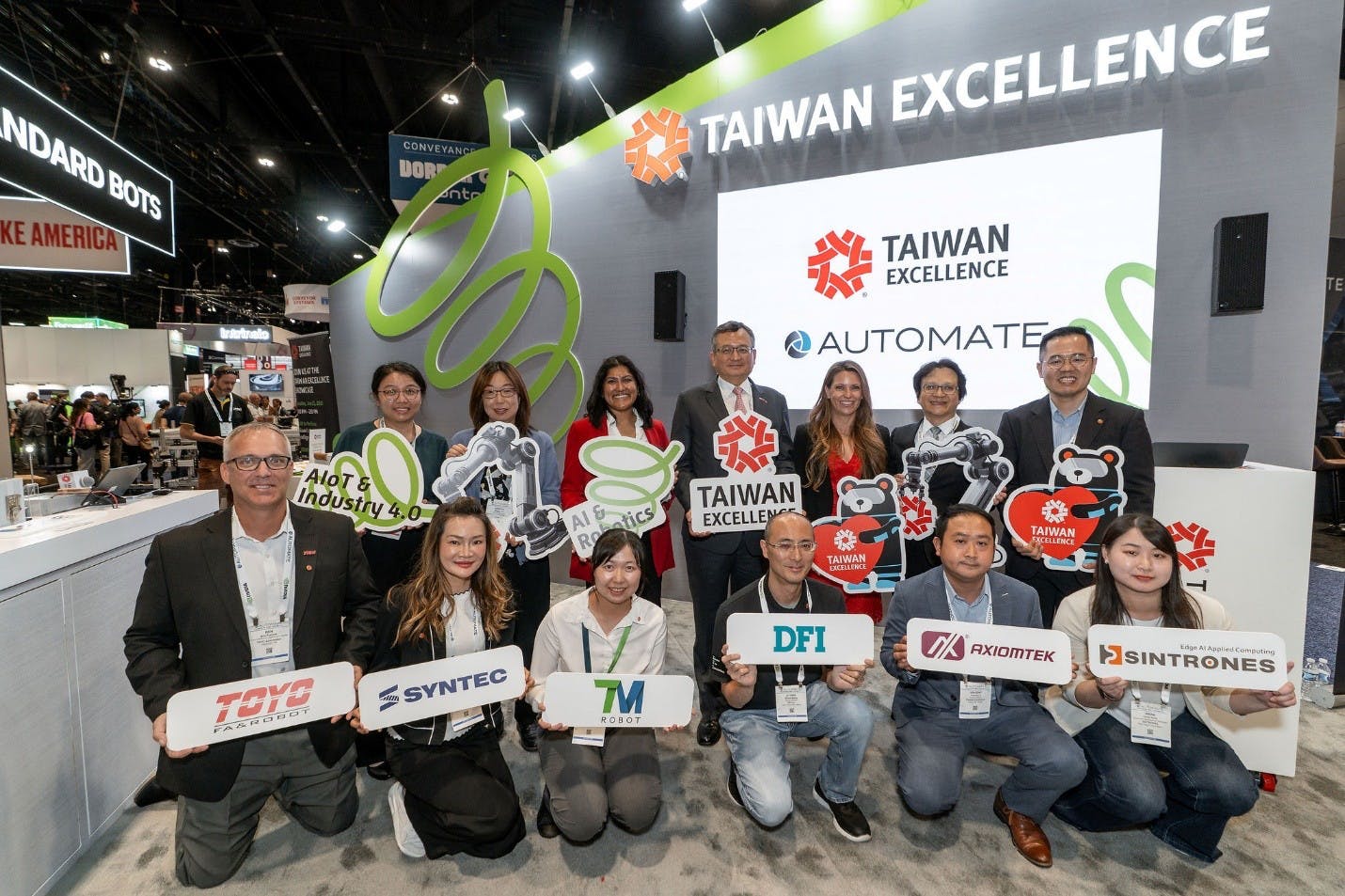
Taiwan Excellence Pavilion Showcases Award-Winning Technologies at Automate 2023
At the Automate show in late June, the Taiwan Excellence Pavilion featured two dozen award-winning companies showcasing advanced technologies for smart manufacturing and industrial automation. Organized by Taiwan's International Trade Administration and the Taiwan External Trade Development Council, the pavilion highlighted innovations in robotics, AI, and industrial computing. This event underscored Taiwan's growing significance as a technology partner for U.S. manufacturing, with a focus on enhancing agility and integration in production systems. TAITRA noted the strong engagement from manufacturers and automation leaders, reflecting a rising demand for integrated solutions that foster innovation in manufacturing processes. Looking ahead, the Taiwan Excellence Pavilion will continue to play a pivotal role in promoting Taiwanese innovations in automation and smart manufacturing. No further timeline was disclosed at the time of publication.
Supplier News
Güdel to showcase advanced grinding with vertical and horizontal motion at Automate 2026.
Güdel has introduced innovative advancements in heavy-duty robotic grinding applications by enhancing its TMV and TMF systems with two additional degrees of freedom. This development allows for more versatile grinding capabilities, enabling robots to perform tasks with both vertical and horizontal motion. The new features will be showcased at the upcoming Automate 2026 event, highlighting the company's commitment to pushing the boundaries of robotic technology in industrial settings. This enhancement aims to improve efficiency and precision in grinding processes, addressing the growing demand for advanced automation solutions in manufacturing.
Automotive Energy / Solar / Renewables Events Machine Tool & Material Removal Motion Control News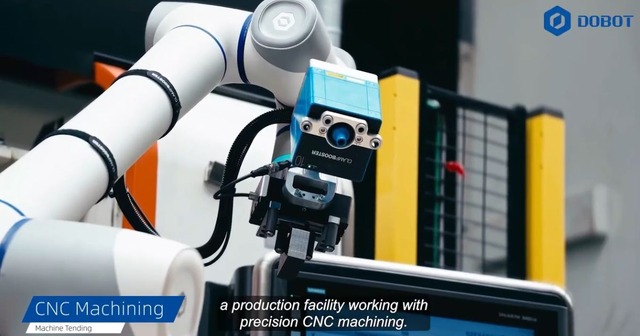
Dobot to showcase collaborative robot use cases in automotive, food, and education at "Automate 2026."
Dobot Robotics has unveiled a promotional video showcasing its products in preparation for the upcoming Automate 2026, one of North America's largest industrial automation trade shows. The video was released on YouTube on June 16, 2026, as part of the company's efforts to highlight its innovations and engage with potential customers ahead of the event. This strategic move aims to enhance visibility and demonstrate the capabilities of Dobot's automation solutions in a competitive market.
TGW Logistics to Automate Kave Home's New Distribution Center in Tordera, Spain
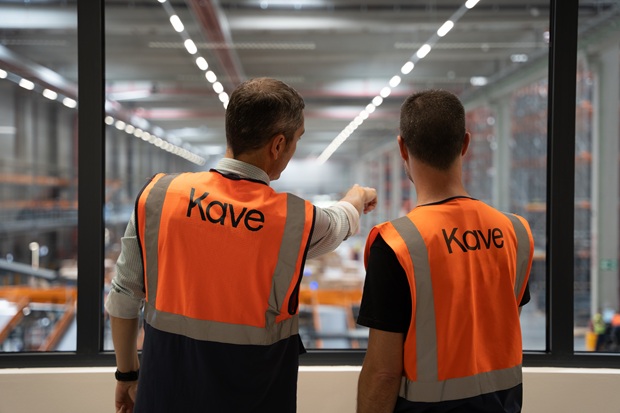
Kave Home has chosen TGW Logistics to implement automation at its new logistics hub in Tordera, Barcelona. This initiative is crucial for the company's growth and international expansion in the furniture and home décor market, enhancing operational capacity to meet increasing demand across various sales channels. The automated fulfillment center is set to launch by the end of 2028, featuring an integrated storage and order-picking system that utilizes miniload technology, high-bay automated warehouses, autonomous mobile robots (AMRs), and advanced palletizing processes. This solution will enable Kave Home to efficiently manage product flows for e-commerce, retail, and B2B operations. With the new logistics platform, Kave Home aims to achieve a capacity of 21,000 packages per day and expand storage to 93,000 pallet positions, significantly increasing its current volume. This expansion is expected to enhance delivery speed, picking accuracy, and provide a consistent omni-channel experience for customers. No further timeline was disclosed at the time of publication.
Industry News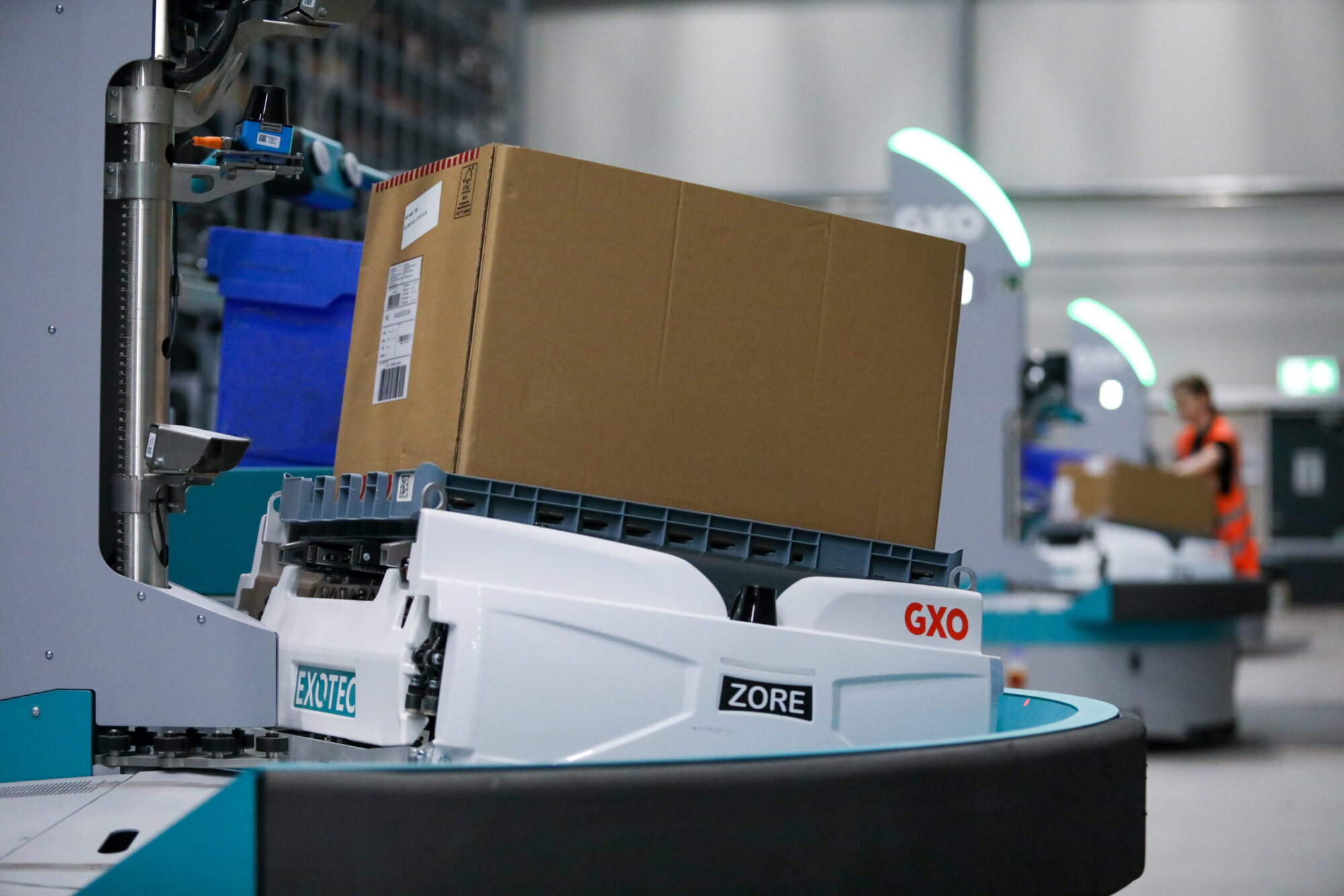
GXO Implements Exotec's Skypod System for Guess Fashion Fulfilment Automation
GXO has successfully deployed Exotec’s Skypod robotic system at its Venlo facility in the Netherlands to automate fulfilment operations for Guess, a global fashion brand. This advanced system is tailored to meet the unique challenges of fashion logistics, capable of processing between 40,000 and 70,000 pieces daily, with peak throughput reaching 2,200 order lines per hour. The automation installation includes 127 robots, 60,000 rack locations, eight goods-to-person picking stations, and a 200-metre conveyor network. GXO manages various logistics services for Guess, including quality control and garment conditioning, while also preparing for e-commerce fulfilment in the Benelux market. This project highlights the importance of customizing automation solutions to fit specific operational needs rather than applying a generic approach. As fashion fulfilment demands can fluctuate seasonally, the Skypod system is designed to scale operations effectively, ensuring that GXO can handle increased volumes during peak periods. Since the system's implementation, GXO reports that the operation has become more predictable and streamlined, supporting Guess’s retail distribution across EMEA and Asia.
Automation Systems and Shuttles Conveying and Sortation eFulfilment Materials Handling Robotic Picking Storage & Racking
Schmalz Showcases Automated Gripping Systems for Sheet Metal Processing
Schmalz presented its portfolio of automated gripping systems for sheet metal processing at EuroBlech in Hannover. This event highlights the company's commitment to advancing automation in the metalworking sector. The introduction of these gripping systems is significant as they enhance efficiency and precision in sheet metal handling, crucial for manufacturers aiming to optimize production processes. Schmalz's innovations are expected to meet the growing demand for automation solutions in the industry. Looking ahead, industry professionals should monitor the adoption of these technologies and their impact on manufacturing workflows. No further timeline was disclosed at the time of publication.
Allgemein Greifer & Werkzeuge Metallbearbeitung & Schweißen Robotik
KoiReader Technologies Introduces KoiVision Platform for Supply Chain Yard Automation
KoiReader Technologies, Inc. has announced the general availability of its KoiVision™ Platform Yard Intelligence Suite. This full-stack Physical AI system aims to enhance global supply chain yard operations by providing automated gate processing, continuous yard visibility, and dock-level execution intelligence. The introduction of the KoiVision Platform is significant as it targets one of the least digitized areas in the supply chain, potentially transforming yard operations. By integrating advanced technologies, KoiReader seeks to improve efficiency and visibility, which are critical for modern supply chain management. Looking ahead, industry stakeholders should monitor the adoption and impact of the KoiVision Platform in various supply chain environments. No further timeline was disclosed at the time of publication.

Xiaopeng Launches First Fully Automated Production Line for Humanoid Robots
On September 8, Xiaopeng Robotics unveiled its first advanced humanoid robot, IRON, which successfully walked off the production line. The company announced that its production line has achieved over 80% automation in core processes, marking it as the world's first fully automated line for advanced humanoid robots. However, the remaining 20% of processes still rely on human labor, raising concerns about cost reduction and market pricing. The significance of Xiaopeng's achievement lies in its progress compared to competitors, such as Tesla, which has not disclosed automation rates for its Optimus production line. While Xiaopeng's automation rate is impressive, it only measures core processes, which lack a standardized industry definition. This ambiguity allows for varying interpretations of automation rates among companies, potentially leading to inflated claims. Looking ahead, the challenge for Xiaopeng will be to reduce costs associated with the remaining 20% of processes that are not yet automated. These tasks are often the most complex and expensive, involving delicate components that current machines struggle to handle. The industry is watching closely to see how Xiaopeng navigates this critical phase of production and cost management.
Humanoid Robots Automation Manufacturing Technology Robotics
Addressing Workflow Gaps in Automation Projects for Improved Efficiency
In manufacturing plants, workflows often diverge between documented procedures and actual practices on the floor. This discrepancy leads to automation projects stalling, as the systems implemented follow the documented version, while undocumented exceptions continue to operate as usual. For instance, a scheduling or pricing call may rely on a single trusted individual, with no formal documentation outlining the approval process. The significance of addressing these gaps cannot be overstated. When automation is applied without considering these exceptions, they simply shift to informal channels like email or spreadsheets, creating new bypasses that undermine the intended efficiency. To mitigate this issue, it is crucial to identify and document these exceptions before scoping automation projects. To effectively capture these gaps, conducting a tabletop walkthrough can be beneficial. By having an employee unfamiliar with the workflow explain the process step by step, it becomes easier to identify points of confusion or undocumented approvals. These insights should be incorporated into the requirements document to ensure that automation is aligned with the actual workflow, thereby enhancing operational efficiency.
Process / Digital Transformation
Xpeng Motors Launches Automated Production Line for Humanoid Robot IRON in Guangzhou
In September 2026, Xpeng Motors officially launched the automated production line for its humanoid robot IRON in Guangzhou, aiming for mass production by the end of the year. This initiative signifies the transfer of quality management systems from automotive manufacturing to the robotics sector, as stated by Xpeng CEO He Xiaopeng during the launch ceremony. This move is part of a broader trend, with over 140 humanoid robot manufacturers in China, which released more than 330 humanoid robot products in the past year. According to Omdia, Chinese companies accounted for nearly 80% of the global humanoid robot shipment volume in 2025, with ZhiYuan Robotics leading in deliveries. The rapid integration of advanced algorithms into hardware by Chinese manufacturers has given them a competitive edge in this emerging market. Despite the excitement, concerns remain about the sustainability of the industry, as many companies are startups focusing on basic functionalities. The launch of Xpeng's production line may serve as a model for integrating established automotive manufacturing practices into robotics, but significant challenges remain before achieving true commercial viability in the humanoid robot sector.
Humanoid Robots Robot Manufacturing Automation AI Industrial Robotics
General Robotics Achieves Milestone with GRID for Automating Robot Development Lifecycle
General Robotics has announced a significant advancement for GRID, its robot intelligence platform. This platform is designed to automate the entire lifecycle of robot development and deployment, enhancing efficiency and effectiveness in the process. GRID operates as an agentic system, continuously improving itself and the robots connected to it, which is crucial for the future of robotics. The importance of this development lies in GRID's ability to auto-engineer its processes, including robot onboarding and skill deployment. This capability not only streamlines operations but also allows for rapid adaptation to new tasks and environments, making it a vital tool for industries relying on robotic automation. As companies increasingly seek to integrate advanced robotics into their operations, GRID positions itself as a leader in this transformative technology. Looking ahead, stakeholders in the robotics and automation sectors should monitor further developments from General Robotics regarding GRID. The potential for this platform to redefine how robots are developed and deployed could have far-reaching implications for various industries. No further timeline was disclosed at the time of publication.
AI agents Computing News agentic ai artificial intelligence fanuc
Fanuc and Google Collaborate on AI-Driven Welding Robots for Enhanced Automation
Japanese industrial automation firm Fanuc has partnered with Google to create an AI-automated welding system. This innovative solution utilizes robots equipped with artificial intelligence that can interpret blueprints directly, thus removing the need for manual programming. Deliveries of this advanced system are expected to commence in December 2026. This collaboration is significant as it represents a leap forward in automation technology, potentially streamlining manufacturing processes and improving efficiency in welding tasks. By enabling robots to read blueprints autonomously, Fanuc and Google aim to reduce labor costs and enhance productivity in industrial settings, which is crucial for maintaining competitiveness in the global market. Looking ahead, industry stakeholders should monitor the rollout of this AI-driven welding system, particularly its impact on manufacturing workflows and labor dynamics. The anticipated deliveries in December will be a key milestone, and the performance of these robots in real-world applications will be critical to assessing their effectiveness and adoption in various sectors.
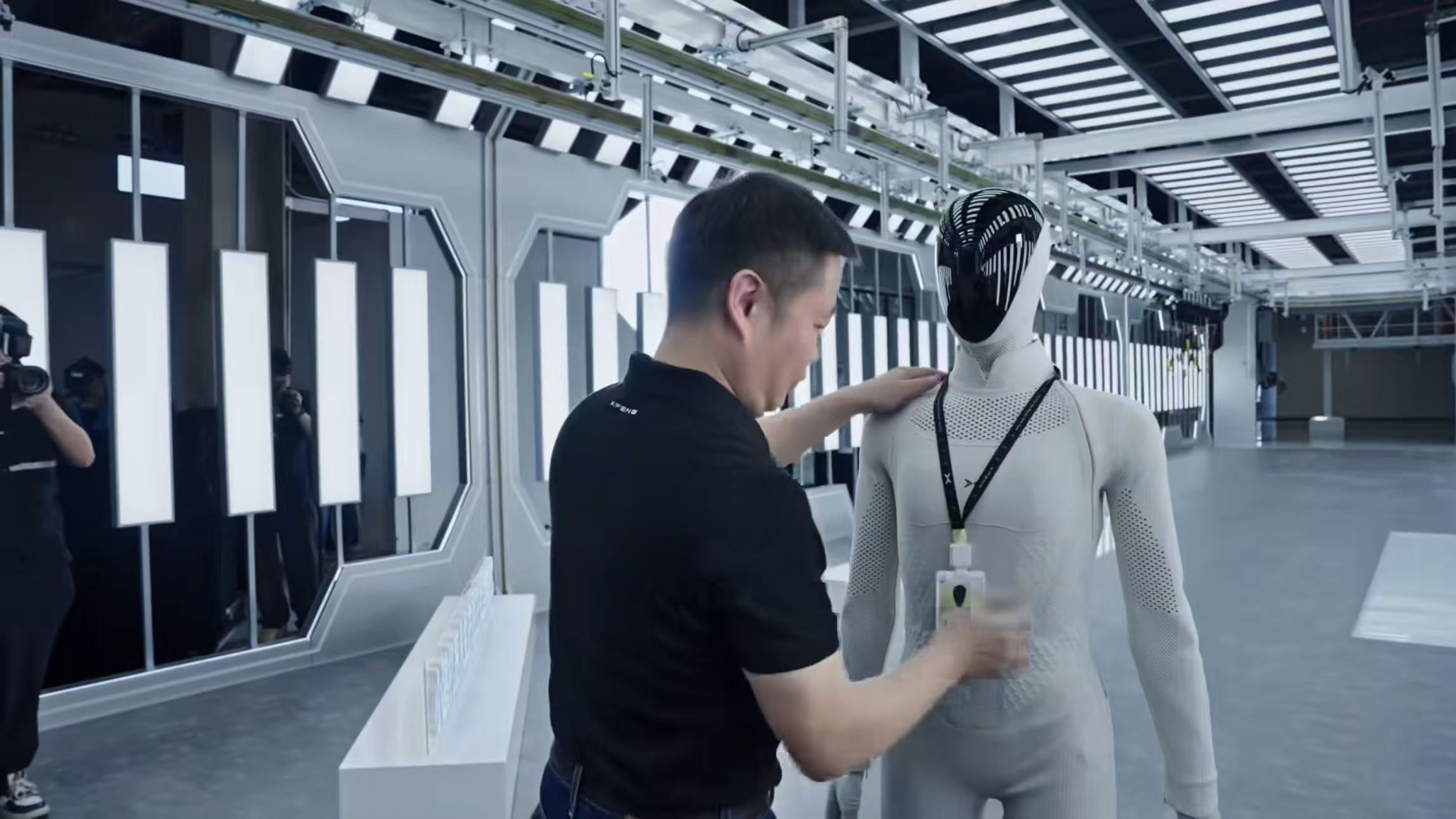
XPeng Launches Automated Production Line for Humanoid Robots with First IRON Model
XPeng has officially commenced operations of its automated production line for humanoid robots, with the first IRON robot successfully completing its final assembly and autonomously walking off the line. This milestone signifies XPeng's transition from research and development to mass production of humanoid robots, which are still in the early stages of commercialization. The significance of this development lies in XPeng's claim that IRON is the world's first high-level general-purpose humanoid robot produced on an automated line. The production line, designed by XPeng's team, integrates automotive manufacturing and quality-control systems tailored for humanoid robot assembly, with over 80% of its core processes automated. Looking ahead, XPeng plans to scale production of IRON by the end of 2026, with commercial deliveries expected in 2027. The company aims to position IRON for tasks that are dangerous or repetitive, while also expanding its applications. XPeng's recent funding round raised over $900 million to support its robotics business, indicating strong investor interest in the future of humanoid robots.
Heavy Hitters AI Highlight News Robotics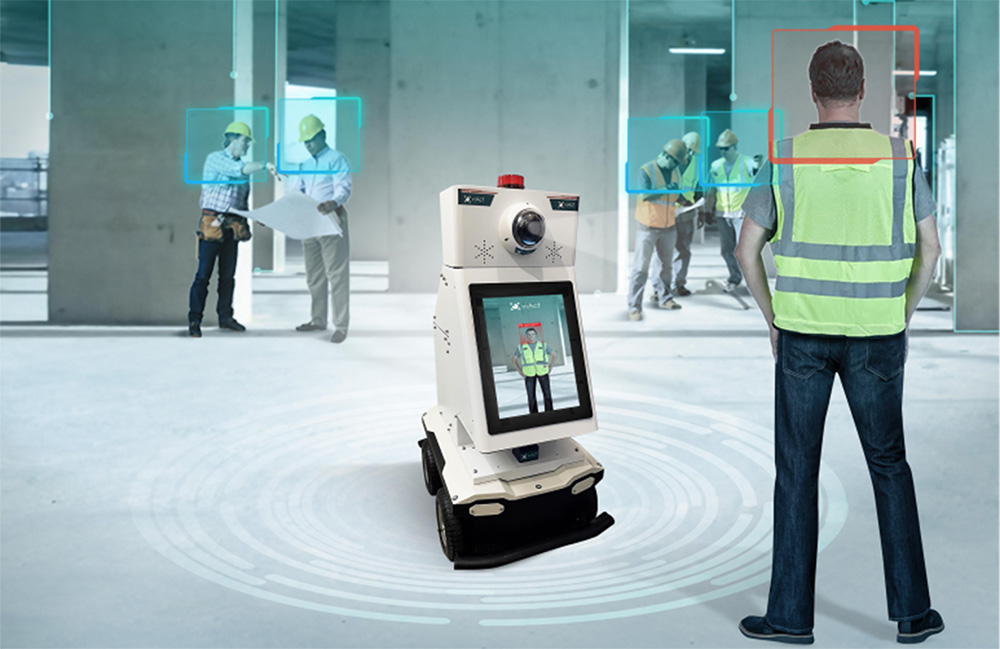
ViAct's viBOT Enhances Safety with Vision AI on Construction Job Sites
ViAct has introduced viBOT, an autonomous robotic monitor designed for construction sites. As automation transforms the construction industry, the integration of vision AI is crucial for ensuring the safety of both workers and autonomous systems. The construction robotics market is projected to reach $3.66 billion by 2030, highlighting the growing importance of these technologies. The success of construction robots hinges not only on their capabilities but also on their ability to operate safely alongside human workers. For instance, an autonomous compactor may follow its programmed route, but it lacks the intuition to recognize sudden changes in the environment, such as a worker retrieving a tool. This underscores the necessity for advanced safety measures provided by vision AI to prevent accidents on job sites. As the industry adapts to these challenges, evolving safety standards like ANSI/RIA R15.08 are being developed to address the complexities of autonomous mobile robots in dynamic environments. This shift emphasizes the need for robotics teams to prioritize safety considerations before deploying autonomous systems in construction settings. No further timeline was disclosed at the time of publication.
Artificial Intelligence Artificial Intelligence / Cognition Cameras / Imaging / Vision Construction Design / Development Mobility / Navigation
YYForce Establishes Facadevision AI to Enhance Drone and AI-Driven Facade Inspection Services
YYForce Inc. has launched Facadevision AI Pte. Ltd., a joint venture aimed at improving integrated facility management (IFM) services in Singapore. This new entity will focus on drone-enabled facade inspection and maintenance, enhancing safety and operational efficiency in the commercial real estate sector. The establishment of Facadevision AI is significant as it marks YYForce's commitment to integrating advanced technologies like drones and AI into its service offerings. This move is expected to streamline facade maintenance processes, reduce risks associated with manual inspections, and ultimately improve service delivery for clients in the region. Looking ahead, YYForce's focus on expanding its IFM capabilities through this joint venture will be crucial in a competitive market. The effectiveness of drone technology in facade inspections will be a key area to monitor, as it could set new standards for safety and efficiency in building maintenance. No further timeline was disclosed at the time of publication.

Xpeng Launches Automated Production Line for Humanoid Robots with High-Level Capabilities
Xpeng has successfully activated an automated production line dedicated to humanoid robots, marking a significant milestone in robotics. The company claims that the first high-level general-purpose humanoid robot has completed its assembly and autonomously walked off the production line. This production line is engineered for mass production, boasting an automation rate exceeding 80% in its essential processes. The establishment of this production line is crucial as it positions Xpeng to meet the growing demand for humanoid robots in various sectors. With plans to initiate volume production by the end of 2026, Xpeng aims to deliver these advanced robots to both domestic and international markets starting in 2027. This move highlights the company's commitment to innovation and leadership in the robotics industry. Looking ahead, stakeholders should monitor Xpeng's progress toward its production and delivery timelines. The successful launch of this automated line could set a precedent for other companies in the robotics sector, potentially influencing market dynamics and technological advancements. No further timeline was disclosed at the time of publication.
News Feed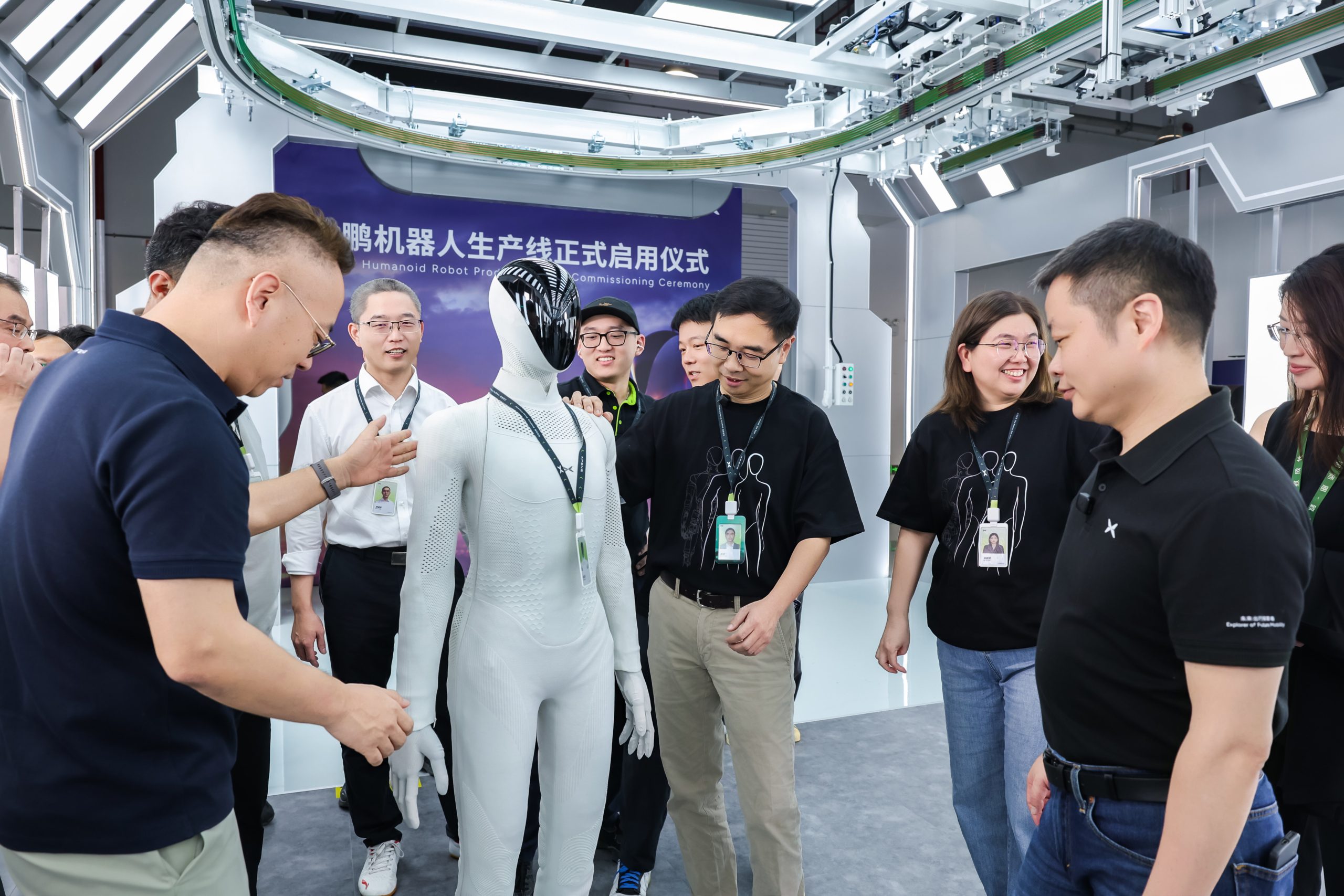
Xpeng Launches Automated Humanoid Robot Production Lines in China
Xpeng has announced the commissioning of humanoid robot production lines in China, with over 80% of core processes being automated. This significant step highlights Xpeng's commitment to advancing robotics technology in manufacturing. The automation of these production lines is crucial as it enhances efficiency and reduces labor costs, positioning Xpeng as a competitive player in the robotics sector. The move reflects a broader trend in the industry towards increased automation and intelligent manufacturing practices. Looking ahead, it will be important to monitor how Xpeng's investment in automated humanoid robot production impacts its market position and the overall robotics landscape. No further timeline was disclosed at the time of publication.
News Robotics China Funding humanoid robots Xpeng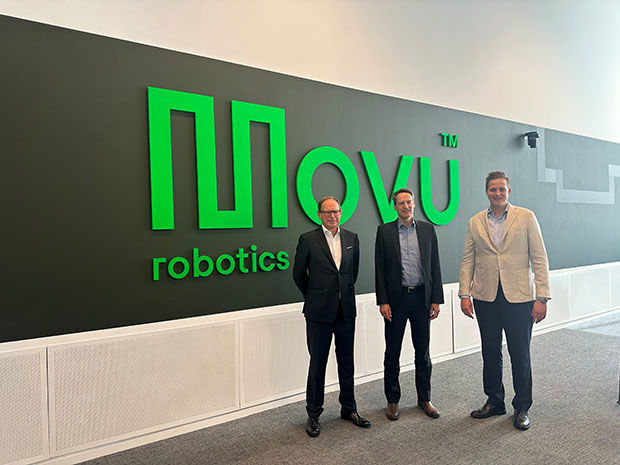
Jungheinrich and Movu Robotics Form Strategic Partnership for Automated Warehousing Solutions
Jungheinrich and Movu Robotics have established a strategic partnership, designating Jungheinrich as the preferred integrator for Movu's shuttle systems. This collaboration aims to accelerate the development of highly automated pallet warehouse solutions, addressing the increasing demand driven by rising space costs and the need for greater storage density. The partnership focuses on integrating Movu's four-way shuttle systems into Jungheinrich's warehouse management software, enhancing planning, integration, and operational efficiency. This integration will streamline processes from goods-in to dispatch, providing customers with a seamless automated material flow and reducing complexity in warehouse operations. As both companies enhance their collaboration, they aim to deliver more flexible and scalable high-density automated warehousing solutions. With Movu's shuttle systems already in over 200 warehouses and ongoing projects in Europe and North America, the partnership is poised to meet the growing demand in sectors such as food & beverage and logistics.
Order Picking & Sortation
ROC-E Automates 4,127 Logistics Missions at MECAPREC in One Year
In Lavelanet, Ariège, MECAPREC has entrusted part of its internal logistics to the mobile robot ROC-E. After one year of operation, the robot has completed 4,127 automated missions, saving operators 690.84 kilometers of travel. ROC-E, developed by ROB’OCC, has been in service since August 2024, assisting in transporting tools, moving parts between production and quality control workshops, and handling packages from the receiving area. The significance of this implementation lies in the reallocation of three months' worth of human labor to production, preparation, and operational oversight. The robot's offline architecture allows it to function without active Wi-Fi or 5G, avoiding the need to modify the factory's IT infrastructure. The integration and training were completed in just one day, leading to a notable reduction in repetitive movements and an improvement in team availability for production tasks, as stated by Paul Bermes, industrial manager at MECAPREC. Looking ahead, MECAPREC aims to assess whether these efficiency gains can be sustained with the addition of more robots and variations in production flows. The results thus far provide a solid case for automation in logistics, highlighting the practical benefits of ROC-E beyond mere speed, as it enhances operator well-being and productivity.
Robots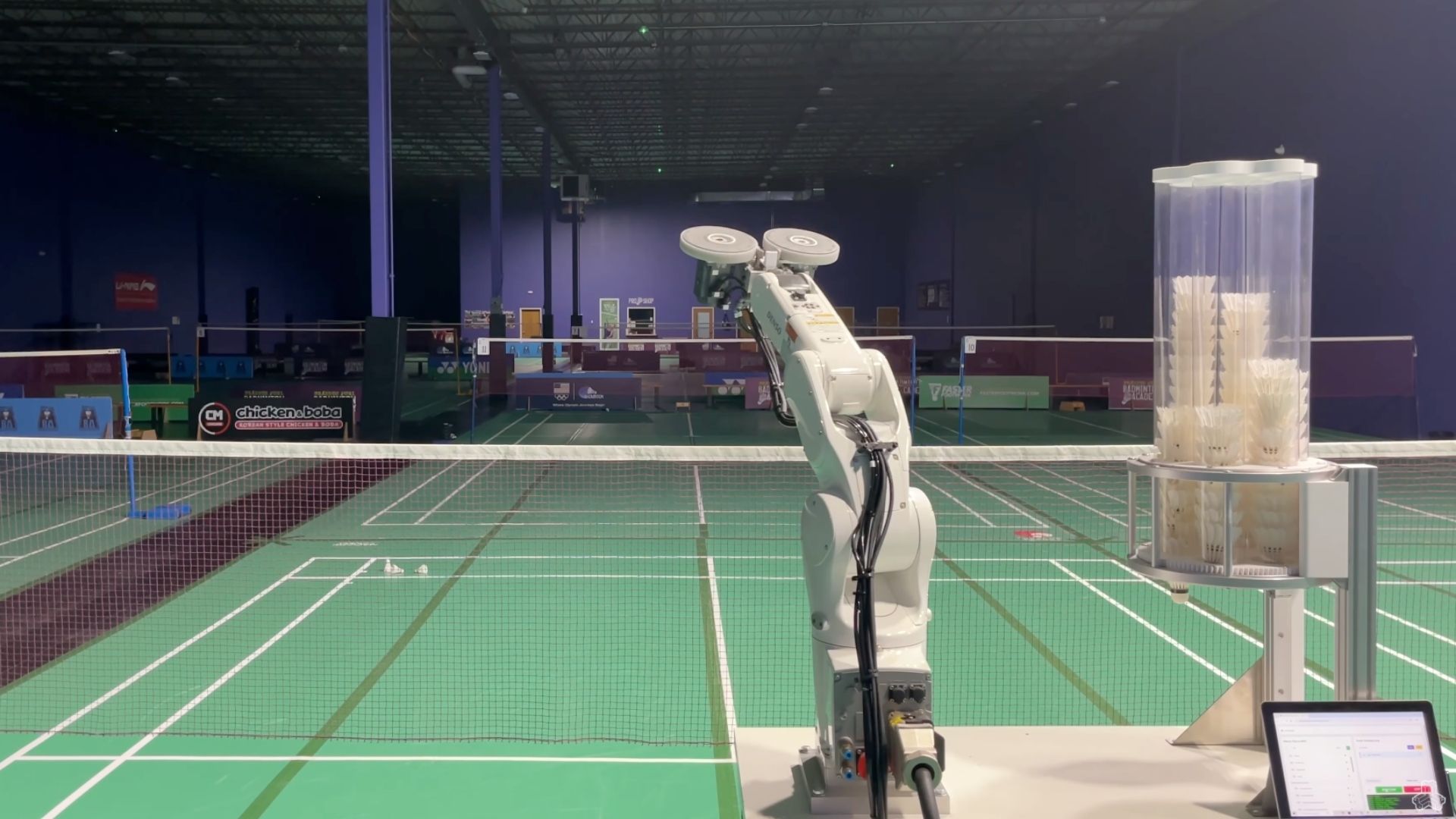
Denso VS-050 Robot Arm Transformed into Automated Badminton Serving Machine
A Denso VS-050 industrial robot arm has been repurposed into an automated badminton machine that serves shuttlecocks for practice sessions. Developed by Travis Mitchell over six months, this innovative project showcases the adaptability of industrial robotics for recreational use, allowing players to practice without a partner. The conversion involves a custom-built launching mechanism that utilizes the robot's six-axis capabilities to aim and fire shuttlecocks accurately. The design includes a shuttlecock magazine, pneumatic actuators, and high-speed spinning wheels, demonstrating how surplus industrial equipment can be creatively utilized in sports training. Looking ahead, the project highlights the potential for further innovations in the intersection of robotics and sports. As more enthusiasts explore similar adaptations, the future may see a rise in automated training systems across various sports disciplines. No further timeline was disclosed at the time of publication.
AI and Robotics
Retailers Enhance Checkout Experience for International Shoppers with Automated Kiosks
Retailers in tourist-heavy areas are increasingly deploying automated kiosks to streamline the checkout process for international shoppers. These multilingual, card-accepting kiosks allow travelers to scan items, verify passports, and claim tax refunds without clerical assistance, significantly reducing transaction times and enhancing customer satisfaction. The integration of passport and ID optical character recognition (OCR) technology, along with multilingual interfaces, ensures that international customers can navigate the checkout process smoothly. By embedding automated tax-free refund processes directly into kiosks, retailers can eliminate confusion and delays, making the shopping experience more appealing to foreign visitors. As the global tourist population continues to grow, with 1.4 billion international arrivals reported in 2024, retailers must address potential technical integration issues to maintain efficient operations. Investing in automated checkout systems will be crucial for capturing this expanding market and providing a competitive edge in the retail landscape.
Business Retail Technology automated checkout checkout kiosks international shoppers
Integrating Automated Guided Vehicles in Hospitals: Key Considerations and Benefits
Aerocom, specialists in AGV systems, explore the integration of Automated Guided Vehicles (AGVs) into busy hospital environments. They emphasize the importance of thorough planning and staff buy-in to ensure successful deployment. The integration of AGVs can streamline operations, reduce labor costs, and improve patient care, making it a vital technology for modern healthcare facilities. The significance of AGVs in hospitals lies in their ability to enhance operational efficiency and patient safety. By automating routine tasks such as transporting medications and supplies, hospitals can allocate staff resources more effectively, ultimately leading to better patient outcomes. The successful integration of AGVs can also alleviate the burden on healthcare workers, allowing them to focus on critical care responsibilities. Looking ahead, stakeholders should monitor the ongoing developments in AGV technology and its applications in healthcare. As hospitals continue to seek innovative solutions to improve efficiency and patient care, the role of AGVs is expected to expand. No further timeline was disclosed at the time of publication.
Beijing's First Fully Automated Noodle Shop Delivers Fresh Bowls in Three Minutes
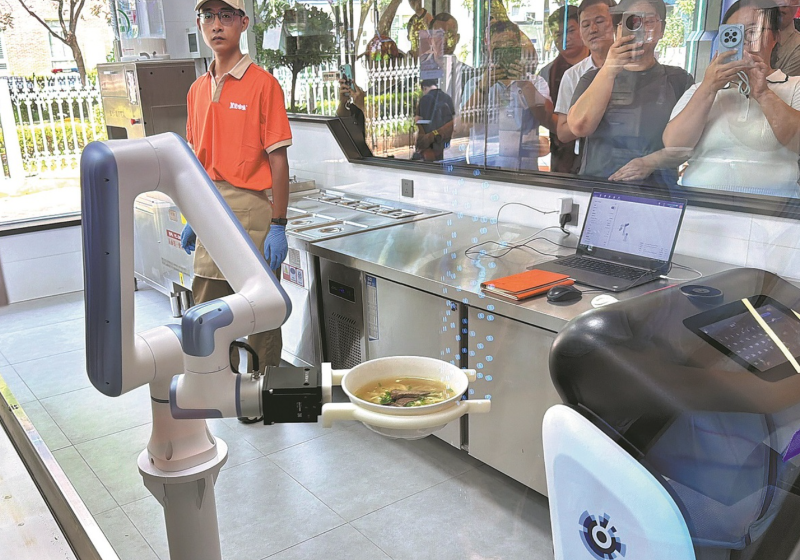
A new noodle shop in Beijing's Fengtai District has begun trial operations, showcasing a fully automated system that prepares fresh noodles in just three minutes. Customers order via QR codes, and an automated noodle-making machine combines flour and water to produce noodles, which are then cooked and served by robots. This establishment, operated by Beijing Yuli Technology, represents a significant advancement in restaurant automation, integrating the entire noodle preparation and serving process into a cohesive end-to-end system. Unlike previous applications that only automated parts of the process, this noodle shop successfully combines all steps in a real-world dining environment. Yuli Technology has been developing the noodle-making equipment since around 2017, refining it through five iterations to meet commercial standards. The restaurant not only serves as a dining venue but also as a testing ground for future robotic applications, including humanoid robots for serving and cleaning tasks. The success of this noodle shop could pave the way for broader adoption of robotics in everyday dining experiences.
Robotic Automation Food Technology Restaurant Innovation AI in Food Service
Jungheinrich and Movu Robotics Partner to Enhance Automated Pallet Warehouse Solutions
Jungheinrich and Movu Robotics have formed a strategic partnership to integrate Movu's four-way shuttles with Jungheinrich's expertise in consulting, integration, software, and service. This collaboration aims to provide customers with high-density pallet warehouses and a seamless material flow from a single source. The partnership is significant as it addresses the rising demand for automated pallet warehouses driven by increasing space costs and the need for greater storage density. Movu's four-way shuttle systems, such as the Movu Atlas, are designed to store and retrieve pallets multi-deep, making them ideal for high-density warehouse applications. Looking ahead, the integration of Movu's shuttle systems into Jungheinrich's WMS and software ecosystem will enhance operational efficiency and reliability. No further timeline was disclosed at the time of publication.
AMR and AGV Automation Systems and Shuttles Conveying and Sortation Materials Handling Robotic Picking Storage & Racking
Bulles Création Enhances Production Efficiency with Robotiq Cobot Palletizing Solution
Bulles Création, known for its flexible bottling services for local winemakers, faced production challenges as demand surged. The company's existing packaging line was limited to 1,500 bottles per hour, hindering its ability to scale operations effectively. The implementation of Robotiq's cobot palletizing solution is significant as it allows Bulles Création to automate its end-of-line processes. This move not only increases efficiency but also positions the company to better meet the growing demand for its products, including its own line of effervescent drinks. Looking ahead, the adoption of this automation technology could lead to further enhancements in production capacity and operational flexibility. No further timeline was disclosed at the time of publication.

AlgaeBarn Develops $1,000 Automated Cap Labeling Cell Using Robotics and Machine Vision
AlgaeBarn, a Colorado-based producer of live aquaculture products, has implemented a $1,000 automated cap labeling cell that integrates robotics, machine vision, and controls. This innovation has significantly improved quality, uptime, and productivity by eliminating the manual process of applying thousands of labels by hand, which previously required employees to gather for lengthy 'sticker parties.' The automation system, designed by AlgaeBarn's Robotics & Automation Engineer Akash Chinthamanipeta, labels 450 caps per hour while inspecting each label's placement. The system was built in-house using SOLIDWORKS, allowing for customization and control over the labeling process, which is crucial for maintaining production efficiency. Looking ahead, AlgaeBarn's approach to automation could serve as a model for other companies facing similar manual labeling challenges. The successful implementation of this system demonstrates the potential for cost-effective automation solutions in the aquaculture industry. No further timeline was disclosed at the time of publication.
Factory / Design
South Korea's Army Pursues Automation in Field Maintenance Amid Personnel Decline
The South Korean Army is initiating efforts to automate its field maintenance and logistics operations, driven by a projected decline in available personnel. Military officials announced a study aimed at transitioning key maintenance functions to automated systems, forming part of the 'smart field maintenance support system' under the ArmyTiger initiative. This automation is crucial as the Army anticipates a demographic decline that will reduce personnel available for logistics and maintenance roles. The initiative seeks to enhance efficiency in workforce utilization and address the growing disparity between advanced combat platforms and their maintenance systems, which have not seen a similar reduction in staffing needs. Looking ahead, the Army will explore AI-based predictive maintenance, automated storage systems, and drone delivery among other technologies. Some technologies are already in testing phases, including a smart logistics center that has automated 70% of its processes, reducing workforce needs by 16%. No further timeline was disclosed at the time of publication.
All News
Coupang Faces Increased Competition as Lotte Mart Launches Automated Fulfillment Center
Coupang, a leader in South Korea's dawn delivery market, is facing heightened competition as Lotte Mart opens its first automated fulfillment center in Busan. This 40,000-square-meter facility, developed in partnership with British firm Ocado, aims to enhance efficiency in inventory management and delivery, reflecting Lotte Mart's commitment to the growing online grocery sector. The online grocery market in South Korea has seen significant growth, with transactions soaring from 17.2 trillion won in 2019 to approximately 52.3 trillion won last year. Naver is also entering the dawn delivery space, launching a service for its loyalty program members, which could further challenge Coupang's dominance. Naver's fulfillment service reported a 76% increase in transaction volume year-on-year in June, indicating strong demand. Industry experts are closely monitoring these developments, particularly the potential impact of regulatory changes that may allow more large retailers to participate in dawn delivery. While the Distribution Industry Development Act currently restricts large supermarket chains from offering early-morning delivery, proposed amendments could change the competitive landscape, although some analysts remain skeptical about the immediate effects on market dynamics.
All News
The Increasing Importance of Automated Guided Vehicles in Modern Manufacturing
Automated Guided Vehicles (AGVs) are becoming essential in manufacturing by enhancing material handling efficiency. They streamline logistics, ensuring timely delivery of components and improving production flow. As manufacturers face challenges like rising production demands and labor shortages, AGVs offer a solution by automating material transport, thus creating safer and more reliable operations. The deployment of AGVs allows manufacturers to maintain high safety standards while reducing costs associated with manual handling. Their predictable movements minimize accidents and product damage, contributing to a smoother operational environment. AGVs also provide consistency in processes, which is crucial for production performance, particularly in facilities where material availability directly impacts output. Looking ahead, manufacturers are increasingly recognizing the need for customized AGV solutions tailored to their specific operational requirements. These tailored systems can address unique challenges such as limited space and strict safety protocols, ensuring that AGVs integrate seamlessly into existing workflows. No further timeline was disclosed at the time of publication.
AMR and AGV Materials Handling AGVs in Advanced Manufacturing CTi Systems
Pharmaceutical Manufacturing's Unique Challenges in Embracing Automation
Pharmaceutical manufacturing is increasingly adopting automation to enhance productivity and address labor shortages, but the approach differs from other industries. Unlike typical manufacturing environments, any changes in pharmaceutical production processes require validation to ensure compliance with strict quality and regulatory standards, prioritizing patient safety. Despite these challenges, the demand for automation in the pharmaceutical sector is growing due to workforce shortages, supply chain disruptions, and rising medicine demands. Companies are investing in various technologies, including automated material handling and predictive analytics, to improve operational agility while adhering to compliance requirements. Organizations must carefully assess where automation can add value without complicating processes or introducing regulatory risks. The focus should be on integrating automation into a broader operational strategy that enhances resilience and flexibility, enabling manufacturers to adapt to evolving demands while maintaining high-quality standards.
ProcessRobotics needs a service framework.
RSF defines a common language for robot service capability, lifecycle operations, certification pathways, and service-provider networks.
Join the RobotToday community on LinkedIn
Daily robotics news, in-depth analysis, conference highlights, and discussions with professionals worldwide.