

Industry Briefing
A single destination for timely, editor-curated robotics news from around the world.

Study on Offshore Wind Turbine Blade Repair Using Particle Swarm Optimization and Advanced Control Techniques
A recent study published in the Journal of Field Robotics explores innovative methods for repairing offshore wind turbine blades. The research focuses on utilizing a Particle Swarm Optimization-Backpropagation Neural Network combined with Improved Active Disturbance Rejection Control to enhance repair efficiency. This research is significant as it addresses the growing need for effective maintenance strategies in offshore wind energy, which is crucial for maximizing energy output and minimizing downtime. The integration of advanced algorithms aims to improve the precision and reliability of repair processes, ultimately contributing to the sustainability of wind energy. Looking ahead, the implications of this study could influence future developments in wind turbine maintenance technologies. No further timeline was disclosed at the time of publication.
RESEARCH ARTICLE
South Korean Researchers Develop AI for Innovative DNA Origami Designs
Researchers from Seoul National University and Hanyang University have created an AI model named Generative SNUPI, which simplifies the design of DNA origami structures. This model allows users to generate complex DNA shapes, such as the Mona Lisa, by considering the chemical properties of DNA, significantly reducing the time and expertise required for design. The development of Generative SNUPI is crucial as traditional DNA origami design is often tedious and expensive, requiring significant expertise. Kyounghwa Jeon, a Ph.D. candidate at SNU, emphasizes that this new tool could enable users to transition directly from concept to physical assembly of DNA structures, enhancing research capabilities in the field. Looking ahead, the researchers aim to improve the flexibility of DNA origami designs to facilitate real-world applications such as drug delivery and immunotherapy. Do-Nyun Kim, an assistant professor at SNU, notes that future work will focus on creating dynamically reconfigurable structures, which are essential for many molecular functions.
Biotechnology Dna-origami Dna Generative-ai
Tesla's Optimus Robots to Support Starmind Satellite Production, Not Maintenance
Tesla's Optimus robots will not be used to repair Starmind satellites in orbit, as confirmed by recent statements from Elon Musk. Instead, these robots are intended to assist in the construction and operation of the Terafab chip manufacturing facility in Texas. The AI1 satellites, designed to disintegrate upon reentry, highlight the company's swap-and-replace strategy rather than traditional maintenance practices. This approach is significant as it reflects a broader trend in satellite management, where mass-produced satellites are replaced rather than repaired. The economics of servicing missions are prohibitive, with the cost of launching a replacement satellite being significantly lower than conducting a repair mission. This model aligns with SpaceX's operational history, where rapid replacement of satellites is more efficient than attempting to maintain them in orbit. Looking ahead, the focus will remain on the production capabilities of the Gigasat factory, which is expected to support the continuous replacement of satellites. No further timeline was disclosed at the time of publication, but the demand for rapid satellite turnover suggests a robust future for Optimus robots in terrestrial manufacturing rather than in-space servicing.

MIT and EPFL Develop Flapping Robot for Seamless Water-Air Transition with Advanced Wing Design
Researchers from MIT and EPFL have created a flapping robot capable of transitioning between water and air without legs. Weighing approximately 250 grams, the robot features a streamlined body, two flexible wings, and a controllable tail. It can flap its wings at frequencies of up to 6 Hz underwater and 5.2 to 11 Hz in the air, mimicking the behavior of diving birds, as detailed in a recent Science publication. This innovation is significant as it addresses the complex physical challenges of transitioning from water to air, a feat that most diving birds achieve with the aid of their legs. The robot's flexible wings reduce drag and allow for a higher flapping frequency underwater compared to rigid wings. This design not only enhances its swimming efficiency but also aligns with biological observations of diving birds, providing insights into their locomotion strategies. Looking ahead, the research team is exploring optimal wing configurations and has tested various sizes and stiffnesses. Future experiments will focus on the robot's ability to transition from water to air solely through wing flapping, a critical milestone that could reveal more about the mechanics of avian flight and inspire advancements in robotic design. No further timeline was disclosed at the time of publication.
Flapping Robots Aerial Robotics Aquatic Robotics Bio-inspired Engineering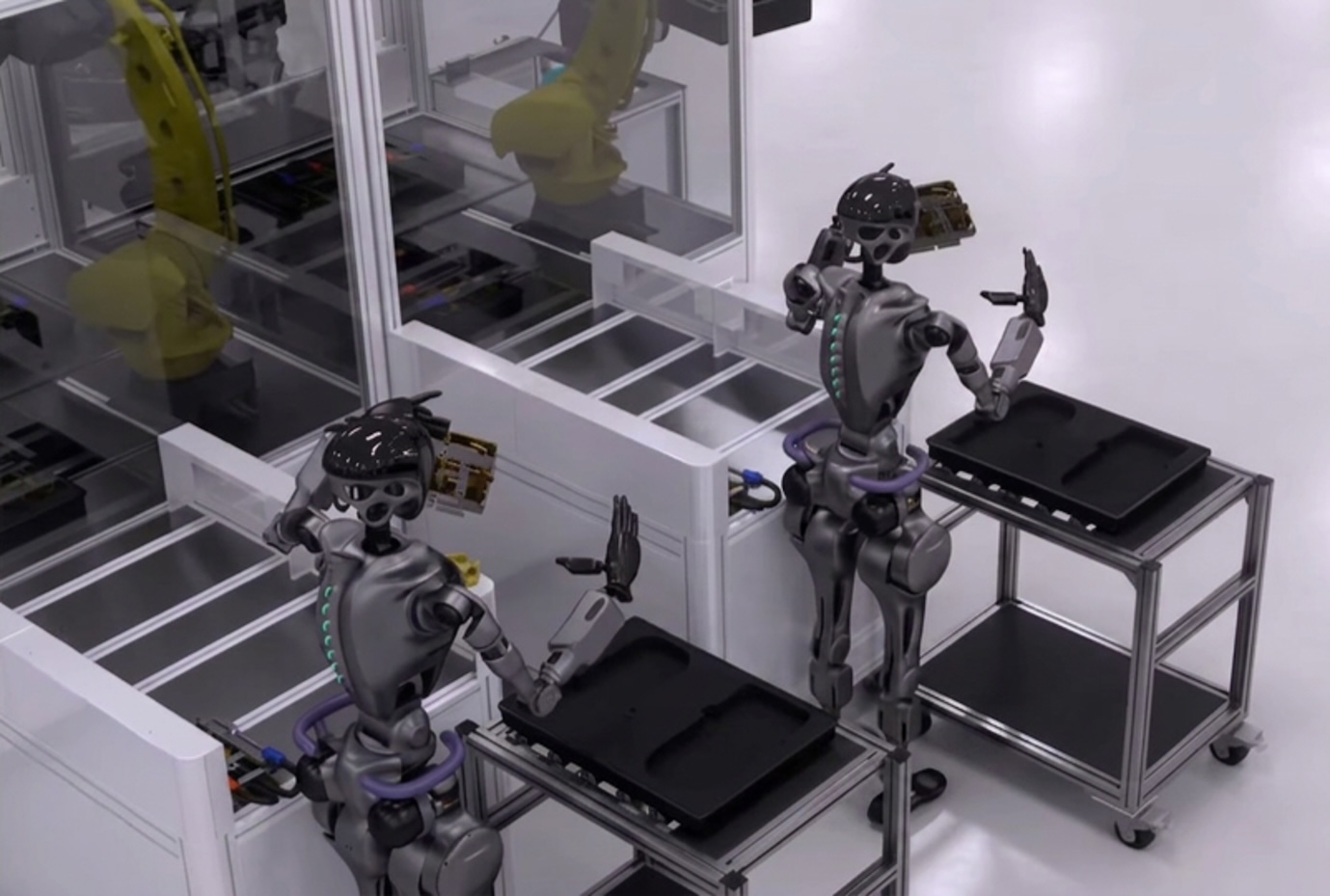
SpaceX Launches Starmind Project for 1 Million AI Satellites by 2028
SpaceX has officially named its orbital AI infrastructure project 'Starmind,' which aims to deploy a constellation of up to 1 million satellites. This initiative, confirmed by Elon Musk on June 22, 2026, will enable AI inference directly in space, utilizing solar energy rather than terrestrial power sources. The first satellite, designated AI1, was unveiled on June 8, 2026, and is designed to operate in sun-synchronous orbits. The significance of Starmind lies in its potential to overcome the limitations faced by ground-based data centers, such as land, power, and water constraints. By running AI computations in orbit, Starmind can provide a more efficient solution to the growing demand for AI computing power. The project leverages the existing Starlink infrastructure for data transmission, distinguishing its function from Starlink's internet relay capabilities. Looking ahead, SpaceX plans to begin hardware deployment with the AI1 satellite, while full-scale production and deployment of the satellite constellation are targeted for 2028. As of now, no Starmind satellites have been launched, and further engineering challenges remain to be addressed, particularly regarding the scalability of the satellite design.

Microsoft announces "Surface Laptop Ultra," designed with NVIDIA, enabling local execution of AI models.
Microsoft has unveiled its latest notebook, the Surface Laptop Ultra, marking a significant advancement in its product line. This new device is the first Surface model to feature the RTX Spark system-on-chip (SoC), which was co-designed with NVIDIA. The Surface Laptop Ultra boasts an impressive AI computing performance of 1 petaflop, allowing it to handle complex tasks efficiently. It is equipped with up to 128GB of unified memory, enabling the execution of models with 120 billion parameters locally. The highly anticipated laptop is set to be released in the fall of 2026, reflecting Microsoft's commitment to integrating cutting-edge technology into its devices to meet the growing demands of AI applications.
SpaceX's Starmind Plans 1 Million AI Satellites Amid Collision Risks
SpaceX has announced its ambitious Starmind project, which aims to deploy 1 million AI satellites in orbits between 500 and 2,000 km. This initiative, confirmed by Elon Musk on June 23, 2026, follows a merger with xAI, valuing the combined entity at $1.25 trillion. The satellites will function as orbital data centers, processing AI workloads powered by solar arrays and linked by optical lasers. The significance of Starmind lies in its potential to add 100 gigawatts of AI compute capacity annually, contingent on the successful operation of the Starship launch system. However, the project raises concerns regarding space debris, as the current orbital environment is already congested, with a 20% increase in collision risk reported since 2024. The European Space Agency has highlighted that the density of debris in low Earth orbit is now comparable to that of active satellites, complicating the operational landscape for new entrants like Starmind. Looking ahead, the first operational orbital AI deployments are targeted for 2028, with test launches expected in early 2027. However, the project faces scrutiny regarding its impact on space debris, as even a 1% failure rate could significantly increase the number of uncontrollable objects in orbit, exacerbating existing risks. No further timeline was disclosed at the time of publication.

Northwestern University Unveils Phantom Twist, an Almost Invisible Drone
At the RSS 2026 conference in Sydney, Northwestern University showcased the Phantom Twist drone, which is significantly harder to see in flight compared to traditional quadrotors. This drone achieves its stealthy appearance by spinning rapidly at 15 to 25 Hz, leveraging the limitations of human vision to create a motion blur that renders it nearly invisible. The development of Phantom Twist is significant as it represents a leap in drone design, utilizing computational optimization to minimize visibility. The drone's unique design allows it to maintain stability and control with just a single motor, making it an innovative solution in the field of robotics. Its design was generated through an iterative process aimed at reducing the visual overlap of components during flight. Looking ahead, Phantom Twist's design could lead to advancements in drone technology, particularly in applications requiring stealth. While currently controlled via an optical tracking system, further optimizations may enhance its capabilities. No further timeline was disclosed at the time of publication.
Robotics Drones Spinning-drones Invisible-drones Ai-design-optimization Uav
Shanghai Advances BCI Development: The Race for Commercialization Has Started
Shanghai is emerging as a key player in the global brain-computer interface (BCI) competition. The Shanghai Municipal Commission of Economy and Information Technology recently released the 'Three-Year Action Plan for the Industrialization of Brain-Computer Interfaces (2026-2028)', which aims to establish a leading national industrial chain ecosystem in the non-invasive BCI sector by 2028. The plan includes nurturing at least 50 related enterprises and achieving large-scale applications of core products in medical rehabilitation and cognitive training. This initiative is not just a theoretical blueprint. A team led by Academician Zhou Liangfu from Huashan Hospital's Neurosurgery Department, in collaboration with the Institute of Microsystem Research at the Chinese Academy of Sciences, has developed an implanted BCI product that has completed its first clinical trial with volunteers for motor function rehabilitation in paraplegic patients. Shanghai is adopting a parallel strategy with multiple technological routes, supporting invasive, semi-invasive, and non-invasive teams with dedicated funding, with non-invasive approaches progressing more rapidly. The Pudong New Area has designated a 'Brain Science Industrial Base' where the first batch of companies can benefit from various supports, including R&D expense deductions and expedited clinical trial processes. Shanghai's goal is clear: to become the city with the lowest operational costs and minimal policy friction for BCI enterprises. As the global BCI landscape evolves, Shanghai's focus on industrialization aims to establish a commercial loop in hospitals while ensuring safety and regulatory compliance, leveraging China's vast market potential in stroke rehabilitation, youth attention training, and early Alzheimer's screening.
Brain-Computer Interfaces Healthcare Technology Neurorehabilitation Cognitive Training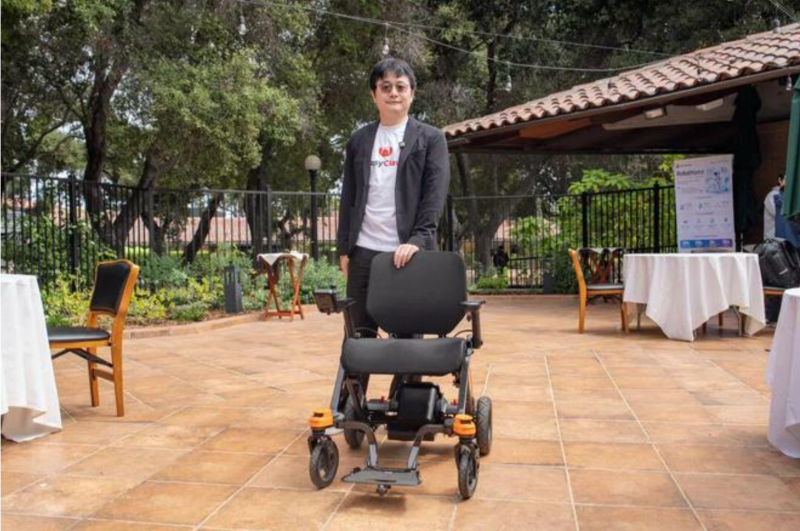
Smart Wheelchair Captivates Attention at Stanford AI Summit Over Humanoid Robots
At the Humanity & AGI Summit held at Stanford University, a smart wheelchair presented by Fu Sheng, Chairman of Cheetah Mobile, garnered significant attention, overshadowing humanoid robots. Attendees were drawn to the wheelchair's autonomous obstacle avoidance and user-friendly features, prompting many to experience it firsthand. The interest in the smart wheelchair highlights a critical shift in the robotics landscape, as Fu Sheng noted that humanoid robots are unlikely to achieve commercial scalability in the next five to ten years. He emphasized that the current limitations in software and hardware development hinder the practical application of humanoid robots, with most sales directed towards research institutions rather than commercial markets. Looking ahead, the focus on practical solutions like the smart wheelchair suggests a growing recognition that functionality is more important than form in robotics. As the industry continues to evolve, the demand for effective, user-centric products will likely shape future innovations, steering attention away from humanoid designs towards more practical applications.
Smart Wheelchairs Humanoid Robots AI Technology Robotics Assistive Devices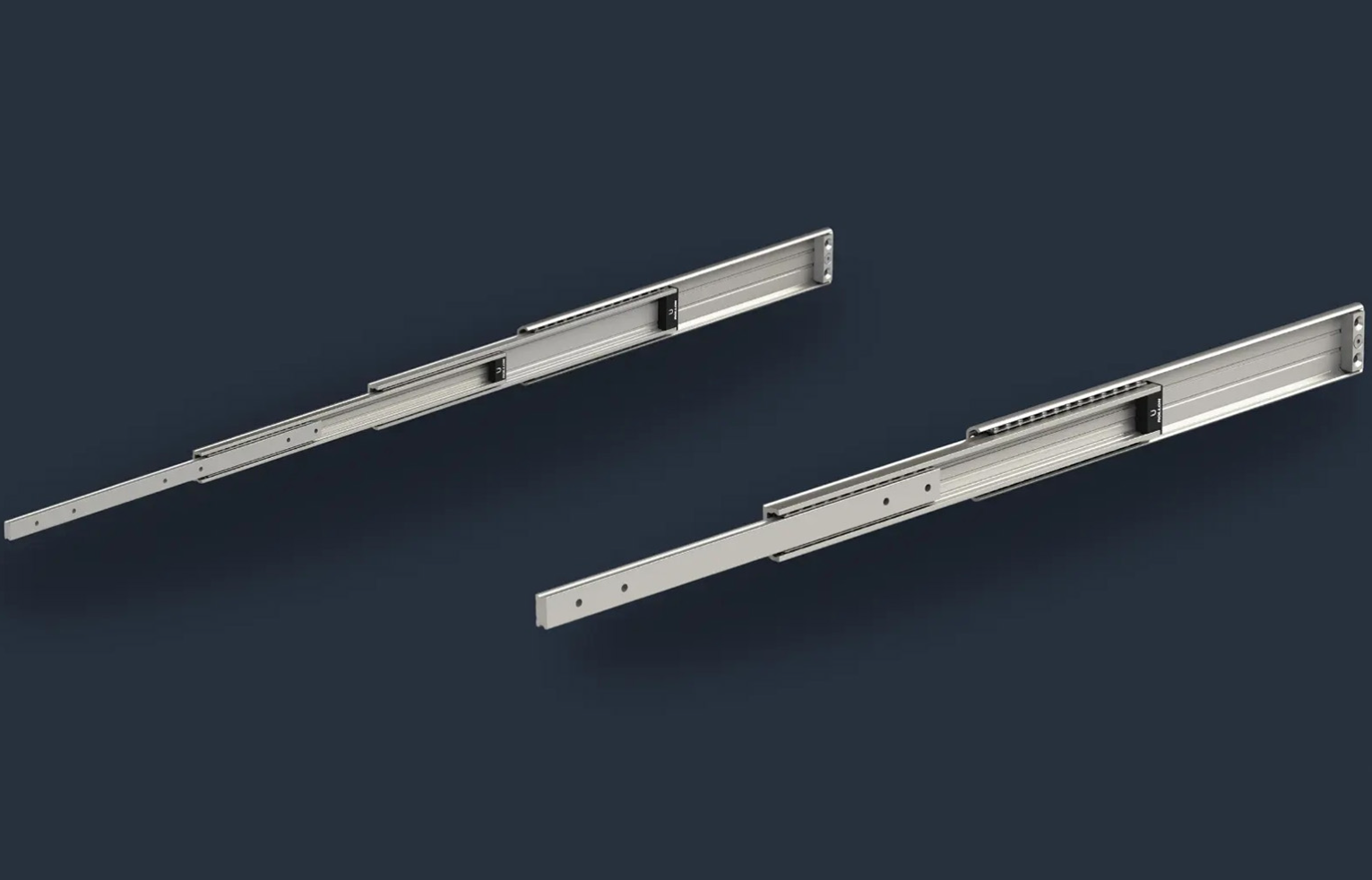
Rollon Launches Magnetic Telescopic Rails to Enhance Railway Maintenance Efficiency
Rollon, a leader in linear motion systems, has introduced the HVC-MG and H1C-MG integrated magnetic telescopic rails. These rails, designed for high-load applications, incorporate magnets into the rail structure to improve control and reduce effort during maintenance tasks. The new technology was unveiled this week and aims to enhance the efficiency and safety of railway maintenance operations by allowing engineers to easily pull out heavy battery compartments weighing hundreds of kilograms. The significance of this innovation lies in its ability to provide a seamless operation under heavy loads, addressing the challenges faced by maintenance personnel in the railway sector. The integrated magnets facilitate a sequential opening of the rail components, which minimizes simultaneous stress and enhances load distribution. This results in smoother operation, reduced manual effort, and extended rail lifespan, making it particularly suitable for the demanding environments of high-speed rail and subway systems. Looking ahead, Rollon plans to expand its magnetic control sequential motion technology across more product lines. The HVC and H1C series rails offer full extension and super extension options, maximizing accessibility while minimizing space usage. No further timeline was disclosed at the time of publication for additional product releases or enhancements.
Railway Maintenance Linear Motion Systems Heavy Equipment Automation Technology
Autonomous Asset Optimization? Honeywell Redesigns Making this a Reality
A company is advancing its efforts to enhance autonomous asset optimization for manufacturers by leveraging data foundations and predictive technologies. This initiative aims to streamline operations and improve efficiency within the manufacturing sector. By integrating advanced data analytics and predictive modeling, the company seeks to empower manufacturers to make informed decisions that can lead to significant cost savings and operational improvements. The focus on these technologies comes at a time when the industry is increasingly looking for innovative solutions to adapt to evolving market demands and challenges. Through this strategic approach, the company is positioning itself as a leader in the drive towards smarter manufacturing practices.
Factory / Plant Maintenance
AI Agent Designs a RISC-V CPU Core From Scratch
In a significant advancement for AI-driven chip design, Verkor.io, an AI chip design startup, has successfully created a RISC-V CPU core entirely through an autonomous AI system named Design Conductor. This milestone was achieved in December 2025, with the resulting CPU, dubbed VerCore, boasting a clock speed of 1.5 GHz and performance comparable to a 2011 laptop CPU. Suresh Krishna, co-founder of Verkor.io, emphasized that their approach, which allows the AI to tackle the entire design process rather than just specialized tasks, is more effective. Design Conductor operates as a structured harness for large language models (LLMs), guiding the AI through a series of steps akin to those followed by human engineers, from design to testing. The system autonomously generated the VerCore design in just 12 hours based on a 219-word specification. While VerCore has not yet been physically produced, it has been verified through simulation, achieving a score of 3,261 on the CoreMark benchmark. Verkor.io plans to release the design files for VerCore and other projects by the end of April and will showcase an FPGA implementation at the upcoming DAC conference. Despite the potential of AI in chip design, experts caution that human intuition remains crucial, as AI systems can struggle with complex design challenges. While Design Conductor may streamline the design process, it is not yet capable of replacing human engineers entirely, requiring a team of experts to achieve production-ready designs.
Eda Chip-design Agentic-ai Risc-v Cpu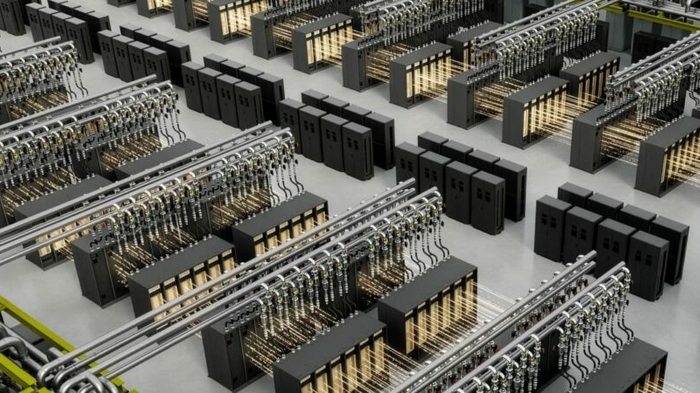
Performance per Watt: Key Metric for AI Infrastructure Efficiency and Profitability
Power constraints are critical for AI infrastructure, influencing revenue and profitability based on token generation within a fixed power budget. Performance per watt emerges as a vital metric, reflecting real-world results and shaping the scalability of AI factories in a power-limited environment. The NVIDIA Blackwell NVL72 platform exemplifies this metric, delivering the highest performance per watt and enabling organizations to maximize revenues while minimizing token costs. As AI models evolve, the need for architectural optimizations becomes essential, with the latest NVIDIA GB300 NVL72 achieving up to 25 times the performance per watt compared to previous generations. Looking ahead, NVIDIA's Vera Rubin platform aims to enhance energy efficiency further, while tools like DynoSim help teams optimize their performance. The ongoing improvements in software and the design of rack-scale systems highlight the importance of engineering rigor in managing the complexities of AI factory operations. No further timeline was disclosed at the time of publication.

The Escalating AI Arms Race in Software Engineering Technical Interviews
The landscape of software engineering job interviews is rapidly evolving due to the increasing use of AI by both candidates and employers. Applicants are employing AI assistants to enhance their performance during remote technical interviews, while companies are countering with AI tools designed to detect such assistance. This dynamic creates a competitive environment where the human element of hiring remains crucial despite the technological advancements. The rise of AI in hiring processes is largely driven by the current job market, which is characterized by a surplus of applicants and ongoing tech layoffs. Experts like AI hiring strategist Tatiana Teppoeva highlight that candidates often resort to AI tools as a response to automated hiring practices that may not favor them. This situation leads to a cycle where both parties leverage AI, potentially shifting the focus from genuine capability to algorithm optimization. As AI tools become more prevalent, concerns regarding their effectiveness and fairness have emerged. While some companies are embracing AI in interviews, others warn of the risks associated with bias and privacy. The need for human oversight in the hiring process is emphasized, as relying solely on AI could result in the exclusion of qualified candidates. No further timeline was disclosed at the time of publication.
Hiring-trends Interviews Ai-bias Software-engineering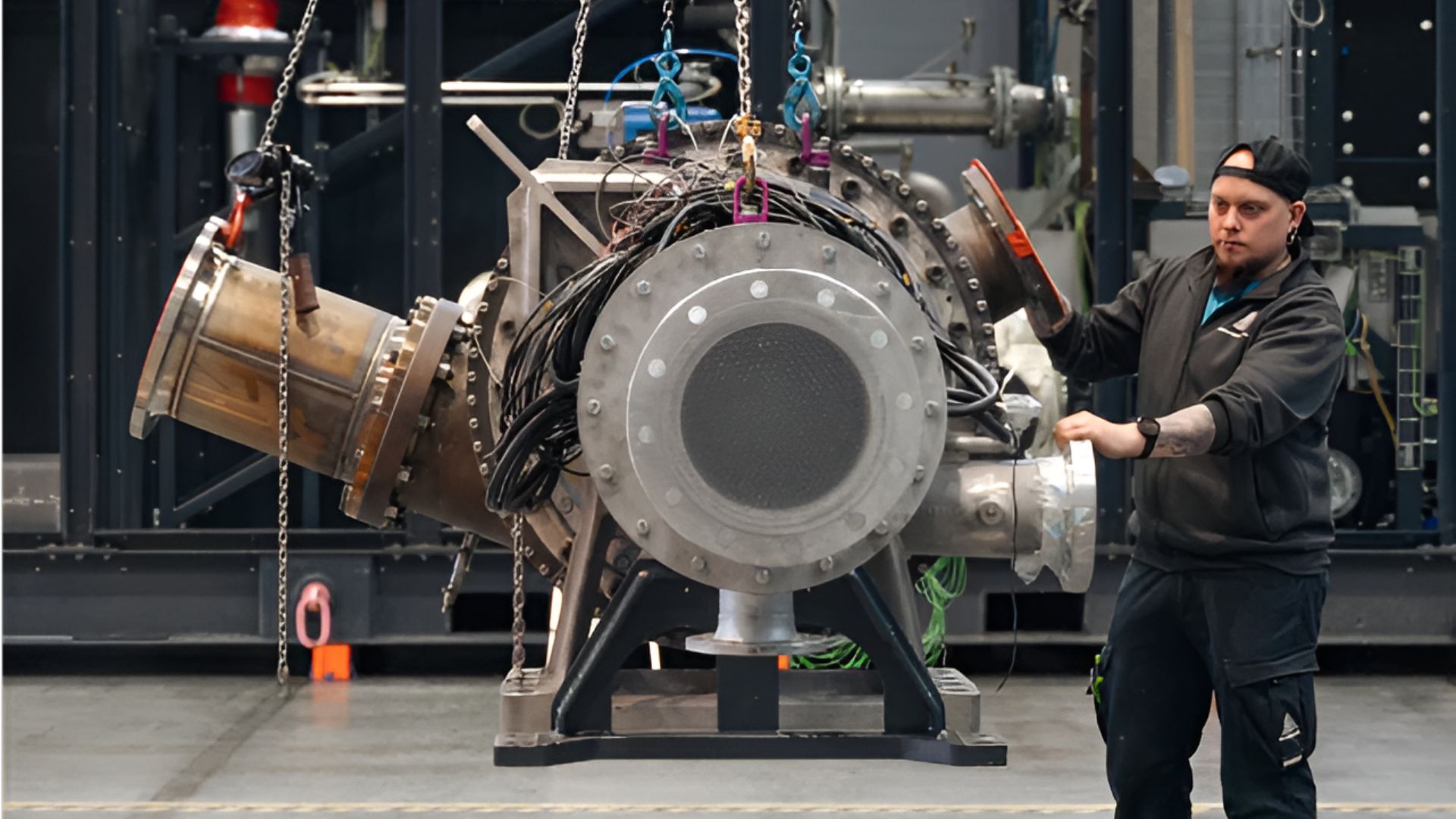
Advanced metal 3D printing minimizes failure points in complex gas turbine designs
Metal additive manufacturing is increasingly being adopted in production-focused energy systems, moving beyond its traditional use in aerospace prototypes. This shift reflects a growing recognition of the technology's potential to enhance efficiency and reduce costs in various sectors. As companies seek innovative solutions to meet rising energy demands, the integration of metal additive manufacturing offers a pathway to streamline production processes and improve the performance of energy systems. This trend is gaining momentum as industry leaders invest in research and development to harness the benefits of this advanced manufacturing technique, which allows for greater design flexibility and material optimization. The transition is expected to reshape the landscape of energy production, paving the way for more sustainable and efficient systems in the future.
Innovation
Into the Omniverse: How Industrial AI and Digital Twins Accelerate Design, Engineering and Manufacturing Across Industries
Companies across various industries are increasingly leveraging industrial AI, digital twins, AI physics, and accelerated AI infrastructure to enhance their design, simulation, and optimization processes. This technological shift allows organizations to refine products, processes, and facilities in a virtual environment before actual construction begins. By adopting these advanced tools, businesses aim to improve efficiency, reduce costs, and accelerate time-to-market for new innovations. The integration of these technologies is seen as a crucial step in staying competitive in a rapidly evolving market, enabling firms to make data-driven decisions and optimize their operations effectively.
NVIDIA and Noetra Corp. Launch Japan's First National AI Infrastructure for Physical AI
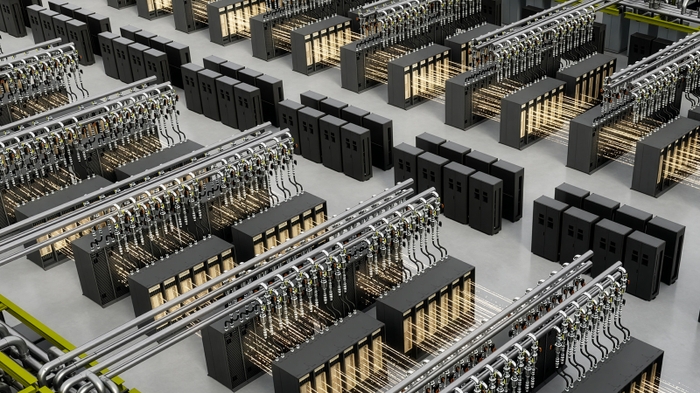
NVIDIA has partnered with Noetra Corp. to establish the NVIDIA Vera Rubin AI factory, featuring 13,750 NVIDIA Vera CPUs and 27,500 NVIDIA Rubin GPUs. This initiative, supported by Japan’s AI and industrial leaders, represents the world’s first national AI infrastructure dedicated to physical AI, enhancing the country’s capabilities across various sectors including manufacturing and healthcare. The establishment of this AI factory is significant as it aims to strengthen Japan's AI ecosystem and support the FRONTia Project, which focuses on developing multimodal foundation models for AI robotics and physical AI. The collaboration is expected to leverage Japan's manufacturing expertise and real-world industrial data to create reliable AI models that can address global social challenges. Looking ahead, the AI factory is designed to support the training of trillion-parameter-scale AI models, positioning Japan to capture over 30% of the global AI robotics market by 2040. As the factory expands, it will provide organizations with access to advanced AI environments, paving the way for innovations in intelligent manufacturing and robotics.
Japan's Leaders in Robotics and Manufacturing Leverage NVIDIA Cosmos for Physical AI Advancements
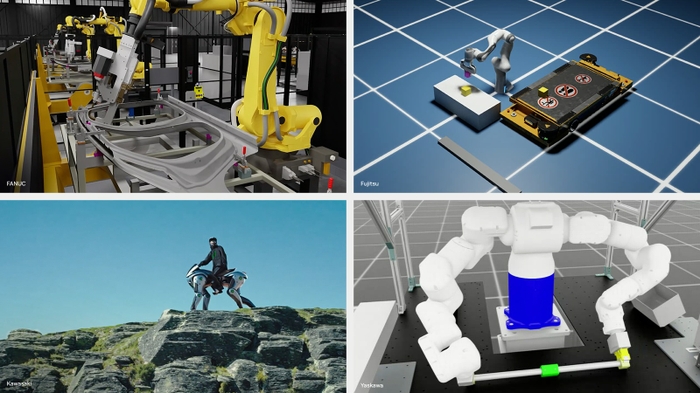
NVIDIA has announced that Japan's leaders in physical AI are utilizing the NVIDIA Cosmos™, Isaac™, Metropolis, and Jetson™ platforms to enhance the deployment of intelligent machines across various sectors including manufacturing and robotics. The introduction of Cosmos 3 Edge aims to provide advanced capabilities for real-time reasoning and action prediction in robots, marking a significant step in integrating intelligence into physical systems. This initiative is crucial as Japan's established strengths in robotics and manufacturing position it to lead in the next wave of AI development. Jensen Huang, NVIDIA's CEO, emphasized the unique opportunity for Japan to reinvent modern manufacturing through intelligent technologies, combining its heritage in precision engineering with NVIDIA's advanced platforms. Looking ahead, NVIDIA is expanding the Cosmos Coalition to include Japan's physical AI leaders, enabling collaboration on open world models. This coalition will facilitate the testing and optimization of physical AI systems, potentially transforming operations across various industries such as logistics, healthcare, and construction. No further timeline was disclosed at the time of publication.

MIT and York University Study Visual Learning in the Brain Using Neural Networks
Researchers at MIT’s McGovern Institute for Brain Research and York University in Toronto have investigated how visual learning occurs in the brain. By analyzing neural activity and utilizing computational modeling, they compared the learning processes of animals and an artificial neural network designed to mimic brain architecture. Their findings, published on July 8 in Nature Communications, reveal that changes in visual processing are crucial for learning to discriminate new objects. This research is significant as it enhances our understanding of the brain's adaptability and the mechanisms behind visual learning. The study suggests that while the overall activity patterns in the inferior temporal cortex remain stable, subtle changes occur in response to learned object recognition. These insights could inform educational strategies and improve learning outcomes across various contexts. Looking ahead, the researchers aim to further explore how these modest changes in neural activity contribute to learning. They believe that artificial neural networks can provide valuable insights into biological learning processes, potentially leading to new experimental approaches and predictions that extend beyond current understanding. No further timeline was disclosed at the time of publication.
Research Neuroscience Learning Brain and cognitive sciences Computer modeling Vision
Manufacturers Must Prioritize Industrial Data Governance Before AI and Analytics
Manufacturers are generating unprecedented amounts of data through automation systems, capturing everything from process values to production metrics. However, many plants face challenges in quickly answering fundamental operational questions, such as equipment status during issues or alarm sequences. The root cause often lies in a lack of structured, contextualized data governance rather than insufficient data itself. As manufacturers increasingly invest in analytics and AI, the importance of a solid data foundation becomes critical. Structured data not only aids in generating meaningful reports but also enhances AI insights. Poorly designed automation systems can lead to disorganized data, resulting in confusion and inefficiencies that erode trust among operators and complicate reporting for engineers and maintenance teams. To address these challenges, manufacturers must focus on establishing effective data governance from the outset of automation system design. Collecting more data does not inherently create value; instead, organizing data around relevant categories is essential for it to be actionable. No further timeline was disclosed at the time of publication.
Factory / Analytics
Mistral AI Introduces Robostral Navigate for Autonomous Robotic Navigation
Mistral AI has launched Robostral Navigate, the first AI model specifically designed for robotic navigation. This marks a significant shift for the French company, which has previously focused on large language models, as it ventures into Physical AI. The goal is to enable robots to understand natural language instructions, interpret their surroundings using a standard RGB camera, and plan routes without relying on complex sensor infrastructures. The introduction of Robostral Navigate is important as it simplifies the navigation process, traditionally reliant on multiple technologies like LiDAR and depth cameras, which are costly and complex to integrate. By utilizing only RGB images and natural language commands, Mistral AI's approach could significantly reduce costs for robot manufacturers. An RGB camera is much cheaper than industrial LiDAR sensors, making this technology more accessible. Robostral Navigate operates on a model with 8 billion parameters, balancing computational power and operational efficiency. This size allows for faster execution on embedded platforms with limited resources, crucial for timely navigation decisions. Mistral AI trained the model on nearly 400,000 trajectories across over 6,000 simulated environments, showcasing its potential for real-world applications. No further timeline was disclosed at the time of publication.
À la une IA Industrie Robotique AMR benchmark R2R-CE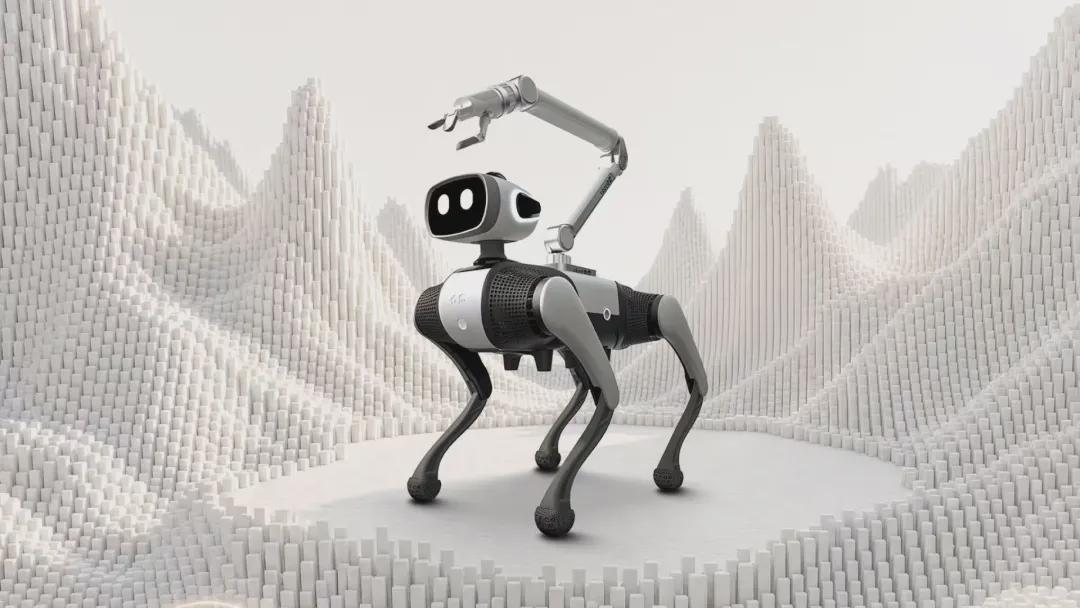
Vbot Launches Daitou EDU: A Versatile Quadruped Robot Development Platform
Vbot has introduced the Daitou EDU, a quadruped robot development platform designed for real-world applications. Unlike traditional robots that focus on speed and agility, the Daitou EDU emphasizes the importance of practical use cases in various sectors, such as property management and healthcare. The significance of the Daitou EDU lies in its advanced capabilities, including 128 TOPS edge computing power, integrated perception hardware, and autonomous mobility features. This platform allows developers to create applications without starting from scratch, addressing the gap between robotic capabilities and practical applications in diverse environments. Looking ahead, the Daitou EDU represents a shift in the robotics industry towards creating adaptable robots that can be redefined for multiple scenarios. As developers begin to leverage its features, the potential for innovative applications in various fields will expand, raising questions about the future roles of robots in everyday life.
Quadruped Robots Robotics Development Embodied Intelligence AI Applications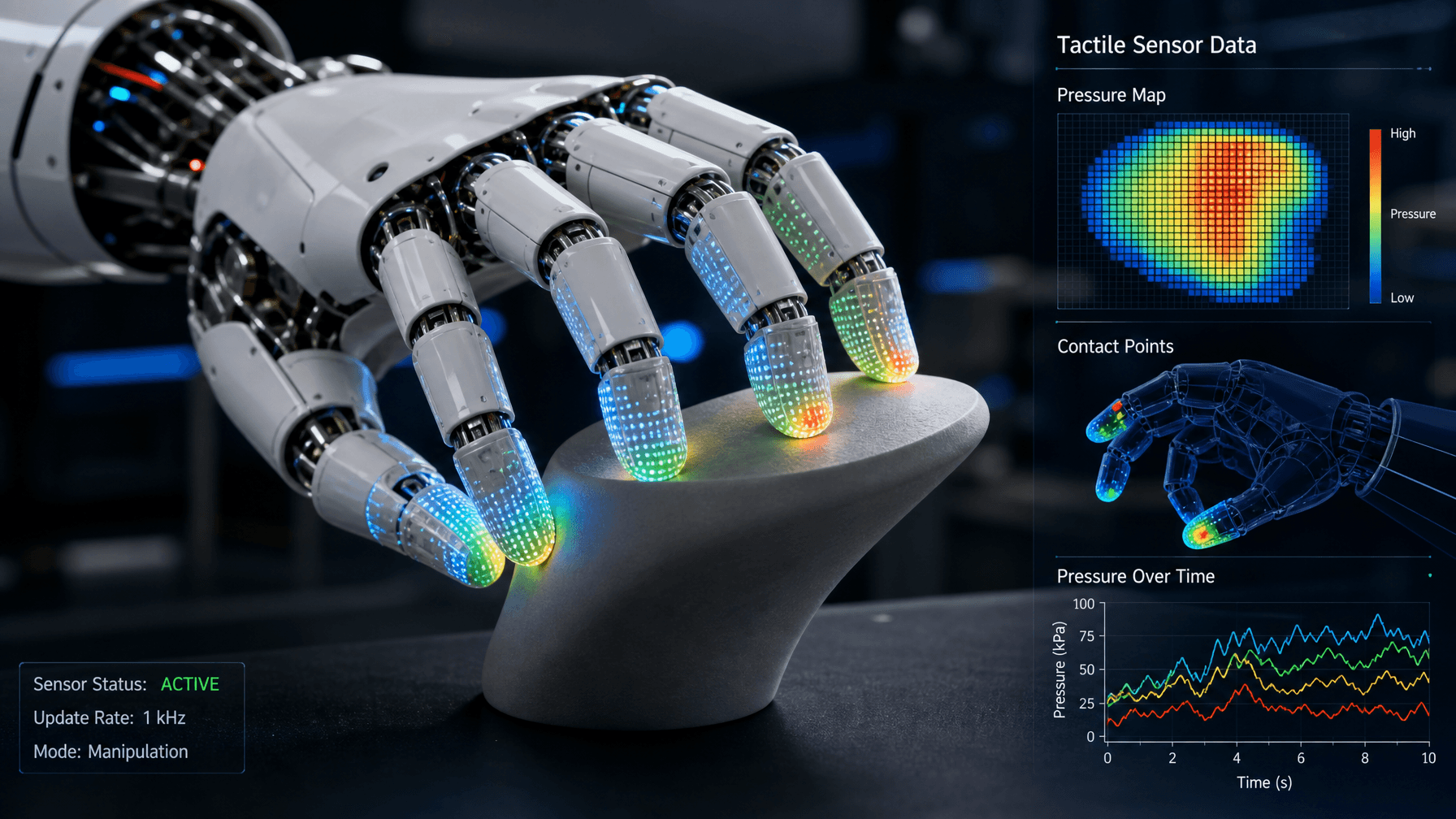
PHANES AI Launches TouchWorld Tactile Model for Enhanced Robot Dexterity
PHANES AI, established by 28-year-old Yang Shuo from HIT, has introduced TouchWorld, a tactile foundation model designed to enhance robotic manipulation capabilities. This model enables robots to perform precise physical tasks by incorporating a sense of touch, marking a significant advancement in robotic dexterity and interaction with their environment. The introduction of TouchWorld is significant as it allows robots to predict and react to tactile stimuli, which is crucial for applications requiring fine motor skills. This development could lead to improved performance in various sectors, including manufacturing and healthcare, where dexterous manipulation is essential for tasks such as assembly or surgical procedures. Looking ahead, the impact of TouchWorld on the robotics industry will be closely monitored, particularly regarding its adoption in real-world applications. No further timeline was disclosed at the time of publication, but the potential for this technology to transform robotic capabilities is substantial.
Technology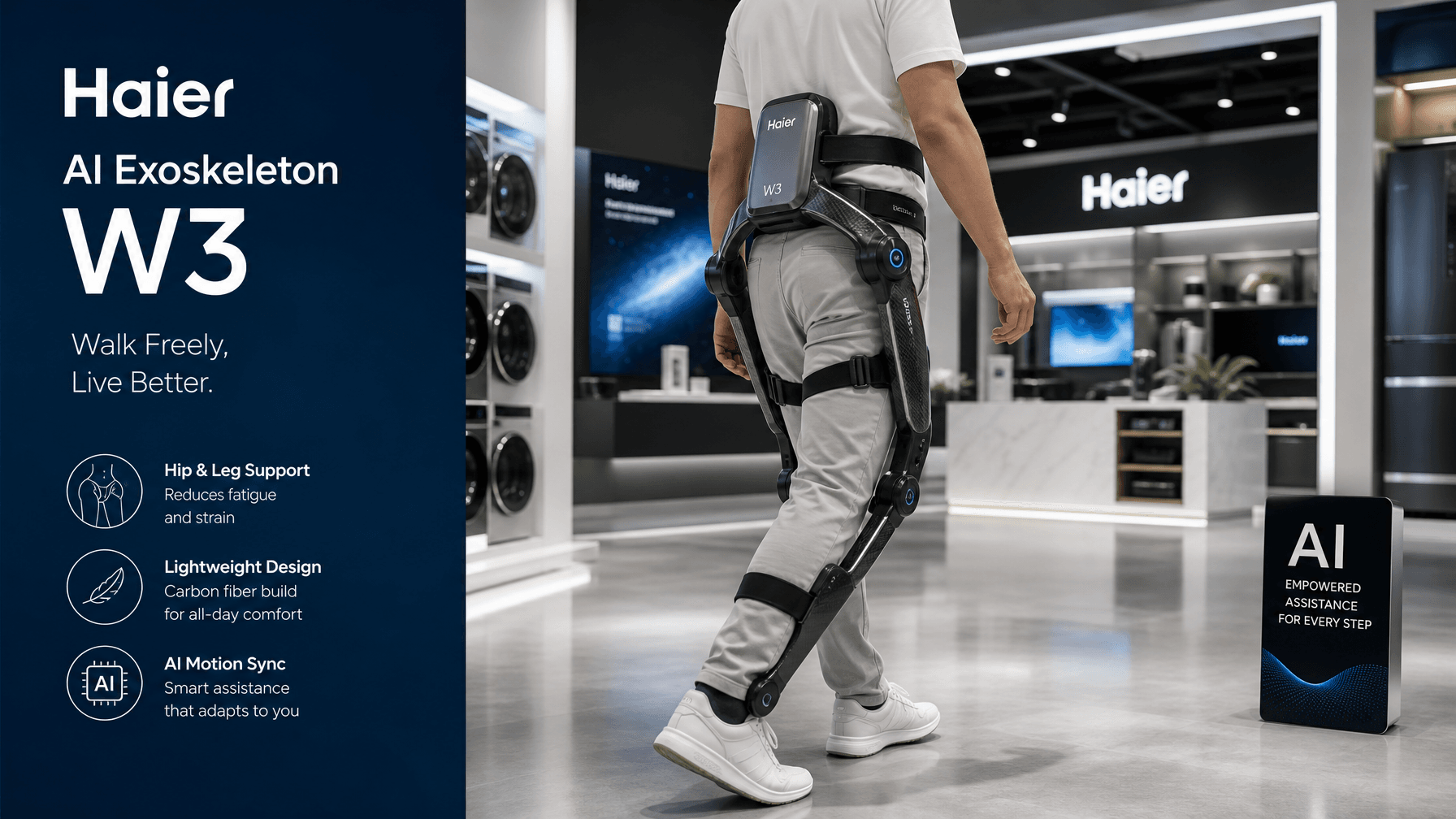
Haier Launches Lightweight AI Exoskeleton W3 for $2200 in Guangzhou Stores
Haier has introduced its third-generation AI exoskeleton, the W3, which weighs only 1.75 kg and is priced at $2200. This wearable robot is now available in physical stores located in Guangzhou, marking a significant step in consumer robotics. The W3 features advanced AI gait learning technology that adapts to the user's walking patterns in real time, enhancing usability and comfort. The introduction of the W3 is significant as it represents Haier's commitment to integrating AI into wearable technology, making it more accessible for everyday use. The lightweight design and real-time adaptation capabilities position the W3 as a practical solution for individuals seeking mobility assistance. This development reflects a growing trend in the market towards more user-friendly and adaptable robotic solutions. Looking ahead, it will be important to monitor consumer feedback and sales performance of the W3 in the coming months. No further timeline was disclosed at the time of publication regarding additional features or expansions beyond the Guangzhou market.
Technology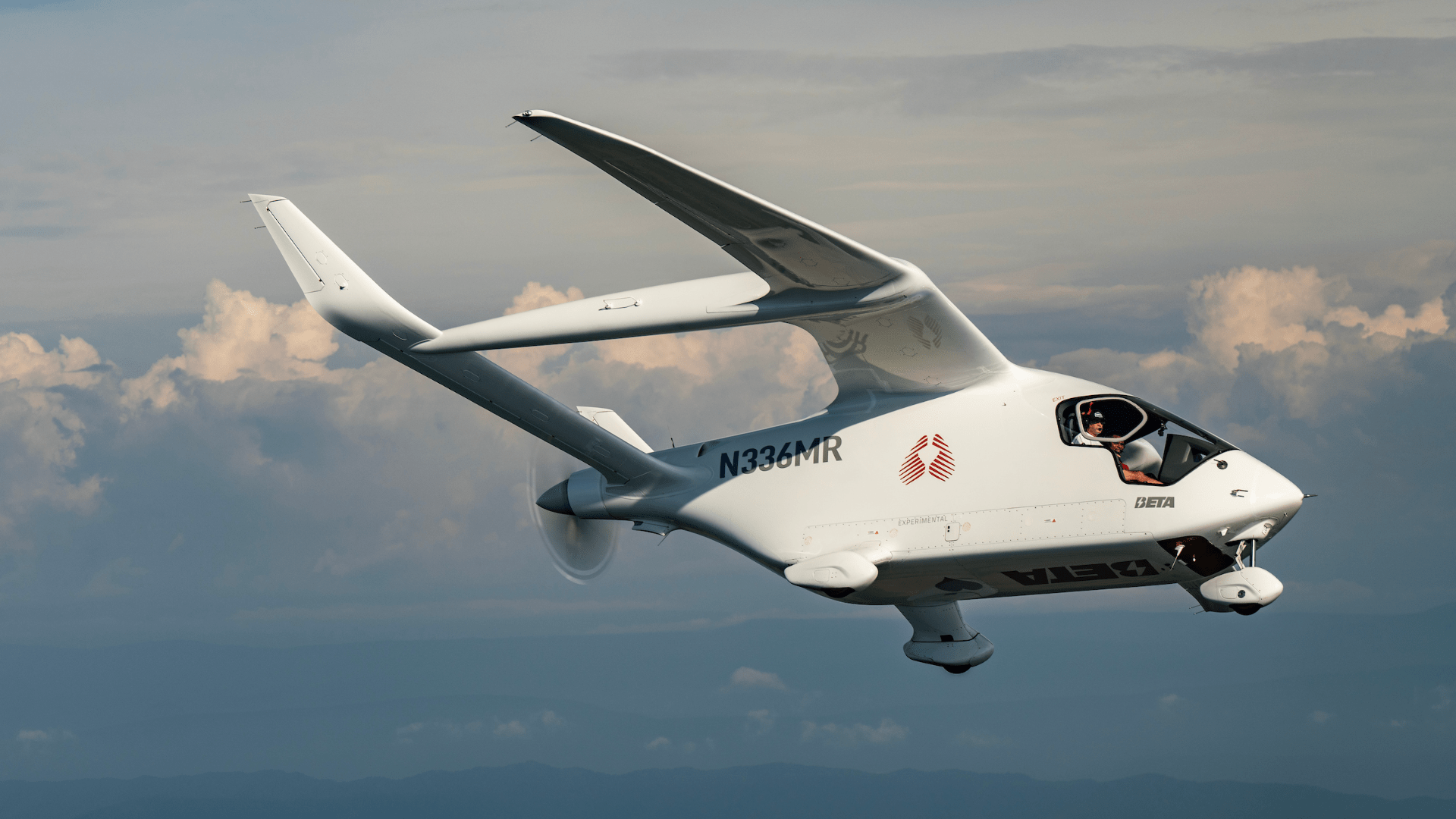
BETA Technologies Completes Multistate Electric Aircraft Flights for Medical Logistics
BETA Technologies has successfully conducted a series of electric aircraft flights spanning Virginia and Maryland, as part of the FAA’s eVTOL Integration Pilot Program. The flights covered approximately 275 nautical miles, connecting airports in Blacksburg and Charlottesville, Virginia, to Frederick and Baltimore County, Maryland. This achievement marks a significant milestone in evaluating advanced air mobility within existing airspace systems. The significance of these flights lies in their potential to enhance medical logistics, particularly in organ delivery operations. BETA Technologies is collaborating with United Therapeutics to develop electric aircraft systems that aim to make organ transportation more affordable and sustainable. The partnership has already led to advancements in aircraft design, autonomous flight technologies, and charging infrastructure, with over 160,000 nautical miles of flight testing completed to date. Looking ahead, the eVTOL Integration Pilot Program will continue to provide valuable data to inform future certification rules and operational standards for advanced air mobility. The Pennsylvania Department of Transportation, leading the Multistate Collaborative eIPP National Integration Complex, is working with multiple states and industry stakeholders to further develop and test these innovative aviation technologies. No further timeline was disclosed at the time of publication.
Transportation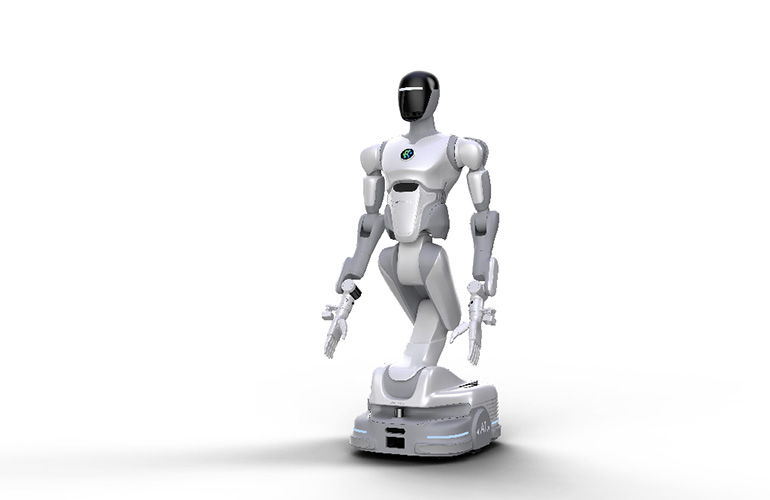
AI² Robotics Secures $735 Million Funding for Wheeled Humanoid Robots Development
AI² Robotics has successfully raised approximately $735 million in a recent funding round, elevating its valuation to around $2.8 billion. The Shenzhen-based company specializes in wheeled humanoid robots, which feature a humanoid torso and five-fingered hands, offering a unique alternative to traditional bipedal systems. This funding round attracted a diverse group of investors, including government-backed entities and major corporations, highlighting the growing importance of physical AI technology in China. The strategic choice to develop wheeled robots instead of bipedal models allows AI² Robotics to focus on mechanical simplicity and durability, making their robots more cost-effective and easier to deploy in public spaces. With over 34 degrees of freedom and a custom lifting mechanism, the robots are designed for various industrial applications, including logistics, manufacturing, and retail. The company’s proprietary Alpha Brain software enhances the robots' capabilities in real-time spatial reasoning and task planning, positioning them as practical solutions in structured environments. Looking ahead, AI² Robotics aims to further penetrate industrial markets while steering clear of the consumer robotics hype. The company is actively deploying its AlphaBot 2 in practical settings, emphasizing its utility in sectors such as biotech and public service. No further timeline was disclosed at the time of publication regarding future funding or product releases.
Artificial Intelligence / Cognition China Financial Humanoids Investments News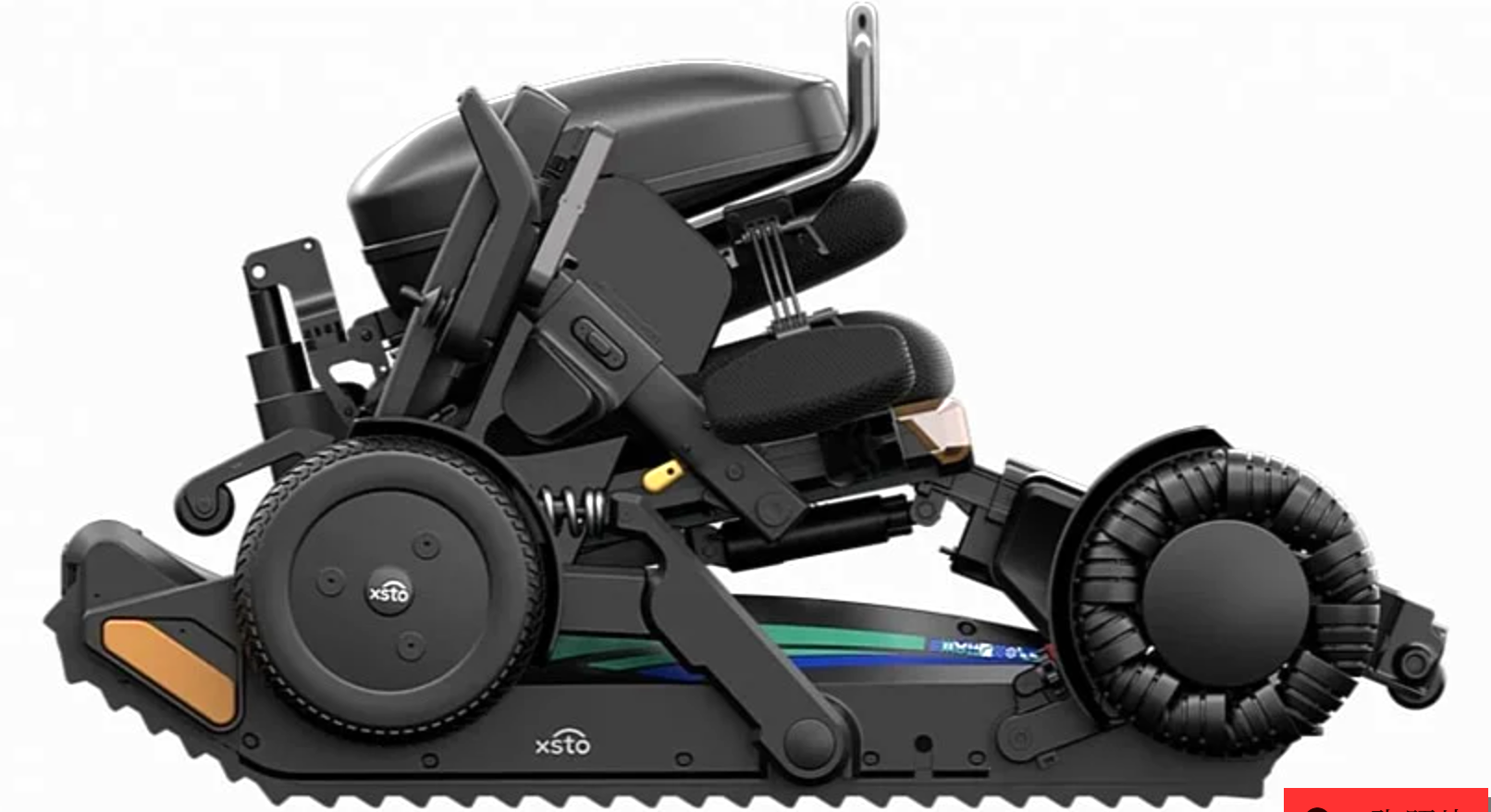
XSTO Mobility Launches $28,000 X12 Stair-Climbing Robot with AI and LiDAR Technology
XSTO Mobility has unveiled the X12 all-terrain mobility robot, priced at $27,999, designed to assist wheelchair users in overcoming stairs and other obstacles. Weighing approximately 115 kg and capable of carrying up to 136 kg, the X12 features a hybrid wheel-track chassis that allows it to navigate stairs autonomously, with a climbing speed of 25 steps per minute and descending speed of 30 steps per minute. The robot utilizes LiDAR and AI algorithms for real-time terrain perception, enabling it to adjust its driving mode and power output dynamically. The introduction of the X12 is significant as it addresses mobility challenges faced by individuals with disabilities, particularly in environments lacking accessibility features. With the ability to climb slopes of up to 40 degrees and traverse gaps of 300 mm, the X12 offers a solution that goes beyond traditional mobility aids. XSTO Mobility, based in Zhongshan, Guangdong, has been developing embodied mobile robots for over a decade, and the X12 represents a substantial advancement in this field, emphasizing user independence and safety. Looking ahead, XSTO Mobility has reported that orders for the X12 are already booked until April 2026, indicating strong market demand. The robot is currently available in over 70 countries, and its innovative design has garnered multiple awards. No further timeline was disclosed at the time of publication regarding additional product releases or enhancements.
Mobility Robots Assistive Technology AI Healthcare Innovation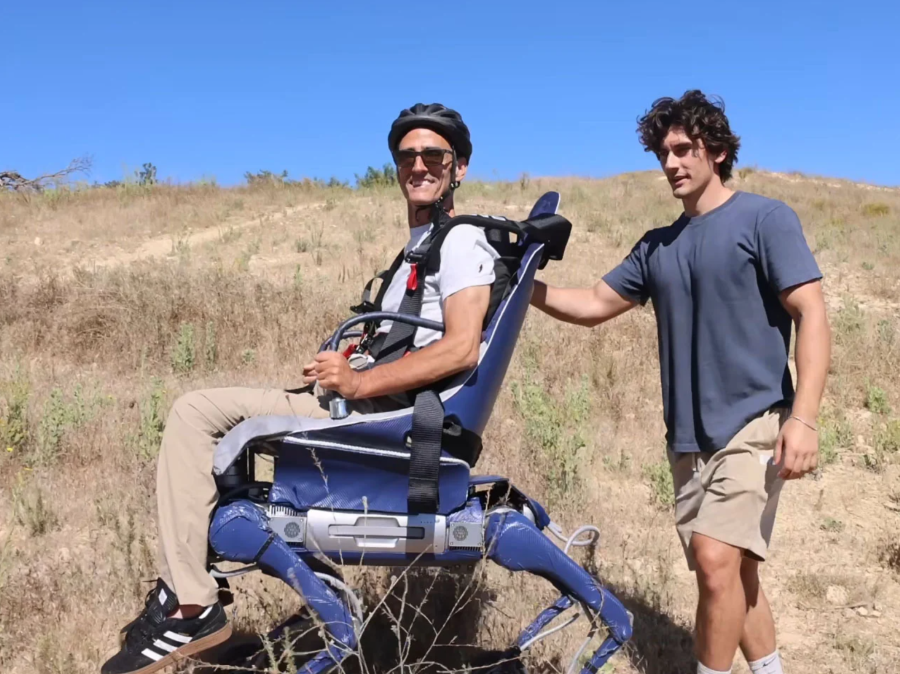
Jake Laser Transforms Unitree Robot Dog into Wheelchair for Father’s Mobility
Jake Laser has ingeniously modified a Unitree industrial robot dog into a wheelchair for his father, who has been affected by multiple sclerosis for over 20 years. This innovative device features a hybrid wheeled and walking design, allowing it to navigate various terrains, including stairs and rocky paths, providing newfound mobility for Jake's father. The significance of this transformation lies in its technical ingenuity and emotional impact. By integrating a racing-style seat and recalibrating the robot's software to accommodate his father's weight, Jake ensured that the robot could maintain balance and stability. The project not only enhances mobility but also restores a sense of independence and pride for his father, who can now control the robot using a wireless joystick. Looking ahead, Jake's creation marks a notable advancement in assistive technology, blending robotics with personal mobility solutions. No further timeline was disclosed at the time of publication, but the successful testing of the robot on challenging terrains indicates potential for broader applications in mobility aids for individuals with disabilities.
Assistive Technology Robotics Mobility Solutions Innovation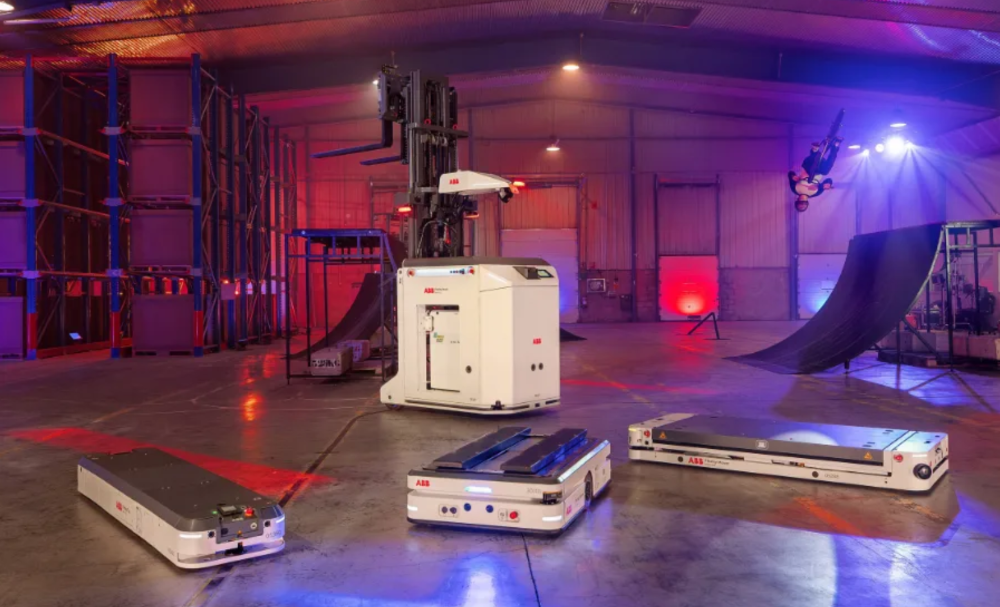
ABB Introduces Flexley Stack F712 AI-Powered Forklift with Visual SLAM Technology
On July 8, ABB Robotics launched the Flexley Stack F712, an AI-driven autonomous forklift utilizing visual SLAM technology. This product completes ABB's lineup of autonomous mobile robots (AMRs), which now includes forklifts, tuggers, and transport vehicles. The F712 can handle various load types, with a maximum capacity of 2000 kg and a lifting height of 8.5 meters, achieving a top speed of 1.7 meters per second under full load. The significance of the F712 lies in its advanced navigation capabilities, which eliminate the need for traditional infrastructure like reflective markers or magnetic strips. With a positioning accuracy of ±10 mm, the F712 can autonomously navigate complex warehouse environments. It integrates seamlessly with the AMR Studio software, allowing for rapid deployment and fleet coordination, reducing debugging time by 20% compared to traditional systems. Looking ahead, the F712 is designed to support various internal logistics tasks, including warehousing and production line operations, and is compliant with the latest ISO and ANSI safety standards. No further timeline was disclosed at the time of publication, but the F712 represents a significant step towards more autonomous and capable robotic solutions in smart manufacturing environments.
Autonomous Forklifts AI Robotics Warehouse Automation Visual SLAM Logistics Technology
SpaceX's Starmind Project: Supplier Strategy and Chip Manufacturing Plans for 2026
SpaceX's Starmind project, aimed at deploying up to 1 million AI satellites, was filed with the FCC on January 30, 2026. The initiative is designed to minimize reliance on external suppliers, with CEO Elon Musk stating that current chip production capabilities only meet 2% of the projected needs. The first satellite, AI1, is set for prototype launches in early 2027, featuring a 70-meter wingspan and a modular payload system that allows for interchangeable chips from various suppliers. The significance of Starmind lies in its ambitious supply chain strategy, which seeks to transition from external hardware suppliers to a fully integrated Musk-owned facility by 2028. The Gigasat manufacturing site in Bastrop, Texas, is expected to be operational by the end of 2027, with plans for high-volume production of the D3 chip, specifically designed for space applications. This approach aims to consolidate chip manufacturing processes under the Terafab joint venture, which has an estimated initial investment of $55 billion. Looking ahead, the next milestone for Starmind is the launch of AI1 prototypes in early 2027, while the full-scale chip production at Terafab is projected to ramp up significantly thereafter. However, analysts express skepticism regarding the feasibility of achieving Musk's ambitious compute goals, which may require substantial investment and time to establish the necessary manufacturing capabilities.

AI Is Designing Radio Chips That Humans Couldn’t Even Imagine
Researchers at Princeton University have made significant strides in the design of radio-frequency integrated circuits (RFICs), a critical component for advancing wireless technologies such as 5G, autonomous vehicles, and satellite communications. Utilizing reinforcement learning and inverse design techniques, the team has developed a method to create RFICs from scratch, drastically reducing design time and achieving record performance levels. This innovative approach leverages AI to navigate the complex design space of RFICs, traditionally seen as an art requiring years of expertise. By employing machine learning algorithms, the researchers can generate novel circuit layouts that outperform existing designs while minimizing the time taken for development. The project, which began after the success of AI in games like Go, aims to overcome the limitations of conventional RFIC design, which has remained largely artisanal. The researchers emphasize the need for large, shared datasets and open ecosystems to further enhance AI's capabilities in understanding electromagnetic and circuit behaviors. As the demand for advanced RFICs grows, the potential for AI-driven design to revolutionize the field is becoming increasingly apparent. The findings have attracted attention within the RF community, sparking discussions about the future of AI in circuit design and the importance of collaboration between AI researchers and chip designers to unlock new possibilities in technology.
Machine-learning Ic-design Chip-design Rf Rfic
Microsoft warns of seven new threats from agent-based AI systems, including tool contamination and visual attacks.
Microsoft has revised its classification of agent-based AI vulnerabilities, adding seven new categories, including supply chain breaches and target takeover. This update follows insights gained from real-world red team operations, highlighting the need for enhanced measures against human approval evasion and memory corruption. The company advocates for the implementation of defensive strategies during the design phase to better safeguard against these emerging threats.
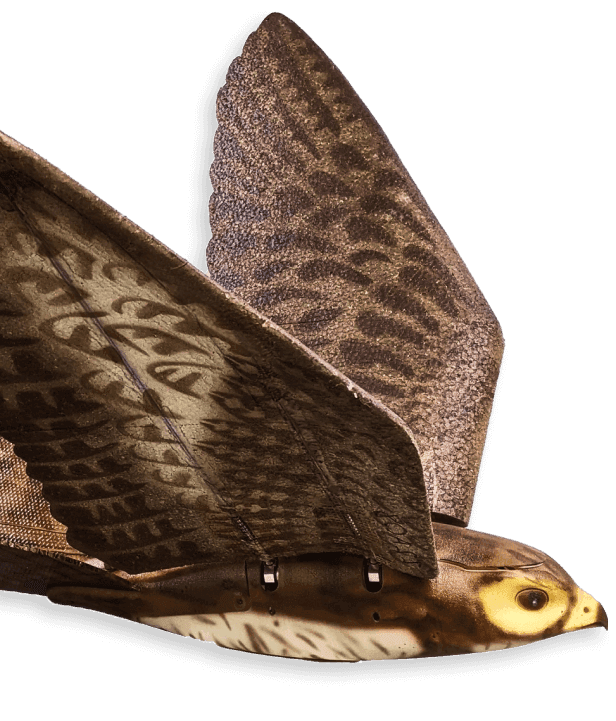
Designed to Fly Like a Falcon, RoBird Takes Aim at Crop-Damaging Birds
A new application for the RoBird drone, designed to mimic the flight of a falcon, is emerging as a solution for agricultural crop protection in Queensland, Australia. Originally developed to prevent bird strikes at airports, this innovative flapping-wing technology is now being tested by local growers to safeguard their crops from damage caused by birds. The shift in usage highlights the versatility of the RoBird, as it adapts to address challenges in agriculture, demonstrating its potential to enhance farming practices while reducing reliance on traditional pest control methods.
Agriculture Applications Conservation Drone News Drone News Feeds Drones in the News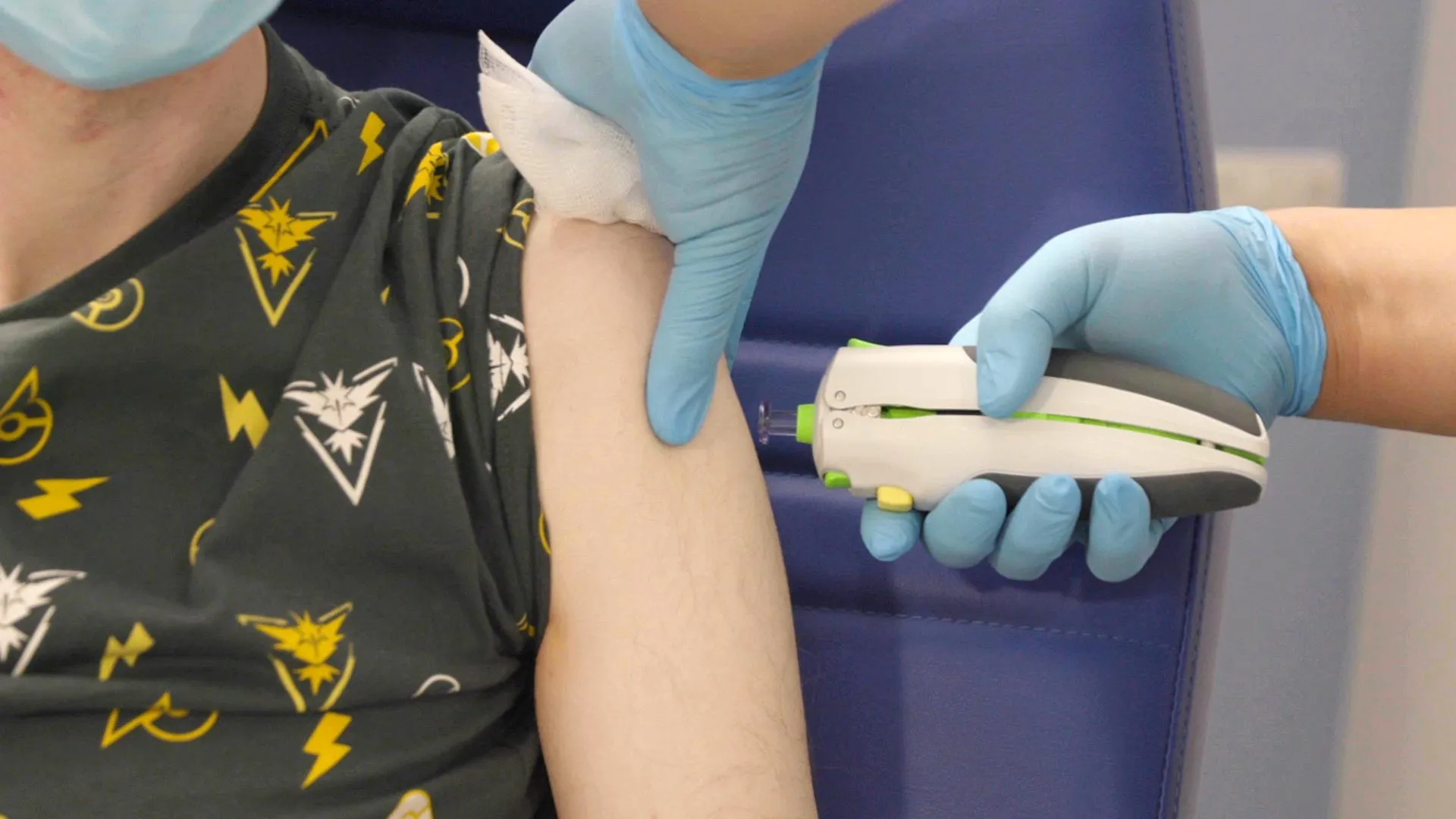
AI-designed universal coronavirus vaccine passes first human trial
In a groundbreaking development, scientists have conducted the first human trials of an AI-designed universal coronavirus vaccine, demonstrating its safety and tolerability. The trials revealed that the vaccine effectively elicited immune responses against a range of coronaviruses, including SARS-CoV-2, SARS, and various bat viruses that pose a potential pandemic threat. This innovative approach focuses on targeting common features shared among the entire coronavirus family, aiming to ensure continued protection as these viruses evolve. The successful results mark a significant step forward in the fight against coronavirus diseases, potentially paving the way for broader and more effective vaccination strategies in the future.

AGIRobots unveils new semi-humanoid robot "AGIRobots Worker" to enhance physical AI in manufacturing and logistics.
AGIRobots has unveiled its latest semi-humanoid robot, the "AGIRobots Worker," aimed at enhancing the use of physical AI in the manufacturing and logistics sectors. This announcement was made recently as part of the company's ongoing efforts to innovate and improve operational efficiency in these industries. The AGIRobots Worker is designed to assist in various tasks, streamlining processes and potentially reducing labor costs. By integrating advanced AI technology, the robot is expected to play a crucial role in transforming traditional workflows, making them more efficient and adaptable to modern demands. The launch reflects AGIRobots' commitment to driving technological advancements that support the evolving needs of the manufacturing and logistics landscapes.

OpenAI releases life sciences AI "GPT-Rosalind" for bio-defense, raising concerns over dual-use risks.
OpenAI has launched the "Rosalind Biodefense" program, utilizing its frontier reasoning model, GPT-Rosalind, specifically designed for life sciences research. Announced recently, this initiative focuses on detecting biological threats for defense purposes. The program will provide approved developers, U.S. government agencies, and allied partner organizations with free access to its API, aiming to enhance biodefense capabilities.
Launchpad Build AI offers MLM to speed industrial automation design
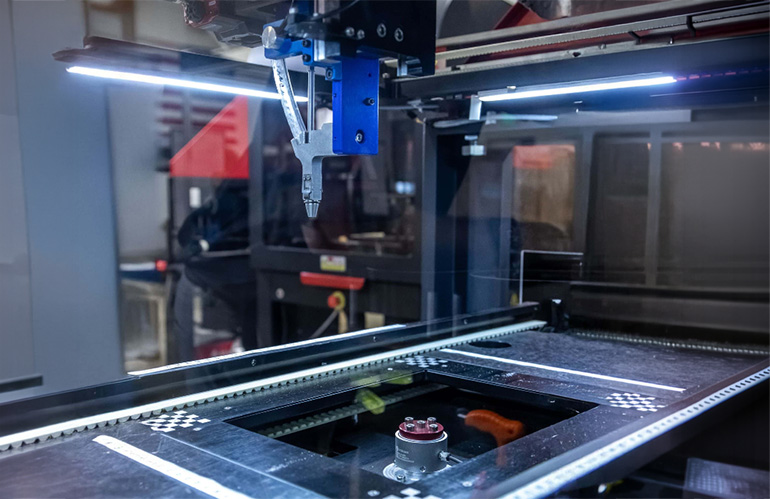
Launchpad Build AI has introduced its Manufacturing Language Model (MLM), aimed at democratizing automation in high-mix, low-volume production environments. This innovative tool allows users to input data through various formats, including photos, videos, or CAD files, streamlining the design process for industrial automation. The launch of MLM represents a significant advancement in making automation accessible to a broader range of manufacturers, enabling them to enhance efficiency and adapt to diverse production needs.
Aerospace Artificial Intelligence Artificial Intelligence / Cognition Assembly Defense / Security Manufacturing
Vertical Aerospace Partners with Near Earth Autonomy for Valo Aircraft's Autonomous Flight Capabilities
Vertical Aerospace has partnered with Near Earth Autonomy to enhance its Valo aircraft with advanced autonomous flight capabilities. This collaboration aims to integrate Near Earth's autonomy software with Honeywell Aerospace's Anthem digital cockpit, facilitating the development of self-flying technology for defense and commercial aviation. The partnership is significant as it allows Vertical to leverage Near Earth's extensive experience in autonomous aviation, which includes systems developed for military applications. By utilizing a shared technology stack, the companies aim to reduce technical risks associated with expanding autonomous features in the Valo aircraft, which is designed for both defense and commercial markets. Looking ahead, Vertical plans to pursue defense programs while also preparing for automated commercial operations. The Valo aircraft, featuring hybrid-electric propulsion, is capable of flying up to 1,000 miles and carrying payloads of up to 2,400 pounds, making it a versatile option for various operational roles. No further timeline was disclosed at the time of publication.
Transportation
Nvidia Launches Cosmos 3 Edge AI Model and Expands Physical AI Ecosystem in Japan
Nvidia has introduced its new AI model, Cosmos 3 Edge, aimed at enhancing physical AI applications in Japan. This model is designed to help systems perceive and navigate real-world environments, marking a significant step in Nvidia's strategy to penetrate the physical AI market. The expansion is part of CEO Jensen Huang's visit to Japan, where Nvidia is forming partnerships with local industrial leaders such as Fujitsu, Hitachi, and Kawasaki Heavy Industries. Huang emphasized the potential for Japan to reinvent its manufacturing sector for intelligent industries, highlighting the country's historical significance in modern manufacturing. Looking ahead, Nvidia is also targeting Japan's healthcare and biotechnology sectors, collaborating on initiatives like the Tokyo-1 AI drug discovery consortium. With Japan's AI market projected to reach $27.9 billion by 2029, Nvidia's efforts could significantly influence the landscape of AI adoption in the region. No further timeline was disclosed at the time of publication.

OpenAI Introduces Codex Micro Keyboard for Enhanced AI Coding Workflows
OpenAI has launched its first hardware product, the Codex Micro, a specialized keyboard designed for software developers. This compact device, developed in collaboration with Work Louder, features dedicated controls that facilitate the management of multiple coding tasks and AI agents, enhancing coding efficiency. The Codex Micro is significant as it represents OpenAI's commitment to AI-assisted software development, an area where the company has made substantial investments. With features like illuminated keys for task status and customizable controls, the keyboard aims to streamline the coding process, allowing developers to focus on their work without excessive reliance on software menus. Looking ahead, the Codex Micro is priced at $230 and will be available through Supply Co. While the exact number of units has not been disclosed, the device's design and functionality suggest a growing trend towards specialized hardware in the AI development space. No further timeline was disclosed at the time of publication.
AI and Robotics
Control Method Developed for Heavy-Duty Hexapod Robot Navigating Border Terrains Using Simplified Model
A new control method has been developed for a heavy-duty hexapod robot designed to walk on border terrains, as reported in the Journal of Field Robotics. This method utilizes a simplified model to enhance the robot's navigation capabilities in challenging environments. The significance of this development lies in its potential applications in various sectors, including military and disaster response, where navigating difficult terrains is crucial. The heavy-duty hexapod robot's ability to traverse border terrains effectively could improve operational efficiency and safety in these scenarios. Looking ahead, the implications of this control method could lead to further advancements in robotic mobility and control systems. No further timeline was disclosed at the time of publication.
RESEARCH ARTICLE
Study on Task Sequence Planning and Trajectory Optimization for Rebar Tying Robot End-Effectors
A recent study published in the Journal of Field Robotics focuses on task sequence planning and trajectory optimization specifically for the end-effectors of rebar tying robots. This research addresses the complexities involved in automating the rebar tying process, which is critical in construction and infrastructure projects. The significance of this study lies in its potential to enhance the efficiency and accuracy of rebar tying robots, thereby improving overall productivity in construction. By optimizing task sequences and trajectories, the research aims to reduce operational costs and time, which are essential factors in large-scale construction projects. Looking ahead, the implications of this research could lead to advancements in robotic automation within the construction industry. As the demand for efficient construction methods grows, further developments in trajectory optimization and task planning for rebar tying robots will be crucial. No further timeline was disclosed at the time of publication.
RESEARCH ARTICLE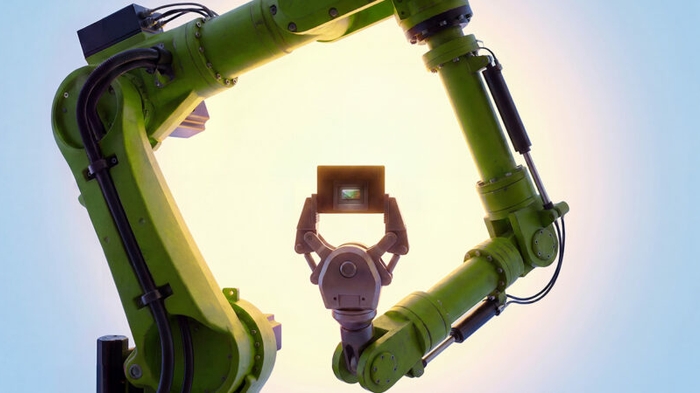
NVIDIA Launches Jetson Thor Modules to Enhance Robotics and Edge AI Applications
NVIDIA has unveiled the T3000 and T2000 modules based on the Thor architecture, designed to meet the growing demand for compact AI supercomputers in robotics and edge AI. These modules enable mass-market deployment of advanced humanoid and robotic systems, with notable adoption from leading companies such as Amazon Robotics and Boston Dynamics. The introduction of the Jetson T3000 and T2000 modules is significant as they provide high-performance AI compute capabilities in a smaller form factor, achieving up to 865 FP4 teraflops for the T3000. This advancement allows developers to optimize their systems while reducing costs, particularly in light of rising memory prices. The T2000 serves as an entry point for a wider range of edge AI applications, further expanding NVIDIA's scalable edge AI platform. Looking ahead, the new Jetson modules are expected to facilitate faster deployment and lower system costs across various industries. Companies like UBTech and Agile Robots have already reported substantial memory savings, indicating a trend towards more efficient development processes in robotics. No further timeline was disclosed at the time of publication.

Xuri S600 Achieves Mass Production Validation with Over 20 Clients at WAIC
On July 15, during the World Artificial Intelligence Conference (WAIC) in Shanghai, Digua Robotics announced significant progress regarding the Xuri S600. The company has secured partnerships with over 20 leading clients, collaborating with more than 100 industry partners to complete adaptive integration across various sectors, including humanoid robots and industrial applications. Several collaborative models have entered real-world testing and mass production validation phases, accelerating the platform's industrial deployment. The importance of this development lies in the Xuri S600's recognition for its core capabilities in embodied intelligence mass production. The platform's single-chip full-stack design offers high reliability and a comprehensive engineering toolchain, which has garnered industry-wide acknowledgment since its launch in November 2025. Notably, multiple benchmark projects have made clear progress, with the A3 robot from Itstone Technology set to deploy the Xuri S600 for large-scale industrial applications. Looking ahead, the Xuri S600 is transitioning from technical validation to real hardware and mass production verification. Key clients have shared their experiences, emphasizing the platform's ability to facilitate stable and predictable robot deployment. No further timeline was disclosed at the time of publication.
Embodied Intelligence Humanoid Robotics Industrial Automation AI Technology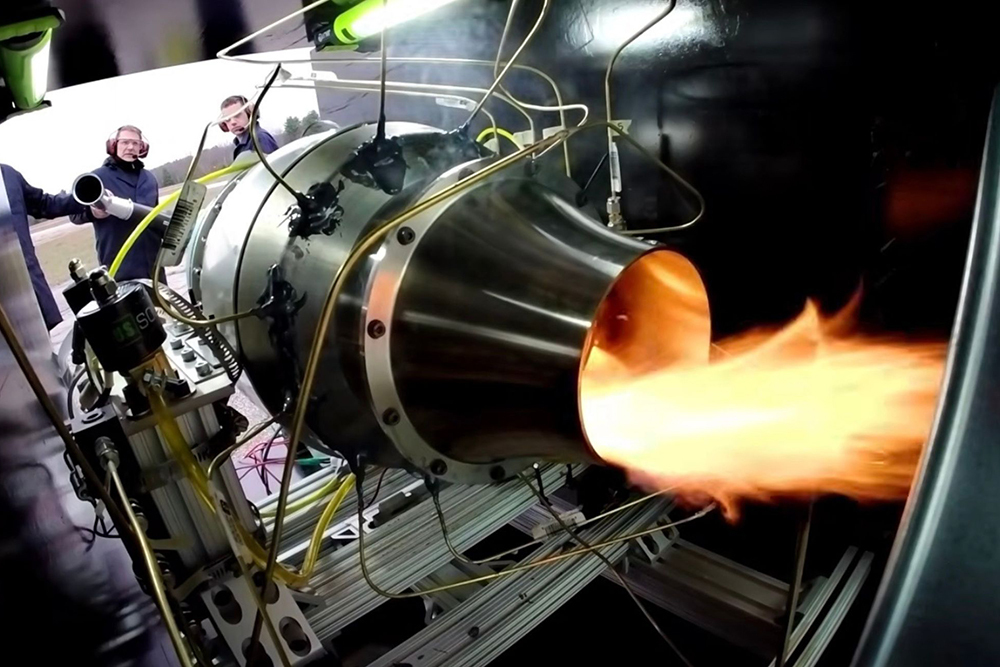
MIT's JARVIS Challenge Explores AI's Role in Jet Engine Engineering
The JARVIS Challenge, held at MIT, investigated the potential of AI in designing and building jet engines. Over four weeks, undergraduate teams utilized AI tools to create a small gas turbine engine, aiming for a thrust of 50-100 pounds. Professor Zolti Spakovszky emphasized that while AI can enhance hardware engineering, human engineering judgment remains crucial. This initiative is significant as it highlights the evolving relationship between AI and engineering, particularly in safety-critical domains. With support from MIT Lincoln Laboratory and corporate sponsors like Safran and Voyager Technologies, students had unprecedented access to AI resources, fostering an environment of innovation and exploration. Looking ahead, the challenge showcased the importance of integrating AI into engineering workflows. As students learned to navigate AI's capabilities and limitations, it raises questions about the future of engineering education and the skills required in a rapidly changing technological landscape. No further timeline was disclosed at the time of publication.
Classes and programs Contests and academic competitions Students Undergraduate STEM education Artificial intelligence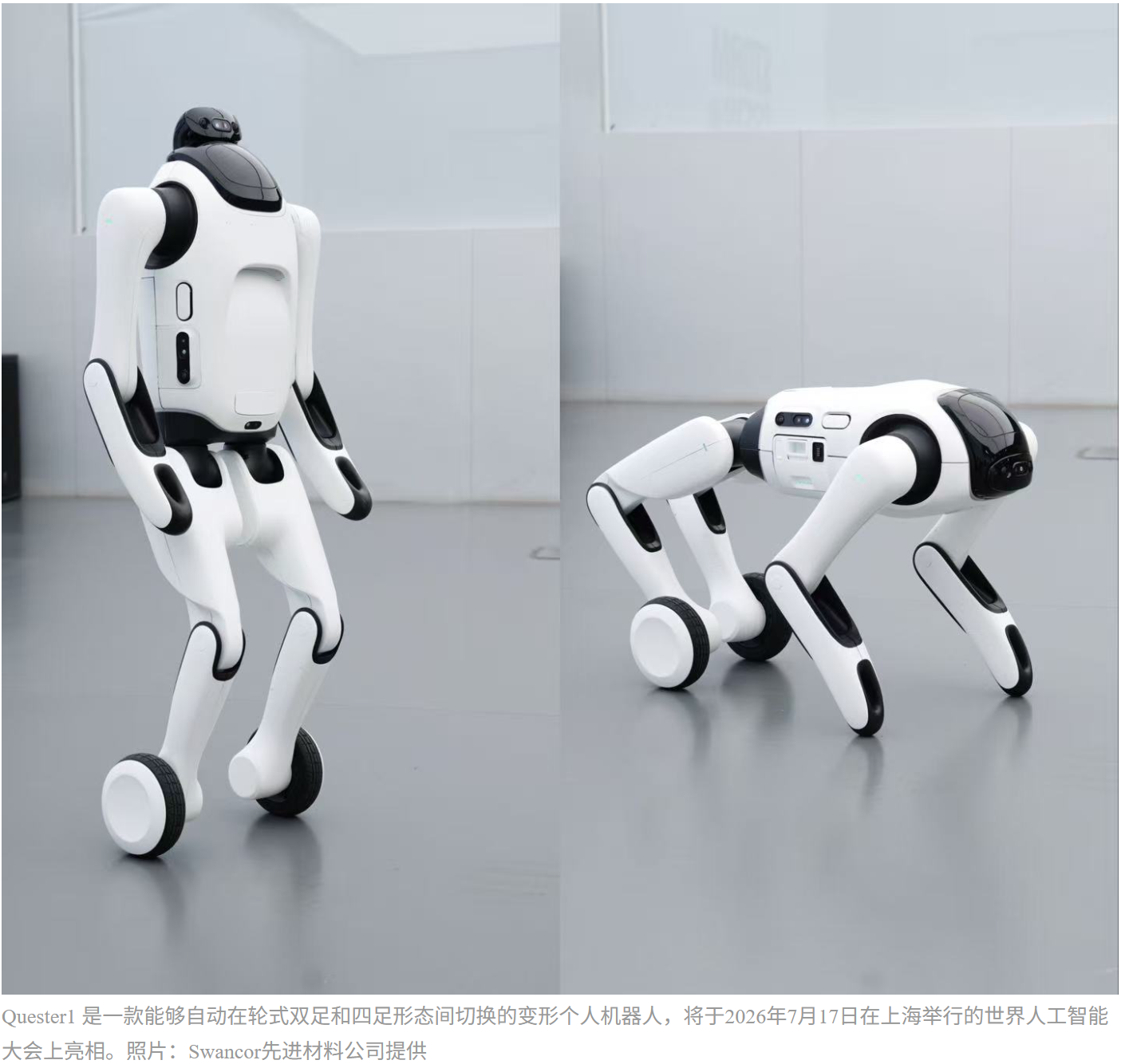
Swancor Advanced Materials to Launch World's First Shape-Shifting Personal Robot at WAIC
Swancor Advanced Materials is set to unveil the Quester1, the world's first shape-shifting personal robot, at the 2026 World Artificial Intelligence Conference (WAIC) on July 17. This innovative robot can automatically switch between bipedal and quadrupedal modes without manual disassembly, showcasing a unique 'transformable cross-modal integration architecture' that enables smooth transitions. The Quester1 is designed for various environments, with its bipedal form ideal for flat surfaces and intricate tasks, while the quadrupedal mode excels in navigating stairs and rough terrain. CEO Tian Hua emphasized that this product aims to redefine personal robotics for consumer markets, marking Swancor's first foray into the consumer robotics sector. As the Quester1 prepares for its debut, it highlights the rapid development of transformable robotics in China. The WAIC will feature over 1,100 companies and more than 300 product launches, indicating a significant shift towards embodied intelligence in robotics. No further timeline was disclosed at the time of publication.
Personal Robots Shape-Shifting Technology AI Robotics Consumer Robotics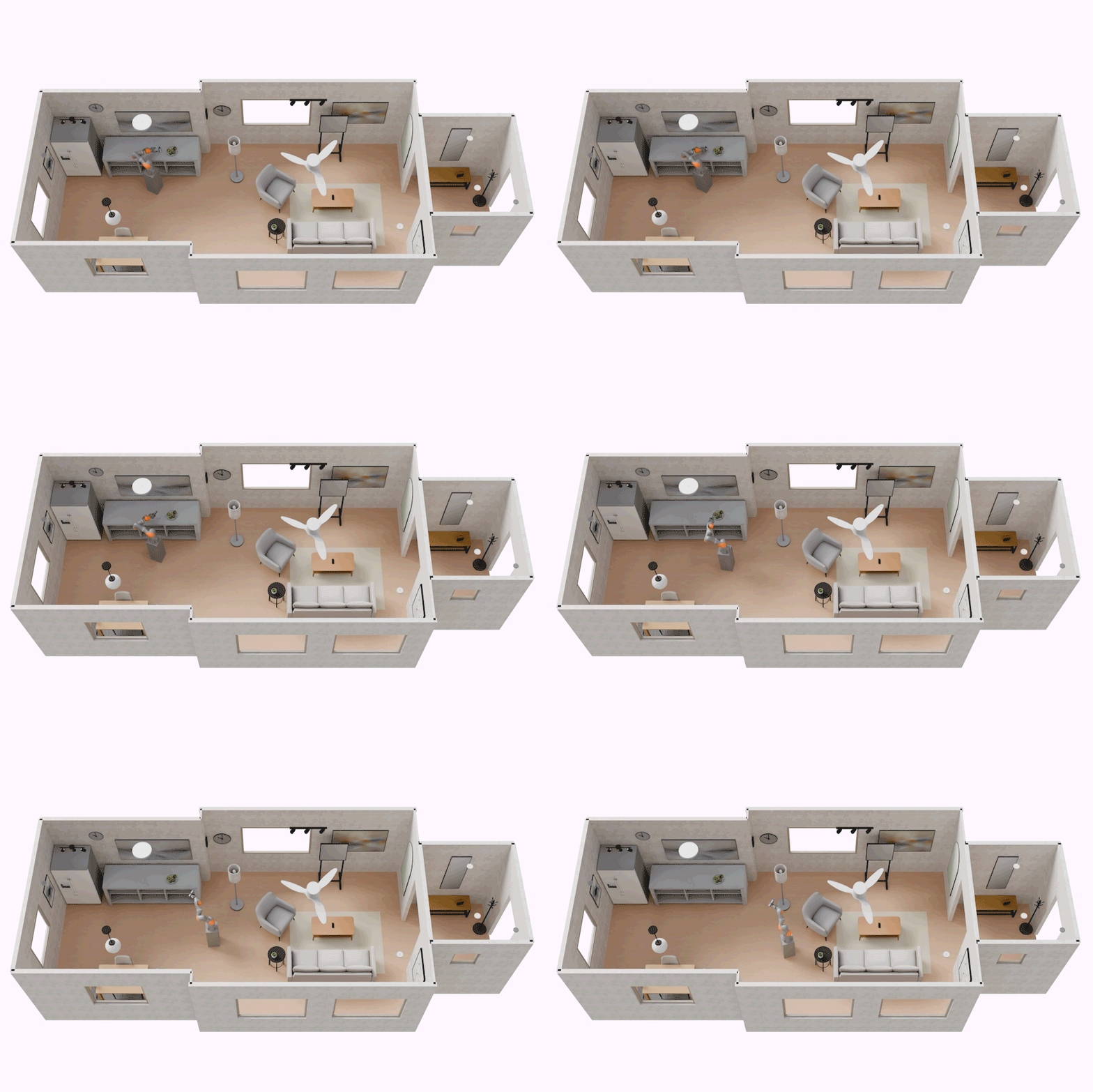
MIT and Toyota Develop SceneSmith to Enhance Robot Training with AI-Generated Environments
MIT and the Toyota Research Institute have introduced SceneSmith, a system that utilizes AI agents to create realistic 3D environments for robot training. This innovation addresses the significant challenge of generating diverse simulation content, which is crucial for teaching robots various tasks in a cost-effective manner. The SceneSmith system employs three AI agents, leveraging the advanced vision-language model GPT-5.2, to design intricate indoor scenes. These environments, featuring up to six times more objects than previous methods, allow robots to practice skills in a rich virtual playground, ultimately reducing the need for extensive real-world testing. As the research progresses, the effectiveness of these AI-generated environments will be closely monitored. The team has already demonstrated that robots can successfully navigate and perform tasks in these virtual settings, indicating a promising future for robotic training methodologies. No further timeline was disclosed at the time of publication.
Research Robotics Artificial intelligence Simulation Computer science and technology Machine learning
Om AI Launches VLX Series for Physical AI with Unique Streamlined Architecture
Om AI has introduced the VLX series, the world's first edge-based streaming multimodal model for physical AI, designed to integrate continuous perception, precise localization, and decision-making. This innovative architecture, which emerged from years of focused development, positions Om AI at the forefront of the physical AI sector, which has seen over $6.4 billion in funding in the first quarter of 2026 alone. The significance of the VLX series lies in its ability to provide a cohesive framework that allows various physical devices, such as robots, drones, and security cameras, to transition from passive execution to active scene adaptation. This shift is crucial as the industry moves from digital AI to physical AI, with a growing emphasis on real-world applications and the need for robust, responsive systems. Looking ahead, the industry is expected to witness further advancements in physical AI, particularly as the demand for edge-based intelligent systems increases. Om AI's commitment to developing the VLX series reflects a strategic response to the evolving landscape, with no further timeline disclosed at the time of publication for upcoming milestones or product releases.

University of Illinois Researchers Challenge Traditional Views on Brain Decision Making
Researchers at the University of Illinois Urbana Champaign have revealed new insights into brain decision-making processes, suggesting that these processes begin earlier than previously thought. This research, led by Professor Yurii Vlasov, indicates that early sensory brain regions play a crucial role in decision-making, contradicting the long-held belief that decisions are made only after information passes through a strict hierarchy of brain regions. The implications of this study are significant for both neuroscience and artificial intelligence. By understanding that decision-making involves interconnected feedback loops rather than a linear progression, researchers can design AI systems that mimic this biological architecture. This could lead to the development of AI that is not only more capable but also more energy-efficient, addressing current limitations in AI technology. Moving forward, the research team aims to further explore how biological intelligence, refined through evolution, can inform AI development. No further timeline was disclosed at the time of publication.
Robotics needs a service framework.
RSF defines a common language for robot service capability, lifecycle operations, certification pathways, and service-provider networks.







