

Industry Briefing
A single destination for timely, editor-curated robotics news from around the world.

U.S. Air Force Seeks New Family of Expendable Target Drones for Diverse Threat Simulation
The U.S. Air Force is pursuing a new family of aerial targets designed to replicate a wide range of airborne threats, including stealth fighters and UAV swarms. This initiative aims to create realistic yet cost-effective targets that can be routinely used and destroyed during testing, as outlined in a recent Request for Information (RFI). The Air Force's requirements emphasize the need for these targets to be inexpensive and simple to manufacture, allowing them to be treated as expendable. This marks a shift from existing aerial targets like the QF-16, which is based on a converted fighter aircraft. The new targets are expected to leverage commercial technologies and manufacturing methods to enhance scalability and reduce costs. The proposed systems will cater to various threat categories, with specific requirements for advanced fighter aircraft, including supersonic capabilities and advanced radar cross-section profiles. Responses to the RFI are due by September 28, and the Air Force is particularly interested in non-traditional solutions that can offer advantages over legacy systems.
Air Air Forces Drones News & Features U.S. Air Force
SpaceX's Starmind Targets AI Labs with $6.3 Billion Compute Contracts
SpaceX's Starmind is designed to provide wholesale AI compute services to businesses, particularly AI labs and cloud customers, rather than individual consumers. The service operates similarly to AWS, where users benefit from applications running on Starmind without direct subscriptions. The compute capacity of a single AI1 satellite is comparable to one NVIDIA GB300 rack, emphasizing its enterprise-grade capabilities. The significance of Starmind lies in its positioning as a potential fourth hyperscaler, joining the ranks of AWS, Microsoft Azure, and Google Cloud. The Reflection AI contract, valued at $150 million per month, exemplifies the enterprise-focused model, with total payments potentially reaching $6.3 billion through 2029. This contract highlights the growing demand for AI compute resources, particularly from AI-native startups and labs. Looking ahead, the focus will remain on securing additional enterprise contracts as Starmind expands its offerings. No consumer-facing products or subscriptions have been announced, and the current strategy is to cater to businesses with substantial AI workloads. No further timeline was disclosed at the time of publication.

Lightspeed Aims to Raise $250 Million for New AI-Focused Fund in India
Lightspeed is in the process of raising $250 million for its new early-stage fund, Lightspeed India Partners V, which will focus on AI companies in India and Southeast Asia. The fund has already secured commitments for 80% of its target and is half the size of its predecessor, which raised $500 million in 2022. This initiative is significant as it reflects a growing investor interest in the application layer of AI within India, despite the country not yet producing major frontier model developers. Lightspeed's investment thesis suggests that AI could generate more value in India than the internet did, leveraging the country's vast pool of software developers. Investments from the fund are expected to commence within two months, aligning its fundraising cycle with Lightspeed's global funds for the first time. The management team behind the previous four India funds will oversee this new fund, which marks a strategic shift in Lightspeed's regional portfolio.
AI Funding & Investment AI capital markets Early-Stage Fund funding India
Hygon Launches CPU1000-Series Physical-AI Edge Chip Targeting Robotics and Smart Manufacturing
Hygon has introduced the CPU1000-series processor in Shenzhen, designed specifically for low-power edge computing applications. This new chip aims to enhance capabilities in robotics, machine vision, and smart manufacturing, marking a significant expansion beyond Hygon's existing data-center CPU offerings. The launch of the CPU1000-series is important as it addresses the growing demand for efficient processing solutions in edge computing environments. By focusing on low-power consumption, Hygon is positioning itself to meet the needs of industries that require advanced computing power without compromising energy efficiency. Looking ahead, industry stakeholders will be keen to observe how the CPU1000-series performs in real-world applications and its impact on the robotics and smart manufacturing sectors. No further timeline was disclosed at the time of publication.

Kordel Launches Co-Creation Center in Shanghai, Targeting 4 Billion RMB in Humanoid Robot Revenue by 2035
Kordel inaugurated its Co-Creation Center on September 17 in Zhangjiang, Shanghai, marking a strategic collaboration with Zhangjiang Group. This initiative is part of Kordel's 177-year history and aims to deepen its involvement in the humanoid robotics industry. CEO Claus Möhlenkamp emphasized that the center is a pivotal element of Kordel's global strategy, enhancing its role in innovation and collaboration within the robotics ecosystem. The establishment of the Co-Creation Center comes at a time when the industry is poised for mass production of humanoid robots. Key challenges include ensuring the reliability and performance of robotic components like joints and actuators in real-world industrial applications. The center will focus on addressing these challenges by creating a space for testing and data generation, ultimately providing quantifiable performance metrics and testing standards for the industry. Kordel has set ambitious long-term goals for its humanoid robotics business, aiming for 4 billion RMB in revenue by 2035. The center will serve as a hub for collaboration with industry partners like Titanium Tiger Robotics and Beijing University of Technology, fostering innovation and establishing industry standards in sealing, lubrication, and other critical areas of robotics.
Humanoid Robots Robotics Innovation Industrial Automation AI Technology
QBit Semiconductor Reveals Robotics and Drone Chipset Roadmap for Physical AI Control
QBit Semiconductor, a Taiwan-based fabless IC design leader, announced its roadmap for robotics and drone chipsets at SEMICON Taiwan 2026. This initiative focuses on integrating Physical AI control capabilities, particularly through their QB88XX series, which includes advanced motion control and image processing technologies. The unveiling of this roadmap is significant as it positions QBit Semiconductor to capitalize on the growing demand for Physical AI applications in robotics and drone markets. By targeting these sectors, the company aims to enhance the functionality and efficiency of robotic systems and drones, leveraging their expertise in high-end image processing and motion control. Looking ahead, industry stakeholders should monitor QBit Semiconductor's developments in the QB88XX series and its impact on the Physical AI landscape. No further timeline was disclosed at the time of publication.

China Advances Toward Integrated Air, Land, and Sea Drone Swarm Systems
China is progressing from large formations of identical drones to a more complex network that coordinates uncrewed systems across air, land, and sea. The China Electronics Technology Group Corporation (CETC) highlights the evolution of drone swarms from mere numbers to distributed systems capable of communication and local decision-making. This shift is significant as it enhances operational capabilities in diverse environments, particularly in military applications. CETC identifies five key capabilities for effective swarm functionality: survivability, situational awareness, planning and decision-making, mission execution, and autonomous learning. While China has made strides in these areas, challenges remain, especially in integrating different types of uncrewed systems. Looking ahead, CETC envisions a heterogeneous swarm that allows various platforms to work together seamlessly. This integration could enable aerial drones, ground vehicles, and maritime systems to share information and resources, enhancing overall mission effectiveness. However, achieving this level of coordination presents substantial technical challenges.
Military
Ukraine Conducts Longest Drone Strike Against Russia Targeting Gas Plant
On September 9, 2026, Ukraine executed a drone strike on the Novy Urengoy Gas Condensate Processing Plant, marking its farthest attack from the Ukrainian border at over 1,700 miles. This operation highlights Ukraine's ongoing strategy to disrupt Russia's energy infrastructure amidst the ongoing conflict. The strike is significant as it targets a crucial facility in Russia's gas condensate infrastructure, which has an annual processing capacity of approximately 19.5 million tons. The Ukrainian military claims that the plant's products are essential for the Russian armed forces, indicating a strategic focus on weakening military supply lines. As the situation develops, observers should monitor the extent of the damage and any potential retaliatory actions from Russia. The Ukrainian Armed Forces have indicated that operations against key military targets will continue, suggesting further escalations in the conflict may be imminent.
News & Features Around The Globe Europe Russia Ukraine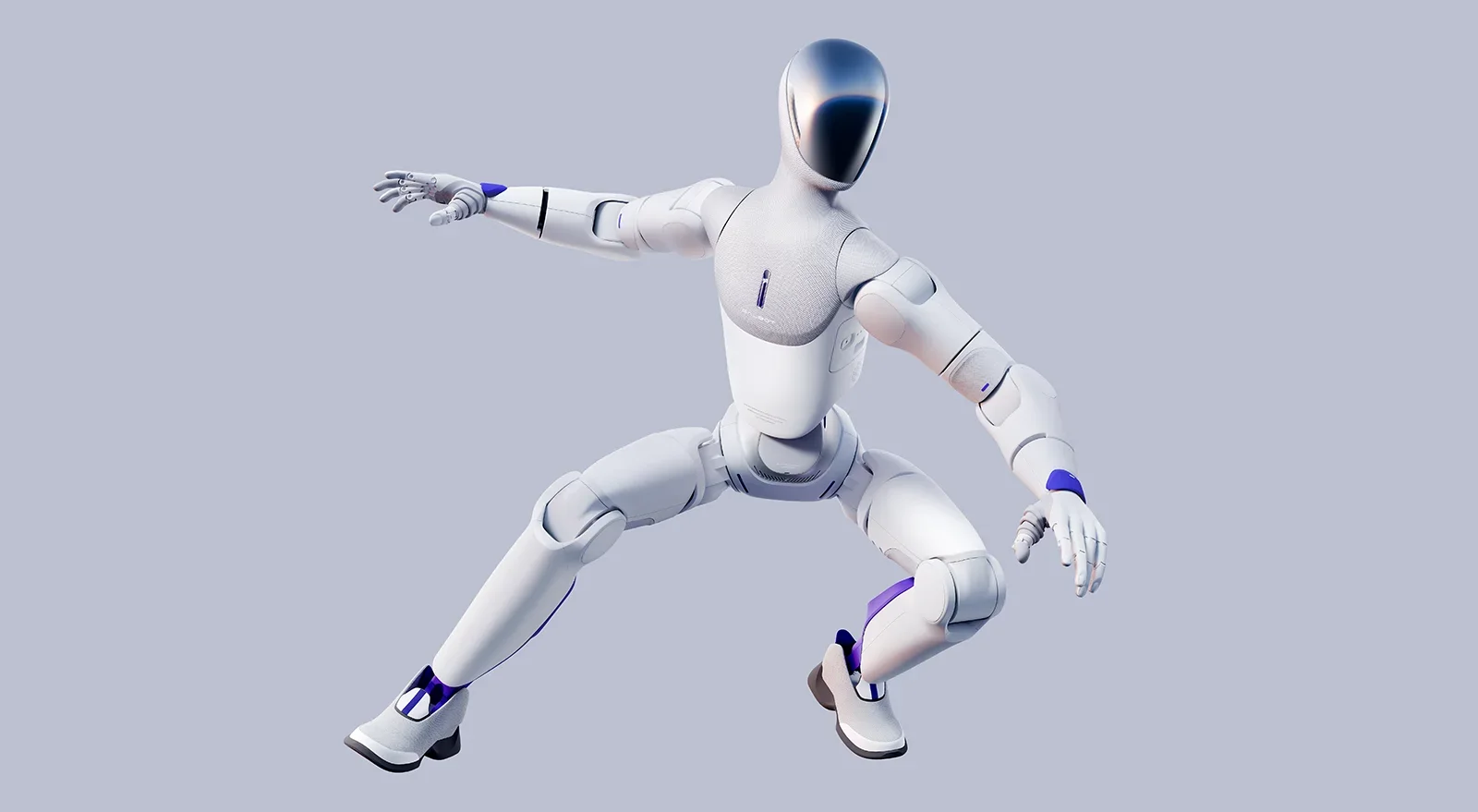
Galbot Launches Pre-Orders for ET1 Bipedal Humanoid Robot Targeting Entertainment Sector
Beijing-based robotics company Galbot has officially opened pre-orders for its first dedicated bipedal humanoid robot, the ET1, also known as 'Yinhe Xingzai' in China. This move marks a significant commercial diversification for Galbot, which has previously focused on wheeled logistics platforms. The pre-orders follow a successful teaser campaign and a notable exhibition at the World Humanoid Robot Games, showcasing the robot's capabilities. The ET1 has already garnered over 200 pre-orders within the first 24 hours, indicating strong interest from commercial venues and event producers. Pre-orders are available through Galbot's website and JD.com, although retail pricing for the different model tiers has not yet been disclosed. The ET1 stands at 1,250 mm tall and weighs 32 kg, placing it in the mid-sized biped category, which is increasingly competitive. Galbot has segmented the ET1 into three configurations: Standard, Pro, and Flagship, each featuring a multi-processor architecture. The Flagship tier boasts AI acceleration capabilities, achieving up to 100 TOPS for real-time processing. The ET1 utilizes Galbot's AstraBrain software for motion control, allowing it to learn new movements through physical demonstrations without the need for external equipment. No further timeline was disclosed at the time of publication.
ET1 Galbot Market China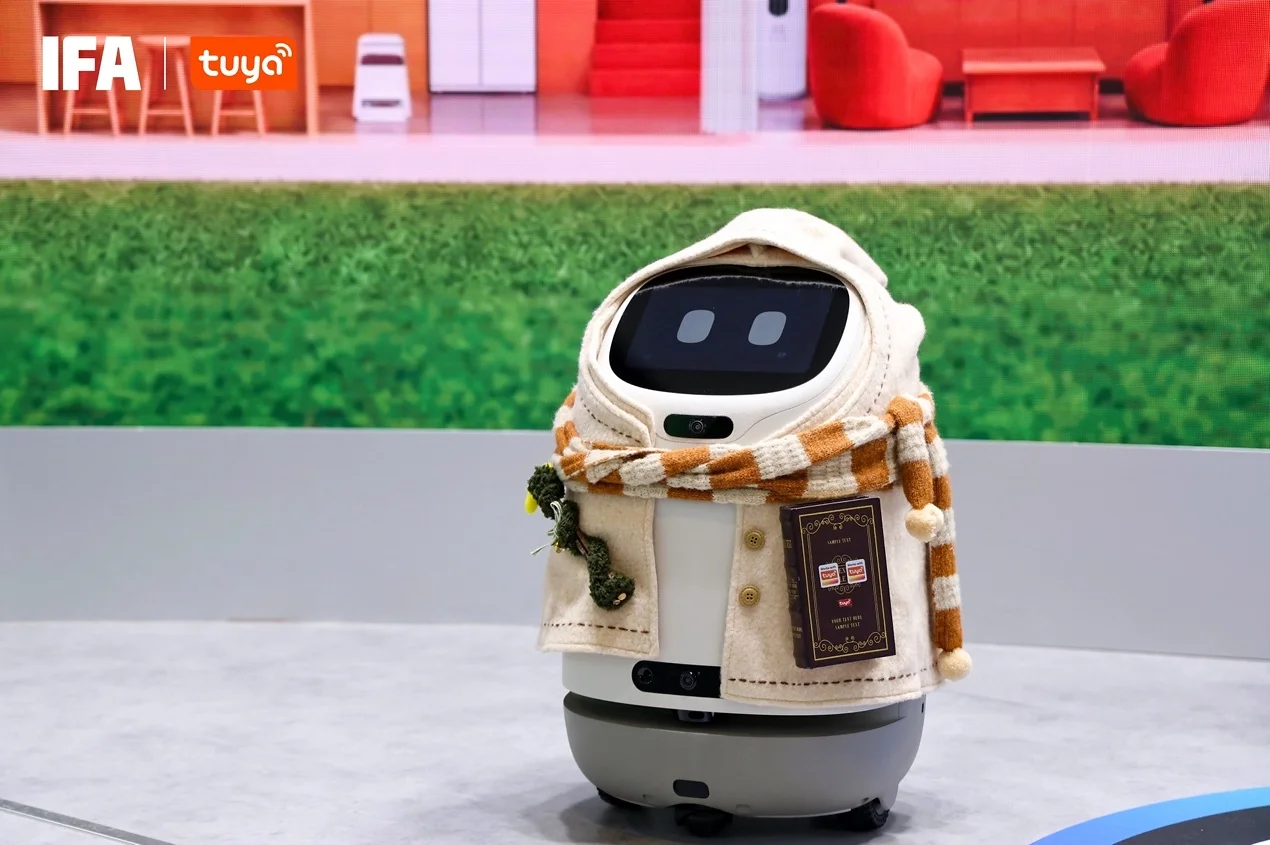
Tuya Introduces Doova: An AI Companion Robot for Elder Care and Smart Homes
At IFA 2026 in Berlin, Tuya Smart unveiled Doova, an autonomous companion robot designed to meet the elder care needs of seniors living independently. This innovative robot integrates proactive fall detection with conversational intelligence and is seamlessly connected to Tuya's smart home ecosystem. Unlike traditional humanoid robots, Doova features a user-friendly wheeled design for effective domestic navigation. The introduction of Doova signifies a strategic shift in consumer robotics, focusing on specialized autonomy to address critical ambient-care challenges that general-purpose humanoids cannot economically or practically solve. For seniors, falls pose significant risks, often exacerbated by delays in alerting caregivers or emergency services. Doova's advanced multi-sensor array and autonomous navigation capabilities aim to mitigate these dangers by providing timely assistance and emergency responses. Looking ahead, Tuya plans to enhance Doova's functionalities with software updates that will include features like autonomous object retrieval. As a mobile command hub for Tuya's AIoT ecosystem, Doova allows users to control various smart home devices through natural voice commands, making daily interactions more intuitive and less transactional. No further timeline was disclosed at the time of publication.
China Tuya
Lemer Pax Aims for €100 Million Revenue, Targeting Nuclear Sector Recovery
Lemer Pax, a family-owned company based in Nantes, has set an ambitious revenue target of €100 million as it seeks to capitalize on the resurgence of the nuclear industry. The company specializes in radiation protection, which is its primary focus and expertise. This strategic move is significant as the nuclear sector is experiencing a revival, driven by increasing energy demands and a shift towards sustainable energy sources. Lemer Pax's commitment to enhancing its revenue reflects the growing opportunities within the nuclear industry, particularly in radiation safety and protection solutions. Looking ahead, industry observers should monitor Lemer Pax's progress towards its revenue goal and any developments in the nuclear sector that may impact its operations. No further timeline was disclosed at the time of publication.
Énergie
Microsoft Investigates AI System Breaches Targeting Internal Infrastructure and Security Risks
On August 26, 2026, Microsoft’s Threat Intelligence team released findings on attacks targeting AI-related systems exposed on the internet. They observed three distinct breaches involving an LLM gateway, a RAG infrastructure, and a workflow automation platform, highlighting a structural risk concentrated on the foundational role of these systems. The breaches aimed at stealing authentication credentials, maintaining stealth, and monetizing stolen computing resources through cryptocurrency mining. Microsoft emphasized that these AI infrastructures should be treated with the same vigilance as other critical corporate infrastructures, as they serve as control points for accessing sensitive data and services. To mitigate these risks, Microsoft recommends treating AI gateways as high-security assets, implementing strict authentication measures, and regularly updating systems. The company also suggests monitoring AI infrastructures as control points to detect unusual behaviors that could indicate an attack. No further timeline was disclosed at the time of publication.

Ukraine Introduces Alexa Spatium Drone Interceptor to Combat Russian UAVs
Ukraine has launched a new jet-powered interceptor drone named Alexa Spatium, aimed at enhancing its air defense capabilities against Russian unmanned aerial vehicles (UAVs). The introduction of the Alexa Spatium is significant as it represents Ukraine's ongoing efforts to bolster its defense systems amid ongoing conflicts involving Russian UAVs. This new technology is expected to improve the country's ability to intercept and neutralize aerial threats. Looking ahead, the effectiveness of the Alexa Spatium in real-world scenarios will be closely monitored, particularly in its operational deployment against Russian UAVs. No further timeline was disclosed at the time of publication.
News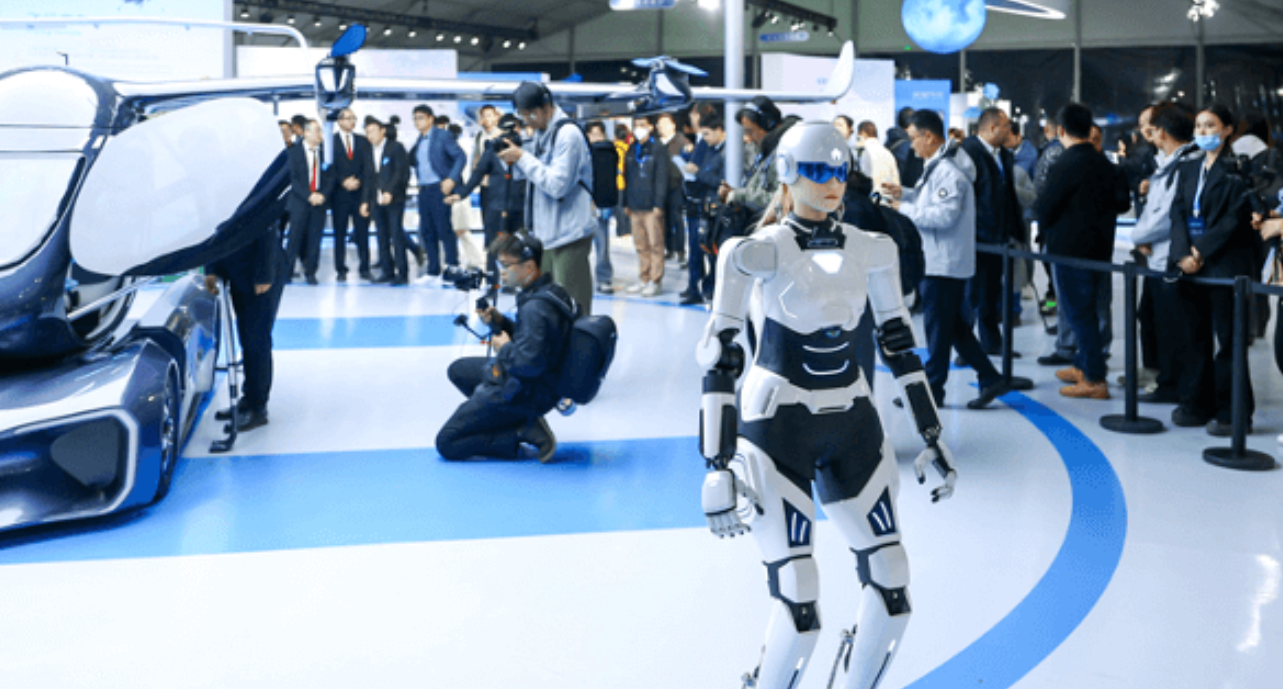
Chery's AiMOGA Robotics Initiates IPO Preparations to Expand Internationally
Chery's AiMOGA Robotics has begun preparations for a potential standalone IPO and is exploring various listing venues. The company has not yet disclosed a timeline or selected an exchange for the IPO. Leadership indicated that the listing could facilitate funding for technology investments and support overseas expansion efforts. This move is significant as AiMOGA Robotics, incubated by Chery in January 2025, has already delivered over 3,000 robots globally, with 2,000 of those deliveries occurring overseas. The company operates in more than 60 countries and regions, demonstrating its growing international presence and ambition to scale its operations further. Looking ahead, AiMOGA aims to achieve 10,000 global deliveries in the upcoming year and has already deployed 110 humanoid police robots across several cities in China. No further timeline was disclosed at the time of publication.
News Feed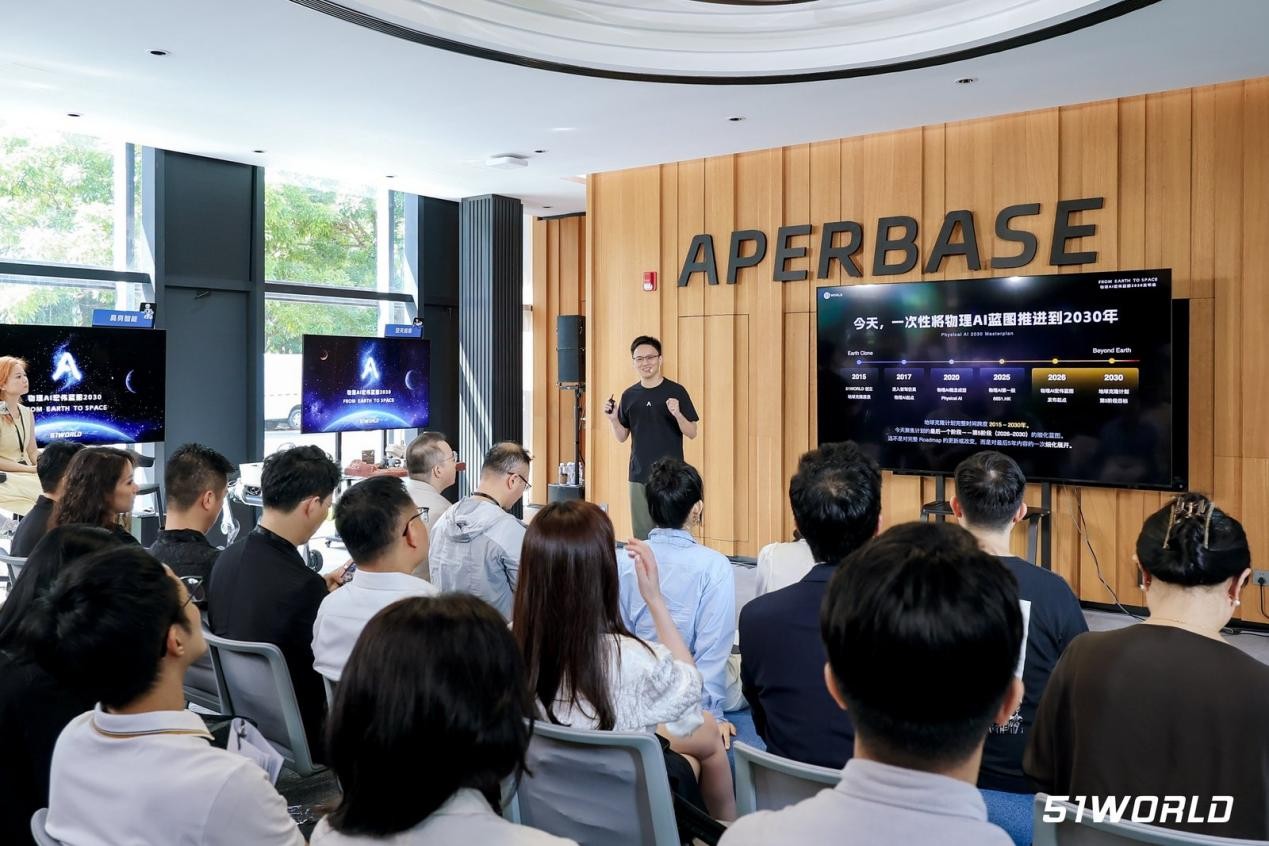
Wuyi Vision Reveals 2030 Physical AI Strategy, Targeting Industry Fundamentals
Wuyi Vision has unveiled its 2030 blueprint for physical AI, highlighting the significant funding of 93.5 billion yuan in the first half of 2026 for China's embodied intelligence sector. This figure marks a fivefold increase compared to the same period last year, indicating a booming investment landscape. The importance of this development lies in the challenges faced by the industry, particularly the critical need for high-quality data. With leading companies requiring approximately 1 million hours of quality data annually but only producing about 130,000 hours, a significant gap persists. This data scarcity hampers the training of models and the successful deployment of robots in real-world scenarios. Looking ahead, the industry must address these challenges to bridge the gap between investment enthusiasm and practical application. The ability to collect and utilize data effectively will determine which companies can capitalize on the growing market for physical AI. No further timeline was disclosed at the time of publication.
Physical AI Data Collection Investment Trends Simulation Technology
LG Electronics and Nvidia Aim for 100,000 Hours of Humanoid Robot Training Data
LG Electronics is enhancing its collaboration with Nvidia to expedite the creation of training data for humanoid robots. This initiative follows a memorandum of understanding signed by LG Group Chairman Koo Kwang-mo and Nvidia CEO Jensen Huang, aimed at expanding cooperation in physical AI and mobility. Madison Huang, Nvidia's senior director, visited LG's data factory in Seoul to review the progress of this partnership. The significance of this collaboration lies in its potential to advance the capabilities of humanoid robots through extensive training data. By utilizing LG's CLOiD robots in various simulated environments, including a home setting and a washing machine plant, the companies aim to gather diverse data for training purposes. The data will be processed using Nvidia's advanced robotics solutions, enhancing the learning process for these robots. Looking ahead, LG Electronics plans to fully operationalize the Yangjae data factory by the end of the year, with a target of collecting 100,000 hours of training data. This ambitious goal represents nearly 12 years of continuous operation, marking a significant milestone in the development of humanoid robotics.
All News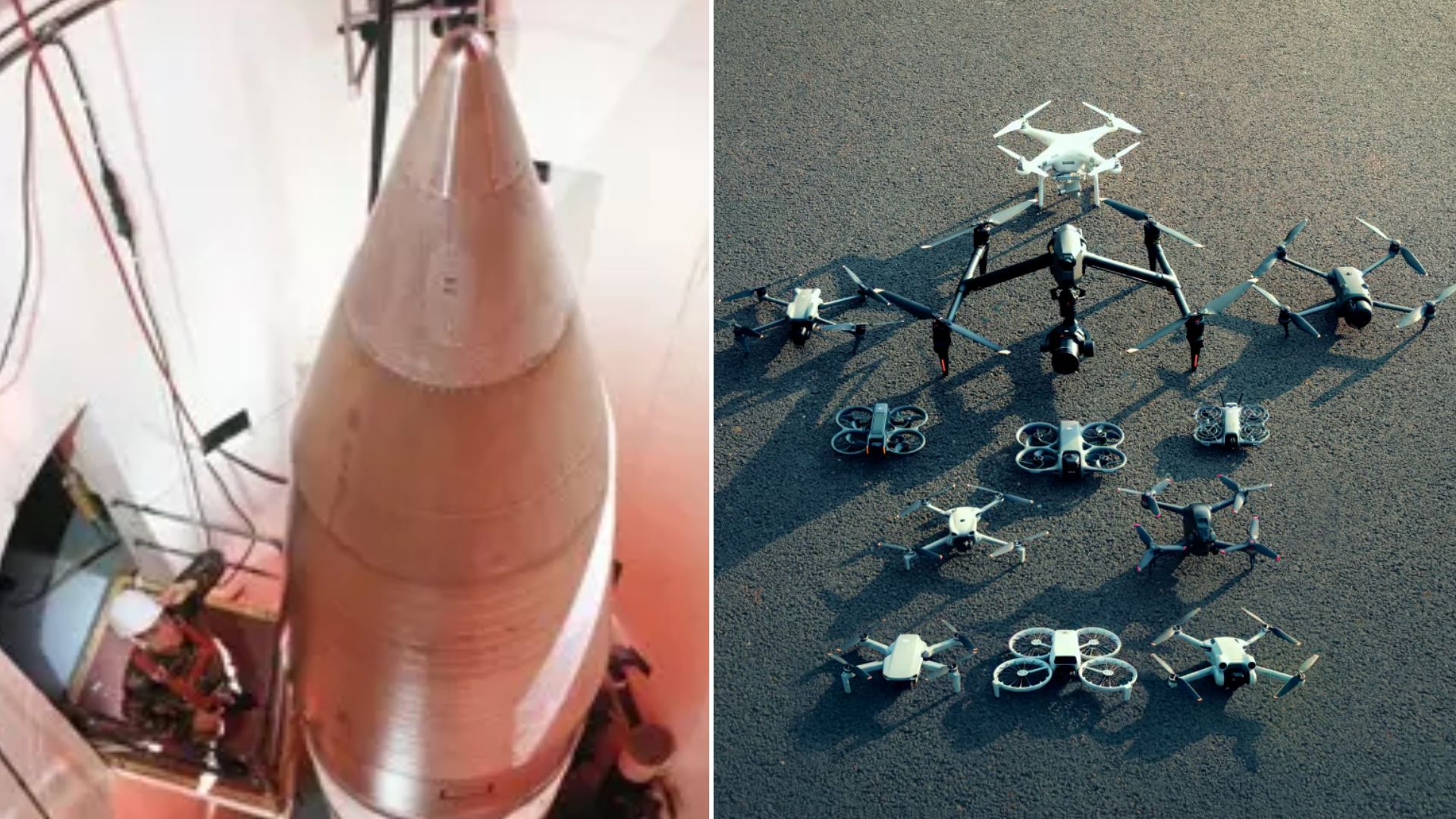
U.S. Air Force Plans to Acquire DJI Drones for Counter-Drone Training at Missile Base
The U.S. Air Force intends to purchase DJI drones for counter-drone training at F.E. Warren Air Force Base, which is part of the Minuteman III missile system. This initiative, led by the 90th Missile Security Operations Squadron, aims to enhance personnel's ability to detect and neutralize drone threats in the vicinity of the base. This procurement is significant as DJI drones dominate the commercial market, accounting for 80% to 85% of global sales, making them ideal for realistic training scenarios. The Air Force's decision to use these drones, despite existing restrictions on Chinese technology, highlights the need for effective training against prevalent drone threats, especially given the 350 reported incursions over U.S. military installations in 2024. Looking ahead, the Air Force plans to modify the acquired drones with RIZER software to ensure data security while allowing personnel to train against the unique characteristics of DJI systems. No further timeline was disclosed at the time of publication.
Military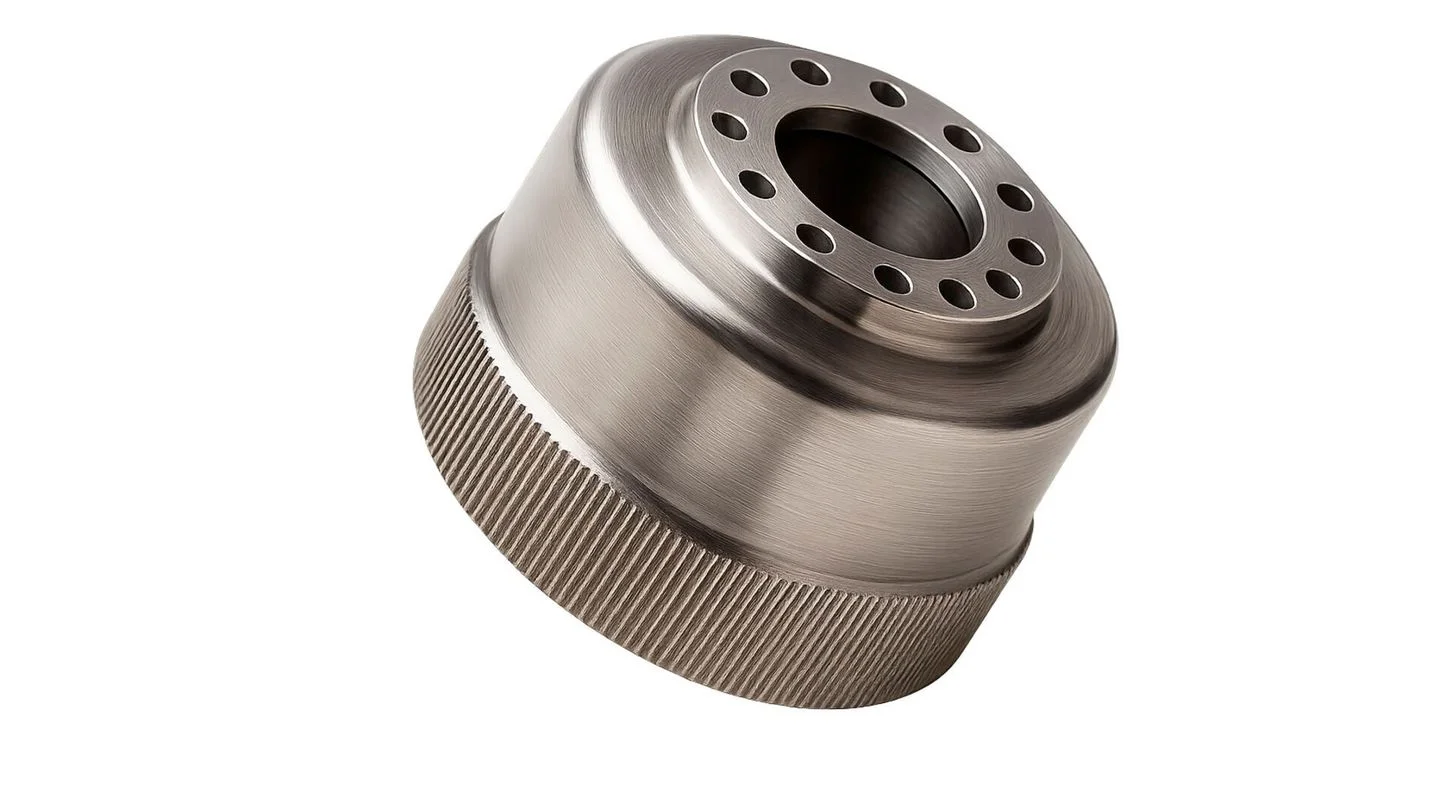
Schaeffler Announces Breakthrough in Strain Wave Gearbox Production for Humanoid Robotics
Schaeffler has successfully validated a new manufacturing process for formed strain wave gearboxes, which significantly reduces production costs and time. This innovation is crucial for humanoid robotics, where actuators can account for up to half of a robot's total manufacturing cost. With mass production planned for 2027, Schaeffler aims to solidify its position as a leading Tier 1 supplier in the humanoid robotics market. The formed strain wave gearboxes offer advantages over traditional planetary gears, including zero backlash and high precision in a compact design, essential for robotic joints. The new manufacturing method utilizes high pressing forces to shape components quickly, cutting costs by over 25% and reducing material use by more than 75%. This advancement addresses a significant supply chain challenge as humanoid companies scale production from hundreds to thousands of units. Looking ahead, Schaeffler's formed strain wave gearboxes complement its existing planetary gear actuator solutions, enabling the company to provide a comprehensive range of actuation products for OEM robot manufacturers. No further timeline was disclosed at the time of publication.
Europe Actuators Schaeffler
Exploring the Target Audience for Bartesian's $300 Cocktail Robot
The Bartesian cocktail maker, akin to a Keurig for alcoholic beverages, allows users to create various cocktails with ease. The Duet model requires users to add their own spirits and utilizes capsules containing concentrated mixes for drinks. However, the question remains: who is the ideal consumer for this $300 machine? While the Bartesian delivers on its promise of convenience, it may not appeal to true cocktail enthusiasts, as the capsules lack actual alcohol and provide approximations of traditional ingredients. The machine's size and price point suggest it may attract those with ample counter space and disposable income, but they likely already possess a well-stocked bar. Potential markets for the Bartesian include party hosts looking for a simple solution to serve cocktails, older couples wanting to impress guests, or even retirement homes. However, its practicality in settings like coworking spaces remains uncertain, as past experiences with unlimited drinks have shown limitations.
Gadgets Hardware bartesian cocktails robots
AMD Establishes Comprehensive AI Solutions for Robotics to Compete with NVIDIA Jetson
AMD has laid a solid foundation for robotics, introducing a complete ecosystem from silicon to systems. At the Advancing AI 2026 conference in late July, AMD showcased 'Physical AI,' highlighting embedded products like the Ryzen AI Embedded X100, Kria AI SOM, and the Kria robotics development platform. This initiative marks AMD's first comprehensive approach to robotics, integrating chips, modules, development platforms, software, and an ecosystem. The X100 series, featuring the Strix Halo chip, is designed for industrial applications with enhanced temperature resilience and low latency firmware, making it suitable for demanding robotics tasks. AMD's strategy includes a ten-year lifecycle commitment for the X100, ensuring stable supply for industrial clients. The Kria AI SOM module represents a significant leap to high-performance x86 processors, aiming to rival NVIDIA Jetson products. The Kria AI Robotics platform further enhances this offering, providing developers with a ready-to-use solution, while AMD maintains control over design and standards through certified partners.
Robotics AI Solutions Embedded Systems High-Performance Computing
First Cheng Holdings Launches New Fund for Physical AI Technologies After Yushu Technology IPO
First Cheng Holdings has initiated a new investment fund dedicated to physical AI technologies, which encompass robotics and smart manufacturing. Based in Beijing, the fund aims to raise 3.5 billion RMB and will focus on investing in early-stage and growth-stage technology companies, thereby strengthening its strategic foothold in the physical AI sector. This initiative is significant as First Cheng Holdings has previously invested over 2 billion RMB in the robotics industry through various funds. By targeting physical AI, the company is positioning itself to capitalize on the growing demand for advanced technologies in manufacturing and automation, which are critical for enhancing operational efficiency and competitiveness. Looking ahead, it will be important to monitor how the new fund progresses in attracting investments and supporting innovative companies within the physical AI landscape. No further timeline was disclosed at the time of publication.
Physical AI Robotics Smart Manufacturing Venture Capital Artificial Intelligence
Wheat Prices Increase as Russia and Ukraine Target Grain Export Ports
On July 30, wheat prices experienced another rise as tensions escalated between Russia and Ukraine, with both nations targeting each other's critical grain export ports. This ongoing conflict has significant implications for global food supply and pricing, particularly as both countries are major players in the grain market. The targeting of grain export hubs is particularly concerning given the vital role these ports play in the global food supply chain. The disruption of grain exports from either country could lead to increased prices and food shortages in various regions, highlighting the interconnectedness of global agriculture. As the situation develops, stakeholders in the agricultural sector should monitor the ongoing conflict closely. The potential for further escalations or retaliatory actions could impact grain prices and availability in the coming weeks. No further timeline was disclosed at the time of publication.

Mocean Energy Launches Blue Core to Enter AI Data Centre Market
Mocean Energy has announced its entry into the AI infrastructure sector with the introduction of Blue Core, an innovative offshore data centre concept. This initiative aims to generate its own power, significantly reducing the energy costs typically associated with data centres. The Edinburgh-based company is currently seeking Pre-Series A funding to advance the development of Blue Core while continuing its operations in the offshore power industry. This move is significant as it addresses the growing demand for sustainable energy solutions in the data centre market, which is increasingly reliant on AI technologies. Looking ahead, stakeholders should monitor Mocean Energy's progress in securing funding and the subsequent development of Blue Core. No further timeline was disclosed at the time of publication.

USA Drone Motors Launches to Address Domestic Drone Supply Chain Needs
USA Drone Motors has officially launched to manufacture large electric motors, actuators, and electronic speed controllers for agricultural and heavy-lift drones in southern California. Founder Jon Facer identified a significant market opportunity as U.S. drone manufacturers seek to lessen their reliance on Chinese suppliers due to recent FCC restrictions on foreign-made drones and components. This development is crucial as it comes at a time when U.S. drone manufacturers are scrambling to reshore production amid the inability of companies like DJI to introduce new models in the U.S. market. Facer's insights from an agricultural drone conference highlighted the industry's urgent need for domestic solutions, particularly for components that are currently dominated by a few Chinese suppliers. Looking ahead, USA Drone Motors aims to enhance U.S. assembly and engineering capabilities while gradually localizing its supply chain. Although initial production will not fully utilize U.S. materials due to sourcing challenges for key components, the company is focused on developing initial designs and gathering feedback from drone manufacturers and users to refine its offerings. No further timeline was disclosed at the time of publication.
Agtech Precision agriculture Startups & funding US & Canada drones
Shanghai Startup Secures Angel Funding to Develop Magnesium Alloy Robot Joints
Shanghai Yimei Huaxin Materials Co., Ltd. has completed angel funding of tens of millions of yuan, backed by Xinghe Venture Capital and Huazhong Industrial Group. Founded in November 2024, the company has formed partnerships with over ten robot manufacturers and developed more than 15 magnesium alloy alternatives to aluminum, targeting the automotive sector. This funding will be allocated for capacity expansion, research and development, and team growth. The rapid progress made by Yimei Huaxin is notable in the materials industry, where new materials typically require two to three years for validation. However, the robotics sector's urgent need for solutions to overheating and weight reduction challenges has accelerated this timeline. Looking ahead, Yimei Huaxin aims to address the industry's demand for lightweight materials without needing to outperform aluminum in every aspect. The company's strategy focuses on magnesium alloys' unique properties, such as lower density and excellent damping characteristics, to meet the critical needs of the robotics market. No further timeline was disclosed at the time of publication.
Magnesium Alloys Robot Joints Material Science Lightweight Materials Startup Funding
Tesla's Optimus Gen 3 Approved: Musk Aims for 100,000 Units Production Target
Elon Musk has officially approved the latest version of the Optimus Gen 3 robot, marking a significant milestone after over three years of development. With the production line nearing completion, Tesla has issued clear procurement guidelines to suppliers, aiming to ramp up production to 1,000 units per week by September and 2,000 to 2,500 units per week by year-end. This ambitious target of producing 100,000 units annually underscores Tesla's commitment to revolutionizing the labor landscape with robotics. The Optimus Gen 3 features a more compact design with 38 degrees of freedom and a refined dexterous hand, which has been a challenging aspect of its development. The production line is set to begin operations in late July to August, with a long-term plan for a second factory in Texas. As Tesla strives to catch up with competitors in the robotics sector, the success of the Optimus Gen 3 will depend on meeting production goals and effectively integrating the robot into various applications. The target of 100,000 units represents a critical turning point in this four-year journey, with the potential to reshape economic dynamics if realized.
Humanoid Robots AI Robotics Manufacturing Automation
RBC Capital Increases Tesla Price Target to $500 Amid Robotaxi Potential
On July 7, 2026, RBC Capital raised its price target for Tesla, Inc. (NASDAQ:TSLA) from $475 to $500, maintaining an Outperform rating. This adjustment reflects a 25% to 30% premium to current trading levels, considering a potential acquisition scenario involving SpaceX. The firm highlighted the robotaxi market as Tesla's most significant opportunity, with a total addressable market of $4.2 trillion. The significance of this price target increase lies in Tesla's recent introduction of the Long Wheelbase variant of the Model Y, which features a 6-seat layout, enhanced interior space, and impressive specifications such as 0-60 mph acceleration in 4.4 seconds and an estimated range of 325 miles. Additionally, the vehicle boasts advanced features like a 19-speaker audio system and support for Full Self-Driving (FSD) Supervised with integrated Grok AI, further solidifying Tesla's competitive edge in the electric vehicle market. Looking ahead, Tesla's Q2 deliveries reached approximately 480,100 vehicles, surpassing expectations by 18% and marking the highest growth rate since Q3 2023. No further timeline was disclosed at the time of publication regarding future product launches or market strategies, but the focus on robotaxis and new vehicle variants suggests continued innovation and market engagement from Tesla.

SpaceX Unveils AI1 Satellite Specs for Starmind Constellation with Key Thermal Challenges
SpaceX has introduced the AI1 satellite, the inaugural component of its Starmind constellation, which stands 20 meters tall and has a wingspan of 70 meters. This orbital compute node is designed to deliver computing power equivalent to one NVIDIA GB300 server rack, utilizing a unique cooling system with deployable liquid radiators. The satellite's specifications were revealed during a presentation on June 8, 2026, ahead of SpaceX's IPO. The significance of the AI1 satellite lies in its role as a compute platform rather than a traditional satellite, focusing on running AI inference workloads. The satellite's cooling system, which is critical for its operation in the vacuum of space, is designed to reject heat through infrared radiation. However, independent engineers have raised concerns about the feasibility of the thermal and mass claims made by SpaceX, suggesting that the cooling requirements may exceed practical limits. Looking ahead, SpaceX plans to launch two AI1 prototypes in early 2027, with full-scale production expected to commence later that year at its Gigasat facility in Bastrop, Texas. The ongoing debate regarding the satellite's thermal management capabilities will be crucial to monitor as the project progresses, with no further timeline disclosed at the time of publication.

SpaceX's Starmind Plans 1 Million AI Satellites Amid Collision Risks
SpaceX has announced its ambitious Starmind project, which aims to deploy 1 million AI satellites in orbits between 500 and 2,000 km. This initiative, confirmed by Elon Musk on June 23, 2026, follows a merger with xAI, valuing the combined entity at $1.25 trillion. The satellites will function as orbital data centers, processing AI workloads powered by solar arrays and linked by optical lasers. The significance of Starmind lies in its potential to add 100 gigawatts of AI compute capacity annually, contingent on the successful operation of the Starship launch system. However, the project raises concerns regarding space debris, as the current orbital environment is already congested, with a 20% increase in collision risk reported since 2024. The European Space Agency has highlighted that the density of debris in low Earth orbit is now comparable to that of active satellites, complicating the operational landscape for new entrants like Starmind. Looking ahead, the first operational orbital AI deployments are targeted for 2028, with test launches expected in early 2027. However, the project faces scrutiny regarding its impact on space debris, as even a 1% failure rate could significantly increase the number of uncontrollable objects in orbit, exacerbating existing risks. No further timeline was disclosed at the time of publication.
SpaceX Proposes 1 Million AI Satellites to Address Ground Data Center Constraints
On January 30, 2026, SpaceX filed with the FCC to launch up to 1 million AI compute satellites, positioning orbital data centers as a solution to the increasing demand for AI computing power. Ground data centers are facing significant challenges, with energy consumption projected to reach approximately 1,050 TWh in 2026, making them the fifth-largest electricity consumer globally. The demand for new data center capacity is outpacing the growth of power generation infrastructure, leading to a critical bottleneck in the grid system. The significance of this initiative lies in the structural constraints faced by ground data centers, including power delivery limitations, high water consumption, and local opposition to new projects. The Uptime Institute's 2026 outlook identifies power as the primary constraint on data center growth, with capacity clearing prices in the PJM grid skyrocketing to $329.17/MW, driven by data center expansion. Additionally, cooling requirements are becoming increasingly unsustainable, with facilities consuming vast amounts of water, further complicating their operational viability. Looking ahead, SpaceX's orbital AI compute initiative aims to circumvent these challenges by leveraging the advantages of space, such as continuous solar power and minimal local opposition. The first AI prototypes are expected to launch in early 2027, with operational deployments planned for 2028. No further timeline was disclosed at the time of publication.
SpaceX Launches Starmind Project for 1 Million AI Satellites by 2028
SpaceX has officially named its orbital AI infrastructure project 'Starmind,' which aims to deploy a constellation of up to 1 million satellites. This initiative, confirmed by Elon Musk on June 22, 2026, will enable AI inference directly in space, utilizing solar energy rather than terrestrial power sources. The first satellite, designated AI1, was unveiled on June 8, 2026, and is designed to operate in sun-synchronous orbits. The significance of Starmind lies in its potential to overcome the limitations faced by ground-based data centers, such as land, power, and water constraints. By running AI computations in orbit, Starmind can provide a more efficient solution to the growing demand for AI computing power. The project leverages the existing Starlink infrastructure for data transmission, distinguishing its function from Starlink's internet relay capabilities. Looking ahead, SpaceX plans to begin hardware deployment with the AI1 satellite, while full-scale production and deployment of the satellite constellation are targeted for 2028. As of now, no Starmind satellites have been launched, and further engineering challenges remain to be addressed, particularly regarding the scalability of the satellite design.

Teledyne FLIR OEM Expands Prism AI Platform with Ground ISR Software for Military Target Classification
Teledyne FLIR OEM has launched Prism™ Ground ISR, an advanced AI-powered software stack aimed at enhancing ground-based intelligence, surveillance, and reconnaissance (ISR) missions. This new software expands the capabilities of the existing Prism software family, which previously focused on counter-drone applications. The introduction of this technology marks a significant development in military target classification, leveraging AI, thermal imaging, and computational imaging to improve operational effectiveness. The announcement was made recently, highlighting the company's commitment to advancing ISR capabilities for military applications.
Applications Data analytics Defense defense Drone News Drone News Feeds
China's Robotics Roadmap Targets Industrial Leadership and AI Integration
China is intensifying its focus on embodied AI and humanoid robotics as part of its strategy to lead the next industrial revolution. This initiative builds on the country's extensive manufacturing infrastructure and aims to enhance its global economic influence amidst competition with the United States. The Chinese government is leveraging its Five-Year Plans (FYPs) to align state enterprises and private capital towards advancing robotics. The 13th FYP laid the groundwork for the 'Made in China 2025' initiative, which aims to transition China into a high-tech manufacturing leader, significantly increasing domestic market shares in industrial robots. Looking ahead, the 14th FYP continues to push for robotics adoption across key sectors, with ambitious goals set for 2025. Notably, China aims to achieve a 57% domestic market share in industrial robots and has already seen significant growth in installations, positioning itself among the top global manufacturers in the field.
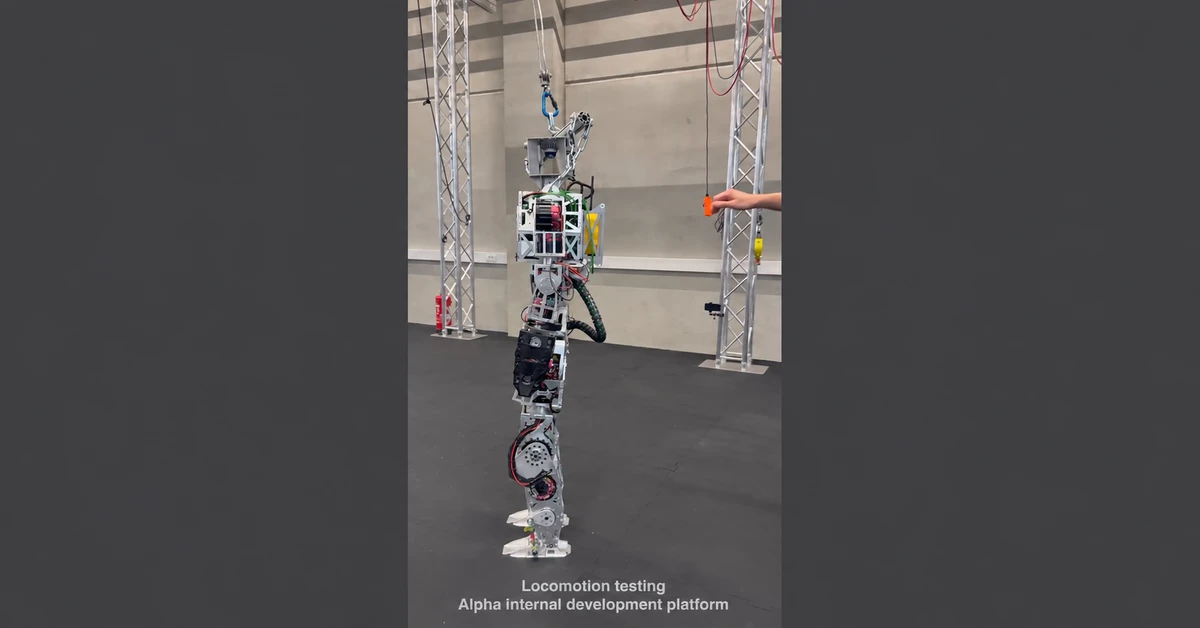
Munich Startup Reveals Humanoid Prototype 'Kyle,' Aiming for Early 2027 Launch
A Munich-based robotics startup has unveiled its humanoid prototype named Kyle, showcasing its walking capabilities. Co-founder and CEO Nikolai Ensslen announced that the first-generation product is expected to be revealed in early 2027. The prototype, which features a boxy design and exposed wiring, serves as an internal development platform rather than the final product. The significance of this development lies in the startup's innovative approach to rapid prototyping, as highlighted by Ensslen's assessment of Kyle's walking performance. The footage shared on September 14 demonstrates a locomotion milestone for the project, although specific tasks and commercial availability details remain undisclosed. This early glimpse into the engineering process emphasizes the contrast between the robot's appearance and its movement capabilities. Looking ahead, the startup's focus on developing Kyle indicates a growing interest in humanoid robotics and physical AI. With a target unveiling in early 2027, industry observers will be keen to see how the project evolves and what advancements are made in the coming months. No further timeline was disclosed at the time of publication.
Europe stealth startup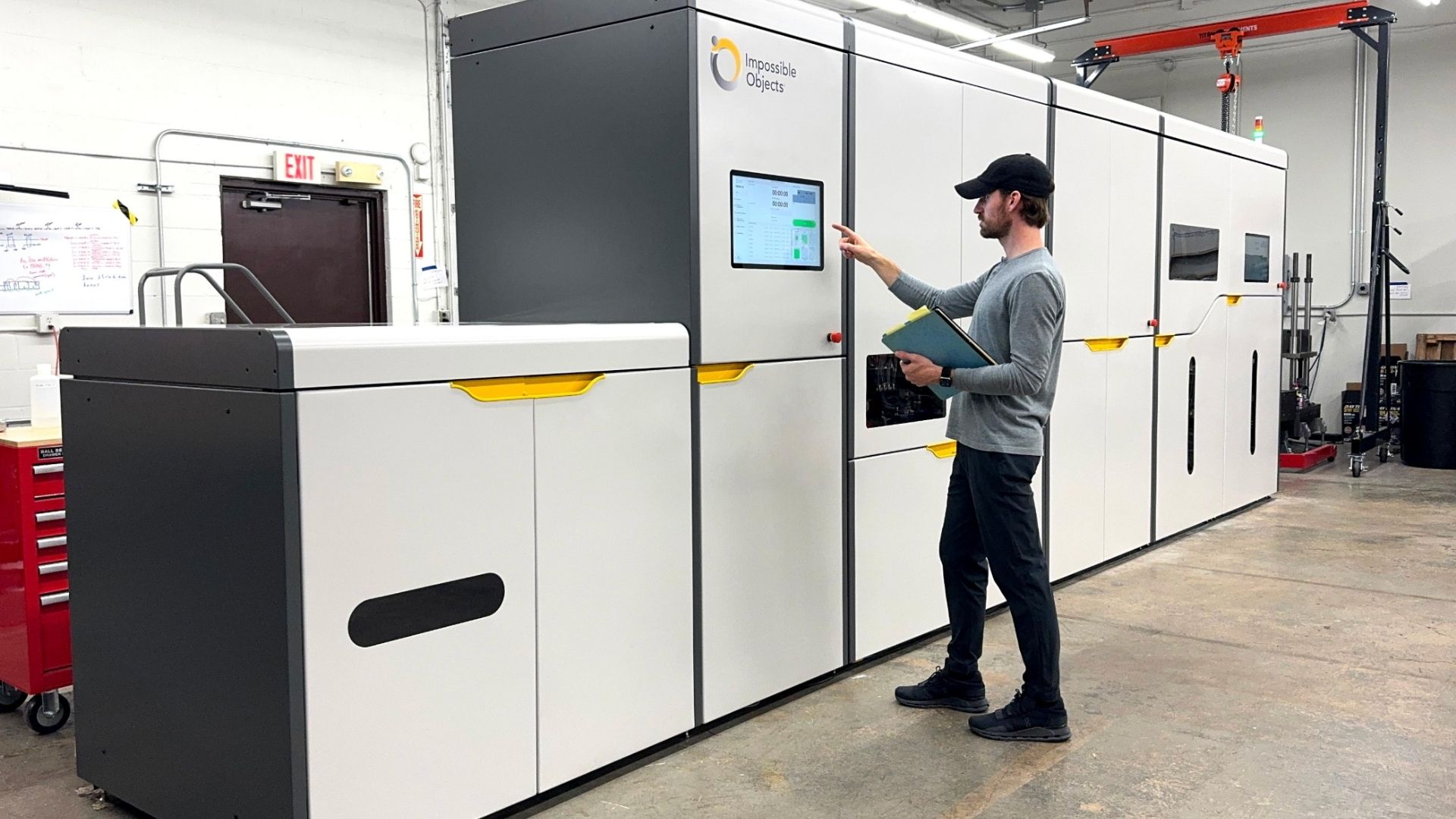
Impossible Objects Secures $40 Million for Carbon-Fiber 3D Printing Expansion
Impossible Objects, an Illinois-based manufacturing technology firm, has raised $40 million in a Series B funding round led by Inflection Equity. This investment aims to enhance the production capabilities of its Composite-Based Additive Manufacturing (CBAM) systems, particularly the CBAM 25, which specializes in carbon-fiber printing for drones and aircraft parts. The significance of this funding lies in its potential to revolutionize industrial-scale 3D printing, traditionally limited to prototyping due to slow speeds and high costs. The CBAM 25 addresses these challenges by enabling rapid production of strong, lightweight components, thereby reducing tooling requirements and lead times, making it competitive with CNC machining and injection molding. Looking ahead, Impossible Objects has already received five orders for the CBAM 25 since its introduction in early 2025. The company aims to deploy its technology across aerospace, defense, and advanced manufacturing sectors. No further timeline was disclosed at the time of publication.
Innovation
Yuejia Dynamics Deploys Quadruped Robots in Shenzhen Metro, Aiming for 10,000 Units Annually
Yuejia Dynamics, a startup based in Shenzhen, has successfully deployed its quadruped inspection robots in the Shenzhen Metro. Founded in 2025, the company is focused on enhancing operational efficiency within urban transit systems. The introduction of these robots is significant as it represents a step forward in the integration of robotics into public infrastructure, potentially improving safety and inspection processes. Yuejia Dynamics aims to achieve an impressive annual production capacity of 10,000 units by the end of October, indicating strong market confidence. Looking ahead, the performance of these quadruped robots in the metro environment will be crucial. Observers should monitor the operational feedback and any adjustments made by Yuejia Dynamics as they scale production and refine their technology. No further timeline was disclosed at the time of publication.

U.S. Forces Target Iranian Oil Tankers in New Retaliatory Strikes
The U.S. military has conducted strikes on two Iranian oil tankers in response to attacks by Tehran on vessels in the Strait of Hormuz. This new 'tanker-for-tanker' strategy marks a shift from previous U.S. actions, which primarily focused on enforcing a naval blockade against Iran. The strikes were carried out by U.S. Central Command (CENTCOM) as part of a broader effort to deter Iranian aggression against commercial shipping and U.S. personnel. This escalation in hostilities comes after a month-long pause in military actions between the U.S. and Iran. The Iranian government has claimed civilian casualties from the strikes, leading to retaliatory missile and drone attacks on U.S. facilities in Bahrain, Iraq, Jordan, and Kuwait. The U.S. strategy, reportedly approved by former President Trump, aims to prevent Iran from enhancing its military capabilities that threaten maritime safety in the region. Looking ahead, the effectiveness of the U.S. strikes in reducing Iranian threats to shipping in the Strait of Hormuz will be crucial. CENTCOM indicated that the recent actions have temporarily lowered the threat levels for commercial vessels. No further timeline was disclosed at the time of publication.
News & Features Around The Globe Iran Middle East Persian Gulf
Guangdong's Humanoid Robot Targets Production of 100,000 Units in 8.64 Seconds
Guangdong's humanoid robot has achieved a significant milestone, completing a task in just 8.64 seconds. This rapid performance highlights the advancements in robotics technology and the potential for mass production. The ambitious goal of producing 100,000 units underscores the growing demand for humanoid robots in various sectors. This development is crucial as it reflects the increasing interest and investment in robotics, particularly in the humanoid segment. The ability to produce robots quickly and efficiently could lead to broader applications across industries, enhancing productivity and innovation. The market is poised for a transformation as companies seek to integrate humanoid robots into their operations. Looking ahead, stakeholders should monitor the progress of Guangdong's humanoid robot production and its impact on the robotics landscape. The target of 100,000 units could signify a shift in how humanoid robots are perceived and utilized in various sectors. No further timeline was disclosed at the time of publication.
Robotics Automation AI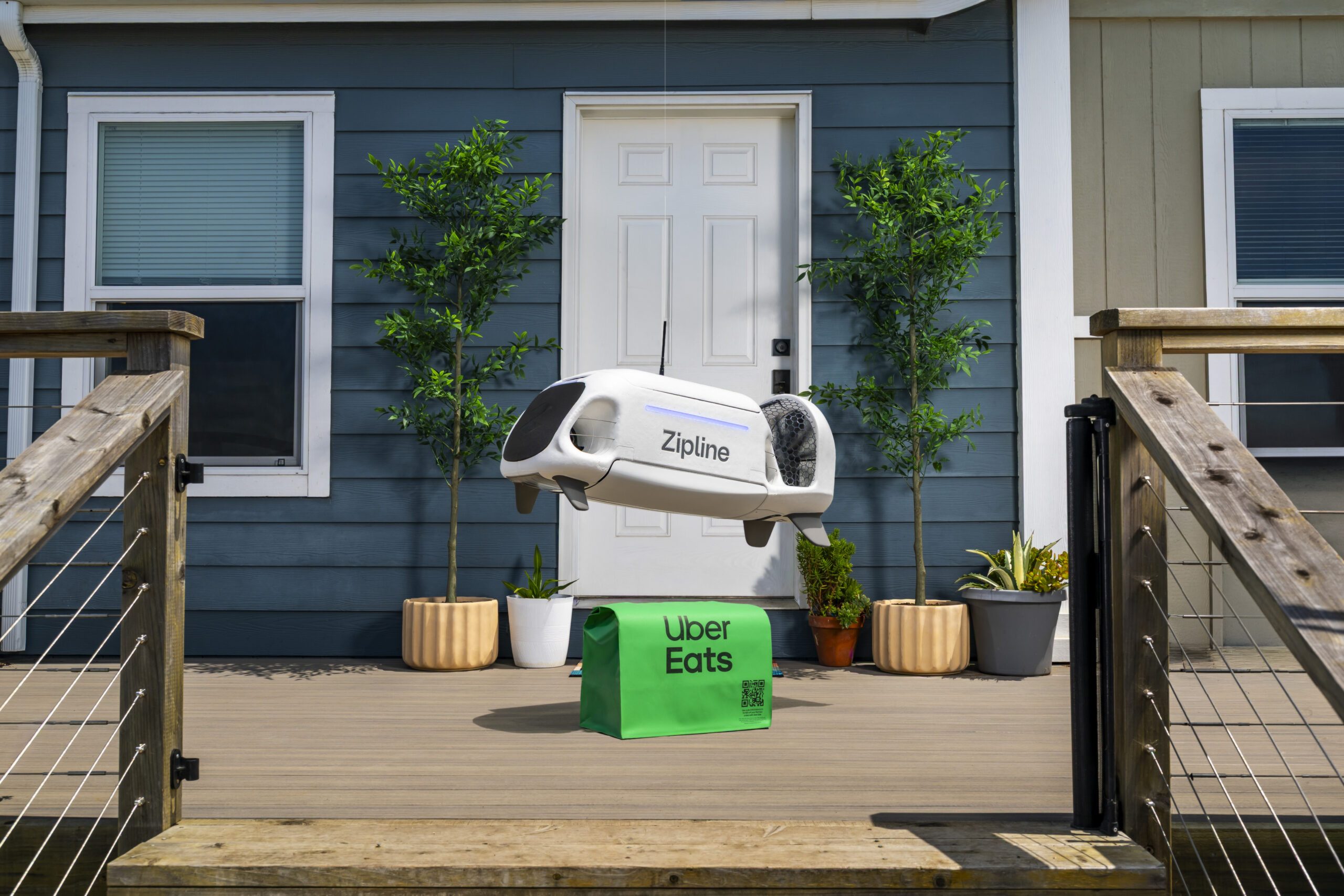
Uber and Zipline Aim for One Million Daily Drone Deliveries by 2029
Uber and Zipline have formed a strategic partnership to enhance drone delivery services for Uber Eats customers across the U.S. The companies aim to achieve one million drone deliveries per day by the end of 2029, with initial deployments set to begin later this year in markets like Dallas and Houston. Uber will also make a strategic investment in Zipline, although the specifics of the investment were not disclosed. This partnership is significant as it connects Uber, a leading delivery platform, with Zipline, the largest commercial drone delivery network. According to Uber CEO Dara Khosrowshahi, this collaboration is set to revolutionize delivery by providing a faster and more sustainable option for consumers. Zipline's autonomous delivery system is capable of delivering orders within minutes, marking a substantial shift in its consumer delivery strategy. Looking ahead, the first Uber Eats drone deliveries will commence in select markets, with plans to expand into numerous U.S. cities as Zipline scales its services. The agreement could broaden access to drone delivery for consumers, integrating it seamlessly into the Uber Eats platform without the need for a separate marketplace. No further timeline was disclosed at the time of publication.
Applications Delivery Drone News Drone News Feeds Drones in the News News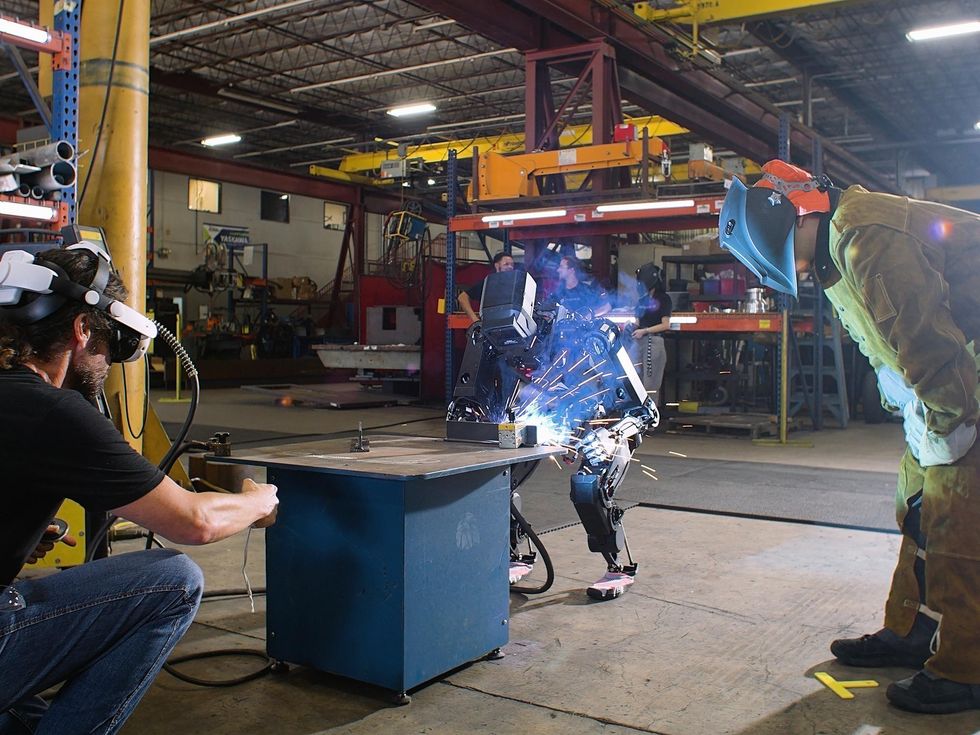
Persona AI Targets Shipyard Welding as First Job for Humanoid Robots
Persona AI is focusing on shipyard welding as the initial application for its humanoid robots, leveraging the need for skilled labor in this sector. The company aims to fill a gap in the workforce, particularly as shipbuilding requires extensive linear welds, which humanoids can perform efficiently. With partnerships established with HD Hyundai and POSCO, Persona is positioned to support the demand for skilled labor in shipyards, where their robots can enhance productivity without replacing human workers. The significance of this approach lies in Persona's strategy to target skilled trades rather than unskilled labor, which has proven economically viable for humanoid robots. By focusing on welding, a task that requires precision and can be performed at a manageable speed, Persona believes its robots can match or exceed human performance in the near future. This focus on skilled labor is a departure from the typical applications pursued by other humanoid robotics companies, which have struggled to achieve economic viability. Looking ahead, Persona AI's deployment of humanoid robots in shipyards could reshape the industry by addressing labor shortages and increasing production capacity. The company emphasizes that its robots are not designed to replace human workers but to augment their capabilities, allowing shipbuilders to meet growing demands. No further timeline was disclosed at the time of publication.
Humanoid-robots Robotics Industrial-robots
Elon Musk Unveils Terafab Semiconductor Project Targeting One Terawatt of AI Compute
On March 21, 2026, Elon Musk announced the Terafab project at the Seaholm Power Plant in Austin, Texas. This ambitious semiconductor initiative aims to achieve one terawatt of AI compute annually, with an estimated investment of $20–25 billion. The project is positioned as a crucial step toward advancing humanity's capabilities in space. The significance of Terafab lies in its potential to address chip supply constraints faced by Tesla and other companies. Musk highlighted the need for in-house fabrication capabilities during a January 2026 earnings call, emphasizing the urgency of the project. The announcement has since evolved, with SpaceX filings indicating a total investment of $119 billion for the prototype phases, underscoring the project's scale and importance. Looking ahead, the first phase of Terafab, valued at $16.8 billion, was confirmed for Grimes County on August 6, 2026. Future developments will likely include advancements in AI chip technology for Tesla vehicles and orbital data centers, as well as the conceptual AI Mini Sat satellite designed to support the terawatt demand. No further timeline was disclosed at the time of publication.

Unitree Aims for $9 Billion Valuation in Historic IPO Amid Humanoid Robot Surge
Chinese robotics firm Unitree has set its initial public offering (IPO) at a valuation of approximately $9 billion, marking it as the first mainland-listed humanoid robot manufacturer in China. The Hangzhou-based company priced its shares at 150.8 yuan ($22.34) each, aiming to raise around 6.1 billion yuan ($900 million) by selling 40.45 million new shares, which represents 10 percent of its enlarged share capital. This IPO reflects the growing investor interest in AI-powered robotics, even amidst rising geopolitical tensions. Unitree's revenue is projected to exceed 1.7 billion yuan in 2025, with humanoid robot sales expected to surpass its quadruped robots, which have been its largest business segment. However, the company's profit for the first quarter of 2026 saw a decline of 52.6 percent due to increased spending on research and marketing. Investors should monitor the implications of US-China technology tensions on Unitree's operations, especially as new US regulations may affect future sales of foreign-produced robots. Despite these challenges, Unitree's existing products remain authorized for sale in the US, which accounted for 13.3 percent of its revenue in 2025. No further timeline was disclosed at the time of publication.
Business Financials & Investments News ai robotics artificial intelligence automation
EU Motors Aims for 350,000 Drone Motors by 2026 with New U.S. Production Plans
EU Motors, a prominent manufacturer of high-performance brushless drone motors, has announced its goal to produce over 350,000 drone motors by 2026. The company is expanding its operations in the U.S. with plans to establish exclusive stator production and deploy advanced robotic assembly lines at its facility in Hallandale Beach, Florida. This expansion is significant as it highlights EU Motors' commitment to enhancing its manufacturing capabilities and increasing its market presence in the drone industry. By investing in proprietary intellectual property and custom robotics, the company aims to improve efficiency and production quality, positioning itself competitively in the growing drone market. Looking ahead, the deployment of next-generation robotic assembly lines is set for Q4 2026. This move will not only bolster production capacity but also showcase EU Motors' innovative approach to manufacturing. No further timeline was disclosed at the time of publication.

FCC to Impose Ban on Chinese Humanoids Amid National Security Concerns
The Trump administration is set to announce new bans on the importation of Chinese-made humanoid and quadruped robots, as reported by U.S. officials. The Federal Communications Commission (FCC) will implement these restrictions to safeguard U.S. AI development from potential national security threats, including data breaches and cyber sabotage. This move is significant as it reflects a growing geopolitical divide impacting the robotics industry, with domestic manufacturers supporting protective measures against heavily subsidized Chinese imports. The impending ban particularly targets Unitree Robotics, a leading player in the humanoid sector, which controls nearly 20% of the global market share. Looking ahead, the FCC's new regulations will affect models not yet released, but the agency can also revoke existing sales authorizations. This situation poses challenges for American AI labs, which may struggle to find domestic hardware alternatives. No further timeline was disclosed at the time of publication.
1X Technologies Unitree Robotics US GUARD China Geo political
Cyberattacks on Manufacturers Decline, Yet Threats Persist According to SonicWall Report
SonicWall's report reveals that while there has been a steep decline in cyberattacks targeting manufacturers, the threats remain significant. As manufacturers adopt advanced monitoring and maintenance technologies, they inadvertently expand their vulnerability to hackers. SonicWall's senior vice president, Michael Crean, emphasized that every new connection for operational convenience also opens a door for potential attackers. The report highlights that many connected devices in factories lack modern security features, with a Hikvision camera flaw from five years ago still posing a major threat, generating 43 million hits in the first half of 2026. Despite a decrease in malware detections, SonicWall attributes this to improved detection tools rather than a reduction in attacks, indicating an increased risk of disruption as corporate offices connect with plant floors. Looking ahead, manufacturers are urged to implement better security measures, including continuous user verification and restricted access to applications. With ten ransomware groups targeting manufacturing networks in early 2026, the sector remains at high risk. No further timeline was disclosed at the time of publication.
Sila Secures $300 Million to Enhance U.S. Battery Anode Production for Drones
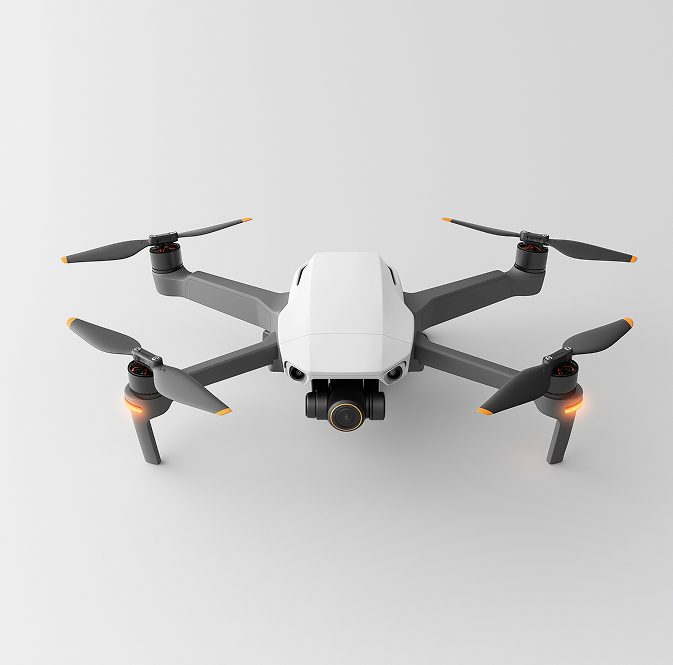
Sila has successfully raised $300 million in private funding aimed at expanding its silicon-carbon battery anode technology production in the United States. This investment will bolster manufacturing capacity at its Moses Lake, Washington facility, facilitating a Phase 2 expansion and accelerating the production of its Titan Silicon® anode technology. The significance of this funding lies in its potential to strengthen domestic supply chains for advanced battery materials, particularly in light of the current dominance of China in anode material processing and battery cell manufacturing. With battery materials becoming increasingly crucial for technology security, Sila's efforts could mitigate supply chain risks for industries reliant on advanced batteries, including drones, defense systems, and electric vehicles. Looking ahead, Sila's expansion plans include increasing its Moses Lake facility's capacity from an initial 2 GWh to as much as 250 GWh over the next five years, potentially establishing it as the world's largest anode production site. No further timeline was disclosed at the time of publication.
Applications Drone Manufacturing Drone News Drone News Feeds News AI infrastructure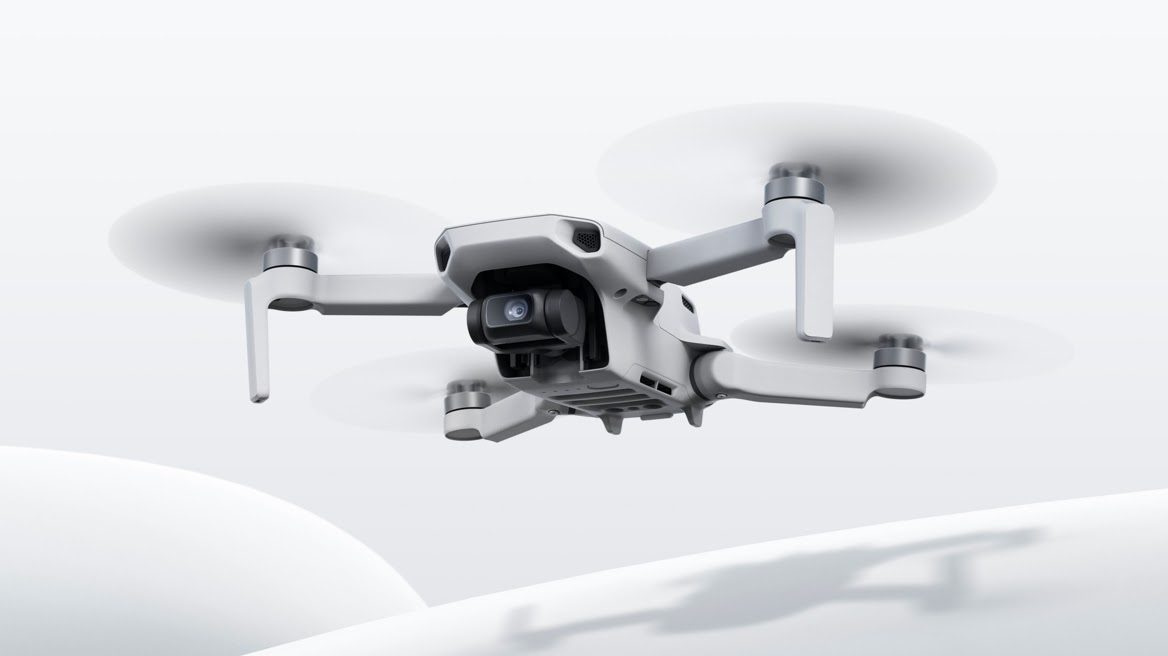
FCC Proposes $25,000 Fines Against Eight Drone Companies for National Security Inquiry Non-Response
The Federal Communications Commission (FCC) has proposed fines of $25,000 against eight drone companies for allegedly failing to respond to inquiries regarding national security. The companies, including Cogito Tech Company Limited and Fikaxo Technology Inc., are under scrutiny for potentially marketing equipment that falls under U.S. national security restrictions. This action is significant as it underscores the FCC's commitment to enforcing compliance with national security regulations. The proposed fines stem from the companies' lack of response to Letters of Inquiry (LOIs) related to the marketing of radiofrequency equipment added to the FCC Covered List in December 2025. The FCC emphasizes that these actions are based on non-compliance with investigative requests rather than any confirmed violations of the Covered List. Moving forward, it will be crucial to monitor how these companies respond to the FCC's inquiries and whether they will face further enforcement actions. The investigation highlights the importance of regulatory compliance in the drone industry, particularly concerning national security implications. No further timeline was disclosed at the time of publication.
DJI Drone Manufacturing Drone News Drone News Feeds Feature 1 News
Xpeng Aims for 1,000 Monthly Iron Humanoid Robots Production by End of 2026
Chinese electric vehicle maker Xpeng is ramping up production of its Iron humanoid robot, targeting over 1,000 units monthly by the end of 2026. This increase is in preparation for a global rollout planned for 2027, with initial deployment as sales assistants in China showrooms. The significance of this move lies in Xpeng's strategy to expand beyond electric vehicles into embodied artificial intelligence. The Iron robot, unveiled in November 2025, showcases advanced mobility and AI capabilities, positioning Xpeng to establish a presence in the humanoid robotics market. Looking ahead, Xpeng's focus will be on integrating AI and robotics with its existing smart mobility technologies. The company aims to leverage its expertise in autonomous driving while continuing to grow its core EV business. No further timeline was disclosed at the time of publication.
AI and Robotics
ABC-Mart Aims for 50% Overseas Sales Growth in Southeast Asia by 2026
ABC-Mart, a leading Japanese shoe retailer, is focusing on expanding its presence in Southeast Asia under the leadership of President Kiichiro Hattori. Currently, the company operates approximately 1,500 stores globally, with nearly 400 located in Asia. Hattori's strategy aims to increase international sales to 50% of total revenue, up from less than one-third at present, by 2026. This expansion is significant as it reflects a broader trend among Japanese retailers seeking growth opportunities outside their domestic market. The move comes amid increasing competition in the Southeast Asian retail sector, where consumer demand for footwear continues to rise. By enhancing its international footprint, ABC-Mart aims to capitalize on this growing market and strengthen its brand presence in the region. Looking ahead, ABC-Mart's next milestone will be the implementation of its strategic initiatives to boost overseas sales. No further timeline was disclosed at the time of publication, but the company's commitment to expanding in Southeast Asia indicates a proactive approach to capturing market share in a rapidly evolving retail landscape.

SpaceX IPO Provides Indirect Investment Opportunity in Starmind Project
Starmind does not have a standalone stock or ticker; investors can gain exposure through SpaceX (ticker: SPCX), which began trading on Nasdaq after its IPO on June 12, 2026. Starmind is integrated within SpaceX, contributing to the company's AI and space initiatives, and its performance directly influences SPCX shares. The significance of Starmind lies in its role as a division of SpaceX, which encompasses other projects like Starlink and Starship. As of early July 2026, SPCX shares are trading between $149 and $150, significantly lower than their 52-week high of $225.64. The project’s milestones, such as AI1 prototype updates, can impact SpaceX's stock performance, making it essential for investors to monitor these developments closely. Looking ahead, the early 2027 launch of AI1 prototype satellites is a critical milestone that could provide verifiable data affecting Starmind's valuation and, consequently, SPCX stock. No further timeline was disclosed at the time of publication, but the upcoming events will be pivotal for investors tracking the relationship between Starmind and SpaceX's stock performance.
Robotics needs a service framework.
RSF defines a common language for robot service capability, lifecycle operations, certification pathways, and service-provider networks.
Join the RobotToday community on LinkedIn
Daily robotics news, in-depth analysis, conference highlights, and discussions with professionals worldwide.







