Industry Briefing
A single destination for timely, editor-curated robotics news from around the world.
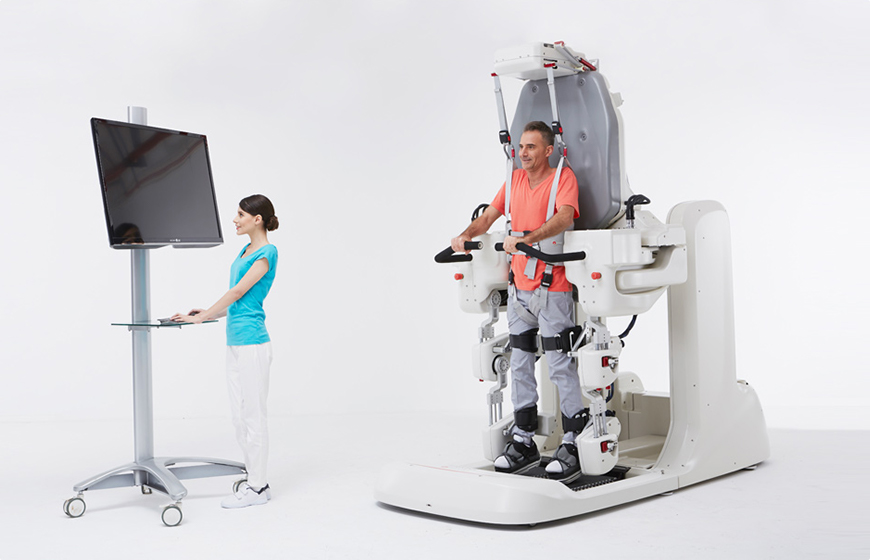
The Evolution of Rehabilitation Robots: From Training Tools to Treatment Partners
The WAIC 2026 showcased a significant evolution in rehabilitation robots, highlighting their transition from mere training tools to essential treatment partners. This shift reflects advancements in embodied intelligence, which is becoming increasingly relevant in the field of rehabilitation. This transformation is crucial as it indicates a growing recognition of the importance of human-machine collaboration in therapeutic settings. The integration of rehabilitation robots into treatment protocols can enhance patient outcomes and streamline rehabilitation processes, making them indispensable in modern healthcare. Looking ahead, the focus will be on how these rehabilitation robots will continue to develop and adapt to meet the needs of patients and healthcare providers. No further timeline was disclosed at the time of publication.
Robotics Automation AI
Balaji Ingole Develops AI Tools to Transform E-Commerce Operations at Amla Commerce
Balaji Ingole, a project manager at Amla Commerce, is spearheading AI-driven initiatives to enhance e-commerce operations for B2B clients. His work focuses on developing AI-enabled chatbots that streamline the traditionally labor-intensive product setup process, which can take months to complete. By automating these tasks, Ingole aims to significantly reduce the time and errors associated with managing large product catalogs. This innovation is crucial as it addresses a common pain point in the e-commerce sector, where efficiency and accuracy are paramount. The AI tools Ingole is creating not only improve operational efficiency but also empower manufacturers to better manage their online presence. This shift towards automation reflects a broader trend in the industry, where companies are increasingly leveraging AI to optimize their processes and enhance customer experiences. Looking ahead, Ingole's projects at Amla Commerce could set a new standard for e-commerce operations, particularly in the B2B space. As AI technology continues to evolve, the potential for further advancements in e-commerce automation remains significant. No further timeline was disclosed at the time of publication.
Ieee-member-news Artificial-intelligence E-commerce Careers Type-ti
Nvidia and Hugging Face Enhance LeRobot with Advanced Open Robotics AI Tools
Nvidia and Hugging Face have expanded their partnership to introduce new AI models and robotics frameworks to the LeRobot platform, enhancing accessibility for developers. The integration of Nvidia Isaac GR00T 1.7, a vision-language-action foundation model, and the Isaac Teleop framework aims to streamline the development process for AI-powered robots. This collaboration is significant as it combines Nvidia's community of over three million robotics developers with Hugging Face's 16 million AI developers, fostering a broader access to physical AI technologies. The new tools will enable standardized workflows for data collection, model training, and performance evaluation, making it easier for developers to create and deploy robotic solutions. Looking ahead, the planned support for Nvidia Cosmos 3 will further empower developers by allowing the generation of synthetic data and simulation of environments. No further timeline was disclosed at the time of publication.
Artificial Intelligence Computing ai Hugging Face humanoid robots Isaac GR00T 1.7
SpaceX's Starmind Plans 1 Million AI Satellites Amid Collision Risks
SpaceX has announced its ambitious Starmind project, which aims to deploy 1 million AI satellites in orbits between 500 and 2,000 km. This initiative, confirmed by Elon Musk on June 23, 2026, follows a merger with xAI, valuing the combined entity at $1.25 trillion. The satellites will function as orbital data centers, processing AI workloads powered by solar arrays and linked by optical lasers. The significance of Starmind lies in its potential to add 100 gigawatts of AI compute capacity annually, contingent on the successful operation of the Starship launch system. However, the project raises concerns regarding space debris, as the current orbital environment is already congested, with a 20% increase in collision risk reported since 2024. The European Space Agency has highlighted that the density of debris in low Earth orbit is now comparable to that of active satellites, complicating the operational landscape for new entrants like Starmind. Looking ahead, the first operational orbital AI deployments are targeted for 2028, with test launches expected in early 2027. However, the project faces scrutiny regarding its impact on space debris, as even a 1% failure rate could significantly increase the number of uncontrollable objects in orbit, exacerbating existing risks. No further timeline was disclosed at the time of publication.

Tesla's Optimus Robots to Support Starmind Satellite Production, Not Maintenance
Tesla's Optimus robots will not be used to repair Starmind satellites in orbit, as confirmed by recent statements from Elon Musk. Instead, these robots are intended to assist in the construction and operation of the Terafab chip manufacturing facility in Texas. The AI1 satellites, designed to disintegrate upon reentry, highlight the company's swap-and-replace strategy rather than traditional maintenance practices. This approach is significant as it reflects a broader trend in satellite management, where mass-produced satellites are replaced rather than repaired. The economics of servicing missions are prohibitive, with the cost of launching a replacement satellite being significantly lower than conducting a repair mission. This model aligns with SpaceX's operational history, where rapid replacement of satellites is more efficient than attempting to maintain them in orbit. Looking ahead, the focus will remain on the production capabilities of the Gigasat factory, which is expected to support the continuous replacement of satellites. No further timeline was disclosed at the time of publication, but the demand for rapid satellite turnover suggests a robust future for Optimus robots in terrestrial manufacturing rather than in-space servicing.
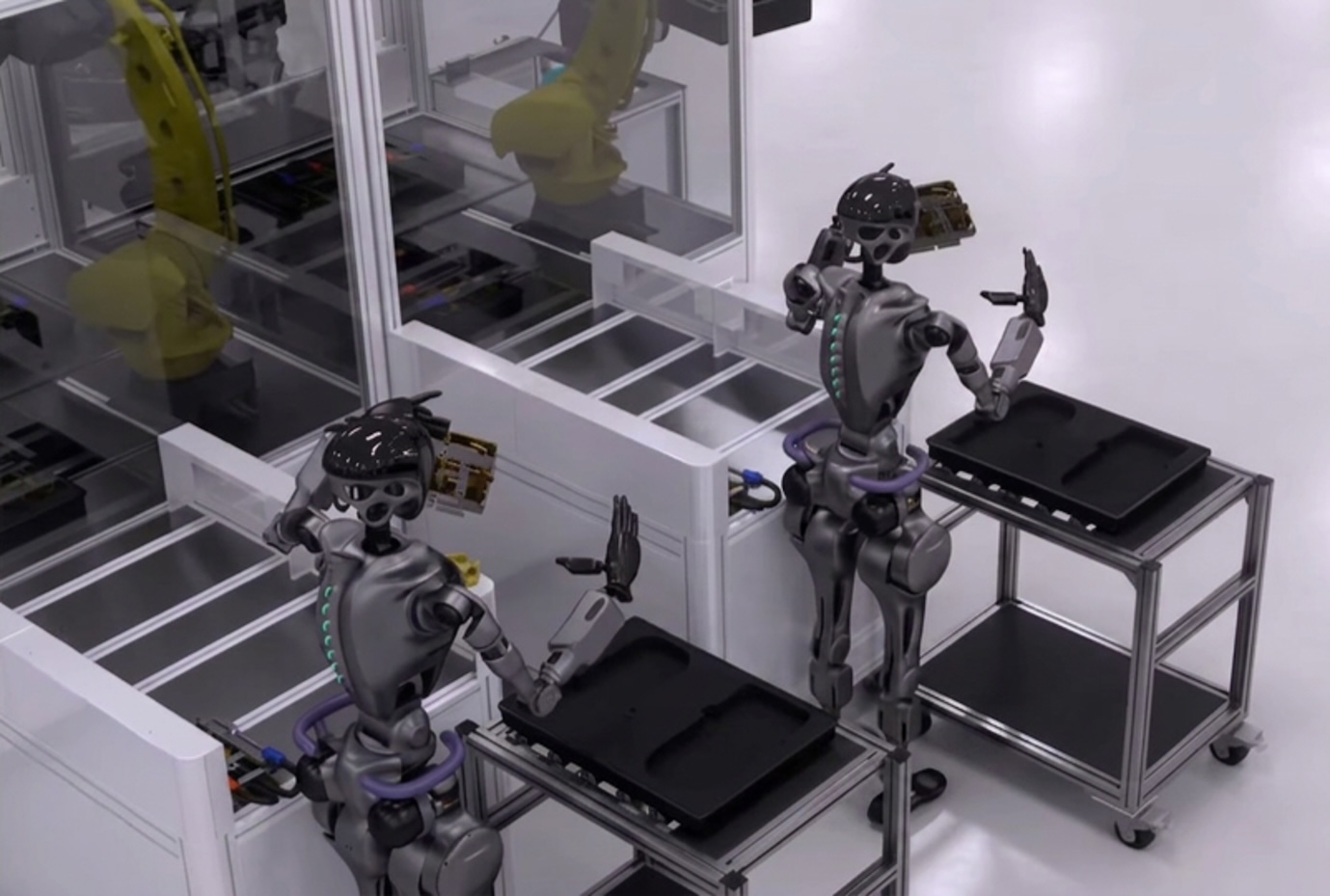
SpaceX Proposes 1 Million AI Satellites to Address Ground Data Center Constraints
On January 30, 2026, SpaceX filed with the FCC to launch up to 1 million AI compute satellites, positioning orbital data centers as a solution to the increasing demand for AI computing power. Ground data centers are facing significant challenges, with energy consumption projected to reach approximately 1,050 TWh in 2026, making them the fifth-largest electricity consumer globally. The demand for new data center capacity is outpacing the growth of power generation infrastructure, leading to a critical bottleneck in the grid system. The significance of this initiative lies in the structural constraints faced by ground data centers, including power delivery limitations, high water consumption, and local opposition to new projects. The Uptime Institute's 2026 outlook identifies power as the primary constraint on data center growth, with capacity clearing prices in the PJM grid skyrocketing to $329.17/MW, driven by data center expansion. Additionally, cooling requirements are becoming increasingly unsustainable, with facilities consuming vast amounts of water, further complicating their operational viability. Looking ahead, SpaceX's orbital AI compute initiative aims to circumvent these challenges by leveraging the advantages of space, such as continuous solar power and minimal local opposition. The first AI prototypes are expected to launch in early 2027, with operational deployments planned for 2028. No further timeline was disclosed at the time of publication.

SpaceX's Starmind Targets AI Labs with $6.3 Billion Compute Contracts
SpaceX's Starmind is designed to provide wholesale AI compute services to businesses, particularly AI labs and cloud customers, rather than individual consumers. The service operates similarly to AWS, where users benefit from applications running on Starmind without direct subscriptions. The compute capacity of a single AI1 satellite is comparable to one NVIDIA GB300 rack, emphasizing its enterprise-grade capabilities. The significance of Starmind lies in its positioning as a potential fourth hyperscaler, joining the ranks of AWS, Microsoft Azure, and Google Cloud. The Reflection AI contract, valued at $150 million per month, exemplifies the enterprise-focused model, with total payments potentially reaching $6.3 billion through 2029. This contract highlights the growing demand for AI compute resources, particularly from AI-native startups and labs. Looking ahead, the focus will remain on securing additional enterprise contracts as Starmind expands its offerings. No consumer-facing products or subscriptions have been announced, and the current strategy is to cater to businesses with substantial AI workloads. No further timeline was disclosed at the time of publication.

SpaceX Unveils AI1 Satellite Specs for Starmind Constellation with Key Thermal Challenges
SpaceX has introduced the AI1 satellite, the inaugural component of its Starmind constellation, which stands 20 meters tall and has a wingspan of 70 meters. This orbital compute node is designed to deliver computing power equivalent to one NVIDIA GB300 server rack, utilizing a unique cooling system with deployable liquid radiators. The satellite's specifications were revealed during a presentation on June 8, 2026, ahead of SpaceX's IPO. The significance of the AI1 satellite lies in its role as a compute platform rather than a traditional satellite, focusing on running AI inference workloads. The satellite's cooling system, which is critical for its operation in the vacuum of space, is designed to reject heat through infrared radiation. However, independent engineers have raised concerns about the feasibility of the thermal and mass claims made by SpaceX, suggesting that the cooling requirements may exceed practical limits. Looking ahead, SpaceX plans to launch two AI1 prototypes in early 2027, with full-scale production expected to commence later that year at its Gigasat facility in Bastrop, Texas. The ongoing debate regarding the satellite's thermal management capabilities will be crucial to monitor as the project progresses, with no further timeline disclosed at the time of publication.
SpaceX Launches Starmind Project for 1 Million AI Satellites by 2028
SpaceX has officially named its orbital AI infrastructure project 'Starmind,' which aims to deploy a constellation of up to 1 million satellites. This initiative, confirmed by Elon Musk on June 22, 2026, will enable AI inference directly in space, utilizing solar energy rather than terrestrial power sources. The first satellite, designated AI1, was unveiled on June 8, 2026, and is designed to operate in sun-synchronous orbits. The significance of Starmind lies in its potential to overcome the limitations faced by ground-based data centers, such as land, power, and water constraints. By running AI computations in orbit, Starmind can provide a more efficient solution to the growing demand for AI computing power. The project leverages the existing Starlink infrastructure for data transmission, distinguishing its function from Starlink's internet relay capabilities. Looking ahead, SpaceX plans to begin hardware deployment with the AI1 satellite, while full-scale production and deployment of the satellite constellation are targeted for 2028. As of now, no Starmind satellites have been launched, and further engineering challenges remain to be addressed, particularly regarding the scalability of the satellite design.

AI Tools Transform Code Review Processes for Engineers Amidst Growing AI-Generated Code
AI coding tools are rapidly generating extensive code, prompting companies to rethink their review processes. While AI can enhance productivity, it also introduces risks such as security vulnerabilities and errors that may not surface until after deployment. A survey by Sonar revealed that 42% of code added to shared codebases comes from AI, yet 96% of developers remain skeptical about its reliability. Investors are recognizing the potential in addressing these challenges, as evidenced by CodeRabbit's recent $143 million funding round. The startup claims to conduct over 2 million code reviews weekly for major clients like Nvidia and BMW Group. This shift in code review dynamics raises questions about the future of software engineering, particularly for entry-level engineers who may have less hands-on coding experience. As AI-generated code volume increases, companies like Synthesia and Amazon are employing specialized AI agents to streamline the review process. These agents help identify issues before human review, but the reliance on AI also raises concerns about the quality and trustworthiness of the generated code. No further timeline was disclosed at the time of publication.
Coding Artificial-intelligence Vibe-coding Software-engineers
Seattle Times and Newsday File Lawsuit Against OpenAI and Microsoft Over AI Training Practices
The Seattle Times and Newsday have initiated legal action against OpenAI and Microsoft, claiming the companies utilized their journalism without authorization to train AI models. The lawsuit highlights concerns that generative AI could disrupt the news industry by consuming original content and producing derivative works for commercial gain. This legal challenge is part of a broader trend of copyright litigation against OpenAI and Microsoft, which began in 2023 with a similar lawsuit from The New York Times. The Seattle Times' involvement is particularly significant as Microsoft and OpenAI have previously funded some of its journalism initiatives, raising questions about the implications of such partnerships in light of the lawsuit. As the case unfolds, it will be important to monitor how it impacts the relationship between AI companies and news organizations, as well as the potential for further legal actions from other publications. No further timeline was disclosed at the time of publication.
AI AI Funding & Investment AI Policy & Regulation Insights AI training business
NVIDIA Enhances Local AI Capabilities at IFA 2026 with New Tools and PCs
At IFA 2026, NVIDIA announced advancements in local AI, collaborating with Microsoft and partners to streamline the setup of AI agents on NVIDIA hardware. New compact NVIDIA RTX Spark Windows PCs will be available in October, enabling developers and creators to run AI agents locally and securely. The initiative aims to reduce the complexity of deploying local AI models, which previously required significant effort in configuration. With the introduction of simplified local model setups on RTX and DGX systems, users can now easily configure popular agent applications, enhancing the accessibility of local AI. Looking ahead, NVIDIA's collaboration with projects like Perplexity and OpenClaw indicates a growing trend towards local AI solutions. Users can expect more streamlined experiences and support for various operating systems, further promoting the use of local agents in diverse applications. No further timeline was disclosed at the time of publication.

NVIDIA and Microsoft Lead Formation of Open Secure AI Alliance for Cybersecurity Tools
On July 27, NVIDIA announced the establishment of the Open Secure AI Alliance, collaborating with over 30 companies including Microsoft and SpaceXAI. This initiative aims to enhance safety and cybersecurity tools focused on open AI models, building on the Linux Foundation's Akrites initiative and the OpenSSF community's efforts. The formation of this alliance is significant as it responds to recent cybersecurity incidents, particularly one involving Hugging Face, which highlighted the need for open and advanced agent systems for self-defense in cybersecurity. The alliance seeks to develop an open defense stack for AI agents, with contributions from various founding partners including IBM, Red Hat, and Cisco. Looking ahead, the alliance plans to create tools and frameworks that position open-weight AI as a defensive asset rather than a risk factor. NVIDIA has urged policymakers to recognize the importance of open models in enhancing cybersecurity capabilities. No further timeline was disclosed at the time of publication.
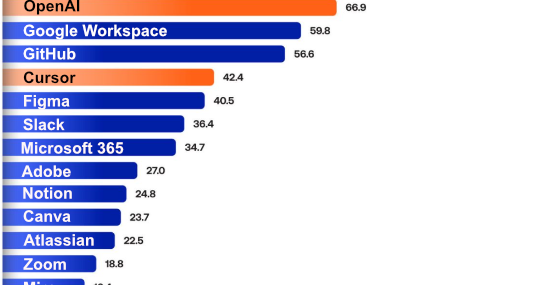
Anthropic Leads Growth Rate in AI Tools, Microsoft 365 Tops Account Numbers According to Okta Survey
Okta, a U.S.-based identity management service provider, released findings based on anonymized access data from over 20,000 companies regarding the usage of AI tools in enterprises. The survey revealed that Anthropic achieved the highest growth rate among AI tools from June 2022 to June 2026, with a growth score of 100, while OpenAI and Google Workspace followed with scores of 66.9 and 59.8, respectively. The significance of this growth is underscored by the fact that over half (approximately 57%) of companies are utilizing two or more AI platforms simultaneously, indicating a trend towards a tailored approach in selecting optimal AI tools for various applications. This shift highlights the increasing reliance on AI technologies in enterprise settings. Looking ahead, it is noted that from January 2026, Anthropic's enterprise account numbers are expected to grow rapidly, while the growth rates for OpenAI and Cursor may stabilize. No further timeline was disclosed at the time of publication.

Patreon Enhances Measures to Block AI Bots Scraping Creator Content
Patreon, the membership platform for creators, is intensifying its efforts to prevent AI bots from scraping its content for training purposes. The company announced its collaboration with Cloudflare to block access to AI bots that attempt to use creators' work without permission. This move comes as AI scraping has evolved, prompting Patreon to strengthen its defenses since implementing initial measures in 2023. The significance of this action lies in the growing concern among online publishers and content creators regarding the unauthorized use of their work by AI models. With the introduction of new features like the redesigned Home Feed and Quips, more content could potentially be exposed to crawlers. Cloudflare's tools, including the Pay Per Crawl marketplace, enable website publishers to restrict AI bots, reflecting a broader industry trend towards protecting creator rights. Looking ahead, Patreon is committed to refining its AI policies and enforcement tools using Cloudflare's AI Crawl Control technology. The company aims to ensure that creators have a say in how their work is utilized by AI companies, contrasting with the prevailing norm where creators often have little control over AI training on their content. No further timeline was disclosed at the time of publication.
AI cloudflare Patreon
NVIDIA and Hugging Face Enhance LeRobot with New AI Models and Frameworks
NVIDIA has expanded its collaboration with Hugging Face to enhance the LeRobot open-source robotics platform with new AI models and frameworks. This integration includes the NVIDIA Isaac GR00T 1.7 vision-language-action model and the Isaac Teleop framework, aimed at streamlining robot development. The partnership seeks to make advanced robotics tools more accessible to developers and researchers, with plans to incorporate NVIDIA Cosmos 3 in the future. This collaboration is significant as it addresses the fragmented nature of robotics development by providing standardized workflows for data collection, model training, and robot deployment. The introduction of the Isaac Teleop framework allows for high-quality training data collection through human demonstrations, which can be shared within the LeRobot ecosystem. By lowering barriers to entry, NVIDIA and Hugging Face aim to foster broader collaboration in the robotics community. Looking ahead, NVIDIA plans to integrate the Cosmos 3 model into LeRobot, which will generate synthetic robotics data and assist in policy development. The collaboration builds on existing resources, including a dataset with over 350,000 robot trajectories and 57 million grasp examples. No further timeline was disclosed at the time of publication.
AI and Robotics
SpaceX IPO Provides Indirect Investment Opportunity in Starmind Project
Starmind does not have a standalone stock or ticker; investors can gain exposure through SpaceX (ticker: SPCX), which began trading on Nasdaq after its IPO on June 12, 2026. Starmind is integrated within SpaceX, contributing to the company's AI and space initiatives, and its performance directly influences SPCX shares. The significance of Starmind lies in its role as a division of SpaceX, which encompasses other projects like Starlink and Starship. As of early July 2026, SPCX shares are trading between $149 and $150, significantly lower than their 52-week high of $225.64. The project’s milestones, such as AI1 prototype updates, can impact SpaceX's stock performance, making it essential for investors to monitor these developments closely. Looking ahead, the early 2027 launch of AI1 prototype satellites is a critical milestone that could provide verifiable data affecting Starmind's valuation and, consequently, SPCX stock. No further timeline was disclosed at the time of publication, but the upcoming events will be pivotal for investors tracking the relationship between Starmind and SpaceX's stock performance.

SpaceX's $1.75 Trillion Valuation Driven by Starmind's Future Potential
Starmind is a pivotal element in SpaceX's estimated $1.75 trillion IPO valuation, despite currently generating no confirmed revenue. The stock price reflects optimistic projections regarding AI infrastructure growth, which Starmind has yet to substantiate. As of early July 2026, SpaceX's stock has decreased from its 52-week high of $225.64 to around $150, indicating market skepticism about future execution. The significance of Starmind lies in its potential to transform SpaceX's revenue model beyond traditional launch services. Goldman Sachs has shifted its focus from Starlink subscriber growth to the prospects of AI revenue, including orbital computing, as a cornerstone of SpaceX's long-term valuation. This marks a substantial change in how analysts view the company's growth trajectory, necessitating rates exceeding its historical 33% growth. Looking ahead, the credibility of Starmind as a growth narrative will be crucial for maintaining investor confidence. Analysts have noted a considerable divergence in price targets, reflecting uncertainty about the value of the Starmind and xAI initiatives. No further timeline was disclosed at the time of publication regarding specific milestones for these projects.
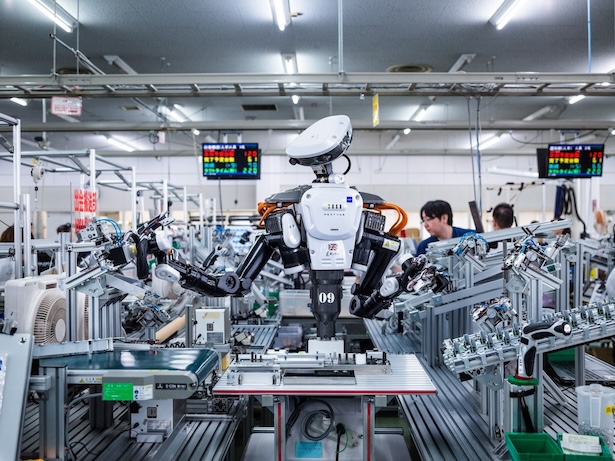
SpaceX's Starship V3 Plans for 1 Million Starmind Satellites by 2030
SpaceX's Starship V3 is set to revolutionize satellite deployment, aiming to launch 1 million Starmind satellites by 2030. The spacecraft can carry over 100 tonnes to low Earth orbit (LEO), significantly more than the Falcon 9's capacity. As of May 2026, Starship has completed 12 flights, with the next mission scheduled for late July 2026, focusing on operational payloads including AI1 prototypes in early 2027. This ambitious plan is crucial for expanding orbital compute capacity, targeting an annual addition of 100 GW through a million tonnes of satellite hardware. SpaceX's strategy hinges on achieving a launch cadence of approximately 12,000 flights, equating to about three launches per day. The company has invested over $15 billion in the Starship program, with expectations to begin payload deliveries in the second half of 2026, starting with Starlink V3 satellites. Looking ahead, the successful deployment of the Starmind constellation will depend on Starship's ability to meet its cost targets of $10–20 million per flight. If achieved, this would make launching satellites more economical than building ground data centers. The next significant milestone will be the launch of AI1 prototypes in early 2027, with full-scale deployments commencing in 2028 from the new Gigasat factory in Texas.

SpaceX's Starmind Project: Supplier Strategy and Chip Manufacturing Plans for 2026
SpaceX's Starmind project, aimed at deploying up to 1 million AI satellites, was filed with the FCC on January 30, 2026. The initiative is designed to minimize reliance on external suppliers, with CEO Elon Musk stating that current chip production capabilities only meet 2% of the projected needs. The first satellite, AI1, is set for prototype launches in early 2027, featuring a 70-meter wingspan and a modular payload system that allows for interchangeable chips from various suppliers. The significance of Starmind lies in its ambitious supply chain strategy, which seeks to transition from external hardware suppliers to a fully integrated Musk-owned facility by 2028. The Gigasat manufacturing site in Bastrop, Texas, is expected to be operational by the end of 2027, with plans for high-volume production of the D3 chip, specifically designed for space applications. This approach aims to consolidate chip manufacturing processes under the Terafab joint venture, which has an estimated initial investment of $55 billion. Looking ahead, the next milestone for Starmind is the launch of AI1 prototypes in early 2027, while the full-scale chip production at Terafab is projected to ramp up significantly thereafter. However, analysts express skepticism regarding the feasibility of achieving Musk's ambitious compute goals, which may require substantial investment and time to establish the necessary manufacturing capabilities.

Starmind's Satellite Technology Achieves 880 Billion Liters in Annual Water Savings
Starmind has announced that its satellite technology can save approximately 880 billion liters of cooling water annually at full scale. This figure is equivalent to the annual household water use of around 6.5 million Americans. The technology operates by utilizing a closed-loop liquid cooling system that eliminates the need for water during its operational life, contrasting sharply with traditional ground data centers that consume vast amounts of water for cooling. The significance of this achievement lies in the growing water consumption crisis faced by data centers, particularly as AI expansion drives demand. In 2025, U.S. data centers consumed nearly one trillion liters of water, highlighting the urgent need for sustainable solutions. Starmind's approach not only addresses direct water usage but also avoids indirect water consumption associated with electricity generation, marking a substantial shift in how computing can be conducted in a resource-efficient manner. Looking ahead, Starmind's deployment strategy includes a projected buildout of 100 GW of orbital compute per year, which could displace an additional 735 billion liters of ground water demand annually. The first tranche of 10,000 satellites is already operational, offsetting approximately 8.8 billion liters of water per year. No further timeline was disclosed at the time of publication.

Starmind's Orbital Compute vs. Terrestrial Data Centers: Analyzing Resource Advantages
Starmind's orbital compute technology presents a significant advantage over traditional ground-based data centers by eliminating constraints related to land, water, and grid permitting. While terrestrial data centers are currently cheaper and faster to construct, with U.S. data center spending reaching $85.3 billion in 2026, Starmind's approach focuses on addressing the growing resource limitations faced by hyperscale facilities. The significance of Starmind's technology lies in its ability to sidestep the increasing challenges of land and water usage. For instance, a 100 MW data center can consume approximately 530,000 gallons of water daily for cooling, while Starmind's AI1 utilizes deployable liquid radiators that require no water. This structural advantage could resonate with investors as the demand for AI computing continues to escalate, potentially leading to annual water withdrawals of up to 1.7 trillion gallons by 2027. Looking ahead, Starmind's next milestones include the launch of AI1 prototypes scheduled for early 2027. However, the technology's claims regarding cooling efficiency and operational reliability remain unverified until real flight data is available. As the industry evolves, the competition between orbital and terrestrial solutions will become increasingly relevant, particularly in the context of resource management and sustainability.
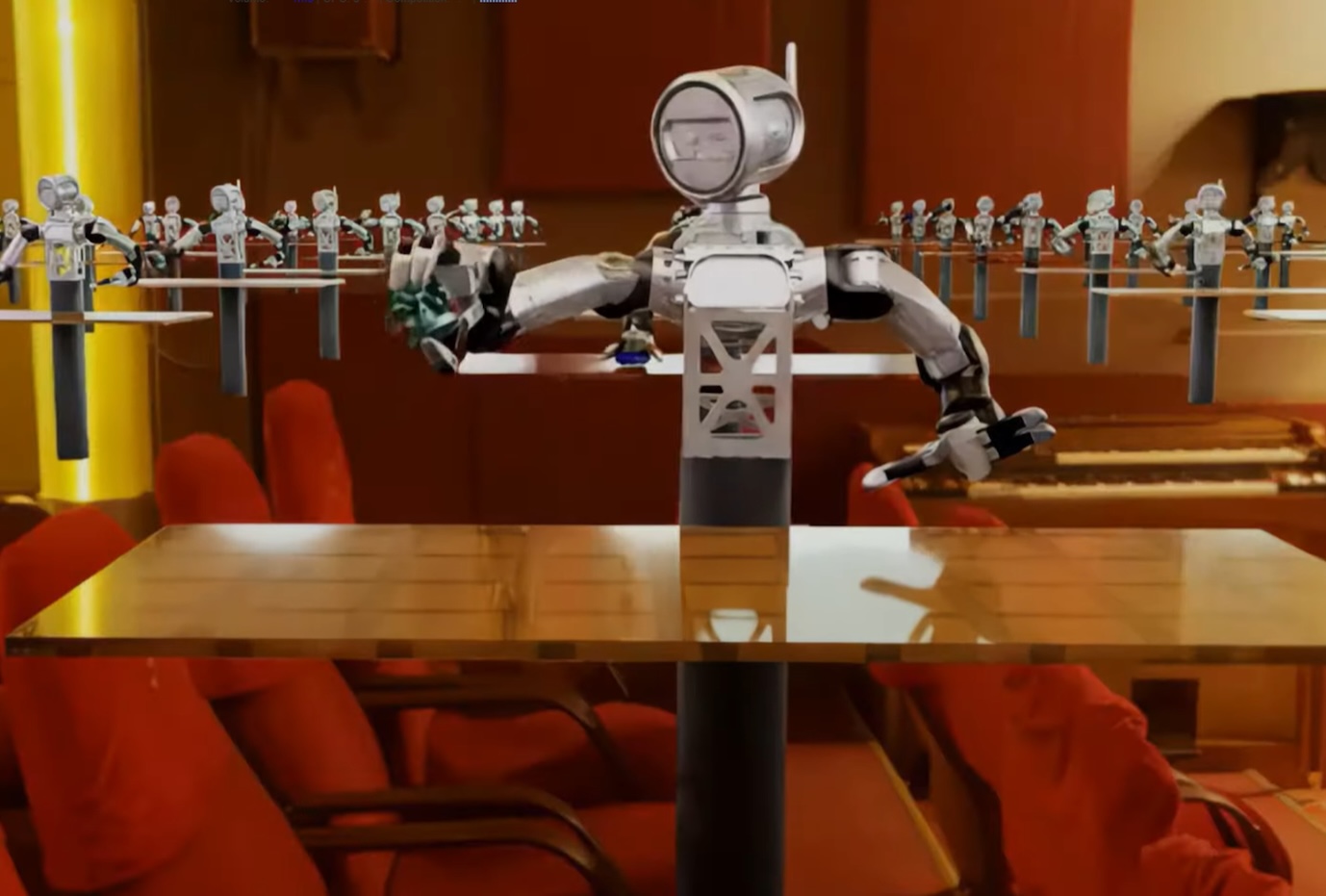
SpaceX's Starmind Faces Feasibility Challenges for 1 Million Satellite Deployment
On January 30, 2026, SpaceX submitted a request to the FCC to launch up to 1 million satellites as part of its Starmind orbital compute constellation. This ambitious plan is unprecedented, as the total number of satellites ever launched globally is in the low tens of thousands. The proposal seeks a waiver from standard deployment milestones, citing reliance on the Starship's full reusability for success. The significance of this request lies in the technical and logistical challenges it presents. Experts warn that low Earth orbit may not support the proposed number of active satellites without risking a debris cascade. SpaceX's own IPO prospectus acknowledges unresolved dependencies related to Starship's launch cadence and reusability, which are critical for the orbital AI compute strategy. Looking ahead, the timeline for achieving the necessary launch cadence and manufacturing capacity remains uncertain. SpaceX's Gigasat facility in Texas aims for volume production by late 2027, but this would require unprecedented output levels. No further timeline was disclosed at the time of publication, leaving the feasibility of the Starmind project in question.
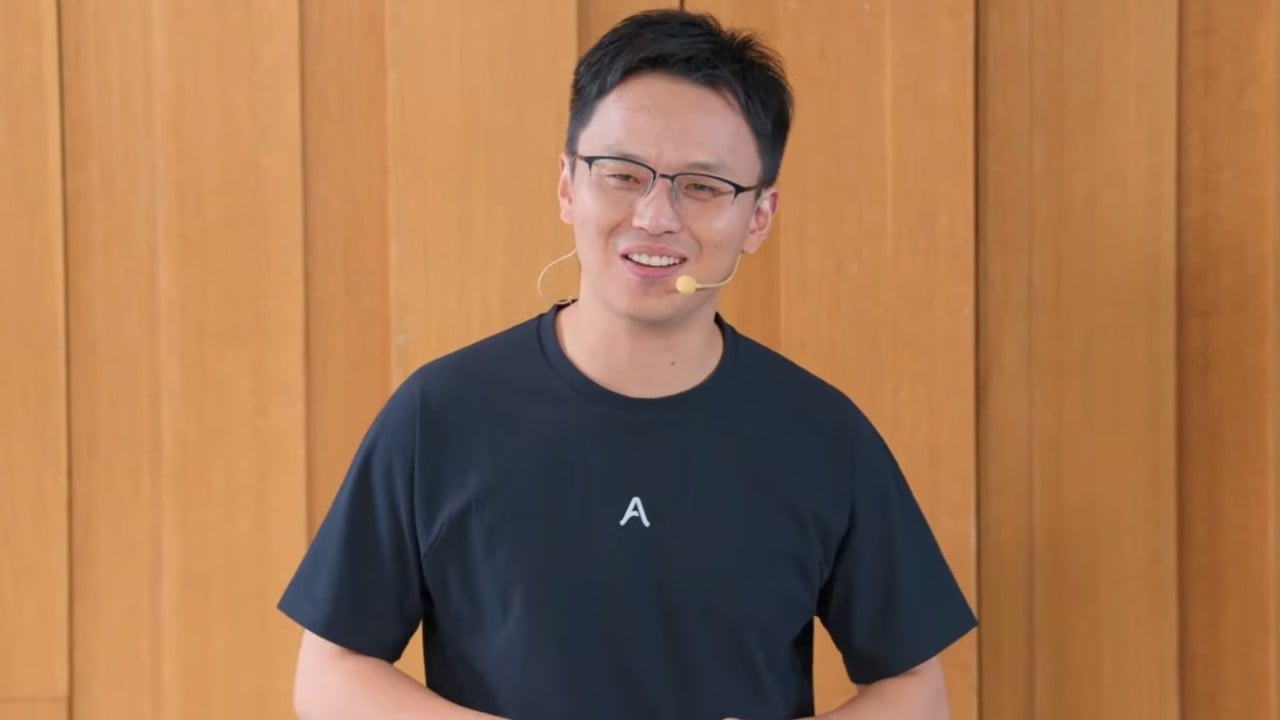
51World Unveils New Data Collection Tools to Enhance Embodied AI for Robots
51World, a Beijing-based technology company, has introduced a new suite of data-collection devices aimed at overcoming the critical shortage of high-quality training data for embodied AI systems. CEO Li Yi emphasized that the lack of precise data is a significant barrier to developing stable and capable humanoid robots. The newly launched AperEgo headset features a multi-camera system and synchronized sensors to capture a comprehensive view of the environment, while additional devices for the wrist and fingers enhance data collection on hand movements. This integrated hardware and software approach is expected to improve data accuracy and efficiency significantly. Looking forward, 51World aims to enhance the efficiency of embodied AI in data collection and training. The Chinese humanoid robot market is projected to reach 15 billion yuan (approximately US$2.2 billion) by 2026, with significant growth anticipated in 2027 as production and applications expand. No further timeline was disclosed at the time of publication.

Carnegie Mellon University to Develop AI Tools for Connected Autonomous Laboratories
Researchers at Carnegie Mellon University are set to create AI-driven tools that will facilitate collaboration among autonomous laboratories, forming a unified research ecosystem. This initiative has been chosen for funding by the U.S. Department of Energy under the Genesis Mission. The development of these AI-based tools is significant as it aims to enhance scientific advancement by enabling seamless interaction and data sharing between autonomous labs. This connected approach is expected to accelerate research processes and foster innovation in various scientific fields. Looking ahead, stakeholders will be keen to observe the progress of this project and its impact on the efficiency of research collaboration. No further timeline was disclosed at the time of publication.
Announcements Research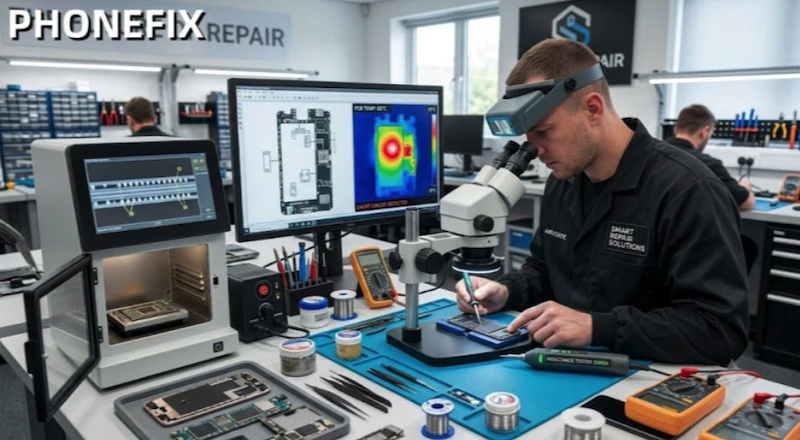
The Ultimate Bench Blueprint: Essential Phone Repair Tools for Beginners 2026
In 2026, the smartphone hardware landscape has undergone a significant transformation, making repairs far more complex than in previous years. Major manufacturers such as Apple, Samsung, and Google have developed flagship devices that resemble intricate puzzles, requiring advanced technical skills to disassemble. Unlike earlier models that allowed for simple component swaps using basic tools, today's smartphones are secured with specialized, microscopic screws and feature multi-layered logic boards, along with robust waterproof gaskets. This evolution in design reflects a growing emphasis on security and durability, posing challenges for consumers and repair technicians alike. As a result, the process of fixing a smartphone has shifted from straightforward DIY repairs to a more complicated endeavor, often necessitating professional assistance.
Engineering Industry automation news consumer electronics diagnostic tools DIYFIXTOOL
Microsoft’s open source tools were hacked to steal passwords of AI developers
Microsoft has taken the precautionary measure of shutting down multiple GitHub code repositories associated with its Azure and AI coding tools following a reported security breach. The decision, made in response to the hack, aims to protect sensitive information and maintain the integrity of its development platforms. The shutdown occurred recently, although the exact date has not been disclosed. This action underscores the company's commitment to cybersecurity and the importance of safeguarding its technological assets. Microsoft is currently investigating the incident to assess the extent of the breach and to implement further security measures to prevent future attacks.
Security Claude cybersecurity data breach gemini GitHub
5 Best Audio to Video AI Generators for Modern Content Workflows
The audio to video AI generator sector has become an essential component of contemporary content production, facilitating the conversion of spoken audio, voiceovers, and scripts into cohesive visual narratives. This innovative technology streamlines the content creation process by automating scene generation, timing alignment, and visual selection, thereby eliminating the need for traditional editing methods. As a result, users can produce high-quality content at scale, significantly enhancing efficiency and creativity in various media projects. The advancements in this field reflect the growing demand for automated solutions in content creation, driven by the need for faster turnaround times and increased output in an ever-evolving digital landscape.
Business Design Software ai avatars AI content tools AI storytelling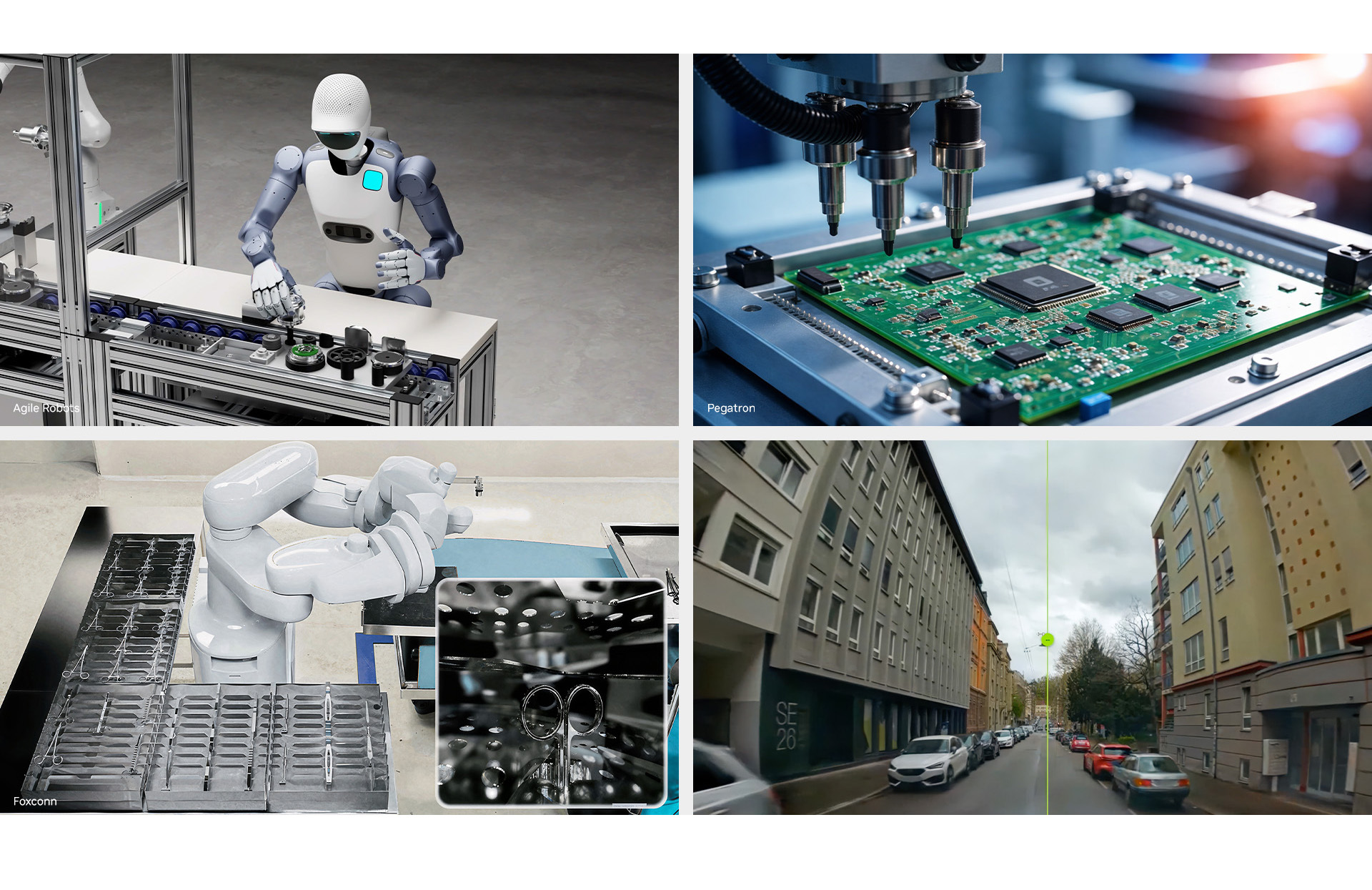
NVIDIA releases new and updated tools for physical AI developers
NVIDIA has unveiled a suite of open-source tools and skills designed for developers working with physical AI agents, alongside the introduction of the Isaac GR00T humanoid reference robot. This announcement, aimed at enhancing the capabilities of AI in real-world applications, reflects NVIDIA's commitment to advancing robotics and AI technology. The release is part of the company's ongoing efforts to foster innovation within the AI community, providing developers with the resources necessary to create more sophisticated and capable physical AI systems. The tools and the humanoid robot were made available recently, signaling a significant step forward in the integration of AI into practical robotics.
Artificial Intelligence Artificial Intelligence / Cognition Automotive Autonomous Mobile Robots (AMRs) Development Tools / SDKs / Libraries Healthcare Robotics
NVIDIA Releases Major Collection of Open Source Agent Tools and Skills for Physical AI
NVIDIA has unveiled a significant suite of open-source physical AI skills and tools aimed at empowering developers to transform intricate robotics, autonomous vehicle (AV), vision AI, and industrial digital twin workflows into tasks that can be executed by agents. This announcement was made today and is part of NVIDIA's ongoing commitment to enhance the capabilities of AI in various sectors. By streamlining these complex processes, the company seeks to facilitate innovation and efficiency in the development of advanced technologies. The initiative is expected to drive progress in fields that rely heavily on automation and intelligent systems, thereby contributing to the broader adoption of AI solutions across industries.
Anthropic has acquired the dev tools startup used by OpenAI, Google, and Cloudflare
Stainless, a startup based in New York and established in 2022, has gained recognition in the burgeoning artificial intelligence sector for its innovative approach to automating the creation and maintenance of software development kits (SDKs). These SDKs serve as essential libraries that enable developers to effectively interact with application programming interfaces (APIs). By streamlining this process, Stainless aims to enhance efficiency and reduce the complexity involved in software development, positioning itself as a key player in the tech landscape.
AI Anthropic Stainless
NVIDIA Launches Earth-2 Family of Open Models — the World’s First Fully Open, Accelerated Set of Models and Tools for AI Weather
At the American Meteorological Society’s Annual Meeting, NVIDIA introduced its groundbreaking Earth-2 family, a suite of open models, libraries, and frameworks designed for weather and climate artificial intelligence. This initiative marks a significant advancement in the field, as it presents the world’s first fully open, production-ready weather AI solutions. The unveiling took place during the annual event, which gathers experts and stakeholders in meteorology to discuss advancements and innovations. NVIDIA aims to enhance the accuracy and accessibility of weather forecasting and climate modeling through this initiative, responding to the growing demand for reliable climate data amid increasing environmental challenges. By providing these resources openly, NVIDIA seeks to foster collaboration and innovation within the scientific community, enabling researchers and developers to build upon their work and improve predictive capabilities in weather and climate science.
NVIDIA Announces Alpamayo Family of Open-Source AI Models and Tools to Accelerate Safe, Reasoning-Based Autonomous Vehicle Development
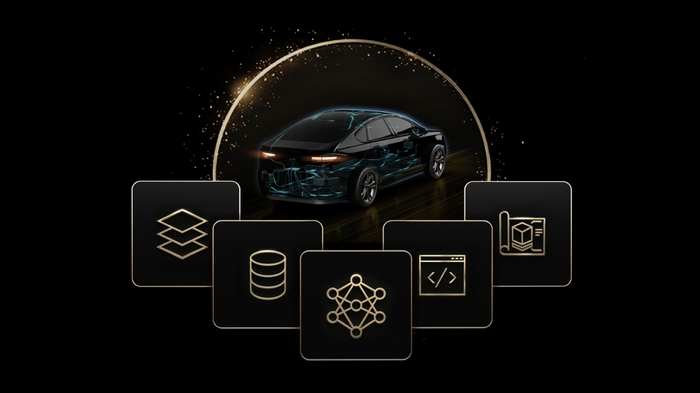
NVIDIA has announced the launch of the Alpamayo family of open AI models, along with simulation tools and datasets aimed at enhancing the development of safe, reasoning-based autonomous vehicles. This unveiling took place today, marking a significant step forward in the company’s efforts to advance technology in the autonomous vehicle sector. The initiative is driven by the need for improved safety and reasoning capabilities in AVs, addressing growing concerns about the reliability of autonomous systems. By providing these resources, NVIDIA aims to foster innovation and collaboration within the industry, enabling developers to create more sophisticated and dependable autonomous driving solutions.
NVIDIA Unveils New Open Models, Data and Tools to Advance AI Across Every Industry
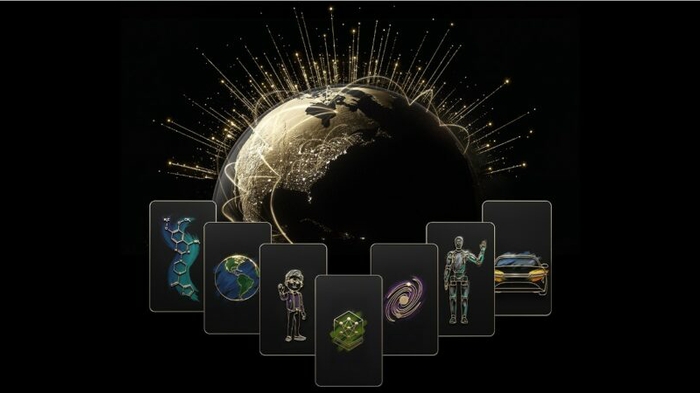
NVIDIA has announced the launch of new open models, data, and tools aimed at enhancing artificial intelligence across various industries. This release, which includes offerings from the NVIDIA Nemotron family designed for agentic AI and the NVIDIA Cosmos platform focused on physical AI, marks a significant expansion of the company's open model universe. The initiative is part of NVIDIA's ongoing commitment to democratize AI technology, making it more accessible for developers and businesses. By providing these resources, NVIDIA aims to foster innovation and collaboration within the AI community, enabling advancements that can be applied in diverse sectors. The announcement was made today, reflecting NVIDIA's strategic efforts to lead in the rapidly evolving AI landscape.
AI is driving new content strategies and powering localization, but cultural understanding still depends on humans
The Intelligent Futures: AI’s Global Ecosystems event took place in Hangzhou on Thursday, organized by TechNode in collaboration with TECOM and Founders Breakfast. The second panel of the event focused on the role of artificial intelligence and content design in enhancing success within cross-border e-commerce. Three speakers from leading multinational technology companies shared insights on emerging trends in global digital content strategies, highlighting how businesses are evolving to meet the demands of an increasingly interconnected market. The discussions aimed to explore innovative approaches that leverage AI to optimize content delivery and engagement in the competitive landscape of international trade.
Events Content and entertainment E-commerce and New Retail Highlight News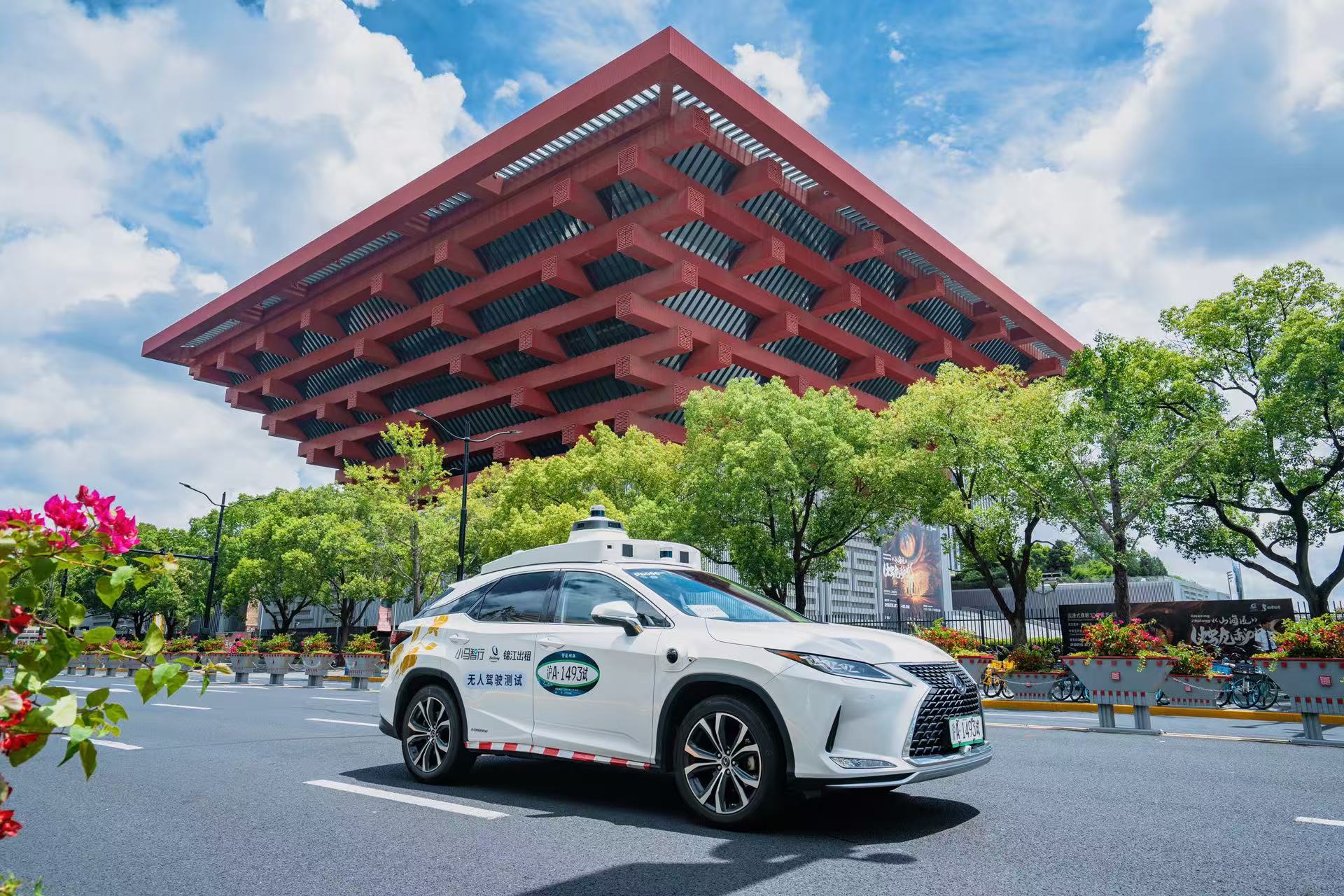
Chinese companies rush to get in on the robotaxi craze, bet on gen AI tools
Horizon Robotics and Deeproute are collaborating to advance the development of autonomous driving technologies, leveraging emerging artificial intelligence innovations. The partnership aims to facilitate a gradual transition from current assisted driving systems to fully autonomous vehicles. This initiative reflects the companies' commitment to enhancing road safety and improving transportation efficiency. By harnessing AI capabilities, they plan to refine their technologies and methodologies, ultimately paving the way for a future where self-driving cars are a common reality. The collaboration is part of a broader trend in the automotive industry, where companies are increasingly investing in AI to revolutionize driving experiences.
News On the Cusp Highlight Mobility Tesla Unmanned vehiclesRobotics needs a service framework.
RSF defines a common language for robot service capability, lifecycle operations, certification pathways, and service-provider networks.
Join the RobotToday community on LinkedIn
Daily robotics news, in-depth analysis, conference highlights, and discussions with professionals worldwide.