Industry Briefing
A single destination for timely, editor-curated robotics news from around the world.
AI² Robotics Secures $735 Million Funding for Wheeled Humanoid Robots Development
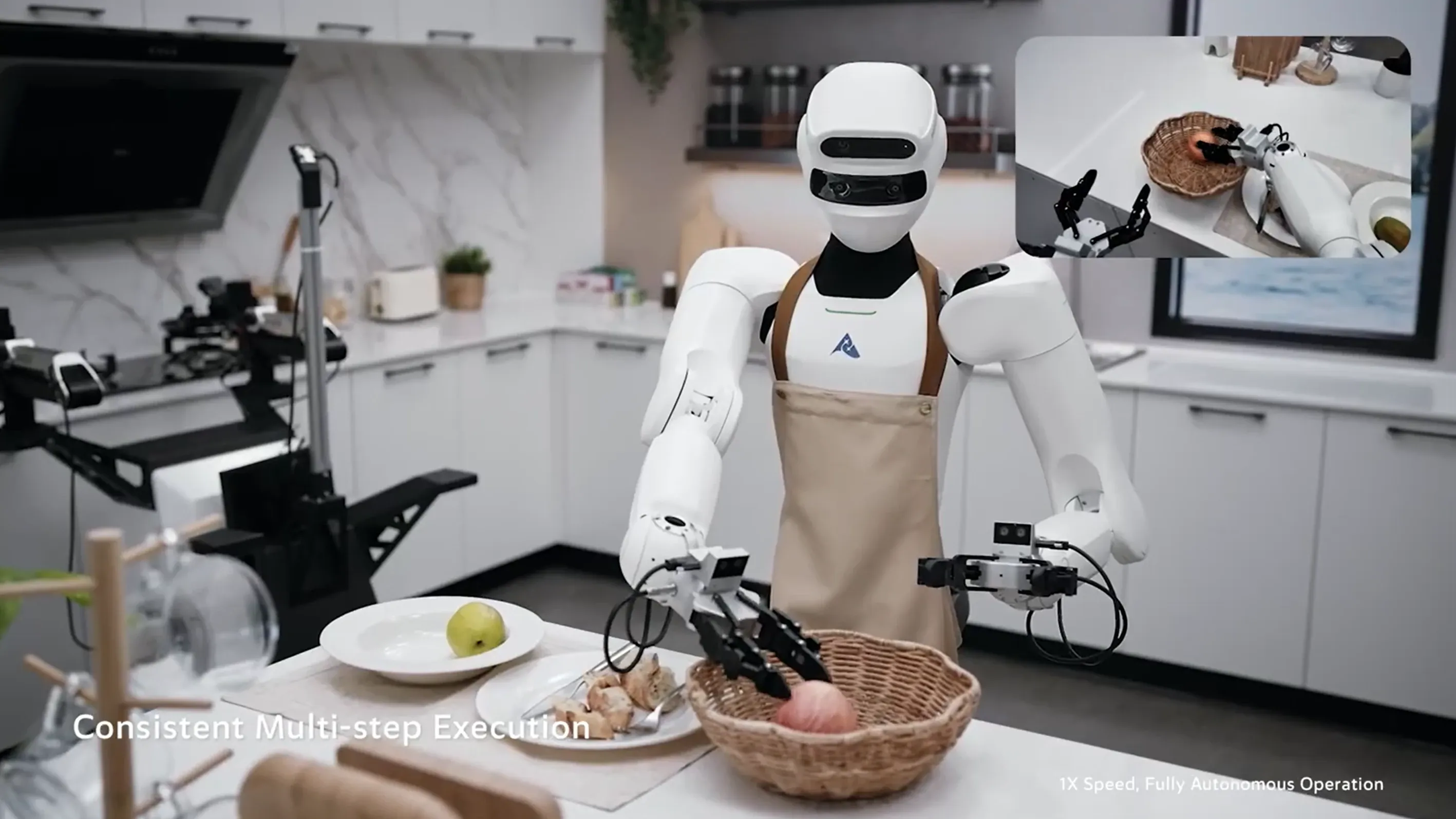
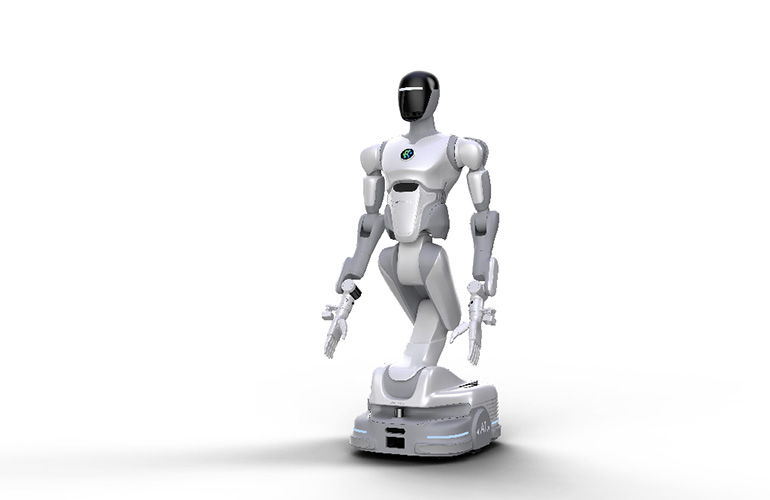
AI² Robotics has successfully raised approximately $735 million in a recent funding round, elevating its valuation to around $2.8 billion. The Shenzhen-based company specializes in wheeled humanoid robots, which feature a humanoid torso and five-fingered hands, offering a unique alternative to traditional bipedal systems. This funding round attracted a diverse group of investors, including government-backed entities and major corporations, highlighting the growing importance of physical AI technology in China. The strategic choice to develop wheeled robots instead of bipedal models allows AI² Robotics to focus on mechanical simplicity and durability, making their robots more cost-effective and easier to deploy in public spaces. With over 34 degrees of freedom and a custom lifting mechanism, the robots are designed for various industrial applications, including logistics, manufacturing, and retail. The company’s proprietary Alpha Brain software enhances the robots' capabilities in real-time spatial reasoning and task planning, positioning them as practical solutions in structured environments. Looking ahead, AI² Robotics aims to further penetrate industrial markets while steering clear of the consumer robotics hype. The company is actively deploying its AlphaBot 2 in practical settings, emphasizing its utility in sectors such as biotech and public service. No further timeline was disclosed at the time of publication regarding future funding or product releases.
Artificial Intelligence / Cognition China Financial Humanoids Investments News
SpaceX's Starmind Targets AI Labs with $6.3 Billion Compute Contracts
SpaceX's Starmind is designed to provide wholesale AI compute services to businesses, particularly AI labs and cloud customers, rather than individual consumers. The service operates similarly to AWS, where users benefit from applications running on Starmind without direct subscriptions. The compute capacity of a single AI1 satellite is comparable to one NVIDIA GB300 rack, emphasizing its enterprise-grade capabilities. The significance of Starmind lies in its positioning as a potential fourth hyperscaler, joining the ranks of AWS, Microsoft Azure, and Google Cloud. The Reflection AI contract, valued at $150 million per month, exemplifies the enterprise-focused model, with total payments potentially reaching $6.3 billion through 2029. This contract highlights the growing demand for AI compute resources, particularly from AI-native startups and labs. Looking ahead, the focus will remain on securing additional enterprise contracts as Starmind expands its offerings. No consumer-facing products or subscriptions have been announced, and the current strategy is to cater to businesses with substantial AI workloads. No further timeline was disclosed at the time of publication.

SpaceX's $1.75 Trillion Valuation Driven by Starmind's Future Potential
Starmind is a pivotal element in SpaceX's estimated $1.75 trillion IPO valuation, despite currently generating no confirmed revenue. The stock price reflects optimistic projections regarding AI infrastructure growth, which Starmind has yet to substantiate. As of early July 2026, SpaceX's stock has decreased from its 52-week high of $225.64 to around $150, indicating market skepticism about future execution. The significance of Starmind lies in its potential to transform SpaceX's revenue model beyond traditional launch services. Goldman Sachs has shifted its focus from Starlink subscriber growth to the prospects of AI revenue, including orbital computing, as a cornerstone of SpaceX's long-term valuation. This marks a substantial change in how analysts view the company's growth trajectory, necessitating rates exceeding its historical 33% growth. Looking ahead, the credibility of Starmind as a growth narrative will be crucial for maintaining investor confidence. Analysts have noted a considerable divergence in price targets, reflecting uncertainty about the value of the Starmind and xAI initiatives. No further timeline was disclosed at the time of publication regarding specific milestones for these projects.

SpaceX's Starmind Plans 1 Million AI Satellites Amid Collision Risks
SpaceX has announced its ambitious Starmind project, which aims to deploy 1 million AI satellites in orbits between 500 and 2,000 km. This initiative, confirmed by Elon Musk on June 23, 2026, follows a merger with xAI, valuing the combined entity at $1.25 trillion. The satellites will function as orbital data centers, processing AI workloads powered by solar arrays and linked by optical lasers. The significance of Starmind lies in its potential to add 100 gigawatts of AI compute capacity annually, contingent on the successful operation of the Starship launch system. However, the project raises concerns regarding space debris, as the current orbital environment is already congested, with a 20% increase in collision risk reported since 2024. The European Space Agency has highlighted that the density of debris in low Earth orbit is now comparable to that of active satellites, complicating the operational landscape for new entrants like Starmind. Looking ahead, the first operational orbital AI deployments are targeted for 2028, with test launches expected in early 2027. However, the project faces scrutiny regarding its impact on space debris, as even a 1% failure rate could significantly increase the number of uncontrollable objects in orbit, exacerbating existing risks. No further timeline was disclosed at the time of publication.

SpaceX's Starmind Project: Supplier Strategy and Chip Manufacturing Plans for 2026
SpaceX's Starmind project, aimed at deploying up to 1 million AI satellites, was filed with the FCC on January 30, 2026. The initiative is designed to minimize reliance on external suppliers, with CEO Elon Musk stating that current chip production capabilities only meet 2% of the projected needs. The first satellite, AI1, is set for prototype launches in early 2027, featuring a 70-meter wingspan and a modular payload system that allows for interchangeable chips from various suppliers. The significance of Starmind lies in its ambitious supply chain strategy, which seeks to transition from external hardware suppliers to a fully integrated Musk-owned facility by 2028. The Gigasat manufacturing site in Bastrop, Texas, is expected to be operational by the end of 2027, with plans for high-volume production of the D3 chip, specifically designed for space applications. This approach aims to consolidate chip manufacturing processes under the Terafab joint venture, which has an estimated initial investment of $55 billion. Looking ahead, the next milestone for Starmind is the launch of AI1 prototypes in early 2027, while the full-scale chip production at Terafab is projected to ramp up significantly thereafter. However, analysts express skepticism regarding the feasibility of achieving Musk's ambitious compute goals, which may require substantial investment and time to establish the necessary manufacturing capabilities.

SpaceX Unveils AI1 Satellite Specs for Starmind Constellation with Key Thermal Challenges
SpaceX has introduced the AI1 satellite, the inaugural component of its Starmind constellation, which stands 20 meters tall and has a wingspan of 70 meters. This orbital compute node is designed to deliver computing power equivalent to one NVIDIA GB300 server rack, utilizing a unique cooling system with deployable liquid radiators. The satellite's specifications were revealed during a presentation on June 8, 2026, ahead of SpaceX's IPO. The significance of the AI1 satellite lies in its role as a compute platform rather than a traditional satellite, focusing on running AI inference workloads. The satellite's cooling system, which is critical for its operation in the vacuum of space, is designed to reject heat through infrared radiation. However, independent engineers have raised concerns about the feasibility of the thermal and mass claims made by SpaceX, suggesting that the cooling requirements may exceed practical limits. Looking ahead, SpaceX plans to launch two AI1 prototypes in early 2027, with full-scale production expected to commence later that year at its Gigasat facility in Bastrop, Texas. The ongoing debate regarding the satellite's thermal management capabilities will be crucial to monitor as the project progresses, with no further timeline disclosed at the time of publication.

Powering the next era of AI in manufacturing: Why it’s time to upgrade to the NVIDIA RTX PRO 4500 Blackwell Workstation Edition
NVIDIA has unveiled its latest advancements in manufacturing technology, showcasing how artificial intelligence and digital twins can significantly accelerate innovation in the industry. This announcement was made during a recent event held in October 2023, where industry leaders gathered to explore cutting-edge solutions. The integration of AI and digital twin technology aims to enhance efficiency and streamline processes within manufacturing operations. By leveraging NVIDIA's Blackwell architecture, companies can expect improved data processing capabilities that facilitate real-time decision-making and predictive analytics. This transformation is poised to not only boost productivity but also drive competitive advantage in an increasingly fast-paced market.

Buffalo’s Natrion Rolls Out NDAA-Compliant Drone Battery Cells
Natrion, a battery materials company based in Buffalo, New York, has introduced a new line of NDAA-compliant pouch cells that offer up to 80% more energy density than conventional lithium-ion batteries. Announced on May 14, 2026, these defense-optimized battery cells are designed for use in uncrewed systems, including drones, surface and underwater vessels, ground vehicles, and humanoid robots. The launch aims to enhance the performance and efficiency of military and defense applications, addressing the growing demand for advanced energy solutions in various unmanned technologies.
battery technology Defense Drone News Drone News Feeds Military NDAA Compliant
SpaceX IPO Provides Indirect Investment Opportunity in Starmind Project
Starmind does not have a standalone stock or ticker; investors can gain exposure through SpaceX (ticker: SPCX), which began trading on Nasdaq after its IPO on June 12, 2026. Starmind is integrated within SpaceX, contributing to the company's AI and space initiatives, and its performance directly influences SPCX shares. The significance of Starmind lies in its role as a division of SpaceX, which encompasses other projects like Starlink and Starship. As of early July 2026, SPCX shares are trading between $149 and $150, significantly lower than their 52-week high of $225.64. The project’s milestones, such as AI1 prototype updates, can impact SpaceX's stock performance, making it essential for investors to monitor these developments closely. Looking ahead, the early 2027 launch of AI1 prototype satellites is a critical milestone that could provide verifiable data affecting Starmind's valuation and, consequently, SPCX stock. No further timeline was disclosed at the time of publication, but the upcoming events will be pivotal for investors tracking the relationship between Starmind and SpaceX's stock performance.

Tesla's Optimus Robots to Support Starmind Satellite Production, Not Maintenance
Tesla's Optimus robots will not be used to repair Starmind satellites in orbit, as confirmed by recent statements from Elon Musk. Instead, these robots are intended to assist in the construction and operation of the Terafab chip manufacturing facility in Texas. The AI1 satellites, designed to disintegrate upon reentry, highlight the company's swap-and-replace strategy rather than traditional maintenance practices. This approach is significant as it reflects a broader trend in satellite management, where mass-produced satellites are replaced rather than repaired. The economics of servicing missions are prohibitive, with the cost of launching a replacement satellite being significantly lower than conducting a repair mission. This model aligns with SpaceX's operational history, where rapid replacement of satellites is more efficient than attempting to maintain them in orbit. Looking ahead, the focus will remain on the production capabilities of the Gigasat factory, which is expected to support the continuous replacement of satellites. No further timeline was disclosed at the time of publication, but the demand for rapid satellite turnover suggests a robust future for Optimus robots in terrestrial manufacturing rather than in-space servicing.

Starmind's Satellite Technology Achieves 880 Billion Liters in Annual Water Savings
Starmind has announced that its satellite technology can save approximately 880 billion liters of cooling water annually at full scale. This figure is equivalent to the annual household water use of around 6.5 million Americans. The technology operates by utilizing a closed-loop liquid cooling system that eliminates the need for water during its operational life, contrasting sharply with traditional ground data centers that consume vast amounts of water for cooling. The significance of this achievement lies in the growing water consumption crisis faced by data centers, particularly as AI expansion drives demand. In 2025, U.S. data centers consumed nearly one trillion liters of water, highlighting the urgent need for sustainable solutions. Starmind's approach not only addresses direct water usage but also avoids indirect water consumption associated with electricity generation, marking a substantial shift in how computing can be conducted in a resource-efficient manner. Looking ahead, Starmind's deployment strategy includes a projected buildout of 100 GW of orbital compute per year, which could displace an additional 735 billion liters of ground water demand annually. The first tranche of 10,000 satellites is already operational, offsetting approximately 8.8 billion liters of water per year. No further timeline was disclosed at the time of publication.
SpaceX Proposes 1 Million AI Satellites to Address Ground Data Center Constraints
On January 30, 2026, SpaceX filed with the FCC to launch up to 1 million AI compute satellites, positioning orbital data centers as a solution to the increasing demand for AI computing power. Ground data centers are facing significant challenges, with energy consumption projected to reach approximately 1,050 TWh in 2026, making them the fifth-largest electricity consumer globally. The demand for new data center capacity is outpacing the growth of power generation infrastructure, leading to a critical bottleneck in the grid system. The significance of this initiative lies in the structural constraints faced by ground data centers, including power delivery limitations, high water consumption, and local opposition to new projects. The Uptime Institute's 2026 outlook identifies power as the primary constraint on data center growth, with capacity clearing prices in the PJM grid skyrocketing to $329.17/MW, driven by data center expansion. Additionally, cooling requirements are becoming increasingly unsustainable, with facilities consuming vast amounts of water, further complicating their operational viability. Looking ahead, SpaceX's orbital AI compute initiative aims to circumvent these challenges by leveraging the advantages of space, such as continuous solar power and minimal local opposition. The first AI prototypes are expected to launch in early 2027, with operational deployments planned for 2028. No further timeline was disclosed at the time of publication.

Starmind's Orbital Compute vs. Terrestrial Data Centers: Analyzing Resource Advantages
Starmind's orbital compute technology presents a significant advantage over traditional ground-based data centers by eliminating constraints related to land, water, and grid permitting. While terrestrial data centers are currently cheaper and faster to construct, with U.S. data center spending reaching $85.3 billion in 2026, Starmind's approach focuses on addressing the growing resource limitations faced by hyperscale facilities. The significance of Starmind's technology lies in its ability to sidestep the increasing challenges of land and water usage. For instance, a 100 MW data center can consume approximately 530,000 gallons of water daily for cooling, while Starmind's AI1 utilizes deployable liquid radiators that require no water. This structural advantage could resonate with investors as the demand for AI computing continues to escalate, potentially leading to annual water withdrawals of up to 1.7 trillion gallons by 2027. Looking ahead, Starmind's next milestones include the launch of AI1 prototypes scheduled for early 2027. However, the technology's claims regarding cooling efficiency and operational reliability remain unverified until real flight data is available. As the industry evolves, the competition between orbital and terrestrial solutions will become increasingly relevant, particularly in the context of resource management and sustainability.
SpaceX's Starmind Faces Feasibility Challenges for 1 Million Satellite Deployment
On January 30, 2026, SpaceX submitted a request to the FCC to launch up to 1 million satellites as part of its Starmind orbital compute constellation. This ambitious plan is unprecedented, as the total number of satellites ever launched globally is in the low tens of thousands. The proposal seeks a waiver from standard deployment milestones, citing reliance on the Starship's full reusability for success. The significance of this request lies in the technical and logistical challenges it presents. Experts warn that low Earth orbit may not support the proposed number of active satellites without risking a debris cascade. SpaceX's own IPO prospectus acknowledges unresolved dependencies related to Starship's launch cadence and reusability, which are critical for the orbital AI compute strategy. Looking ahead, the timeline for achieving the necessary launch cadence and manufacturing capacity remains uncertain. SpaceX's Gigasat facility in Texas aims for volume production by late 2027, but this would require unprecedented output levels. No further timeline was disclosed at the time of publication, leaving the feasibility of the Starmind project in question.
SpaceX Launches Starmind Project for 1 Million AI Satellites by 2028
SpaceX has officially named its orbital AI infrastructure project 'Starmind,' which aims to deploy a constellation of up to 1 million satellites. This initiative, confirmed by Elon Musk on June 22, 2026, will enable AI inference directly in space, utilizing solar energy rather than terrestrial power sources. The first satellite, designated AI1, was unveiled on June 8, 2026, and is designed to operate in sun-synchronous orbits. The significance of Starmind lies in its potential to overcome the limitations faced by ground-based data centers, such as land, power, and water constraints. By running AI computations in orbit, Starmind can provide a more efficient solution to the growing demand for AI computing power. The project leverages the existing Starlink infrastructure for data transmission, distinguishing its function from Starlink's internet relay capabilities. Looking ahead, SpaceX plans to begin hardware deployment with the AI1 satellite, while full-scale production and deployment of the satellite constellation are targeted for 2028. As of now, no Starmind satellites have been launched, and further engineering challenges remain to be addressed, particularly regarding the scalability of the satellite design.

Solid-state battery cell hits 465 Wh/kg density, targets aerospace and defense applications
European battery startup SOLiTHOR has successfully produced its first 10 Ah demonstration cell, showcasing a significant advancement in battery technology. This milestone was achieved recently at their facility in Europe, where the company aims to enhance energy storage solutions. The development of this demonstration cell is part of SOLiTHOR's broader mission to address the growing demand for efficient and sustainable battery systems, particularly in the context of the electric vehicle market and renewable energy storage. By utilizing innovative manufacturing processes and cutting-edge materials, SOLiTHOR is positioning itself as a key player in the competitive battery industry, striving to contribute to a greener future.
Energy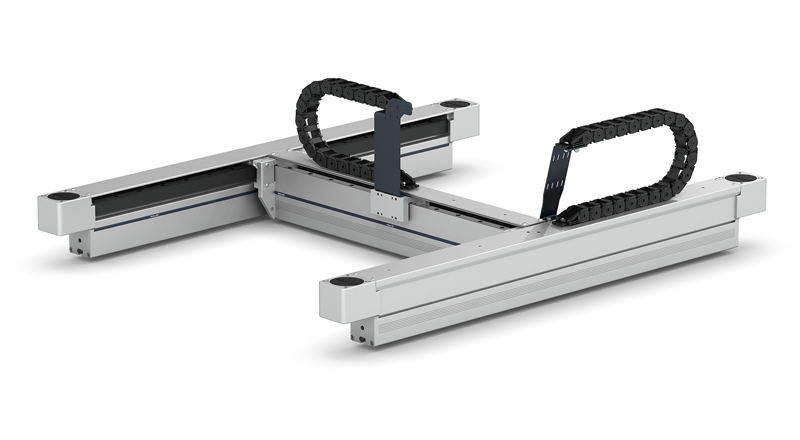
H-Bot for loads up to 10 kg
The H-Bot portal robot from Rollon is designed to deliver high precision, dynamic performance, and versatility while maintaining a compact structure. This innovative robot is capable of handling loads of up to 10 kilograms, making it particularly suitable for applications in the medical technology sector. With its expansive working range, the H-Bot is positioned to meet the demands of various tasks within healthcare environments, enhancing efficiency and effectiveness in medical operations.
Allgemein
SpaceX's Starship V3 Plans for 1 Million Starmind Satellites by 2030
SpaceX's Starship V3 is set to revolutionize satellite deployment, aiming to launch 1 million Starmind satellites by 2030. The spacecraft can carry over 100 tonnes to low Earth orbit (LEO), significantly more than the Falcon 9's capacity. As of May 2026, Starship has completed 12 flights, with the next mission scheduled for late July 2026, focusing on operational payloads including AI1 prototypes in early 2027. This ambitious plan is crucial for expanding orbital compute capacity, targeting an annual addition of 100 GW through a million tonnes of satellite hardware. SpaceX's strategy hinges on achieving a launch cadence of approximately 12,000 flights, equating to about three launches per day. The company has invested over $15 billion in the Starship program, with expectations to begin payload deliveries in the second half of 2026, starting with Starlink V3 satellites. Looking ahead, the successful deployment of the Starmind constellation will depend on Starship's ability to meet its cost targets of $10–20 million per flight. If achieved, this would make launching satellites more economical than building ground data centers. The next significant milestone will be the launch of AI1 prototypes in early 2027, with full-scale deployments commencing in 2028 from the new Gigasat factory in Texas.
5 Factors to Consider When Selecting Assembly Robots for High-Mix Production
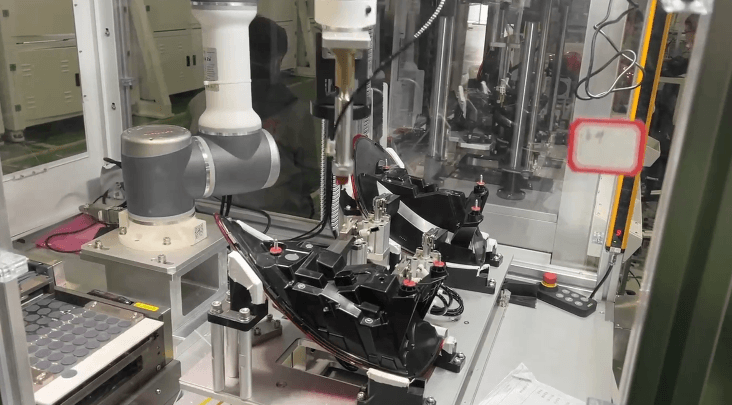
In response to the evolving demands of modern manufacturing, JAKA has introduced advanced assembly robots designed specifically for high-mix, low-volume production environments. This shift, which contrasts sharply with traditional mass production, requires automation systems capable of quickly adapting to various products and tasks. JAKA's S12 robot, featuring a 12kg payload and a 1327mm working radius, exemplifies this adaptability, allowing manufacturers to respond efficiently to changing market needs without incurring excessive operational costs. The S12 robot is engineered for ease of programming, utilizing intuitive graphical interfaces that enable technicians to reprogram it quickly, reducing downtime significantly. Its design incorporates interchangeable end-effectors, allowing it to handle diverse product types, from flat panels to engine components, with precision. Additionally, the robot's advanced safety features, including force-torque sensors, facilitate a collaborative workspace where humans and machines can operate safely in proximity. With a repeatability of ±0.03 mm, the S12 ensures high-quality assembly across various tasks, maintaining accuracy even after multiple re-deployments. Its integration with 2D and 3D vision systems allows it to manage unsorted parts effectively, a crucial capability for high-mix production lines. JAKA's commitment to flexibility is further demonstrated through its wireless software ecosystem, enabling remote management via the JAKA App. By investing in JAKA's technology, manufacturers can enhance their production agility and maintain competitiveness in a rapidly changing market.

White House AI Adviser Sriram Krishnan to Leave Trump Administration at End of June
Sriram Krishnan, the senior policy adviser for artificial intelligence at the White House, will leave his position at the end of June after 18 months of contributing to the development of U.S. AI policy within the Trump administration. Krishnan, who has an extensive background in the tech industry as a former product leader at major companies including Microsoft, Twitter, Facebook, and Snap, has also served as a partner at the venture capital firm Andreessen Horowitz. His departure marks a significant transition in the administration’s approach to AI, as he has played a pivotal role in shaping the nation's strategies and regulations in this rapidly evolving field.
AI AI Funding & Investment AI Policy & Regulation Sriram Krishnan
What Complex Problems Do 6 Axis Robot Arms Help Solve in Production?
In the evolving landscape of Industry 4.0, manufacturers are increasingly turning to 6-axis robot arms to address complex production challenges. As of now, these advanced collaborative robots are essential for managing diverse product lines, limited workspace, and a shortage of specialized labor. Unlike traditional automation, which often relies on fixed machinery, the 6-axis design allows for greater agility and flexibility in navigating three-dimensional spaces, making it ideal for intricate tasks that require specific angles and movements. The introduction of these robots has transformed assembly processes by eliminating the need for expensive rotating fixtures, as they can approach parts from various angles. This adaptability also enables manufacturers to integrate automation without overhauling entire production lines, allowing for quick responses to localized bottlenecks, such as increased palletizing demands. Moreover, the rise of high-mix, low-volume production has necessitated a shift in automation strategies. The 6-axis robot arms, equipped with advanced features like quick-change grippers and vision systems, can swiftly adapt to different products, reducing changeover times from hours to mere seconds. JAKA, a leader in this field, has developed the JAKA Zu30, a robust 6-axis robot capable of handling heavy-duty tasks with a 30kg payload capacity. This model not only excels in palletizing and machine tending but also ensures safety with high-sensitivity sensors. Controlled via a user-friendly app, the JAKA Zu30 exemplifies the modern manufacturing solutions needed to navigate the complexities of today's production environments.
Booster Robotics Launches Booster T2 Humanoid Robot with NVIDIA Thor Computing Power
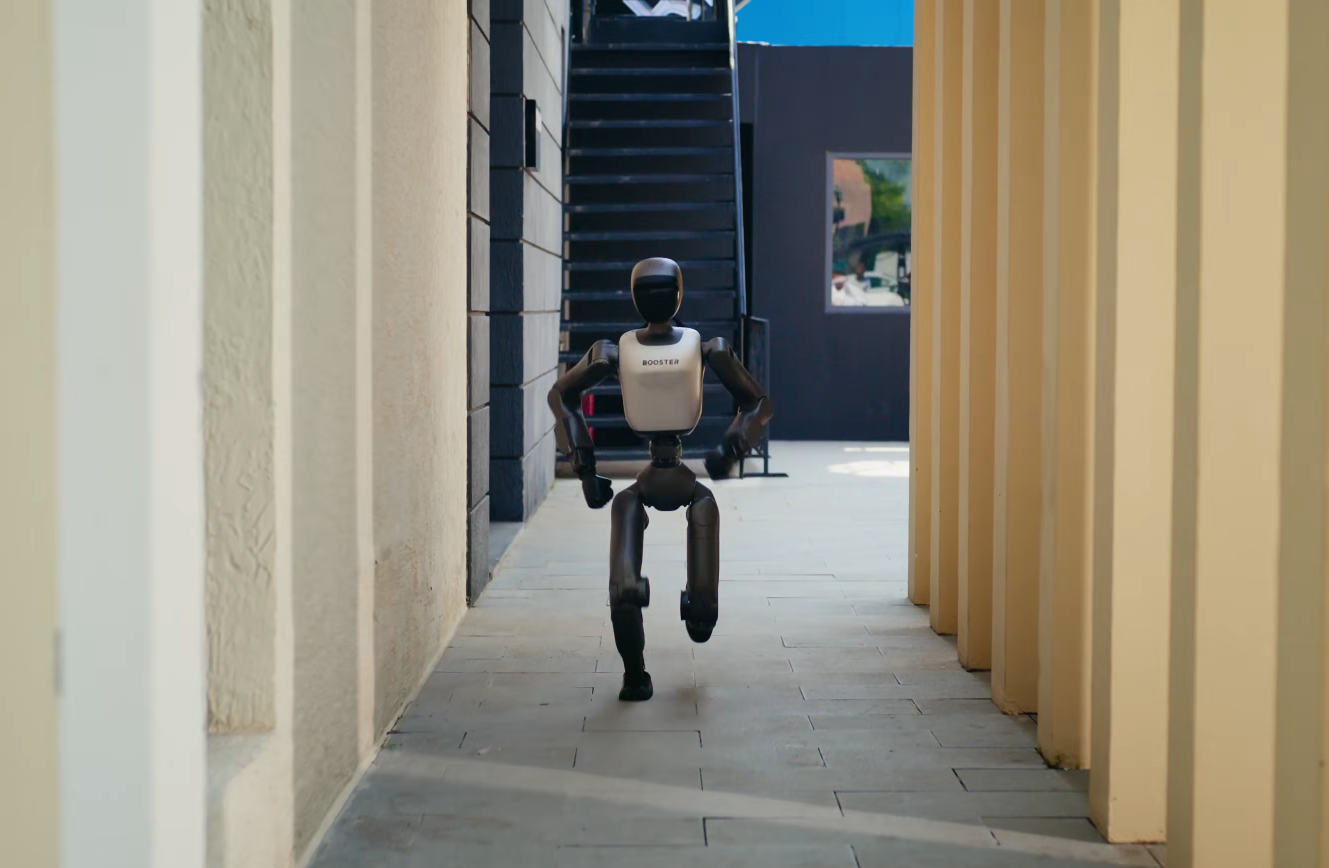
Booster Robotics has introduced the Booster T2, a humanoid robot platform aimed at real-world applications and embodied AI research. The T2 Pro version utilizes NVIDIA’s Thor chip, delivering up to 2,070 TFLOPS for real-time perception and control. The robot is designed for tasks requiring mobility and manipulation, showcasing advanced capabilities such as walking, dynamic balance, and athletic movements. The significance of the Booster T2 lies in its integration of cutting-edge technology and open development. With features like whole-body coordination and onboard AI computing, it supports a wide range of applications in robotics. The introduction of Booster Studio, an open software platform, further enhances its utility by allowing developers to simulate and deploy AI models effectively. Looking ahead, the Booster T2 is positioned to advance research in embodied AI and robotics. Its robust design, including 31 degrees of freedom and multiple hardware configurations, makes it suitable for various manipulation tasks. No further timeline was disclosed at the time of publication.
AI and Robotics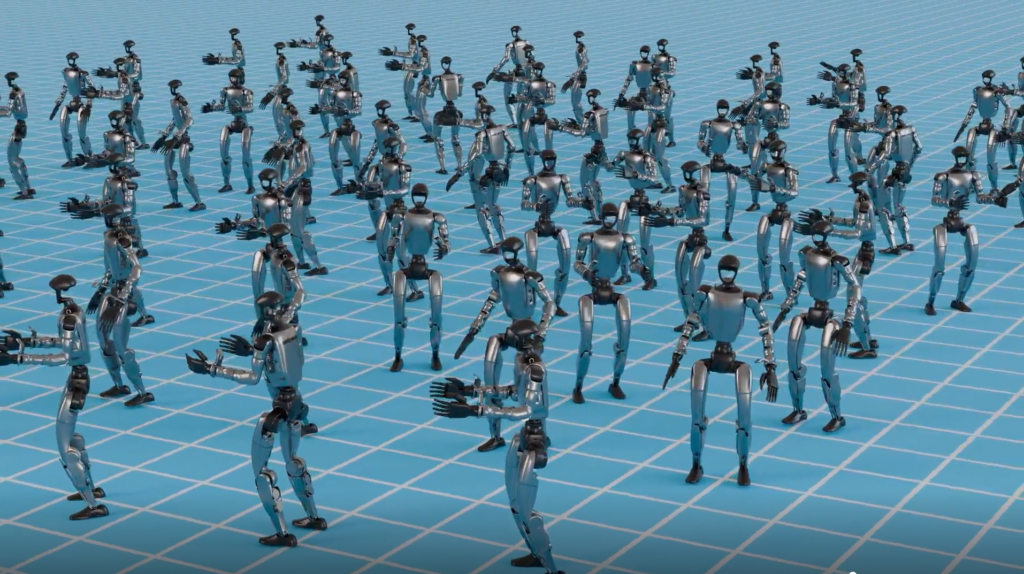
SoftServe Introduces Virtual Gyms for Enhanced Robotics Training and Deployment
SoftServe has highlighted the importance of 'virtual gyms' for robotics teams, emphasizing their role in preparing robots for dynamic environments. These high-fidelity simulation environments allow robots to train, fail, and recover safely before real-world deployment, addressing the challenges posed by unpredictable operational conditions. The global robotics market is projected to grow at a 19.6% CAGR from 2026 to 2036, underscoring the need for effective training solutions like virtual gyms to enhance robotic autonomy and performance. The shift from programmed automation to physical AI necessitates that robots adapt to constantly changing environments, which traditional training methods struggle to accommodate. Virtual gyms integrate technologies such as digital twins, reinforcement learning, and sensor modeling to provide a comprehensive training platform. This approach mitigates the risks and costs associated with real-world trials, enabling teams to generate valuable training data in a controlled setting, thus improving deployment success rates. Looking ahead, the adoption of virtual gyms is expected to become a standard practice in robotics development, as they offer a solution to the simulation-to-reality gap. No further timeline was disclosed at the time of publication, but the increasing complexity of robotic tasks suggests that the demand for such training environments will continue to rise as the industry evolves.
Artificial Intelligence Artificial Intelligence / Cognition Autonomous Mobile Robots (AMRs) Development Tools / SDKs / Libraries Industrial Robots Logistics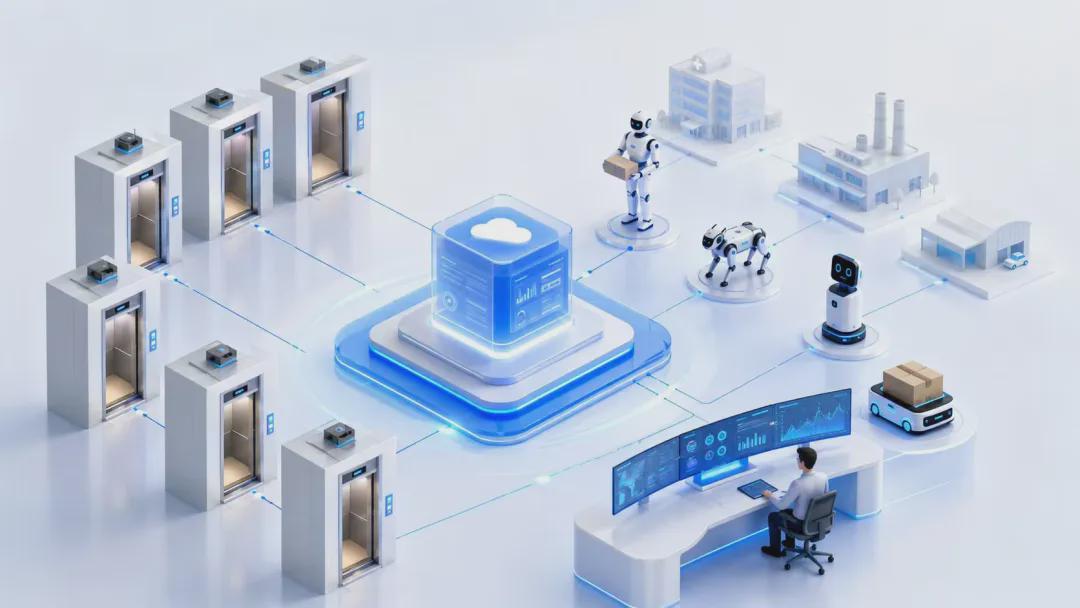
Why Over 200 Robot Companies Have Integrated with Wanglong's Platform?
In 2026, the robot industry is experiencing significant growth, with a variety of applications being developed across industrial, commercial, and specialized sectors. Central to this expansion is the Wanglong smart elevator platform, which has become crucial for over 200 robot companies. This platform offers a comprehensive solution for safe and efficient elevator access, effectively lowering deployment costs while improving operational reliability. The article examines how Wanglong's cutting-edge technology tackles the challenges of robot mobility in complex environments, ensuring smooth integration and adherence to regulations in high-security areas.
Smart Elevators Robot Integration Industrial Automation Safety Technology
Research on the Design and Experiment for Obstacle‐Crossing Capability of a Wheeled‐Claw Deformable Mobile Platform With Large Expansion Ratio
A recent study published in the Journal of Field Robotics highlights advancements in autonomous robotic navigation systems. Researchers from a leading robotics institute conducted experiments to improve the efficiency and accuracy of robots in complex environments. The study, released in early October 2023, focuses on the integration of artificial intelligence and machine learning techniques to enhance decision-making processes in real-time. The research took place in various challenging terrains, including urban settings and natural landscapes, to test the robots' adaptability. The motivation behind this work stems from the increasing demand for autonomous systems in industries such as agriculture, logistics, and disaster response. By developing more reliable navigation capabilities, the researchers aim to facilitate safer and more effective deployment of robots in real-world applications. Through a series of trials, the team employed advanced algorithms that enable robots to analyze their surroundings and make informed navigation choices. The findings suggest significant improvements in both the speed and precision of robotic movements, which could lead to broader adoption of these technologies across multiple sectors. This study represents a crucial step towards achieving fully autonomous robotic systems capable of operating in dynamic and unpredictable environments.
RESEARCH ARTICLE
When will AI robots become part of everyday lives?
Neuroscientist and robotics researcher Elisa Donati has emphasized the limitations of artificial intelligence robots that seem intelligent only in controlled environments. In a recent discussion, she highlighted the need for these robots to possess real-world readiness, which demands more than just advanced software capabilities. Donati argues that to function effectively outside of laboratory settings, robots must integrate various sensory inputs and adapt to unpredictable situations. This insight sheds light on the challenges facing the robotics industry as it strives to develop machines that can operate autonomously in diverse and dynamic environments.
Robotics
NC AI develops welding AI for Hanwha Ocean
NC AI, the artificial intelligence division of gaming company NCSoft, announced on Thursday that it has secured a project with Hanwha Ocean to create AI-driven autonomous welding technology for shipbuilding. This initiative will utilize a vision-based welding model alongside a collaborative robot system, enabling the identification of welding targets and execution of tasks with reduced human involvement. The innovative technology is set to be implemented at Hanwha Ocean's production facilities for both commercial and specialized vessels, aiming to enhance efficiency and precision in the welding process.
All News
Why robots still struggle to see the real world
Orbbec co-founder emphasizes that enhancing machine perception for practical applications necessitates more than advancements in artificial intelligence; it also demands the use of accurately calibrated sensors. This insight highlights the ongoing challenges robots face in effectively interpreting their environments. The discussion sheds light on the complexities involved in developing reliable robotic vision systems, which are crucial for their successful deployment in real-world scenarios. The commentary reflects the current state of technology as of October 2023, underscoring the need for a multi-faceted approach to improve robotic capabilities.
Artificial Intelligence Artificial Intelligence / Cognition Autonomous Mobile Robots (AMRs) Cameras / Imaging / Vision Healthcare Robotics Logistics
What AI taxis and robots can learn from bees
In April 2026, Waymo, the autonomous vehicle company, faced a significant setback when one of its robotaxis drove into a flooded lane in San Antonio, Texas, during severe weather conditions. This incident highlighted the challenges that advanced technology can encounter in unpredictable real-world scenarios. In response to the situation, Waymo announced a recall of approximately 3,800 vehicles to implement a software fix aimed at preventing similar occurrences in the future. The recall underscores the company's commitment to safety and reliability as it continues to navigate the complexities of autonomous driving in varying environmental conditions.
Robotics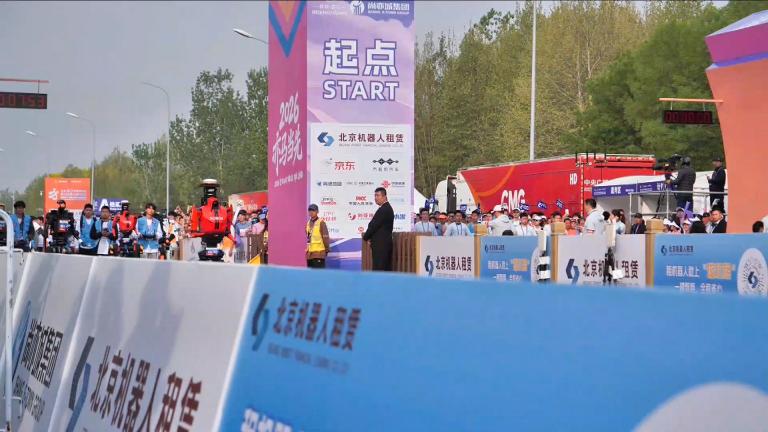
When Robots Run a Marathon, the Race for Technology Has Just Begun
On April 19, a groundbreaking half marathon in Beijing featured the participation of over 300 humanoid robots, demonstrating significant advancements in robotics technology. Among the highlights of the event was a remote-controlled robot cameraman that captured the race from a distance of 1,200 kilometers, showcasing the innovative potential of remote operation in the field. This event not only illustrated the capabilities of modern robotics but also sparked discussions about the future applications of such technologies in various sectors. The successful execution of this marathon marks a pivotal moment in the integration of robotics into real-world scenarios, pushing the boundaries of what is possible in automation and remote control.
Humanoid Robots Remote Operation Robot Technology Marathon Robotics
Brushless DC (BLDC) Machines — Where They Outperform
Mosrac has unveiled insights into the advantages of Brushless DC (BLDC) machines over traditional drives in various applications, including unmanned aerial vehicles (UAVs), robotics, e-bikes, and industrial drives. This announcement, made in October 2023, highlights the growing importance of advanced motion control technologies in enhancing performance and efficiency across these sectors. By optimizing the use of BLDC machines, Mosrac aims to support the development of next-generation motion control solutions, which are increasingly vital for the evolving demands of modern industries. The company’s expertise in this area positions it as a key player in driving innovation and improving operational capabilities in high-tech applications.
TriRock6W: Autonomous Mobile Robot With Six Wheels, Three Rocker Arms in Complex Environments
A recent study published in the Journal of Field Robotics highlights advancements in autonomous robotic technology. Researchers from a leading university conducted experiments to improve the navigation and obstacle avoidance capabilities of field robots. The study, released in early October 2023, took place in various outdoor environments, including agricultural fields and rugged terrains, to assess the robots' performance in real-world conditions. The motivation behind this research stems from the increasing demand for efficient agricultural practices and the need for robots that can operate independently in challenging landscapes. By employing advanced algorithms and machine learning techniques, the team was able to enhance the robots' ability to adapt to dynamic surroundings and make real-time decisions. The findings indicate significant improvements in the robots' operational efficiency, which could lead to reduced labor costs and increased productivity in agricultural sectors. This research not only contributes to the field of robotics but also addresses pressing issues in food production and sustainability. The team plans to further refine their technology and explore additional applications in various industries, paving the way for a future where autonomous robots play a crucial role in everyday tasks.
RESEARCH ARTICLE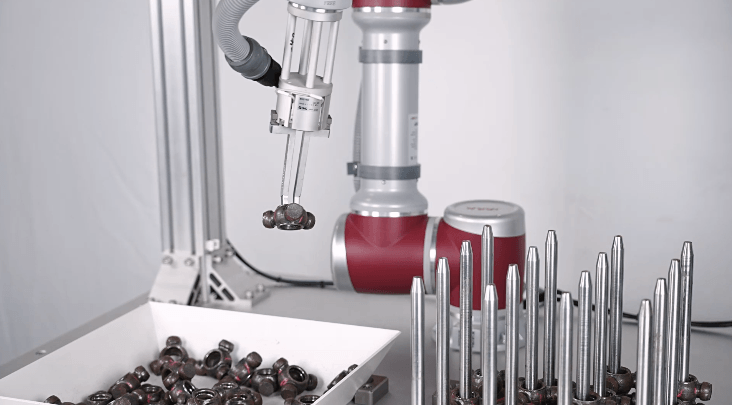
What Complex Problems Do 6 Axis Robot Arms Help Solve in Production?
Manufacturers are increasingly challenged by complex production environments characterized by rising product variety, tighter tolerances, and shorter delivery cycles. JAKA, a leader in automation solutions, is addressing these challenges by collaborating with production teams to implement flexible automation systems, particularly through the use of 6-axis robot arms. These robots enable multi-directional movement and stable positioning, essential for adapting to frequent changeovers while maintaining consistent output quality. One significant issue in production is managing assembly tasks that involve varying component sizes and orientations. Traditional fixed automation often falls short, leading to inefficiencies. JAKA's collaborative robot, the Zu7, enhances process stability by integrating precise motion control with adaptive feedback, allowing it to adjust to minor differences in workpieces. This solution is particularly effective for small-batch, multi-variety production, minimizing positioning errors and reducing material waste. Additionally, many production lines face constraints due to limited floor space and the need for rapid automation deployment. The lightweight design of the 6-axis robot arm facilitates quicker setup and relocation, making it ideal for dynamic environments. The Zu7 operates safely alongside human workers, eliminating the need for extensive safety barriers and enabling flexible station designs. JAKA's approach focuses on practical automation that accommodates complex production challenges, emphasizing adaptability, efficient space usage, and consistent performance. By integrating collaborative robots into flexible assembly scenarios, JAKA aims to help manufacturers build resilient production systems that can swiftly respond to changing demands without disrupting existing workflows.
Terrain Classification for Planetary Rovers Using Wireless In‐Wheel Sensor Modules and Machine Learning
In May 2026, researchers published a significant study in the Journal of Field Robotics, focusing on advancements in robotic technology. The study highlights innovative developments in autonomous navigation systems, which have the potential to enhance the efficiency and safety of robotic operations in various environments. Conducted by a team of experts in robotics and artificial intelligence, the research aims to address the challenges faced by robots in dynamic and unpredictable settings. The findings were based on extensive field tests conducted in diverse locations, including urban areas and remote terrains, showcasing the robots' adaptability and reliability. The motivation behind this research stems from the increasing demand for autonomous systems in industries such as agriculture, logistics, and disaster response, where precision and real-time decision-making are crucial. By employing advanced algorithms and machine learning techniques, the researchers demonstrated how these robots can effectively navigate complex environments while avoiding obstacles and optimizing their routes. This breakthrough not only promises to improve operational capabilities but also aims to reduce human intervention, thereby enhancing safety and efficiency in various applications. The study's implications are far-reaching, potentially transforming the landscape of robotic applications and paving the way for more sophisticated autonomous systems in the future.
RESEARCH ARTICLE
When Machines Learn to See Like Experts: The Rise of Vision Language Models in Manufacturing
In a significant development for the manufacturing sector, experts have highlighted the transformative potential of Variational Latent Models (VLMs) in enhancing quality assurance processes. While acknowledging that VLMs will not address every challenge faced in the realm of artificial intelligence within manufacturing, they emphasize that these models provide a unique capability that surpasses existing technologies, particularly in high-complexity production environments. This advancement comes at a time when industries are increasingly seeking innovative solutions to improve efficiency and accuracy in their operations. As manufacturers strive to meet rising demands and maintain high standards, the adoption of VLMs could represent a pivotal shift in how quality assurance is approached, ultimately leading to more reliable and efficient production outcomes.

Why Thermal Metrology Must Evolve for Next-Generation Semiconductors
A recent analysis highlights the challenges posed by rising power density, 3D integration, and innovative materials in the field of semiconductor thermal management. As the industry faces heat flux projections exceeding 1,000 W/cm² for next-generation accelerators, thermal management has emerged as the primary constraint on semiconductor scaling, shifting the focus from traditional lithography techniques. This shift is driven by advancements in heterogeneous integration and AI-driven power density. The study also addresses the implications of extreme material properties on thermal design, particularly in nanoscale thin films where conventional bulk assumptions are inadequate. It emphasizes the importance of engineered ultra-high-conductivity materials, such as diamond and boron arsenide, and the challenges of devices operating above 200 °C in wide-band gap systems. Furthermore, the analysis reveals that thermal boundary resistance at bonded interfaces and dielectric stacks has become a critical factor in ensuring reliability. To mitigate these issues, the report advocates for a thermal-first design workflow, which integrates measured, scale-appropriate thermal properties early in the design cycle. This approach aims to calibrate models, reduce uncertainty, and prevent costly failures in advanced packaging and 3D architectures. The findings underscore the urgent need for advanced metrology to keep pace with the evolving demands of semiconductor technology. A free whitepaper detailing these insights is available for download.
Semiconductors Thermal-management Scaling Type-whitepaper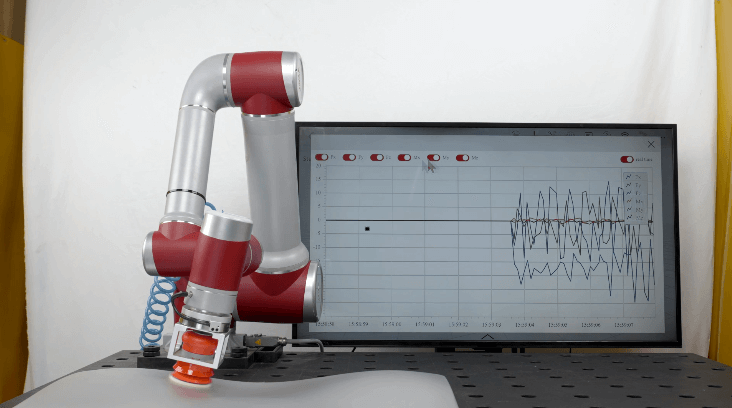
Three Reasons Why Your Factory Needs an Integrated Cobot Solution (Cobot + Vision)
Manufacturing facilities are increasingly turning to integrated cobot solutions to address persistent challenges in precision tasks and product variability. JAKA, a leader in this field, has developed a system that combines collaborative robots with machine vision to enhance environmental awareness and adaptability. This innovative approach allows for precise operations, such as polishing, where robots can adjust their actions based on real-time visual feedback. The integration of machine vision significantly improves process consistency, especially when dealing with non-uniform parts. By guiding the robot to identify part location, orientation, and surface geometry, the system can adapt pressure, speed, and patterns to minimize defects and enhance product quality. This closed-loop control mechanism is crucial for achieving high equipment effectiveness across production batches. Moreover, these integrated systems facilitate rapid changeovers and flexible production, essential for high-mix, low-volume manufacturing. The vision component enables a single robotic cell to recognize different product models, reducing changeover times from hours to minutes by eliminating the need for extensive manual adjustments. This flexibility allows for efficient handling of diverse tasks, including assembly and inspection, without compromising cycle times. Additionally, the integration generates valuable process data, transforming cobots into connected nodes within the factory's data ecosystem. This data stream supports predictive maintenance and continuous improvement, enabling engineers to refine quality and efficiency over time. As factories seek to enhance quality, agility, and operational intelligence, the adoption of vision-guided cobot solutions represents a strategic advancement in modern manufacturing.
Cartwheel Robotics Steps Out of Stealth, Aiming for 'Lovable' Humanoids
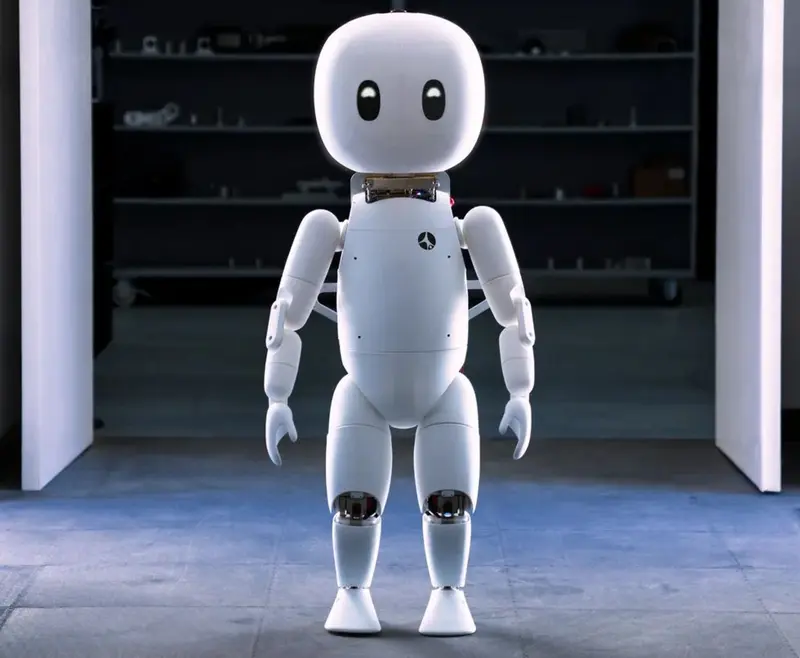
Cartwheel Robotics, a new company founded by former Boston Dynamics and Disney roboticist Scott LaValley, has officially launched, revealing its mission to create small, emotionally intelligent humanoid robots. The company’s flagship prototype, named 'Yogi,' is designed to enhance companionship and interaction within homes and entertainment settings, diverging from traditional industrial applications. As Cartwheel Robotics develops advanced artificial intelligence, including a 'Motion Language Model' aimed at facilitating expressive movement, it acknowledges the historical challenges related to the viability and cost-effectiveness of social robots. The company's innovative approach seeks to address these obstacles while paving the way for a new era of interactive robotics.
Cartwheel Robotics Boston Dynamics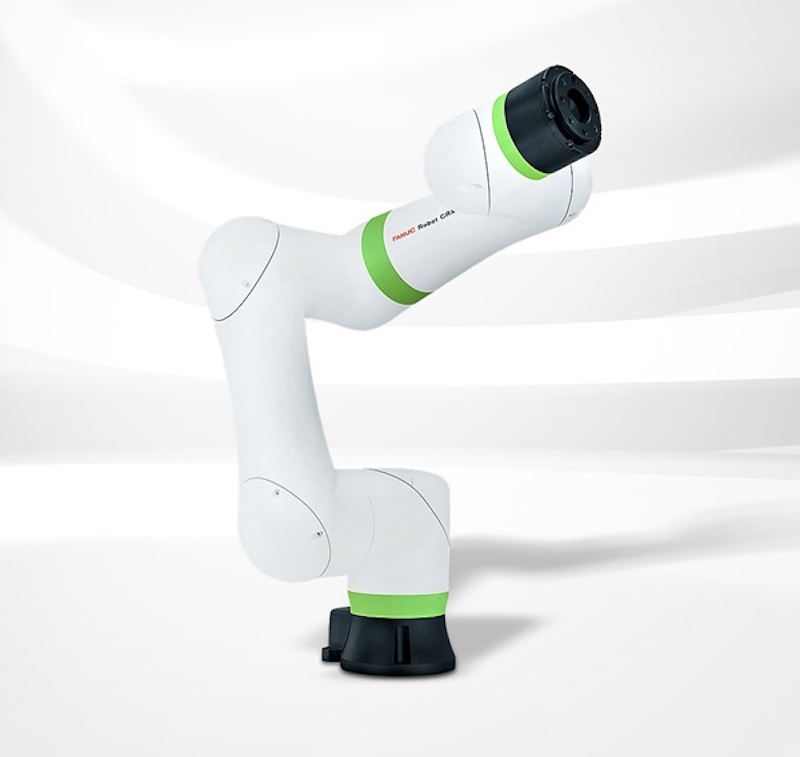
Fanuc launches 11 kg ‘lightest’ collaborative welding robot
Fanuc has introduced its CRX-3iA collaborative robot in Europe, marking the launch of the lightest and smallest model in its CRX lineup. Weighing only 11 kg, this new robot is designed to be compact, portable, and user-friendly, making it particularly suitable for welding applications. The launch responds to an increasing demand in industries such as shipbuilding and steel manufacturing, where precision and efficiency are critical. The CRX-3iA aims to enhance productivity and streamline operations in these sectors, showcasing Fanuc's commitment to innovation in automation technology.
Industrial robots News agv integration automation news cobot collaborative automation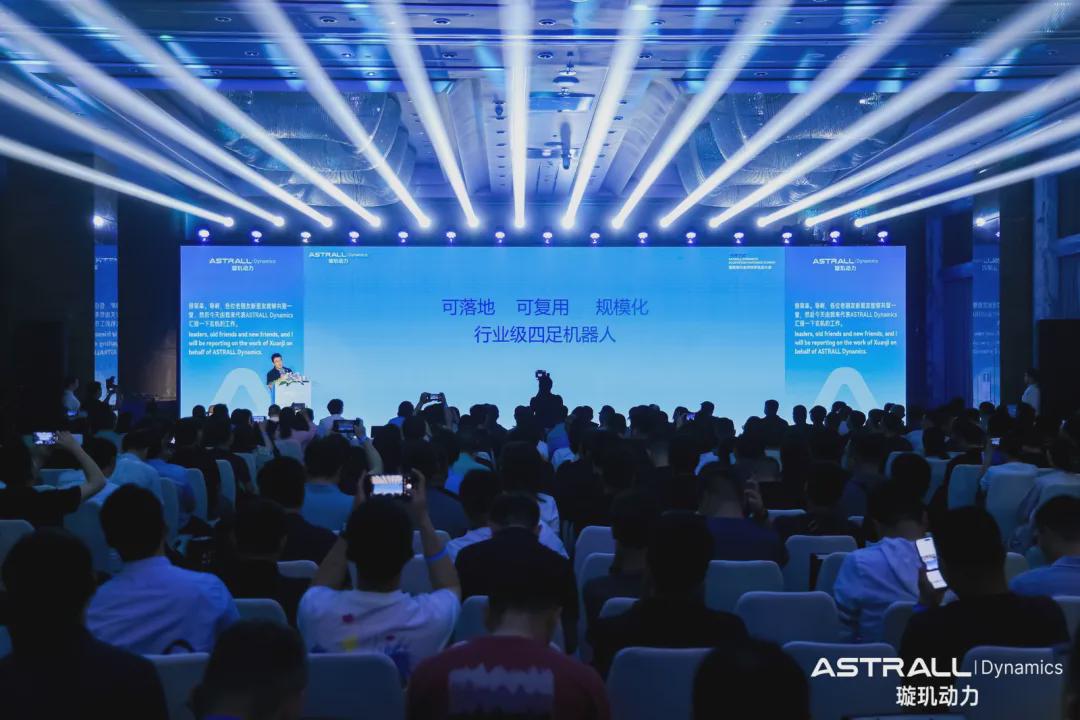
Breaking Through Heavy Loads for Ecological Win-Win: ASTRALL Dynamics Ecosystem Conference Held, Showcasing Full Range of Hypertron Series with 60kg Stair-Climbing Capability
At the ASTRALL Dynamics Ecosystem Conference held in Shenzhen, industry leaders introduced strategic initiatives designed to revolutionize the industrial quadruped robot sector. The event showcased the Hypertron series, featuring a notable 60kg stair-climbing robot, which exemplifies advancements in robotic technology. Organizers emphasized the importance of collaboration and technological openness as key factors in raising industry standards and expediting the deployment of these innovative robots. The conference aimed to foster partnerships and encourage the sharing of ideas to drive growth and efficiency within the sector.
Quadruped Robots Industrial Automation Robotics Technology Ecosystem Development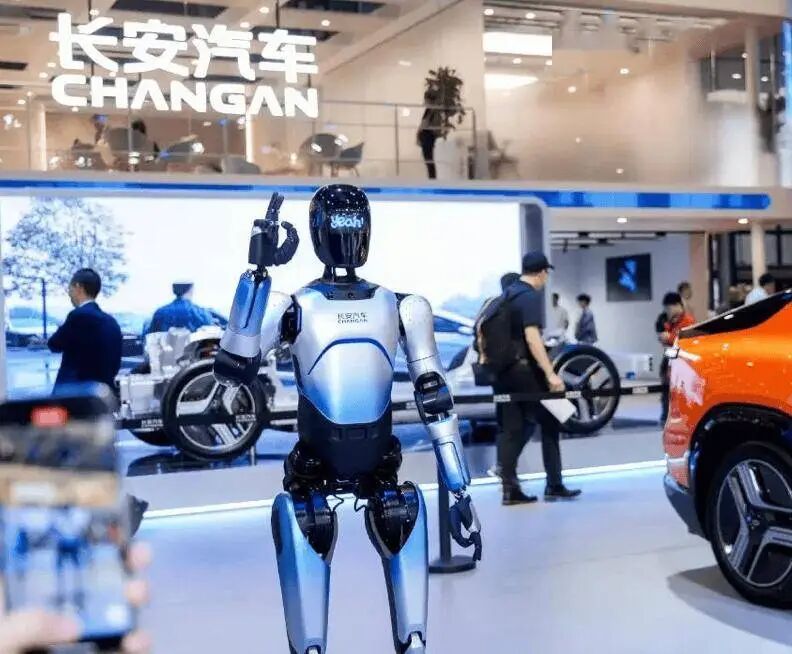
Changan Invests 450 Million Yuan in Humanoid Robots, Prompting Action from Over 20 Automakers
Changan Automobile has announced the launch of its subsidiary, Changan Tian Shu Intelligent Robotics, with an investment of 450 million yuan, signaling its entry into the humanoid robot market. This development, which took place recently, highlights a significant trend within the Chinese automotive industry, where over 20 major car manufacturers are increasingly focusing on the advancement of humanoid robotics. The initiative aims to leverage Changan's expertise in technology and innovation to compete in this emerging sector, reflecting a growing recognition of the potential for robotics to enhance automotive capabilities and operations.
Humanoid Robots Automotive Technology AI Robotics Industry
What Are 6 Axis Robot Arms, and How Does Their Versatility Work?
In the realm of industrial automation, the 6-axis robot arm has emerged as a pivotal innovation, offering unparalleled flexibility in manufacturing processes. These advanced machines, designed to mimic human arm movements, have transformed factory operations by enabling complex tasks with ease. The versatility of these robots stems from their unique kinematic structure, which features a series of rotating joints that allow them to access virtually any point in their workspace from various angles. The term "6-axis" signifies the six independent joints that provide the robot with multiple degrees of freedom. The major axes facilitate overall reach, while the minor axes function as a mechanical wrist, granting the robot the ability to pitch, roll, and yaw. This capability allows for diverse applications, from precision medical assembly to heavy-duty palletizing, setting them apart from traditional 4-axis robots. The adaptability of 6-axis robots is particularly beneficial in high-mix production environments, where they can seamlessly switch between tasks throughout the day, such as CNC machine tending and complex surface finishing. This flexibility minimizes the need for specialized machinery, optimizing floor space and reducing capital costs. JAKA has capitalized on this versatility with its Zu series of collaborative robots, which are lightweight and easily redeployable across production lines. The JAKA Zu18 model, capable of handling an 18kg payload with a reach of 1073mm, exemplifies strength combined with agility. Enhanced by user-friendly wireless control through the JAKA App, these robots are positioned to meet the evolving demands of both small workshops and large assembly plants, ensuring efficiency and adaptability in modern manufacturing.
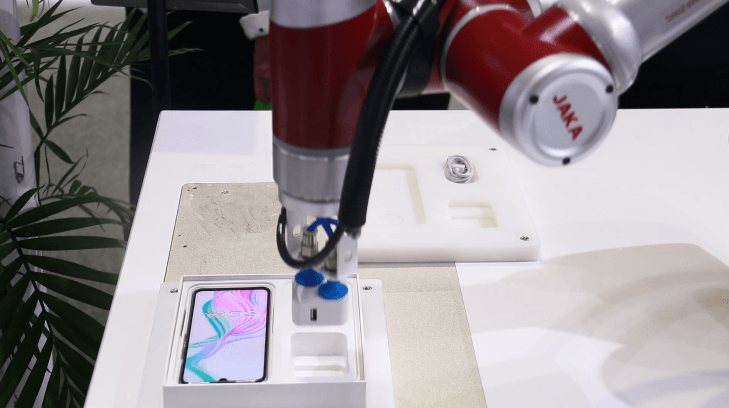
Which Company Makes Industrial Robots?
The global manufacturing sector is witnessing a significant transformation as it shifts from traditional high-speed automation to flexible collaborative systems. This change, driven by the emergence of "Industry 5.0," prioritizes human-machine synergy, allowing robots to operate safely alongside human workers. By 2026, the industrial robotics market has diversified, with companies adapting to the specific needs of production lines, moving beyond the dominance of the "Big Four" in heavy-duty manufacturing. Innovators in the field are now focusing on creating robots that are "Smart, Simple, Small," featuring intuitive graphical interfaces and wireless connectivity. This shift has enabled smaller enterprises to adopt automation technologies previously reserved for larger factories, resulting in increased productivity across various sectors, including electronics, food and beverage, and logistics. JAKA Robotics, a leader in this industrial revolution since 2014, emphasizes the concept of "embodied intelligence" in its robots. Their JAKA Zu series supports payloads up to 20kg with high precision, while the JAKA A series caters to delicate assembly lines with even greater accuracy. JAKA distinguishes itself with user-friendly innovations, such as mobile terminal APP control, which simplifies the automation process. The company’s commitment to providing safe and reliable robotic solutions positions it at the forefront of the evolving landscape of industrial innovation, paving the way for a new era in manufacturing.
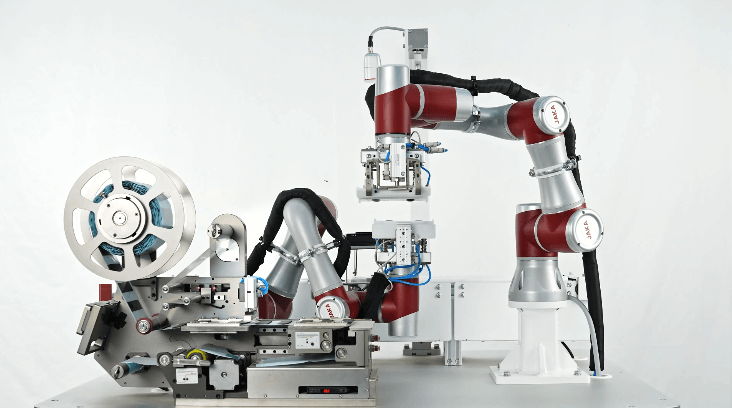
Common Mistakes When Conducting Cobot Risk Assessment and How to Fix Them
The deployment of collaborative robots, or cobots, is often praised for its user-friendly "plug-and-play" design; however, this simplicity can mask significant safety risks. Many manufacturers overlook essential risk assessments, which are crucial for ensuring worker safety and preventing costly production delays. Common pitfalls include focusing solely on the robot arm while neglecting the entire robot system, particularly the end-of-arm tooling (EOAT) and the specific motion paths that can create hazards. For instance, even a power-limited cobot can pose risks if it manipulates sharp objects at high speeds. Additionally, failing to account for environmental factors, such as clamping or pinch points, can lead to dangerous situations where workers’ hands may become trapped. To mitigate these risks, operators are advised to maintain a minimum clearance of 500mm from fixed objects or program the robots to avoid these areas entirely. JAKA, a company specializing in advanced robotics, is addressing these safety concerns with its JAKA S series, which incorporates sophisticated safety features directly into its hardware. This series includes a high-performance safety skin that provides 360-degree detection, allowing the cobot to sense nearby humans and halt operations before any potential impact. With a payload capacity of up to 18 kg and precise repeatability, JAKA ensures that safety measures do not compromise industrial performance. The intuitive visual interface of JAKA systems allows safety officers to easily define safety zones, promoting a secure and efficient working environment.
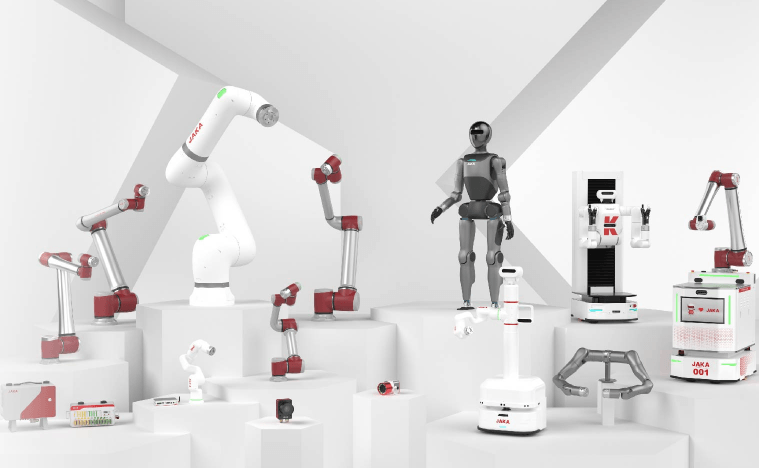
Why Are Collaborative Robots Crucial for SMEs and Industry Giants?
As global manufacturing evolves, the line between manual labor and automation is increasingly blurred. In 2026, a pivotal shift occurs as general industries—including food, consumer goods, and logistics—emerge as the leading sectors driving automation growth, previously dominated by industrial robotics in automotive plants. This transformation is largely attributed to the rise of collaborative robots (cobots), designed to work safely alongside human workers without the need for traditional safety barriers. Small and Medium Enterprises (SMEs) often struggle with the "automation paradox," needing efficiency to compete but lacking the resources for conventional robots. Cobots address this challenge with their compact design and user-friendly, no-code programming, enabling smaller businesses to automate repetitive and hazardous tasks with minimal investment. Meanwhile, larger manufacturers benefit from cobots' flexibility in high-mix, low-volume production environments, where they can efficiently handle tasks like precision dispensing and palletizing. JAKA, a leader in collaborative robotics, emphasizes the importance of robots as reliable partners rather than mere tools. Their JAKA Mini series, weighing under 10kg, is tailored for SMEs, while the JAKA Pro series is built for larger enterprises, offering durability in harsh conditions. Advanced AI and vision systems enhance the robots' ability to interact with their environment, earning the trust of industry giants like Toyota and Schneider Electric. JAKA's solutions aim to facilitate the transition from manual labor to intelligent automation, providing the necessary flexibility and value for the future of Industry 4.0.

Apple under Ternus: what comes next for the tech giant’s hardware strategy
Apple has announced that John Ternus will take over as CEO, a move that underscores a potential shift in the company's strategic focus back to its hardware roots. Ternus, who has a strong background in hardware development, is expected to prioritize the innovation and enhancement of Apple's device lineup. This leadership change comes as the tech giant seeks to reinvigorate its product offerings and maintain its competitive edge in the market. The transition is set to take place in the coming months, as Apple aims to align its vision with Ternus's expertise in hardware, which could lead to new advancements in its popular devices.
Hardware AI Gadgets Robotics Apple John Ternus
Performance per Watt: Key Metric for AI Infrastructure Efficiency and Profitability
Power constraints are critical for AI infrastructure, influencing revenue and profitability based on token generation within a fixed power budget. Performance per watt emerges as a vital metric, reflecting real-world results and shaping the scalability of AI factories in a power-limited environment. The NVIDIA Blackwell NVL72 platform exemplifies this metric, delivering the highest performance per watt and enabling organizations to maximize revenues while minimizing token costs. As AI models evolve, the need for architectural optimizations becomes essential, with the latest NVIDIA GB300 NVL72 achieving up to 25 times the performance per watt compared to previous generations. Looking ahead, NVIDIA's Vera Rubin platform aims to enhance energy efficiency further, while tools like DynoSim help teams optimize their performance. The ongoing improvements in software and the design of rack-scale systems highlight the importance of engineering rigor in managing the complexities of AI factory operations. No further timeline was disclosed at the time of publication.

Manufacturers Assess Automation ROI by Evaluating IT Reliability and Downtime Costs
Manufacturers typically calculate the return on investment (ROI) for automation by focusing on labor savings and increased throughput. However, a critical factor often overlooked is the cost associated with automation downtime, which can significantly impact overall profitability. This aspect of IT reliability is essential for determining the true financial benefits of robotic systems in smart manufacturing environments. Understanding the hidden costs of automation downtime is vital for manufacturers aiming to optimize their operations. When automation systems experience failures, the resulting downtime can negate the anticipated labor savings and throughput gains. This highlights the importance of investing in reliable IT infrastructure to ensure continuous operation and maximize the ROI of automation investments. Looking ahead, manufacturers should prioritize strategies that enhance IT reliability to mitigate downtime risks. No further timeline was disclosed at the time of publication, but ongoing assessments of automation systems will be crucial in refining ROI calculations and ensuring sustainable manufacturing practices in the future.

Large Tabular Models Excel Where LLMs Fail
A new generative AI model, known as NEXUS, has emerged from the startup Fundamental, which recently secured $275 million in funding. Launched on February 5, 2026, NEXUS is designed to analyze structured data, a task that traditional large language models (LLMs) like ChatGPT and Claude struggle with. While LLMs excel in generating human-like text and images, they falter when faced with complex tabular data, which is crucial for businesses across various sectors, including finance and healthcare. Fundamental's CEO, Jeremy Fraenkel, explained that LLMs are not suited for structured data due to their reliance on sequential input, making them less effective for tasks requiring deterministic predictions, such as fraud detection. In contrast, NEXUS utilizes a large tabular model (LTM) that directly models the structure of tabular data, allowing for more accurate reasoning and predictions. The development of NEXUS involved training on billions of tables, using a mix of proprietary and public datasets while ensuring customer data confidentiality. This innovative model has already been integrated into Amazon Web Services' SageMaker platform, enhancing its accessibility for businesses handling sensitive data. As the demand for effective data analysis solutions grows, other companies, including Feedzai and Google, are also developing similar technologies. Experts predict that the future of data processing will increasingly rely on automated systems, combining the strengths of LLMs and LTMs to improve efficiency and accuracy in data analysis.
Data-analytics Llms Foundation-models Databases
Why this CEO thinks video games make better training data than the internet
Recent discussions in the field of artificial intelligence have highlighted the limitations of large language models, such as ChatGPT and Claude, in achieving artificial general intelligence (AGI). While these models excel in text generation, they struggle with understanding the dynamics of movement through space and time, a critical component for developing generalized intelligence. To address this gap, researchers are exploring the potential of gaming data as a solution. This innovative approach, known as General Intuition, aims to leverage the rich, interactive environments found in video games to enhance AI's understanding of real-world physics and dynamics. By integrating insights from gaming, experts believe they can create more sophisticated models capable of reasoning and adapting in complex scenarios. The exploration of this method is ongoing, with the hope of advancing the field of AGI significantly.
AI Startups AI Funding general intuition physical ai Pim DeWitRobotics needs a service framework.
RSF defines a common language for robot service capability, lifecycle operations, certification pathways, and service-provider networks.