

In the automotive manufacturing sector, the importance of grinding, polishing, and deburring processes has come under scrutiny due to the challenges posed by traditional manual methods. These critical post-process steps are essential for achieving component precision, surface quality, and safety. However, manual grinding has been associated with hazardous dust exposure, inconsistent quality, and low efficiency, prompting industry leaders to seek innovative solutions.
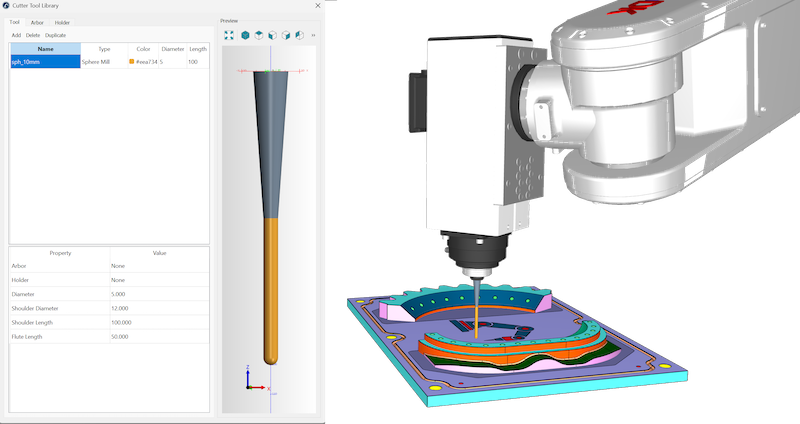
Recent advancements in automated grinding technologies are being explored to address these issues. By integrating robotics and advanced machinery, manufacturers aim to enhance precision and consistency while minimizing health risks for workers. This shift not only promises to improve the overall quality of automotive components but also boosts productivity within the manufacturing process.
As the automotive industry continues to evolve, the push for safer and more efficient manufacturing practices is driving the adoption of these new technologies. The transition to automated grinding solutions is expected to reshape the landscape of automotive production, ensuring that safety and quality standards are met more effectively.



























Leave a comment