


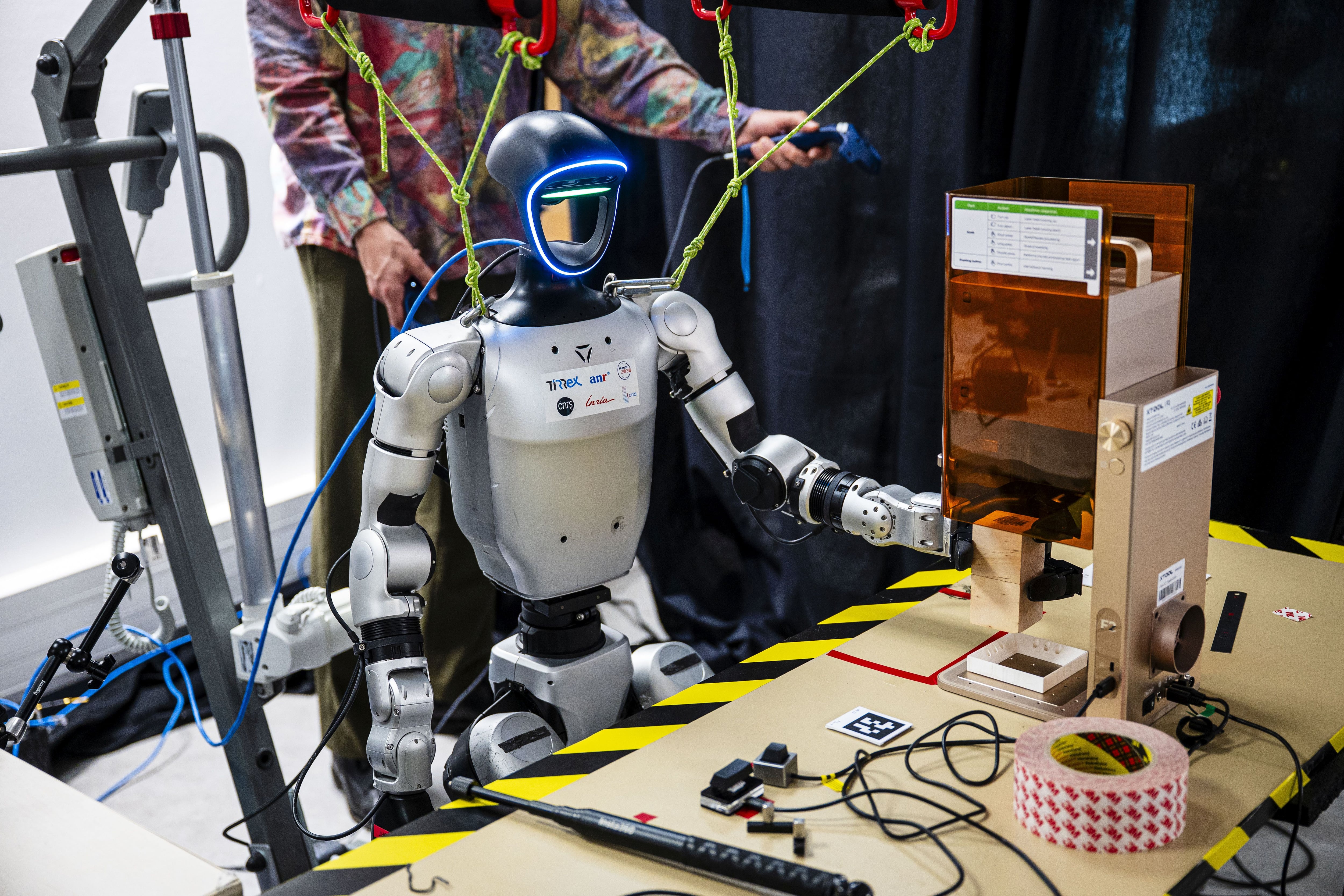
United Airlines has officially enacted a ban on humanoid and animal robots from its flights, effective July 23. This decision follows a series of incidents involving humanoid robots, including a 3.5-foot tall robot named Stewie that gained attention on a Southwest Airlines flight. The airline cited safety concerns, particularly regarding the large lithium-ion batteries these robots often contain, which pose significant fire risks on aircraft.
The ban is a response to the growing safety issues associated with transporting robots equipped with large power batteries. While small robotic toys that meet size, weight, and battery restrictions are still permitted, larger humanoid or animal robots are completely excluded from flights. United Airlines follows Southwest Airlines, which previously faced challenges with humanoid robots causing flight delays and safety debates.
Looking ahead, United Airlines has indicated that the policy may be reassessed as technology evolves. However, for now, the era of robotic passengers on flights appears to be on hold, emphasizing that safety remains the top priority for airlines despite advancements in technology. The case of Stewie serves as a cautionary tale in the evolving landscape of air travel and robotics.
Editor's Note
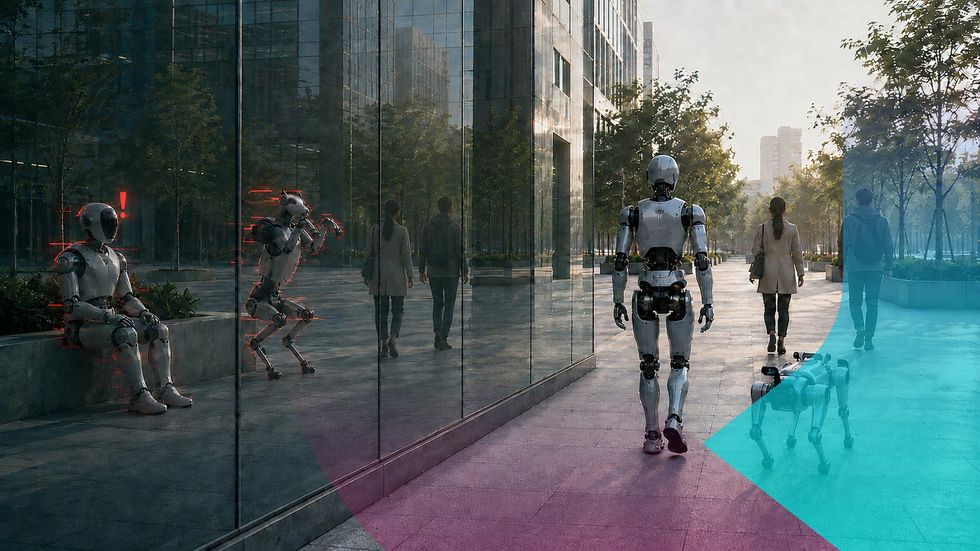
The decision by United Airlines reflects a growing concern in the aviation industry regarding the safety implications of transporting advanced robotic technologies. As airlines navigate the complexities of integrating new technologies, the focus on safety protocols will be critical in shaping future policies. This ban may influence how robotics are perceived and utilized in public transportation settings.

























Leave a comment