


Hyetone 广州海同工业技术有限公司
Guangzhou maker of EXO wearable exoskeletons and AMB aluminium rail systems; CNAS-certified vision AI; clients include Volvo, FAW-VW, and Tesla Fremont.
Contact Hyetone
WEBSITE
https://www.hyetone.comPHONE
+86 020-36464335HEADQUARTERS
China

Company Facts
Founded
2004
Primary Role
Manufacturer
Company Size
-
Primary Region
Asia-Pacific
Annual Sales
-
Funding Stage
-
Funding Total
-
Certifications & Memberships

Soft Exosuit Enhances Standing Up for Older Adults
A new soft exosuit is designed to assist older individuals in standing up from a seated position, addressing the challenges posed by declining strength and coordination in their legs and hips. This innovative technology aims to provide intuitive support, allowing users to perform this common movement with greater ease. The significance of this development lies in its potential to improve the quality of life for seniors, who often struggle with mobility issues. By facilitating a natural and synchronized response to the body's movements, the soft exosuit can help mitigate the difficulties faced by older adults when rising from chairs, thereby promoting independence and reducing the risk of falls. Looking ahead, the focus will be on refining the exosuit's responsiveness and ensuring it integrates seamlessly with users' movements. No further timeline was disclosed at the time of publication.
Robotics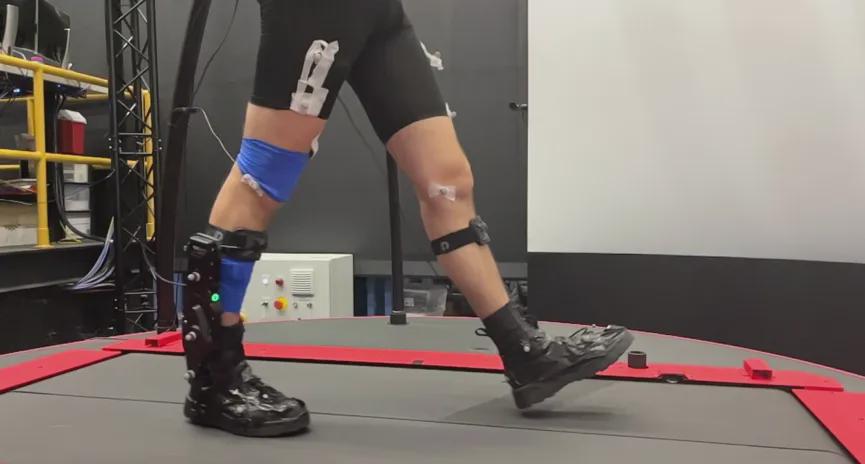
Georgia Tech Develops Wearable Robots That Interpret Muscle Activity Using Electrical Signals
Researchers at Georgia Tech have developed a system that uses six electrodes placed on the skin to track muscle activity during walking. This innovative approach extracts information about muscle contractions from electrical signals, showing a strong correlation with ultrasound measurements. The findings, published in Science Robotics, suggest that wearable robots could utilize this technology for more convenient and efficient muscle monitoring. The significance of this development lies in its potential to enhance the functionality of exoskeletons and other wearable robots. By using electrical impedance myography (EIM), the system can monitor muscle activity without the need for invasive procedures or complex ultrasound equipment. This could lead to more accessible and lower-power solutions for tracking muscle behavior in real-time. Looking ahead, researchers aim to further explore the relationship between muscle contractions and the electrical impedance changes observed. Understanding how these internal muscle dynamics contribute to movement will be crucial for advancing wearable robotics and improving their integration into everyday activities. No further timeline was disclosed at the time of publication.
Wearable Robots Muscle Monitoring Exoskeleton Technology Biomedical Engineering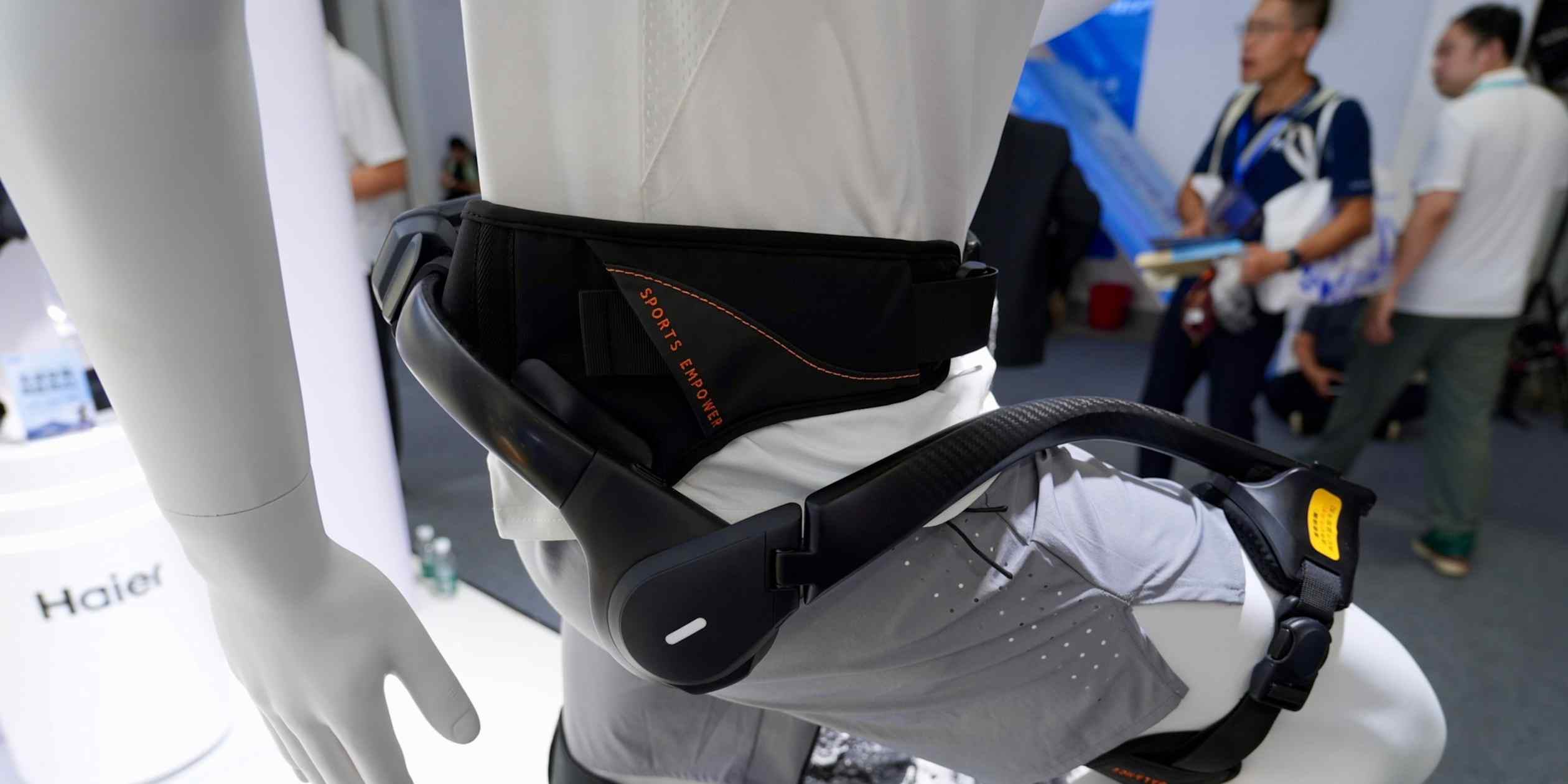
China's Exoskeleton Robots Transition into Consumer Markets Beyond Medical Use
Exoskeleton robots, also known as powered suits, are increasingly entering the consumer market in China, moving beyond their traditional applications in medicine and industry. This shift was highlighted by appliance maker Haier Group, which showcased its exoskeleton products at the World Robot Conference in Beijing in August 2026. The emergence of exoskeletons in everyday life signifies a notable trend in the robotics sector, as companies and startups race to capitalize on this nascent market. The growing interest in these wearable devices reflects a broader movement towards integrating advanced technologies into daily activities, enhancing physical capabilities for consumers. Looking ahead, the competition among appliance makers and startups in the exoskeleton market is expected to intensify. As more companies enter this space, it will be crucial to monitor developments and innovations that could shape the future of consumer robotics. No further timeline was disclosed at the time of publication.
Robot Ride to Open Interactive Attraction 'THE ROBOT PARK ODAIBA' on October 15, 2026
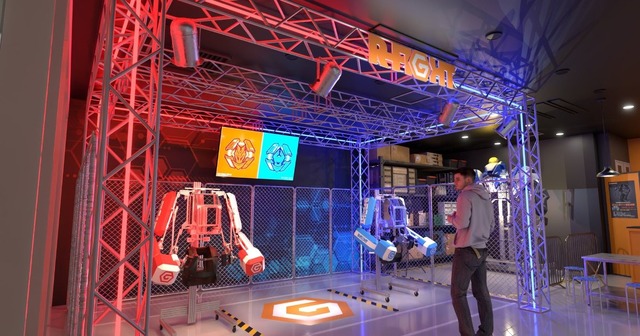
Robot Ride, a company specializing in the development of wearable robots, will launch 'THE ROBOT PARK ODAIBA' on October 15, 2026, at Aqua City Odaiba in Tokyo. This interactive attraction aims to provide robot experiences to both domestic and international visitors, building on the success of previous events that attracted over 7,000 attendees in Hachioji. The facility will feature a cyberpunk-themed space of 25 tsubo, offering four main experiences: ROBOT FIGHT, where participants wear specialized robots to compete; ROBOT RIDE, allowing users to pilot the 3-meter tall exoskeleton robot 'Skeletontics'; Cyber KASSEN, a digital battle activity; and a robot assembly workshop. Safety measures will be in place, requiring participants in ROBOT FIGHT to be at least 7 years old and 110 cm tall. No further timeline was disclosed at the time of publication. The attraction aims to engage children and families, with discounted prices for Tokyo residents. Daisuke Miyamoto, CEO of Robot Ride, expressed a desire to bring the dream of controlling giant robots to life, expanding the excitement experienced at their Hachioji factory to this new location.

Researchers Innovate Wearable Robotic Limbs to Assist with Daily Tasks
Researchers are developing wearable robotic limbs designed to assist individuals in performing everyday tasks. This innovation aims to provide users with an extra hand, enhancing their ability to manage multiple activities simultaneously. The significance of this development lies in its potential to improve the quality of life for those who struggle with mobility or have limited dexterity. By integrating robotic technology into wearable devices, users can gain greater independence and efficiency in their daily routines. Looking ahead, it will be important to monitor advancements in this technology and its applications in various settings. The ongoing research may lead to practical solutions for individuals needing additional support in their daily lives. No further timeline was disclosed at the time of publication.
Robotics
FAULHABER Drives the IX BACK VOLTON Exoskeleton for Enhanced Worker Support
The IX BACK VOLTON exoskeleton, developed by SUITX, utilizes FAULHABER drive solutions to provide significant support for manual laborers. This innovative system is designed to alleviate back strain during physically demanding tasks in logistics and production environments. The importance of the IX BACK VOLTON lies in its ability to enhance worker efficiency and reduce injury risks. By integrating advanced robotics and adaptive intelligence, the exoskeleton dynamically adjusts support based on the user's movements, ensuring comfort and effectiveness during repetitive tasks. Looking ahead, the demand for ergonomic solutions like the IX BACK VOLTON is expected to grow, particularly in fast-paced logistics settings. As industries continue to prioritize worker safety and efficiency, the successful deployment of this exoskeleton could set a new standard for wearable robotic support in the workplace.

The Missing Price: What Non-Disclosure Reveals About the Humanoid Market
Of 131 announced robot models, 33 publish no price. US makers withhold at twice the rate of Chinese ones — and the reason is stage, not strategy.
Sichuan's Investment in Exoskeleton Robots Enhances Healthcare and Tourism Sectors
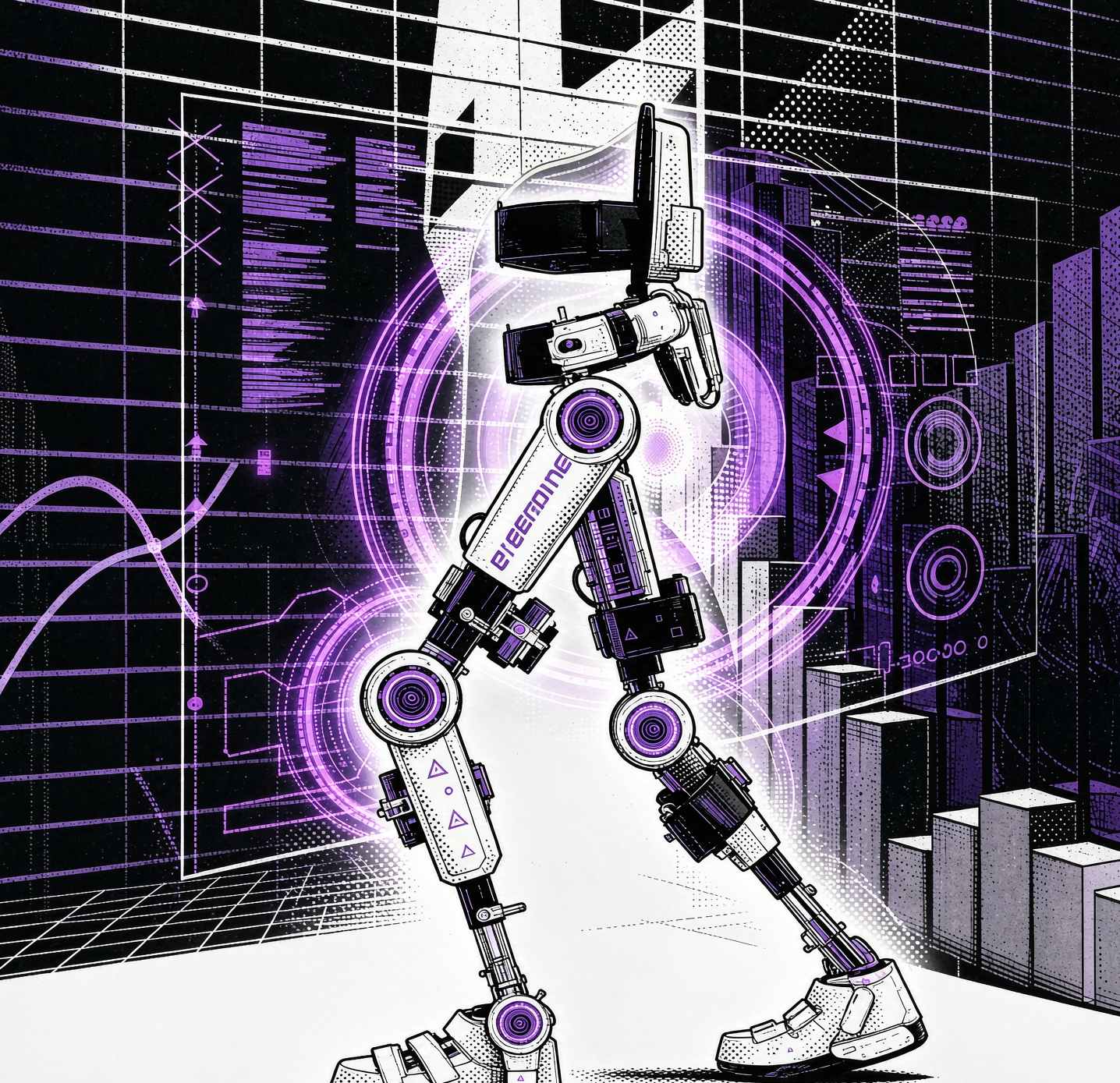
Sichuan's Buffalo Robotics has developed a lower limb exoskeleton that improves mobility for individuals with spinal injuries, achieving a 50% sales increase last year. The device, weighing 2.2 kg and made of carbon fiber, incorporates AI and brain-machine interface technology to enhance rehabilitation training. The significance of this development lies in its potential to transform rehabilitation practices, allowing therapists to assist multiple patients simultaneously while maintaining consistent training intensity. The exoskeleton's applications extend beyond healthcare, with partnerships established for tourism assistance in scenic areas like Emei Mountain. Looking ahead, industry experts predict a surge in consumer-grade exoskeletons by 2025, with expectations for prices to decrease significantly as technology advances. Sichuan is actively fostering market growth, having established numerous smart rehabilitation centers to support this initiative.
Exoskeleton Robots Rehabilitation Technology AI in Healthcare Tourism Assistance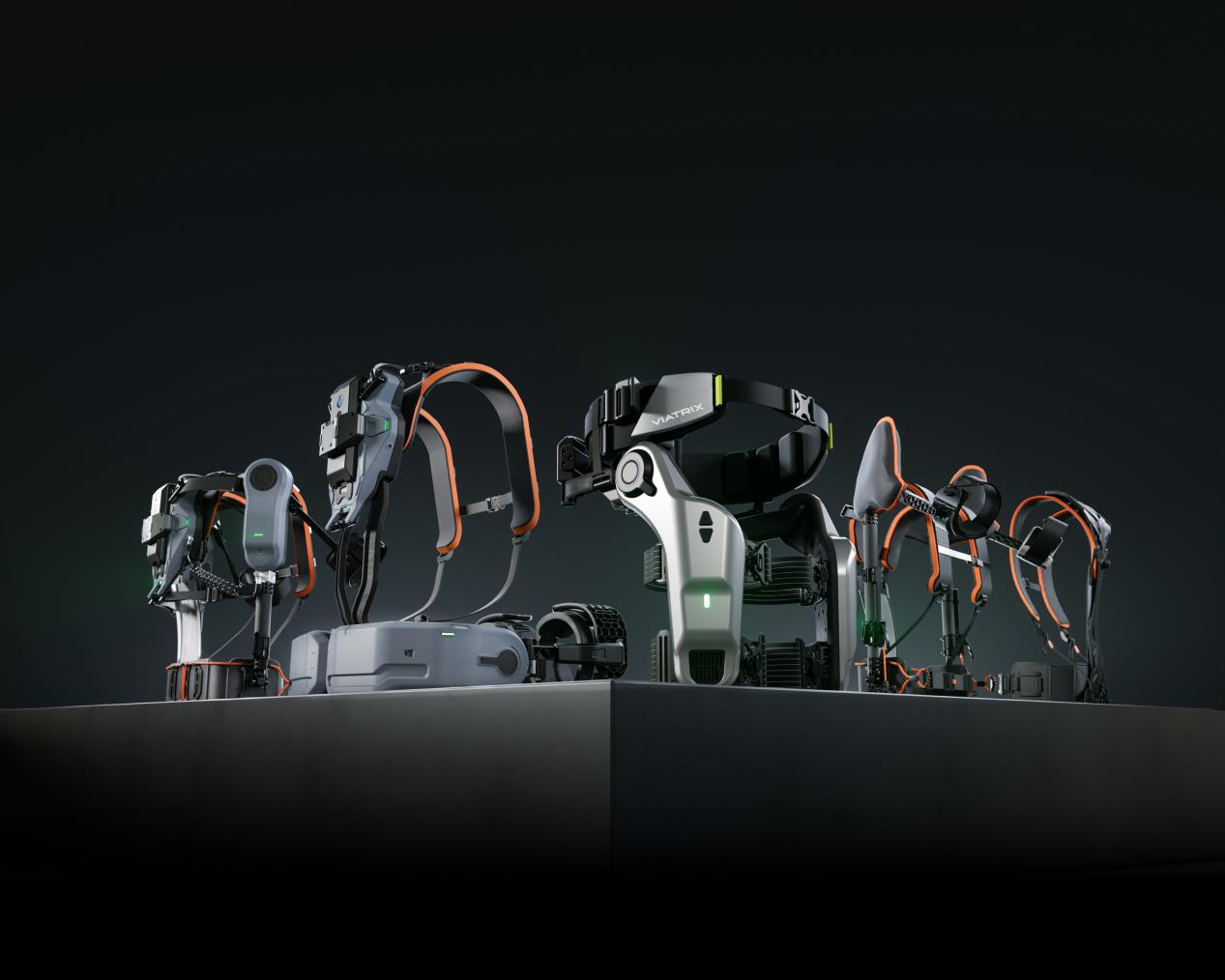
VIATRIX X Set to Launch as a Game-Changer for Outdoor Consumer Exoskeletons
VIATRIX, a brand under Aoshark Intelligent, is set to launch its next-generation exoskeleton, VIATRIX X, on September 22, 2026. This product is designed specifically for outdoor exploration and features revolutionary advancements in AI algorithms, power systems, and hardware architecture, establishing a new benchmark for outdoor consumer exoskeletons in 2026. The significance of VIATRIX X lies in its comprehensive upgrades in materials, safety systems, and protection levels, positioning Aoshark as a leading player in the outdoor consumer exoskeleton market. With a strong foundation in industrial-grade exoskeletons, Aoshark aims to democratize exoskeleton technology, making it accessible to everyday users. Looking ahead, Aoshark's commitment to redefining the application scenarios for exoskeletons is noteworthy. The company is focused on creating a dynamic collaboration system that responds in real-time to human movements, addressing the needs of a growing outdoor consumer base. No further timeline was disclosed at the time of publication.
Outdoor Exoskeletons AI Technology Consumer Robotics Wearable Technology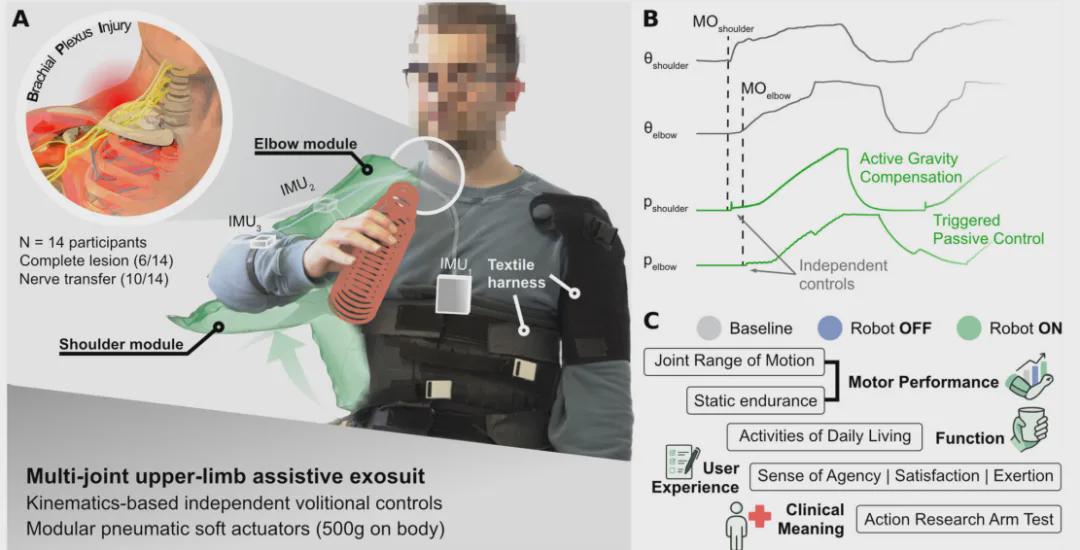
Soft Exosuit Increases Arm Mobility by 80-180% for Patients with Brachial Plexus Injuries
A team from the BioRobotics Institute of Scuola Superiore Sant'Anna, University of Turin, and CTO Hospital in Turin has developed a soft exosuit that significantly enhances arm mobility for patients with chronic brachial plexus injuries (BPI). The exosuit, weighing approximately 0.6 kg, was tested on 14 patients, resulting in an 80% to 180% increase in active range of motion and a 160% improvement in static endurance. This advancement is crucial as BPI often leads to severe loss of sensation and motor control in the upper limb, primarily affecting young males under 30, with motorcycle accidents being the leading cause. The exosuit employs soft pneumatic actuators to assist shoulder and elbow movements, providing a novel solution that addresses the critical joint often overlooked in previous wearable robotics. Future developments in this technology could further enhance rehabilitation for BPI patients. The study's findings indicate that the exosuit not only improves mobility but also reduces the effort required for movement, as evidenced by a significant decrease in muscle activity during use. No further timeline was disclosed at the time of publication.
Soft Robotics Wearable Technology Rehabilitation Devices Medical Innovation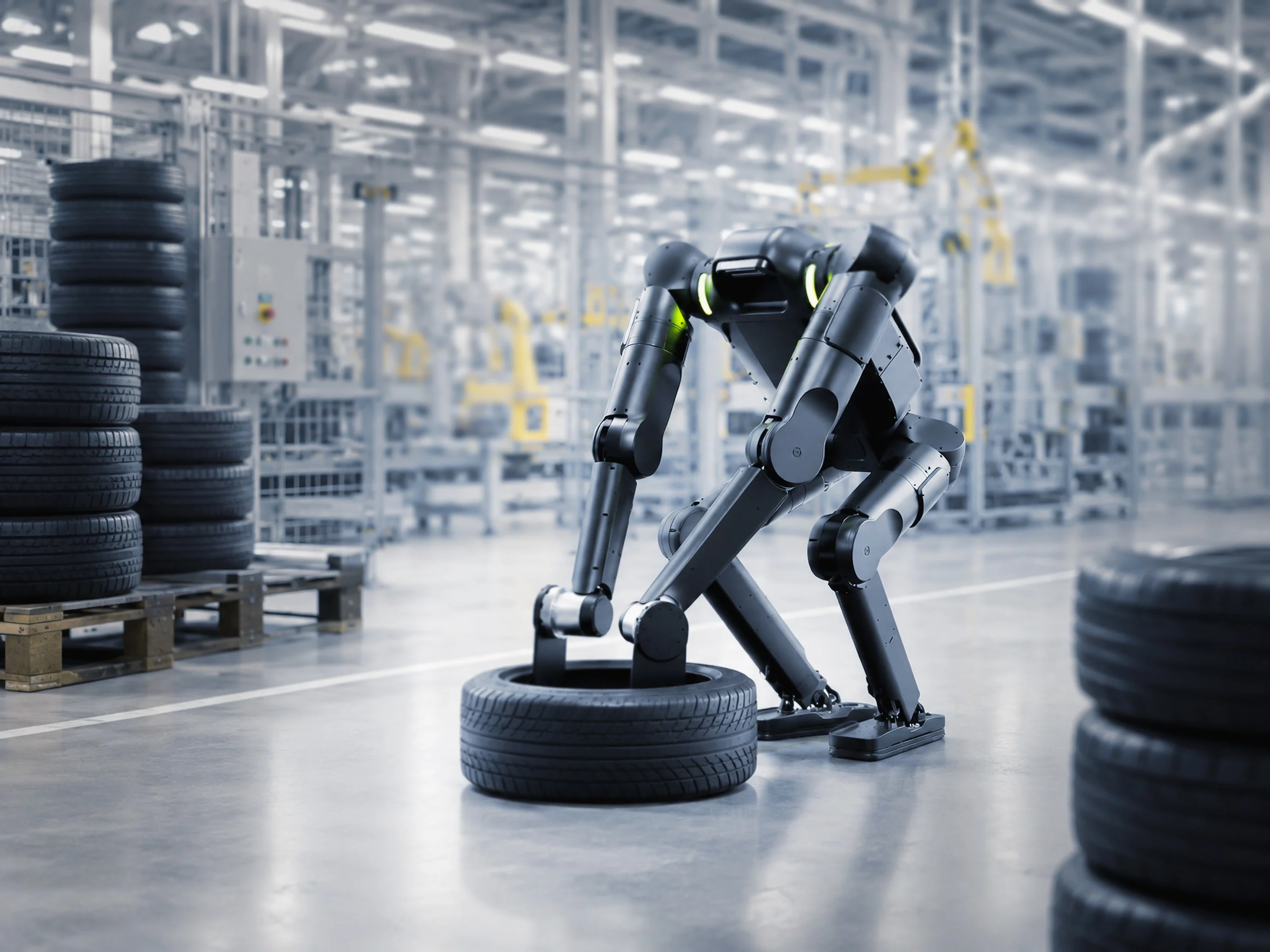
Wandercraft Aims for €100M Funding at €750M Valuation to Expand Industrial Humanoid Efforts
Wandercraft, a Paris-based robotics company, is seeking approximately €100 million (around $116 million) in new equity funding to enhance the commercialization of its hardware platforms. The firm is collaborating with Goldman Sachs Group Inc. to facilitate this funding round, which is expected to achieve a pre-money valuation of about €750 million. Discussions are ongoing, and neither Wandercraft nor Goldman Sachs has commented on specific terms or timelines. This funding initiative comes as Wandercraft transitions from its specialized rehabilitation hardware to a focus on heavy industrial automation. The company previously raised $75 million in a Series D funding round, which included investments from Renault SA and other notable entities. Wandercraft is known for its dynamic balancing medical exoskeletons, but its recent efforts are centered on the Calvin family of industrial humanoids designed for heavy-payload material handling in automotive manufacturing. Looking ahead, Wandercraft's push for €100 million reflects a larger trend in European robotics financing, where startups are increasingly attracting significant late-stage investments. The involvement of Goldman Sachs indicates a shift towards institutional investors capable of supporting long-term manufacturing cycles, as seen in recent funding successes by other European robotics firms like NEURA Robotics and Humanoid.
Europe Market Wandercraft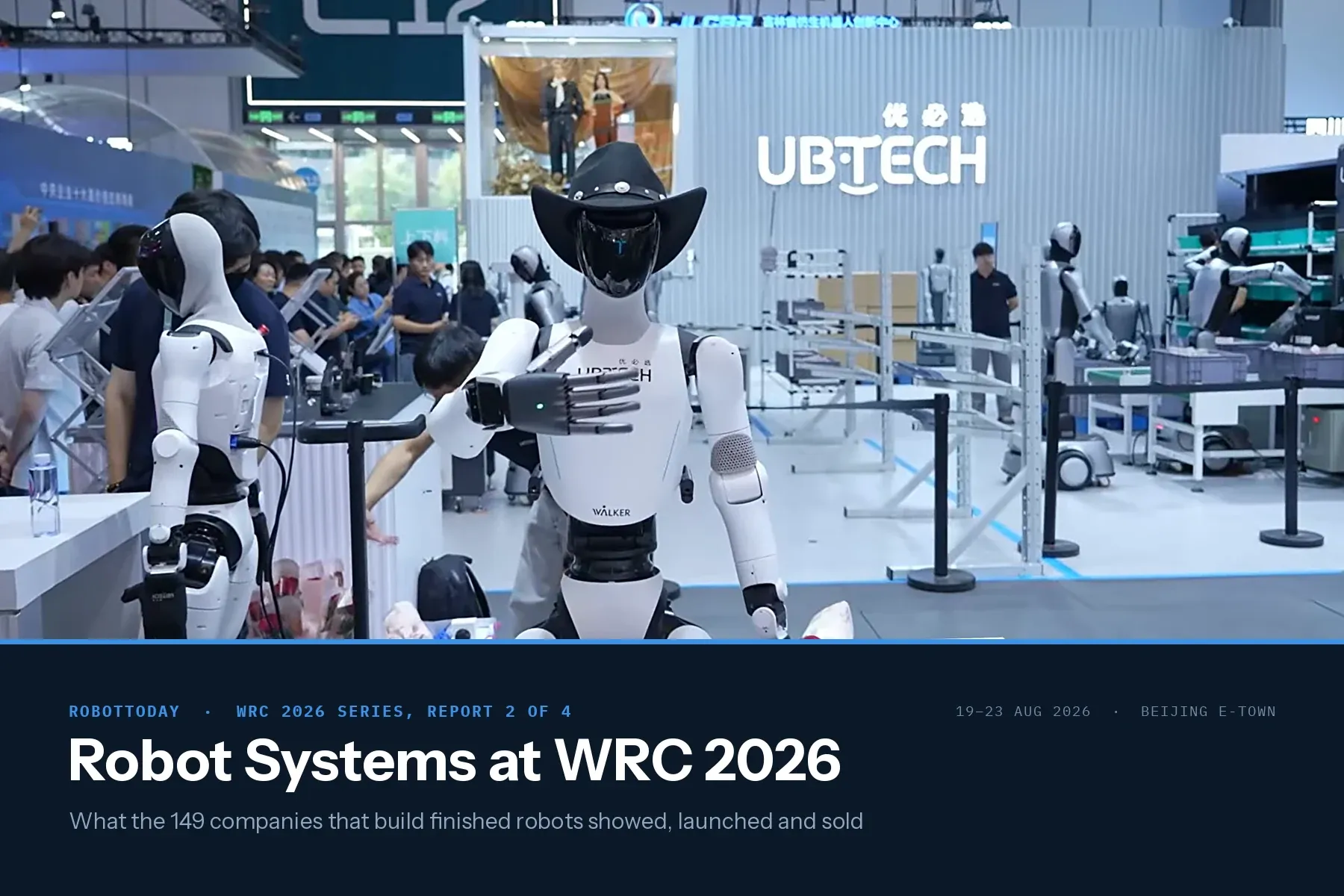
WRC 2026 Robot Systems: 149 Companies That Build Robots
149 of the 248 classified WRC 2026 exhibitors build finished robots. 93 build humanoid or legged machines. The audited humanoid sales number is one unit.
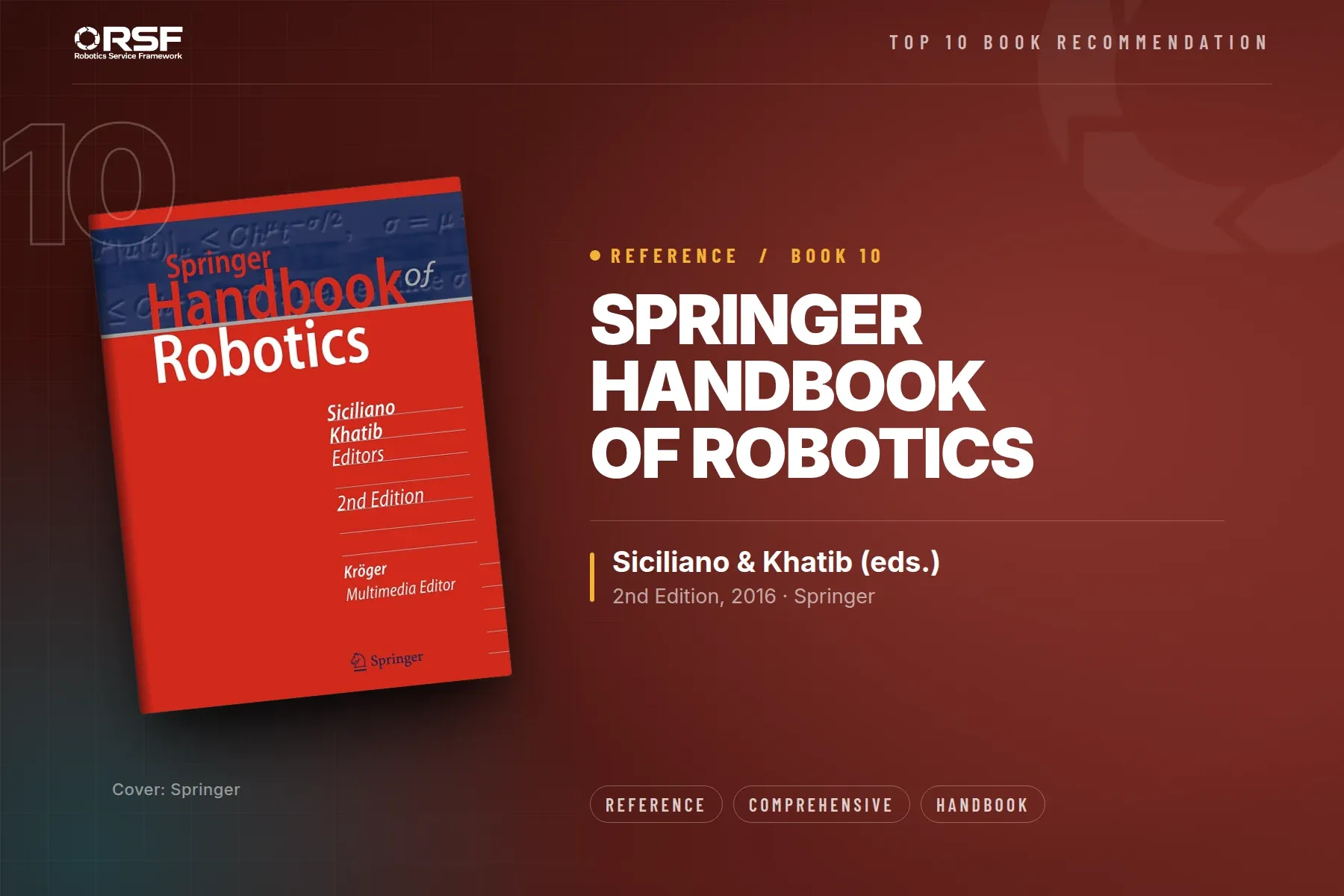
Springer Handbook of Robotics B. Siciliano & O. Khatib (eds.) — RSF Top 10 Robot Education Textbooks · No. 10
Eighty-plus chapters, 2,300 pages, nobody reads it cover to cover. It ranks for one reason: when a fault crosses domains, this is the reference of record.

CONSTRUCTION ROBOTICS | FUTURE HORIZONS: 2025–2030 & BEYOND
Construction robotics is entering its decisive decade. Autonomous jobsites, swarm coordination, humanoid integration, and a potential $60 billion market reshape every strategic decision in the industry.

ROBOTTODAY WEEKLY May 11 - 15, 2026
This week in robotics: Figure AI's humanoids hit a 24/7 nonstop autonomous work milestone, Mind Robotics raises $400M to top $1B, Waymo recalls 3,800 robotaxis over flooding, Unitree debuts the world's first mass-produced human-carrying mecha, and WIRobotics closes a $68M Series B. May 11–15, 2026.

CONSTRUCTION ROBOTICS | BUSINESS MODELS & INVESTMENT LANDSCAPE
Construction robotics attracted $4.4 billion in built environment tech funding through Q3 2025. SoftBank acquired ABB Robotics for $5.375 billion. RaaS is displacing capex models. AI-native platforms command 39x revenue multiples. This is where money meets machines.
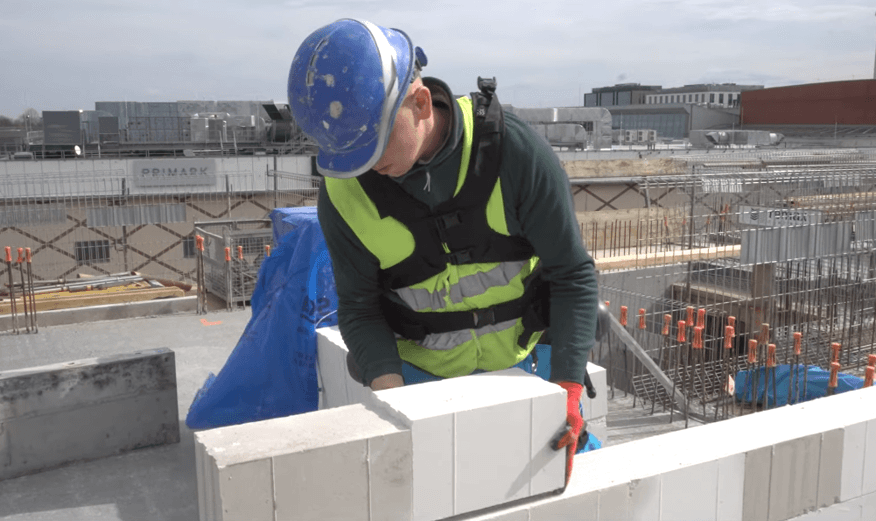
CONSTRUCTION ROBOTICS | EXOSKELETONS & HUMAN AUGMENTATION
Construction musculoskeletal injuries cost US employers over $2 billion annually. Exoskeletons are moving from pilots to standard practice. Ottobock, German Bionic, Hyundai, and Innophys launched major products in 2024–2025. Korea and Japan lead adoption. AI is turning passive suits into connected safety platforms.
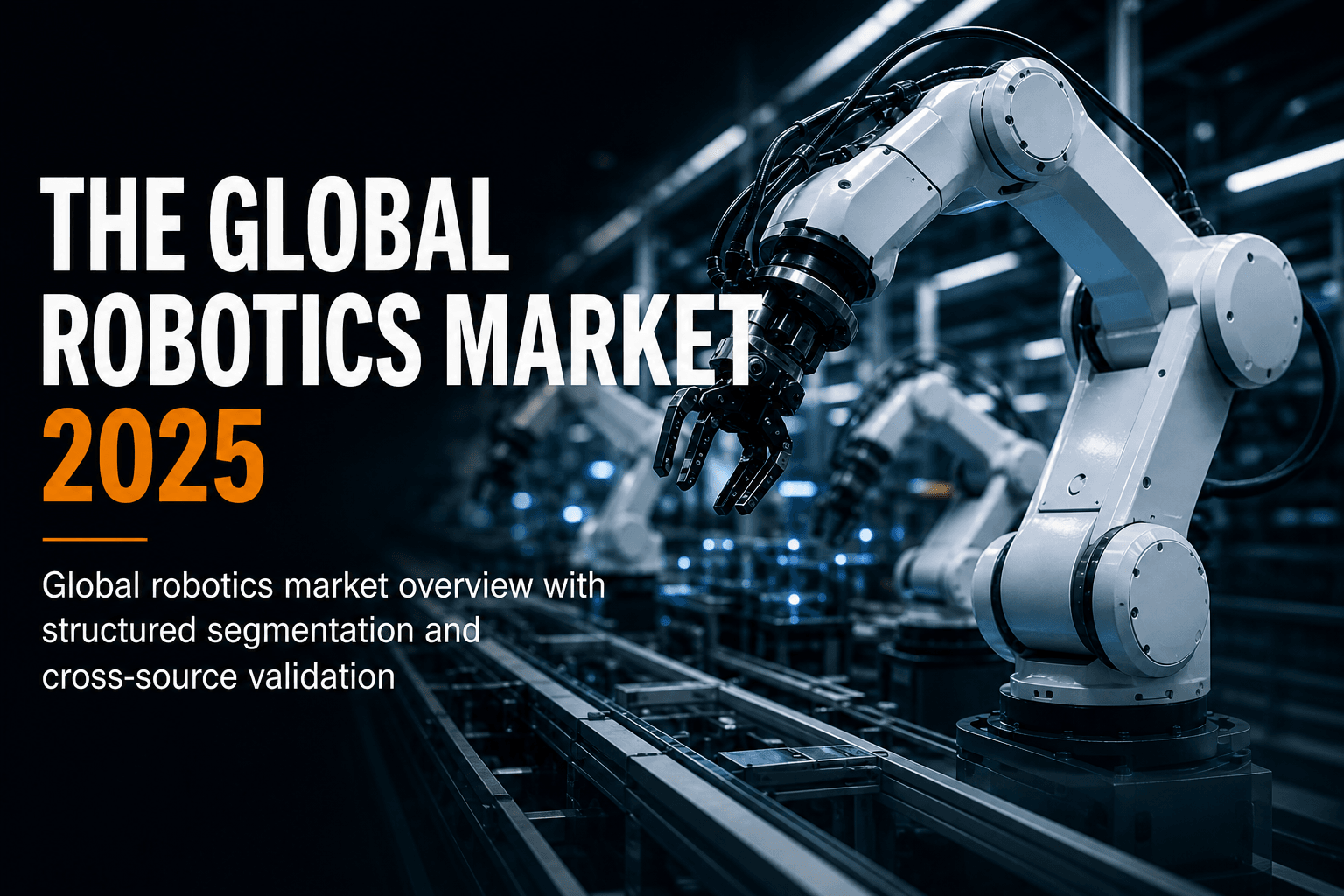
GLOBAL ROBOTICS INDUSTRY Comprehensive Sector Overview
A comprehensive global robotics industry overview for 2025, analyzing 14 key market segments — from industrial and humanoid robots to logistics AMRs, military systems, and service robots — with expert market sizing, US case studies, five-year forecasts, and bilingual English-Chinese analysis for executives and investors.

EU Bets €1.5B on Drones and AI: Inside EDIP's 2026–2027 Defence Industry Programme
The EU's €1.47 billion European Defence Industry Programme (EDIP) 2026–2027 targets drones, counter-UxS systems, AI-enabled autonomy, and loitering munitions across six major funding calls — allocating over €232 million directly to unmanned systems and related electronics supply chains.
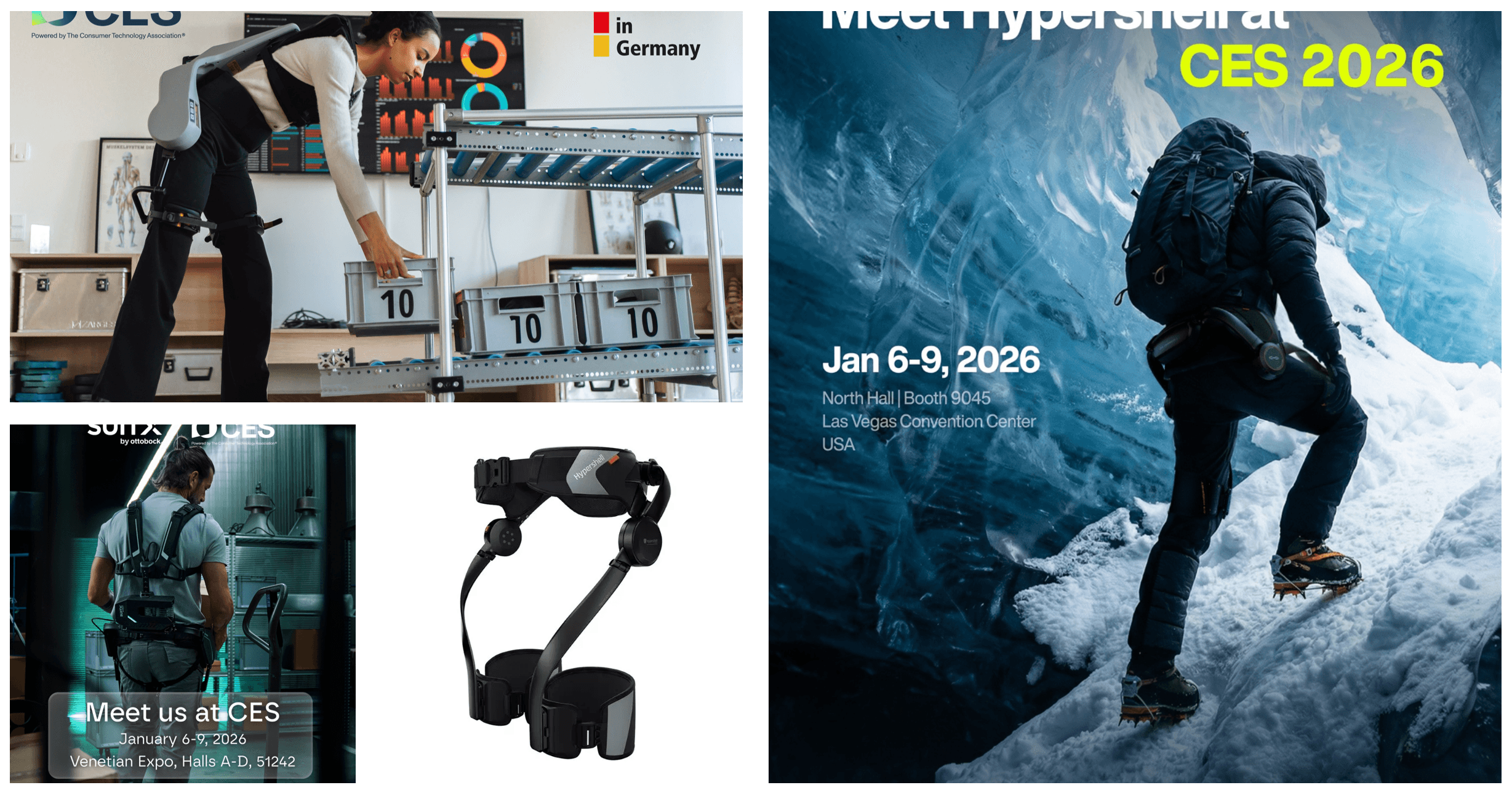
Exoskeletons: The First Scalable Motion Platform for Humanoid Robots
Exoskeletons may scale before humanoid robots. A deep technical analysis of CES 2026 trends, motion systems, actuators, AI control, power constraints, and why exoskeletons are shaping humanoid robotics first.

