

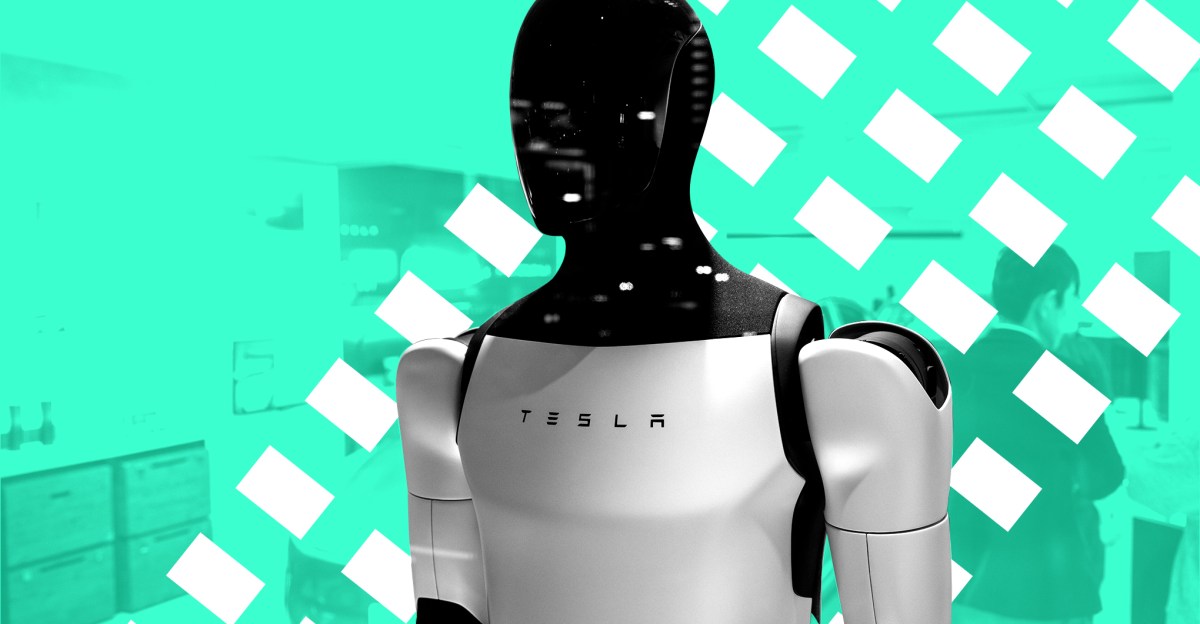
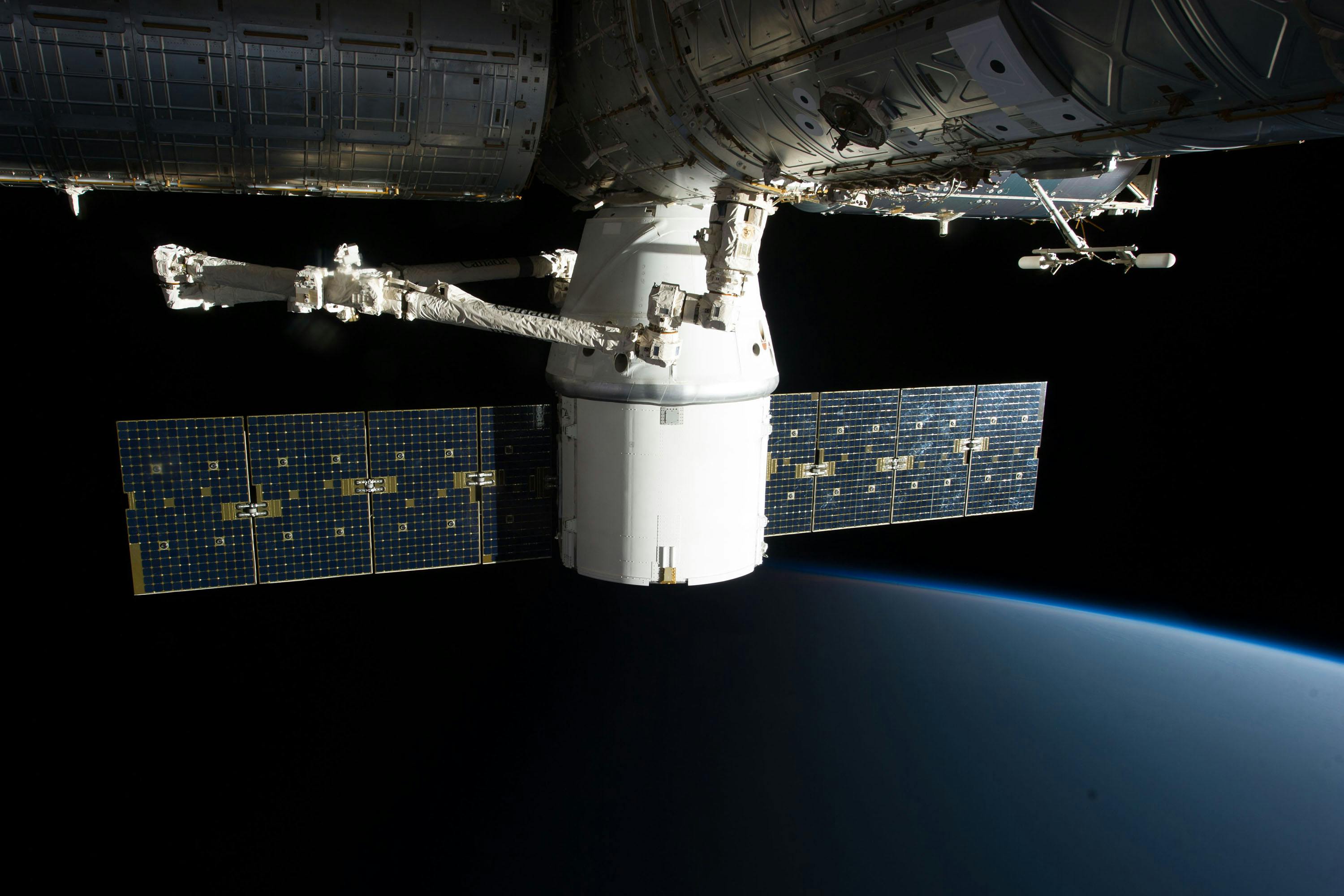
Terafab is set to manufacture two distinct chip families: edge-inference silicon for Tesla vehicles and Optimus robots, and radiation-hardened processors for SpaceX's orbital data centers. Both chip families will utilize Intel's 14A process technology and rely exclusively on ASML's lithography tools, which are crucial for their production.
This initiative is significant as Terafab is not competing for customers with TSMC but rather for ASML's lithography machines, which are essential for advanced chip manufacturing. Elon Musk emphasized the importance of producing one chip design per line to maximize yield, aiming for an output of one hundred to two hundred gigawatts of terrestrial chips and approximately one terawatt of chips for space applications.
Looking ahead, Terafab's facilities are designed to streamline the entire chip production process, from design to testing, without the need for wafer shipping between sites. The ambitious terawatt target raises questions about the feasibility of such production, especially considering the substantial number of lithography systems required for logic fabrication.
Editor's Note
The Terafab initiative highlights a pivotal shift in chip manufacturing, focusing on vertical integration and efficiency. As companies like Tesla and SpaceX push the boundaries of technology, the competition for ASML's lithography tools underscores the challenges new entrants face in the semiconductor landscape. This development may influence supply chain dynamics and investment strategies in advanced manufacturing sectors.
























Leave a comment