

Industry Briefing
A single destination for timely, editor-curated robotics news from around the world.

Bengbu Develops Comprehensive Domestic Sensor Stack from MEMS Chips to BCI Technology
Bengbu, an industrial city in Anhui province, has developed a robust domestic sensor stack that includes 8-inch MEMS wafer production, flexible brain-computer interface (BCI) electrodes, and clinical applications for stroke rehabilitation and Alzheimer's screening. This development is significant as it positions Bengbu as a key player in China's sensor technology landscape, showcasing the city's ability to integrate various technologies into a cohesive system. The advancements in MEMS and BCI technologies could enhance healthcare solutions and improve patient outcomes in critical areas such as rehabilitation and early diagnosis. Looking ahead, it will be important to monitor how Bengbu's sensor stack evolves and whether it can attract further investment or partnerships to expand its capabilities. No further timeline was disclosed at the time of publication.
Shanghai Advances BCI Development: The Race for Commercialization Has Started
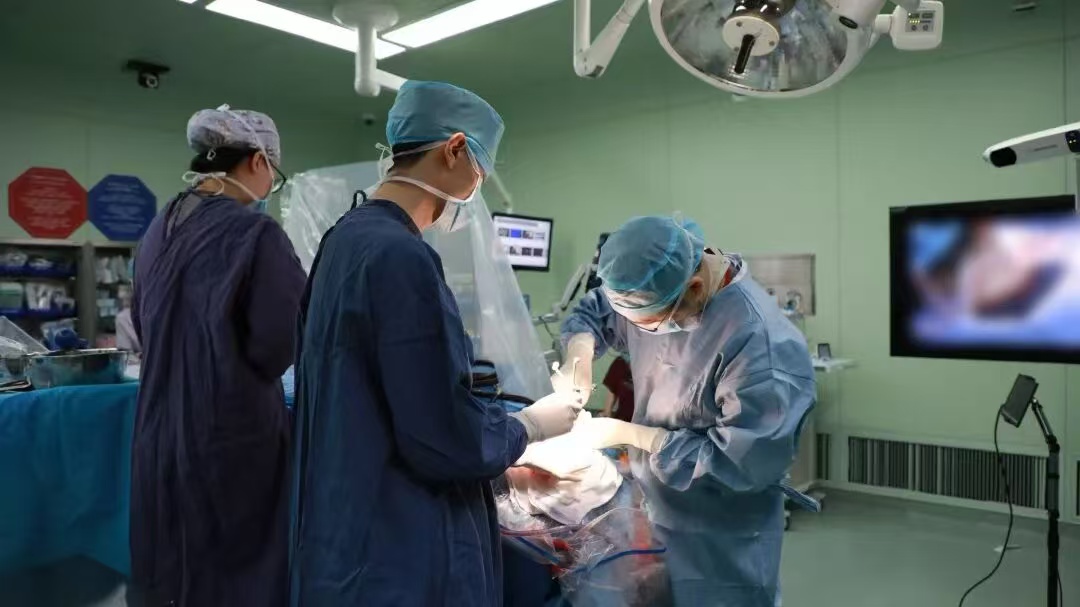
Shanghai is emerging as a key player in the global brain-computer interface (BCI) competition. The Shanghai Municipal Commission of Economy and Information Technology recently released the 'Three-Year Action Plan for the Industrialization of Brain-Computer Interfaces (2026-2028)', which aims to establish a leading national industrial chain ecosystem in the non-invasive BCI sector by 2028. The plan includes nurturing at least 50 related enterprises and achieving large-scale applications of core products in medical rehabilitation and cognitive training. This initiative is not just a theoretical blueprint. A team led by Academician Zhou Liangfu from Huashan Hospital's Neurosurgery Department, in collaboration with the Institute of Microsystem Research at the Chinese Academy of Sciences, has developed an implanted BCI product that has completed its first clinical trial with volunteers for motor function rehabilitation in paraplegic patients. Shanghai is adopting a parallel strategy with multiple technological routes, supporting invasive, semi-invasive, and non-invasive teams with dedicated funding, with non-invasive approaches progressing more rapidly. The Pudong New Area has designated a 'Brain Science Industrial Base' where the first batch of companies can benefit from various supports, including R&D expense deductions and expedited clinical trial processes. Shanghai's goal is clear: to become the city with the lowest operational costs and minimal policy friction for BCI enterprises. As the global BCI landscape evolves, Shanghai's focus on industrialization aims to establish a commercial loop in hospitals while ensuring safety and regulatory compliance, leveraging China's vast market potential in stroke rehabilitation, youth attention training, and early Alzheimer's screening.
Brain-Computer Interfaces Healthcare Technology Neurorehabilitation Cognitive Training
CorTec Secures Second FDA Breakthrough Device Designation for Brain Interchange BCI
CorTec has achieved a second Breakthrough Device Designation from the FDA for its Brain Interchange brain-computer interface, specifically for aiding communication in individuals with non-progressive quadriplegia. This designation allows users with paralysis in all four limbs to control a computer cursor using neural signals, facilitating independent interaction with digital systems. This development is significant as it highlights the potential of the Brain Interchange platform to serve dual purposes: as a therapeutic tool for stroke rehabilitation and as an assistive device for communication. The FDA's Breakthrough Device Designation is granted to technologies that promise more effective treatment for serious conditions, ensuring a streamlined regulatory review process. Looking ahead, CorTec is set to explore the communication capabilities of the Brain Interchange system under structured FDA engagement. The ongoing stroke study at the University of Washington has already shown promising results, with participants demonstrating computer control through thought, indicating the system's potential for enhancing the quality of life for individuals with severe mobility impairments.
Computing Health News Science bci brain interchange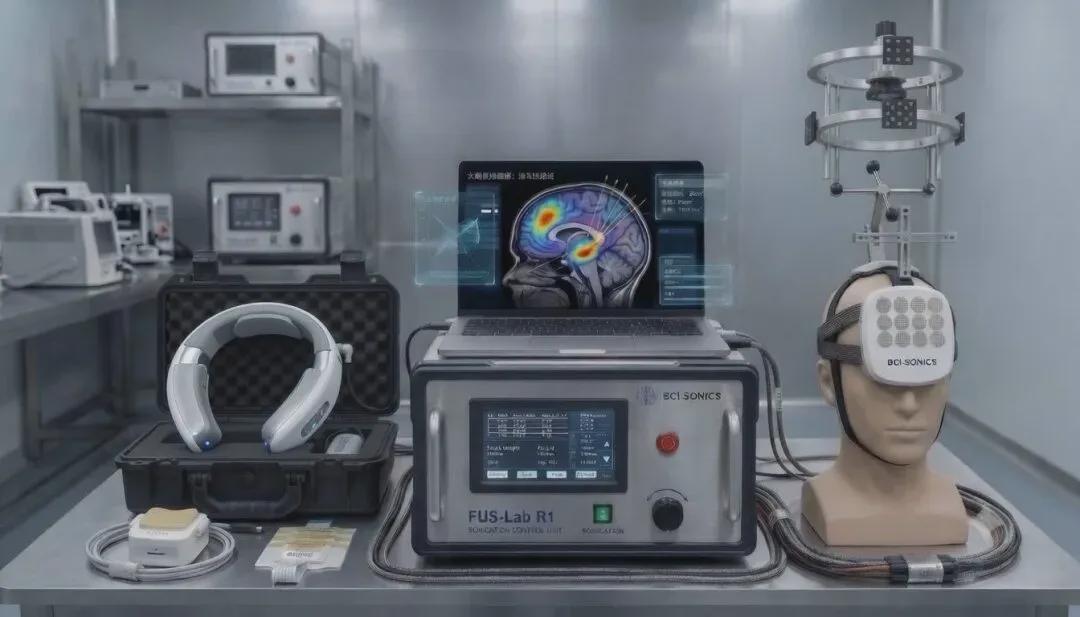
AI-Driven Ultrasound Technology Enables Non-Invasive Brain Access: BCI-Sonics Secures $14 Million in Seed Funding
BCI-Sonics, a startup focused on artificial intelligence and ultrasound brain-machine interfaces, has successfully secured around $14 million in seed funding to enhance its groundbreaking technology. The funding will support the development of a non-invasive technique that utilizes low-intensity focused ultrasound to access deep brain regions, potentially revolutionizing clinical applications in neurology. With a robust engineering team dedicated to precision and efficiency, BCI-Sonics is set to make significant strides in the field of brain stimulation therapies.
Brain-Machine Interfaces Ultrasound Technology Neuroscience Medical Devices AIRobotics needs a service framework.
RSF defines a common language for robot service capability, lifecycle operations, certification pathways, and service-provider networks.
Join the RobotToday community on LinkedIn
Daily robotics news, in-depth analysis, conference highlights, and discussions with professionals worldwide.






