

Meta
Technology company whose Reality Labs and FAIR groups develop embodied AI, humanoid robotics, and Quest VR/AR hardware.
Contact Meta
WEBSITE
https://www.meta.comHEADQUARTERS
United States


Company Facts
Founded
2004
Primary Role
Research Institute
Company Size
-
Primary Region
North America
Annual Sales
-
Funding Stage
-
Funding Total
-
Certifications & Memberships
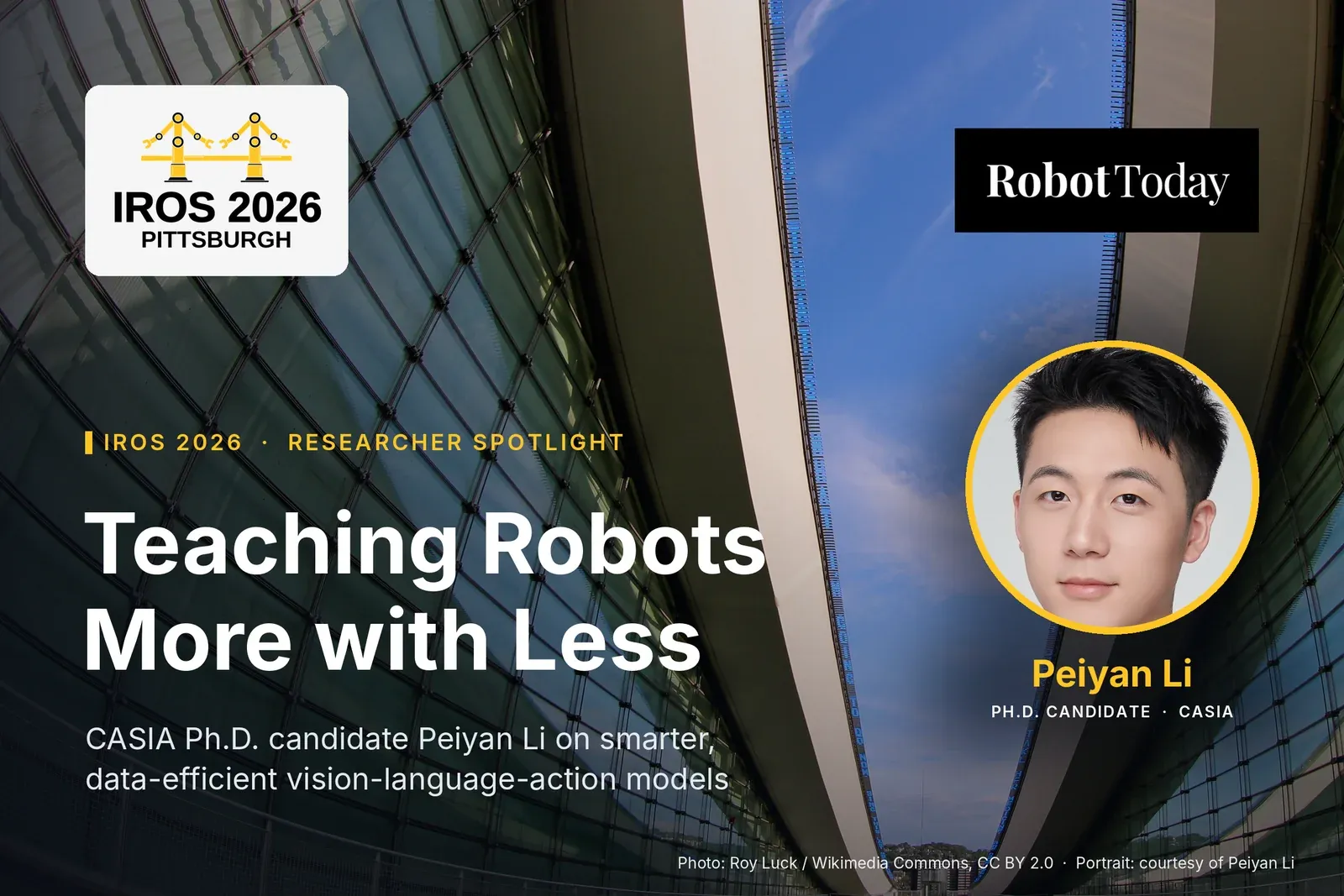
CASIA's Peiyan Li Brings Two VLA Papers to IROS 2026
CASIA Ph.D. candidate Peiyan Li co-authored two IROS 2026 papers on VLA models for long robot tasks. We also cover his BridgeVLA and SpatialVAM work.

IROS 2026 by the Numbers: Papers, Countries, Topics
RobotToday analyzed all 1,933 IROS 2026 papers: acceptance fell to 36.5%, the U.S. overtook China, and VLA titles jumped from 4 to 65.

U.S. Government, Meta, and Google DeepMind Collaborate on Virtual Cells for Biology Research
The U.S. government, Meta, Google DeepMind, and other partners are collaborating to invest nearly $1.8 billion in the development of open biological datasets. This initiative aims to create 'virtual cells' that researchers can use to predict cellular behavior and conduct digital biological experiments. The project is an extension of Biohub’s Virtual Biology Initiative, which seeks to standardize experimental data to enhance predictive modeling in biology. This collaboration is significant as it addresses the critical need for large, standardized datasets that demonstrate how cells react to varying conditions. By providing these datasets, the initiative aims to facilitate the development of accurate predictive models, which could significantly accelerate scientific discovery and improve understanding of diseases and potential treatments. Biohub's Head of Science, Alex Rives, emphasized that such models could transform the way experiments are conducted, allowing for digital experimentation before physical lab work. Looking ahead, the initiative will leverage contributions from the U.S. Department of Energy and the National Institutes of Health, alongside private investments. The combined efforts will utilize advanced technologies and resources from various organizations, including NVIDIA's computing infrastructure. No further timeline was disclosed at the time of publication.
AI and Robotics Health
Microsoft Launches $2,599 Surface Laptop Ultra Featuring Nvidia AI Chip
Microsoft has announced the launch of its Surface Laptop Ultra, priced at $2,599, which features an Nvidia AI chip capable of running large AI models locally. This device, available for preorder and shipping on October 16, includes a unique magnetic USB-C port and aims to enhance AI capabilities in consumer devices. The introduction of the Surface Laptop Ultra is significant as it positions Microsoft to compete more effectively in the growing AI market, allowing users to run AI workloads without incurring cloud costs. The laptop's specifications include up to 128 gigabytes of unified memory and a Blackwell RTX Spark GPU, which offers computing power comparable to Nvidia's DGX-1 data center server. Looking ahead, Microsoft is also set to integrate Meta's Muse AI agent into Windows, reflecting the increasing importance of personal AI agents. No further timeline was disclosed at the time of publication.
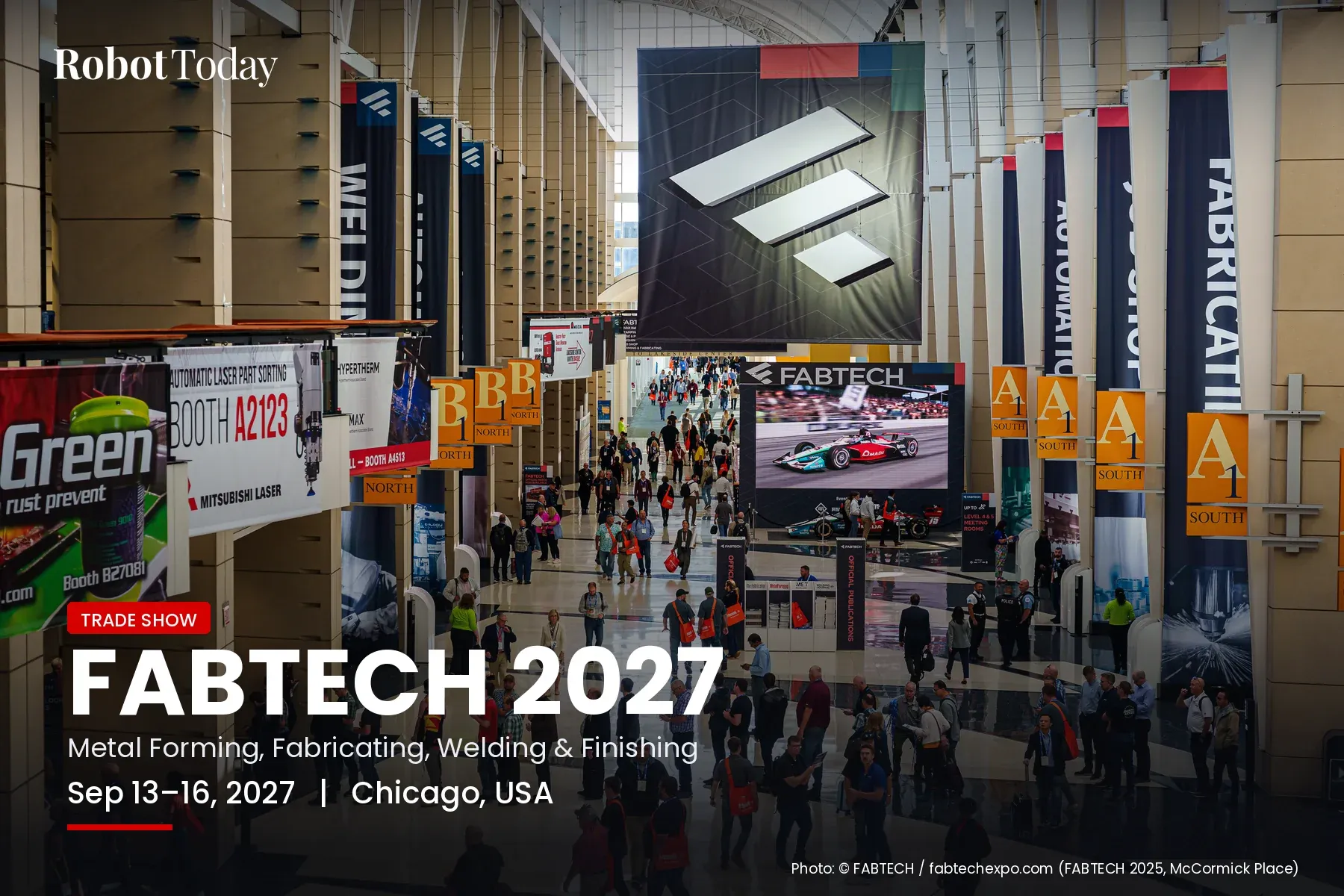
FABTECH 2027 | Sep 13–16, McCormick Place, Chicago
FABTECH 2027, Sep 13–16 at McCormick Place, Chicago: metal fabrication, welding and automation expo with robotic welding cells, AI pavilion.

Boston Dynamics Appoints Rohit Prasad as New CEO to Drive Physical AI Strategy
Boston Dynamics has announced the appointment of Rohit Prasad as its new CEO, effective immediately. Prasad, who previously served as senior vice president and head scientist for Alexa at Amazon, will succeed Amanda McMaster, who acted as interim CEO following Robert Playter's departure in February. Prasad's leadership is expected to accelerate Boston Dynamics' physical AI strategy, integrating advanced AI with robotics to commercialize intelligent machines. He emphasized the company's unique position to advance physical AI and aims to enhance safety, productivity, and operational efficiency in various industrial and commercial environments. Looking ahead, Prasad is anticipated to join the Board of Directors, subject to approval. Boston Dynamics continues to innovate, recently unveiling a new hand for its Atlas humanoid and launching the Robotics Metaplant Application Center in Georgia, which focuses on integrating robotics into Hyundai's manufacturing processes. No further timeline was disclosed at the time of publication.
Artificial Intelligence Artificial Intelligence / Cognition Assembly Automotive Autonomous Mobile Robots (AMRs) Design / Development
Automation Solutions for the Future of Sheet Metal Processing
The increasing variety of parts, shorter cycle times, and a shortage of skilled labor are intensifying the demand for automation in sheet metal processing. Schmalz addresses this need with a comprehensive portfolio of end-of-arm tooling (EOAT) and handling solutions, including vacuum grippers and gripping systems, as well as intelligent complete solutions for automated processes. This shift towards automation is crucial as manufacturers seek to enhance efficiency and productivity in response to market demands. The ability to quickly adapt to diverse production requirements while maintaining quality is essential for competitiveness in the sheet metal industry. Looking ahead, the focus will be on how companies like Schmalz continue to innovate and provide solutions that meet the evolving challenges in sheet metal processing. No further timeline was disclosed at the time of publication.
Allgemein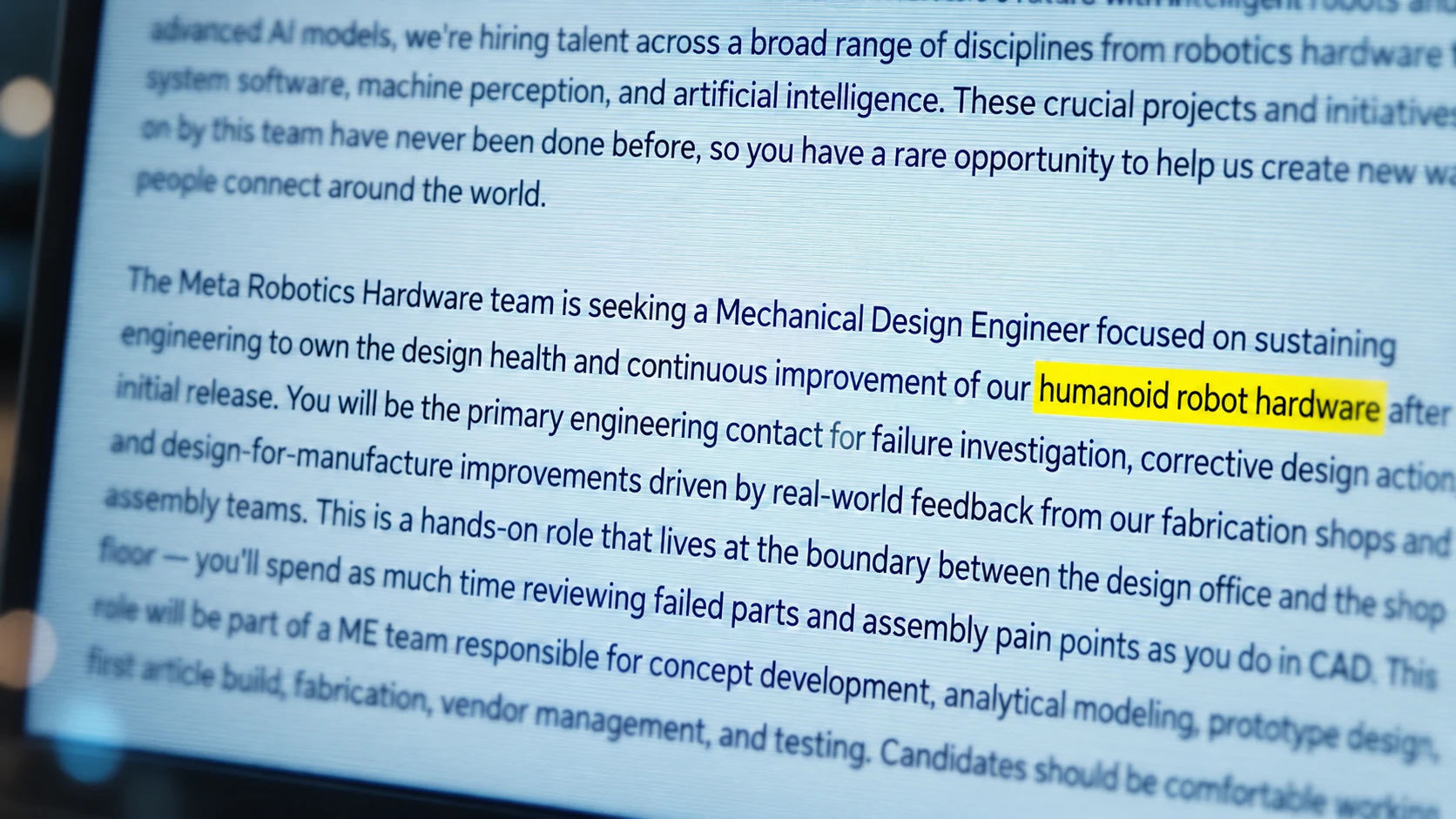
Meta Seeks Engineer for Humanoid Robot Hardware Maintenance and Improvement
Meta is actively recruiting a Mechanical Design Engineer for its humanoid robot hardware in Redmond, Washington. The job listing highlights the responsibilities of maintaining and enhancing the design health of the robots, which are part of Meta's broader robotics ambitions. The engineer will focus on ensuring the functionality of the robots, addressing issues such as fractured components and assembly challenges. This recruitment is significant as it underscores Meta's commitment to developing humanoid robotics, following previous reports of an internal robotics group within Reality Labs. The role emphasizes practical engineering tasks essential for sustaining and improving robot platforms, indicating that Meta is serious about its robotics initiatives. The job listing also reflects the company's ongoing efforts to build hardware that supports data collection and system testing. Looking ahead, the focus on hiring for hardware reliability and assembly suggests that Meta is preparing for future developments in its humanoid robotics program. However, no specific timeline for a product launch or the number of robots built has been disclosed at this time. The industry will be watching closely for any updates on Meta's progress in this area.
US Meta
LogiMAT 2027: March 16–18, Messe Stuttgart
Meta description LogiMAT 2027 runs March 16–18 at Messe Stuttgart under the theme "MIND MEETS MACHINE", with AI, AMRs and humanoid robots in focus for intralogistics.
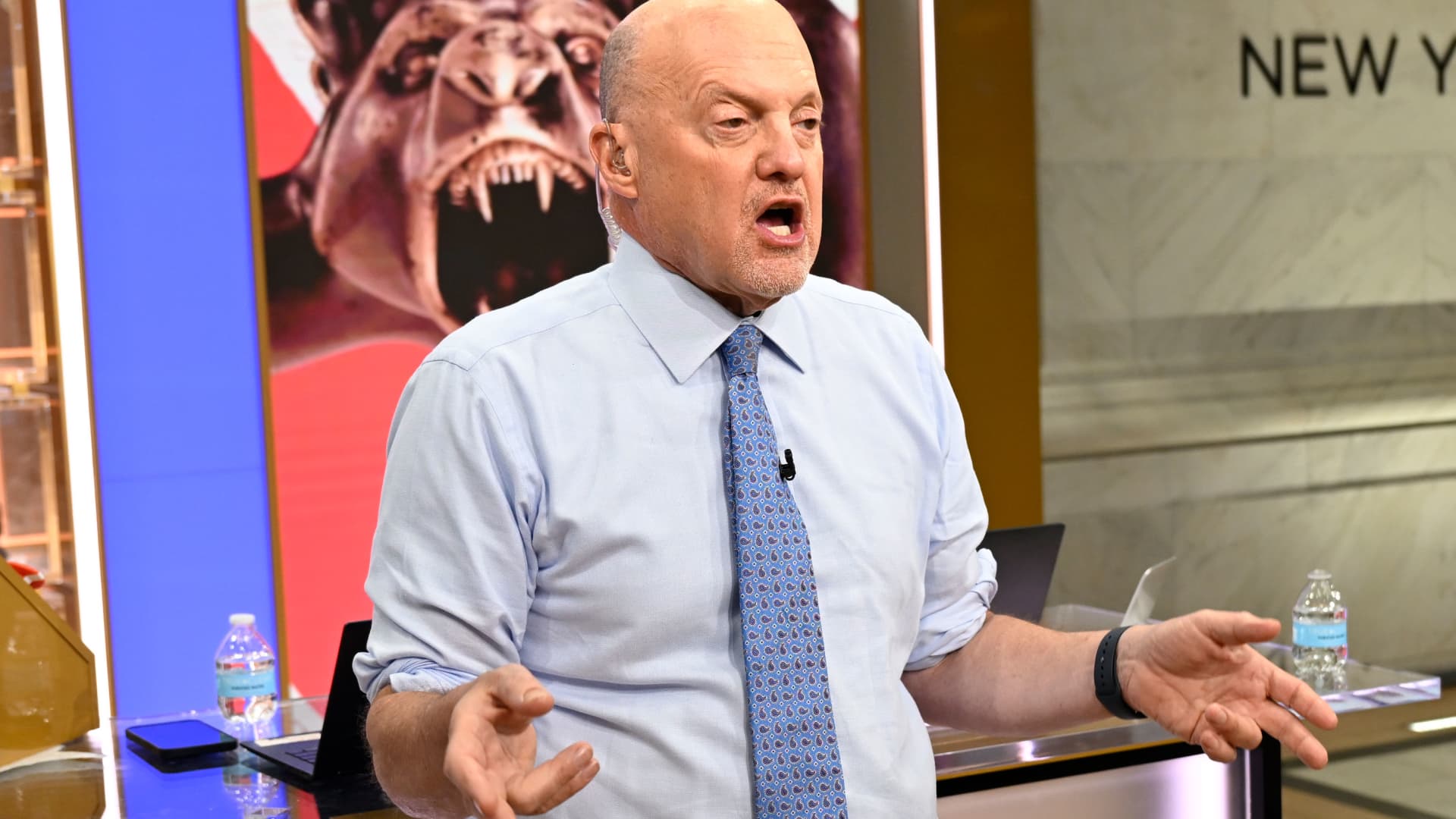
Jim Cramer Analyzes Record Stocks Amid Rising Treasury Yields
CNBC's Jim Cramer highlighted that stocks, particularly in the Nasdaq and S&P 500, are reaching record highs despite rising Treasury yields. He attributed this unusual market behavior to major players like Nvidia, Microsoft, and Meta, which are driving gains even as yields hit multiyear highs. The Nasdaq Composite rose approximately 1% and the S&P 500 increased by 0.66%, with significant contributions from these tech giants. Cramer emphasized the importance of the bond market as a signal for future stock movements, noting that the disconnect between stock performance and rising yields could indicate underlying market pressures. Despite the record highs, traditional safety stocks and utilities are showing weakness, suggesting that higher rates are impacting broader market segments. The 10-year Treasury yield surpassed 5.34%, while the 30-year approached 5.7%, indicating a challenging environment for many investors. Looking ahead, Cramer warned that the ongoing sell-off in Treasuries could reflect broader economic issues, including government borrowing needs and hedge fund activities. He cautioned against viewing the current stock levels as a sign of stability, asserting that the bond market may provide clearer insights into future market directions. No further timeline was disclosed at the time of publication.

Augmeta Raises $3 Million Seed Funding to Enhance Business KPIs with AI Operators
Augmeta has successfully secured $3 million in seed funding, led by Depth Ventures, to develop AI Operators that enhance key performance indicators (KPIs) across businesses. These Operators work continuously to validate data, investigate changes, and identify opportunities, ensuring that KPIs are actively managed rather than left unattended. This funding is significant as it addresses a common issue where KPIs remain static on dashboards without proactive management, leading to missed revenue opportunities. Augmeta's approach, termed Agentic KPI Ops, allows Operators to function autonomously within set parameters, escalating decisions that require human input. This innovation is already in use at a Fortune 500 retailer, covering over 100 KPIs. Looking ahead, Augmeta plans to utilize the funding to streamline deployment processes, expand KPI coverage, and enhance the capabilities of its AI Operators. No further timeline was disclosed at the time of publication.
AI Funding & Investment Business & Markets AI AI-driven platform Augmeta capital markets
Boston Dynamics Introduces New Four-Finger Hand for Atlas Humanoid Robot's Industrial Tasks
Boston Dynamics, the robotics division of Hyundai Motor Group, revealed a new four-finger hand for its Atlas humanoid robot on Thursday. This advanced hand is designed to enable Atlas to perform complex and continuous tasks, enhancing its versatility in environments where human tools are used. With 13 degrees of freedom, the hand features pressure-based tactile sensors that allow it to adapt grip strength and finger movements based on the object's characteristics. The development of this robotic hand is significant as it addresses the need for humanoid robots to operate effectively in industrial settings. The design focuses on complexity, power consumption, cost efficiency, durability, and maintenance, ensuring that the hand can withstand various operational demands. In demonstrations, Atlas showcased its capabilities by performing tasks such as drilling and manipulating small objects, highlighting the practical applications of the new hand in real-world scenarios. Looking ahead, Boston Dynamics has established the Robotics Metaplant Application Center to further refine Atlas's capabilities. This facility will gather manufacturing data and enhance the robot's learning through simulations and real-world applications. No further timeline was disclosed at the time of publication.
All News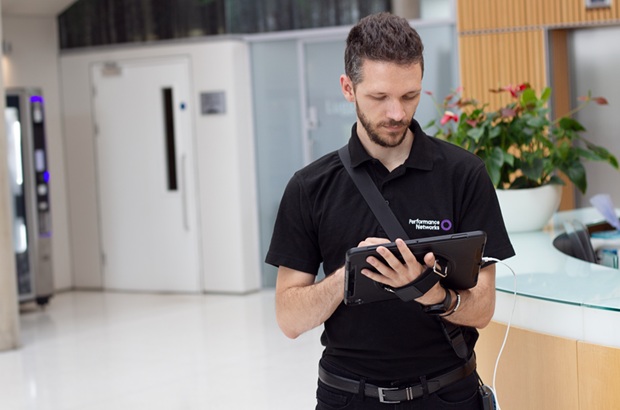
Performance Networks Implements Warehouse WiFi for Huel's New Manufacturing Facility
Huel, a complete-nutrition brand, has invested £8 million in a new manufacturing facility located in Milton Keynes, which spans 71,800 sq ft. This site will produce Huel's Powder and Hot & Savoury ranges for customers in the UK and Europe, while also increasing Ready-to-drink output. The facility is situated in the UK’s first carbon net-zero logistics and manufacturing park, aligning with Huel's commitment to sustainability. To ensure efficient operations, Huel prioritized the installation of a reliable network infrastructure. They partnered with Performance Networks to design and implement a secure local area network and warehouse-grade WiFi. The unique challenges of warehouse WiFi, such as tall metal racking and fluctuating stock levels, required a tailored approach. Performance Networks utilized Ekahau software for passive and predictive WiFi surveys to create a network design suited to Huel's operational environment. The design process included detailed planning based on the warehouse's final layout, considering factors like metal interference and employee movement. Performance Networks produced heatmaps and a cabling plan to ensure optimal equipment placement and minimize the risk of future modifications. No further timeline was disclosed at the time of publication.
Warehouse I.T.
September 2026 Highlights: Major Robotics Developments and Company News
September 2026 was a significant month for the robotics sector, featuring key events like IMTS, ROSCon, and iROS, which showcased numerous advancements in automation and AI. Among the highlights, Arduino, a Qualcomm subsidiary, opened pre-orders for the VENTUNO Q, an edge AI platform designed for developers, emphasizing user-friendliness and compatibility with various software and accessories. Boston Dynamics made strides in general-purpose automation by launching the Robotics Metaplant Application Center at Hyundai Motor Group Metaplant America, aimed at integrating humanoid robots into automotive manufacturing. Meanwhile, the company also ventured into entertainment with the formation of Dynamic Creatures, focusing on robotic characters. Additionally, Flourish announced the Flourish One, a wheeled humanoid capable of learning household tasks quickly. In corporate news, Qualcomm's acquisition of PickNik Inc. aims to enhance the integration of robotics software with its Dragonwing platforms. Unitree Robotics faced a significant drop in share value, while Agility Robotics introduced Digit 5 and reported deployments at nine customer sites as it prepares for a SPAC merger. No further timeline was disclosed at the time of publication.
Artificial Intelligence Artificial Intelligence / Cognition Design / Development Development Tools / SDKs / Libraries Financial Humanoids
RobotToday Weekly September 21 – 25, 2026
Cognex buys RealSense, Qualcomm acquires PickNik, the IFR counts 5 million factory robots, AGIBOT deploys 300 robots at Chimelong, and Tekever raises $580 million.

Innovation Works Venture Expo 2026: 58 Pittsburgh Startups Pitch to Investors
58 health, deep tech and robotics startups pitched at Innovation Works Venture Expo 2026 in Pittsburgh. Full company list, program and 2025 funding data.
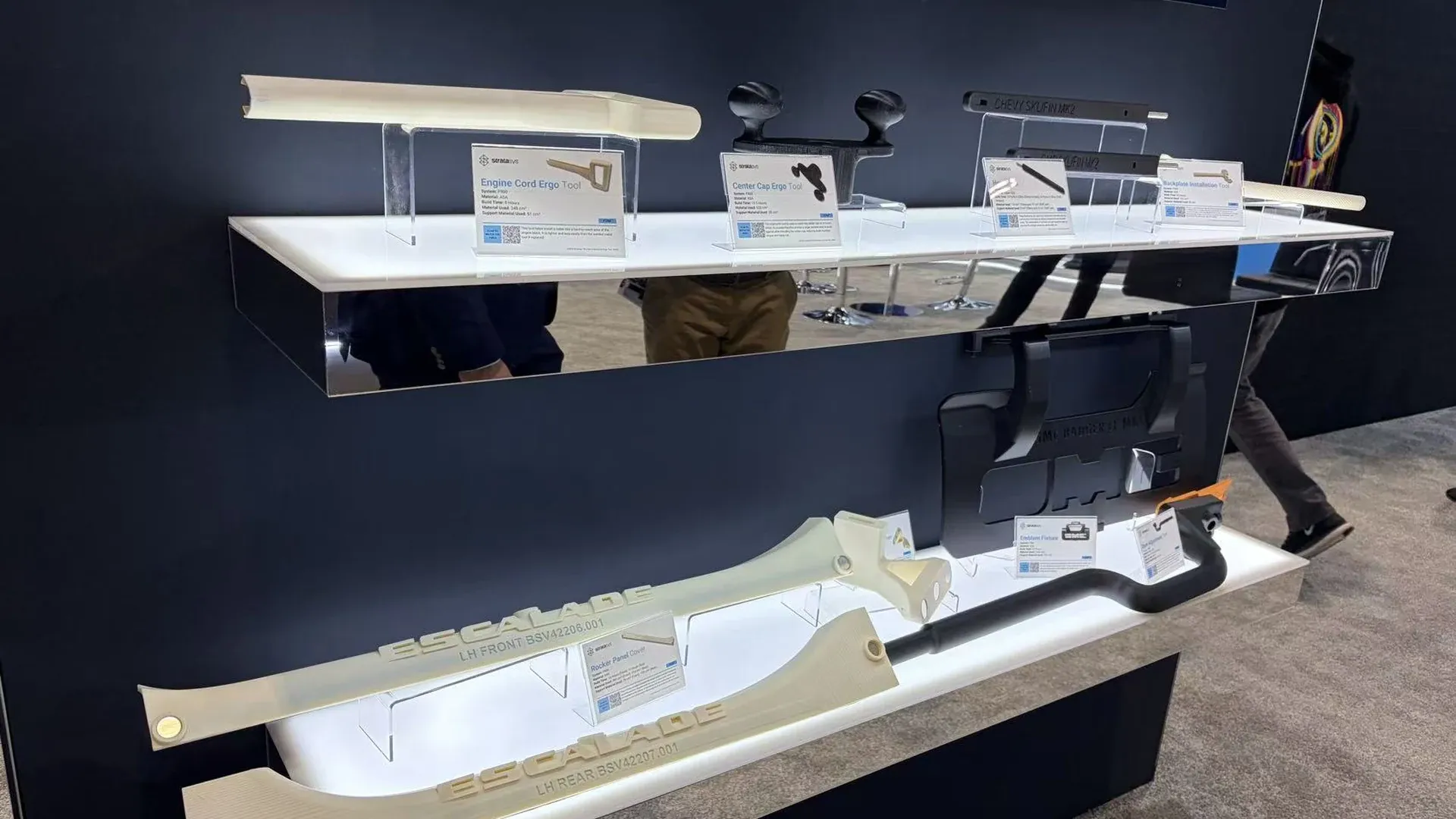
Stratasys at IMTS 2026: GM Scales Additive to 20+ Plants
Stratasys is rolling additive out across 20+ GM plants while Toyota prints robot grippers. Booth build data, the F870, and where the cost case breaks.
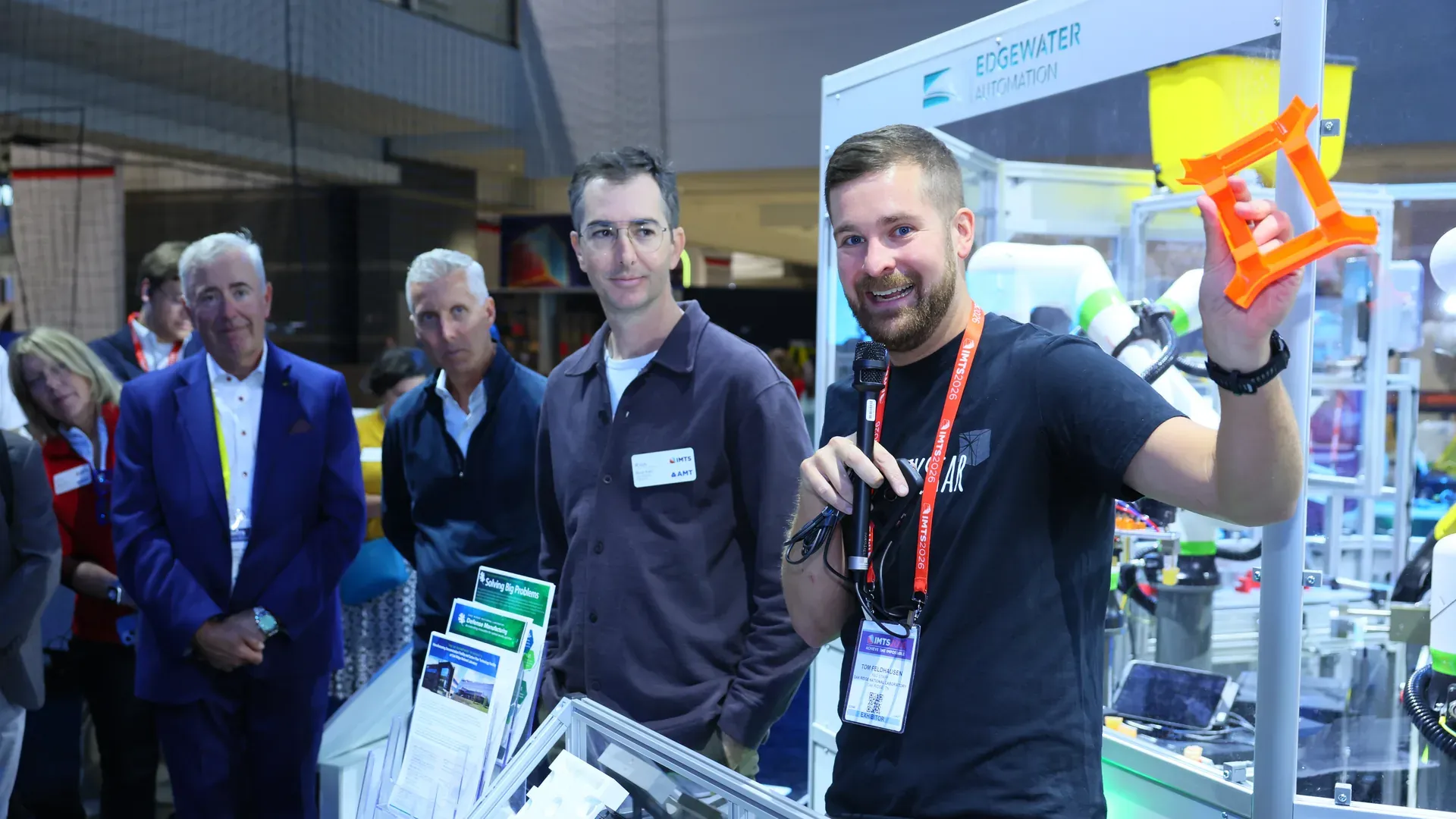
IMTS 2026 Preview: Record Orders and the Automation Story
IMTS 2026 opens in Chicago with 1,788 exhibitors and record H1 machine tool orders. What the USMTO data says about automation, and the booths to see.

China’s Dexterous Hand Industry, 2026 Part 3 — The Players
Five vendor archetypes, MIR’s composite top ten, eight company profiles and six field deployments — every firm linked to the RobotToday supplier directory.
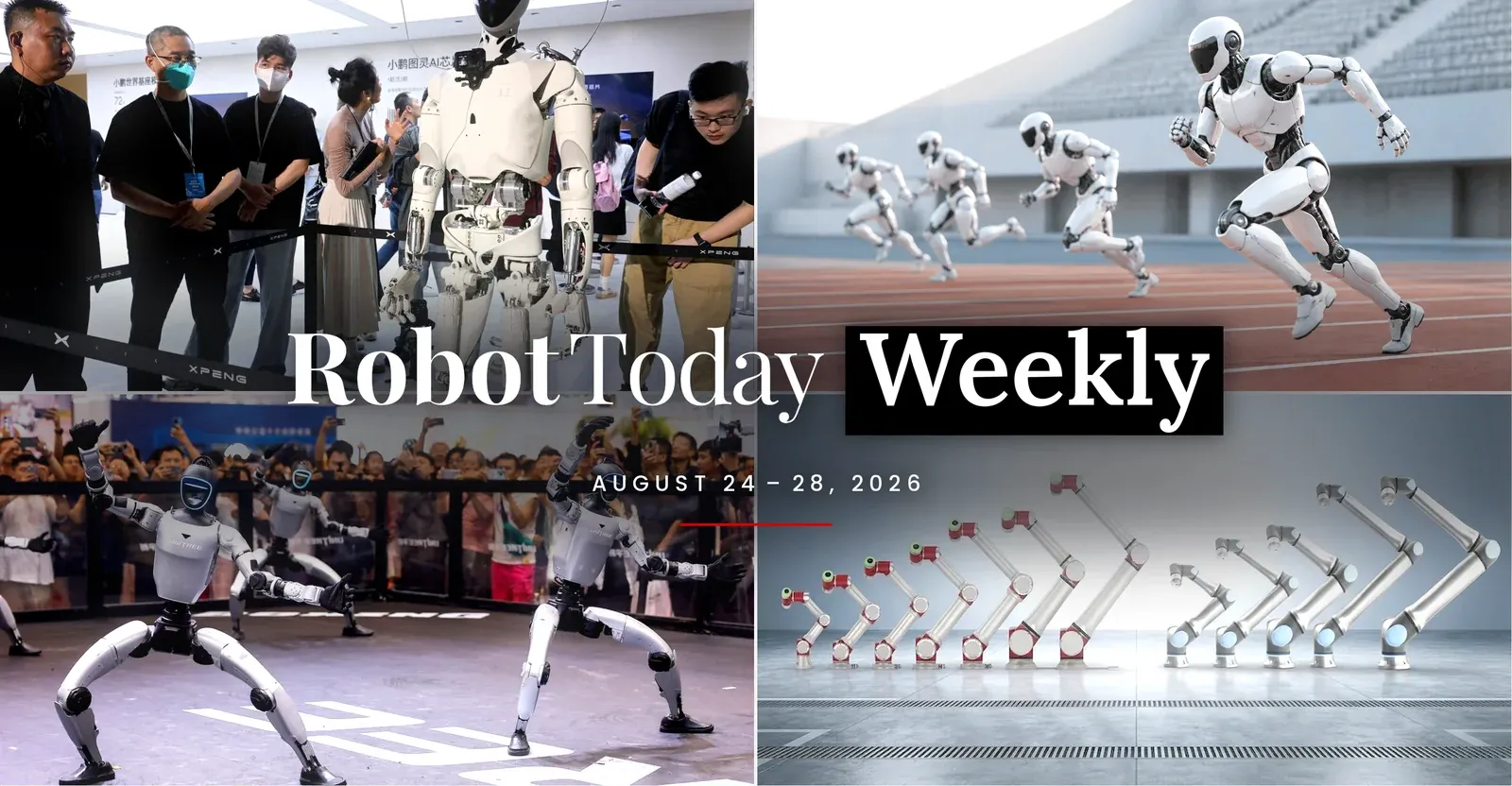
ROBOTTODAY WEEKLY BRIEFING August 24 – 28, 2026
This week in robotics: XPeng's Dogotix raises over $900 million at a $6.3 billion valuation, Unitree's post-IPO slump revives bubble talk, Beijing's World Humanoid Robot Games close with a shift to real-world tasks, and Teradyne sues JAKA at Europe's Unified Patent Court. August 24–28, 2026.


