


Starcloud
"Data Centers in Space"
Starcloud (founded 2024, Redmond WA) launched Starcloud-1, the first satellite with an Nvidia H100 GPU, targeting gigawatt-scale orbital AI data centers.
Contact Starcloud
WEBSITE
https://www.starcloud.com/HEADQUARTERS
United States

Company Facts
Founded
2024
Primary Role
Manufacturer
Company Size
employees 10-50
Primary Region
North America
Annual Sales
-
Funding Stage
Early-Stage VC
Funding Total
-
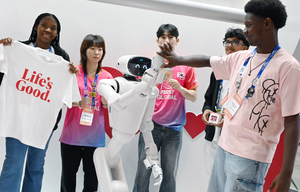
LG Electronics Showcases Robotics at 2026 First Global Challenge in Incheon
LG Electronics is actively participating in the 2026 First Global Challenge, an international youth robotics competition taking place at Songdo Convensia in Incheon. The event, which runs from Wednesday to Saturday, gathers youth teams from 185 countries to design and build robots aimed at addressing global challenges, particularly focusing on wildfire prevention and recovery due to climate change. This year's competition, themed “Igniting Innovation,” emphasizes the importance of robotics in tackling pressing issues like wildfires. LG's involvement includes sponsoring the event and showcasing its latest robotics technologies at an exhibition booth. The company also features its humanoid robot, LG CLOiD, allowing visitors to engage with the technology and learn about the innovative solutions being developed by young participants. As LG increases its investment in robotics as a key growth area, it aims to integrate physical AI into its strategy. The company recently launched LG Data Factory to enhance data management for robotics training. No further timeline was disclosed at the time of publication.
All News
Mecka Secures $60 Million in Series B Funding to Enhance Robotics Data Infrastructure
Mecka has successfully raised $60 million in Series B funding, led by Sequoia Capital, to enhance its robotics data infrastructure and commercial deployments. The company specializes in capturing human demonstrations using proprietary multi-sensor hardware, converting this data into training signals for robotic systems, and collaborating with researchers on the EgoVerse study. This funding is significant as it positions Mecka to bridge the gap between available AI training data and the real-world operational needs of robots. With a reported run-rate revenue exceeding $100 million as of June 2026, Mecka anticipates reaching $300 million by year-end, indicating strong growth in the robotics sector. Looking ahead, Mecka plans to utilize the new capital to develop more data-capture hardware and expand its research and deployment capabilities. The company aims to provide tailored training data for various robotic applications, emphasizing the importance of human-like learning for future robotic systems.
AI Funding & Investment Physical AI Startups AI Data deployment
IROS 2026 Best Paper Finalists: South Korea Leads
Ten papers made the IROS 2026 Best Paper and Best Student Paper shortlist, four from South Korea. What each one does and what it means for industry.
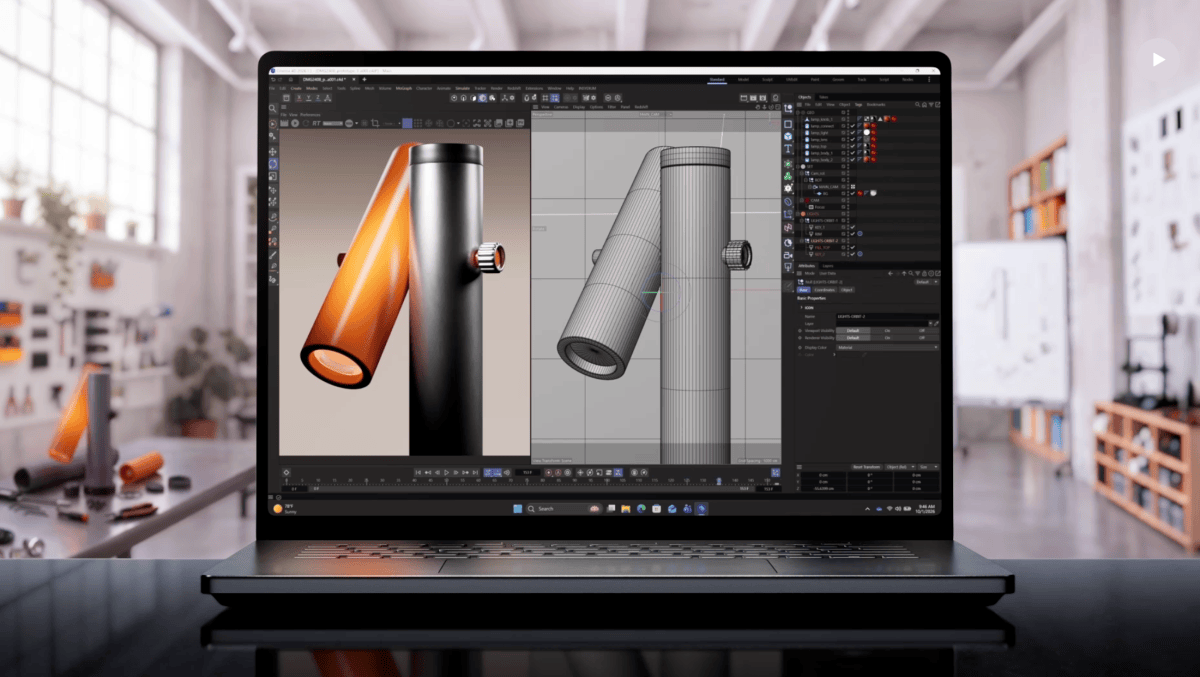
Microsoft Unveils New AI PCs Featuring Nvidia's RTX Spark Chip and Enhanced Windows 11
Microsoft has announced the specifications and pricing for its new Surface Laptop Ultra and Surface RTX Spark Dev Box, powered by Nvidia's RTX Spark chip. The Surface Laptop Ultra starts at $2,600, while the Surface RTX Spark Dev Box is priced from $6,000, designed for on-device AI model execution with enhanced hardware capabilities. These new devices are significant as they cater specifically to developers, offering advanced features like superior cooling and a revamped Windows 11 with 'Execution Containers' for easier AI agent sandboxing. Microsoft CEO Satya Nadella emphasized the need for orchestration and memory management in AI applications, highlighting the platform's future direction. Looking ahead, Microsoft is positioning these PCs as versatile tools not only for developers but also for content creation and gaming. The company is incentivizing trade-ins of MacBook Pros, reflecting the competitive landscape in the developer community. No further timeline was disclosed at the time of publication.
AI Hardware TC Microsoft nvidia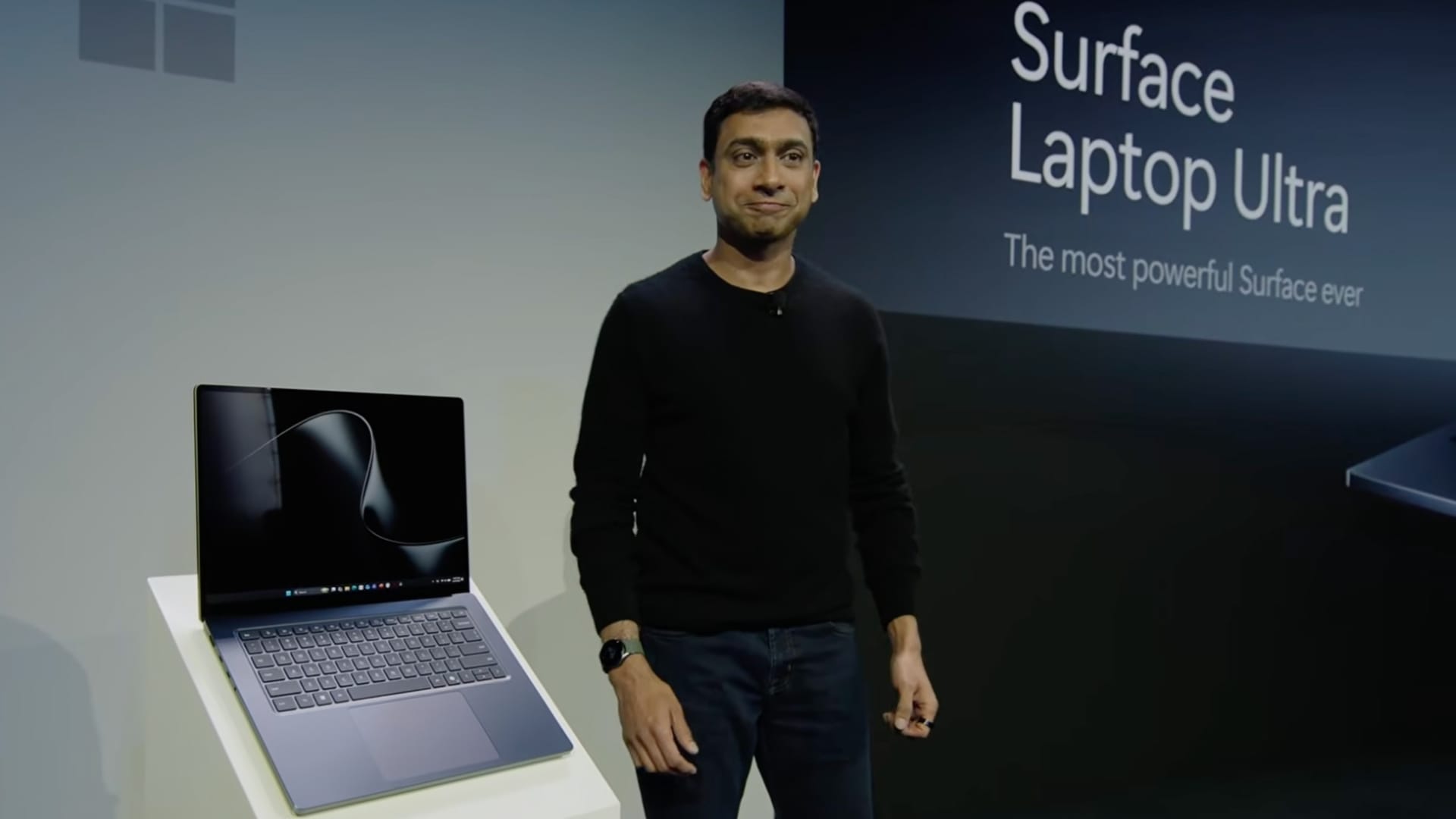
Microsoft Launches $2,599 Surface Laptop Ultra Featuring Nvidia AI Chip
Microsoft has announced the launch of its Surface Laptop Ultra, priced at $2,599, which features an Nvidia AI chip capable of running large AI models locally. This device, available for preorder and shipping on October 16, includes a unique magnetic USB-C port and aims to enhance AI capabilities in consumer devices. The introduction of the Surface Laptop Ultra is significant as it positions Microsoft to compete more effectively in the growing AI market, allowing users to run AI workloads without incurring cloud costs. The laptop's specifications include up to 128 gigabytes of unified memory and a Blackwell RTX Spark GPU, which offers computing power comparable to Nvidia's DGX-1 data center server. Looking ahead, Microsoft is also set to integrate Meta's Muse AI agent into Windows, reflecting the increasing importance of personal AI agents. No further timeline was disclosed at the time of publication.

Mecka AI Secures $60 Million in Series B Funding for Robotics Development
Mecka AI has successfully raised $60 million in Series B funding, primarily led by Sequoia Capital, with additional support from Nvidia, Microsoft's M12, and Qualcomm. This funding will be utilized to enhance technology that enables robots to better understand and interact with the physical world. The significance of this funding lies in addressing the substantial data challenges within the robotics sector. CEO and cofounder Josh Gao emphasized the importance of capturing various physical interactions, including force and pressure, to advance robotics capabilities. The investment will also focus on scaling physical AI through improvements in sensors, infrastructure, and real-world data collection. Looking ahead, the robotics industry will need to monitor how Mecka AI utilizes this funding to innovate and expand its technology. No further timeline was disclosed at the time of publication.

Torch Systems Secures $11.5 Million to Enhance AI Monitoring for Critical Infrastructure
Torch Systems has successfully raised $11.5 million in funding, which includes $9.5 million in equity from notable investors such as Khosla Ventures and Abstract, along with $2 million in venture debt from First Citizens Innovation Banking. This funding will enable the company to scale its manufacturing and deployment of TerraNode sensing devices across the U.S. The significance of this funding lies in Torch's innovative approach to outdoor asset intelligence, which aims to provide continuous monitoring of critical infrastructure that has often been overlooked. By integrating AI with its solar-powered TerraNode devices, Torch can detect various anomalies, including fires and equipment overheating, thereby enhancing safety and operational efficiency for utilities and municipalities. Looking ahead, Torch Systems plans to expand its deployment of TerraNodes into the thousands, further advancing its Torch Intelligence Platform. The company has already seen success with hundreds of devices deployed across six states, and it aims to address the pressing need for effective monitoring of physical infrastructure in an increasingly digital world. No further timeline was disclosed at the time of publication.
AI Funding & Investment Business & Markets AI AI-driven platform capital markets funding
TikTok Launches AI Shopping Assistant and One-Click Checkout Feature in Its App
TikTok has unveiled a conversational AI Shopping Assistant and a new one-click checkout feature, enabling users to purchase products directly from brands within the app. This AI agent is designed to assist users in discovering and buying products by understanding context and remembering preferences during conversations, providing real-time guidance on various product details. The introduction of these features is significant as it aims to enhance TikTok's commerce strategy, which has already seen success with its in-house marketplace, TikTok Shop, launched in September 2023. eMarketer estimates that TikTok Shop generated approximately $15.8 billion in U.S. sales in 2025, accounting for about 18% of the U.S. social commerce market. Looking ahead, TikTok's integration of AI-powered shopping tools may reshape user engagement on the platform, potentially reducing reliance on external AI tools like ChatGPT. No further timeline was disclosed at the time of publication.
AI Applications & agents Enterprise AI Shopping Assistant a business TikTok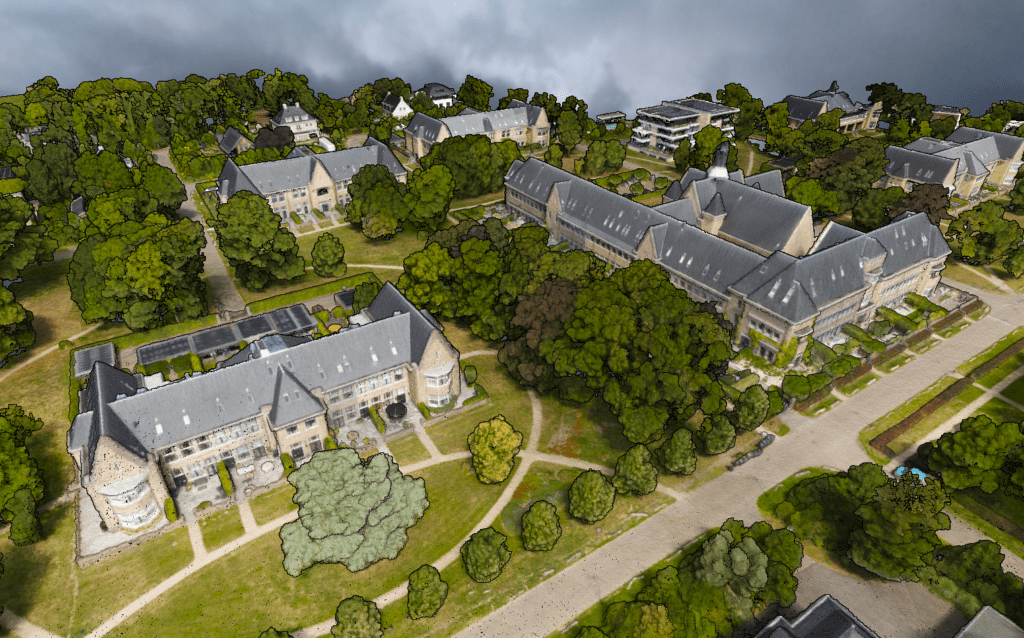
SimActive Introduces Online Sharing for Gaussian Splat Models in Correlator3D
SimActive has launched a new feature in Correlator3D that allows users to publish Gaussian splat models directly to a connected Cesium account. Announced on October 6, 2026, this capability simplifies the distribution of photorealistic 3D results, enabling users to share models without the need for file exports or format conversions. This development is significant as it enhances the accessibility of photorealistic 3D data for clients and stakeholders outside the processing environment. By integrating with Cesium, users can seamlessly share their Gaussian splat models, which represent scenes with overlapping 3D points, color, and transparency, making them ideal for non-technical audiences. Looking ahead, the focus will be on how this new sharing capability impacts the workflow of mapping firms and government organizations that utilize Correlator3D. No further timeline was disclosed at the time of publication.
Drone News Drone News Feeds Mapping News Software 3D Gaussian Splatting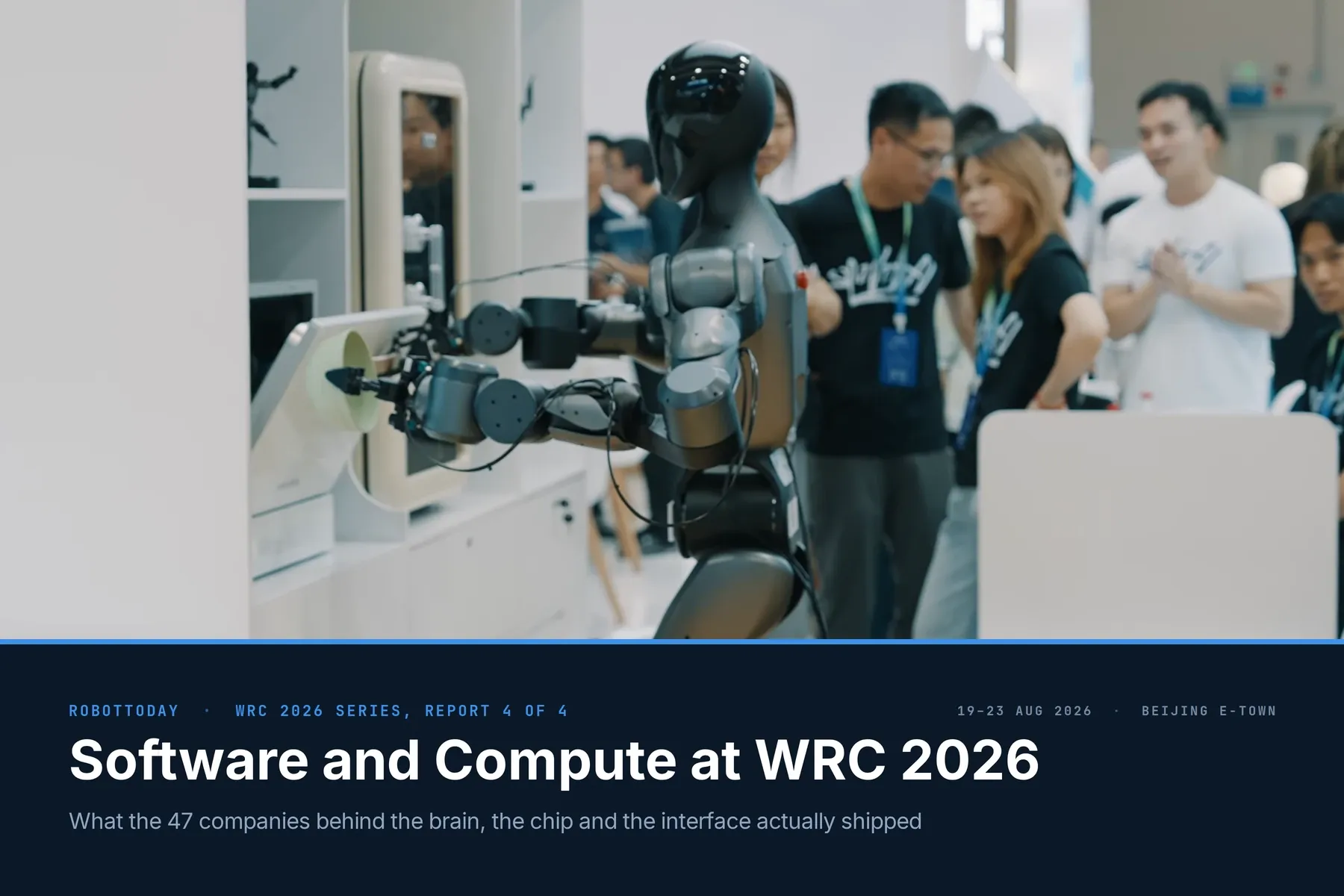
Software, Compute and Interaction at WRC 2026
47 WRC 2026 exhibitors supply robot software, compute or interaction — but only 19 call themselves software companies. Five open artefacts, licence-checked.
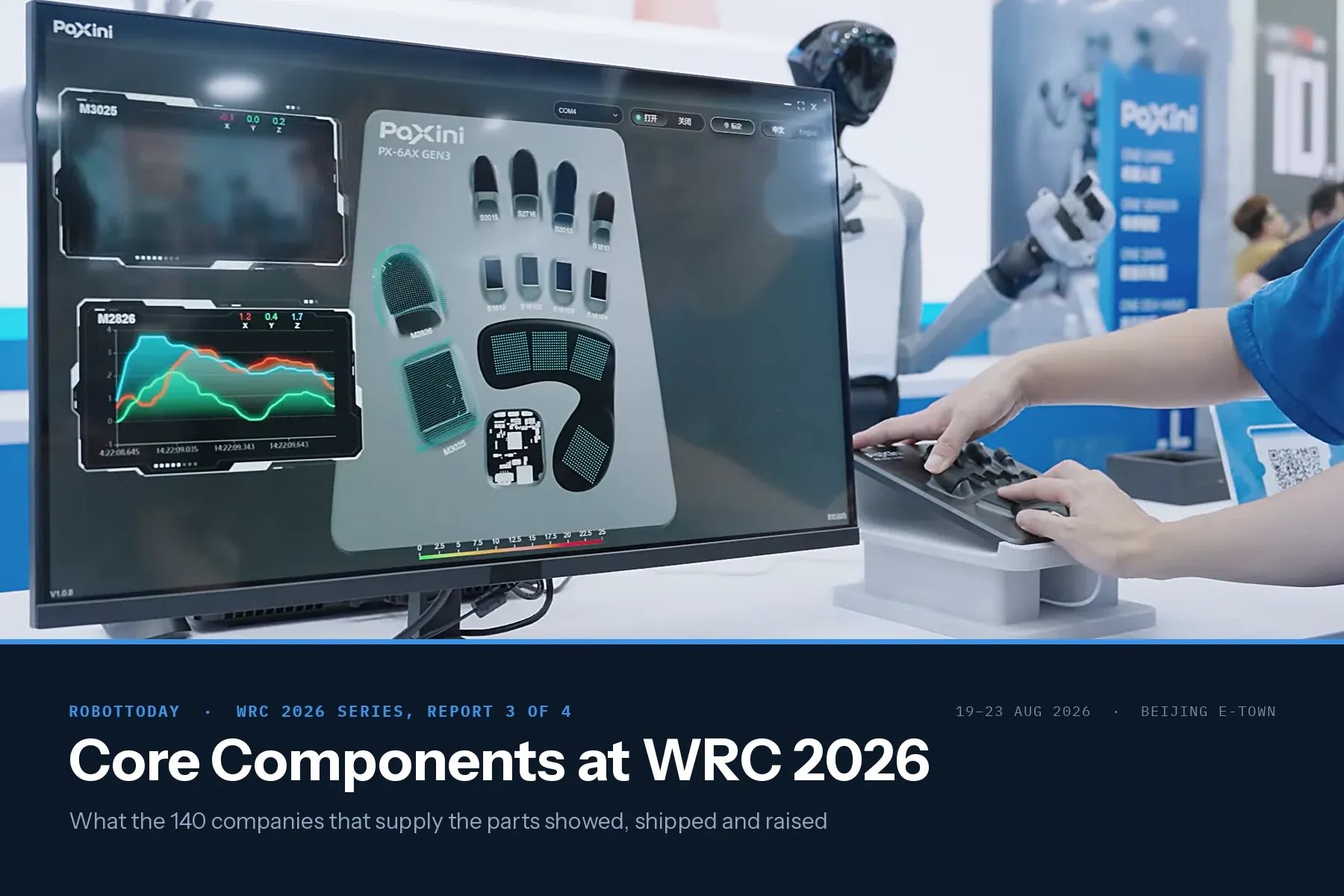
WRC 2026 Core Components: 137 Robot Parts Suppliers
The third report in the WRC 2026 series. Report 1 mapped all 248 exhibitors by category and Report 2 covered the 139 that build finished robots. This one covers the 137 that build what goes inside them.
WAIC Review 1/4: Embodied AI's Industrialization Wave: Financing Data, Unit Economics, and a Widening Split
China's embodied AI sector raised $12.5B in H1 2026, but WAIC 2026 speakers detailed ROI demands, power bottlenecks, and the mass-production-to-sales gap.

WAIC Review 4/4: From Port AGVs to Hospital Night Shifts: What WAIC 2026 Reveals About Real Robot Deployments
From 530+ AGVs at a Singapore port to robots on Apple's line, WAIC 2026 speakers shared concrete data on where embodied AI robots are actually working today.
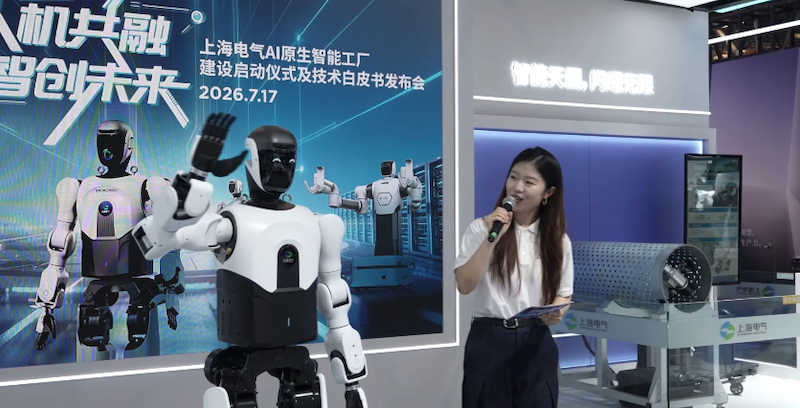
Shanghai Electric Showcases Humanoids, Industrial Robots, and AI Smart Factory Innovations
At the 2026 World Artificial Intelligence Conference, Shanghai Electric presented its advanced embodied intelligence solutions for industrial applications. The company emphasized its capabilities in embodied AI robots, core components, and AI-native smart factory technologies, showcasing a comprehensive portfolio designed for various industrial scenarios. This development is significant as it highlights the integration of machine precision with human expertise, aiming to enhance collaboration in manufacturing processes. Shanghai Electric's robotics solutions address critical tasks such as connector insertion, intelligent assembly, and flexible sorting, showcasing innovations like the planetary roller screw and DexHand dexterous hand. Looking ahead, Shanghai Electric's launch of 51 AI models under the “StarCloud Intelligent Manufacturing” series marks a shift towards data-driven operations in manufacturing. The release of the “AI-Native Smart Factory Technology White Paper” outlines a new architecture for real-time production optimization, indicating a transformative approach to industrial automation. No further timeline was disclosed at the time of publication.
Artificial Intelligence Robotics AI-native smart factory embodied ai humanoid robots industrial ai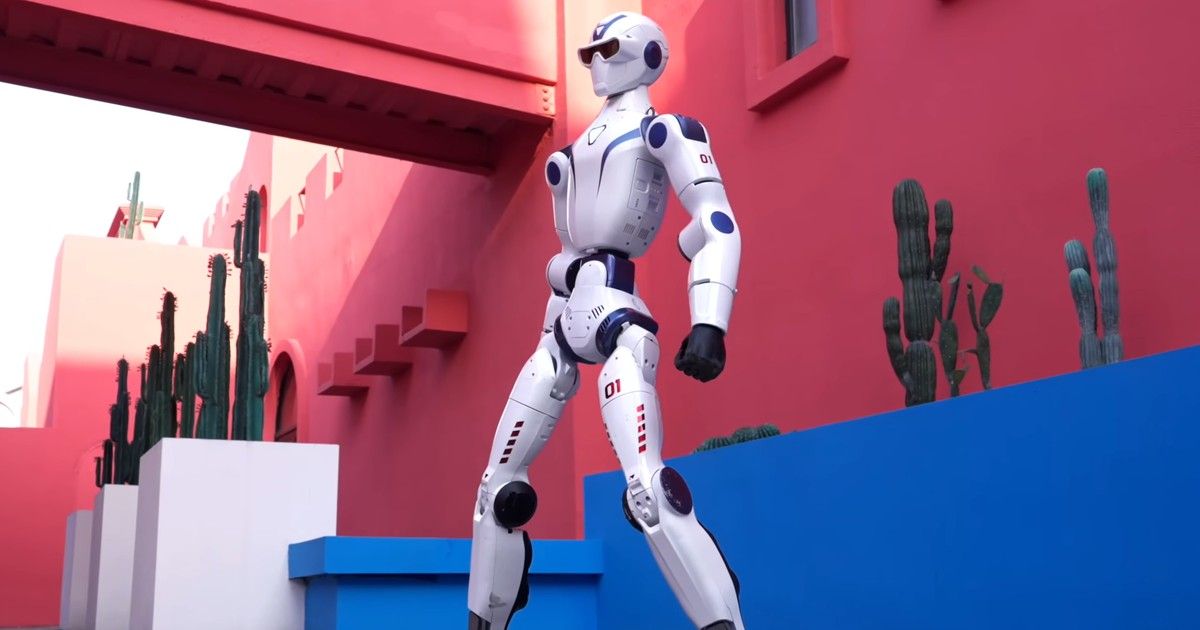
US Restrictions on Chinese Humanoid Robots: The Full Map
Every US restriction on Chinese humanoid robots — NDAA Sec. 163, GUARD Act, the 1260H list — plus the supply-chain math and a 4-tier map of decoupling.

WAIC 2026: Embodied Intelligence Enters Industrial Deployment Era
WAIC 2026 in Shanghai (July 17–20) saw 200+ embodied intelligence companies, 300+ live robots, and first confirmed humanoid deployments in logistics and pharmacy. RobotToday engineering analysis.
When a Materials Giant Meets Robotics: Covestro at Automate 2026
At Automate 2026, Covestro brought Makrolon, Bayblend, Baysafe BEF and Vulkollan to robotics — tackling weight, heat, sensing and sustainability for humanoids and AGV/AMRs.
The Orbital Data Center Hype Machine Is Already in Orbit
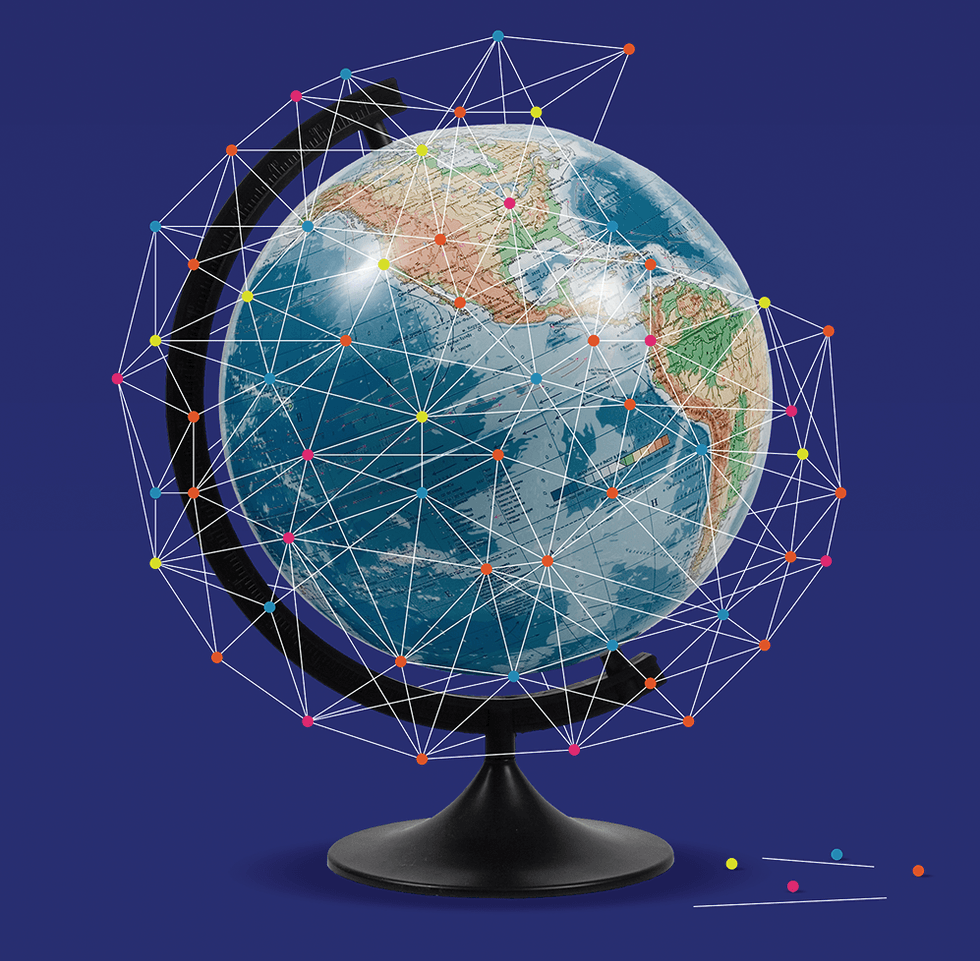
At the World Economic Forum in Davos this January, SpaceX founder Elon Musk announced plans to establish orbital data centers in space, predicting that they will become the most cost-effective solution for artificial intelligence (AI) within two to three years. Following this declaration, SpaceX submitted an application to the Federal Communications Commission for a constellation of up to 1 million satellites in low Earth orbit, aimed at supporting this ambitious project. However, experts caution that the logistics of deploying such a vast number of satellites are daunting. Currently, there are approximately 14,500 active satellites in orbit, with SpaceX's Starlink making up two-thirds of that total. To launch 1 million satellites, SpaceX would need to conduct over 16,000 dedicated launches, a feat that could take decades given current launch capacities. Challenges also extend to the technical feasibility of cooling advanced computing hardware in space, as highlighted by the difficulties faced by startups like Starcloud, which has struggled to operate even a single GPU in orbit. Concerns have been raised about the potential for increased space debris and the impact on astronomical observations. Despite these hurdles, analysts suggest that the push for orbital data centers is driven by the growing demand for AI computing power and the need for energy-efficient solutions. While Musk's timelines may be optimistic, industry experts believe that the concept is gaining traction, with major players beginning to invest in the necessary infrastructure to explore the viability of space-based data centers.
Orbital-data-centers Satellites Spacex Elon-musk Starcloud Ai
The EV Déjà Vu: Why China's Humanoid Robot Blitz May Be Winning the Battle — but Losing the War
China controls 80% of humanoid robot shipments and crushes hardware costs. But is winning the body enough? A deep analysis of the US-China robot war beyond the EV analogy.
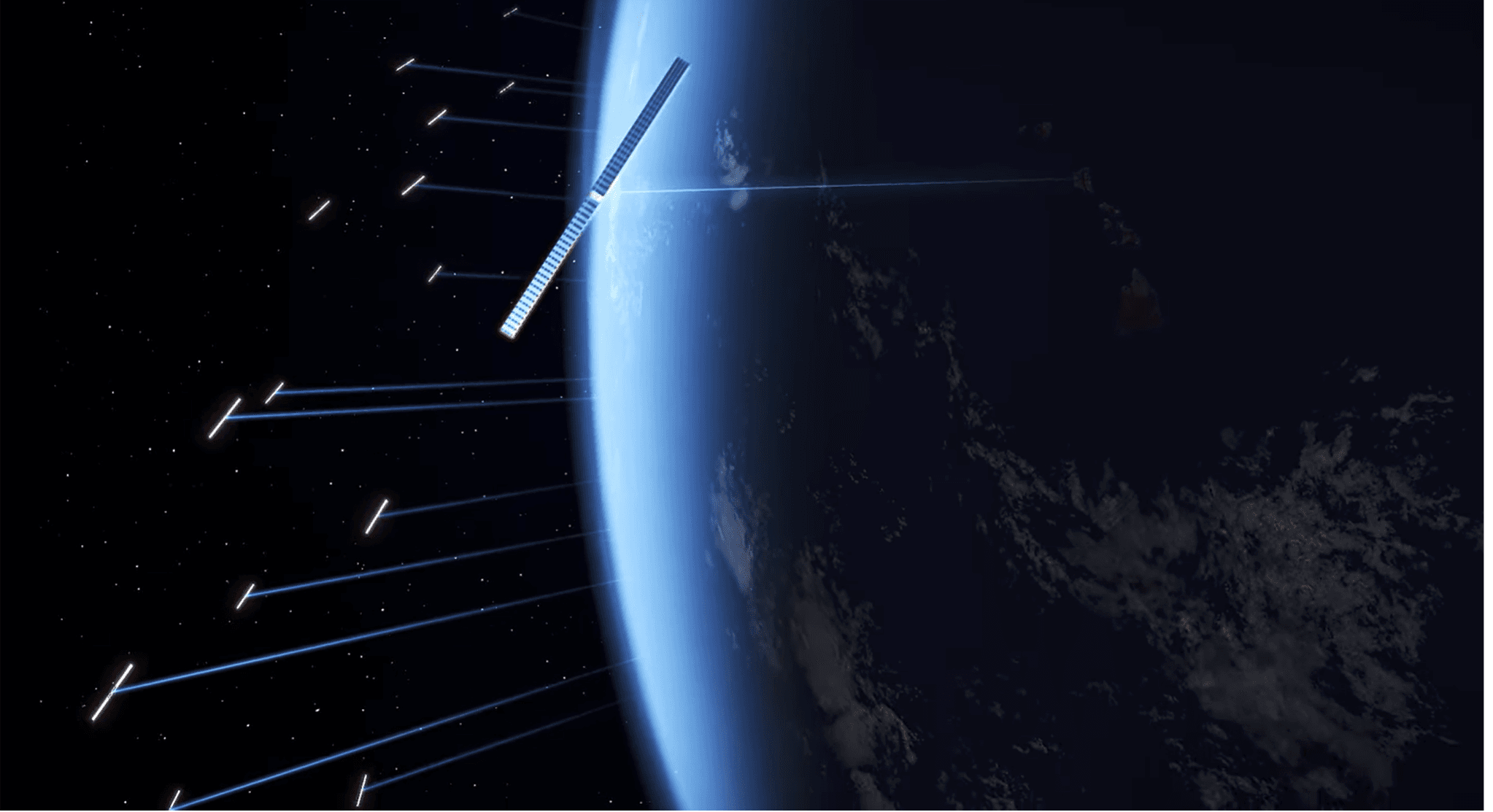
AI Space Data Centers: Power the Next Generation of Robotics
From Starcloud's $170M Series A to Google's Project Suncatcher and China's operational LEO constellations, AI space data centers are moving from concept to infrastructure. Here's what the robotics industry needs to know.


