

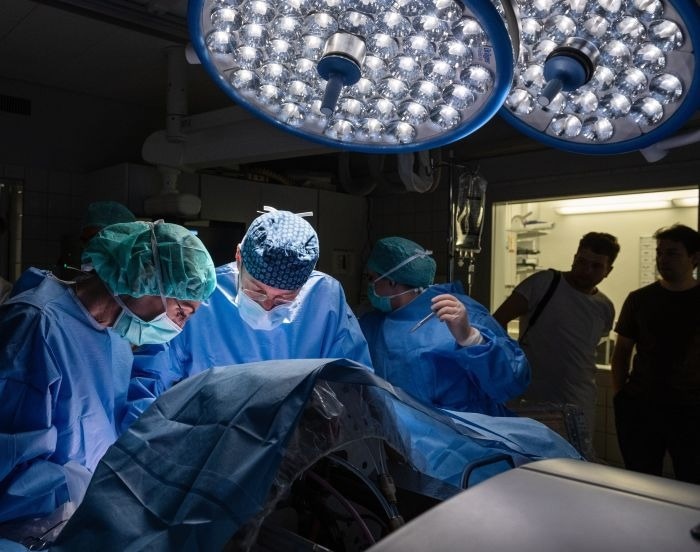
In Switzerland, approximately 2,400 twin births occur annually, with some cases involving fetuses that share a placenta. This connection through blood vessels can lead to complications, making these pregnancies high-risk.
The significance of addressing high-risk twin pregnancies lies in the potential for improved outcomes through advanced medical interventions. Robotic assistance may enhance monitoring and surgical procedures, ultimately benefiting both mothers and infants.
Looking ahead, the integration of robotics in managing twin pregnancies could revolutionize prenatal care. Continued research and development in this area will be crucial for optimizing health outcomes for these vulnerable patients. No further timeline was disclosed at the time of publication.
Editor's Note
The use of robotic technology in high-risk pregnancies represents a significant advancement in maternal-fetal medicine. As healthcare providers seek to improve outcomes for complex cases, the adoption of robotics could streamline procedures and enhance precision in monitoring fetal health.































Leave a comment