

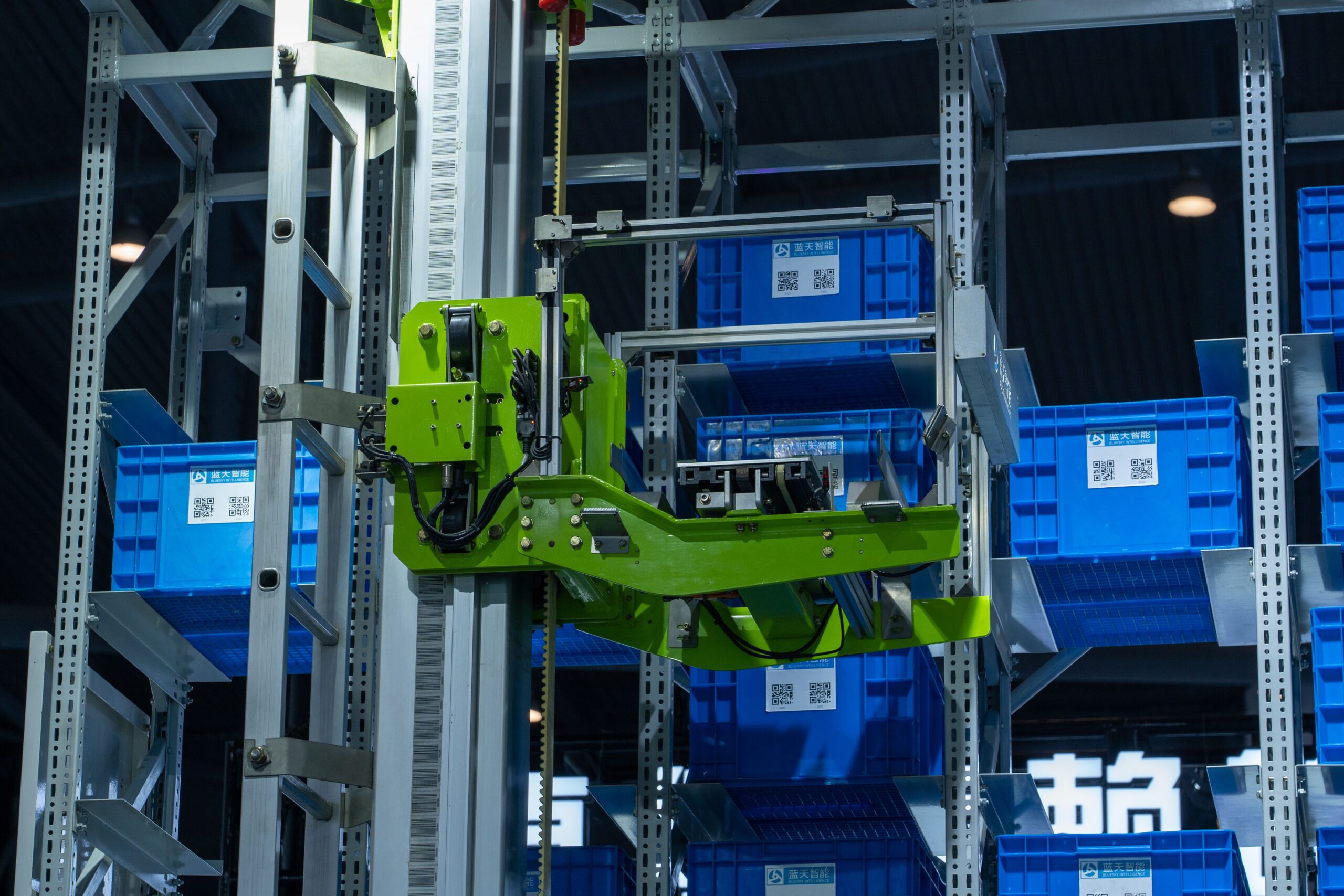
The robotics industry is increasingly focusing on the post-installation phase as robot field service emerges as a critical challenge for automation scalability. Operational issues can arise when robots experience failures in remote locations, necessitating immediate technician intervention rather than simple software updates. This is particularly crucial in sectors like commercial kitchens, where downtime can severely impact service delivery.
For logistics operators, the realization is that the journey of a robot begins with purchase and installation, but ongoing maintenance, spare parts availability, and technician training are vital for operational success. This could lead to changes in how contracts for warehouse robotics are structured, emphasizing service-level agreements that define response times and responsibilities for various types of faults.
As the deployment of robots expands, the ability to maintain them effectively in the field will become increasingly important. A robust field-service model could minimize unplanned downtime and enhance confidence in deploying automation across multiple facilities, potentially driving demand for third-party service networks that support diverse robotic systems.
Editor's Note
The evolution of robot field service is pivotal in addressing the complexities of automation in various sectors. As companies scale their robotic deployments, the focus on maintenance and support will be crucial for ensuring operational efficiency and minimizing disruptions. This shift may reshape procurement strategies and influence supplier relationships in the robotics market.




































Leave a comment