Industry Briefing
A single destination for timely, editor-curated robotics news from around the world.

Specialized Robots Enhance Efficiency in Solar Farm Construction and Maintenance
A rising number of robotics companies are developing specialized machines aimed at alleviating labor bottlenecks in solar farm construction and maintenance. These innovations are crucial as they address the unique challenges posed by solar farm terrains, optimizing both construction timelines and operational efficiency. The significance of these advancements lies in their potential to streamline processes and reduce reliance on manual labor, which can be both costly and time-consuming. By integrating specialized robots, companies can enhance productivity and improve safety standards on solar farms, making the sector more sustainable and economically viable. Looking ahead, the continued evolution of robotics in this field will be essential to meet the growing demand for renewable energy solutions. Stakeholders should monitor developments in robot capabilities and their impact on solar farm operations. No further timeline was disclosed at the time of publication.
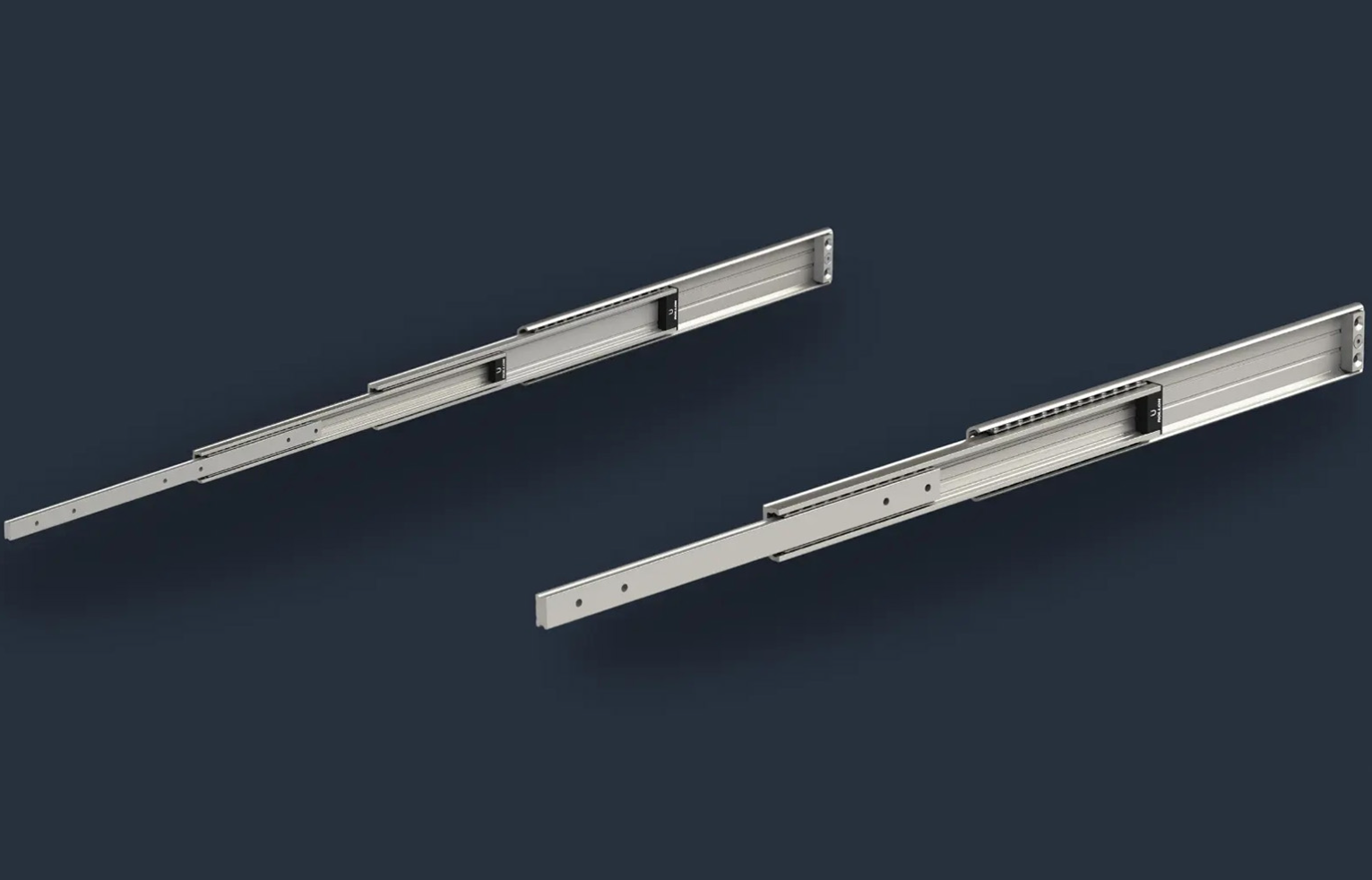
Rollon Launches Magnetic Telescopic Rails to Enhance Railway Maintenance Efficiency
Rollon, a leader in linear motion systems, has introduced the HVC-MG and H1C-MG integrated magnetic telescopic rails. These rails, designed for high-load applications, incorporate magnets into the rail structure to improve control and reduce effort during maintenance tasks. The new technology was unveiled this week and aims to enhance the efficiency and safety of railway maintenance operations by allowing engineers to easily pull out heavy battery compartments weighing hundreds of kilograms. The significance of this innovation lies in its ability to provide a seamless operation under heavy loads, addressing the challenges faced by maintenance personnel in the railway sector. The integrated magnets facilitate a sequential opening of the rail components, which minimizes simultaneous stress and enhances load distribution. This results in smoother operation, reduced manual effort, and extended rail lifespan, making it particularly suitable for the demanding environments of high-speed rail and subway systems. Looking ahead, Rollon plans to expand its magnetic control sequential motion technology across more product lines. The HVC and H1C series rails offer full extension and super extension options, maximizing accessibility while minimizing space usage. No further timeline was disclosed at the time of publication for additional product releases or enhancements.
Railway Maintenance Linear Motion Systems Heavy Equipment Automation Technology
Tesla's Optimus Robots to Support Starmind Satellite Production, Not Maintenance
Tesla's Optimus robots will not be used to repair Starmind satellites in orbit, as confirmed by recent statements from Elon Musk. Instead, these robots are intended to assist in the construction and operation of the Terafab chip manufacturing facility in Texas. The AI1 satellites, designed to disintegrate upon reentry, highlight the company's swap-and-replace strategy rather than traditional maintenance practices. This approach is significant as it reflects a broader trend in satellite management, where mass-produced satellites are replaced rather than repaired. The economics of servicing missions are prohibitive, with the cost of launching a replacement satellite being significantly lower than conducting a repair mission. This model aligns with SpaceX's operational history, where rapid replacement of satellites is more efficient than attempting to maintain them in orbit. Looking ahead, the focus will remain on the production capabilities of the Gigasat factory, which is expected to support the continuous replacement of satellites. No further timeline was disclosed at the time of publication, but the demand for rapid satellite turnover suggests a robust future for Optimus robots in terrestrial manufacturing rather than in-space servicing.

Why Website Maintenance Starts With Hosting
The recent launch of a new website marked a moment of accomplishment for the development team, as all pages were operational and content was properly organized. However, shortly after going live, the team shifted focus to essential maintenance tasks. This included updating software, verifying SSL certificates, restoring pages affected by errors, and setting up new mailboxes. These ongoing efforts are crucial to ensure the website remains functional and secure for users. The team’s proactive approach highlights the importance of continuous support in maintaining an effective online presence.
Business Internet automation news backup and recovery cloud hosting domain management
From oil platforms to power plants: Dietsmann showcases robotics-driven maintenance in Africa
Dietsmann, a leading independent provider of operation and maintenance services for energy production facilities, has announced its participation as a Bronze Sponsor at the upcoming African Energy Week (AEW) 2026. This significant event is scheduled to take place from October 12 to 16 in Cape Town, South Africa. The sponsorship underscores Dietsmann's longstanding commitment to the African energy sector, which has been a focus for the company for decades. By engaging in this prominent industry gathering, Dietsmann aims to enhance its visibility and influence within the region, reflecting its evolving role in supporting energy production and sustainability initiatives across Africa.
Events Features AEW 2026 African Energy Week AI analytics automation news
Greensea IQ and Ocean Power Technologies Announce Strategic Collaboration to Advance Autonomous Hull Maintenance
Greensea IQ and Ocean Power Technologies (OPT) have announced a strategic partnership to combine Greensea IQ’s EverClean robotic hull grooming system with OPT’s WAM-V® Unmanned Surface Vehicle (USV) platform. This collaboration, unveiled recently, aims to create a fully autonomous launch and recovery system designed to enhance the efficiency and environmental sustainability of hull maintenance operations. By integrating these advanced technologies, the companies seek to revolutionize the maritime maintenance sector, addressing the growing need for eco-friendly solutions in marine operations.
greensea iq ocean power technologies strategic collaboration autonomous hull maintenance
Embraer and OGMA complete first Hungarian C-390 maintenance in Portugal
Embraer, in collaboration with the Portuguese aerospace company OGMA, has successfully completed the first scheduled 24-month maintenance for a C-390 Millennium aircraft belonging to the Hungarian Air Force. This significant milestone was achieved as part of ongoing efforts to ensure the operational readiness and reliability of the aircraft, which plays a crucial role in Hungary's military capabilities. The maintenance work was carried out in Portugal, showcasing the partnership between the two companies and their commitment to supporting the Hungarian military's aviation needs. This maintenance cycle not only enhances the aircraft's performance but also extends its service life, reflecting the growing importance of the C-390 Millennium in modern air force operations.
News
How to Get Predictive Maintenance Off the Ground
Matt Bernhard from TwinThread and Michael Cooper from Rockwell Automation recently discussed the transformative potential of predictive maintenance in a session aimed at industry professionals. The event, held in October 2023, focused on practical strategies for organizations looking to implement predictive maintenance solutions effectively. Both experts emphasized the importance of leveraging data analytics to enhance operational efficiency and reduce downtime. They provided actionable insights on how companies can initiate their predictive maintenance journey, highlighting the need for a structured approach to data collection and analysis. The discussion underscored the growing significance of predictive maintenance in optimizing asset management and driving innovation across various sectors.
Factory / Plant Maintenance
Closing the Insight-to-Action Gap: An Integration Architecture for Automated Predictive Maintenance
Recent research highlights that the primary challenge in industrial predictive maintenance is not the inaccuracy of models, but rather the ineffective transition from anomaly detection to actionable response. The study proposes a new integration architecture designed to link machine learning-based anomaly detection systems directly with maintenance execution systems within plants. This innovative approach aims to transform traditional monitoring dashboards into dynamic systems that not only identify issues but also facilitate immediate corrective actions. By addressing the critical gap between detection and response, this integration seeks to enhance operational efficiency and reduce downtime in industrial settings.
Factory / Plant Maintenance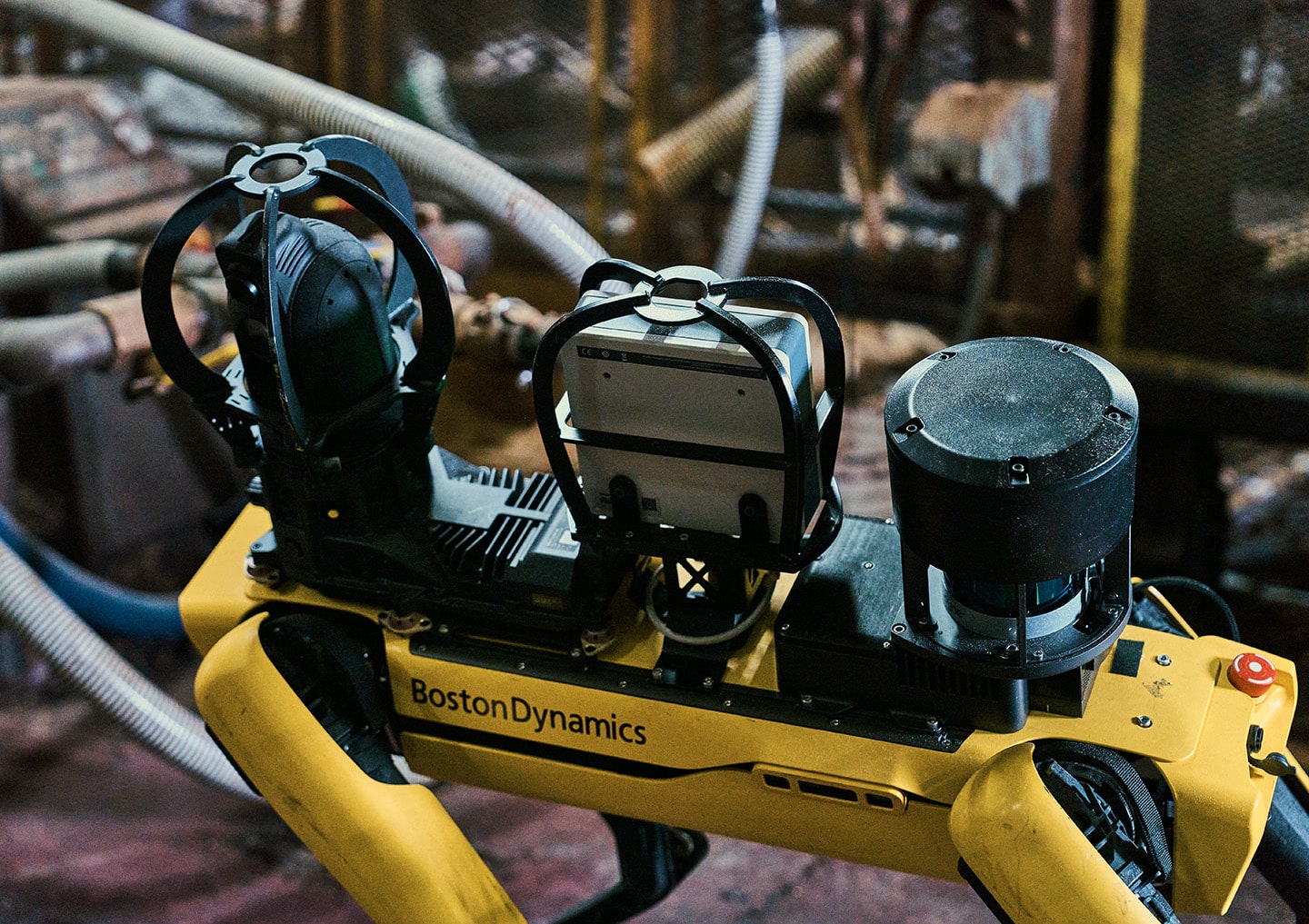
A New Approach to Predictive Maintenance Challenges | Boston Dynamics
A recent report highlights the critical role of AI-based predictive maintenance in enhancing operational efficiency across various industries. This innovative approach relies on timely and accurate data to monitor the condition of assets automatically. By implementing automated asset condition monitoring systems, organizations can anticipate equipment failures before they occur, thus minimizing downtime and reducing maintenance costs. The increasing adoption of these technologies is driven by the need for businesses to optimize their operations and extend the lifespan of their assets. As industries continue to evolve, the integration of AI in maintenance strategies is becoming essential for staying competitive.
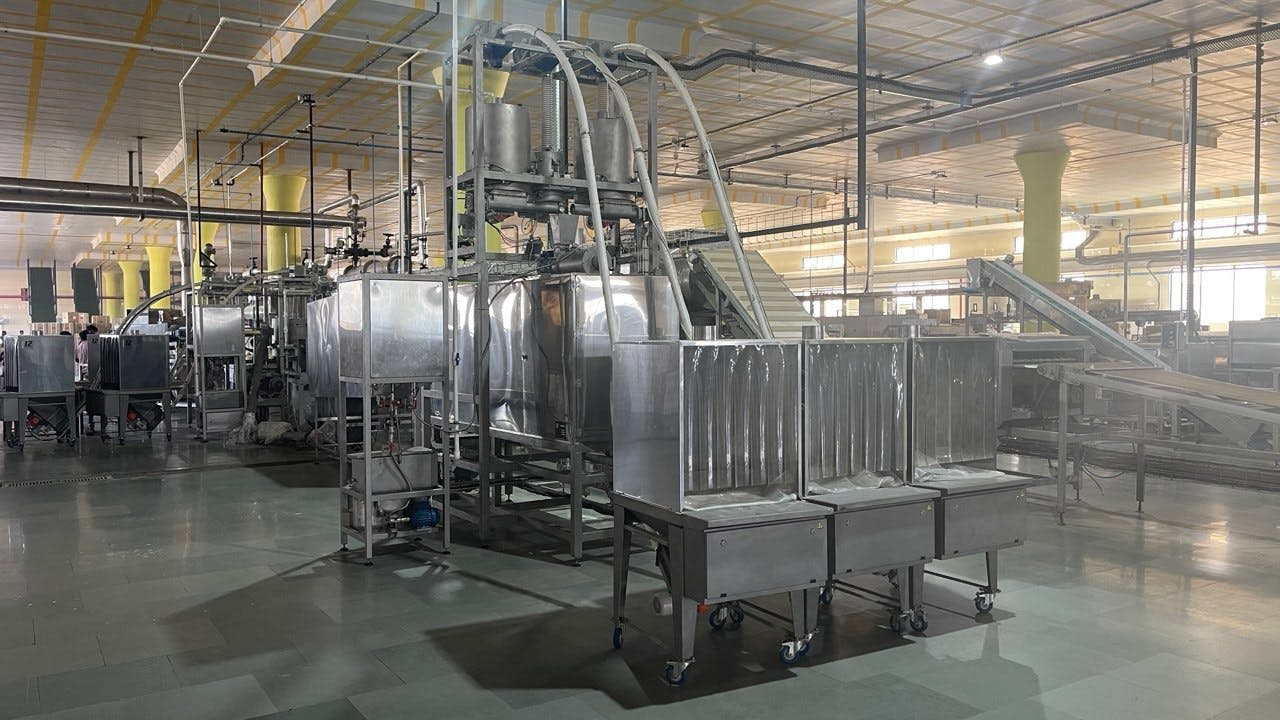
How a Two-Week Maintenance Overhaul Cut Downtime by 10% at a Major Snack Food Manufacturer
Bikaji Foods has successfully implemented a structured, low-cost maintenance framework that has significantly improved reliability without necessitating major capital investments. This initiative, aimed at enhancing operational efficiency, has yielded measurable gains in the company's reliability metrics. The strategic focus on cost-effective maintenance solutions reflects Bikaji Foods' commitment to optimizing performance while managing expenses effectively. By prioritizing this approach, the company has demonstrated that substantial improvements can be achieved through innovative practices rather than extensive financial outlays.
Process / Plant Maintenance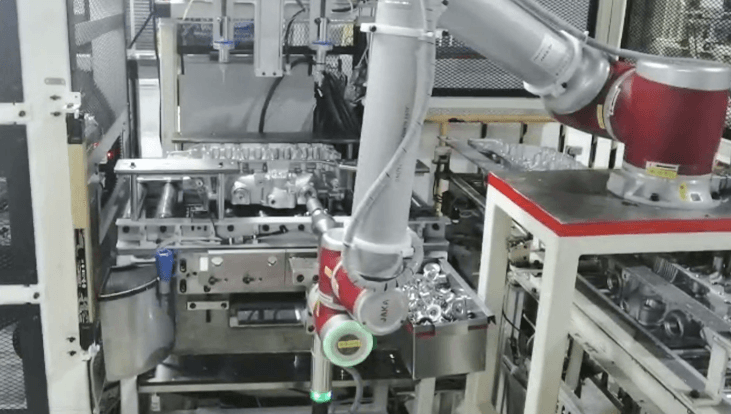
Screwdriving Robot Maintenance: N Critical Checks for Uptime
JAKA, a leader in industrial automation, emphasizes the importance of regular maintenance for screwdriving robot systems to ensure consistent uptime and production efficiency. The company advocates for systematic inspections to identify potential issues before they lead to unexpected downtime, driven by the increasing demand for reliable automation solutions. To maintain mechanical integrity, JAKA recommends routine checks of all joints, screws, and drive mechanisms, as well as adhering to lubrication schedules to prevent friction-related inefficiencies. Their JAKA S5 robots, designed to handle payloads between 3 to 18 kg, are equipped with force control sensors to avoid mechanical stress during operations. In addition to mechanical assessments, JAKA highlights the significance of monitoring electrical connections and control systems. Stable communication between the screwdriving robot and its control interface is crucial for maintaining productivity, as faulty cabling can disrupt precision tasks. The JAKA S5 features user-friendly configuration and debugging modes that facilitate verification without interrupting operations. Operational settings, including torque limits and cycle sequences, are also routinely reviewed to ensure optimal performance of both polishing and screwdriving robots. The app-based process package loading in the JAKA S5 allows teams to simulate operations before full deployment, minimizing the risk of production interruptions. By integrating mechanical inspections, electrical verification, and operational oversight into their maintenance routines, JAKA aims to extend the lifespan of their robots while enhancing safety and efficiency in industrial operations. Regular maintenance practices are essential for supporting high-quality automation processes.
Tesla Optimus Maintenance Checklist (2026)
A comprehensive maintenance guide has been released, detailing essential tasks for operators to ensure optimal performance of equipment. This guide outlines daily, weekly, and monthly maintenance responsibilities, including actuator care, battery cycle management, and sensor calibration. Designed to be user-friendly, it aims to equip operators with the knowledge needed for effective upkeep. The guide is based on data available up to October 2023, reflecting the latest industry standards and practices. By following these maintenance protocols, operators can enhance equipment longevity and efficiency, ultimately reducing operational costs.
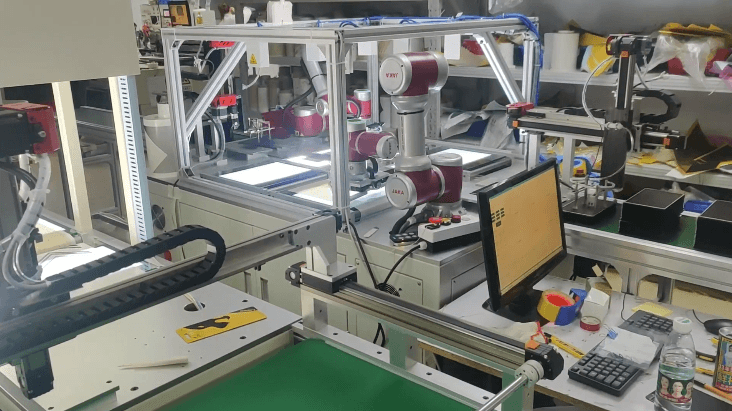
Key Maintenance Tips for Maximizing the Lifespan of Your Painting Robot Arm
Regular maintenance is crucial for extending the lifespan of painting robot arms in industrial settings, where precision and consistency are paramount. JAKA emphasizes a proactive approach to maintenance, integrating it into long-term production planning rather than treating it as a reactive measure. By implementing systematic inspection routines and understanding the interplay of mechanical, electrical, and control components, users can maintain painting quality and protect their investments. Key maintenance practices include routine mechanical inspections to monitor joint movement, cable routing, and tool mounting, which help prevent wear that could compromise coating accuracy. JAKA’s systems facilitate scheduled inspections with accessible joint structures and diagnostic feedback, enabling maintenance teams to identify issues early and ensure consistent performance. Additionally, effective management of control functions is vital for maximizing the durability of painting robot arms. JAKA’s intuitive configuration interfaces allow for smooth handling of payloads and reduce mechanical stress during operations. Features such as load-and-go process packages and manual control modes help minimize wear from repeated trials. Environmental factors and operator habits also play significant roles in the reliability of painting robot arms. JAKA advises users to monitor conditions like temperature and humidity, particularly in mixed environments. Safety interlocks and alarm systems are designed to prevent abnormal operations, while manual control functions allow operators to intervene safely when necessary. In conclusion, JAKA advocates for a comprehensive maintenance strategy that combines regular inspections, thoughtful process configurations, and environmental management to enhance the performance and longevity of painting robot arms, ultimately supporting sustained manufacturing efficiency.

DJI refreshes Osmo Pocket 4 with maintenance update
DJI has released a new firmware update for the Osmo Pocket 4, designated version 01.02.07.06, just weeks after a significant update that introduced numerous features. This latest release, which focuses on addressing known issues rather than adding new functionalities, is aimed at enhancing the performance and reliability of the popular pocket-sized camera. Users are encouraged to install the update to ensure optimal operation of their device.
News
Motion Control and Experimental Verification of a Continuum Aerial Manipulator for Power Grid Maintenance Operations
A recent study published in the Journal of Field Robotics highlights advancements in robotic technology aimed at improving agricultural efficiency. Researchers from various institutions collaborated to develop a new robotic system designed to automate the process of crop monitoring and management. This innovative system was tested in fields across California during the summer of 2023, demonstrating its potential to enhance productivity and reduce labor costs for farmers. The motivation behind this research stems from the increasing demand for sustainable agricultural practices and the need to address labor shortages in the farming sector. By integrating advanced sensors and artificial intelligence, the robotic system can analyze crop health, soil conditions, and environmental factors in real-time, providing farmers with actionable insights. The study outlines the methodology used in the field trials, including the deployment of multiple robotic units equipped with cutting-edge technology. These robots were programmed to navigate autonomously, collect data, and deliver precise recommendations for crop management. The findings indicate that the implementation of such robotic systems could lead to significant improvements in yield and resource efficiency. As the agricultural industry faces mounting challenges, this research underscores the importance of innovation in fostering sustainable practices and meeting the needs of a growing population. The successful trials pave the way for further development and potential commercialization of robotic solutions in agriculture, promising a transformative impact on the sector.
RESEARCH ARTICLE
Automated Lawn Maintenance: An Agronomic and Operational Review of Turf Health, Biodiversity, and Field Performance
A recent study published in the Journal of Field Robotics highlights advancements in autonomous robotic systems designed for agricultural applications. Researchers from a leading university conducted the study to explore how these robots can enhance efficiency in farming practices. The research was carried out over the summer of 2023 at various agricultural sites across the Midwest. The motivation behind this initiative stems from the increasing demand for sustainable farming solutions that can address labor shortages and improve crop yields. By integrating advanced sensors and machine learning algorithms, the robots are capable of performing tasks such as planting, monitoring crop health, and harvesting with minimal human intervention. The study involved extensive field tests, where the robots demonstrated their ability to navigate complex terrains and adapt to changing environmental conditions. Results showed a significant increase in productivity compared to traditional farming methods, suggesting that the implementation of these technologies could revolutionize the agricultural sector. As the agricultural industry faces challenges related to climate change and population growth, this research underscores the potential of robotics to provide innovative solutions that promote sustainability and efficiency in food production. The findings are expected to pave the way for further developments in agricultural robotics, ultimately benefiting farmers and consumers alike.
SURVEY ARTICLE
Facility Maintenance: Lavo Bot AI and NVIDIA Bring Autonomy to Exterior Surface Cleaning
A new advanced navigation system has been introduced, designed to enhance operational efficiency on job sites. This innovative technology utilizes sophisticated mapping, multi-sensor vision, and zone-based safety features to confidently navigate areas of up to 6,000 square feet per hour. It is capable of supporting pressure-wash rigs that operate at a rate of up to 12 gallons per minute and can handle pressures of 4,500 PSI. This development aims to streamline processes in various industries, ensuring safety and effectiveness in demanding environments. The system is expected to significantly improve productivity and safety standards for workers on-site.

AI Agents Revolutionize Service Layer Automation Beyond Traditional Factory Settings
Industrial automation has significantly changed physical production, yet the service layer remains largely manual. Maintenance requests still require human coordination, consuming valuable operational time. AI agents are now emerging to automate this service layer, handling unstructured requests and integrating with various systems to streamline operations. This shift is crucial as it allows organizations to redirect skilled labor from administrative tasks to more strategic work. By automating the intake, triage, and coordination processes, AI agents enhance efficiency and reduce the burden on human operators. The ability to manage requests end-to-end marks a significant advancement in operational capabilities. Looking ahead, the continued development of AI agents in the service layer will be essential for organizations aiming to improve productivity and responsiveness. As these technologies evolve, they promise to further integrate with existing systems and transform how service operations are managed. No further timeline was disclosed at the time of publication.
Automation Computing ai agents artificial intelligence automation chatbots
Top 7 AI Agent Platforms for Industrial Manufacturing in 2026
The manufacturing sector is undergoing a significant digital transformation, marked by substantial investments in Internet of Things (IoT) sensors, Manufacturing Execution Systems (MES), industrial analytics, and predictive maintenance solutions over the past decade. This shift has provided manufacturers with unparalleled operational visibility, enabling real-time monitoring of equipment, production lines, quality metrics, and material flows. Despite these advancements, production managers continue to face challenges in optimizing processes and improving efficiency. The integration of these technologies aims to enhance productivity and streamline operations, ultimately driving the industry towards a more data-driven future.
AI agents Manufacturing ai agents autonomous manufacturing digital manufacturing ERP integration
Terra Drone Establishes Estonia-Based Defense Subsidiary to Support European Expansion
Japan's Terra Drone Corporation has launched a new subsidiary, Terra Defense Europe, in Estonia, marking a significant expansion of its defense business in Europe. This move comes as the company shifts its focus from commercial drone services to defense and counter-drone systems. Established to enhance its operational capabilities, the subsidiary will provide sales, maintenance, logistics management, and foster local partnerships for unmanned systems related to defense throughout Europe. This strategic initiative reflects the growing demand for advanced defense technologies in the region.
Applications Defense defense Drone News Drone News Feeds News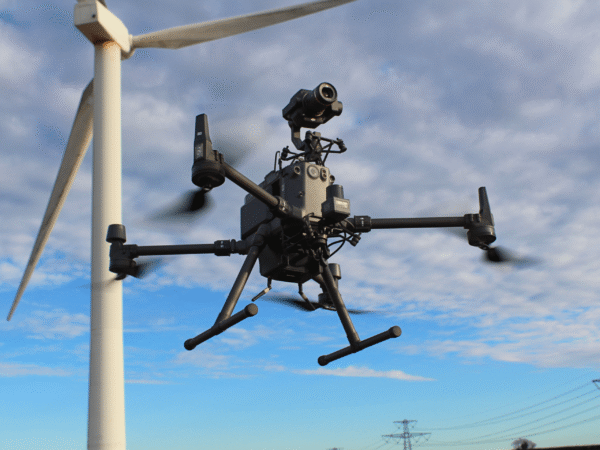
Perceptual Robotics Raises Funding to Automate Wind Turbine Inspection Drones
Perceptual Robotics, a Thessaloniki-based company, has successfully secured new funding to enhance its autonomous wind turbine inspection platform. The investment round, announced on May 5, 2026, was led by Loggerhead Ventures, with additional support from One Planet Capital. This financial backing aims to advance the development of AI-powered drones designed for wind farm maintenance, reflecting the growing demand for innovative solutions in renewable energy infrastructure. The funding will enable Perceptual Robotics to scale its operations and improve the efficiency of wind turbine inspections, ultimately contributing to the sustainability of wind energy production.
Drone News Drone News Feeds Europe Drone Industry European Union infrastructure Inspection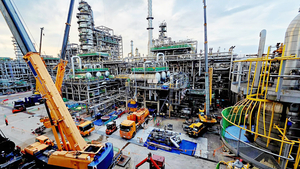
GS Caltex Completes $135 Million Overhaul at Yeosu Refinery Using Robots and AI
GS Caltex announced the completion of a 200 billion won ($135 million) turnaround at its Yeosu refinery, utilizing robots, artificial intelligence, and digital tools to enhance safety and operational efficiency. This large-scale maintenance operation involved halting production for intensive inspections and replacing aged components, laying the groundwork for safer and more efficient plant operations. The significance of this turnaround lies in GS Caltex's integration of digital and AI solutions, which are part of the company's broader digital transformation strategy. By digitalizing core operational systems, the refinery aims to improve workplace practices and boost overall competitiveness. The deployment of technologies like MOVision and tube-cleaning robots addresses specific operational challenges, such as locating electric motor-operated valves and enhancing thermal efficiency. Looking ahead, GS Caltex plans to continue innovating within the manufacturing sector by leveraging its DAX strategies. The company's commitment to integrating on-site expertise with advanced technologies is expected to further enhance efficiency and safety in future operations. No further timeline was disclosed at the time of publication.
All News
ByteDance Explores Physical AI, Indicating a Shift Beyond Traditional Models
ByteDance has clarified its position regarding autonomous driving, stating it will not pursue smart driving. However, this clarification signals a significant shift as the company explores Physical AI. Unlike traditional AI, which learns from vast text data, Physical AI understands physical laws and causality, enabling it to predict physical states rather than merely generating text. The emergence of Physical AI is expected to peak around 2026 due to three key turning points: the spillover effects of large model technologies, breakthroughs in simulation technology that overcome data limitations, and a significant decrease in hardware costs. These advancements are paving the way for applications in autonomous driving, which has already seen large-scale commercialization in various sectors, outpacing humanoid robots still in demonstration phases. Industrial Physical AI is poised to revolutionize productivity through applications like predictive maintenance and quality inspection. While specialized robots are being deployed in logistics and inspection, the widespread implementation of general-purpose humanoid robots may take another 5 to 10 years. The competition in Physical AI has begun, marking a transformative shift as AI evolves from merely processing information to reshaping the world.
Physical AI Autonomous Driving Industrial Automation Simulation Technology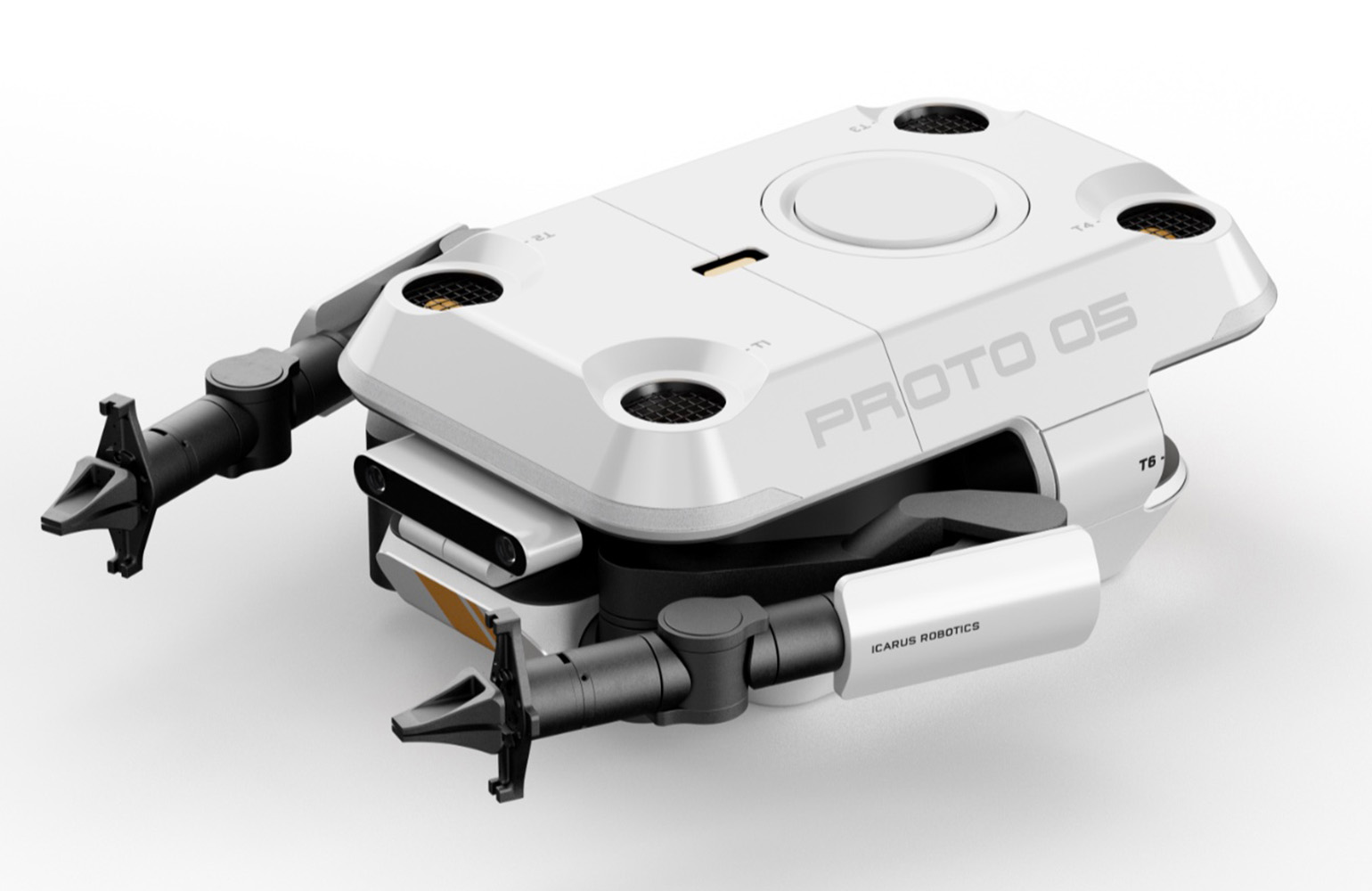
Icarus Robotics Selects KULR Technology for JOY Space Robot's Power System
Icarus Robotics has announced KULR Technology Group as the battery supplier for its autonomous free-flying robot, JOY, which is set to launch to the International Space Station (ISS) in early 2027. KULR will provide its KULR ONE Space (K1S) battery systems, engineered to NASA safety standards, ensuring reliable operation aboard the ISS. The partnership is significant as KULR’s battery technology has already been validated during the Artemis II lunar mission, which enhances the approval process with NASA. Icarus co-founder Ethan Barajas emphasized the importance of flight heritage in the space sector, stating that proven components expedite the approval process, crucial for a startup like Icarus. Looking ahead, JOY, powered by embodied AI, aims to assist astronauts with routine tasks and infrastructure maintenance, allowing them to concentrate on more critical research objectives. No further timeline was disclosed at the time of publication.
Aerospace Batteries / Power Supplies Markets / Industries News Technologies Icarus
Tombot's AI-Driven Robotic Dog Receives Over 23,000 Preorders for Senior Emotional Support
Tombot, a robotics company based in Los Angeles, has announced the completion of a $7 million Series A3 funding round led by Caduceus Capital Partners and Wavemaker 360. This brings the company's total funding to over $13 million, with more than 23,000 preorders for Jennie, an AI-driven robotic Labrador puppy, already secured before product delivery. The significance of Jennie lies in its potential to address the growing issue of loneliness among seniors, particularly those suffering from dementia and mild cognitive impairment. With over 300 million individuals globally affected by these conditions, Tombot aims to provide a medical-grade emotional support device that requires no feeding, walking, or maintenance, thus offering a viable companionship option for the elderly. Looking ahead, Tombot's focus will be on continuous updates to Jennie's behavior and voice commands through an accompanying mobile app. The response from investors and the market indicates a serious consideration of robotic companions as a solution to the pressing challenges of aging populations and caregiver shortages. No further timeline was disclosed at the time of publication.
Emotional Support Robots Elderly Care Technology AI Companions Robotics
Study on Offshore Wind Turbine Blade Repair Using Particle Swarm Optimization and Advanced Control Techniques
A recent study published in the Journal of Field Robotics explores innovative methods for repairing offshore wind turbine blades. The research focuses on utilizing a Particle Swarm Optimization-Backpropagation Neural Network combined with Improved Active Disturbance Rejection Control to enhance repair efficiency. This research is significant as it addresses the growing need for effective maintenance strategies in offshore wind energy, which is crucial for maximizing energy output and minimizing downtime. The integration of advanced algorithms aims to improve the precision and reliability of repair processes, ultimately contributing to the sustainability of wind energy. Looking ahead, the implications of this study could influence future developments in wind turbine maintenance technologies. No further timeline was disclosed at the time of publication.
RESEARCH ARTICLE
Hummingbird F100 Revolutionizes Wind Turbine Blade Inspection with Wireless Technology
The Hummingbird F100, launched by Schrodinger Industrial Group, marks a significant advancement in wind turbine blade inspection. This device operates wirelessly, enabling stable connections over distances of up to 150 meters, and is designed to navigate complex internal structures of turbine blades, which are typically challenging to inspect due to their confined spaces. The global market for wind turbine blade inspection services is projected to grow from $7.74 billion in 2025 to $8.48 billion in 2026, with a compound annual growth rate of 9.6%. The Hummingbird F100 addresses the industry's need for more efficient inspection methods by automating data collection and analysis, shifting from reactive maintenance to proactive asset management. Looking ahead, the integration of AI with inspection robotics will enhance defect detection and reporting capabilities. The transition from wired to wireless operations will not only streamline deployment but also expand operational ranges and reduce on-site risks. The Hummingbird F100's modular design allows for rapid adaptation to various inspection scenarios, positioning it as a key player in the evolving wind energy sector.
Wind Turbine Inspection Robotics AI Technology Data Management Wireless Solutions
Manufacturers Must Prioritize Industrial Data Governance Before AI and Analytics
Manufacturers are generating unprecedented amounts of data through automation systems, capturing everything from process values to production metrics. However, many plants face challenges in quickly answering fundamental operational questions, such as equipment status during issues or alarm sequences. The root cause often lies in a lack of structured, contextualized data governance rather than insufficient data itself. As manufacturers increasingly invest in analytics and AI, the importance of a solid data foundation becomes critical. Structured data not only aids in generating meaningful reports but also enhances AI insights. Poorly designed automation systems can lead to disorganized data, resulting in confusion and inefficiencies that erode trust among operators and complicate reporting for engineers and maintenance teams. To address these challenges, manufacturers must focus on establishing effective data governance from the outset of automation system design. Collecting more data does not inherently create value; instead, organizing data around relevant categories is essential for it to be actionable. No further timeline was disclosed at the time of publication.
Factory / Analytics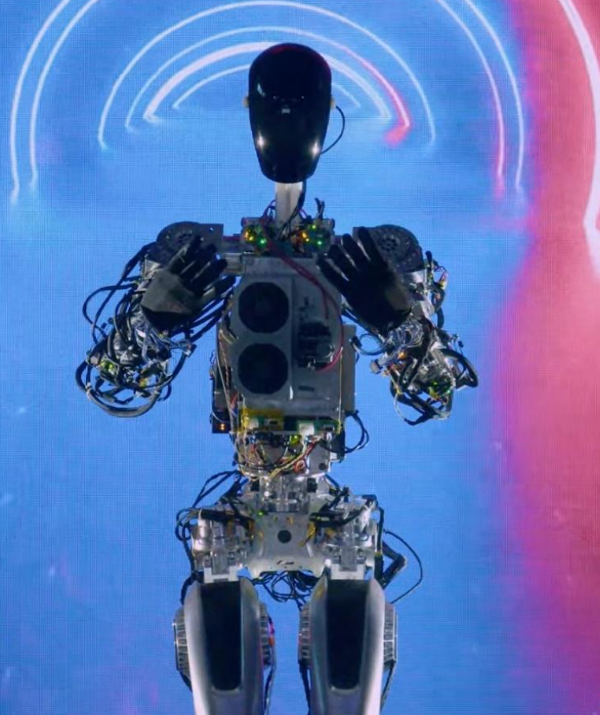
Optimus Robots to Construct Lunar Outpost by End of 2026 Under Musk's Plan
Elon Musk has announced that Tesla's Optimus humanoid robots will lead the construction of a lunar outpost by the end of 2026. SpaceX plans to launch essential construction materials, including modular living quarters and energy equipment, to the Moon using the Starship rocket. The deployment of robots aims to minimize human safety risks and efficiently handle repetitive heavy labor tasks. The rationale behind using robots instead of humans is to reduce complexity and enhance operational efficiency. According to Jim Cantrell, a member of the SpaceX founding team, robots only require sunlight and occasional maintenance, allowing them to work continuously. Upon arrival on the Moon, the Optimus robots will autonomously unload materials, prepare the lunar surface, and assemble prefabricated habitats while also extracting water ice for life support and fuel. Musk envisions the Moon as a testing ground for Mars colonization, with plans to send astronauts to the Moon within 2-3 years and establish a self-sustaining city by 2036. However, challenges remain, including the need for successful orbital refueling of the Starship and overcoming harsh lunar conditions. No further timeline was disclosed at the time of publication.
Humanoid Robots Space Exploration Lunar Colonization Construction Robotics
In-Depth Analysis of Adsorption and Locomotion Codesign for Wall-Climbing Robots
The Journal of Field Robotics has published a comprehensive review focusing on the adsorption-locomotion codesign of wall-climbing robots. This review highlights the intricate relationship between the robots' ability to adhere to surfaces and their locomotion capabilities, which are crucial for performing complex operations on various surfaces. Understanding the codesign of these robots is essential as it directly impacts their efficiency and effectiveness in real-world applications. The review emphasizes the importance of optimizing both adsorption and locomotion to enhance the performance of wall-climbing robots, which are increasingly being utilized in fields such as inspection, maintenance, and exploration. Looking ahead, researchers and developers in the robotics field should pay close attention to advancements in adsorption technologies and locomotion strategies. Continued innovation in these areas could lead to significant improvements in the functionality and versatility of wall-climbing robots. No further timeline was disclosed at the time of publication.
SURVEY ARTICLE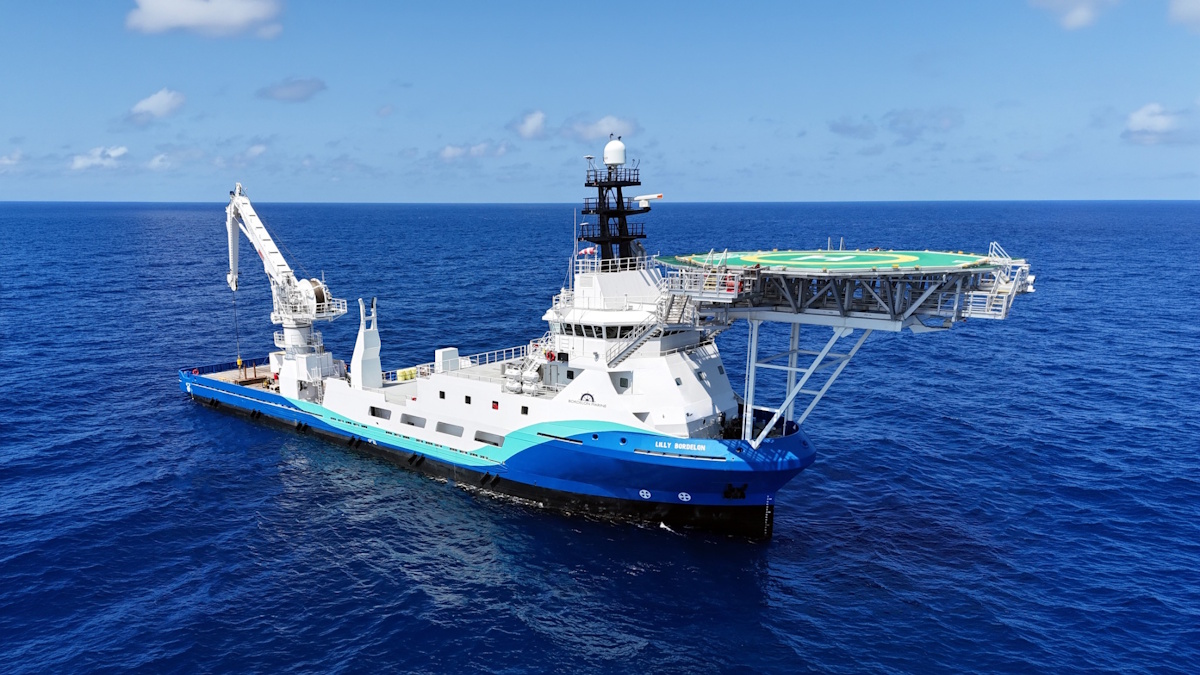
Bordelon Marine Completes Conversion and Delivery of MV Lilly Bordelon Vessel
Bordelon Marine has successfully completed the conversion and redelivery of the MV Lilly Bordelon, a Stingray Series 260 Class DP-2 Ultra-Light Intervention Vessel. This modern subsea intervention vessel has been repurposed from an existing platform to provide cost-efficient and flexible solutions for offshore operations. The MV Lilly Bordelon boasts over 5,500 square feet of clear deck space and features a mezzanine deck that supports two work-class ROVs, along with an integrated ROV control room. It is equipped with a 60-ton active heave-compensated crane and a 17-meter USCG/ABS-certified helideck, making it suitable for a variety of subsea inspection, maintenance, repair, and light construction tasks. Wes Bordelon, President and CEO, expressed pride in adding the MV Lilly Bordelon to their fleet, emphasizing its role in enhancing the company's ability to deliver high-capability, cost-effective subsea solutions to clients. No further timeline was disclosed at the time of publication.
bordelon marine mv lilly bordelon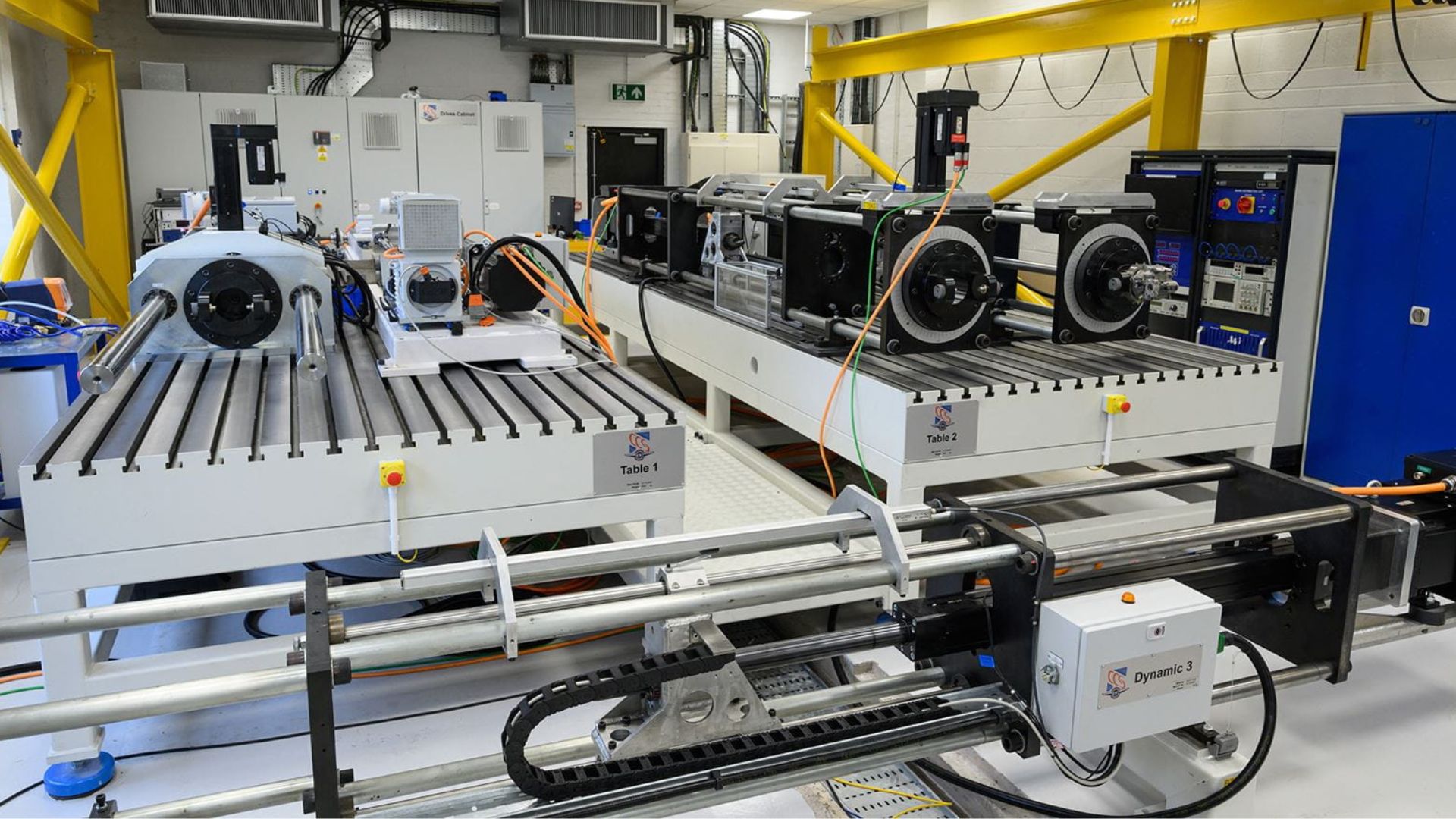
Collins Aerospace Launches U.K. Hub for Electric Thrust Reverser Development
Collins Aerospace has inaugurated a new engineering hub in Wolverhampton, U.K., aimed at accelerating the development of electric thrust reverser systems for next-gen aircraft. The Engineering Center of Excellence is now operational and features a modular test environment designed to simulate real-world conditions for evaluating aircraft components and systems, enhancing the design scalability for future applications. This initiative is significant as the aerospace industry shifts towards electric alternatives to hydraulic systems, which can reduce weight by 15% to 20% in nacelle actuation. The elecTRAS technology, which eliminates hydraulic interfaces, is expected to improve fuel efficiency and operational performance while simplifying maintenance. This aligns with the long-term electrification strategies of original equipment manufacturers (OEMs). Looking ahead, Collins Aerospace aims to streamline development by consolidating its elecTRAS systems engineering and nacelle actuation design teams at the new facility. The company’s technology is already in service on the Airbus A350 family, having logged over 15 million flight hours by 2025. No further timeline was disclosed at the time of publication.
Transportation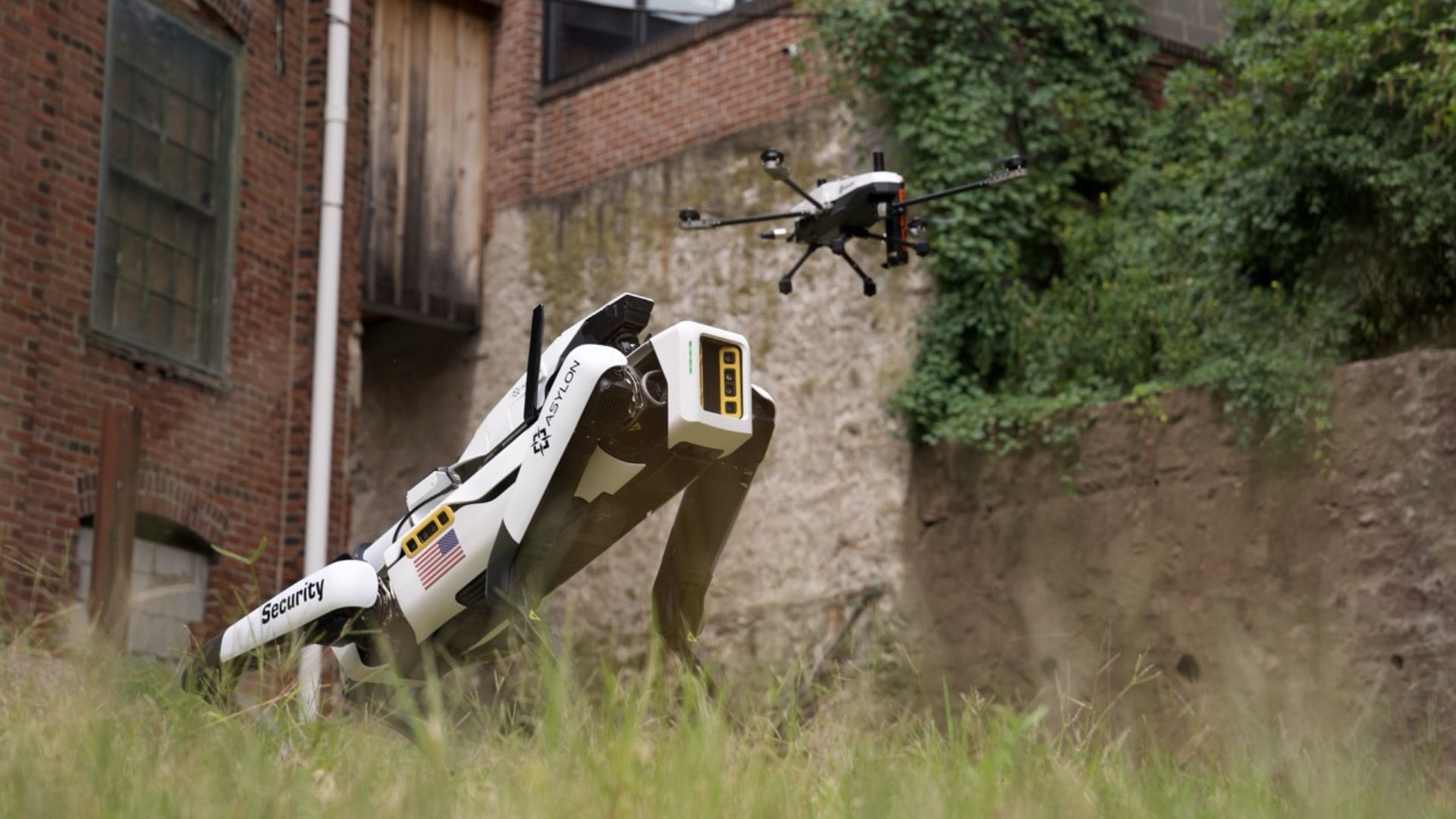
Asylon's MARIA System Enhances Aircraft Inspections for U.S. Air Force
Asylon has secured a Phase Three contract with the U.S. Air Force's Warner Robins Air Logistics Complex to deploy its Multi-modal Autonomous Robotics for Inspection of Aircraft (MARIA) system. This initiative aims to streamline aircraft inspections by integrating air and ground robotic platforms, significantly reducing the time for general visual inspections while enhancing consistency in maintenance tasks. The MARIA system combines Asylon's Guardian unmanned aircraft with the DroneDog Q-UGV, utilizing the Range autonomy software and DroneIQ command-and-control system for efficient inspection management. The significance of this deployment lies in its potential to transform aircraft maintenance operations. By automating inspections, the MARIA system not only improves inspection quality but also mitigates the risks associated with labor-intensive tasks. The integration of imagery, LiDAR data, and telemetry into a single platform allows maintenance personnel to make informed decisions quickly, thereby enhancing aircraft readiness without increasing manpower demands. This project marks a pivotal shift in how the Air Force approaches maintenance, leveraging autonomous technologies to optimize operational efficiency. Looking ahead, the success of the MARIA deployment at Warner Robins could lead to broader adoption of these technologies across military maintenance organizations. No further timeline was disclosed at the time of publication, but the ongoing collaboration between Asylon and the Air Force may pave the way for future advancements in defense sustainment operations, particularly in the realm of autonomous inspections and maintenance support.
Military
Asylon secures Phase Three contract for MARIA aircraft inspection system development
Asylon has been awarded a Phase Three contract by the Warner Robins Air Logistics Complex (WR-ALC) to advance its Multi-modal Autonomous Robotics for Inspection of Aircraft (MARIA) system. This contract focuses on further development, integration, and demonstration of the MARIA technology at the WR-ALC facility, enhancing aircraft inspection processes. The significance of this contract lies in the increasing demand for automation in aircraft maintenance and inspection. Asylon's MARIA system aims to improve efficiency and accuracy in inspections, which is crucial for maintaining operational readiness in military and commercial aviation sectors. The integration of autonomous robotics is expected to streamline workflows and reduce human error. Looking ahead, stakeholders will be monitoring the progress of the MARIA system's development and its subsequent demonstration at WR-ALC. No further timeline was disclosed at the time of publication, but successful implementation could set a precedent for similar technologies in the aerospace industry.
News
NASA and Rice University Launch Open-Source Simulator for Space Robotics Research
Rice University and NASA have introduced the iMETRO Dynamic Simulation, the first open-source platform for developing robots for spacecraft and habitats. Unveiled at the 2026 IEEE International Conference on Robotics and Automation in Vienna, this simulator creates a digital twin of NASA's iMETRO facility, enabling global researchers to test intravehicular robotic systems in a virtual setting. This platform is significant as it broadens access to advanced space robotics research, facilitating innovation for future human space missions. It focuses on robot manipulators that assist with maintenance and logistics tasks, which are crucial for reducing astronaut workloads during extended missions. The simulator features an eight-degree-of-freedom robotic manipulator model and supports ROS 2 and MuJoCo, enhancing usability and compatibility for developers. Looking ahead, the iMETRO Dynamic Simulation aims to maximize astronaut productivity by automating routine tasks, allowing crew members to focus on scientific exploration. The research team successfully demonstrated the simulator's capabilities by transferring a robotic application from simulation to the physical facility in under a day. No further timeline was disclosed at the time of publication.
AI and Robotics
Hershey Company Leverages AI to Enhance Workforce Efficiency in Candy Manufacturing
The Hershey Company is implementing AI-driven digital transformation in its candy factories through a connected-worker platform developed by Augmentir. This initiative aims to enhance workforce efficiency by providing intelligent guidance and support to workers, addressing challenges such as labor shortages and skills gaps. The integration of Augmentir’s AI-powered platform, known as 'Augie,' allows Hershey to tailor technology to its specific needs, capturing valuable data on worker performance. This data-driven approach helps identify areas for improvement, such as machine maintenance and worker training, ultimately leading to better operational outcomes. As manufacturers increasingly adopt AI technologies, the focus will be on how effectively they can integrate these solutions into their workforce processes. No further timeline was disclosed at the time of publication.
Factory / Digital Transformation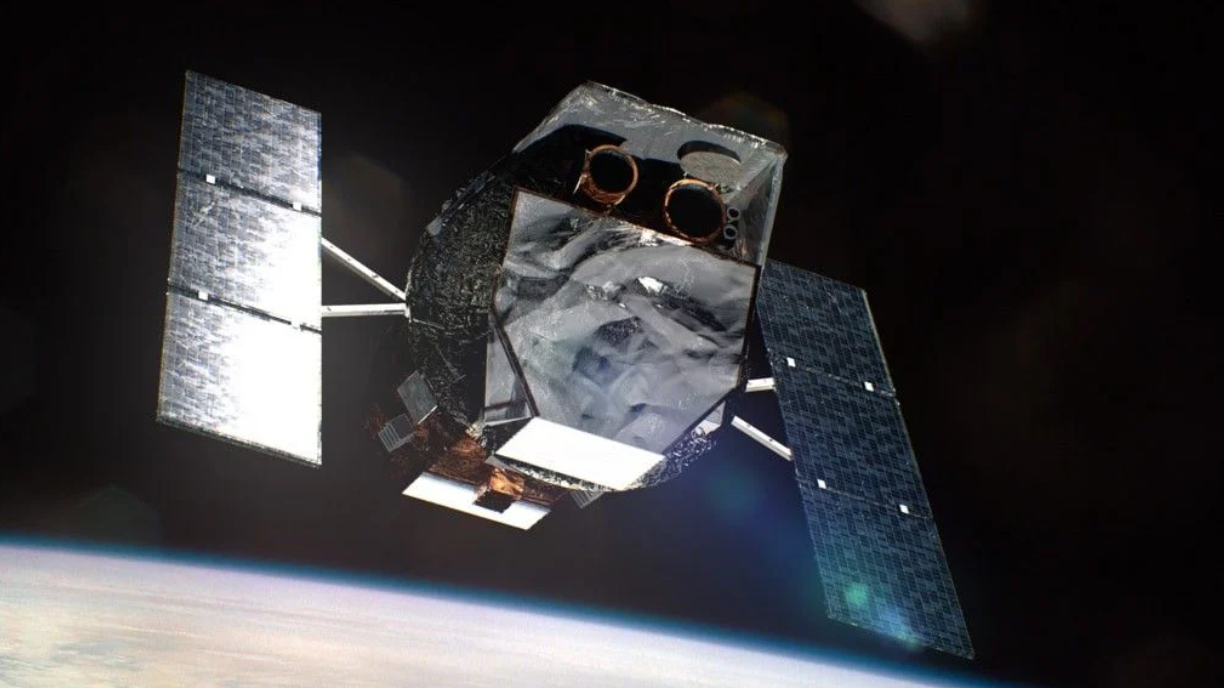
Three-Arm Robot to Rescue NASA's $500 Million Telescope in Space
Katalyst Space Technologies, a startup, has unveiled a three-arm robot spacecraft named LINK, designed to rescue NASA's Swift Observatory, which is currently at risk of re-entering the atmosphere and burning up. The initiative is backed by a $30 million contract and aims to capture and reposition the telescope into a safer orbit. This mission represents a notable advancement in space maintenance technology and underscores the intensifying competition in satellite servicing between the United States and China.
Space Robotics Satellite Servicing Aerospace Technology NASA Space Exploration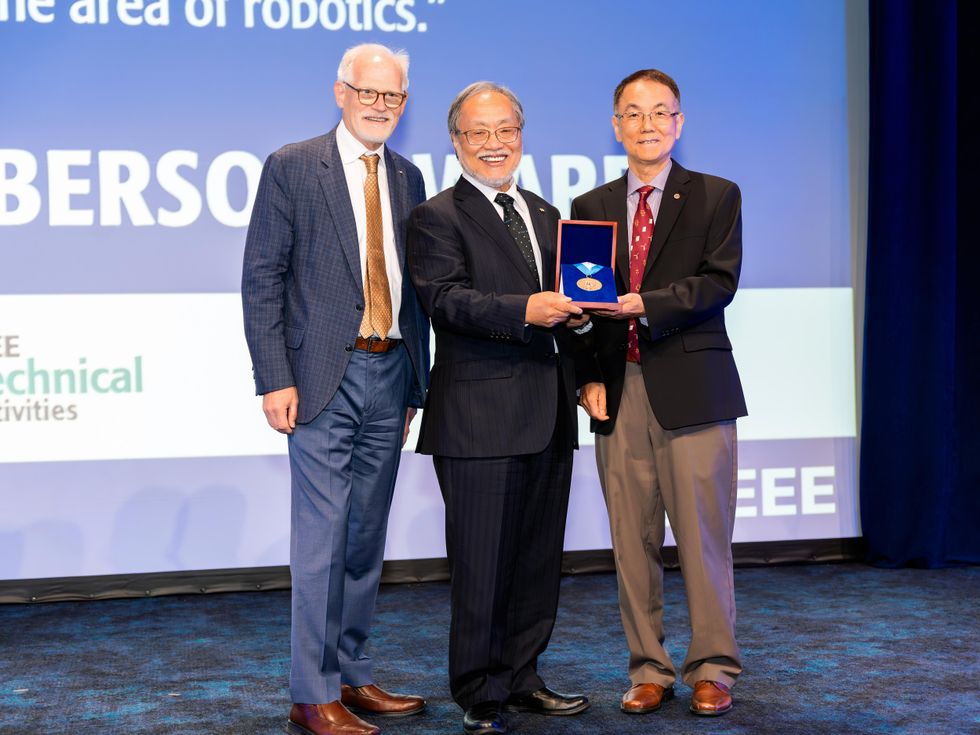
IEEE Honors Robotics Pioneer Toshio Fukuda
Toshio Fukuda has been blazing trails for most of his career. He is considered to be one of the most prolific scholars in robotics, writing more than 2,000 research papers and authoring several books on the field. He’s an influential figure thanks to his pioneering work developing biomedical robotic systems, industrial robots, micro-nano robotics, mechatronics, and AI-driven automation.Fukuda launched one of the first robotics conferences, the IEEE/RSJ International Conference on Intelligent Robots and Systems (IROS). It is still popular almost 40 years later.Toshio FukudaEmployerEgypt-Japan University of Science and Technology, in Alexandria TitleProfessor and vice president of research Member gradeLife Fellow Alma matersWaseda University, in Tokyo; University of Tokyo An IEEE Life Fellow, he is a professor emeritus in the department of micro-nano systems engineering and a visiting professor at Nagoya University, in Japan, where he taught for nearly 25 years. Currently, he is a vice president of research at the Egypt-Japan University of Science and Technology, in Alexandria, Egypt.Within IEEE, Fukuda has held top volunteer positions including the organization’s highest office: He served as IEEE president in 2020, becoming the first person of Asian descent to hold the role.He’s a former program director of Japan’s Moonshot program, which by 2050 intends to develop advanced AI robots.Born in Japan, Fukuda has been recognized by the country for his contributions to science with two of its highest awards: the Medal of Honor with a purple ribbon in 2015 and the Order of the Sacred Treasure in 2022.IEEE honored him with this year’s Richard M. Emberson Award for “distinguished service advancing the technical objectives of IEEE, especially in the area of robotics.” The IEEE Board-level award is sponsored by the IEEE Technical Activities Board. Fukuda received the award on 24 April at a ceremony in New York City.As a former IEEE president who has served as a master of ceremonies at several of the organization’s major award events, Fukuda noted that he is more accustomed to bestowing awards than receiving them.“It’s very interesting to be on the receiving end,” he says.The journey into robotics researchAs a teenager, Fukuda spent his summer breaks teaching himself how to build things including transistor radios and steam engines.“It was very nice to have a hands-on hobby and make these kinds of things myself,” he says. His experimentation led him to study engineering.He earned a bachelor’s degree in engineering in 1971 from Waseda University, in Tokyo. He says one of his professors there—Ichiro Kato, regarded as the father of Japanese robotics research—was a good mentor who made a positive impact.Fukuda’s research interests were robotics and mechatronics, a field that combines robotics, electronics, computer science, and control systems.He went on to earn a master’s degree and a doctorate in science from the University of Tokyo, in 1971 and 1977. During those years, he also attended Yale, where he conducted research on advanced control theory in 1973.He reflects fondly on his time at Yale: “It was a very nice environment and a kind of free-thinking atmosphere. It motivated me to study more.”“IEEE doesn’t care who you are, what you do, what country you are from, or whether you are male or female. IEEE accepts people who have energy and passion.”While at Yale, Fukuda served as an assistant to his advisor—which led him to consider a career in academia, he says, because he enjoyed the freedom that research work afforded him.But he realized that such freedom comes with a price. University researchers are expected to raise the money that funds their work. He compares researchers to small-business owners who have to bring in money to keep their enterprise afloat.That realization led him to select robotics as his field because he intended to develop technologies useful to industry, he says.After earning his doctorate, he returned to Japan in 1977 to work as a research scientist at the government’s Mechanical Engineering Laboratory, later renamed the National Institute of Advanced Industrial Science and Technology, in Tsukuba.“There was a lot of research going on at the lab, including practical robotics and theory,” he says.He left Japan in 1979 to become a visiting research fellow at the University of Stuttgart, in Germany. During his year there, he studied systems, software problems, and related topics.He returned to Japan and was hired as an associate professor of mechanical engineering at the Tokyo University of Science. He conducted research into practical uses for robots by visiting industrial plants. He decided to develop robots that inspect industrial equipment such as those used in assembly plants, oil refineries, and power stations—places that “can be hostile environments for humans,” he says.His work drew interest from chemical, oil, and utility companies.“I got a lot of money from them for this very practical application, which funded my research,” he says, laughing.Developing popular robotic systemsFukuda grew tired of making those robots, he says, so he switched to creating ones for scientific applications. He developed many techniques, but he probably is best known for his modular, cellular robotic systems (CEBOTs), which he introduced in 1985.He has described how CEBOTs work in numerous papers published in the IEEE Xplore Digital Library.The CEBOT system is composed of a number of autonomous robotic cells that stick together like interlocking Lego plastic bricks, he says.Each cell is a fundamental modular unit that has a function. When a simple task is given, the system can analyze it and generate the structure of the cellular manipulator. The cells connect to and detach from each other through connection mechanisms and cooperate mutually, creating complex structures and configurations.“You start developing from the component-wise to the cell-wise to a small functional unit—and then you come up with clusters that make bigger systems. We can make a society of robot beings like that,” he explained in his oral history published on the Engineering and Technology History Wiki. “It’s a distributed robotic system, a self-organized robotic system, and also an evolutionary robotic system.“It’s also a fault-tolerant robot system because if something is wrong, you just remove those things and make a new one. You keep the system working. That’s a great thing.”Today CEBOTs are used for a variety of tasks such as delivering medication in hospitals, assisting with planting crops, and transporting products in distribution centers. Check out IEEE Spectrum’s Robots Guide for news from the world of robotics.In 1989 Fukuda joined Nagoya University as a professor of mechanical engineering and micro-nano systems engineering. During his 24-year career there, he was director of the university’s Center for Micro-Nano Mechatronics. He developed a long list of technologies at the university, including many for medical applications. He also conducted groundbreaking research into intelligent robotic systems and micro- and nano-robotics.Another technology he is known for is brachiation robots, which he helped develop in 1988. He calls them monkey robots because they’re based on the pendulum-like movement of monkeys swinging from tree to tree. The gravity-based locomotion enables continuous movement.Brachiation robots now are inspecting high-voltage transmission towers and bridges, searching damaged buildings for survivors, and performing maintenance on pipelines and cables.Fukuda retired from the university in 2013 and was named professor emeritus.He didn’t stay retired for long, though. He next held a teaching appointment at Meijo University, in Nagoya, until he left in 2022 to join the Egypt-Japan University.A prominent volunteerHe joined IEEE in 1980 at the encouragement of one of his research advisors, Professor Fumio Harashima, now an IEEE Life Fellow. After attending conferences and reading the organization’s publications, Fukuda says, he looked forward to becoming more involved.“I wanted to know how to organize a conference and how to edit a paper for one of its Transactions,” he says. “I wanted to know what was going on from inside the organization, not just the outside.”In 1988 he was the founding chair and organizer of IROS, in Tokyo. The conference had 330 attendees that year, and was supported by Harashima. Today it is one of the largest and most prestigious conferences on the topic, attracting more than 9,000 people annually. Out of 120,000 conferences, it was the only conference in the Nature Index database for this year, Fukuda says.In 1996 he and other members launched IEEE Transactions on Mechatronics.He was the founding president of the IEEE Nanotechnology Council, which was established in 2002. He is considered a pioneer in nanotechnology research, particularly regarding how it relates to robotics.Over the years, he has held numerous volunteer positions on IEEE editorial boards and committees.He was the 1998–1999 president of the IEEE Robotics and Automation Society, becoming the first non-U.S. member to hold the title.He was director of IEEE Division X (2001–2002 and 2017–2018), which covers intelligent systems, biological engineering, robotics, control systems, and photonic technologies. He served as the 2013–2014 director of IEEE Region 10 (Asia-Pacific).As the 2020 IEEE president, Fukuda saw the organization through the early part of the COVID-19 pandemic. Because of travel restrictions, he realized IEEE should change how it offered its in-person services, specifically educational programs. He encouraged IEEE Educational Activities to develop an online learning platform. The IEEE Learning Network started with just three courses and now offers nearly 2,000 courses, webinars, and learning materials.An award-winning memberThe Emberson Award joins a slew of other recognitions Fukuda has received from IEEE. They include several from the IEEE Robotics and Automation Society: a 2004 Pioneer Award, a 2009 Saridis Leadership Award, and the 2011 Harashima Award for Innovative Technologies. He is also a recipient of the Board-level 2010 IEEE Robotics and Automation Technical Field Award.He says he feels strongly that IEEE should be a diverse organization that is welcoming to all. As IEEE president, he led efforts to devise a diversity, equity, and inclusion program. Several policies, procedures, and bylaws were revised to give members a safe, inclusive place for discourse.“It’s important for IEEE to make everyone feel comfortable,” he says. “DEI programs are important. All people should be equal. IEEE doesn’t care who you are, what you do, what country you are from, or whether you are male or female. IEEE accepts people who have energy and passion.“It accepted me, from the Far East. That’s why I like it.”You can learn more about Fukuda and his career from the oral history conducted by the IEEE History Center.
Robotics Robots Ieee-member-news Type-ti Ieee-awards Toshio-fukuda
GM lays off over 1,000 workers at Detroit plant, adds 50 robots: ‘We are in a fight for humanity.’ Progress or betrayal?
General Motors has laid off over 1,000 workers at its Factory ZERO assembly plant in Detroit while introducing 50 AI-powered collaborative robots, known as "cobots," to enhance production efficiency. The layoffs, announced on July 4, 2026, have sparked criticism from the United Auto Workers (UAW), which claims the move underscores the human cost of increasing automation in the industry. UAW President Shawn Fain emphasized the need for AI to improve job quality rather than displace workers, stating, "We are in a fight for humanity." GM insists that the layoffs are temporary and unrelated to the introduction of the robots, which are intended to work alongside human employees to improve safety and ergonomics. A GM spokesperson noted that the company is committed to integrating advanced technology into its operations to enhance manufacturing processes. The automaker has been investing heavily in AI and factory automation, with its Autonomous Robotics Center in Warren, Michigan, developing systems that can learn from production data to identify defects and anticipate maintenance needs. The situation at GM contrasts with rival Ford, which recently rehired 350 employees to address shortcomings in its AI-driven quality control efforts. As the automotive industry increasingly turns to automation, the long-term implications for workers and manufacturing quality remain uncertain.

Interview with Pony.ai's Peng Jun: A "Dissenting Consensus" Autonomous Driving Company
In 2016, Peng Jun founded Pony.ai with the foresight that the widespread implementation of Robotaxi services would require at least a decade of effort, considering technological advancements, legal frameworks, and societal acceptance. Today, companies like Waymo in San Francisco and Pony.ai in Shenzhen have successfully integrated autonomous vehicles into commercial operations. However, Peng noted that the absence of human drivers has created challenges in operational logistics, such as vehicle maintenance and customer assistance, which were previously managed by drivers. In a recent interview, Peng discussed Pony.ai's strategies for supporting its autonomous fleet, including the establishment of an operations team to create logistics standards that encompass remote safety personnel and ground support staff. He emphasized that even as the fleet expands, the ratio of personnel to vehicles will not significantly increase, a factor often overlooked by traditional ride-hailing companies entering the Robotaxi market. Despite the challenges, Pony.ai's seventh-generation vehicles have achieved profitability in cities like Guangzhou and Shenzhen, with plans to scale the fleet to 3,500 vehicles this year. Peng expressed skepticism about the ability of traditional automakers and ride-hailing platforms to transition into the Robotaxi space, highlighting the complexities involved in achieving Level 4 autonomy. While competitors are rapidly announcing their own Robotaxi initiatives, Peng cautioned that execution is far more challenging than mere declarations. He believes that operational efficiency, rather than manufacturing capability, will be the key determinant of success in the Robotaxi sector. As the industry evolves, Pony.ai remains focused on refining its business model while navigating the complexities of autonomous vehicle operations.
F-22 Raptor: Pratt & Whitney’s F119 engine crosses million flight hours milestone
Aerospace company Pratt and Whitney has announced a significant milestone, revealing that its F119 engine has officially surpassed one million flight hours. This achievement highlights the engine's reliability and performance, which has been integral to the success of the F-22 Raptor fighter jet since its introduction. The announcement was made on October 10, 2023, during a press conference at the company's headquarters in East Hartford, Connecticut. The F119 engine, known for its advanced technology and efficiency, has played a crucial role in enhancing the capabilities of the U.S. Air Force's fleet. The company attributes this milestone to ongoing innovations and rigorous maintenance protocols that ensure the engine's longevity and operational readiness. As Pratt and Whitney continues to support military aviation, this achievement underscores its commitment to providing high-quality aerospace solutions.
Military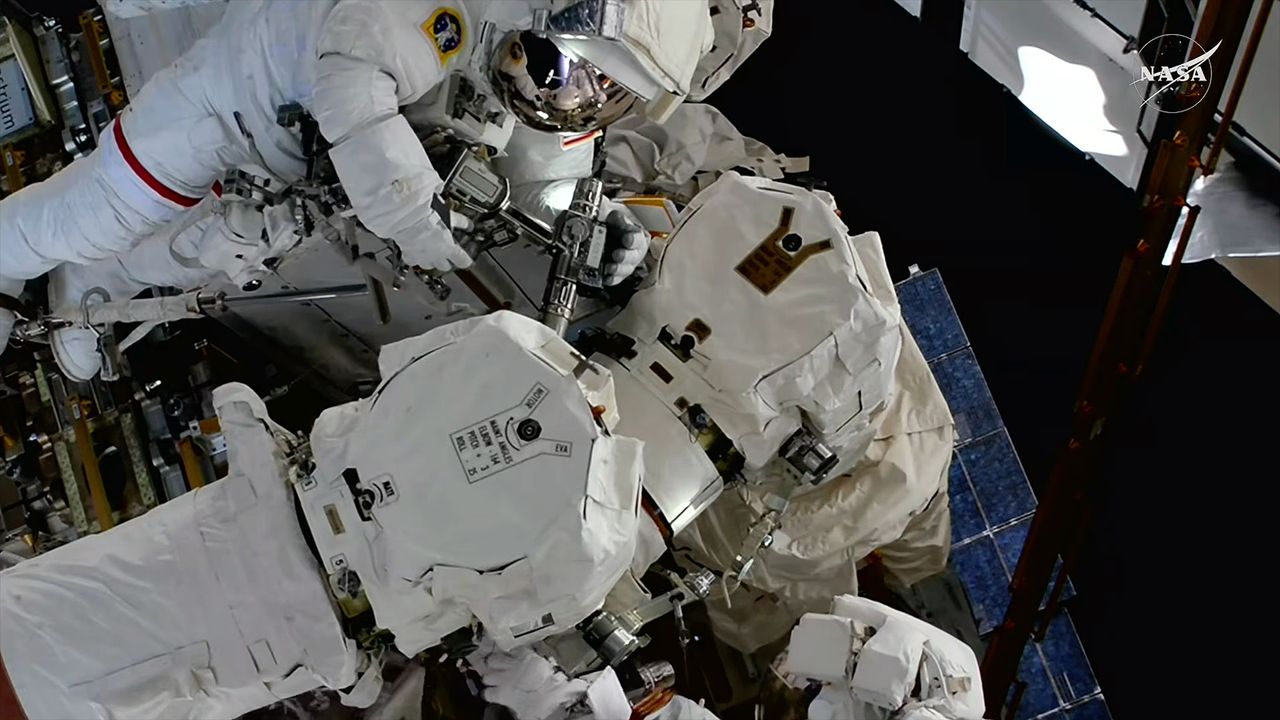
‘Just in time for Canada Day’: Spacewalking astronauts repair space station’s huge Canadarm2
On June 30, 2026, Expedition 74 flight engineers Chris Williams and Jessica Meir successfully completed a seven-hour spacewalk at the International Space Station. The mission involved replacing a wrist joint on the Canadarm2 robot arm, a critical component used for various tasks, including satellite deployment and maintenance of the space station. This repair was essential to ensure the continued functionality of the robotic arm, which plays a vital role in supporting operations and research aboard the ISS. The spacewalk exemplified the ongoing commitment to maintaining and enhancing the capabilities of the station, highlighting the importance of human ingenuity in the challenging environment of space.
International Space Station Space Exploration Missions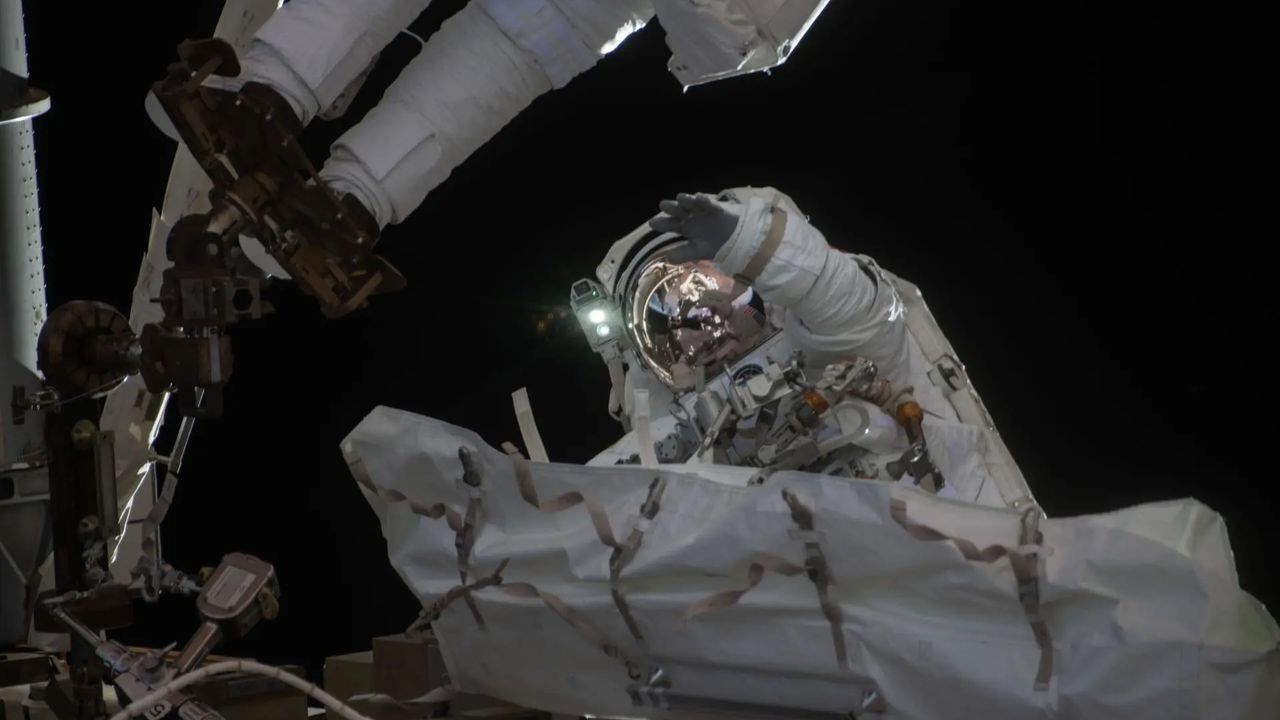
Watch 2 NASA astronauts fix ISS' huge robotic arm during June 30 spacewalk
NASA astronauts Chris Williams and Jessica Meir are scheduled to conduct a spacewalk on Tuesday, June 30, to repair the Canadarm2 on the International Space Station. This critical maintenance task is essential for ensuring the functionality of the robotic arm, which plays a vital role in various operations aboard the station. The spacewalk will be broadcast live, allowing viewers to witness the astronauts as they work in the unique environment of space.
International Space Station Space Exploration Missions
Vertex Aerospace secures $500m Air Force C-12 support contract
Vertex Aerospace has secured a significant contract with the US Air Force, valued at up to $500 million, to provide contractor logistic support services for the C-12 fleet. This firm-fixed-price, indefinite-delivery/indefinite-quantity contract underscores the company's commitment to supporting military aviation operations. The agreement aims to enhance the operational readiness and maintenance of the C-12 aircraft, which are essential for various missions within the Air Force. The contract reflects the ongoing collaboration between Vertex Aerospace and the military, ensuring that the C-12 fleet remains efficient and reliable.
News
A running toilet and the thing that 50 million people are most afraid to say.
A recent survey reveals that approximately 50 million Americans are hesitant to discuss a common household issue: running toilets. This widespread concern highlights a significant gap in communication regarding home maintenance problems. The survey was conducted in October 2023, aiming to understand the stigma surrounding plumbing issues and the reluctance to seek help. Many respondents expressed embarrassment over what they perceive as a trivial problem, despite the potential for increased water bills and environmental impact. Experts emphasize the importance of addressing such issues promptly to prevent further complications. The findings suggest that a cultural shift is needed to encourage open conversations about home repairs, ultimately leading to better maintenance practices and resource conservation.
Robotics Automation AI
Inside Disney’s Push to Upgrade Its Theme Parks With Robots
Disney is actively enhancing its theme parks by integrating advanced robotics technology to improve guest experiences and operational efficiency. This initiative, which began gaining momentum in 2023, aims to modernize attractions and streamline services across various locations, including Disneyland and Walt Disney World. The motivation behind this push is to create a more immersive and engaging environment for visitors while addressing staffing challenges and rising operational costs. By incorporating robots into various roles, Disney seeks to maintain its reputation for innovation and guest satisfaction in an increasingly competitive entertainment landscape. The implementation of robotics involves deploying automated systems for tasks such as guest assistance, maintenance, and even entertainment, allowing human staff to focus on more complex interactions. Disney's investment in this technology reflects a broader trend in the theme park industry, where automation is seen as a solution to enhance efficiency and improve visitor experiences. As Disney continues to roll out these upgrades, the company is committed to ensuring that the integration of robots complements the magical atmosphere that has defined its parks for decades. This strategic move not only aims to elevate the overall guest experience but also positions Disney as a leader in the future of theme park operations.
NYS:DIS
LiTime Powers Smart Agriculture and Robotics in Agriculture with Extended Runtime and System Integration
Automation is transforming the landscape of modern agriculture, with technologies such as lawn mowers, irrigation control systems, automated transporters, and robotics becoming increasingly prevalent on farms, plantations, and in greenhouses. These advanced tools are designed to operate efficiently over extended periods, requiring intelligent management and minimal maintenance in challenging outdoor conditions. In response to these demands, LiTime, a prominent manufacturer of lithium batteries, is stepping up to provide innovative energy solutions tailored for agricultural automation. Their products aim to enhance the performance and reliability of these automated systems, ensuring that farmers can maximize productivity while minimizing operational challenges.
Agriculture Automation agricultural automation agricultural machinery agricultural robots amrs
JD.com Launches 'Nirvana Plan' for Transforming 700,000 Couriers into Robotics Experts
JD.com has launched the 'Nirvana Plan,' an initiative aimed at retraining 700,000 couriers as robotics maintenance technicians in response to the growing trend of robotic delivery systems. This program, announced recently, involves collaborations with 120 educational institutions to deliver specialized training that capitalizes on the couriers' existing on-ground experience. By doing so, JD.com intends to enhance its robotic logistics capabilities while fostering a new ecosystem within the logistics sector. The initiative not only addresses the technological advancements in delivery services but also prioritizes job security for its workforce, ensuring that employees can transition into new roles as the industry evolves.
Robotics Logistics Workforce Transformation Training Programs
Prime Day takes $240 off Roborock’s Saros 20, one of our favorite robovacs
The Roborock Saros 20, a highly regarded robot vacuum and mop hybrid, is currently available at a discounted price of $1,359.99, reflecting a $240 reduction. This promotion coincides with Prime Day, making it an attractive option for consumers seeking a low-maintenance cleaning solution. The sale is accessible through both Amazon and Roborock, highlighting the product's appeal as a convenient household tool that requires minimal user intervention.
Deals Gadgets Prime Day Smart Home Tech Verge ShoppingRobotics needs a service framework.
RSF defines a common language for robot service capability, lifecycle operations, certification pathways, and service-provider networks.