

Nomagic
Polish maker of AI pick-and-place robotic arms for warehouses, offered as a Robotics-as-a-Service subscription.
Contact Nomagic
WEBSITE
https://www.nomagic.ai/HEADQUARTERS
Poland

Company Facts
Founded
2017
Primary Role
RaaS
Company Size
-
Primary Region
Europe
Annual Sales
-
Funding Stage
Early-Stage VC
Funding Total
-
Certifications & Memberships
IROS 2026 Category Award Finalists: All 22 Papers
From humanoid tennis to bin picking and farm robots: the 22 finalists for IROS 2026's eight category awards, and what each one means for industry.

New 'SANDO' System Keeps UAVs Safe from Collisions in Wildfire Areas
The 'SANDO' system enhances the safety of uncrewed aerial vehicles (UAVs) by ensuring their flight paths remain collision-free, particularly in hazardous environments like wildfires. This technology is crucial as UAVs are often deployed to gather vital information in such dangerous situations, where they face risks from sudden flare-ups and falling debris. The importance of the 'SANDO' system lies in its ability to protect UAVs from potential damage during operations in uncharted territories. By avoiding collisions with obstacles such as tree branches, the system allows for safer data collection, which is essential for rescuers responding to wildfires. This advancement could significantly improve the effectiveness of UAVs in emergency response scenarios. Looking ahead, the implementation of the 'SANDO' system could lead to broader applications of UAVs in various challenging environments. As the technology develops, stakeholders will be keen to observe its impact on UAV operational safety and efficiency in disaster response efforts. No further timeline was disclosed at the time of publication.
Robotics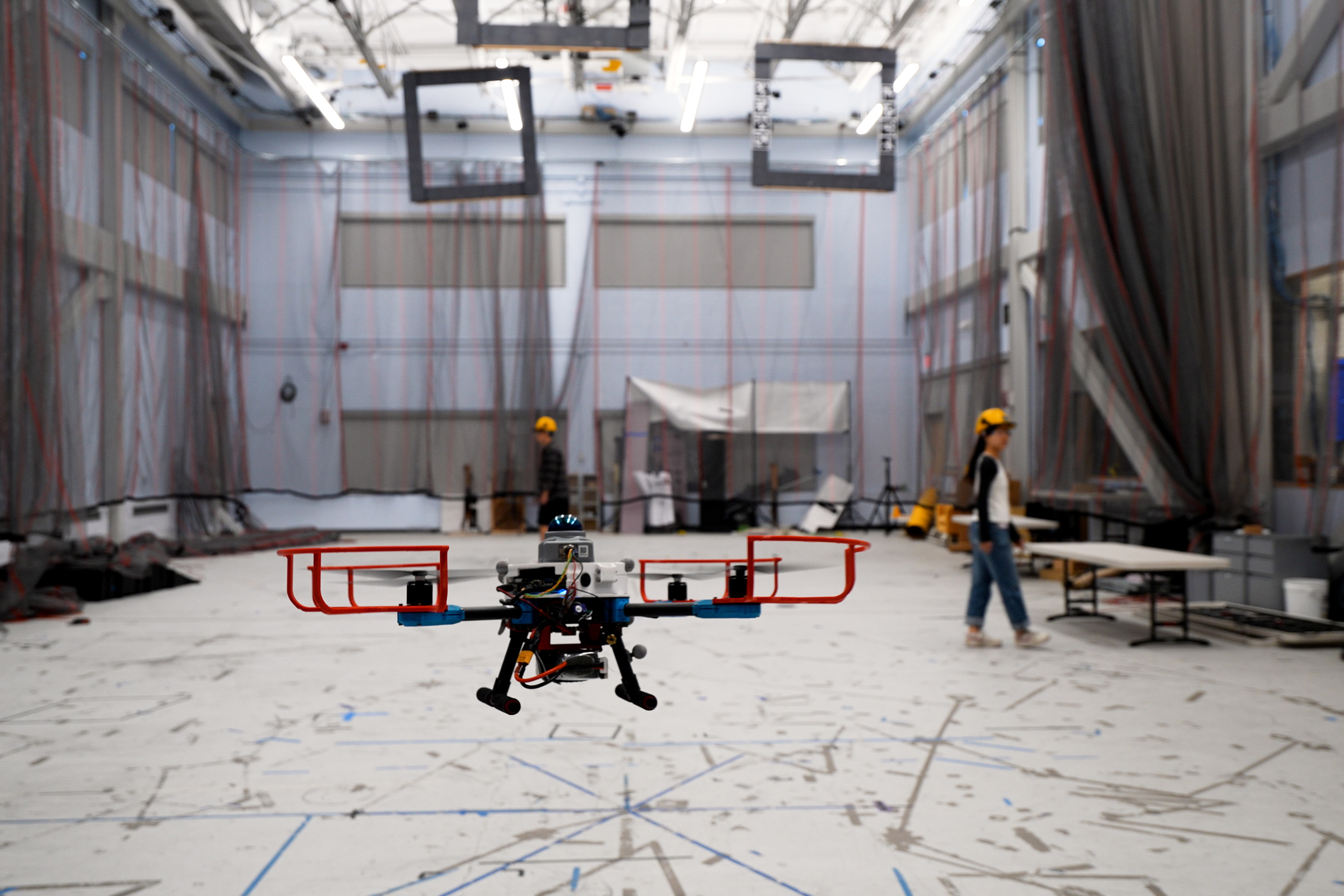
MIT Develops SANDO: A Collision-Free Navigation System for UAVs in Unknown Environments
MIT researchers have developed an autonomous navigation system named SANDO, designed for uncrewed aerial vehicles (UAVs) to navigate safely in unpredictable environments. This system ensures that UAVs can avoid collisions with unknown moving obstacles, which is crucial in high-risk scenarios like search and rescue missions or disaster response. The significance of SANDO lies in its ability to provide formal safety guarantees in dynamic environments, where traditional navigation systems fall short. Unlike existing planners that only work in static settings or lack formal guarantees, SANDO uses a mathematical approach to ensure collision avoidance, making it particularly valuable for applications requiring real-time adaptability. Looking ahead, the potential applications for SANDO are vast, including emergency medical supply deliveries and exploration in hazardous areas. As the technology matures, it could revolutionize how UAVs operate in complex environments, enhancing safety and efficiency. No further timeline was disclosed at the time of publication.
Research Computer science and technology Algorithms Drones Robotics Autonomous vehicles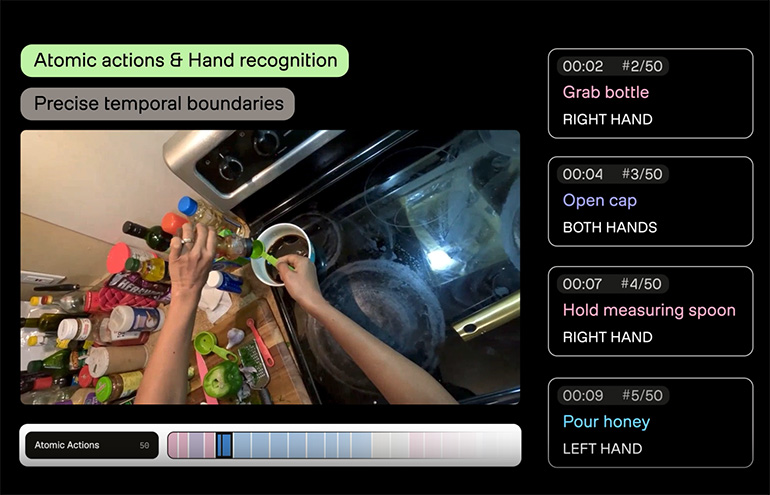
TwelveLabs Launches Pegasus 1.6 for Enhanced Video Understanding in Physical AI
TwelveLabs Inc. has unveiled its Pegasus 1.6 model, designed to enhance video understanding for physical AI applications. This model addresses the challenge of transforming complex video footage into actionable insights, enabling robotics and AI teams to train on real human experiences rather than starting from scratch. The significance of Pegasus 1.6 lies in its ability to provide temporal context, spatial reasoning, and task completion judgment, which are crucial for machines to navigate real-world environments. According to Jae Lee, co-founder and CEO of TwelveLabs, the model allows for a more precise understanding of actions and interactions captured in egocentric video, facilitating the development of smarter robotics systems. Looking ahead, TwelveLabs aims to further refine its video intelligence platform, focusing on the video understanding layer to improve training data for robotics teams. The company emphasizes that Pegasus 1.6 can utilize existing video data and analyze still images, making it a versatile tool for various applications in physical AI. No further timeline was disclosed at the time of publication.
Artificial Intelligence Artificial Intelligence / Cognition Assembly Human Robot Interaction / Haptics Manufacturing Microprocessors / SoC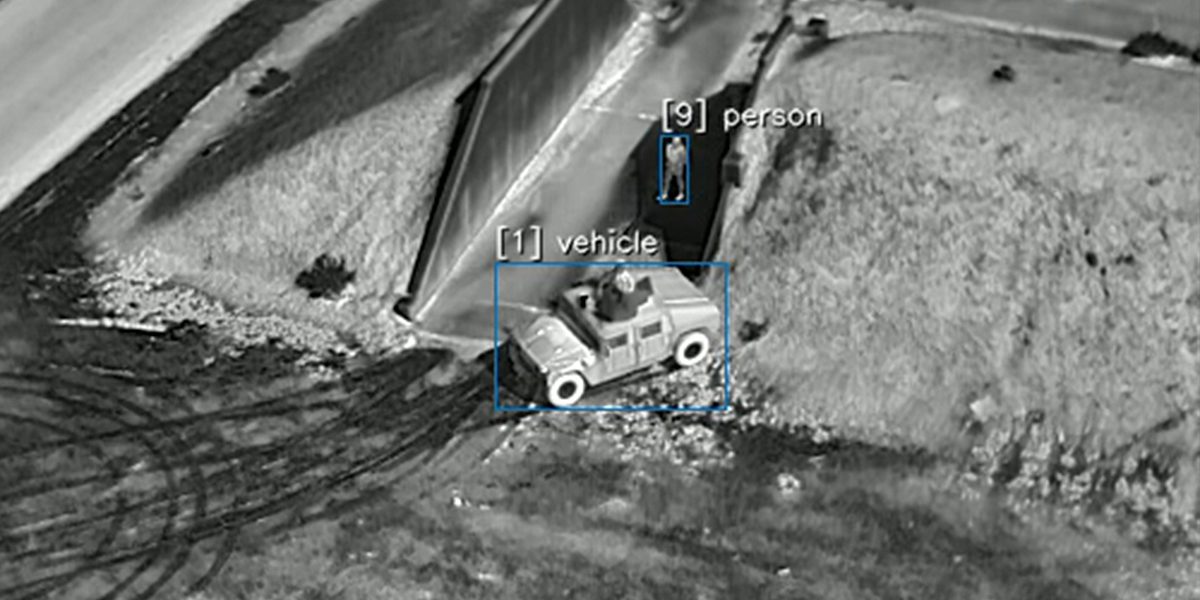
Teledyne FLIR Introduces AI-Driven Air-to-Ground Tracking Software for UAS
Teledyne FLIR OEM has unveiled Prism A-ISR, a cutting-edge software module aimed at enhancing air-to-ground detection and tracking for uncrewed aircraft systems (UAS) and airborne intelligence, surveillance, and reconnaissance (ISR) platforms. Announced on October 6, this software leverages artificial intelligence to detect, classify, and track multiple ground objects in real time, utilizing data from various sensor types including midwave infrared (MWIR) and visible electro-optical (EO) sensors. The significance of Prism A-ISR lies in its ability to perform edge processing, enabling airborne systems to analyze sensor data independently of remote computing resources. This capability is crucial for applications requiring persistent surveillance and defense missions, as it enhances long-range situational awareness while minimizing false alarms. Teledyne FLIR's advanced image processing tools, including patented denoise and super-resolution technology, further improve detection capabilities in challenging conditions. Looking ahead, Teledyne FLIR's AIMMGen synthetic model-training service allows developers to quickly adapt the software for new target classes, streamlining the creation of mission models. The software is compatible with NVIDIA and Qualcomm embedded AI platforms and several Teledyne FLIR camera modules, including the NDAA-compliant Boson+ and Neutrino thermal camera families. No further timeline was disclosed at the time of publication.
AI Applications C-UAS Defense defense Drone News
China’s Dexterous Hand Industry, 2026 Part 3 — The Players
Five vendor archetypes, MIR’s composite top ten, eight company profiles and six field deployments — every firm linked to the RobotToday supplier directory.

China’s Dexterous Hand Industry, 2026 Part 2 — The Technology
Linkage, tendon, direct drive or hybrid — and why hardware is converging while the DL1–DL5 manipulation scale decides who wins. Part 2 of 3.

China’s Dexterous Hand Industry, 2026 Part 1 — The Demand Picture
MIR Databank puts China dexterous hand shipments above 30,000 units in 2026, yet only 3.5% of 2025 demand came from factory production. Part 1 of 3.

Nomagic Introduces Shoebox Picker to Tackle Warehouse Automation Challenges
Nomagic has unveiled its Shoebox Picker, addressing a significant challenge in warehouse automation related to handling shoeboxes. These boxes, which constitute about 20% of fashion e-commerce merchandise, present unique difficulties due to their two-piece design and variability in size and materials. The introduction of the Shoebox Picker marks a pivotal advancement in warehouse automation, as it utilizes Physical AI to adapt to real-time variations in shoebox handling. This system can manage approximately 98% of shoebox SKUs, achieving picking rates of up to 450 boxes per hour, thus enhancing warehouse productivity. As the demand for flexibility in fulfillment operations grows, the success of Nomagic's solution could signal a broader shift in the industry towards smarter robotic systems capable of handling diverse products. No further timeline was disclosed at the time of publication.
Conveying and Sortation Magazine Features Materials Handling Packaging and Ecommerce Robotic Picking AI vision systems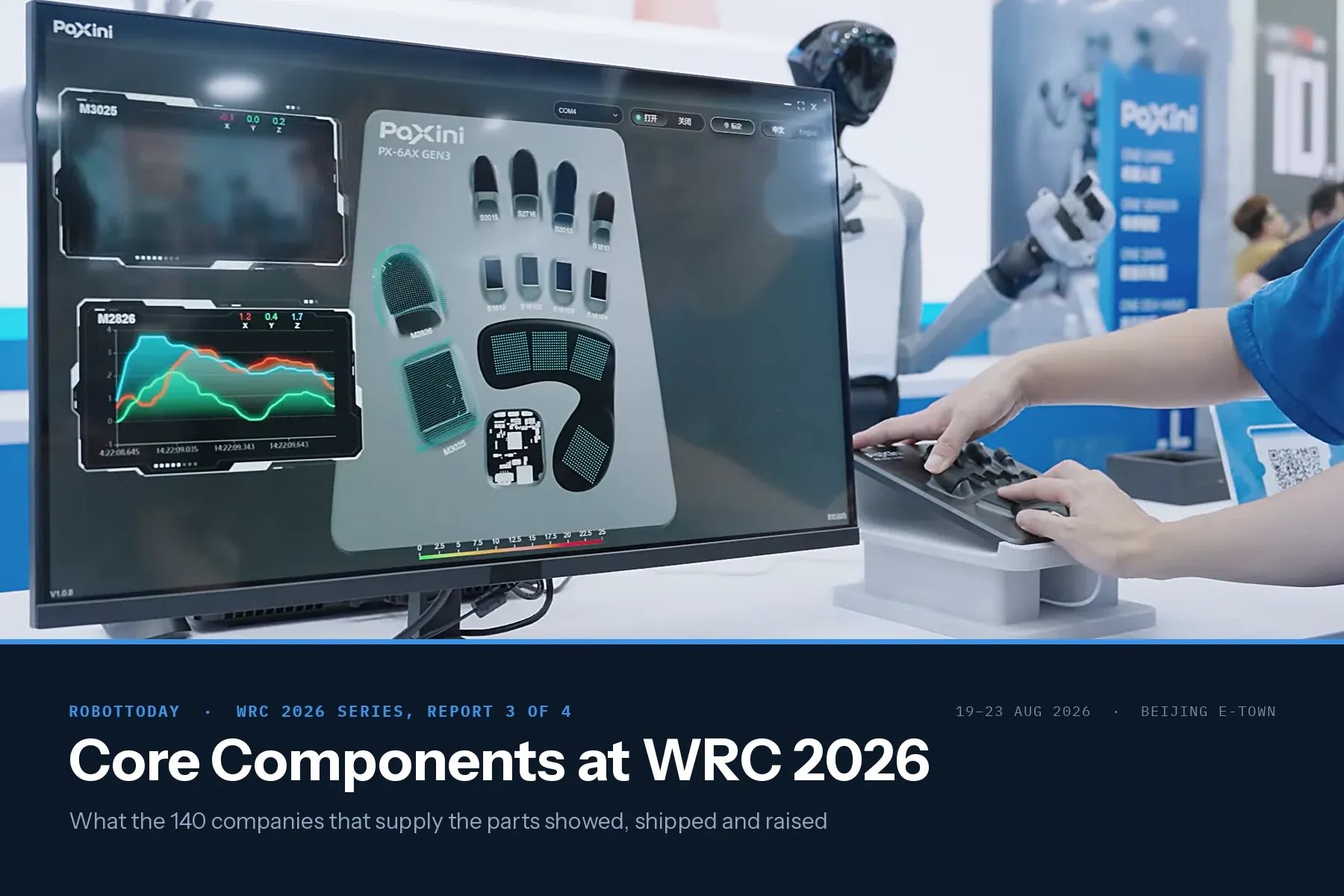
WRC 2026 Core Components: 137 Robot Parts Suppliers
The third report in the WRC 2026 series. Report 1 mapped all 248 exhibitors by category and Report 2 covered the 139 that build finished robots. This one covers the 137 that build what goes inside them.

Nomagic's Josh Cloer Discusses Advancements in Warehouse Robotics
In Episode 256 of The Robot Report Podcast, Josh Cloer, the general manager for North America at Nomagic, discusses the company's efforts to enhance warehouse operations. Cloer is focused on deploying physical AI systems that improve intelligence and adaptability in order-fulfillment processes, marking a significant step forward in robotics technology. This initiative is crucial as it addresses the growing demand for efficient and intelligent solutions in logistics and warehousing. By expanding Nomagic's presence in North America, Cloer aims to leverage breakthrough robotics technology to deliver tangible business results, which is essential for companies looking to optimize their supply chains. Listeners should keep an eye on Nomagic's developments in the North American market, as the deployment of these advanced systems could reshape order fulfillment operations. No further timeline was disclosed at the time of publication.
Artificial Intelligence Autonomous Mobile Robots (AMRs) Humanoids Logistics News Opinion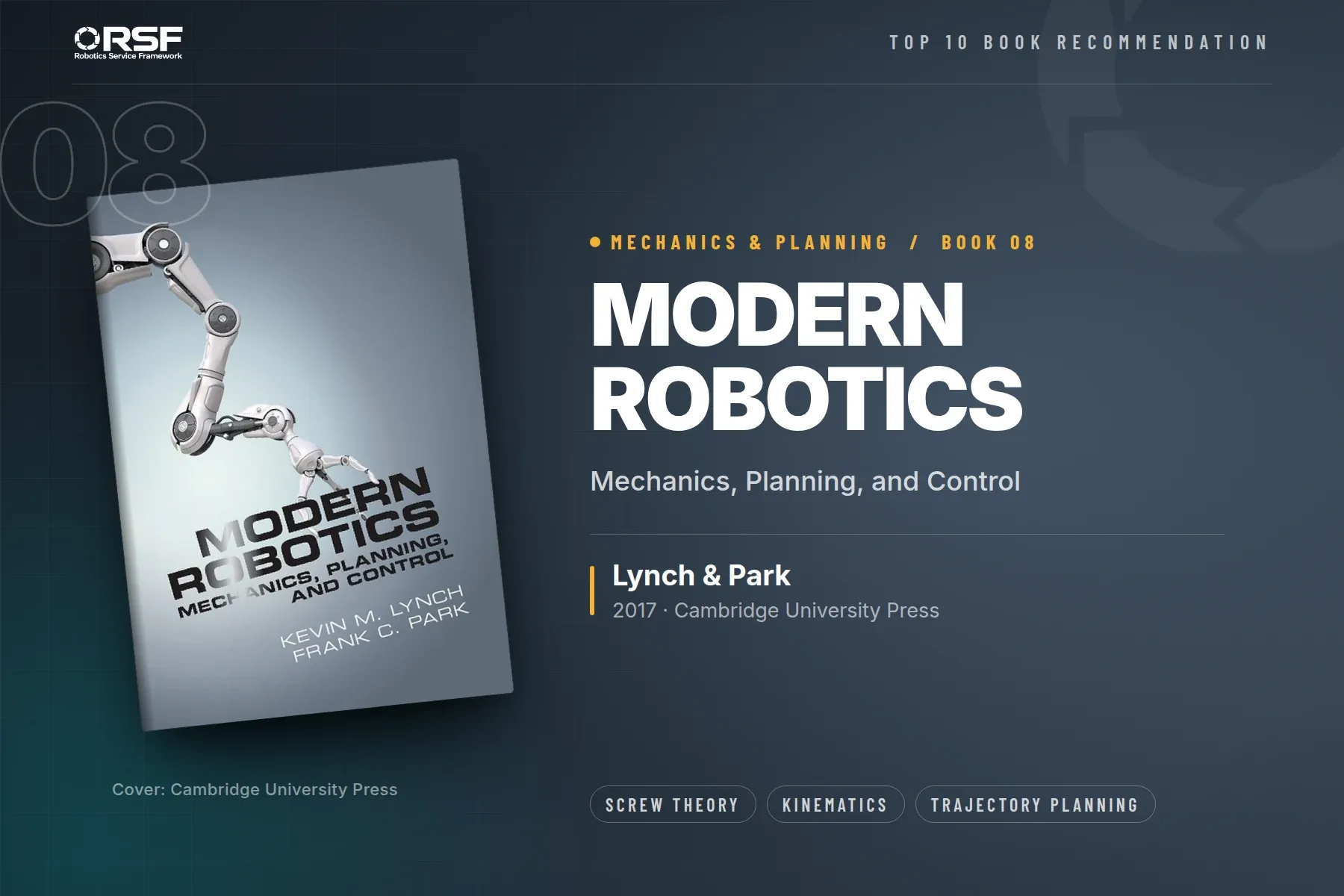
Modern Robotics K. M. Lynch & F. C. Park — RSF Top 10 Robot Education Textbooks · No. 8
The book the field agreed to make free: full preprint PDF, video lectures and open code from the authors. Screw theory and kinematics, taught rigorously.

Robotics, Vision and Control Peter Corke — RSF Top 10 Robot Education Textbooks · No. 5
Most books you read; Corke's you run. Every concept ships as executable Python via the open Robotics Toolbox. The code softens the maths.

Shoebox Picker Wins Award
Nomagic, a company specializing in physical AI for warehouse automation, has been awarded the prestigious 2026 IFOY Award in the Robot Warehouse System category for its innovative Shoebox Picker. This recognition highlights Nomagic's significant advancement in addressing a longstanding challenge in warehouse operations: the efficient handling of two-piece shoeboxes, particularly in high-volume fashion and footwear fulfillment settings. The award underscores the company's commitment to enhancing automation solutions in logistics, marking a notable achievement in the industry.
Materials Handling Robotic Picking 2026 IFOY IFOY Nomagic Physical AI
Discover advancements in robotic case and item picking technology.
This week, experts from Locus Robotics, Nomagic, and RightHand Robotics will participate in a webinar focused on advancements in robotic piece picking technology. The discussion aims to highlight the latest developments in this field, showcasing how these innovations can enhance efficiency in logistics and warehousing operations. Attendees will gain insights into the current state of robotic automation and its implications for the future of supply chain management. The event underscores the growing importance of robotics in improving operational capabilities across various industries.
6-Axis Arms / Manipulators Artificial Intelligence / Cognition Autonomous Mobile Robots (AMRs) Cameras / Imaging / Vision Collaborative Robots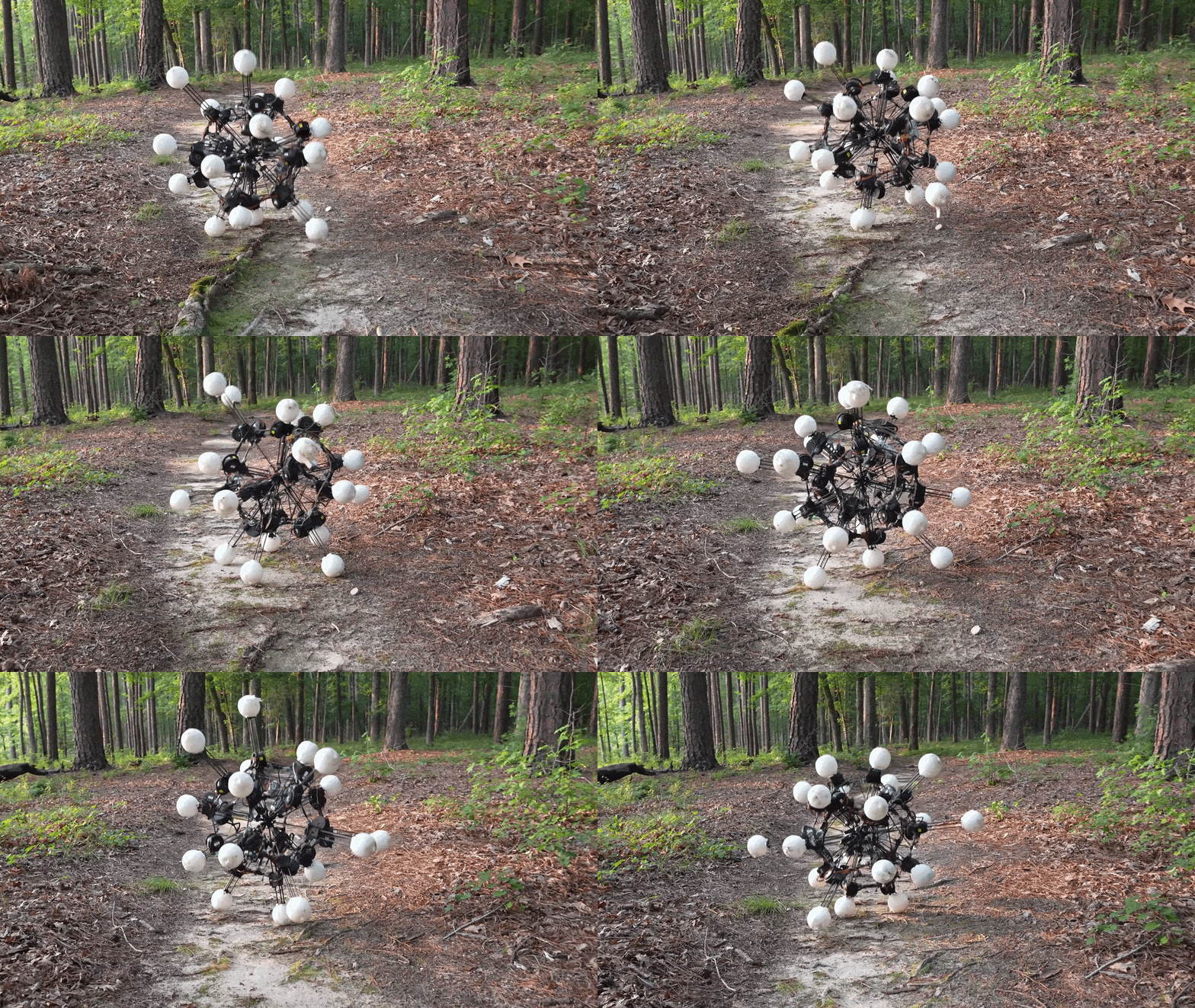
Video Friday: Extreme Omnidirectional Robot
IEEE Spectrum robotics has released its latest edition of "Video Friday," showcasing a variety of innovative robotics videos that highlight the growing integration of robots into daily life. The weekly roundup includes a calendar of upcoming robotics events, such as the International Conference on Robotics and Automation (ICRA) scheduled for June 1-5, 2026, in Vienna, and the Robotics Summer School on Multi-Robot Systems from July 29 to August 4, 2026, in Prague. Among the featured videos, one introduces the Eco-Score for Robots, a new framework aimed at assessing the environmental impact of robotic systems, akin to eco-labels in other industries. Another video demonstrates advancements in robotic manipulation, showcasing AthenaZero's ability to juggle using multi-fingered hands, while a collaboration between the University of Texas and Sony Group Corporation presents the ARISTO hand, designed for delicate object manipulation. Additionally, the segment includes insights from Kacper Nowicki, CEO of Nomagic, who discussed the ongoing debate between humanoid and purpose-built robots at the Web Summit in Vancouver. As robots continue to evolve, these developments raise important questions about their performance, cost, and sustainability in various applications.
Video-friday Robot-videos Humanoid-robots Omnidirectional Quadruped-robots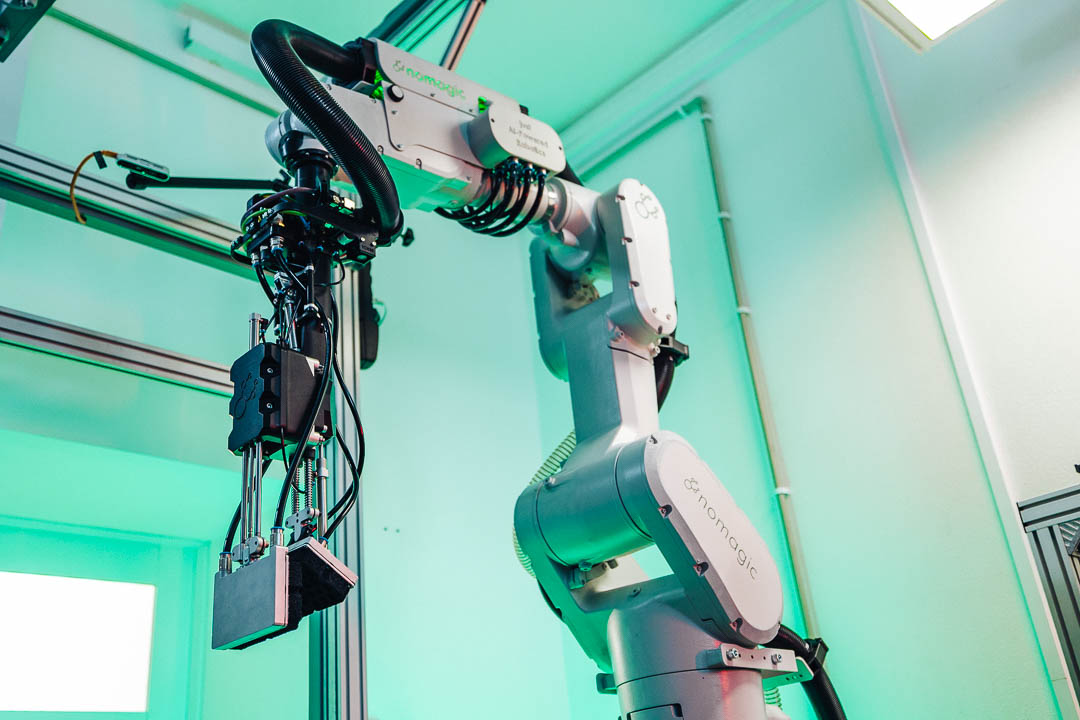
Picking the Unpickable
At the LogiMAT trade show, Nomagic, a company specializing in order picking technology, showcased its innovative solutions that stand out amidst a sea of automation demonstrations. Co-founder and CEO Kacper Nowicki delivered a compelling presentation that highlighted the company's advancements in addressing complex order picking challenges. This event, held recently, served as a platform for industry leaders to explore cutting-edge technologies aimed at enhancing efficiency in logistics. Nomagic's focus on improving order fulfillment processes reflects a growing demand for smarter automation solutions in the supply chain sector.
AI eFulfilment Materials Handling Robotic Picking Nomagic order picking technology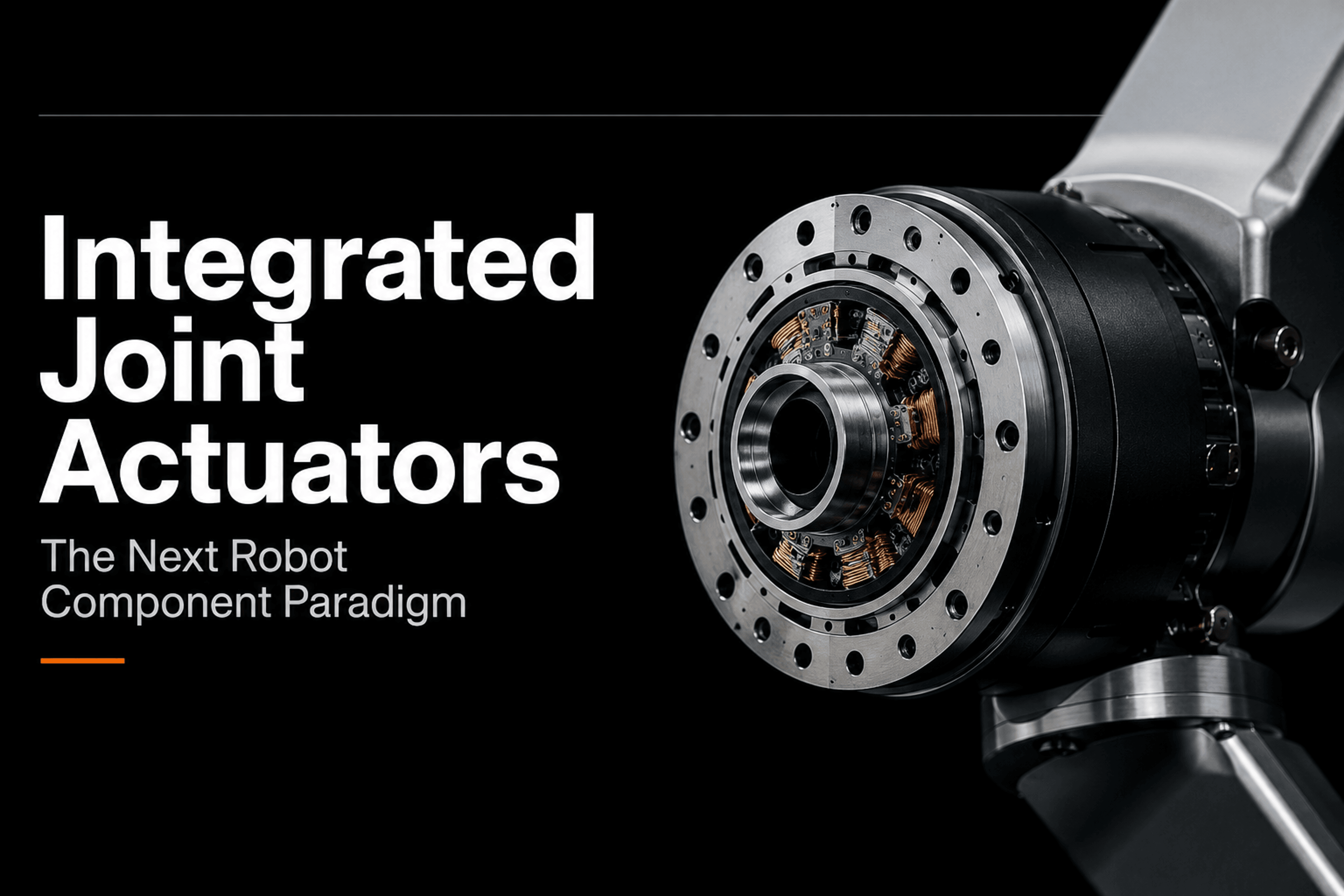
Integrated Joint Actuators 2026: Technology, Global Suppliers & China's Leap Forward
From rotary joints hitting 530 N·m+ to linear joints with planetary roller screws, integrated actuators are replacing the three-part drivetrain. Full supplier map: Tihu, PhyArc, RobStride, Schaeffler, maxon — and China's path from 1,000-RMB modules to global standard-setter.
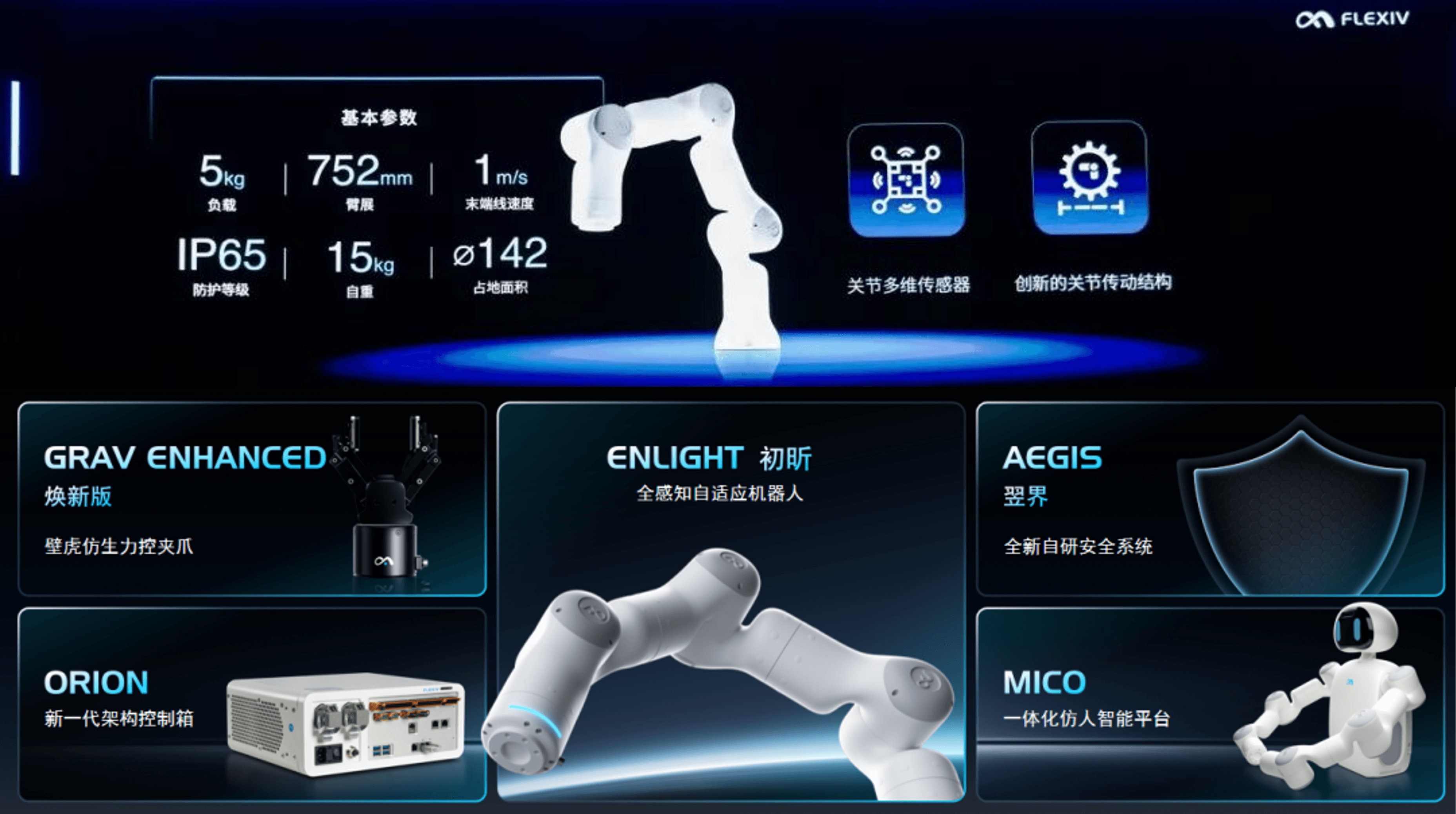
Flexiv Launches “Enlight” Platform to Expand General-Purpose Robotics Capabilities
Flexiv unveils the Enlight robotics platform, Orion controller, and MICO system—advancing force-centric, general-purpose robots for real-world applications.
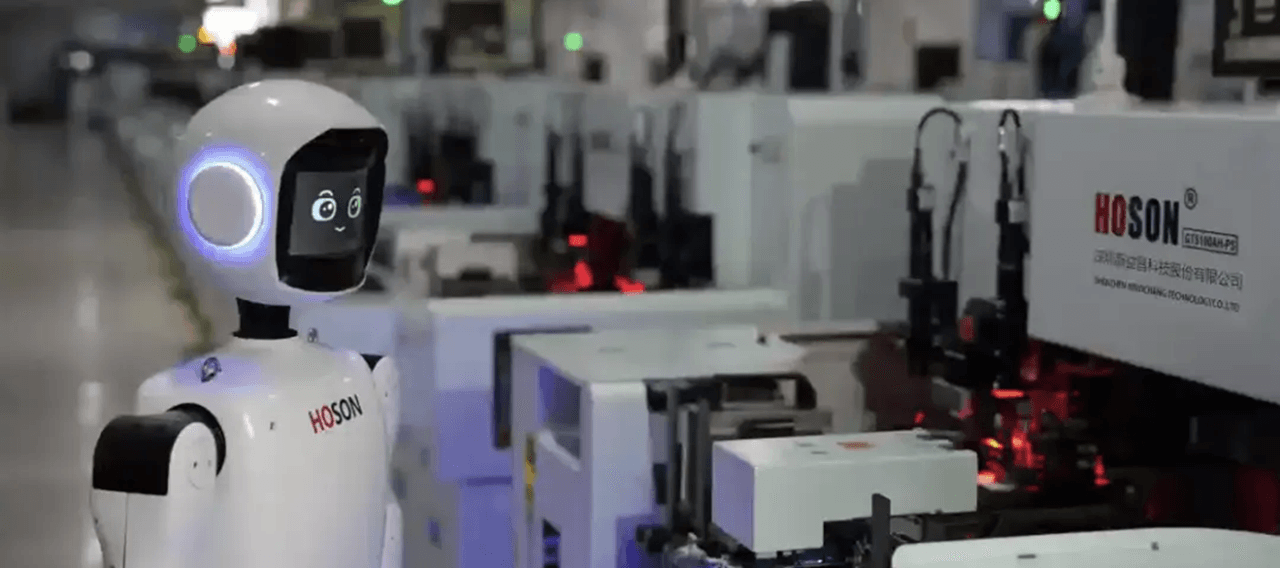
Hoson Tech Enters Humanoid Robotics with Hoson Robot
Hoson Tech expands into humanoid robotics with the Hoson Robot, bringing semiconductor-grade precision and embodied intelligence to real-world automation.


