


IntBot
"Taking AI off the screen and into the real world"
Sunnyvale-based humanoid robot startup building socially intelligent robots for hospitality, airports, and public service deployments.
Contact IntBot
WEBSITE
https://www.intbot.aiHEADQUARTERS
United States

Company Facts
Founded
2024
Primary Role
Manufacturer
Company Size
-
Primary Region
North America
Annual Sales
-
Funding Stage
-
Funding Total
-
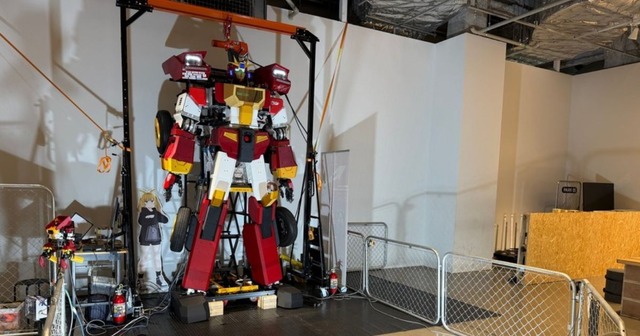
BRAVE ROBOTICS to Showcase Developing Humanoid Robot 'Yuusha Fiberion' in Tokyo
BRAVE ROBOTICS will display its developing robot project 'Yuusha Fiberion' at Tokyo Innovation Base from September 14 to the end of November 2026. This project features a dual design concept combining humanoid and four-wheeled vehicle forms, showcasing a prototype rather than a finished product. The exhibition is significant as it allows visitors to engage with a work-in-progress robot, highlighting the ongoing development and the technology behind it. The display will be static, with safety measures in place, and will include a 1/6 scale movable model representing the anticipated final design. Visitors can participate in remote control experiences of the robot's upper body using a miniature controller, scheduled around TIB's tours. Additional experiences may be arranged based on demand. No further timeline was disclosed at the time of publication.

Kinetic Blocks Introduces Beta Marketplace for Humanoid Robot Training Data
Kinetic Blocks, a startup based in Oslo, has launched a beta version of a marketplace dedicated to the buying and selling of training data for humanoid robots. This platform became available on September 1, following months of development in collaboration with a select group of data suppliers and early users. The introduction of this marketplace is significant as it aims to streamline the acquisition of training data, which is crucial for the development and enhancement of humanoid robots. By facilitating transactions between data providers and developers, Kinetic Blocks is addressing a vital need in the robotics industry, potentially accelerating advancements in humanoid robot capabilities. Looking ahead, Kinetic Blocks has not disclosed any further timeline for expanding access to the marketplace or additional features. Stakeholders in the robotics sector should monitor this development closely, as it may influence the landscape of humanoid robot training and data utilization.
Computing Humanoids News 1x technologies artificial intelligence egocentric video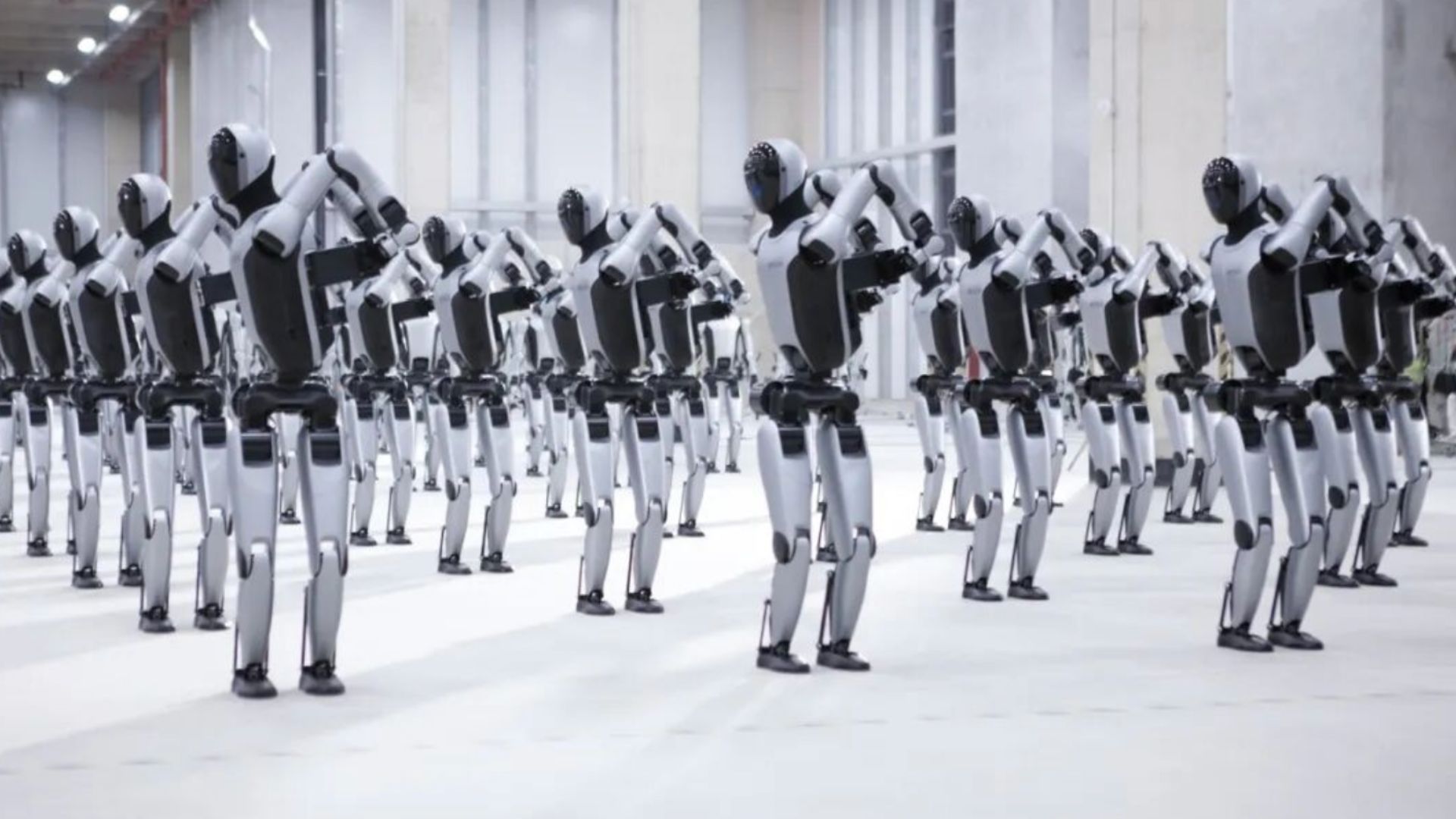
UBTECH Launches New Factory Capable of Producing 10,000 Humanoid Robots Annually
UBTECH has commenced operations at its new humanoid robot factory in Liuzhou, Guangxi, as of September 12. This facility is set to produce over 10,000 humanoid robots each year, marking a significant transition from limited production to large-scale manufacturing. The factory's production line is engineered to assemble one robot every 10 minutes, enhancing UBTECH's manufacturing capabilities. The establishment of this factory is pivotal for UBTECH, as it signifies a major advancement in the commercial production of humanoid robots. The facility, covering 14,000 square meters, will primarily focus on the Walker S Series and Cruzr Series robots. The automation integrated into the manufacturing process, including humanoid robots and collaborative arms, streamlines operations and reduces the need for extensive hardware modifications. Looking ahead, UBTECH's collaboration with Siemens Digital Industries Software is noteworthy, as it encompasses various aspects of digital manufacturing. The development of the Yanshee MOM system and the use of Siemens’ Plant Simulation platform will enhance production efficiency and quality control. No further timeline was disclosed at the time of publication.
AI and Robotics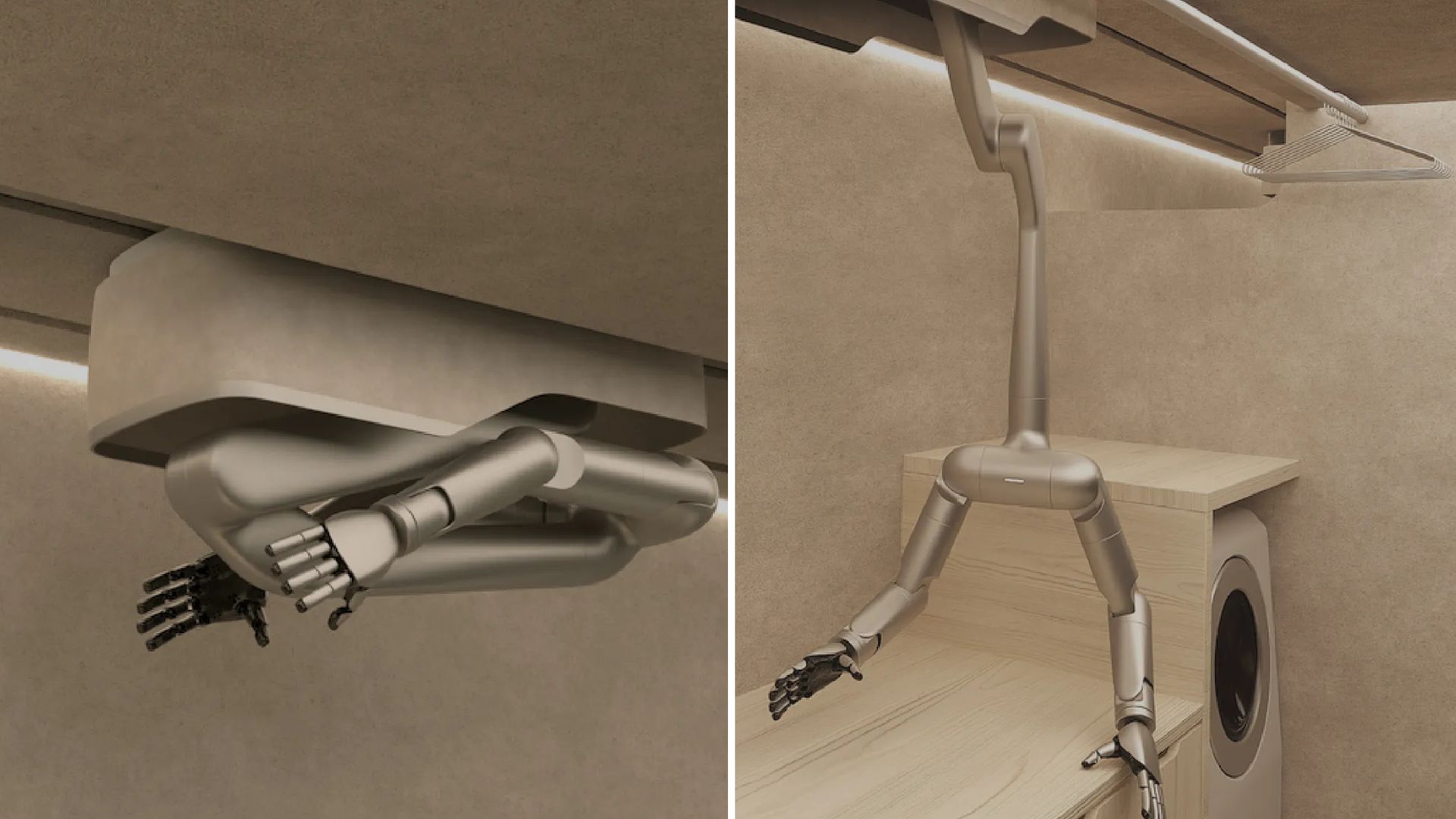
MW Develops Robotic Arm-Equipped Homes to Automate Household Chores by 2028
Tokyo-based startup MW is innovating residential living by creating homes with integrated ceiling-mounted robotic arms designed to automate household chores. This approach offers an alternative to traditional bipedal humanoid robots, focusing on custom architecture, the MW bot, and MW Intelligence software. MW aims to debut these automated homes in Tokyo by 2028, with plans to scale production to 10,000 units annually by 2035. The significance of MW's initiative lies in its potential to transform the Japanese housing market, targeting a five percent share of new home construction. The company has already completed its first generation of the MW bot and received over 1,000 applications for its homes. The design addresses the limitations of bipedal robots in compact living spaces, opting for wall- and ceiling-mounted systems that can perform tasks like grocery handling and laundry folding. Looking ahead, MW's strategy includes selling its first fully functional robot-equipped home by 2028, with a focus on high-end real estate. The startup has secured ¥3 billion in seed funding and is pursuing a ¥10 billion Series A round, positioning itself as a comprehensive provider of automated housing solutions, from land acquisition to robot development.
AI and Robotics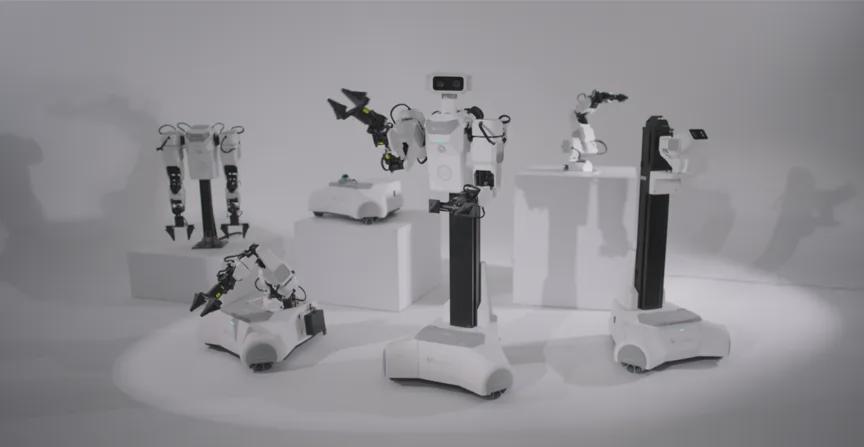
Robotics Price War Intensifies as Mantis Standard Launches Affordable Wheeled Humanoid
The ongoing price war in robotics reveals a significant challenge: most humanoid robots remain as fixed, one-time purchases. According to Counterpoint Research, global shipments of humanoid robots are expected to exceed 22,000 units in the first half of 2026, marking a nearly 300% year-on-year increase. However, over 60% of these robots are used for entertainment and educational purposes, with only 13% in smart manufacturing and a mere 5% in logistics. Despite some price reductions making humanoid robots more accessible, the distinction between a functional robot and a large toy is not as clear-cut as anticipated. The most valuable capabilities for robots are still their ability to perform tasks effectively, which is rarely achieved by low-cost models. On September 14, the company launched its first modular wheeled humanoid robot, Mantis Standard, priced at 9,800 yuan, featuring an omnidirectional wheel chassis, a 7-degree-of-freedom robotic arm, and a 4K60fps dual-vision system. The design of Mantis Standard emphasizes practicality over performance, as wheeled humanoid robots are deemed more suitable for industrial applications compared to bipedal models. PwC's report supports this view, highlighting wheeled robots' advantages in efficient movement and terrain adaptability for commercial applications. Since 2025, the parallel development of wheeled and bipedal robots has been evident, with many companies incorporating both into their product lines, showcasing wheeled robots' stability and flexibility in service and light industries.
Humanoid Robots Modular Robotics Wheeled Robots Robot Automation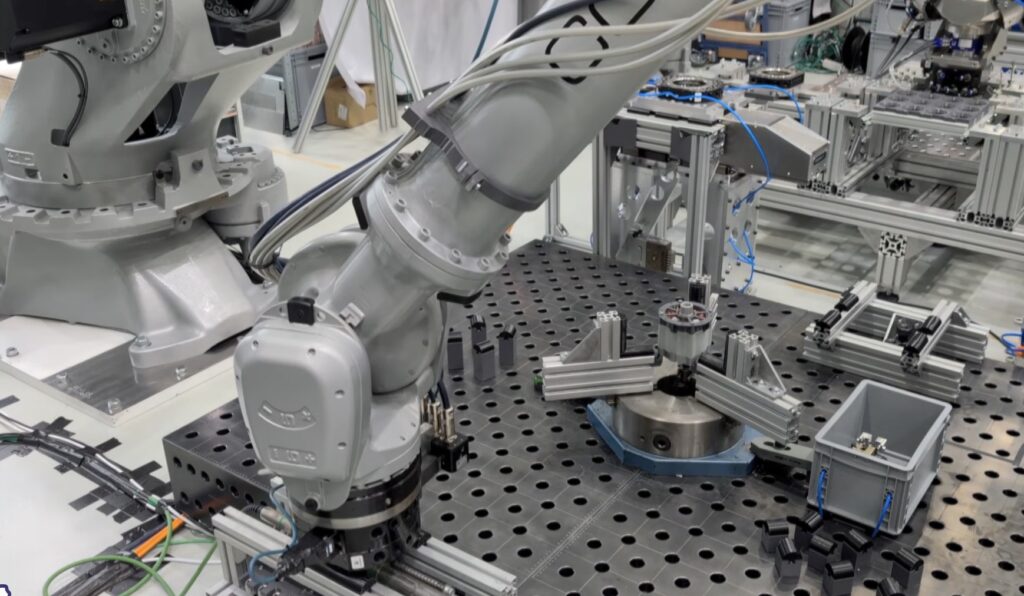
Robotics Trends in Society, Business, and Culture: Insights from August 2026
In August 2026, various developments in robotics highlighted the industry's evolution and challenges. U.S. founders and startups are reportedly sourcing components from Shenzhen, raising security concerns over Chinese hardware reliance, particularly in the electric and autonomous vehicle sectors. Meanwhile, Princeton engineers introduced a motorless origami-inspired robot that utilizes geometric principles for movement, showcasing innovative design approaches. The importance of managing expectations in robotics deployments was emphasized, especially in humanoid interactions. A Drexel study revealed that participants formed stronger connections with an expressive robot, but errors led to unexpected emotional responses, indicating a complex relationship between humans and robots. This highlights the need for careful communication regarding robot capabilities and limitations. As the automotive sector's dominance in robotics wanes, other industries are increasingly adopting robotic solutions. North American companies ordered 8,940 robots in Q2 2026, reflecting a 4.3% increase in units and a 21.3% revenue rise. The World Robot Conference in Beijing showcased over 2,000 products, emphasizing the global interest in robotics advancements.

Shift in Embodied Intelligence Focus from Body to Brain by 2026
By 2026, the embodied intelligence sector is witnessing a significant shift in focus from 'body' to 'brain'. Data indicates that over half of the funding in the first half of this year has gone to companies emphasizing cognitive systems. Investors are prioritizing the ability of agents to perform in complex scenarios rather than merely their humanoid appearance. This shift is crucial as traditional automation devices are insufficient for real-world applications in pharmacies, supermarkets, hotels, and homes, which are filled with uncertainties. Robots require a cognitive system capable of understanding environments, predicting outcomes, and making autonomous decisions to thrive in these settings. The concept of an embodied brain is essential for advanced cognitive decision-making, enabling robots to evolve from simple actions to understanding natural language tasks and generating action sequences. Companies like Figure and Google are leading this transformation, demonstrating that robots can perform complex tasks effectively, although challenges remain in predictive capabilities and dynamic responses.
Embodied Intelligence Cognitive Robotics AI Machine Learning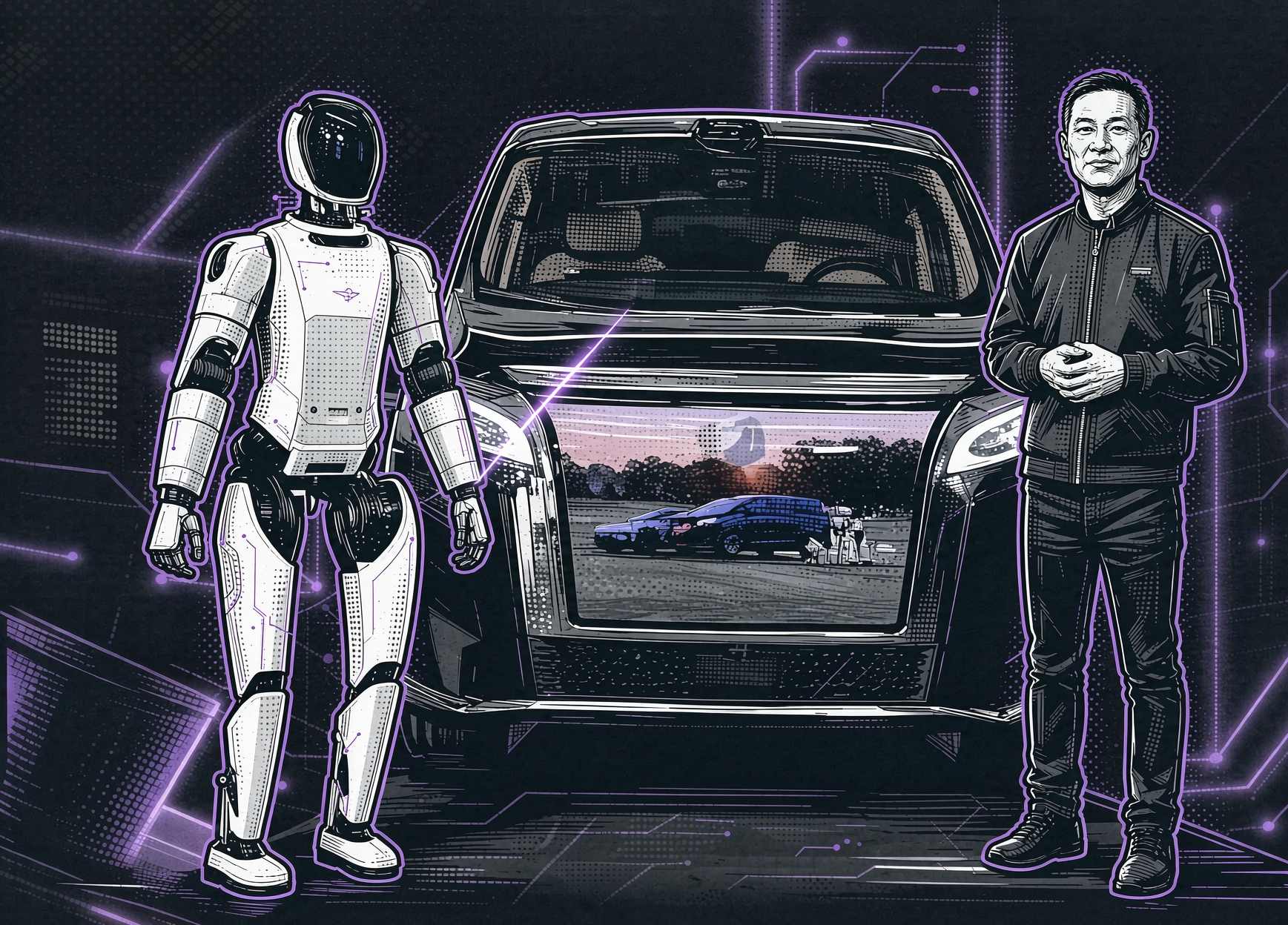
Faraday Future Launches Nine New Robot Models to Dominate U.S. Market
Faraday Future (FF) announced the launch of nine new robot models during a press conference on September 19, 2023. These models include humanoid, quadruped, and wheeled-arm robots, marking a significant expansion in FF's product lineup aimed at achieving market dominance in the U.S. robotics sector. This move is notable as it positions FF as the company with the most diverse range of robot models in the U.S. market. Unlike the automotive industry, where multiple models cater to different price points, the robotics market focuses on the return on investment for specific applications. FF's strategy relies on broad scene coverage to secure orders, but the simultaneous launch of nine products raises questions about the company's ability to manage multiple supply chains and after-sales systems. Following the launch, industry observers will be keen to see which of the nine models successfully integrates into real-world applications such as inspections, education, and security. While the launch emphasizes FF's ambition, the actual performance and delivery of these robots in operational settings will ultimately determine their success in the market.
Robotics Humanoid Robots Automation AI Supply Chain
ROBOTTODAY WEEKLY September 7 – 11, 2026
This week in robotics: JD.com plans to deploy three million robots across its logistics network, XPeng commissions its IRON humanoid production line, FANUC and Google launch an AI arc-welding agent, and Unitree shares fall 53% from their post-IPO high. September 7–11, 2026.

China’s Dexterous Hand Industry, 2026 Part 3 — The Players
Five vendor archetypes, MIR’s composite top ten, eight company profiles and six field deployments — every firm linked to the RobotToday supplier directory.

RobotToday Weekly Briefing August 31 – September 4, 2026
This week in robotics: NVIDIA agrees to buy Hugging Face for $12.93 billion, Figure signs a $3.5 billion compute deal with Nscale for up to 100,000 GPUs, Tesla launches steering-wheel-free Cybercabs in Austin under NHTSA scrutiny, and Uber and Wayve bring the UK its first autonomous rides. August 31 – September 4, 2026.
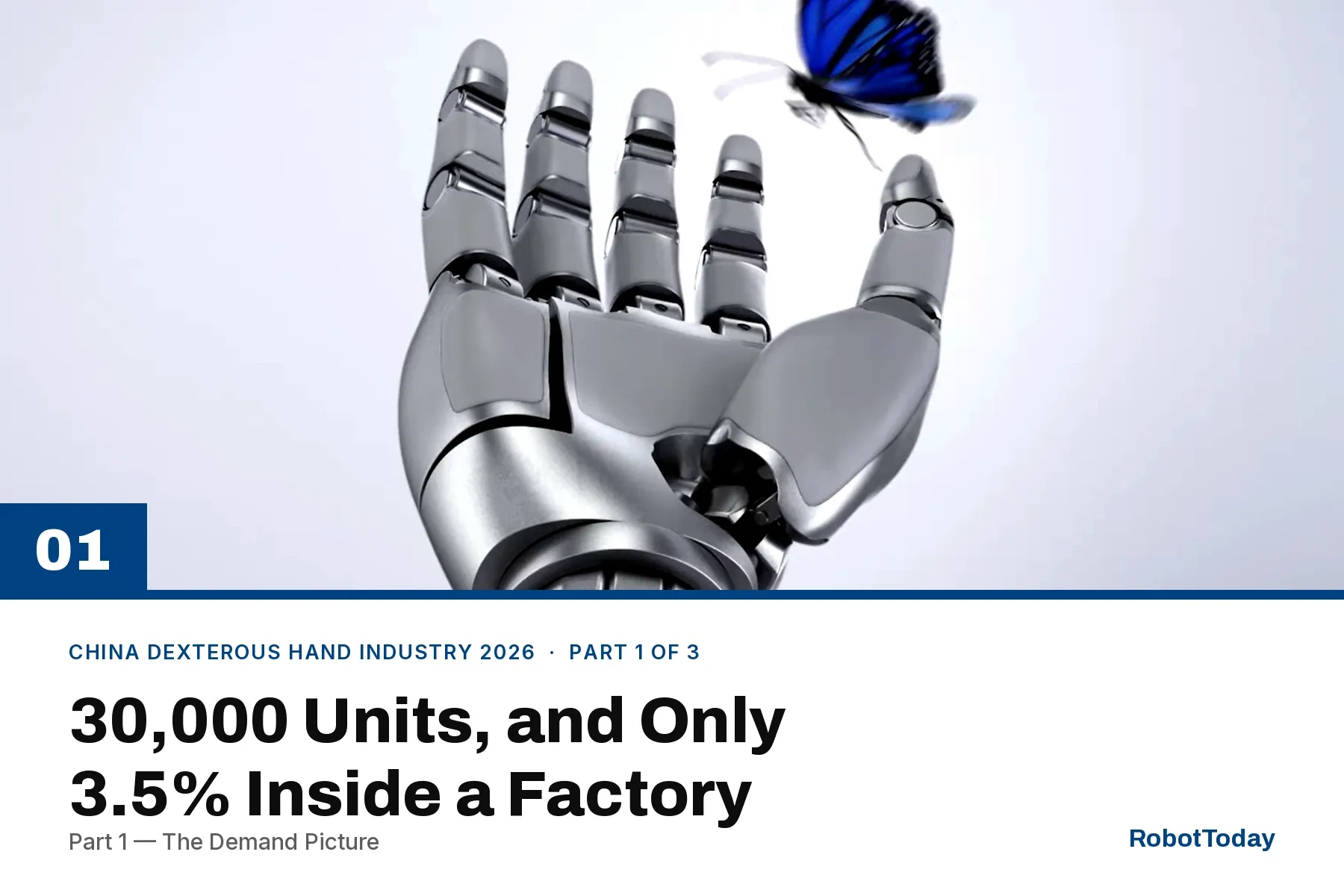
China’s Dexterous Hand Industry, 2026 Part 1 — The Demand Picture
MIR Databank puts China dexterous hand shipments above 30,000 units in 2026, yet only 3.5% of 2025 demand came from factory production. Part 1 of 3.
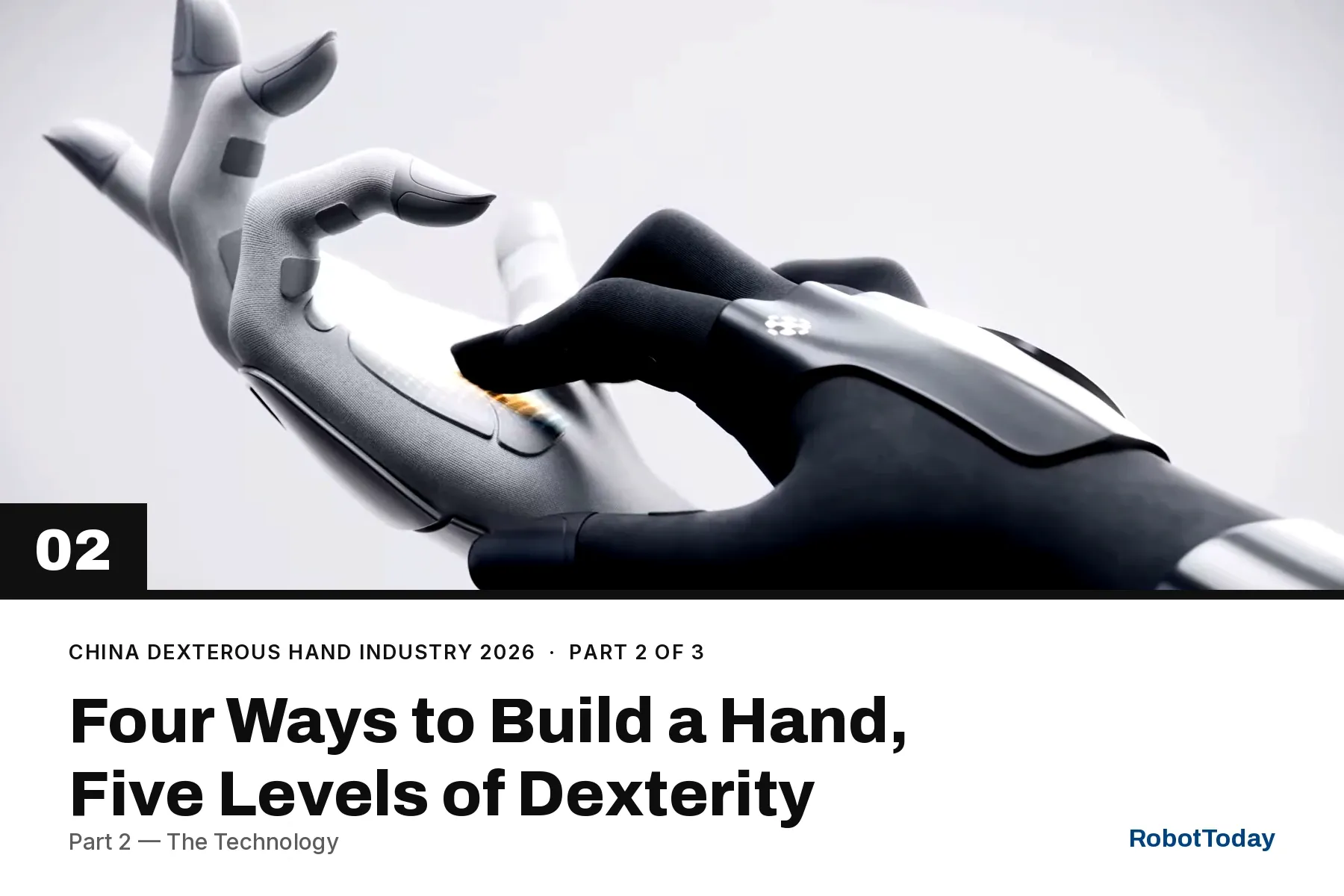
China’s Dexterous Hand Industry, 2026 Part 2 — The Technology
Linkage, tendon, direct drive or hybrid — and why hardware is converging while the DL1–DL5 manipulation scale decides who wins. Part 2 of 3.
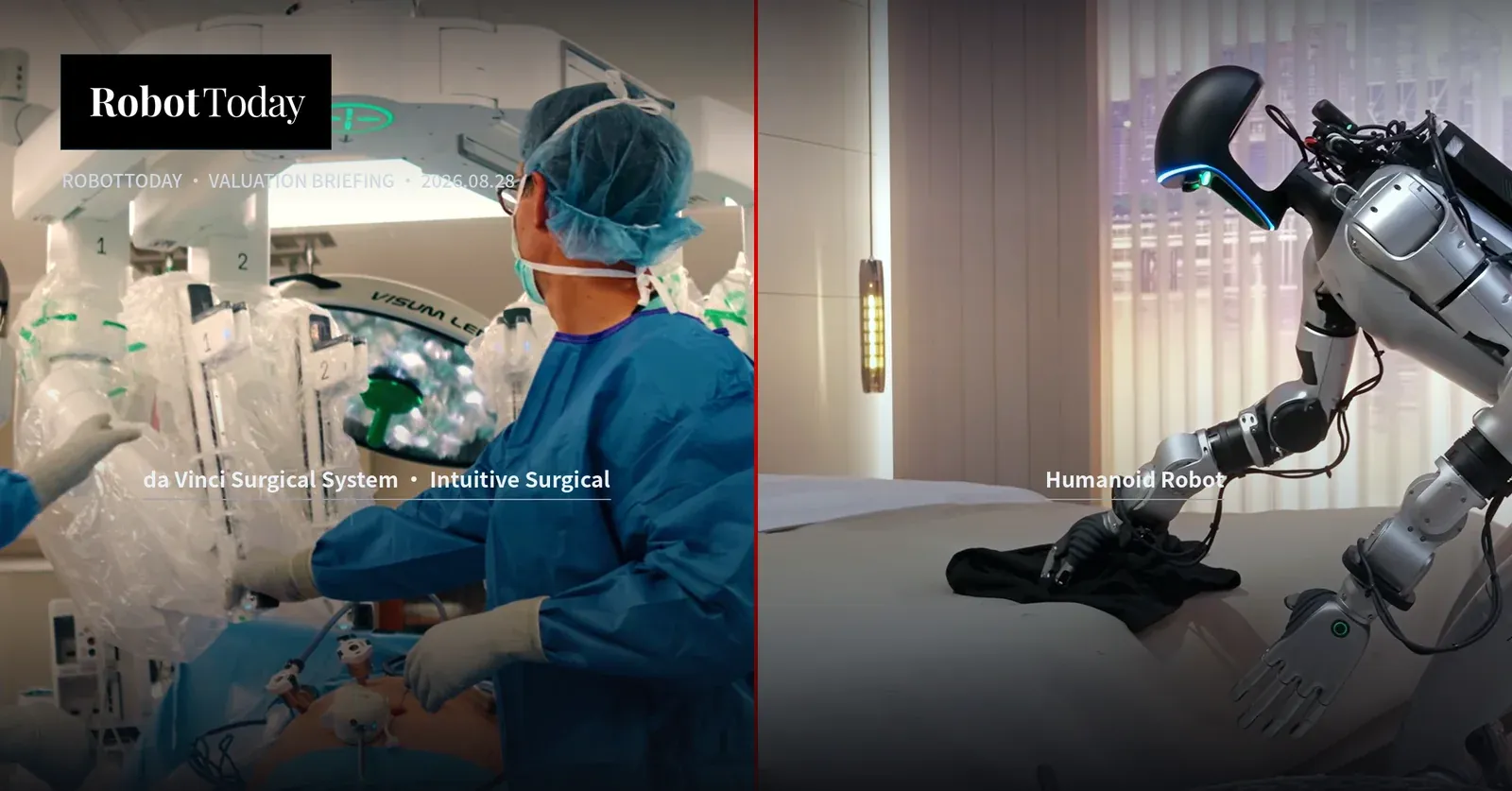
Robotics Investing: Intuitive Surgical or Unitree?
Unitree (STAR 688836) trades near 410x earnings after a 46% drawdown; Intuitive Surgical sits at 42.5x. A definition-aligned comparison of both companies.
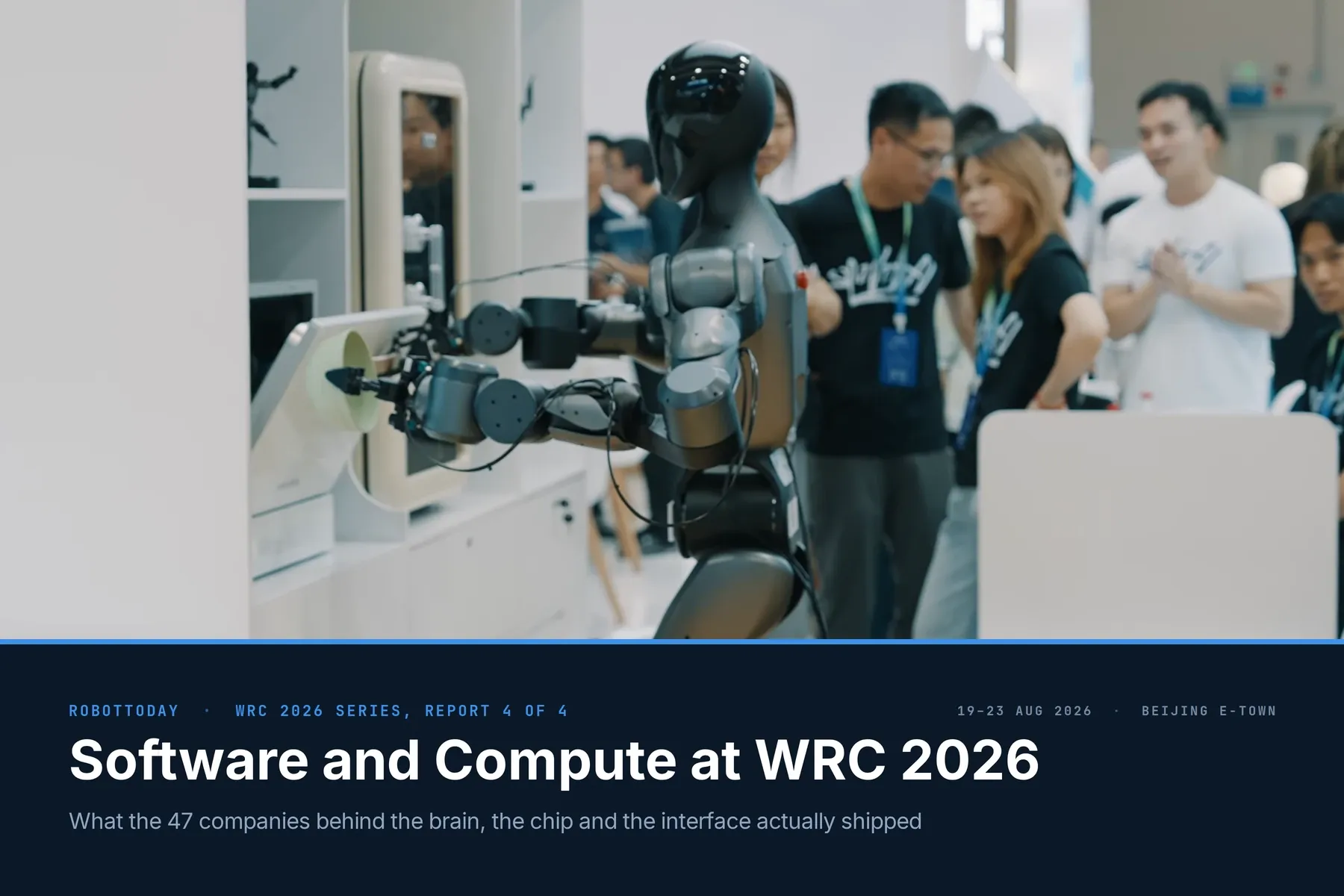
Software, Compute and Interaction at WRC 2026
47 WRC 2026 exhibitors supply robot software, compute or interaction — but only 19 call themselves software companies. Five open artefacts, licence-checked.
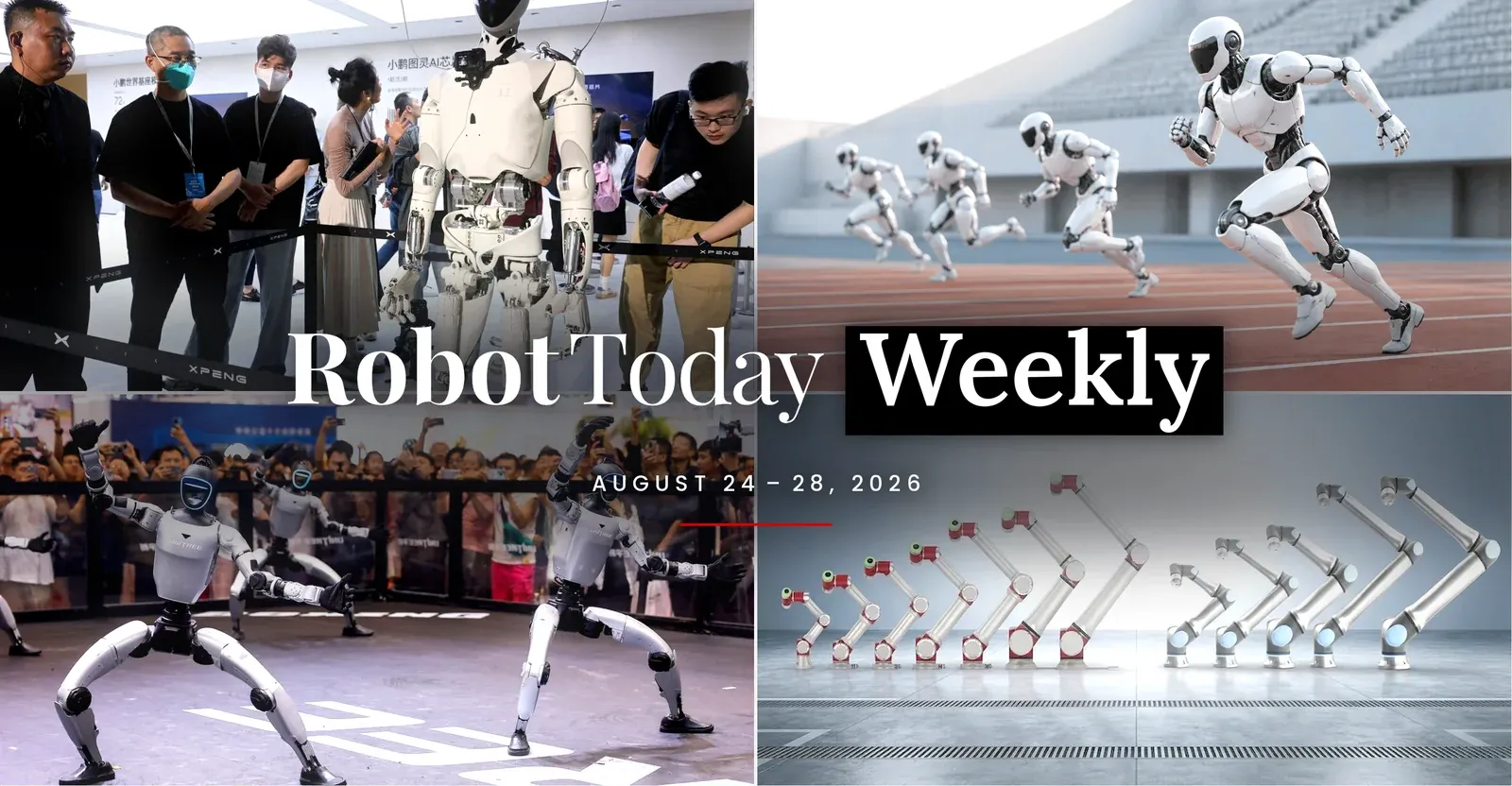
ROBOTTODAY WEEKLY BRIEFING August 24 – 28, 2026
This week in robotics: XPeng's Dogotix raises over $900 million at a $6.3 billion valuation, Unitree's post-IPO slump revives bubble talk, Beijing's World Humanoid Robot Games close with a shift to real-world tasks, and Teradyne sues JAKA at Europe's Unified Patent Court. August 24–28, 2026.
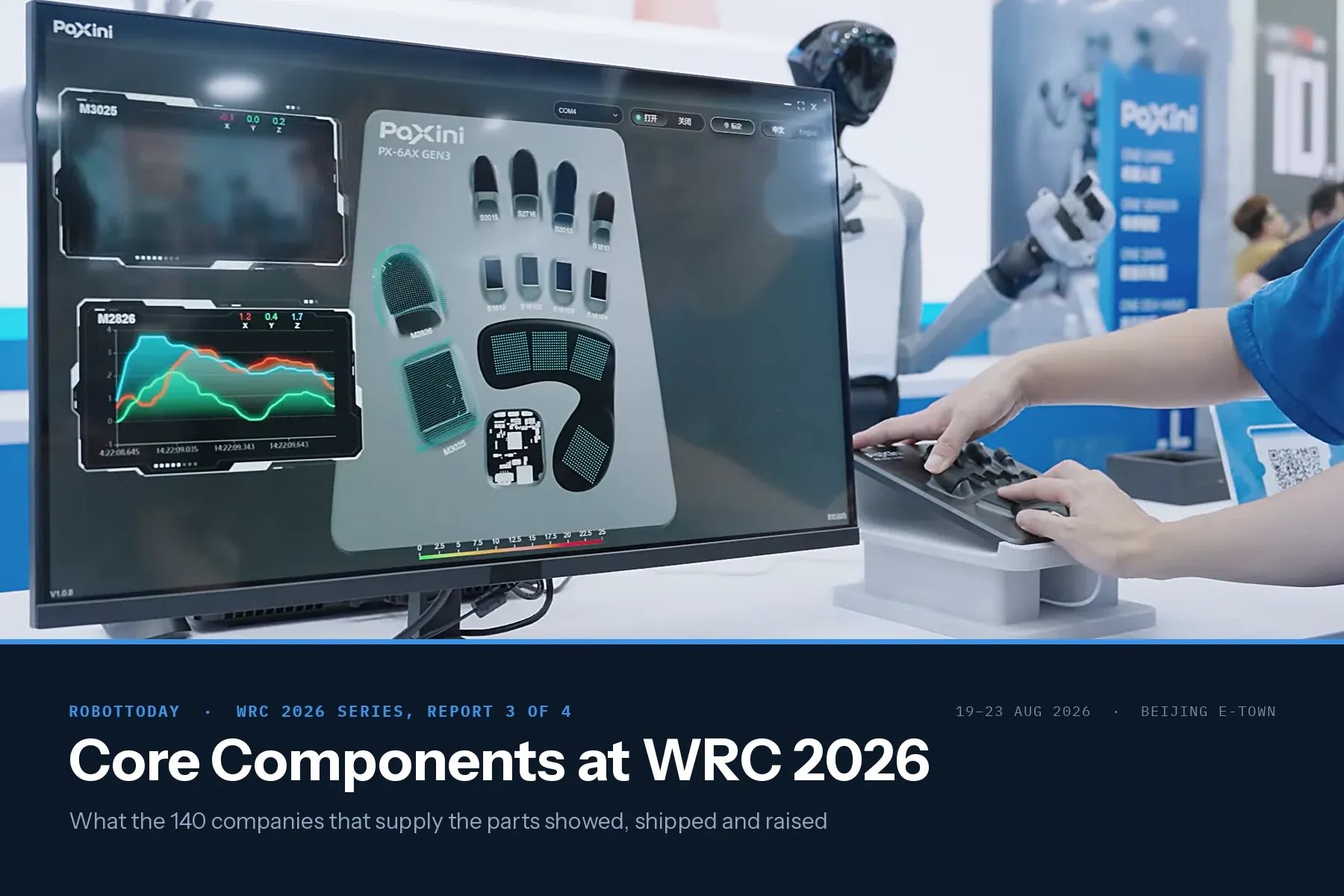
WRC 2026 Core Components: 137 Robot Parts Suppliers
The third report in the WRC 2026 series. Report 1 mapped all 248 exhibitors by category and Report 2 covered the 139 that build finished robots. This one covers the 137 that build what goes inside them.
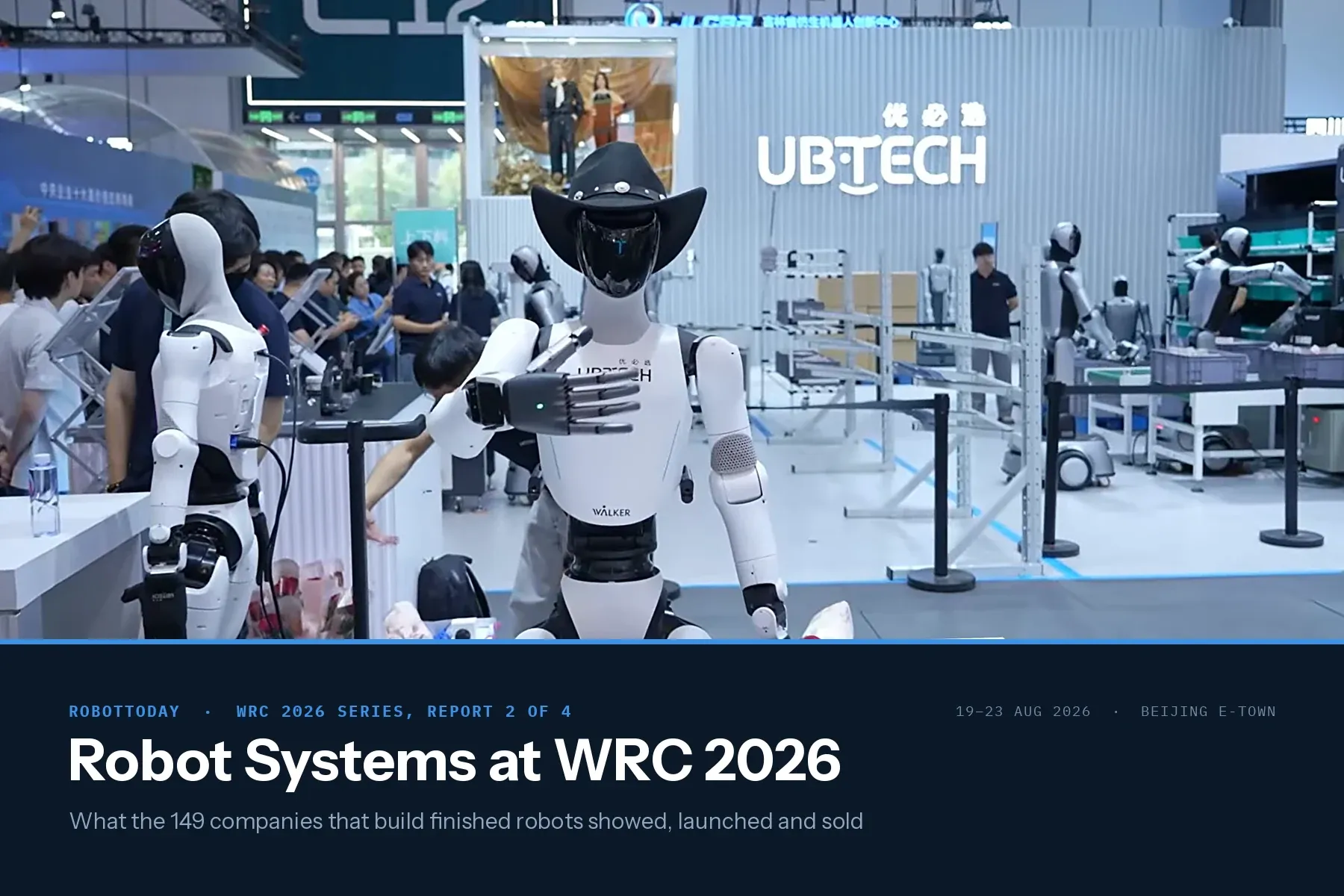
WRC 2026 Robot Systems: 149 Companies That Build Robots
149 of the 248 classified WRC 2026 exhibitors build finished robots. 93 build humanoid or legged machines. The audited humanoid sales number is one unit.
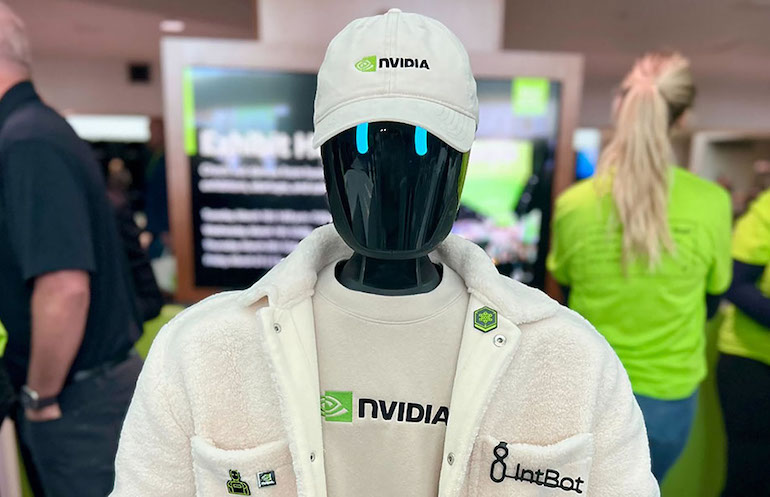
IntBot and Certis Group partner to scale physical AI for enterprises across Singapore
Certis Group has announced a partnership with IntBot to enhance its service robot portfolio by integrating humanoid robots. This collaboration aims to expand their presence in Singapore's market. The initiative reflects a growing trend towards the adoption of physical AI technologies in enterprises, as both companies seek to leverage their expertise to meet the increasing demand for advanced robotic solutions. The partnership is expected to facilitate the deployment of humanoid robots in various sectors, enhancing operational efficiency and customer engagement.
Artificial Intelligence Artificial Intelligence / Cognition Healthcare Robotics Human Robot Interaction / Haptics Humanoids News
IntBot and Certis Group Partner to Scale Enterprise Physical AI Across Singapore
A significant partnership has been established to enhance the integration of enterprise-ready Physical AI into daily operations. This collaboration aims to streamline processes and improve efficiency across various sectors. The announcement was made recently, reflecting a growing trend towards the adoption of advanced technologies in business environments. By leveraging cutting-edge AI capabilities, the partnership seeks to address operational challenges and drive innovation. The initiative is expected to transform how organizations utilize AI, making it more accessible and effective in real-world applications. As businesses increasingly recognize the potential of Physical AI, this partnership marks a pivotal moment in the evolution of operational technology.


