


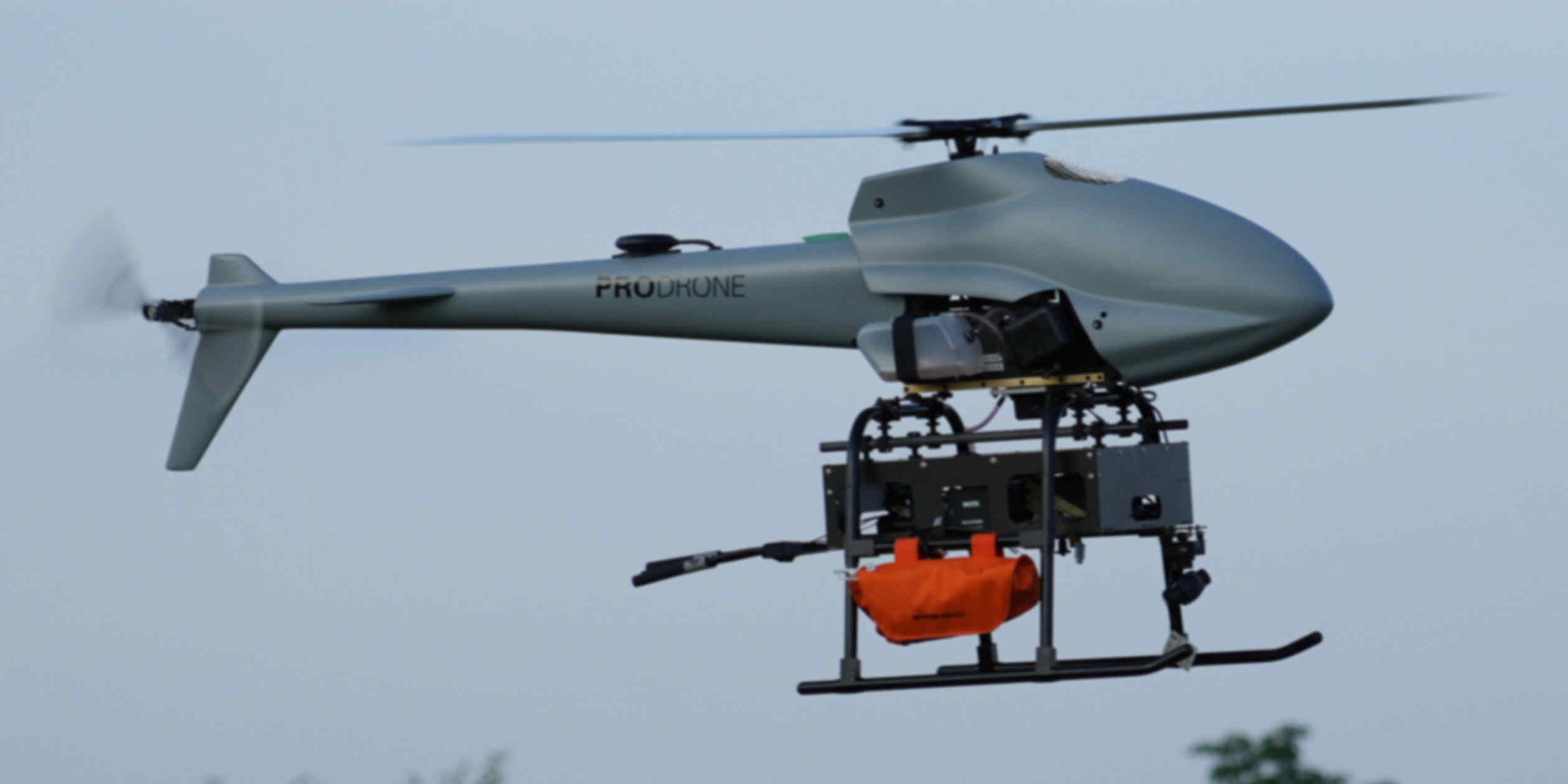
The National Oceanic and Atmospheric Administration (NOAA) is enhancing its weather forecasting capabilities by integrating drones into its data collection methods. Collaborating with Swiss technology firm Meteomatics, NOAA is currently testing the Meteodrones at a pilot site near the University of Oklahoma. This initiative aims to improve the accuracy and efficiency of weather models, particularly for severe weather warnings.
The addition of drones is significant as it addresses the limitations of traditional weather balloons, which are costly and typically used only once. Meteomatics' hexacopters can be operated repeatedly and remotely, allowing for more flexible data collection based on real-time weather conditions. This capability is expected to enhance the precision of weather data, ultimately leading to better forecasting and warning systems for events like tornadoes and hurricanes.
As Meteomatics continues to develop its drone operations in the U.S., it has already established a network of drone data-collection sites in Europe. The company’s Meteodrones are designed to withstand challenging weather conditions and are compliant with U.S. government regulations. No further timeline was disclosed at the time of publication.
Editor's Note
The integration of drone technology into NOAA's forecasting operations represents a significant shift in meteorological data collection. This move could enhance the agency's ability to respond to severe weather events, improving public safety and operational efficiency. As the technology matures, it may influence procurement strategies and partnerships within the weather forecasting sector.




























Leave a comment