Industry Briefing
A single destination for timely, editor-curated robotics news from around the world.

Hefei Team Develops All-Weather Forestry Inspection Robot for Enhanced Fire Detection
A team led by Cheng Ziyang has developed a forestry inspection robot designed to address the limitations of traditional fire detection methods. The robot integrates LiDAR and thermal imaging technologies, enabling it to operate effectively in low visibility conditions such as nighttime and smoke. This innovation aims to enhance the efficiency of forest fire monitoring by autonomously navigating complex terrains and detecting temperature anomalies that are often precursors to fires. The significance of this development lies in its potential to improve forest fire prevention efforts. Traditional methods, including fixed sensors and manual patrols, have proven inadequate due to high costs, low efficiency, and limited coverage. The new robot has demonstrated a 27% increase in inspection coverage and significantly improved accuracy in identifying fire sources, thereby reducing the need for human intervention in hazardous areas. Looking ahead, the team plans to further optimize the robot's performance and push for its industrialization. The challenges of cost, reliability, and mass delivery remain, but overcoming these hurdles could lead to a substantial enhancement in the intelligence of forest fire protection systems, ultimately reducing risks and improving response times in emergency situations.
Forestry Robotics Fire Detection Technology Autonomous Systems Environmental Monitoring
Google DeepMind Unveils WeatherNext 3, Its Most Advanced AI Weather Forecasting Model to Date
Google DeepMind and Google Research have launched WeatherNext 3, an AI weather forecasting model designed to enhance weather information across various Google platforms, including Search and Google Maps. This model is notable for its ability to directly integrate core forecasting variables into major Google products, marking a significant advancement in AI-driven weather predictions. The introduction of WeatherNext 3 is significant as it outperforms competitors like Microsoft and Nvidia on the Operational WeatherBench benchmark, achieving a 60% improvement in rain prediction over its predecessor. This model can generate hourly forecasts and utilizes real-time satellite data, making it a powerful tool for accurate weather forecasting. Looking ahead, WeatherNext 3's unique capability to target forecasts to specific weather stations could revolutionize applications such as airport weather predictions. No further timeline was disclosed at the time of publication.
AI AI Funding & Investment AI Research & Advances AI Weather Forecasting Model Google DeepMind insights
Weather Conditions Influence Effectiveness of Andela Robot Weeder and Electro Weeder
In 2026, Marien and Joos Poppe utilized an Andela Robot Weeder and an Electro Weeder to manage weeds at Poppe Landbouw in Noordoostpolder. The effectiveness of these machines is contingent upon having sufficient workable days, as observed on July 24 when large weeds, primarily knotweed, were present in the onion fields. The integration of the Andela Robot Weeder and Electro Weeder highlights the importance of weather conditions in agricultural operations. While the robots perform their designated tasks efficiently, the opportunities for effective weed management are significantly influenced by environmental factors, such as the number of workable days available for operation. Looking ahead, the reliance on weather patterns will continue to shape the agricultural landscape, particularly in the context of robotic weed control. No further timeline was disclosed at the time of publication.
Crop solutions Weed/Pest control electric weed control weed control
Energy Traders Leverage Drones for Enhanced Weather Forecasting Insights
Energy traders are increasingly utilizing drones to gather data that enhances weather predictions, potentially improving their financial outcomes. This innovative approach allows for more accurate forecasting, which is crucial for making informed trading decisions in the energy sector. The significance of this development lies in its potential to optimize trading strategies and reduce risks associated with unpredictable weather patterns. By harnessing drone technology, traders can access real-time data that informs their operations, ultimately leading to better financial performance. Looking ahead, the continued integration of drone-collected data into energy trading strategies is expected to evolve. As technology advances, the accuracy and reliability of weather forecasts may further improve, providing traders with a competitive edge in the market. No further timeline was disclosed at the time of publication.

Mafix Secures $5.4 Million to Enhance Silicate Rock Weathering for Sustainable Fertilizer
Mafix has successfully raised $5.4 million in pre-seed funding to advance its innovative approach to enhanced rock weathering, which accelerates the weathering of silicate minerals. This technology not only aids in carbon removal but also enhances crop yields and reduces fertilizer costs. The funding round was led by Azolla Ventures, with contributions from several other investors. The significance of this funding lies in its potential to revolutionize agricultural practices by utilizing crushed silicate rocks, such as basalt and olivine, to bind atmospheric carbon dioxide and improve soil quality. By producing 1,000 tons of product for trials across the U.S., Mafix aims to demonstrate the effectiveness of its technology, which could simplify measurement, reporting, and verification (MRV) processes in carbon removal. Looking ahead, the company plans to conduct larger-scale trials to validate its claims regarding improved crop yields and nutrient release from its silicates. No further timeline was disclosed at the time of publication.
Agtech Climate & sustainability Startups & funding US & Canada
Heatwaves Challenge Supply Chains: Adapting to Extreme Weather Conditions
This summer's heatwaves have significantly impacted supply chains across Europe, as noted by Tim Moylan, Chief Growth Officer at Infios. The soaring temperatures have disrupted travel and public infrastructure, revealing the strain extreme weather places on supply chains. Businesses must now prepare for unpredictable weather patterns, including the potential weakening of the Atlantic Meridional Overturning Circulation, which could lead to more volatile climate conditions. The immediate effects of these heatwaves are evident in retail, where products like bottled water and ice cream are flying off shelves, while delivery delays become commonplace. Warehouse managers are adjusting shifts and transport operators are rerouting deliveries to cope with the challenges posed by extreme heat. The ability to adapt quickly to these disruptions is becoming crucial for maintaining operational efficiency and meeting customer expectations. As heatwaves reshape consumer demand and create operational challenges, businesses must focus on translating accurate weather forecasts into timely decisions across various supply chain functions. The need for flexibility in warehouse operations and transport networks is paramount, as high temperatures can lead to decreased productivity and increased risks for equipment and personnel. No further timeline was disclosed at the time of publication.
Air Cargo Cold Chain Logistics Couriers and Express Electrification and Decarbonisation Magazine Features Ports & Maritime
Drones Illuminate Atmospheric Boundary Layer for Military and Energy Traders
Drones are being utilized to gather data that sheds light on the poorly observed boundary layer of the atmosphere. This information is crucial for military strategists and energy traders who rely on accurate atmospheric data for decision-making. The ability to observe this boundary layer is significant as it can influence weather patterns and forecasts, which are essential for military operations and energy market strategies. By enhancing the understanding of this atmospheric layer, drones are providing valuable insights that can lead to more informed strategic planning. Looking ahead, the continued use of drones for atmospheric data collection may expand, potentially leading to improved weather forecasting and strategic military applications. No further timeline was disclosed at the time of publication.

NOAA Expands Weather Forecasting with Drones from Swiss Company Meteomatics
The National Oceanic and Atmospheric Administration (NOAA) is enhancing its weather forecasting capabilities by integrating drones into its data collection methods. Collaborating with Swiss technology firm Meteomatics, NOAA is currently testing the Meteodrones at a pilot site near the University of Oklahoma. This initiative aims to improve the accuracy and efficiency of weather models, particularly for severe weather warnings. The addition of drones is significant as it addresses the limitations of traditional weather balloons, which are costly and typically used only once. Meteomatics' hexacopters can be operated repeatedly and remotely, allowing for more flexible data collection based on real-time weather conditions. This capability is expected to enhance the precision of weather data, ultimately leading to better forecasting and warning systems for events like tornadoes and hurricanes. As Meteomatics continues to develop its drone operations in the U.S., it has already established a network of drone data-collection sites in Europe. The company’s Meteodrones are designed to withstand challenging weather conditions and are compliant with U.S. government regulations. No further timeline was disclosed at the time of publication.
Drone News Drone News Feeds News Weather atmospheric data drone Brad Guay Meteomatics
Apple stock gets slammed on bigger Mac, iPad price hikes. Why it can weather the storm
In a significant market development, a leading technology company experienced its worst stock performance in over a year following management's announcement to transfer increased memory costs to consumers. This decision, which marks the company's first official attempt to address rising expenses, has raised concerns among investors about potential impacts on sales and customer demand. The announcement came during a challenging economic period, prompting analysts to closely monitor the company's pricing strategy and its implications for future profitability. As the market reacts to this news, stakeholders are left to assess how the shift in pricing may affect the company's competitive position in the industry.
The Strategic Advantage of Rapid Deployment Weather Tracking for Critical Sectors
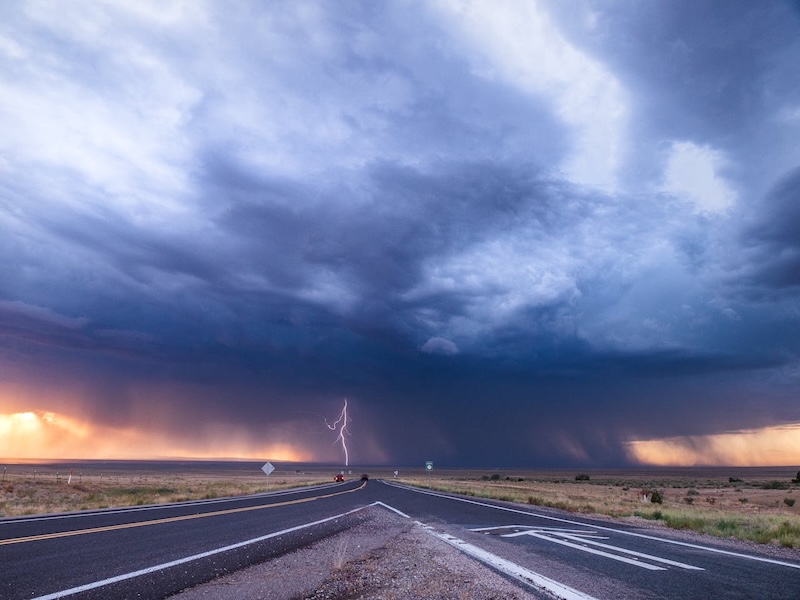
Field operations across various sectors, including construction and emergency response, are increasingly challenged by unpredictable weather patterns that can compromise safety and hinder progress. As traditional weather forecasts often fail to accurately predict localized storms, the reliance on fixed-location radar stations has become problematic due to their frequent blind spots. This situation underscores the urgent need for more advanced weather monitoring solutions to enhance operational safety and efficiency. By addressing these gaps in forecasting, organizations can better prepare for adverse weather conditions, ultimately improving outcomes in critical field operations.
Communications Infrastructure atmospheric monitoring automation news autonomous systems aviation safety
NVIDIA Launches Earth-2 Family of Open Models — the World’s First Fully Open, Accelerated Set of Models and Tools for AI Weather
At the American Meteorological Society’s Annual Meeting, NVIDIA introduced its groundbreaking Earth-2 family, a suite of open models, libraries, and frameworks designed for weather and climate artificial intelligence. This initiative marks a significant advancement in the field, as it presents the world’s first fully open, production-ready weather AI solutions. The unveiling took place during the annual event, which gathers experts and stakeholders in meteorology to discuss advancements and innovations. NVIDIA aims to enhance the accuracy and accessibility of weather forecasting and climate modeling through this initiative, responding to the growing demand for reliable climate data amid increasing environmental challenges. By providing these resources openly, NVIDIA seeks to foster collaboration and innovation within the scientific community, enabling researchers and developers to build upon their work and improve predictive capabilities in weather and climate science.
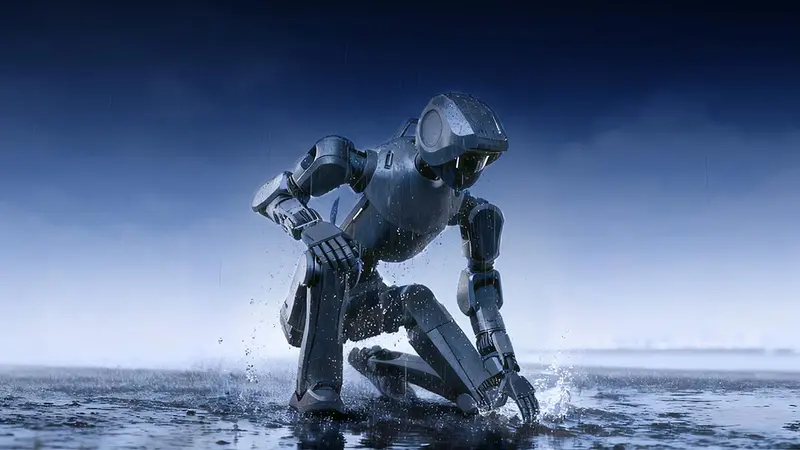
Deep Robotics Unveils DR02: An All-Weather Humanoid for Industrial Work
Deep Robotics, a company based in Hangzhou, has launched its latest humanoid robot, the DR02. This innovative robot boasts an IP66 rating, indicating its strong resistance to dust and water, making it suitable for operation in harsh industrial settings. The DR02 is engineered to function effectively in extreme temperature conditions, addressing the needs of industries that require reliable automation solutions in challenging environments. This introduction marks a significant advancement in robotics technology, aimed at enhancing operational efficiency and safety in various industrial applications.
Deep Robotics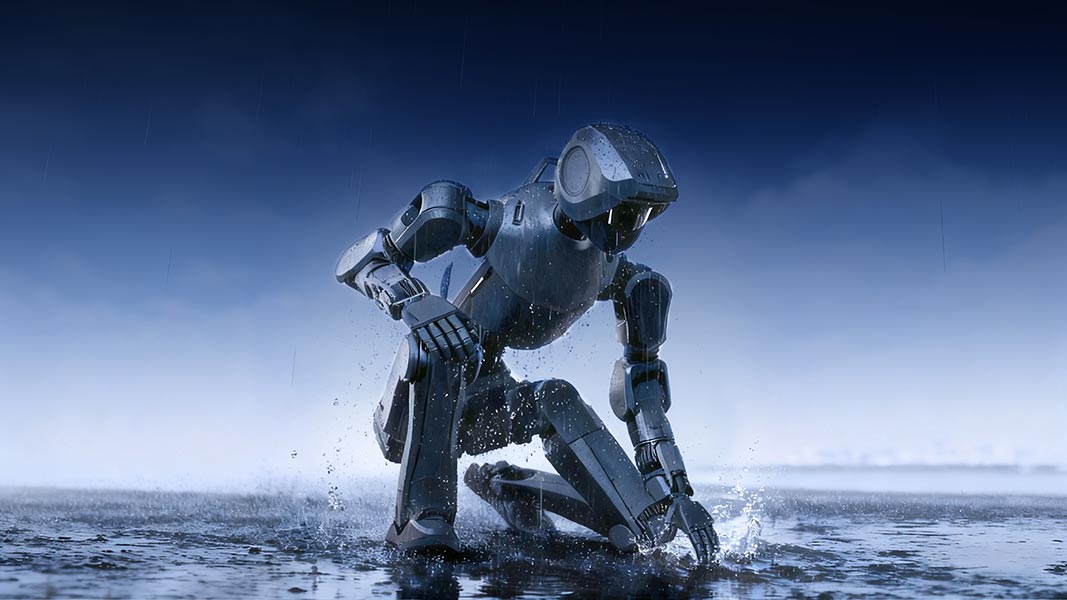
DEEP Robotics Launches World’s First All-Weather Industrial Humanoid Robot
DEEP Robotics, a company based in China, has introduced the DR02, which it claims is the world's first industrial-grade humanoid robot to feature full-body IP66 waterproof and dustproof protection. This innovative robot is designed to operate effectively in extreme temperatures ranging from -20°C to 55°C. The DR02 is capable of performing a variety of tasks, including factory operations and outdoor security patrols, making it suitable for use in diverse environments and weather conditions. The launch of the DR02 marks a significant advancement in robotics technology, aimed at enhancing operational efficiency in various industries.
News FeedRobotics needs a service framework.
RSF defines a common language for robot service capability, lifecycle operations, certification pathways, and service-provider networks.
Join the RobotToday community on LinkedIn
Daily robotics news, in-depth analysis, conference highlights, and discussions with professionals worldwide.