

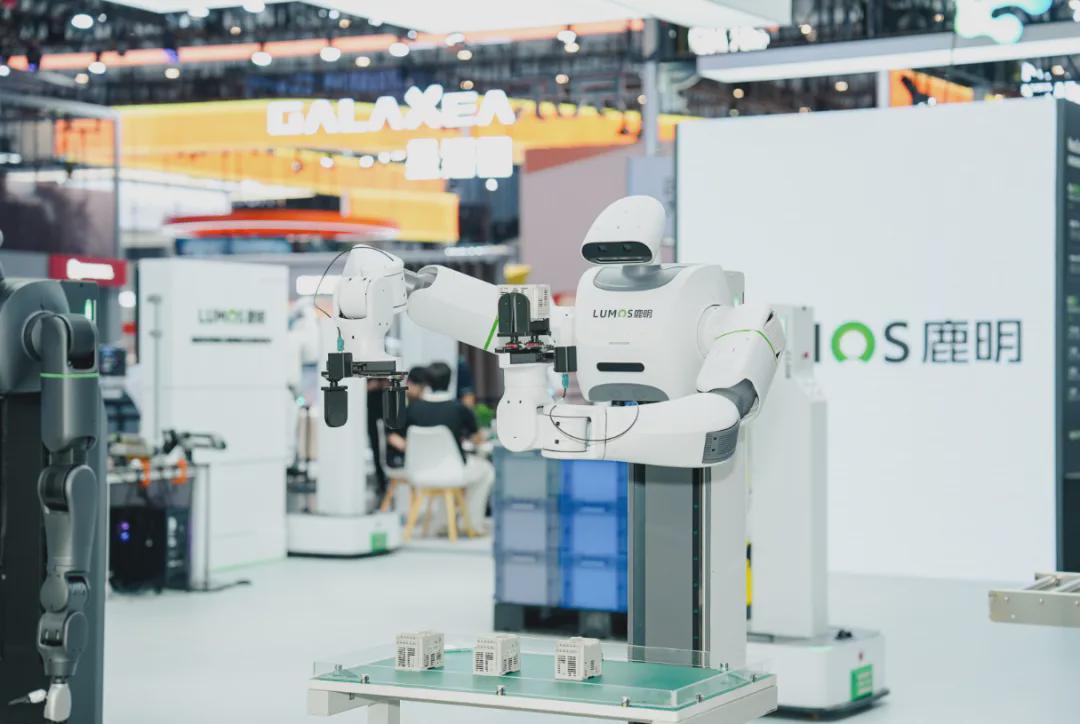
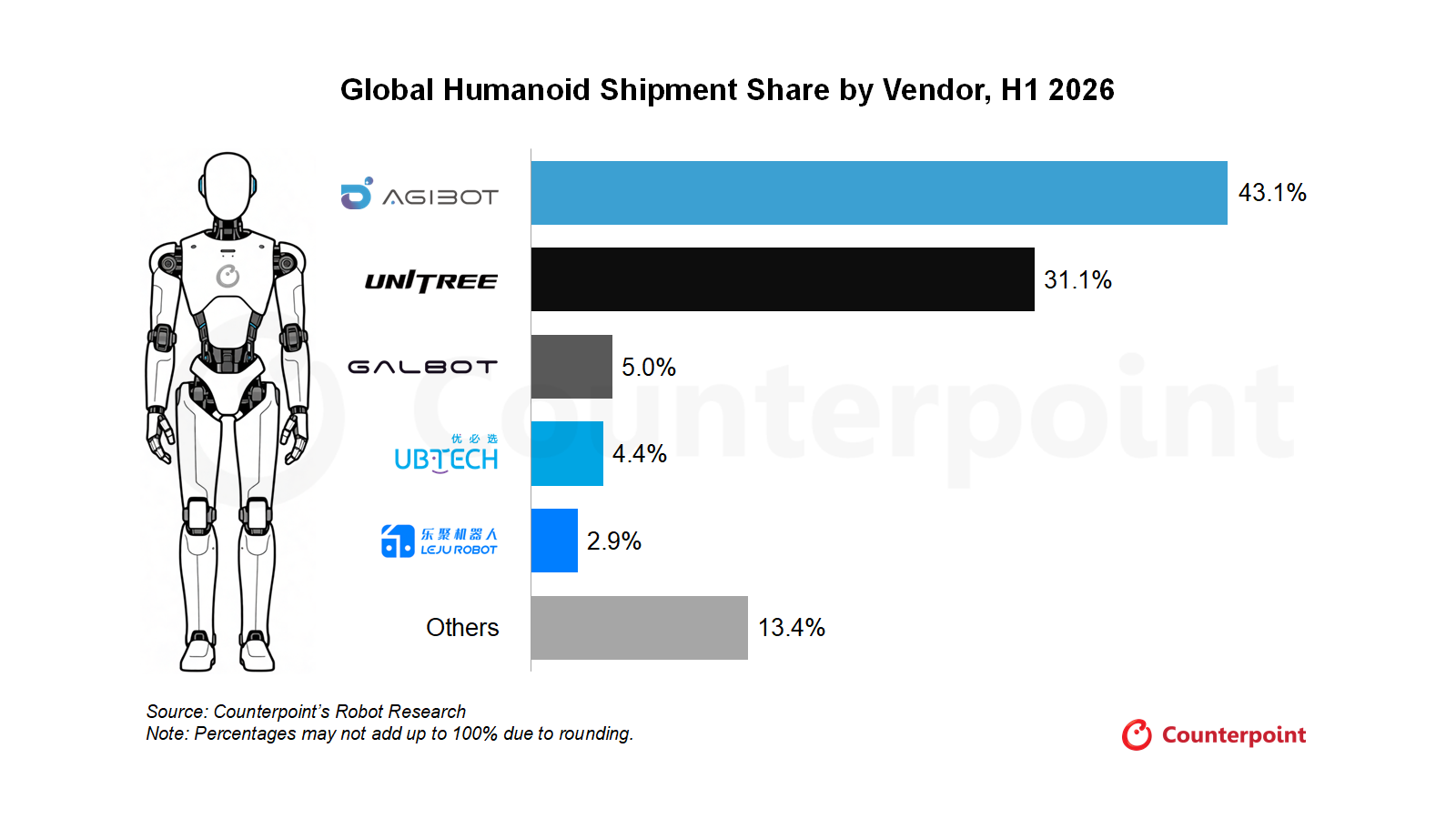
In the first half of 2026, Chinese manufacturers are projected to account for 97% of global humanoid robot shipments, with domestic deliveries expected to reach 62,500 units, a 3.5-fold increase from the previous year. As the number of robots grows, the focus shifts from quantity to their capabilities and learning potential, marking a significant phase for embodied intelligence in the industry.
The Chinese robotics sector is experiencing rapid growth, with revenues from major enterprises exceeding 90 billion yuan in the first five months of the year, reflecting a 26.9% year-on-year increase. Notably, the number of financing rounds in the embodied intelligence sector reached 288, totaling 46 billion yuan. The surge in orders, which increased over ninefold compared to 2024, indicates that clients are eager to validate robots in real-world applications, prioritizing ROI over investment timelines.
As the industry evolves, key founders emphasize that the next phase will focus on the ability of robots to perform tasks effectively rather than merely demonstrating capabilities. The development of skills through data, training, and real-world validation is crucial for creating a skill closure loop, enabling robots to continuously evolve and improve their performance in practical scenarios.
Editor's Note
The robotics industry is witnessing a pivotal shift towards practical applications and task execution, driven by increasing demand for effective solutions. As companies prioritize real-world performance and ROI, the focus on skill development and embodied intelligence becomes critical for future advancements. This trend highlights the need for robust training and validation processes to ensure that robots can meet the evolving demands of various sectors.



























Leave a comment