


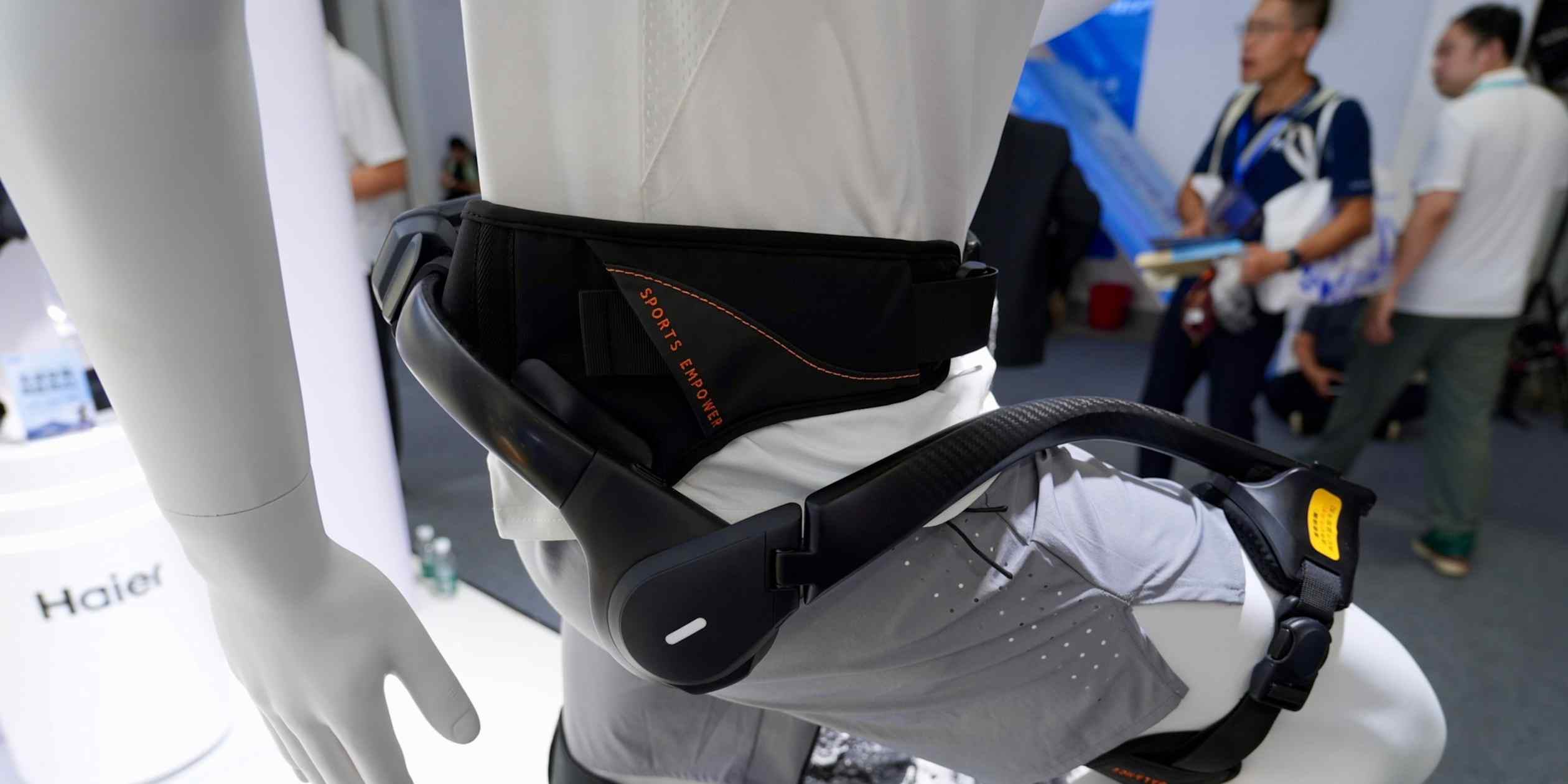
The exoskeleton market in China is projected to exceed 1.6 billion yuan by 2025, with approximately 26,000 units expected to be shipped annually. The medical rehabilitation sector remains the primary market driver, while consumer applications account for over 70% of shipments. Industries such as logistics, automotive manufacturing, energy, and emergency rescue are also beginning to adopt exoskeleton technology.
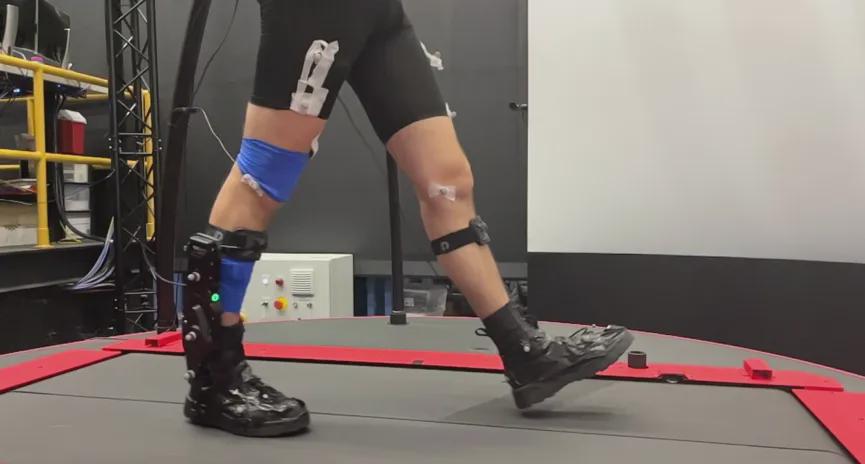
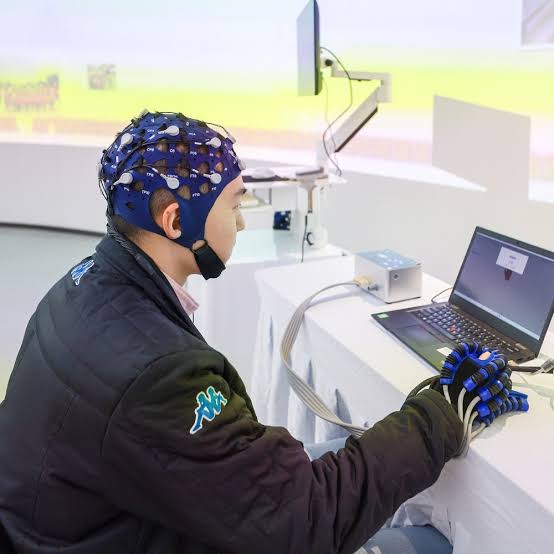
Despite the growing sales of exoskeletons, a fundamental challenge persists: these devices can enhance human strength but often lack the ability to accurately gauge the user's exertion levels. Recent research from the University of Queensland introduces a solution by employing ultra-wideband radar (UWB) technology to measure muscle force without invasive procedures. This advancement offers a more direct method of assessing muscle exertion compared to traditional electromyography (EMG) techniques.
As the field evolves, the integration of UWB technology could significantly improve the functionality of exoskeletons, making them more responsive to the user's actual physical output. Future developments in this area will be crucial to enhancing the effectiveness of rehabilitation and training applications. No further timeline was disclosed at the time of publication.
Editor's Note
The introduction of muscle-sensing technology in exoskeletons represents a significant advancement in the field of rehabilitation and assistive devices. By improving the accuracy of muscle force measurement, this innovation could enhance user experience and effectiveness in various applications, from medical rehabilitation to industrial use. Stakeholders should monitor ongoing research and potential market impacts closely.





























Leave a comment