


Shenzhen PICEA Robotics Co., Ltd. 深圳市杉川机器人有限公司
"Imagination, Innovation, Intelligence"
PICEA Robotics is a Shenzhen ODM and consumer brand (3i) making AI-powered robot vacuum and mop systems; shipped 20M+ units and acquired iRobot in January 2026.
Contact Shenzhen PICEA Robotics Co., Ltd.
WEBSITE
https://us.3itech.com/PHONE
+1 (866) 288-8883HEADQUARTERS
China

Company Facts
Founded
2016
Primary Role
Manufacturer
Company Size
-
Primary Region
Asia-Pacific
Annual Sales
-
Funding Stage
-
Funding Total
-
Certifications & Memberships

Yushun and Variable Vision Suppliers Raise Hundreds of Millions in New Financing Round
Recently, Yushun and Variable Vision suppliers completed a new financing round, securing hundreds of millions in funding from industry capital, state-owned enterprises, and market institutions. Investors include Dunhong Asset, Hangzhou Embodied Intelligence Industry Fund, Fuyang Industrial Investment, and Zhi Ping Fang. This funding will be allocated towards the development of depth camera product lines, upgrades to edge AI visual understanding capabilities, data collection, model evaluation improvements, and the construction of an intelligent vision industry base in Hangzhou. Yushun, initially a supplier for mobile camera modules, has transformed into a leading visual solution provider for consumer robots, including vacuum cleaners and lawn mowers. Looking ahead, Yushun's robot-related business now accounts for nearly one-third of its overall revenue, with major clients including Yushu Technology and Zhi Ping Fang. The company has also standardized its prototype development services to meet the growing demand from innovative enterprises. No further timeline was disclosed at the time of publication.
Robot Vision AI Technology Depth Cameras Industrial Automation
HONOR Unveils Four-Axis Robot Phone at LEAP 2026 Near Riyadh
HONOR showcased its 'Robot Phone' at the LEAP 2026 event near Riyadh, featuring a camera mounted on a four-degree-of-freedom motorized mechanism. The device, displayed from August 31 to September 3, can orient its camera module, track subjects, and translate interactions into physical movements. This innovation matters as it blurs the lines between smartphones, stabilized gimbals, and consumer robotics. Unlike traditional smartphones, the Robot Phone's robotic aspect is its mobile camera, which can tilt and rotate to keep subjects in frame and perform expressive movements, enhancing user experience during video calls or solo filming. Looking ahead, HONOR is collaborating with camera manufacturer ARRI to improve image rendering. While several features are still in development, the product's success will hinge on its ability to enhance framing without compromising the smartphone's durability or weight. No further timeline was disclosed at the time of publication.
Robots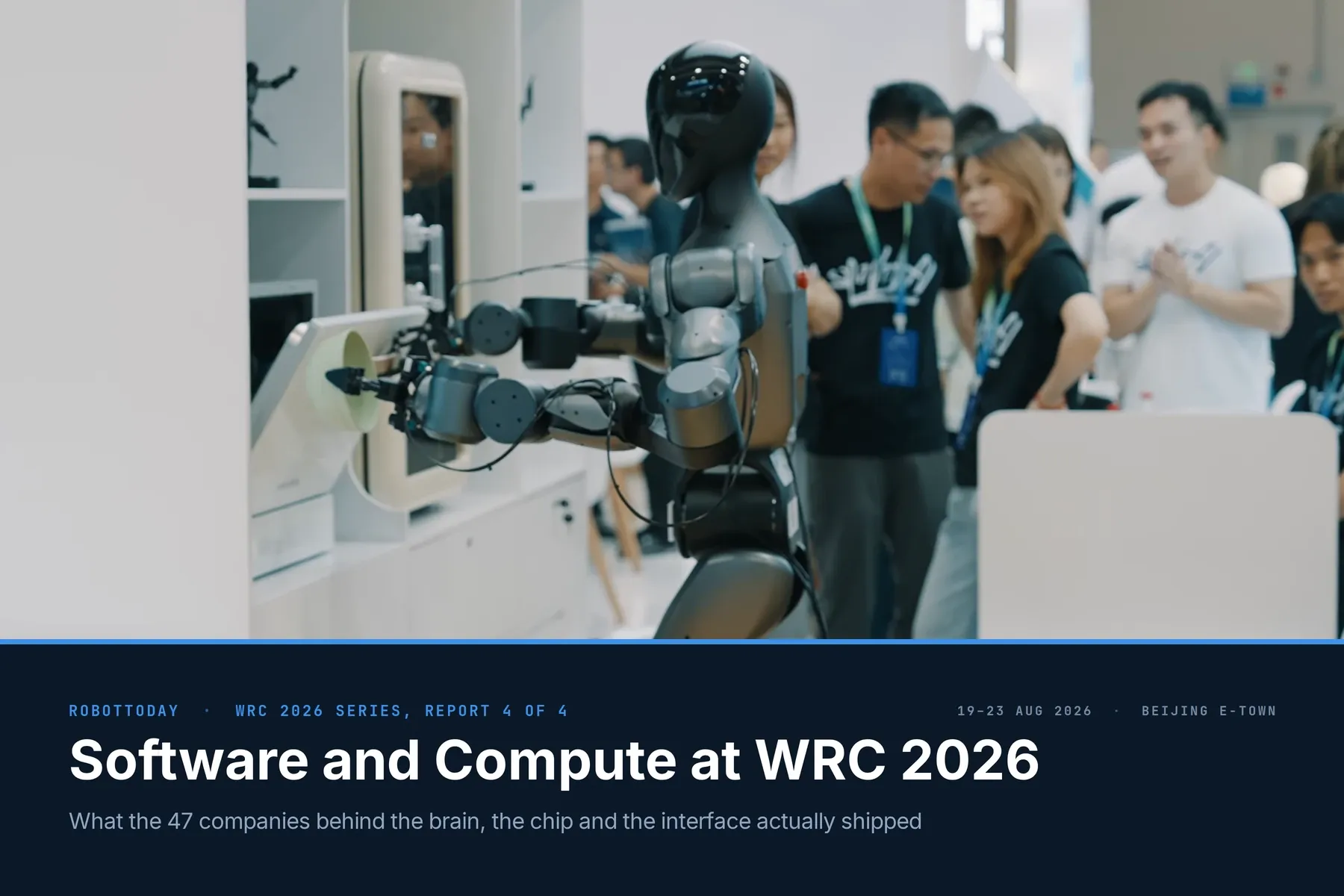
Software, Compute and Interaction at WRC 2026
47 WRC 2026 exhibitors supply robot software, compute or interaction — but only 19 call themselves software companies. Five open artefacts, licence-checked.

The Rapid Evolution of Robotic Dogs Outpaces Traditional Pet Breeds by 2026
By 2026, the number of robotic dogs showcased at technology exhibitions is expected to surpass that of traditional dog breeds like Golden Retrievers and Corgis. This rapid diversification of quadrupedal robots is outpacing the evolution of most dog breeds, with various forms emerging from a common technological base, including wheels, saddles, and even drone landing pads. At this year's World Robot Conference (WRC), a small AI-controlled robotic dog named Kaimisi became an unexpected hit, despite not having a dedicated exhibition space. This palm-sized robot, priced between 200 to 280 yuan, can run, flip, and interact with people, reportedly selling over a thousand units daily, a remarkable achievement among exhibitors. Its affordability compared to other robots priced in the tens of thousands makes it an attractive option for consumers. The success of Kaimisi highlights a critical shift in quadrupedal robots from demonstration models to consumer products. With a compact design, low price, and engaging features, these robots appeal to a broader audience. Meanwhile, established companies like Yushun and Yundongchu are also making strides in the market, offering products ranging from inexpensive toys to high-end industrial platforms, showcasing the versatility of quadrupedal designs in various market segments.
Robotic Dogs AI Technology Consumer Robotics Automation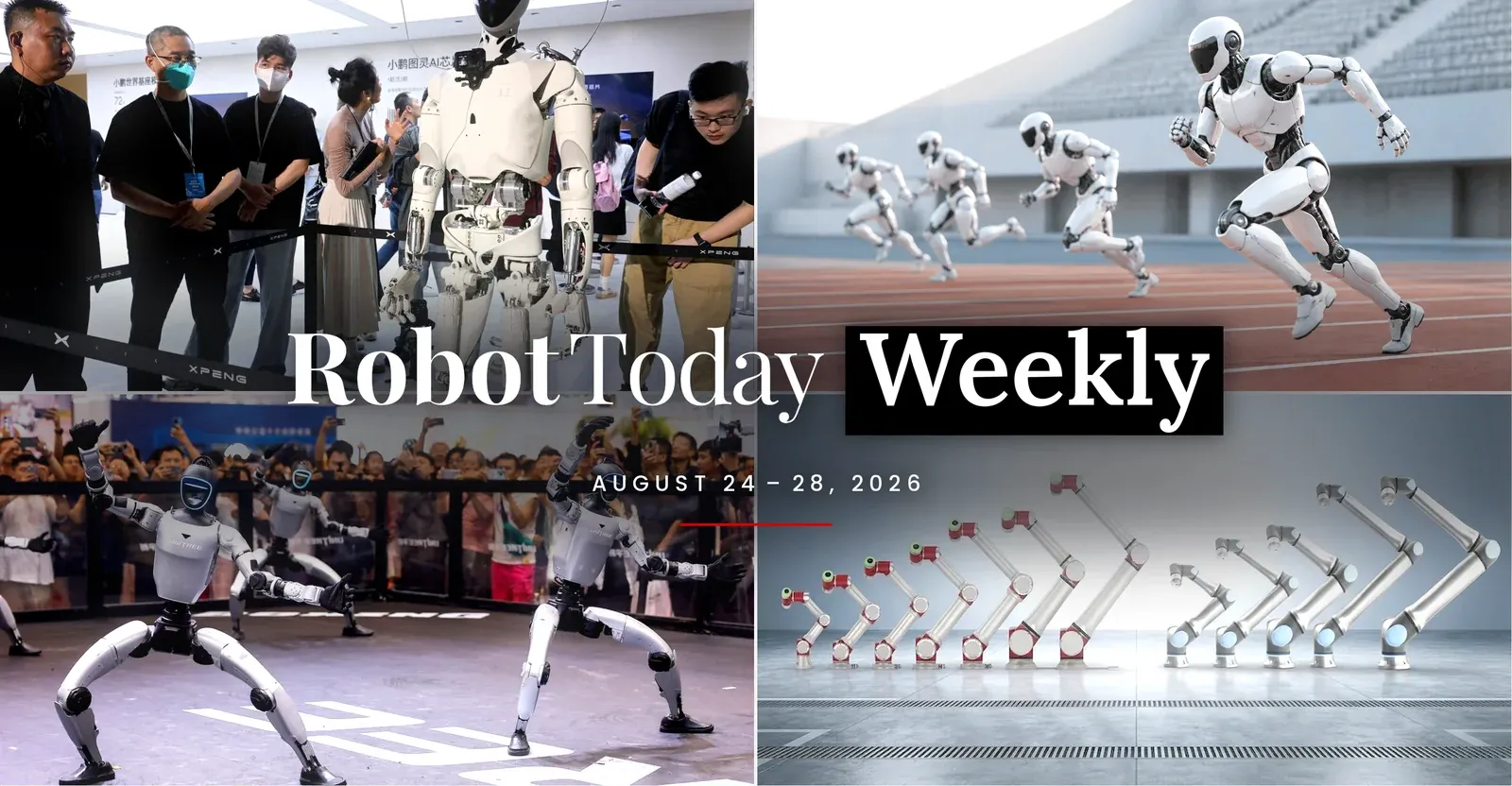
ROBOTTODAY WEEKLY BRIEFING August 24 – 28, 2026
This week in robotics: XPeng's Dogotix raises over $900 million at a $6.3 billion valuation, Unitree's post-IPO slump revives bubble talk, Beijing's World Humanoid Robot Games close with a shift to real-world tasks, and Teradyne sues JAKA at Europe's Unified Patent Court. August 24–28, 2026.
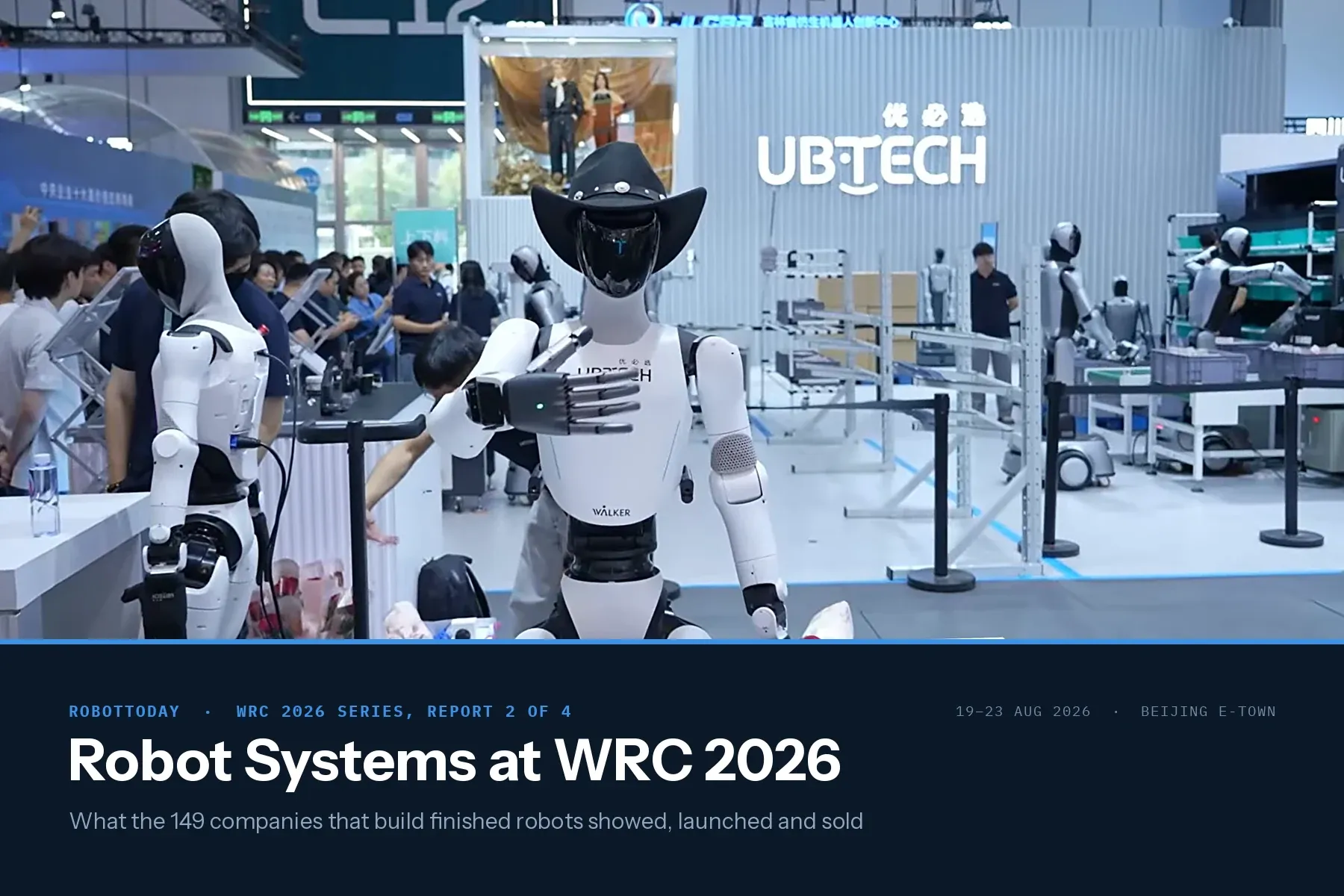
WRC 2026 Robot Systems: 149 Companies That Build Robots
149 of the 248 classified WRC 2026 exhibitors build finished robots. 93 build humanoid or legged machines. The audited humanoid sales number is one unit.

WRC 2026 Exhibitor Map: 248 Robotics Companies Mapped
We classified 248 WRC 2026 exhibitors with the RobotToday taxonomy. Motion & Actuation leads at 75 companies, Humanoid at 72, and compute stays thin at 12. (Modified 2026-08-27)
Investor Insights on the Future of Consumer Robotics: Embracing Specialization Over Generalization
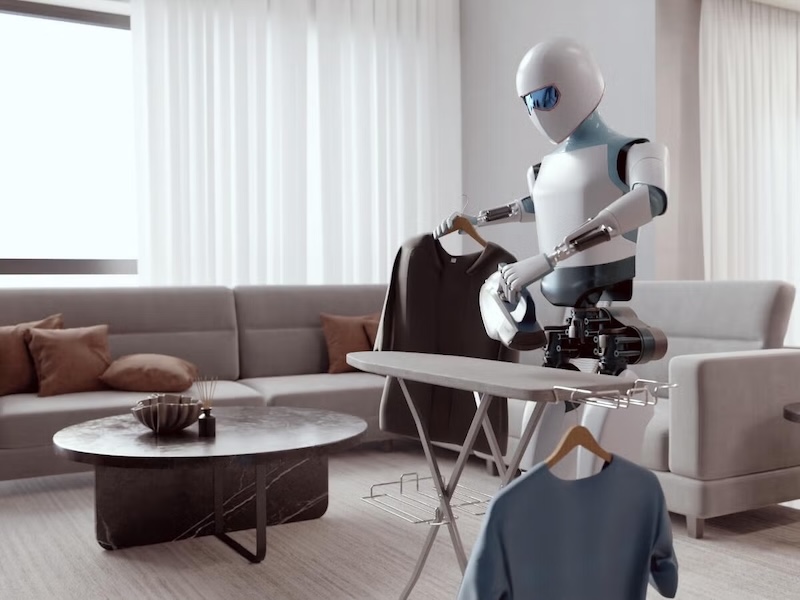
Amber Atherton, an early-stage investor and partner at Patron, argues that the future of consumer robotics will not revolve around a single humanoid robot. Instead, she believes that the market will favor specialized devices that excel at specific tasks, similar to how consumers prefer dedicated appliances for cooking or cleaning. Atherton highlights the success of products like the Roomba, which has thrived by focusing on a singular function. She envisions a future where homes are filled with beautifully designed robots, each responsible for a particular daily ritual, rather than one all-encompassing machine. This shift reflects a broader trend in consumer preferences towards specialization in home technology. Looking ahead, Atherton anticipates the emergence of numerous embodied AI products that will seamlessly integrate into daily life. She emphasizes that consumers may not identify these devices as robots, but rather as essential tools that enhance their routines, thereby transforming the perception of robotics in the home environment. No further timeline was disclosed at the time of publication.
Design Features Investments AI robots amber atherton consumer robotics
JD.com Unveils Ambitious Robotics Strategy with Billions in Investment by 2028
At the 2026 World Robot Conference, JD.com announced its unique approach to the robotics industry, focusing on infrastructure rather than manufacturing. The company aims to invest over 10 billion yuan in robotics by 2028, establishing a framework that ensures robots are easy to purchase, use, and maintain. This strategy is significant as JD.com plans to assist 100 robot brands in achieving independent sales exceeding 1 billion yuan, while integrating robots into a million end-user scenarios. The company has already partnered with over 200 robot brands and key component manufacturers across various sectors, including retail and logistics. Looking ahead, JD.com will build a global after-sales service network covering over 100 countries and create more than 100,000 service engineer positions. The establishment of 80 RoboBase facilities will connect various stages of robot deployment and maintenance, enhancing the overall ecosystem. No further timeline was disclosed at the time of publication.
Robotics Infrastructure Supply Chain Solutions After-Sales Services Consumer Robotics AI and Data Solutions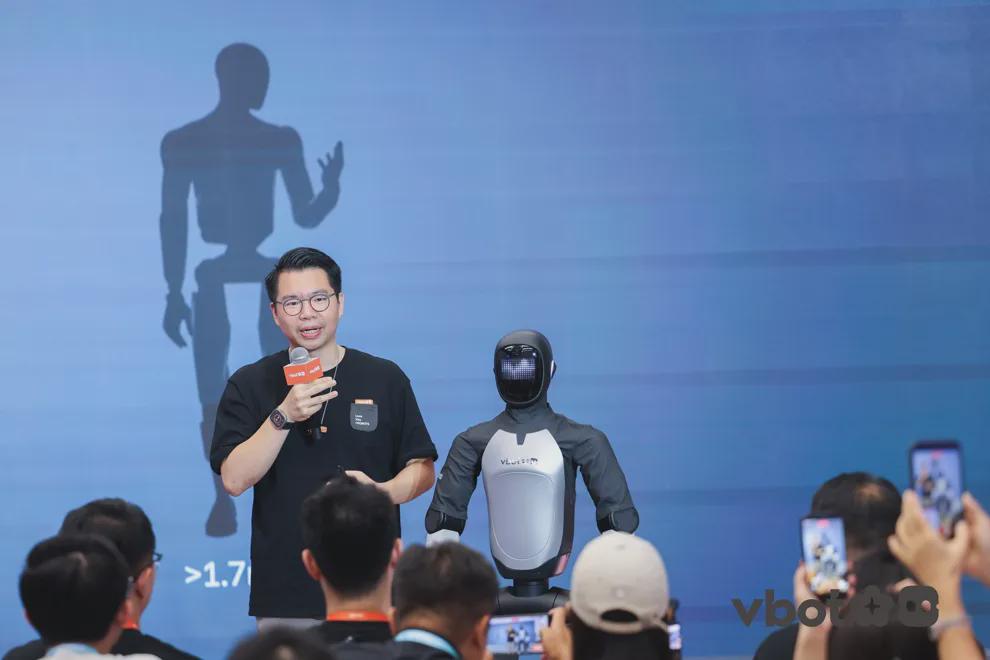
Vbot Atom Unveiled: User Data Drives Product Development and Market Strategy
On August 19, Weita Power showcased its first set of data from over 6,000 user-owned quadruped robots at WRC 2026. These insights revealed how users, like a 10-year-old boy in Shanghai and a user in Hangzhou, have creatively integrated the robots into their daily lives, pushing the evolution of Weita's technology forward. The introduction of the Vbot ATOM humanoid robot marks a significant shift in Weita Power's strategy, focusing on home and lifestyle applications rather than industrial settings. With a height of 1.6 meters and 31 degrees of freedom, the ATOM is designed for real-life interactions, ensuring it can perform tasks like pouring water and picking up objects while maintaining a natural presence in domestic environments. As the industry debates the future of humanoid robots, Weita Power's approach emphasizes user engagement and data collection from domestic settings. The success of its quadruped robot, which sold 6,540 units and achieved nearly 100 million yuan in orders, demonstrates a viable consumer loop. The company plans to expand its product family rapidly, with new models catering to developers and specific use cases expected within six months.
Humanoid Robots Consumer Robotics AI Robotic Companions
Beta Infinite Unveils BetaWAM 0.1 World Action Model for Complex Tasks
Beta Infinite has introduced its BetaWAM 0.1 world action model, showcasing a robot capable of autonomously completing complex, long-range tasks in dynamic environments. This model addresses the limitations of existing technologies that primarily focus on single-point actions or fixed operations. The significance of BetaWAM 0.1 lies in its ability to perform multiple objectives without human intervention, overcoming challenges such as obstructions and sudden changes in the environment. This advancement is crucial for the future of consumer robotics, as it aims to bridge the gap between action intelligence and task intelligence. Looking ahead, Beta Infinite's approach to integrating memory and spatial understanding into its robotic systems could redefine operational capabilities in the robotics sector. No further timeline was disclosed at the time of publication.
Embodied Intelligence Robotics Task Automation AI Consumer Robotics
Concerns Arise Over High Repair Costs and Limited Service for Consumer Robots
Recent discussions have highlighted the high repair costs and limited service options for consumer robots, particularly in the case of humanoid robots and robotic dogs. Users have reported significant expenses for repairs, such as a $30,000 bill for a humanoid robot that suffered a minor fall, leading to a complex repair process involving precision adjustments and recalibration. This situation is concerning as it underscores the challenges faced by consumers in maintaining their robotic investments. With warranty periods typically ranging from one to one and a half years, many repairs fall outside of warranty coverage, especially when deemed as user-induced damage. The high costs associated with repairs can deter potential buyers and raise questions about the long-term viability of consumer robotics. Looking ahead, the industry must address these repair and service challenges to enhance consumer confidence. As more users engage with robotic technology, the demand for affordable and accessible repair services will likely increase. No further timeline was disclosed at the time of publication.
Consumer Robots Robot Repair Services Maintenance Costs Third-Party Services
Noin Intelligence Raises $70 Million for Advancements in Home Robotics Technology
Noin Intelligence, a company specializing in consumer-grade embodied intelligence, has successfully completed a funding round of 500 million RMB (approximately $70 million). This funding was led by Matrix Partners with participation from Red Dot Ventures, SenseTime, Huaden Technology, and L2F Light Source Entrepreneur Fund. Since its establishment in August 2025, Noin has rapidly completed four funding rounds, highlighting the strong investor interest in its home robotics solutions. The significance of this funding lies in Noin's ambition to address the core challenges of embodied intelligence. As large models transition from the digital to the physical world, the competition will focus on a robot's ability to adapt across various environments and tasks. Noin's approach emphasizes the importance of generalization, which encompasses data, world understanding, task planning, action execution, and real feedback, particularly in the complex home environment. Looking ahead, Noin's GLOW generative embodied model system aims to enhance the robot's generalization capabilities. The system generates first-person embodied data with 3D structure and physical consistency from limited real interactions. This innovative approach allows for the expansion of training distributions, enabling robots to learn from diverse real-world scenarios. No further timeline was disclosed at the time of publication.
Consumer Robotics Embodied AI Home Automation Generative Models
Robots Open Physical Stores: A New Trend or a Marketing Strategy?
In just over a year, the number of robot retail stores in China has surged, with at least 38 locations expected by mid-2026. This trend raises questions about profitability and the motivations behind these openings. Industry leaders are primarily driving this movement, with many companies using physical stores to demonstrate their products to investors as they prepare for IPOs. The push for robot stores is not solely based on market demand but is significantly influenced by pressures from the capital market. Companies feel compelled to open stores to avoid being perceived as lacking operational capability. Even if these stores operate at a loss, they serve as proof of action and commitment to brand visibility and asset value. The strategies for opening these stores vary widely among companies, with three main types emerging: mall stores, brand showcase stores, and technology experience centers. For many firms, these locations are more about brand exposure and business connections than direct sales, highlighting the evolving landscape of robotics in retail.
Robot Retail Business Strategy IPO Preparation Consumer Robotics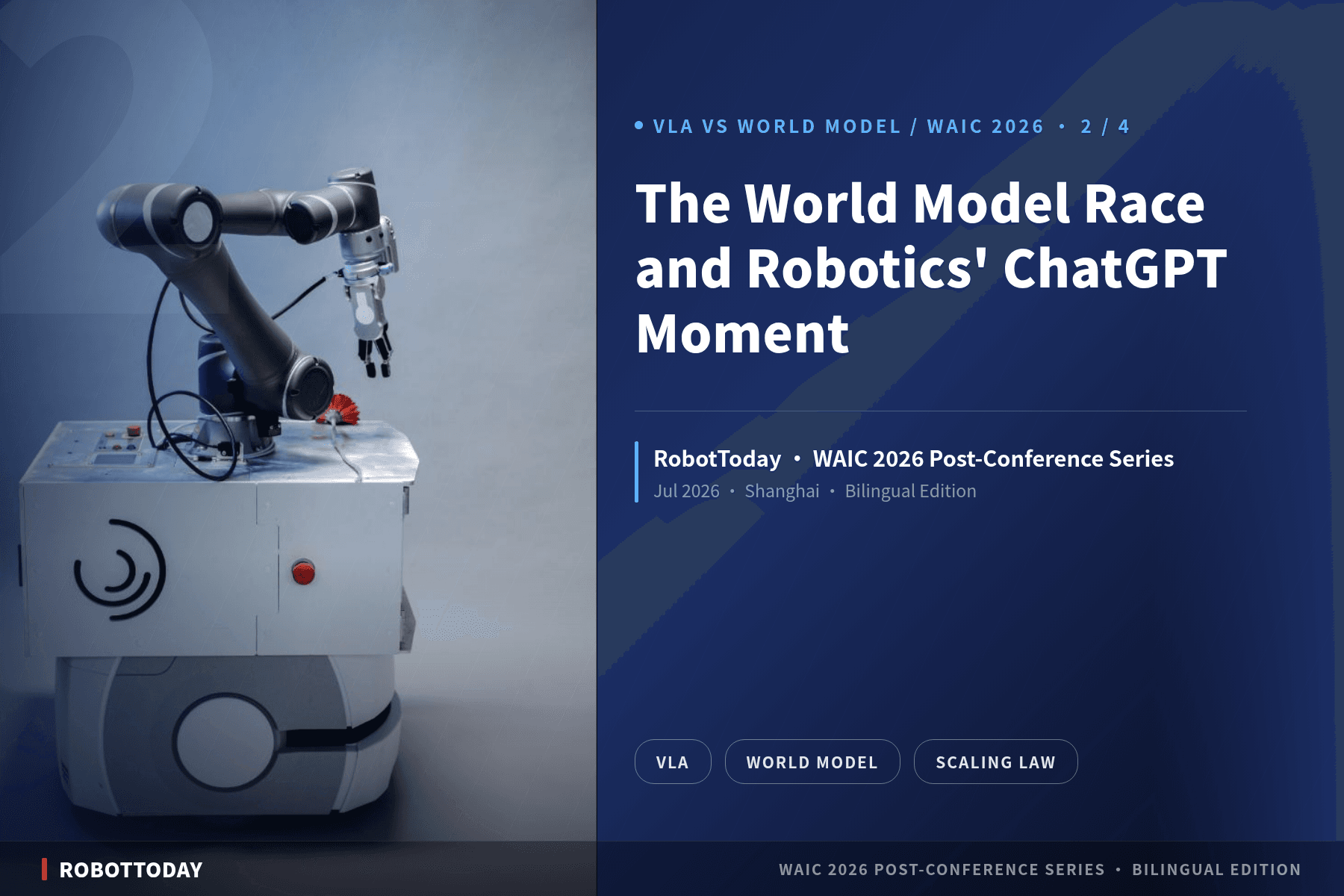
WAIC Review 2/4: World Models vs. VLA: Robotics' Next 'ChatGPT Moment'
At WAIC 2026, world-model and VLA camps staked rival paths to generalist robots; Zhiyuan, SenseTime and NVIDIA predict a robot 'ChatGPT moment' in 2-5 years.

WAIC Review 3/4: What Scientists and Skeptics Really Think About Embodied AI: The Sober Voices at WAIC 2026
UCL and HKUST researchers, plus robotics CEOs, challenged embodied AI hype at WAIC 2026, citing generalization limits and no third-party evaluation standard.

WAIC Review 4/4: From Port AGVs to Hospital Night Shifts: What WAIC 2026 Reveals About Real Robot Deployments
From 530+ AGVs at a Singapore port to robots on Apple's line, WAIC 2026 speakers shared concrete data on where embodied AI robots are actually working today.

ROBOTTODAY Weekly July 13 – 17, 2026
This week in robotics: Hyundai takes full ownership of Boston Dynamics, Xpeng targets 1,000 Iron humanoids a month, LimX Dynamics raises $200M pre-IPO, and Agility opens a Silicon Valley physical-AI hub. July 13–17, 2026.
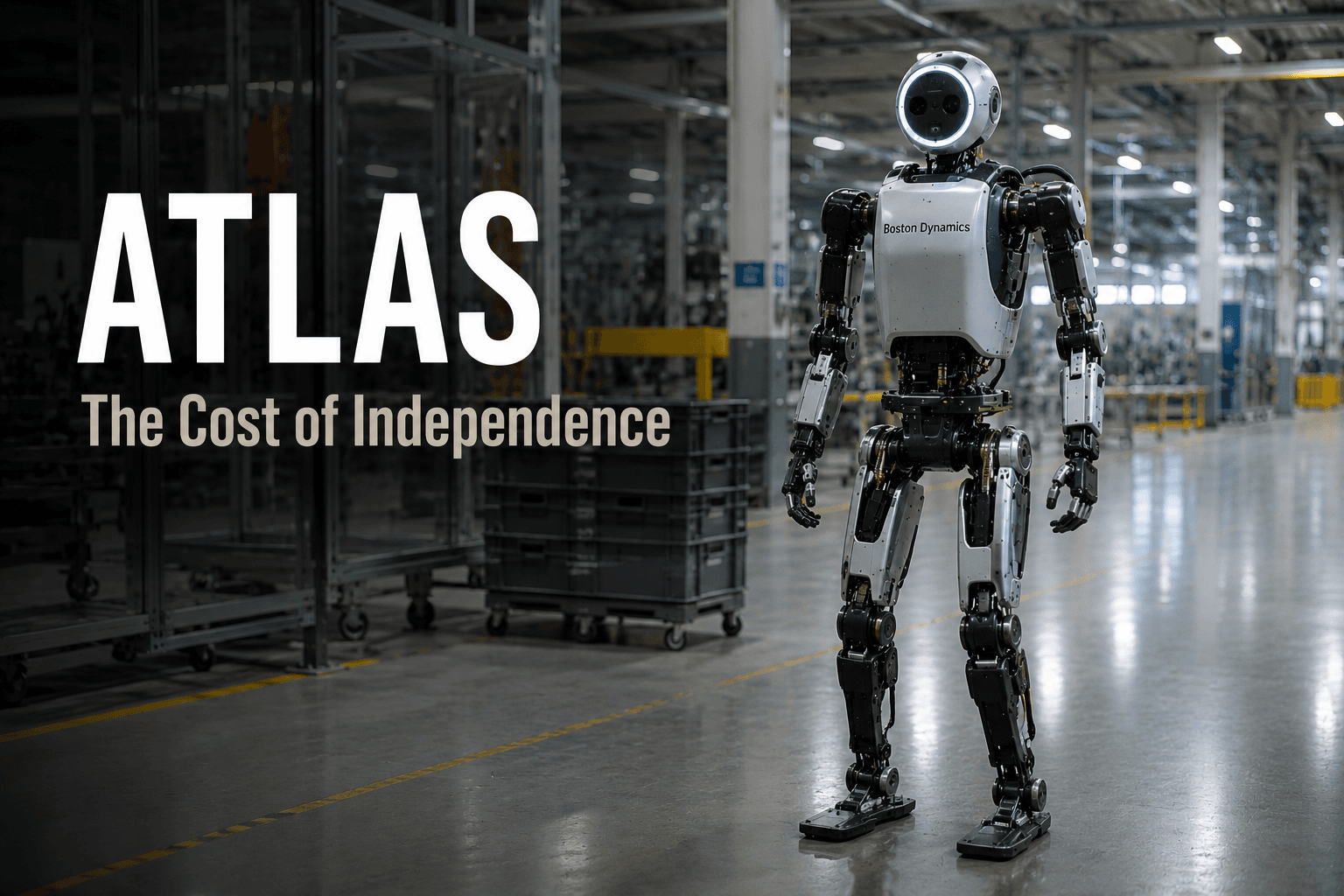
Supply Chain Reckoning: Can Boston Dynamics Avoid Becoming the Next iRobot?
A data-driven analysis comparing Boston Dynamics Atlas and Tesla Optimus supply chain strategies in 2026. Examines actuator costs, production ramp speeds, and how Boston Dynamics can avoid iRobot's bankruptcy by adopting a tiered supply chain approach. Includes component cost tables, risk heat maps, and strategic frameworks.

When the Supplier Becomes the Power Center: How iRobot’s Supply Chain Strategy Backfired
An in-depth analysis of how iRobot’s reliance on Chinese suppliers and ODM partners reshaped its supply chain, eroded leverage, and altered its competitive position.
