

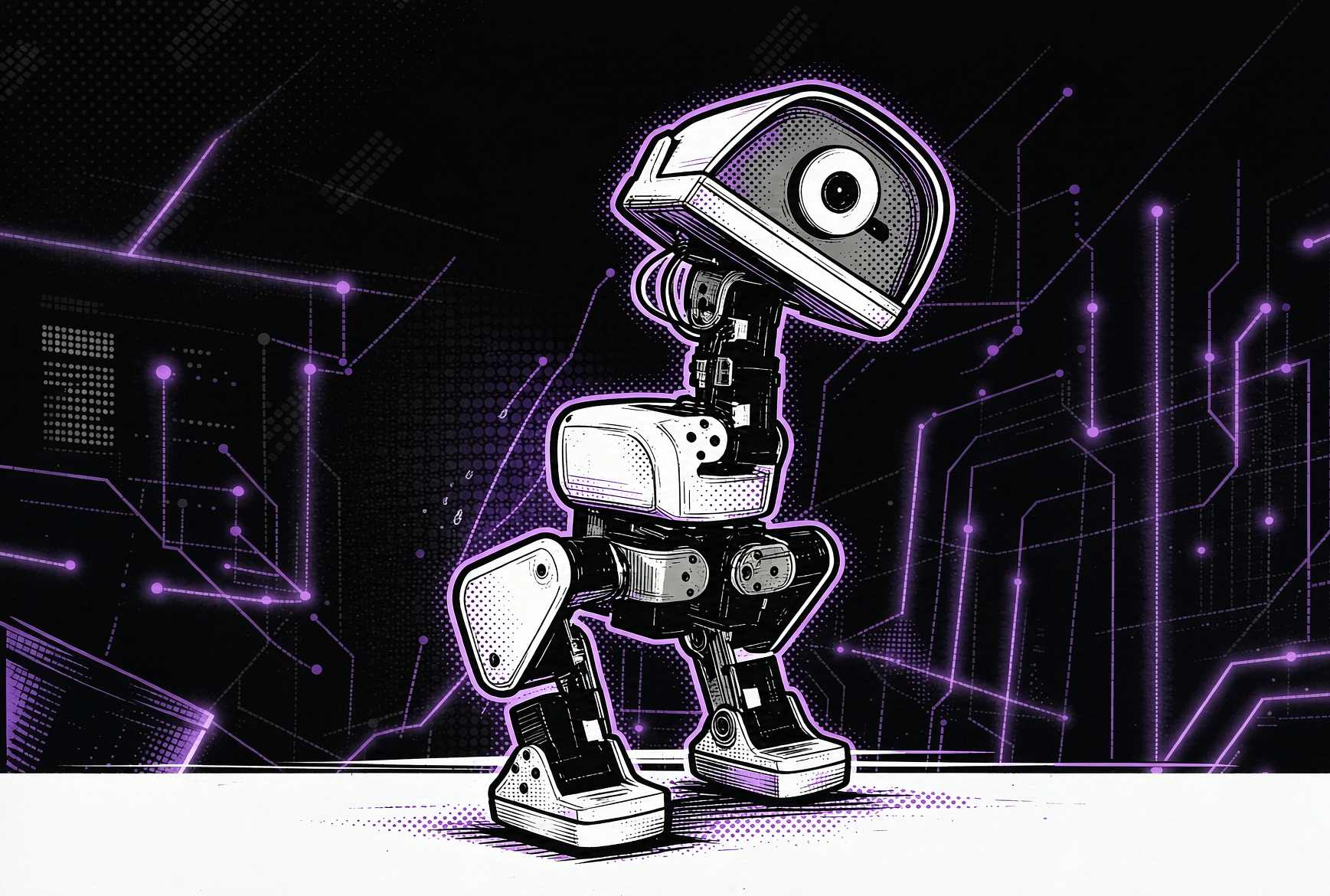
On its market debut, Yush's stock surged over sixfold, briefly surpassing a market value of 440 billion yuan, only to plummet in the following days, losing over 200 billion yuan in value. This volatility has reignited skepticism about the future of humanoid robots. Meanwhile, the Microduck, a $399 open-source robot from Hugging Face's Pollen Robotics, has gained significant attention, with over $2.6 million in orders within 24 hours of its launch.
Microduck's appeal lies not only in its affordability but also in its innovative open-source reinforcement learning pipeline, allowing users to train virtual models before deploying them on the physical robot. This democratizes access to robotics, enabling developers and consumers to engage with robotics in ways previously limited to laboratories and enterprises. In just four days, Microduck received 10,500 orders, indicating a strong demand for accessible robotics solutions.
As the robotics industry shifts focus towards consumer markets, the success of Microduck raises questions about the future of personal robots. Unlike traditional companionship robots, Microduck offers physical interaction capabilities, making it a more relatable robotic form. The ongoing developments in the open-source ecosystem, particularly with Hugging Face's growing community, suggest a potential shift in how consumer robotics will evolve, especially with Nvidia's recent acquisition plans for Hugging Face, which could further enhance the landscape of accessible robotics.
Editor's Note
The rise of consumer-oriented robots like Microduck highlights a significant shift in the robotics industry, moving from high-cost humanoid robots to more affordable, accessible options. This trend could reshape consumer expectations and market dynamics, particularly as companies like Nvidia seek to establish themselves as key players in the robotics ecosystem. The implications for developers and consumers alike are profound, as the barriers to entry in robotics continue to lower.


























Leave a comment