


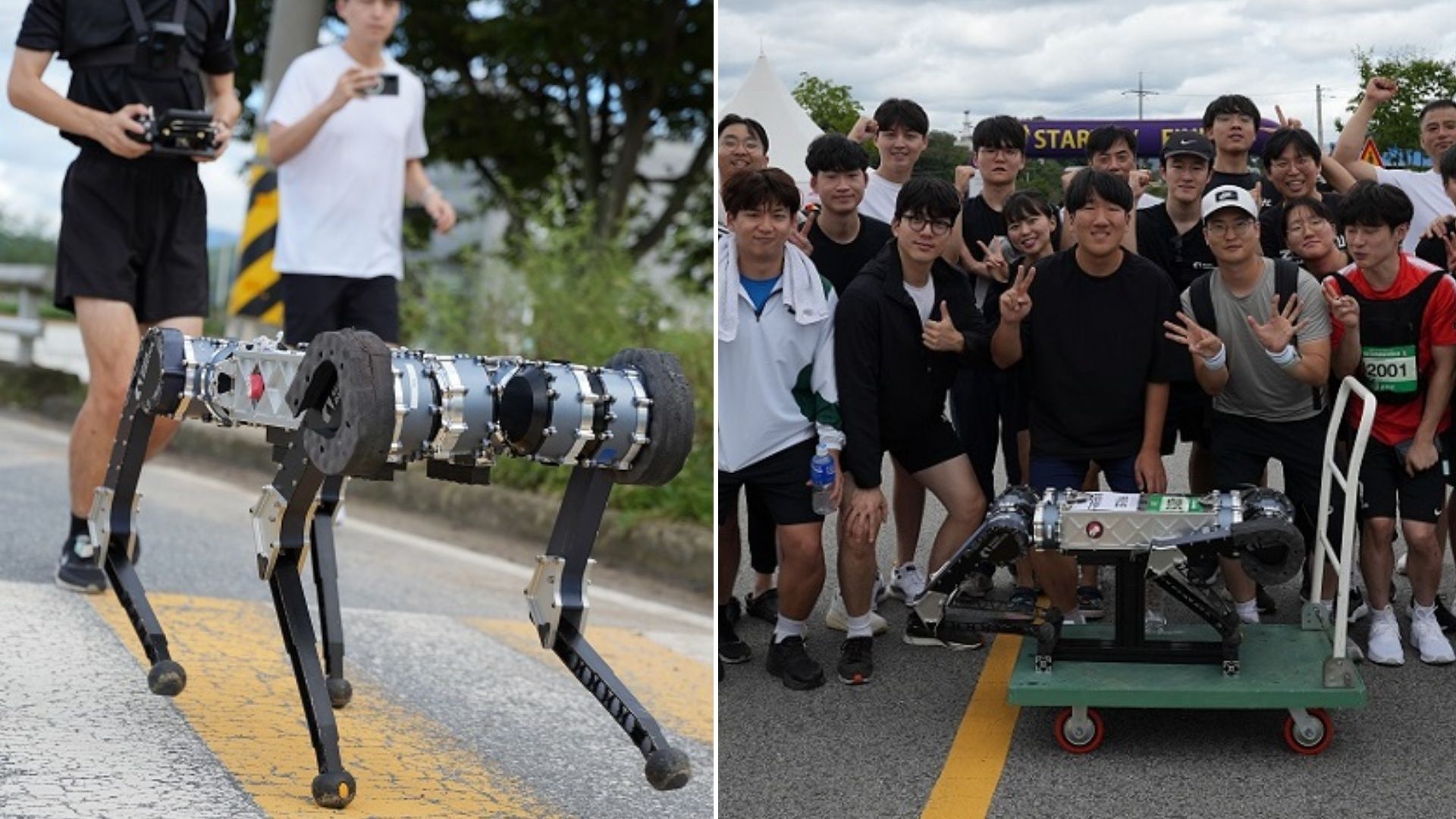
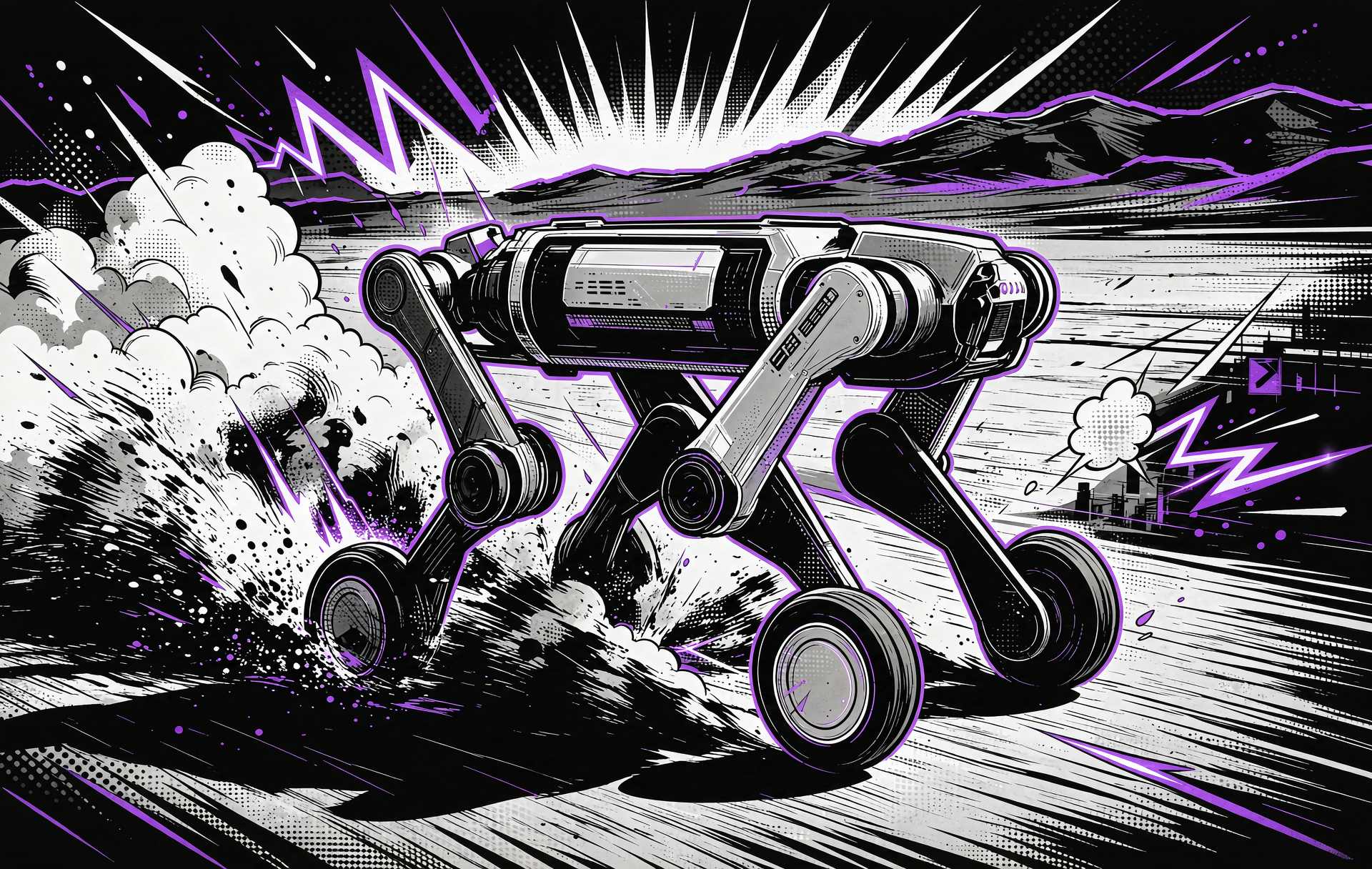
KAIST's four-legged robot RAIBO2 recently completed a marathon using only 1280Wh of energy, which is 66% of its 1930Wh battery capacity. Its total cost of transport (TCOT) was measured at 0.25, lower than the human average of 0.37, indicating superior energy efficiency.
This achievement is significant as it demonstrates advancements in robotic energy consumption, particularly in legged robots, which traditionally face challenges in energy efficiency due to mechanical losses. The research highlights the importance of optimizing energy use in robotics, potentially influencing future designs and applications.
Looking ahead, the focus will be on further refining the energy efficiency of legged robots like RAIBO2. No further timeline was disclosed at the time of publication, but the findings could lead to innovations in robotic mobility and energy management strategies.
Editor's Note
The development of energy-efficient robotic systems is crucial for enhancing operational capabilities in various sectors. As organizations seek to integrate advanced robotics into their operations, understanding energy consumption patterns will be vital for optimizing performance and reducing costs. The insights from KAIST's RAIBO2 could inform future designs and applications in the robotics landscape.


























Leave a comment