


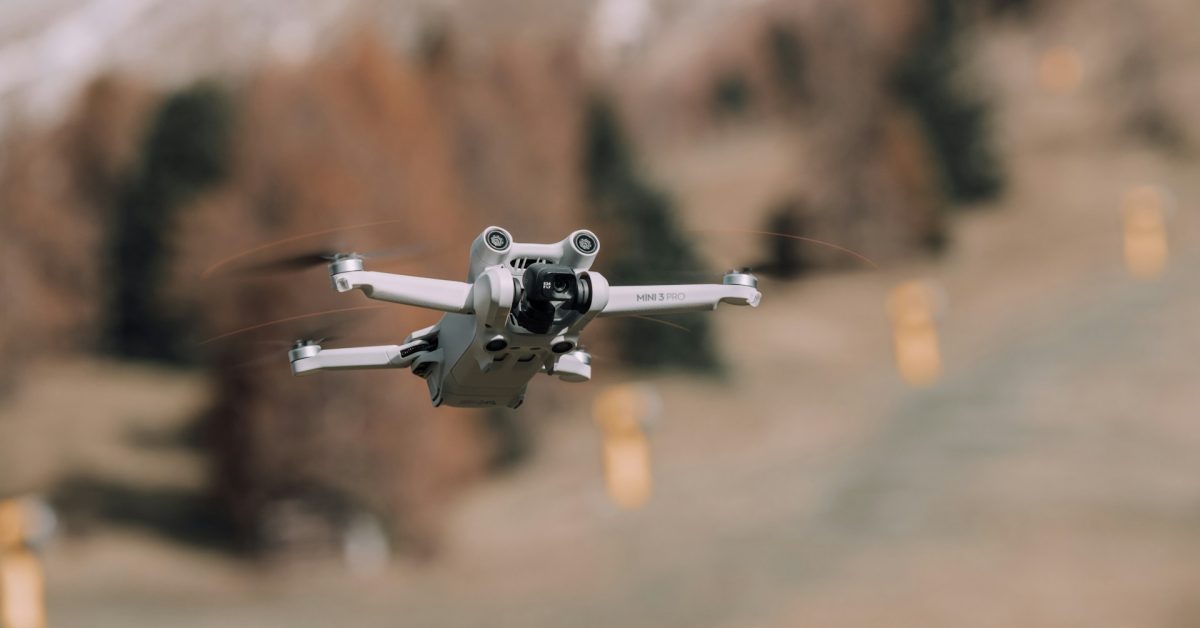
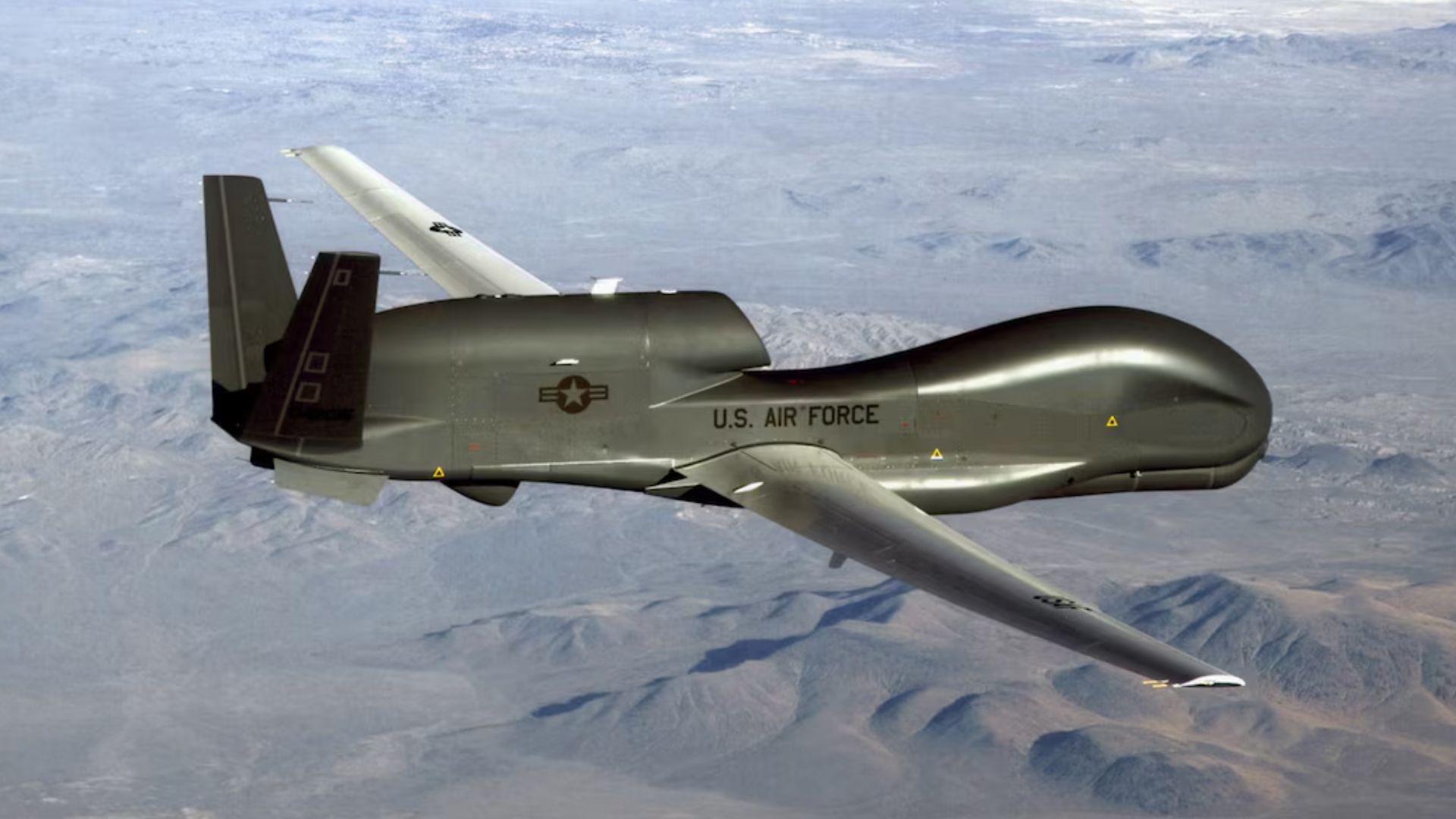
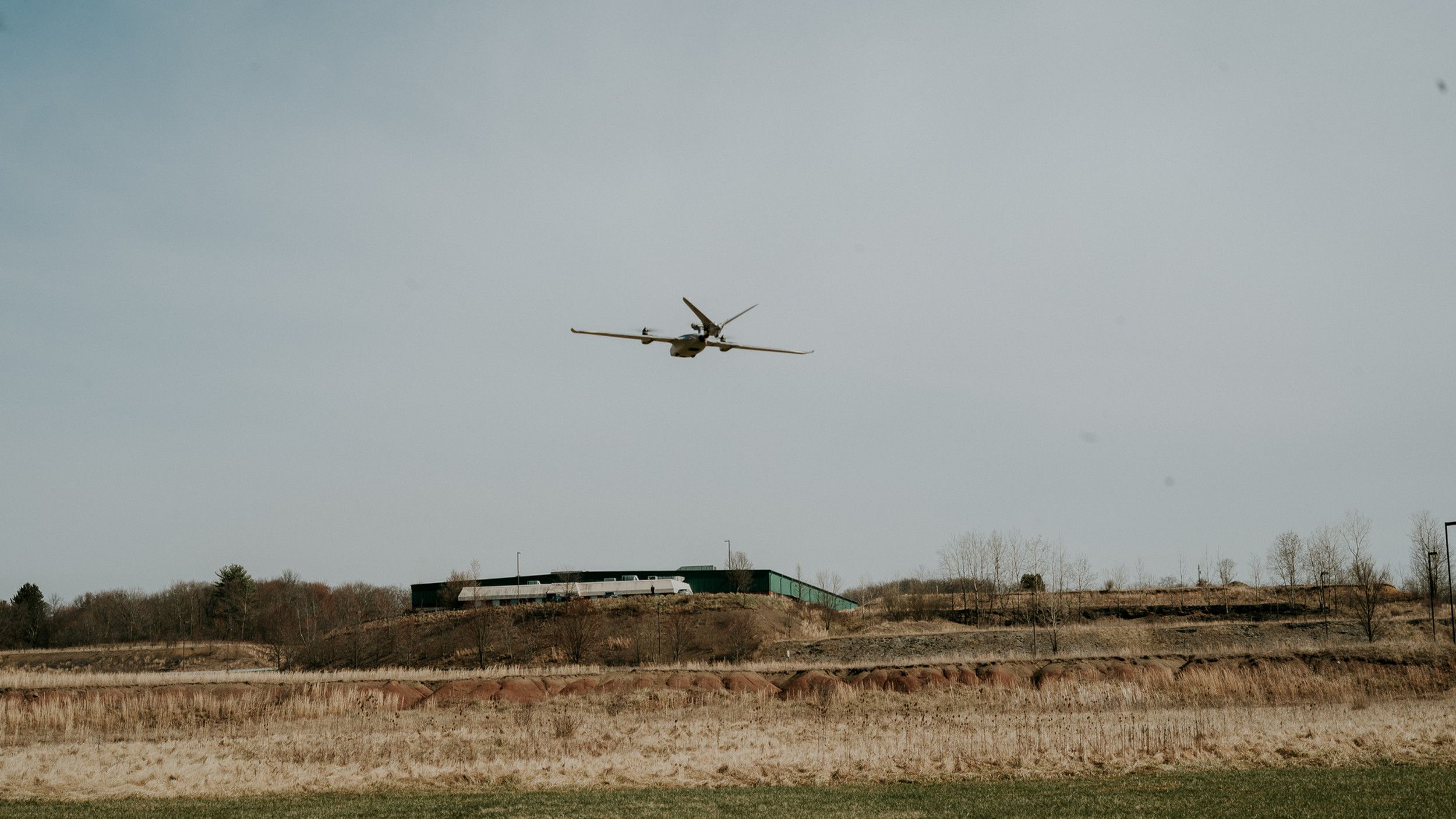
Drones are increasingly utilized in various capacities on the battlefield, yet power constraints typically necessitate larger drones for extended loitering and long-distance missions. Recent advancements in fuel cell technology are enabling smaller Group 2 drones to perform these tasks effectively while preserving their agility and minimizing radar visibility.
This development is significant as it expands the operational capabilities of smaller drones, allowing them to undertake missions that were previously reserved for larger models. The integration of fuel cells not only enhances endurance but also contributes to stealth, making Group 2 drones more versatile in combat scenarios.
Looking ahead, the continued evolution of fuel cell technology may further transform the landscape of drone operations. As military applications for these smaller drones grow, stakeholders should monitor advancements in fuel cell efficiency and their impact on drone deployment strategies. No further timeline was disclosed at the time of publication.
Editor's Note
The integration of fuel cell technology into Group 2 drones represents a pivotal shift in military drone capabilities. This advancement could significantly alter procurement strategies for defense organizations, emphasizing the need for smaller, more efficient platforms that can operate in diverse environments while maintaining a low profile.
































Leave a comment