

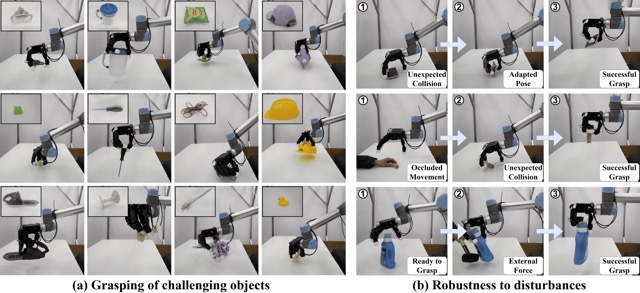
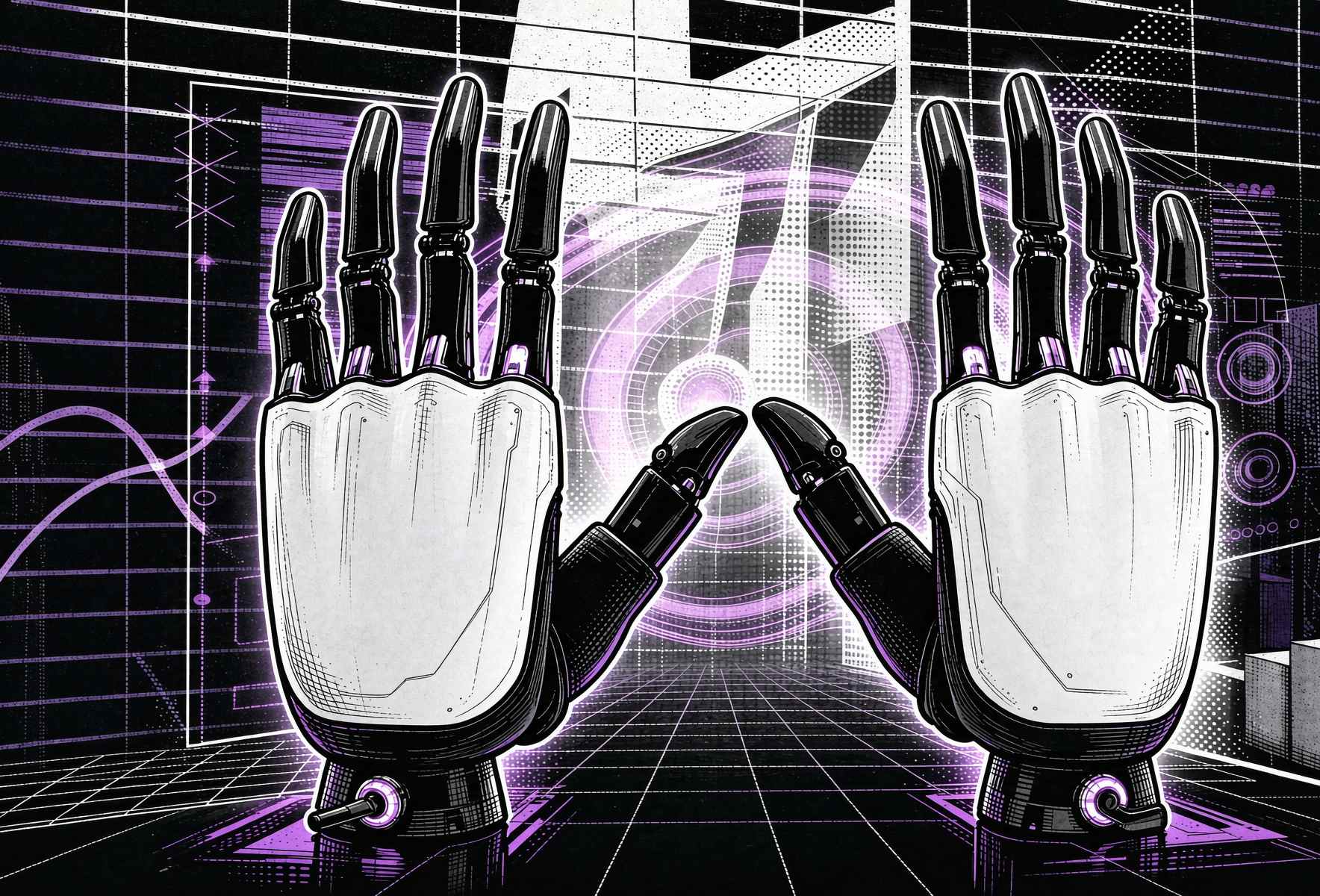
Researchers are increasingly focused on bridging the dexterity gap between human and robotic hands, a challenge that has significant implications for various industries. Human hands, with their remarkable 20 degrees of freedom, exhibit an unparalleled ability to perform intricate tasks, from gripping tools to making quick adjustments in response to unexpected changes. This natural dexterity allows humans to engage in a wide range of activities with ease and precision.
The quest to replicate this level of skill in robotic hands has gained momentum in recent years, driven by the growing demand for advanced automation in sectors such as manufacturing, healthcare, and service industries. As of October 2023, experts are exploring innovative designs and technologies that could enhance the functionality and adaptability of robotic hands, aiming to create machines that can perform complex tasks with the same fluidity as human hands.
By leveraging advancements in artificial intelligence, machine learning, and materials science, researchers are developing robotic systems that can learn from their environment and improve their performance over time. This ongoing effort not only seeks to enhance the capabilities of robots but also aims to expand their applications, potentially transforming the way humans and machines interact in everyday tasks. The successful integration of dexterous robotic hands could lead to significant improvements in efficiency and safety across various fields, marking a pivotal step toward a future where robots can seamlessly assist humans in their daily lives.





























Leave a comment