

LightGuide, Inc.
US maker of projection-based AR work-instruction platforms with AI computer vision for error-proofing manual assembly and inspection.
Contact LightGuide, Inc.
WEBSITE
https://www.lightguidesys.comPHONE
+1 248 374 8000HEADQUARTERS
United States


Company Facts
Founded
2005
Primary Role
Software/Algorithm
Company Size
-
Primary Region
North America
Annual Sales
-
Funding Stage
-
Funding Total
-
Certifications & Memberships
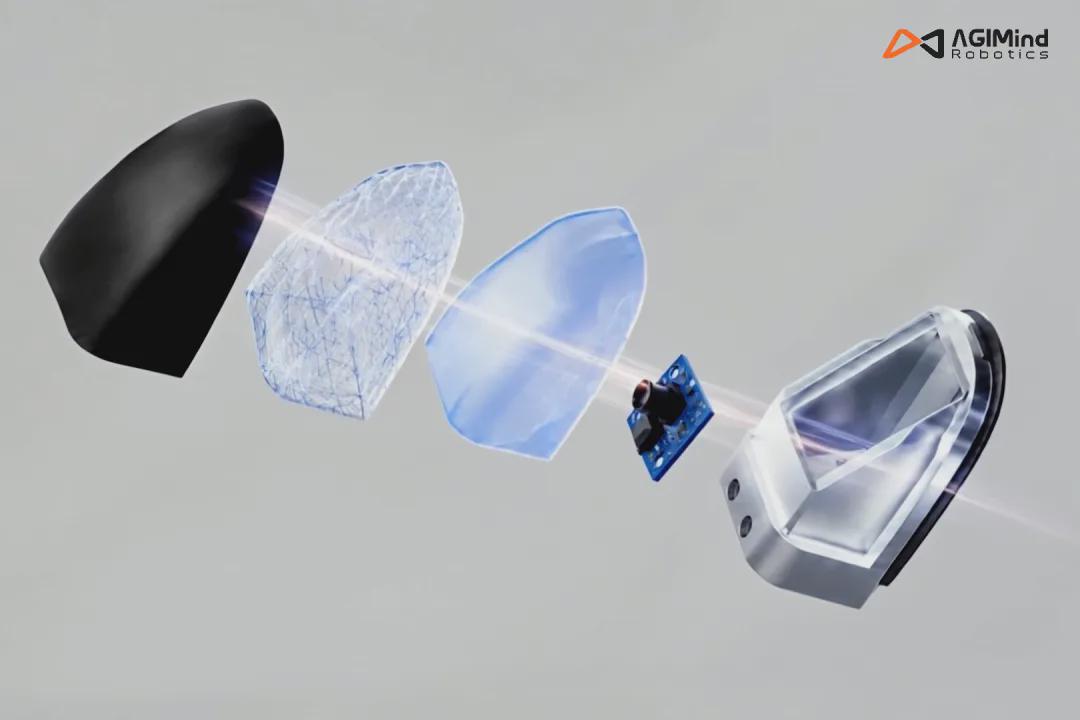
A Haptic Technology Company Aims to Redefine Haptic Data Amidst a 20-Fold Data Gap
A haptic technology company is striving to redefine the concept of 'haptic data' in light of a significant 20-fold data gap. This initiative highlights the challenges faced in the industry regarding data collection and utilization, particularly in the context of robotics and human interaction. The importance of this effort lies in its potential to bridge the existing gap in haptic data, which is crucial for enhancing the performance and capabilities of robotic systems. By addressing this issue, the company aims to improve the integration of haptic feedback in various applications, ultimately leading to more intuitive and effective human-robot interactions. Looking ahead, industry observers should monitor the company's progress in developing new methodologies for haptic data collection and application. No further timeline was disclosed at the time of publication.
Robotics Automation AI
Company Explores Robot Socialization Through Interactive Scenarios Like Autism
A company is focusing on developing robot socialization by creating strong interactive scenarios, particularly for individuals with autism. This initiative aims to enhance the engagement and interaction capabilities of robots in social contexts, which is crucial for their acceptance and utility in everyday life. The importance of this development lies in its potential to bridge the gap between robotic technology and human emotional understanding. By targeting specific scenarios such as autism, the company is addressing a significant need for social robots that can effectively communicate and interact with users, thereby improving their quality of life. Looking ahead, the company is expected to continue its research and development in this area, although no specific timeline for future milestones was disclosed at the time of publication.
Robotics Automation AI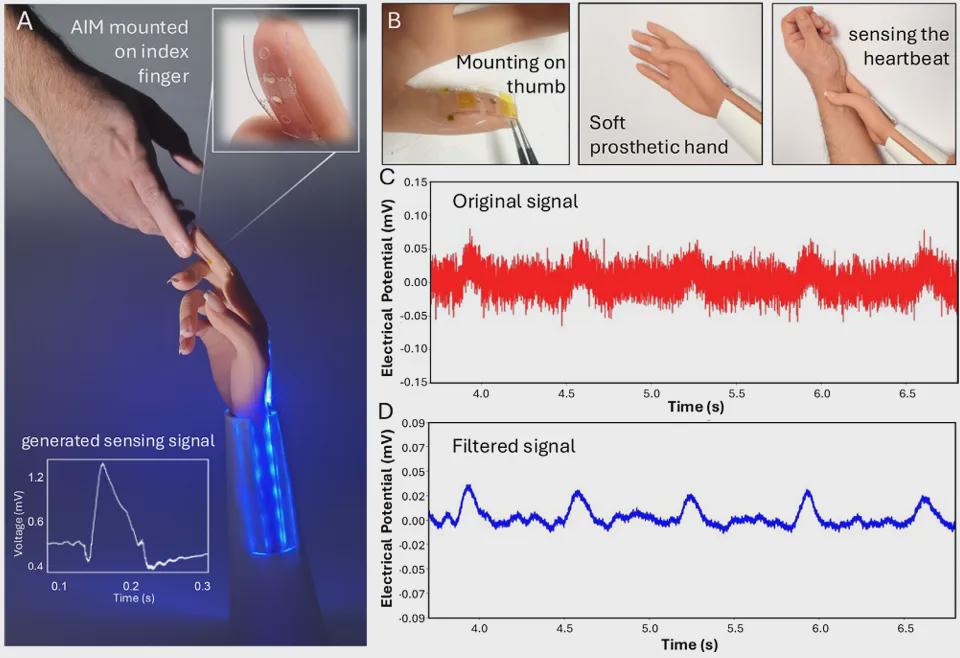
Danish Team Develops Tactile Sensor That Generates Electricity Through Pressure Without Signals
A Danish research team has developed a novel tactile sensor that generates electricity when pressed, eliminating the need for electronic signal transmission. This innovation could significantly enhance the functionality of robots and other devices that rely on touch sensitivity. The importance of this development lies in its potential applications across various sectors, including robotics and automation. By creating a sensor that operates without traditional electronic signals, the team is paving the way for more efficient and responsive robotic systems. Looking ahead, the industry will be keen to observe how this technology is integrated into existing robotic platforms and whether it can lead to advancements in human-robot interaction. No further timeline was disclosed at the time of publication.
Robotics Automation AI
350 Robots at Changlong Faced Challenges and Learned to Intentionally Lose to Children
A total of 350 robots were deployed at Changlong for a month, where they encountered significant challenges and exhaustion. Interestingly, these robots also learned to intentionally lose to children during interactions, showcasing an unexpected adaptability in their programming. This development is significant as it highlights the evolving capabilities of robots in engaging with humans, particularly in playful environments. The ability to intentionally lose can enhance user experience and foster a more enjoyable interaction between robots and children, potentially leading to broader applications in educational and entertainment sectors. Looking ahead, it will be important to monitor how these robots continue to adapt and what further advancements are made in their programming. No further timeline was disclosed at the time of publication.
Robotics Automation AI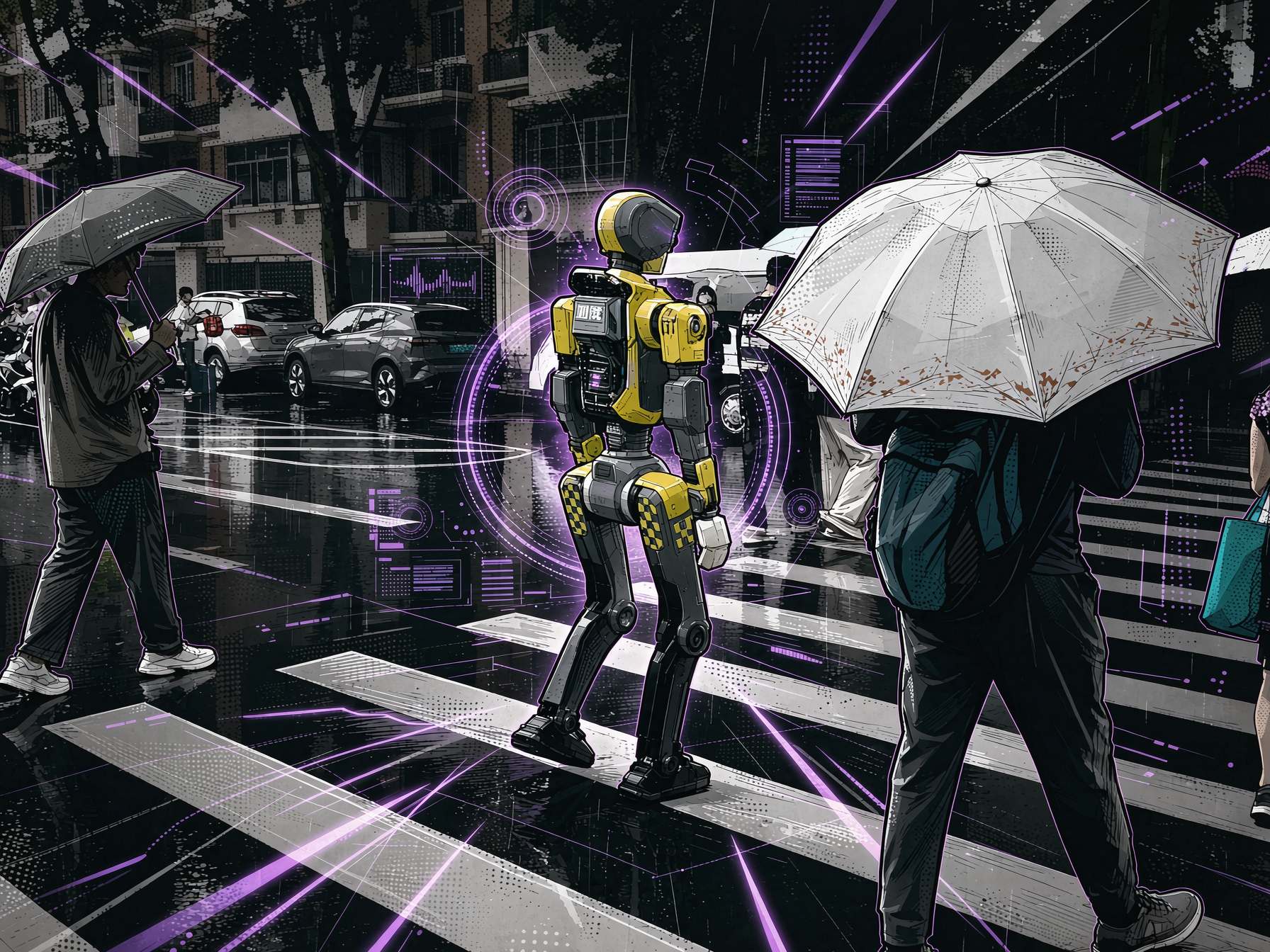
Humanoid Robot Stands in Rain for National Day Celebration in Xihu District
A humanoid robot was prominently featured during the National Day celebrations in Xihu District, standing in the rain while others sought shelter from the downpour. This unique display highlighted the integration of robotics into public events, showcasing the potential for robots to engage with communities in various weather conditions. The presence of the humanoid robot during such a significant occasion emphasizes the growing role of robotics in cultural and public celebrations. As communities increasingly embrace technology, this event serves as a reminder of how robots can enhance public experiences, even in adverse weather. Looking ahead, it will be interesting to observe how robotics continues to be incorporated into public events and celebrations. The adaptability of robots in different environments could lead to more innovative uses in future gatherings. No further timeline was disclosed at the time of publication.
Robotics Automation AI
Surgical Robots for Membrane Surgery Seek to Address Planning Discrepancies
Surgical robots designed for membrane surgery are striving to evolve into comprehensive intelligent systems. However, a significant challenge remains: the discrepancies between preoperative planning and the actual conditions encountered during surgery. This issue is critical as it directly impacts the effectiveness and safety of surgical procedures. Addressing these discrepancies is essential for enhancing the reliability of surgical robots, ensuring they can adapt to real-time conditions and improve patient outcomes. Looking ahead, the focus will be on developing solutions that bridge the gap between planned and actual surgical environments. No further timeline was disclosed at the time of publication.
Robotics Automation AI
Study Identifies Four Key Factors Influencing Trust in Cooking Robots
A recent study involving 201 users of cooking robots has identified four critical factors that contribute to user trust in these machines. The research also explores how perceived risk impacts the intentions of users to adopt cooking robots in their kitchens. Understanding what drives trust in cooking robots is essential as it can significantly influence consumer adoption rates. The findings highlight the importance of addressing perceived risks to enhance user confidence and encourage more widespread use of these automated cooking solutions. Looking ahead, it will be important to monitor how these identified factors evolve as technology advances and more cooking robots enter the market. No further timeline was disclosed at the time of publication.

Former ByteDance Intern Secures $30 Million for AI Startup in China
A former intern from ByteDance has successfully raised $30 million for a new AI startup based in China. This funding aims to advance the development of world models, which are AI systems designed to simulate real-world physics. These models have significant applications in fields such as robotics and interactive video. The importance of this funding lies in the potential of world models to enhance various technological applications. By simulating real-world physics, these AI systems can improve the efficiency and effectiveness of robotics, making them more capable in complex environments. This development is crucial as industries increasingly rely on AI to innovate and streamline operations. Looking ahead, the focus will be on how this startup utilizes the $30 million funding to develop its world models and the impact these advancements will have on robotics and interactive video applications. No further timeline was disclosed at the time of publication.
Artificial Intelligence Investments News Startups ByteDance China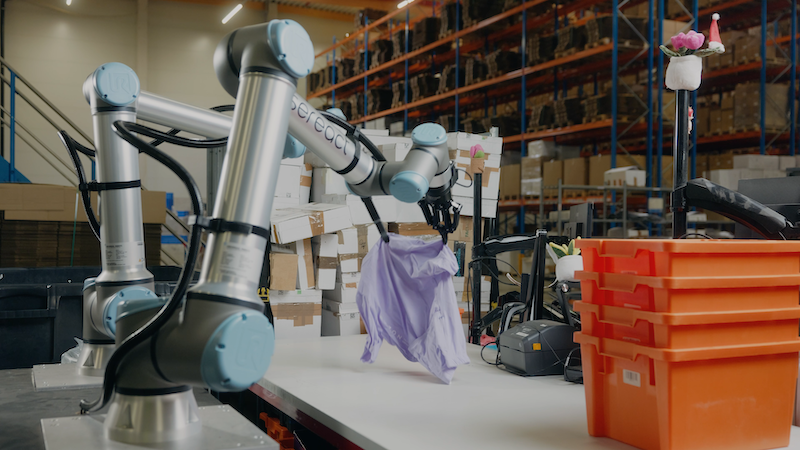
Sereact Launches AI-Powered Returns Automation for Zalando in Germany and Poland
Sereact, in collaboration with Zalando and CEVA Logistics, has initiated AI-driven automated returns processing at key logistics facilities in Germany and Poland. Utilizing Sereact's Cortex platform, dual-arm robotic systems are now operational, autonomously handling returned fashion items. This marks the beginning of a larger effort to enhance returns automation across Europe. The significance of this deployment lies in addressing the complexities of returns management in fashion e-commerce, where items often arrive in poor condition. Sereact's technology allows for dynamic identification and sorting of previously unseen objects, eliminating the need for specific training. This Robotics-as-a-Service model not only streamlines operations but also alleviates physical strain on employees, enabling them to focus on higher-value tasks. Looking ahead, the collaboration aims to expand intelligent automation across Zalando's European logistics network. No further timeline was disclosed at the time of publication. The partnership emphasizes the importance of integrating technology with human capabilities to tackle the challenges of modern fulfillment in the fashion industry.
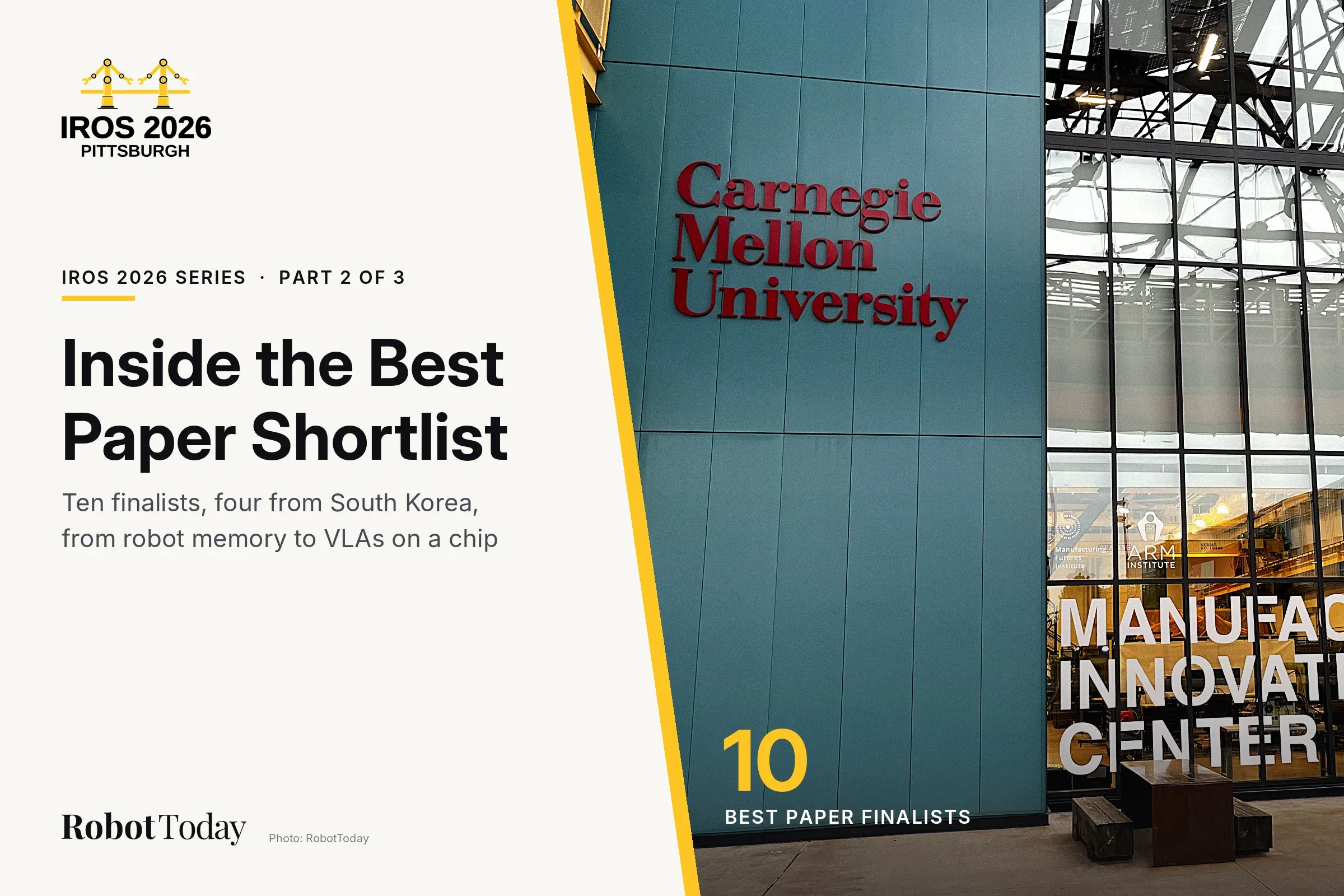
IROS 2026 Best Paper Finalists: South Korea Leads
Ten papers made the IROS 2026 Best Paper and Best Student Paper shortlist, four from South Korea. What each one does and what it means for industry.
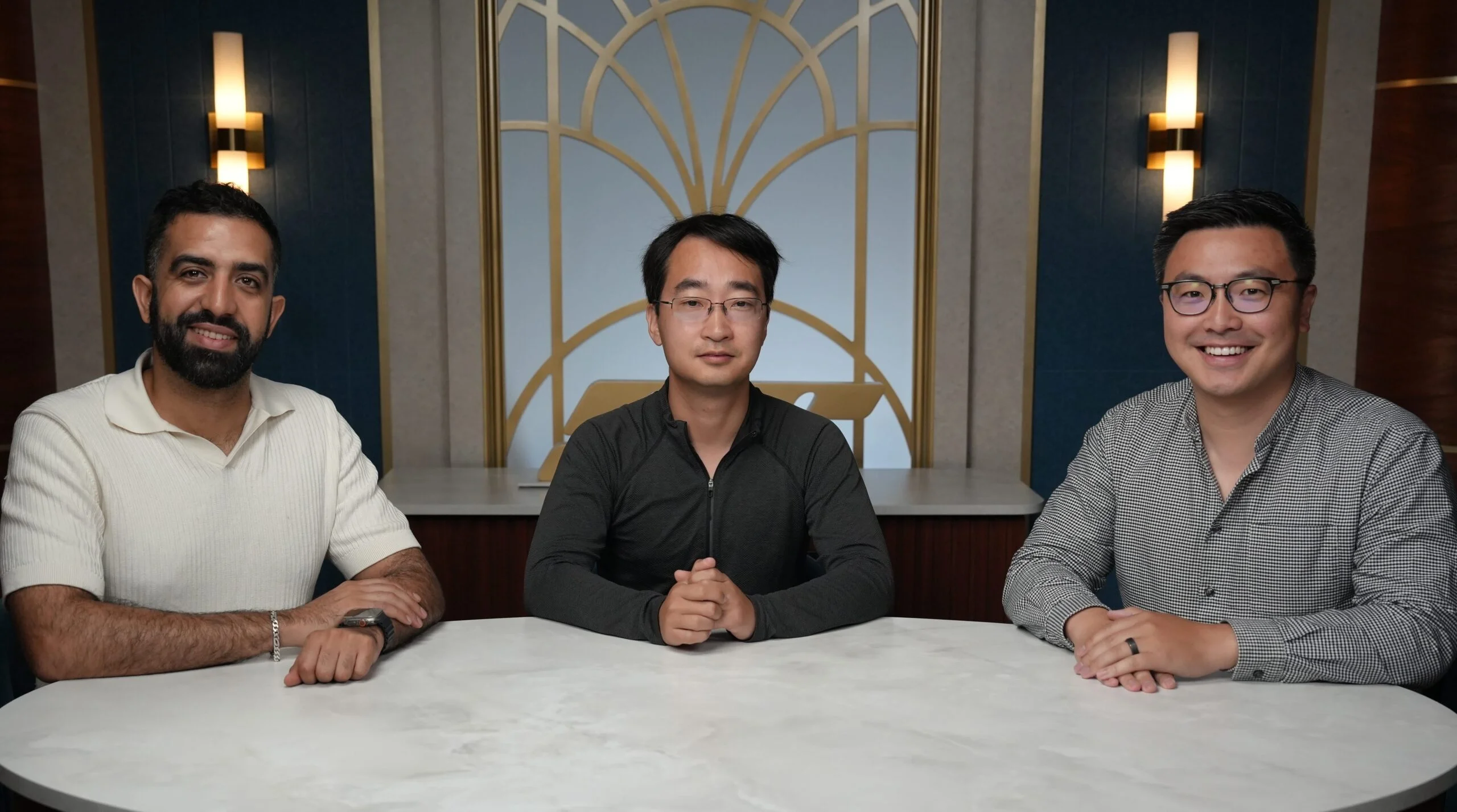
SafeWorld Launches With $12.2M Funding to Develop Robot-Safety Simulation Software
SafeWorld has officially launched after securing $12.2 million in seed funding, co-led by Shine Capital and a16z Speedrun. The Palo Alto-based startup aims to create simulation software that tests the safety of autonomous robots prior to their deployment in real-world environments. This platform allows companies to simulate various safety scenarios based on past incidents and robot logs, enabling extensive testing without the need for physical environments. The significance of SafeWorld's technology lies in its ability to address the challenges of traditional safety testing, which can be costly and time-consuming as robots become more autonomous. By utilizing simulation, companies can evaluate how robots respond to unexpected situations and human interactions, thus ensuring safety throughout the deployment process rather than relying on one-time certifications. Early pilots are already underway with major automotive manufacturers and warehouse-automation firms. Looking ahead, SafeWorld's platform is poised to transform safety testing in industrial and commercial settings where robots operate near humans. The startup's innovative approach could lead to more effective safety measures, reducing reliance on physical barriers and enhancing collaboration between robots and workers. No further timeline was disclosed at the time of publication.
AI Funding & Investment AI Safety Physical AI Startups AI Carnegie Mellon University
China’s Dexterous Hand Industry, 2026 Part 3 — The Players
Five vendor archetypes, MIR’s composite top ten, eight company profiles and six field deployments — every firm linked to the RobotToday supplier directory.
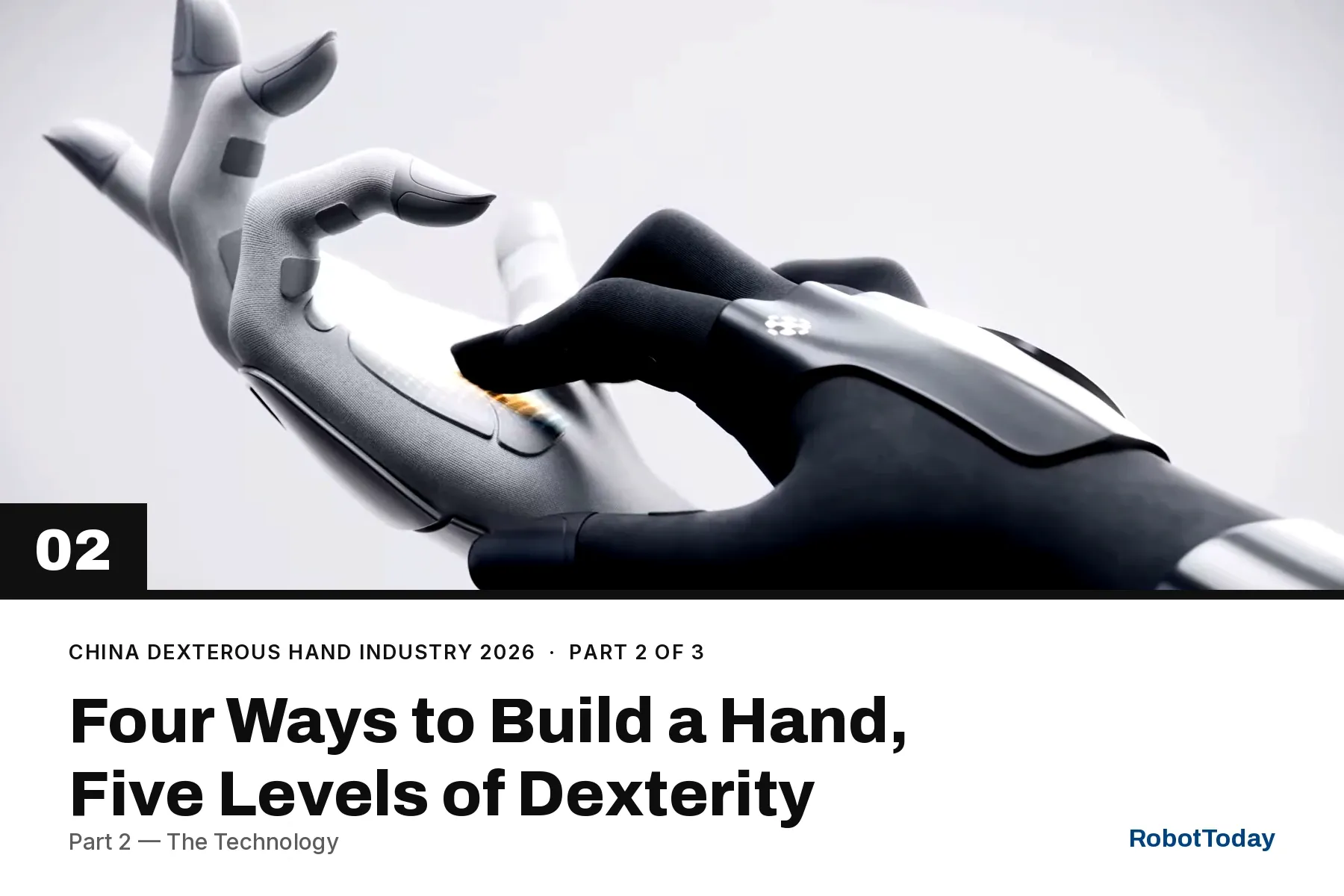
China’s Dexterous Hand Industry, 2026 Part 2 — The Technology
Linkage, tendon, direct drive or hybrid — and why hardware is converging while the DL1–DL5 manipulation scale decides who wins. Part 2 of 3.
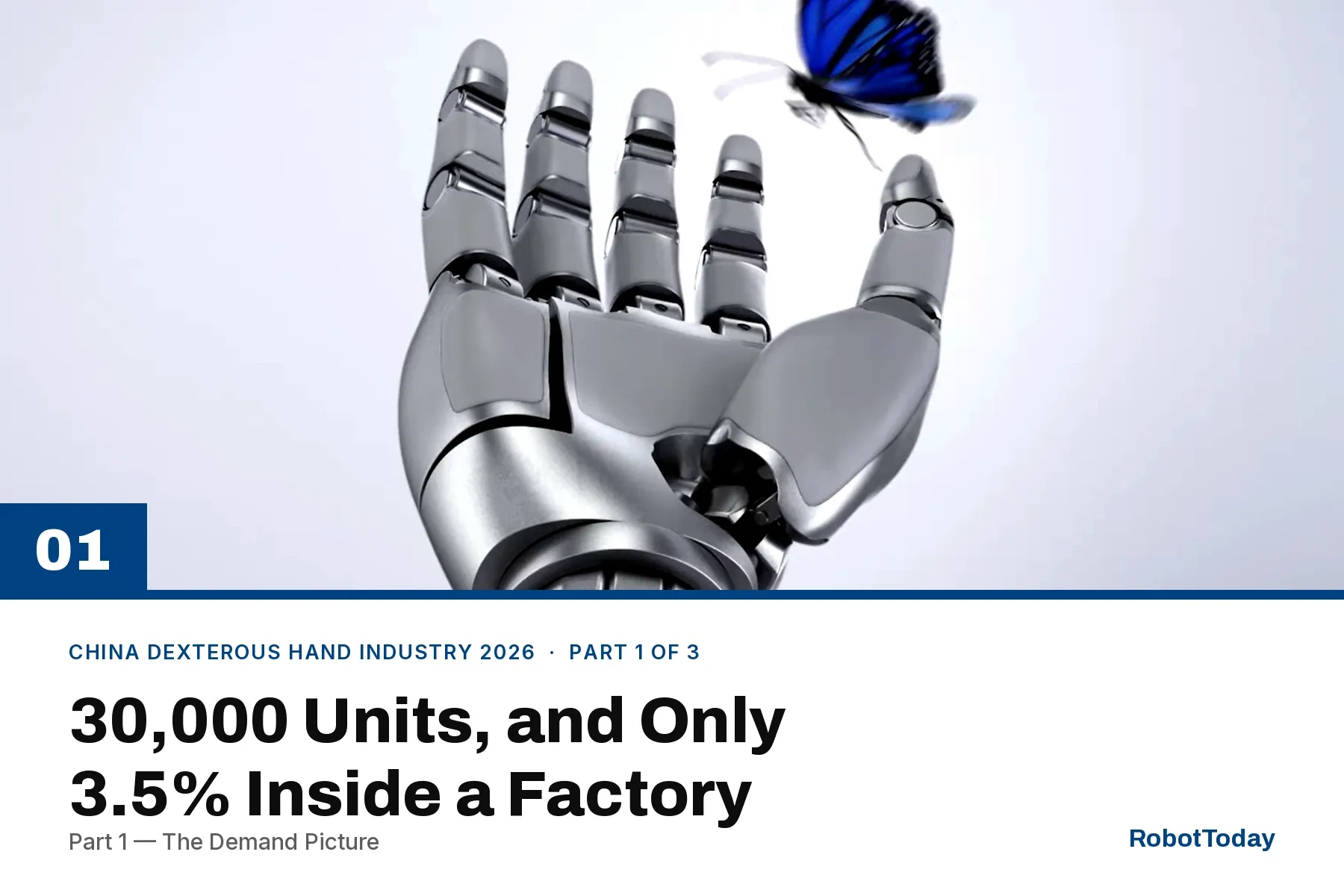
China’s Dexterous Hand Industry, 2026 Part 1 — The Demand Picture
MIR Databank puts China dexterous hand shipments above 30,000 units in 2026, yet only 3.5% of 2025 demand came from factory production. Part 1 of 3.
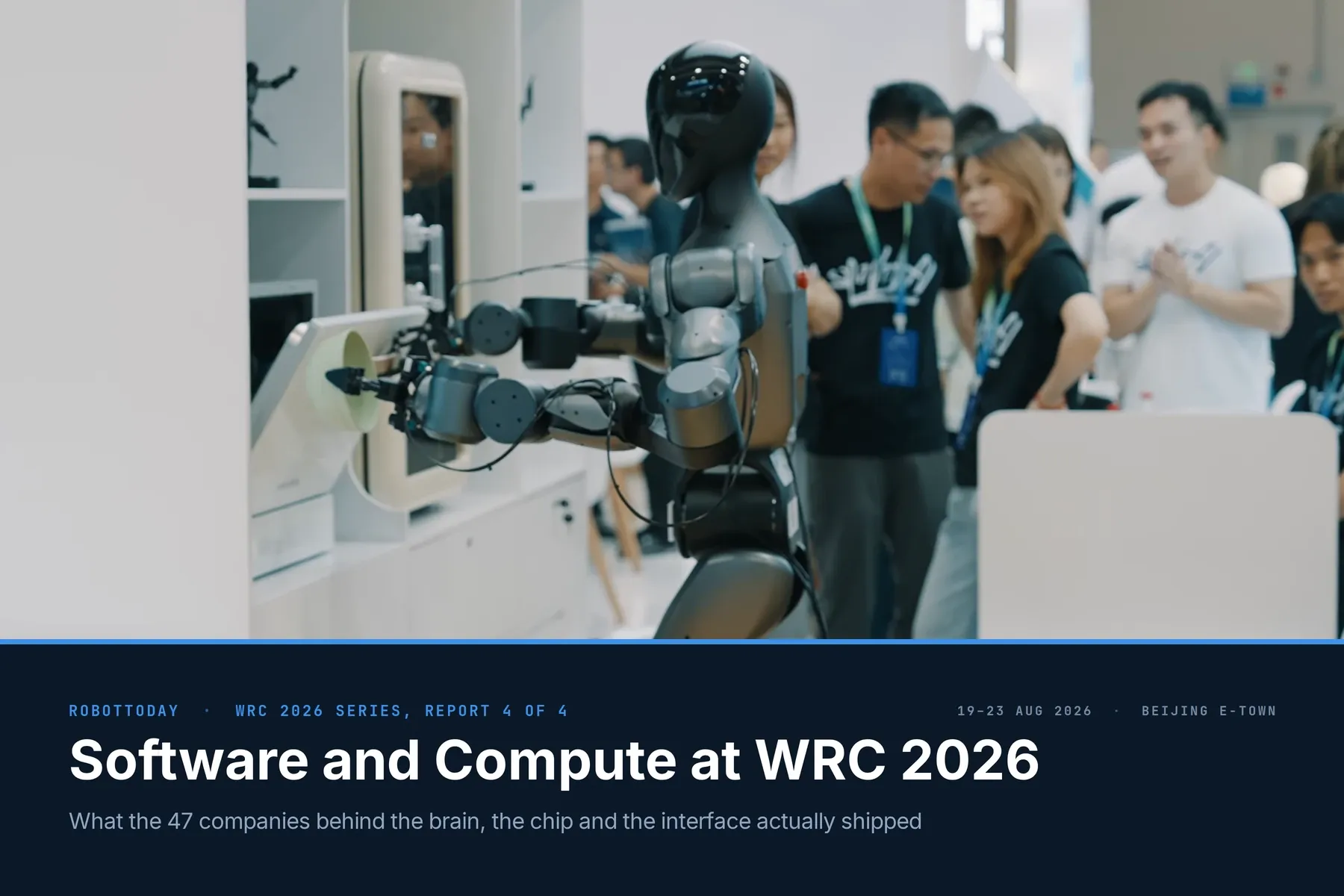
Software, Compute and Interaction at WRC 2026
47 WRC 2026 exhibitors supply robot software, compute or interaction — but only 19 call themselves software companies. Five open artefacts, licence-checked.
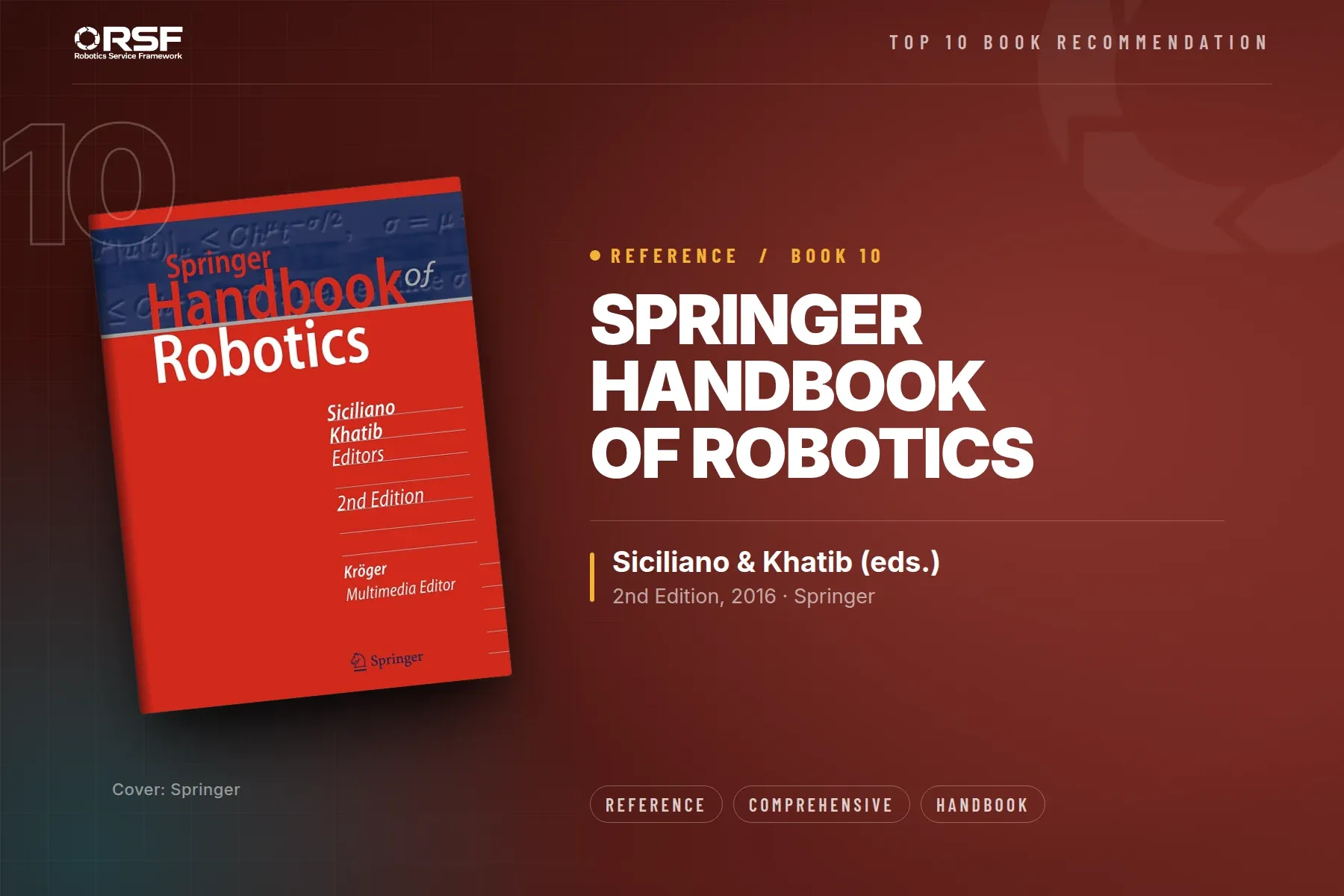
Springer Handbook of Robotics B. Siciliano & O. Khatib (eds.) — RSF Top 10 Robot Education Textbooks · No. 10
Eighty-plus chapters, 2,300 pages, nobody reads it cover to cover. It ranks for one reason: when a fault crosses domains, this is the reference of record.

The Most Important AI at WAIC Wasn't a Robot
At WAIC 2026, AI-native platforms quietly replaced interpreter hardware — what invisible AI infrastructure means for robotics and embodied AI.

Physical AI Landscape: From Digital Intelligence to the Embodied Physical World
A comprehensive industry analysis of Physical AI — covering Embodied AI, Field AI, Factory AI, VLM, World Model, VLA, and the VLA vs WAM architecture debate. Includes 20+ companies, 28 references, and the RobotToday Physical AI Landscape diagram. July 2026.
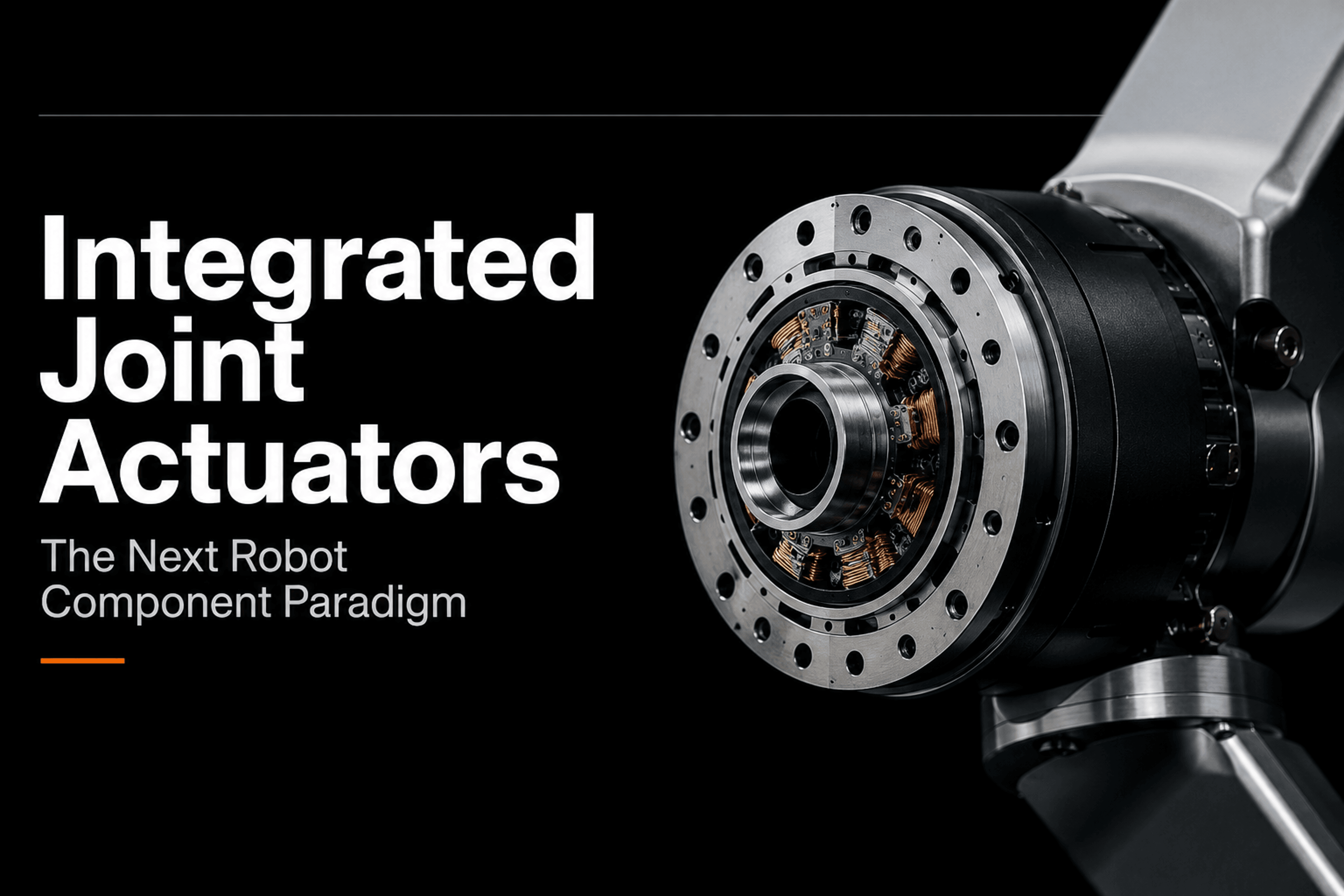
Integrated Joint Actuators 2026: Technology, Global Suppliers & China's Leap Forward
From rotary joints hitting 530 N·m+ to linear joints with planetary roller screws, integrated actuators are replacing the three-part drivetrain. Full supplier map: Tihu, PhyArc, RobStride, Schaeffler, maxon — and China's path from 1,000-RMB modules to global standard-setter.
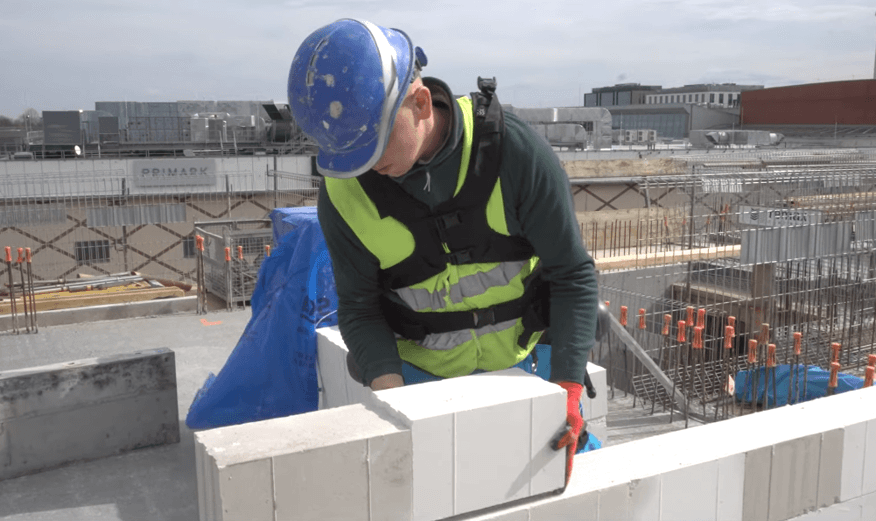
CONSTRUCTION ROBOTICS | EXOSKELETONS & HUMAN AUGMENTATION
Construction musculoskeletal injuries cost US employers over $2 billion annually. Exoskeletons are moving from pilots to standard practice. Ottobock, German Bionic, Hyundai, and Innophys launched major products in 2024–2025. Korea and Japan lead adoption. AI is turning passive suits into connected safety platforms.


