

The Lab Mistake That Might Revolutionize Computing
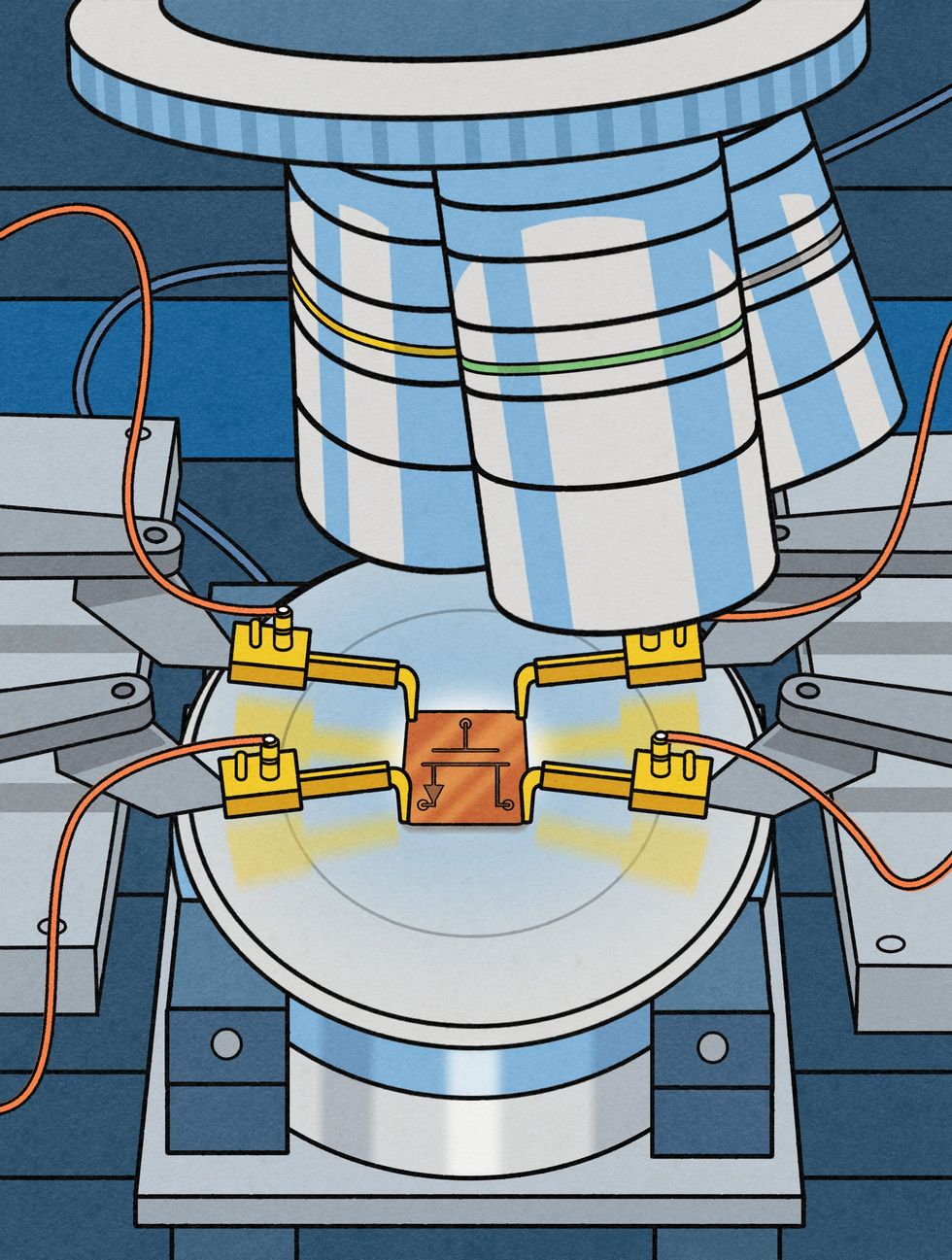
Researchers have made a significant breakthrough in artificial intelligence technology by discovering a new way to create electronic components that mimic the behavior of biological neurons and synapses. This development, which occurred in a laboratory in 2024, could drastically reduce the energy consumption associated with AI applications. Currently, AI systems rely on powerful GPUs housed in data centers, consuming up to 1,000 watts each, which is comparable to household appliances. In contrast, the human brain operates at a fraction of that energy efficiency. The team, led by researchers Mario Lanza and Sebastian Pazos, stumbled upon this innovation while experimenting with metal-oxide-semiconductor field-effect transistors (MOSFETs). They found that by manipulating the bulk terminal of a MOSFET, they could replicate neuron-like behavior, producing sharp current spikes similar to those of biological neurons. This discovery not only allows for the creation of artificial neurons but also enables the development of artificial synapses, leading to a new type of neurosynaptic random-access memory (NSRAM). The implications of this technology are vast, as it could lead to brain-inspired microchips that are more energy-efficient than current GPUs, particularly for smaller-scale AI tasks. The researchers are now focused on refining their models and conducting further simulations to optimize performance. If successful, this innovation could pave the way for a new generation of AI systems that are both powerful and environmentally sustainable.
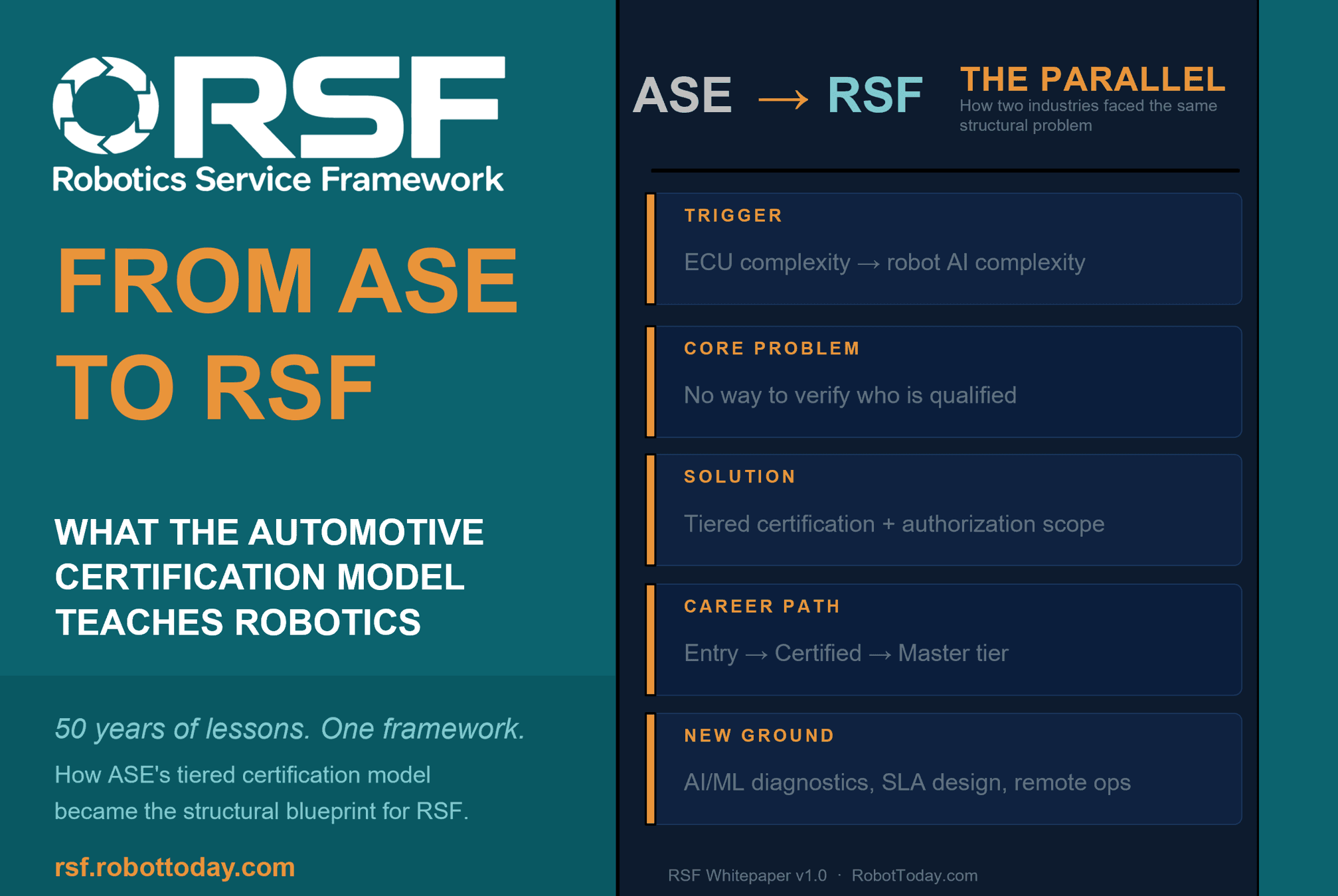
Robotics needs a service framework.
RSF defines a common language for robot service capability, lifecycle operations, certification pathways, and service-provider networks.

HERL (Human Engineering Research Lab)
United States
Joint University of Pittsburgh and US Department of Veterans Affairs laboratory conducting rehabilitation engineering research. Develops mobility devices, assistive technologies, and medical-grade products for people with disabilities.

Joanneum Research Assoc (AT)
Austria
Joanneum Research Institute for Robotics and Flexible Production conducts applied R&D in industrial robot systems, production automation and robot safety, offering feasibility analysis, consulting and testing in a robotics solution centre.

St Petersburg National Research U of ITMO
Russian leading research university (ITMO University) specializing in information technology, optical engineering, and photonics. Active research programs in AI, robotics, computer vision, and cyber-physical systems.

Green Hills Software
United States
Independent embedded software provider delivering RTOS, compilers, IDEs, and debuggers for safety- and security-critical systems. Serves automotive, avionics, defence, and industrial domains with certified real-time operating system platforms since 1982.

Scorpion Vision Software (UK)
Norwegian-based 2D and 3D industrial machine vision software platform (marketed under Tordivel AS). Offers sub-pixel and micron-level non-contact measurement, configurable inspection tools, and advanced calibration capabilities without programming.

Acquired Data Solutions, Inc.
United States
Provides systems engineering, embedded software development, automation integration, and cybersecurity services for government and commercial defense clients. Capabilities include OT/IT convergence, edge computing, and mission-critical system integration across a 28-year operational history.

Acquire to Decide
France
A2D specializes in automated infrastructure monitoring solutions utilizing advanced photogrammetry and AI for fault detection. Our A2D Cloud and A2D Real Time platforms facilitate rapid data acquisition and processing, generating 3D digital twins with defect visualization. This technology enables proactive maintenance strategies, enhances risk management, and optimizes operational costs, ensuring precise diagnostics and timely decision-making for engineering structures.

ReSim.ai
United States
Resim develops cloud-based simulation and validation infrastructure for robotics and autonomous vehicles. Its platform supports scenario generation, data replay, system regression testing, and performance analytics to accelerate verification and continuous integration of autonomy stacks.

Disruptive Technologies (NO)
Norway
Disruptive Technologies manufactures miniature wireless IoT sensors with peel-and-stick form factor for monitoring temperature, proximity, touch, and humidity. Sensors transmit data to cloud infrastructure for asset tracking and facility management.



Leave a comment