

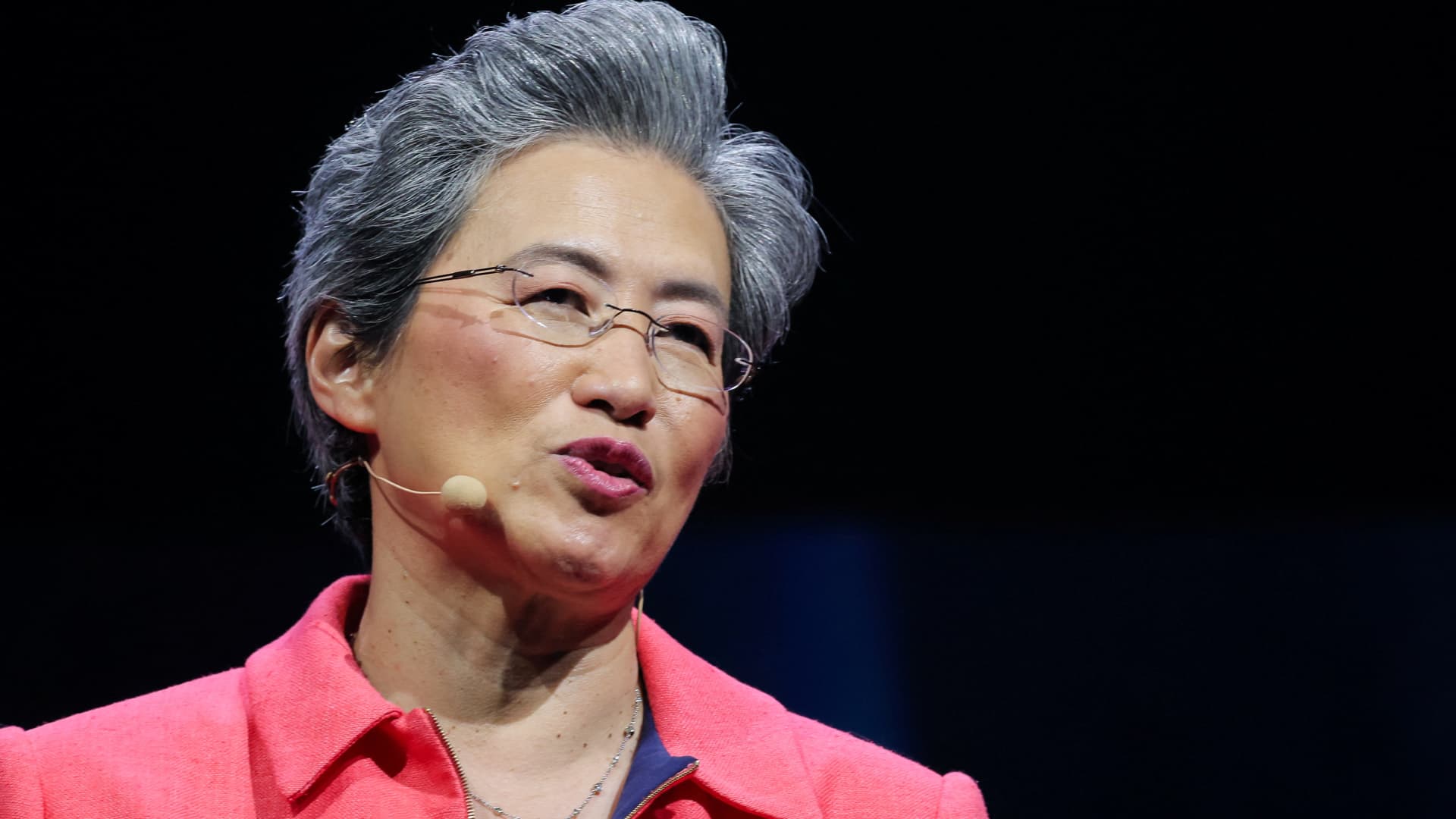
AMD has launched Helios, its inaugural rack-scale system for artificial intelligence, with Microsoft announcing its deployment in Azure data centers. This move positions AMD as a competitor to Nvidia's established AI systems, including Grace Blackwell and Vera Rubin, as it aims to capture a larger share of the AI computing market.
The significance of Helios lies in its potential to disrupt Nvidia's dominance in the data center GPU market, where it currently holds over 95%. With Microsoft, Meta, OpenAI, and Oracle among its early adopters, AMD is poised to enhance its market presence, which currently stands at approximately 4.5%. The system is designed to support advanced AI applications and improve overall performance and cost efficiency.
Looking ahead, AMD plans to begin shipping Helios later this year, with customizable configurations available for various applications. As major companies increasingly turn to AMD for AI acceleration, the success of Helios could significantly impact AMD's market share and revenue potential in the competitive landscape of AI technologies. No further timeline was disclosed at the time of publication.
Editor's Note
AMD's introduction of the Helios system marks a pivotal moment in the ongoing competition between chip manufacturers for dominance in AI computing. As enterprises seek robust solutions for AI workloads, the shift towards AMD could reshape procurement strategies and influence the broader landscape of data center technologies. The implications for supply chains and technology adoption are significant, especially as companies like Microsoft leverage AMD's innovations to enhance their AI capabilities.


























Leave a comment