Search Result for: https://www.futurefarming.com/machinery/gofar-tour-with-field-day-in-spain-attracts-900-industry-professionals

Arnold Machinery Company Partners With Prime Robotics to Deliver Warehouse Automation Consulting Solutions Across Colorado
Arnold Machinery Company has formed an exclusive distribution partnership with Prime Robotics, aimed at enhancing warehouse automation in Colorado. This collaboration will introduce advanced autonomous mobile robot technology to local businesses, positioning Arnold Machinery as a leading consultant in the state's warehouse automation and robotics sector. The partnership is expected to significantly improve operational efficiency for companies looking to modernize their logistics and warehousing processes.
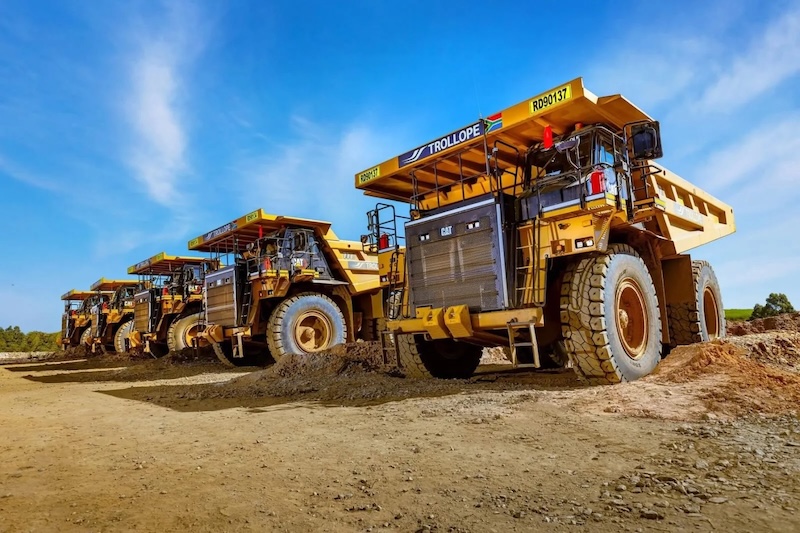
AI, Robotics and Automated Mining: The Future of Excavators and Mining Machinery Parts
The global mining industry is undergoing a significant transformation as it increasingly integrates artificial intelligence, robotics, and full automation into its operations. This shift has led to the widespread adoption of intelligent excavators and driverless mining trucks, which are now considered standard equipment in modern mining practices. These advancements are not only improving operational safety but also significantly boosting production efficiency. As mining machinery evolves, there is a corresponding rise in the standards and demands for high-quality professional mining machinery parts, reflecting the industry's commitment to enhancing performance and reliability in the face of technological change.

NVIDIA Stockholder Meeting Set for June 24; Individuals Can Participate Online
NVIDIA has announced that its 2026 Annual Meeting of Stockholders will be conducted online on June 24, 2026, at 9 a.m. PT. The virtual meeting will be accessible to shareholders via the dedicated website, https://www.virtualshareholdermeeting.com/NVDA2026. This decision reflects the company's commitment to providing a convenient platform for stockholders to engage with corporate governance and participate in discussions regarding the company's future.

CMES Robotics USA, FANUC, and PAC Machinery to Showcase Integrated Robotic Bagging Solution at Automate 2026
At the ongoing event in Chicago, FANUC has unveiled a fully operational pick-to-pack automation system, showcasing its latest advancements in robotics and automation technology. This system is designed to streamline the logistics and warehousing processes, enhancing efficiency and accuracy in order fulfillment. The live demonstration highlights FANUC's commitment to innovation in the automation sector, responding to the growing demand for more efficient supply chain solutions. Attendees can observe firsthand how the system integrates advanced robotics with intelligent software, illustrating the potential for significant improvements in productivity for businesses. This initiative reflects a broader trend in the industry, where companies are increasingly adopting automation to meet rising consumer expectations and optimize operational costs.
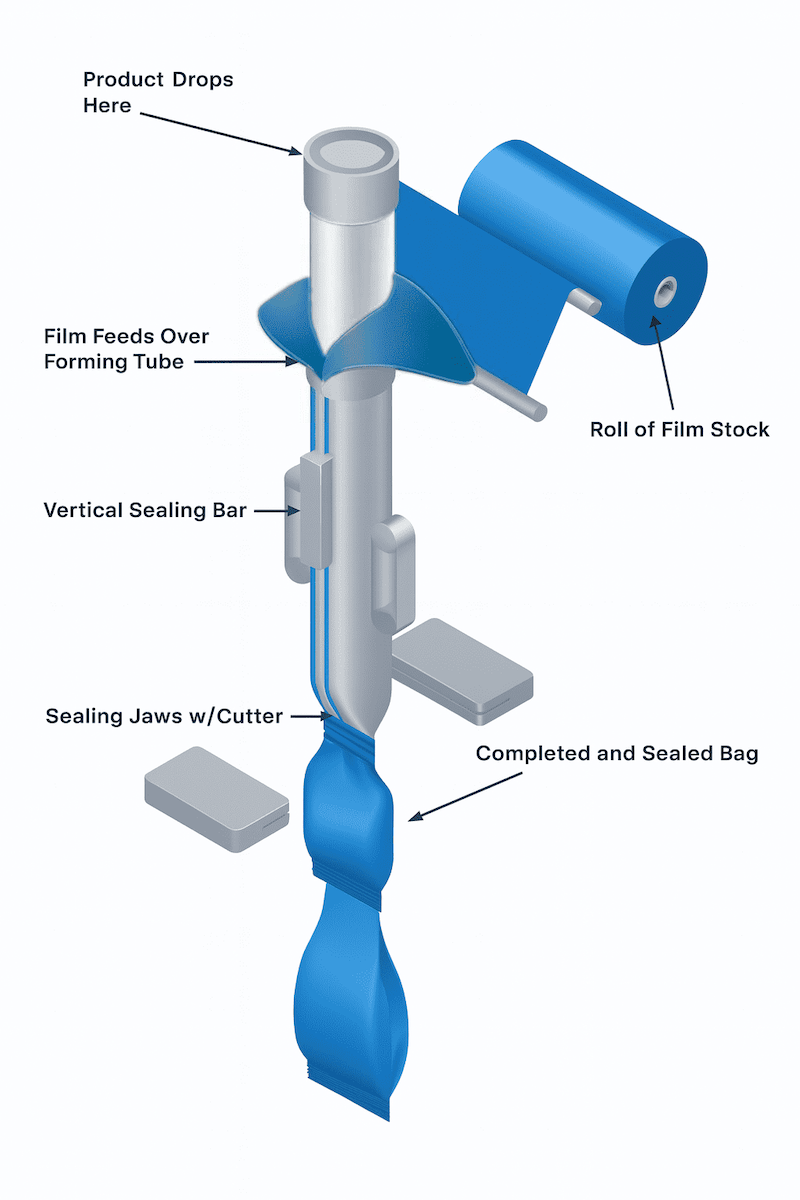
The Future of VFFS Technology in High-Speed Packaging Operations
The packaging industry is experiencing significant changes as manufacturers respond to increasing consumer demands and shorter production timelines. This transformation is marked by a growing reliance on smarter, faster, and more efficient packaging solutions. Central to this evolution is Vertical Form Fill Seal (VFFS) technology, which has emerged as a crucial tool in contemporary packaging facilities. As companies across various sectors adopt this innovative system, they aim to enhance productivity and meet the dynamic needs of the market. The shift towards VFFS technology reflects a broader trend in the industry, where efficiency and adaptability are becoming paramount in the face of evolving consumer expectations.

The art(s) of laser weeding demystified: laser expert Matthias Lautenschläger explains
Farmers, growers, and contractors worldwide are increasingly turning their attention to laser weeding, a cutting-edge agricultural technique gaining traction in the industry. This innovative method utilizes high-intensity lasers to target and eliminate weeds without harming crops, offering a sustainable alternative to traditional herbicides. As the agricultural sector grapples with rising temperatures and the challenges posed by climate change, the urgency for effective and environmentally friendly solutions has never been greater. Laser weeding not only reduces the reliance on chemical treatments but also minimizes soil disturbance, promoting healthier ecosystems. The growing interest in this technology is evident as more agricultural professionals seek training and information on its implementation. Demonstrations and workshops are being organized globally, showcasing the efficiency and precision of laser weeding systems. As farmers look for ways to enhance productivity while adhering to sustainable practices, laser weeding stands out as a promising solution that addresses both economic and environmental concerns. With the agricultural landscape evolving rapidly, this method could redefine weed management strategies in the years to come.

CSC Financial: Construction Machinery Exceeds Expectations in May, Unitree IPO Clears Review, Boosting Humanoid Robot Sector
CSC Financial has published an in-depth research report analyzing five key industrial sectors, highlighting significant trends in the humanoid robot industry and the construction market. The report emphasizes the rapid growth of the humanoid robot sector, particularly following Unitree's recent initial public offering, which has sparked increased interest and investment in this technology. Additionally, the construction sector is showing resilience, with performance surpassing previous expectations, driven by ongoing infrastructure projects and a rebound in demand. This comprehensive analysis aims to provide insights for investors and stakeholders looking to navigate these evolving markets effectively.
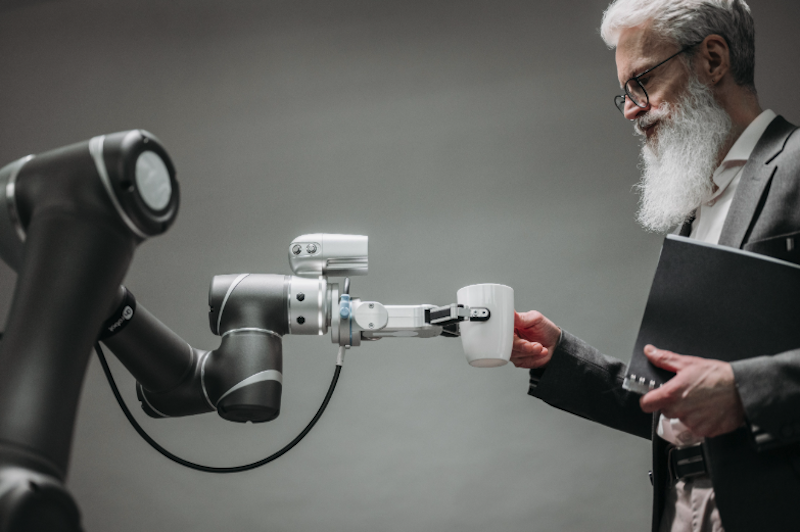
Why Factory Automation Now Depends on Software-Savvy Workers
As automation increasingly integrates into production environments, the demand for workers skilled in managing technology is rising. Traditionally, factory automation was characterized by robotic arms performing repetitive tasks behind safety barriers. However, the evolving landscape now requires employees to navigate complex dashboards, respond to alerts, and make data-driven decisions. This shift reflects a broader trend in which the role of human workers is transforming from manual labor to technological oversight, necessitating a new set of skills to effectively collaborate with advanced machinery. The growing reliance on automation is reshaping the workforce, prompting a need for training and adaptation to ensure that employees can thrive in a more automated future.

Europe’s most important industrial lubrication conference celebrates its 10th anniversary in Bilbao
The Euskalduna Convention Centre in Bilbao is set to host the 10th anniversary of LUBMAT, Europe’s premier conference on industrial lubricants, this Wednesday and Thursday. The event will bring together 200 professionals from Europe, Asia, and America, highlighting its significance as a leading international biennial gathering focused on lubricants, tribology, and production equipment monitoring. This milestone edition aims to foster collaboration and knowledge sharing among industry experts, reflecting the growing importance of innovation and sustainability in the lubricants sector.

Automate 2026 Q&A with Precision Drive Systems (PDS)
A specialized engineering team is set to enhance robotics process outcomes by leveraging advanced techniques in vibration analysis and on-board spindle monitoring. This initiative, aimed at optimizing operational efficiency, will take place in various industrial settings where robotics are utilized. The team's sales engineers, equipped with extensive knowledge and strategic approaches, will provide tailored solutions to ensure maximum uptime for machinery. This proactive measure is driven by the need to improve productivity and reduce downtime in manufacturing processes. By implementing these innovative strategies, the engineering team seeks to address common challenges faced by industries reliant on robotics, ultimately fostering a more efficient and reliable operational environment.

Mouser's Rise of the Robots Program Explores Humanoid Design Considerations
A recent series highlights the evolution of robots from basic machinery to essential instruments across various sectors, including caregiving, industrial automation, and education. This transformation has been particularly significant in challenging environments, where advanced robotic technology is increasingly utilized. The series illustrates how these innovations are not only enhancing efficiency but also improving the quality of life for individuals in need of care and support. By showcasing real-world applications and advancements in robotics, the series underscores the growing reliance on these technologies to address complex tasks and challenges faced in diverse fields.

A Piece of Automation History in Steel Construction
Liebherr Group has taken a significant step in automation by fully automating the production of complex component assemblies at its facility in Telfs, Austria. This milestone marks the first time the construction machinery manufacturer has implemented such advanced automation in its production processes. The autonomous manufacturing cell, developed and built by Yaskawa, utilizes three Motoman industrial robots to handle all manipulation and assembly tasks, culminating in the efficient output of finished components. This innovation reflects Liebherr's ongoing commitment to pushing the boundaries of automation in their manufacturing operations.

Safety Beyond the Pavement: Lighting and Traction for Dangerous Terrains
As daylight faded on the track, conditions deteriorated significantly by 5 PM, transforming from packed dirt to loose shale. This unexpected change left participants with only thirty meters of visibility ahead, making it difficult to react to potential hazards. The situation highlights the challenges faced by those involved, as many are unprepared for such abrupt shifts in terrain. The incident underscores the importance of readiness and adaptability in unpredictable environments.
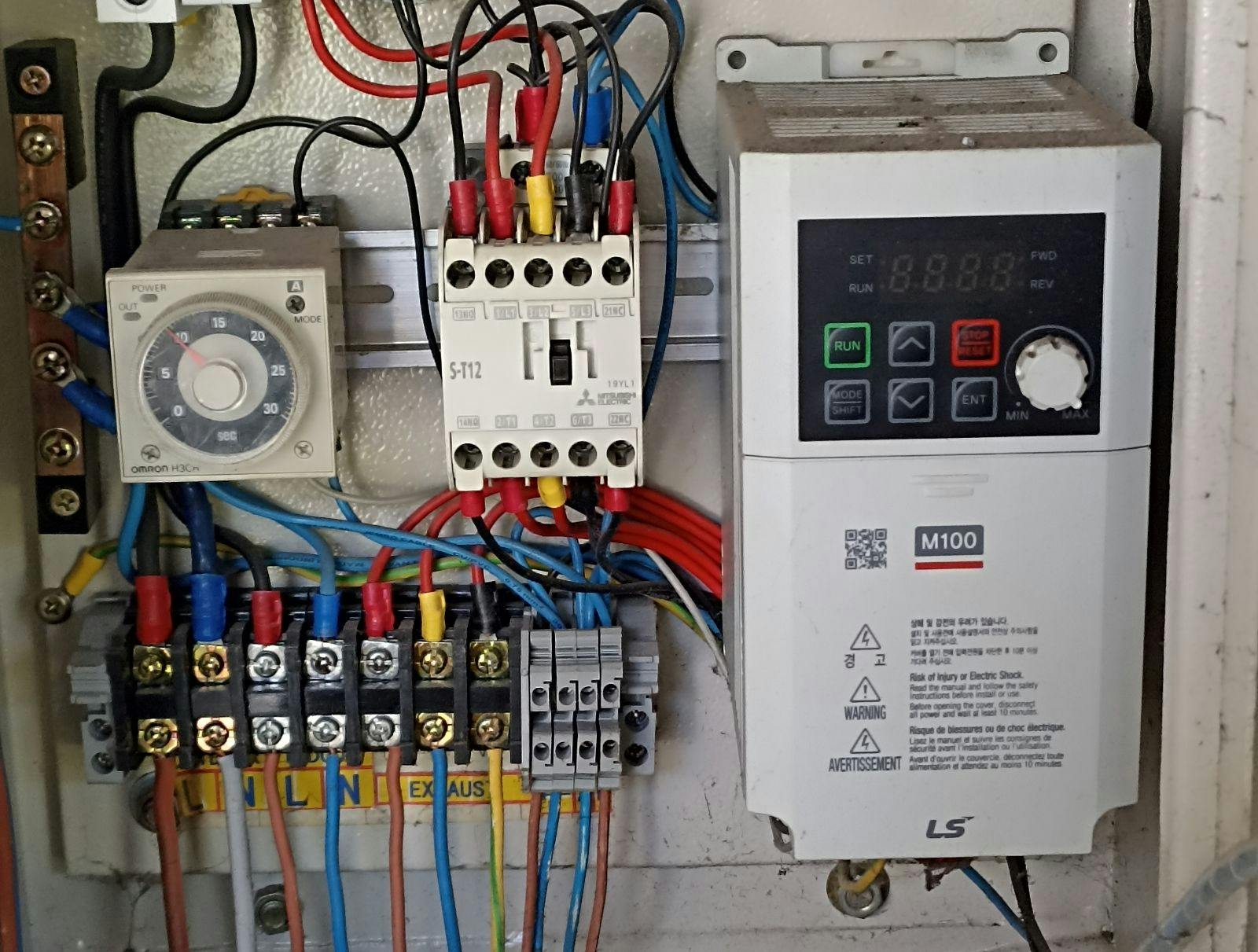
Quiz: How to Avoid VFD Cable Costs
In a recent industry discussion, experts emphasized the importance of preventing bearing damage and ensuring proper termination of variable frequency drive (VFD) cables. This guidance comes in response to increasing concerns about equipment reliability and operational efficiency in manufacturing settings. The discussion took place during a technical seminar held in October 2023, where engineers and technicians gathered to share best practices and innovative solutions. The seminar highlighted that improper cable termination can lead to significant operational failures, including bearing wear and electrical interference, which can ultimately disrupt production processes. To mitigate these risks, specialists recommended implementing rigorous installation protocols and regular maintenance checks. They outlined a series of steps that include using high-quality materials, adhering to manufacturer specifications, and conducting thorough inspections of cable connections. By following these guidelines, companies can enhance the longevity of their equipment and reduce the likelihood of costly downtimes. The insights shared during the seminar are crucial for organizations looking to optimize their machinery's performance and ensure a smooth operation in an increasingly competitive market.

Simple edge analytics for machines and equipment
Coligo is assisting companies in their transition to digitalization within the operational technology (OT) sector. The platform aims to simplify the implementation of edge analytics for machinery and equipment, enhancing operational efficiency and data-driven decision-making. This initiative is particularly relevant as industries increasingly seek to modernize their processes and leverage technology for improved performance. By providing accessible tools and support, Coligo is positioning itself as a key player in facilitating this digital transformation.

Beckhoff Products Meet Growing CRA and Machinery Regulations
A technology company is enhancing its cybersecurity capabilities to comply with European Union regulations. This initiative comes as part of a broader effort to ensure that its products meet stringent data protection standards mandated by the EU. By integrating advanced security features into its technologies, the company aims to safeguard user data and maintain consumer trust in an increasingly digital landscape. The move reflects a proactive approach to addressing the growing concerns surrounding data privacy and security, particularly in light of recent high-profile data breaches. As the company prepares for potential regulatory changes, it is positioning itself to not only meet current requirements but also to adapt to future challenges in the cybersecurity realm.

What Complex Problems Do 6 Axis Robot Arms Help Solve in Production?
In the evolving landscape of Industry 4.0, manufacturers are increasingly turning to 6-axis robot arms to address complex production challenges. As of now, these advanced collaborative robots are essential for managing diverse product lines, limited workspace, and a shortage of specialized labor. Unlike traditional automation, which often relies on fixed machinery, the 6-axis design allows for greater agility and flexibility in navigating three-dimensional spaces, making it ideal for intricate tasks that require specific angles and movements. The introduction of these robots has transformed assembly processes by eliminating the need for expensive rotating fixtures, as they can approach parts from various angles. This adaptability also enables manufacturers to integrate automation without overhauling entire production lines, allowing for quick responses to localized bottlenecks, such as increased palletizing demands. Moreover, the rise of high-mix, low-volume production has necessitated a shift in automation strategies. The 6-axis robot arms, equipped with advanced features like quick-change grippers and vision systems, can swiftly adapt to different products, reducing changeover times from hours to mere seconds. JAKA, a leader in this field, has developed the JAKA Zu30, a robust 6-axis robot capable of handling heavy-duty tasks with a 30kg payload capacity. This model not only excels in palletizing and machine tending but also ensures safety with high-sensitivity sensors. Controlled via a user-friendly app, the JAKA Zu30 exemplifies the modern manufacturing solutions needed to navigate the complexities of today's production environments.

Selecting a Collaborative Robot Cobot for Small Parts Assembly
In the evolving landscape of electronics and medical device manufacturing, the introduction of collaborative robots, or cobots, is transforming small parts assembly. Traditionally reliant on manual labor or rigid machinery, this sector now benefits from the advanced capabilities of cobots, which combine the precision of a six-axis robot arm with sophisticated safety sensors. This innovation allows manufacturers to automate intricate tasks while maintaining human oversight. The assembly of small components, such as connectors and micro-screws, requires sub-millimeter accuracy, which traditional robots often lack. Cobots, however, utilize force-torque feedback to ensure components are correctly positioned, preventing damage to sensitive electronics. Their compact design enables them to operate alongside human workers on crowded workbenches without the need for bulky safety barriers, facilitating a hybrid workflow where robots handle repetitive tasks while humans focus on quality control. Manufacturers frequently changing product designs find cobots particularly advantageous due to their ease of programming. The JAKA Zu5, a leading model in this field, offers a payload capacity of 5 kg and a working radius of 954 mm, making it ideal for standard assembly tasks. With a remarkable repeatability of ±0.02 mm, the Zu5 ensures precision in placing even the smallest components. Additionally, its lightweight design allows for easy relocation across different production stations. JAKA emphasizes user-friendly automation, replacing complex coding with a wireless app that enables control of the robot from any mobile device. By integrating the JAKA Zu5 into assembly lines, manufacturers can achieve a balance of machine accuracy and human flexibility, enhancing productivity in high-mix production environments.
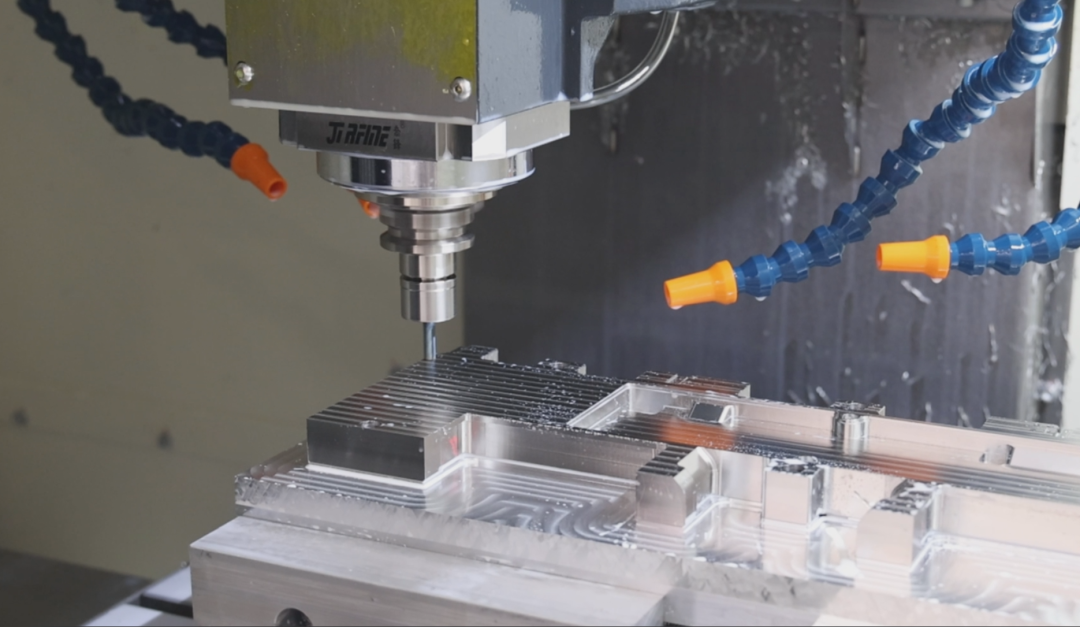
A New Voyage for CNC Machine Tools: Qiaofeng Aligns with Humanoid Robots
Qiaofeng Intelligent has introduced four high-precision CNC machining centers specifically designed for the rapidly expanding humanoid robot sector. This launch comes in response to the increasing demand for specialized equipment within the industry. The company's transition from general-purpose machinery to dedicated machines underscores its commitment to fostering the growth of advanced manufacturing in China. By focusing on this niche market, Qiaofeng Intelligent aims to enhance production capabilities and support innovation in the field of robotics.
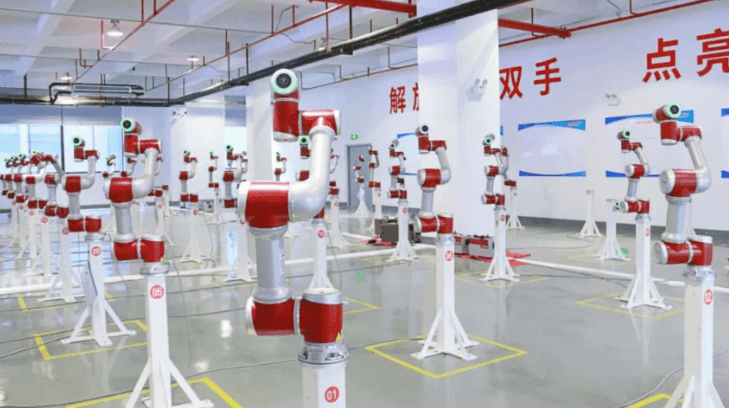
What Are 6 Axis Robot Arms, and How Does Their Versatility Work?
In the realm of industrial automation, the 6-axis robot arm has emerged as a pivotal innovation, offering unparalleled flexibility in manufacturing processes. These advanced machines, designed to mimic human arm movements, have transformed factory operations by enabling complex tasks with ease. The versatility of these robots stems from their unique kinematic structure, which features a series of rotating joints that allow them to access virtually any point in their workspace from various angles. The term "6-axis" signifies the six independent joints that provide the robot with multiple degrees of freedom. The major axes facilitate overall reach, while the minor axes function as a mechanical wrist, granting the robot the ability to pitch, roll, and yaw. This capability allows for diverse applications, from precision medical assembly to heavy-duty palletizing, setting them apart from traditional 4-axis robots. The adaptability of 6-axis robots is particularly beneficial in high-mix production environments, where they can seamlessly switch between tasks throughout the day, such as CNC machine tending and complex surface finishing. This flexibility minimizes the need for specialized machinery, optimizing floor space and reducing capital costs. JAKA has capitalized on this versatility with its Zu series of collaborative robots, which are lightweight and easily redeployable across production lines. The JAKA Zu18 model, capable of handling an 18kg payload with a reach of 1073mm, exemplifies strength combined with agility. Enhanced by user-friendly wireless control through the JAKA App, these robots are positioned to meet the evolving demands of both small workshops and large assembly plants, ensuring efficiency and adaptability in modern manufacturing.
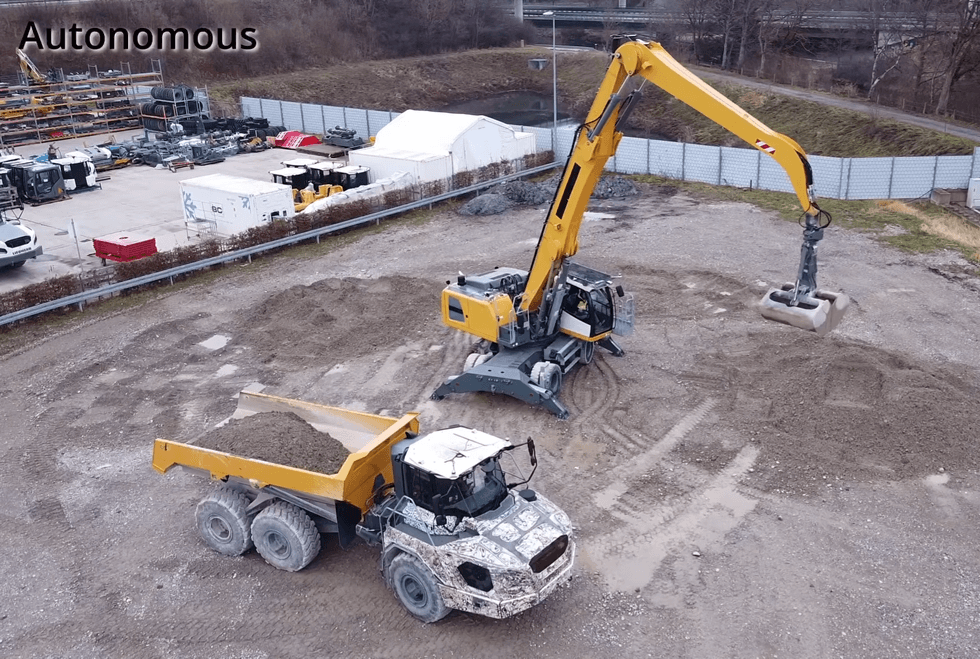
Video Friday: Heavy Robotic Machinery Operates Itself
IEEE Spectrum robotics has released its latest edition of "Video Friday," showcasing a variety of innovative robotics videos and announcing upcoming robotics events. Notable conferences include ICRA 2026 in Vienna from June 1-5, and the Summer School on Multi-Robot Systems in Prague from July 29 to August 4, 2026. Among the featured content is a groundbreaking autonomous material-handling solution developed by ETH Zurich, capable of operating a 40-ton material handler, traditionally a labor-intensive task. Other highlights include the introduction of the world's first production-ready manned mecha by Unitree, and the launch of NIX, an embodied AI exploring dance and movement, which will be made available for free to select partners. NTNU has unveiled the Unified Autonomy Stack, a robust system designed for aerial and ground robots, enhancing their autonomy through advanced perception and navigation capabilities. This system has been validated in challenging environments, showcasing its effectiveness in exploration and object discovery. Robotics expert Rodney Brooks, cofounder of Robust AI, shared insights on the challenges of innovation in robotics and the implications of the current AI surge during a Q&A session ahead of his panel at the Forbes America Innovates event in San Francisco. As the field continues to evolve, the integration of data collection methods remains a significant challenge, with the Koala platform exemplifying innovative approaches to enhance robotic manipulation tasks.
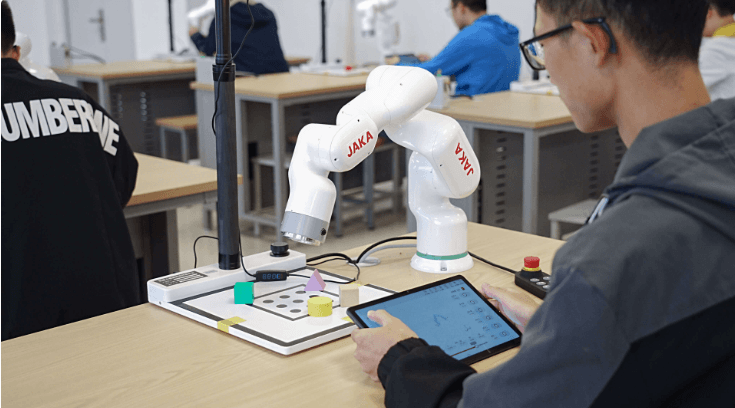
Industrial Automation and Robotics for Educators: Training the Next Generation
The rapid evolution of industrial automation and robotics is reshaping global manufacturing, leading to an increased need for a skilled workforce adept at managing advanced machinery. As educators strive to connect theoretical engineering principles with the practical demands of modern smart factories, there is a pressing requirement for classroom tools that reflect real-world equipment. By 2026, the integration of robotics into STEM curricula is expected to be crucial for fostering critical thinking and technical literacy among students. Educational programs are shifting towards "Embodied Intelligence," where learners engage with sophisticated technologies like industrial robot arms, enhancing their understanding of vision systems, sensor feedback, and machine learning. This hands-on experience equips students with essential skills in industrial safety, workflow optimization, and predictive maintenance, preparing them for careers as automation engineers and technicians. However, challenges persist, including the high costs and complexities associated with traditional industrial robots, which often require specialized facilities and safety measures. To address these issues, educational institutions are exploring "all-in-one" solutions that prioritize safety and usability while maintaining industrial-grade performance. JAKA Robotics is stepping up to meet these educational needs by providing tools that facilitate a safe learning environment. Their JAKA Academy offers a comprehensive training platform with courses ranging from basic operations to advanced software development. The versatile JAKA Zu and S series robots are designed for both research and classroom use, allowing students to engage in practical tasks and develop innovative AI-driven workflows. By incorporating JAKA's technology into educational settings, students are empowered to become the next generation of leaders in industrial automation.
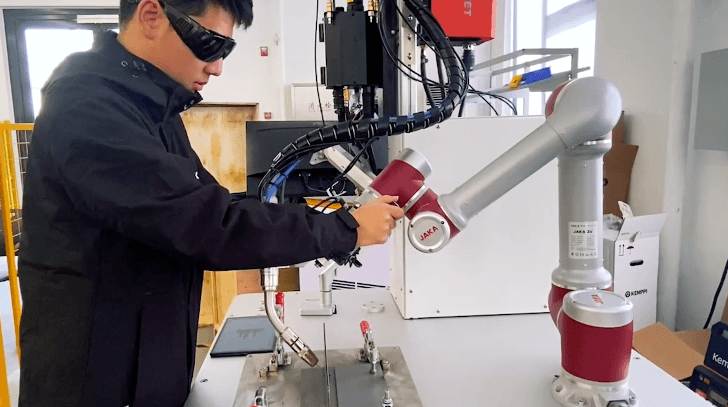
How Does Someone Control a Robot Arm?
JAKA Robotics is revolutionizing the interaction between humans and industrial machinery by simplifying the control of robotic arms. Traditionally, operating these systems required extensive knowledge of complex coding and strict safety protocols. However, JAKA's innovative approach now enables operators with diverse technical skills to manage high-precision movements through user-friendly interfaces. The company has introduced several methods for controlling collaborative robots, including handheld teach pendants and tablet-based graphical user interfaces (GUIs) that allow users to create action sequences by dragging and dropping command blocks. One of the standout features is direct teaching, where operators can manually guide the robot arm to desired positions, which the system records in real-time, streamlining tasks like gluing and polishing. Additionally, advancements in IoT and wireless technology have made it possible for operators to control robotic arms remotely via smartphones or laptops, facilitating efficient management in smart factory settings. JAKA's Zu30 and AL series arms can be programmed using standard tablets, supporting a "Drag-and-Graphic Programming" feature that simplifies the control process. By prioritizing accessibility and flexibility, JAKA Robotics aims to eliminate the barriers of traditional automation, catering to everyone from small workshop owners to large manufacturers. The company also supports various programming languages and ROS integration for advanced users, combining safety features with intuitive control methods to foster a collaborative environment between humans and machines.
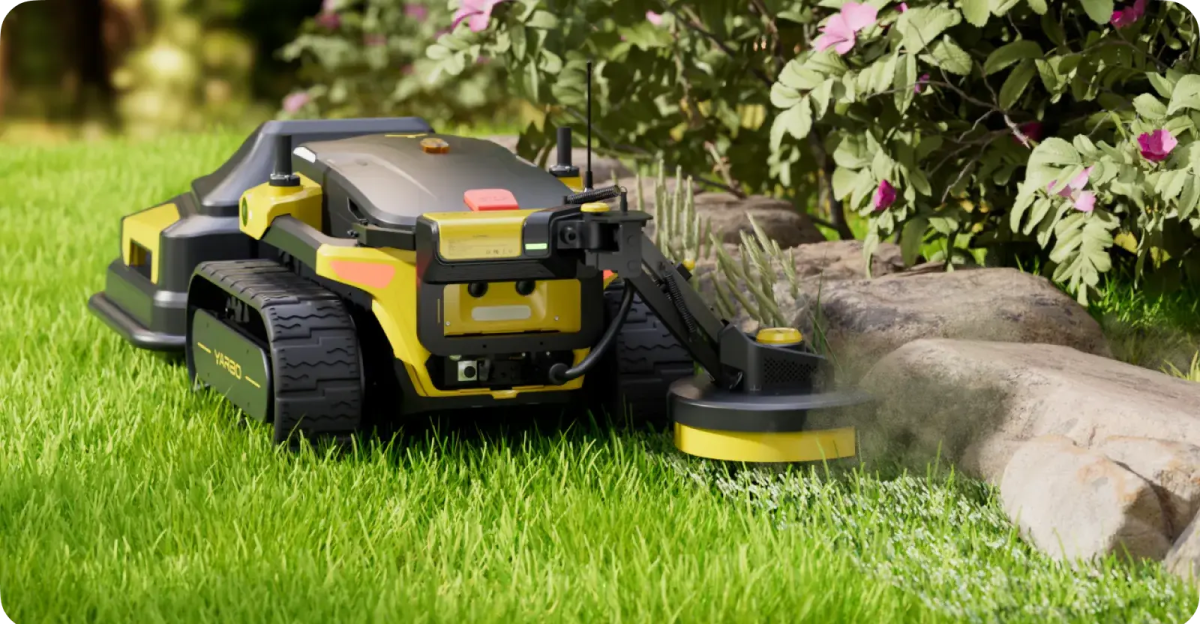
A hacker ran me over with a robot lawn mower
Andreas Makris, a remote operator, faced a harrowing situation as a 200-pound robot lawn mower malfunctioned while he was controlling it from nearly 6,000 miles away. The incident unfolded when the mower began to climb up his chest, posing a serious risk of injury as its blades threatened to come into contact with him. The alarming event highlights the potential dangers associated with remote-operated machinery, especially when immediate intervention is not possible. Makris's experience raises concerns about safety protocols and the reliability of technology in managing autonomous devices, underscoring the need for improved safeguards in the operation of robotic equipment.
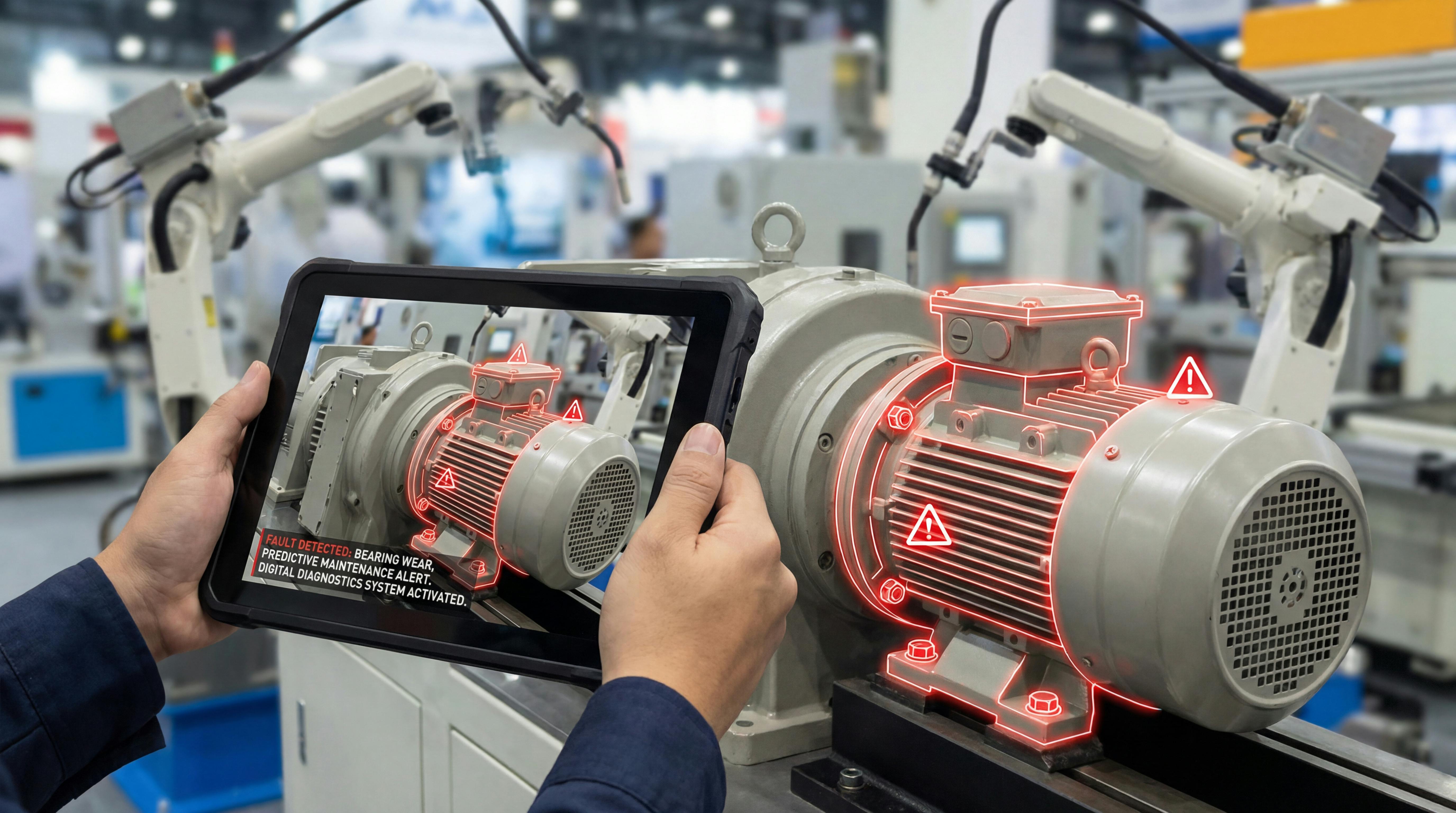
How Modern Drive Technologies Are Solving Industry’s Toughest Precision Challenges
Industry experts from Beckhoff and Siemens have highlighted the significant role of advanced technologies such as smart diagnostics, digital twins, and predictive maintenance in enhancing the accuracy of industrial machinery while minimizing downtime. This discussion took place during a recent industry conference, where the experts shared insights on how these innovations are transforming manufacturing processes. The integration of smart diagnostics allows for real-time monitoring of machinery, enabling operators to identify potential issues before they escalate. Digital twins, which create virtual replicas of physical assets, facilitate better understanding and optimization of machinery performance. Meanwhile, predictive maintenance strategies leverage data analytics to forecast equipment failures, ensuring timely interventions and reducing unexpected breakdowns. These advancements are crucial as industries strive to improve efficiency and reduce operational costs in an increasingly competitive market. By adopting these technologies, companies can not only enhance productivity but also extend the lifespan of their equipment, ultimately leading to significant cost savings. The collaboration between Beckhoff and Siemens exemplifies the industry's commitment to innovation and the continuous improvement of manufacturing practices.
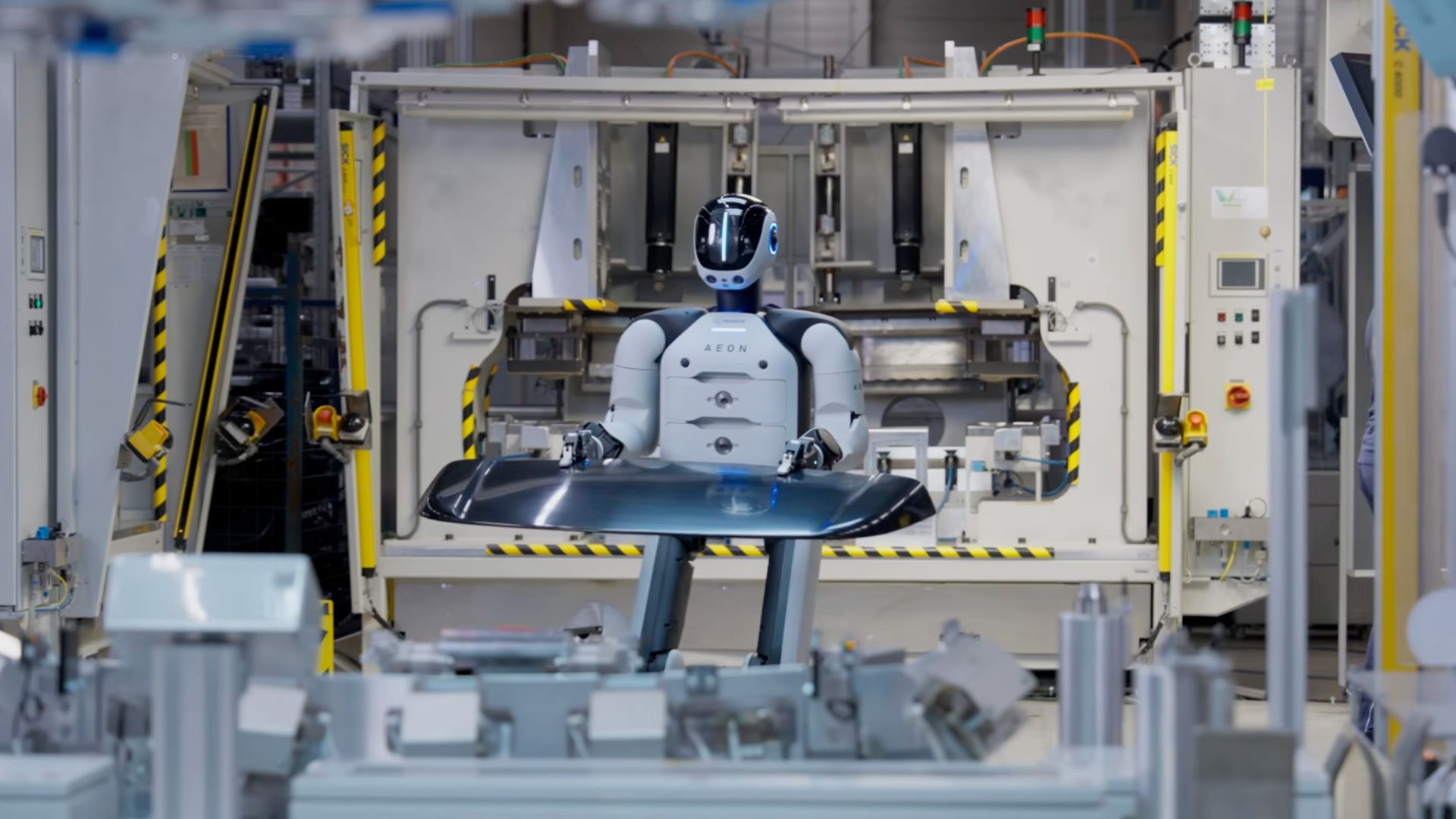
AEON humanoid robot to handle factory operations in real-world autonomy push
European companies Hexagon Robotics and Fill Maschinenbau have joined forces to advance manufacturing autonomy by developing humanoid robots. This collaboration aims to enhance efficiency and productivity in production processes, responding to the growing demand for automation in the manufacturing sector. The partnership was announced recently, signaling a significant step towards integrating advanced robotics into various industrial applications. By leveraging their respective expertise in robotics and machinery, the two firms intend to create innovative solutions that can adapt to dynamic manufacturing environments, ultimately reducing labor costs and improving operational flexibility. This initiative reflects a broader trend in the industry, where companies are increasingly investing in automation technologies to remain competitive in a rapidly evolving market.

Micro-Scale Robotics in the Medical Field: Precision Automation Meets Health Care Innovation
Recent advancements in micro-scale robotics are transforming the healthcare sector, showcasing significant progress in precision and data analytics. Unlike traditional medical machinery, which often occupies large spaces, these innovative micro-robots are designed to operate at a much smaller scale, offering new possibilities for patient care and treatment. This evolution in medical technology is driven by the need for more efficient and effective healthcare solutions, allowing for minimally invasive procedures and improved patient outcomes. As the field continues to evolve, the integration of these micro-robots into clinical practice is expected to enhance diagnostic capabilities and treatment options, ultimately reshaping the future of medical interventions.
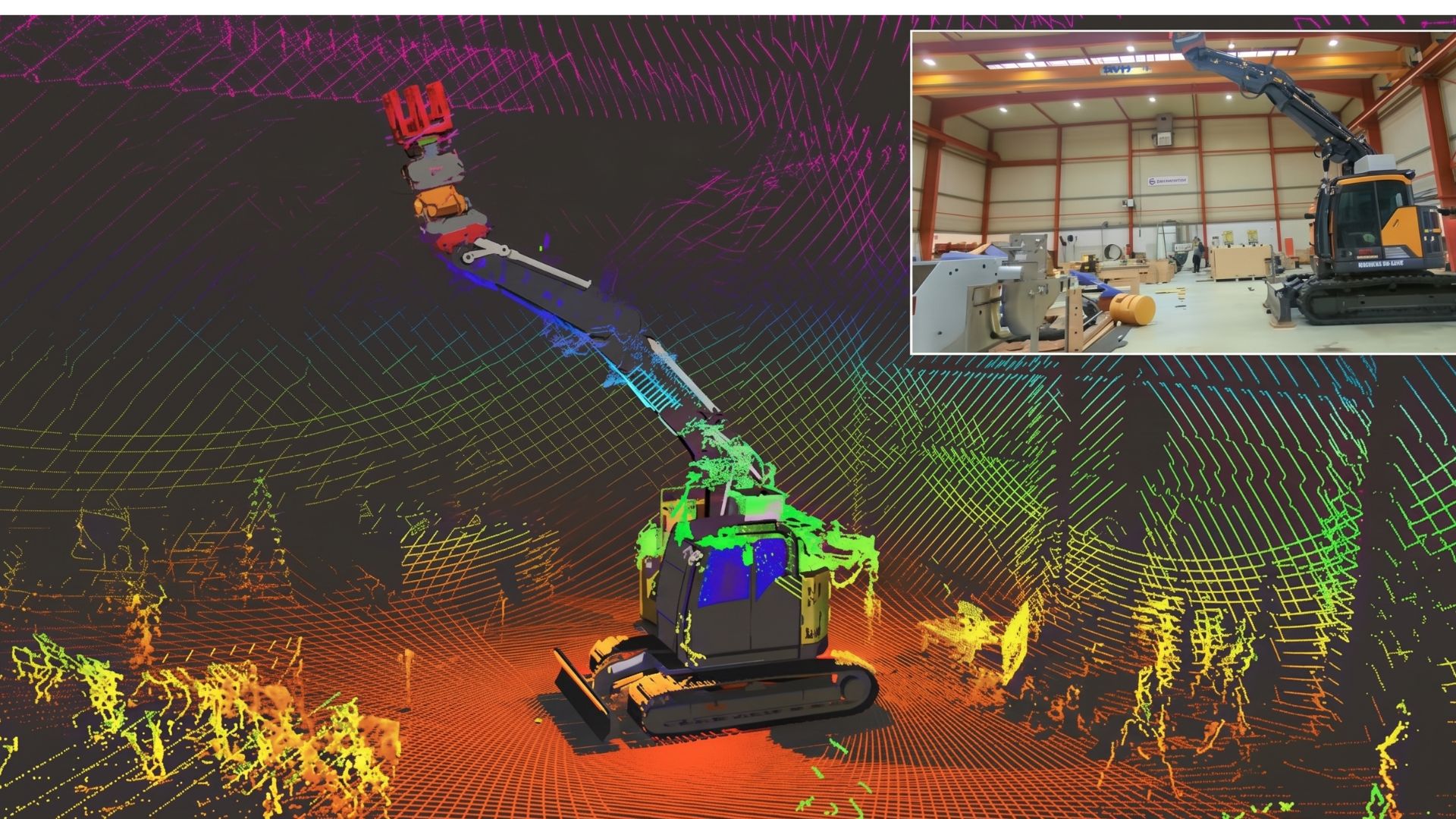
Germany plans robotic arms to retrieve 126,000 nuclear waste barrels in salt mine site
German engineering firm Bilfinger, in collaboration with the Fraunhofer IOSB research institute, is advancing the development of a tele-operated system aimed at enhancing industrial processes. This innovative technology is designed to improve efficiency and safety in various sectors by allowing remote operation of machinery and equipment. The project, which commenced recently, is set to take place at Bilfinger's facilities in Germany, where both organizations will leverage their expertise in engineering and research. The motivation behind this initiative is to address the growing demand for automation and remote management solutions in the wake of the COVID-19 pandemic, which has accelerated the need for safer working environments. By integrating cutting-edge technology and research, Bilfinger and Fraunhofer IOSB aim to create a robust system that can be deployed across multiple industries, ultimately transforming how operations are conducted in challenging environments.
The Ultimate Guide to Understanding Collaborative Robots
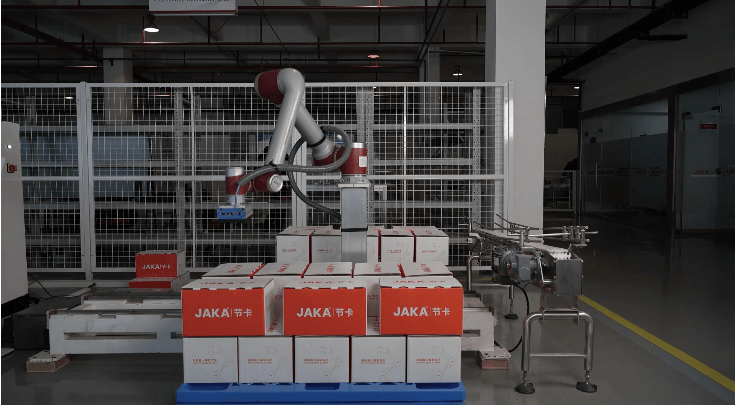
Manufacturing is experiencing a significant transformation as it shifts from rigid machinery to flexible, integrated systems, primarily driven by the rise of collaborative robots (cobots). These advanced robots, equipped with sensors and power-limiting features, can safely operate alongside human workers without the need for extensive safety barriers. The appeal of cobots lies in their accessibility; they can be programmed using intuitive "drag-and-drop" interfaces, allowing operators with minimal technical skills to easily teach them new tasks. Their smaller physical footprint enables manufacturers to automate specific workstations without the need for complete facility overhauls, enhancing productivity in tasks such as precision assembly and palletizing. JAKA, a leader in this field, emphasizes its commitment to "Freeing Your Hands" through its S³ (Smart, Simple, Small) design philosophy. Their product line, including the JAKA Zu series, caters to various industrial needs, offering models with payloads ranging from 3kg to 20kg and exceptional precision. The JAKA Pro series is designed for harsh environments, featuring IP68 protection against oil, dust, and moisture, while the All-in-one series includes plug-and-play vision systems for autonomous adaptability. By adopting JAKA technology, manufacturers can ensure a future-proof ecosystem that integrates seamlessly into existing workflows, enhancing productivity as their operations scale. JAKA continues to innovate, providing the tools necessary for a more intelligent and flexible production line.
Are Industrial Cobots Better Than Custom-Built Automation Machinery?
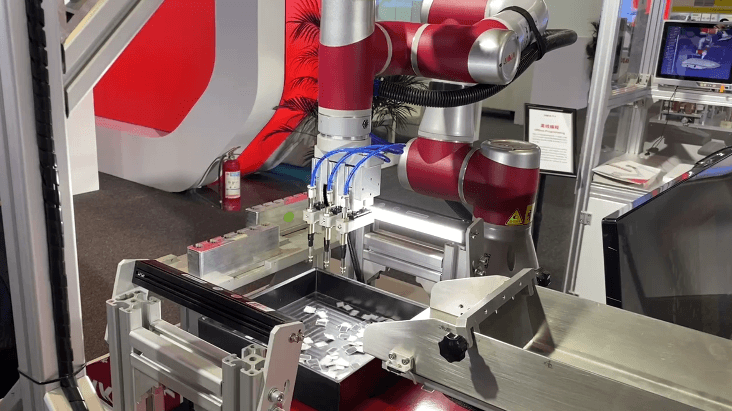
JAKA, a leader in industrial automation, is actively comparing its collaborative robot solutions to traditional custom-built machinery amid the rapid evolution of the industry. Many manufacturers are grappling with issues related to flexibility, scalability, and overall costs associated with bespoke automation. In contrast, JAKA's industrial collaborative robots, such as the JAKA Pro16, offer significant adaptability, allowing for quick transitions between tasks like palletizing, machine tending, and welding with minimal reconfiguration. The JAKA Pro16 is designed to thrive in demanding environments, boasting an IP68 rating that protects it from dust and liquids, making it a robust choice for dynamic industrial settings. This flexibility not only reduces downtime but also enables manufacturers to respond swiftly to production changes. Moreover, JAKA's collaborative robots present a lower total cost of ownership compared to traditional machinery, requiring less specialized installation and engineering time. The JAKA Pro16 can be deployed in weeks rather than months, facilitating easier scaling and adjustments in operations. Its high payload capacity and precision, even in harsh conditions, contribute to consistent performance and reduced quality variations. Overall, JAKA's experience suggests that industrial cobots provide greater flexibility, faster deployment, and enhanced reliability compared to custom-built solutions. While bespoke machinery may still be necessary for highly specialized tasks, JAKA believes that collaborative robots offer a practical and cost-effective solution for many industries facing modern automation challenges.

Siemens and Humanoid bring Physical AI to the factory floor: deploying humanoids in industrial operations with NVIDIA
Siemens and Humanoid have achieved a significant milestone in integrating physical AI into industrial operations with the successful testing of the HMND 01 Alpha humanoid robot at Siemens' electronics factory in Erlangen, Germany. This event, which took place on April 16, 2026, marks a key development in their strategic partnership with NVIDIA, aimed at creating fully AI-driven, adaptive manufacturing environments. The HMND 01 Alpha, equipped with NVIDIA's physical AI technology, autonomously performed logistics tasks such as picking, transporting, and placing containers, meeting all target performance metrics. It achieved a throughput of 60 tote moves per hour, maintained over 8 hours of uptime, and demonstrated a pick-and-place success rate exceeding 90 percent. Siemens' Xcelerator portfolio plays a crucial role in this integration, providing the necessary digital infrastructure for real-time data exchange and synchronized workflows between the humanoid robot, other machinery, and human operators. This collaboration aims to address labor shortages and operational complexities in modern manufacturing. Humanoid’s development process was accelerated through the use of NVIDIA's AI stack, enabling a reduction in prototype development time from 18-24 months to just 7 months. This deployment signifies a step forward in the evolution of humanoid robots, positioning them as valuable assets in factory settings capable of adapting to dynamic conditions alongside human workers.
An Adaptive Double Closed‐Loop Path Tracking Control Method for High‐Precision Autonomous Navigation of Agricultural Machinery
In a recent study published in the Journal of Field Robotics, researchers have unveiled significant advancements in robotic navigation systems, particularly focusing on autonomous vehicles. This groundbreaking research, conducted by a team of engineers and computer scientists, was released in May 2026 and highlights the integration of artificial intelligence with real-time data processing to enhance navigation accuracy. The study took place in various urban environments, where the team tested their innovative algorithms designed to improve obstacle detection and route optimization. The motivation behind this research stems from the increasing demand for safer and more efficient autonomous transportation solutions in densely populated areas. Through a series of simulations and field tests, the researchers demonstrated how their approach allows vehicles to adapt to dynamic conditions, such as changing traffic patterns and unexpected obstacles. This capability not only promises to reduce the likelihood of accidents but also aims to improve overall traffic flow. The findings are expected to have a profound impact on the future of urban mobility, potentially leading to widespread adoption of autonomous vehicles that can navigate complex environments with greater reliability. As cities continue to evolve, the integration of such advanced robotic systems could play a crucial role in shaping the future of transportation.
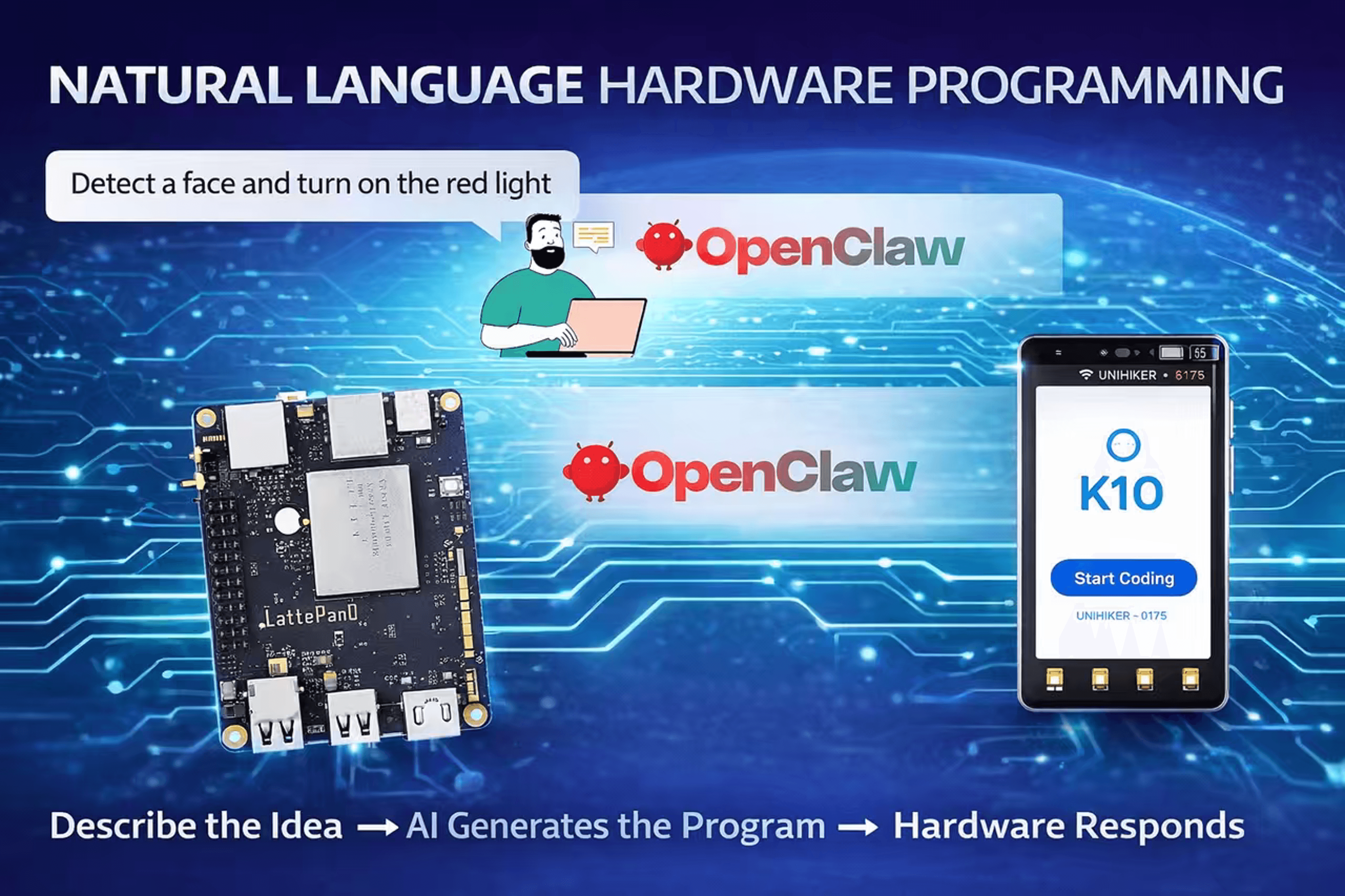
OpenClaw + UNIHIKER K10: Natural Language Hardware Programming in Minutes
Learn how OpenClaw enables natural language hardware programming on UNIHIKER K10, automating code generation, debugging, and deployment in minutes.

Global Industrie : les exposants qui redéfinissent l’usine du futur
In less than a week, the Global Industrie 2026 trade show will commence, reaffirming its status as a key event for industrial innovation in Europe. This year's edition is set to highlight not only advanced machinery and impressive demonstrations but also the pivotal role of exhibitors in shaping the future of manufacturing. As industry leaders gather to showcase their latest technologies and solutions, the event aims to drive discussions on the transformation of industrial practices and the evolution of factories. The focus will be on how these innovations can enhance efficiency and sustainability in the manufacturing sector. The trade show, taking place in France, is expected to attract a diverse range of participants, all eager to explore the latest trends and developments in the industry.
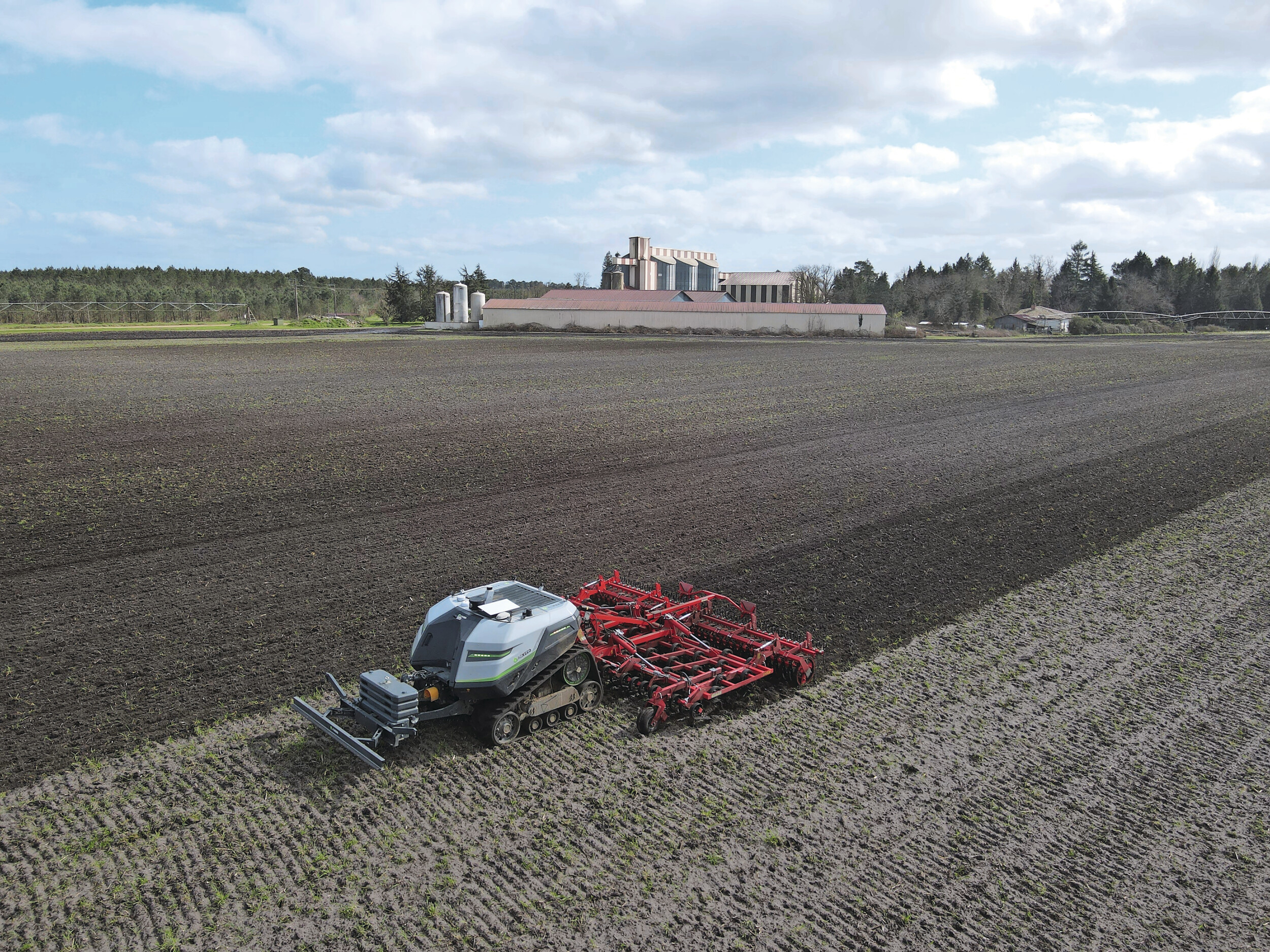
AgXeed Series 7: first field impression on 500 ha farm highlights power and capacity gains
AgXeed has launched its T2 Series 7 autonomous tractor, which boasts enhanced power, increased lift capacity, and extended working hours, all without a price increase. The new model was rigorously tested on a 500-hectare (1,235-acre) farm in southwest France, demonstrating its ability to perform effectively under real field conditions and manage heavier tillage operations. As the agricultural industry seeks innovative solutions, the focus now shifts from the tractor's capabilities to its operational efficiency and longevity in the field.
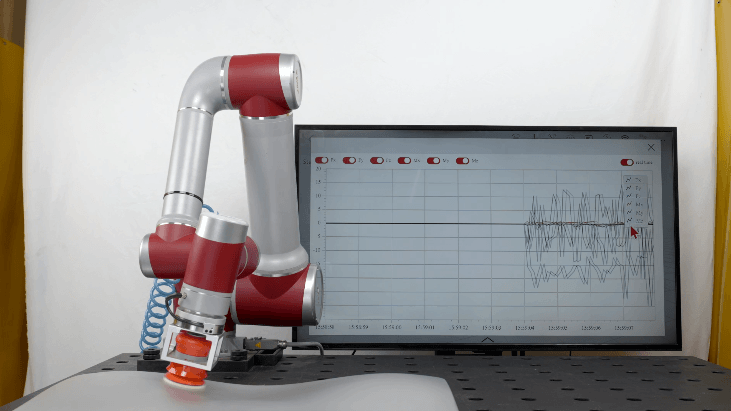
Industrial Cobot Price Analysis: Total Cost of Ownership (TCO) vs. Traditional Robotics
JAKA, a leader in automation solutions, emphasizes the importance of evaluating the total cost of ownership (TCO) when considering investments in industrial collaborative robots (cobots). Unlike traditional robotic systems that require extensive installation and specialized programming, JAKA's cobots offer flexibility and efficiency, significantly reducing labor costs and workspace requirements. This approach allows for rapid redeployment across production lines, enhancing long-term financial and operational benefits for businesses seeking cost-effective automation. The JAKA Pro16 Polishing and Grinding solution exemplifies the adaptability of industrial cobots, ensuring consistent processing precision and reducing defect rates. Its reprogrammable system enables quick adjustments for different workpieces, thereby shortening product modification cycles and minimizing the need for additional equipment. Furthermore, by taking over hazardous tasks, these robots enhance workplace safety by reducing direct human interaction with dangerous machinery. JAKA highlights that the TCO of cobots is influenced by their low maintenance requirements and operational efficiency. Unlike traditional robotics, which often involve complex setups and ongoing technical support, JAKA’s systems are designed for intuitive operation and seamless integration. Their modular design allows for future upgrades, extending service life and providing continuous value while minimizing downtime and maintaining consistent production quality. In conclusion, JAKA advocates for a comprehensive evaluation of automation solutions that goes beyond initial costs. By focusing on TCO, businesses can better appreciate how industrial cobots enhance operational efficiency, safety, and adaptability, ultimately leading to a scalable and efficient production environment.
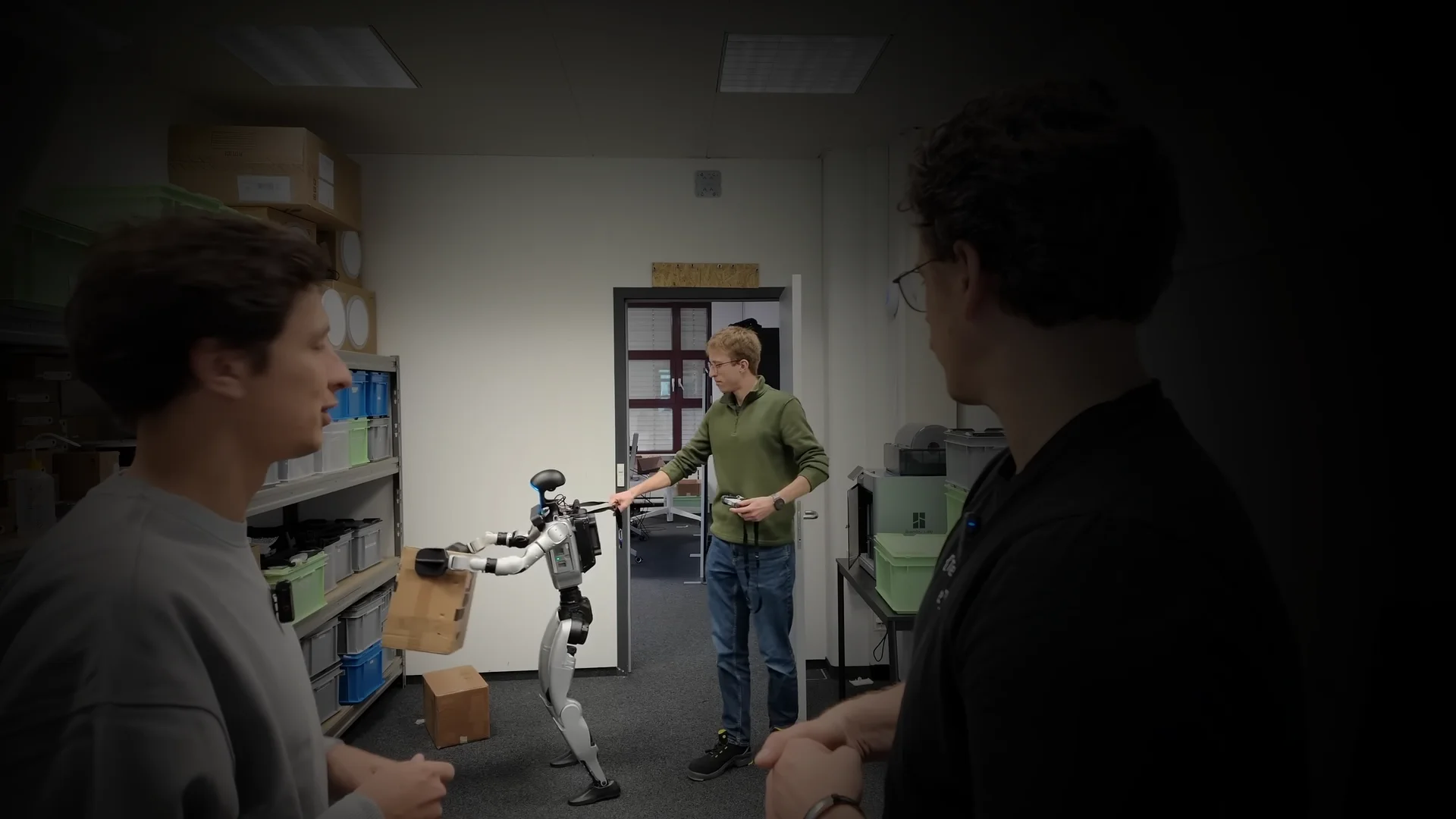
Watch: Inside the Zurich Lab Building the "Android" of Humanoids
Flexion Robotics has launched a new lab tour that provides an exclusive glimpse into its innovative software-first strategy aimed at transforming standard off-the-shelf hardware into effective industrial robots. This initiative, which showcases the company's commitment to enhancing automation capabilities, highlights how advanced software can optimize existing hardware for various industrial applications. The tour, taking place at Flexion's facility, allows attendees to witness firsthand the integration of software solutions with conventional machinery, demonstrating the potential for increased efficiency and productivity in the workforce. By focusing on software development, Flexion Robotics aims to address the growing demand for versatile and cost-effective robotic solutions in the manufacturing sector.
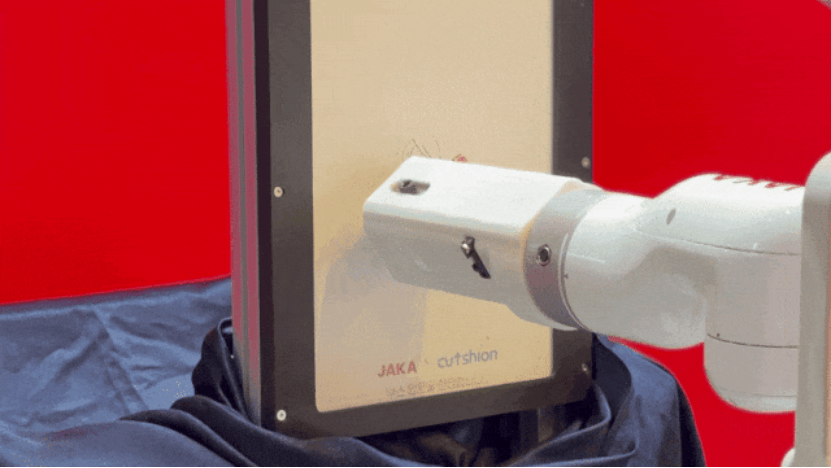
韩国智造!节卡机器人亮相AW2026 韩国展,全场景通用智能机器人方案解锁产业无限可能!
The Automation World 2026 (AW2026) exhibition, a leading event in smart manufacturing innovation, kicked off on March 4, 2026, at the Coex Convention Center in Seoul. JAKA Robotics showcased its cutting-edge technologies, including the JAKA Lumi embodied intelligence platform and the JAKA K1 dual-arm robot, aimed at enhancing the smart upgrade of South Korea's manufacturing sector. The JAKA Lumi platform, a highly integrated training solution, garnered attention after a successful demonstration at the 2025 Korea International Machinery Fair, where it impressed major clients like Chimeak from the food industry. This platform is designed to improve training efficiency with minimal data input, making it suitable for various commercial applications. In collaboration with local integrator Cutshion, JAKA developed the JAKA Lumi platform to cater to new business clients, featuring advanced voice interaction and image processing capabilities. The JAKA K1 robot attracted significant interest with its VR remote operation demonstration, showcasing its flexibility and precision for industries such as automotive and electronics. JAKA's welding solutions, developed through a two-year partnership with a major South Korean shipyard, were also highlighted, demonstrating the effectiveness of their robots in various welding applications. Additionally, the JAKA A12L robot and JAKA S³ composite robot were presented, addressing key challenges in the robotics market. JAKA Robotics emphasized its commitment to education by collaborating with top South Korean universities to integrate robotics into academic programs. The company aims to foster local partnerships and adapt its products to meet regional market demands, marking AW2026 as a significant milestone in its expansion into East Asia. A product sharing session for the JAKA Lumi platform is scheduled for the following day, inviting attendees to explore its applications in service, new business, and light industry.
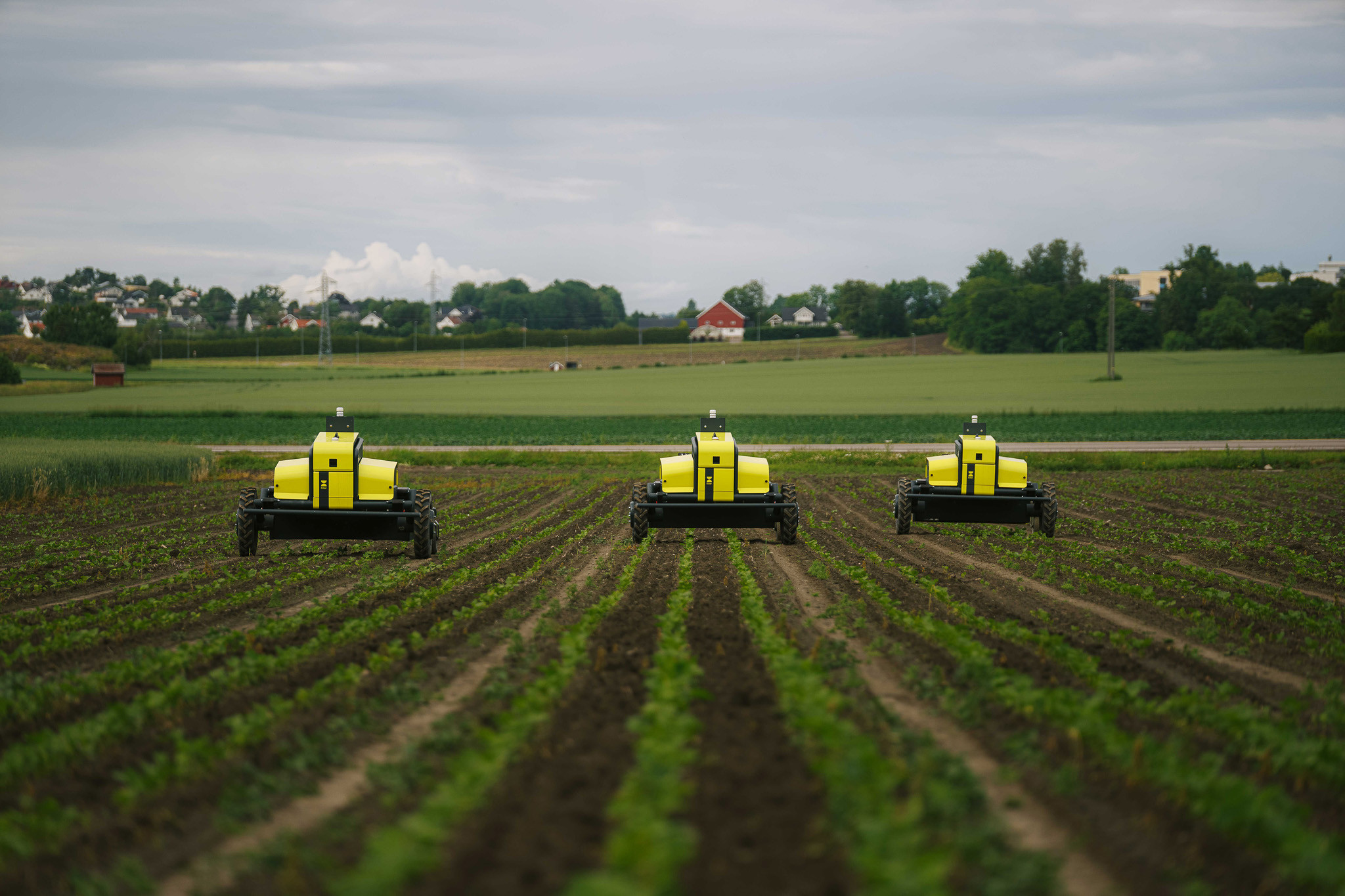
Labour shortages continue to drive demand for field robots
Manufacturers are anticipating continued growth in the global field robot market through 2026, even amid economic challenges facing the agricultural machinery sector. This optimism is largely driven by a persistent shortage of labor, which has heightened the demand for autonomous machines. Additionally, the push for sustainability and the need for more precise crop management are further propelling interest in these technologies. As farmers seek innovative solutions to address these pressing issues, the field robot market is poised to expand significantly in the coming years.
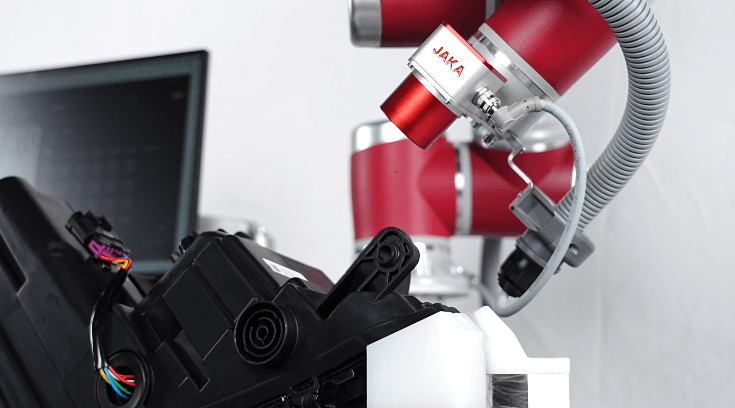
The Science Behind Cobot Force Sensing and Collision Detection
JAKA, a leader in collaborative robotics, is advancing the integration of force sensing and collision detection technologies to enhance safety and efficiency on production floors. As the demand for collaborative robots grows, understanding these systems becomes crucial for their effective deployment. Force sensing enables robots to perceive real-time physical interactions by continuously monitoring joint-level data such as torque and motion. This capability allows robots to differentiate between normal operational loads and unexpected contact, facilitating smoother transitions and reducing stress on both machinery and operators during tasks like assembly and inspection. Complementing this, collision detection translates abnormal force patterns into immediate responses, allowing robots to adjust their speed or halt operations when necessary. This continuous feedback loop fosters safe interactions between robots and human workers without the need for physical barriers, accommodating dynamic work environments. JAKA's compact cobot design, exemplified by the JAKA Zu3, integrates these technologies into a lightweight system suitable for precision tasks in confined spaces. With a payload capacity of 3 kg and a reach of 626 mm, the Zu3 is engineered for seamless human-robot collaboration, ensuring that existing workflows remain undisturbed. By embedding advanced sensing and control mechanisms into their robotics framework, JAKA aims to promote reliable collaboration in real-world production settings, where safety, precision, and adaptability are paramount.
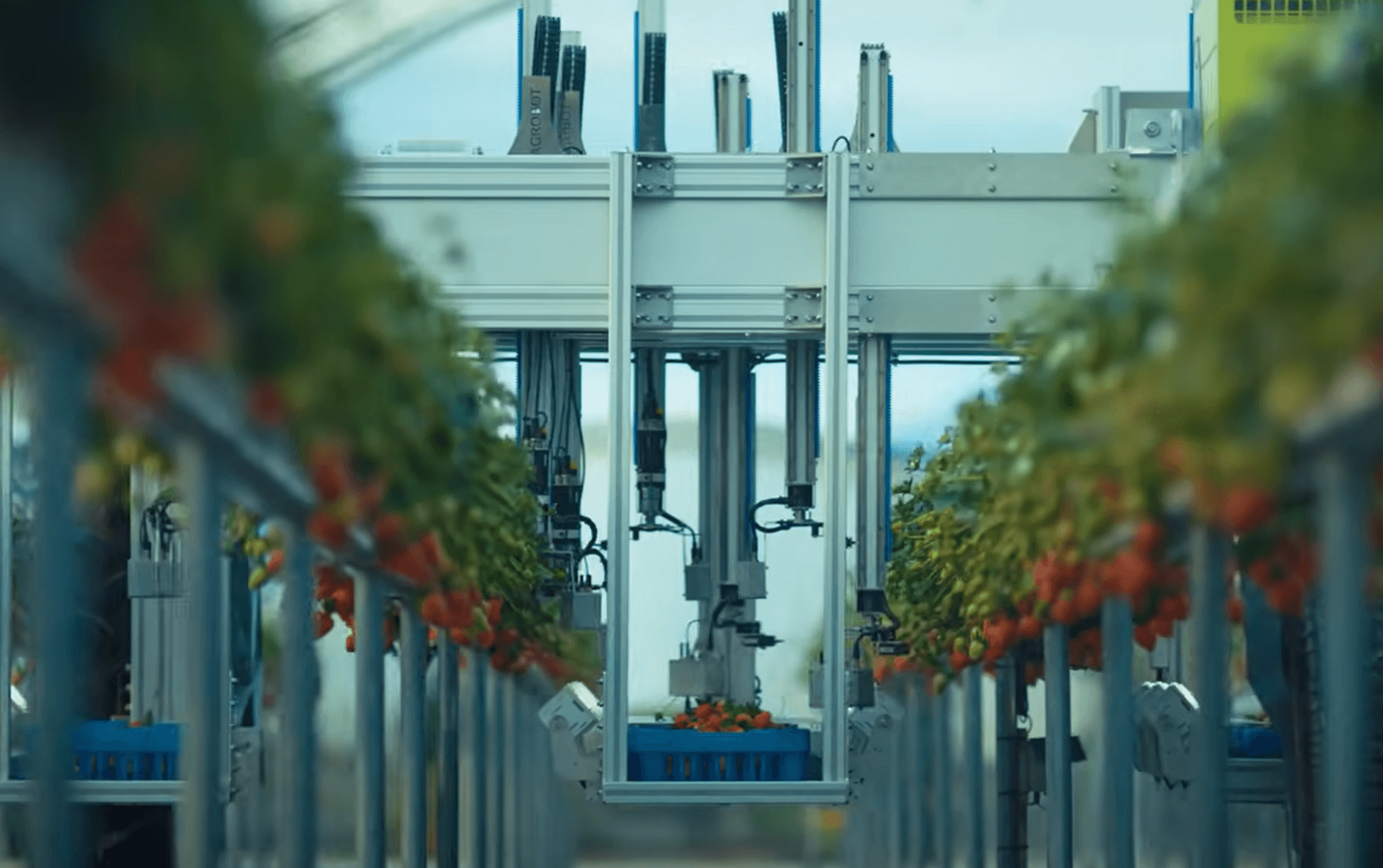
AGRICULTURAL ROBOTICS | Harvesting Robots: $6.9B Market
Harvesting robots hit $2.24B in 2024 and are targeting a $50B labor market at less than 5% penetration. Deep-dive: market data, 14 companies, economics, and 2030 outlook.
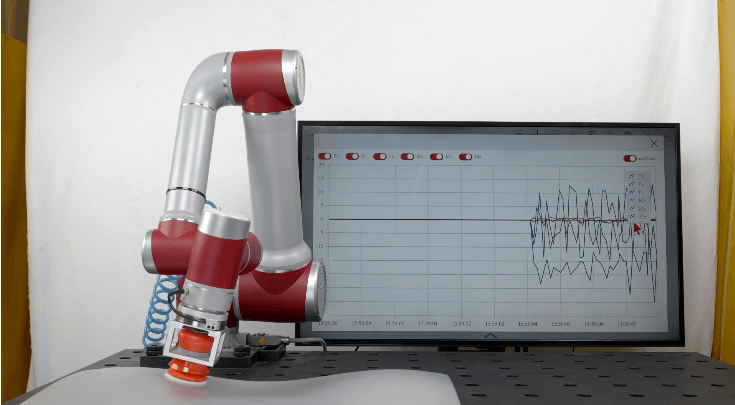
Cobot Arm vs. Traditional Grinding Machine: Precision and Flexibility in Finishing
JAKA has introduced a new polishing robot built on a collaborative platform, revolutionizing surface finishing tasks traditionally reliant on fixed machinery. This innovative cobot arm, designed for complex components, enhances precision and adaptability in polishing and grinding processes. Unlike conventional grinding machines that excel only on flat surfaces, the JAKA robot utilizes advanced force control technology to adjust pressure in real-time, ensuring even material removal without damaging intricate parts. The cobot arm's lightweight and compact design allows for quick redeployment across different production stations, significantly reducing changeover time. Operators can easily program new finishing paths through intuitive hand-guided teaching, transforming the robot into a versatile asset capable of handling small batches and custom work efficiently. Moreover, the collaborative nature of the JAKA robot enhances safety in the workplace. Unlike traditional machines that require full safety guarding, the cobot arm is equipped with safety mechanisms that enable it to operate alongside human workers. This allows for manual loading and inspection tasks to be performed without interrupting the production flow. In summary, JAKA's polishing robot offers manufacturers a flexible and precise solution for finishing tasks, making it an ideal choice for complex parts and mixed-production environments. The integration of this technology promises to improve workflow and product quality while adapting to the evolving needs of modern manufacturing.
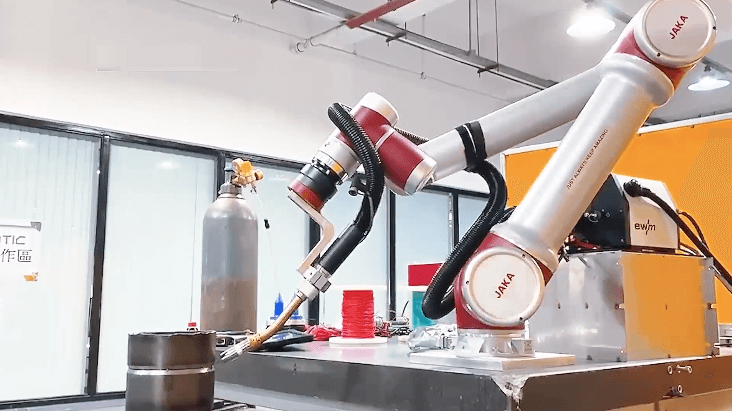
Why Are 6-Axis Robot Arms Important for Precision Automation Users?
JAKA, a specialist in collaborative robotics, has emphasized the critical role of six-axis robot arms in precision automation. These advanced robotic arms, designed to mimic the full range of motion of a human arm, offer unparalleled dexterity and flexibility necessary for complex tasks such as assembly and machine tending. By utilizing six points of rotation, these robots can position tools at precise angles, ensuring accuracy in operations like component insertion and sealant application. The company highlights that the efficiency of six-axis robots significantly enhances processes in machine tending and logistics. For instance, these robots can seamlessly handle tasks such as retrieving raw parts from conveyors, operating machinery, and managing finished components, thereby maximizing equipment uptime. Their compact design and user-friendly programming capabilities allow for quick deployment across multiple production lines, effectively addressing manual labor challenges. Moreover, JAKA prioritizes accessibility in automation, offering intuitive programming tools that enable users to leverage the full capabilities of the six-axis design without requiring extensive coding knowledge. This approach not only facilitates the replacement of manual labor but also allows teams to focus on higher-value tasks, making advanced precision automation more attainable. In summary, JAKA's six-axis robot arms are essential for precision users seeking to enhance production efficiency and product quality, providing the necessary dexterity to transform intricate operations into reliable automated processes.
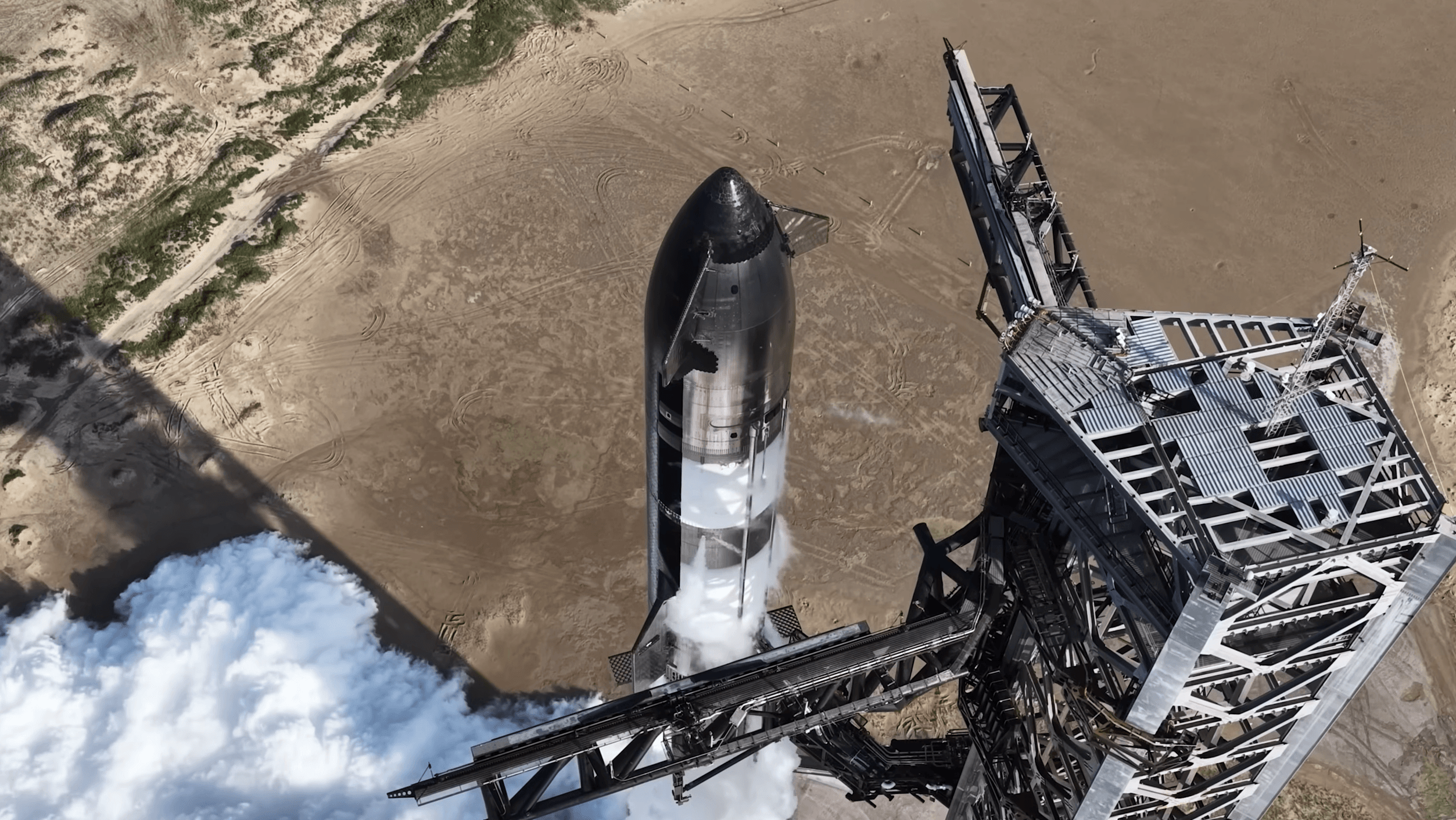
EXECUTIVE BRIEFING: The 2026 Space Robotics Landscape
Explore the definitive 2026 directory of 95+ space robotics leaders, covering orbital servicing, lunar rovers, and in-space manufacturing. Download the complete RobotToday reference guide to track the companies, funding, and technologies driving the $24B orbital economy.
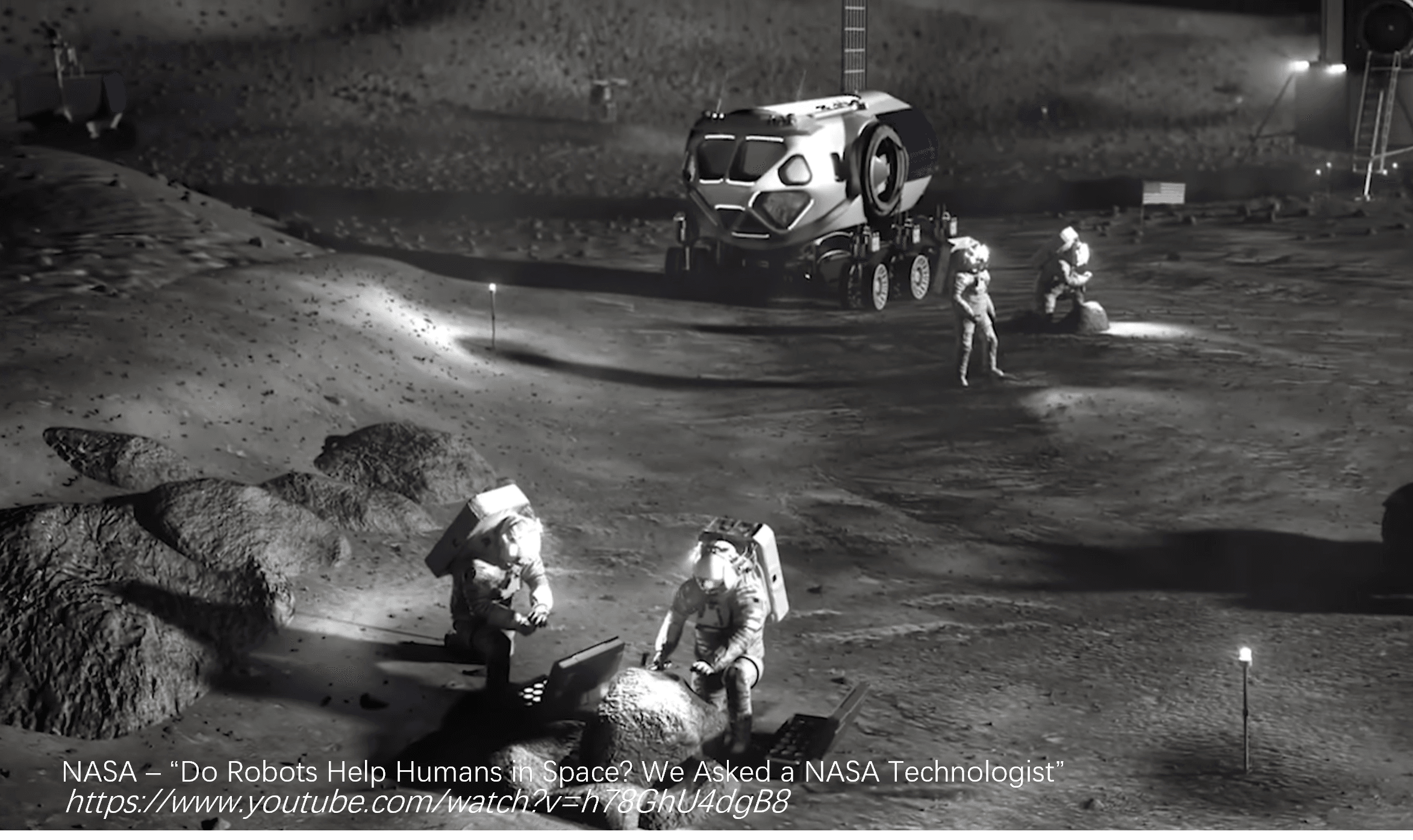
Space Robot- Building Skyscrapers in Space: ISMA's Industrial Revolution
ISAM technology breaks rocket fairing limits through robotic space manufacturing. Market grows from $3.5B to $14.5B by 2032. See how 3D printing, autonomous assembly, and orbital fabrication are creating off-Earth factories.
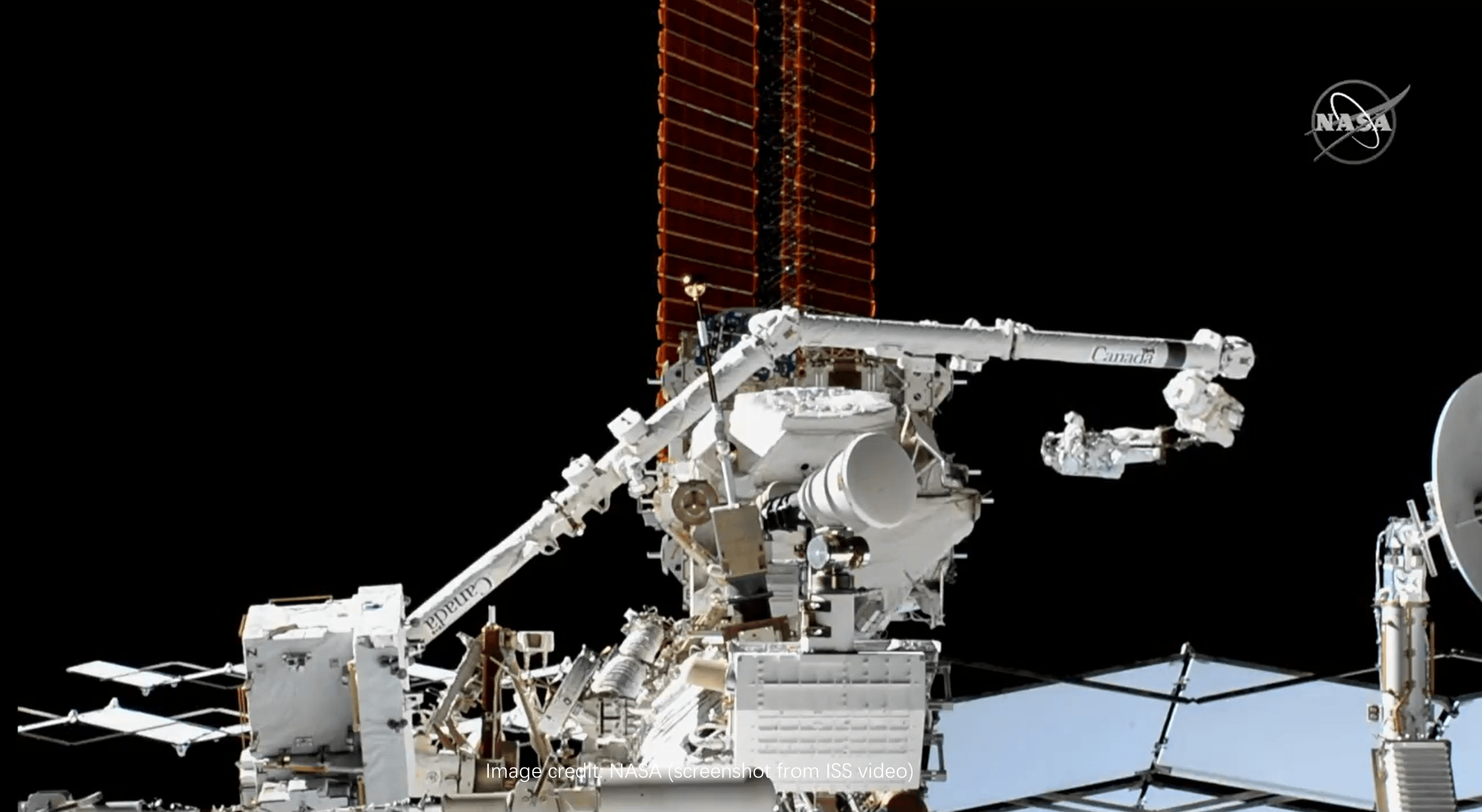
Space Robot - Space Station's AI Assistants: From Robotic Arms to Autonomous Partners
Space station robots evolve from remote tools to autonomous AI partners. How embodied intelligence reshapes human-robot collaboration in orbit.
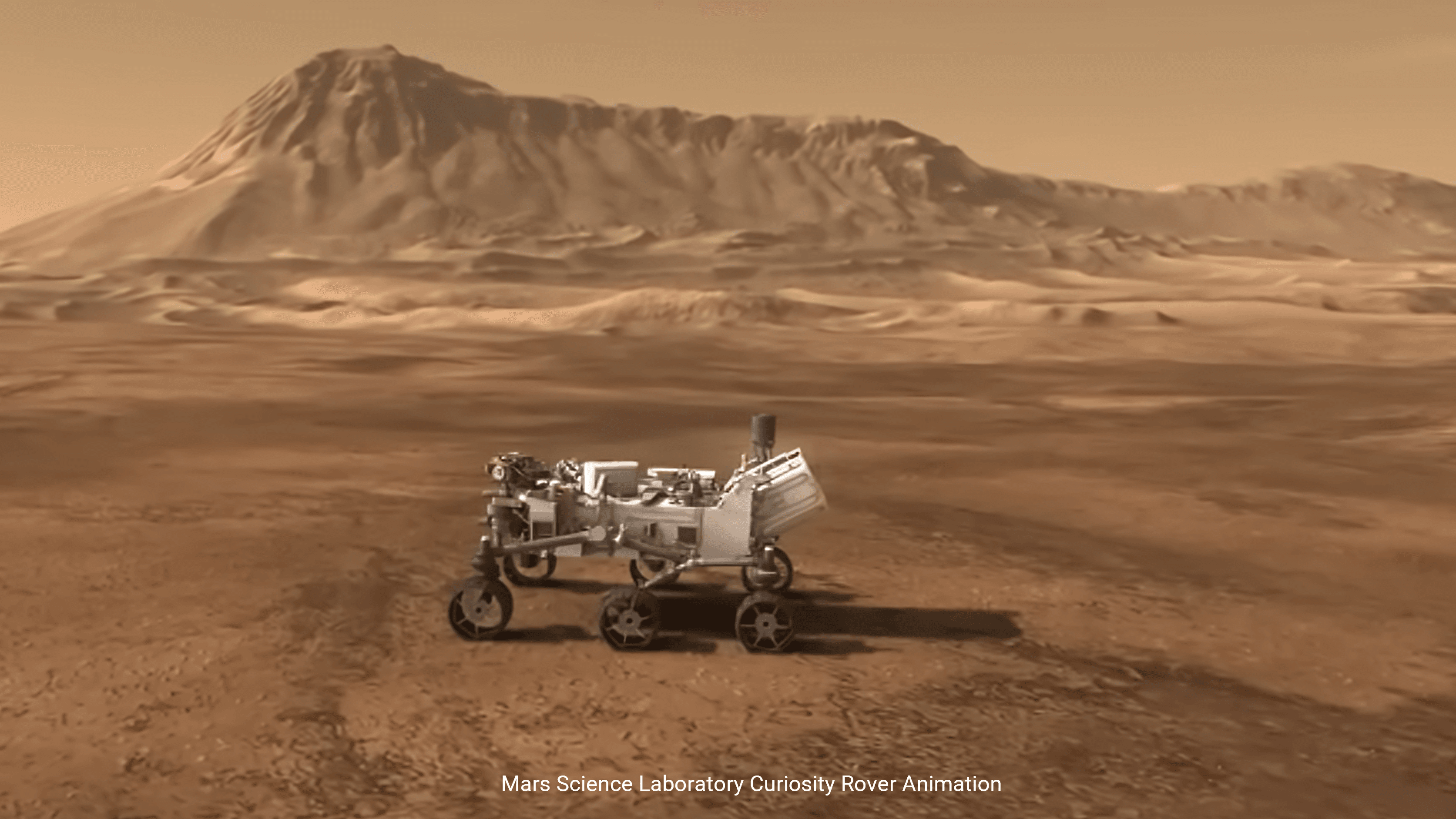
Space Robot- Lunar Rovers: Building Infrastructure on the Moon
Lunar rovers face -180°C nights and glass-sharp dust while building moon infrastructure. Inside the engineering challenges, commercial strategies, and international competition shaping planetary robotics.

Global Robotics Market 2026: Forecast Analysis & Key Trends
Comprehensive 2026 global robotics market forecast compilation from IFR, Markets and Markets & more. Market size, growth rates & regional analysis by segment.

RobotToday Weekly Industry Briefing: Feb 2 – 6, 2026
Robotics shifted from demos to deployment post-CES 2026, led by China’s humanoid scale, AI robot brains, and accelerating industrial adoption.
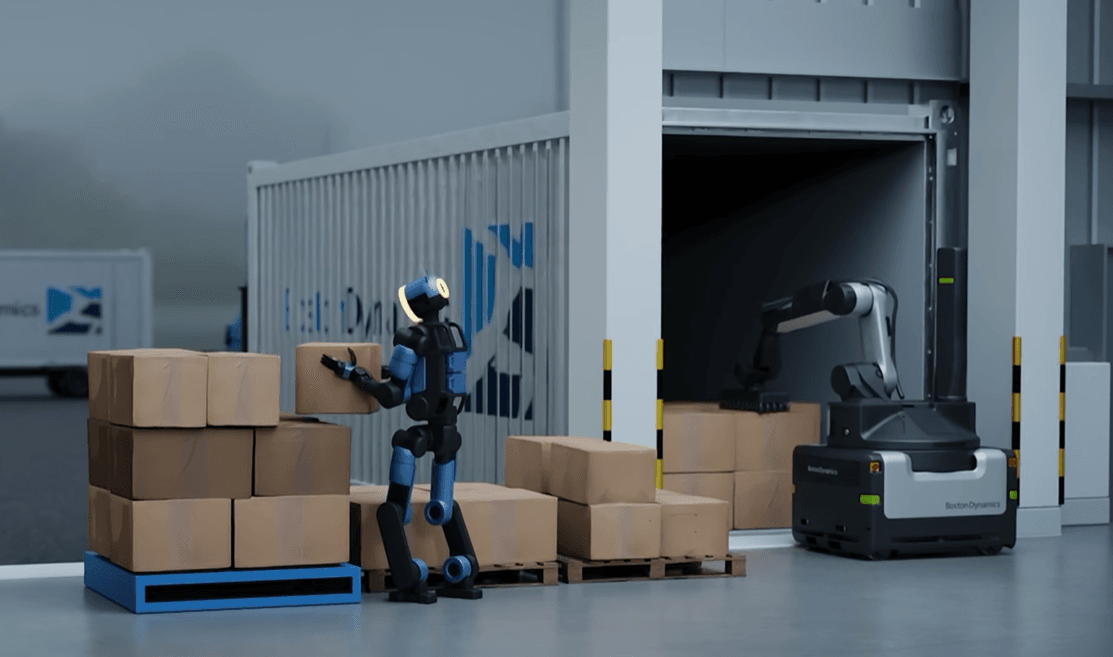
When the Machine Knows Better: The Quiet Revolution Inside Manufacturing
The machine can already see what human inspectors miss. But inside manufacturing, the real fight isn't about technology — it's about who gets to decide. The union battle over Manufacturing Intelligence begins here.