Search Result for: https://spectrum.ieee.org/ai-earth-observation-in-space

This DIY Bipedal Robot Used Pneumatic “Air-Muscles” Instead of Motors
In 1987, British photographer Richard Greenhill, driven by a passion for robotics, initiated a weekly gathering in his attic to develop a life-size humanoid robot, the Shadow Walker, capable of performing practical tasks like carrying luggage. Unable to secure support from his startup, Intergalactic Robots, Greenhill enlisted the help of a group of DIY enthusiasts, known as the Shadow Group, who met every Wednesday to work on the project, fueled by homemade spaghetti dinners. With contributions from robotics expert David Buckley, the team designed the robot using a simplified skeletal structure and pneumatic "air-muscles" for movement, aiming to achieve balance and mobility. Despite their efforts, the Shadow Walker struggled to walk, ultimately failing to compete effectively at the 1st International Robot Olympics held in Glasgow in September 1990, where it was outperformed by other entries. The Olympics showcased over 50 robots from various countries, highlighting both the advancements and limitations in robotics at the time. While the Shadow Walker did not succeed in its primary goal, it laid the groundwork for future developments in robotics. In 1997, the Shadow Group transitioned into a registered company, Shadow Robot, which now focuses on creating advanced robotic hands, reflecting a shift from walking robots to specialized dexterity in robotic technology. Despite significant progress in robotics, the journey toward creating truly functional humanoid robots continues.
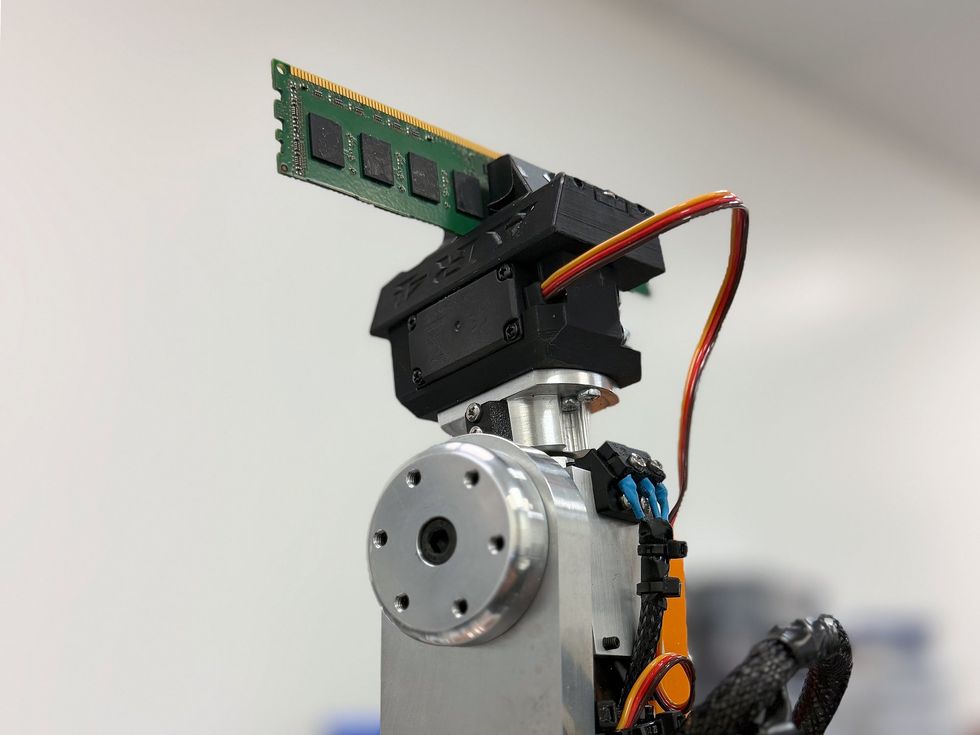
Robots Could Turn E-Waste Into a Source of Legacy Chips
In response to increasing regulatory pressures regarding electronic waste, Tuurny, a San Francisco-based startup, is developing an innovative automated system aimed at enhancing e-waste recycling. With global e-waste projected to reach 82 million tonnes annually by 2030, current recycling methods capture less than one-third of the recoverable metal value from discarded electronics. Tuurny’s robotic system, named Nantul, is designed to identify and extract reusable components, particularly RAM integrated circuits, from circuit boards before they are shredded. The company plans to deploy dozens of these machines in early 2027 through a partnership with Areera, a UK-based television recycler that processes 1,500 tonnes of televisions monthly. Tuurny’s approach contrasts with traditional recycling methods, which often destroy valuable components by mixing them into bulk streams. Instead, Nantul employs advanced robotics and computer vision to carefully remove and sort components, aiming to create a new supply chain from recycled materials. Sina Ghashghaei, Tuurny’s founder, emphasizes the importance of recovering components from legacy systems, where sourcing replacements can be challenging. The technology, which combines suction, controlled heat, and robotic controls, is designed to minimize damage during extraction. While experts acknowledge the technical feasibility of Tuurny’s approach, challenges remain in ensuring the robots can adapt to the variability of e-waste and operate cost-effectively. The success of this initiative could significantly impact the recycling industry and address supply chain concerns for critical components in various sectors.
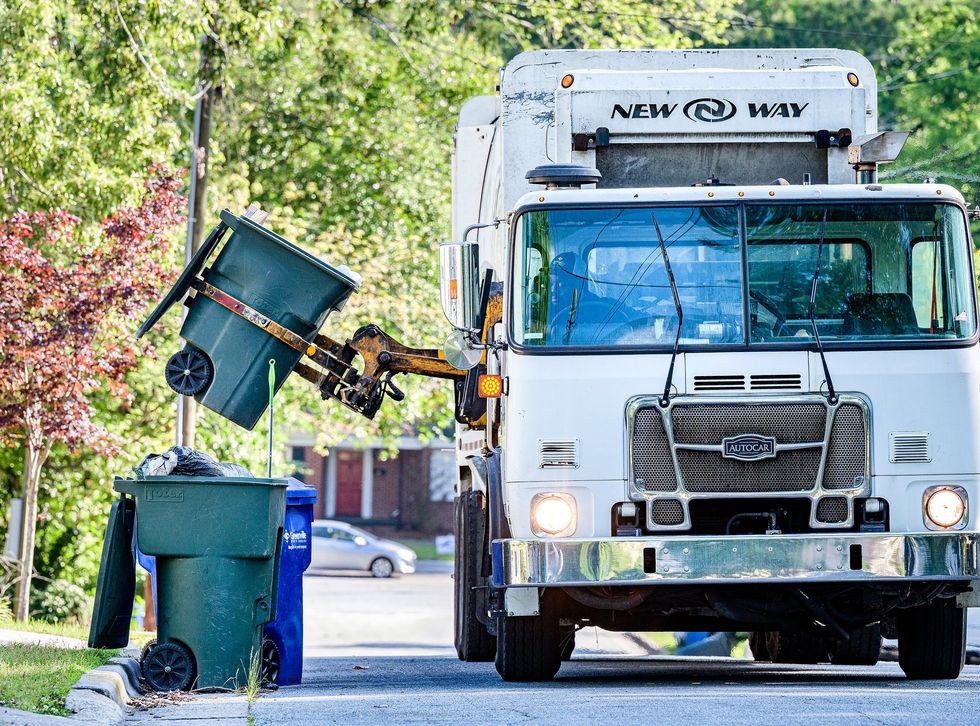
What Makes a Job Dull, Dirty, or Dangerous?
Researchers from the RAI Institute have presented a new framework aimed at redefining the concepts of “dull, dirty, and dangerous” (DDD) work in robotics at the 21st ACM/IEEE International Conference on Human-Robot Interaction in Edinburgh, Scotland. Their study, which analyzes robotics publications from 1980 to 2024, reveals that only a small percentage of these works define DDD or provide specific examples. The team emphasizes that the classification of jobs as DDD is influenced by social, economic, and cultural factors, and they advocate for a deeper understanding of workers' perspectives. The researchers conducted a comprehensive review of social science literature to refine definitions of DDD tasks. They found that dangerous work often goes underreported, with significant gaps in data related to gender and employment status. Similarly, dirty work encompasses not only physical aspects but also social stigma, while dull work is often mischaracterized without considering the experiences of those performing the tasks. By proposing a framework that incorporates worker insights and contextual factors, the researchers aim to guide the robotics community in identifying jobs that could benefit from automation without stripping away the meaningful aspects of the work. They highlight the waste and recycling industry as a case study, noting that while it is perceived as a DDD job, many workers find pride and enjoyment in their roles. The researchers call for further exploration of how robotics can enhance safety and efficiency while preserving the positive elements of work.
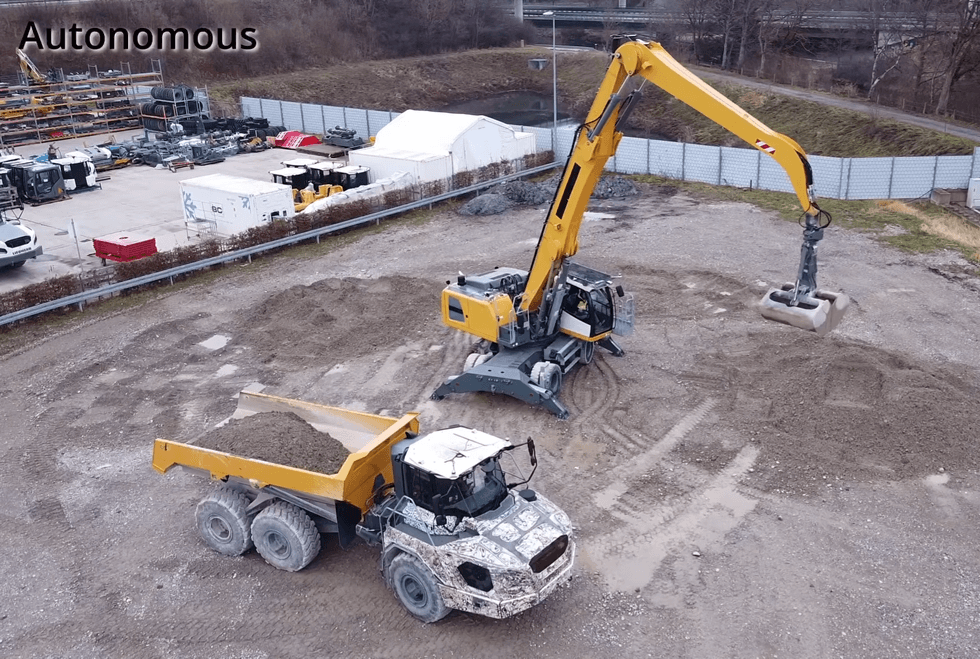
Video Friday: Heavy Robotic Machinery Operates Itself
IEEE Spectrum robotics has released its latest edition of "Video Friday," showcasing a variety of innovative robotics videos and announcing upcoming robotics events. Notable conferences include ICRA 2026 in Vienna from June 1-5, and the Summer School on Multi-Robot Systems in Prague from July 29 to August 4, 2026. Among the featured content is a groundbreaking autonomous material-handling solution developed by ETH Zurich, capable of operating a 40-ton material handler, traditionally a labor-intensive task. Other highlights include the introduction of the world's first production-ready manned mecha by Unitree, and the launch of NIX, an embodied AI exploring dance and movement, which will be made available for free to select partners. NTNU has unveiled the Unified Autonomy Stack, a robust system designed for aerial and ground robots, enhancing their autonomy through advanced perception and navigation capabilities. This system has been validated in challenging environments, showcasing its effectiveness in exploration and object discovery. Robotics expert Rodney Brooks, cofounder of Robust AI, shared insights on the challenges of innovation in robotics and the implications of the current AI surge during a Q&A session ahead of his panel at the Forbes America Innovates event in San Francisco. As the field continues to evolve, the integration of data collection methods remains a significant challenge, with the Koala platform exemplifying innovative approaches to enhance robotic manipulation tasks.
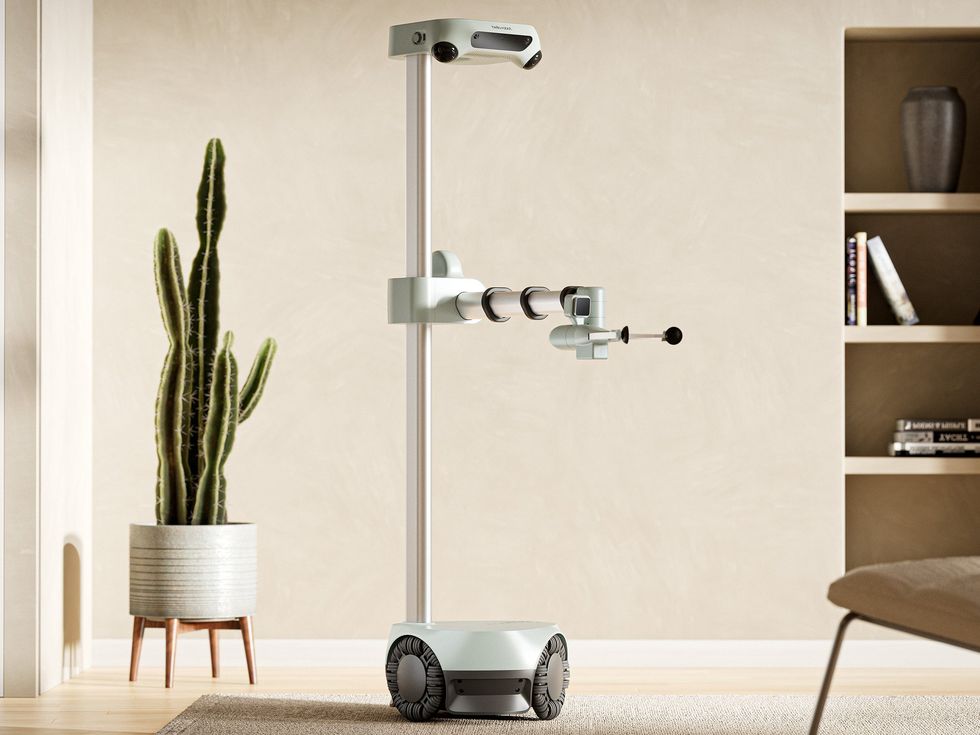
Hello Robot Sets the Standard for Practical, Safe Home Robots
Hello Robot has announced the launch of Stretch 4, a new version of its mobile robot designed for practical household tasks. This announcement comes as the company aims to transition from research-focused robotics to a deployable solution for home use, particularly for individuals with severe mobility impairments. The unveiling took place today, with the robot's design emphasizing mobility and manipulation over humanoid features. Stretch 4 features an advanced omnidirectional base allowing it to move in any direction, enhancing user control. The robot is equipped with a sophisticated sensor suite for improved navigation and autonomy, including cameras and lidar technology. Co-founders Aaron Edsinger and Charlie Kemp highlighted the challenges faced during the design process, aiming to avoid overcomplicating the robot while ensuring it meets real-world needs. The robot is intended for pilot deployments in homes, with the goal of gathering data to refine its capabilities for everyday use. Unlike humanoid robots, which may not effectively serve individuals with disabilities, Stretch 4's wheeled design is seen as more practical and safer for home environments. Priced at $29,950, Stretch 4 is positioned as an affordable option in the mobile manipulation market, with plans for further development leading to a commercially viable assistive robot in the near future.

iRobot Founder Wants to Put a Robotic Familiar Into Your Home
Colin Angle, co-founder and former CEO of iRobot, has launched a new venture called Familiar Machines & Magic (FM&M) two years after stepping down from his previous role. The company has unveiled its first product, a quadruped robot named Familiar, designed for adult consumers. This innovative robot aims to enhance daily routines by interacting with users in a natural and engaging manner, promoting healthier habits and providing companionship. Familiar is equipped with 23 degrees of freedom for lifelike movement and features a touch-sensitive coat, advanced vision systems, and audio capabilities, allowing it to respond to human interactions effectively. Angle describes the robot as a “pet-like” companion that can motivate users to engage in activities, such as reducing screen time, by encouraging outdoor walks or social interactions. The development of Familiar was influenced by advancements in robotics and AI, which have made it feasible to create a socially responsive robot. FM&M emphasizes the importance of establishing long-term relationships between users and the robot, focusing on its role in supporting healthy routines rather than merely providing companionship. While the company has not yet launched the robot commercially or disclosed pricing, Angle envisions Familiar as a platform that could evolve into specialized applications, such as elder care and parental support. The challenge remains to ensure sustained user engagement and to manage expectations regarding the robot's capabilities. Angle expresses optimism about the project's potential, underlining the importance of fostering human connection through technology.
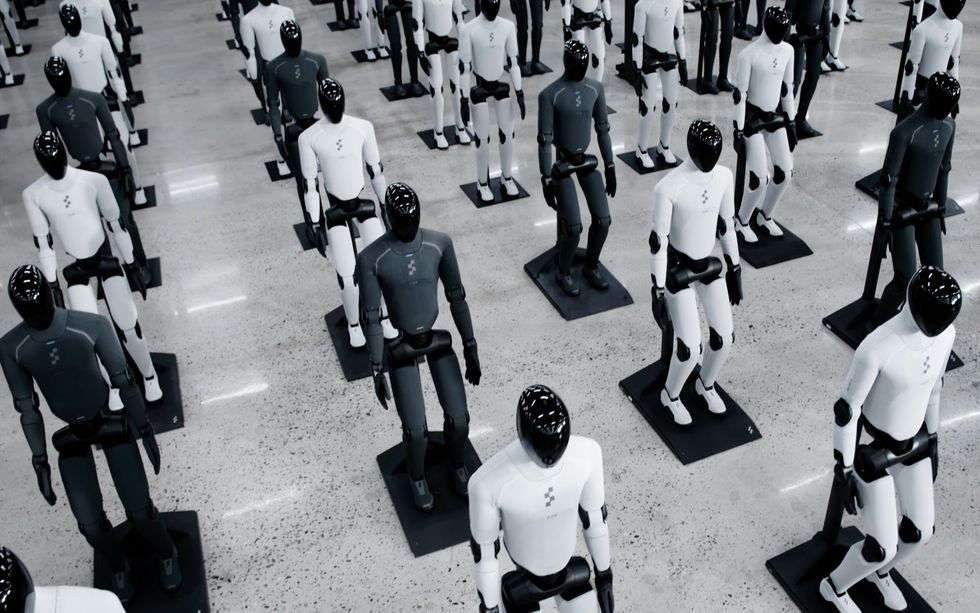
Video Friday: Figure, 1X Ramp Up Humanoid Robot Production
IEEE Spectrum robotics has released its weekly roundup of notable robotics videos and upcoming events, including major conferences like ICRA 2026 in Vienna and RSS 2026 in Sydney. A significant development in humanoid robotics has occurred with the opening of the NEO Factory in Hayward, California, which is now producing robots at a rate of 55 per week. This facility, which spans 58,000 square feet and employs over 200 staff, allows for complete in-house manufacturing, enhancing safety and efficiency. The first consumer robots are expected to ship in 2026, marking a pivotal step toward the realization of general-purpose home robots. In other news, NASA continues its exploration of Mars with two rovers, Perseverance and Curiosity, studying different geological eras of the planet. Meanwhile, the Chinese-made Unitree G1 humanoid robots are gaining traction in the U.S. tech landscape, being utilized by companies like OpenAI and Nvidia, raising questions about their implications for security and privacy. Additionally, advancements in robotics are showcased through various projects, including a surgical robot designed to streamline Neuralink implant procedures and a tactile-enabled humanoid manipulation system that enhances dexterity and stability in real-world tasks. As robotics technology evolves, experts are also exploring how autonomous systems make decisions in unpredictable environments, emphasizing the importance of AI in coordinating complex operations.
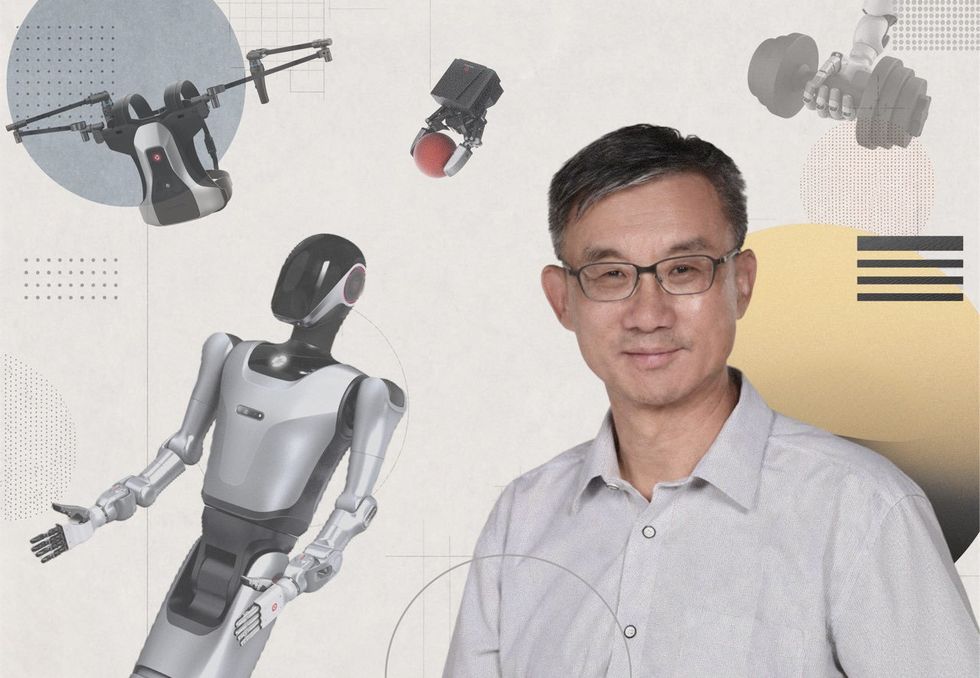
DAIMON Robotics Wants to Give Robot Hands a Sense of Touch
In April 2023, DAIMON Robotics, a Hong Kong-based company, launched Daimon-Infinity, touted as the world's largest omni-modal robotic dataset for physical AI. This extensive dataset, which includes high-resolution tactile sensing data from over 80 real-world scenarios and 2,000 human skills, aims to enhance robot manipulation capabilities across various tasks, from household chores to industrial assembly lines. The initiative is backed by collaborations with prominent partners, including Google DeepMind, Northwestern University, and the National University of Singapore. Prof. Michael Yu Wang, co-founder and chief scientist of DAIMON, emphasized the importance of tactile feedback in improving robotic dexterity, advocating for a shift from the traditional Vision-Language-Action (VLA) model to a more integrated Vision-Tactile-Language-Action (VTLA) framework. This transition is crucial for enabling robots to perform complex manipulation tasks effectively, especially in environments where visual data alone is insufficient. Recognizing a significant data gap in the robotics industry, DAIMON has committed to open-sourcing 10,000 hours of its dataset to support broader research and development efforts. The company aims to accelerate the deployment of embodied AI by providing high-quality tactile data, which is essential for training robots to interact with their surroundings more naturally and effectively. As the robotics landscape evolves, DAIMON's innovative approach positions it as a key player in advancing the capabilities of humanoid robots in real-world applications.
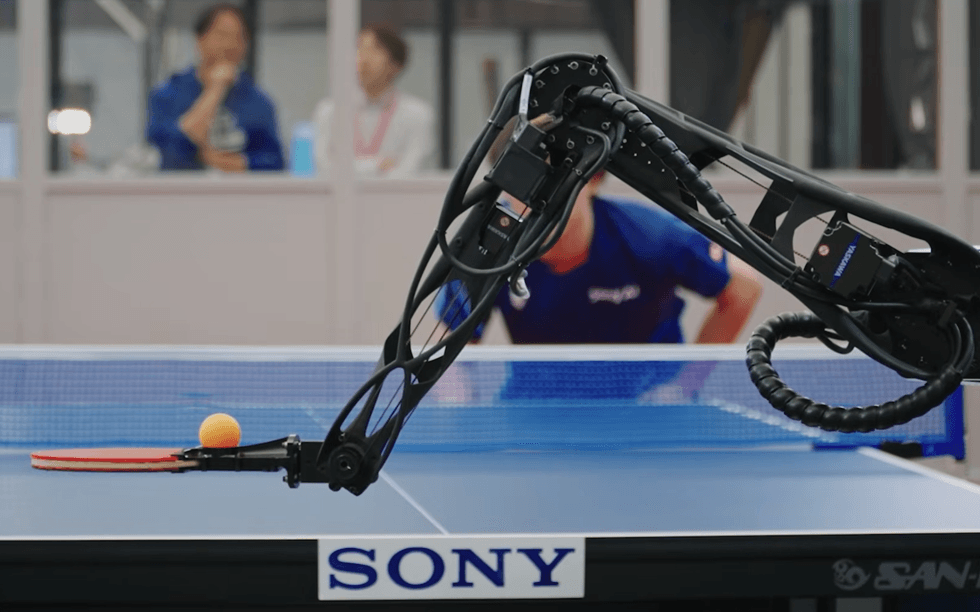
Video Friday: Who Wins in Robot Versus Pro Ping-Pong Player?
In a recent showcase of advancements in robotics, IEEE Spectrum highlighted several innovative developments and upcoming events in the field. Notably, Sony AI's latest research, featured on the cover of Nature, explores the potential of high-speed autonomous systems to master complex perception and dynamic control, aiming to compete with professional athletes. Among the exciting projects is the Ringbot Quad, a unique monocycle robot that integrates wheeled and legged locomotion, allowing it to navigate diverse terrains by switching between driving and walking modes. Meanwhile, in a significant milestone for China's robotics industry, humanoid robots outpaced human runners in a half-marathon in Beijing, with three robots finishing ahead of 12,000 participants. Other highlights include AthenaZero, a robot capable of juggling using only on-board sensory feedback, and advancements from the Max Planck Institute for Intelligent Systems, which reported a method to enhance the efficiency of soft electrostatic actuators, achieving conversion rates of up to 63.6%. As the field continues to evolve, discussions at Carnegie Mellon University emphasize the implications of Artificial General Intelligence (AGI) for society, proposing a future where humans collaborate with robots in supervisory roles, potentially transforming essential services and labor dynamics. Upcoming robotics events include ICRA 2026 in Vienna and the Summer School on Multi-Robot Systems in Prague, offering platforms for further exploration and innovation in robotics.
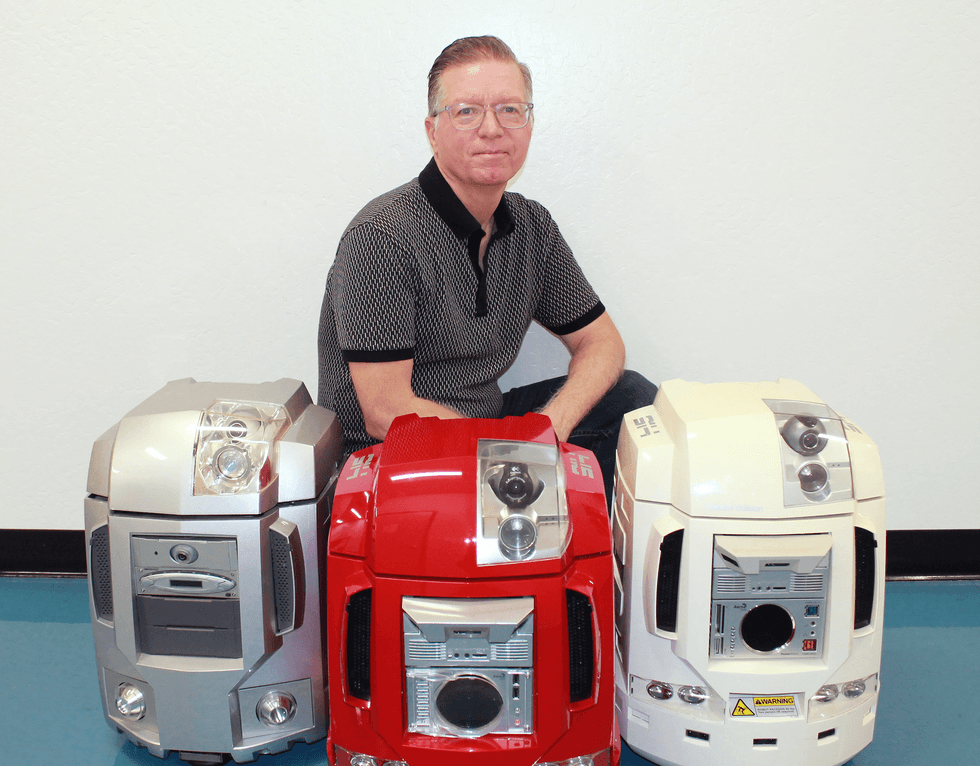
This Roboticist-Turned-Teacher Built a Life-Size Replica of ENIAC
Tom Burick, a technology instructor at PS Academy in Gilbert, Arizona, has spearheaded a project with his students to construct a full-scale replica of the Electronic Numerical Integrator and Computer (ENIAC) to commemorate the 80th anniversary of its creation. This initiative began at the start of the 2025-26 school year at the school, which caters to students with autism and other specialized learning needs. Burick, who has a background in robotics and a personal connection to neurodiversity, aims to inspire his students by leveraging their unique strengths through hands-on projects. The ENIAC, one of the first programmable electronic computers, was originally built in the 1940s and dismantled in the 1950s. Burick and his students embarked on this ambitious project to provide a tangible experience of the historic machine, which involved constructing 40 large panels and installing 18,000 simulated vacuum tubes. The project utilized nearly 300 square meters of cardboard and extensive glue and paint, showcasing the students' dedication and teamwork. Burick, who transitioned to teaching after closing his robotics company during the 2008 financial crisis, emphasizes the importance of mentorship and aims to pay forward the support he received as a young person. Through projects like the ENIAC replica, he fosters an environment where students can thrive and explore their interests in technology and robotics, reinforcing the notion that their neurodivergent traits can be powerful assets in problem-solving and creativity.
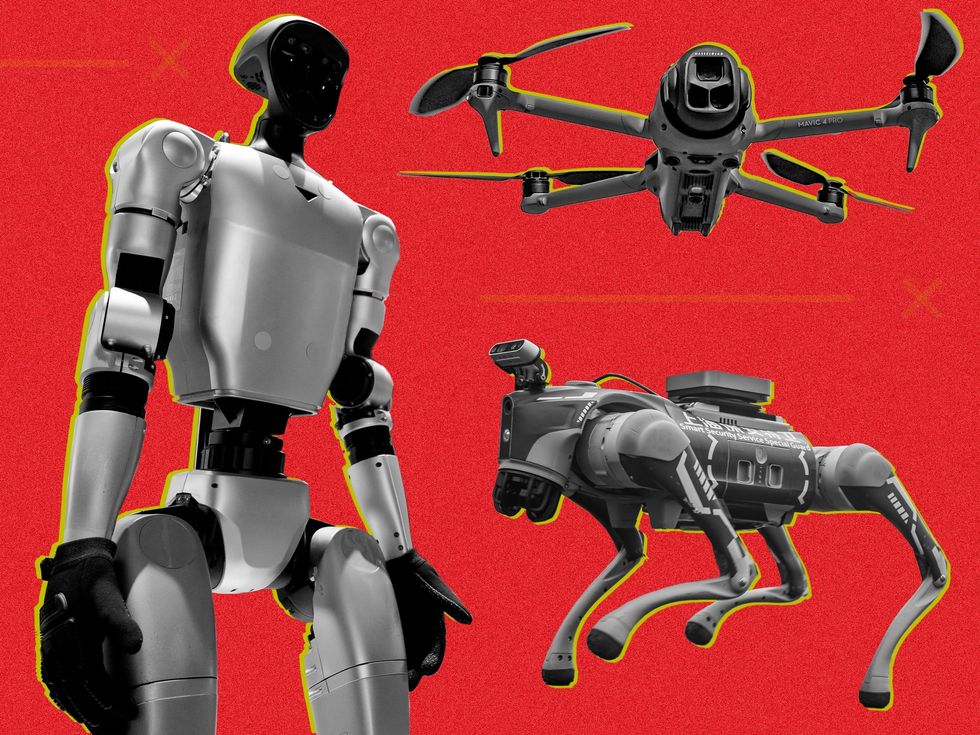
Proposed Chinese Robot Ban Is Latest U.S. Tech Sovereignty Move
A bipartisan initiative led by Senators Tom Cotton and Chuck Schumer, along with Representative Elise Stefanik, seeks to restrict the U.S. government's use of Chinese-made ground robots, including humanoids and drones. Introduced in March, the American Security Robotics Act aligns with recent actions by the Federal Communications Commission (FCC) to tighten regulations on foreign-made routers, marking a significant step in the ongoing decoupling of sensitive U.S. technology from China. This legislative push comes amid rising concerns over national security related to Chinese technology, as highlighted by sociologist Kyle Chan during his testimony before Congress. The proposed restrictions could benefit U.S. firms like Ghost Robotics, which are positioned to meet government demand for domestic ground robots. However, if the legislation extends to prohibit American manufacturers from sourcing Chinese components, it could hinder their ability to fulfill orders. The U.S. robotics industry currently faces challenges due to its nascent stage and reliance on foreign supply chains, particularly from countries like South Korea and Japan. The FCC's recent actions, including the addition of uncrewed aircraft systems to its import ban list, reflect a broader trend of bipartisan scrutiny of Chinese technology. While some industry experts welcome these security measures, they express concerns over the abrupt nature of policy changes, which lack comprehensive strategies and stakeholder engagement. As the U.S. navigates its techno-economic competition with China, the future of its robotics industry remains uncertain amid evolving regulatory landscapes.
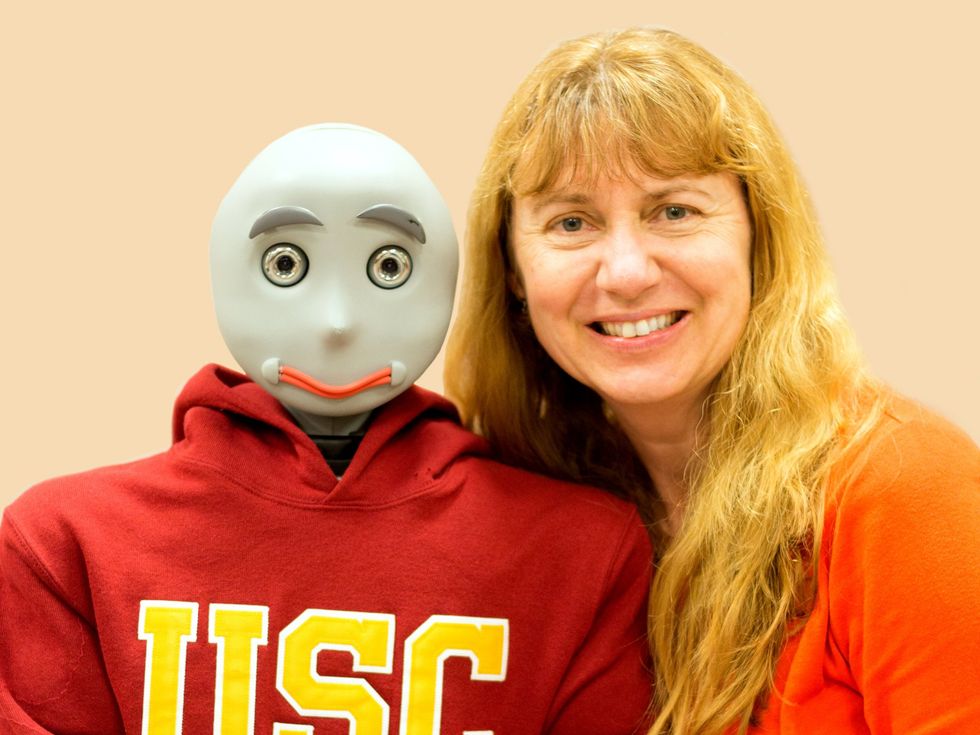
The USC Professor Who Pioneered Socially Assistive Robotics
Maja Matarić, a professor at the University of Southern California, has been a pioneering force in the field of socially assistive robotics since co-defining the area in 2005. Her work focuses on developing robots that provide personalized therapy and support through social interactions, particularly for individuals with anxiety, depression, and autism spectrum disorder. Matarić's research has led to the creation of robots like Bandit, which helps children with autism improve communication skills, and Blossom, designed to assist students in practicing cognitive behavioral therapy (CBT). Recently, Matarić was honored with the 2025 Robotics Medal from MassRobotics, recognizing her contributions to advancing robotics. The award ceremony took place in Boston, where she expressed her joy and gratitude for the support of her peers. Matarić's journey began in Belgrade, Serbia, and she credits her family for inspiring her interest in engineering and computer science. Her current research includes a clinical trial funded by the U.S. National Institute of Mental Health, exploring the effectiveness of Blossom in delivering CBT to students. The trial involves 120 participants and aims to assess the robot's ability to adapt to individual user preferences while measuring their mental health outcomes. Matarić emphasizes the importance of combining engineering with psychology in her work and encourages her students to engage with professional communities like IEEE, which she joined as a graduate student in 1992.
Video Friday: Digit Learns to Deadlift
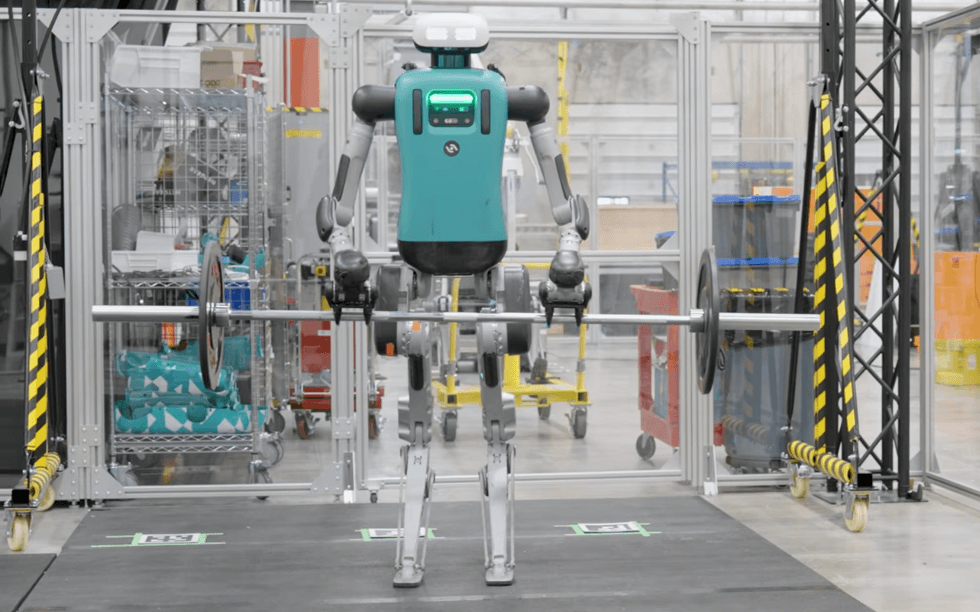
IEEE Spectrum robotics has released its latest edition of "Video Friday," showcasing a selection of innovative robotics videos and announcing upcoming events in the field. The events include the International Conference on Robotics and Automation (ICRA) scheduled for June 1-5, 2026, in Vienna, the Robotics Science and Systems (RSS) conference from July 13-17, 2026, and a Summer School on Multi-Robot Systems taking place from July 29 to August 4, 2026, in Prague. Among the featured videos, researchers are training the robot Digit to perform a deadlift with a 65-pound object, emphasizing the importance of whole-body coordination and resilience in its actuators. This training allows for the development of a policy that enables Digit to execute a dynamically balanced lift in real-world scenarios. Additionally, Gatlin Robotics has introduced its first commercial showcasing robots in action as part of its Robot-as-a-Service (RaaS) contract. Dexterity highlights the expressive potential of motion intelligence in robotics, while Harvard researchers present a swarm of simple antlike robots capable of constructing and dismantling structures through adaptive group behavior. Lastly, a project from Michigan Robotics demonstrates a microcombustion actuator that rapidly inflates to launch colorful water droplets, challenging conventional notions about the capabilities of soft actuators. These advancements reflect the ongoing evolution and application of robotics technology across various domains.
Boston Dynamics and Google DeepMind Teach Spot to Reason
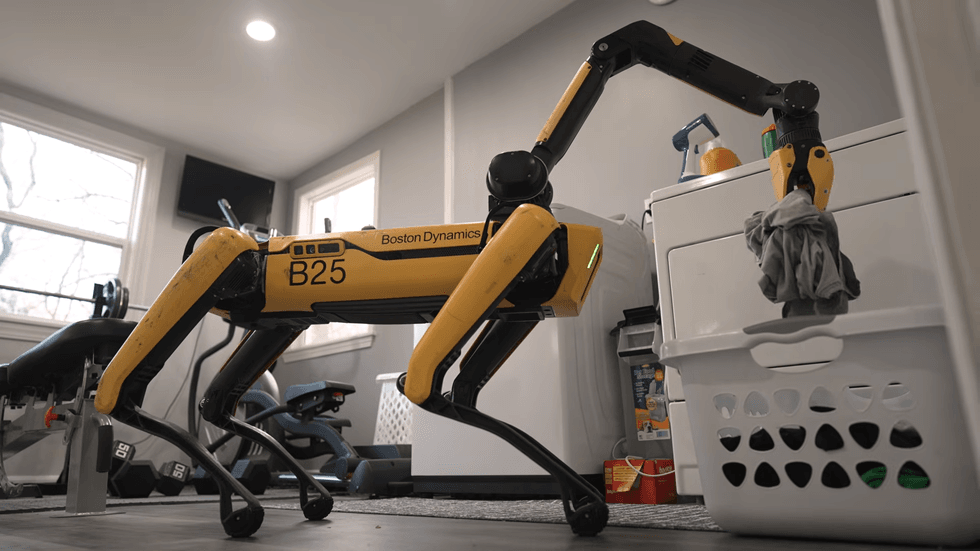
Boston Dynamics has announced that its quadruped robot, Spot, is now equipped with Google DeepMind’s Gemini Robotics-ER 1.6, a high-level embodied reasoning model designed to enhance the robot's usability and intelligence for complex tasks. This development, revealed today, marks a significant advancement in the commercial deployment of legged robots, particularly in industrial inspections, where Spot will autonomously identify hazardous debris, read gauges, and utilize vision-language-action models for better environmental understanding. The collaboration aims to improve how robots interpret and interact with their surroundings, addressing the challenges of ensuring that robotic actions align with human reasoning. Marco da Silva, vice president of Spot at Boston Dynamics, emphasized that the new capabilities will allow Spot to autonomously navigate real-world challenges more effectively. Despite the progress, experts acknowledge ongoing challenges in achieving seamless human-robot interaction. Carolina Parada from Google DeepMind noted that while the Gemini model enhances visual recognition, it currently lacks integration with other sensory data, such as touch, which is crucial for reliable object manipulation. As part of the deployment, customers using Spot for inspections will need to share operational data with Boston Dynamics to further refine the technology. The introduction of Gemini Robotics-ER 1.6 is seen as a step toward creating safer and more reliable robots capable of performing everyday tasks, with the potential to apply these advancements to other robotic platforms in the future.

Video Friday: This Floor Lamp Will Do Your Chores
IEEE Spectrum robotics has released its weekly roundup of notable robotics videos, along with a calendar of upcoming events in the field. Key events include the International Conference on Robotics and Automation (ICRA) scheduled for June 1-5, 2026, in Vienna, and the Robotics Science and Systems (RSS) conference from July 13-17, 2026, in Sydney. Among the highlights is Lume, a sculptural floor lamp that reportedly can perform household chores such as making beds and folding laundry, though skepticism surrounds its capabilities due to the presentation of its functionality in promotional materials. Additionally, researchers from MIT Media Lab and Politecnico di Bari have introduced Electrofluidic Fiber Muscles, a new type of artificial muscle that is soft and flexible, utilizing electric fields to operate silently without external pumps. Another innovation is GEN-1, a general-purpose AI model that significantly improves success rates in physical tasks and enhances speed, marking a step towards achieving generalist intelligence in robotics. The report also discusses advancements in legged manipulators, which face challenges in interacting with diverse articulated objects, and highlights the development of Tether, a system for autonomous interactive play that enhances policy learning through efficient data generation. As the robotics community continues to innovate, these developments signal exciting possibilities for the future of robotics applications.

GoZTASP: A Zero-Trust Platform for Governing Autonomous Systems at Mission Scale
ZTASP, a cutting-edge assurance and governance platform for autonomous systems, has made significant advancements in ensuring the safety and integrity of operations in real-world environments. This platform integrates various technologies, including drones, robots, sensors, and human operators, into a cohesive zero-trust architecture. Utilizing Secure Runtime Assurance (SRTA) and Secure Spatio-Temporal Reasoning (SSTR), ZTASP continuously monitors system integrity and enforces safety protocols, allowing for resilient operations even in challenging conditions. Recently, ZTASP has achieved operational validation at Technology Readiness Level (TRL) 7, demonstrating its effectiveness in mission-critical scenarios. Key components, such as the Saluki secure flight controllers, have reached TRL 8 and are now actively deployed in customer systems. Originally designed for high-stakes missions, the platform's assurance capabilities are increasingly applicable across various sectors, including healthcare, transportation, and critical infrastructure. This evolution reflects a growing recognition of the need for robust safety measures in diverse operational domains.
What Happened When We Set Up a Robotics Lab in a Mall
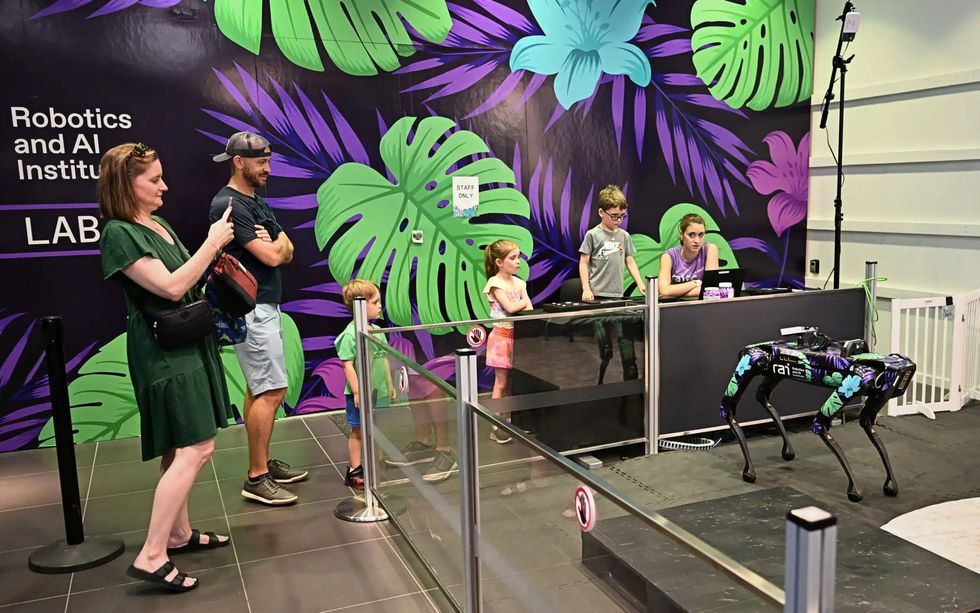
In summer 2025, the RAI Institute launched a free pop-up robot experience at the CambridgeSide mall, aimed at enhancing public understanding and comfort with robotics. This initiative came in response to a growing divide between sensational media portrayals of robots and the public's lack of direct experience with them. The event featured a museum showcasing historical and modern robots, alongside an interactive driving arena where visitors could control the Spot quadruped robot using a specially designed adaptive controller. Over approximately 10,000 visitors, 10 percent participated in surveys before and after their driving experience. Results indicated a significant increase in comfort levels across various contexts, particularly in outdoor and domestic scenarios, where initial skepticism was highest. Many participants reported feelings of excitement and happiness after interacting with the robot, with a notable shift in their perceptions of robots as potential companions rather than mere labor replacements. The findings suggest that hands-on experiences can effectively alter public attitudes towards robots, fostering acceptance in environments where ambivalence is prevalent. The RAI Institute plans to continue exploring these interactions to further understand their impact on societal attitudes towards robotics. This research was presented at the 2026 ACM/IEEE International Conference on Human-Robot Interaction in Edinburgh, Scotland.
Video Friday: Digit Learns to Dance—Virtually Overnight
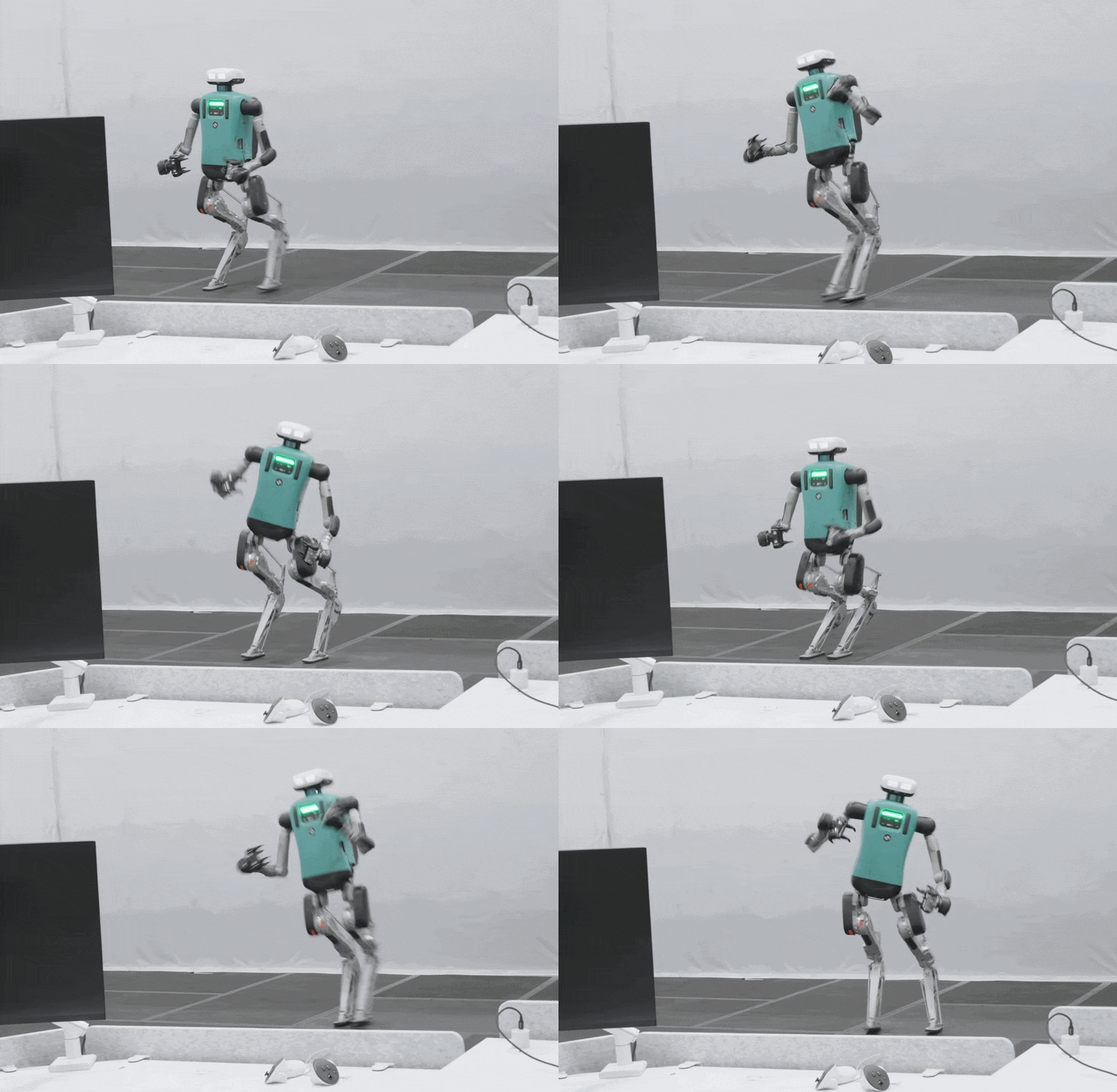
In a recent roundup of advancements in robotics, IEEE Spectrum highlighted several notable developments and upcoming events in the field. Among the key innovations is Digit, a humanoid robot that can learn new whole-body control capabilities overnight through sim-to-real reinforcement training, enhancing its performance in various tasks. Additionally, the introduction of GEN-1 marks a significant milestone in robot learning, achieving a 99% success rate in simple physical tasks and drastically reducing task completion time. Unitree has made strides by open-sourcing the UnifoLM-WBT-Dataset, a comprehensive dataset for humanoid robot teleoperation, which has been available since March 5, 2026. Meanwhile, researchers presented MRReP, a Mixed Reality interface that allows users to guide autonomous mobile robots in human-shared environments through hand gestures. In other developments, Sanctuary AI showcased its advanced hydraulic hands capable of dexterous manipulation, while China’s Yuxing 3-06 satellite successfully completed an in-orbit refueling test, paving the way for future satellite servicing. Furthermore, Japan Railway West collaborated with Serendix to utilize 3D printing technology for rapid construction at Hatsushima station, demonstrating innovative solutions to infrastructure challenges. Upcoming robotics events include ICRA 2026 in Vienna from June 1-5, and the Summer School on Multi-Robot Systems in Prague from July 29 to August 4, 2026, providing platforms for further exploration and collaboration in the robotics sector.
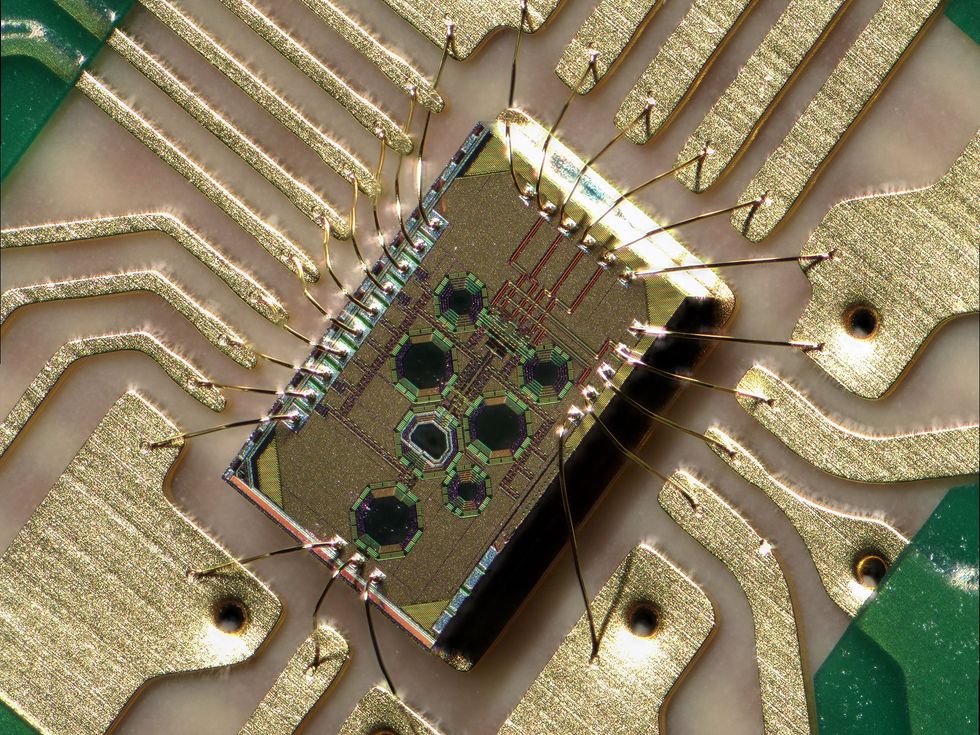
Wi-Fi That Can Withstand a Nuclear Reactor
Researchers at the Institute of Science Tokyo have developed a robust Wi-Fi receiver capable of functioning within the extreme conditions of a nuclear reactor, a breakthrough presented by graduate student Yasuto Narukiyo at the IEEE International Solid-State Circuits Conference in San Francisco this February. The receiver can withstand radiation doses of up to 500 kilograys, significantly exceeding the tolerance levels of typical electronics used in space. This innovation aims to enhance wireless communication for robots tasked with decommissioning nuclear reactors, a process that has become increasingly vital since the Fukushima Daiichi disaster in 2011. Currently, many robotic systems rely on cumbersome LAN cables, which can complicate operations in hazardous environments. With over 200 reactors expected to reach the end of their operational lives in the next two decades, the need for effective decommissioning solutions is pressing. To achieve radiation hardening, Narukiyo and his team modified the receiver's components, reduced the number of transistors, and adjusted their design to minimize vulnerability to radiation damage. They focused on optimizing the performance of PMOS and NMOS transistors, leading to a receiver that maintained comparable performance to standard Wi-Fi devices even after exposure to high radiation levels. Looking ahead, Narukiyo plans to enhance the receiver's capabilities and develop a transmitter for two-way communication, which presents additional challenges due to the high current requirements for Wi-Fi signal generation. The team is also investigating alternative semiconductor materials, such as diamond, to improve the transmitter's resilience.

Scientists Build Living Robots With Nervous Systems
Researchers at Tufts University have developed a groundbreaking type of biological machine known as a "neurobot," which combines living cells with neural networks to create self-directed systems. This innovative advancement was reported in the journal Advanced Science last month. The neurobots, which are constructed from frog cells, are capable of swimming and responding to their environment through integrated neurons that allow for electrochemical signaling. The development of neurobots marks a significant evolution from earlier biological machines, known as xenobots, which were limited to mechanical movements. These new creations exhibit more complex behaviors, such as exploring their surroundings and adapting to stimuli, thanks to their ability to process information internally. The research aims to deepen understanding of how neural networks can lead to sophisticated behaviors, potentially paving the way for applications in tissue repair and environmental monitoring. The team, led by biologist Michael Levin, plans to extend this technology by incorporating human neural cells into their designs, creating "anthrobots." These living machines could be trained to perform specific tasks, such as detecting environmental pollutants. The commercial startup Fauna Systems, co-founded by Levin, is focusing on deploying xenobots for environmental sensing, aiming to provide real-time indicators of ecosystem health. Despite the promising potential of neurobots, researchers acknowledge significant technical challenges ahead. However, the initial focus remains on simpler xenobots, which are already demonstrating valuable capabilities in monitoring environmental conditions.
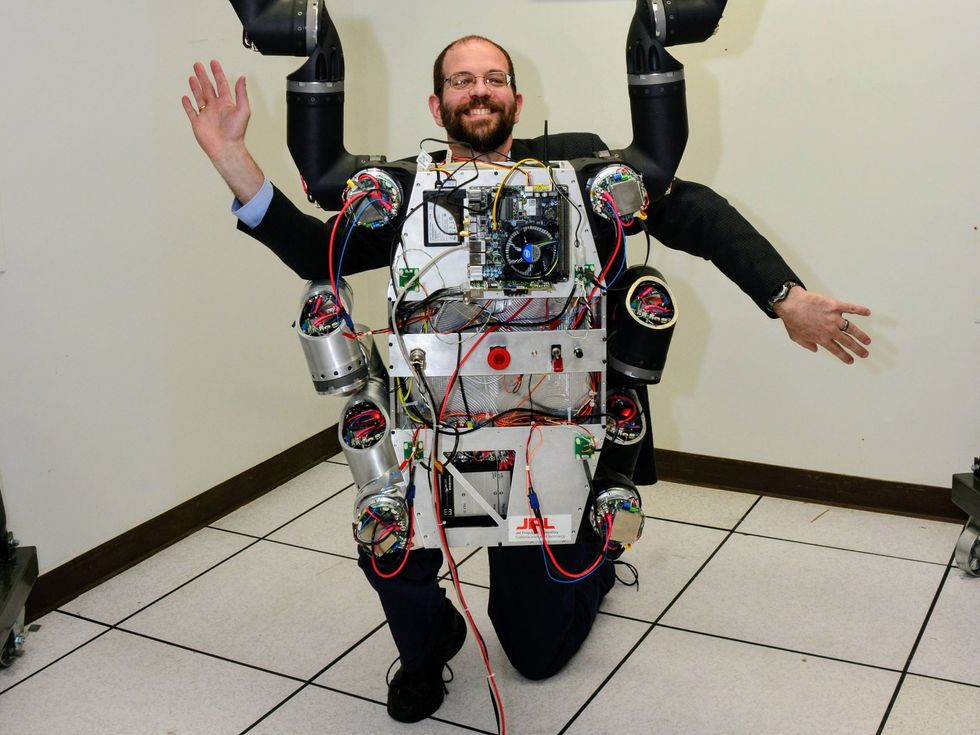
Gill Pratt Says Humanoid Robots’ Moment Is Finally Here
In 2012, the U.S. Defense Advanced Research Projects Agency (DARPA) launched the DARPA Robotics Challenge (DRC), a multimillion-dollar competition aimed at advancing disaster robotics. Gill Pratt, the architect of the DRC and now CEO of the Toyota Research Institute (TRI), envisioned the challenge as a catalyst for significant progress in robotics, similar to earlier DARPA initiatives that revolutionized driverless cars. A decade later, Pratt believes humanoid robots are on the brink of a transformative breakthrough, largely due to advancements in artificial intelligence (AI). Pratt notes that while the physical capabilities of humanoid robots have improved, the real change lies in their cognitive abilities. Recent AI developments allow robots to learn tasks through demonstration rather than programming, although data availability remains a challenge. He emphasizes the need for robots to develop deeper reasoning capabilities, beyond mere pattern recognition, to navigate complex real-world scenarios effectively. At TRI, Pratt's team is focusing on "care-receiving robots" to address societal issues like aging and loneliness. He highlights the importance of using robotics to enhance quality of life, particularly for the elderly. However, he cautions against the current hype surrounding humanoid robotics, warning that many advancements are still reliant on basic pattern-matching techniques. Pratt advocates for a balanced perspective to avoid potential disillusionment in the field, drawing parallels to the earlier challenges faced in automated driving.
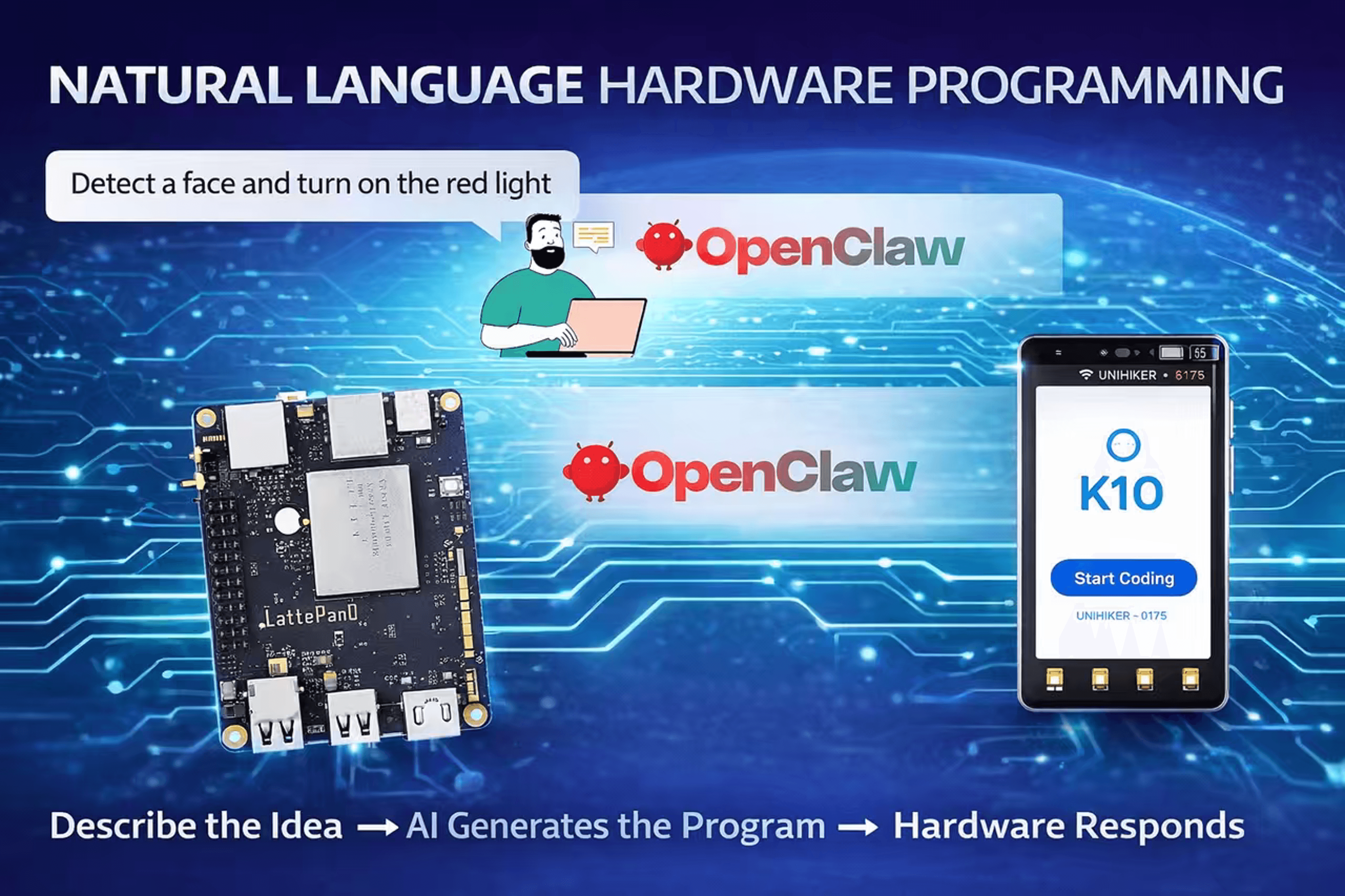
OpenClaw + UNIHIKER K10: Natural Language Hardware Programming in Minutes
Learn how OpenClaw enables natural language hardware programming on UNIHIKER K10, automating code generation, debugging, and deployment in minutes.
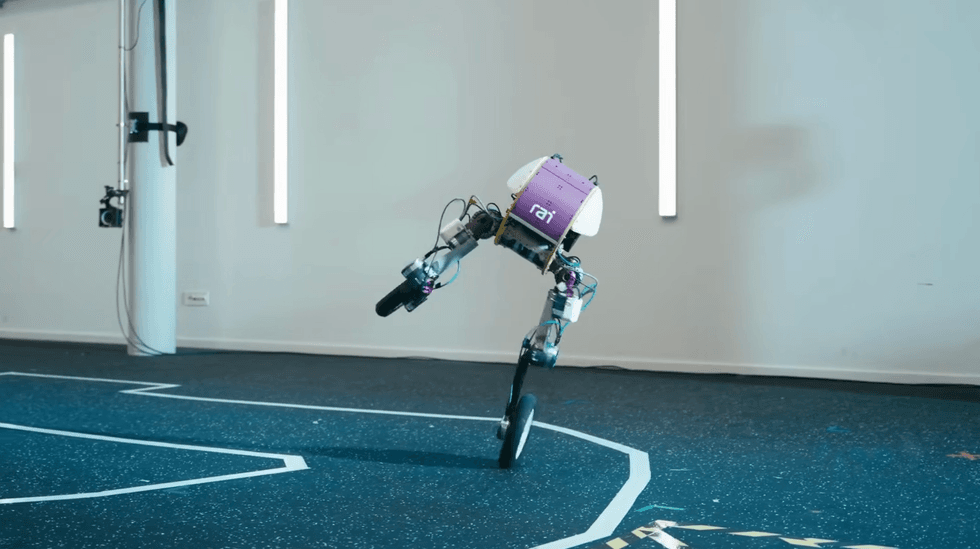
Video Friday: Beep! Beep! Roadrunner Bipedal Bot Breaks the Mold
IEEE Spectrum robotics has released its weekly roundup of notable robotics videos and events. Among the highlights is the introduction of "Roadrunner," a new bipedal wheeled robot prototype that can switch between various locomotion modes, designed for enhanced navigation. Weighing approximately 15 kg, it features symmetric legs that can adapt for obstacle avoidance and movement management. NASA has announced two ambitious missions: SkyFall, which will deploy next-generation helicopters on Mars to scout landing sites and map subsurface water ice, and MoonFall, aimed at preparing for future Artemis missions by sending drones to explore the lunar South Pole. These drones will operate independently for 14 Earth days, surveying challenging terrains. In research advancements, a team from MIT has developed Electrofluidic Fiber Muscles, a new class of soft and flexible artificial muscles for robots and wearables, promising improved agility and integration into textiles. Additionally, the open-source quadruped robot MEVIUS2 has been unveiled, capable of climbing stairs and steep slopes. Other innovations include a wristband from MIT that allows users to control a robotic hand through their own movements, and a cooking robot from Zhejiang Lab that autonomously processes ingredients and performs cooking tasks with high precision. The CMU Robotics Institute is set to host a seminar by Hadas Kress-Gazit from Cornell, focusing on the role of formal methods in robotics amidst the rise of big data.
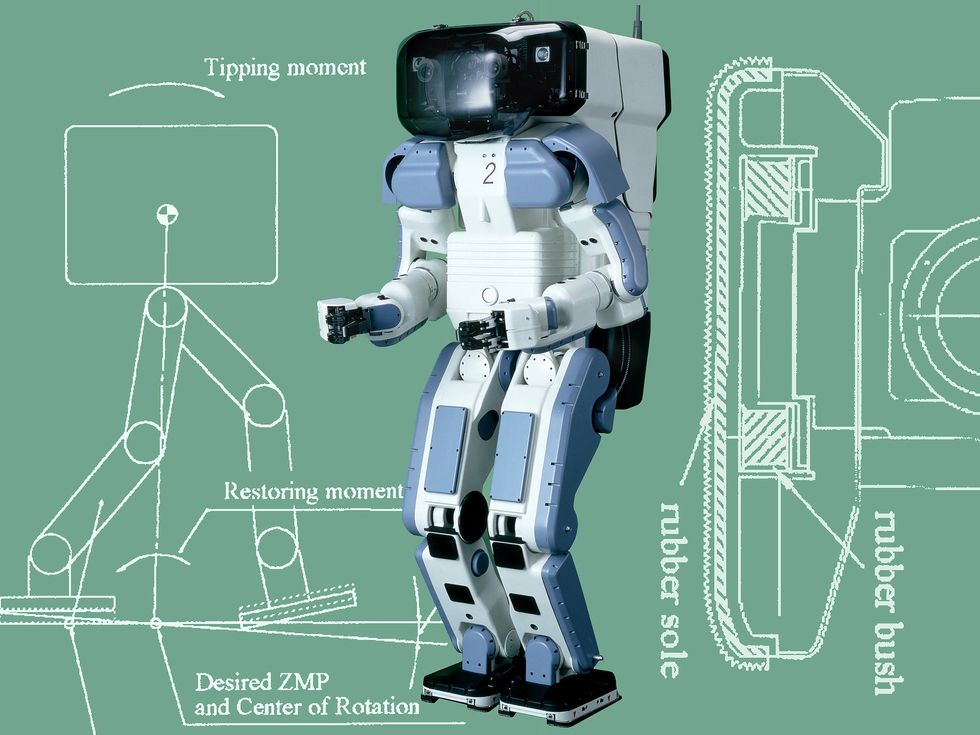
30 Years Ago, Robots Learned to Walk Without Falling
Honda's Prototype 2 (P2), a groundbreaking autonomous humanoid robot, will be honored as an IEEE Milestone during a dedication ceremony on April 28 at the Honda Collection Hall in Japan. Developed in 1996, P2 was the first robot capable of walking without falling, marking a significant advancement in robotics. The IEEE Nagoya Section highlighted that P2 demonstrated the feasibility of humanlike locomotion, setting new standards in the field. The journey to create P2 began in 1986 when Honda researchers aimed to develop a "domestic robot" that could assist with household tasks. Through extensive analysis of human movement and numerous prototypes, the team successfully engineered P2 to walk, climb stairs, and perform various tasks autonomously. This innovation shifted the focus of robotics from industrial applications to designs centered on human interaction. P2's influence extends beyond its initial release, inspiring advancements in humanoid robots and contributing to research in biomechanics and artificial intelligence. The recognition as an IEEE Milestone underscores P2's role in propelling the field of humanoid robotics forward, demonstrating the potential for robots to assist humans in meaningful ways. The plaque commemorating this achievement will be installed at the Honda Collection Hall, celebrating the technical benchmarks set by P2 in mobility, autonomy, and human-robot interaction.
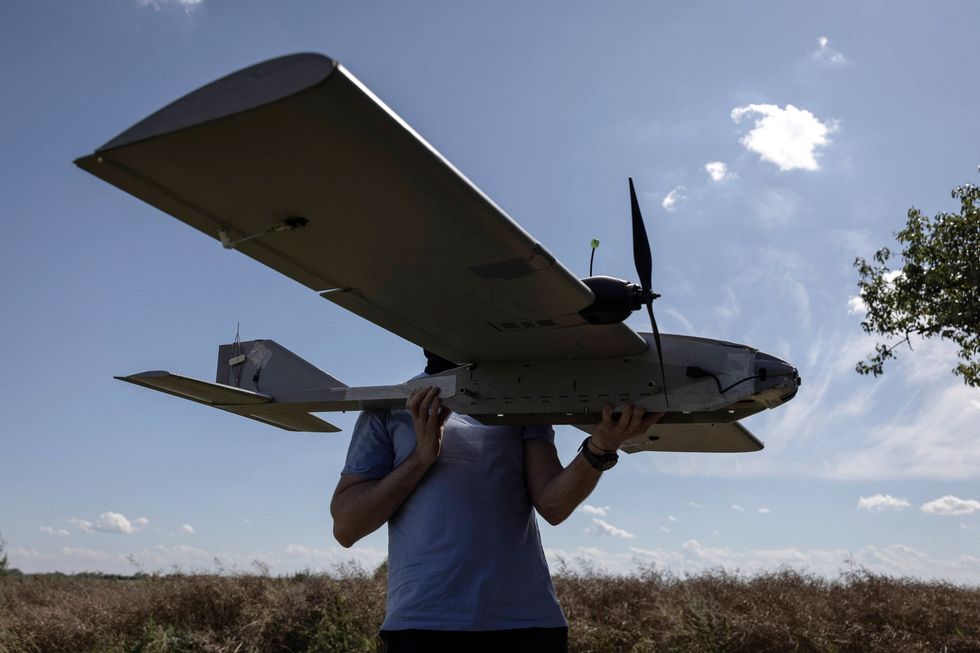
The Coming Drone-War Inflection in Ukraine
In late December 2025, Yaroslav Azhnyuk, a Kyiv-born engineer and co-founder of the tech company Petcube, expressed concerns about the future of warfare, envisioning a landscape dominated by autonomous drones and AI-controlled military technology. Following Russia's invasion of Ukraine in February 2022, Azhnyuk shifted his focus from consumer tech to military applications, founding two companies, The Fourth Law and Odd Systems, to enhance drone capabilities for Ukrainian forces. By 2023, Ukrainian troops had begun utilizing consumer drones for surveillance and combat, leading to a significant evolution in warfare tactics. Azhnyuk's companies have developed autonomy modules that allow drones to navigate independently, increasing strike success rates significantly. This innovation is crucial as Ukraine faces a technologically superior adversary in Russia, which has also advanced its drone capabilities, including the use of Iranian-designed Shahed drones. As both sides continue to innovate, the conflict is shaping a new era of warfare characterized by autonomous systems capable of operating without direct human control. Analysts predict that the shift from human-operated drones to autonomous swarms could drastically change the dynamics of military engagements, raising concerns about the implications for global security. Azhnyuk warns that the West, particularly Europe and the U.S., risks falling behind in this technological arms race, emphasizing the need for rapid advancements in defense technologies to ensure security in the coming years.
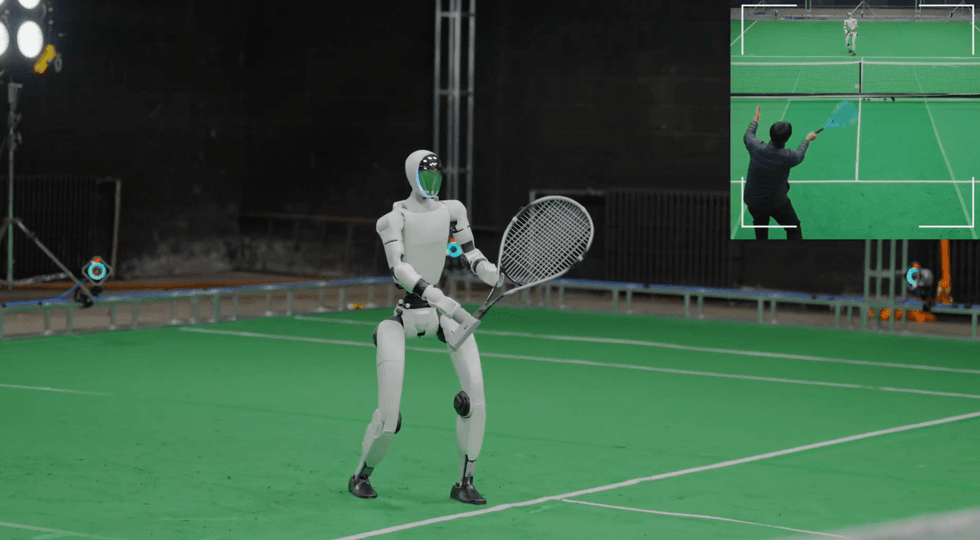
Video Friday: Humanoid Learns Tennis Skills Playing Humans
IEEE Spectrum robotics has released its latest edition of Video Friday, showcasing a variety of innovative robotics videos and announcing upcoming events in the field. Notable events include the International Conference on Robotics and Automation (ICRA) scheduled for June 1-5, 2026, in Vienna, and a Summer School on Multi-Robot Systems from July 29 to August 4, 2026, in Prague. Among the featured advancements, researchers have developed LATENT, a system designed to teach humanoid robots tennis skills by learning from imperfect human motion data. This innovation addresses the challenges of replicating human-like athleticism in robotics. Additionally, a breakthrough has been achieved in robotic manipulation, with a robot successfully peeling an apple using dual dexterous hands, showcasing significant progress in bimanual tasks. The development of MoDE-VLA, a control system that integrates vision, language, force, and touch data, further enhances the robot's ability to perform complex tasks with stability and precision. This shared-autonomy approach allows human operators to guide robots in executing intricate movements. In other highlights, collaborations between Tesollo and Hanyang University have led to advancements in robotic hand technology, while the Fluent Robotics Lab at the University of Michigan is set to present a paper on operational PR2 robots. The KAIST DRCD Lab has also demonstrated the capabilities of its humanoid robot, trained through deep reinforcement learning. As robotics continues to evolve, these innovations reflect the ongoing efforts to bridge the gap between human-like dexterity and robotic functionality.

Overcoming Core Engineering Barriers in Humanoid Robotics Development
Engineers in the humanoid robotics field are set to address critical challenges related to sensing, motion control, power, and thermal management during an upcoming technical examination. This event will delve into the complexities of motion control, which remains one of the most significant hurdles in achieving stable bipedal locomotion in dynamic environments. Attendees will explore the intricacies of modeling, real-time feedback, and sensor fusion essential for maintaining balance and stability. Additionally, the session will highlight the importance of advanced sensing architectures, including inertial measurement units and tactile sensors, which play a crucial role in enhancing human-robot interaction and ensuring safety through effective collision avoidance. Participants will also examine the implications of power and thermal constraints on system design, focusing on the trade-offs involved in battery chemistry choices and thermal protection strategies that influence operational endurance. As the industry transitions from prototype development to mass production, the event will provide insights into the shift towards modular architectures and cost-effective component selection, with a keen eye on supply chain readiness anticipated for the late 2020s. This comprehensive examination aims to equip engineers with the knowledge necessary for real-world deployment of humanoid robotics, addressing both current challenges and future advancements.
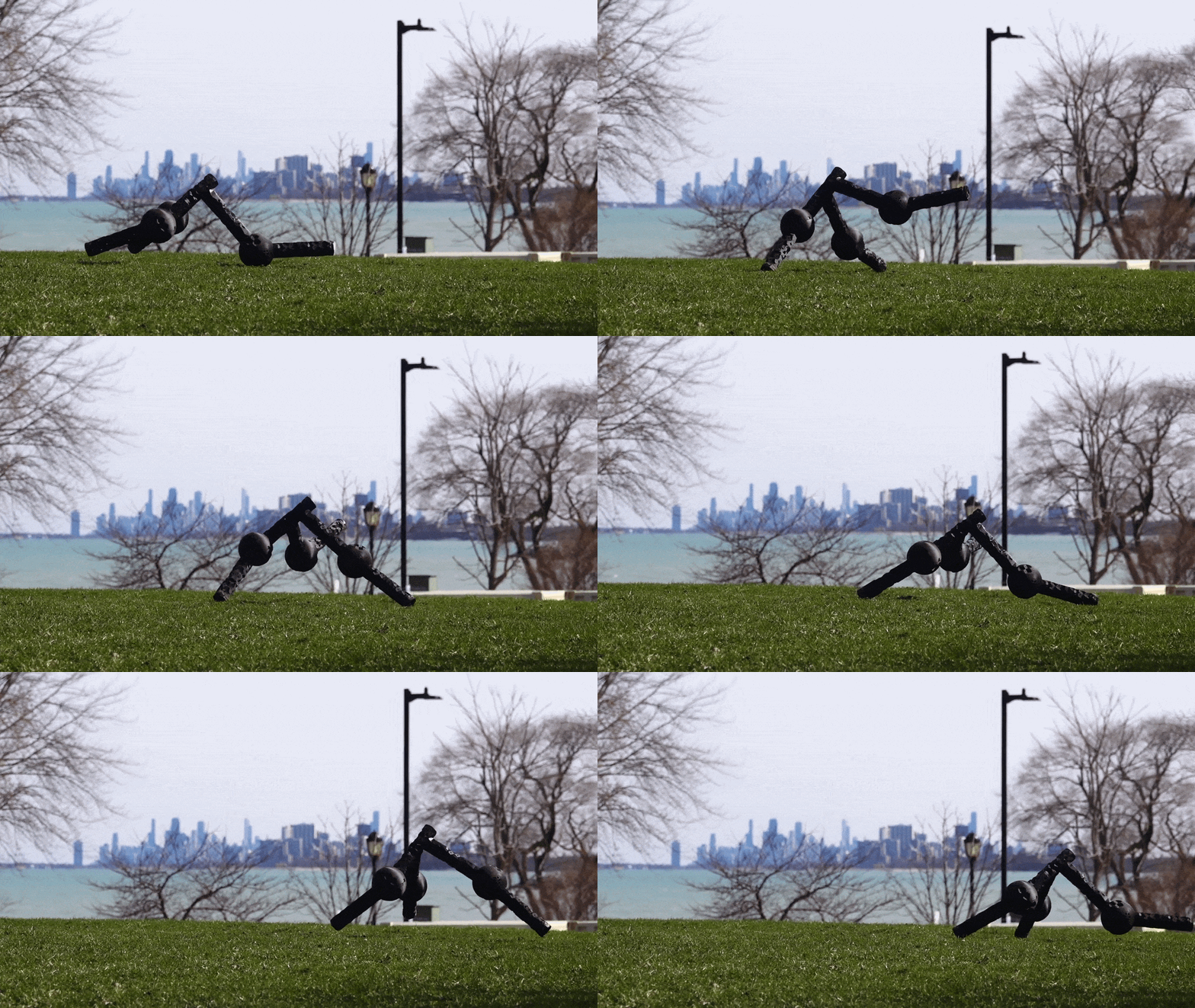
Video Friday: These Robots Were Born to Run
IEEE Spectrum's weekly feature, Video Friday, showcases a collection of innovative robotics videos and highlights upcoming robotics events, including the International Conference on Robotics and Automation (ICRA) scheduled for June 1-5, 2026, in Vienna. This week’s videos introduce advanced modular building blocks that allow for the automatic design and rapid assembly of agile robots capable of navigating unstructured outdoor environments, a significant advancement from traditional legged robots that rely on predefined designs. Additionally, the RIVR project presents a concept for an ideal urban delivery robot, while KIMLAB introduces TRIP-Bag, a portable teleoperation system designed for high-fidelity data collection in various settings. TUM has developed an open-vocabulary semantic exploration system that enhances robots' ability to map and locate objects in dynamic environments. In a practical demonstration, a reconfigurable robot assists a team responding to a simulated radiation leak at a nuclear facility, showcasing its adaptability in challenging conditions. Meanwhile, Carnegie Mellon University's Robomechanics Lab reflects on a devastating flood that destroyed many of its robots, honoring them with a tribute video. Lastly, the 2025 Silicon Valley Humanoids Summit features a keynote by Disney Research's Moritz Baecher, discussing insights into robotic character development.
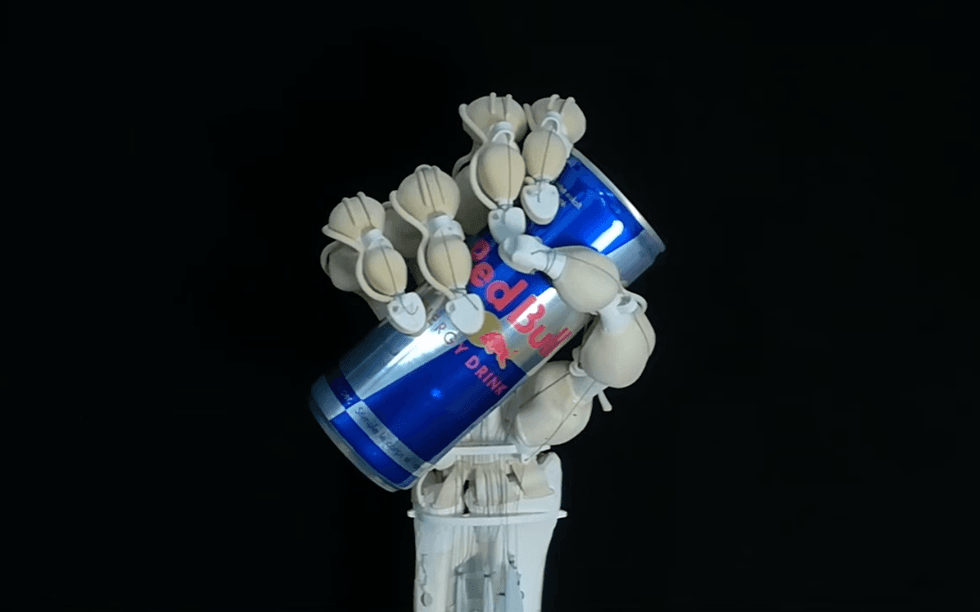
Video Friday: A Robot Hand With Artificial Muscles and Tendons
IEEE Spectrum robotics has released its weekly roundup of notable robotics videos and a calendar of upcoming events, including the International Conference on Robotics and Automation (ICRA) scheduled for June 1-5, 2026, in Vienna. This week's highlights feature advancements in biomimetic design, showcasing a printed hand that integrates soft and rigid components with artificial muscles, enhancing our understanding of natural kinematic structures. Boston Dynamics product managers reflect on classic robots, including LittleDog, which contributed to legged locomotion research over a decade ago. Additionally, DRAGON Lab has introduced a new trajectory planning method for floating-based articulated robots, facilitating exploration in complex environments. Their OmniPlanner tool has been tested extensively across various terrains, including underground mines and forests. The FZI Research Center, in collaboration with ETH Zurich and other institutions, has made strides in preparing for lunar missions by testing cooperative autonomous multirobot teams outdoors. Meanwhile, advancements in humanoid robotics are being discussed, with Kamel Saidi from NIST emphasizing the importance of performance standards for broader adoption. In academia, Junyao Shi from UPenn's GRASP lab will address the challenges of building general-purpose robots, focusing on how human data and foundation models can bridge existing gaps in robotics. This ongoing exploration of robotics technology underscores the field's rapid evolution and its potential impact on various sectors.
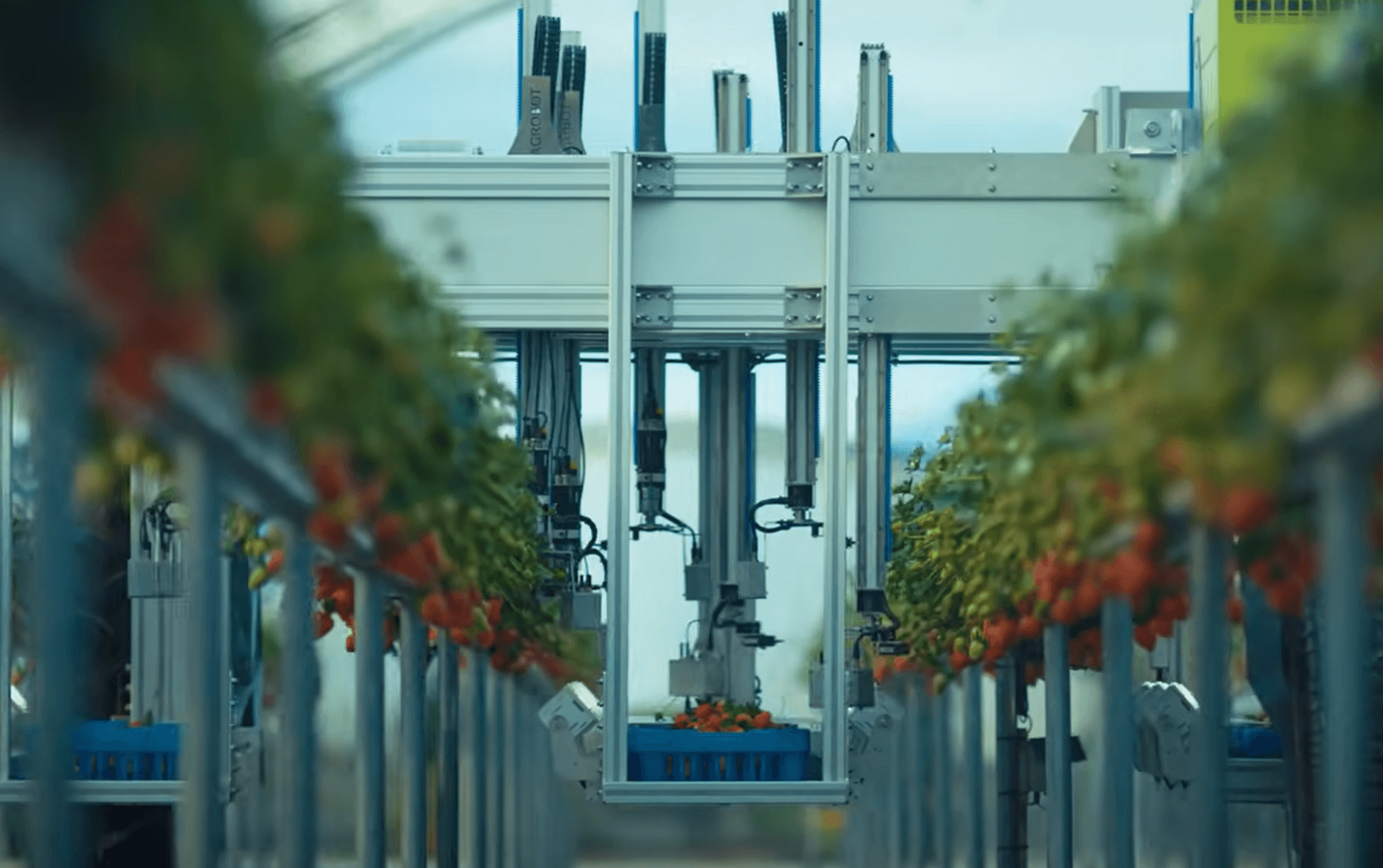
AGRICULTURAL ROBOTICS | Harvesting Robots: $6.9B Market
Harvesting robots hit $2.24B in 2024 and are targeting a $50B labor market at less than 5% penetration. Deep-dive: market data, 14 companies, economics, and 2030 outlook.
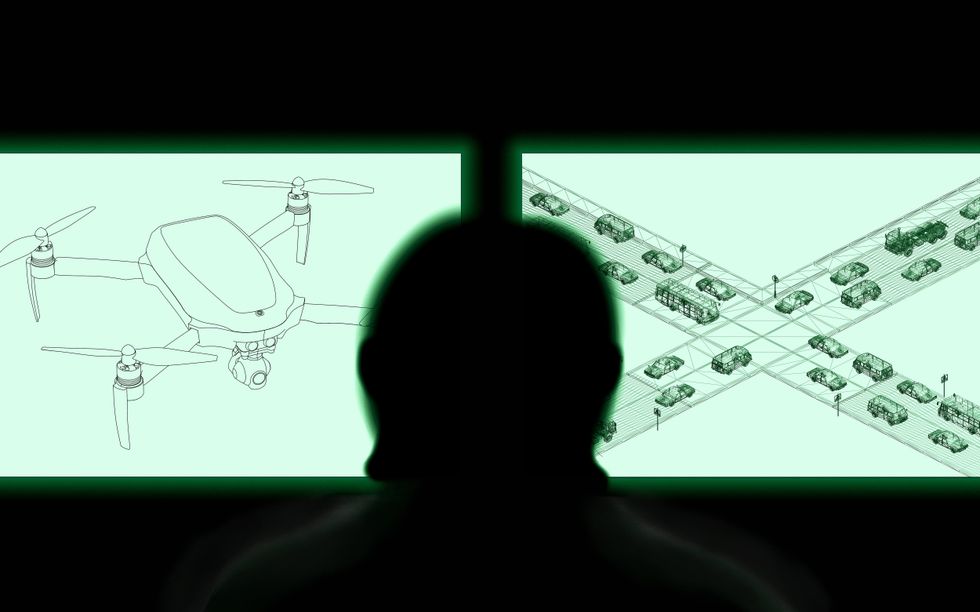
What Military Drones Can Teach Self-Driving Cars
Self-driving cars are facing significant challenges in navigating common driving scenarios, such as construction zones and interactions with pedestrians, often leading to unpredictable behavior and traffic disruptions. To mitigate these issues, companies in the autonomous vehicle sector employ human operators to remotely supervise and intervene when necessary. This practice, reminiscent of military operations with unmanned aerial vehicles (UAVs), has revealed that self-driving firms have not fully adopted critical lessons learned from decades of military experience. A recent analysis highlights the importance of addressing latency issues, as communication delays can severely impact the effectiveness of remote control. Historical data shows that early UAV operations suffered from high accident rates due to similar challenges. Furthermore, poor interface design and operator workload management have been identified as key factors contributing to errors in both military drone operations and self-driving car supervision. The military's extensive experience underscores the necessity for rigorous training programs and robust contingency planning, areas where self-driving companies currently lack transparency and standards. Incidents, such as the 2025 San Francisco power outage that left Waymo vehicles immobilized, illustrate the potential dangers of inadequate emergency protocols. As the self-driving industry continues to evolve, it is crucial for these companies to learn from military drone operations to enhance safety and reliability. A comprehensive paper on these findings will be presented at the 2026 IEEE International Conference on Human-Machine Systems in Singapore.
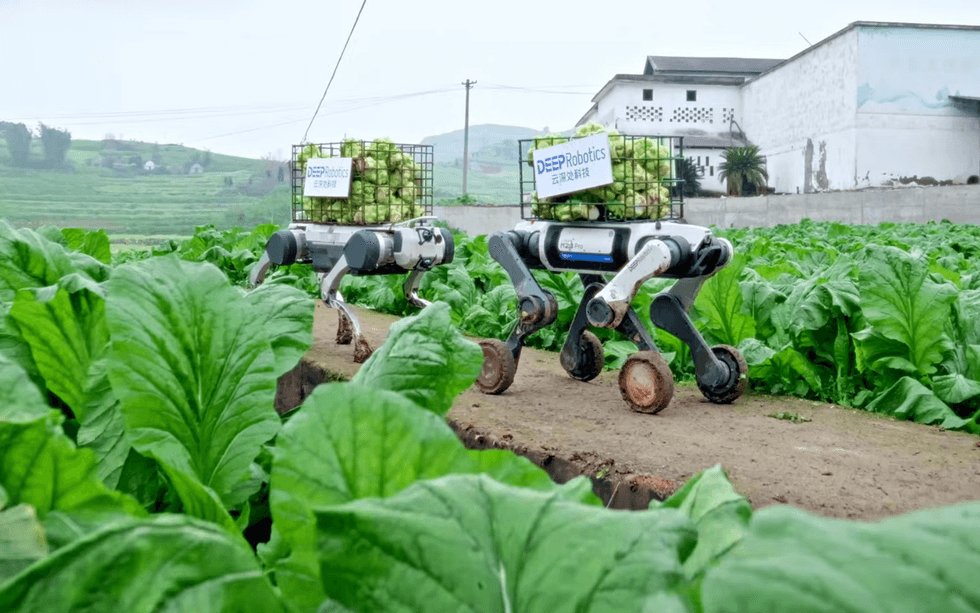
Video Friday: Robot Dogs Haul Produce From the Field
IEEE Spectrum's weekly feature, Video Friday, showcases a variety of innovative robotics videos and highlights upcoming robotics events, including the International Conference on Robotics and Automation (ICRA) scheduled for June 1-5, 2026, in Vienna. This week’s selection includes demonstrations of the Lynx M20 robots, which are designed to address the logistical challenges of transporting harvested crops in mountainous regions. Research from a collaboration between the Max Planck Institute for Intelligent Systems, the University of Michigan, and Cornell University reveals that magnetic microrobot swarms can manipulate larger objects without direct contact, showcasing their potential for complex tasks such as assembly and movement of small items. Meanwhile, Georgia Tech is investigating how bipedal robots can recover from balance loss in unpredictable environments, aiming to enhance their functionality in real-world applications. In a separate initiative, Carnegie Mellon University's TartanAUV team is refining their autonomous underwater vehicle, Osprey, in preparation for the annual RoboSub competition. Additionally, advancements in tilt-rotor aerial robots are being explored to improve control and maneuverability through reinforcement learning techniques. The feature also includes educational tools like the Astorino robot, designed for teaching robotics in schools, and discussions on the need for more realistic datasets for autonomous driving. Overall, the content reflects the ongoing evolution and application of robotics across various fields, emphasizing both technical advancements and educational initiatives.
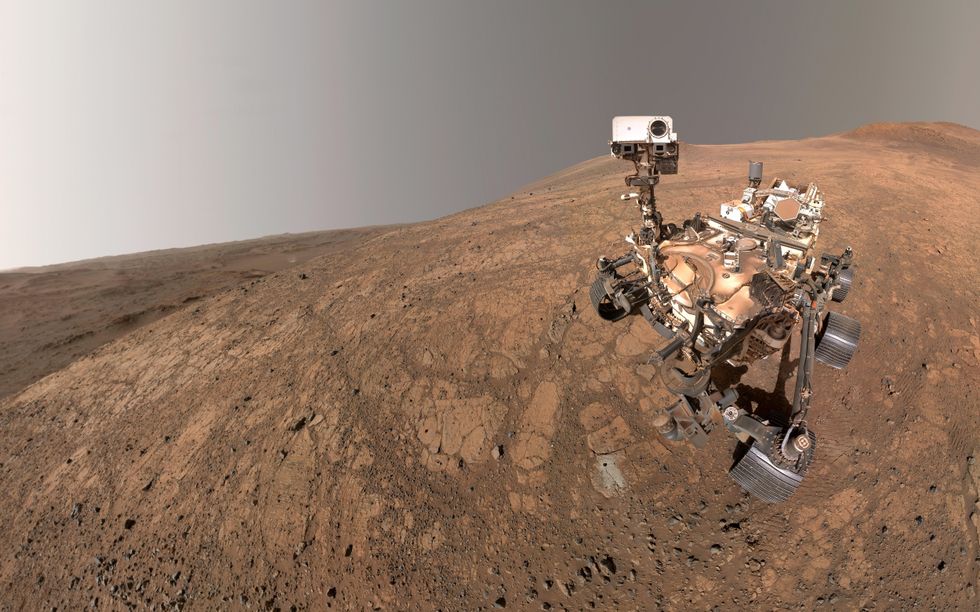
Perseverance Smashes Autonomous Driving Record on Mars
NASA's Perseverance rover has achieved a remarkable milestone in autonomous navigation on Mars, completing approximately 90% of its travels without human intervention since landing on February 18, 2021. As of October 28, 2024, the rover has driven over 30 kilometers (18.65 miles) and collected 24 samples, significantly surpassing the 6.2% autonomy rate of its predecessor, Curiosity. This advancement is largely attributed to its Enhanced Autonomous Navigation (ENav) algorithm, which allows the rover to analyze its surroundings and evaluate thousands of potential paths using limited computing power equivalent to an outdated iMac G3. The rover's journey has been guided primarily by images it captures, as high-resolution data from Mars Reconnaissance Orbiter is often insufficient for navigation. Despite challenges posed by the uncharted Martian terrain, ENav enables Perseverance to assess travel time and terrain roughness, running complex calculations only on the most promising paths. This strategic design has resulted in unprecedented levels of autonomous driving, including a record-setting 331.74 meters in a single Martian day on April 3, 2023. Masahiro "Hiro" Ono, a supervisor at NASA’s Jet Propulsion Laboratory, emphasizes the importance of advancing autonomous navigation for future space exploration, particularly as missions venture farther from Earth where communication delays become significant. The ongoing success of Perseverance highlights the critical role of automation in expanding the frontiers of space exploration.
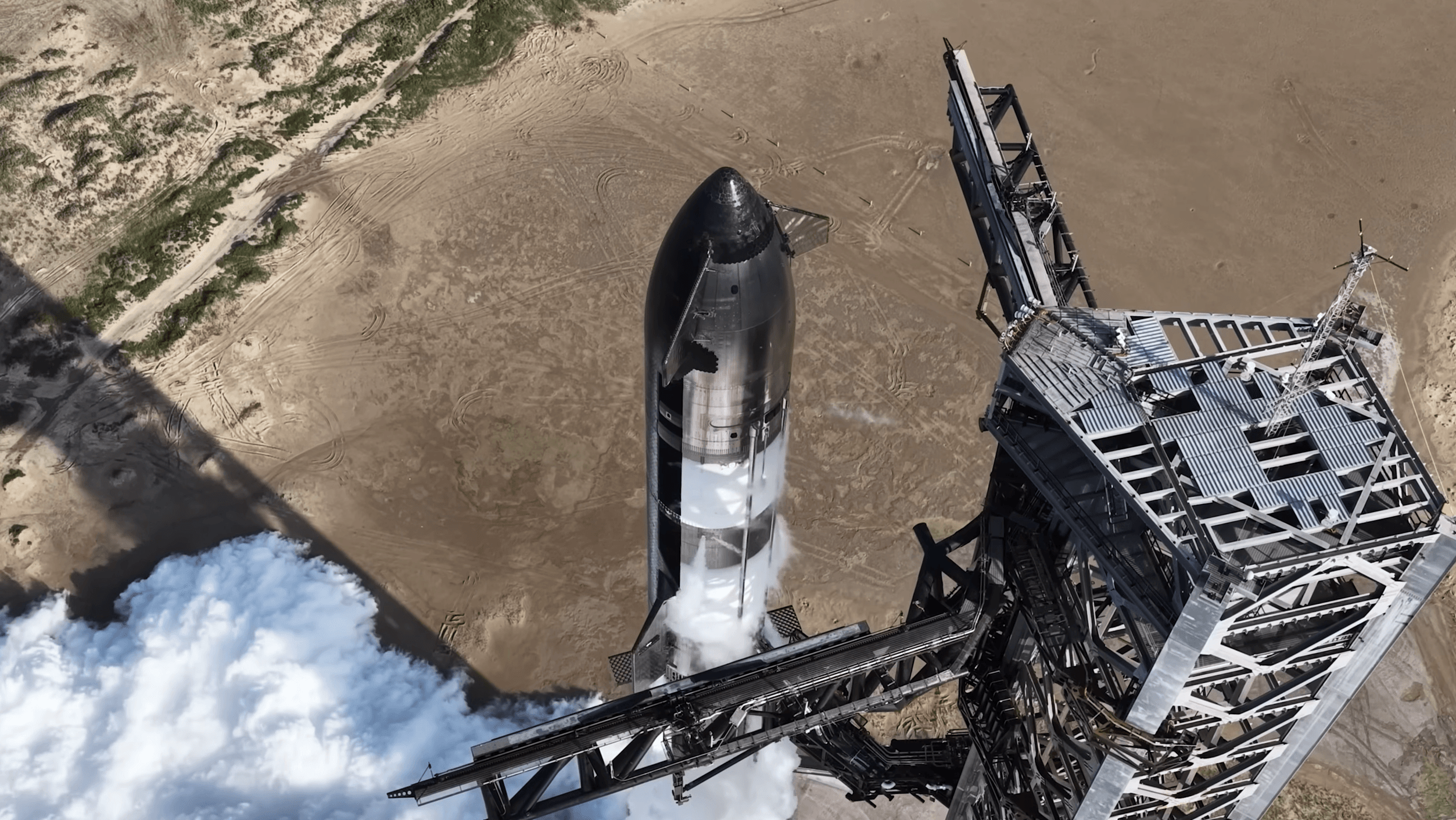
EXECUTIVE BRIEFING: The 2026 Space Robotics Landscape
Explore the definitive 2026 directory of 95+ space robotics leaders, covering orbital servicing, lunar rovers, and in-space manufacturing. Download the complete RobotToday reference guide to track the companies, funding, and technologies driving the $24B orbital economy.
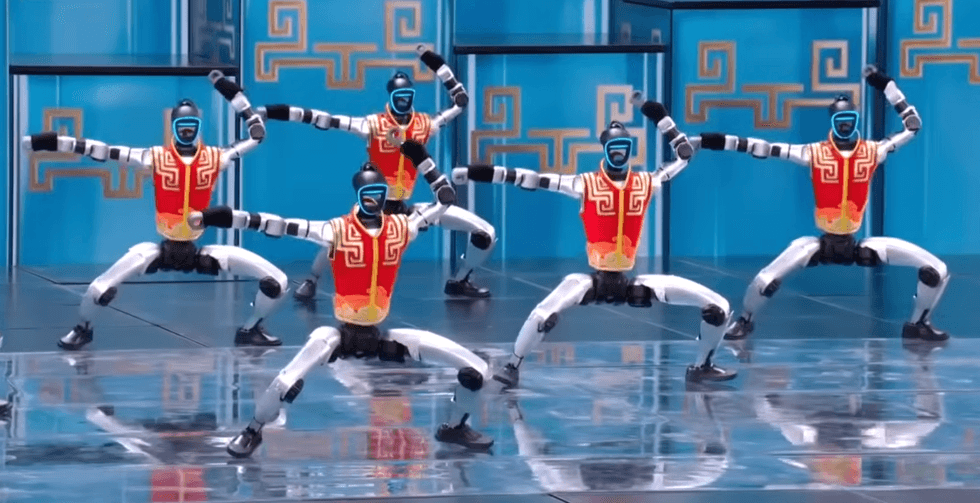
Video Friday: Humanoid Robots Celebrate Spring
In the latest edition of Video Friday, IEEE Spectrum robotics highlights significant advancements in robotics and upcoming events. Among the featured developments, NASA's Perseverance rover has gained the ability to autonomously determine its location on Mars using a new technology called Mars global localization, which enhances its exploration capabilities. The rover utilizes an algorithm that compares panoramic images with orbital terrain maps, achieving location accuracy within 10 inches. Additionally, various robotics projects are showcased, including the progress of the Shiva robot in strawberry picking and the Corvus One for Cold Chain, designed to operate in extreme cold environments. The video series also includes insights into the rapid development of humanoid robots by the U.K.-based company Humanoid, which aims to create reliable and safe robots in increasingly shorter timeframes. Experts from institutions like Microsoft and Carnegie Mellon University discuss the future of human-robot collaboration and the challenges of scaling robot learning. As billions of dollars are invested in robotics, the potential for general-purpose humanoid robots appears closer than ever, promising to revolutionize interactions in both physical and digital realms. The weekly calendar of upcoming robotics events, including ICRA 2026 in Vienna, is also available for enthusiasts and professionals in the field.

Tech Is Taking Over Olympic Curling
At the Winter Olympics in Italy, a controversy erupted in curling over a disputed double-touch incident, igniting debates about sportsmanship and trust within the sport. As the competition unfolds, the rise of AI and robotics in curling has raised questions about the integrity of the game. Robots like "Curly," which can analyze ice conditions and execute precise shots, have already defeated top human curlers, showcasing the potential of technology to transform the sport. This shift has sparked concern among athletes and ethicists about the erosion of traditional skills and the "Spirit of Curling," which emphasizes integrity and respect. The World Curling Federation faces challenges in regulating these advancements, as the integration of AI could shift decision-making from players to algorithms. While some technologies, such as rock launchers and virtual reality systems, aim to enhance training and accessibility, the overarching trend indicates a growing reliance on data-driven strategies. As nations invest heavily in these innovations to gain competitive advantages, the future of curling may be redefined by technology, prompting a critical examination of what it means to compete fairly in a sport long governed by human intuition and experience.
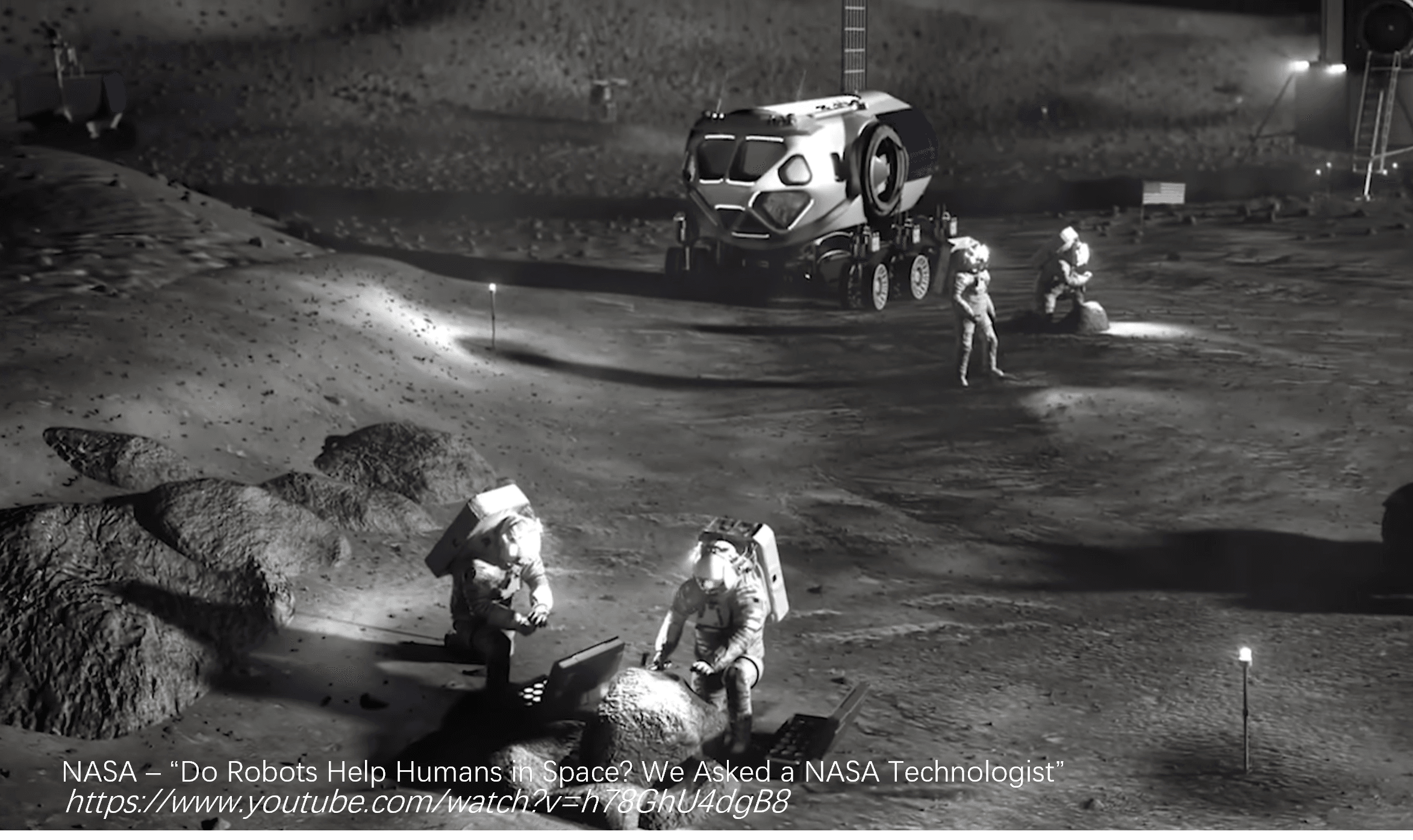
Space Robot- Building Skyscrapers in Space: ISMA's Industrial Revolution
ISAM technology breaks rocket fairing limits through robotic space manufacturing. Market grows from $3.5B to $14.5B by 2032. See how 3D printing, autonomous assembly, and orbital fabrication are creating off-Earth factories.
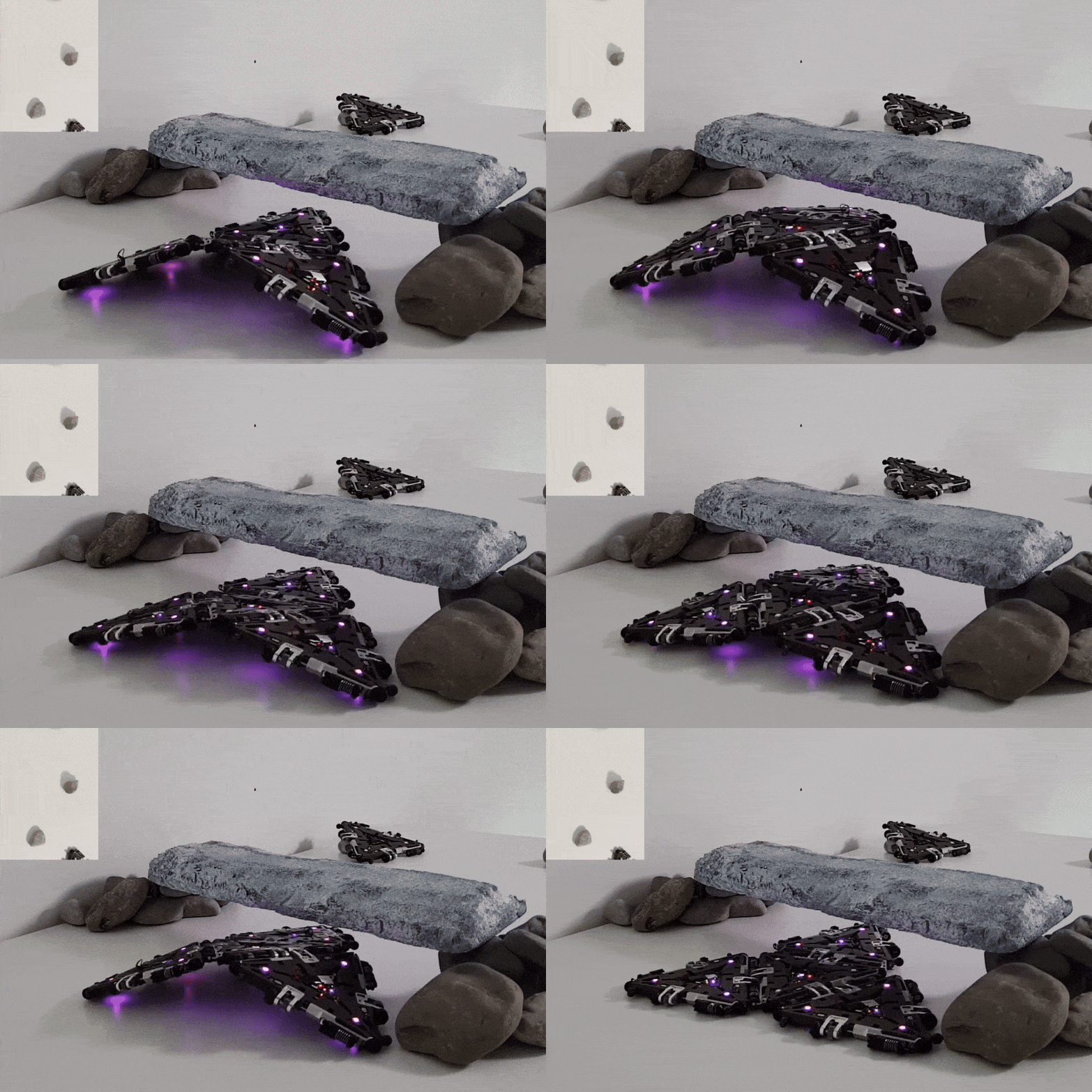
Video Friday: Robot Collective Stays Alive Even When Parts Die
IEEE Spectrum robotics has released its weekly roundup of notable robotics videos, along with a calendar of upcoming events, including the International Conference on Robotics and Automation (ICRA) scheduled for June 1-5, 2026, in Vienna. Among the highlights, researchers from the Max Planck Institute and other institutions have published a study revealing that elephants' unique whiskers contribute to their exceptional sense of touch, potentially inspiring advancements in robotic sensing technologies. In product news, Weave Robotics announced the launch of Isaac 0, a laundry-folding robot set to begin shipping to homes in the Bay Area in February 2026. Meanwhile, engineers at Boston Dynamics continue to test the Atlas platform's full-body control capabilities. Additionally, a team from the University of Waterloo has developed a system enabling collaborative art creation with robots, while Harvard scientists have introduced a new 3D-printing method for soft robotics that could enhance medical technology. Texas A&M University has unveiled a quiet all-electric unmanned rotorcraft, and Deep Robotics has showcased the Lynx M20 robot, designed for winter sports challenges. These developments reflect ongoing innovations in robotics, addressing both practical applications and advanced research, as the field continues to evolve.
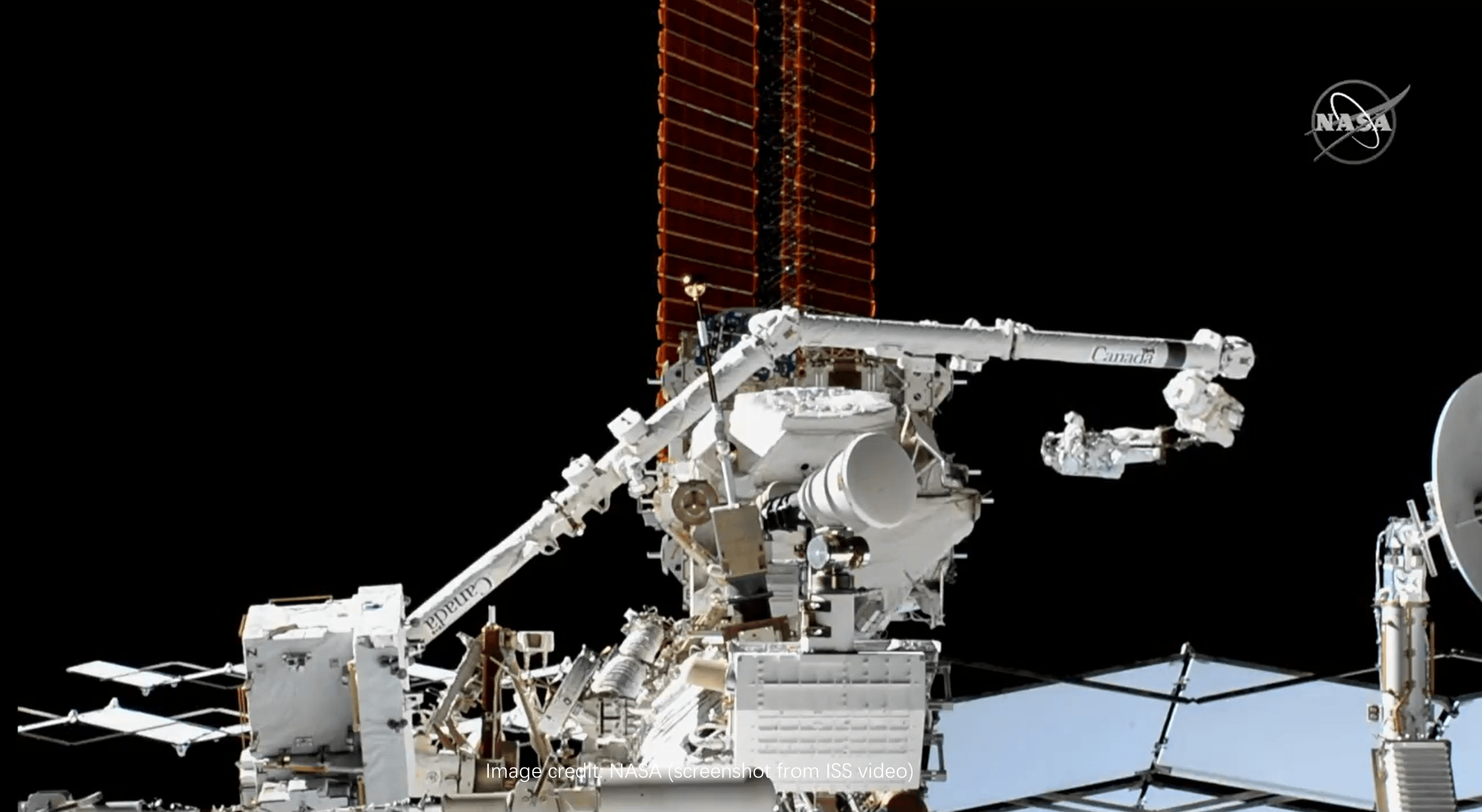
Space Robot - Space Station's AI Assistants: From Robotic Arms to Autonomous Partners
Space station robots evolve from remote tools to autonomous AI partners. How embodied intelligence reshapes human-robot collaboration in orbit.
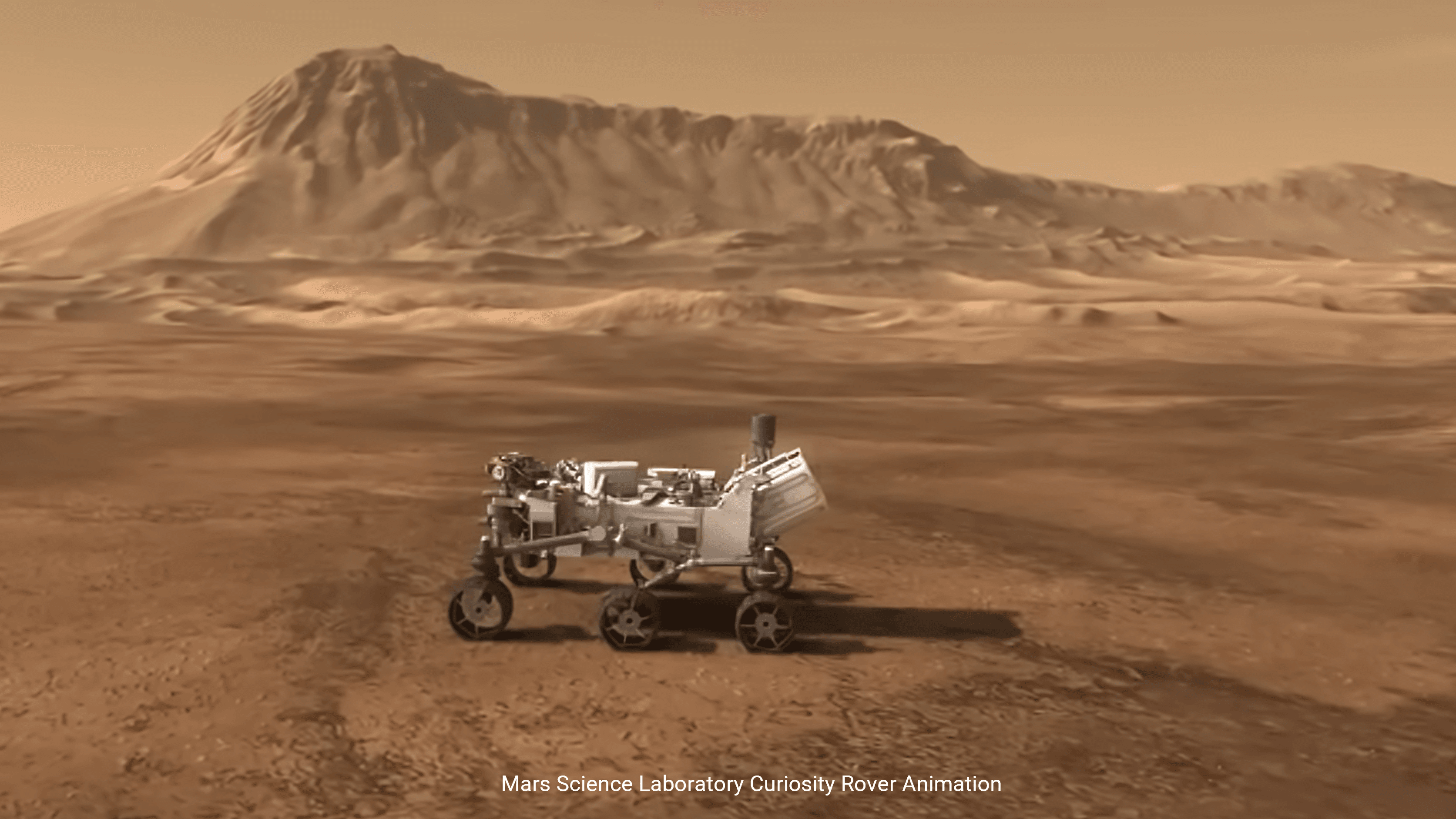
Space Robot- Lunar Rovers: Building Infrastructure on the Moon
Lunar rovers face -180°C nights and glass-sharp dust while building moon infrastructure. Inside the engineering challenges, commercial strategies, and international competition shaping planetary robotics.
Global Robotics Market 2026: Forecast Analysis & Key Trends
Comprehensive 2026 global robotics market forecast compilation from IFR, Markets and Markets & more. Market size, growth rates & regional analysis by segment.

RobotToday Weekly Industry Briefing: Feb 2 – 6, 2026
Robotics shifted from demos to deployment post-CES 2026, led by China’s humanoid scale, AI robot brains, and accelerating industrial adoption.
Video Friday: Autonomous Robots Learn By Doing in This Factory
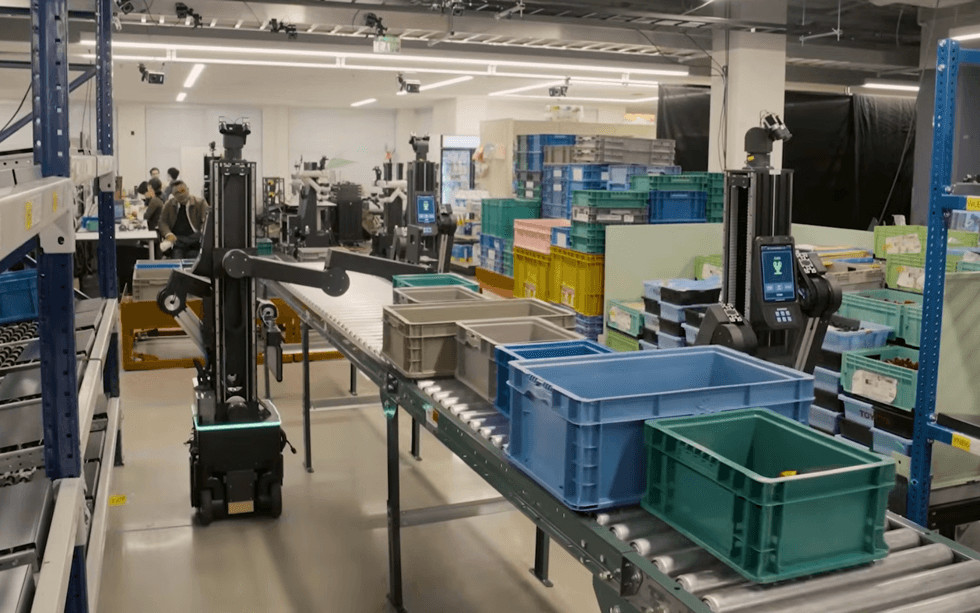
In a recent edition of Video Friday, IEEE Spectrum robotics showcased a variety of innovative robotics projects and developments. Notably, scientists at the Toyota Research Institute are collaborating with Toyota Manufacturing to implement autonomous robots on factory floors, enhancing production efficiency. Zipline shared insights into their drone delivery system, detailing the challenges faced and lessons learned in its development. Humanoid introduced KinetIQ, an AI framework designed for the orchestration of humanoid robot fleets, which integrates task allocation and execution through advanced cognitive layers. Meanwhile, researchers at VISTEC unveiled a decentralized adaptive resilient neural control system (DARCON) that enables legged robots to autonomously adapt to limb loss, ensuring mission success despite mechanical failures. NASA's Jet Propulsion Lab presented an animation of the Perseverance rover's drive along the Jezero Crater, captured on December 10, 2025, showcasing the rover's navigation capabilities. Additionally, Unitree's humanoid robot G1 made its mark on the snowfields of Altay, demonstrating its adaptability in extreme conditions. The Norwegian University of Science & Technology introduced a hierarchical 3D scene graph to enhance autonomous agents' understanding of their environments. Other highlights included the HoLoArm quadrotor, which features compliant arms for improved stability, and SkyDreamer, a pioneering vision-based autonomous-drone racing policy. The event also featured demonstrations of dexterous object manipulation by the AI Worker robot and advancements in swarm robotics for architectural applications.
When the Machine Knows Better: The Quiet Revolution Inside Manufacturing
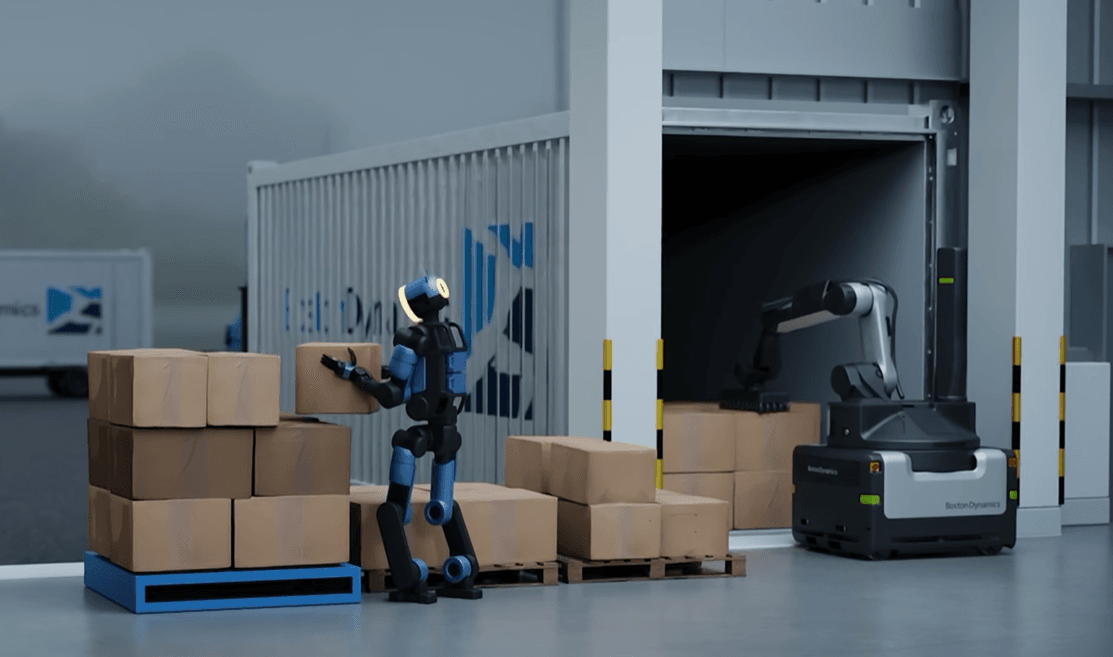
The machine can already see what human inspectors miss. But inside manufacturing, the real fight isn't about technology — it's about who gets to decide. The union battle over Manufacturing Intelligence begins here.
Space Robot - Killer App: The $30B Satellite Servicing Market
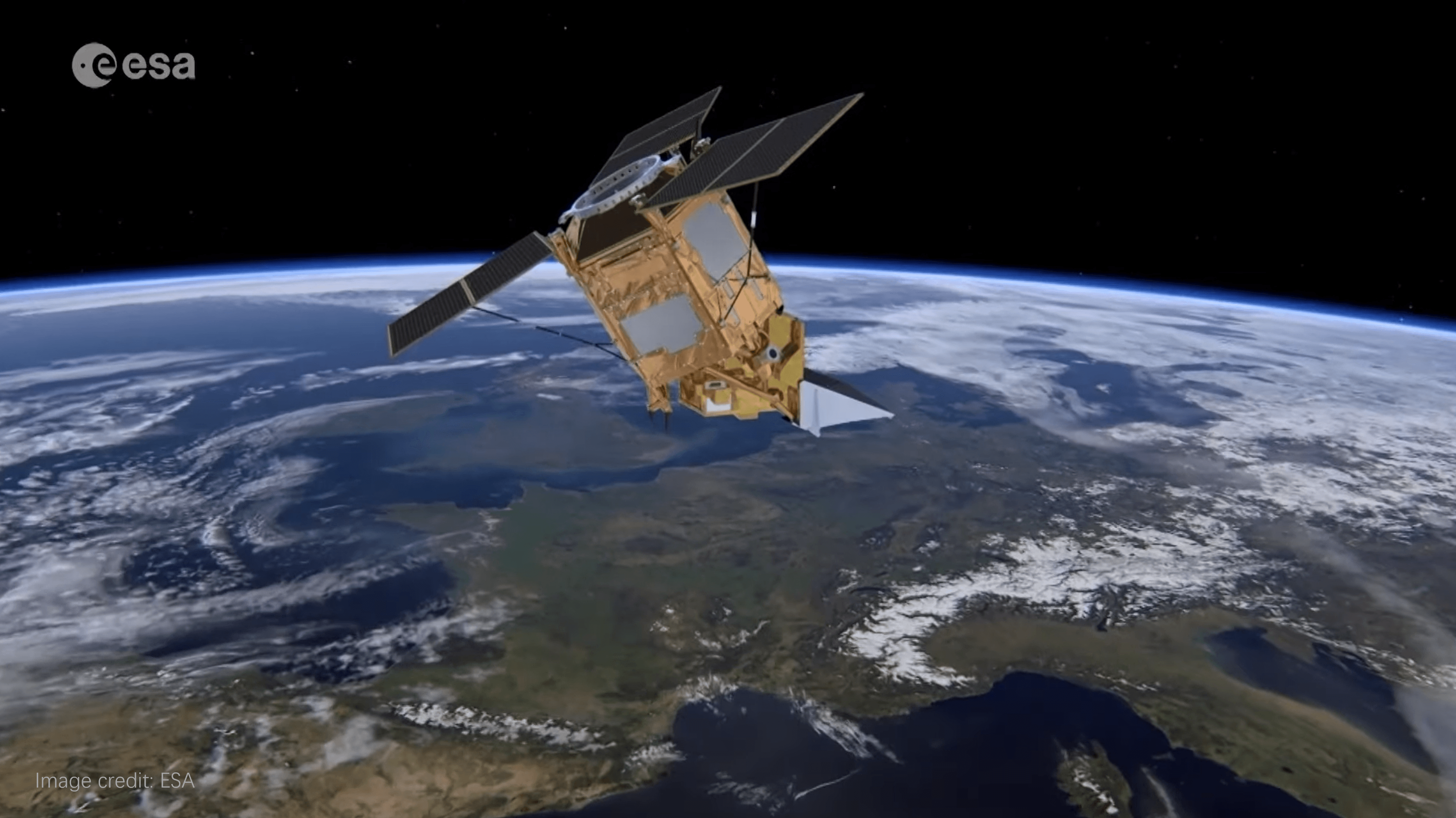
Orbital servicing is transforming space economics: $2B wasted annually on premature satellite deaths. Market growing from $500M to $20-30B by 2040. Deep dive into Astroscale, Northrop Grumman MEV, and the business of satellite refueling and debris removal.
Humanoid Robots Are Entering Warehouses — and Unions Are Pushing Back
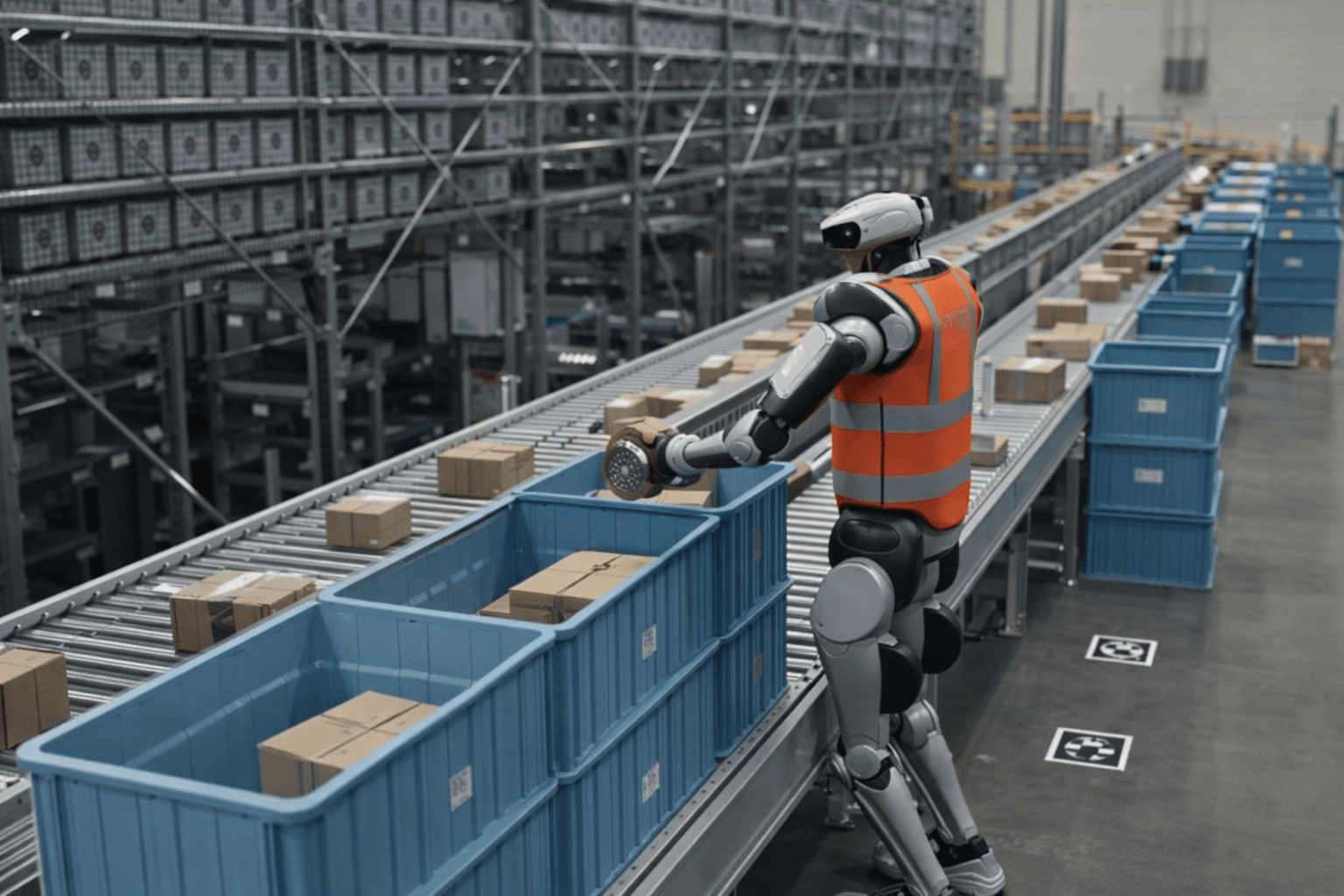
Humanoid robots are entering warehouses now — and unions like the Teamsters and UAW are drawing battle lines. Inside the 2026 labor showdown that could reshape logistics forever.

RobotToday Weekly Industry Briefing: January 26 – 30, 2026
Robotics industry briefing Jan 26-30, 2026: Serve-Diligent $29M acquisition, Richtech-Microsoft controversy, Waabi $1B funding, cloud robotics market to $43B by 2031, Fauna Robotics Sprout, Gartner humanoid forecast, NY Robotics launch.
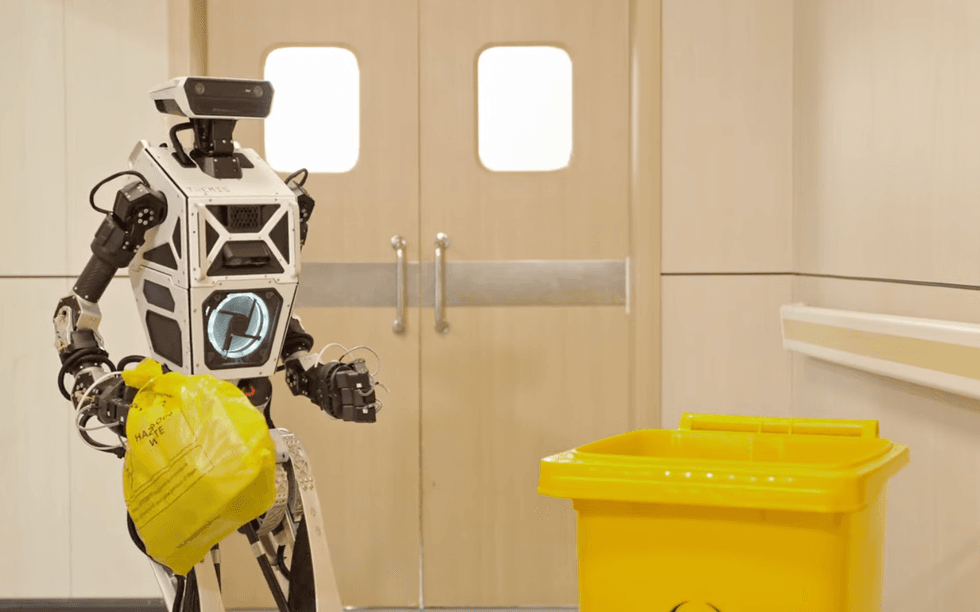
Video Friday: Multitasking Robots Smoothly Do the Things Together
IEEE Spectrum robotics has released its weekly roundup of notable robotics videos and upcoming events, including the ICRA 2026 conference scheduled for June 1-5, 2026, in Vienna. Among the highlights, Westwood Robotics unveiled THEMIS Gen2.5, the first commercial full-size humanoid robot capable of walking and manipulating objects simultaneously. This advancement builds on Helix's previous work, which demonstrated a single neural network controlling a humanoid's upper body, now expanded to encompass the entire robot's functions. In a demonstration of practical applications, Kimberly Elenberg from Carnegie Mellon University showcased how data from robotic responders can enhance life-saving efforts during mass casualty incidents. Meanwhile, Sphero continues to thrive in the competitive educational robotics market since its inception in 2011. Innovative flight testing methods were discussed by Zipline, emphasizing the importance of testing drones in extreme conditions. Additionally, researchers from the University of Tokyo introduced a concept of 3D-printing both skin and skeleton, while LimX presented small bipedal robots capable of skiing and resembling dinosaurs. The EPFL Reconfigurable Robotics Lab introduced a novel user-guided control system for modular robots, demonstrating its effectiveness through various tasks. Texas A&M University showcased its Quadrotor Biplane Tailsitter (QBiT) UAVs, which combine the agility of quadrotor drones with the efficiency of fixed-wing aircraft. Lastly, DARPA announced a new challenge aimed at developing drones capable of carrying payloads exceeding four times their weight, promising to transform drone usage across multiple sectors.
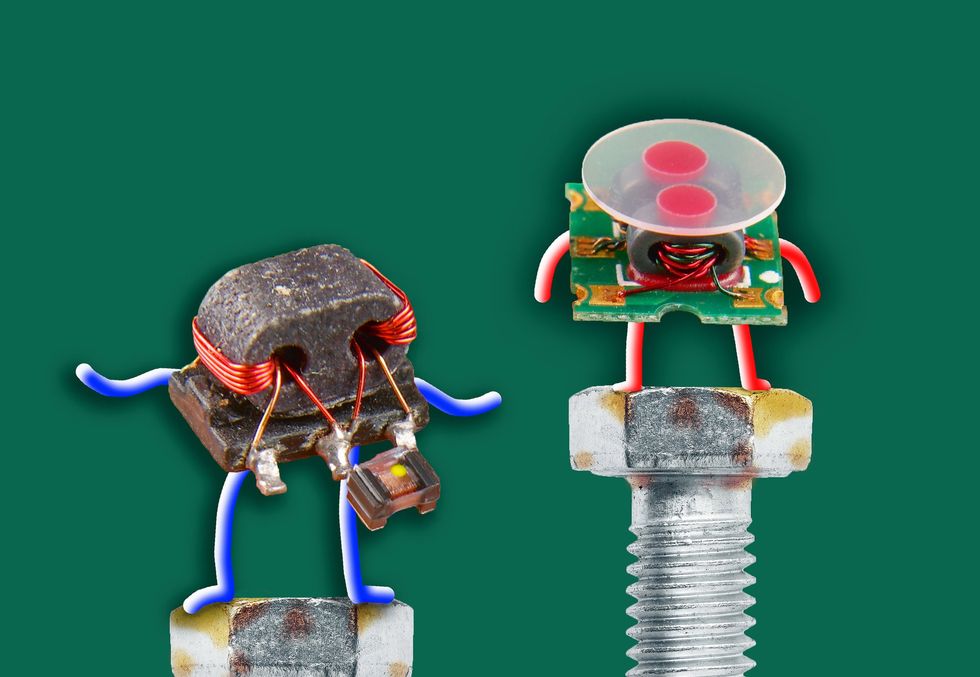
Ode to Very Small Devices
In a thought-provoking exploration of technology and its hidden intricacies, a writer reflects on the often-overlooked roles of small machines that power our daily lives. These "brave little servo motors" and their intricate networks, often encased in unassuming materials, serve essential functions such as regulating temperature, opening doors, and responding to environmental cues. The piece, rich in metaphor, likens these machines to mystical beings, emphasizing their silent yet vital contributions to modern existence. The author draws parallels between these devices and human emotions, suggesting that they embody a collective consciousness that connects us all. This contemplation encourages readers to appreciate the unseen mechanisms that sustain our world and to foster kindness in our interactions with both technology and one another.

Oracle AI world
Oracle AI World: premier enterprise AI conference with expert keynotes, hands-on sessions, and networking in Las Vegas, Oct 26-29, 2026.