

Industry Briefing
A single destination for timely, editor-curated robotics news from around the world.

Improving Human-Robot Teamwork Through Better Communication and Alignment
A recent study from Monash University and CSIRO highlights the importance of effective communication in human-robot teams. The research emphasizes that successful collaboration hinges on alignment, which includes a shared understanding of each team member's capabilities, limitations, and roles in various tasks. This finding is significant as it suggests that enhancing communication strategies can lead to more efficient and effective teamwork between humans and robots in real-world applications. By fostering a clearer understanding of tasks and situational contexts, teams can better leverage the strengths of both human and robotic partners. Looking ahead, it will be crucial to monitor advancements in communication technologies that facilitate this alignment. Future research may explore specific methods to enhance understanding and coordination within human-robot teams, potentially transforming how these collaborations are implemented in various industries.
Robotics
Global Localization Framework for Planetary Rovers Utilizing Interest Region Perception
A new global localization framework for planetary rovers has been introduced, focusing on interest region perception. This innovative approach enhances the rover's ability to navigate and understand its environment more effectively, which is crucial for successful planetary exploration missions. The significance of this framework lies in its potential to improve the autonomy and efficiency of planetary rovers. By leveraging interest region perception, the framework allows for better decision-making and adaptability in unknown terrains, which is essential for conducting scientific research on other planets. Looking ahead, the implementation of this global localization framework could lead to advancements in rover technology and exploration strategies. No further timeline was disclosed at the time of publication.
RESEARCH ARTICLE
FCC Approves Nationwide Testing of Cellular Networks for Drone Connectivity
The Federal Communications Commission (FCC) has granted a temporary waiver to support the US Department of Transportation's Mobile Network Aviation Assessment Program (MNAAP). This initiative aims to test the viability of using commercial wireless networks to enhance aviation safety and security for drones operating in US airspace. This testing is significant as it addresses one of the major challenges in expanding commercial drone operations: reliable connectivity. Drones flying beyond visual line of sight (BVLOS) require dependable communication methods, which are crucial for future applications like drone delivery and automated inspections. The MNAAP will conduct tests across the contiguous United States, involving up to 2,000 authorized pilots and 200 non-federal drone operators. The FCC's waiver is set to last until October 1, 2029, allowing ample time to gather data that could inform the future integration of cellular networks into the drone ecosystem.
News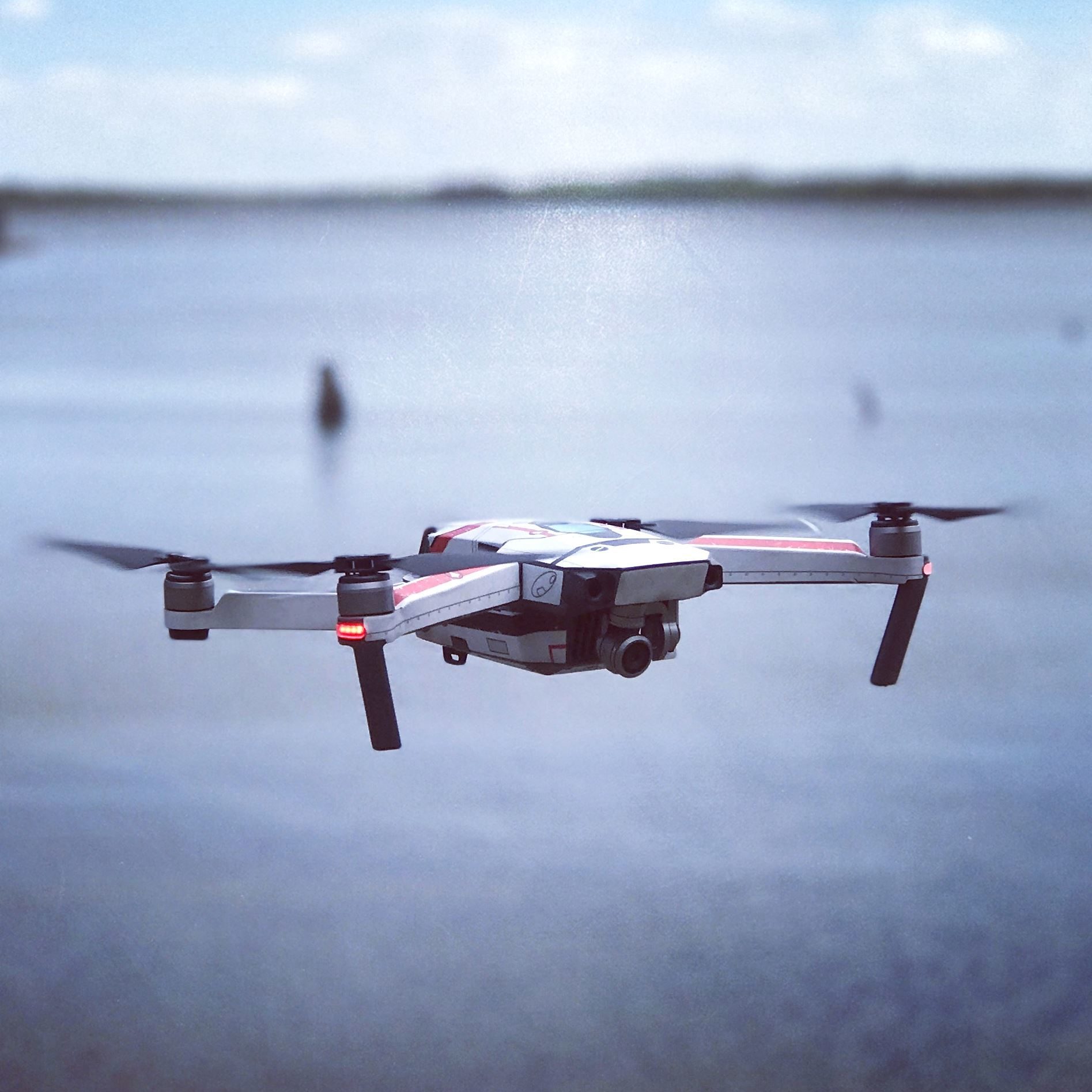
FCC Approves Nationwide Testing of Cellular Networks for Drone Safety Applications
The Federal Communications Commission (FCC) has eliminated a regulatory barrier to facilitate nationwide testing of commercial wireless networks on drones and general aviation aircraft. This order, effective September 11, supports the Department of Transportation's Mobile Network Aviation Assessment Program (MNAAP), which aims to evaluate wireless signal quality across various locations and altitudes in the contiguous United States. This initiative is significant as it seeks to determine the capability of commercial networks to support safety-related aviation services, including UAS command and control, autonomous detect and avoid systems, and counter-UAS detection. The waiver creates a controlled testing environment for participants approved by the Department of Transportation, allowing for the collection of crucial data on mobile broadband service performance. Looking ahead, the MNAAP may authorize up to 2,000 general aviation pilots to utilize a dedicated app on standard devices to report findings to a centralized database. Additionally, dedicated modules may be deployed on up to 200 UAS for targeted testing. This program could enhance understanding of airborne network performance, although the effectiveness of ground-based cellular infrastructure in aerial operations remains to be fully assessed.
Drone News Drone News Feeds News US Government BVLOS cellular connected drones
Anthropic Enhances Claude Cowork Memory System for Improved User Experience
Anthropic has announced a significant update to Claude Cowork's memory system, which will enhance user interactions by allowing the AI to retain information across different sessions. This change aims to eliminate the frustration of having to rebrief the AI on previously discussed topics, making it feel like a continuous assistant rather than separate products. The update is particularly important for users who engage in project development and need to transition smoothly from brainstorming to execution. For example, Claude will remember specific details such as headcount and speakers for a conference, streamlining the process of drafting updates or agendas without the need to re-enter information. Moving forward, users can expect Claude to automatically add topics to its memory during conversations, improving the fluidity between chat and Cowork. While sensitive information will not be stored by default, users have the option to include it. No further timeline was disclosed at the time of publication.
AI Apps Anthropic Claude
NVIDIA Vera Rubin NVL72 Achieves 30x Efficiency Improvement for AI Workloads
NVIDIA's Vera Rubin NVL72 systems have demonstrated a remarkable performance increase, achieving up to 30 times higher throughput per megawatt compared to the NVIDIA GB300 NVL72 for agentic AI workloads. This significant enhancement is crucial as agentic AI applications, which require extensive token usage for tasks like investment research, continue to proliferate across various industries. The efficiency gains from the Vera Rubin NVL72 are particularly important for power-constrained AI factories, allowing them to execute 30 times more agentic work within the same energy footprint. This leap in performance is attributed to NVIDIA's innovative GPU architecture and continuous software optimizations, which enhance the overall efficiency of both Vera Rubin NVL72 and GB300 NVL72 systems. As agentic AI workloads evolve, the demand for efficient infrastructure will only increase. Future performance measurements will need to adapt to capture the complexities of agent workflows, which can involve hundreds of thousands of tokens. No further timeline was disclosed at the time of publication.
Datagrid Partners with ASN and OMS Group for Tasman Ring Network in New Zealand
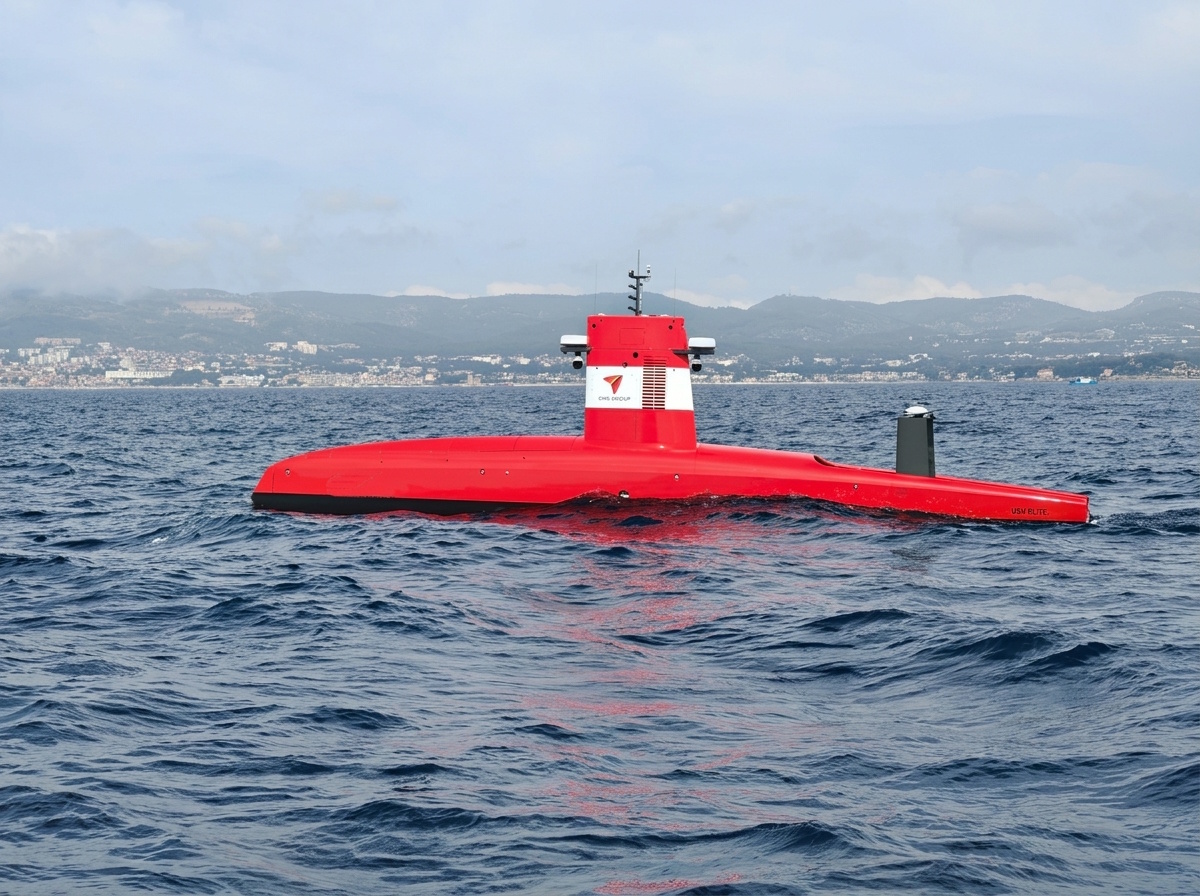
Datagrid New Zealand has signed a contract with Alcatel Submarine Networks and OMS Group to establish the Tasman Ring Network. This new optical submarine cable system will connect Invercargill, located in New Zealand's South Island, to Melbourne, Australia. The Tasman Ring Network is significant as it aims to enhance connectivity and improve the resilience of New Zealand's internet infrastructure. By linking the South Island directly to Australia, the project is expected to bolster data transmission capabilities and provide a more reliable internet service for users in the region. As the project progresses, stakeholders will be keen to monitor the installation timeline and the impact of the new cable system on local internet services. No further timeline was disclosed at the time of publication.
oms group exail drix tasman ring network
MIT Develops GIFT Framework to Enhance CAD Design Accuracy Using AI Failures
Researchers from MIT, IBM, and Red Hat have introduced the Geometric Inference Feedback Tuning (GIFT) framework, which enhances AI's ability to convert 2D images into functional CAD programs. This innovation significantly improves design accuracy while reducing inference computation by approximately 80%. The GIFT framework addresses the challenge of limited high-quality CAD training data by utilizing the AI's own mistakes as a learning tool. The importance of this development lies in its potential to streamline the CAD design process, which is often hindered by the need for extensive datasets linking images to CAD programs. By focusing on 'near-misses'—outputs that are close to correct—the GIFT framework provides valuable insights into the AI's understanding, ultimately leading to better training examples and more reliable designs. Looking ahead, the GIFT framework's dual techniques, including GIFT-REJECT, promise to further refine AI-generated CAD outputs. As the research progresses, the effectiveness of GIFT in real-world applications will be closely monitored, particularly in industries reliant on precise CAD designs, such as aerospace and automotive engineering. No further timeline was disclosed at the time of publication.
AI and Robotics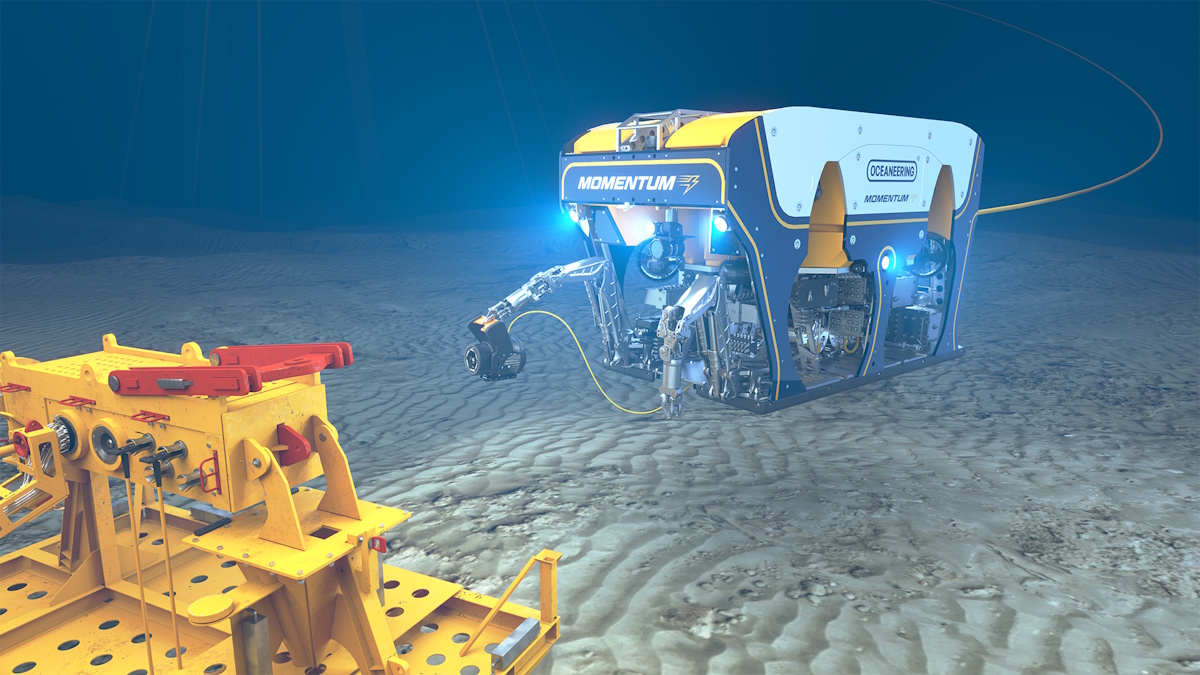
Oceaneering Launches New Electric Propulsion Work Class ROV
Oceaneering International, Inc. has unveiled its latest innovation in subsea technology, the Momentum™ Electric Work Class Remotely Operated Vehicle (ROV), during the Subsea Tieback Forum. This launch marks a significant advancement in the company's Subsea Robotics segment, showcasing their commitment to enhancing underwater operations. The event took place today, highlighting the growing demand for efficient and environmentally friendly solutions in the subsea industry. The Momentum™ ROV is designed to improve operational capabilities and reduce environmental impact, reflecting Oceaneering's dedication to innovation and sustainability in subsea exploration and maintenance.
oceaneering electric propulsion work class rov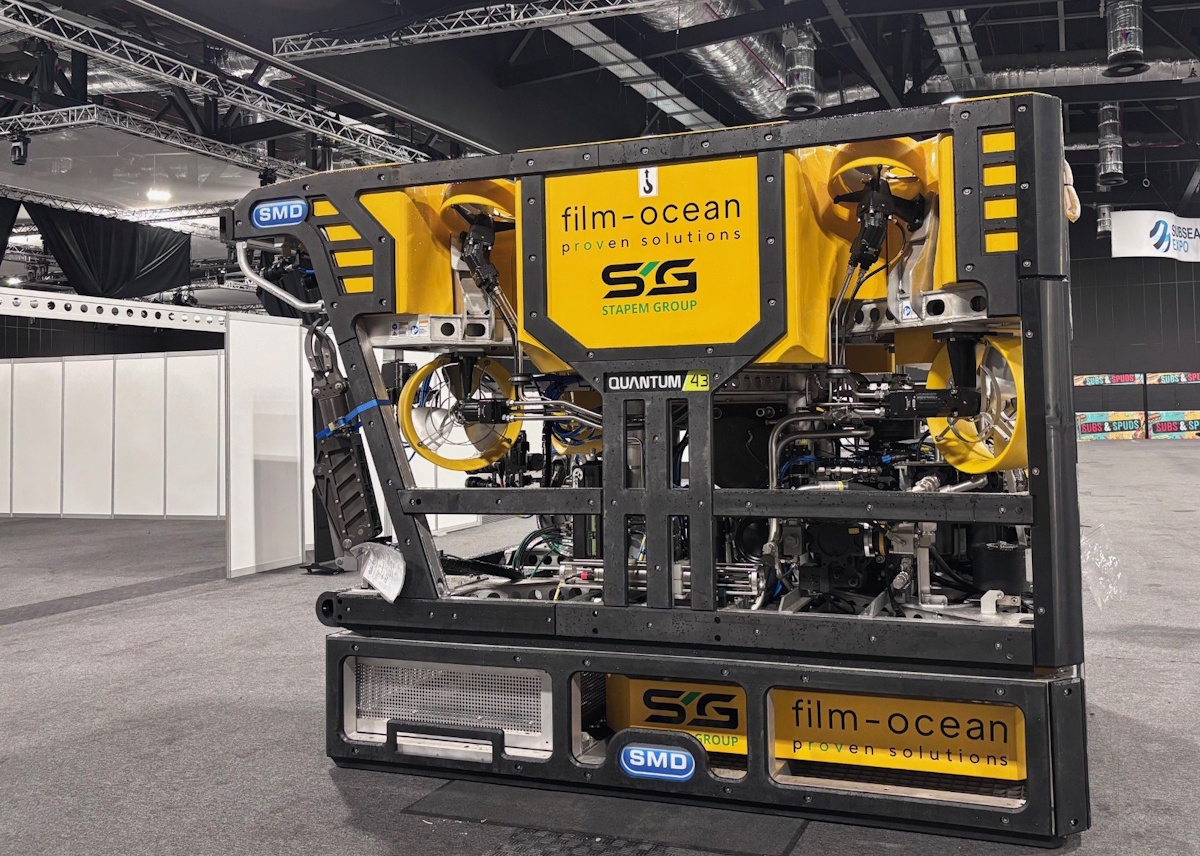
Film-Ocean Showcases New Work Class ROV and Remote Operations Centre at Subsea Expo 2026
Film-Ocean, a leading global subsea services provider and a member of the Stapem Group, is set to unveil its latest Work Class Remotely Operated Vehicle (WROV) and demonstrate its advanced Remote Operations Centre (ROC) at the upcoming Subsea Expo 2026. The event will be held on February 4 and 5, 2026. This showcase aims to highlight the company's innovative technologies and capabilities in subsea operations, reflecting its commitment to enhancing efficiency and safety in the industry. By presenting these cutting-edge solutions, Film-Ocean seeks to engage with industry professionals and stakeholders, emphasizing its role in advancing subsea service offerings.
subsea expo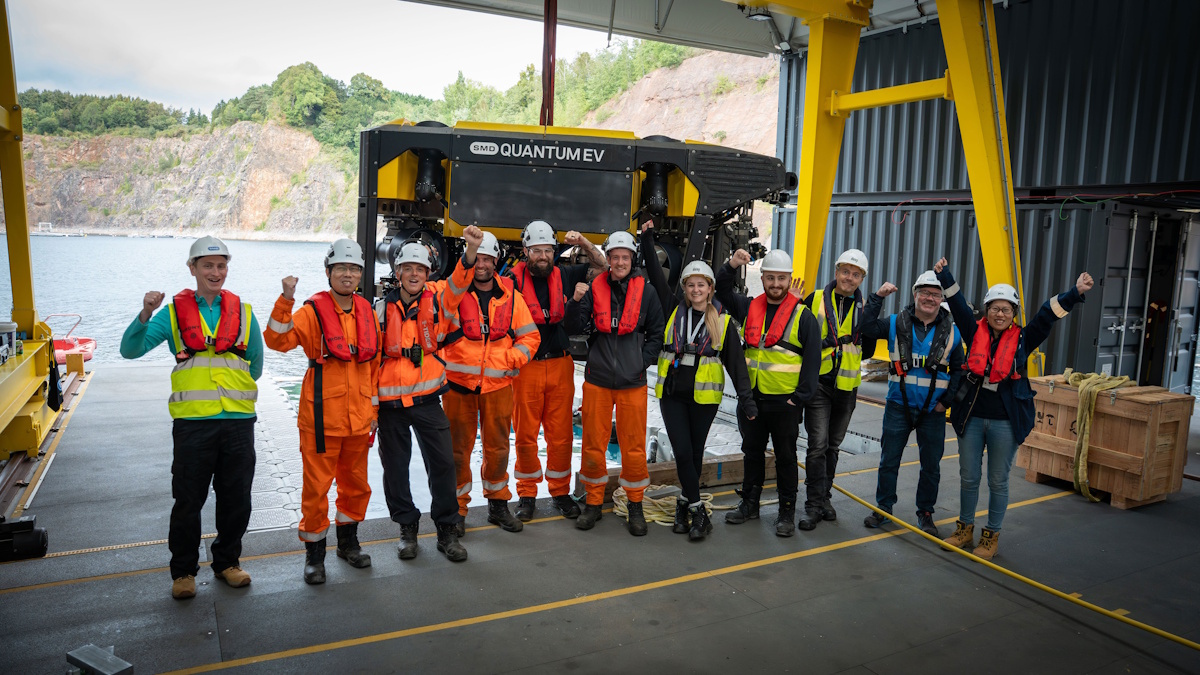
Testing Complete on First SMD Electric Work Class ROV
SMD, a subsea technology and services company, has achieved a significant milestone with the successful completion of Site Acceptance Testing (SAT) for its innovative electric work class remotely operated vehicle (ROV), the SMD Quantum EV. This testing took place at the DEEP Campus located near Bristol. The successful SAT marks a crucial step in the development and deployment of this advanced ROV, which aims to enhance subsea operations while promoting sustainability through its electric design. The completion of this testing phase underscores SMD's commitment to advancing subsea technology and meeting the growing demand for environmentally friendly solutions in the industry.
smd electric work class rov smd quantum ev site acceptance testing (sat) deep campus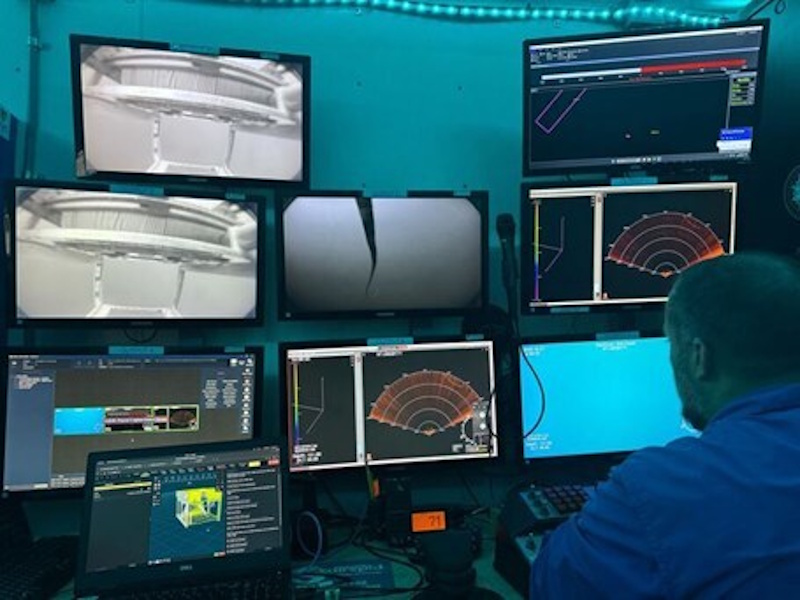
Nauticus Robotics Certifies Nauticus ToolKITT Autonomy Software on Light Work-Class ROVs & Completes First Paid Commercial Operation on a Retrofitted System
Nauticus Robotics, Inc. has successfully certified and deployed its Nauticus ToolKITT™ autonomy software on two light work-class remotely operated vehicles (ROVs) following the acquisition of SeaTrepid International in 2025. This achievement was announced today after the completion of certified pool and open-water testing. The deployment marks a significant milestone for Nauticus, as it represents the company's first paid commercial subsea project utilizing the ToolKITT™ software on a retrofitted ROV platform. This development underscores Nauticus's commitment to advancing its autonomy technology beyond proprietary systems, enhancing its capabilities in the field of autonomous subsea robotics.
nauticus robotics certification nauticus toolkitt autonomy software light work-class rov
FET to Deliver New Model of Work Class ROV to Nigerian Oil and Gas Firm
Forum Energy Technologies (FET) has announced a significant contract with Nigerian oil and gas company Marine Platforms (MPL) to supply two of its advanced XLX EVO III work class remotely operated vehicles (ROVs). This agreement underscores the enduring partnership between the two companies, as MPL has consistently utilized FET's systems in its operations. The deal highlights FET's commitment to enhancing subsea capabilities in the oil and gas sector, particularly in Nigeria, where the demand for innovative technology is growing. The delivery of the ROVs is expected to bolster MPL's operational efficiency and effectiveness in underwater tasks.
forum energy technologies (fet) marine platforms (mpl) xlx evo iii rov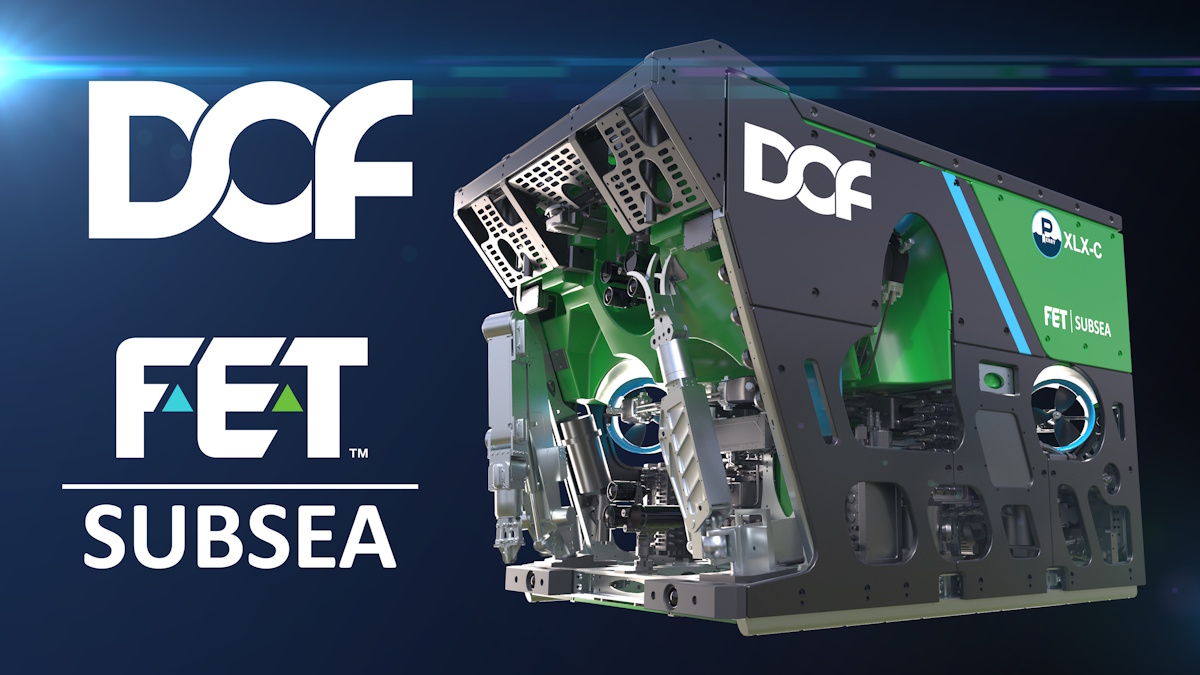
Forum Energy Technologies Secures Work-Class ROV Order
Forum Energy Technologies (FET), a prominent player in subsea robotics, has announced a new contract with its long-term client, DOF. This agreement involves the provision of a work-class remotely operated vehicle (ROV) along with a supporting tether management system. The delivery of this advanced equipment is set for late 2025 and will enhance DOF’s extensive subsea operations in Brazil. This partnership underscores FET's commitment to supporting DOF's operational capabilities in the region.
forum energy technologies (fet) dof xlx-c24 work-class rov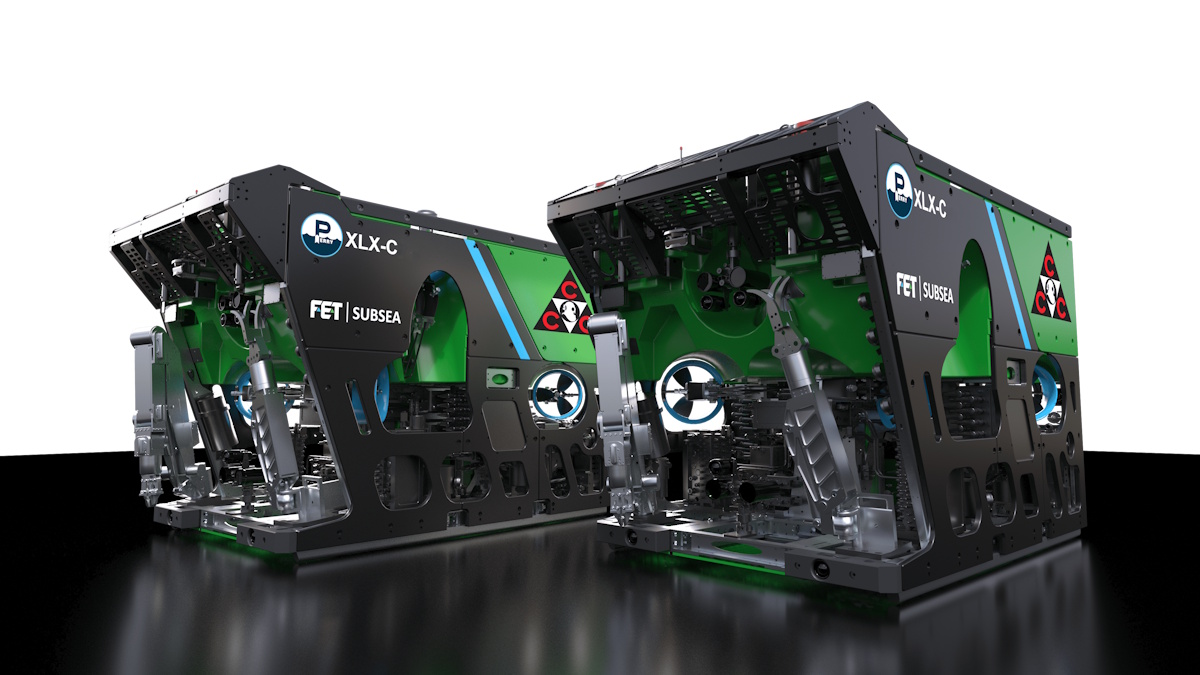
FET to Provide UAE-Based Offshore Construction Firm with Two Work Class Remotely Operated Vehicles
Forum Energy Technologies (FET) has announced that its Subsea product line has been awarded a contract to supply two work class remotely operated vehicles (ROVs) to CCC (Underwater Engineering) S.A.L, a prominent offshore construction company based in the United Arab Emirates. This partnership underscores FET's commitment to enhancing underwater engineering capabilities and supporting CCC (UE) in its ongoing projects. The contract reflects the growing demand for advanced subsea technology in the region, driven by the expanding offshore industry. The ROVs will be utilized for various underwater tasks, showcasing FET's innovative solutions in subsea operations.
fet work class remotely operated vehicles (rov)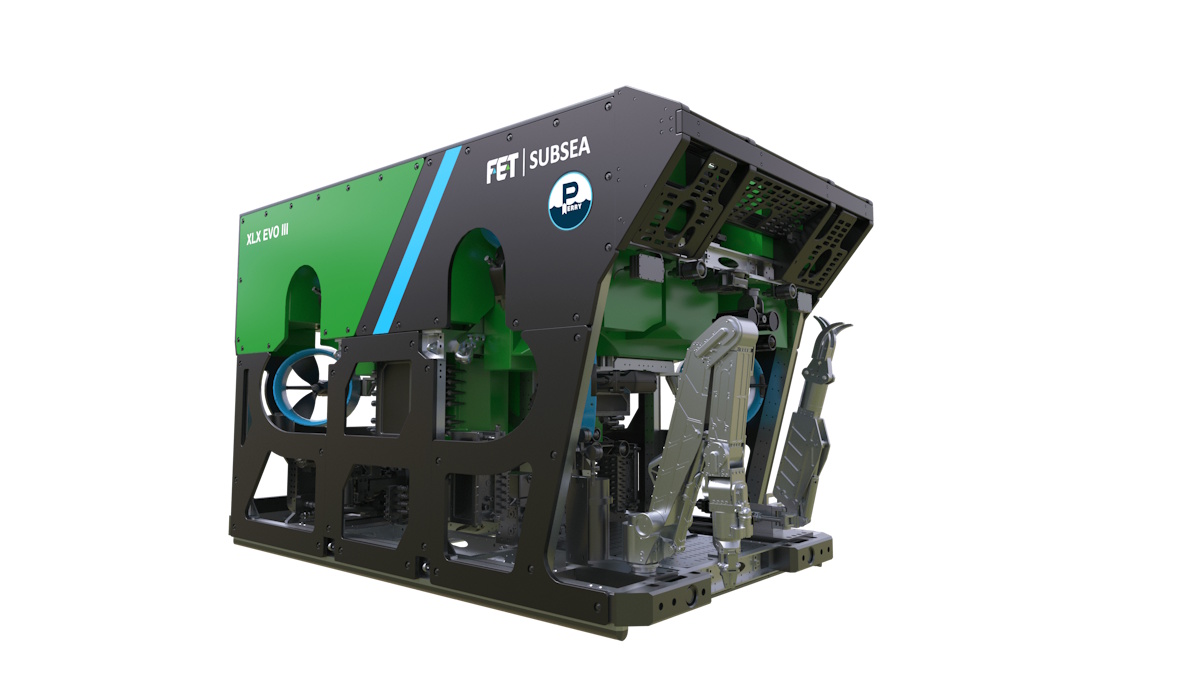
FET Brings New Generation Work Class ROV to Market
Forum Energy Technologies (FET) has unveiled its newest work class Remotely Operated Vehicle (ROV), the XLX EVO III, which represents a significant advancement in Ultra-Heavy-Duty subsea vehicle technology. This launch took place recently, showcasing FET's commitment to innovation in the subsea industry. The XLX EVO III is designed to enhance operational efficiency and safety in challenging underwater environments, addressing the growing demand for robust and reliable ROV solutions. By integrating advanced technology and engineering, FET aims to meet the evolving needs of its clients in sectors such as oil and gas, renewable energy, and underwater construction. The introduction of the XLX EVO III is expected to set new standards in subsea operations, reflecting FET's dedication to pushing the boundaries of underwater exploration and intervention capabilities.
forum energy technologies (fet) rov xlx evo iii ultra-heavy-duty
Addressing Workflow Gaps in Automation Projects for Improved Efficiency
In manufacturing plants, workflows often diverge between documented procedures and actual practices on the floor. This discrepancy leads to automation projects stalling, as the systems implemented follow the documented version, while undocumented exceptions continue to operate as usual. For instance, a scheduling or pricing call may rely on a single trusted individual, with no formal documentation outlining the approval process. The significance of addressing these gaps cannot be overstated. When automation is applied without considering these exceptions, they simply shift to informal channels like email or spreadsheets, creating new bypasses that undermine the intended efficiency. To mitigate this issue, it is crucial to identify and document these exceptions before scoping automation projects. To effectively capture these gaps, conducting a tabletop walkthrough can be beneficial. By having an employee unfamiliar with the workflow explain the process step by step, it becomes easier to identify points of confusion or undocumented approvals. These insights should be incorporated into the requirements document to ensure that automation is aligned with the actual workflow, thereby enhancing operational efficiency.
Process / Digital Transformation
GE Aerospace to Supply LM2500+G4 Engines for South Korea's KDDX-Class Destroyers
GE Aerospace has announced that it will provide 12 LM2500+G4 marine gas turbine engines for six KDDX-class destroyers being constructed for the Republic of Korea Navy (RoKN). The integration of the LM2500+G4 with the KDDX's full electric propulsion system is expected to enhance operational flexibility, fuel efficiency, and survivability for the vessels. This development is significant as it marks a step towards advanced naval propulsion systems, with GE Aerospace's technology reinforcing its collaboration with South Korea. The RoKN has previously procured 163 GE Aerospace marine gas turbines for 95 ships, indicating a strong track record in the region. Looking ahead, Hanwha Aerospace, GE's local partner, will manufacture engine components and support assembly and testing. The KDDX program is projected to cost 7.8 trillion won ($5.75 billion), with Hanwha Ocean as the preferred bidder for the lead ship's construction. No further timeline was disclosed at the time of publication.
Global Naval Warfare Asia GE Aerospace Hanwha Indo-Pacific
Accelerating Software and Agentic AI to Enhance Mission Success in Classified Networks
The article discusses the critical role of software and agentic AI in achieving mission success, particularly in classified environments. It emphasizes that while commercial prototypes may function well in controlled settings, the real challenge lies in effectively deploying these technologies across secure networks. This distinction is crucial for military and defense operations, where reliability and security are paramount. Understanding the difference between sandbox testing and real-world application is essential for organizations aiming to leverage AI in sensitive operations. The deployment of advanced AI solutions can significantly enhance operational efficiency and decision-making capabilities, making it imperative for stakeholders to prioritize these technologies. The article highlights the need for a strategic approach to integrate AI into existing frameworks, ensuring that mission objectives are met without compromising security. Looking ahead, organizations must focus on overcoming the challenges associated with deploying AI in classified networks. Continuous innovation and adaptation will be key to ensuring that software and agentic AI remain at the forefront of mission-critical operations. No further timeline was disclosed at the time of publication.
Networks & Digital Warfare Sponsored Post accenture Accenture Federal Services AI cyber security
Salamanca High School's Robot Sally Faces Social Acceptance Issues Amid Controversy
Salamanca High School in Western New York has purchased a humanoid robot named Sally from Realbotix for approximately $58,000, intending to trial it in STEAM courses this fall before expanding its use to around 500 students. The project has sparked public debate following its announcement on July 10, with significant opposition from the New York State United Teachers (NYSUT) and concerns raised by State Education Commissioner Betty Rosa, leading to a suspension of the project to refine student data privacy protocols. The controversy surrounding Sally is not focused on its technical capabilities but rather on the company's background, Realbotix, which has ties to adult products through its parent company. This has raised questions about data collection and the appropriateness of having a robot associated with such a company in educational settings. Sally, designed to interact with students through a closed network, is programmed to avoid sensitive topics and does not record personal data. As the debate continues, the incident serves as a reminder for the embodied intelligence industry, which is increasingly entering sensitive environments like education and healthcare. The outcome of this situation could influence future deployments of similar technologies in schools and other sensitive contexts. No further timeline was disclosed at the time of publication.
Humanoid Robots Educational Technology Data Privacy AI
Moonshot AI Launches Kimi K3, the World's First Open 3T-Class AI Model
Moonshot AI has introduced Kimi K3, a groundbreaking 2.8 trillion-parameter open-source AI model, marking it as the largest of its kind to date. This model is designed to handle complex workflows and features a one-million-token context window, enabling it to perform tasks significantly faster than traditional methods. For instance, Kimi K3 can complete a task in about two hours that would typically take one to two weeks for an experienced researcher. The significance of Kimi K3 lies in its potential to enhance scientific research workflows, allowing for the creation of interactive reports and presentations. It incorporates advanced features such as Widgets and Dashboard capabilities, which facilitate persistent, interactive workspaces. Despite its impressive performance, Kimi K3 still falls short compared to proprietary models like Claude Fable 5 and GPT 5.6 Sol, indicating that while progress is being made, there is still a competitive gap to close. Looking ahead, the focus will be on how Kimi K3 can further evolve and compete with leading AI models. Moonshot AI's innovative architecture, including Kimi Delta Attention and a Mixture-of-Experts framework, has improved scaling efficiency significantly. No further timeline was disclosed at the time of publication.
AI and Robotics Innovation
Study on Offshore Wind Turbine Blade Repair Using Particle Swarm Optimization and Advanced Control Techniques
A recent study published in the Journal of Field Robotics explores innovative methods for repairing offshore wind turbine blades. The research focuses on utilizing a Particle Swarm Optimization-Backpropagation Neural Network combined with Improved Active Disturbance Rejection Control to enhance repair efficiency. This research is significant as it addresses the growing need for effective maintenance strategies in offshore wind energy, which is crucial for maximizing energy output and minimizing downtime. The integration of advanced algorithms aims to improve the precision and reliability of repair processes, ultimately contributing to the sustainability of wind energy. Looking ahead, the implications of this study could influence future developments in wind turbine maintenance technologies. No further timeline was disclosed at the time of publication.
RESEARCH ARTICLE
SpaceX's Starmind Faces Feasibility Challenges for 1 Million Satellite Deployment
On January 30, 2026, SpaceX submitted a request to the FCC to launch up to 1 million satellites as part of its Starmind orbital compute constellation. This ambitious plan is unprecedented, as the total number of satellites ever launched globally is in the low tens of thousands. The proposal seeks a waiver from standard deployment milestones, citing reliance on the Starship's full reusability for success. The significance of this request lies in the technical and logistical challenges it presents. Experts warn that low Earth orbit may not support the proposed number of active satellites without risking a debris cascade. SpaceX's own IPO prospectus acknowledges unresolved dependencies related to Starship's launch cadence and reusability, which are critical for the orbital AI compute strategy. Looking ahead, the timeline for achieving the necessary launch cadence and manufacturing capacity remains uncertain. SpaceX's Gigasat facility in Texas aims for volume production by late 2027, but this would require unprecedented output levels. No further timeline was disclosed at the time of publication, leaving the feasibility of the Starmind project in question.
SpaceX's Starmind Plans 1 Million AI Satellites Amid Collision Risks
SpaceX has announced its ambitious Starmind project, which aims to deploy 1 million AI satellites in orbits between 500 and 2,000 km. This initiative, confirmed by Elon Musk on June 23, 2026, follows a merger with xAI, valuing the combined entity at $1.25 trillion. The satellites will function as orbital data centers, processing AI workloads powered by solar arrays and linked by optical lasers. The significance of Starmind lies in its potential to add 100 gigawatts of AI compute capacity annually, contingent on the successful operation of the Starship launch system. However, the project raises concerns regarding space debris, as the current orbital environment is already congested, with a 20% increase in collision risk reported since 2024. The European Space Agency has highlighted that the density of debris in low Earth orbit is now comparable to that of active satellites, complicating the operational landscape for new entrants like Starmind. Looking ahead, the first operational orbital AI deployments are targeted for 2028, with test launches expected in early 2027. However, the project faces scrutiny regarding its impact on space debris, as even a 1% failure rate could significantly increase the number of uncontrollable objects in orbit, exacerbating existing risks. No further timeline was disclosed at the time of publication.

Tesla's Optimus Robots to Support Starmind Satellite Production, Not Maintenance
Tesla's Optimus robots will not be used to repair Starmind satellites in orbit, as confirmed by recent statements from Elon Musk. Instead, these robots are intended to assist in the construction and operation of the Terafab chip manufacturing facility in Texas. The AI1 satellites, designed to disintegrate upon reentry, highlight the company's swap-and-replace strategy rather than traditional maintenance practices. This approach is significant as it reflects a broader trend in satellite management, where mass-produced satellites are replaced rather than repaired. The economics of servicing missions are prohibitive, with the cost of launching a replacement satellite being significantly lower than conducting a repair mission. This model aligns with SpaceX's operational history, where rapid replacement of satellites is more efficient than attempting to maintain them in orbit. Looking ahead, the focus will remain on the production capabilities of the Gigasat factory, which is expected to support the continuous replacement of satellites. No further timeline was disclosed at the time of publication, but the demand for rapid satellite turnover suggests a robust future for Optimus robots in terrestrial manufacturing rather than in-space servicing.
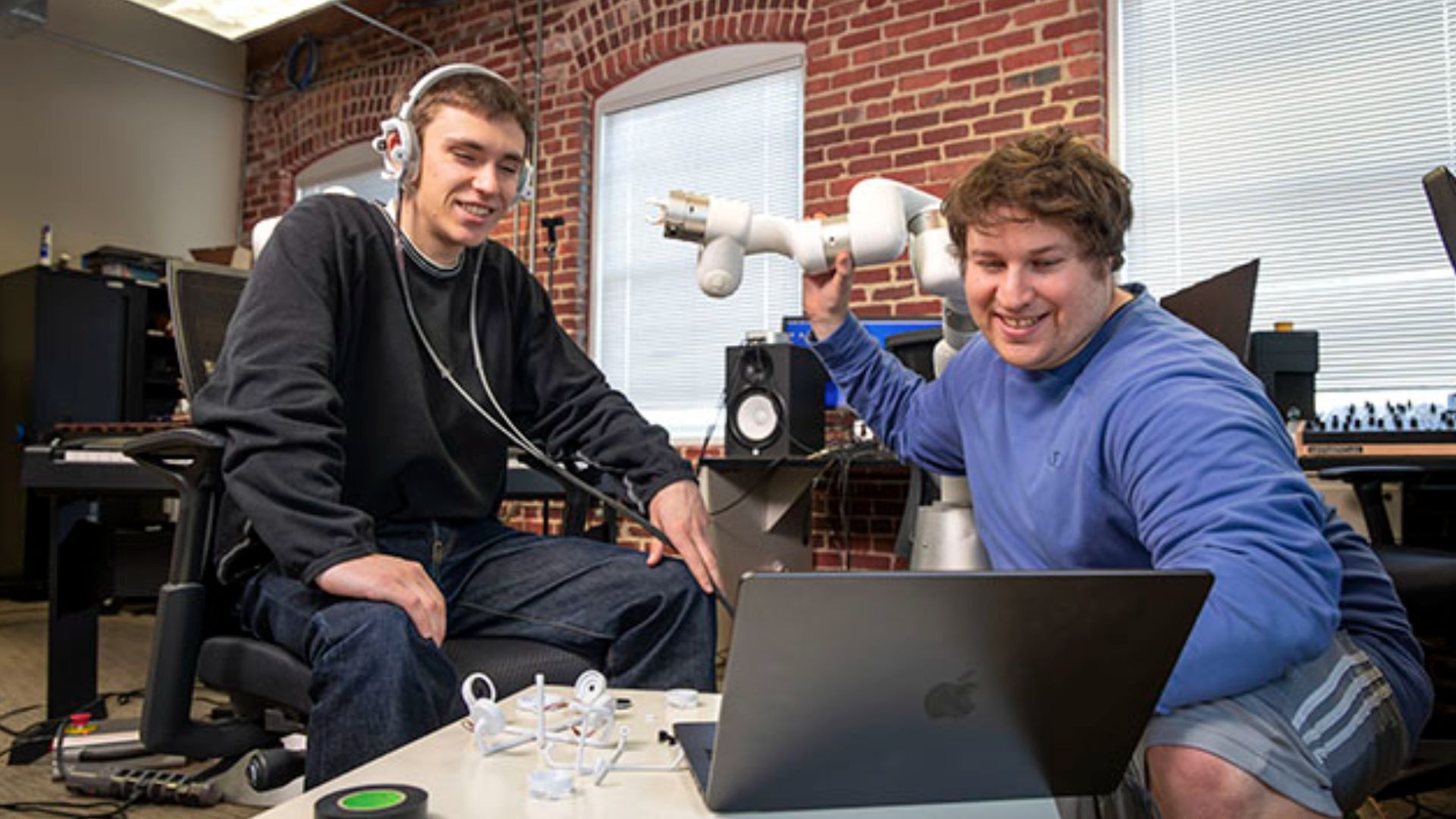
Watch: New wearable converts robot movements into music to improve workplace safety
Researchers at Georgia Tech have unveiled an innovative wearable audio system designed to enhance the interaction between humans and robots. This groundbreaking technology translates the movements of nearby robots into sound, allowing users to perceive the robots' actions through auditory cues. The development aims to improve safety and awareness in environments where humans and robots coexist, such as factories and warehouses. The system was introduced during a recent technology showcase held at the Georgia Institute of Technology, where experts demonstrated its capabilities. By providing real-time audio feedback, the wearable device enables users to better understand the dynamics of their robotic counterparts, potentially reducing accidents and improving collaboration. The motivation behind this research stems from the increasing integration of robots into everyday workspaces, where clear communication and awareness of robotic movements are essential for effective teamwork. The audio system operates through a combination of sensors and algorithms that interpret robot actions and translate them into distinct sounds, creating an intuitive interface for users. This advancement not only represents a significant step forward in human-robot interaction but also highlights Georgia Tech's commitment to pioneering research in robotics and audio technology. As industries continue to evolve with automation, such innovations are crucial for ensuring safe and efficient operations in shared environments.
AI and Robotics
Into the Omniverse: Three Workflows for Improving Vision AI Agent Accuracy With Synthetic Data and Fine-Tuning
In a recent installment of the "Into the Omniverse" series, developers, 3D practitioners, and enterprises are exploring innovative ways to enhance their workflows through the latest advancements in OpenUSD and NVIDIA Omniverse. This initiative highlights the growing significance of Vision AI agents, which are increasingly being integrated into various industries to streamline processes and improve efficiency. The series aims to educate participants on how these technologies can be leveraged to transform traditional practices, ultimately fostering a more collaborative and productive environment. As organizations seek to adapt to the rapidly evolving digital landscape, the insights shared in this series are crucial for staying competitive and maximizing the potential of emerging technologies.
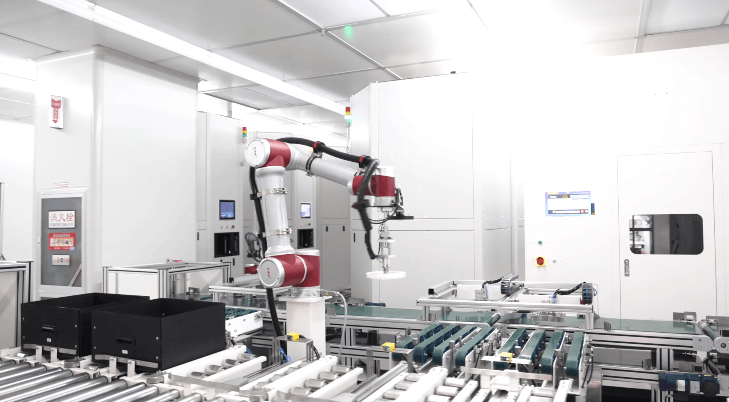
How Robotic Arms Improve Worker Ergonomics and Reduce Injury Risk
In the realm of modern manufacturing, JAKA, a leading provider of intelligent robotic solutions, is revolutionizing workplace safety and ergonomics through its advanced robotic arms, particularly the JAKA Pro16. These collaborative robots are designed to alleviate the physical strain on workers by taking over repetitive and physically demanding tasks, such as polishing, grinding, and material handling. By doing so, they significantly reduce the risk of musculoskeletal disorders and work-related injuries that often arise from prolonged repetitive motions and heavy lifting. The JAKA Pro16, notable for its high payload capacity and IP68 protection, is engineered to operate efficiently in harsh environments, lifting heavy loads with precision while minimizing the potential for strains and sprains associated with manual labor. Its robust design ensures stable operation, enhancing safety during heavy-duty tasks. Moreover, JAKA's commitment to ergonomic design allows for flexible deployment and easy programming, enabling manufacturers to adapt their workflows to better suit workers' needs. This adaptability not only improves worker comfort but also fosters a safer working environment. As industries increasingly prioritize worker well-being, JAKA's innovative approach illustrates how integrating collaborative robots into manufacturing processes can lead to safer, more efficient workplaces. By investing in such technologies, companies can protect their workforce while promoting sustainable production growth.

Pose Estimation Accuracy Improvement Using Different Orientation Representations With Neural Networks: Case Study for the VIVE HTC Tracker
In a recent study published in the Journal of Field Robotics, researchers from a leading robotics institute have unveiled innovative advancements in autonomous navigation systems. This groundbreaking research, conducted in October 2023, aims to enhance the efficiency and safety of robotic applications in various fields, including agriculture and disaster response. The team focused on developing algorithms that enable robots to better interpret their surroundings and make real-time decisions. By integrating advanced sensor technology and machine learning techniques, the researchers demonstrated how these systems could significantly improve the robots' ability to navigate complex environments. The motivation behind this research stems from the increasing demand for autonomous solutions that can operate in unpredictable conditions. As industries seek to leverage robotics for tasks that are hazardous or labor-intensive, the need for reliable navigation systems becomes paramount. The study involved extensive field tests, where the robots were deployed in diverse scenarios to assess their performance. The results indicated a marked improvement in navigation accuracy and obstacle avoidance, showcasing the potential for these technologies to revolutionize how robots are utilized in real-world applications. This research not only contributes to the academic field but also has practical implications for industries looking to adopt autonomous systems. By addressing the challenges of navigation in dynamic environments, the findings pave the way for more effective and safer robotic operations in the future.
RESEARCH ARTICLE
Multi-Layer AI Safety Framework Improves Robot Reliability
Experts in artificial intelligence and robotics emphasize the importance of implementing layered defenses and context-aware guidelines to enhance safety in AI robotics. This initiative aims to mitigate potential risks and prevent real-world harm, especially in dynamic environments where interactions with humans and other systems are frequent. As the field continues to evolve, the need for robust safety protocols has become increasingly critical. These measures are designed to ensure that AI systems can operate safely and effectively, adapting to various situations while minimizing the likelihood of accidents or malfunctions. The ongoing discussions and developments in this area highlight a proactive approach to addressing the challenges posed by advanced robotics in everyday settings.

AI Framework Improves Learning on Edge Devices
Recent advancements in federated learning technology have made it possible to implement this innovative approach on edge devices, significantly enhancing efficiency in data processing. A new framework, known as FTTE, has been developed to optimize the training process, achieving a remarkable reduction in training memory usage by 80% and a decrease in communication load by 69%. This breakthrough not only streamlines the training process but also ensures rapid convergence, making it a game-changer for organizations looking to leverage edge computing for machine learning applications. The developments were reported in October 2023, highlighting the growing importance of federated learning in managing data privacy and resource constraints in various industries.

Pentagon inks deals with Nvidia, Microsoft, and AWS to deploy AI on classified networks
The Department of Defense (DOD) has intensified its efforts to diversify its partnerships with artificial intelligence (AI) vendors following a contentious dispute with Anthropic regarding the usage terms of its AI models. This strategic move aims to mitigate risks associated with reliance on a single vendor and enhance the DOD's capabilities in AI technology. The decision reflects a broader trend within the military to embrace a wider array of AI solutions, ensuring that it remains at the forefront of technological advancements. The DOD's renewed focus on expanding its vendor base underscores the importance of adaptability and innovation in defense operations, particularly as the landscape of AI continues to evolve rapidly.
AI Government & Policy AWS Defense Department Google Microsoft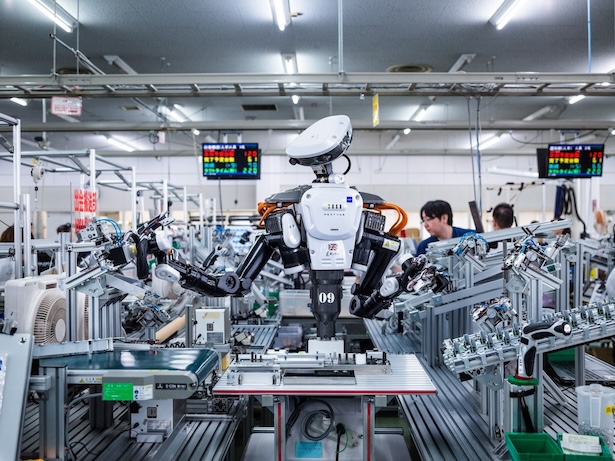
Pentagon clears 8 tech firms to deploy their AI on its classified networks
The Defense Department has announced new agreements with several major technology companies, including Amazon Web Services, Google, Microsoft, NVIDIA, OpenAI, SpaceX, and Reflection, with Oracle joining the list shortly thereafter. This initiative, revealed in a morning announcement, aims to enhance the Department's capabilities in various technological fields. By collaborating with these industry leaders, the Defense Department seeks to leverage advanced technologies to improve national security and operational efficiency. The partnerships are expected to facilitate the integration of cutting-edge innovations into defense strategies, reflecting a commitment to staying at the forefront of technological advancements.
Networks & Digital Warfare Pentagon AI & Autonomy Amazon anthropic artificial intelligence AI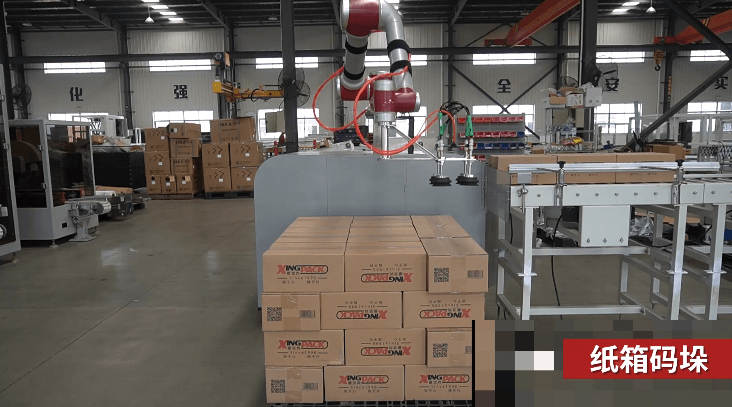
How Manufacturing Robots for Sale Improve Worker Ergonomics and Reduce Injury Risk
In response to the growing need for enhanced worker safety and comfort in industrial settings, JAKA is promoting the use of manufacturing robots, specifically the JAKA S5 flexible robot arm. This initiative aims to improve ergonomics and reduce injury risks associated with repetitive tasks. By integrating these advanced automation solutions into production lines, JAKA enables employees to focus on higher-value work while minimizing physical strain. The JAKA S5 robot, designed for easy integration with zero installation and configuration requirements, takes over demanding tasks such as heavy lifting and precise assembly. This allows workers to maintain natural postures and decreases their exposure to movements that can lead to long-term injuries. The robot's built-in force sensor enhances workplace safety by providing adaptive responses to production variations, thereby reducing the risk of accidents. While cost remains a significant consideration for businesses, JAKA emphasizes that investing in flexible robot arms can yield long-term benefits, including decreased medical claims and improved productivity. The company collaborates with clients to assess their specific production needs and identify cost-effective solutions that prioritize both functionality and ergonomics. Overall, JAKA's flexible robot arm technology is positioned as a key player in fostering safer and more efficient workplaces, aligning with the industry's evolving demands for sustainable manufacturing practices.
Terrain Classification for Planetary Rovers Using Wireless In‐Wheel Sensor Modules and Machine Learning
In May 2026, researchers published a significant study in the Journal of Field Robotics, focusing on advancements in robotic technology. The study highlights innovative developments in autonomous navigation systems, which have the potential to enhance the efficiency and safety of robotic operations in various environments. Conducted by a team of experts in robotics and artificial intelligence, the research aims to address the challenges faced by robots in dynamic and unpredictable settings. The findings were based on extensive field tests conducted in diverse locations, including urban areas and remote terrains, showcasing the robots' adaptability and reliability. The motivation behind this research stems from the increasing demand for autonomous systems in industries such as agriculture, logistics, and disaster response, where precision and real-time decision-making are crucial. By employing advanced algorithms and machine learning techniques, the researchers demonstrated how these robots can effectively navigate complex environments while avoiding obstacles and optimizing their routes. This breakthrough not only promises to improve operational capabilities but also aims to reduce human intervention, thereby enhancing safety and efficiency in various applications. The study's implications are far-reaching, potentially transforming the landscape of robotic applications and paving the way for more sophisticated autonomous systems in the future.
RESEARCH ARTICLERobotics needs a service framework.
RSF defines a common language for robot service capability, lifecycle operations, certification pathways, and service-provider networks.
Join the RobotToday community on LinkedIn
Daily robotics news, in-depth analysis, conference highlights, and discussions with professionals worldwide.







