

Industry Briefing
A single destination for timely, editor-curated robotics news from around the world.
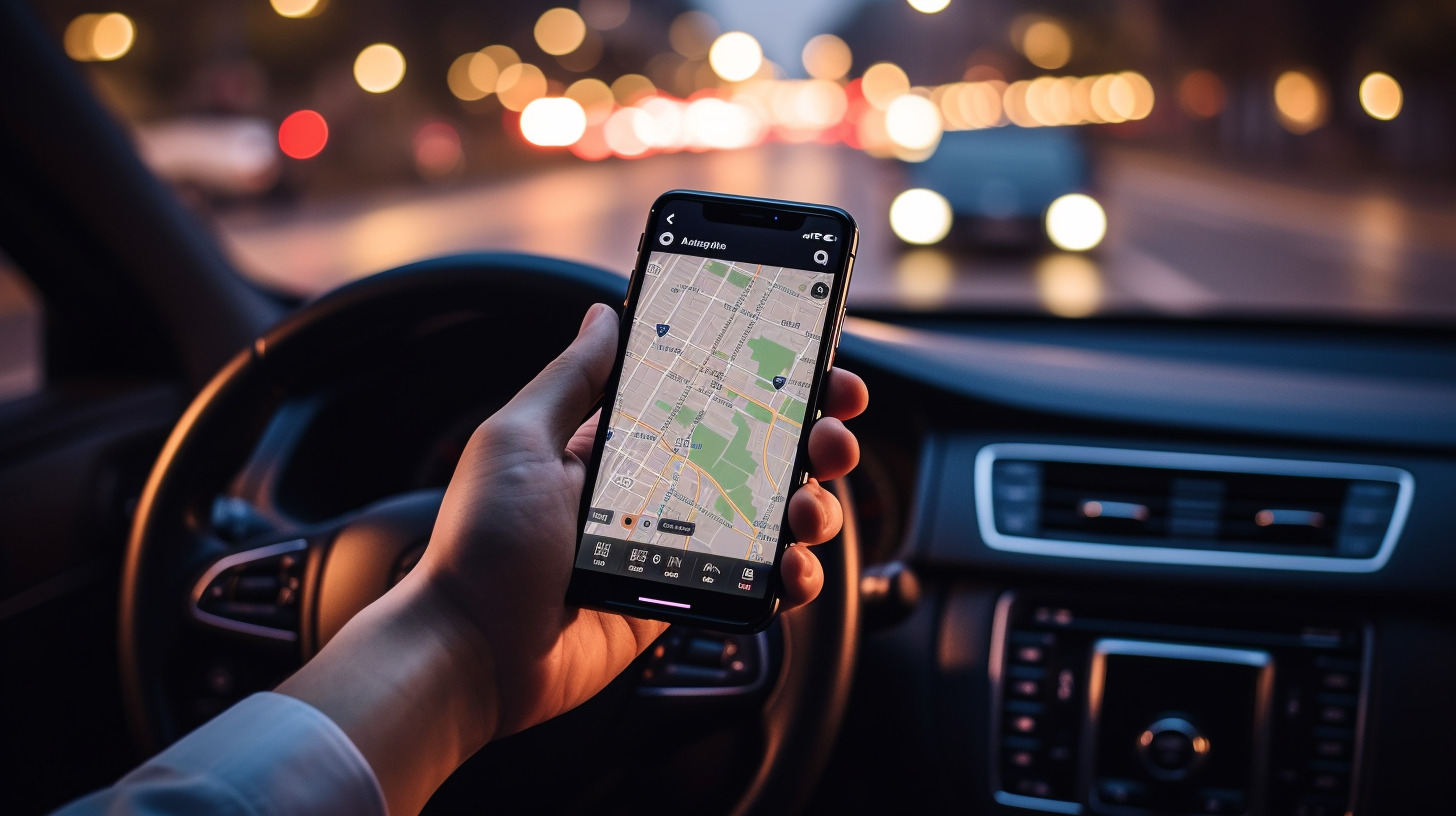
Uber Announces 10% Workforce Reduction to Support $10 Billion Autonomous Vehicle Investment
On September 2, Uber Technologies, Inc. revealed plans to reduce its global corporate workforce by approximately 10%, equating to about 3,300 employees. This marks the company's largest layoffs since the pandemic, aimed at simplifying operations and reallocating resources to invest in autonomous vehicles, with a commitment of over $10 billion in the coming years. The restructuring is significant as it reflects Uber's strategy to enhance operational efficiency and address organizational complexity. CEO Dara Khosrowshahi emphasized that the layoffs are not a reaction to declining demand but rather a proactive measure to streamline the company and focus on its core priorities, including its autonomous vehicle initiative, amid competition from Alphabet's Waymo. Looking ahead, Uber's ambitious $10 billion investment in autonomous vehicles will be closely monitored, especially as the company faces challenges in the market. The restructuring's success will depend on how effectively Uber can execute these changes while maintaining employee morale and operational stability, particularly as it navigates competition and evolving market dynamics.
Uber Technologies Stock Declines Amid Wall Street's Focus on Tesla's Cybercab Launch
Uber Technologies (UBER) experienced a decline in stock value on Tuesday, as Wall Street analysts provided optimistic views on the company's strategies to counter competition from Waymo and Tesla (TSLA). The drop occurred following Tesla's official launch of its 'Cybercab' in Austin, Texas, which is designed specifically for autonomous ride-hailing. The introduction of Tesla's Cybercab represents a significant competitive challenge for Uber, as it aims to establish a foothold in the autonomous ride-hailing market. Analysts noted that while Uber is making strides to enhance its offerings, the emergence of Tesla's robotaxis could reshape the landscape of ride-hailing services, intensifying the competition. Looking ahead, industry observers will be monitoring how Uber responds to the competitive pressures posed by Tesla's Cybercab and other autonomous vehicle initiatives. No further timeline was disclosed at the time of publication.
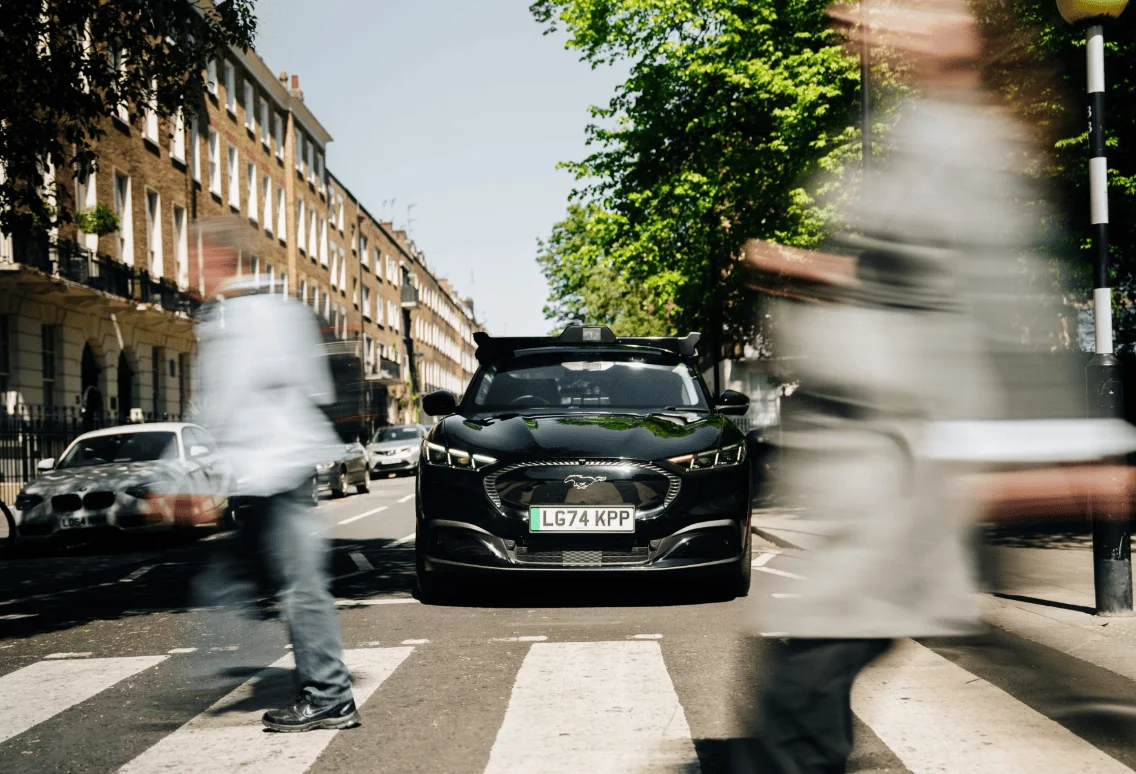
Wayve and Uber Launch First Supervised Autonomous Ride-Hailing Service in London
Wayve and Uber have initiated supervised autonomous rides in London, marking the first autonomous ride-hailing service in the U.K. Riders using UberX, Uber Electric, or Uber Comfort may be matched with a Wayve-equipped Ford Mustang Mach-E, featuring a licensed driver during the initial phase. This service will be available across London, excluding airports. The introduction of this service is significant as it represents a major step in integrating autonomous driving technology into urban transportation. Wayve's AI Driver, which has been trained on London roads since 2018, aims to enhance the city's existing transport network. Over 140,000 London users have opted in to increase their chances of being matched with a Wayve vehicle, showcasing public interest in this innovative service. Looking ahead, Wayve and Uber plan to expand their partnership to include Wayve-powered vehicles in 12 markets, with additional deployments, such as Nissan Leaf vehicles in Tokyo, expected later this year. No further timeline was disclosed at the time of publication.
AI AI Funding & Investment AI Use Cases Robotics autonomous rides London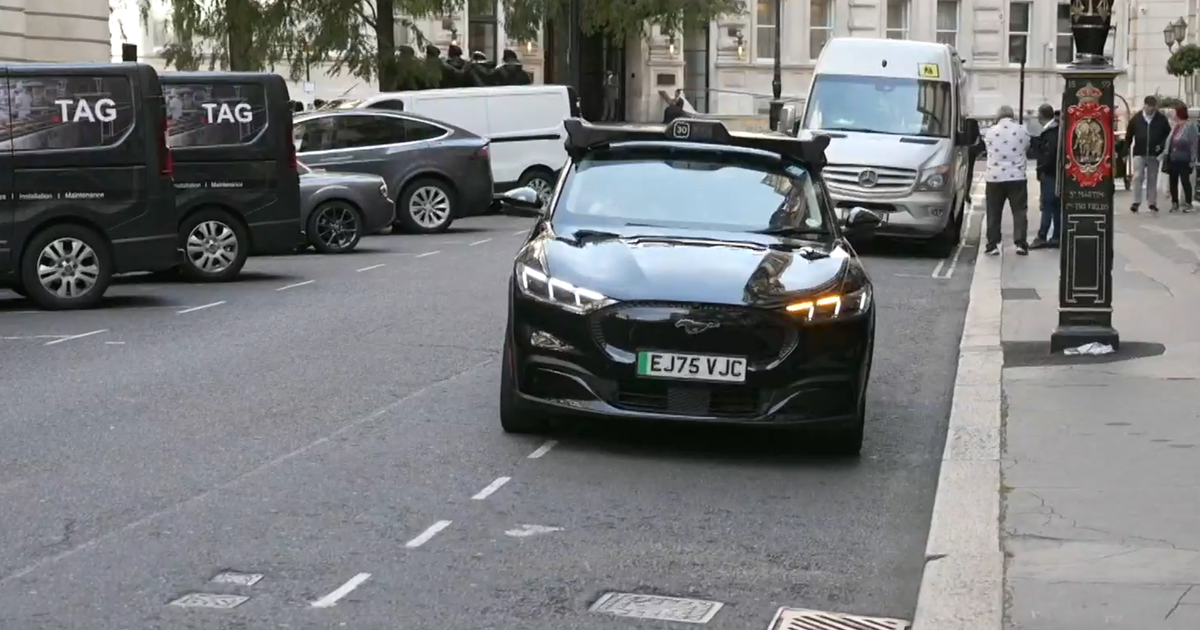
Uber Launches Robotaxis in London with Human Supervisors Amid Regulatory Challenges
Uber has introduced 15 autonomous Ford Mustang Mach-E vehicles in London, marking a significant milestone in urban mobility. This initiative, in collaboration with Wayve, faces regulatory hurdles as human supervisors are required on board due to current laws prohibiting full autonomy. The launch is crucial as it tests the capabilities of autonomous technology in a complex urban environment characterized by dense layouts and numerous roundabouts. Wayve's AI, which learns from diverse driving experiences, aims to navigate the challenges of London's unique road conditions, including a high volume of cyclists and pedestrians. Looking ahead, the project will continue to evolve as Uber and Wayve work towards achieving full autonomy. However, as of now, the robotaxis cannot service airport trips, and the presence of a supervisor remains a regulatory requirement. No further timeline was disclosed at the time of publication.

Wayve Partners with Uber to Launch Robotaxi Services in London
Self-driving startup Wayve has initiated robotaxi rides in London in collaboration with Uber, initially featuring safety drivers in the vehicles. This launch marks a significant step towards the company's goal of providing fully driverless services. Wayve's CEO, Alex Kendall, emphasized the importance of their end-to-end AI technology, which enables autonomous driving without the need for high-definition maps. This partnership with Uber is crucial as it not only showcases Wayve's innovative approach to self-driving technology but also highlights the growing interest in autonomous transportation solutions in urban settings. The collaboration aims to expand robotaxi services to additional global cities, reflecting the increasing demand for efficient and safe transportation options. Looking ahead, the focus will be on the development of fully autonomous rides and the potential for expansion into new markets. No further timeline was disclosed at the time of publication.

Uber Launches Supervised Robotaxi Service in London with Human Assistance
Uber has introduced a robotaxi service in London, allowing users to book rides in autonomous vehicles. However, each ride will still include a human driver in the front seat to ensure safety and compliance with local regulations. This development is significant as it marks a step towards the integration of autonomous vehicles into urban transportation. The presence of a human driver addresses safety concerns and regulatory requirements, which are critical for gaining public trust in self-driving technology. Looking ahead, it will be important to monitor how this supervised robotaxi service performs in London and whether it leads to further advancements in fully autonomous vehicle deployment. No further timeline was disclosed at the time of publication.

Tesla Launches Cybercab as Uber and Waymo Expand Autonomous Vehicle Efforts
Tesla has officially launched its fully autonomous Cybercab in Austin, Texas, with a fleet of approximately 50 operational vehicles. This marks a significant step towards the company's goal of revolutionizing urban transportation with robotaxis. Morgan Stanley analyst Andrew Percoco noted that Wall Street will require more than a few Cybercabs on the road to gain confidence in the market. The competition is intensifying as Waymo raises over $3 billion in debt to expand its services into new cities, including San Diego, Denver, and Tampa Bay. With 14 cities currently serviced, Waymo is also rolling out its new 'Ojai' minivan model. Meanwhile, Uber is restructuring by cutting 10% of its workforce to focus on innovation and has committed over $10 billion to robotaxi partnerships, including a deal for 35,000 autonomous vehicles from Lucid. Looking ahead, the race for robotaxi dominance is heating up, with estimates suggesting the number of robotaxis could grow from 7,000 last year to 1 million by 2030. The economic impact could reach $440 billion, driven by changes in car ownership and rideshare dynamics. No further timeline was disclosed at the time of publication.
Uber and Wayve Introduce Robotaxi Service in London to Rival Waymo
Uber and Wayve have launched a new robotaxi service in London, aiming to compete with Waymo's autonomous vehicle offerings. This initiative addresses the unique challenges posed by London's centuries-old road infrastructure, which differs significantly from the environments in Los Angeles and San Francisco. The introduction of this service is significant as it marks a strategic move by Uber and Wayve to expand their presence in the competitive autonomous vehicle market. By focusing on London, they are adapting to the specific urban landscape and regulatory environment, which could set a precedent for future robotaxi services in other historic cities. Looking ahead, industry observers will be keen to see how this service performs in the complex driving conditions of London. No further timeline was disclosed at the time of publication, but the success of this initiative could influence the broader adoption of autonomous vehicles in urban areas worldwide.

Uber Launches First Robotaxi Service in London, Outpacing Waymo
Uber has successfully launched the first commercial robotaxi service in London, surpassing Waymo in this milestone. The service utilizes autonomous driving technology developed by Wayve, a UK startup, and will initially include human safety drivers in the vehicles. This launch marks a significant step for Uber as it explores the demand for driverless ride-hailing services outside the US and China. The introduction of Uber's robotaxi service is crucial as it sets the standard for the robotaxi experience for Londoners. With Wayve's innovative AV2.0 system, which does not rely on traditional lidar or geofencing, the service aims to adapt to various driving conditions and environments. This approach positions Wayve similarly to Tesla, which also avoids lidar in its autonomous vehicles. Looking ahead, Waymo plans to launch its own robotaxi service in London by the end of the year, while Lyft is collaborating with Baidu to establish a robotaxi service in the Brent neighborhood. The competition in the robotaxi sector is heating up, and the performance of Uber's service will be closely monitored as it unfolds.
Autonomous Cars News Ride-sharing Transportation Uber
Uber Announces Job Cuts While Dell Increases Revenue Forecast Amid Strong Demand
Uber Technologies is set to reduce its workforce by approximately 3,300 positions, which accounts for 10% of its global staff. This significant restructuring aims to streamline management layers and redirect funds towards its ride-sharing, delivery, and robotaxi operations. This move is crucial for Uber as it seeks to enhance efficiency and focus on its core business areas amidst a competitive landscape. The decision reflects a broader trend in the tech industry where companies are reassessing their operational strategies to better allocate resources. In contrast, Dell Technologies has raised its full-year revenue forecast following a strong second-quarter performance, driven by heightened demand for AI-related server solutions. Investors should monitor how these developments impact both companies in the coming months. No further timeline was disclosed at the time of publication.

Uber Announces Layoffs of 3,300 Employees to Streamline Operations
Uber is set to lay off approximately 3,300 employees, representing about 10% of its global workforce, as part of a restructuring initiative aimed at reducing management layers and enhancing investment in its ride-sharing, delivery, and robotaxi sectors. This decision was communicated in an internal email from CEO Dara Khosrowshahi, which was made public on Wednesday. The layoffs are intended to decrease the number of managers by 20%, with some of these individuals transitioning to individual contributor roles. Additionally, Uber plans to cut the number of small teams by 50% and eliminate positions that are more than seven layers removed from the CEO. The restructuring will also involve merging engineering, science, and delivery divisions to improve operational efficiency. As part of this shift, Uber will limit remote work opportunities, allowing less than 1% of its workforce to work remotely. Khosrowshahi emphasized that while the company has achieved significant growth, it has also introduced complexities that necessitate a more streamlined organizational structure. No further timeline was disclosed at the time of publication.
Transportation Layoffs Uber
Uber Technologies Inc. Announces 3,300 Job Cuts in Major Restructuring Effort
Uber Technologies Inc. is set to eliminate approximately 3,300 positions, representing 10% of its global workforce, as part of a significant restructuring initiative. This move aims to streamline management layers and optimize spending across its core operations, including ride-sharing, delivery, and robotaxi services. The decision to reduce the workforce is crucial for Uber as it seeks to enhance operational efficiency and focus resources on its most promising business segments. By reallocating funds towards ride-sharing, delivery, and robotaxi ventures, Uber aims to strengthen its competitive position in the rapidly evolving transportation landscape. Looking ahead, it will be important to monitor how these job cuts impact Uber's operational capabilities and overall market performance. No further timeline was disclosed at the time of publication.
Nevada Approves Tesla, Uber, and Waymo to Launch 8,000 Robotaxis in Clark County
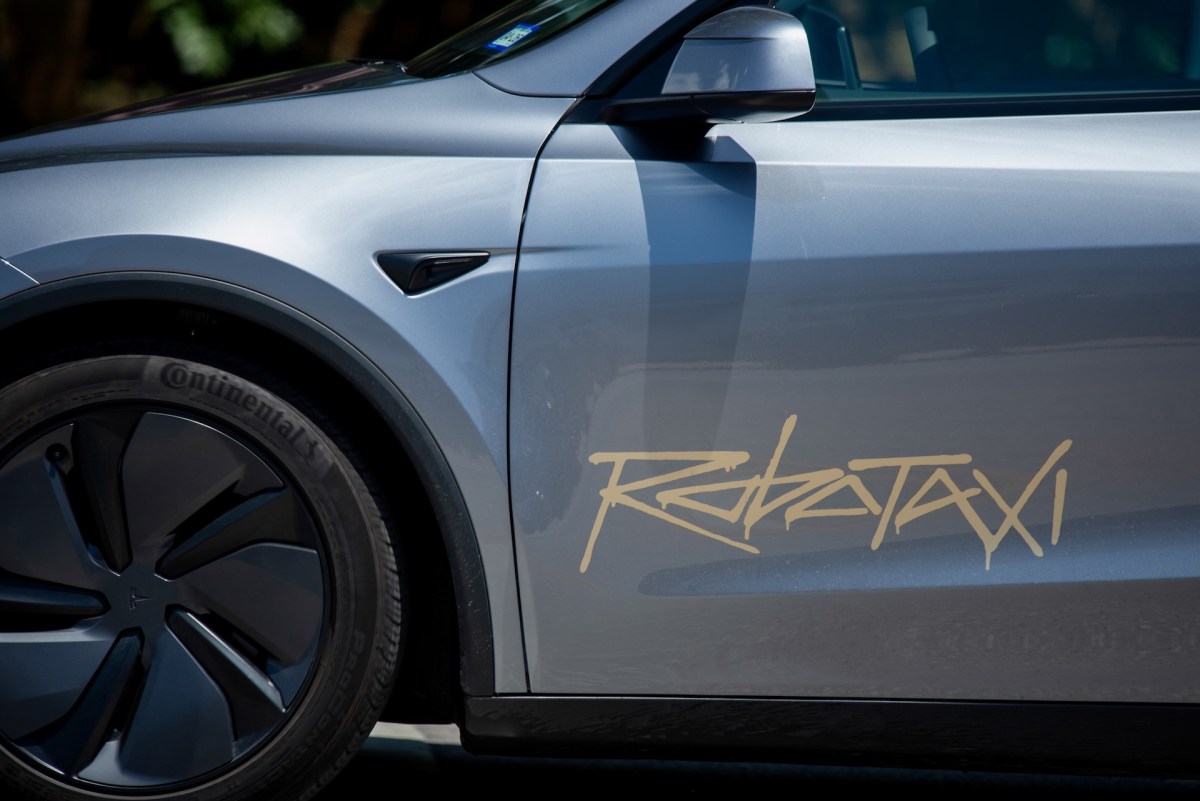
The Nevada Transportation Authority has granted permits to Tesla, Uber, and Waymo to operate commercial robotaxi services in Clark County, allowing for the deployment of up to 8,000 robotaxis over the next year. Tesla can deploy 5,000 vehicles, while Waymo and Uber are each permitted to operate 1,000. This development is significant as it positions Clark County, particularly Las Vegas, as a competitive landscape for robotaxi services. The deployment could transform the local workforce, creating new jobs for vehicle maintenance and operation, while also threatening traditional taxi and gig economy jobs. Looking ahead, the actual rollout of these robotaxis remains uncertain, with Tesla's Cybercab chief engineer suggesting that the company may only reach 2,500 vehicles within the year. The debate continues over the impact of robotaxis on the transportation industry, with concerns about market saturation and roadway congestion raised by local taxi representatives.
Transportation Motional Tesla Uber Waymo zoox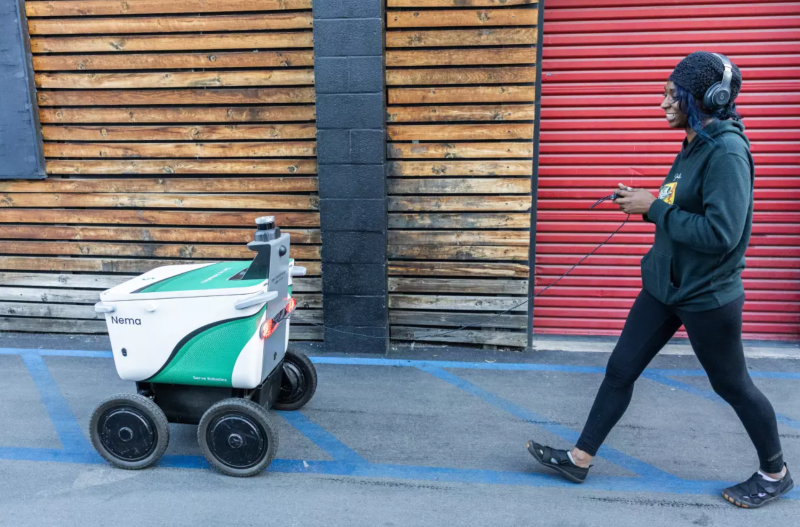
Serve Robotics Collaborates with Grubhub Following Uber's Exit to Boost Delivery Robot Expansion
Serve Robotics has announced a partnership with Grubhub on August 17, following Uber's exit from the investment and partnership. This collaboration signifies a strategic shift for Serve, moving from reliance on a single major partner to becoming a public delivery robot layer across multiple platforms. The partnership comes after Uber sold its entire stake in Serve, leading to a significant reduction in Serve's revenue projections for 2026 from $26 million to between $9 million and $10 million. The collaboration with Grubhub is a crucial step in diversifying Serve's business. According to the agreement, Serve's robots will launch delivery services in Chicago, Los Angeles, and Alexandria, Virginia, through Grubhub's parent company, Wonder Group. The initial rollout will include over 100 restaurants in Chicago and nearly 200 in Los Angeles, marking Serve's integration with the top three delivery platforms in the U.S. Additionally, Serve is expanding its partnership with DoorDash, now covering eight markets, including Washington, D.C., and San Jose. To reduce expansion costs, Serve has introduced a 'micro-warehouse' model in Miami for robot scheduling and maintenance. The company is also diversifying its revenue streams by expanding into healthcare robotics with the deployment of Moxi 2.0 hospital robots, showcasing its commitment to defining value through the robots themselves rather than being tied to any specific app.
Delivery Robots Food Delivery Logistics Technology Healthcare Robotics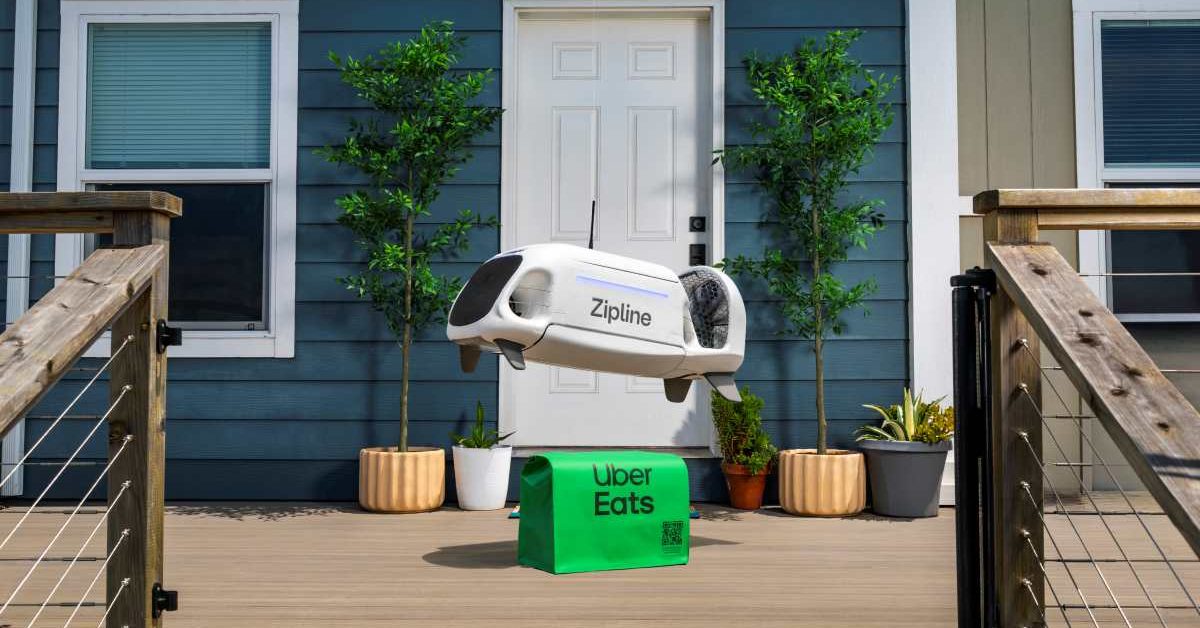
Uber Partners with Zipline to Launch Drone Deliveries Aiming for One Million Daily by 2029
Uber Eats has announced a long-term partnership with Zipline to introduce autonomous drone deliveries, targeting one million deliveries per day by the end of 2029. The initial rollout will begin later this year, allowing eligible customers to receive food and essentials in as little as five to ten minutes, significantly faster than current delivery times. This collaboration is crucial as it positions Uber to integrate drone technology into its delivery network, enhancing efficiency and speed. Zipline's existing operations will be incorporated into Uber Eats, starting in markets like Dallas and Houston, where Zipline already has a consumer delivery presence. The partnership reflects Uber's vision of a hybrid delivery network that combines various transportation methods. Looking ahead, the expansion of Zipline's infrastructure will enable Uber Eats to offer drone deliveries in additional cities. As Zipline continues to operate internationally and expand its services, the potential for rapid delivery of food and essential items could reshape consumer expectations and behaviors in the delivery market. No further timeline was disclosed at the time of publication.
News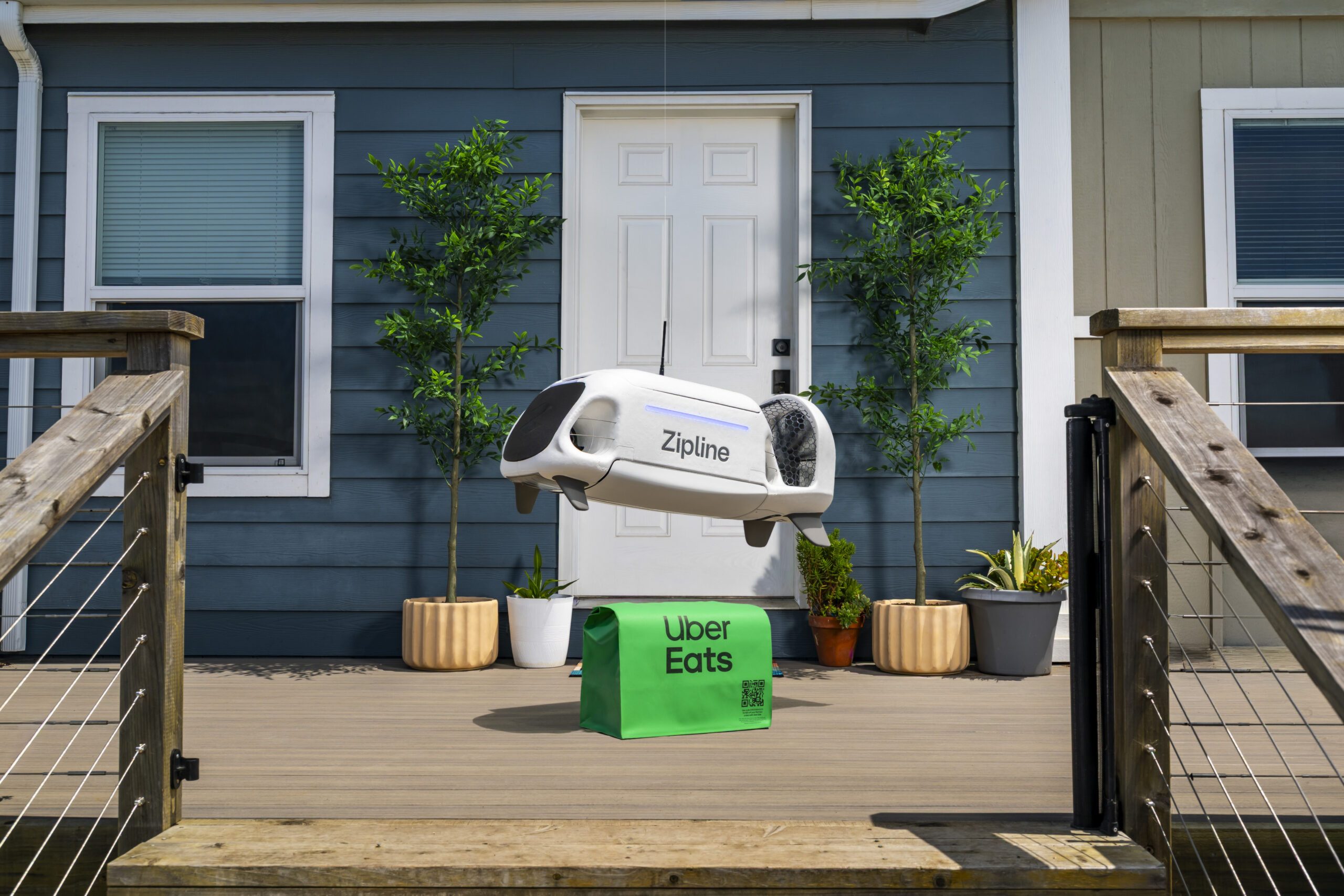
Uber and Zipline Aim for One Million Daily Drone Deliveries by 2029
Uber and Zipline have formed a strategic partnership to enhance drone delivery services for Uber Eats customers across the U.S. The companies aim to achieve one million drone deliveries per day by the end of 2029, with initial deployments set to begin later this year in markets like Dallas and Houston. Uber will also make a strategic investment in Zipline, although the specifics of the investment were not disclosed. This partnership is significant as it connects Uber, a leading delivery platform, with Zipline, the largest commercial drone delivery network. According to Uber CEO Dara Khosrowshahi, this collaboration is set to revolutionize delivery by providing a faster and more sustainable option for consumers. Zipline's autonomous delivery system is capable of delivering orders within minutes, marking a substantial shift in its consumer delivery strategy. Looking ahead, the first Uber Eats drone deliveries will commence in select markets, with plans to expand into numerous U.S. cities as Zipline scales its services. The agreement could broaden access to drone delivery for consumers, integrating it seamlessly into the Uber Eats platform without the need for a separate marketplace. No further timeline was disclosed at the time of publication.
Applications Delivery Drone News Drone News Feeds Drones in the News News
Uber and Zipline Collaborate for Drone Delivery Expansion by 2029
Uber has announced a partnership with Zipline to initiate drone delivery services for Uber Eats, aiming for one million daily deliveries by 2029. This collaboration will commence in the Dallas-Fort Worth area, leveraging Zipline's existing infrastructure and experience in drone logistics, which includes two million deliveries since 2016. The significance of this partnership lies in the competitive landscape of food delivery, as rivals like DoorDash are also launching their own drone services. With easing government regulations, companies can now operate drone deliveries more efficiently, potentially transforming the delivery market, which could reach $7.7 billion by 2031. Looking ahead, Uber's strategy involves creating a hybrid delivery network that integrates drones, human couriers, and sidewalk robots. As the drone delivery sector evolves, it will be crucial to monitor regulatory developments and how competitors adapt to this rapidly changing environment. No further timeline was disclosed at the time of publication.
Business Drones News Ride-sharing Tech Transportation
Uber and Zipline Collaborate for Nationwide Drone Delivery Expansion by 2029
Uber and Zipline have announced a strategic partnership aimed at achieving one million drone deliveries daily by the end of 2029. The initiative will see the launch of drone delivery services on Uber Eats, starting in existing Zipline markets and expanding into numerous cities across the United States later this year. This partnership is significant as it represents a major step forward in the integration of drone technology into everyday delivery services. By combining Uber's extensive logistics network with Zipline's expertise in drone delivery, the collaboration aims to enhance accessibility and efficiency in food delivery, potentially transforming consumer habits. Looking ahead, the first deliveries are expected to commence later this year, with a focus on scaling operations to meet the ambitious target of one million daily deliveries by 2029. No further timeline was disclosed at the time of publication.

Pony.ai and Uber to Introduce 2,000 Robotaxis Across Europe
Pony.ai, a Chinese autonomous vehicle manufacturer, and Uber have announced plans to deploy 2,000 robotaxis in four European cities as part of their expanded partnership. This initiative highlights the increasing ambitions of both companies to establish a foothold in the emerging robotaxi market. The collaboration is significant as it showcases the strategic alliance between Pony.ai and Uber, which has previously partnered with over 30 autonomous vehicle firms. The companies aim to leverage their combined strengths, with Pony.ai providing the autonomous technology and Uber offering its extensive ride-hailing platform, although specific deployment timelines and city names remain undisclosed. Looking ahead, the partnership's joint-deployment model is expected to facilitate commercial scaling, with local providers managing fleet operations. As both companies continue to develop their robotaxi services, industry stakeholders will be keen to monitor the phased rollout and any forthcoming announcements regarding specific launch locations.
Transportation Pony.ai robotaxis Uber
Uber and Pony.ai to Deploy 2,000 Robotaxis Across Europe and Middle East
Uber and Pony.ai have announced plans to deploy 2,000 robotaxis across Europe, expanding their partnership to the Middle East. This initiative follows the launch of a commercial robotaxi service in Zagreb, Croatia, which is touted as the first in Europe. The deployment aims to enhance Uber's position as a leading commercialization platform for autonomous vehicles. The significance of this partnership lies in the critical need for a large vehicle fleet to support the commercialization of autonomous services. A greater number of vehicles will facilitate data collection to demonstrate safety to regulators and improve operational efficiency, ultimately encouraging wider adoption of the service. Looking ahead, Uber's strategy includes gathering extensive data to accelerate the development of autonomous vehicles. The company has also announced plans for robotaxi pilot programs in other regions, including Spain and Japan. No further timeline was disclosed at the time of publication.

Uber Divests Entire Stake in Serve Robotics, Surprising the Delivery Company
Uber has completely divested its stake in Serve Robotics, the autonomous delivery robot firm that emerged from the ride-hailing giant over five years ago. This decision was revealed in a regulatory filing, with reports indicating that Uber had been reducing its stake since 2025. Serve Robotics was caught off guard by the announcement, learning of the divestiture only after it became public. The significance of this divestiture lies in the evolving relationship between Uber and Serve Robotics. Initially, Serve was part of Postmates X, which Uber acquired for $2.65 billion in 2020. Following its spinout as an independent entity, Serve Robotics partnered with Uber to deploy sidewalk delivery bots through the Uber app, with plans to introduce up to 2,000 bots in various U.S. markets. However, recent comments from Serve's CEO indicate diverging business strategies, particularly regarding fleet operations and merchant integration. Looking ahead, Serve Robotics does not anticipate renewing its partnership with Uber when the current agreement expires in early 2027. The company has experienced significant growth in deliveries with other partners, contrasting with a decline in delivery volume through Uber, marking a pivotal shift in their business dynamics. No further timeline was disclosed at the time of publication.
Transportation Serve Robotics Uber
Travis Kalanick's Atoms Appoints Former Uber CFO Gautam Gupta Amid $1.7 Billion Funding
Travis Kalanick's robotics and industrial AI startup, Atoms, has appointed Gautam Gupta as its chief financial officer. Gupta, a former finance chief at Uber, joins Atoms shortly after the company raised $1.7 billion in funding. His hiring reflects Kalanick's strategy of bringing former Uber executives into Atoms, which has also acquired the mining autonomy startup Pronto. The significance of Gupta's appointment lies in the continued collaboration between Kalanick and his former Uber team, as they aim to leverage their past experiences to drive innovation at Atoms. Kalanick has expressed ambitions for Atoms to tackle challenges in mining, food, and transportation, while also emphasizing the need to confront the natural resistance to change in these sectors. Looking ahead, Atoms' trajectory will be closely watched, especially as it integrates Gupta's financial expertise and navigates its ambitious goals. No further timeline was disclosed at the time of publication.
Transportation atoms Travis Kalanick Uber
Uber Technologies Reports Mixed Q2 Earnings, Stock Declines Amid Robotaxi Update
Uber Technologies (UBER) experienced a decline in stock value on Wednesday following the release of its second-quarter earnings report, which presented mixed results. The company's bookings and adjusted profit forecast fell short of analysts' expectations, despite reporting an adjusted profit of 81 cents per share for the quarter ending in June, a 35% increase from the previous year. This performance is significant as it highlights the challenges Uber faces in meeting market expectations, particularly in the competitive ride-hailing and food delivery sectors. Analysts had anticipated an adjusted profit of 80 cents per share, indicating that while Uber's earnings improved year-over-year, they did not align with market forecasts, which may impact investor confidence. Looking ahead, stakeholders will be monitoring Uber's strategies to enhance its profitability and growth, especially in light of its ongoing developments in the robotaxi sector. No further timeline was disclosed at the time of publication.
Uber CEO Confident Amidst Bookings Outlook and Trip Volume Shortfall
Uber Technologies experienced a decline in share prices following a bookings outlook that only met analyst expectations. Additionally, the volume of trips taken in the second quarter did not meet projections. Despite these challenges, Uber's Chief Executive Officer, Dara Khosrowshahi, expressed confidence, stating that there are no indications of a consumer slowdown. This situation is significant as it highlights the ongoing challenges Uber faces in maintaining growth amidst fluctuating market conditions. The company's performance metrics are closely watched by investors and analysts, and the shortfall in trip volume could raise concerns about future revenue generation. Khosrowshahi's remarks about consumer behavior suggest a belief in resilience despite current setbacks. Looking ahead, Khosrowshahi mentioned plans to expand robotaxi partnerships in the United States, which could play a crucial role in Uber's strategy to innovate and enhance its service offerings. No further timeline was disclosed at the time of publication.

Uber Reports Q2 Earnings; Robotaxi Initiative Remains Key to Future Growth
Uber (UBER) announced its second quarter results, surpassing expectations for bookings and profit, yet its stock fell due to a disappointing bookings guidance. The company forecasts third quarter gross bookings between $58.25 billion and $60.25 billion, falling short of the $59.32 billion consensus among analysts. Despite this, Uber's CEO Dara Khosrowshahi emphasized the ongoing investment in the robotaxi sector as a crucial element for future growth. The robotaxi initiative is becoming increasingly significant for Uber, as the company aims to establish itself as a leading demand-matching platform for autonomous vehicles. Uber is collaborating with partners like Wayve, Lucid, Rivian, and Nissan to expand its robotaxi networks, committing over $10 billion to these partnerships in the coming years. Khosrowshahi noted that Uber is on track to deploy robotaxis in up to 15 cities by year-end, which he believes will enhance the overall growth of the platform. Looking ahead, Uber's strong performance in trips and active users indicates robust business health outside of the robotaxi initiative. The company reported an 18% increase in trips to 3.87 billion and a 16% rise in monthly active consumers to 208 million. No further timeline was disclosed at the time of publication.

Uber CEO affirms strong ties with Waymo amid partnership concerns
Uber CEO Dara Khosrowshahi stated that the partnership with Waymo remains strong, despite speculation of a rift following the end of their Phoenix collaboration. Khosrowshahi emphasized ongoing operations in Atlanta and Austin, asserting that Waymo is a crucial partner for Uber's robotaxi services. However, evidence suggests a weakening relationship, as Uber explores multiple AV partnerships and acknowledges the slow adoption of robot-driven cars, which currently represent less than 0.5% of its trip volume. The significance of this partnership is underscored by Uber's commitment to invest over $10 billion in its robotaxi business, with Waymo being the only partner operating at scale. Khosrowshahi's comments reflect a cautious optimism, as he recognizes the need for diversification in Uber's AV partnerships while also acknowledging the competitive landscape where Waymo is gaining market share from traditional rideshare services. Looking ahead, the dynamics between Uber and Waymo will be crucial to watch, especially as the robotaxi market evolves. Khosrowshahi's remarks suggest that while the partnership is currently beneficial, the future may bring increased competition and the emergence of new players in the autonomous vehicle space. No further timeline was disclosed at the time of publication.
Autonomous Cars News Ride-sharing Transportation Uber Waymo
Uber Plans Over $10 Billion Investment in Robotaxis Amid Weak Profit Forecast
On August 5, Uber Technologies announced a commitment to invest over $10 billion in robotaxi initiatives over the coming years. This announcement came alongside a disappointing profit forecast, with shares dropping 4.8% after the company projected adjusted profit per share for Q3 to be between 84 and 88 cents, falling short of analysts' expectations of 89 cents. The significance of this investment lies in Uber's strategy to bolster its partnerships with autonomous-driving companies, including Waymo, despite reports of potential partnership changes. CEO Dara Khosrowshahi expressed confidence in the ongoing collaboration in cities like Austin and Atlanta, emphasizing the need for substantial funding to support these partners as they scale their operations. Looking ahead, Uber forecasts third-quarter gross bookings between $58.25 billion and $60.25 billion, aligning closely with analyst expectations. The company also noted that foreign exchange fluctuations may impact growth rates. No further timeline was disclosed at the time of publication.

Uber Issues Bookings Outlook Amidst Competitive Pressures in Brazil Market
Uber Technologies Inc. has released a bookings outlook that aligns with analyst expectations, indicating a cautious approach to future growth. The company highlighted that intense competition in Brazil has negatively impacted trip volumes, raising concerns among investors regarding Uber's adaptability in the emerging robotaxi sector. This situation is significant as Brazil represents a crucial market for Uber, and the competitive landscape could hinder its growth potential. Investors are particularly focused on how Uber plans to navigate these challenges while also transitioning into the robotaxi era, which is expected to reshape the ride-hailing industry. Looking ahead, stakeholders will be monitoring Uber's strategies to enhance its market position in Brazil and its overall approach to integrating autonomous vehicle technology. No further timeline was disclosed at the time of publication.

Uber Partners with Over 30 Companies to Build Autonomous Vehicle Ecosystem
Uber has formed partnerships and made investments in more than 30 autonomous vehicle companies over the past two years, taking a global approach to its strategy. This marks a significant shift from its earlier attempts to develop its own autonomous vehicle technology, which faced setbacks due to legal issues and a tragic accident. The importance of these partnerships lies in Uber's renewed focus on autonomous vehicles after previously stepping back from its ambitious plans. The company has retained equity stakes in several firms, including Aurora, with which it has a multi-year collaboration aimed at enhancing logistics and launching a robotaxi program in Munich. Looking ahead, Uber's collaboration with Aurora is set to expand, with plans for self-driving trucks and robotaxis utilizing advanced AI systems. The details of the vehicle models remain undisclosed, but the integration of these technologies into Uber's platform will be crucial for its future in the autonomous vehicle market. No further timeline was disclosed at the time of publication.
TC Transportation Uber Exclusive autonomous vehicles wayve
Baidu's Apollo Go Launches Robotaxi Trials in London with FREENOW and Uber
FREENOW, a European mobility platform owned by Lyft, has partnered with Baidu’s Apollo Go to initiate robotaxi testing in London, UK. This deployment signifies the first instance of a Chinese autonomous vehicle conducting real-world road tests in London's intricate traffic conditions, with Uber also confirming the operation of Apollo Go vehicles on public roads. The significance of this development lies in Apollo Go's expansion into right-hand-drive markets, following its initial launch in Hong Kong. The test fleet will utilize Apollo RT6 robotaxis, which will have safety operators on board during the trials. Initial testing will occur in Brent, a borough of London that features both urban and suburban driving environments. Looking ahead, FREENOW and Apollo Go aim to start offering rides to the public in 2027. This milestone will be crucial in assessing the viability of autonomous vehicles in complex urban settings and could pave the way for broader adoption of robotaxi services in the UK and beyond.
News Feed
Uber Founder Secures $1.7 Billion to Develop Humanoid Robots
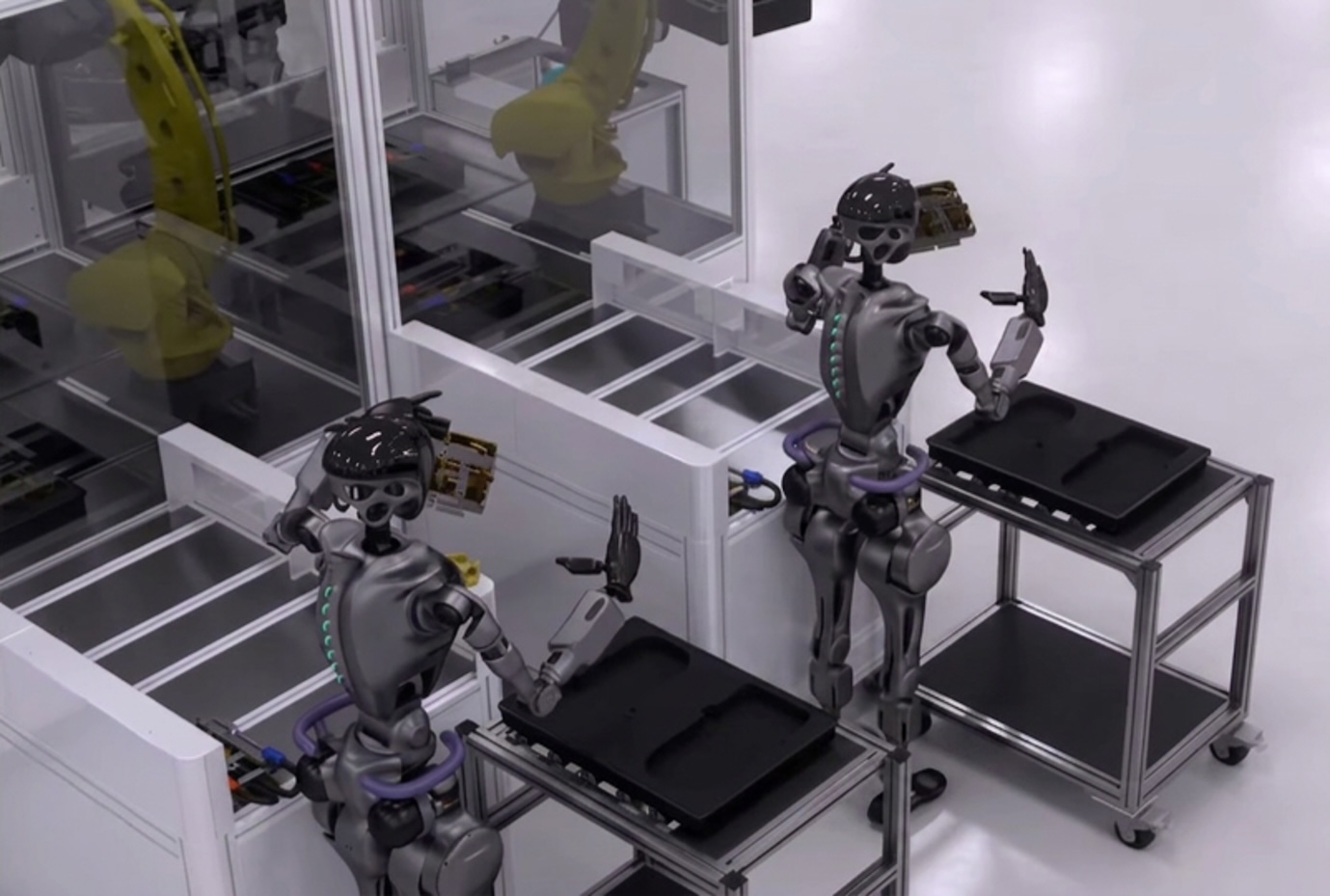
The founder of Uber has successfully secured $1.7 billion in funding to return to the robotics sector, focusing on the development of humanoid robots. This significant investment highlights the growing interest and potential in the robotics industry, particularly in creating advanced humanoid technologies. This funding round not only emphasizes the founder's commitment to innovation in robotics but also reflects the increasing market demand for intelligent automation solutions. As the robotics landscape evolves, the emphasis on humanoid robots could lead to transformative applications across various sectors, making this a pivotal moment for the industry. Looking ahead, stakeholders should monitor the progress of this initiative, especially as the humanoid robot market continues to expand. No further timeline was disclosed at the time of publication, but the implications of this funding could reshape the competitive landscape in robotics and automation.
Robotics Automation AI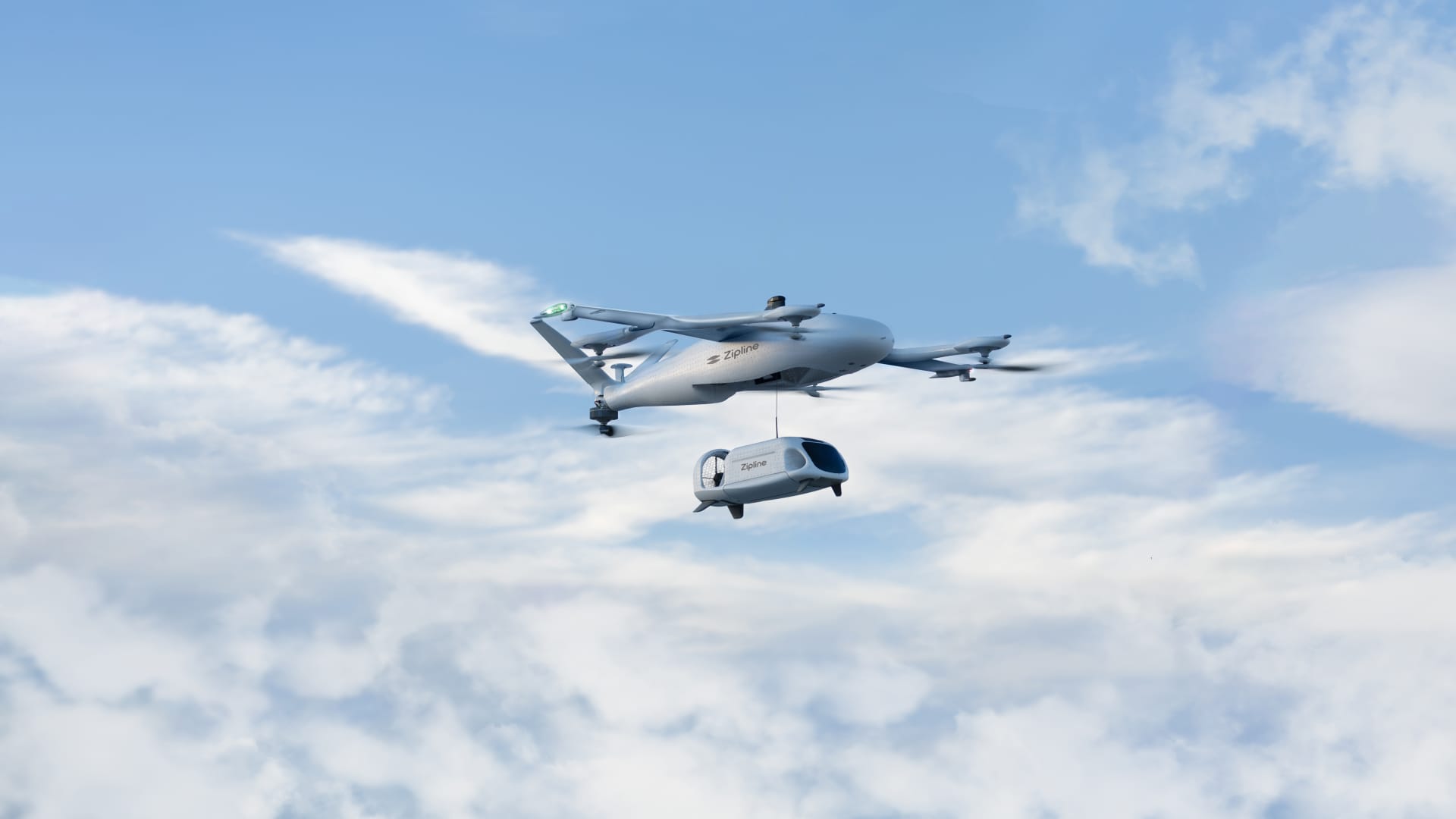
Zipline Expands Drone Delivery Operations with New Executives from Tesla, Uber, and Waymo
Zipline is enhancing its drone delivery services in the U.S. by hiring former executives from Tesla, Uber, and Waymo to support its expansion. The company has achieved over 2.5 million commercial deliveries and is currently making one delivery every 20 seconds. With a factory capable of producing 24,000 drones annually, Zipline anticipates a 15-fold growth in its U.S. operations this year. This strategic hiring is significant as it positions Zipline to scale its services in both domestic and international markets, moving beyond its initial focus on medical deliveries in Africa. The addition of experienced leaders from major tech companies is expected to streamline operations and enhance Zipline's competitive edge against rivals like Alphabet's Wing. Looking ahead, Zipline plans to launch operations in Austin, Houston, and Cleveland, with expectations of entering many more U.S. metros and new international markets by 2027. The company's innovative approach aims to revolutionize delivery logistics, making it as seamless as possible for customers.
Uber Expands Beyond Ride-Hailing with Hotels, Boat Rentals, and Financial Services
Uber has been diversifying its offerings beyond ride-hailing and delivery, introducing hotel bookings through a partnership with Expedia, concierge features, and boat rentals in Europe. This shift aims to enhance the travel experience for users, who often require rides and food during their trips. Uber's Chief Product Officer, Sachin Kansal, emphasized that travel is a crucial addition to their services, complementing rides and food delivery. The expansion into travel and financial services is significant as Uber seeks to strengthen its market position and relationships with autonomous vehicle partners. The company is developing a new business unit, AV Labs, focused on gathering driving data through sensor-equipped vehicles, which could provide leverage against competitors like Waymo. This strategy reflects Uber's ambition to evolve into a comprehensive platform while maintaining a selective approach to its offerings. Looking ahead, Uber's approach to integrating new services will be crucial. The company is exploring partnerships for financial services and may consider deeper integrations based on user traction. No further timeline was disclosed at the time of publication.
TC Transportation AI Uber Sachin Kansal
Uber's Opposition to D.C. Robotaxi Bill Pits It Against Waymo's Support
A proposed bill in Washington, D.C. aims to permit autonomous vehicles, becoming a focal point for Uber's robotaxi strategy. Uber opposes the bill, claiming it would favor Waymo and threaten human drivers' jobs. The company advocates for a hybrid model that integrates human drivers with robotaxis, emphasizing consumer choice. This legislative effort is significant as it reflects broader tensions in the autonomous vehicle sector. Uber's stance highlights concerns about congestion and the need for human assistance in transportation, while Waymo argues that the bill promotes safe autonomous vehicle deployment and equitable access to transit. The bill, introduced by Councilmember Charles Allen, seeks to amend the Autonomous Vehicle Act of 2012, allowing for commercial driverless operations. The outcome of this legislation could shape the future of robotaxi operations in D.C. and influence similar discussions nationwide. No further timeline was disclosed at the time of publication.
Government & Policy Transportation Exclusive robotaxis Uber Waymo
ABB Robotics Introduces E-Device for Multi-Device Robot Control
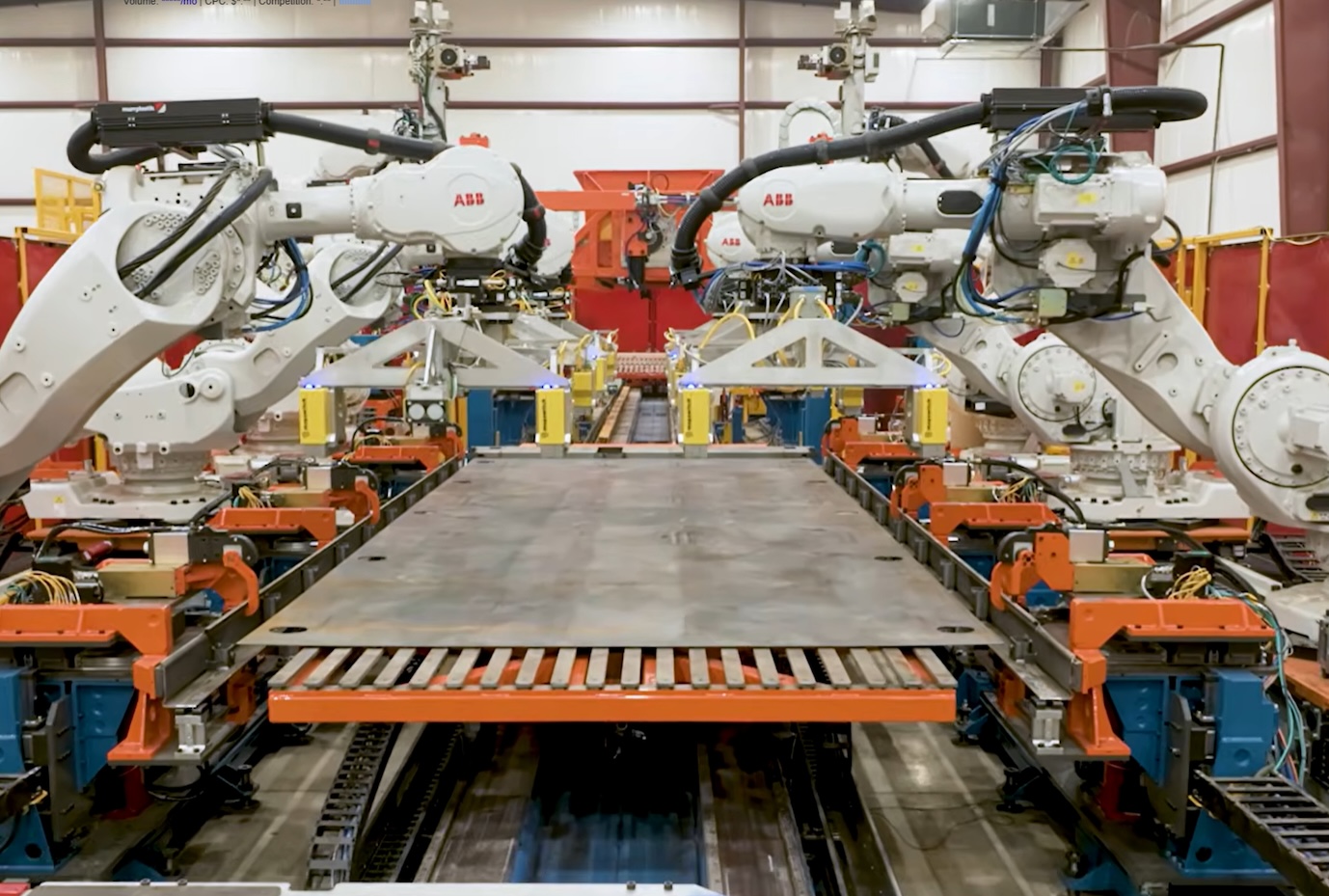
ABB Robotics has expanded its offerings for programming and operating robots with the introduction of the E-Device. This new tool allows users to control robots through various devices, enhancing flexibility and usability in robotic applications. The introduction of the E-Device is significant as it addresses the growing need for adaptable and user-friendly solutions in robotics. By enabling control from multiple devices, ABB Robotics aims to streamline operations and improve the efficiency of robotic systems in various industrial settings. Looking ahead, industry professionals should monitor how the E-Device impacts robot programming and operation. No further timeline was disclosed at the time of publication.
Allgemein Robotersteuerung & Digital Twin Robotik
Serve Robotics Enhances DoorDash Partnership and Teams Up with Grubhub in Two Cities
Serve Robotics Inc. has announced a new partnership with Grubhub while expanding its existing collaboration with DoorDash Inc. to two additional cities in the United States. This development comes after a recent fallout with former investor Uber Technologies Inc. The expansion of Serve Robotics' partnership with DoorDash is significant as it indicates the company's growth strategy in the food delivery sector. By entering two more cities, Serve Robotics aims to enhance its service offerings and increase its market presence in the competitive landscape of food delivery. Looking ahead, it will be important to monitor how this new partnership with Grubhub evolves and the impact of the expanded DoorDash collaboration on Serve Robotics' operational capabilities. No further timeline was disclosed at the time of publication.
SpaceX Reports Significant AI Investments and Ambitious Revenue Goals Amid Industry Developments
SpaceX has announced its first earnings report, revealing substantial investments in artificial intelligence and a bold prediction from Elon Musk for a $100 billion annual revenue run rate by the end of the year. Additionally, the company is planning an ambitious expansion of its Starlink service. This financial disclosure is significant as it highlights SpaceX's commitment to integrating AI into its operations, which could enhance its competitive edge in the aerospace sector. The ambitious revenue target set by Musk underscores the company's growth trajectory and its potential impact on the industry. In related news, Uber's CEO Dara Khosrowshahi discussed the company's earnings and its ongoing robotaxi initiatives, while Zoox CEO Aicha Evans announced a key milestone with the commencement of paid rides in Las Vegas. No further timeline was disclosed at the time of publication.

Uber's Autonomous Strategy May Outperform Tesla's Robotaxi Plans Long Term
Tesla has begun manufacturing its Cybercab autonomous robotaxi but faces significant challenges, including a lack of regulatory approval for its full self-driving software in the U.S. and competition from established players like Waymo, which is completing over 500,000 paid autonomous trips weekly. Uber Technologies, however, is leveraging its position as the world's largest ride-hailing platform by partnering with around 30 autonomous vehicle companies. This strategy allows Uber to offer a diverse range of autonomous rides without the high costs associated with manufacturing its own vehicles, potentially leading to greater financial benefits compared to Tesla's approach. As of March 31, Uber has introduced self-driving cars in eight U.S. cities, with plans to expand to 15 by the end of 2026. CEO Dara Khosrowshahi anticipates that the autonomous vehicle market will represent a multitrillion-dollar opportunity, making Uber's current stock valuation attractive compared to Tesla's, especially given Uber's lower price-to-sales ratio of 2.7 versus Tesla's higher valuation.

Travis Kalanick's ATOMS Secures $1.7 Billion to Develop Advanced Robotics Solutions
ATOMS, a robotics startup founded by Travis Kalanick, has successfully raised $1.7 billion in equity investment. This funding aims to support the development of robots designed to enhance productivity across various industries, including food infrastructure and mining operations. The significance of this investment lies in Kalanick's vision to create robots that provide value to their owners and society. ATOMS plans to serve as an OEM, focusing on 'atoms-based' computing solutions tailored for industrial applications. Notably, Uber, Kalanick's former company, participated in this funding round, marking a reconnection with its co-founder. Looking ahead, ATOMS intends to innovate in the field of physical automation, with plans to develop specialized robots capable of performing significant tasks. Kalanick has emphasized the need for customized solutions in industrial settings, suggesting that while humanoid robots may excel in domestic environments, specialized robots will be essential for high-demand operations like large-scale food production. No further timeline was disclosed at the time of publication.
Artificial Intelligence Artificial Intelligence / Cognition Design / Development Financial Food / Beverage Investments
Uber and Waymo Clash Over Robotaxi Regulations in Washington, D.C.
Uber and Waymo are currently in opposition regarding a proposed bill in Washington, D.C. that would allow autonomous vehicles to operate. Uber argues that the bill would displace human drivers and grant Waymo a monopoly, advocating instead for a hybrid model that includes human drivers alongside robotaxis. However, insiders suggest that this hybrid approach is unlikely to be enacted. The implications of this regulatory battle are significant for the autonomous vehicle industry. While Waymo supports the bill, other industry players like Tesla have raised concerns about stringent testing requirements and high fees associated with the legislation. Waymo's existing testing in D.C. gives it a potential competitive advantage if the bill passes in its current form. As the D.C. Council prepares for further discussions, stakeholders from various sectors, including disability rights advocates and labor unions, are weighing in. The outcome of this legislative process will be crucial for the future deployment of autonomous vehicles in urban environments. No further timeline was disclosed at the time of publication.
Transportation Waymo techcrunch mobility
Dynamic Pricing Could Enhance Profitability for Air Taxis, Researchers Suggest
Research presented at the Korea Drone and UAM Expo indicates that dynamic pricing could make airport air taxis economically viable. The study, led by Mark Hansen from the University of California, Berkeley, highlights that airport transportation may be a strong commercial opportunity for electric vertical takeoff and landing (eVTOL) aircraft, particularly for routes to Los Angeles International Airport (LAX). The findings suggest that air travel can significantly reduce delays caused by road congestion, appealing to travelers who prioritize time savings. The researchers modeled a network of eight regional vertiports within 30 miles of LAX, estimating passenger demand based on current taxi and rideshare usage. They concluded that while ground travel times vary, UAM flight times remain consistent, offering substantial time savings during peak traffic. A key recommendation from the research is the implementation of variable pricing, akin to surge pricing in rideshare services. This approach could maximize revenue by aligning prices with the time savings perceived by travelers. The study points to Anaheim, California, as a potential market where dynamic pricing could support profitable operations that a fixed pricing model might not sustain.
Advanced Air Mobility Air Taxi Drone News Drone News Feeds Drones in the News News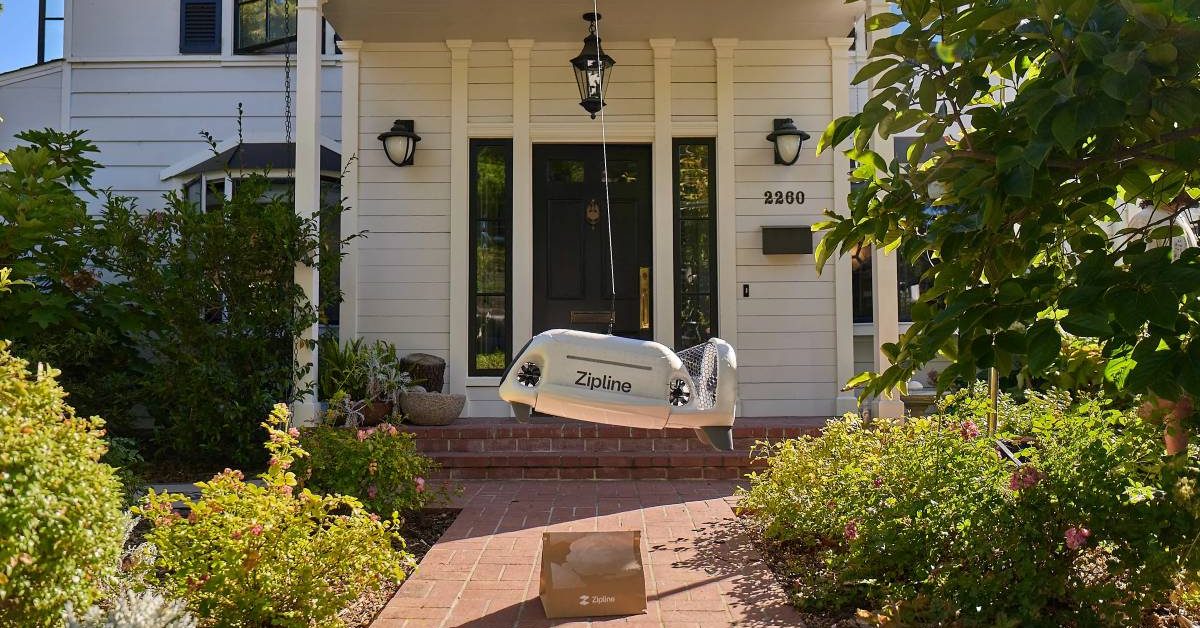
Zipline Expands Drone Delivery Services with New Leadership in Austin and Cleveland
Zipline is intensifying its drone delivery efforts in the U.S. by launching services in Austin and Cleveland, supported by new executives from Tesla, Waymo, and Uber. This strategic move comes as demand for Zipline's delivery platform surges, with a 13-fold increase in businesses utilizing the app in the first half of 2026. The significance of this expansion lies in Zipline's milestone of over 2.5 million commercial deliveries globally, with 70% of flights occurring in the U.S. The upcoming launch of a home prescription delivery service in partnership with Cleveland Clinic marks a pivotal moment for healthcare logistics, with plans to broaden the service to include lab samples and medical supplies. Looking ahead, Zipline's entry into Austin will allow customers to order food and retail products with rapid delivery times. The company is experiencing swift growth, with notable partnerships from national chains like Chipotle and Little Caesars. No further timeline was disclosed at the time of publication.
News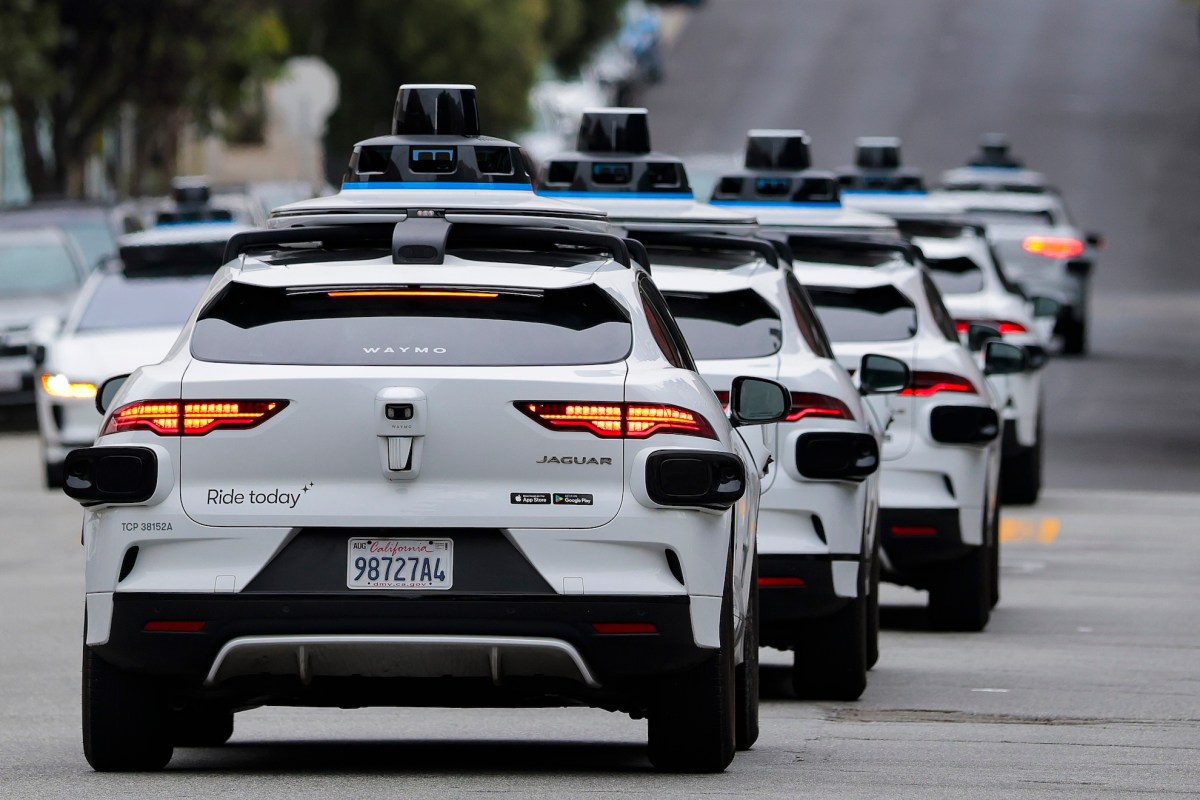
Uber and Waymo Face Tensions as Robotaxi Partnerships Shift in Major Cities
The recent end of the Uber-Waymo partnership in Phoenix marks a significant shift in the robotaxi landscape, with both companies still maintaining services in Atlanta and Austin. The future of these agreements remains uncertain, as tensions rise between Uber executives and Waymo, suggesting potential conflicts in policy and market access as partnerships dissolve. This development is crucial as the National Highway Traffic Safety Administration (NHTSA) has issued a directive emphasizing the need for autonomous vehicles to effectively respond to emergency situations. Waymo, which operates the largest robotaxi fleet in the U.S., has faced scrutiny for its interactions with first responders, raising concerns about operational safety and regulatory compliance. Looking ahead, the NHTSA has called for solutions from AV developers by the end of the month, indicating a potential shift in regulatory oversight. Additionally, Rivian's recent capital raise of $1.32 billion and the introduction of its R2 SUV could signal a competitive shift in the EV market, as the company aims to deliver between 65,000 and 70,000 vehicles by 2026.
Transportation Elon Musk Uber Waymo Rivian robotaxi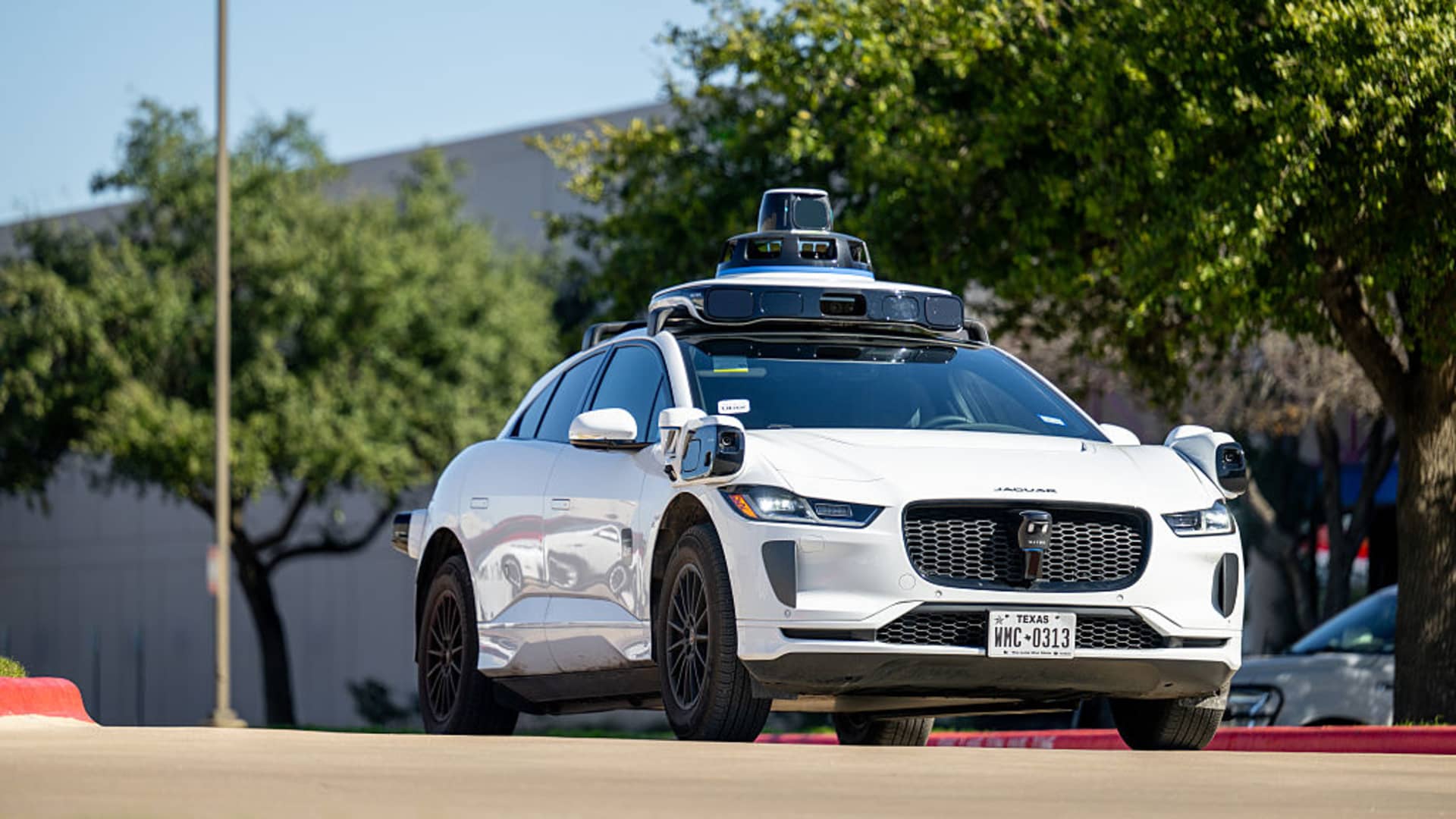
Waymo and Uber end robotaxi pilot in Phoenix
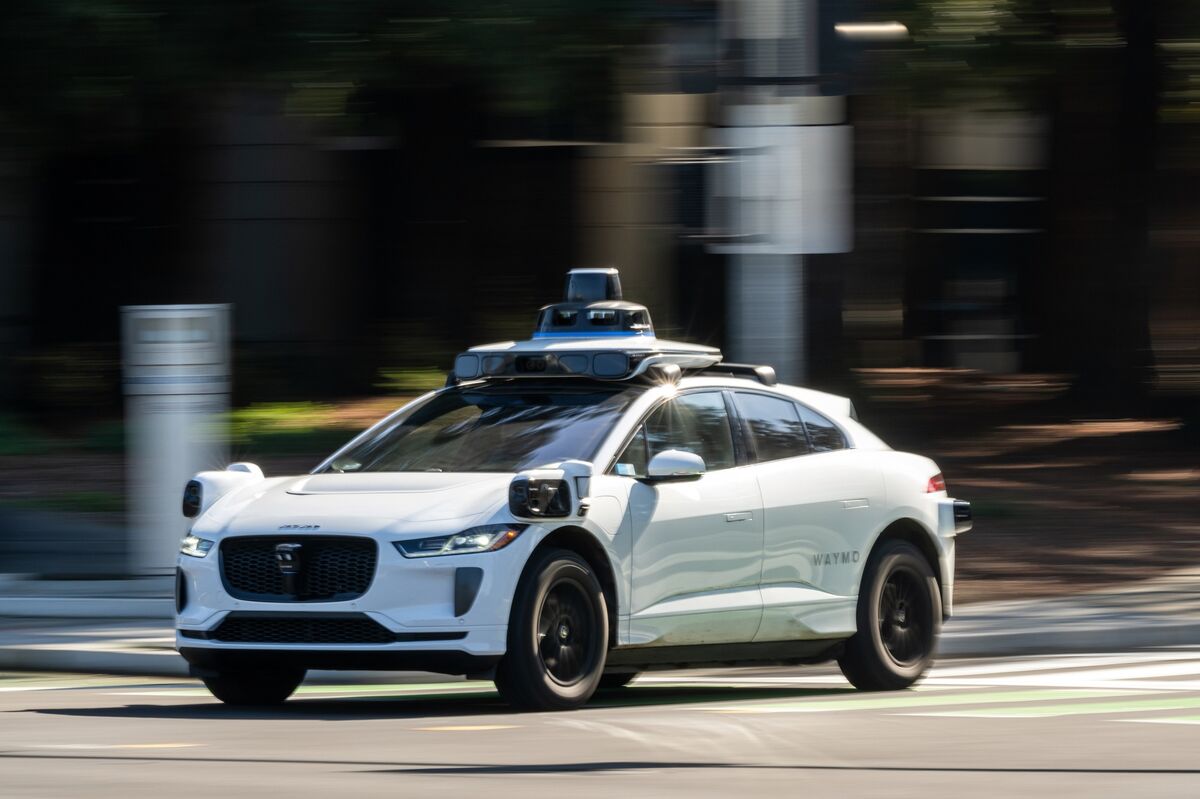
Waymo's self-driving cars, previously utilized in a pilot program with Uber in Phoenix, will continue their operations by providing autonomous delivery services in partnership with DoorDash. This initiative marks a significant step in the expansion of autonomous vehicle technology, as it aims to enhance delivery efficiency and convenience for consumers. The deployment of these vehicles is part of Waymo's ongoing efforts to integrate self-driving technology into everyday services, reflecting a growing trend in the logistics and transportation sectors. The collaboration with DoorDash is expected to streamline the delivery process, allowing for quicker and more reliable service in the Phoenix area.
Uber and Waymo Have Ended Their Robotaxi Tie-Up in Phoenix; Uber to Announce New Partner
Uber Technologies Inc. has officially ended its robotaxi partnership with Alphabet Inc.’s Waymo in Phoenix. This decision marks a significant shift in the evolving relationship between the two companies, which have been both collaborators and rivals in the autonomous vehicle sector. The termination of the robotaxi service reflects the challenges and complexities faced in the competitive landscape of self-driving technology. As both firms continue to navigate their dual roles in the market, the future of their collaboration remains uncertain.
NYS:UBER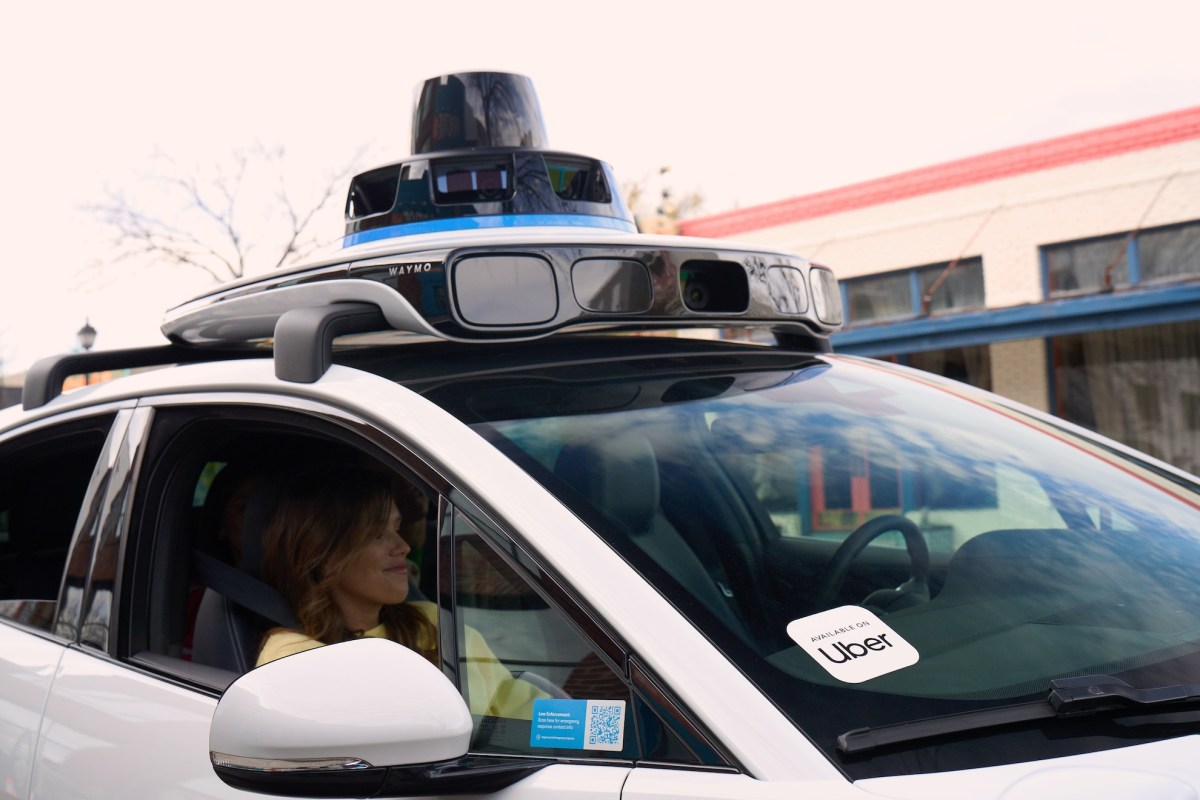
Waymo and Uber quietly part ways in Phoenix
In a surprising turn of events, two companies have announced the conclusion of their partnership in Phoenix, which lasted nearly three years. The decision to end the collaboration was confirmed to TechCrunch, although specific reasons for the dissolution have not been disclosed. This partnership, which had garnered attention for its unique approach, has now come to a close, leaving industry observers curious about the implications for both companies moving forward.
Transportation autonomous vehicles avs Exclusive phoenix robotaxis
London’s First Uber (UBER) Robotaxis Expected in Months, Reuters Reports
Uber Technologies, Inc. is set to introduce its first robotaxis in London within the next few months, pending regulatory approval. This initiative, reported by Reuters, will allow users to sign up for rides in autonomous vehicles equipped with AI technology developed by British startup Wayve. Initially, these robotaxis will have trained operators behind the wheel to oversee operations, marking a significant milestone as the first opportunity for the public to hail an autonomous vehicle in the UK, according to Wayve's VP of commercial and operations, Kaity Fischer. In a related development, Uber has also partnered with Israel-based Autobrains to launch a robotaxi program in Munich, utilizing Nvidia's Drive Hyperion platform. This collaboration aims to enhance autonomous ride-hailing services across Europe by integrating Uber's mobility network with Autobrains' advanced AI driving system. As Uber continues to innovate in the transportation sector, it remains focused on providing reliable, efficient, and affordable mobility solutions through the introduction of autonomous vehicles.

Uber Technologies, Inc. (UBER): One of the Best Falling Stocks to Invest In Amid Robotaxi Service Growth Prospects
Uber Technologies, Inc. is gaining attention as a promising investment opportunity amid its declining stock prices, according to analysts. On June 17, 2026, the company, in partnership with Lucid, announced plans to expand its autonomous ride-hailing service to Houston, marking it as the second market for this initiative. The robotaxi service is expected to launch in mid-2027, following the establishment of a base in the San Francisco Bay area, where a commercial launch is anticipated later this year. Currently, autonomous vehicle testing is already taking place in Houston, supported by Uber's extensive engineering fleet of 100 vehicles operating across California and Texas. To facilitate operations, Uber has secured a 50,000-square-foot facility in Houston for charging, maintenance, and repairs. This announcement coincides with Lucid's recent acquisition of $750 million in funding, which includes a significant investment from Saudi Arabia’s Public Investment Fund and additional backing from an Uber subsidiary. As Uber continues to innovate in the ride-hailing sector, analysts suggest that while the company shows potential, other AI stocks may offer greater upside with lower risk.
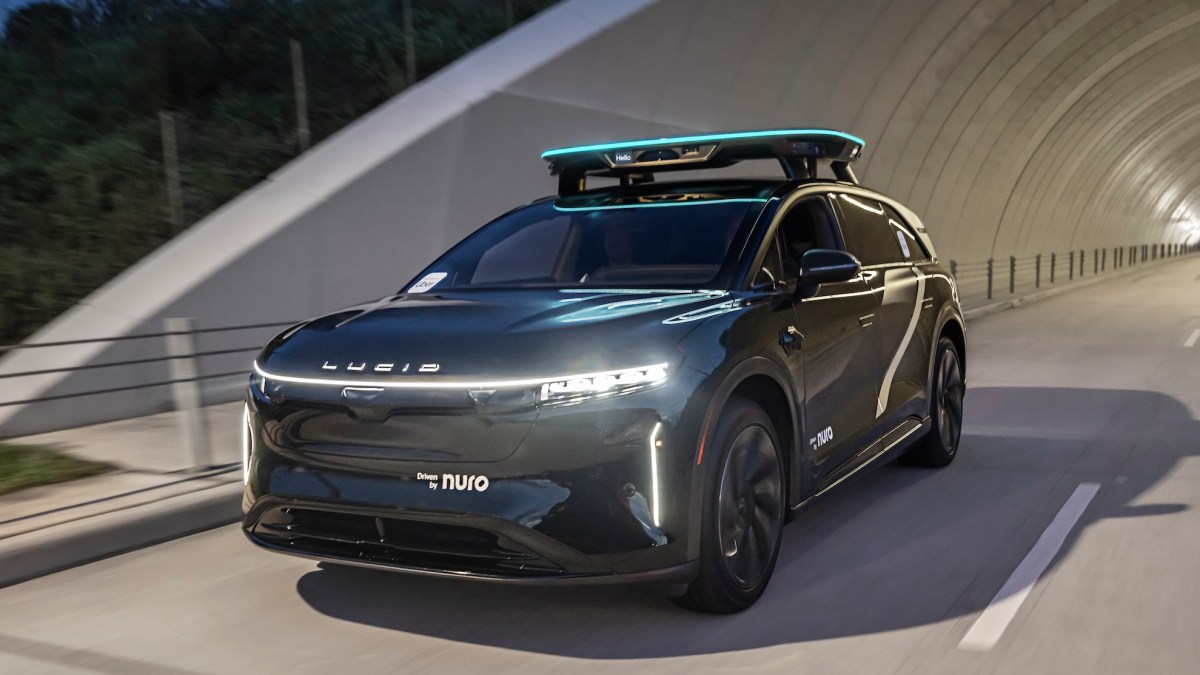
Uber will bring its premium robotaxi service to Houston in 2027
Uber is set to launch its second robotaxi service, featuring Lucid electric vehicles (EVs) equipped with a self-driving system developed by Nuro. This innovative service aims to enhance urban mobility by providing a reliable and efficient transportation option. The rollout is expected to take place in the coming months, following the success of the initial launch in another market. The collaboration between Uber and Nuro underscores a growing trend in the transportation sector towards autonomous vehicles, driven by the need for safer and more sustainable travel solutions. By integrating advanced technology into their fleet, Uber aims to meet increasing consumer demand for convenient and eco-friendly transport options.
Transportation lucid Uber nuro
Uber, Wayve and Waymo are headed towards a robotaxi showdown in London
Uber has announced a new initiative for its customers in the UK, allowing them to join an interest list aimed at enhancing their chances of being matched with a Wayve robotaxi. This development comes as part of Uber's ongoing efforts to integrate autonomous vehicle technology into its ride-hailing services. The interest list is designed to gauge customer interest and facilitate a smoother transition to the use of robotaxis in urban transportation. By signing up, users will potentially be among the first to experience this innovative service, which is expected to revolutionize the way people travel. The initiative reflects Uber's commitment to advancing mobility solutions and adapting to the evolving landscape of transportation technology.
Transportation London Uber autonomous vehicles Waymo wayveRobotics needs a service framework.
RSF defines a common language for robot service capability, lifecycle operations, certification pathways, and service-provider networks.
Join the RobotToday community on LinkedIn
Daily robotics news, in-depth analysis, conference highlights, and discussions with professionals worldwide.







