

Industry Briefing
A single destination for timely, editor-curated robotics news from around the world.
Taiwan Collaborates with U.S. Startup Vatn Systems on 200 nm Submarine Drone Technology
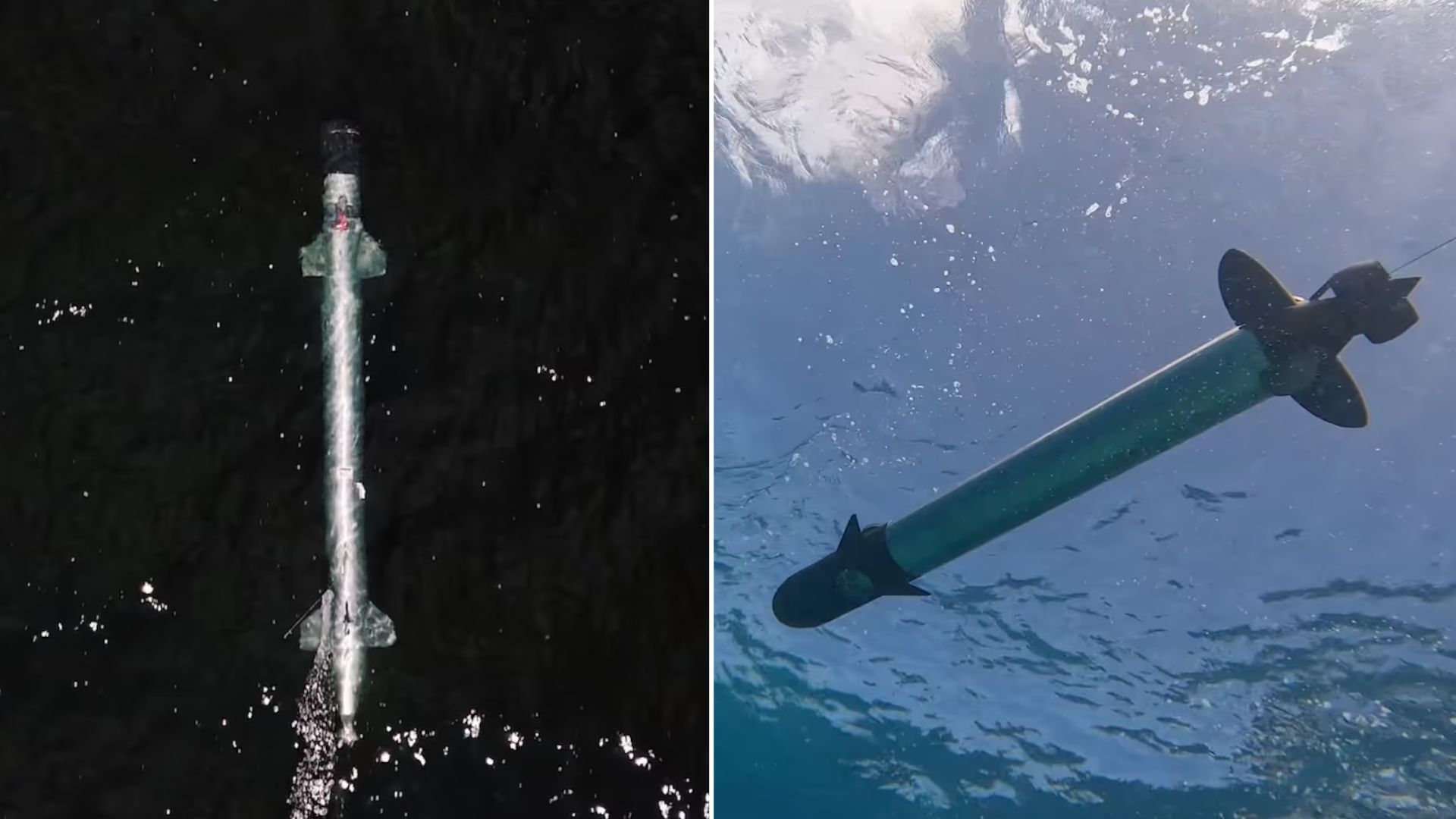
Taiwan has entered into a partnership with U.S. defense startup Vatn Systems to develop autonomous underwater vehicles (AUVs) aimed at enhancing maritime surveillance and defense capabilities. The agreement, signed with the National Chung-Shan Institute of Science and Technology (NCSIST), focuses on AI-enabled command-and-control systems and establishing a local supply chain for AUV technology. This collaboration is significant as it combines Vatn's expertise in undersea autonomy with Taiwan's industrial capabilities, allowing for the development of affordable AUVs like the Skelmir S12. These vehicles can perform various missions, from seabed mapping to mine countermeasures, without the risks associated with manned vessels, thus expanding Taiwan's underwater capabilities. Looking ahead, the partnership not only aims to enhance Taiwan's defense but also supports dual-use applications in critical infrastructure inspection and offshore industries. The initiative is part of a broader strategy by NCSIST to develop indigenous underwater technology while collaborating with foreign firms, including ongoing efforts with Anduril Industries and the Huilong program for local AUV development.
Military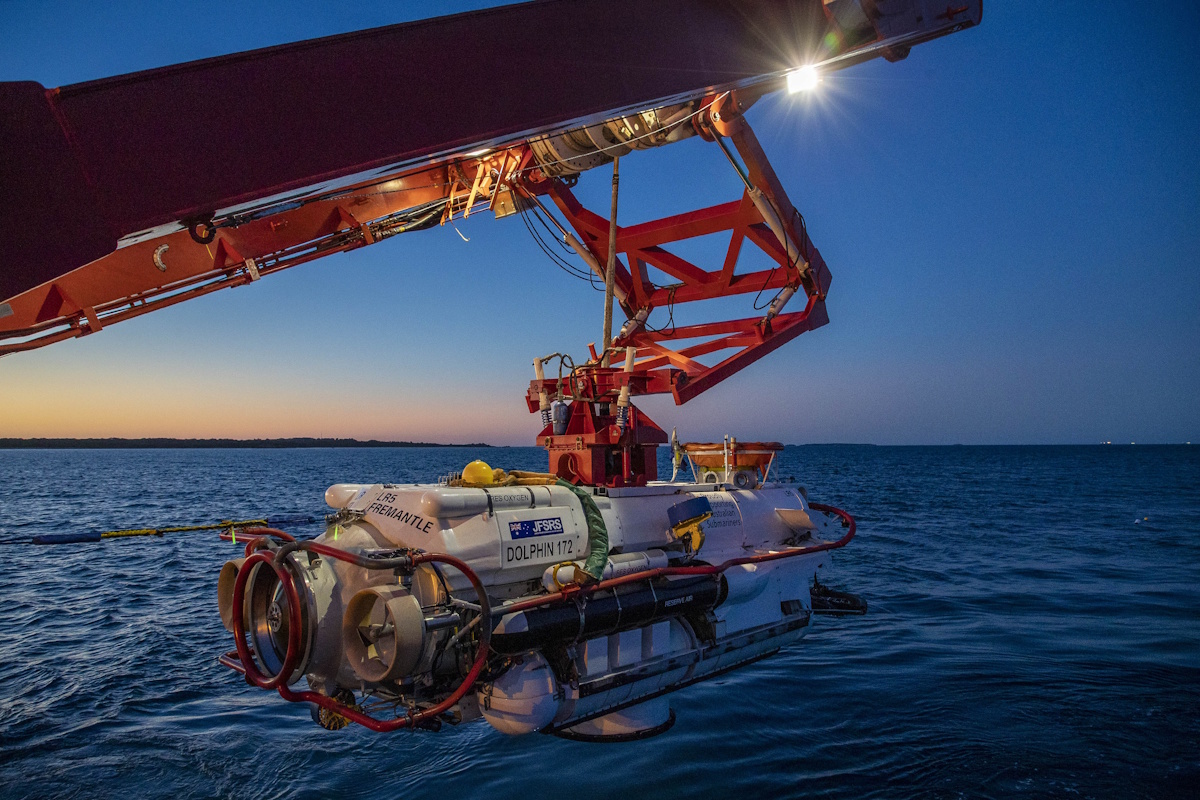
Australia’s Submarine Rescue System in Safe Hands as JFD Australia Locks in Contract Extension
JFD Australia has secured a four-year extension of its contract with the Department of Defence, ensuring the continued provision of submarine rescue systems to the Royal Australian Navy (RAN). This partnership, which has been in place since 2009, underscores the importance of maintaining a critical sovereign capability for the RAN. The extension reflects the government's commitment to enhancing maritime safety and operational readiness, allowing JFD to further support the Navy's mission through advanced rescue technologies and training.
australia submarine rescue system jfd australia contract extension
Ultra Maritime Showcases New Underwater Surveillance System at U.S. Navy's 2026 Exercise
Ultra Maritime demonstrated a new underwater surveillance system during the U.S. Navy’s 2026 Lanternfish exercise. The system integrates the Sea Spear passive sonar with the SSQ-125B active sonobuoy to enhance detection capabilities for unmanned underwater vehicles (UUVs). This combination allows for continuous monitoring and precise localization of underwater threats. The significance of this demonstration lies in its potential to improve naval operations against UUVs and submarines. By utilizing both passive and active sonar technologies, Ultra Maritime aims to provide naval forces with a comprehensive understanding of underwater activity across extensive maritime areas. The Sea Spear's passive capabilities enable persistent surveillance, while the SSQ-125B enhances target localization. Looking ahead, Ultra Maritime's system is part of the broader “Ocean of Things” initiative, which envisions a network of underwater sensors deployed from various platforms. This approach could revolutionize maritime security by enabling long-term monitoring of critical areas such as ports and busy sea routes. No further timeline was disclosed at the time of publication.
Military
Researchers develop navigation system for underground rescue teams
Rescue operations in underground environments, such as stations, tunnels, or mines, present significant challenges for emergency teams, particularly when technical infrastructure has been compromised by explosions or fires. The absence of mobile phone signals, electricity, and Wi-Fi, coupled with smoke, debris, and obstructed pathways, complicates navigation and increases the risk to rescuers. These conditions necessitate specialized training and preparedness to effectively manage the dangers inherent in such environments. As of October 2023, ongoing efforts are being made to enhance the safety and efficiency of rescue operations in these high-risk scenarios.
Robotics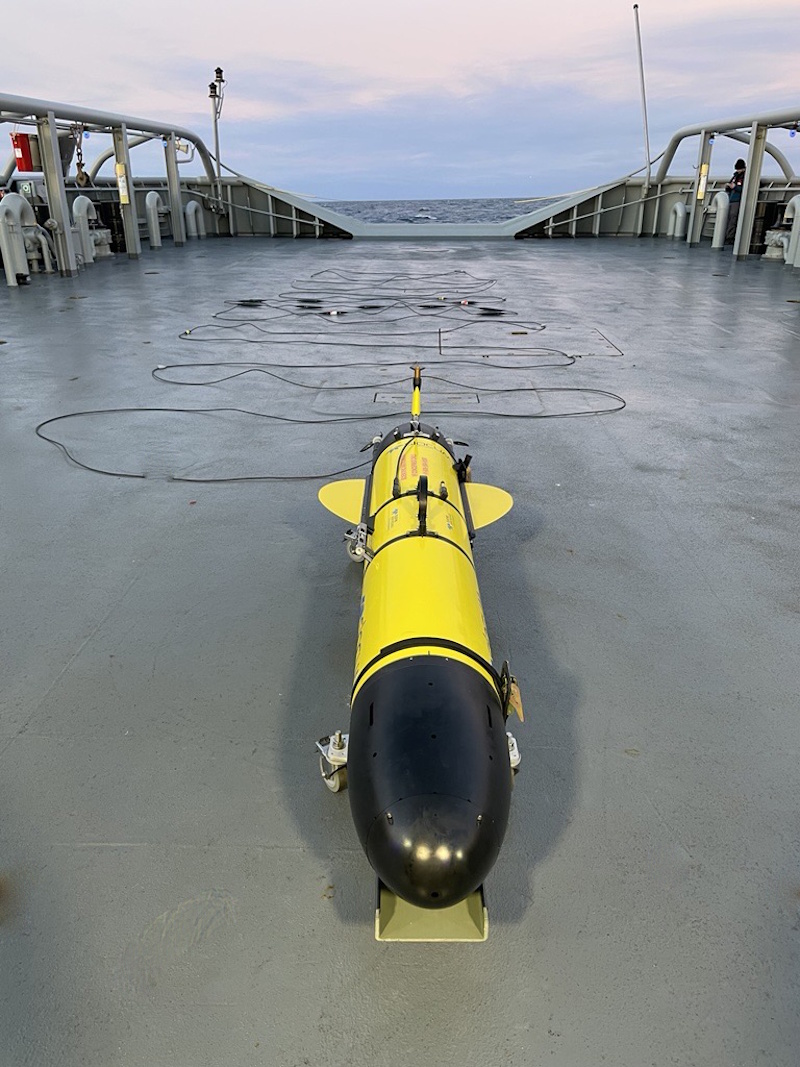
Teledyne Demonstrates Autonomous System for Anti-Submarine Warfare to NATO Members in the North Atlantic
Teledyne Technologies Incorporated recently showcased its advanced capabilities in Anti-Submarine Warfare (ASW) through a demonstration conducted in Icelandic waters from January 17 to January 22. The event featured the deployment of several state-of-the-art autonomous underwater vehicles, including the Slocum Sentinel Glider, equipped with a 60-meter-long passive acoustic towed array, and the Slocum G3 Glider, which integrates Teledyne Benthos acoustic communications technology. Additionally, two Advanced Profiling Explorer (APEX) floats were utilized, each fitted with ambient noise Passive Acoustic Monitoring systems. This demonstration highlights Teledyne's commitment to enhancing maritime security and underwater surveillance capabilities in response to evolving defense needs.
teledyne demo autonomous system anti-submarine warfare (asw) nato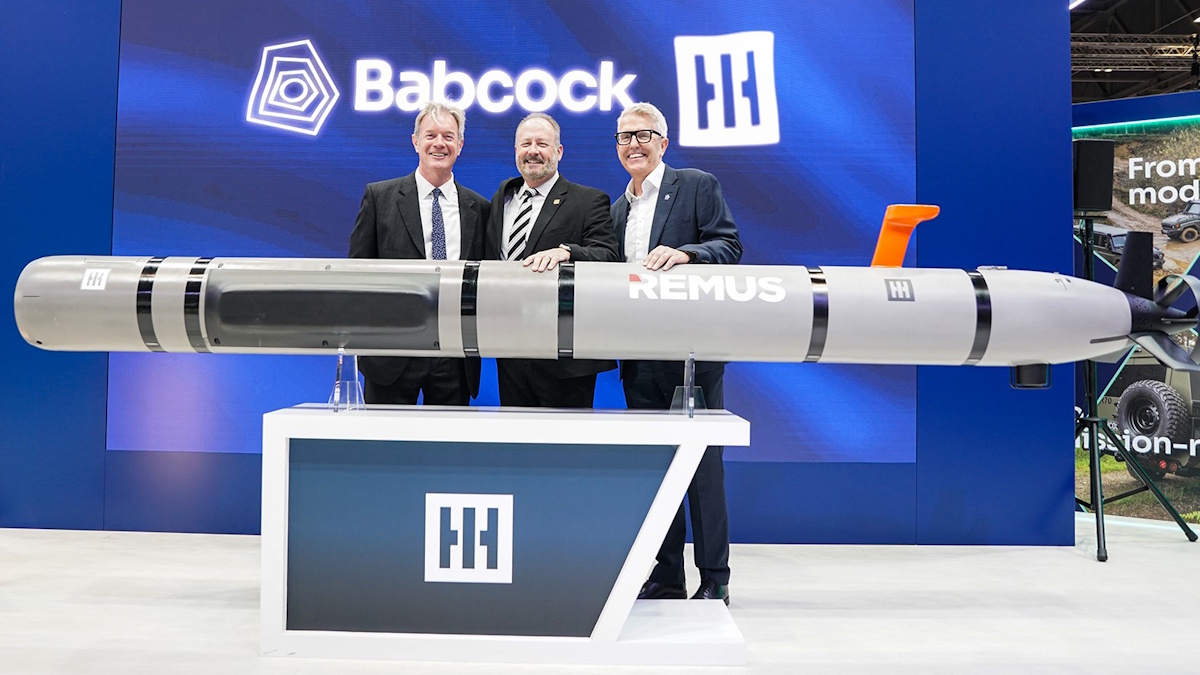
HII and Babcock Join Forces to Integrate Unmanned Underwater Vehicles with Submarine Weapon Handling and Launch Systems
Babcock International Group and HII have entered into a memorandum of understanding to integrate HII’s REMUS unmanned underwater vehicles with Babcock’s advanced submarine Weapon Handling and Launch Systems. This collaboration aims to enhance the autonomous launch and recovery capabilities of UUVs through submarine torpedo tubes, thereby bolstering the undersea operational advantages of allied navies. This initiative marks the inaugural program of its kind within Babcock's Mission Systems division, reflecting a significant step forward in military maritime technology.
hii babcock unmanned underwater vehicles submarine weapon handling and launch systems dsei 2025Robotics needs a service framework.
RSF defines a common language for robot service capability, lifecycle operations, certification pathways, and service-provider networks.
Join the RobotToday community on LinkedIn
Daily robotics news, in-depth analysis, conference highlights, and discussions with professionals worldwide.







